


Bo Bo
Articles by this author on 42HOW Auto, including co-authored stories.
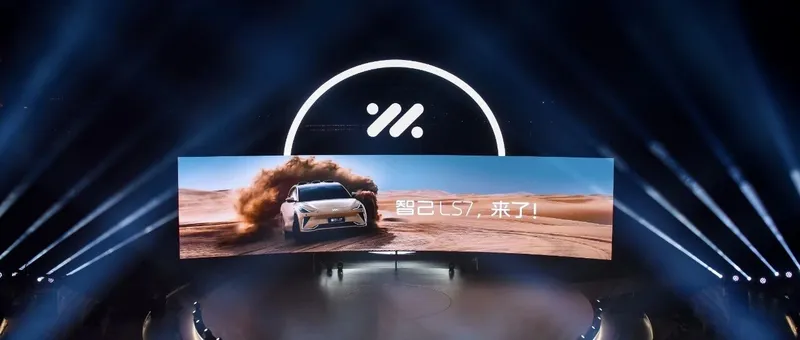
Zhiji Enters the Red Ocean Market: What Are Its Capabilities?
Zhiji has unveiled the LS7, a five-seat battery electric SUV priced from RMB 309,800, featuring Williams-engineered chassis tuning and a distinctive cabin layout with zero-gravity seats and a semi-rim steering wheel.
NIO ET7 Tops Chinese EVs in Euro NCAP Safety Scores with Standard Far-Side Airbag
The NIO ET7 achieved the highest comprehensive safety rating among Chinese battery electric vehicles tested by E-NCAP, scoring 91% for adult occupant protection and 95% for assist systems. Its success is attributed to advanced structural design and standard far-side central airbags.
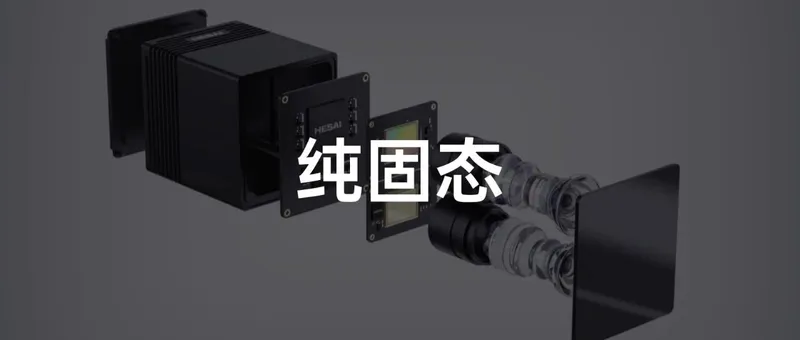
FT120: The Second Piece of Hesai's Mass-Production Automotive LiDAR Puzzle
Hesai has released the FT120, a chip-based solid-state laser radar designed for close-range blind-spot detection. The company reports that the new sensor has secured production nominations from multiple automakers totaling over 1 million units, with mass delivery scheduled for the second half of next year.
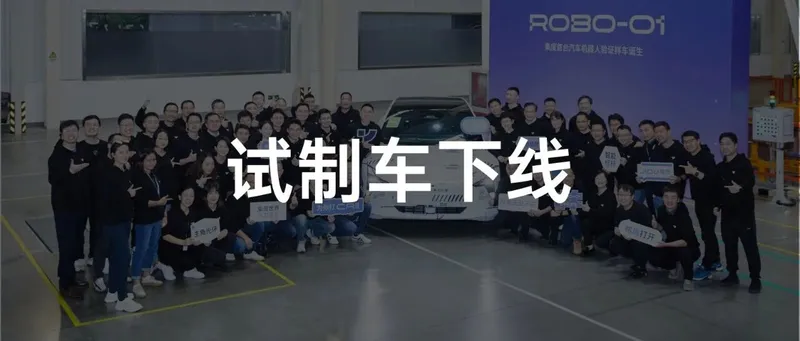
Jidu's 600 Days: From Prototype Rollout to Vehicle Manufacturing
Less than 600 days after its founding, Jidu has completed its first validation prototype at Geely’s facility and started high-level autonomous driving tests, leveraging Baidu’s Apollo technology and Qualcomm’s 8295 chip.

XPENG G9 Launches Starting at RMB 309,900 with Revised SKU; NVIDIA Unveils Thor Chip with 2,000 TOPS | E-Week Highlights
XPENG has launched the G9 electric SUV with a simplified trim structure and lower prices following customer feedback on its initial SKU complexity. Meanwhile, NVIDIA announced the Thor system-on-chip with 2,000 TOPS of compute power at its GTC conference.
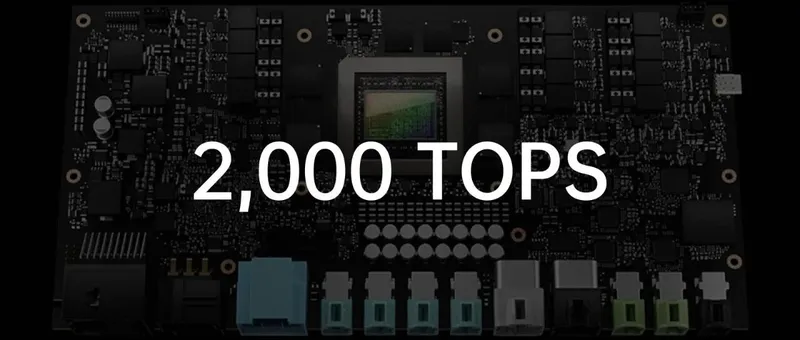
NVIDIA Unveils Thor SoC With 2,000 TOPS; Zeekr Confirmed as First Automaker to Deploy
NVIDIA has released its next-generation Thor system-on-chip, delivering 2,000 TOPS of compute power—nearly eight times that of the current Orin chip. Zeekr is confirmed as the first automaker to adopt the new silicon.

Is Farasis SPS the Optimal Solution for Soft-Pack Batteries?
At a product launch, Farasis Energy chairman Wang Yu introduced the SPS (Super Pouch Solution), a CTC-style soft-pack battery system claiming 75% volume utilization, 33% lower material costs, and charging rates up to 5C. The company also announced plans for 150 GWh of cumulative production capacity over the next four years.

1,000 Days After Establishment, Haomozhixing Discovers Major Challenges
At its sixth AI DAY, Haomozhixing CEO Gu Weihao detailed the company's progress in autonomous driving technology, highlighting the critical need for massive data collection, efficient supercomputing infrastructure, and robust perception systems to overcome current limitations in urban navigation.
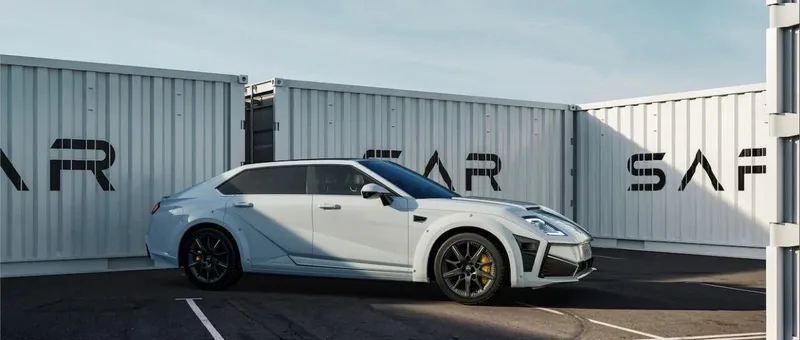
Shalong Jijialong: Can a Mecha-Style EV Find Success in a Niche Market?
Shalong CEO Wen Fei argues that dominating a 10% niche market is more valuable than capturing 10% of the mass market. The brand's first model, Jijialong, targets tech enthusiasts with its distinctive 'mecha' design and advanced sensor suite.
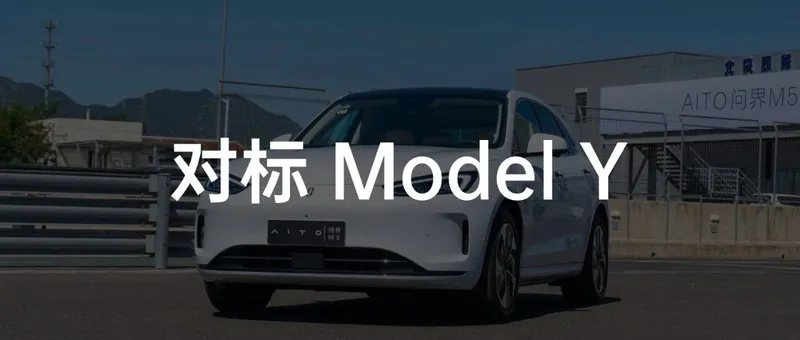
AITO M5 EV Launched in China: Cabin Focus and Pricing Target Tesla Model Y
Huawei and SERES have launched the AITO M5 EV in China, priced from RMB 288,600. The new battery electric vehicle emphasizes cabin comfort and smart features to compete with the Tesla Model Y, while relying on Bosch hardware for its driver assistance systems.
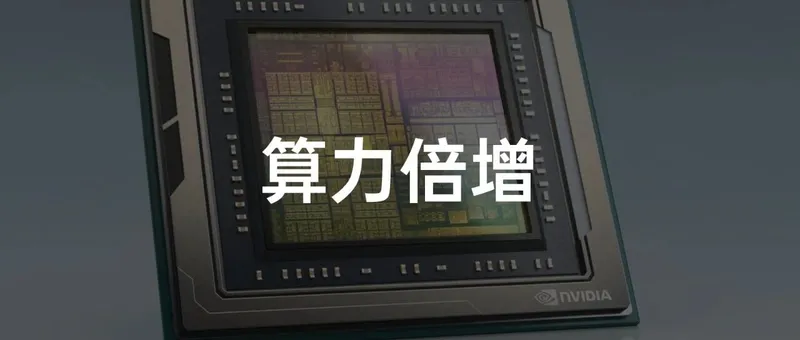
Chengdu Auto Show Reveals Shift to High-Compute Chips for Driver Assistance
At the Chengdu Auto Show, automakers showcased vehicles equipped with high-compute chips from NVIDIA, Huawei, and Qualcomm, signaling a move away from Mobileye's closed solutions toward open platforms that support advanced driver assistance features.
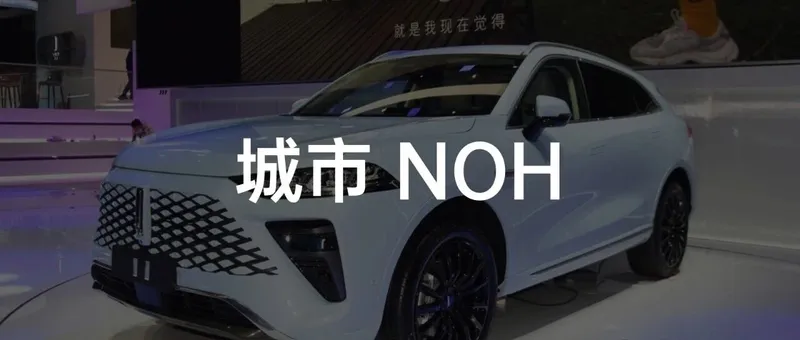
WEY Mocha to Be First Production Car With City Navigation Pilot NOH
At the Chengdu Auto Show, WEY Vice President Qiao Xinyu announced that the WEY Mocha will be the first production vehicle to feature city navigation pilot NOH. The system relies on a heavy-perception strategy using LiDAR and cameras rather than high-definition maps.