


AITO M5 EV Launched in China: Cabin Focus and Pricing Target Tesla Model Y
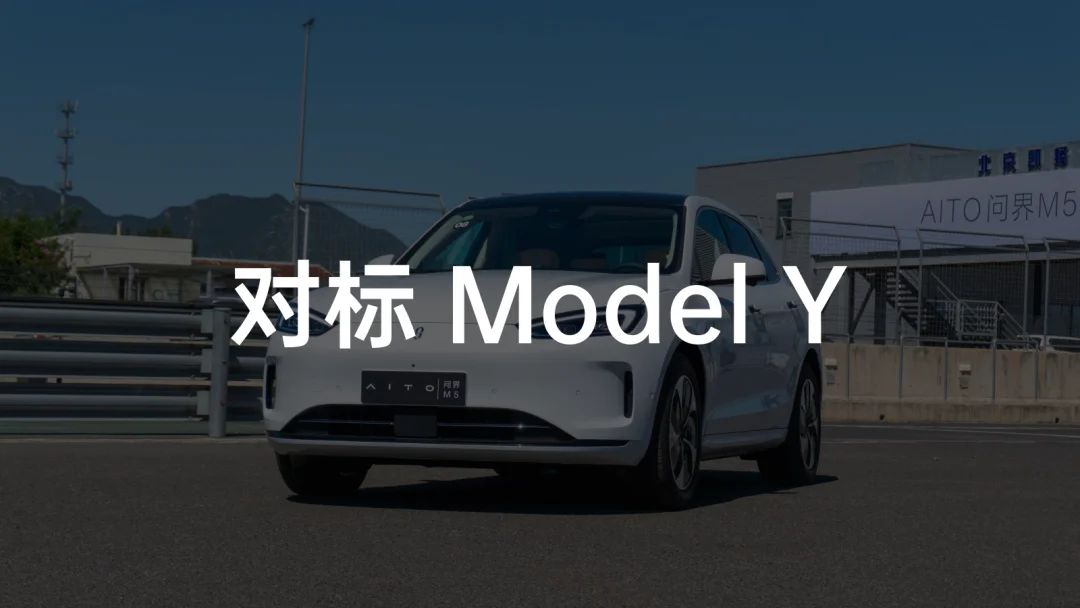
After much anticipation, the AITO M5 EV has finally arrived. It was launched at Huawei’s recent autumn press conference.
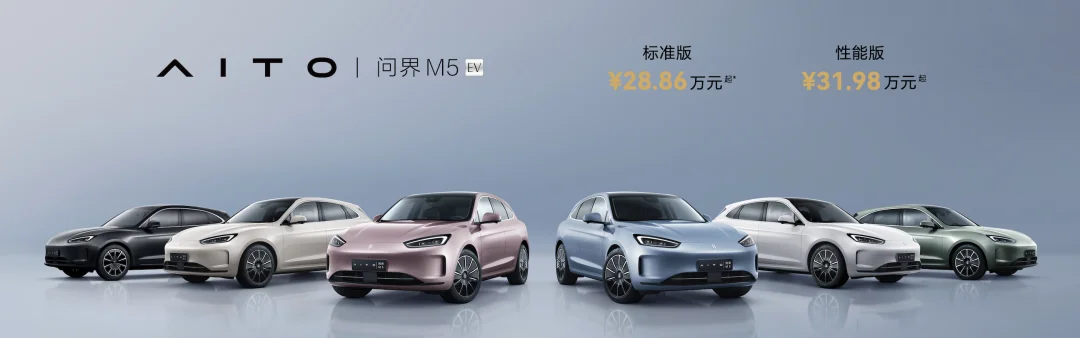
The AITO M5 EV is available in two trims: Standard and Performance, priced at RMB 288,600 and RMB 319,800, respectively.
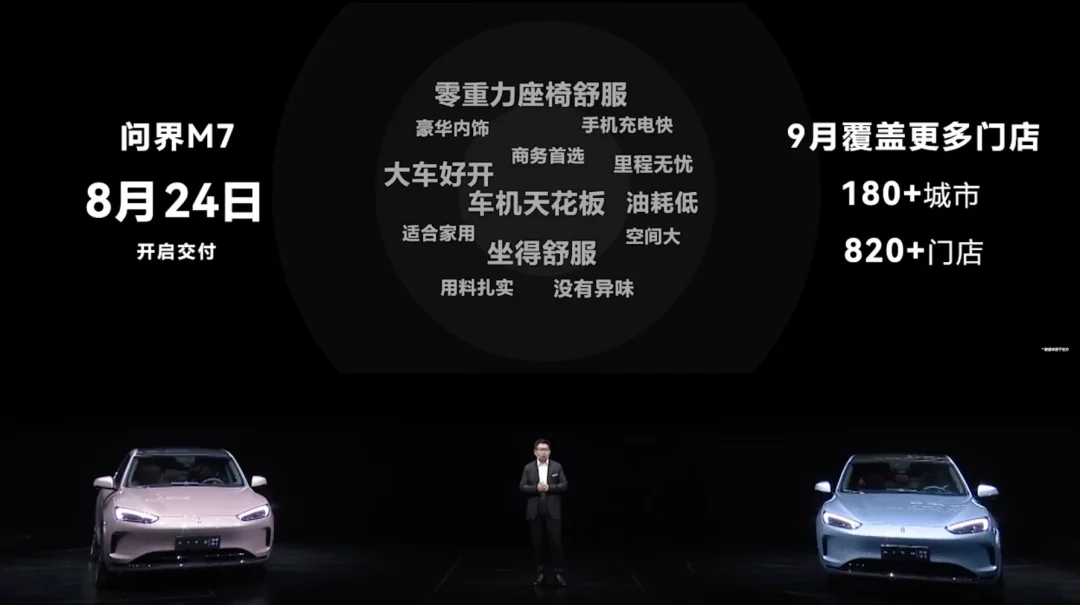
At the start of the event, Richard Yu leveraged the enthusiastic atmosphere to highlight the recently delivered AITO M7, announcing that by September, sales coverage would extend to more than 820 stores across over 180 cities.
Following this, the remainder of the presentation focused entirely on the M5 EV.
01Exterior Design Optimized
At the launch event, Richard Yu reiterated his previous self-congratulatory remarks, stating that the AITO M5 EV is the most visually appealing pure-electric SUV.
Is its design truly competitive? As aesthetics are subjective, we will present a series of real-world photos before detailing the M5 EV to see if it lives up to Richard Yu’s claim of being the "world's best-looking pure-electric SUV."
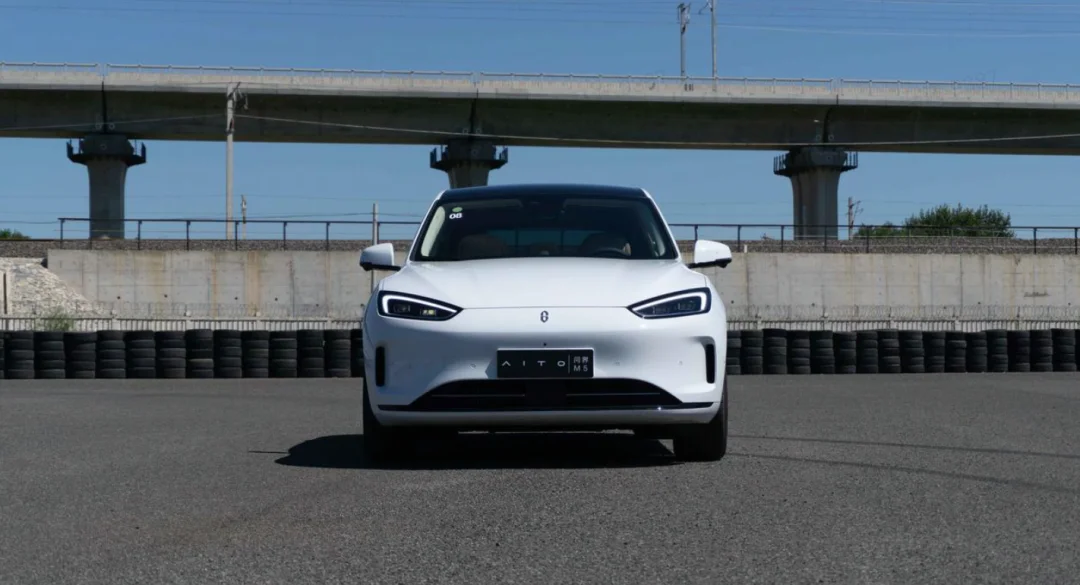
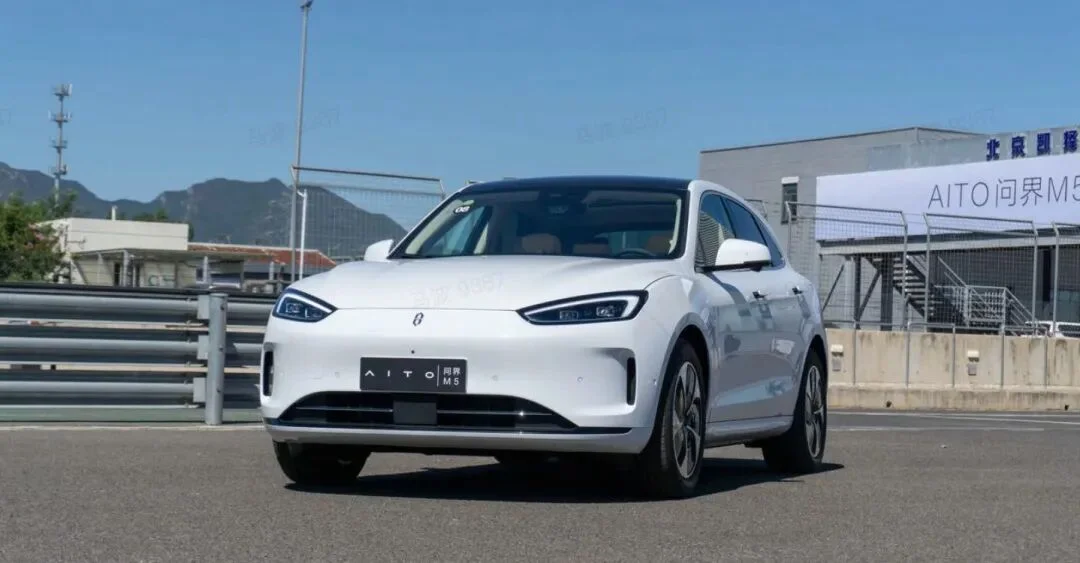
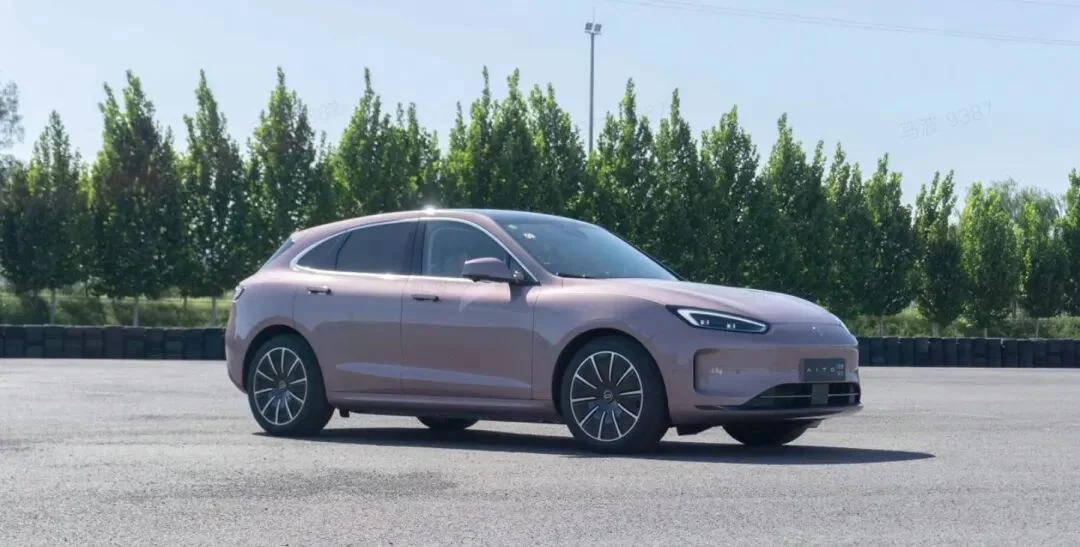
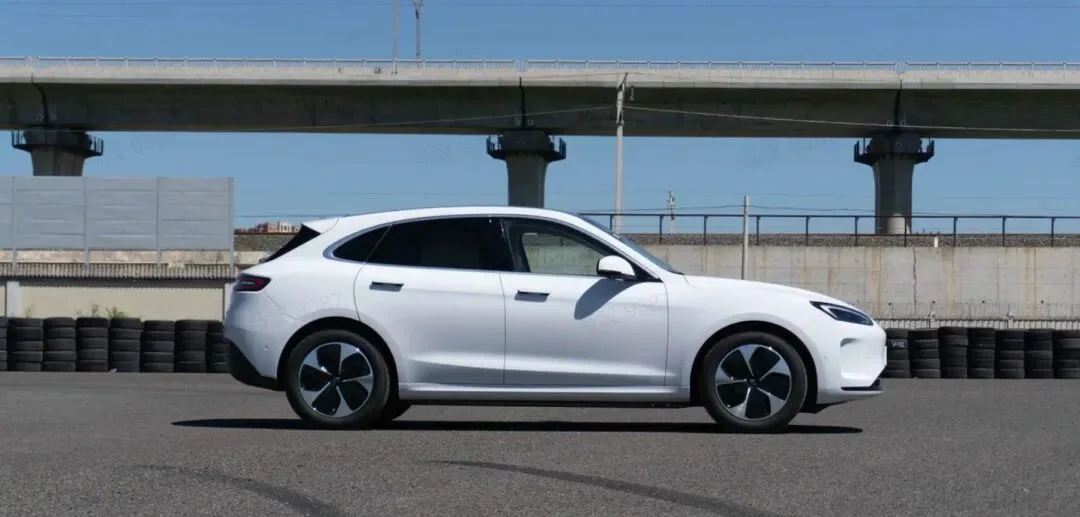
Compared to the extended-range AITO M5, the most obvious and fundamental change in the EV model is the switch to a closed-off front fascia. This reduces the "Macan-like" styling cues while emphasizing its electric identity. Although the headlight outline remains largely unchanged, new lenses have been added internally to give them a more focused look. Functionally, however, there are few changes; the turn signals have simply been integrated into the hook-shaped LED light strips.
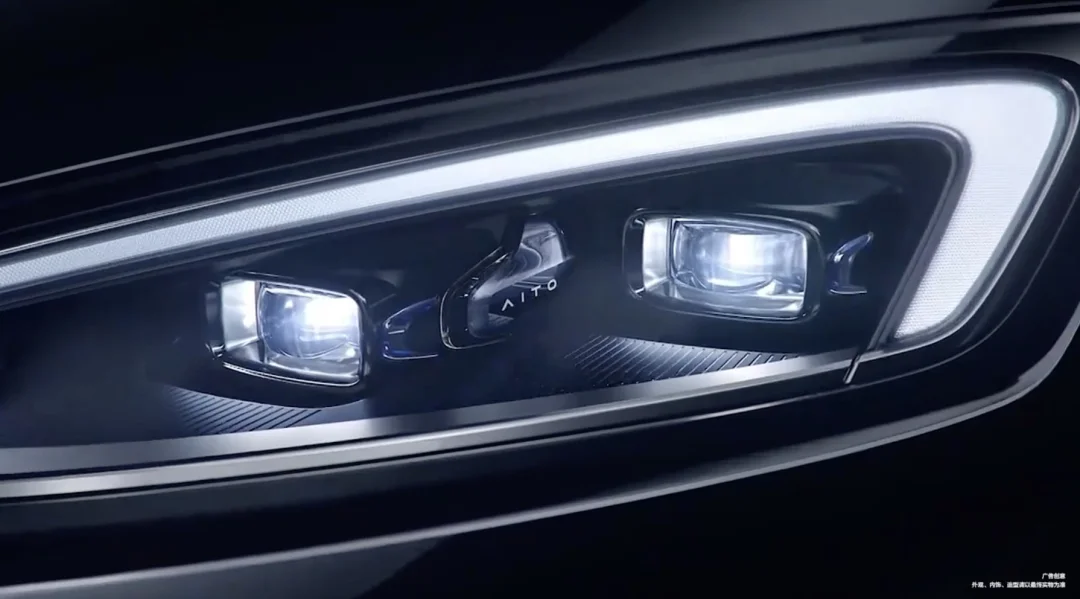
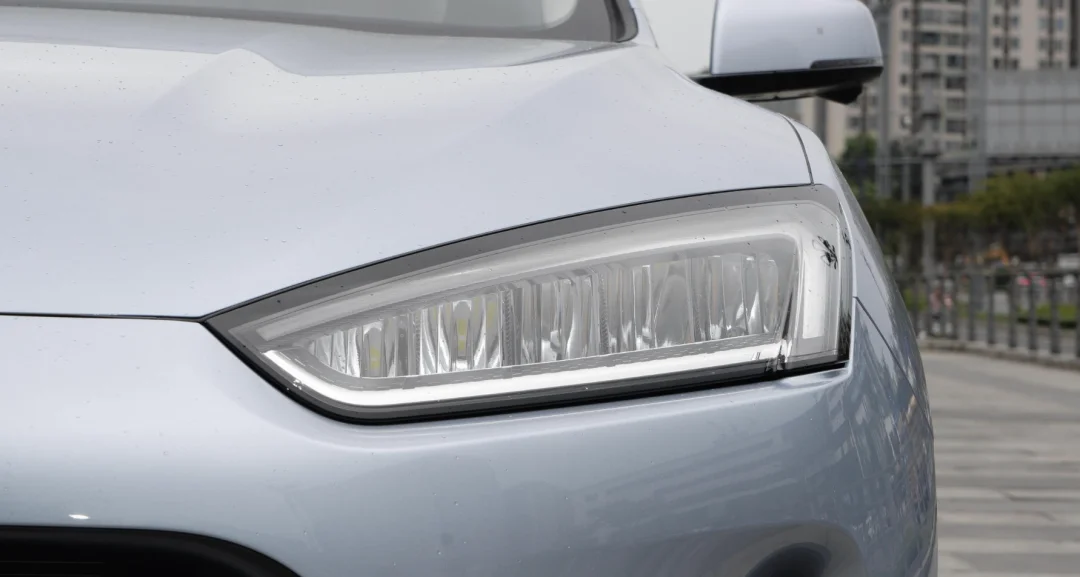
Beyond two changes to the front fascia, the design of the all-electric M5 is nearly identical to that of the extended-range version, with improvements made only in the details. For example, the hidden door handles on the EV model have changed from a single-side pop-out mechanism to a full-width pop-out, significantly enhancing both the tactile feel and the sense of sophistication when opening.
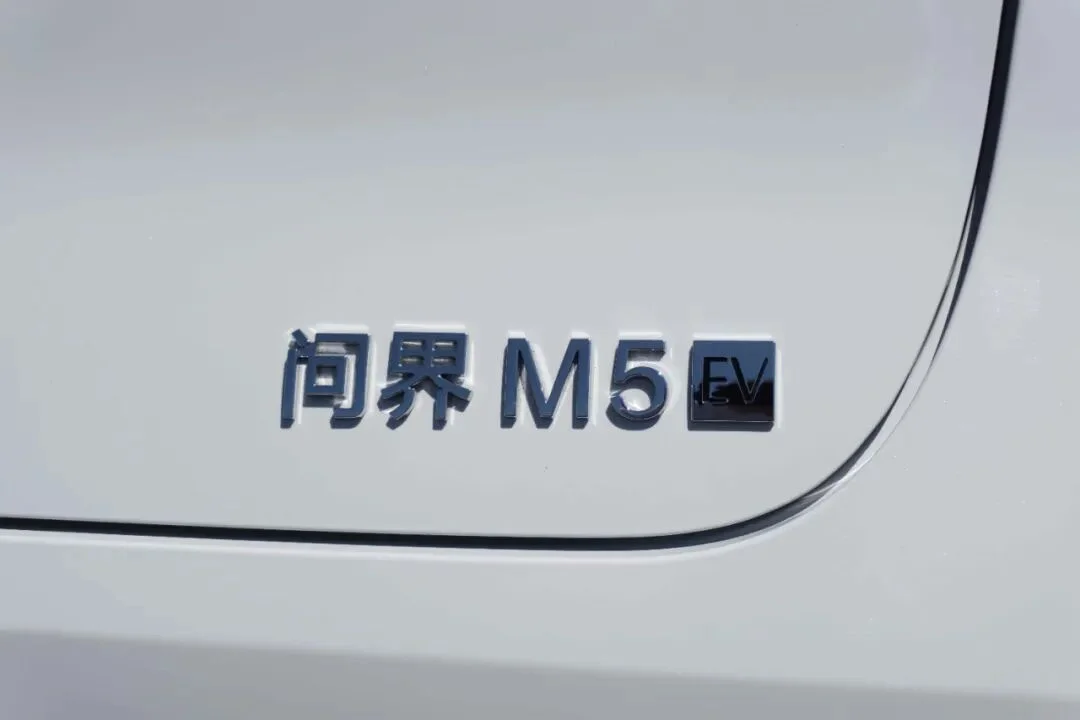
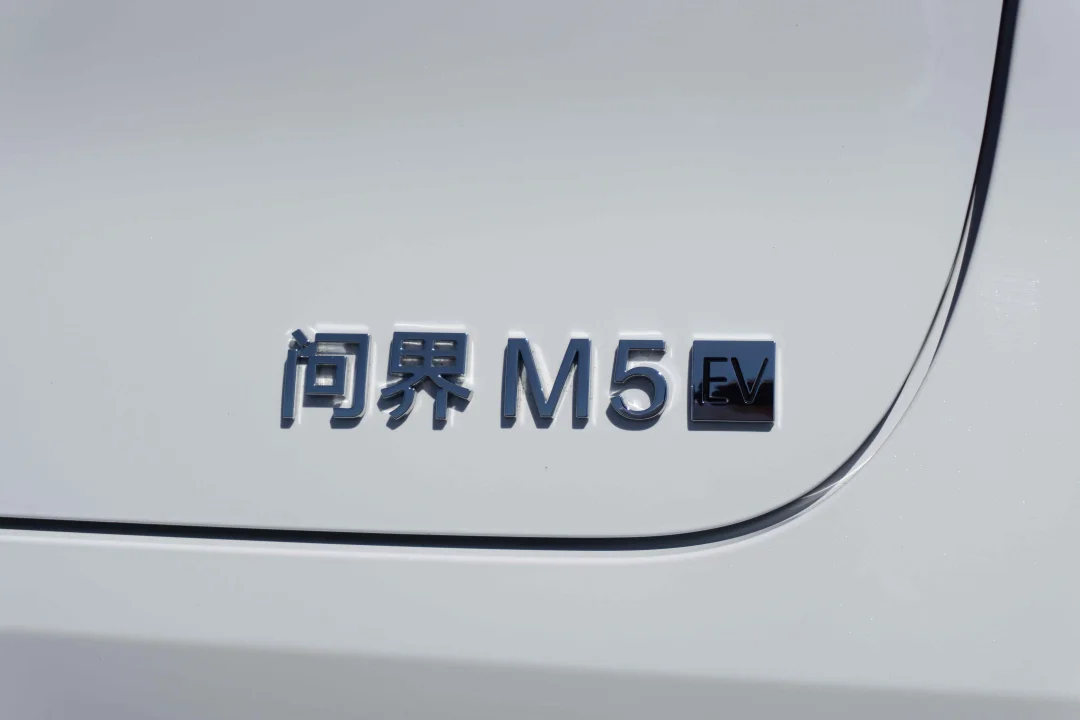
The rear follows a similar pattern. Even when comparing the two side by side to spot differences, the only distinction visible on the electric model is the exclusive "EV" badge.
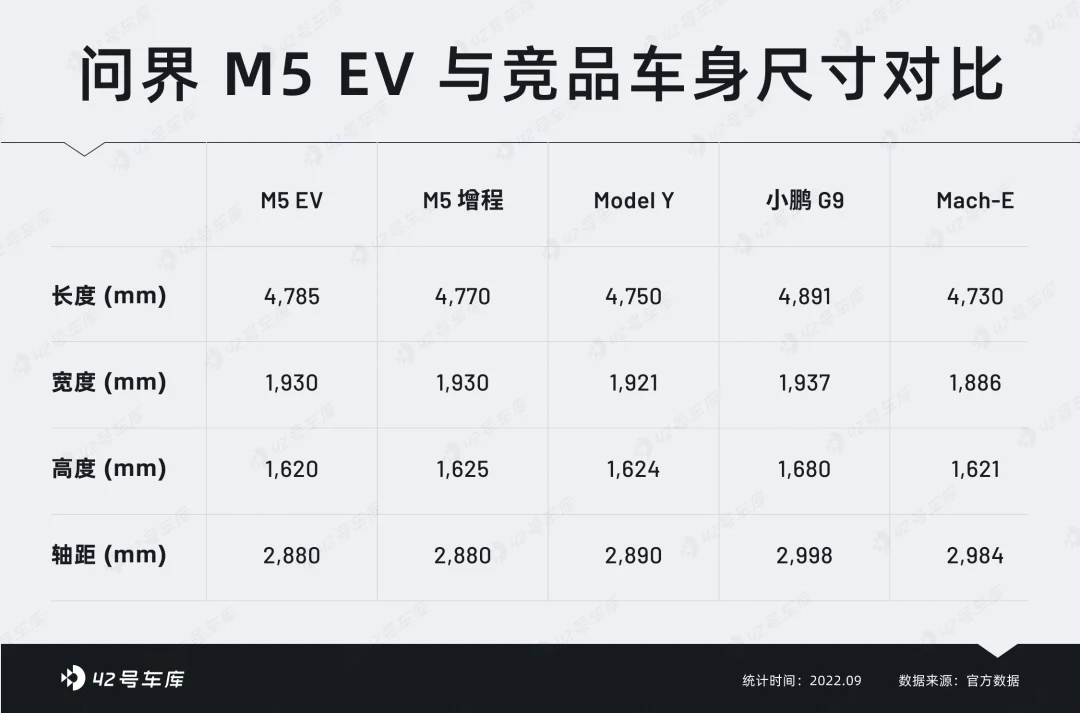
A comparison of dimensions against rival models reveals that the AITO M5 EV differs from the Model Y by just 35 mm in length, while discrepancies in all other dimensions do not exceed 1 cm.
These body dimensions already hint at AITO's intention to directly challenge the Model Y. We will discuss how it plans to do so later.
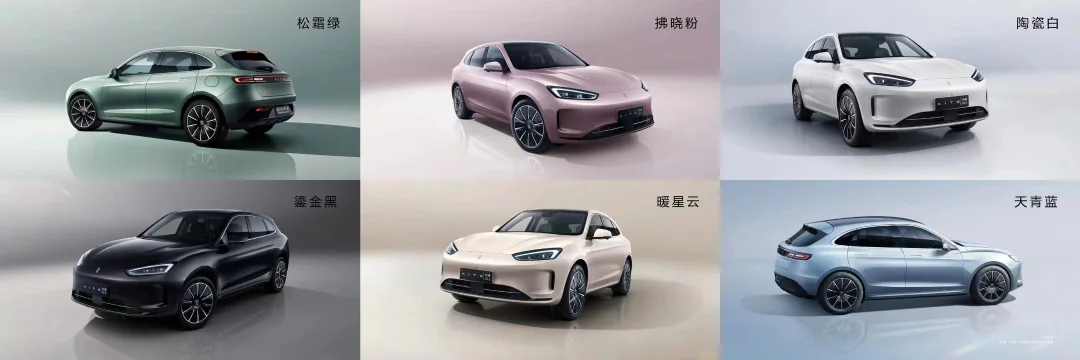
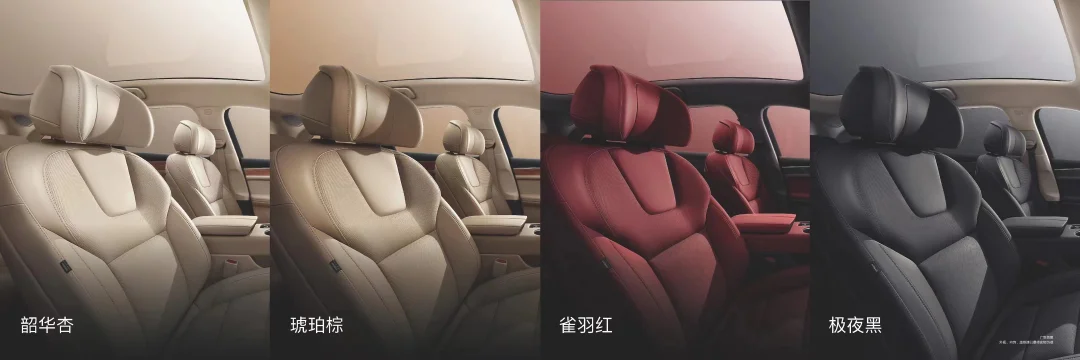
The AITO M5 EV adds two new exterior colors—Dawn Pink and Warm Nebula Cloud—compared to the EREV version, while offering four interior color options. Notably, AITO boldly incorporates a highly saturated 'Sparrow Feather Red' inside the cabin. The red-and-black contrast is clearly aimed at consumers seeking sporty, personalized styling.
02Bullying the Model Y with Cabin Features?
If the exterior changes are merely minor adjustments around electrification, the interior is a complete copy of the AITO M7. However, compared to the EREV M5, this represents an upgrade.
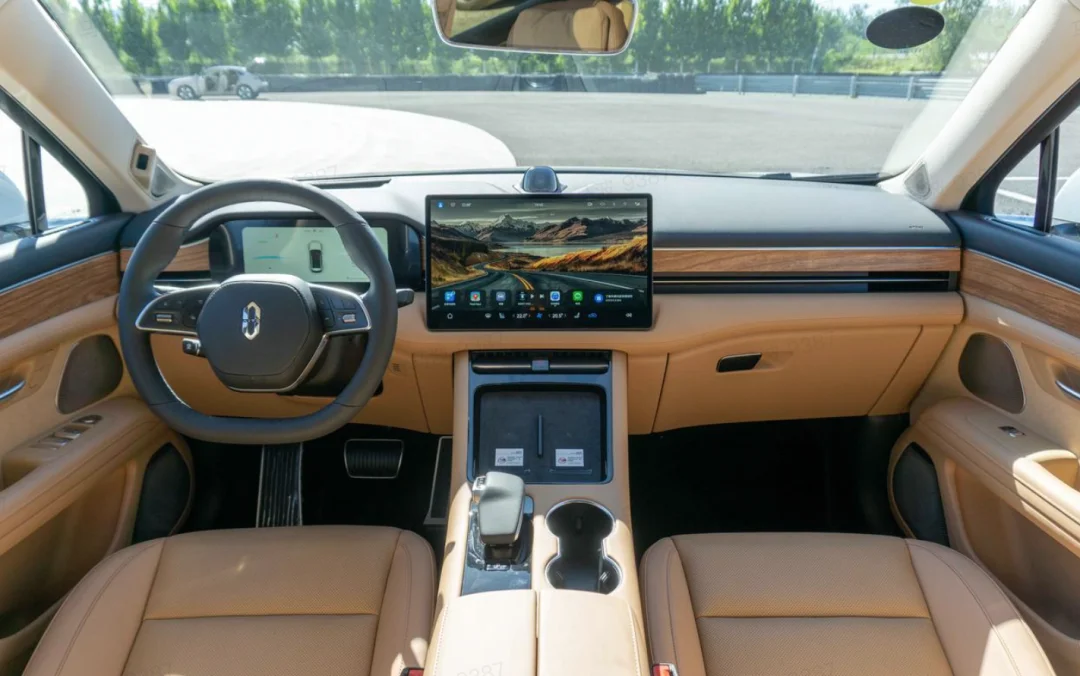
Minor Improvements
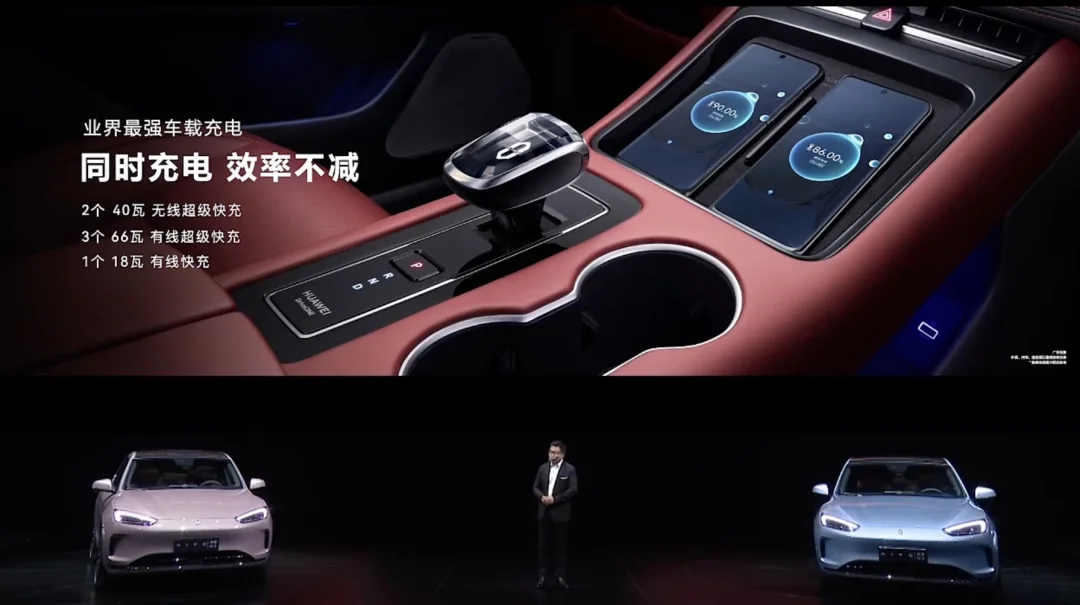
Although the overall style has not changed, multiple shortcomings on the M5 Zengchengban have been improved. For example, the AITO M5 EV provides dual cup holders and dual 40W wireless charging, while also being equipped with three 66W wired fast chargers and one 18W wired fast charger. In terms of mobile phone charging, the AITO M5 EV balances charging speed and user demand.
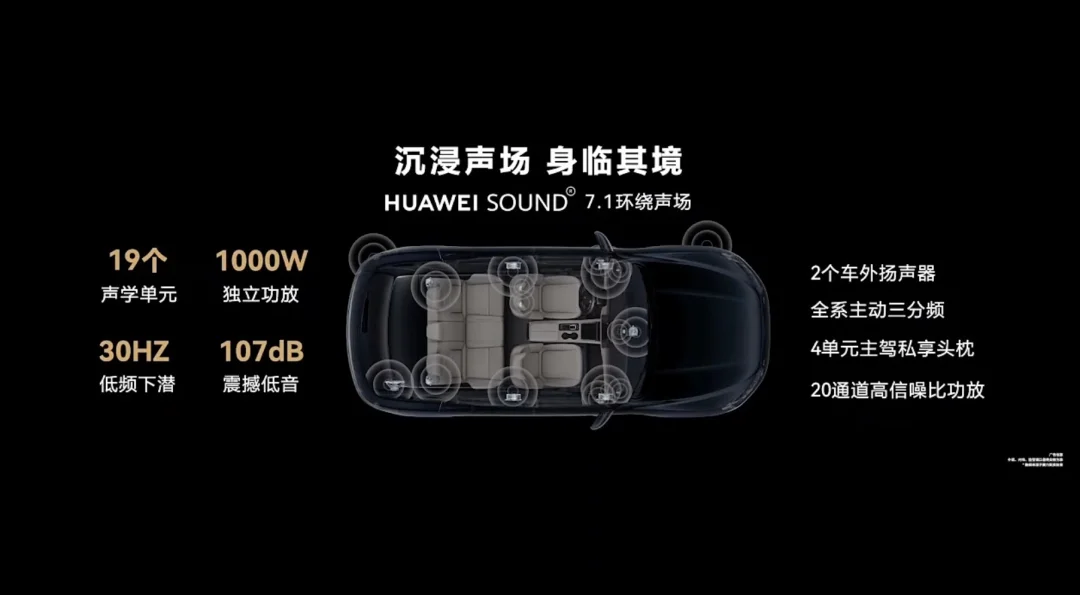
Another major selling point of the cabin is the HUAWEI SOUND audio system. The AITO M5 EV features 19 acoustic units throughout the vehicle, including four headrest speakers, with a total power output of 1,000 W. Like the AITO M7, the M5 EV is also equipped with two external speakers.
During the launch event, Huawei repeatedly used the Tesla Model Y as a benchmark for comparison.
In both the mid-size sedan and SUV markets, domestic brands rely on a common strategy: 'asymmetric competition,' leveraging stronger localization capabilities to create distinct advantages. When a market leader has significant shortcomings, those weaknesses become opportunities for competitors to break through.
It is widely known that the Model 3 offers an excellent driving experience and outstanding driver-assistance capabilities. However, its shortcomings lie in cabin localization and interior space. This created an opening for the XPENG P7 and BYD Han to compete by focusing on ride comfort and cabin interaction experiences.
As we have seen, in the growing pure-electric sedan market, BYD and XPENG successfully captured market share from Tesla by offering vehicles approaching C-segment size.
AITO understands this strategy well. Huawei’s strengths align precisely with Tesla’s weaknesses.
In addition to the wireless charging, audio system and other features mentioned earlier, AITO has also implemented thoughtful upgrades in various areas of the AITO M5 EV cabin, enhancing user experience while challenging Tesla.
For example, a major complaint about Tesla is its sound insulation.
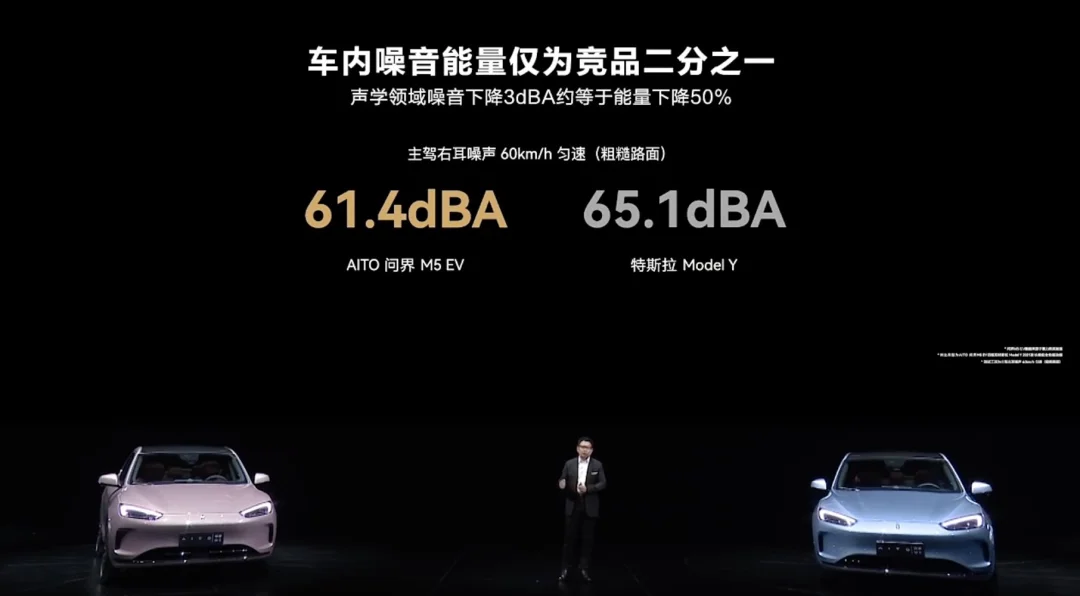
The AITO M5 EV features double-glazed acoustic glass throughout the vehicle, including the panoramic roof. This design results in a noise level of only 61.4 dBA when driving at 60 km/h on rough roads. To highlight the 3.7 dBA difference compared to the Tesla Model Y, AITO deliberately included specific annotations in its presentation slides.
We are all aware that Tesla's panoramic sunroof has long been a weak point in terms of heat insulation, and AITO certainly did not "let it off the hook." AITO conducted 38°C sun exposure tests on both the M5 EV and the Model Y. The final cabin temperature of the M5 EV was 45°C, while the Model Y reached 65°C.
AITO is fine-tuning many details to improve the cabin experience. For example, even a simple vanity mirror features nine adjustable settings, including brightness and color temperature. These "human-centric" details are areas where Tesla has not prioritized enhancement.
Of course, the above are merely small tricks to please users; Hongmengzuocang is the real punch that strikes Tesla's Achilles' heel.
Regarding Hongmengzuocang, we have already gained an understanding and experience of it based on the AITO M5 Zengchengban and AITO M7. This time, let's discuss some changes.
Super Desktop Launch
The "Super Desktop" feature, which was previewed at the AITO M7 launch event, is a key highlight of the Hongmengzuocang. This function seamlessly transfers top-tier applications from the mobile ecosystem to the vehicle's infotainment system. While it promises ecological sharing between phones and car systems, its current drawback is that the HarmonyOS has not yet fully adapted mobile apps, resulting in a suboptimal user experience.
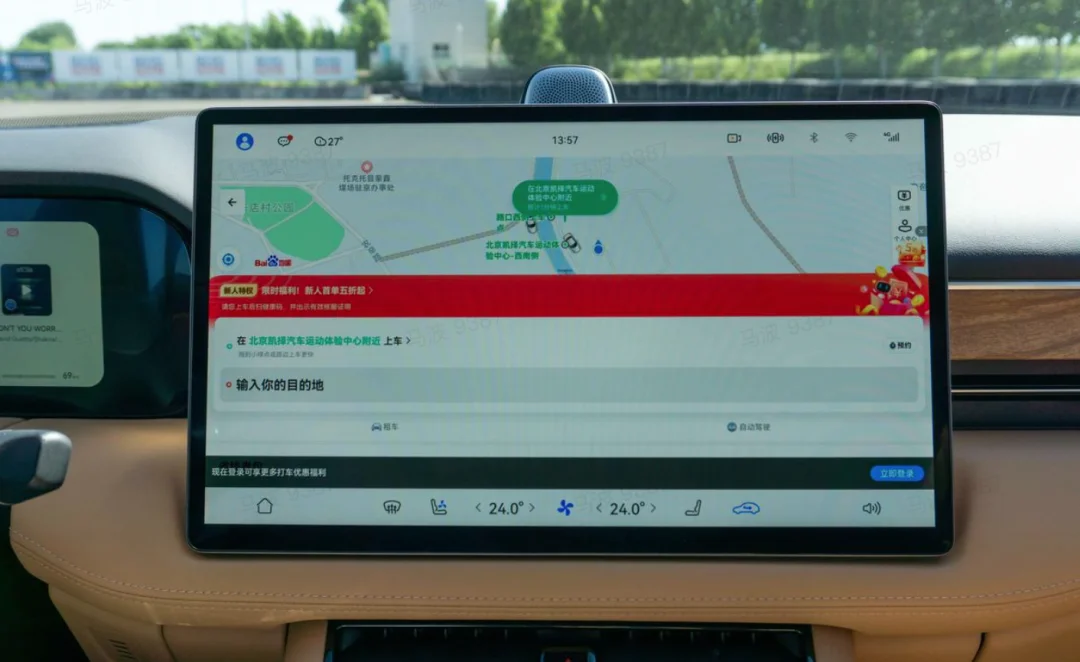
Additionally, the HarmonyOS 3.0 cockpit features include dual-screen collaboration, automatic synchronization of phone schedules, Xiaoyi parking spot search, underground garage vehicle retrieval, and intelligent sharing of mobile network connectivity. Dual-screen collaboration allows other HarmonyOS devices owned by occupants to wirelessly cast their screens to the central control display, effectively expanding the screen real estate.
03Insufficient Powertrain Performance
After discussing the model's most prominent highlights, let us examine the battery, electric motor, and electronic control (three-electric) performance of AITO's first pure electric vehicle.
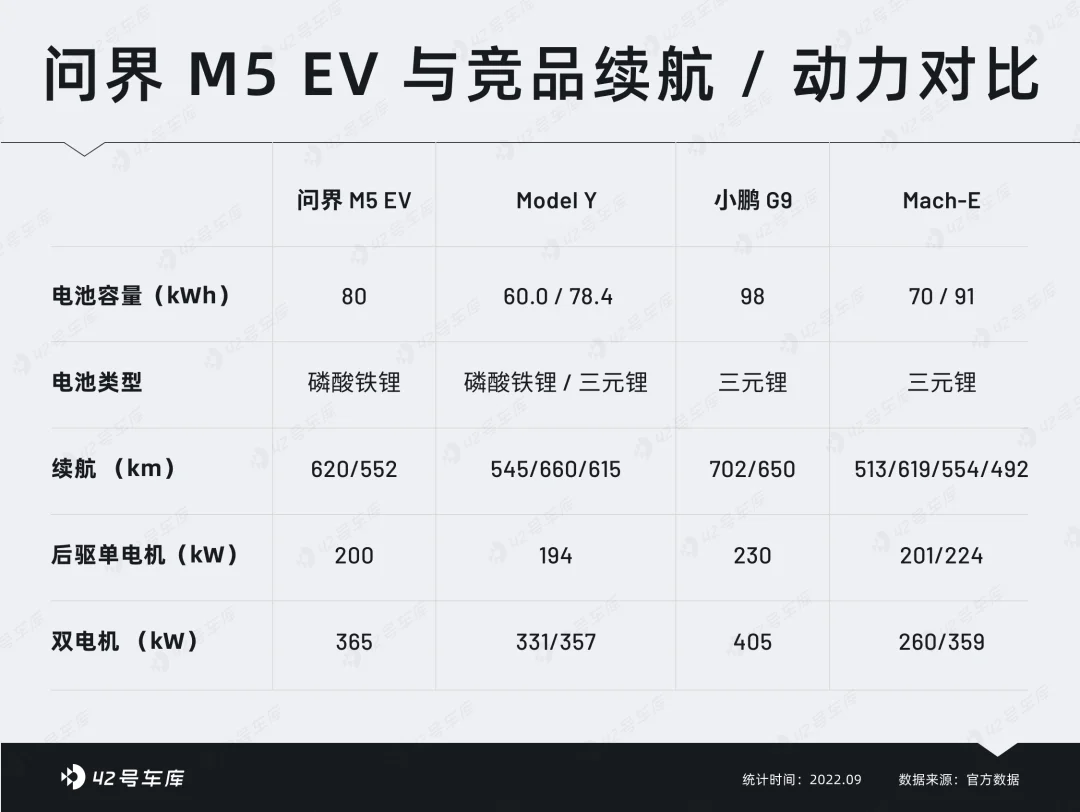
AITO has not created numerous SKUs for motors or batteries; instead, it offers one battery type, two motor options, and two vehicle models.
The AITO M5 EV dual-motor all-wheel-drive variant uses a combination of a front AC asynchronous motor and a rear permanent magnet synchronous motor. The front motor delivers 165 kW, while the rear motor produces 200 kW, resulting in a total system power of 365 kW for the all-wheel-drive model. The rear-wheel-drive version is rated at 200 kW. On paper, this dual-motor output slightly outperforms the Model Y Performance. The all-wheel-drive variant accelerates from zero to 100 km/h in 4.5 seconds, while the rear-wheel-drive version takes 7.1 seconds.
For battery capacity, both AITO M5 EV variants are equipped with 80 kWh lithium iron phosphate (LFP) batteries, offering CLTC ranges of 620 km and 552 km respectively.
Regarding charging infrastructure, Richard Yu stated that AITO has received the industry’s first five-star certification for charging compatibility. This allows the vehicle to support 35 charging network operators, covering more than 97% of public charging piles.
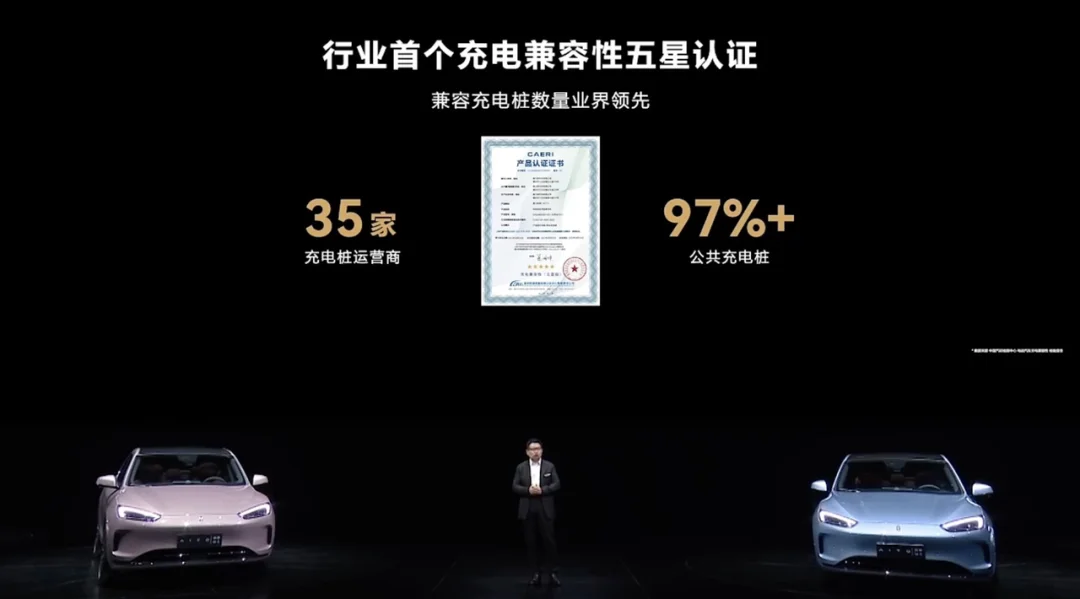
However, AITO did not mention any goals or plans for building its own charging infrastructure. It currently appears that AITO has no immediate plans to invest heavily in infrastructure development. Furthermore, the launch event did not release specific information on the M5 EV’s charging speed, only mentioning in a promotional video that drivers can "recharge with a cup of coffee" before setting off again.
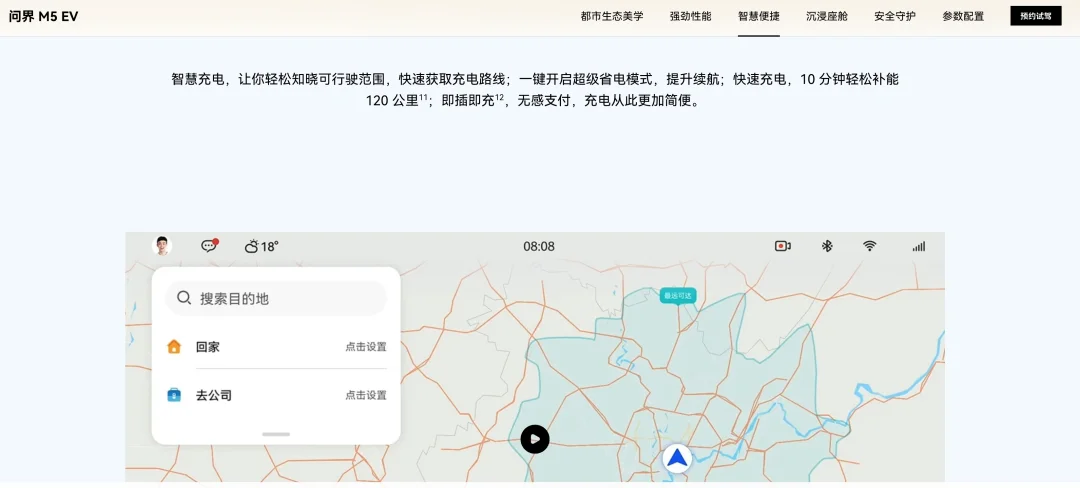
According to official website data, the M5 EV can add 120 km of range in 10 minutes. However, this claim omits a critical prerequisite: the State of Charge (SoC).
04All-Aluminum Chassis + DATS
The AITO M5 EV features a full aluminum chassis with a double-wishbone front suspension and an H-arm multi-link rear suspension. Its materials and configuration match those of the range-extended M5. However, despite the use of a full-aluminum chassis, the M5 EV still weighs 2,235 kg.
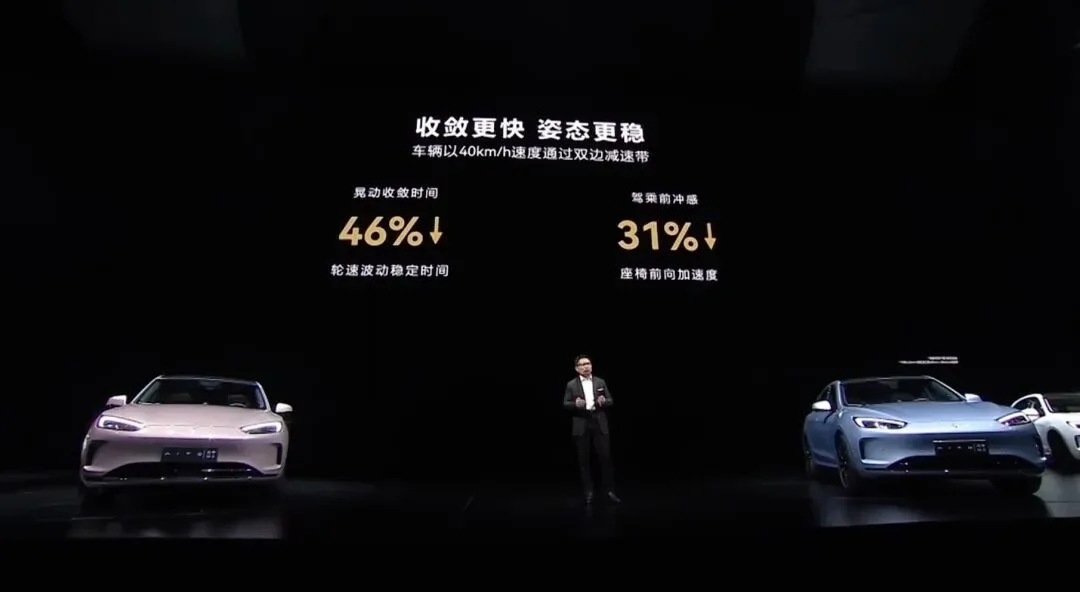
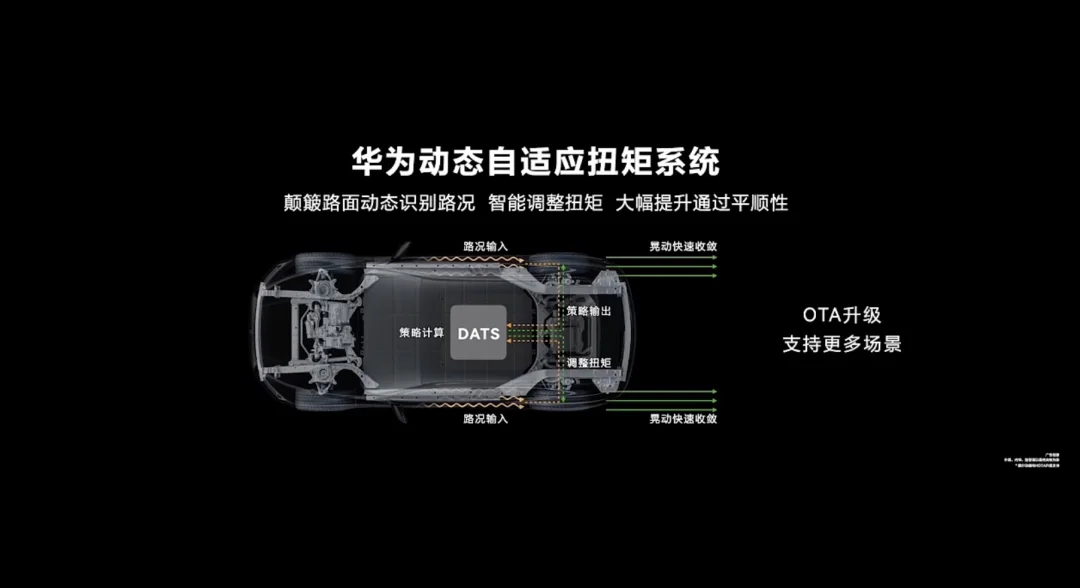
The AITO M5 is also equipped with the DATS (Dynamic Adaptive Torque System), jointly developed by SERES and Huawei. This system dynamically adjusts torque based on road conditions and wheel adhesion. Richard Yu stated that when the vehicle passes over a dual-side speed bump at 40 km/h, DATS reduces the time for wheel-speed fluctuations to stabilize by 46% and decreases forward seat acceleration (the sensation of lurching forward) by 31%. In short, the system stabilizes the vehicle more quickly when driving over uneven surfaces.
Richard Yu specifically emphasized that only Tesla and AITO can implement this technology.
If you watched the launch event, you would easily sense that Richard Yu deliberately spent considerable time actively benchmarking against Tesla. Yet, Tesla’s greatest strength happens to be the AITO M5 EV’s weakness: its driver assistance capability.
The AITO M5 EV uses a Bosch suite for its driver assistance system. The hardware is relatively weak, and the functions it offers are quite basic. Furthermore, due to limitations in the vehicle’s architecture, this ADAS system cannot be upgraded. If you place high importance on driver assistance features, this car may not suit your needs.
05What kind of chemical reaction will the arrival of the M5 EV bring?
Before discussing this model’s significance in the market, let me share a brief anecdote.
Not long ago, I took a taxi. As someone who enjoys chatting with EV drivers, I immediately began scanning his vehicle for conversation starters once inside.
As expected, range anxiety proved to be the best icebreaker. After exchanging our usual complaints about the poor range of his aging electric car, he told me: 'Recently, I saw that Huawei car at the mall. It looks really good. When I stop driving taxis, I’ll buy one for daily use.' This instantly piqued my interest, so I pressed him: 'What specifically attracted you to that car?' Without hesitation, he replied: 'It looks great, it’s comfortable to sit in, and the large screen is easy to use—you just talk to it. Plus, I trust Huawei.'
This conversation highlights three key points: first, the location (the mall); second, the cabin experience—comfortable seating and an intuitive, user-friendly large screen; and third, Huawei’s brand appeal.
Although many auto retailers now operate within shopping malls, AITO holds a distinct advantage. On the surface, when we are not actively looking to buy a car, we generally avoid entering automotive showrooms in malls. The reason is simple: if our intent isn’t purchasing, overly enthusiastic sales pitches only create awkwardness. However, because AITO vehicles are displayed and sold within Huawei stores, customers can browse freely even without purchase intentions. It is not uncommon for shoppers originally intending to buy mobile phones to end up admiring the cars and making purchases on the spot.
The second point is perceptible intelligence.
We often discuss 'smart' features, which typically encompass intelligent driving and smart cockpits. Data indicates that the penetration rate of intelligent driving systems in the industry was approximately 20% in the first half of the year. The demographic most receptive to intelligent driving tends to be specific: younger consumers or tech enthusiasts with high acceptance levels. In contrast, Huawei’s target audience extends further upmarket. Compared to new energy vehicle startups, Huawei, as a giant in consumer electronics and ICT, wields stronger brand influence, encountering less resistance when encouraging users to try its smart products.
Smart cabin technology offers a more tangible form of intelligence compared to autonomous driving. As users enjoy the convenience of voice interaction, they inadvertently become smart cabin users, and over time, their usage habits are reshaped.
Many describe Huawei as a 'catfish' that stimulates market competition. However, equally important is enabling consumers to adopt smart products without needing to be 'educated' first.
Written by: Bobo Edited by: Reinhardt