


NVIDIA Unveils Thor SoC With 2,000 TOPS; Zeekr Confirmed as First Automaker to Deploy
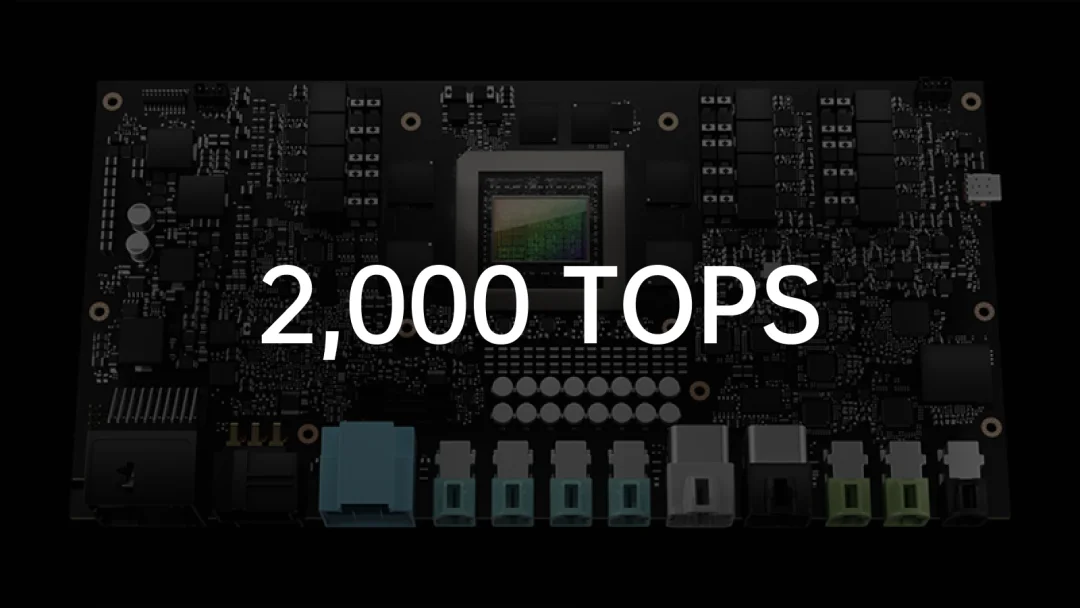
Only NVIDIA can outdo NVIDIA.
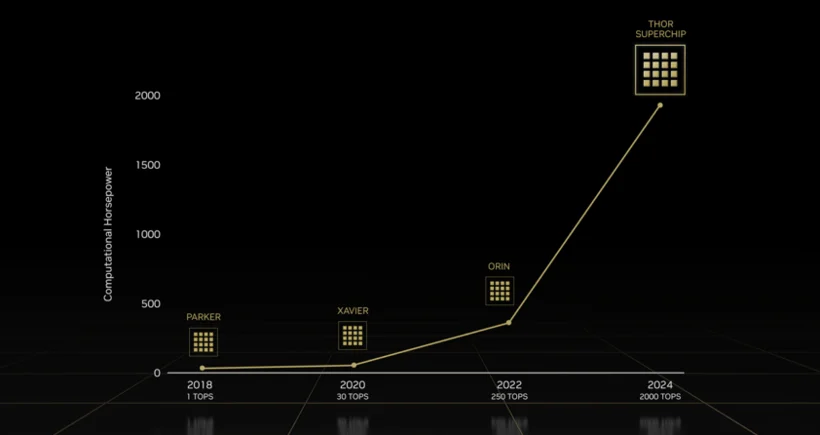
Last night, NVIDIA officially unveiled its next-generation SoC chip, Thor. This single-chip powerhouse delivers 2,000 TOPS of computing power—nearly eight times that of the current Orin and 28 times that of a single FSD chip.
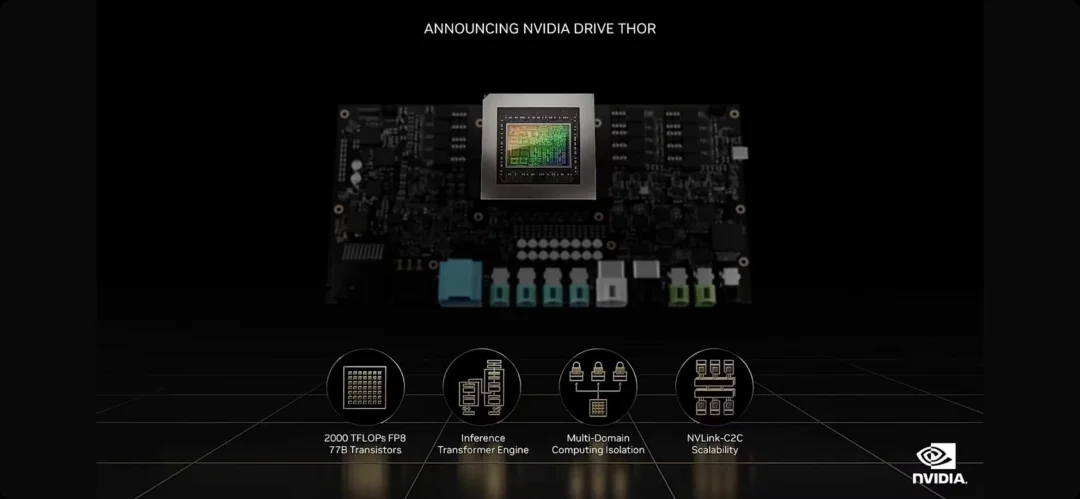
At last year’s NVIDIA GTC Dahui, the company introduced Atlan, a new-generation product with 1,000 TOPS of computing power. Yet in less than a year, NVIDIA has already iterated on itself.
While other chip suppliers are still straining to develop flagship chips to compete with NVIDIA’s Orin, NVIDIA has already presented its under-next-generation product and secured a customer: Zeekr.
01Named After 'Thor'
NVIDIA’s naming convention for its chips is quite interesting. The current Orin is named after the son of Atlan, the ruler of the ocean in Atlantean mythology. According to NVIDIA’s original plan, it was scheduled to launch the more powerful, higher-performance Atlan autonomous driving chip in 2025. However, because the under-next-generation product proved too formidable and its mass production timeline was nearly identical, Atlan was ultimately shelved.
This new flagship, powerful enough to "outperform" its own previous products, breaks from the "Ocean Mythology" naming tradition and is instead named "Thor."
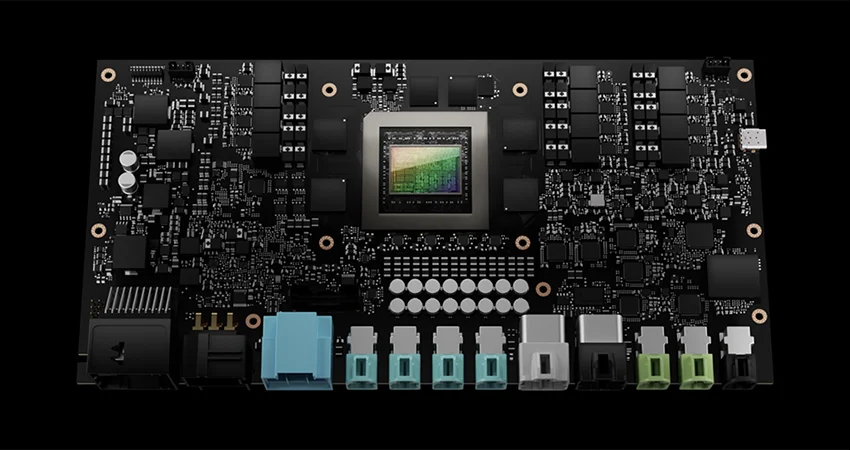
Thor features high performance, high integration, and support for large language models.
The Most Powerful SoC
If you review the specifications of NVIDIA's automotive chips over the past few years, their progress appears almost "leapfrog-like." While competitors were still developing and deploying chips with hundreds of TOPS of computing power, NVIDIA has confirmed it will mass-produce a 2,000 TOPS chip by 2025.
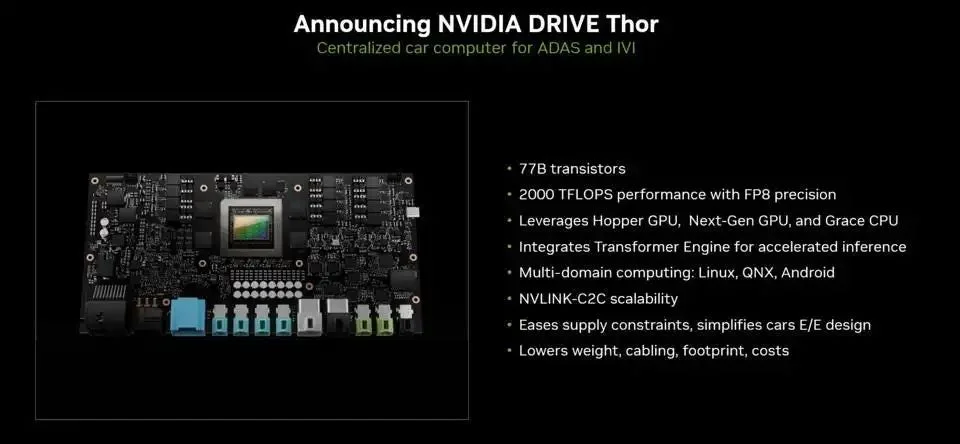
Thor integrates 77 billion transistors, though NVIDIA did not disclose the manufacturing process node.
Jensen Huang stated that Thor's performance targets are achieved by upgrading the CPU (Grace), GPU (Ada Lovelace), and the engine designed to process Transformer models (Hopper).
Grace is a highly specialized processor designed primarily for large-scale, data-intensive HPC (High-Performance Computing) clusters and AI applications. Jensen Huang stated that while all previous parallel algorithms were accelerated by GPUs, other workloads were often bottlenecked by single-thread performance; Grace addresses this gap with its exceptional single-thread capabilities.
Hopper serves as an engine for processing Transformer models. Huang described Hopper as providing transformative speed for both Transformer and Vision Transformer architectures. Ada Lovelace is the new architecture for the recently released 40-series graphics cards, built on a 4nm process. Its streaming multiprocessors deliver up to 83 TFLOPS of shader capability, achieving more than double the throughput of the previous generation.
More Than Just an Autonomous Driving Chip
Traditional vehicles may have featured over a hundred Electronic Control Units (ECUs), each responsible for controlling specific functions. As vehicle features increased, so did the need for corresponding control modules and wiring harnesses.
The total length of wiring harnesses in a traditional car can reach several kilometers, with a combined weight of tens of kilograms. This results in high costs and difficulty in managing weight. Modern smart vehicles have evolved from distributed architectures to domain controller architectures.
The prevailing industry consensus is that centralized central-domain controllers will replace distributed domain controllers, effectively creating a single 'central brain' to manage all vehicle functions.
Currently, the approach adopted by most Chinese new-energy startups and mainstream OEMs involves using NVIDIA or other suppliers' chips for the intelligent driving domain, while utilizing Qualcomm solutions for the cockpit domain controller.
To achieve a "unified" architecture, a chip capable of spanning multiple domains is required. Thor is designed to be that chip.
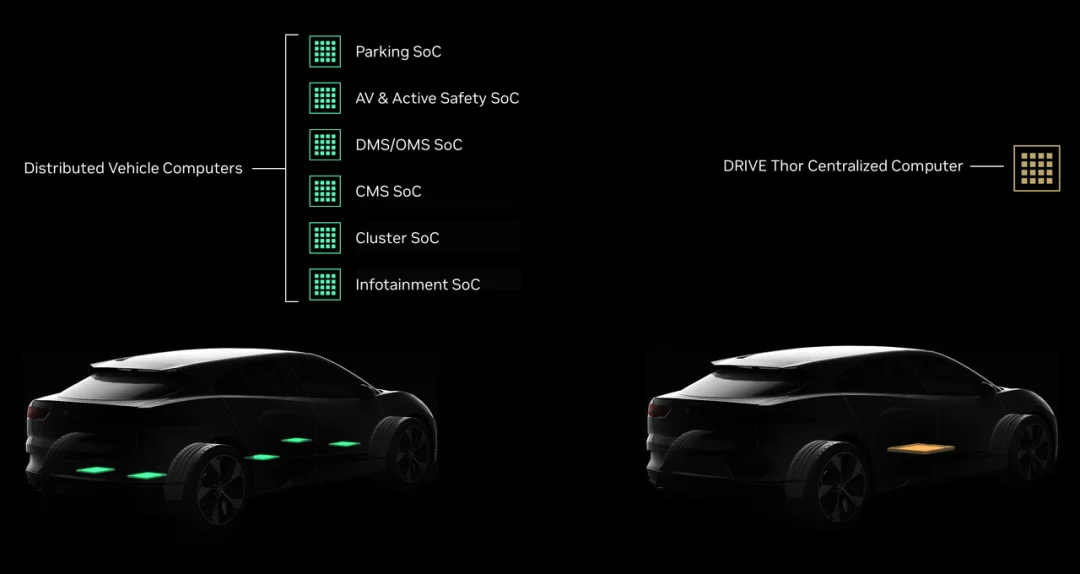
Thor integrates all AI computing needs for the smart vehicle sector, including autonomous driving, active safety, intelligent cockpits, automated parking, in-vehicle operating systems, and infotainment.
Crucially, Thor can be configured in various modes. Its 2,000 TOPS of compute power can be flexibly allocated, allowing users to direct processing resources to different tasks as needed.
Thor's multi-source domain isolation enables concurrent, time-sensitive processes to run without interruption. This means a single computer can simultaneously operate Linux, QNX, and Android.
It is also important to note that, like Orin, Thor is not limited to the automotive sector; it is also applicable to industries such as healthcare and industrial automation.
Support for Large Models
As mentioned above, Thor includes the Hopper engine, which is designed to process Transformer models.
The Transformer, a model first proposed by Google for natural language processing (NLP), has seen widespread adoption in autonomous driving over the past two years.
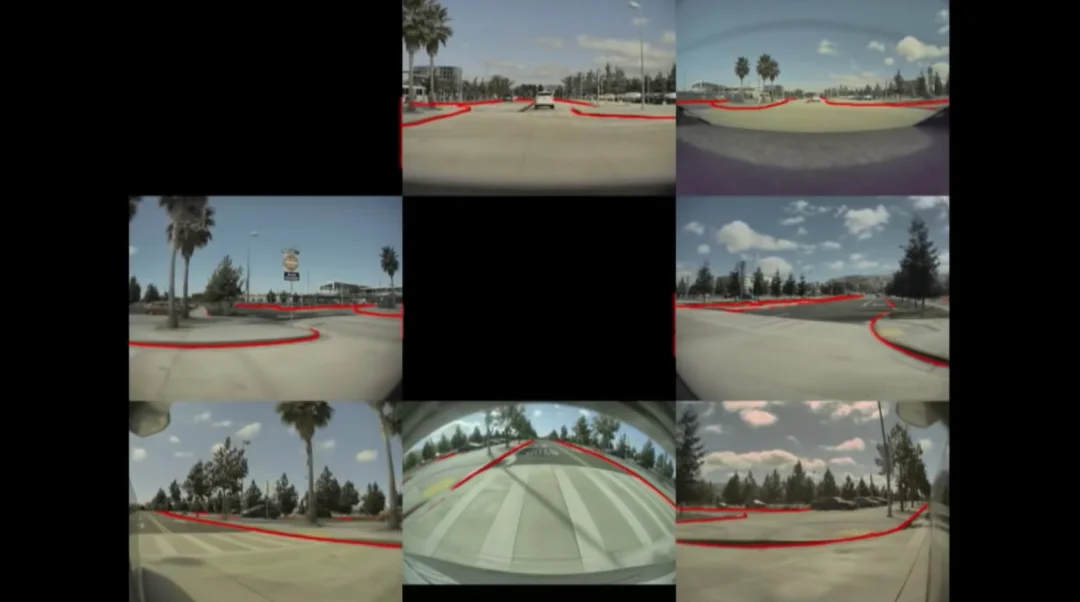
Tesla was the earliest to introduce the Transformer into autonomous driving, and many domestic automakers and suppliers are now following suit.
The parameter scale of Transformer networks continues to grow. As vehicles accumulate more sensors and sensor data quality improves—particularly from cameras—systems must be capable of rapidly processing large-scale perception data.
Hopper is primarily designed to optimize such large-scale data models, enhancing the system's data processing capabilities.
From an industry development perspective, an increasing number of automakers will likely adopt Transformer models in their self-developed technology routes. NVIDIA recognized this opportunity and deployed accordingly.
02Chasing First-Mover Advantage Again: Zeekr’s ‘New Force’ Transformation
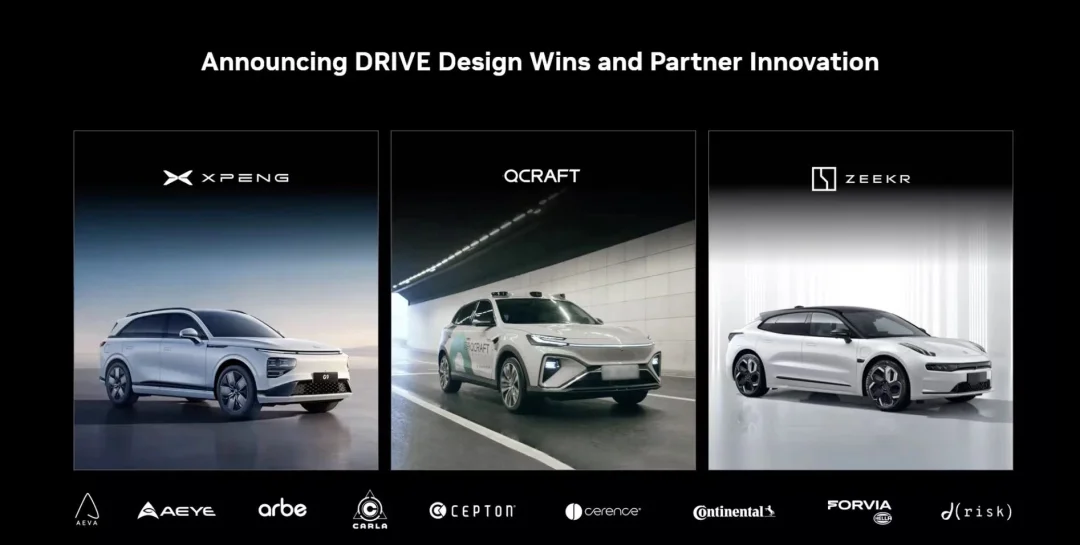
When the current-generation product Orin was released, domestic new-energy startups vied to secure first-mover status. This time, with the release of Thor, NVIDIA proactively called out Zeekr.
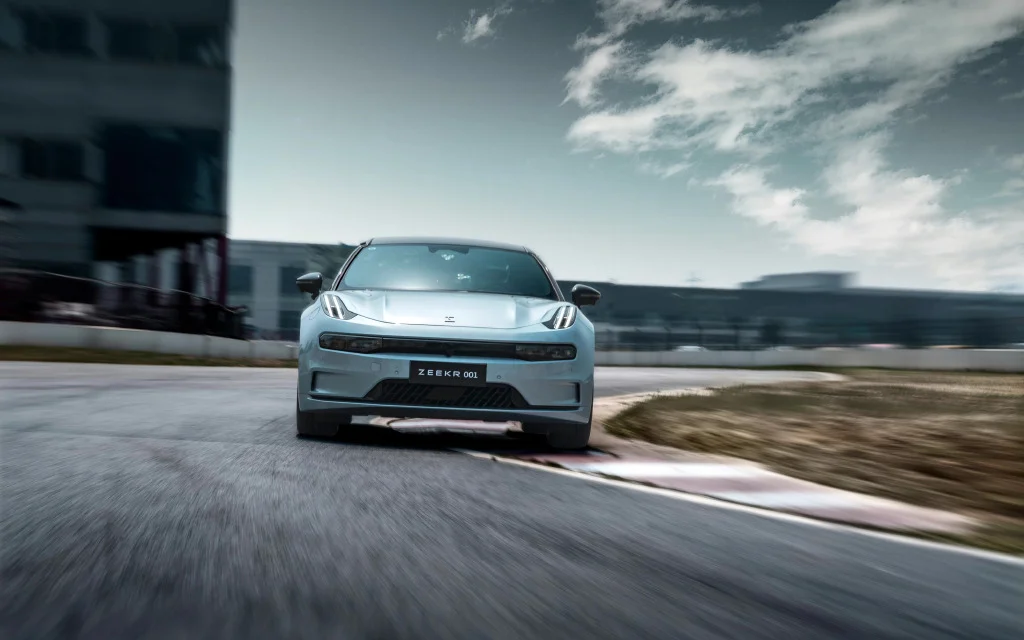
Zeekr currently offers two models: the 001 and the 009. Excluding the yet-to-launch 009, the only vehicle available to customers is the 001. Thor marks Zeekr’s second instance of securing a global premiere for a supplier’s latest chip; recall that the Zeekr 001 was the world’s first car to feature Mobileye EyeQ5.
From this perspective, Zeekr has consistently prioritized driver-assistance capabilities.
However, due to various factors, the deployment of features based on EyeQ5 in China has progressed slowly. In today’s fiercely competitive intelligent-vehicle market, relying solely on Mobileye would effectively leave Zeekr passive and vulnerable. Consequently, Zeekr initiated its own research and development efforts.
Balancing Mobileye with In-House Development
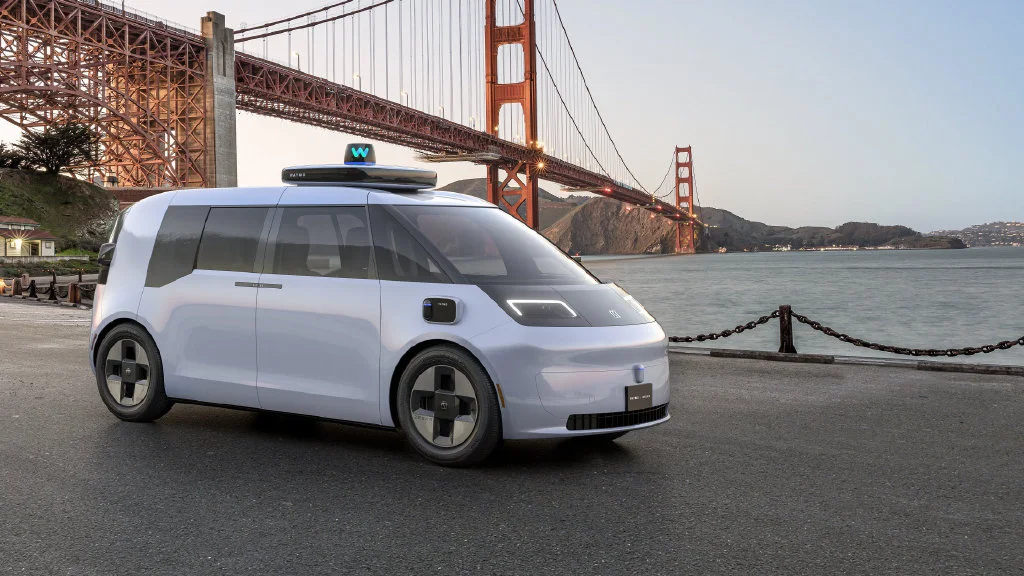
Strictly speaking, Zeekr’s autonomous-driving business comprises three lines: a partnership with Waymo for robotaxi services, the use of Mobileye solutions to provide advanced driver-assistance systems (ADAS) for mass-produced vehicles, and full-stack in-house development of autonomous driving technology.
The collaboration with Waymo appears to be the lightest and least capital-intensive of the three initiatives. Meanwhile, the supplier-based and in-house approaches complement each other, ensuring that Zeekr remains aligned with industry trends for the foreseeable future.
Currently, these three business lines are all being managed by the same intelligent driving team, with a greater focus on the implementation and in-house development of intelligent driving features based on the EyeQ5 chip.
Why In-House Development?
Whenever the question 'Why in-house development?' is posed to automotive R&D personnel, the central theme of their response is always—control.
Zeekr shares this concern, and it is particularly pronounced.
At the time of its launch, the Zeekr 001 was equipped with advanced driver assistance hardware that sparked considerable imagination. Its pioneering deployment of the EyeQ5 chip and 8-megapixel vision systems led us to believe that the Zeekr 001 had the strongest potential to enter the top tier of vehicles. However, the progress of feature development based on the EyeQ5 chip in China has been slower than anticipated, leading to growing user frustration.
To bridge this gap between user expectations and industry pace, the only viable solution was to regain control over R&D while striving to meet user demands as fully as possible.
Recently, Zeekr rolled out a major update. The Lane Centering Control (LCC) function improved significantly after the OTA, but this is not enough. Clearly, basic driver assistance features alone cannot satisfy user needs.
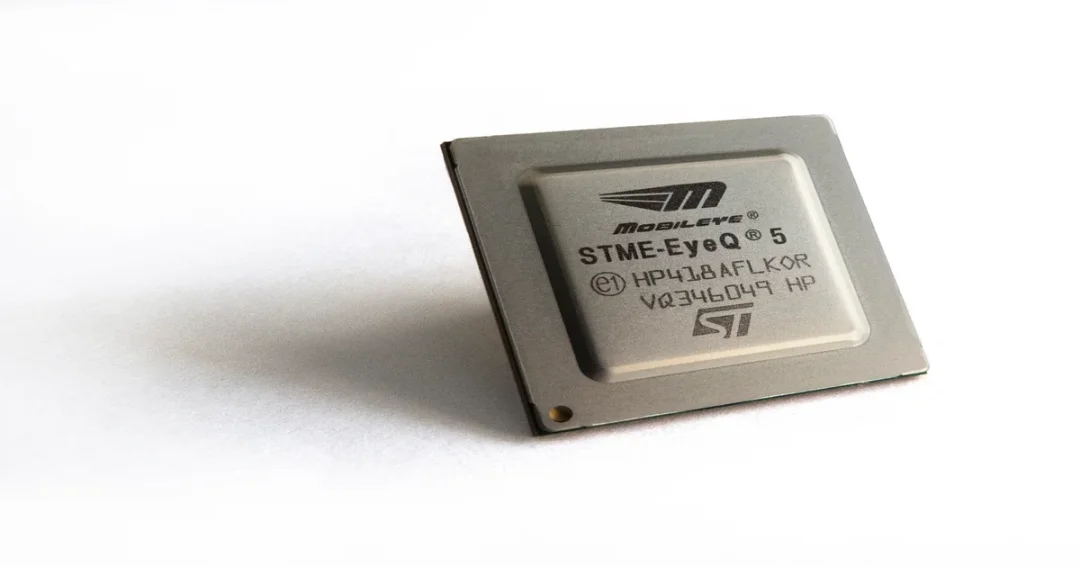
When asked about Zeekr's current development pace based on the Mobileye EyeQ5, Zeekr stated that R&D is ongoing and that internal test versions of NZP and automated parking are already available.
At the same time, the development and validation of intelligent driving functions based on the Orin platform are also in progress.
03Conclusion
After betting on Mobileye and 'misplacing' two years of youth, Zeekr must seize the next round of arms-race upgrades and the trend of self-developed technologies.
Choosing self-development and NVIDIA is a path that appears correct yet incredibly difficult at this stage, but this time Zeekr has at least taken the initiative into its own hands.
Meanwhile, Zeekr faces some challenges to resolve. If the development progress of features based on the EyeQ5 remains sluggish over the next two to three years, how will Zeekr maintain its competitiveness? What level of capability can the features currently being developed based on Orin achieve, and when will they appear on new models? These are all questions that users care about deeply.
However, since last year, Zeekr has been sending signals, with the volume of self-development discussions growing louder. Now partnering with NVIDIA, its actions suggest that Zeekr is more proactive than we might have seen.
By Bobo Edited by Liu San