


FT120: The Second Piece of Hesai's Mass-Production Automotive LiDAR Puzzle
September this year was the first full month since Li L9 began deliveries, with Li L9 achieving over 10,000 units in a single month. This is partly due to strong orders and production capacity, but it also proves that L9's core suppliers have not held it back. Among these, one of the most important core suppliers is Hesai.
Yesterday, Hesai announced a new product series designated by the 'FT' prefix, officially named the FT120.
Before introducing this lidar unit, it is helpful to review Hesai’s existing product portfolio.
Founded in 2014, Hesai initially focused on developing and selling gas detection telemetry instruments, led by the HS4000 model. These devices share core technologies with automotive lidars.
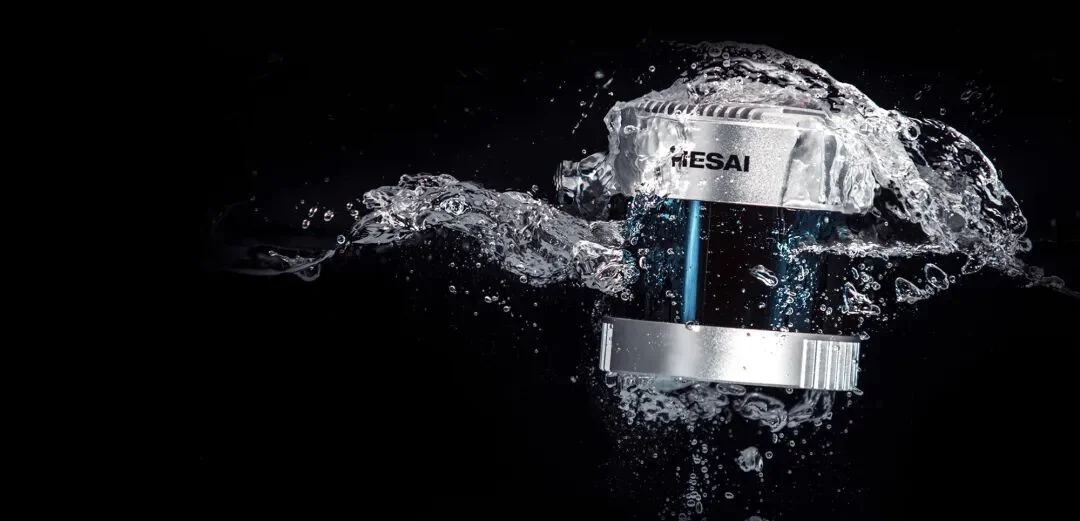
Starting in 2017, Hesai launched mechanical lidars for autonomous driving. Its first product was the Pandar40. In 2020, the company officially released the 128-line Pandar128. This model is widely seen on numerous L4-level Robotaxis, with key clients including Baidu Apollo, AutoX, Wenyuanzhixing, and Pony.ai. Additionally, major L4 customers in North America include Uber and ZOOX.
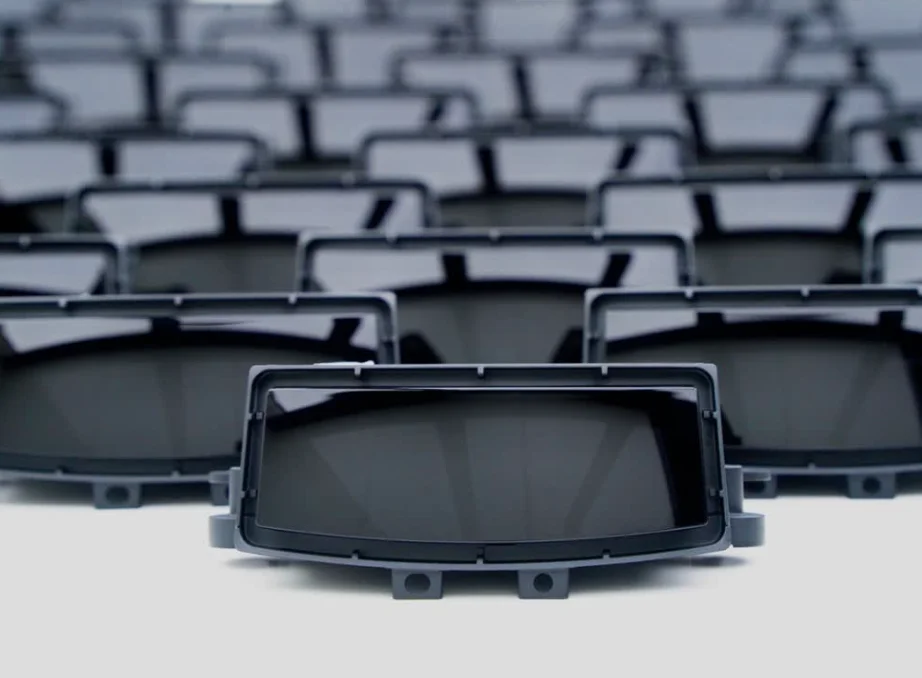
For mass-production vehicles, models such as the Li L9 and Gaohe HiPhi Z are equipped with the AT series—specifically, the AT128.
It is important to clarify here that most automotive lidars currently on the market are semi-solid-state. Strictly speaking, any device with moving internal components cannot be classified as solid-state lidar. The main products from major suppliers available in the market, such as Hesai AT128, Sutengjuchuang M1, and Tudatonglieying, all fall into this category.
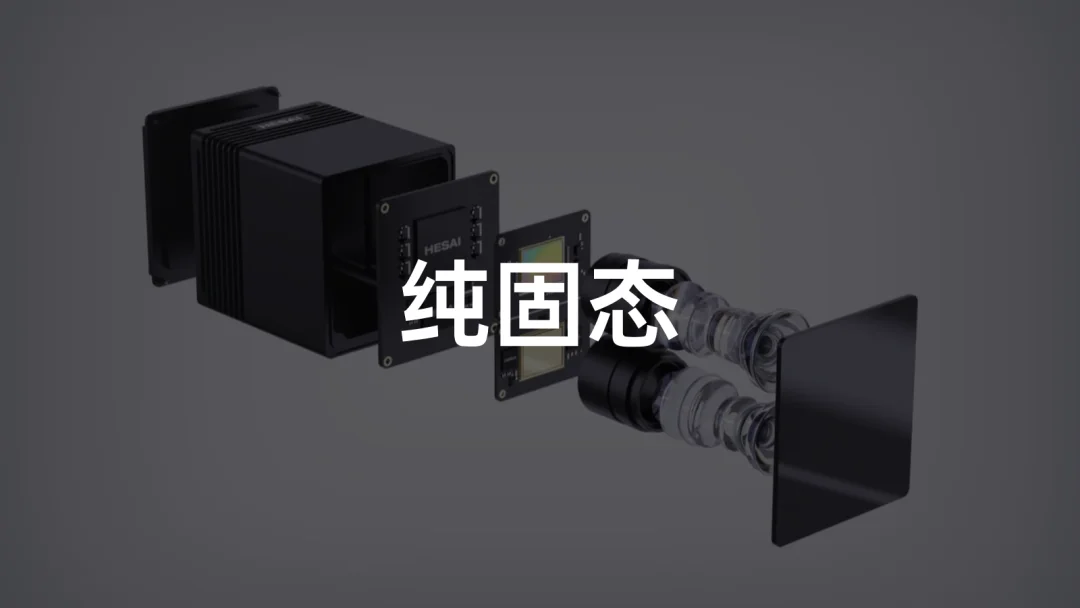
However, the new product released by Hesai today contains no moving parts internally, making it a true solid-state lidar.
01New Product Analysis
FT120
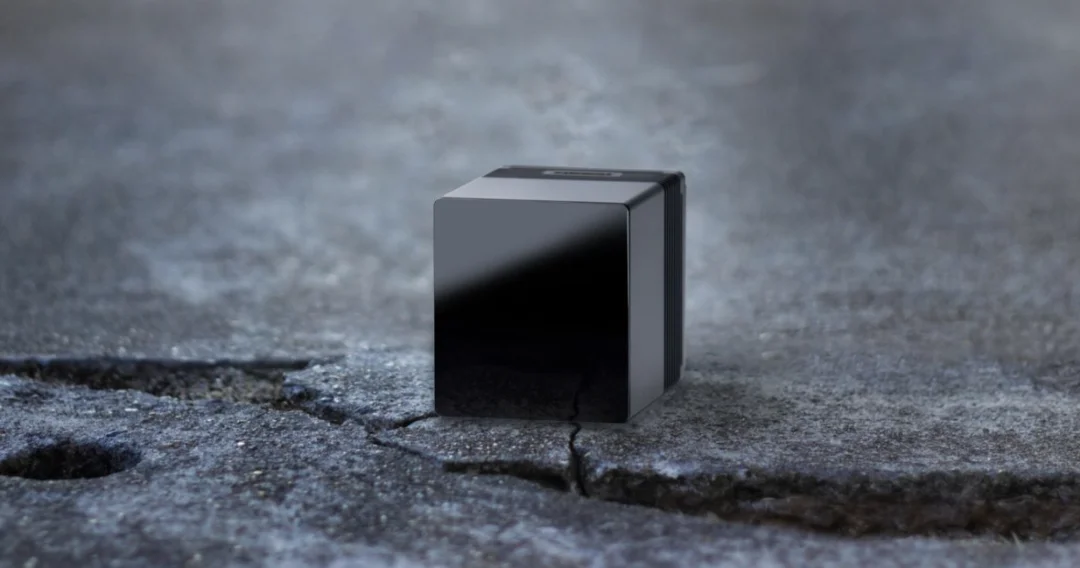
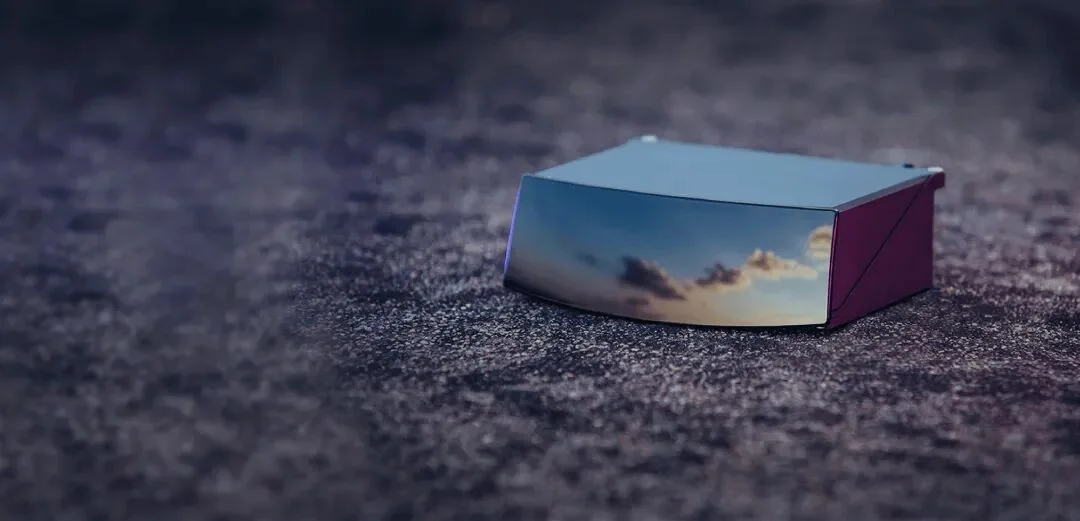
The new product is named FT120. It is positioned as a short-range blind-spot monitoring lidar. Its specifications are as follows:
FOV (Field of View): 100° x 75°
Maximum range of 100 meters, with a detection distance of thirty meters at ten percent reflectivity
The point frequency in single-echo mode is 192,000 points per second (the AT128 point frequency is 1,536,000 points/s), with a global resolution of 160 (H) x 120 (V).
Chip-based design, using the third-generation self-developed chip
Minimum exposed window size of 70 by 50 mm, allowing installation on the front and rear bumpers and side fenders of the vehicle
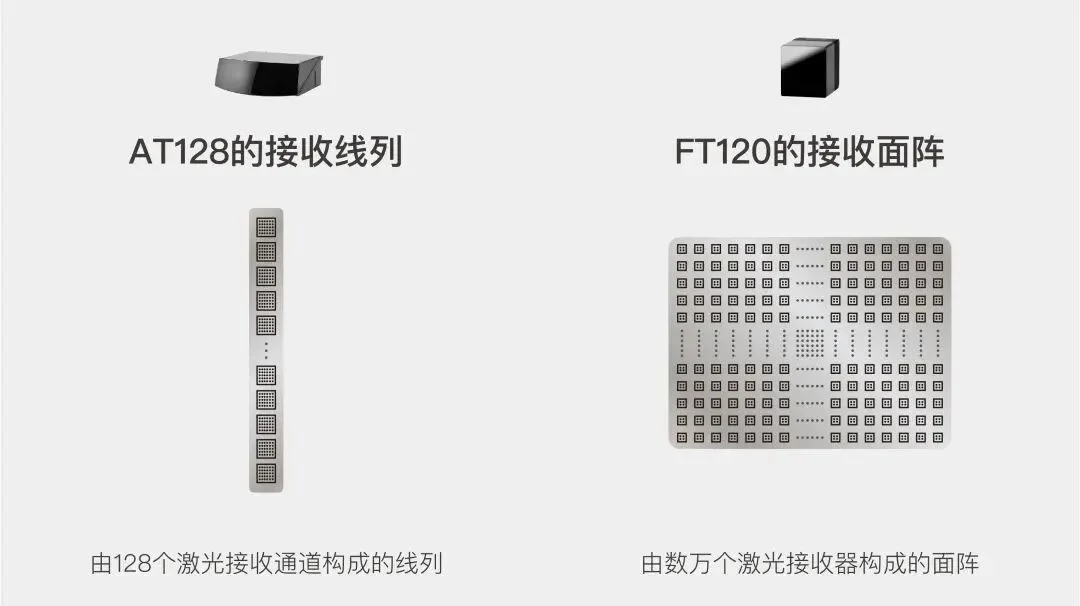
In the mass-production automotive-grade lidar market, semi-solid-state lidars often offer better ranging capabilities. For example, the three lidars equipped on Weixiaoli vehicles—Tudatonglieying, Sutengjuchuang M1, and Hesai AT128—have vertical fields of view of 25°, 25°, and 25.4°, respectively. Because their vertical fields of view are narrow, there are gaps in detecting low-profile objects at close range when used for blind-spot coverage on both sides of the vehicle (front and rear fenders).
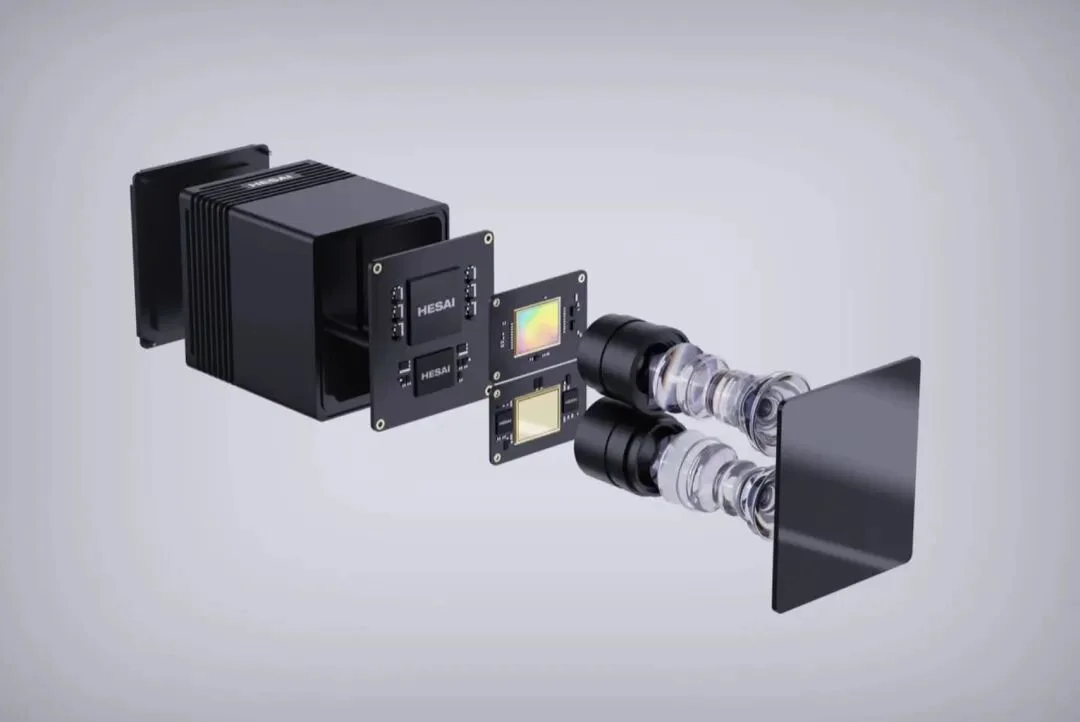
The FT120’s primary role is short-range perception. We all know that to achieve higher levels of intelligent driving, vehicles must possess 360-degree environmental awareness, which explains why smart cars are increasingly equipped with more cameras.
Based on Hesai’s official demonstration, the FT series of blind-spot lidars is designed to provide high-quality close-range perception for vehicles. When paired with the AT128, which excels in long-distance sensing, the system enables more accurate and detailed environmental awareness.
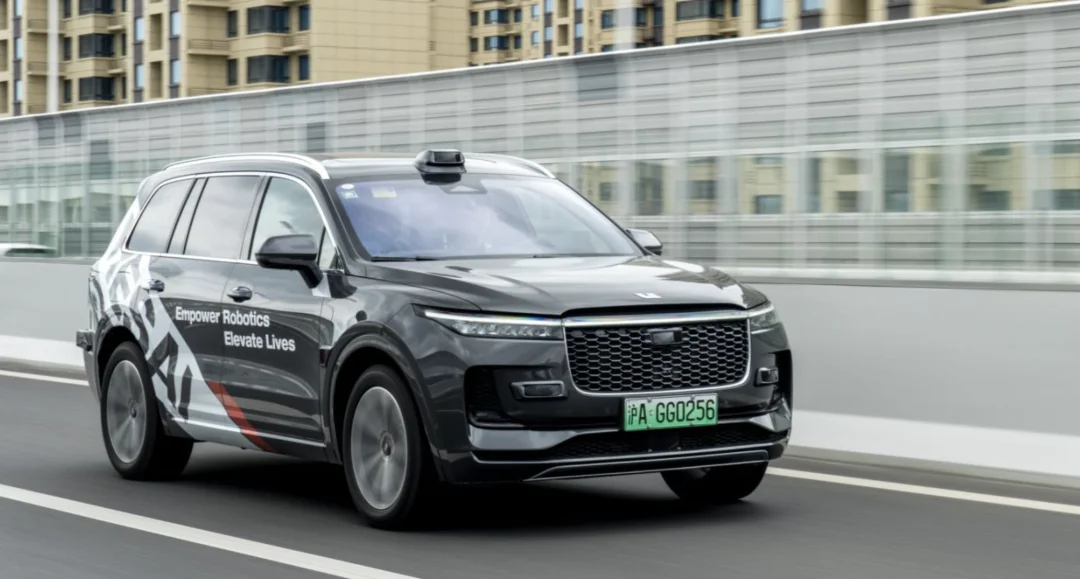
Additionally, Hesai noted in its social media posts that blind-spot lidars typically require multiple units, making half-solid-state lidars cost-prohibitive. This highlights the advantage of the significantly lower-cost FT120. The ideal configuration for full-vehicle surround perception is one AT128 combined with multiple FT120 units.
Cameras vs. Lidar: An Old Debate
The question arises again: to achieve higher-quality surround perception, should vehicles rely on cameras or install more lidar sensors?
This is a broad topic that requires discussion from perspectives including cost, hardware attributes, software capabilities, and associated safety performance.
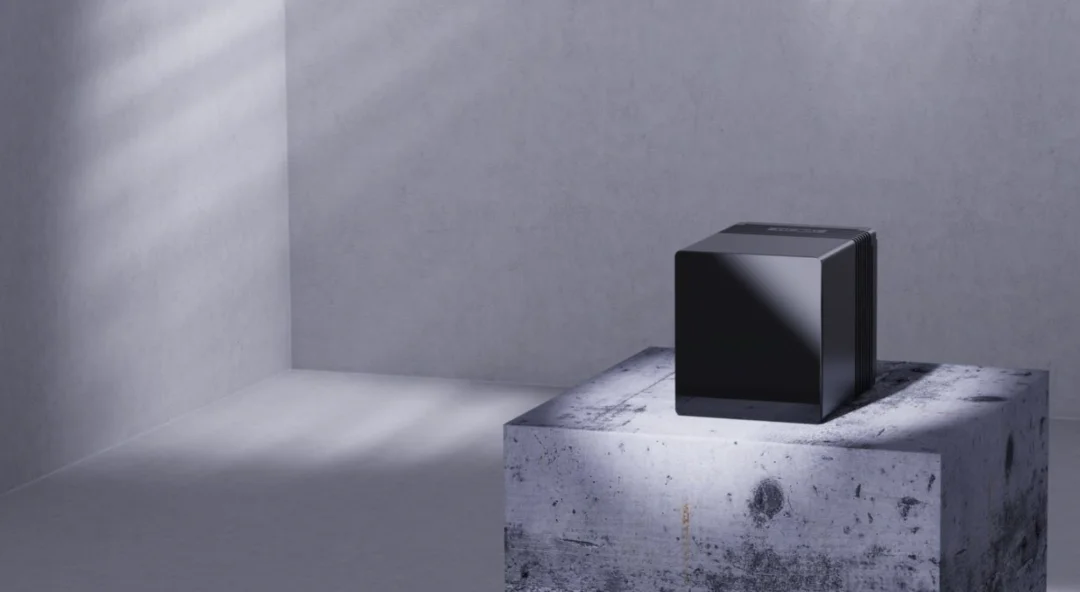
Cost is a given. Hesai CEO David Li noted that even though the cost of purely solid-state blind-spot lidar has dropped significantly below that of the AT128, it remains more expensive than cameras.
In a context where most automakers do not place high demands on lateral perception and therefore use lower-resolution cameras, the cost gap between these cameras and LiDAR remains quite significant.
But there is a reason for the higher price. Compared to cameras, LiDAR can provide more precise perception data, directly obtaining information such as obstacle contours and positions. For cameras to achieve similar capabilities, there are two approaches: first, extensive data training is required; only after the system has "seen" the objects can it recognize them and make decisions.
The drawback is that there are too many real-world corner cases, making it impractical to train on all objects that might appear on the road (especially small objects at close range). Second, based on stereo vision or stitching and reconstruction from multiple cameras, the output is a space that allows the vehicle to pass through.
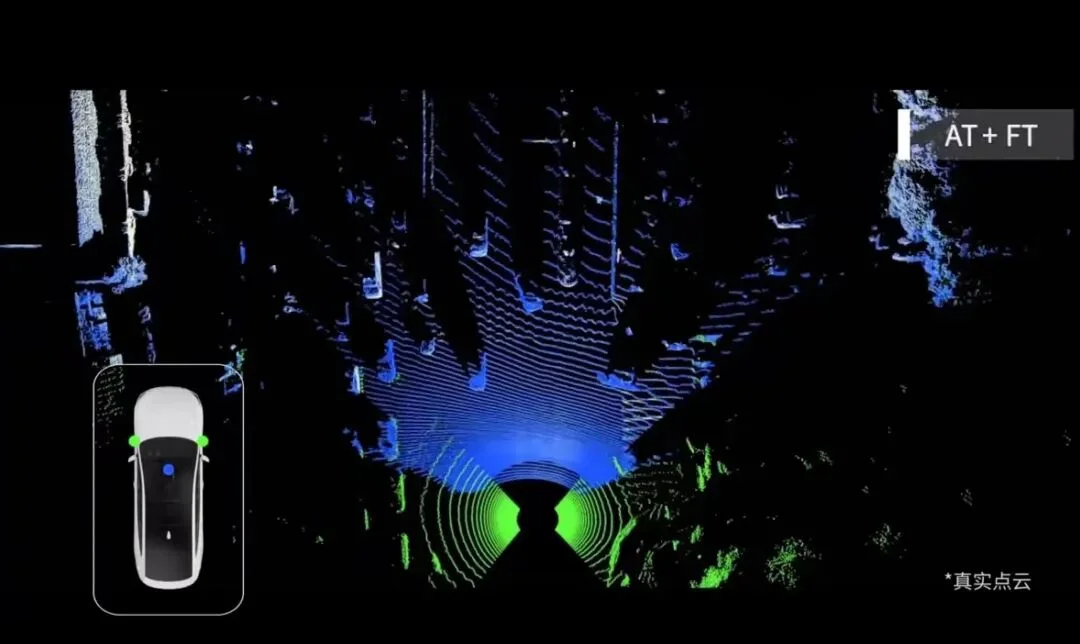
In simple terms, because the hardware differs, the resulting data naturally varies. For automobiles, LiDAR—which provides three-dimensional data—is like a ruler. Cameras have a higher performance ceiling, but they also place greater demands on automakers' software capabilities.
The question of whether to use LiDAR has long divided international approaches: Tesla represents the vision-based route, while domestic automakers and suppliers follow a multi-sensor fusion strategy.
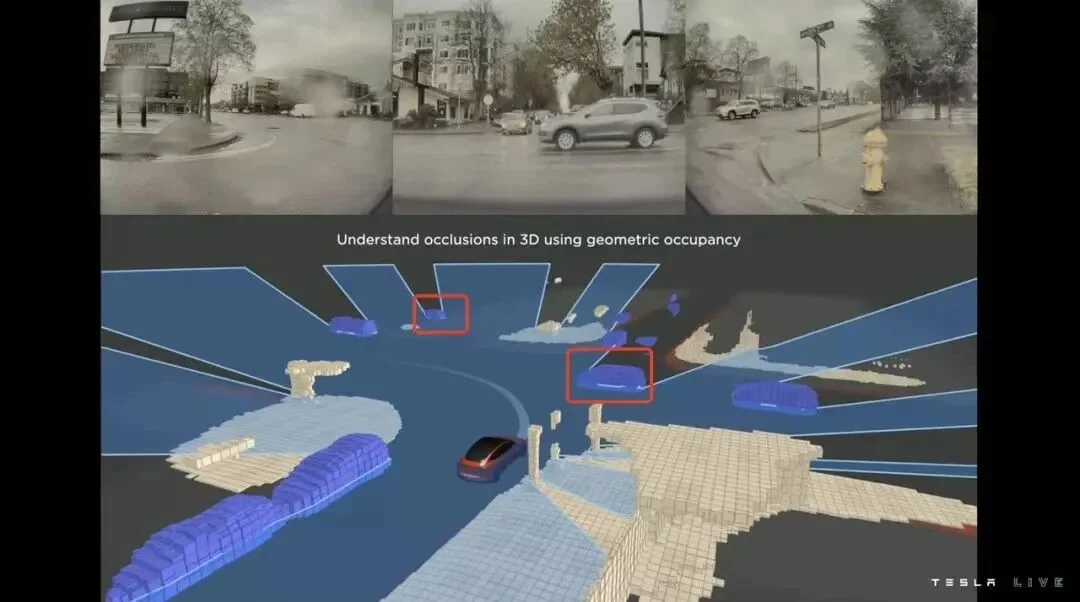
This year, Tesla AI Day showcased its pure vision-based FSD Beta feature, which has impressed observers in most scenarios.
After this, the debate over whether autonomous driving should follow a pure vision route or a vision-plus-LiDAR route has heated up again. I also posed the somewhat sharp topic of "some autonomous driving R&D personnel believe LiDAR is a transitional solution" to Hesai CEO David Li.
Q: After Tesla's AI Day this year, many automotive R&D executives stated that pure vision is the true breakthrough method. How do you view this issue?
David Li: LiDAR will definitely make (autonomous driving) safer. Given this premise, what is the reason for choosing not to use it? That is, it is too safe. Generally, people do not usually discuss cost-effectiveness in terms of safety, especially since LiDAR is no longer a product costing tens of thousands of yuan, but rather a sensor costing a few thousand yuan. It is neither expensive, and under the premise that it helps improve system safety, if automakers still do not adopt it, then there is a sufficient and necessary condition: that the system is already too safe.
Therefore, from the perspective of 'safety,' which is the most sensitive aspect in the field of autonomous driving, the decision to use more abundant hardware requires automakers to balance and trade off across multiple dimensions such as cost, software capabilities, and safety.
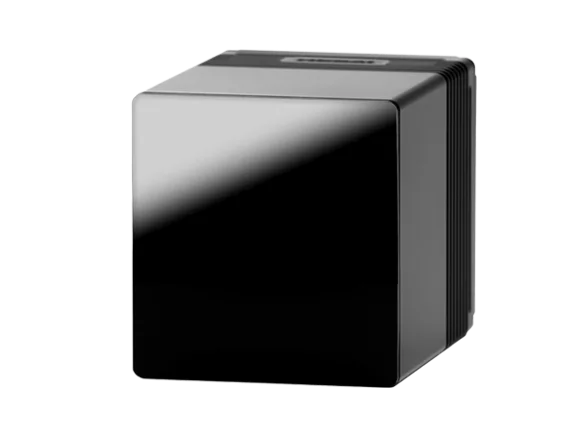
At yesterday's press conference, Hesai also announced that the FT120 has secured mass-production design wins from multiple OEMs exceeding 1 million units, with mass production delivery scheduled for the second half of next year. This data proves that although the potential of vision is infinite, reality is stark; many automakers still require front-mounted LiDAR.
02How did monthly deliveries exceed 10,000?
Those familiar with the lidar industry know that Hesai moves at a remarkably fast pace. From product launch to delivery, the cycle rarely exceeds one year. Moreover, once delivered, it often sets a new monthly record.
This speed suggests a commercial "secret," or perhaps inherent technical barriers in the lidar sector. We have attempted to pose questions such as "How did Hesai succeed?" to David Li.
He first clarified the concept of "success." In his view, Hesai is more concerned with whether its customers—those using Hesai products—have achieved success, rather than focusing solely on the product's own success.
This perspective is common among many Tier 1 and Tier 2 suppliers. Instead of defining success around the product itself, they measure it by customer gains. As suppliers, the focus remains on what value is brought to clients and end users.
Furthermore, David Li identified two key factors behind Hesai’s rapid mass production and vehicle integration. The first is chipification—a systematic approach to enhancing performance, reducing costs, and improving quality, which serves as the technological foundation. The second is self-built manufacturing facilities, an effort many competitors are unwilling to undertake, despite appearing somewhat low-level.
Chipification Is Core
A brief explanation of chipification is necessary here, using competitors’ flagship products for comparison.
Currently, RoboSense’s M1 and Innovusion’s Falcon employ MEMS and 2D galvo mirror scanning methods, respectively. Theoretically, both emit single or multiple laser beams, then achieve global field-of-view (FOV) scanning through the movement of prisms and mirrors.
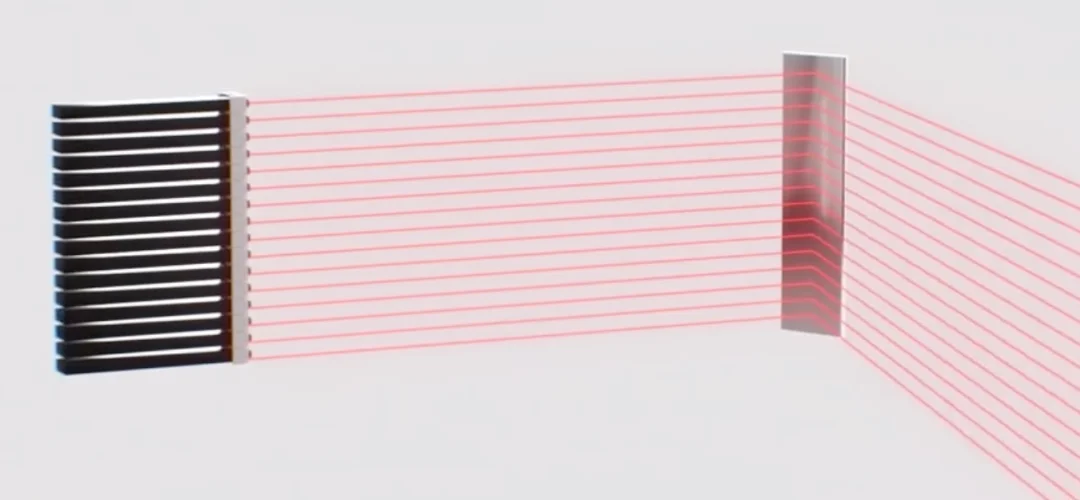
Hesai’s AT128 employs a one-dimensional scanning mirror, which offers higher reliability than the two-dimensional mirrors used in other designs. To simplify: traditional mechanical LiDARs rotate 360 degrees. To scan at fixed angles, the beam is directed onto a mirror that rotates within a specific angular range. Using traditional discrete components for this would result in excessive size and make collimating multiple laser channels extremely difficult.
The solution to these challenges lies in chip integration.
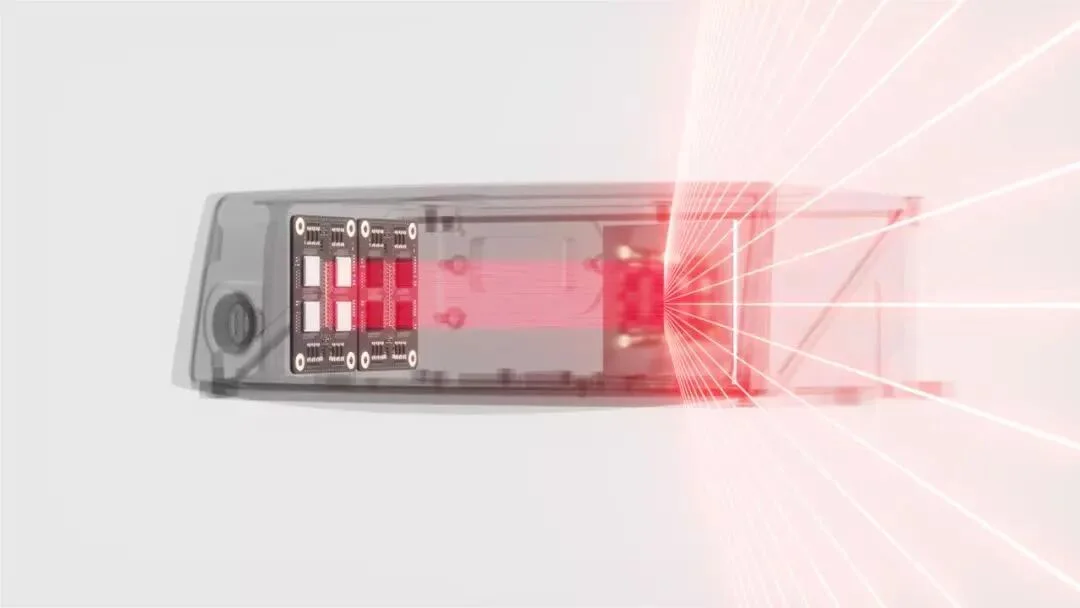
Taking the AT128 as an example, Hesai integrates hundreds of components onto a single chip, embedding 128 laser channels on one circuit board. This design ensures performance while significantly reducing volume. It is worth noting that multi-channel assembly and calibration are complex engineering tasks; chip integration simplifies production processes, increases the speed of automated assembly lines, and serves as an effective cost-reduction measure.
David Li also introduced another concept: while scaling up production does lower costs, its impact is limited. The real breakthrough comes from improving capabilities through chip-based manufacturing processes.
If there is a 'moat,' David Li believes it is Hesai’s chip integration technology. He compares the importance of chip integration for LiDAR to that of engine technology for automobiles.
Self-built Factory
At yesterday's press conference, Hesai announced plans to build a super factory in Jiading, Shanghai. This 'Maxwell' smart manufacturing center is scheduled to begin production next year, with a planned annual capacity of one million units.
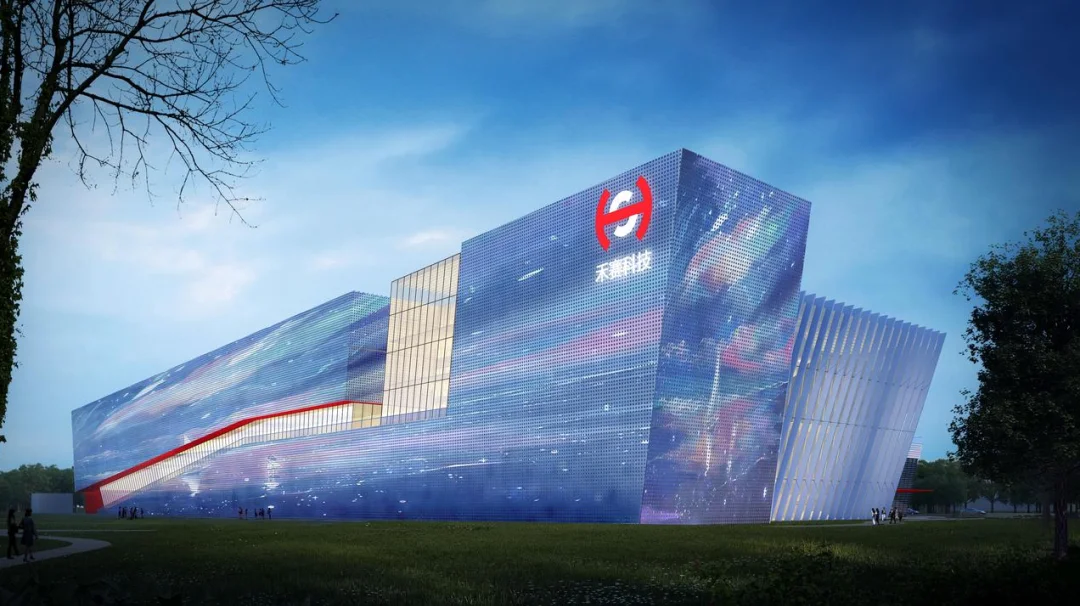
Why build its own factory? In Hesai's view, this is not the most 'sexy' option. When investors ask about production lines, contract manufacturers can present more polished solutions that are easier to boast about. Self-built factories carry risks and involve heavy lifting. However, David Li believes that production is an integral part of research and development (R&D), making it essential for the company to have its own facilities.
What does it mean that production is part of R&D? Consider a tissue box or a phone case: these are not part of R&D because they are simple products; providing molds and production drawings suffices. Even casings for digital devices like laptops and smartphones are generally not considered part of R&D, as once the design phase is complete, they can be manufactured according to standard specifications.
In contrast, lidar is a high-precision instrument where production and R&D must be closely integrated, with R&D processes revolving around manufacturing capabilities. According to David Li, he has not yet seen clear opportunities for outsourcing lidar production. Hesai's current strategy involves close collaboration between R&D engineers and production teams, with some engineers stationed permanently at the factory.
03Conclusion
Hesai takes pride in the fact that its market share for rotating mechanical lidars has reached 60%, with many well-known L4-level Robotaxi companies domestically and internationally purchasing their sensors. The domestic market for intelligent driving is also the broadest, characterized by the most intense competition ('involution') in the iteration rates of both hardware and software. Based on these two premises, there is reason to believe that Chinese lidar technology will become an international benchmark.
Founded in 2014, Hesai has launched multiple lidar models. The release of the FT fills a missing piece in Hesai's lidar portfolio.
Through conversations with the Hesai team, we also sense that despite achieving milestone results, they are not treating them as a cause for excessive celebration. They are well aware that the competition is fierce. As I was writing this article, I received an invitation from RoboSense, one of Hesai's fiercest competitors, announcing that they will launch a new blind-spot detection lidar this month.
So, who dares to claim leadership? And who can afford to throw a victory party yet?
Written by: Bobo Edited by: Liusan