


WEY Mocha to Be First Production Car With City Navigation Pilot NOH
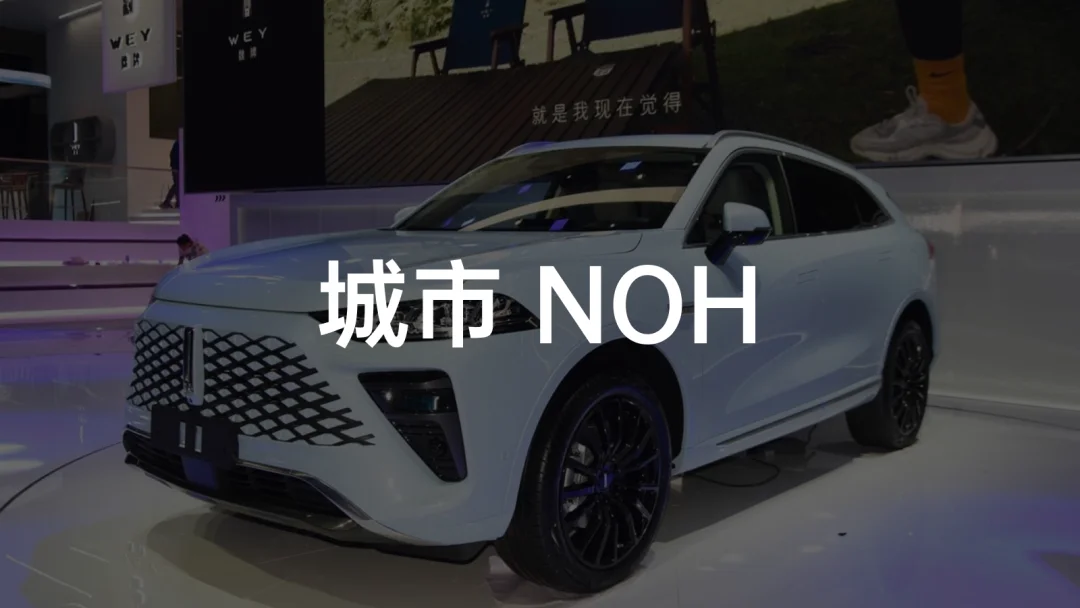
Starting from late last year, automakers have been teasing the expansion of navigation-assisted driving into urban areas. However, after more than half a year, this technology remains confined to closed test tracks.
At this year’s Chengdu Auto Show, Qiao Xinyu, Deputy General Manager of WEY, announced that the WEY Mocha will be the first production model to feature mass-produced urban Navigation Assisted Driving (NOH).
What are the difficulties in achieving assisted driving in city scenarios? And how do manufacturers address these challenges when they cannot be bypassed?
01Is High-Definition Mapping a Necessary and Sufficient Condition?
Before discussing the hurdles of bringing intelligent driving into cities, let us first examine the necessary conditions for implementing navigation-assisted driving on closed tracks.
Most domestic navigation-assisted driving systems rely on coverage by high-definition maps. Vehicles depend on the rich prior information provided by these maps for point-to-point assistance; therefore, the coverage area of high-definition maps becomes a key factor determining the operational scope of navigation-assisted driving.
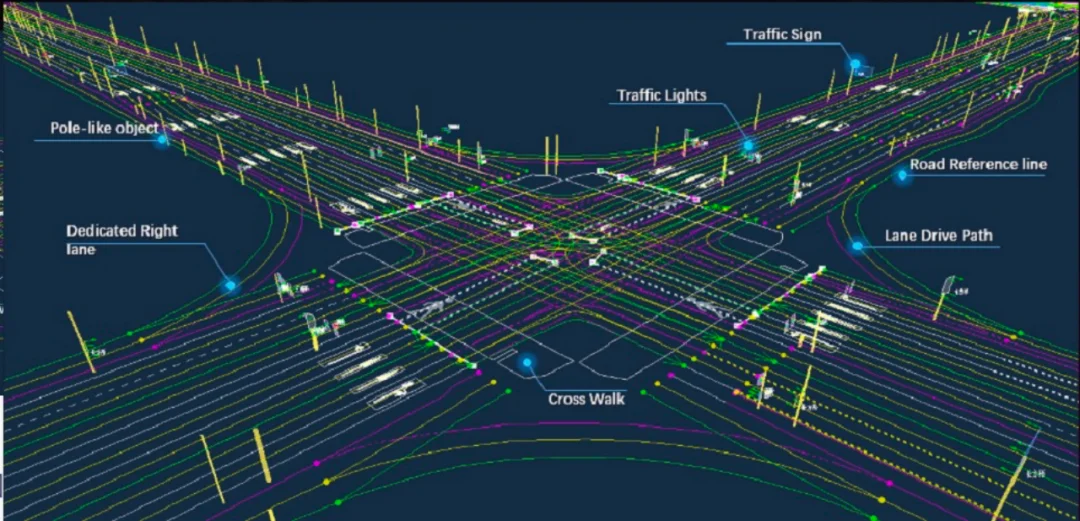
So, does the expansion of urban navigation-assisted driving simply mean widening the coverage area of high-definition maps to make things easier?
This is not easy, primarily due to two challenges. First, legal and regulatory issues: relevant authorities maintain extremely strict qualification reviews for the approval and issuance of high-definition maps. Second, China's road network is vast; suppliers lack sufficient resources to map and maintain updates for roads of all sizes.
Headmap data providers such as Amap, Baidu, and Siweituxin have publicly stated that they have completed mapping of 300,000 kilometers of closed sections nationwide and have launched city road mapping initiatives.
Overall, relying on the widespread deployment of high-definition map data collection is not the optimal solution for urban navigation-assisted driving. In terms of scenario adaptability, a vehicle-centric strategy emphasizing perception over maps is better suited for the implementation of urban navigation-assisted driving.
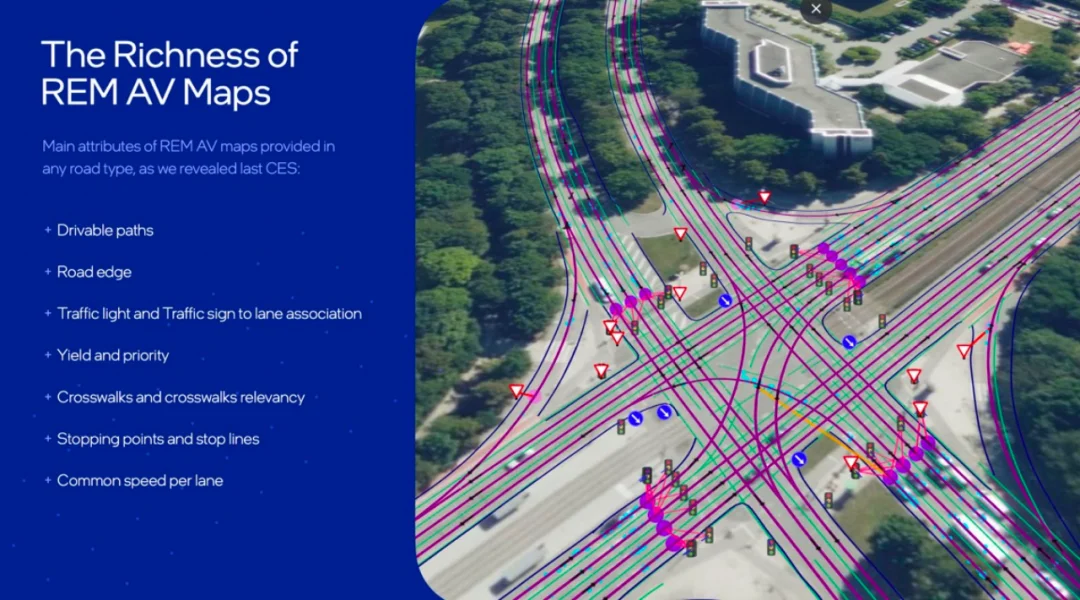
02Downplaying High-Definition Maps, Shifting to a 'Perception-Heavy' Strategy
When the freshness of high-definition maps cannot meet the needs of advanced driver assistance systems, their status becomes diminished.
More than one automotive executive or R&D personnel has expressed the idea of 'downplaying high-definition maps' in public forums, and some automakers and suppliers are already doing so.
For example, the Haomozhixing City NOH equipped on the Great Wall WEY Moka DHT-PHEV.
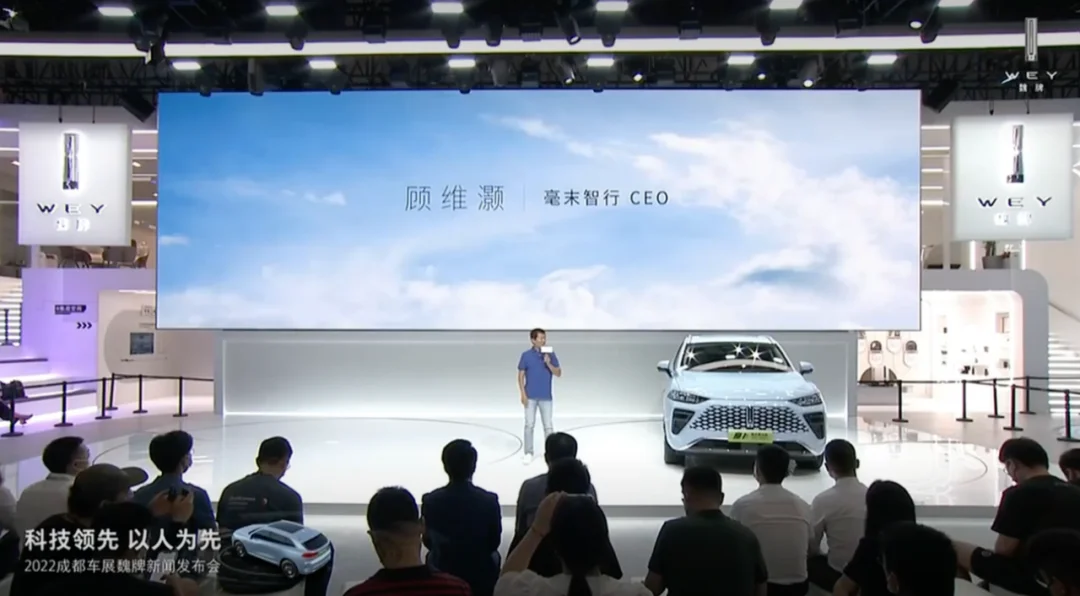
At this year's Chengdu Auto Show, Gu Weihao, CEO of Haomozhixing, shared that a key reason for their rapid progress in urban assisted driving is their 'perception-heavy' strategy.
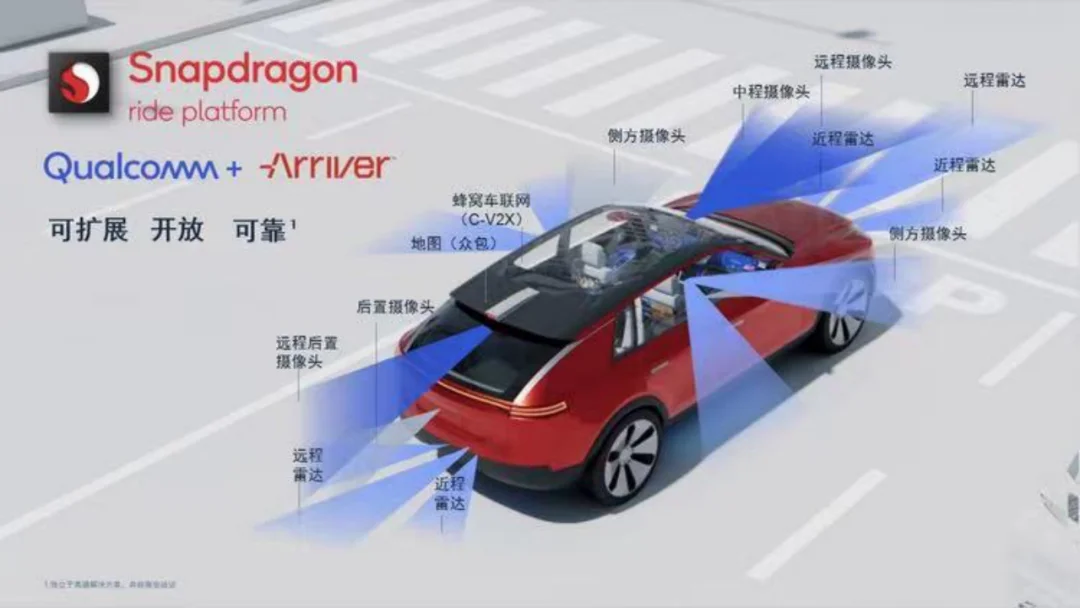
Since this is a perception-heavy system, we must first understand its sensor configuration.
The hardware equipped for the WEY Mocha City NOH includes:
Two 125-line LiDARs
12 cameras
5 millimeter-wave radars
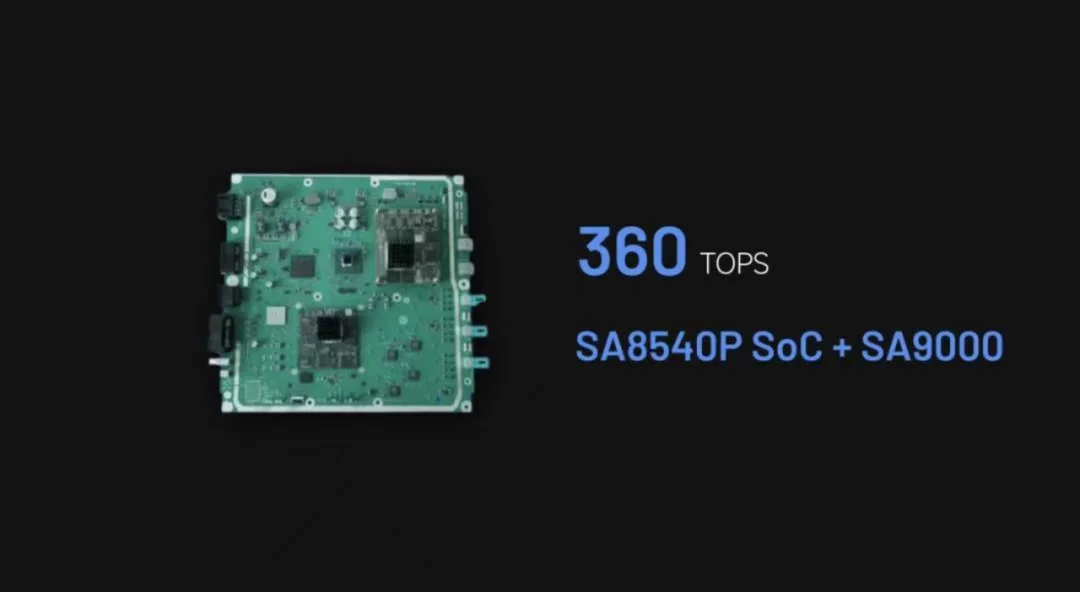
Gaotong Snapdragon Ride intelligent driving platform, single-board computing power of 360 TOPS
Notably, the 8540 Xinpian, which is the first to be launched under the Gaotong Snapdragon Ride platform, adopts a 5 nm manufacturing process, while the 9000 uses a 7 nm process. This also marks the first time the Gaotong Snapdragon Ride autonomous driving computing platform has been installed in a vehicle in China.
From a hardware perspective, this is a complete hardware architecture aimed at advanced driver assistance systems (ADAS), and even autonomous driving.
However, ADAS performance depends on software capabilities. At the previous two Haomozhixing AI DAY events, Haomozhixing CEO Gu Weihao shared extensive insights into Haomozhixing's autonomous driving technology. Below, we review these points to provide an overview of the capabilities of WEY Mocha City NOH.
03Single-Vehicle Intelligence: How Haomozhixing Approaches It
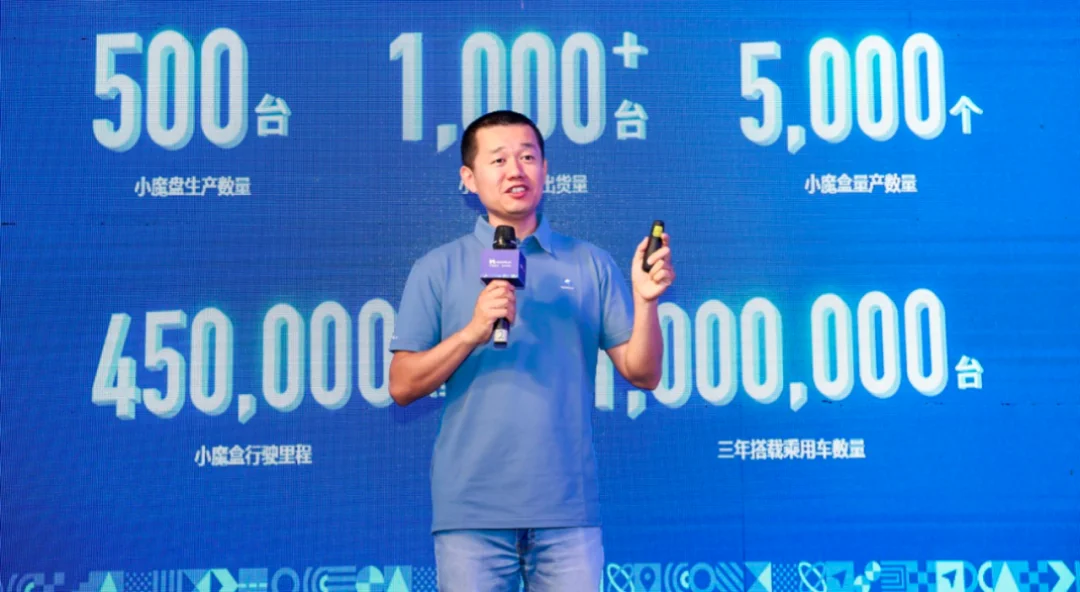
Gu Weihao stated: "Currently, most intelligent driving perception systems suffer from 'temporal perceptual discontinuity and spatial perceptual fragmentation.'"
Temporal perceptual discontinuity arises because camera-captured images are acquired in discrete frames, with a fixed interval between consecutive frames. While the system can process each individual frame, the tens of milliseconds between frames represent a blind spot for the system. Even if the system possesses the capability to perform continuous target detection on single frames, post-processing fusion based solely on temporal data cannot fully leverage useful information from the sequence.
Spatial perception fragmentation refers to the fact that, due to each sensor's field of view (FOV) limitations and varying installation positions and angles, every sensor can only perceive local information about the current environment. The system must fuse data from multiple cameras to obtain 360° environmental information around the vehicle.
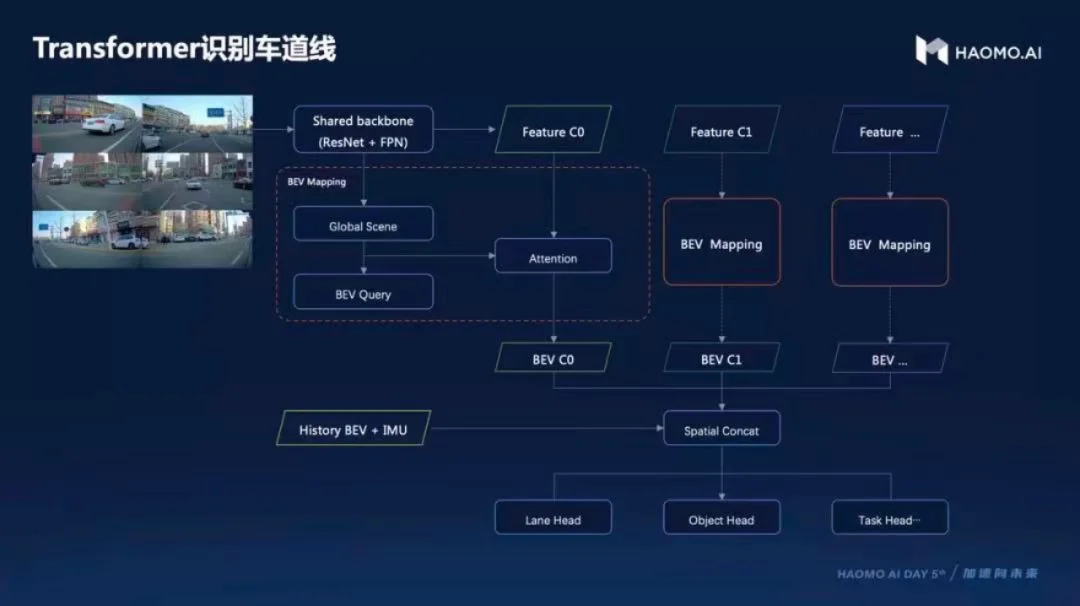
As data volumes grow, traditional CNN algorithms are beginning to struggle. In response, Haomozhixing has introduced the Transformer. The Transformer was first proposed by Guge and was initially used in the field of natural language processing to handle sequential text data.
Later, due to Transformer's advantages in processing large-scale data, it became highly favored by the computer vision community in recent years for its suitability in handling the massive amounts of data required for autonomous driving. Under requirements that involve fusing detection results from multiple sensors and fully utilizing temporal information, the advantages of Transformer become evident.
Tesla was the first automaker to introduce Transformer neural networks into autonomous driving. Today, domestic automakers and suppliers are following suit, with Haomozhixing being the one making the fastest progress.
The primary role of the Transformer in spatial pre-fusion is coordinate system conversion, while the continuous output of the spatial fusion module over time constitutes temporal pre-fusion.
With the introduction of Transformer neural networks, we examine Haomozhixing’s urban NOH through two dimensions: space and time.
Spatial Front-End Fusion
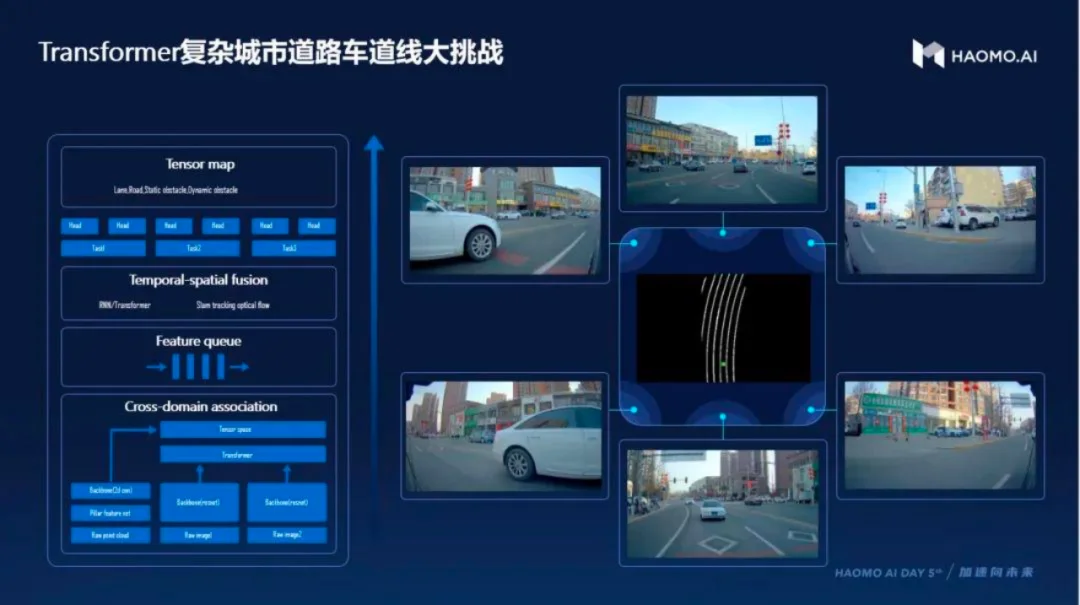
The primary role of Transformers in spatial front-end fusion is coordinate transformation. Haomozhixing stitches together image data from multiple angles, converting the view into a three-dimensional spatial coordinate system with a Z-axis to output Bird's Eye View (BEV) imagery.
Using the attention mechanism of Transformers, the system can stably identify target objects such as lane markings. Without this, calibration errors across different sensors would significantly disrupt perception continuity.
Furthermore, after generating BEV, the system must map corresponding target positions—establishing the relationship between each point in the 3D coordinate system and its counterpart in the 2D image.
Feature extraction for urban NOH still occurs on 2D images, but includes an additional step called BEV Mapping. This involves using ResNet and FPN for feature extraction, then employing Transformers to transform the feature maps into unified BEV coordinates.
Unlike Tesla’s pure vision BEV, Haomozhixing’s urban NOH also fuses LiDAR point cloud data. Since LiDAR point clouds inherently contain 3D information, front-end fusion with image BEV is not overly difficult, allowing the two types of data to cross-validate each other.
Temporal Early Fusion
Simply put, human driving predictions rely on short-term memory. For example, if a cone flies into my lane one second ago, I instinctively slow down, observe the environment, and change lanes to avoid it after recognizing it. To give the system predictive capabilities, we must incorporate time sequences, essentially providing it with memory.
This is where the Transformer’s advantage lies. BEV must not only align information and features from different perspectives but also synchronize the timelines of materials from each view, continuously stitching together the environment built in the "past tense" with that being constructed in the "present tense" as the vehicle moves.
In this way, the system is equipped with "short-term memory".
Data System
Human drivers only need to learn how to drive to operate on most roads; they do not need to have driven every road in the country. This is because humans do not require prior information such as high-precision maps. Eyes (sensors) plus a brain (neural networks) are sufficient to accomplish the task of driving.
However, for a system to achieve autonomous driving, it must undergo as many road tests as possible to address more corner cases. To use an analogy: humans are like parents, and the intelligent driving system is like a child learning to speak. The parent needs to let the child 'see' the outside world frequently and verbally explain what things are, so that when the child encounters them again, they can recognize them.
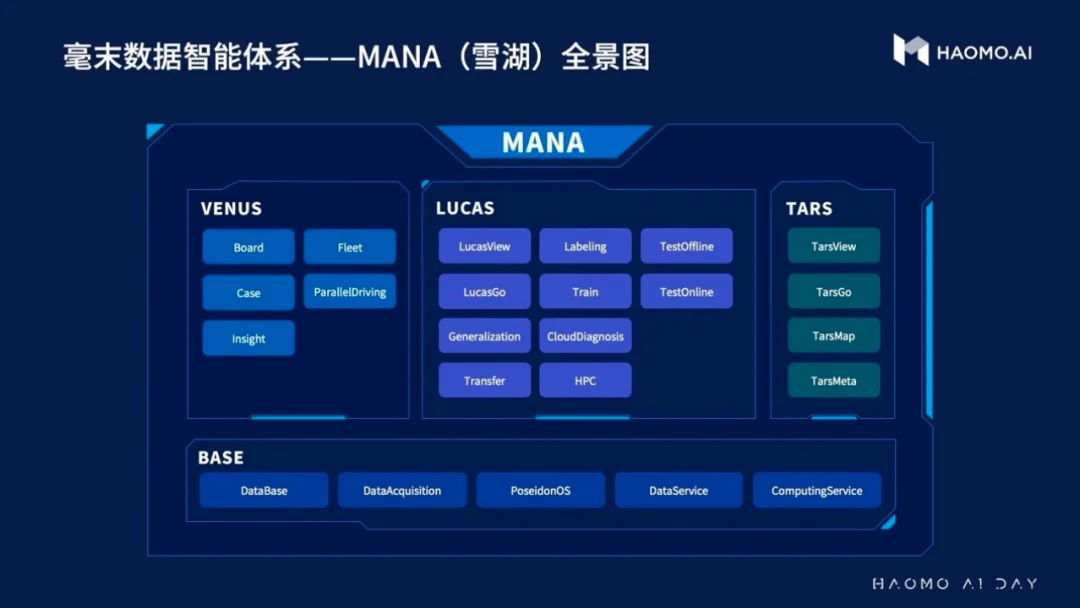
So a massive amount of data becomes crucial. Late last year, Haomozhixing released its autonomous driving data intelligence system, MANA. Simply put, MANA encompasses everything related to data, including data annotation, algorithmic models, testing and validation systems, simulation tools, and computing hardware.
In real-world road testing, Haomozhixing's NOH has accumulated 15 million kilometers of user-driven mileage and 171,884 hours of total user usage time.
04Conclusion
Perhaps carmakers generally believe that relying on map providers to conduct high-precision mapping and maintenance for all major and minor urban roads nationwide in the short term is an insurmountable task. Consequently, single-vehicle intelligence, which relies on the vehicle's sensors for autonomous driving, has gradually become the common direction for the industry.
This has created today's industry landscape: pioneers are forging ahead, attempting to bridge highway and urban scenarios, while also pushing functional capabilities to new heights.
Haomozhixing's efforts, or those of Changchengjituan more broadly, will ultimately reach consumers first through WEY.
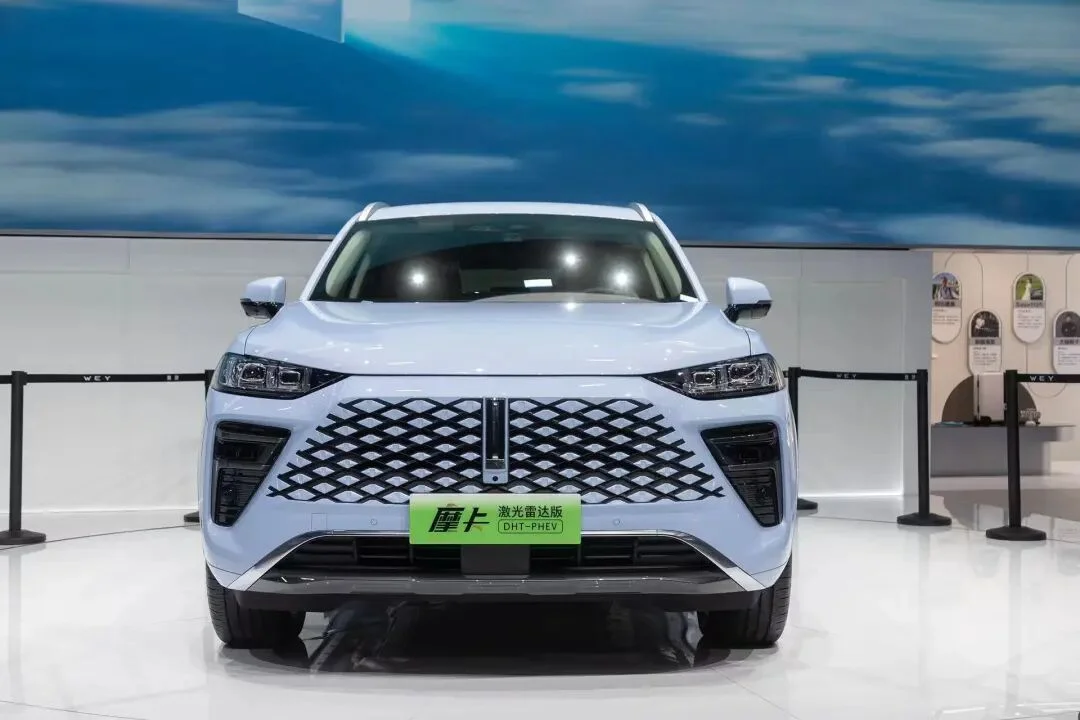
Last month, the WEY Natie DHT-PHEV model was officially launched, marking that WEY's entire product lineup has completed its transition to drive systems and is fully moving toward electrification.
The introduction of urban NOH means that WEY has finally completed the "smart" puzzle.
Regardless of whether you acknowledge it or not, WEY sits at the apex of Changchengjituan's brand pyramid. From intelligent DHT to the deployment of Haomozhixing's highway NOH and the near-production readiness of urban NOH, WEY is the group's pioneer in adopting these technologies.
This is undoubtedly good news for consumers. In the past, those seeking leading intelligent driving capabilities had no choice but to opt for new force brands. However, with WEY now offering a leading intelligent driving system, consumer choices have expanded significantly.
Therefore, we are very much looking forward to seeing more brands like WEY stepping up to face competition from new forces. As product 'involution' intensifies, consumers will always be the ultimate beneficiaries.
Written by: Bobo Edited by: Liu San