


Zhiji Enters the Red Ocean Market: What Are Its Capabilities?
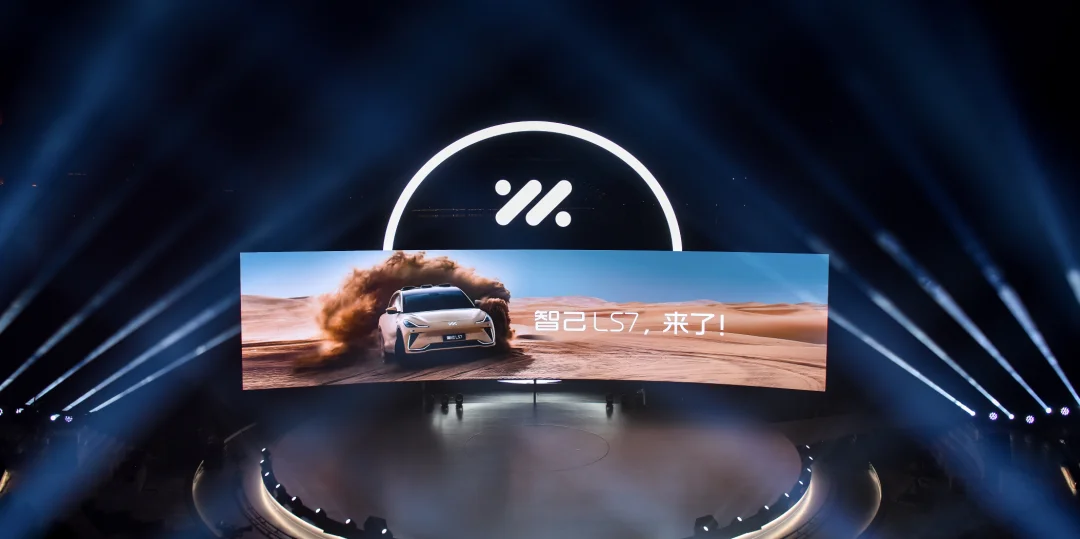
As 2023 begins, the smart electric vehicle industry is becoming increasingly competitive.
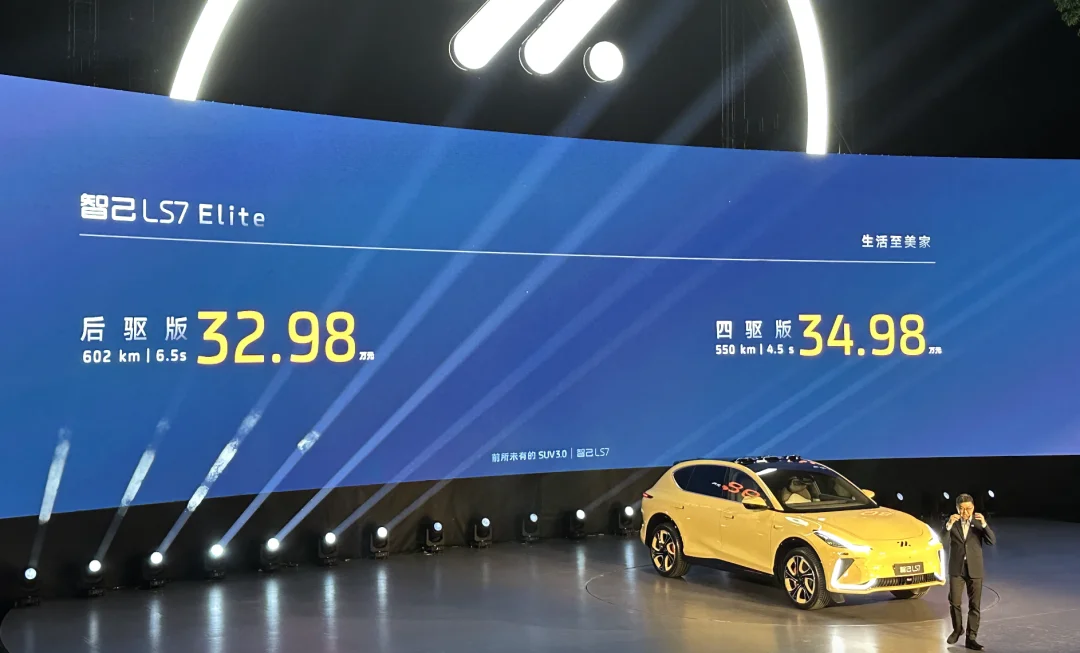
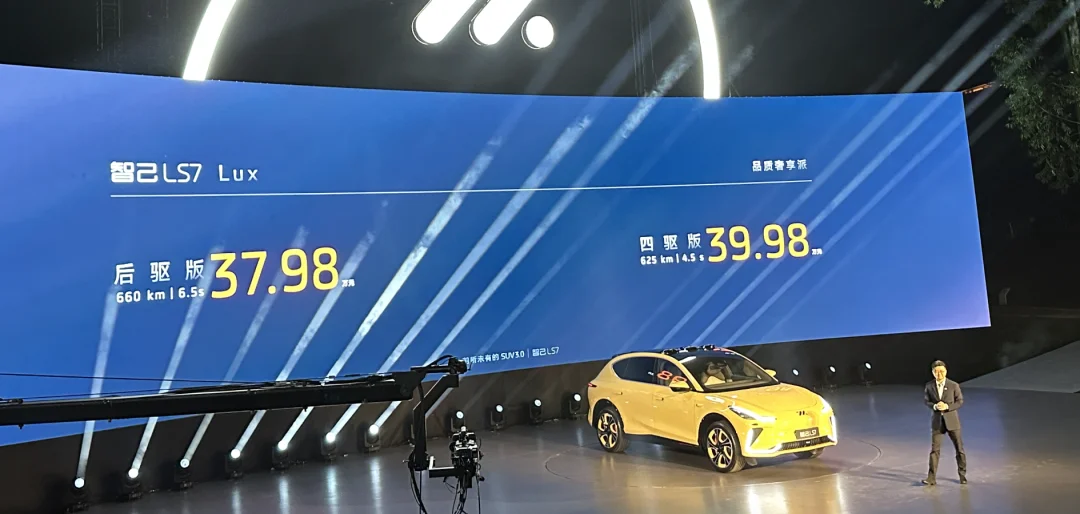
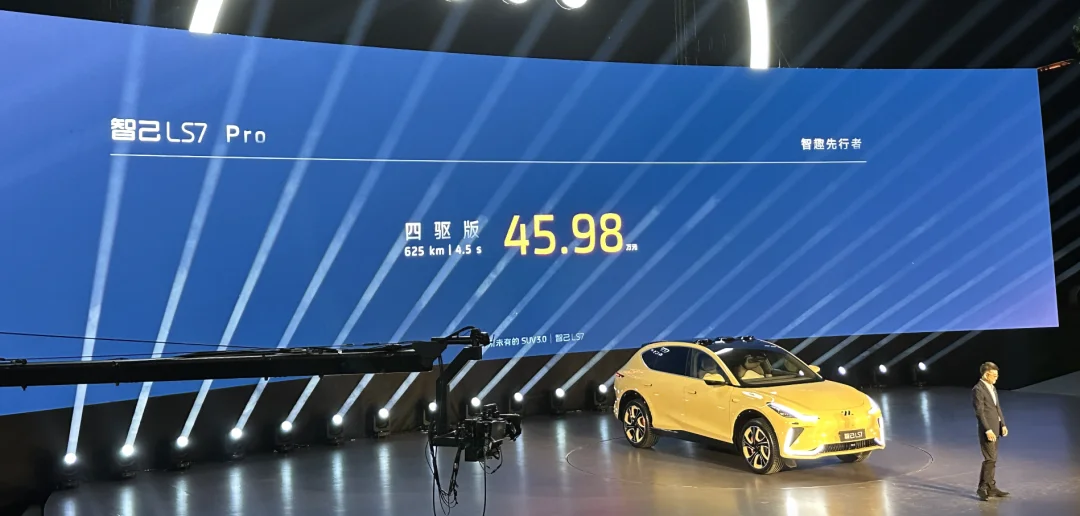
Tonight, Zhiji officially launched its second model, the Zhiji LS7. The specifications and pricing are as follows:
LS7 Elite Rear-Wheel Drive: RMB 329,800; All-Wheel Drive: RMB 349,800
Lux Rear-Wheel Drive: RMB 379,800; All-Wheel Drive: RMB 399,800
Top-tier Pro model: RMB 459,800
In the final "One more thing" segment, Zhiji also unveiled an entry-level LS7 model: the Pure variant equipped with a 77 kWh battery pack, priced at RMB 309,800.
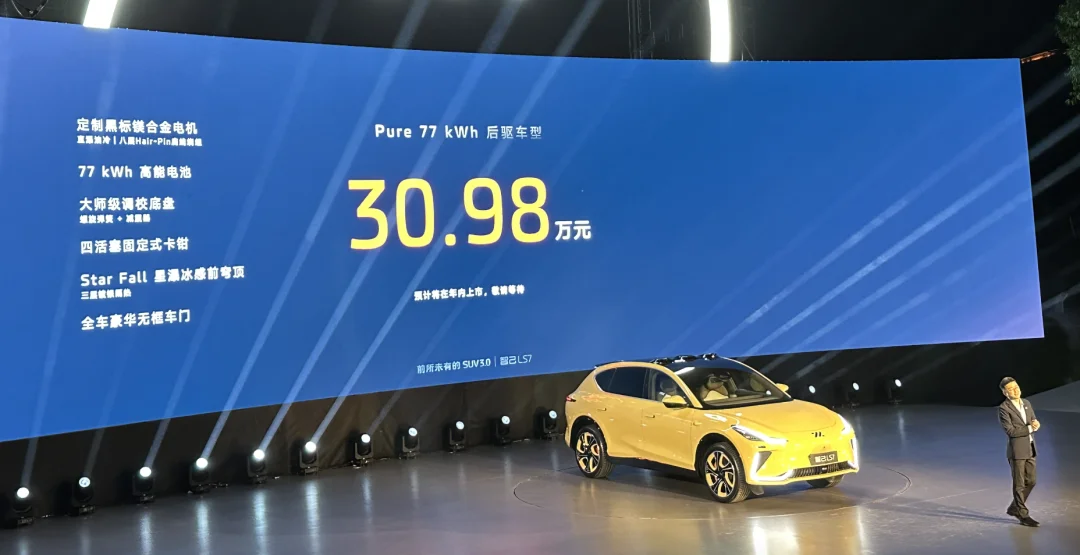
The LS7’s price range is extensive. At the entry level, it competes directly with the Li L7 and XPENG G9, while its top-tier trim is priced identically to the Li L9.
After reviewing its pricing and specifications, you will likely want to dig deeper into this vehicle’s product details. What sets it apart as it enters the fiercely competitive mid-to-large pure electric SUV market?
Earlier this week, I test-drove the Zhiji LS7 in Yunnan, and the experience gave me some new insights into the car.
01Distinctive Features
For an automaker to establish a clear brand identity, it must validate that positioning through a series of products. Only when multiple models consistently embody its manufacturing philosophy will the market recognize its original intent and strategic decisions—provided, of course, those decisions align with market demand.
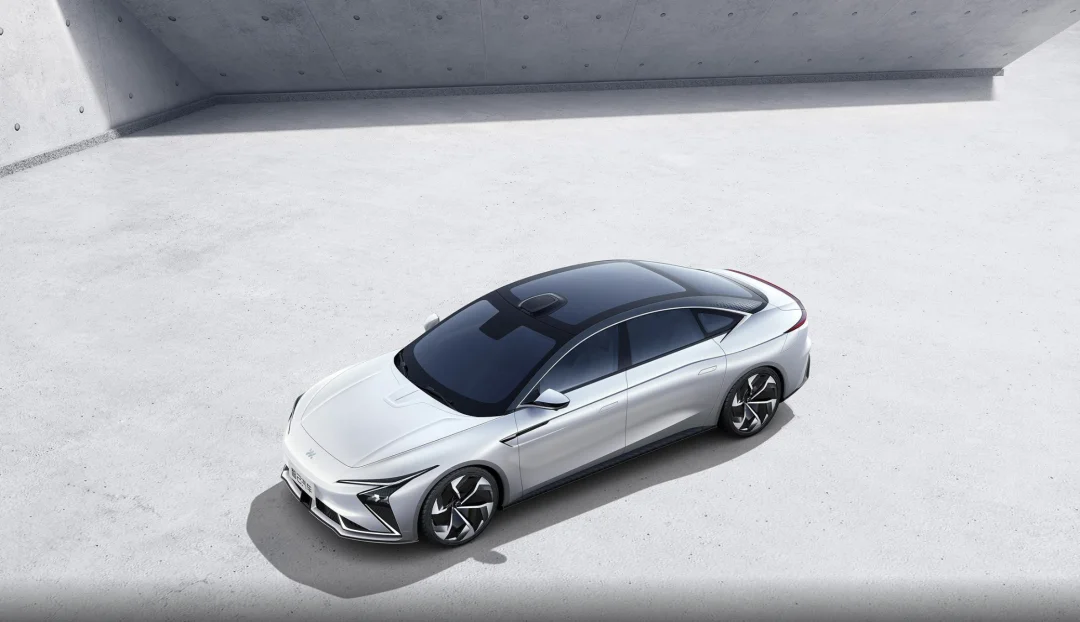
Zhiji’s first product, the L7, is a mid-to-large sedan with a length exceeding 5 meters, yet its positioning, body posture, and chassis tuning follow a sporty route. To enhance chassis handling performance, Zhiji Automotive enlisted the Williams Engineering team to oversee development. The general market feedback is that its sporty handling is absolutely in the top tier, but it has relatively sacrificed rear-seat comfort for body posture and handling performance.
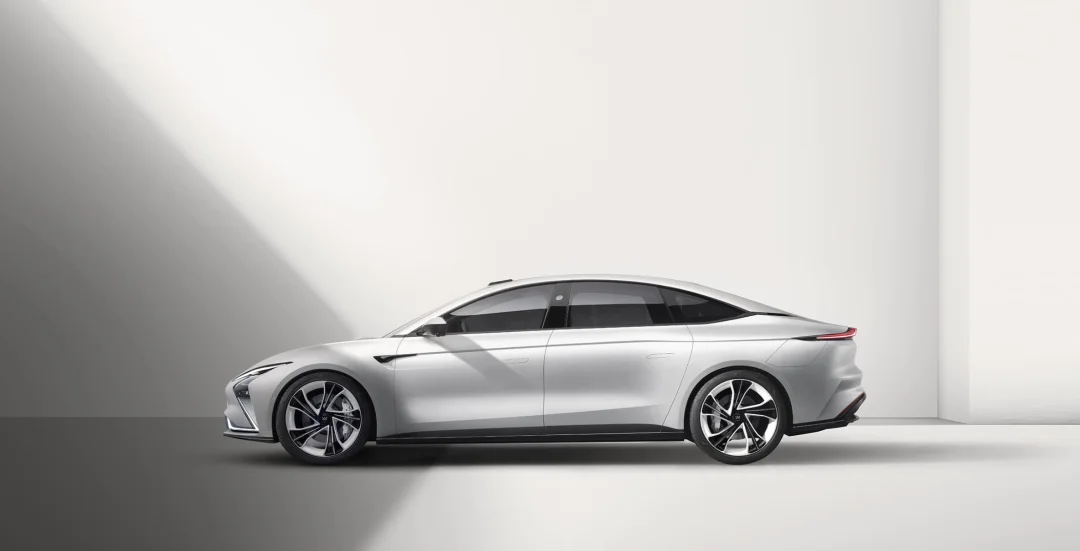
Therefore, this mid-to-large sedan, with a wheelbase of 3.1 meters, is not a vehicle oriented entirely toward family use.
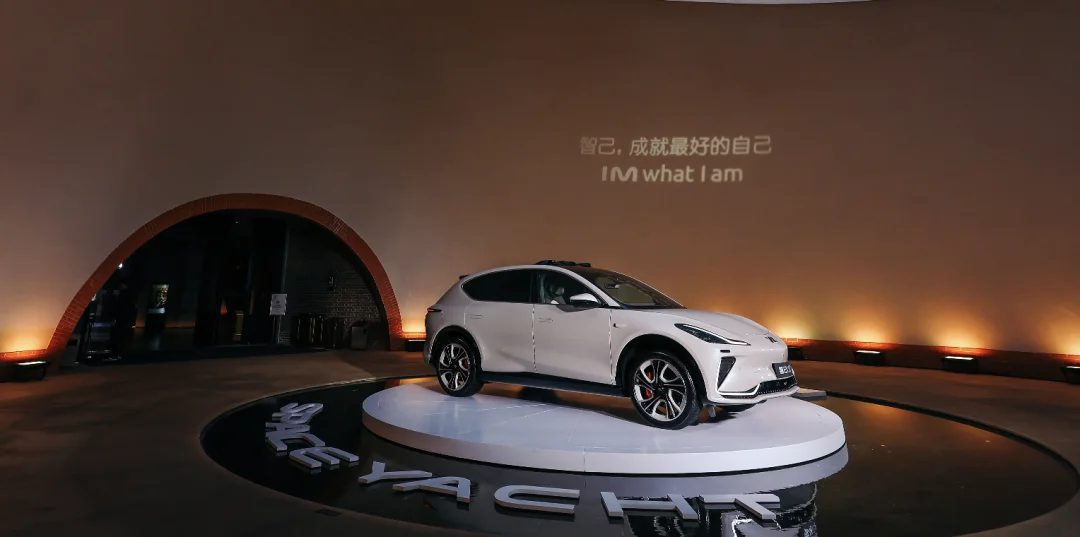
Thus, before test-driving the LS7, my biggest question was whether Zhiji’s first SUV would “compromise” for comfort?
Because in previous promotional materials from Zhiji, we could see that the brand aims to create a more family-oriented model. Even Zhiji Co-CEO Liu Tao has repeatedly stated that the Zhiji LS7 will be a very “family-friendly” vehicle.
If it were merely an SUV version of the L7, this would somewhat contradict the term “family-friendly.”
So this time, we will skip the controversial exterior design and step inside to see how Zhiji builds its "family SUV."
Innovative Cabin Layout
Before discussing the cabin experience of the Zhiji LS7, it is necessary to present the specifications first.
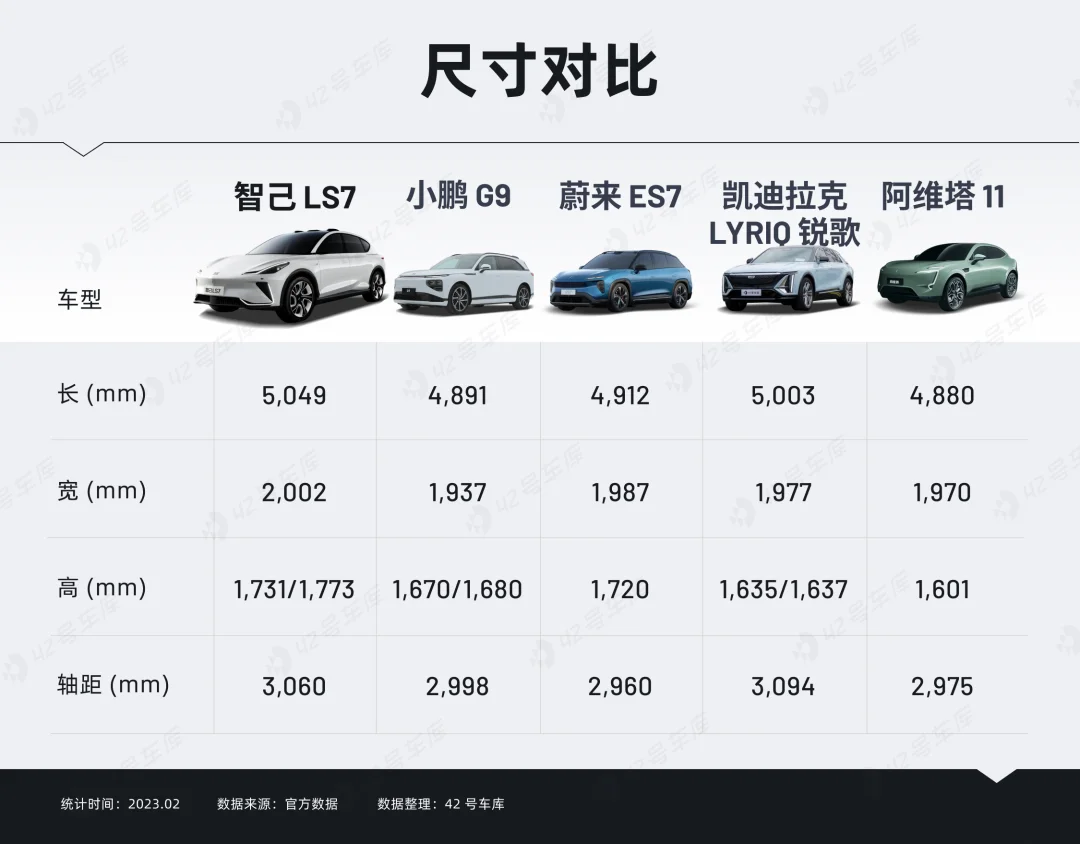
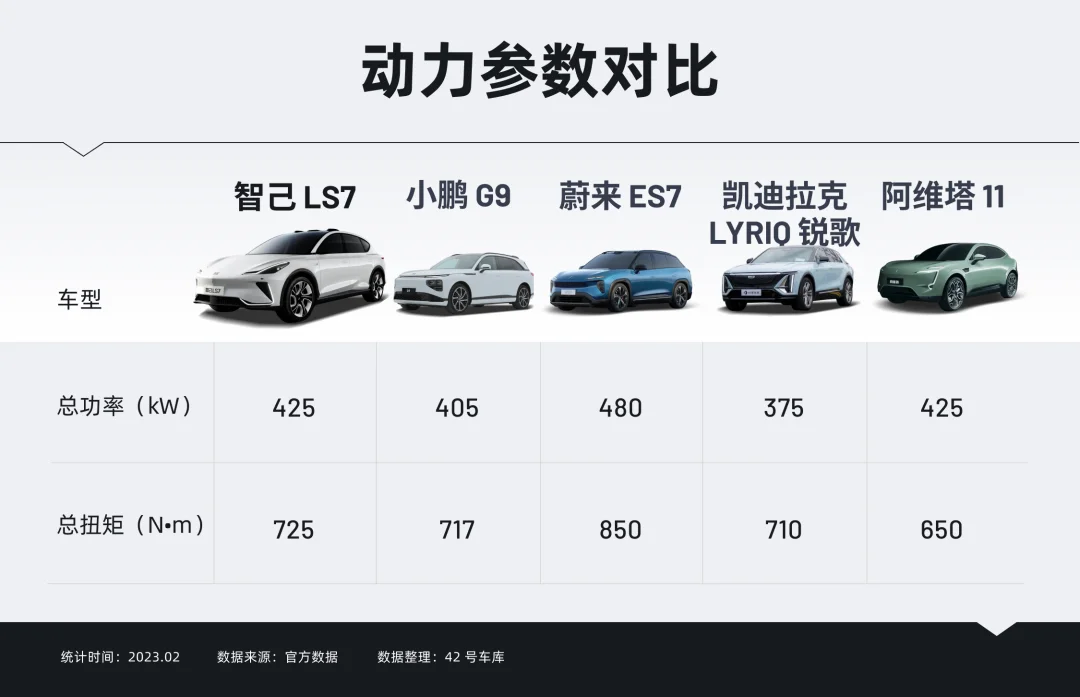
The Zhiji LS7 has a length of 5,049 mm and a wheelbase exceeding three meters at 3,060 mm. These figures are more impressive than those of popular five-seat SUVs such as the XPENG G9 and NIO ES7.
At the same time, all versions of the Zhiji LS7 feature a five-seat layout, and the manufacturer claims it is a large five-seat model. However, in actual experience, the vehicle's legroom does not offer a crushing advantage compared to the aforementioned models. On the contrary, Zhiji has put considerable thought into the interior space layout this time.
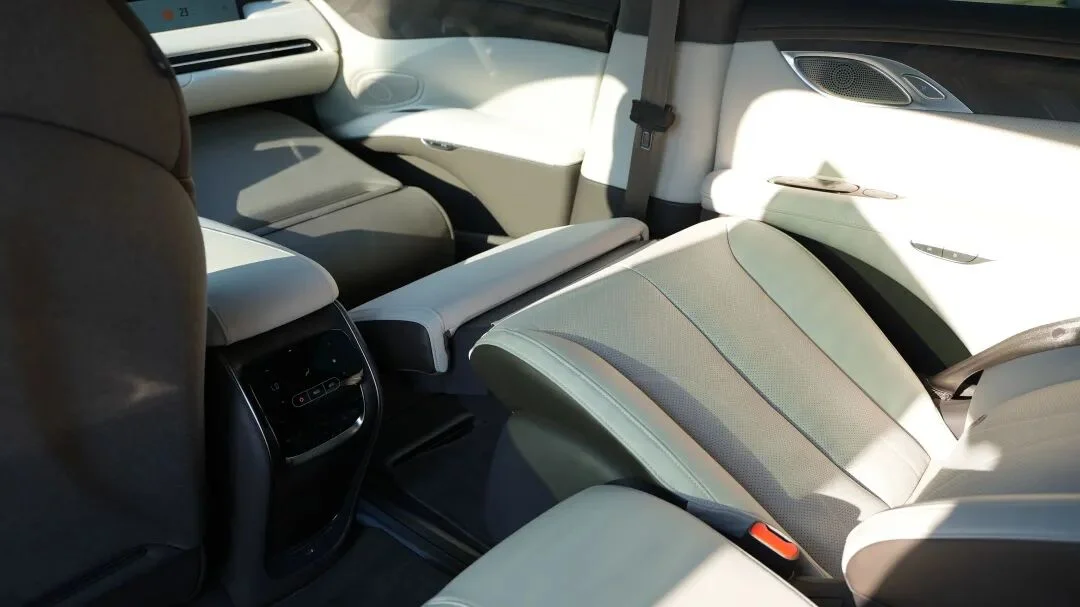
First, Zhiji has equipped a "zero-gravity seat" in a five-seat model. We have experienced this type of configuration before in the AITO M7, and it now appears to be trending toward widespread adoption.
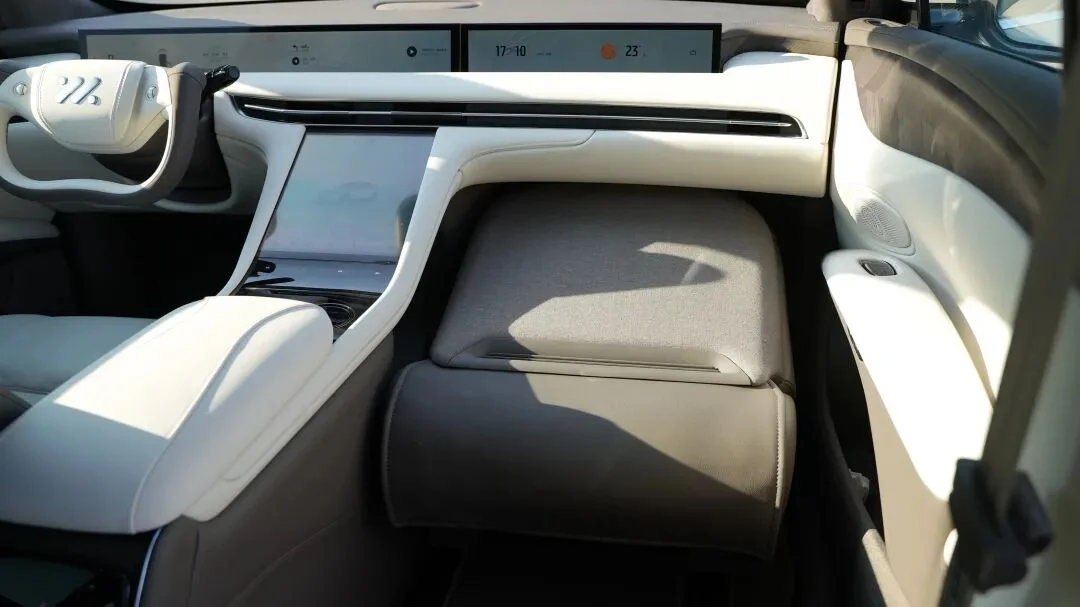
When the Zhiji LS7 activates its zero-gravity seat mode, the front passenger seat folds flat and tucks into the space beneath the center console that was originally designated for the glove box. The rear seats then slide forward, while their cushions and leg rests lift up. In this configuration, the backrest of the front passenger seat serves as a footrest, allowing rear passengers to recline comfortably.
The Zhiji LS7 achieves a 121° angle, compared to the AITO M7’s 113° lumbar zero-pressure angle.
While the "zero-gravity" seating experience is indeed comfortable, it comes at the cost of reduced passenger capacity. With the zero-gravity mode engaged, the most comfortable seating positions in the LS7 are limited to the driver and the area behind the front passenger seat.
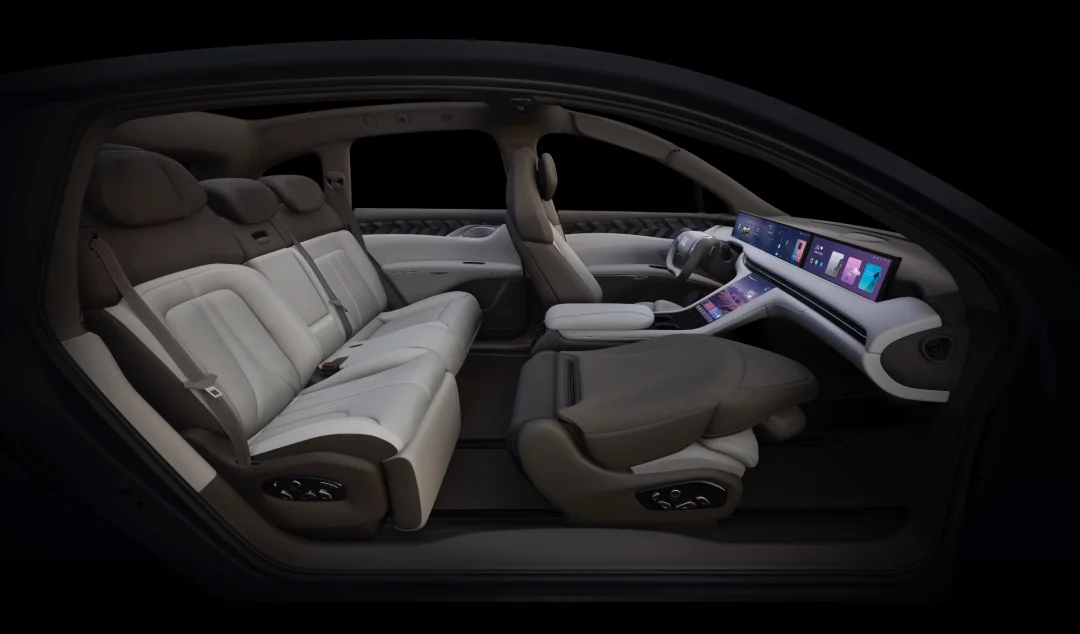
Additionally, the Zhiji LS7 allows the front seats to fold completely flat, transforming the area into a pure, level "bar counter." Zhiji product personnel described an ideal usage scenario: the father drives from the front left, the mother sits in the right-rear seat to care for a child in a rear-facing car seat, and the folded-down front passenger seat provides storage for items that need to be accessed frequently.
Therefore, Zhiji’s approach to creating a family-oriented vehicle does not simply copy Li Auto’s playbook by focusing solely on entertainment and comfort features. Instead, it creates different family travel scenarios by altering the structural layout through seat adjustments.
First Drive: Semi-Rim Steering Wheel
If the seating layout of the Zhiji LS7 represents an innovative concept, two other features in its cabin may not be as original, but they still serve as differentiating highlights within this product segment.
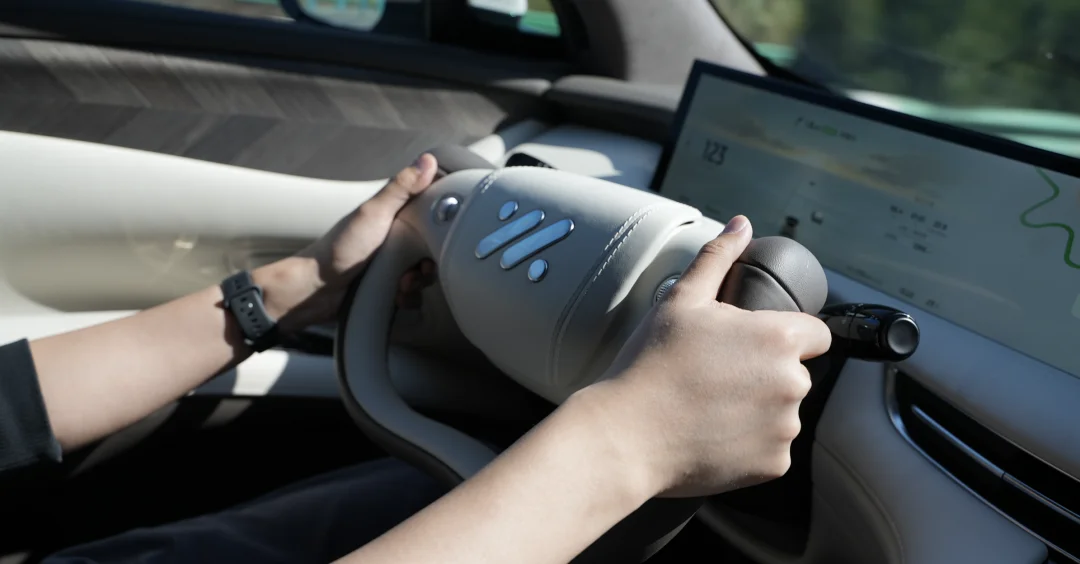
The first is the semi-rim steering wheel. Upon entering the Zhiji LS7 cabin, my attention was immediately drawn to the yoke-style design. Since Tesla introduced this type of steering wheel on the Model S Plaid, several domestic automakers have followed suit. Models featuring this configuration in recent years include the Jidu Robo-01 and the Zhiji LS7 reviewed here, which has branded its own version as the YAT.
The primary advantage of such a steering wheel is that it provides a wider forward field of view. This is particularly beneficial for vehicles like the Zhiji LS7, which feature a long dual-screen setup, allowing drivers to access instrument cluster information more comfortably.
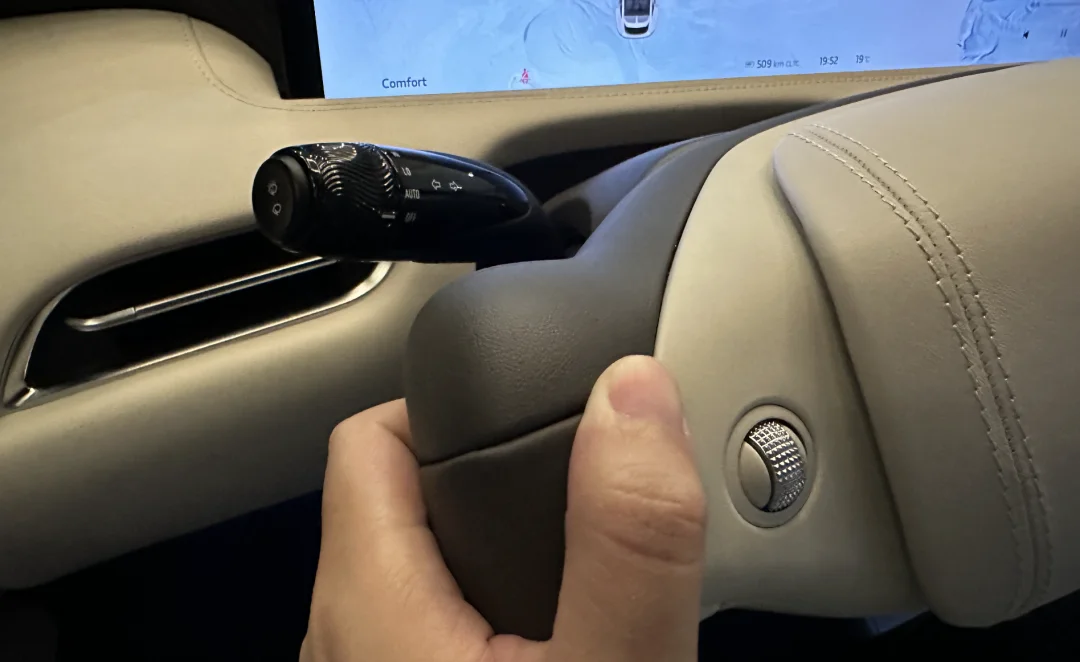
A minor detail regarding the Zhiji LS7’s YAT steering wheel is the protruding “horns” at the nine o’clock and three o’clock positions. This design aims to improve ergonomics and grip. However, during my experience, I noticed a usability issue: behind the steering wheel are the stalks for steering, wipers, and gear selection, along with two small paddles for adjusting autonomous driving speed and following distance. Reaching these controls with the index or middle finger feels somewhat awkward. It would be more convenient if the turn signal controls were integrated into buttons on the steering wheel itself.
Finally, note that the YAT steering wheel is not standard equipment; buyers who prefer a traditional design can opt for a conventional steering wheel.
Largest Front Windshield
Another feature is the panoramic windshield that turns the cabin into a sunroom.
We have experienced this configuration in the Tesla Model X and the older XPENG G3, with the most prominent impression being intense heat exposure.
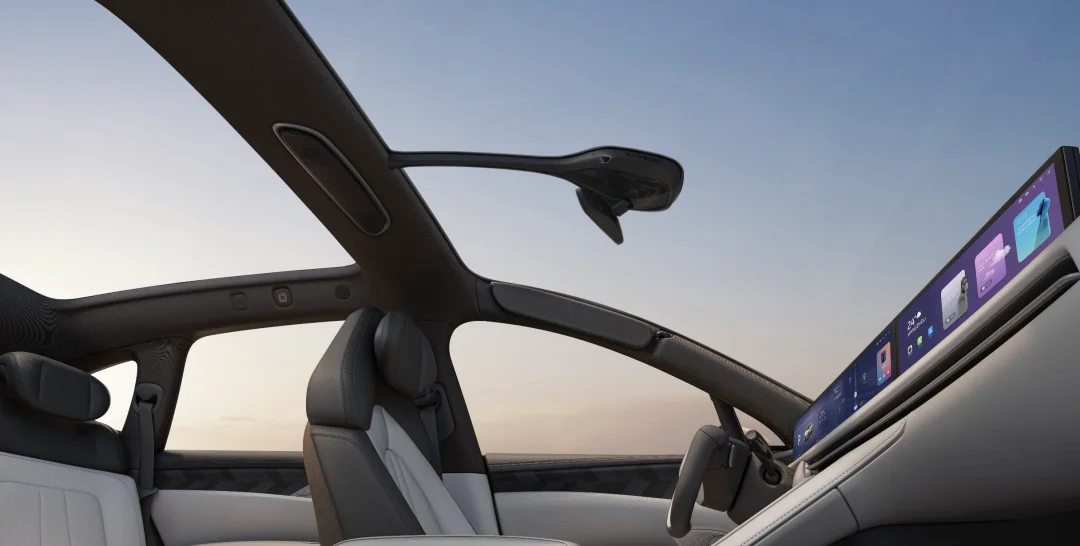
After many years, Zhiji’s “Renaissance” brings it back to the market. Given the courage to reintroduce it, we assume improvements have been made to address common pain points.
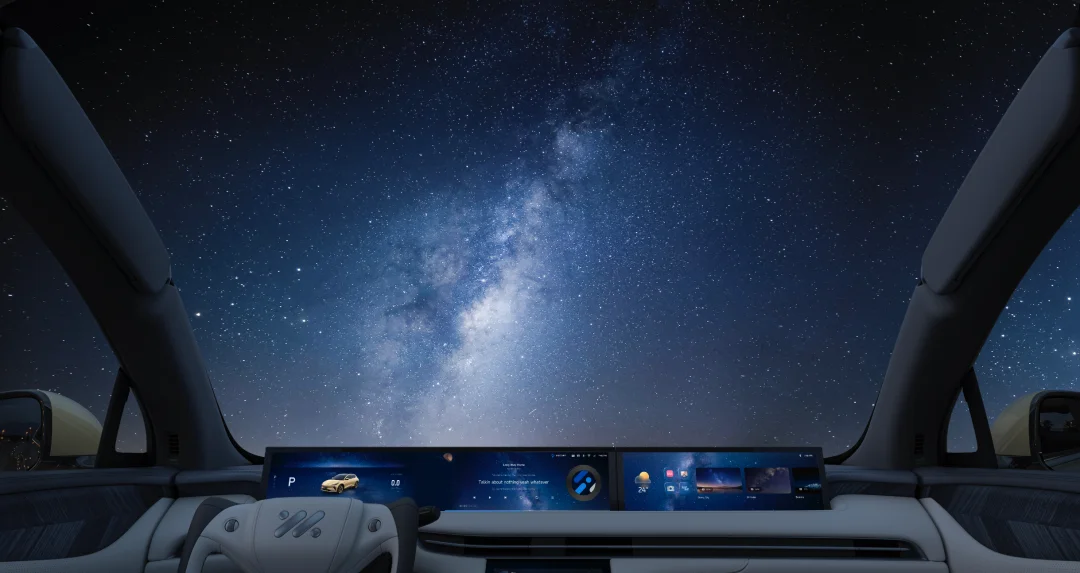
Zhiji’s windshield covers an area of 1.63 square meters, and the company claims it provides a forward field of view of 106 degrees for front-seat occupants. Additionally, Zhiji has pioneered a three-layer silver-coating technology to ensure effective heat insulation.
Meanwhile, Zhiji has applied a gradient treatment, transitioning the glass above the head to a darker tint. If you remain concerned, you can also apply a physical sunshade for additional heat and UV protection.
Since our test drive took place in Yunnan, known as the “Spring City,” where temperatures hovered in the low twenties Celsius and sunlight was milder than in other regions, we did not experience significant heat exposure. We will conduct detailed testing during the summer.
Changes and Constants in the Details
Compared to the L7, the Zhiji LS7 cabin features adjustments in several details.
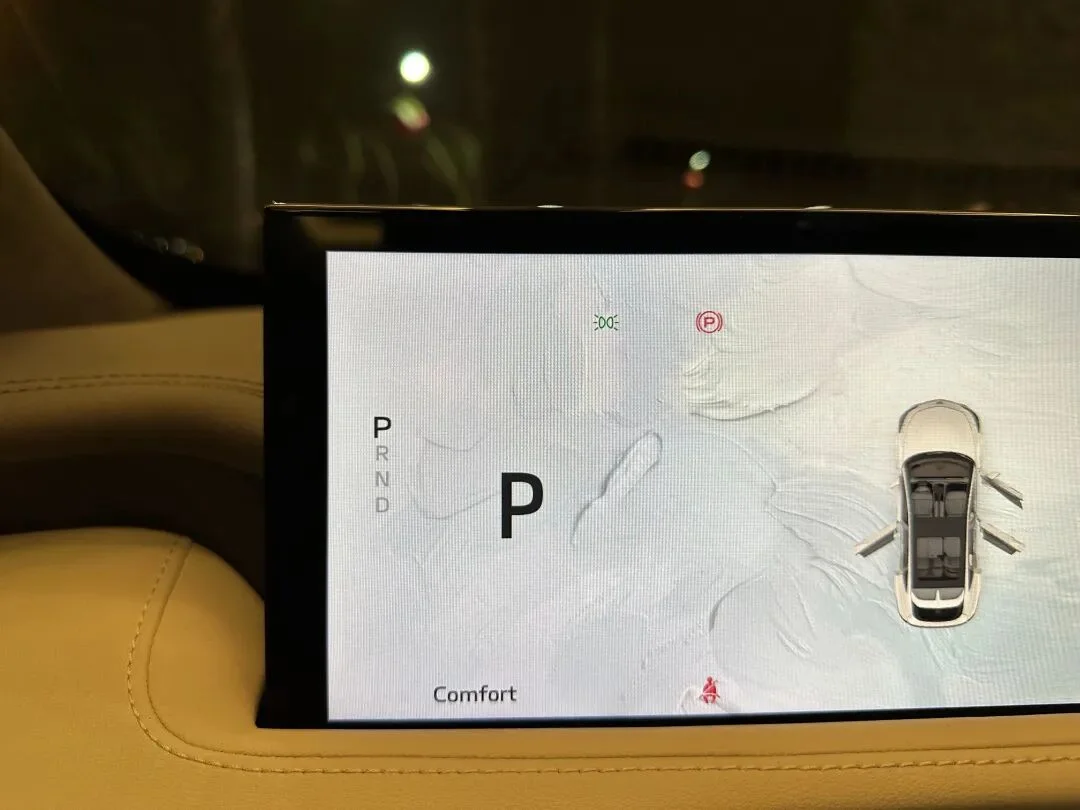
For instance, the bezels on the LS7’s screens are narrower than those on the L7. The instrument cluster and central control screen measure 26.3 inches, while the passenger display is 15.5 inches. Although the size of the combined instrument and central control screen remains unchanged from the L7, the passenger screen has increased by 3.2 inches.
Additionally, the LS7's control screen no longer uses a floating design like the Li L7; instead, it is integrated into the center console as a single unit.
This represents an optimized design choice. On the L7, the control screen was positioned at a relatively low angle, causing significant glare under direct sunlight. The LS7’s control screen placement offers better ergonomics for the driver.
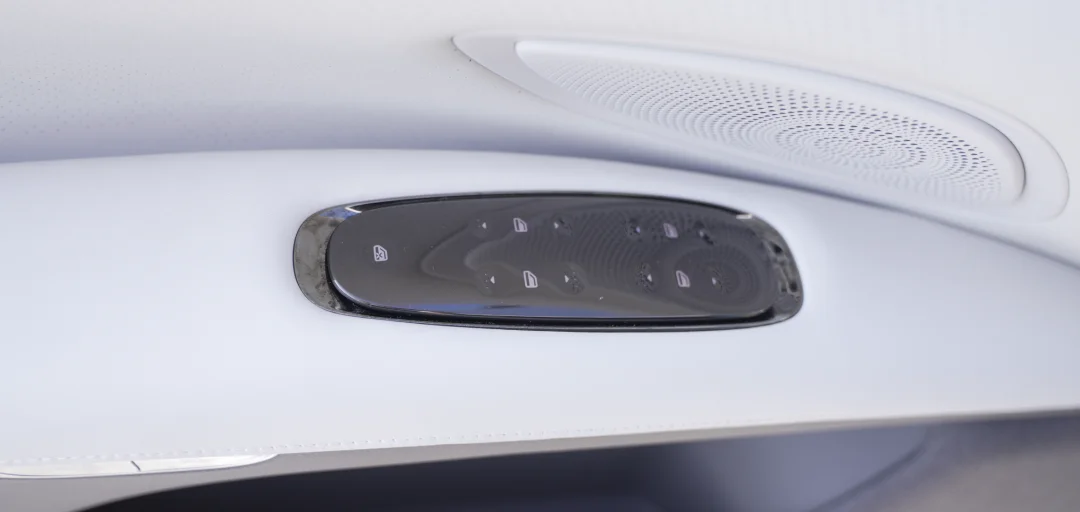
Furthermore, the L7’s door panel buttons utilized a solid metal plate that provided unclear tactile feedback. The LS7 employs a different material, improving the feel and response of the press, though the clarity of the feedback remains insufficient.
Overall, the LS7 demonstrates Zhiji’s distinctive approach to crafting a unique family SUV, transforming the cabin space of a five-seater into an engaging environment.
02Is the Driving DNA Still There?
However, the question raised earlier remains: does the Zhiji LS7 inherit the driving dynamics gene of the L7? Does this handling DNA persist in a vehicle whose cabin is heavily oriented toward family comfort?
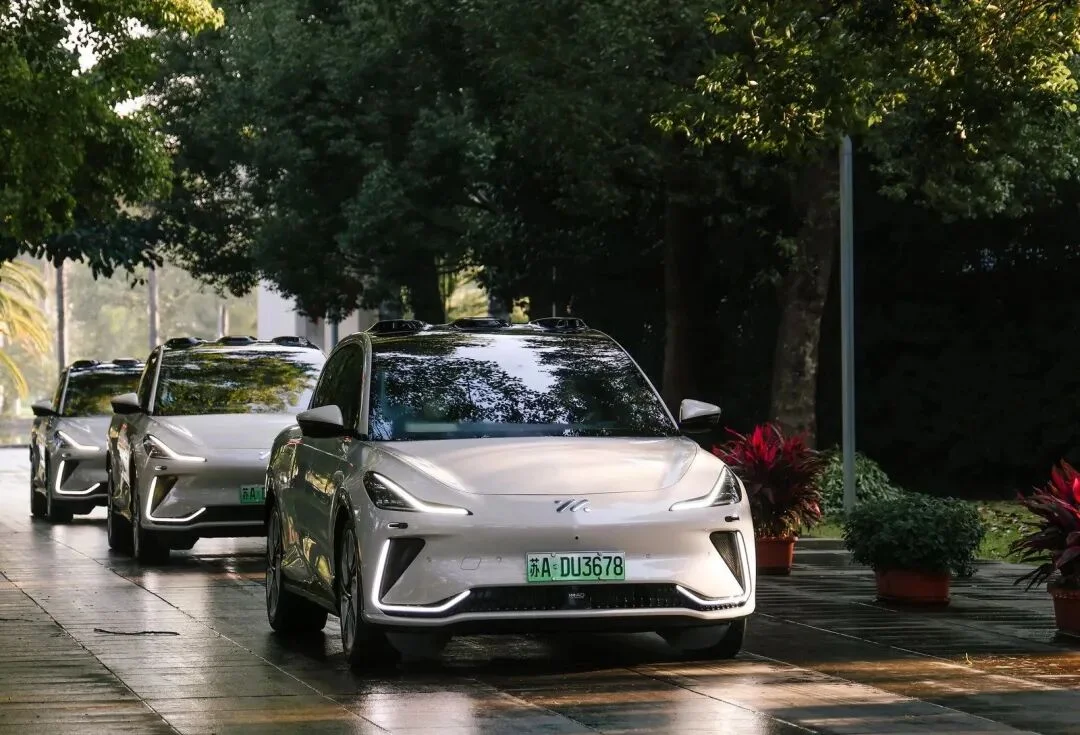
Before beginning the road test, the instructor led us on a low-speed convoy around our hotel to help us familiarize ourselves with the YAT steering wheel. However, as soon as we started moving, I was somewhat surprised by the LS7’s quietness and smoothness at low speeds.
Quietness at low speeds is hardly something to boast about, but in such a silent environment, the vehicle’s slow, silky-smooth launch made me feel as though I were aboard a high-speed train just starting its journey.
After navigating several turns, I gradually adapted to the YAT steering wheel. It is worth noting that while the Zhiji LS7’s steering has minimal dead zone, it is not as precise as a bicycle handlebar. In corners requiring large steering angles, my hands occasionally had to leave the nine-to-three position, though the likelihood of losing grip was low—perhaps because my subconscious reminded me that fellow media colleagues were present, and I didn’t want to embarrass myself.
The road conditions in the test area were far from perfect, which provided an ideal opportunity to thoroughly evaluate the LS7’s chassis.
After driving over several potholes, I realized that the LS7’s chassis tuning is clearly aimed at pleasing passengers—a significant departure from the L7’s approach.
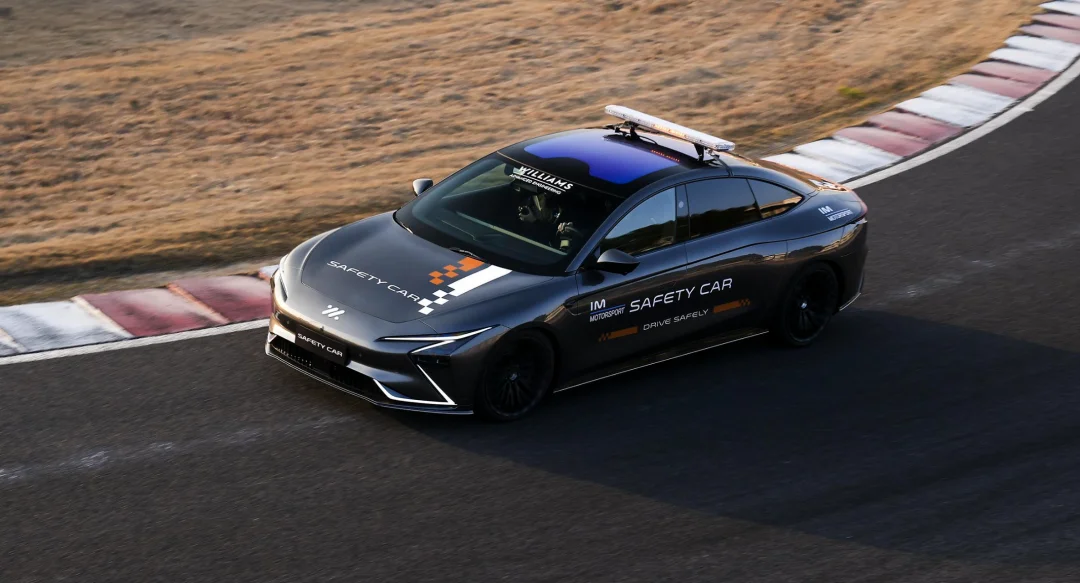
When driving the L7, its chassis inspires confidence to push through corners with the accelerator pressed; the precise steering response heightens driving excitement, while the supple yet firm suspension invites you to traverse more manhole covers to feel the crisp vibrations transmitted from the chassis to the steering wheel.
The Li L7's confidence can even make you mistakenly believe your driving skills have improved.
The LS7 is different. While it maintains a taut feel, it prioritizes comfort more heavily. However, its comfort level offers a distinct experience compared to the distinctly “soft” ride of Li models.
Regarding suspension structure, the Zhiji LS7 features a front double-wishbone and rear multi-link independent suspension setup. It has eliminated rear-wheel steering but added Continental air springs and BISTEIN electromagnetic shock absorbers.
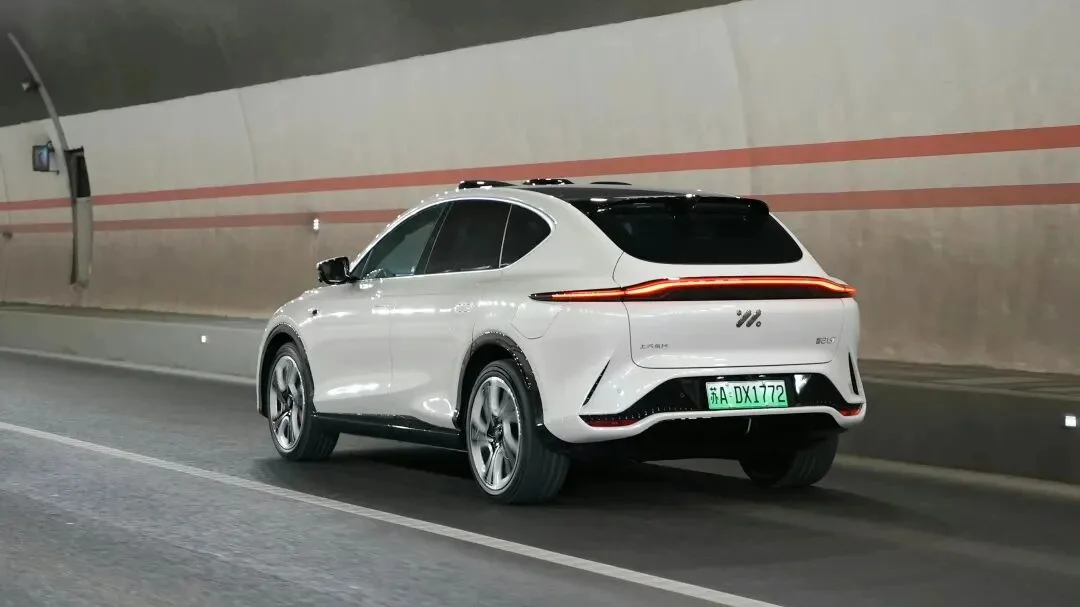
In short, the Zhiji LS7’s chassis tuning delivers a blend of comfort and sportiness.
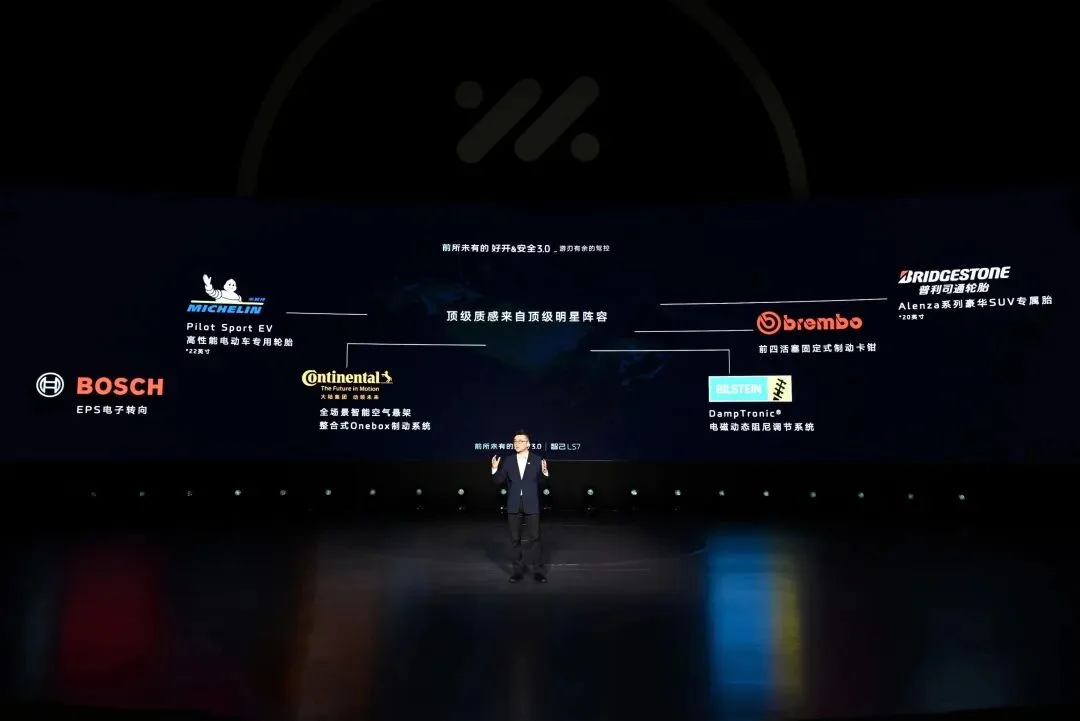
The Zhiji LS7’s excellent chassis is still developed by Williams. Through two models, Zhiji and Williams have offered two distinct driving styles, each with its own character.
Autonomous Driving
In terms of autonomous driving, the current LS7 is identical to the L7; the software remains the system primarily developed by Momenta.
At tonight’s press conference, Zhiji Auto Co-Chief Executive Officer Liu Tao also revealed the future R&D roadmap for IM AD:
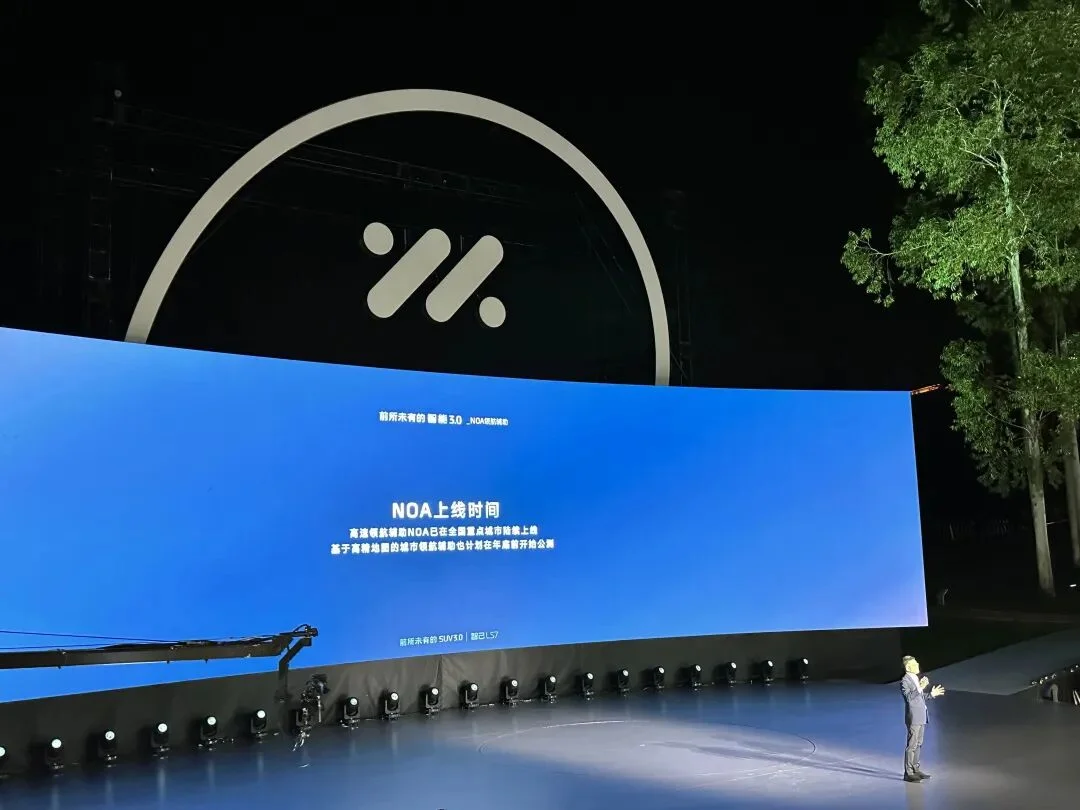
Currently, highway navigation-guided pilot (NOA) is being rolled out city by city in popular areas. Before the end of this year, Zhiji Auto will open public beta testing for urban NOA.
03The Biggest Controversy
After briefly experiencing its unique cabin and distinctive driving dynamics, we inevitably turn to the discussion of its exterior.
This is the car’s most controversial aspect, without a doubt.
The design team for the Zhiji LS7 is not the same as that for the L7. A Zhiji representative revealed that three companies submitted bids for this model—hailing from Italy, Germany, and Japan—and Zhiji ultimately selected the Japanese team’s design proposal.
Since they come from different teams and SUVs differ from sedans in their usage scenarios, differences in appearance are to be expected. However, we can still identify shared DNA between the two models through the design of many components.
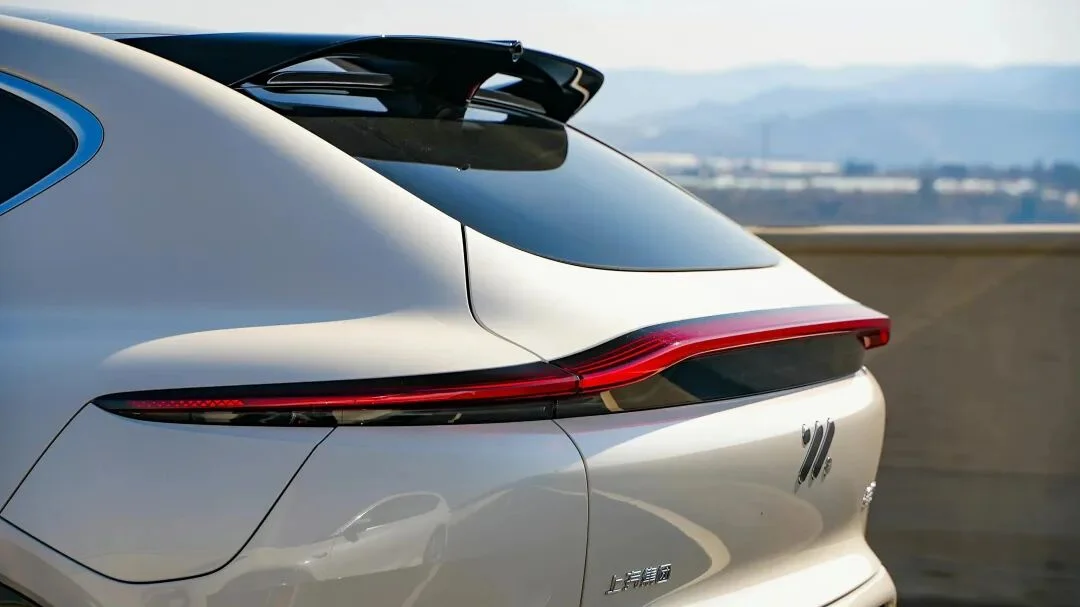
The LS7’s lighting design is not as sharp as the L7’s, but the overall styling remains very similar. Both vehicles feature a full-width light strip protruding from the rear. However, the LS7’s protrusion is more pronounced, and its lines bear a striking resemblance to those of the DBX, leading some to jokingly nickname it the 'Little Martin'.
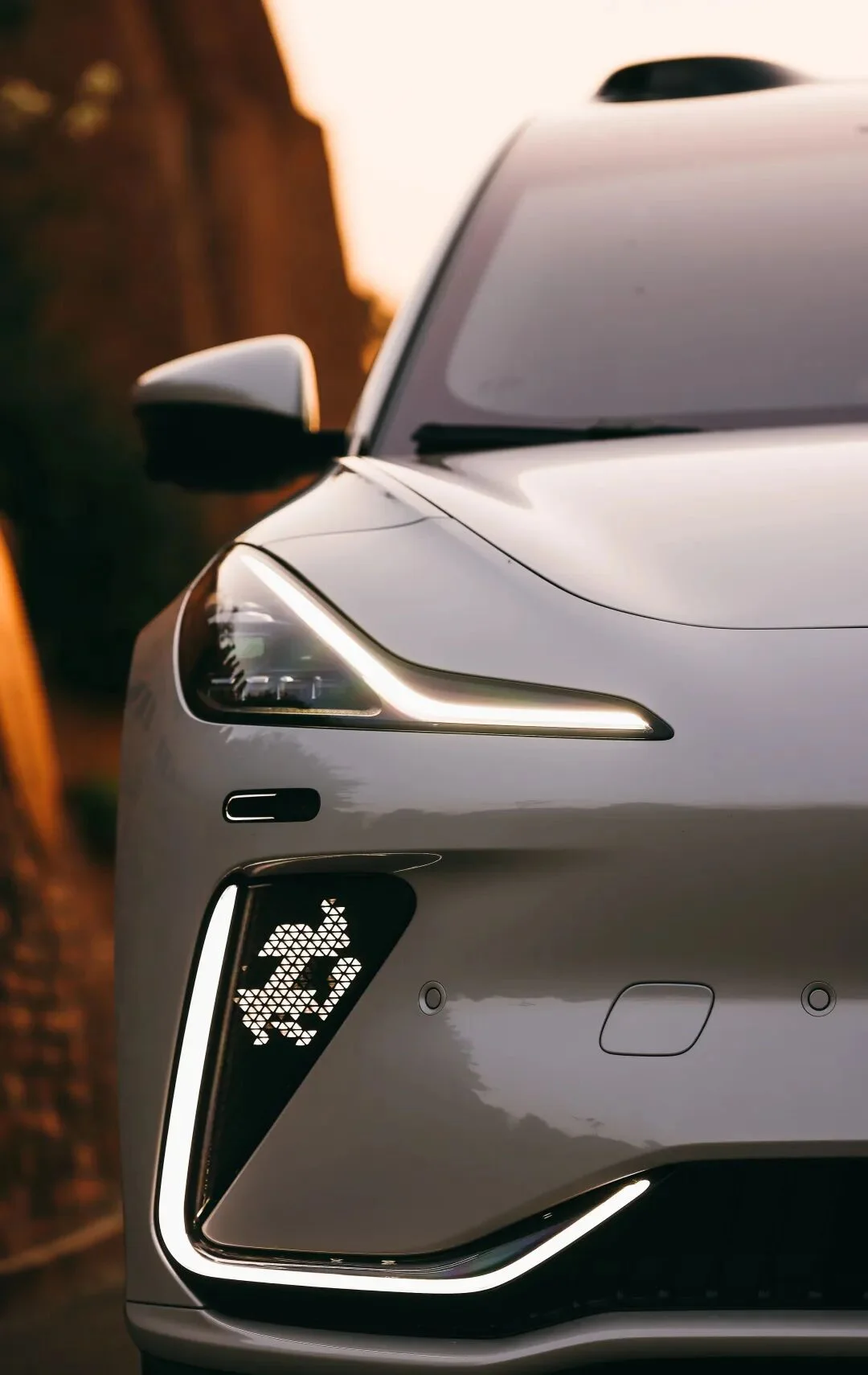
Additionally, the Digital Light Projector (DLP) headlights are present. These design elements and features are distinctly "Zhiji."
But why does combining them result in what users call a "stitched-together monster"?
The main issue lies in the proportions. Let's examine it from a different perspective.
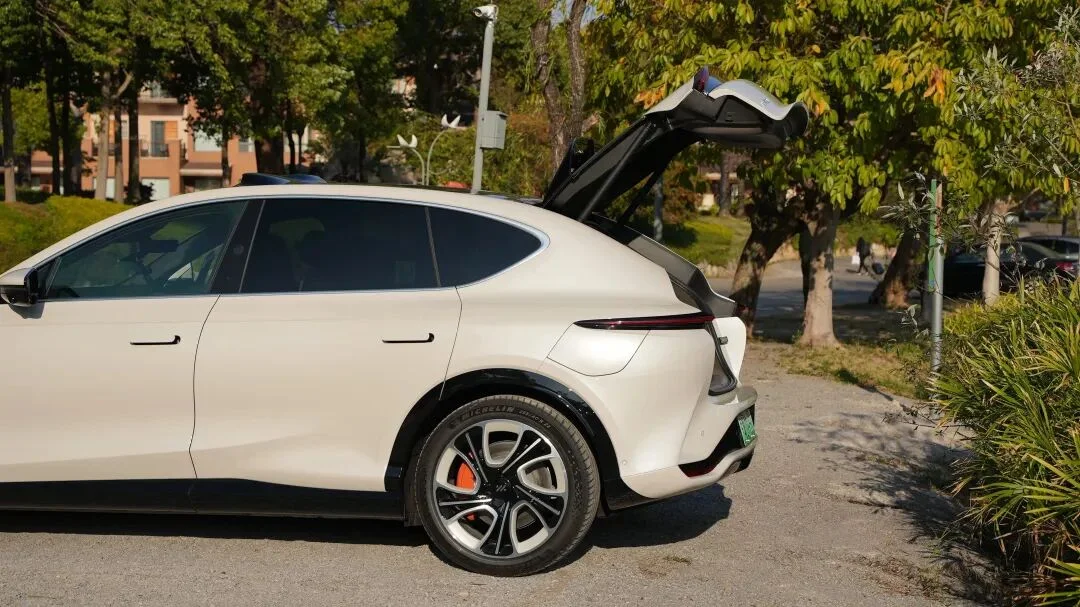
The overall shape of the Zhiji LS7 is relatively rounded, which differs significantly from the L7. The L7's excessive pursuit of a low-slung stance required its rear section to form an arch-like profile. While this line gave the L7 aesthetic appeal, it compromised rear headroom.
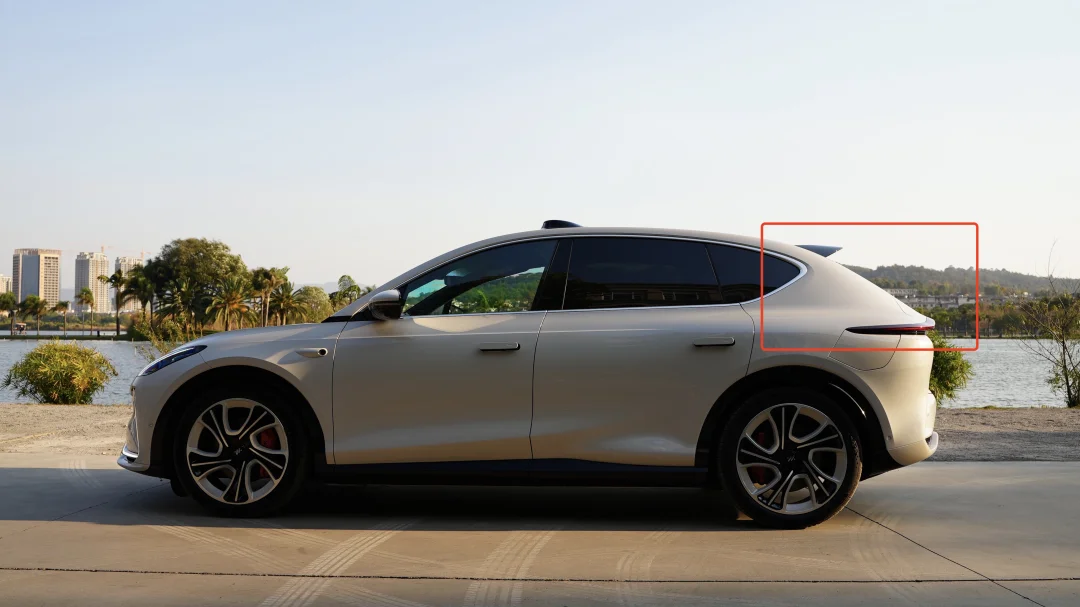
In contrast, the LS7 is positioned more for family use. To create a spacious five-seat cabin, the stance yields to interior volume. The LS7's roofline remains flat until the rear triangular window before beginning to slope downward. However, the rear windshield's cross-sectional fastback angle reaches nearly 90 degrees, making it a fastback model that prioritizes rear headroom.
Furthermore, the Zhiji LS7 is the only model equipped with a twin-lidar "watchtower" configuration. Combined with the central Carlog camera module, the three prominent protrusions inevitably create visual dissonance. Consequently, under this design, its drag coefficient is not particularly impressive, with an official figure of 0.268.
To accommodate the expansive windshield, the three humps were pushed back toward the area above the B-pillar, a design choice that requires some visual adjustment.
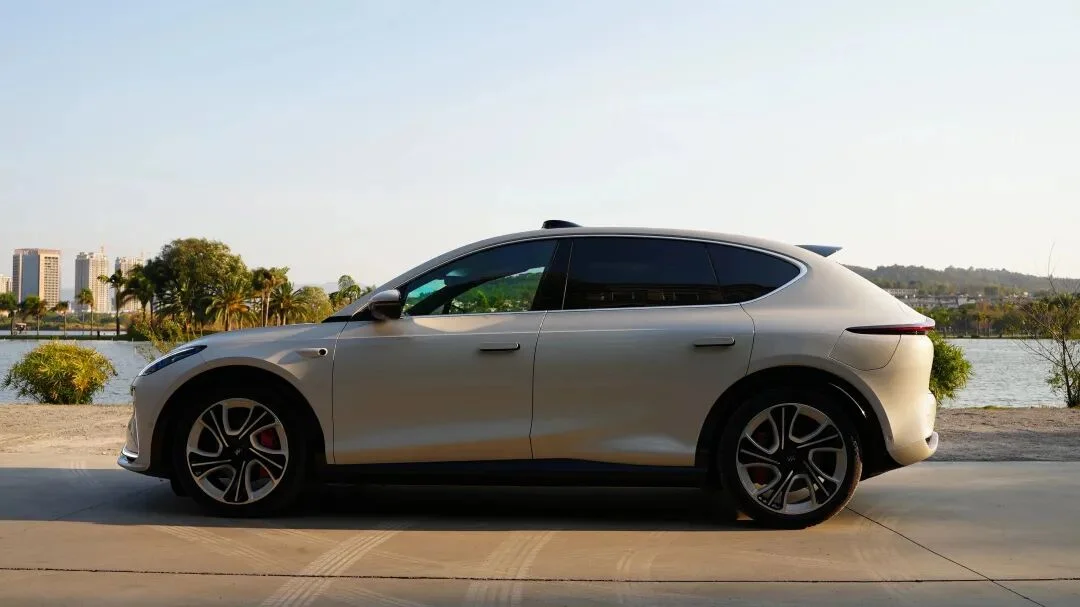
Design and practicality are rarely easy to reconcile; balance is key. Under the definition of the Zhiji LS7, this balance may lean slightly more toward "practicality."
Here is a small anecdote regarding the design: the Zhiji LS7 product manager noted that his "child" (the LS7) isn't particularly photogenic, looking better in person than in photos. After hearing this, I studied the LS7 in person for quite some time and reached a preliminary conclusion: its sheer size and imposing presence do help mask certain minor design shortcomings.
04Conclusion
After a brief experience with this flagship model on which Zhiji has high hopes, I would label the Zhiji LS7 as "unique."
In the fiercely competitive mid-to-large pure electric SUV market, survival demands distinct strengths. This segment features products positioned as ultimate family haulers, those firmly pursuing intelligent driving routes, and others building moats through service alone. To break through, one should not simply charge head-on and attack competitors' strong suits; that is rarely the best strategy.
The fact that the LS7 leaves a deep impression is enough, and that is very important.
By Bobo Edited by Liu San