


Chengdu Auto Show Reveals Shift to High-Compute Chips for Driver Assistance
Although the Chengduchezhan concluded hastily, it remains the first national auto show of the year, with many new models arriving on schedule for the opening day.
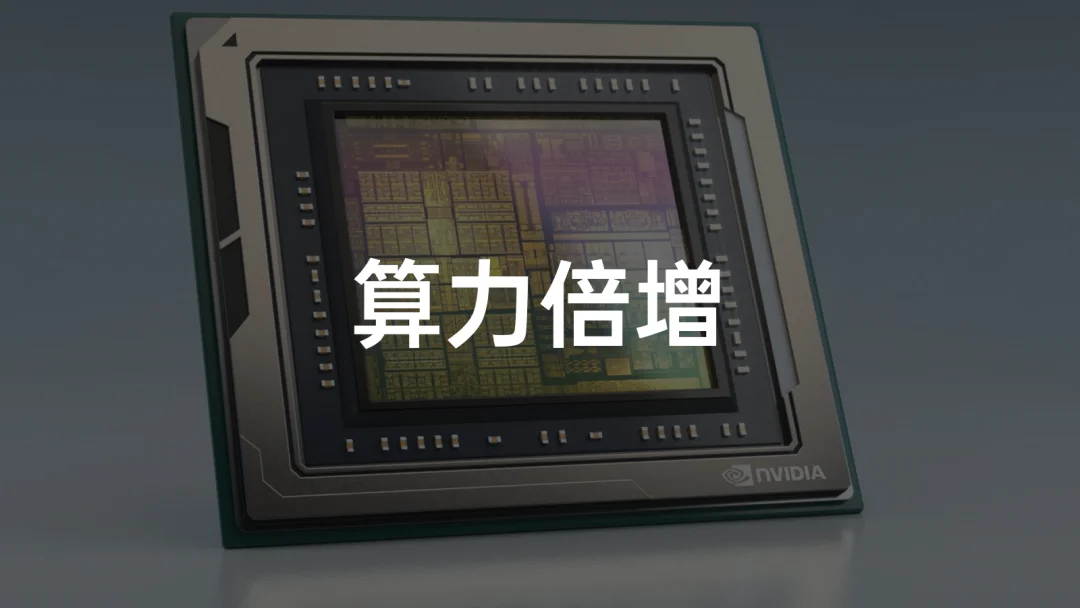
One of the most significant changes at this year's show compared to previous years is that more automakers are focusing their presentations on the overall intelligent capabilities of their vehicles. They highlight features such as autonomous driving and cabin functions, all of which rely on a critical prerequisite: chips.
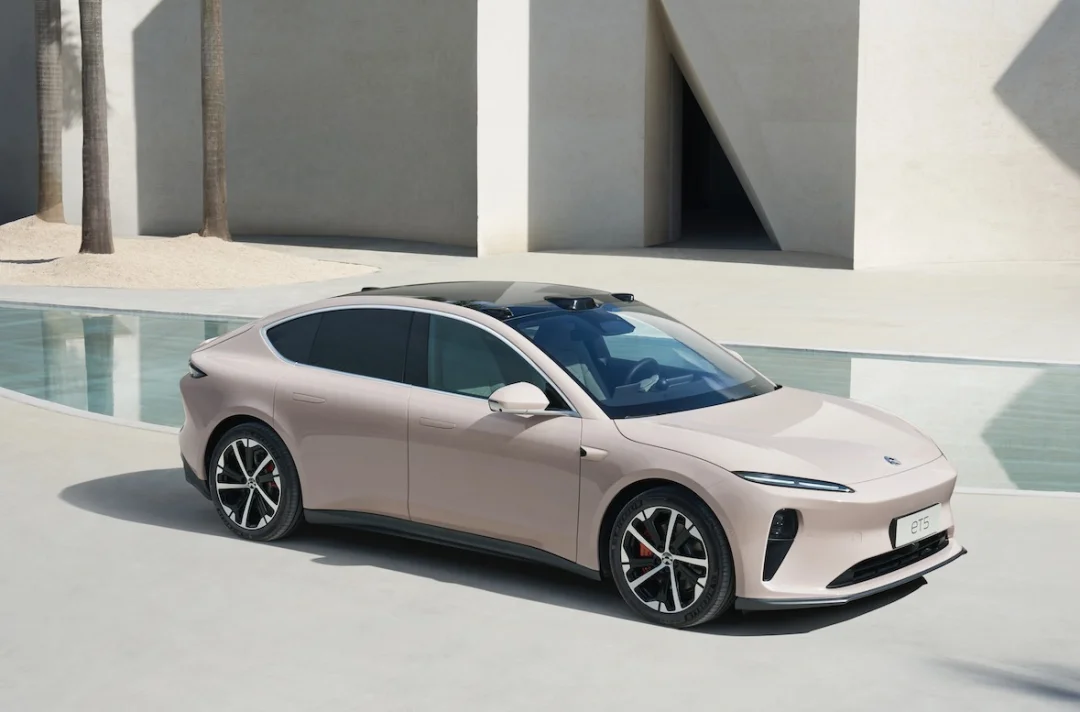
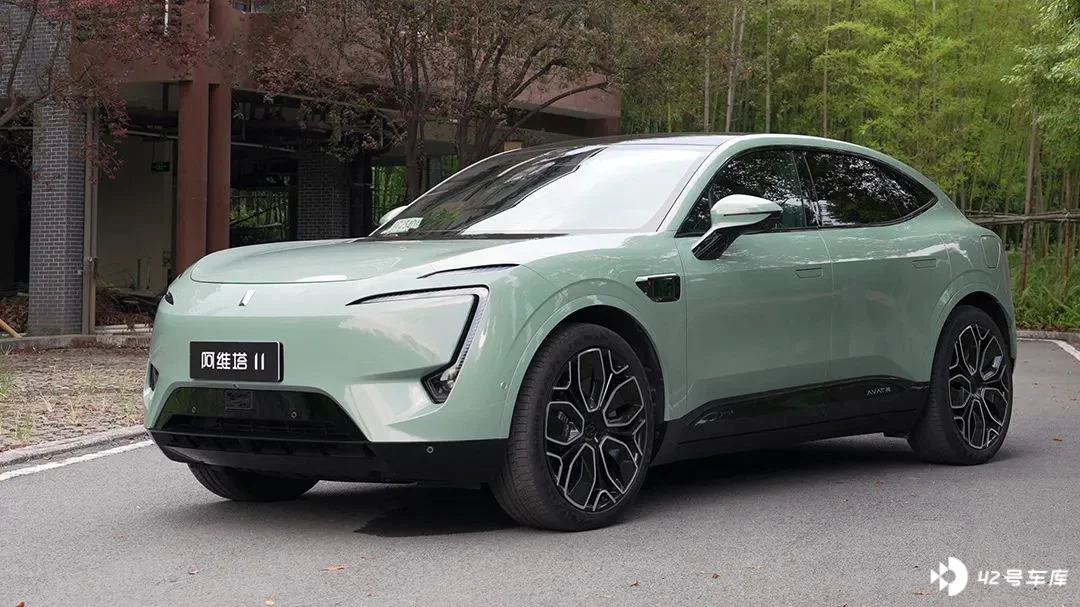
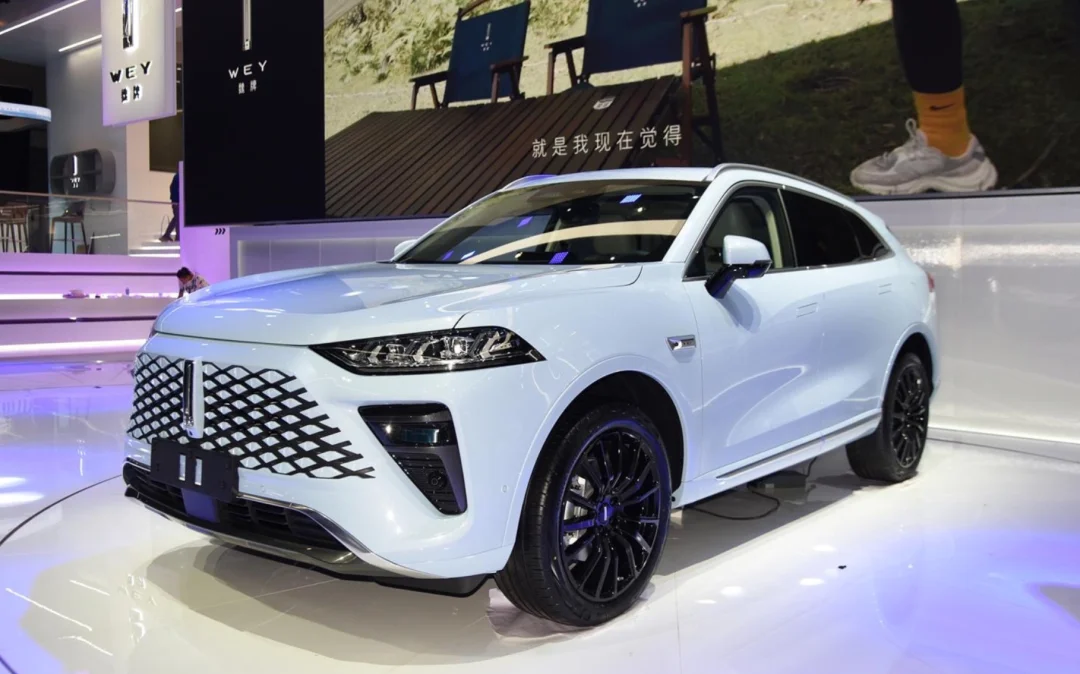
Among the models showcased at this year's Chengduchezhan, several feature chips with computing power exceeding 100 TOPS, including the NIO ET5, Li L9, XPENG G9, AVATR 11, Shalongjijialong, Feifan R7, Gaohe HiPhi Z, and the WEY Mocha DHT-PHEV version.
More than half of these models utilize NVIDIA Orin chips, while others are powered by solutions from Huawei and Gaotong. Mobileye, once a dominant force in the ADAS sector, is clearly no longer the hotly sought-after supplier it used to be.
What is the reason behind this phenomenon? With such massive computational power now being integrated into vehicles, what can we expect to gain, and what trends are becoming visible?
01Mobileye Cools Off, Orin Heats Up
First, we must acknowledge an objective fact: a few years ago, the market offered very few choices for driver-assistance chips or solutions. As the earliest supplier of driver-assistance solutions focusing on visual perception, Mobileye gathered a large global customer base with its bundled approach of combining chips with visual-perception algorithms.
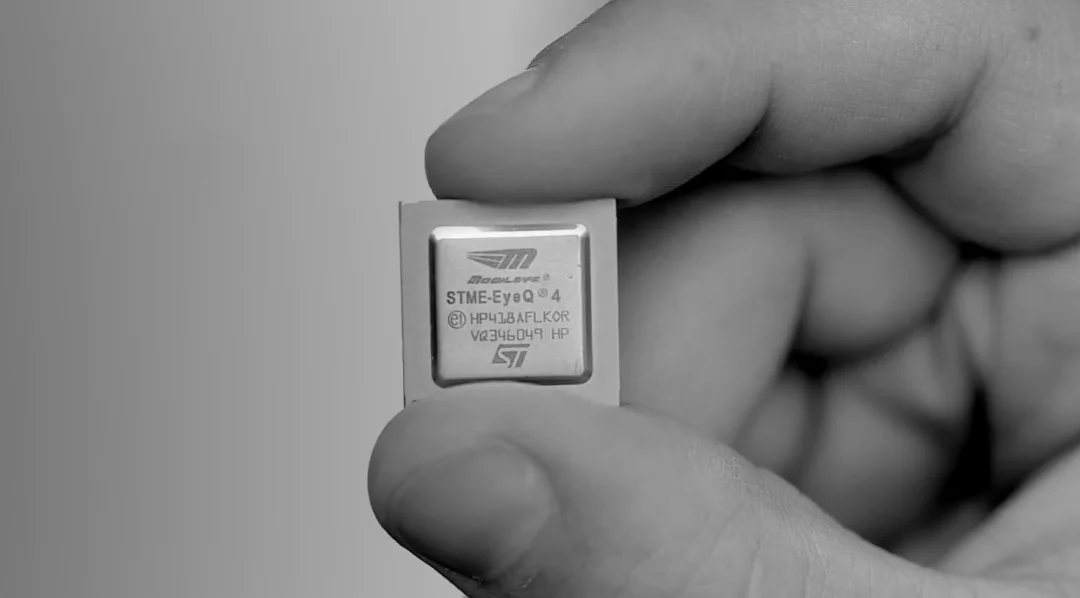
However, as the intelligent-driving industry accelerated, automakers—led by China’s new-energy startups—demanded high levels of feature freshness and richness. Mobileye was neither willing nor able to support these automakers in iterating features. Furthermore, its "black-box" delivery model prevented automakers from accessing the core algorithms, making unsustainable partnerships inevitable.
A more direct example is Tesla. On the eve of the Mid-Autumn Festival in 2016, Tesla and Mobileye abruptly announced their split, followed by a public dispute.
Mobileye CEO Amnon Shashua stated: "Tesla's autonomous driving capabilities have crossed the safety bottom line, which is why both parties terminated their cooperation."
Tesla, however, claimed that the primary reason for ending the partnership was Mobileye’s prohibition on Tesla developing its own computer-vision perception technology, rather than the safety concerns cited by Mobileye.
What Tesla calls Mobileye’s prohibition on computer vision perception is actually Mobileye’s closed ecosystem, which prevents any supplier from developing proprietary features based on the Mobileye EyeQ chip. The catalyst for this series of events was a string of severe accidents involving the EyeQ3 chips in Tesla vehicles, severely undermining consumer confidence in Tesla’s software.
What about NVIDIA’s previous-generation Xavier chip, which preceded the EyeQ4 start-of-production (SOP)?
With 30 TOPS of computing power, Xavier offers 12 times the performance of the 2.5 TOPS EyeQ4 and is open and programmable. So why did only the XPENG P7 adopt it?
Both are system-on-chip (SoC) solutions, but they serve different use cases. SoCs are categorized into GPU-based and ASIC-based architectures. Xavier’s architecture comprises a CPU, GPU, and ASIC, making it a general-purpose chip. In contrast, the EyeQ4 is an application-specific integrated circuit (ASIC) designed exclusively for visual perception.
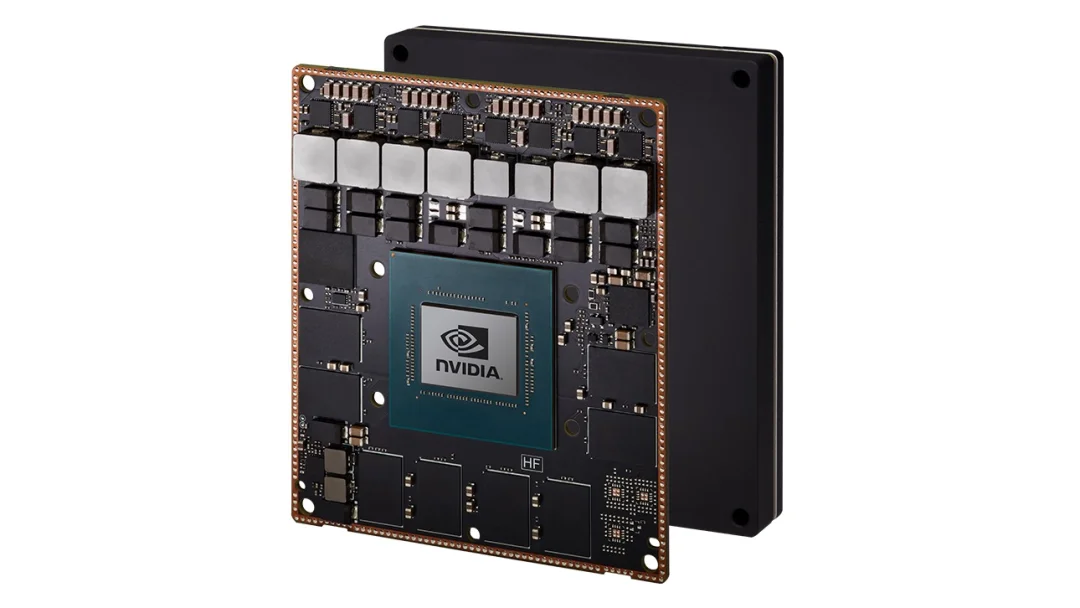
In simple terms, while the NVIDIA Xavier chip possesses substantial computing power, it cannot fully leverage its absolute capabilities to meet the urgent visual perception demands of intelligent driving.
On the other hand, NVIDIA Xavier provides only the base chip, leaving automakers to figure out domain controller integration themselves.
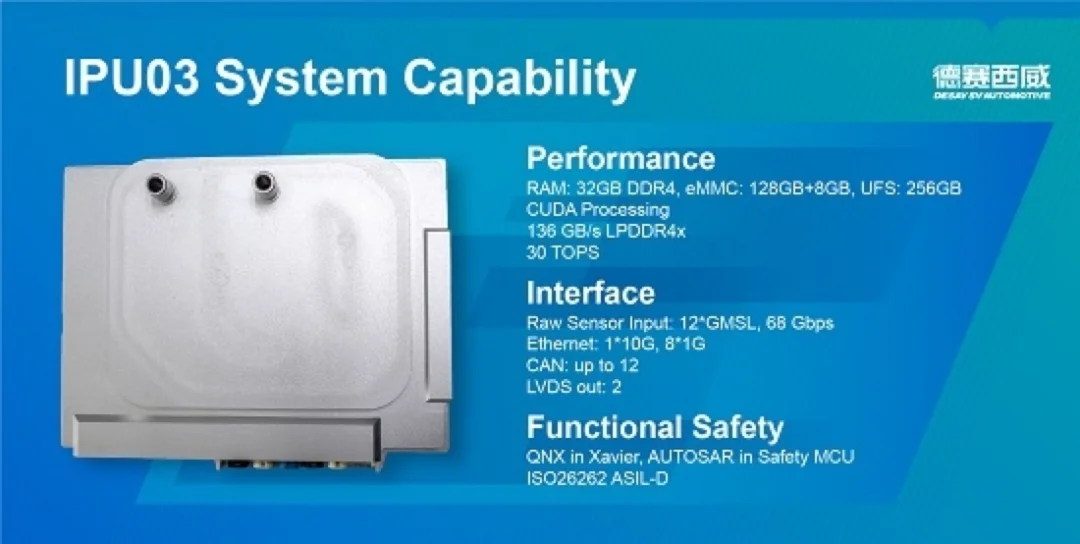
Taking XPENG as an example, although the company has developed its own vision-based perception algorithms, building domain controllers is not its strong suit. Tier-1 suppliers, on the other hand, have more experience in this area. Consequently, XPENG integrated its algorithms into the Xavier chip, with the entire computing platform being assembled by Desaixiwei.
Meanwhile, within the IPU03 computing platform built by Desaixiwei, alongside the Xavier chip, there are also chips from Yingfeiling, which serve as underlying processor components.
The benefit of such multi-party collaboration, as seen with XPENG, is that it leverages each partner's strengths to create a highly satisfactory product. However, a drawback is the potential for integration issues. Industry insiders note that autonomous driving solution collaborations require long-term cooperation among multiple parties, and there is a common problem where task progress cannot be guaranteed.
Perhaps due to the high difficulty of diverse collaborations and self-developed algorithms, domestic automakers are reluctant to use Xavier chips.
In contrast, although Mobileye’s system is closed, it is stable, plug-and-play, and comes with fewer headaches and a steady reputation.
02As Features Get More Competitive, Chips Must Keep Up
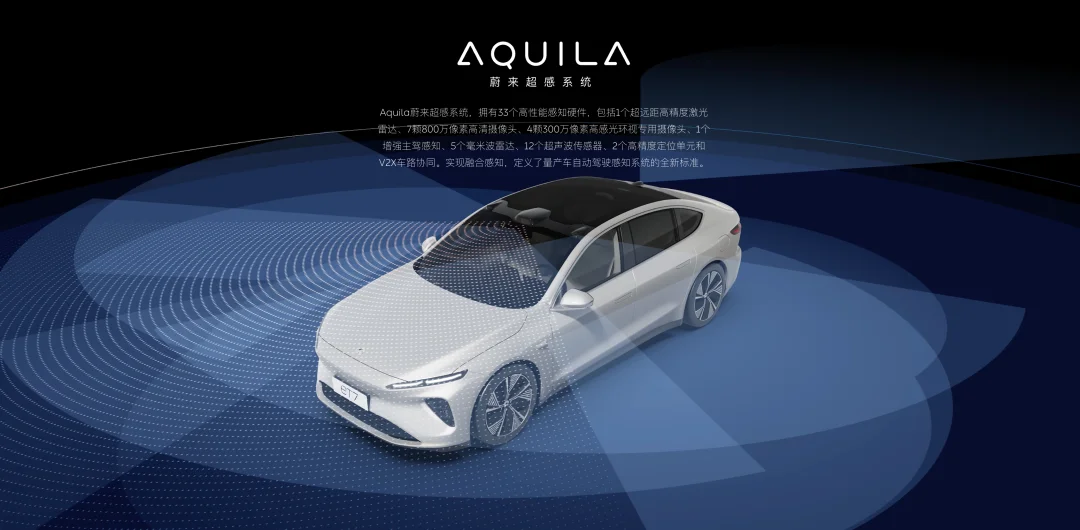
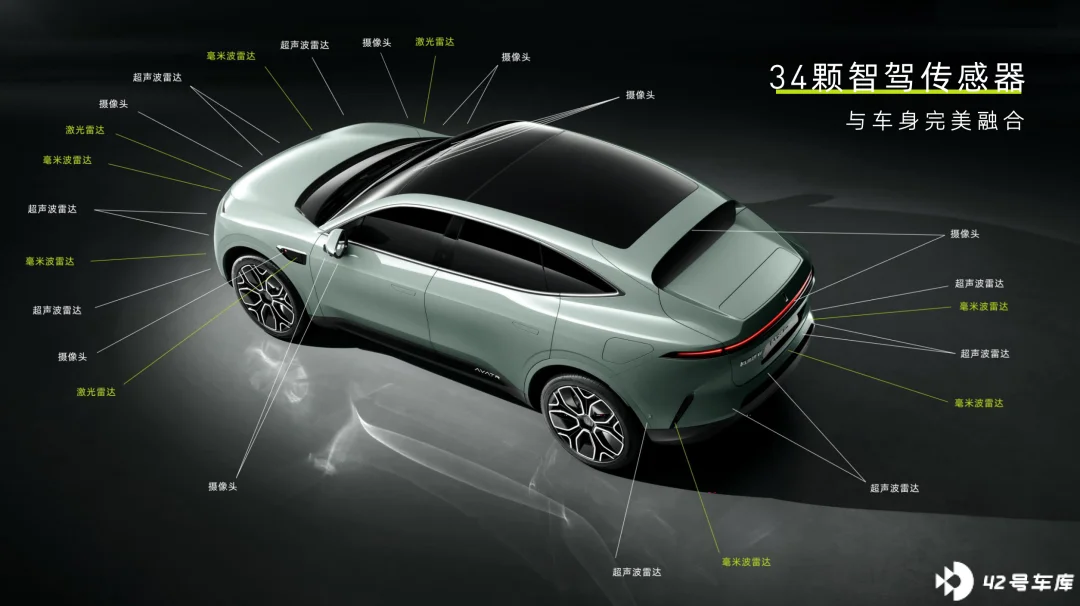
However, as advanced driver assistance systems (ADAS) expand and sensor counts rise, alongside the release of high-performance chips, automakers have begun aggressively stacking chips, driven by what some call 'computing power anxiety.'
This approach is not inherently wrong. Given the demand for redundancy and ample funding, adding extra chips is a viable strategy. Yet, this trend has placed Mobileye squarely in the crosshairs.
Meanwhile, high-compute chips are seeing widespread adoption. NVIDIA's order book is overflowing, while Huawei, Dipingxian, and Heizhima have emerged as strong competitors, capturing significant market share.
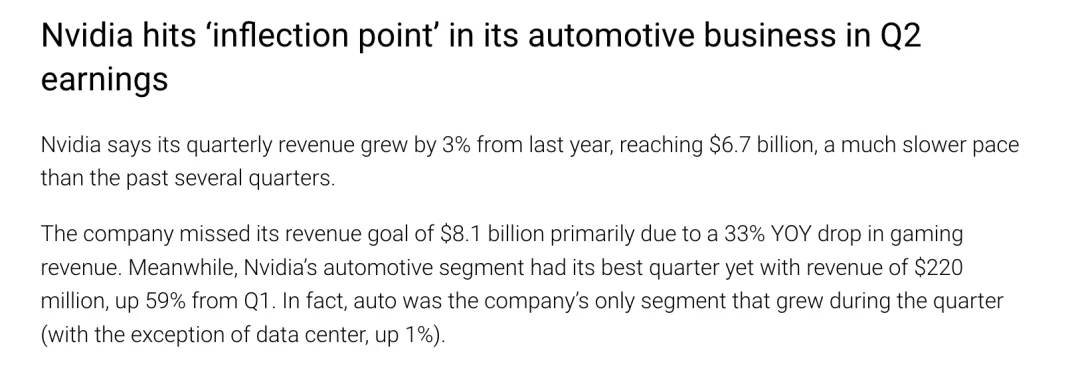
According to NVIDIA's second-quarter earnings report, revenue increased by 3% year-over-year to USD 6.7 billion.
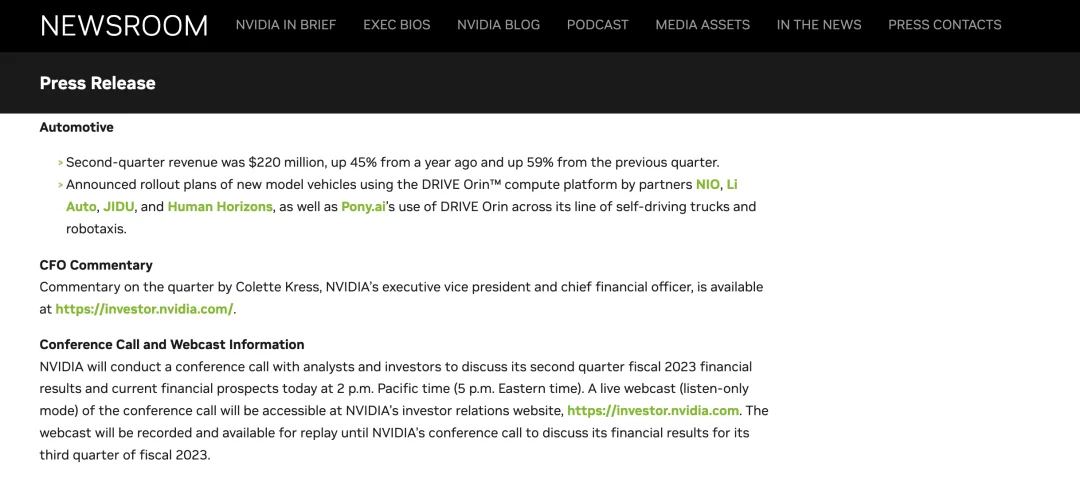
The failure to meet the USD 8.1 billion target was primarily due to a 33% decline in gaming revenue. Conversely, NVIDIA's automotive business achieved its best-ever quarterly revenue at RMB 220 million, a 59% increase from the first quarter. Automotive was the only segment besides data centers to show growth this quarter.
NVIDIA CFO Colette Kress stated during the earnings call:
Automotive AI solutions have driven the company's strong growth, particularly revenue from smart cockpits and autonomous driving. We believe the second quarter marks a turning point for our automotive revenue, given the strong momentum of NVIDIA Orin.
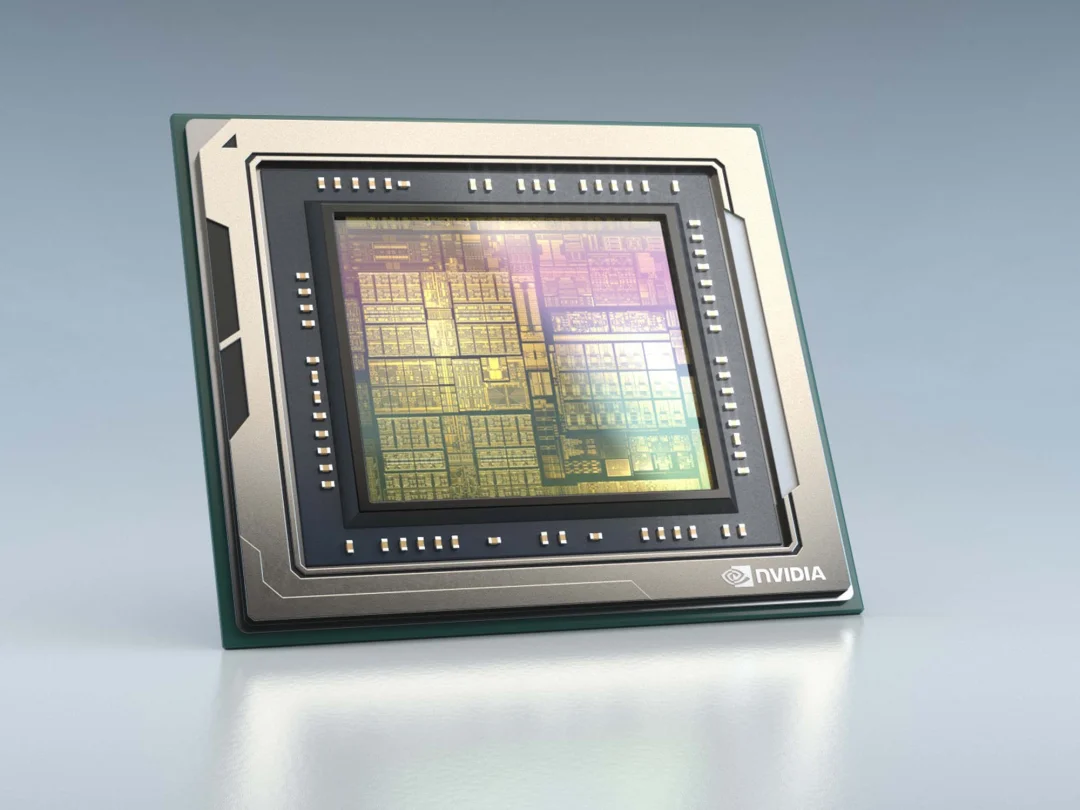
NVIDIA has already secured orders from more than 20 OEMs, including NIO, Li ONE, XPENG, Jidu, Feifan, Zhiji, Lutesi, and Jiebaoluhu. It has also obtained orders from several companies in the Robotaxi sector, such as Wenyuanzhixing and Xiaomazhixing.
The Orin chip not only delivers high computing power but also shares the previous-generation Xavier’s highly open, programmable, and scalable architecture. Founder Jensen Huang even boasted that it is an indispensable chip for high-level autonomous driving vehicles.
Against the backdrop of most domestic automakers placing great emphasis on R&D "discourse power" and wanting to keep their "soul" in their own hands, it seems only natural for them to turn to NVIDIA.
Huawei, the cross-industry giant, has also frequently secured orders in these past two years.
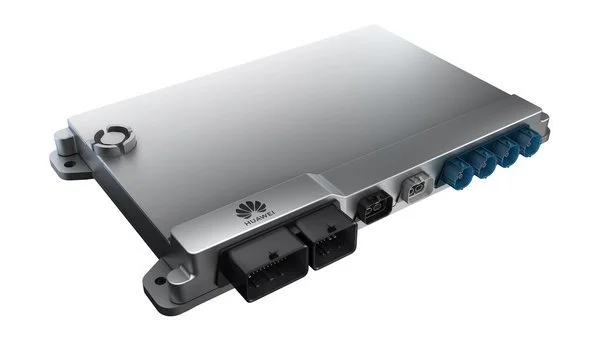
The Huawei MDC product library includes:
MDC 810: 400 TOPS
MDC 610: 200 TOPS
MDC 310F: 64 TOPS
MDC 210: 48 TOPS
Huawei’s current MDC customers include the Beiqijihuaerfa S HI Ban, Nezha S, AVATR 11, and Shalongqichejijialong. Huawei provides these automakers with a complete computing platform, including SoC hardware, an autonomous driving operating system, and AutoSAR middleware.
Strictly speaking, the MDC as an intelligent driving computing platform is not highly open. However, Huawei’s software cooperation model offers open interfaces to facilitate algorithm integration by automakers.
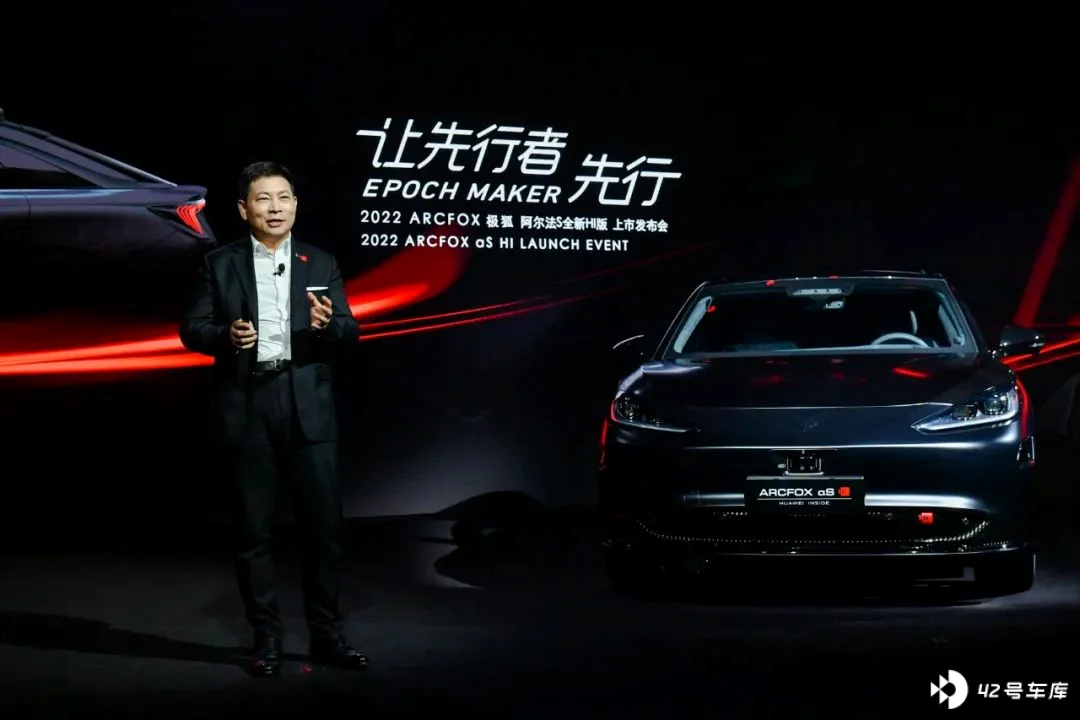
The most critical task for Huawei MDC at present is mass production. While multiple new vehicles equipped with NVIDIA Orin are set to launch in 2022, Jihu remains the only automaker currently delivering vehicles with the MDC computing platform.
03New Players Join the Field
As automotive electronic and electrical architectures evolve, the industry consensus is shifting from multi-domain controllers to central domain controllers. Gaotong, which holds an absolute leading position in cockpit chips, is naturally expanding into autonomous driving to ensure its irreplaceability.
At this year's Chengduchezhan, WEY officially unveiled the LiDAR-equipped version of the Mocha DHT-PHEV, which is powered by the Gaotong Snapdragon Ride intelligent driving computing platform.
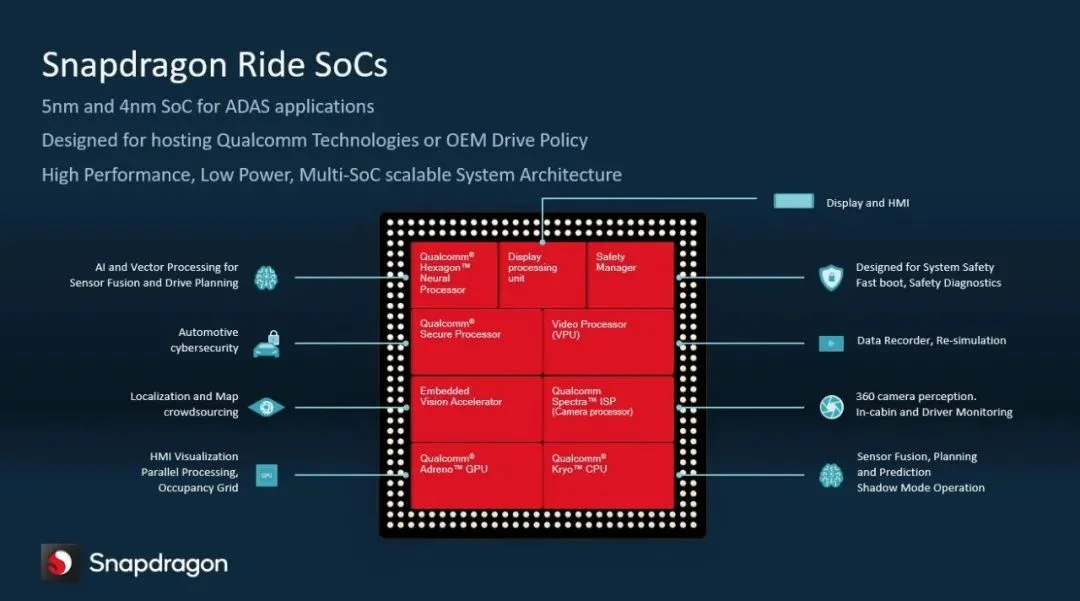
Unlike the single SoC architecture of Orin, the Gaotong Snapdragon Ride platform is built around a combination of SA8540P and SA9000 SoCs, with Yingfeiling TC397 serving as the safety redundancy chip. It supports information access from six gigabit Ethernet ports, twelve 8-megapixel cameras, five millimeter-wave radars, and three LiDAR units.
Currently, Gaotong has not only partnered with Changcheng but also secured deals with two long-standing German automakers, BMW and Volkswagen, from Mobileye.
If Huawei and NVIDIA Orin are the domain of flagship models from various automakers, then the mid-range market and traditional automakers are the main battleground for Dipingxian.
04Independent Suppliers, Holding High the Banner of 'Openness'
Local suppliers Dipingxian and Heizhima have been increasingly active over the past two years, with Dipingxian announcing partnerships with OEMs almost monthly.
This has placed significant pressure on Mobileye and Bosch.
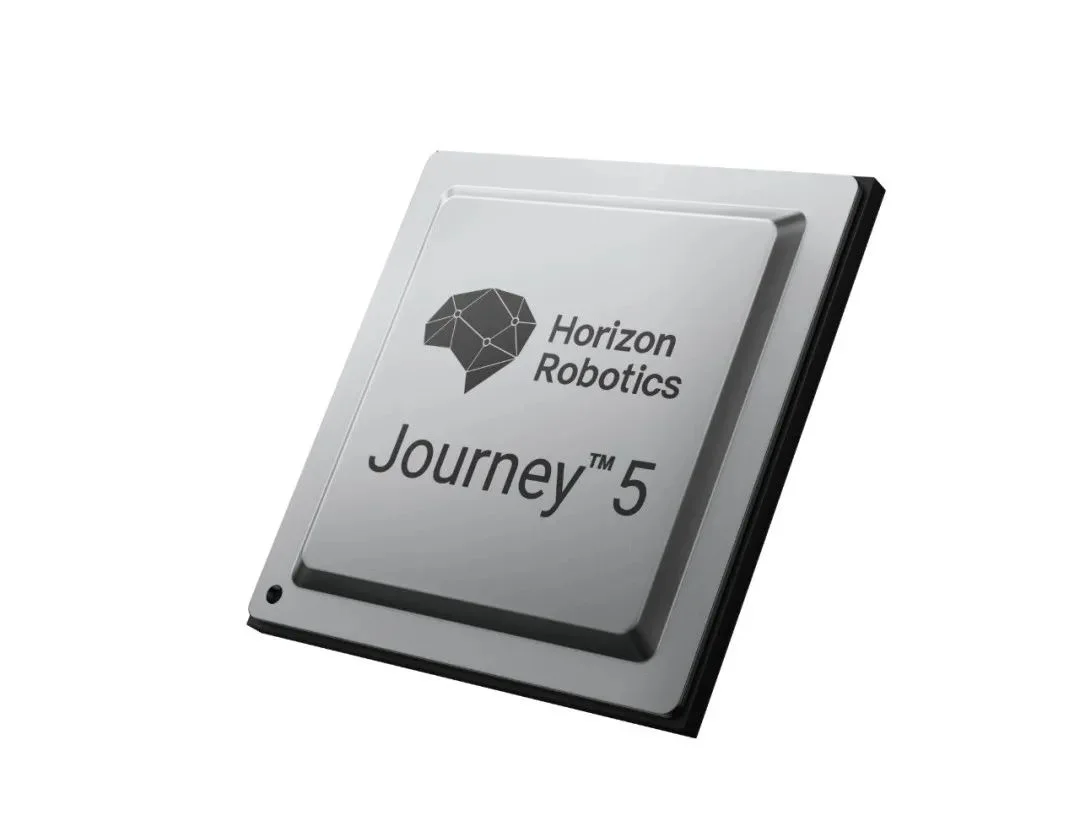
Last summer, Dipingxian officially launched Zhengcheng 5. In addition to delivering 128 TOPS of computing power, the chip achieves a frame rate of 1,283 FPS. It utilizes Dipingxian’s proprietary BPU Bayesian architecture, characterized by large-scale heterogeneous processing.
At that time, as a relatively lesser-known supplier, Dipingxian often adopted a humble posture and approached partners with an open mindset.
A prime example of Dipingxian’s collaborative approach was the integration of Zhengcheng 3 into the 2021 Li ONE. However, as the number of confirmed design wins increased, Dipingxian could no longer provide "nanny-style" support for every OEM.
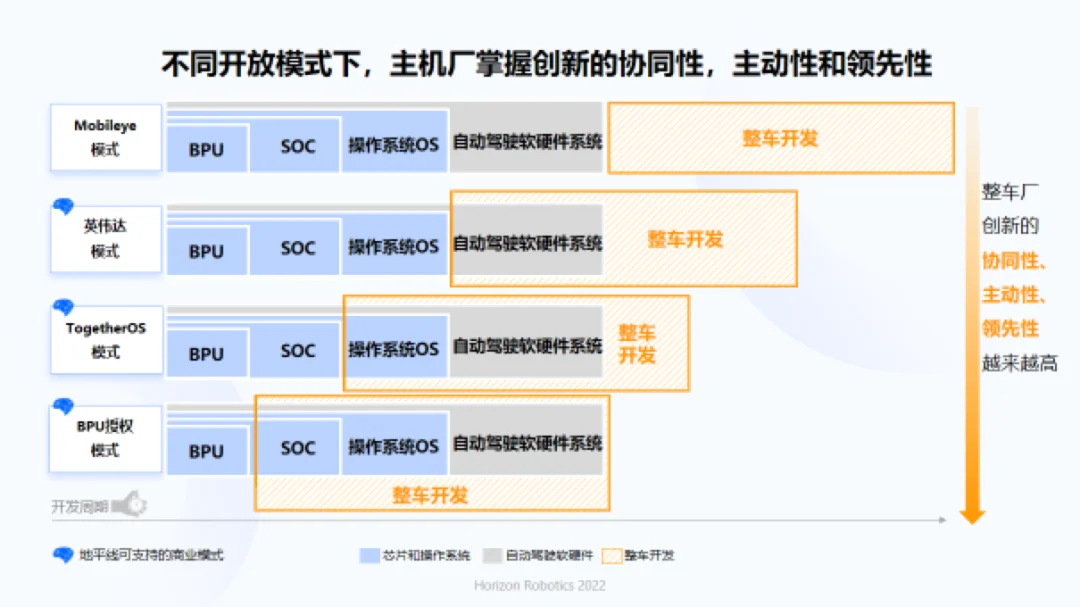
Consequently, the Dipingxian team proposed three models of open collaboration. The first mirrors NVIDIA’s model: Dipingxian provides the SoC and operating system (OS), allowing partners to develop their own solutions on top of this foundation.
The second approach involves Dipingxian open-sourcing its DSP low-level software to partners, including the SoC and operating system (OS), enabling users to perform secondary development on this foundation to improve efficiency. A typical collaboration case is Qingzhouzhihang, which developed NOA features based on Zhengcheng 5, significantly shortening the R&D cycle.
The third approach is even more radical, teaching automakers to develop their own SoCs. Dipingxian licenses its BPU technology to partners, supporting those who are willing and able to develop their own chips, thereby achieving differentiation.
When the Zhengcheng 5 launched last year, Yu Kai, founder of Dipingxian, consistently emphasized expanding its "circle of friends." Currently, the domestically produced high-compute chip Zhengcheng 5 has reached cooperation intent with multiple automakers including Shangqi, Changcheng, Jiangqi, Changan, BYD, Nezha, VOYAH, Hongqi, and Niuchuangziyoujia.
05Chips Are in Place; Now It's About Execution
This year can be viewed as the inaugural year for the deployment of NVIDIA Orin. Models that have already been equipped with Orin or are awaiting its deployment include: NIO ET7, Li L9, NIO ES7, Feifan R7, XPENG G9, NIO ET5, Zhiji L7, and others.
Li L9
Among these models, some have already developed mature highway navigation assist features based on the Orin chip. The most advanced is the Li L9, which began deliveries on August 30; users can activate Lixiang NOA, developed with the Orin chip, as soon as they take possession of the vehicle.
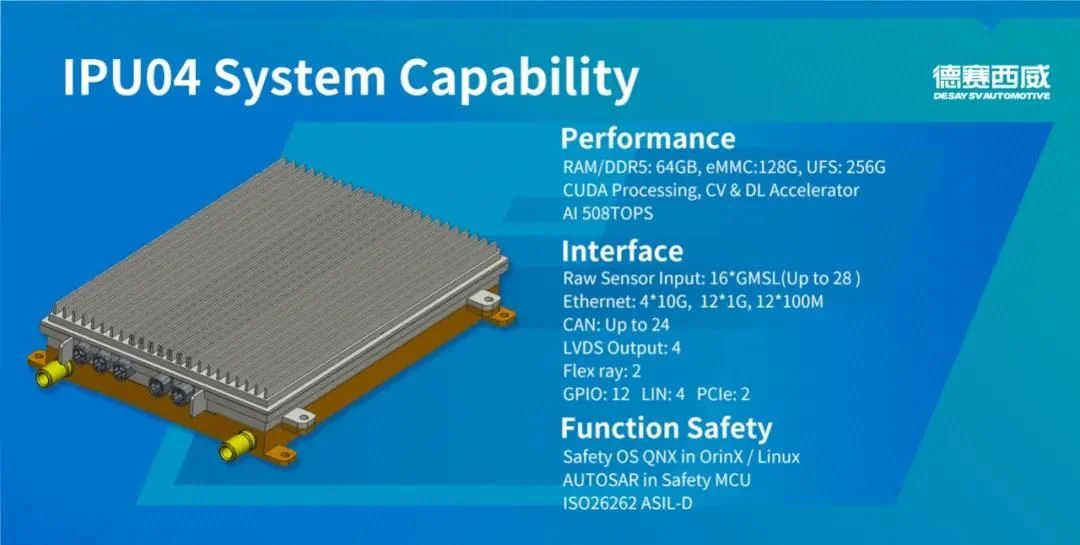
The Li L9’s intelligent driving domain controller is supplied by Desaixiwei and named IPU04. Yes, it is the upgraded version of the IPU03 used in XPENG vehicles. However, because it is built around high-compute chips, this generation of domain controllers covers a compute range of 110–1,016 TOPS. Similar to the collaboration model between XPENG and Desaixiwei, the Li Auto team has ported its algorithms onto the Orin chip and delegated integration tasks to the supplier.
As the number of sensors increases, data fusion from multiple sensors presents challenges for intelligent driving teams. With the large-scale delivery of the Li L9, we look forward to hearing more feedback.
Feifan R7
We had originally expected that the next batch of vehicles to receive navigation-assist features after the Li L9 would be NIO’s NT 2.0 series models. Unexpectedly, Feifan entered the scene.
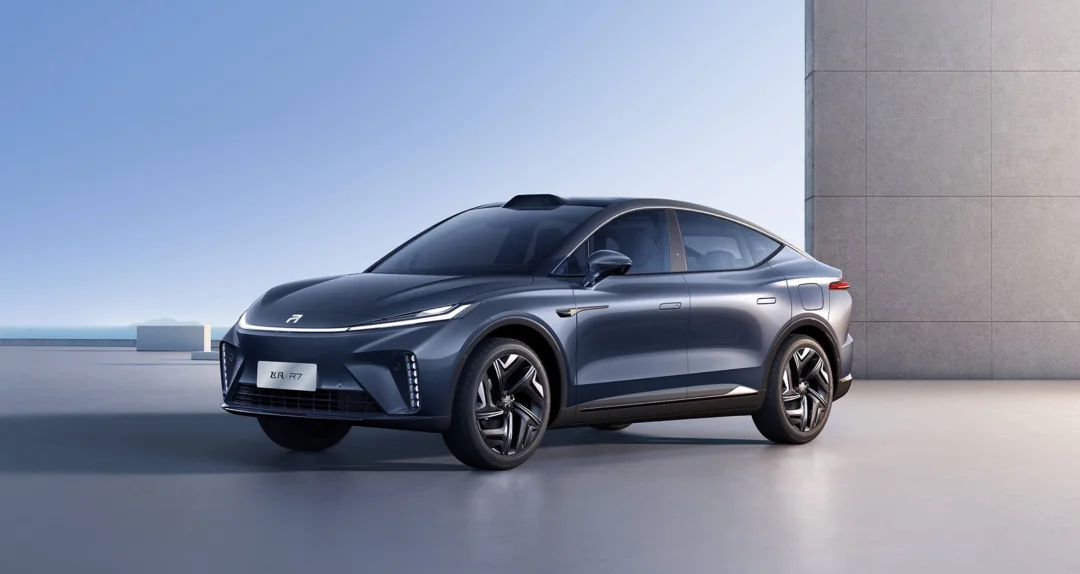
This automaker, which had virtually no presence in the intelligent driving field, delivered a stunning surprise. Although the Feifan R7 has not yet been launched and its navigation-assist system cannot yet be delivered on a large scale, our exclusive internal testing (click here to watch the video) shows that its highway navigation system, based on Orin, has already achieved a high level of completion.
How did Feifan achieve this? Through communication with Feifan’s internal team, we learned that Feifan established an intelligent driving R&D team of over 500 people early on and has insisted on full-stack self-research. Additionally, they were the first automaker to obtain NVIDIA Orin sample chips.
So, barring any surprises, Feifan will not only unveil a flagship model with top-tier hardware in September but also deliver a navigation-assist system that breaks expectations alongside it.
XPENG G9
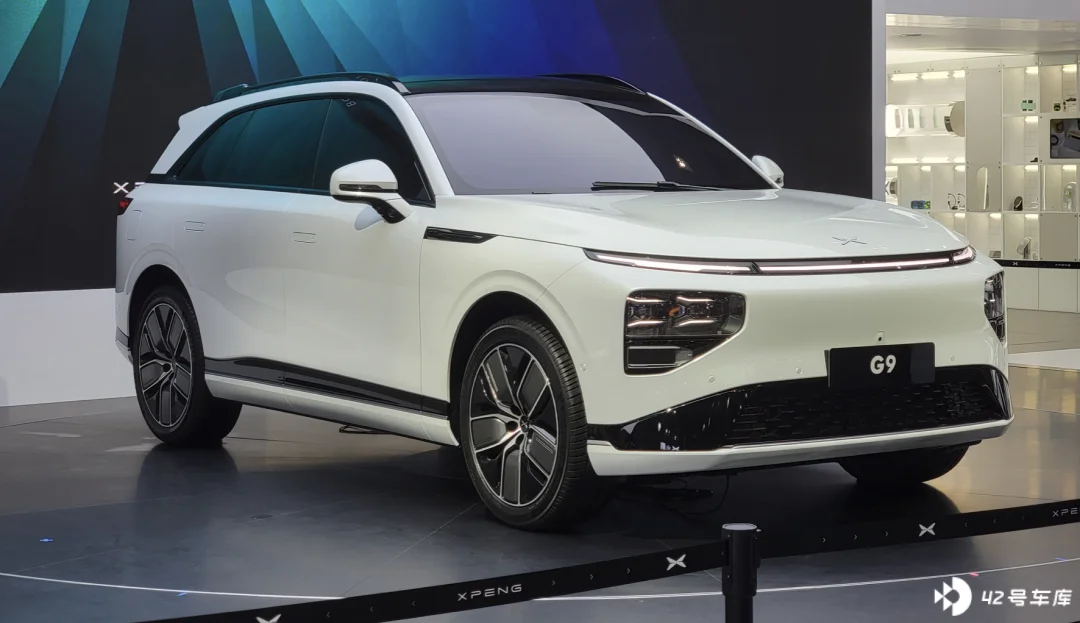
Among this year's lineup of models, most people are likely eagerly anticipating the performance of the G9. This anticipation stems partly from the fact that the vehicle was unveiled last year, along with the announcement of its all-new XEEA architecture and XPILOT 4.0 driver-assistance hardware, which has built significant hype. Additionally, XPENG has consistently positioned itself as a leader in intelligent driving among new-energy automakers, setting trends over the past two years by introducing numerous new requirements and features.
Therefore, it is reasonable to expect that the G9, scheduled for delivery in September, will feature NGP (Navigation Guided Pilot) capabilities upon launch. Given XPENG’s substantial investment and self-developed technology, it would not be surprising if the vehicle also includes CNGP (City Navigation Guided Pilot) functionality in select cities right from the start.
We are keenly awaiting to see what surprises the high-compute-chip-equipped G9 can bring to users, while also observing how it drives industry-wide progress.
Jihuaerfa S Quanxin HI Ban
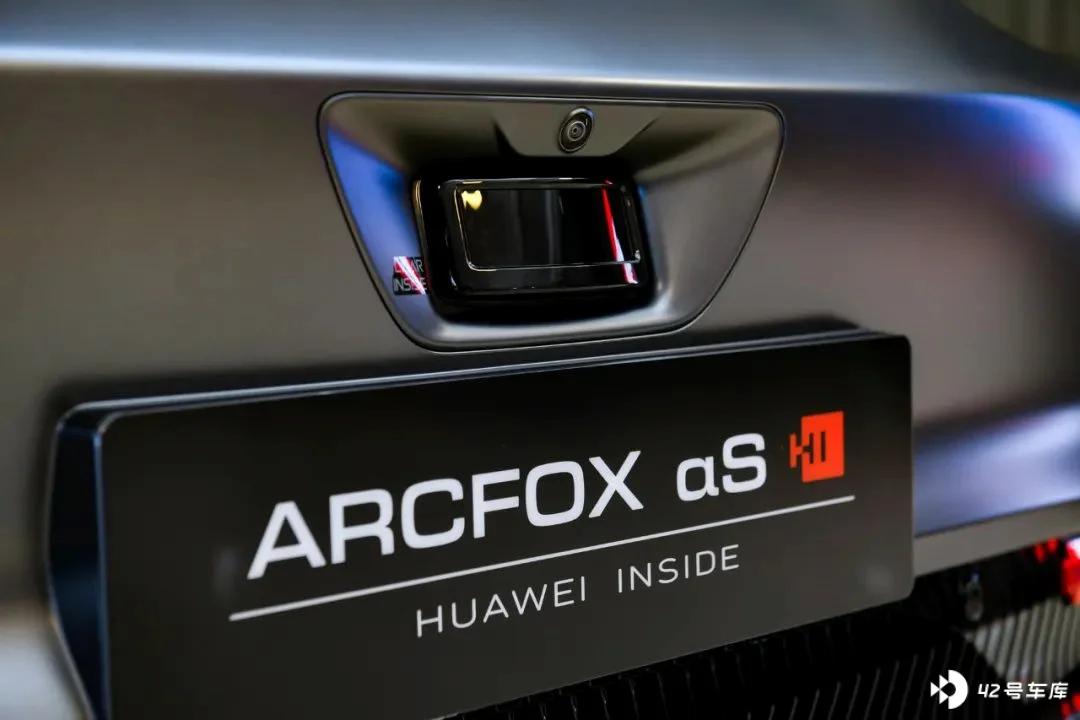
The Jihuaerfa S Quanxin HI Ban undoubtedly holds the highest expectations among users, without needing any qualifiers.
Last year, Huawei stunned the industry by raising user expectations with capabilities approaching L4 autonomous driving. However, it was not until July this year that the first Jihu vehicles equipped with Huawei HI were delivered to users. Recently, Jihu pushed an NCA (Navigation Guided Pilot) feature for closed-road scenarios to its users, but feedback indicates significant room for optimization.
Huawei previously announced plans to roll out urban NCA features in ten cities nationwide before the end of this year, leaving the race for early urban deployment still uncertain.
WEY Mocha DHT-PHEV LiDAR Edition
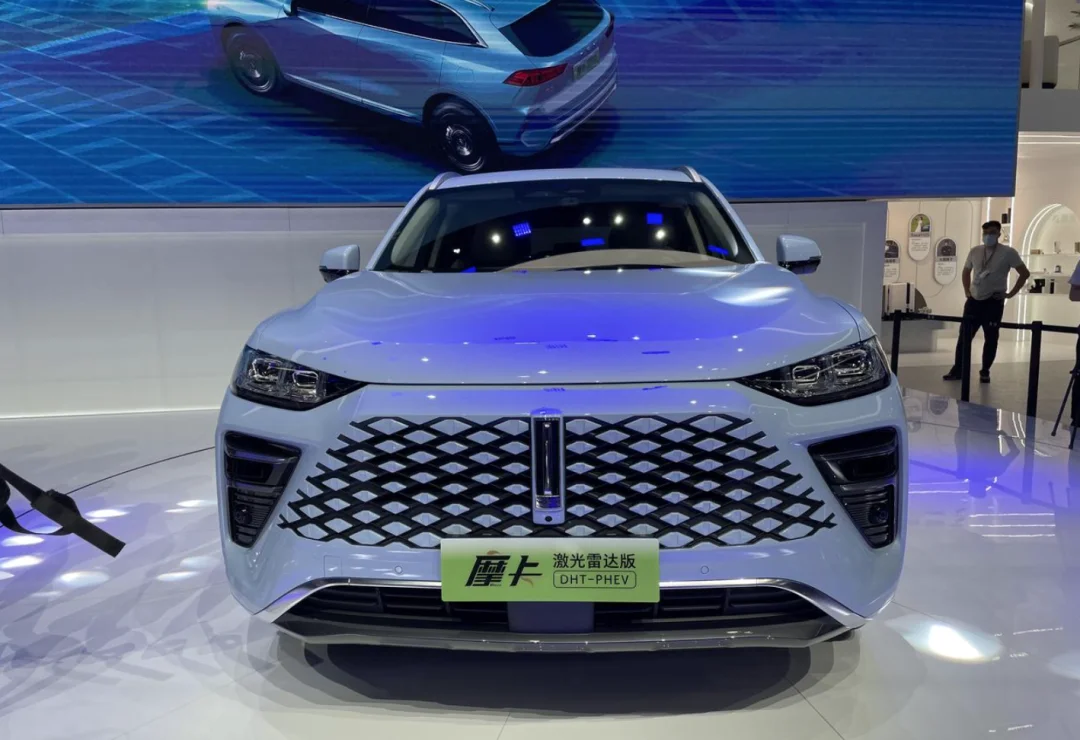
Another critical player to watch is the WEY Mocha DHT-PHEV LiDAR edition. We are particularly interested in this model because it is the only vehicle launched this year to utilize the Gaotong Snapdragon Ride intelligent driving computing platform.
This vehicle brings together expertise from three top-tier companies: Changcheng, Gaotong, and Haomozhixing.
According to WEY’s marketing materials, they are eager to claim the title of “first city navigation,” but in intelligent driving, mass production and real-world implementation speak louder than promises.
06‘Small Steps, Fast Progress’ Will Be the Main Theme
After reviewing the features that various automakers aim to achieve or have already realized in the next two years, you may notice a common trend: many are deploying L4/L5-level hardware for functions that are largely similar to those available today. The question remains: when will China’s version of FSD Beta arrive?
Hardware pre-installation followed by software iteration is an industry-wide practice. In this process, companies that can move faster and deliver more advanced features and mind-blowing experiences earlier will gain a competitive edge in this marathon.
The hardware arms race represents only Stage 1.0; what matters more is the competition in software capabilities during Stage 2.0.
In February 2020, Tesla AI Senior Director Andrej Karpathy introduced Bird's Eye View (BEV) networks at the ScaledML2020 conference.
Tesla places the 2D images captured by its eight cameras into an Occupancy Tracker for stitching. Once stitched, the data is projected downward onto the Z+ plane, creating a bird's-eye view.
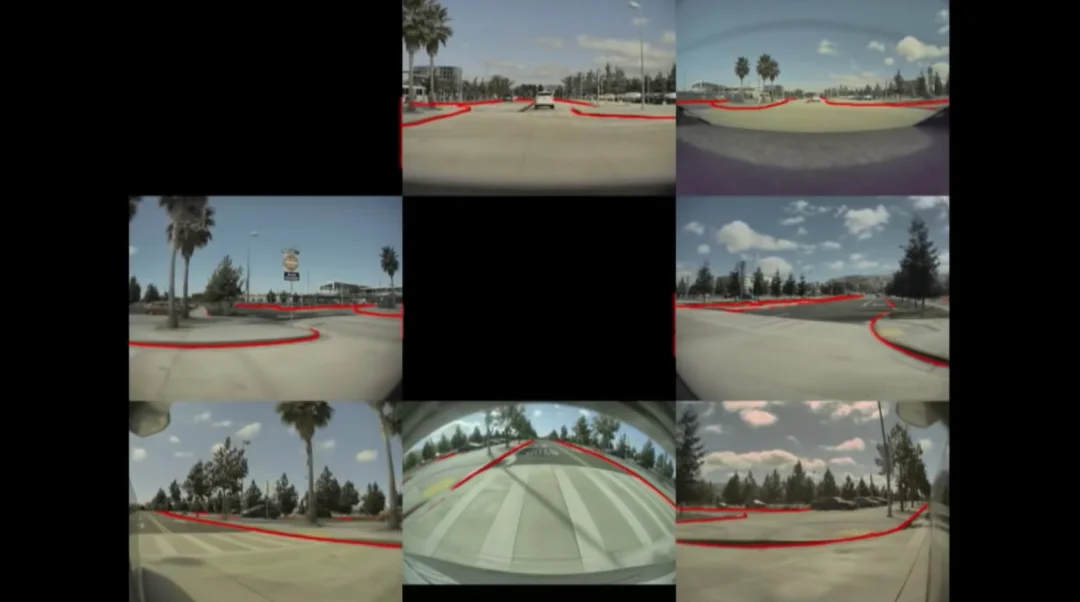
Previously, Tesla’s approach involved extracting features from the 2D images of the road environment obtained by vehicle cameras, then performing feature recognition and environmental prediction within the 2D space. This method suffered from unstable presence awareness and even misidentification when detecting large objects captured simultaneously by multiple sensors.
This shift aims to solve issues related to fragmented perception spaces and temporal discontinuity.
Subsequently, stitching images from the vehicle's multi-directional cameras to construct a BEV bird's-eye-view perception has gradually become an industry consensus, with XPENG, Haomozhixing, and Li following suit.
Compared with Tesla, flagship models from leading domestic automakers feature richer sensor suites, necessitating software systems that fuse data through stitched perception.
For example, Feifan has even adopted a "fully fused" strategy, whereas the industry previously generally employed pre-fusion and post-fusion strategies. Pre-fusion refers to a system that integrates sensor perception data to output a single perception result before proceeding to decision-making. Post-fusion refers to all sensors outputting their own perception results for the system to use in decision-making. Fully fusion, on the other hand, means the system receives the pre-fusion perception result and then compares it with the perception results from each individual sensor.
More complex sensor architectures and a greater volume of perception data place higher demands on automakers' independent R&D capabilities.
The next phase will be a competition in software and algorithm R&D capabilities.
07Final Thoughts
The main theme of intelligent driving this year is the deployment of advanced driver assistance systems based on high-compute chips. In terms of development momentum, the fast-paced in-house R&D faction led by Li Auto and XPENG is able to lead industry development, but the progress of urban NOA for the Li L9 is clearly lagging behind that of XPENG.
Most automakers are still striving to close the gap with new forces, positioning themselves as followers. This year will see an increasing number of highway navigation assist features, which is undoubtedly a positive development for both feature adoption and raising user awareness.
As sensors multiply and vehicle-level perception capabilities strengthen, some automakers will attempt to reduce reliance on high-definition maps, expanding their functional boundaries through enhanced on-board intelligence.
The industry remains in a critical transitional phase: shifting from low to high computing power, from forward-facing cameras to surround-view systems, and from vision-plus-millimeter-wave radar setups to multi-sensor fusion. In terms of feature deployment, we believe highway navigation assist will become widespread in the short term, and urban navigation assist will follow soon—even if its initial iterations are subpar. No technological leap happens overnight; capability improvements and user acceptance are mutually reinforcing.
Written by Bobo Edited by Liusan