


Jidu's 600 Days: From Prototype Rollout to Vehicle Manufacturing
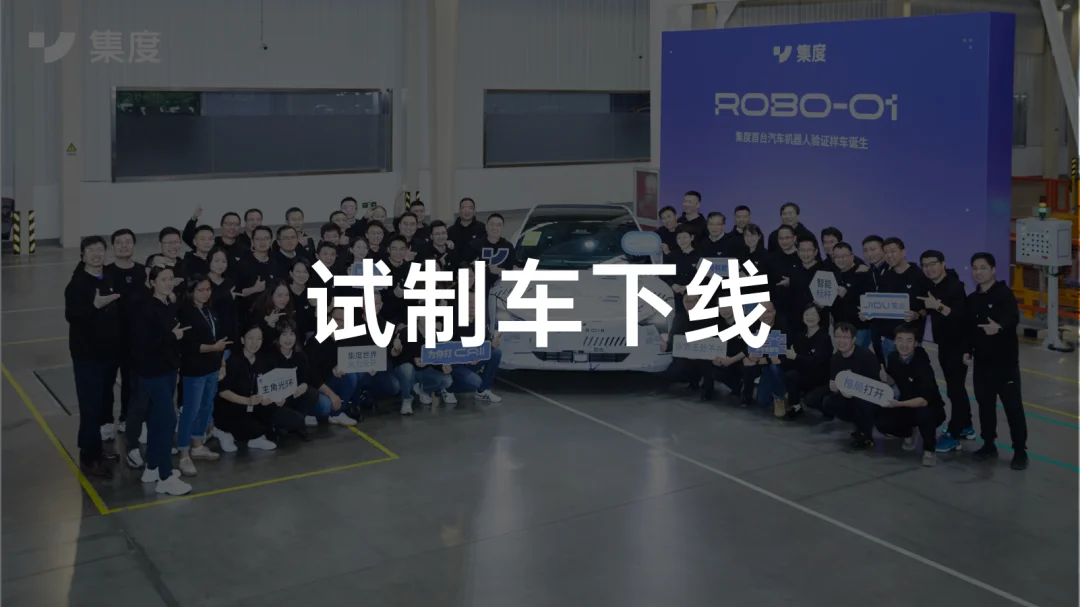
Jidu, established less than 600 days ago, has achieved two major milestones.
First, its first validation prototype was completed and rolled off the line at Geely’s Automotive Research Institute Trial Production Center. At the same time, Jidu’s advanced autonomous driving R&D began successful testing earlier this month.
These two events represent Jidu’s vehicle engineering progress and its autonomous driving software development progress. How capable is the hardware and software developed in under 600 days? How did Jidu accomplish so much in less than two years? Is there still a chance for Jidu to deliver vehicles in 2023?
To answer these questions, we must look at the product itself. Let us first review the actual features of Jidu’s first car, ROBO-01.
01Is ROBO-01 Appealing?
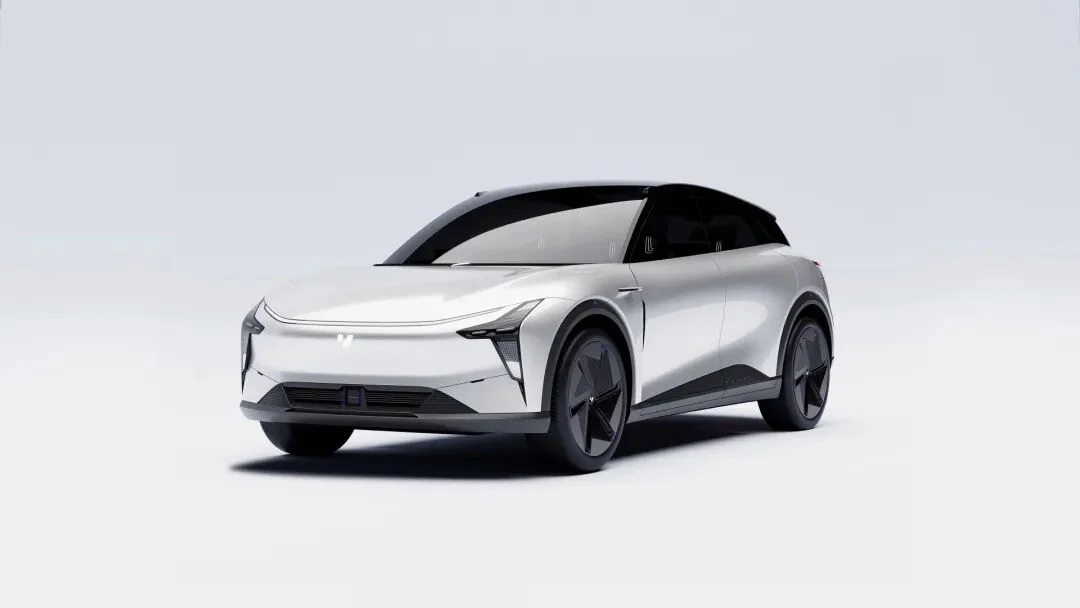
In June this year, Jidu held its brand event ROBODAY in the metaverse platform Xirang, where the first automotive robot concept car, ROBO-01, was officially unveiled. Setting aside its overall design language, the concept car boasts numerous highlights, such as an integrated large screen, AI pixel lights, a retractable LiDAR system, and suicide doors.
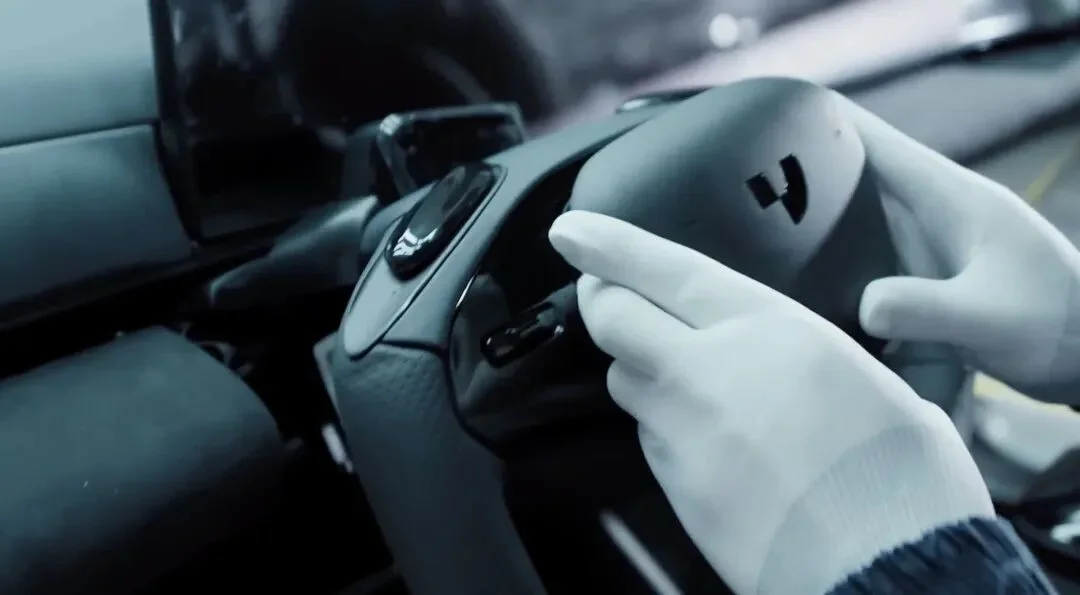
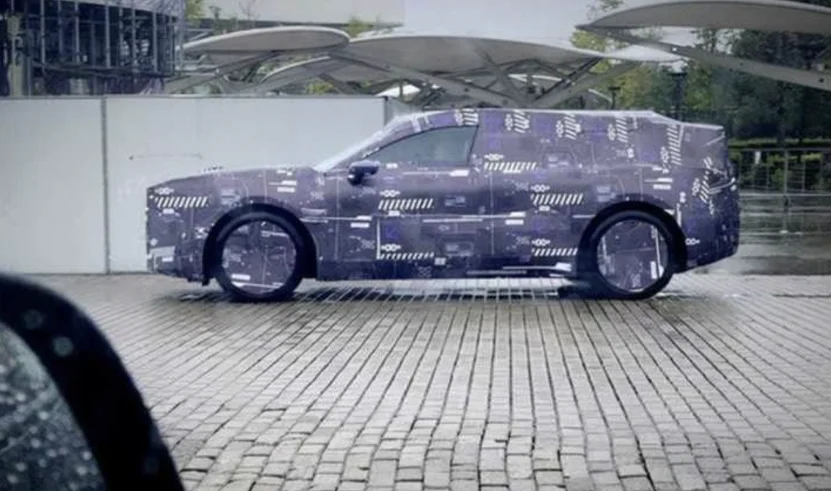
With the rollout of the ROBO-01 VP prototype, many details have been revealed. For instance, the LiDAR unit was ultimately not placed on the front hood; the most likely position is speculated to be within the headlight assembly. The doors do not use a suicide-door configuration, and no door openings were reserved; even if electronically operated, the handles may be integrated into the B-pillar. Additionally, while the Yoke steering wheel’s retractable feature from the concept car has been retained in its styling, it will not be retractable in the production model.
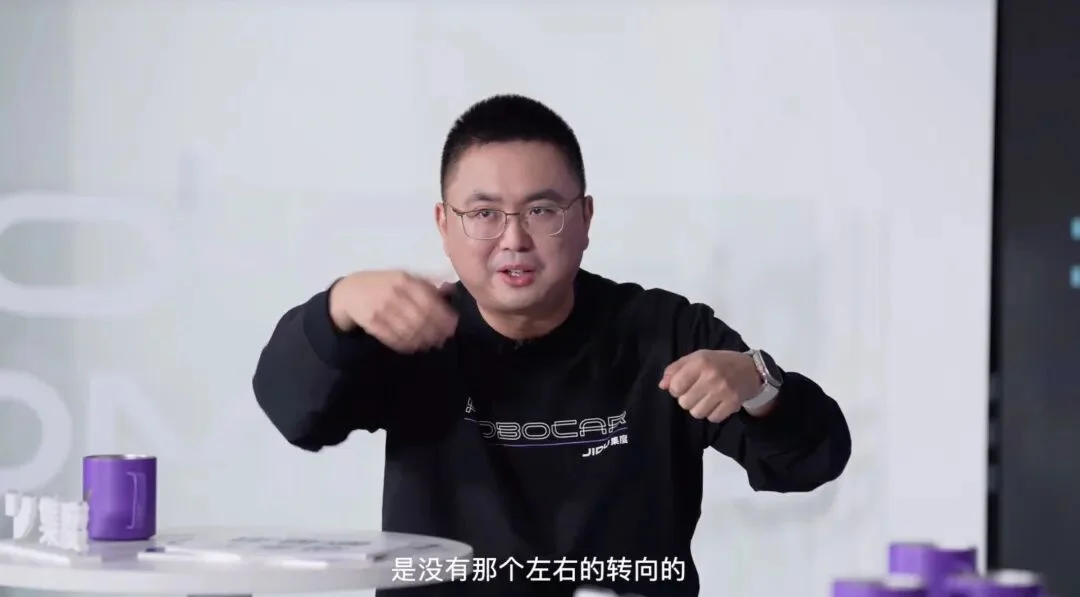
Notably, Xia Yiping emphasized that the ROBO-01 production car eliminates the wiper stalks and turn-signal levers, integrating these functions into the steering wheel and display screen. However, Jidu ROBO-01 will not remove all physical buttons. Consequently, the Jidu ROBO-01 is likely to be the first domestic brand vehicle to adopt a Yoke steering wheel. The primary advantage of the Yoke design is that it provides a wider field of view for the driver, which is particularly important given that the ROBO-01 features a single-piece screen spanning horizontally across the top of the dashboard; a traditional circular steering wheel could obstruct the driver’s view of the screen content.
However, adopting a Yoke steering wheel requires precise calibration of the vehicle’s directional response to ensure that drivers rarely need to perform hand-over-hand steering maneuvers. Xia Yiping stated that the team simulated numerous “rubbing” steering motions to continuously improve engineering samples, aiming to enhance user experience. He also noted that using this steering wheel will inevitably change your driving habits over time.
Furthermore, Xia Yiping mentioned that the engineering team invested significant effort to develop the large single-piece display. While dual-screen setups are common in current production vehicles, most are not true integrated screens. For example, the displays in Mercedes-Benz and Feifan R7 models are segmented in their rendering, appearing as a single piece of glass only superficially. In contrast, the Jidu ROBO-01’s integrated screen has no visible breaks. Beyond basic hardware quality, the underlying drive chip is crucial for screen interaction performance. Hardware chips are one of Xia Yiping’s key areas of confidence.
02Cabin and Autonomous Driving Capabilities
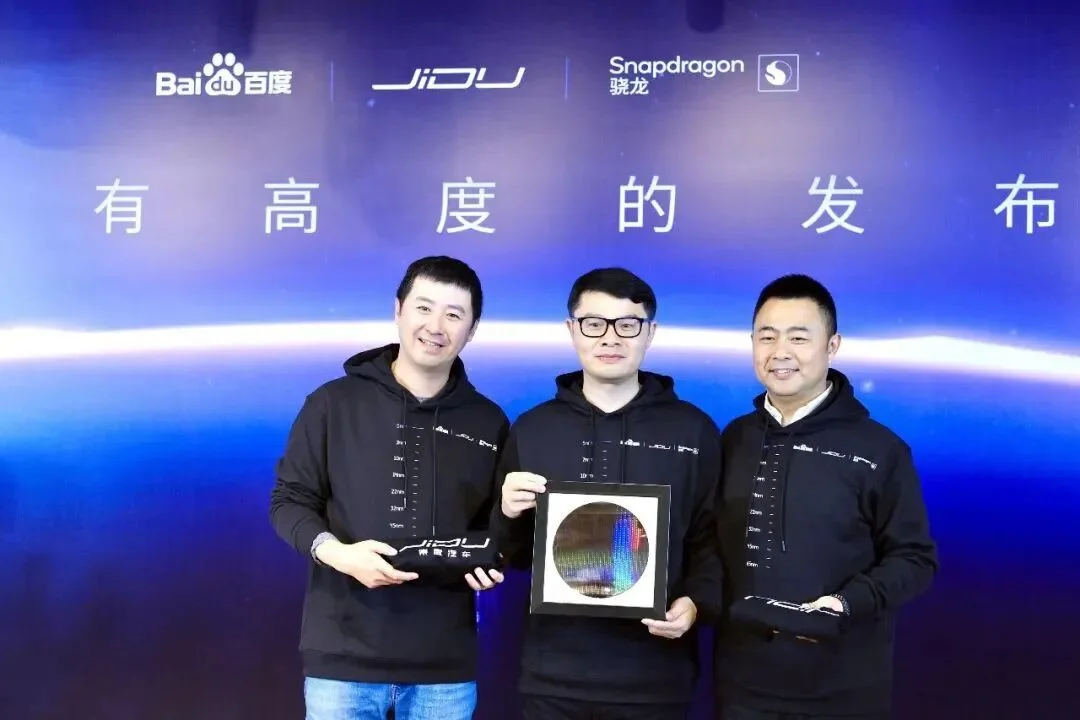
When asked whether it would be too late to deliver the first model in 2023, Xia Yiping replied: By 2022 and 2023, the industry had reached a stage where two chips crucial to industry development output emerged, namely Orin-X and 8295. To some extent, 8295 enhanced natural communication capabilities. In the past, many large-model AI algorithms ran on the cloud, with no such capability locally. However, 8295 possesses this capability. After obtaining the 8295 chip, they (Jidu) were able to integrate the cloud-based voice large-model processing algorithms from remote servers to local devices.
The foundation determines the superstructure. To achieve more powerful functions and a better user experience, chip capability is indeed crucial. Let us first examine how the 8295 improves upon the 8155.
The 8295 utilizes a 5 nm process node, with NPU performance reaching 30 TOPS—an increase of nearly eight times compared to the 8155. Its GPU performance reaches 3,100 GFLOPS, an improvement of nearly 200% over the 8155.
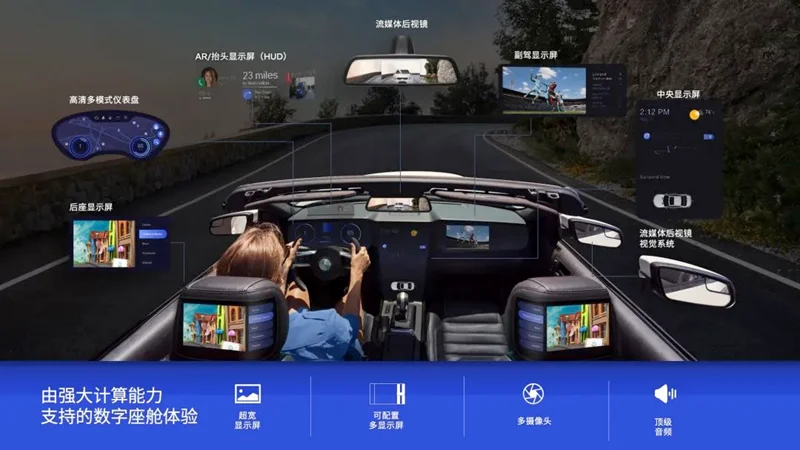
Greater computing power enables support for more interactive screens and provides rich graphics, image, and multimedia capabilities, resulting in smoother and clearer displays for instrument clusters, central control screens, or AR-HUDs. The Snapdragon 8295 supports the convergence of multiple ECUs and domains, capable of simultaneously handling multi-screen scenarios such as instrument clusters, cockpit displays, AR-HUDs, rear-seat screens, and electronic rearview mirrors.
With sufficiently robust hardware, Xia Yiping’s comments also carried another layer of meaning: timing. Most second-generation models from leading new forces were launched and delivered this year, while Jidu coincided precisely with the mass production timeline of the 8295. This explains why Xia Yiping acknowledged that the first car arrived slightly late but remained unafraid of competition.
Intelligent driving requires no further elaboration here; two concepts are worth mentioning: the SIMUCar parallel R&D strategy and Apollo ANP.
The term SIMUCar refers to a software-simulated prototype. To accelerate the development of its autonomous driving software, Jidu completely decoupled the hardware and software components. Although the Jidu ROBO-01 had not yet rolled off the production line, its autonomous driving system was already capable of operating on public roads.
Then there is Baidu Apollo: the Jidu ROBO-01 will fully inherit Baidu’s years of R&D achievements in autonomous driving. Autonomous driving development places a heavy emphasis on "actual test mileage," as data is needed to train robust systems, and Baidu Apollo's Luobokuaipao currently has the highest actual road test mileage among Robotaxi companies.
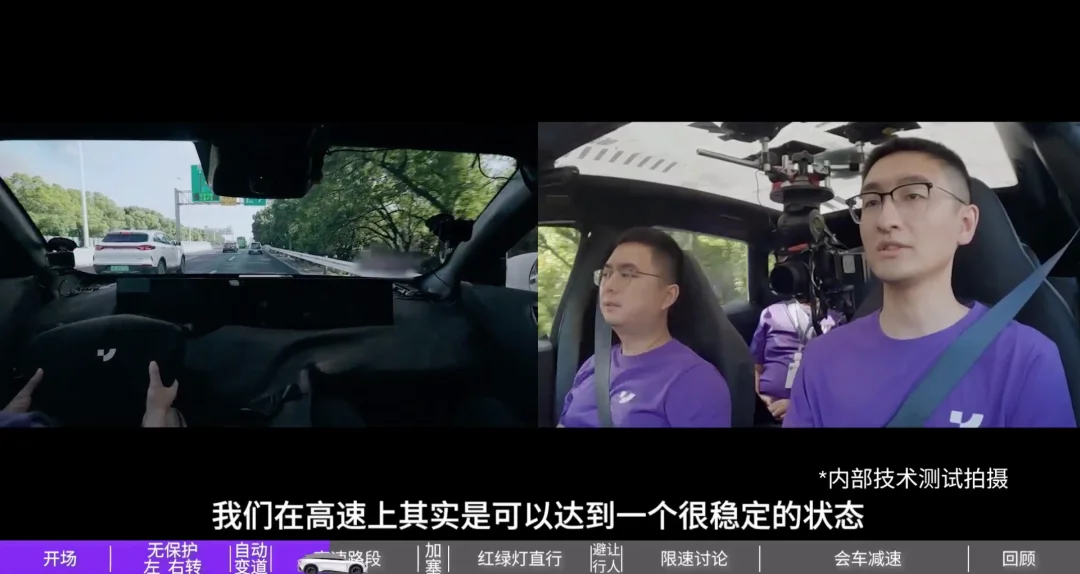
Jidu Auto also released a long video for the first time, showcasing real-world road tests of the ROBO-01. The lineup used to "evaluate" the current capabilities of the autonomous driving system featured CEO Xia Yiping and Wang Weibao, head of Jidu’s autonomous driving division, who sat in the driver’s seat to demonstrate the progress of the R&D process. This arrangement reminded me of a recent scene where Wu Xinzhou, VP of intelligent driving at XPENG, "reported" his work to XPENG’s CEO.
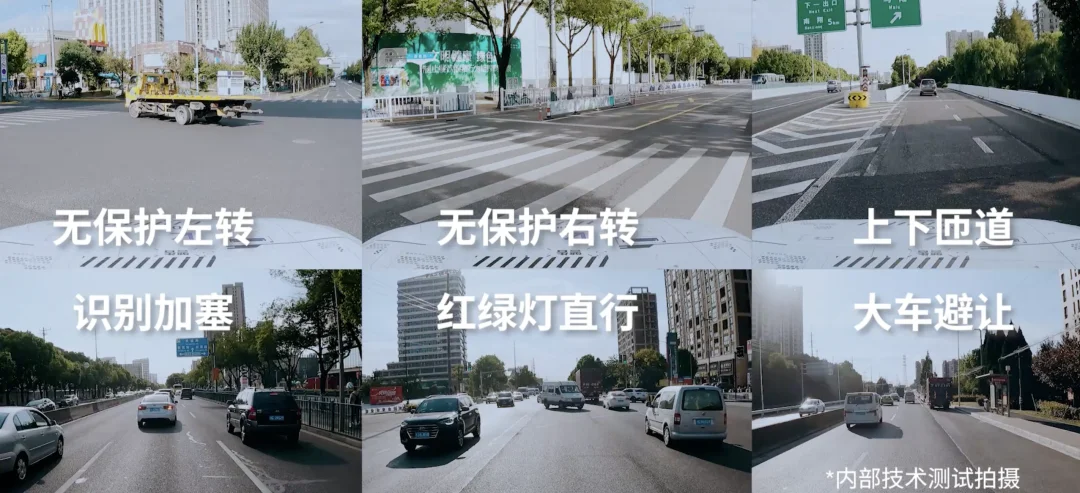
Although we did not see a single continuous shot of the entire road test, the video covered classic urban scenarios such as unprotected left and right turns, traffic light recognition, and decision-making based on signals. From a functional perspective, this system has achieved a considerable level of completeness. However, its actual capabilities and user experience can only be definitively assessed after experiencing the production vehicle firsthand.
Nevertheless, it must be said that Jidu is moving quickly in terms of intelligent driving capabilities.
By now, you should have a general understanding of the capabilities of the Jidu ROBO-01. In terms of exterior design, the production version of the ROBO-01 underwent modifications while striving to preserve the styling of the concept car. Some changes were made to balance aesthetics with practicality, while others were necessary to meet regulatory requirements. Overall, however, its design remains sufficiently avant-garde. On the smart technology front, it features dual Orin-X chips, an 8295 processor, dual LiDARs, and full-surround visual perception. Therefore, regardless of whether you are willing to pay for it, it is certainly worth looking forward to.
03Synchronized Development of Intelligent Software and Hardware with the Vehicle
Additionally, the issue mentioned earlier is effectively debunked: in the context of software-hardware collaborative development, the Jidu team indeed avoids situations where people wait for people or projects wait for projects. Of course, beyond software and hardware, another crucial factor is the maturity of the production line for prototype vehicles at this stage.
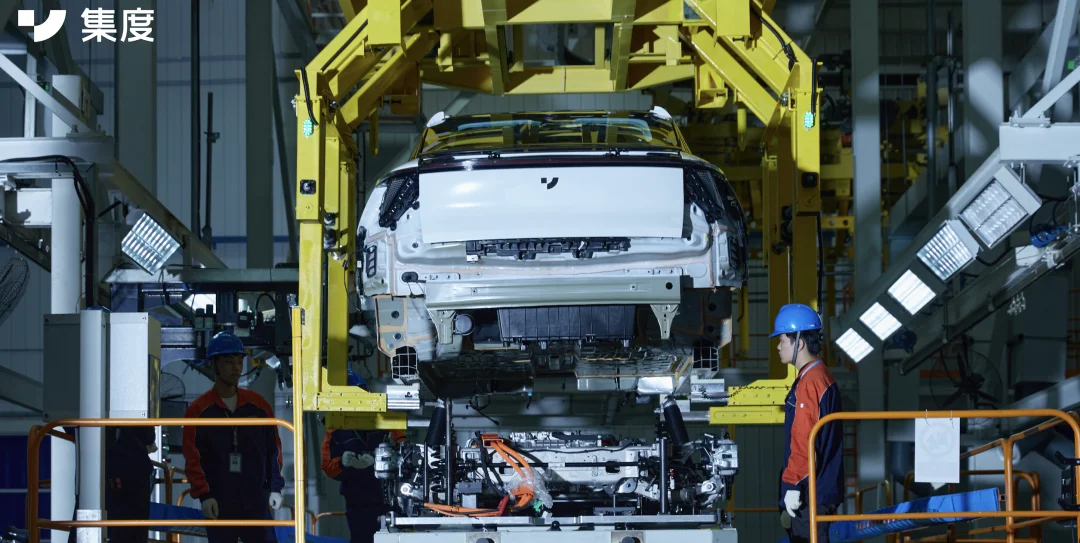
We all know that the Jidu ROBO-01 was built on the same SEA Haohanjiagou platform as the Zeekr 001, and its stamping, welding, painting, and final assembly were all carried out at the Geely Automobile Research Institute Prototype Center in Hangzhou Bay. Regarding prototype vehicle standards, a relevant official stated that their prototype center was established based on Woerwo standards and technical planning.
04Final Thoughts
The Jidu ROBO-01, launched in 2023, faced fierce market competition. Just looking at this year alone, the rivalry in the mid-size pure electric SUV segment is already intense enough.
In Xia Yiping's view, Jidu is not late to the game. Before the ROBO-01, few managed to launch a first model with mature and powerful autonomous driving capabilities. He even suggested that Jidu's autonomous driving could approach L4/L5 levels. Furthermore, since no one in the industry had used the 8295 chip before, he believed Jidu could achieve more advanced cabin interaction.
Of course, whether it is too late is determined by product performance, and the sole measure of a product's market performance is whether users are willing to support it with real money.
Three days later, the ROBO-01 Lunar Exploration Edition will be launched. Let’s look forward to what surprises the limited-edition ROBO-01 will bring.
Written by: Bobo Edited by: Liusan