


NIO ET7 Tops Chinese EVs in Euro NCAP Safety Scores with Standard Far-Side Airbag
On January 9, 2021, my WeChat, Weibo and other major social media platforms were flooded with content. Dominating the homepages of various apps on my phone was the NIO ET7.
With dual motors enabling a zero-to-100 km/h acceleration time of 3.8 seconds, a 100 kWh large battery, LiDAR, an 8-megapixel camera, and computing power of 1,016 TOPS from four Orin chips, the NIO ET7 has brought driver assistance, three-electric system performance, and entertainment features to a new level of intensity.
Over the following year and more, emerging automakers followed suit. This intense competition drove market rivalry to a new peak.
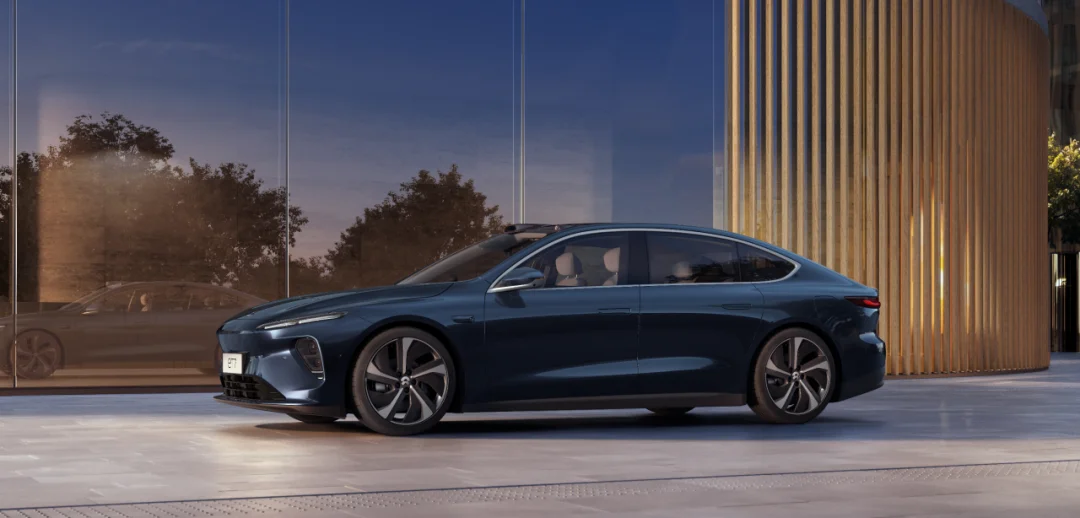
Today, the ET7, which has been on the market for nearly two years, is once again in the spotlight. In the latest crash test results released by Euro NCAP (European New Car Assessment Programme, hereinafter referred to as E-NCAP), the NIO ET7, which officially launched in Europe last month, appears on the list, scoring high marks in several test categories.
Previously, we could only perceive the ET7's competitive edge through its specifications. Now, E-NCAP has peeled back the layers, allowing us to see the ET7 clearly.
01First, let's look at the scores
Before breaking down the scoring structure of the NIO ET7, let’s briefly introduce E-NCAP.
E-NCAP stands for the European New Car Assessment Programme. It is one of the most authoritative safety testing organizations in the automotive industry. All vehicles sold in Europe must undergo crash tests at E-NCAP.
One of E-NCAP’s key features is its comprehensive and up-to-date test categories. For example, to evaluate a vehicle’s active safety functions, the organization added an entire "Safety Assist" category. Additionally, E-NCAP updates its protocols with high frequency.
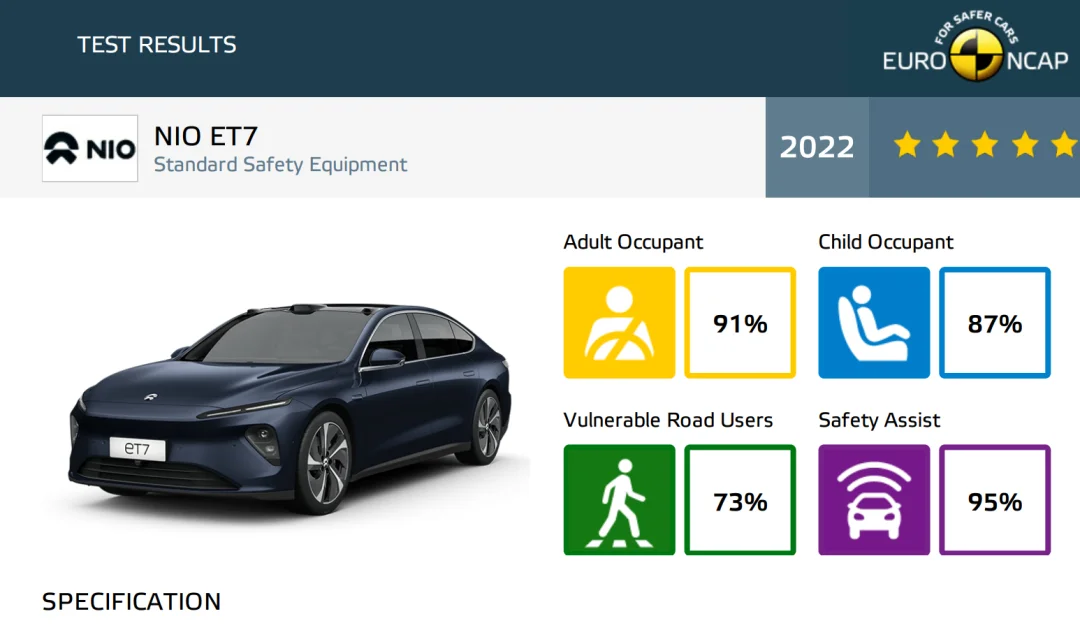
In this test, the NIO ET7 scored 91% in Occupant Safety, 87% in Child Safety, 73% in Vulnerable Road User Safety, and 95% in Safety Assist.
Its total score surpassed that of the WEY Coffee 01 (WEY MoCa), ORA Funky Cat (ORA Funky Cat), and BYD ATTO 3 (BYD ATTO 3), making it the Chinese pure electric model with the highest overall rating among those tested by E-NCAP so far.
However, this comparison rests on a notable fact: the NIO ET7 was the most expensive Chinese model tested by E-NCAP this year (based on domestic pricing).
So, beyond its dual-motor setup, air suspension, and recyclable Karuun material, where else did NIO allocate costs? And what exactly enabled the ET7 to achieve such a high score?
02The Real Crash: It Comes Down to Structure, Materials, and Airbags
Let’s return to the test items. If you are familiar with E-NCAP or observe closely, you will notice that among the four main test categories—occupant safety, child safety, and vulnerable road user safety—some projects assess a vehicle’s passive safety capabilities, while the assistive safety category evaluates active safety.
Thus, E-NCAP does not merely require vehicles to withstand "hard-on-hard" impacts; it also demands that vehicles identify road edges and obstructing vehicles in non-autonomous-driving states to avoid hazards.
In plain terms, passive safety refers to how well a vehicle withstands impact when an accident is unavoidable. The core challenge lies in the body structure craftsmanship and material quality.
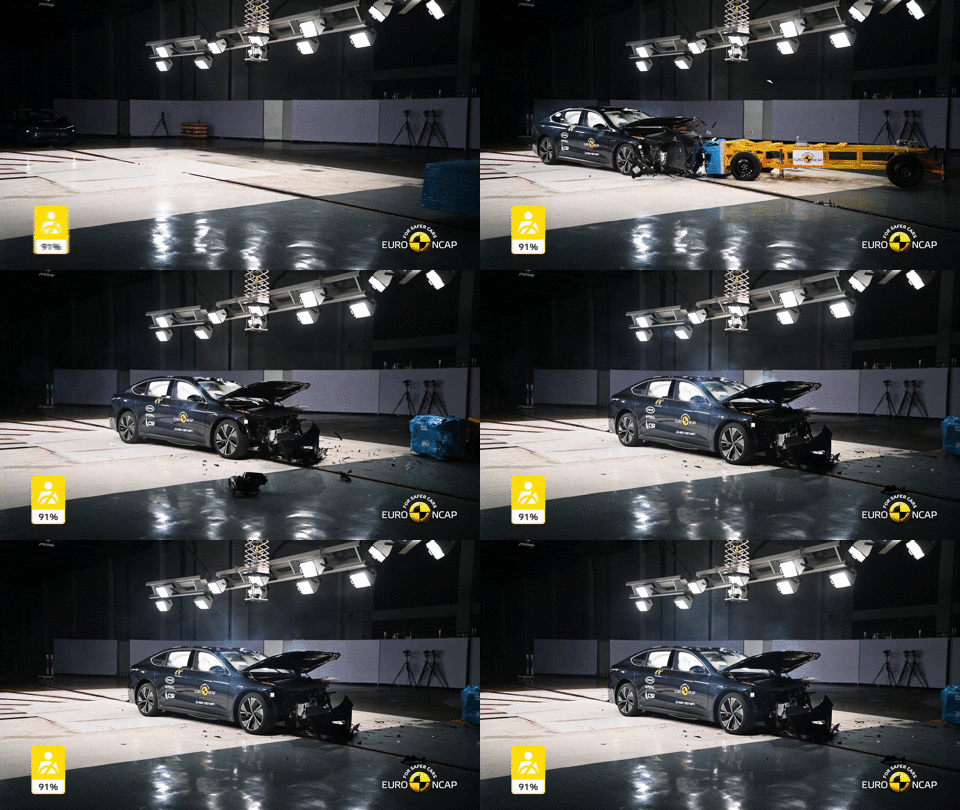
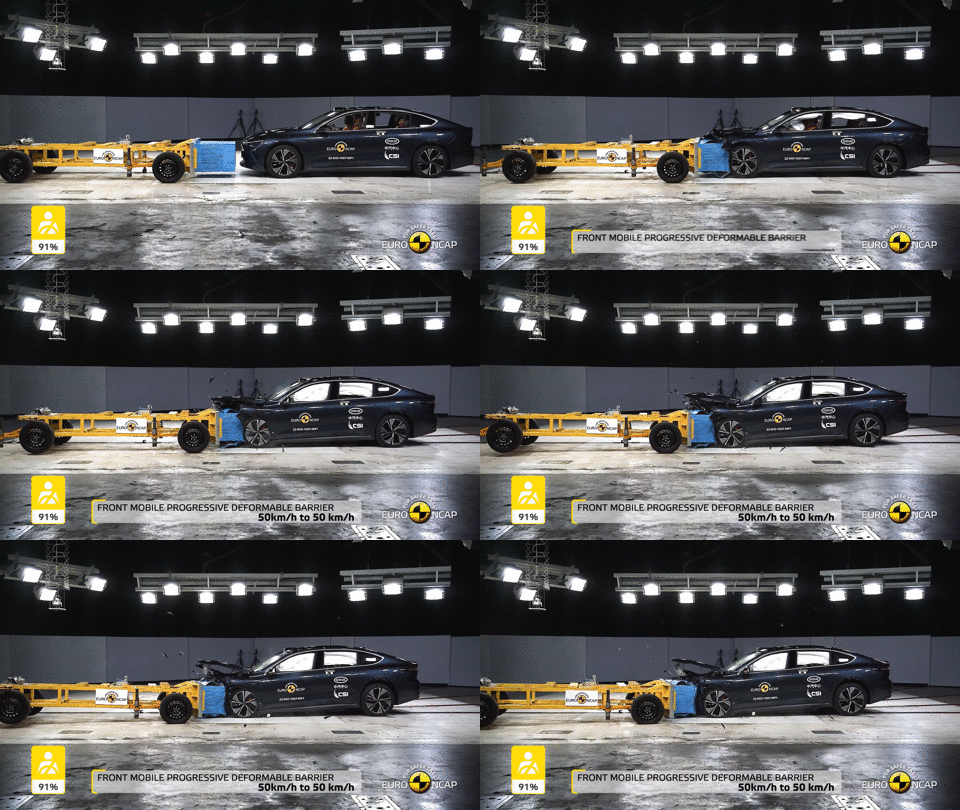
From the crash videos, the ET7 showed no severe deformation in any of the tests: the frontal 50% car-to-car collision (50 km/h, relative speed 100 km/h), the side impact (60 km/h), or the pole impact (32 km/h). Neither the A-pillar nor the B-pillar bent or deformed.
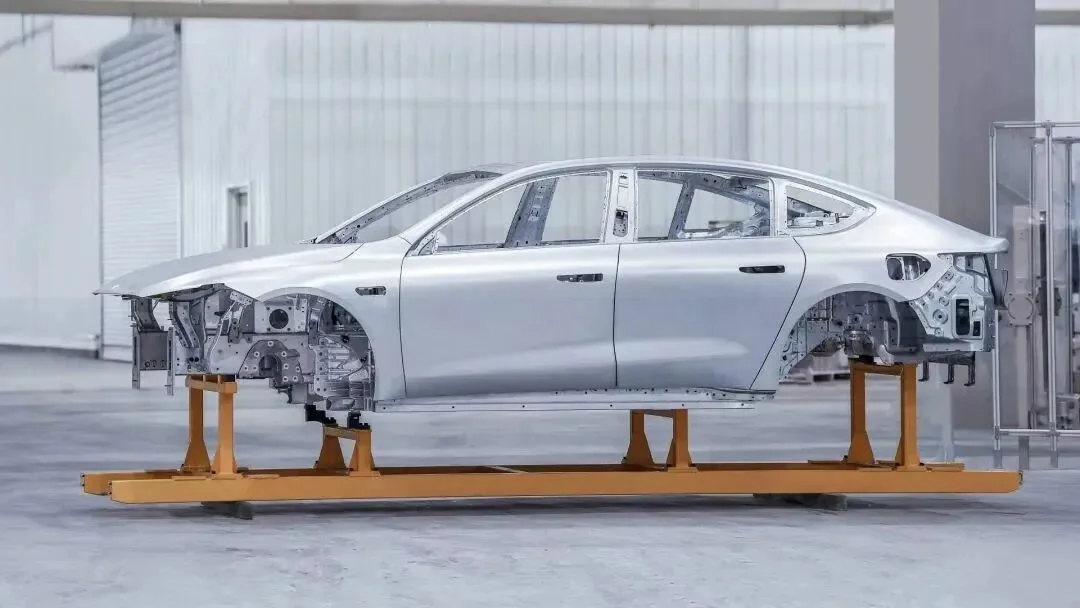
The vehicle's structural design and material selection played a crucial role. The ET7 utilizes extensive hot-stamped steel with a strength of up to 1,500 MPa, which accounts for more than 40% of the upper body structure.
Many may not be aware that the front crash beam on the ET7 has undergone significant changes compared to the ES8.
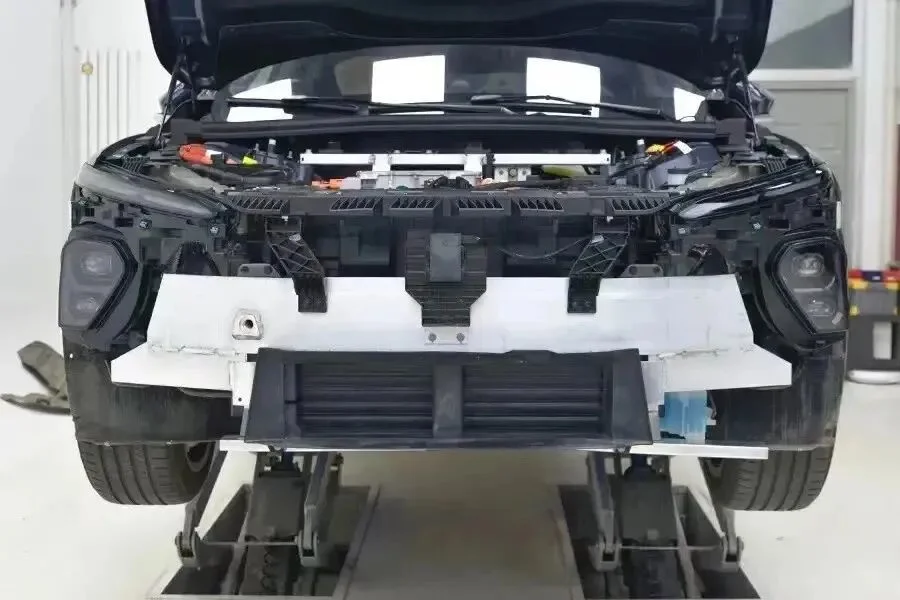
The front aluminum alloy crash beam used on the ET7 features a trapezoidal design. On both sides of the crash beam, two independent sub-crash beams, each nearly half a meter long and with a rectangular frame structure, are welded separately. The purpose of this is to cover more of the vehicle body.
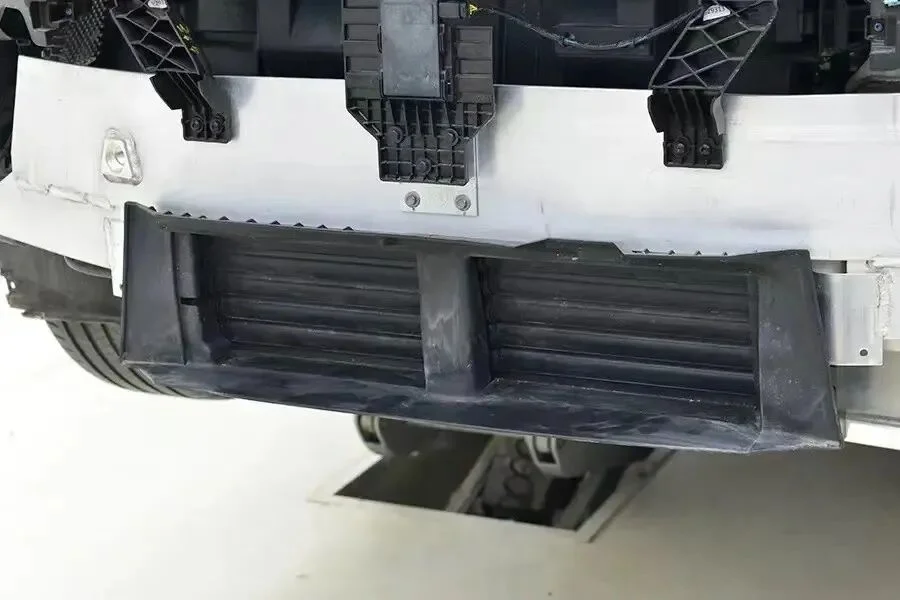
The overall length of the ET7's front crash beam reaches 1,533 mm, with a height of 252 mm, covering 77% of the vehicle's width. In terms of both coverage and volume, this places it in the top tier.
Like the EC6, the NIO ET7 is equipped with a Torque box located at a critical position: at the rear end of the front longitudinal beams, inside the wheel hubs, below the A-pillars, and flanked by the rocker panels and longitudinal beams.
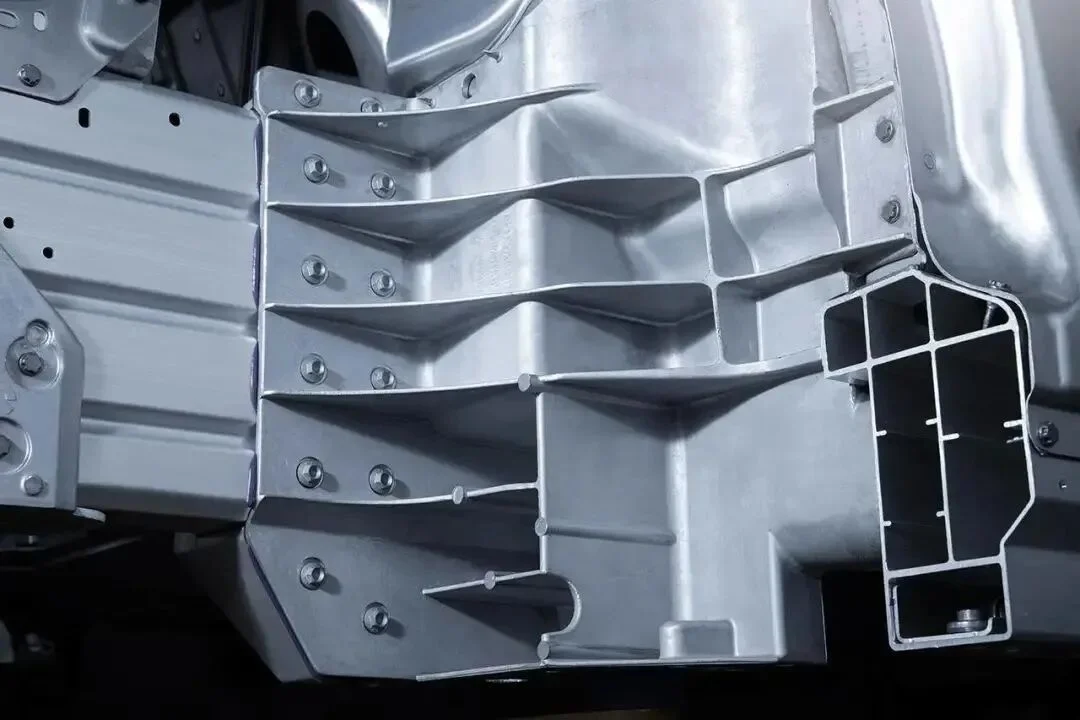
So, its role is to act as a "hub" for transmitting impact forces. When the vehicle body collides, the force from the lower impact is transferred through the longitudinal beams and wheel hubs to the Torque box. The Torque box then absorbs this impact while transferring it to the rocker panels or A-pillars, preventing the shock from being directly transmitted to the rear passenger cabin and battery pack.

The styling of the Torque box is also highly refined. Its three-dimensional grid design ensures greater support and structural strength, operating on a principle similar to that of corrugated cardboard.

Additionally, the E-NCAP test includes a side pole impact test. In this test, the vehicle strikes a rigid thin pole at an angle relative to its direction of travel at a speed of 32 km/h, simulating a scenario where the vehicle loses control and hits a tree trunk or utility pole by the roadside.
This type of lateral impact places immense stress on the vehicle's B-pillar, and the driver's head and cervical spine are both susceptible to injury from the collision.
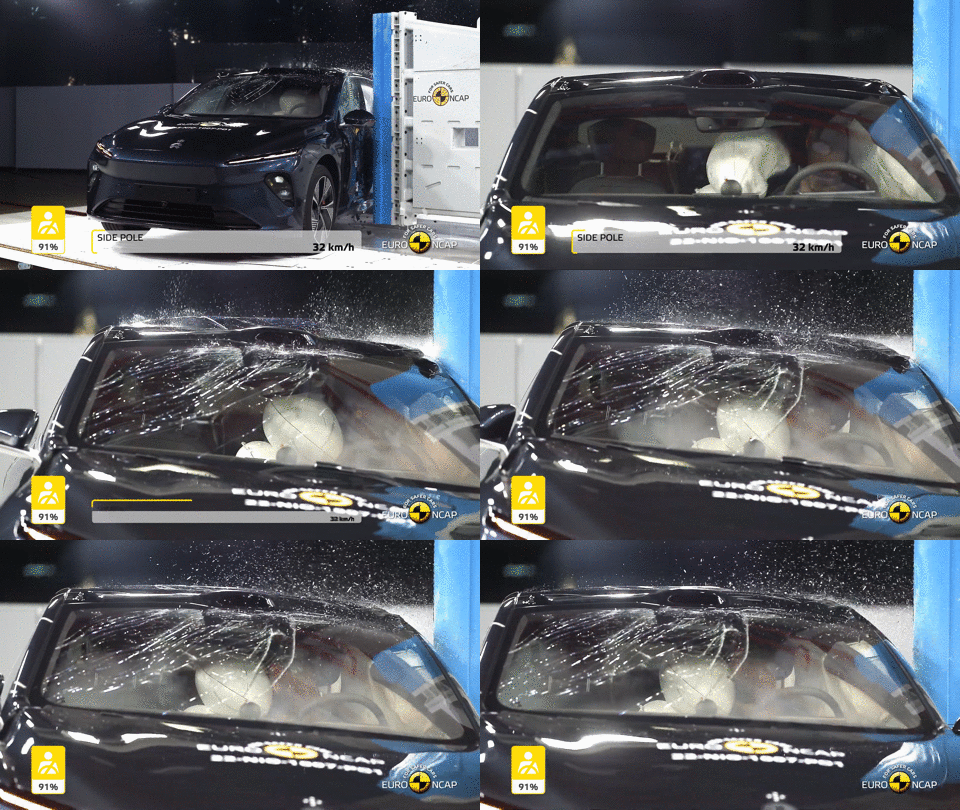
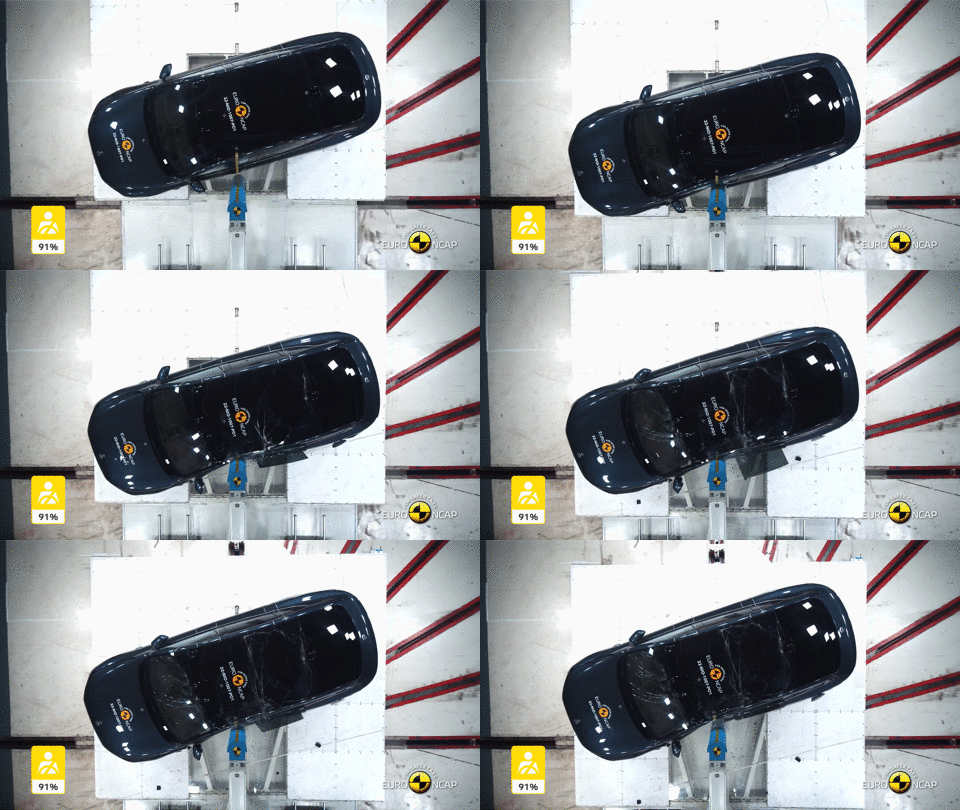
However, the video shows that during this test, the B-pillar of the NIO ET7 exhibited no significant deformation, and the center airbag deployed immediately upon impact, effectively restraining the lateral movement of the crash dummy.
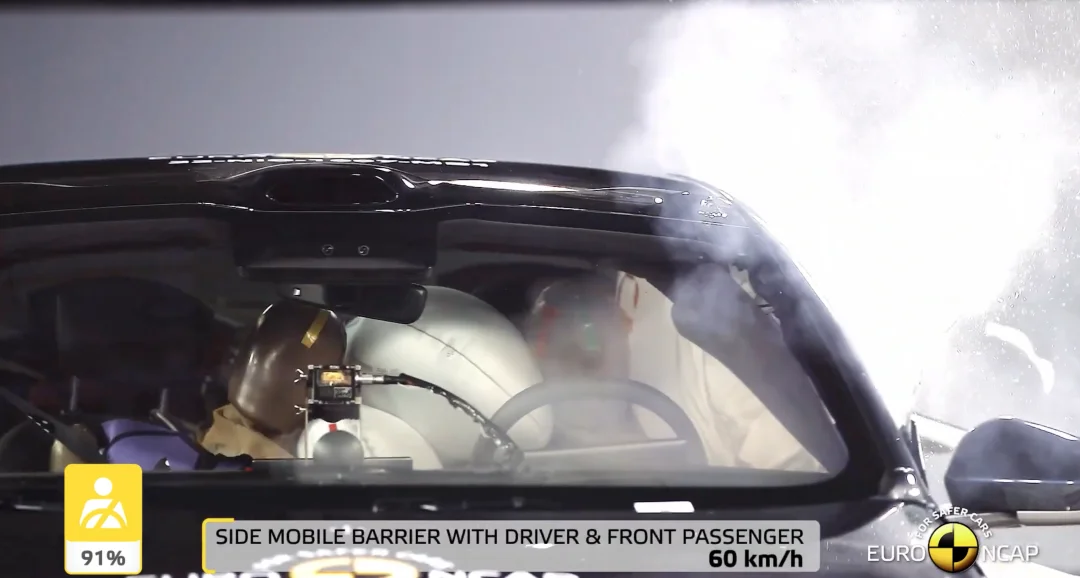
Uncommon Far-Center Airbag
The center airbag featured here is uncommon; the NIO ET7 is the first large sedan in the Chinese market to come standard with a far-center airbag.
The primary function of the far-center airbag is to prevent head-to-head collisions between the driver and passengers during side impacts or rollovers. The U.S. Insurance Institute for Highway Safety (IIHS) has added specific tests for such scenarios to its collision testing standards.
Thanks to the application of the far-center airbag, the NIO ET7 achieved a high score of 15.5 out of 16 in the side-impact test.
The NIO ET7 also performed excellently in child safety. In both frontal and side impacts, it protected the critical body areas of 6-year-old and 10-year-old child dummies, earning a perfect score in this category.
However, the NIO ET7 did not achieve the highest score in every category. In the vulnerable road user protection test, it scored 73%.
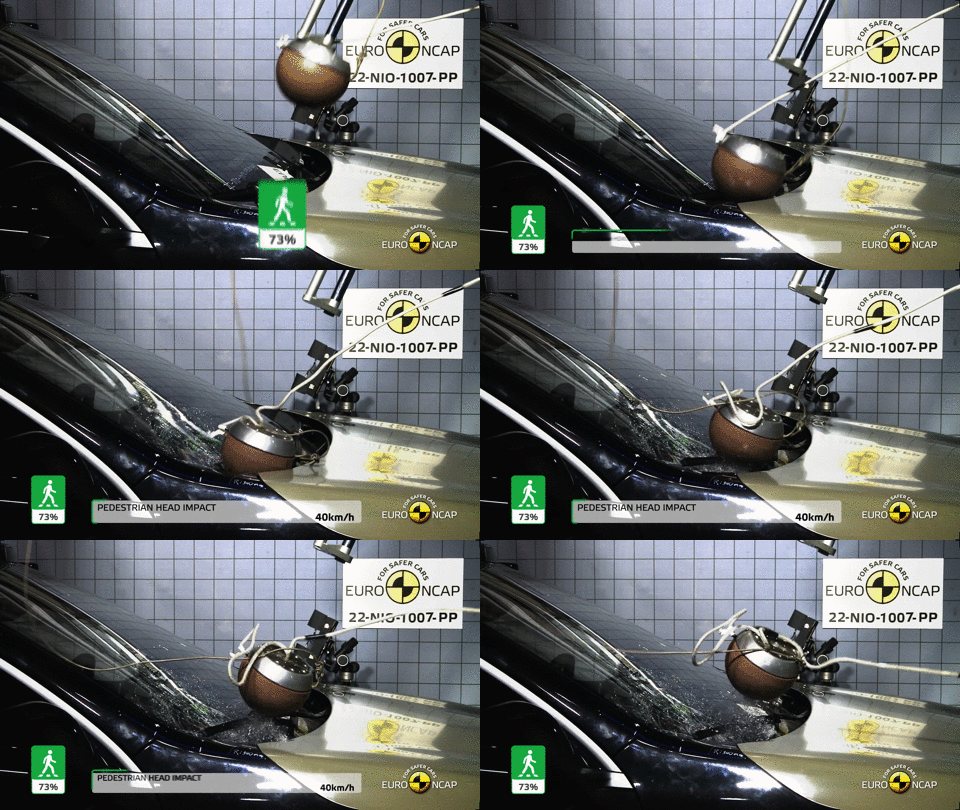
The Vulnerable Road User (VRU) safety program consists of two main components: a pedestrian impact test conducted at relatively low speeds, and an assessment of the vehicle’s Automatic Emergency Braking (AEB) capability for pedestrians.
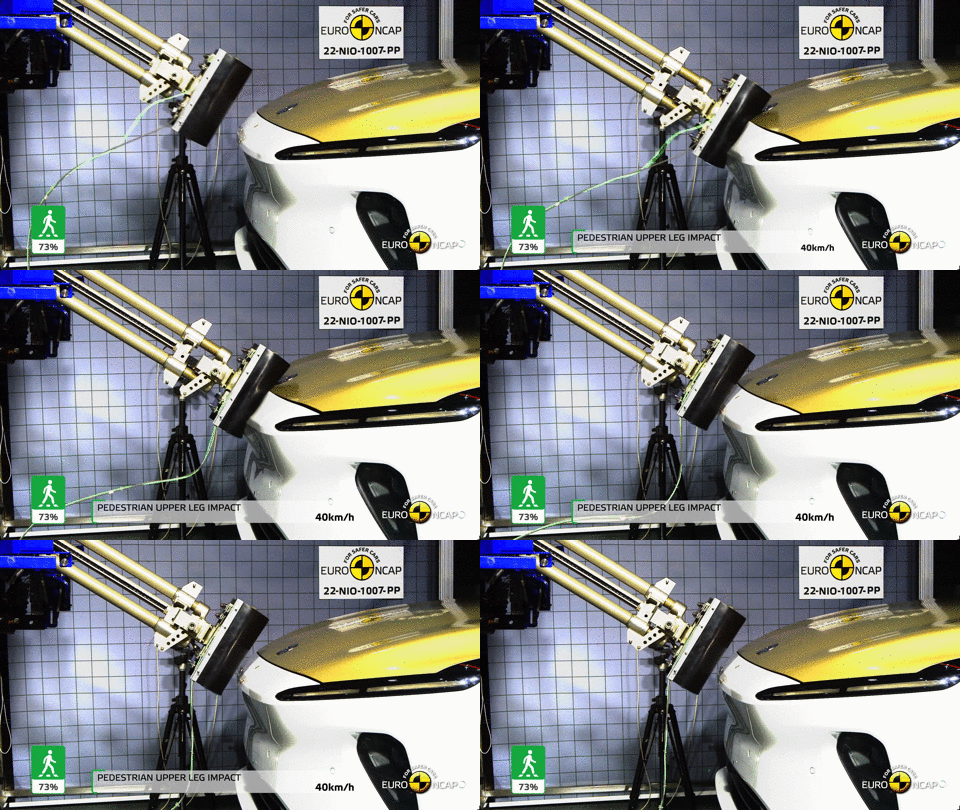
These tests primarily evaluate the protection offered to vulnerable road users. The pedestrian impact test involves striking various parts of the human torso at 40 km/h; in this assessment, the NIO ET7 scored 24.6 points.
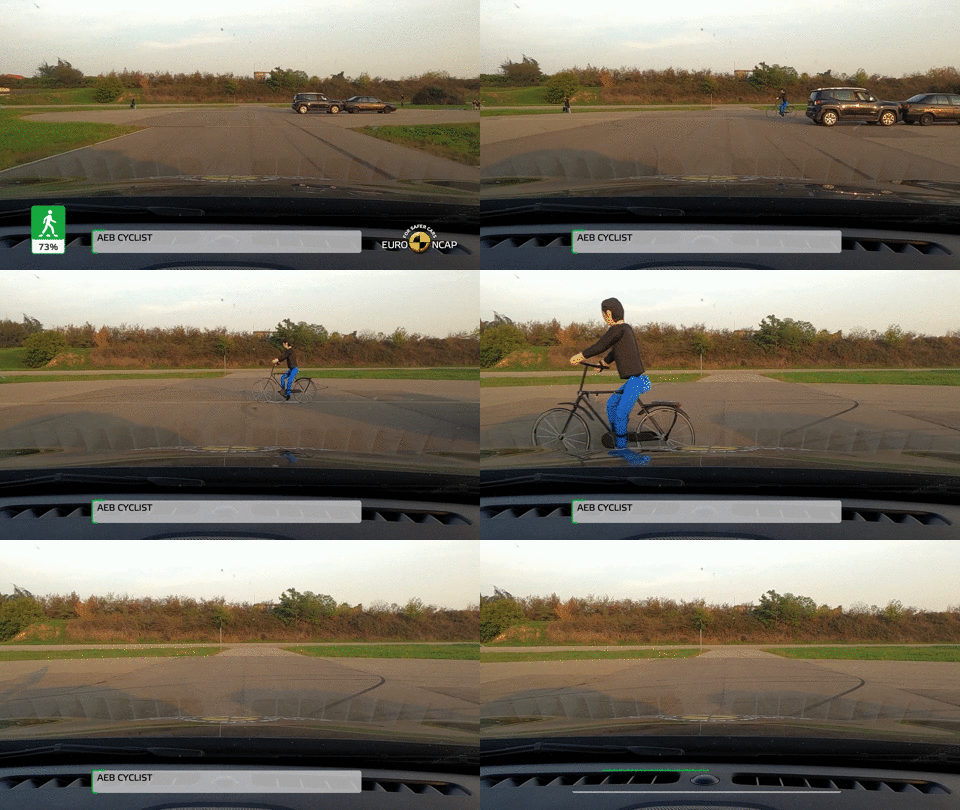
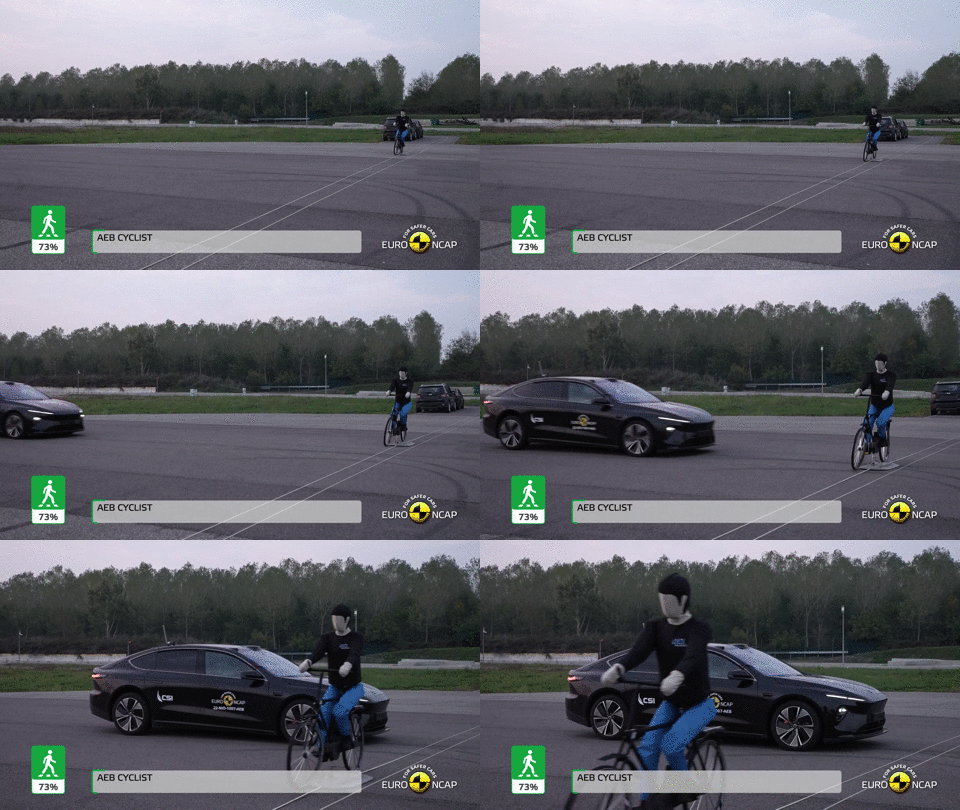
In the AEB tests for pedestrians and cyclists, NIO scored 7.1 points and 7.8 points, respectively.
03High Scores in Driver Assistance
Passive safety is defined by the vehicle’s body structure, manufacturing processes, materials used, and airbag configuration. However, in the new era of electric vehicles, intelligence also manifests in the use of onboard sensors to help users avoid risks.
If the passive safety measures mentioned earlier represent costs incurred by NIO in areas invisible to users, then performance in the "Safety Assist" test is strongly linked to visible configurations and also tests software development capabilities.

In the Safety Assist test, the NIO ET7 scored 15.2 points, ranking at the top of the list.
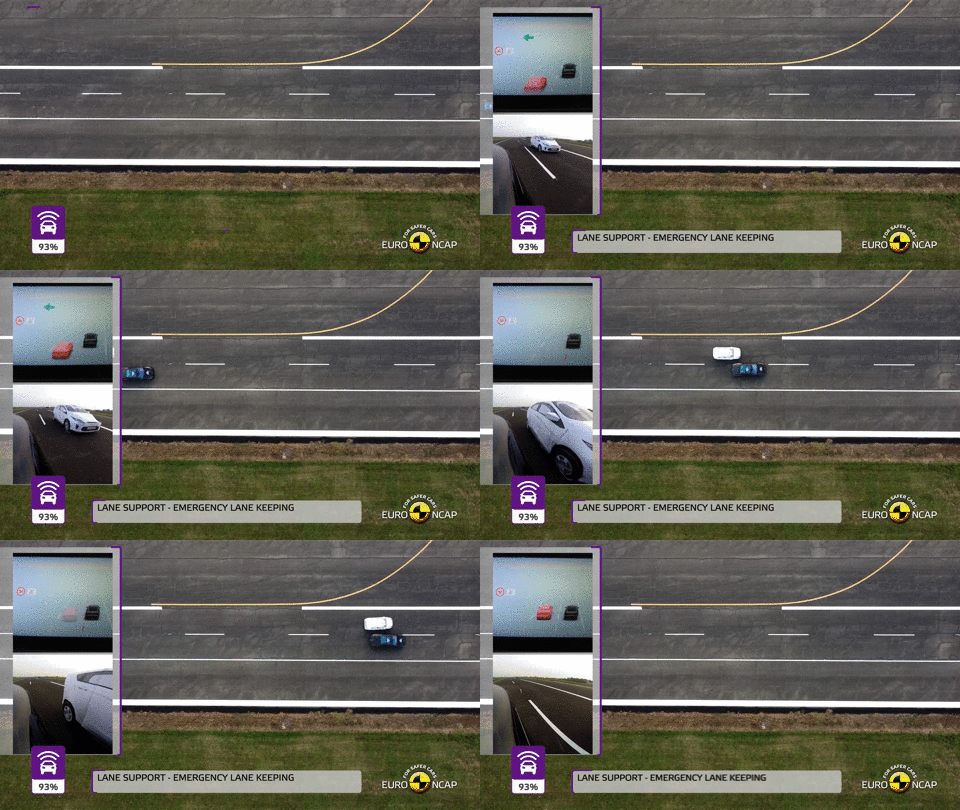
Looking at the sub-items, the Safety Assist test includes car-to-car Automatic Emergency Braking (AEB), AEB during left-turn scenarios involving a platoon of vehicles, Lane Keeping Assist (LKA), and lane keeping in hazardous situations.
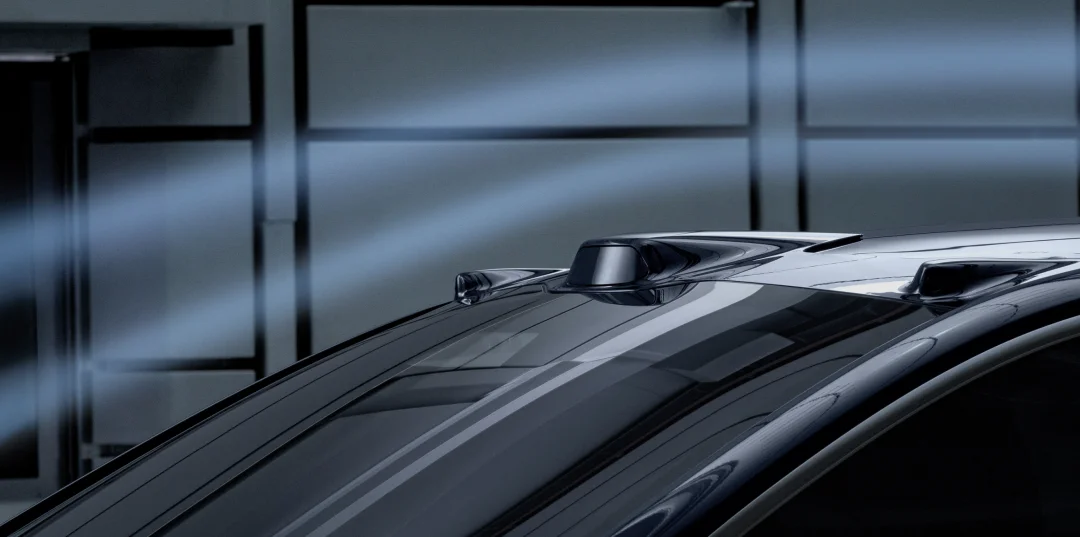
The principle is similar to intelligent driving: both rely on the vehicle's sensors to detect potential dangers and react instantaneously. Regardless of the vehicle's state, AEB must function correctly.
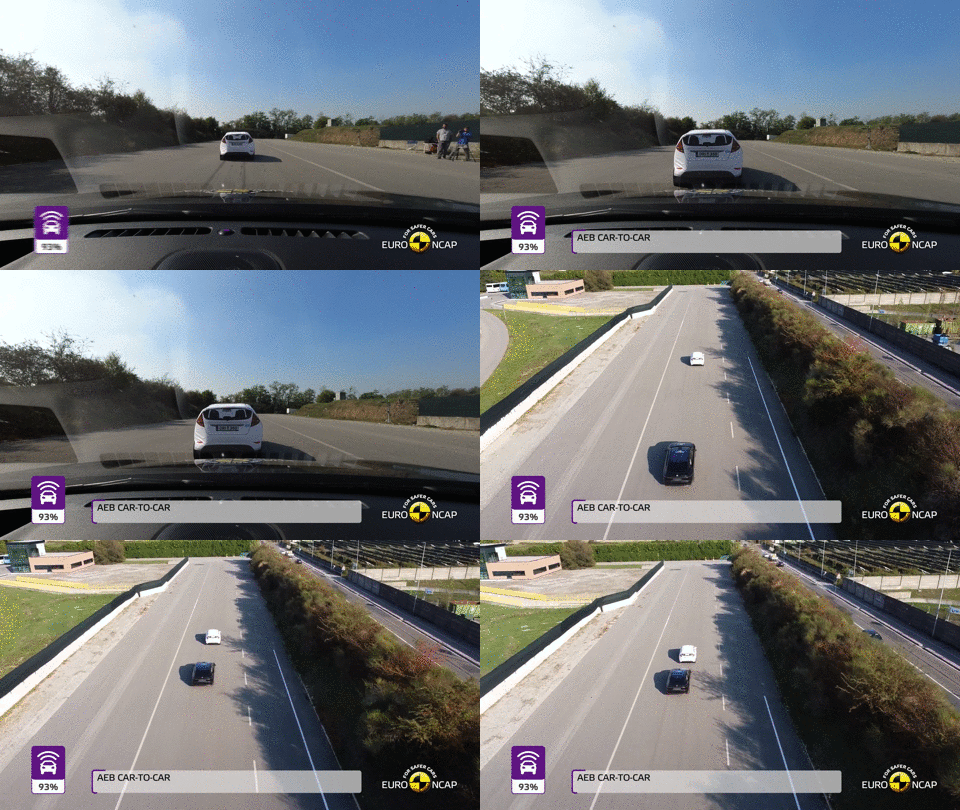
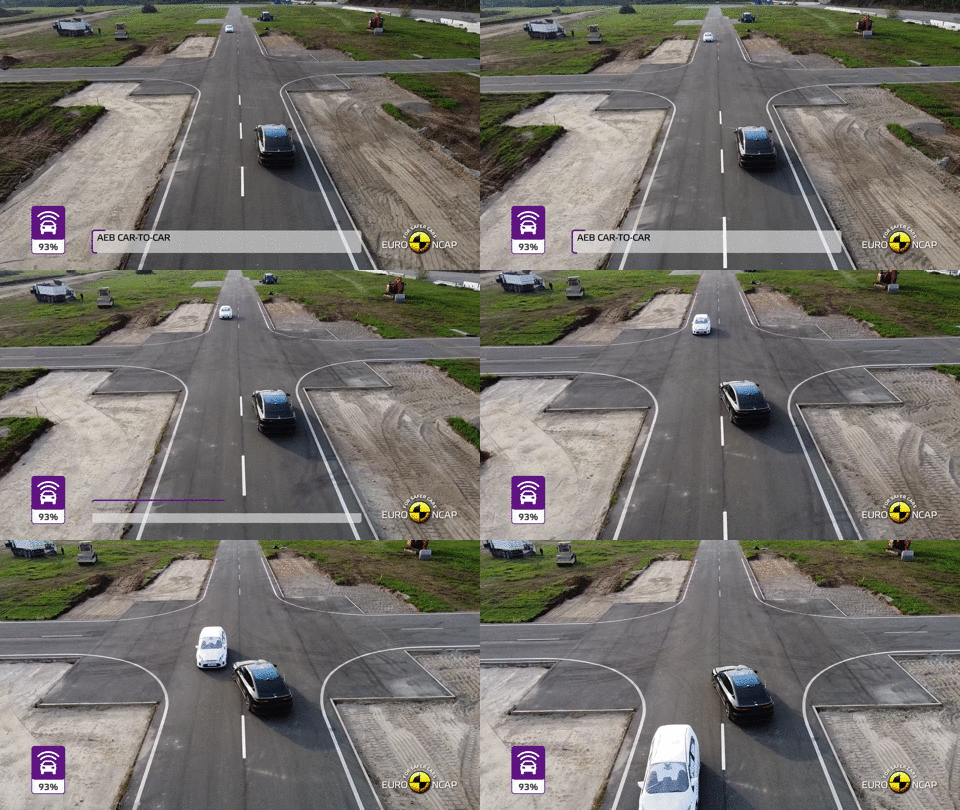
Based on the test video, the NIO ET7 successfully detected a vehicle ahead that suddenly slowed down and an oncoming vehicle. It also identified road edges, issuing timely warnings and correcting steering to avoid hazards.
Why do we place such high importance on AEB capabilities? The core reason is not to rely on AEB to help users avoid all dangers, but rather to ensure that when a collision is unavoidable, the system can decelerate as much as possible to reduce the severity of the impact.
Whether the approach relies on pure vision or multi-sensor fusion, software is the fundamental determinant of functional performance. We hope that basic functions like AEB will continue to improve, helping more users avoid danger. On a broader scale, this saves one family after another.
04Conclusion
Actually, I was not surprised that the NIO ET7 achieved a five-star rating in the E-NCAP assessment.
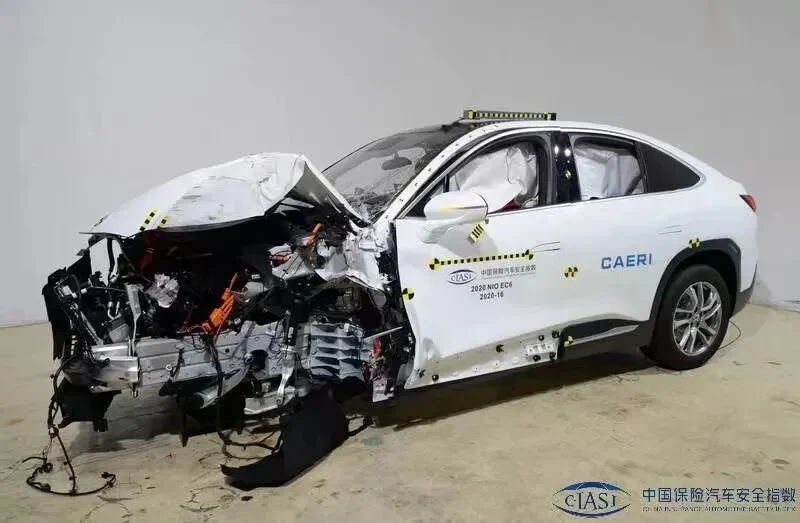
The reasons are twofold. First, NIO has always been generous with its structural materials; models such as the ES8 and EC6 have achieved high safety ratings in tests by China’s C-IASI.
Second, NIO has consistently positioned the ET7 as a 'global model.' As a global vehicle, it must pass stringent safety tests in various regions. The far-center airbag is a prime example: while there are no specific requirements for this feature in China, nor has it become an industry trend, NIO considered users in other countries and regions.
NIO also made this feature standard equipment, rather than reserving it for 'IIHS test-region buyers.'
Therefore, I am now more eager to see the ET7, which recently performed well in Europe, undergo testing again by organizations like C-IASI to verify whether its safety standards are truly 'globally unified.'
Additionally, we repeatedly mentioned the word "standard" for the ET7. Current users strongly dislike complex SKU strategies and prefer clear and straightforward configuration differences. Safety features are a domain with low consumer perception; in the past, when buying a car, users had to open specification sheets to compare the number of airbags one by one. When electronic safety features such as forward collision warning and AEB emergency braking differ, consumer perception is not strong, yet these functions are closely related to safety.
Thus, making safety features standard is something we strongly advocate.
If you argue that piling on materials or 'involution' (neijuan) is not a good thing in the automotive sector, my view is that if it benefits consumers, it is a good thing. Competing on safety is even more praiseworthy.
Written by: Bobo Edited by: Liu San