


Shalong Jijialong: Can a Mecha-Style EV Find Success in a Niche Market?
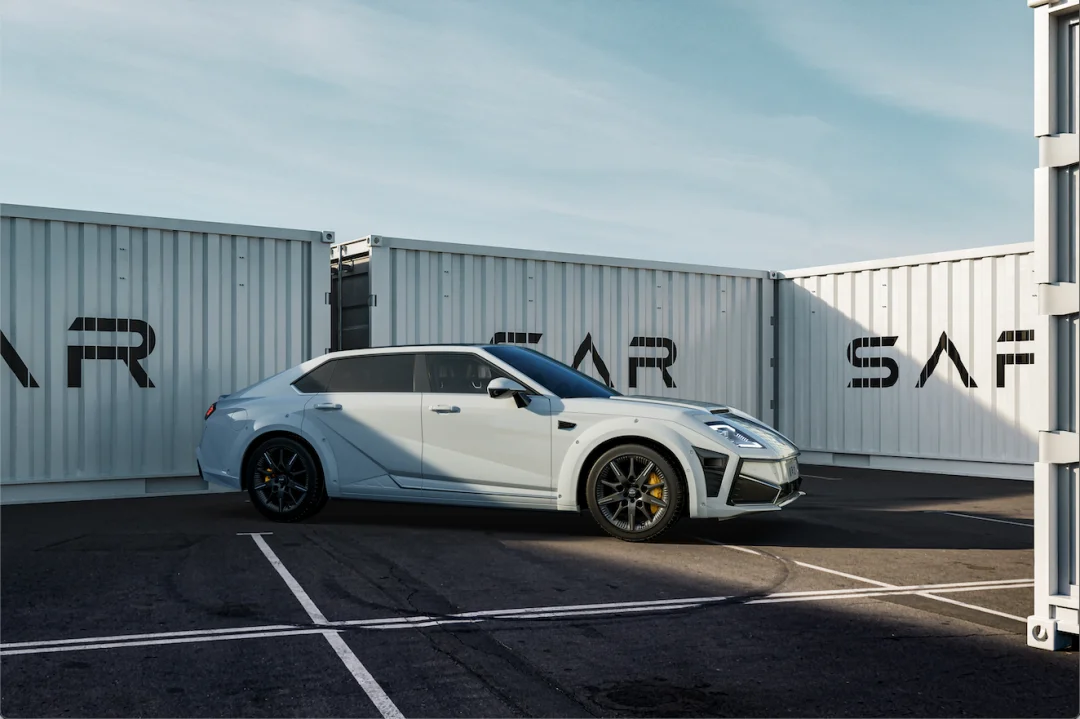
Last weekend, I watched a mecha film titled Tomorrow's War. Without critiquing the plot or quality, the key prop—the exosuit worn by the protagonist—was undeniably rich in mechanical and futuristic aesthetics.
Films positioned in the "mecha" style are indeed rare in China; Tomorrow's War set a precedent. In the automotive market, where new products emerge constantly and flourish, a brand positioned as "mecha" has also appeared: Shalongqiche.
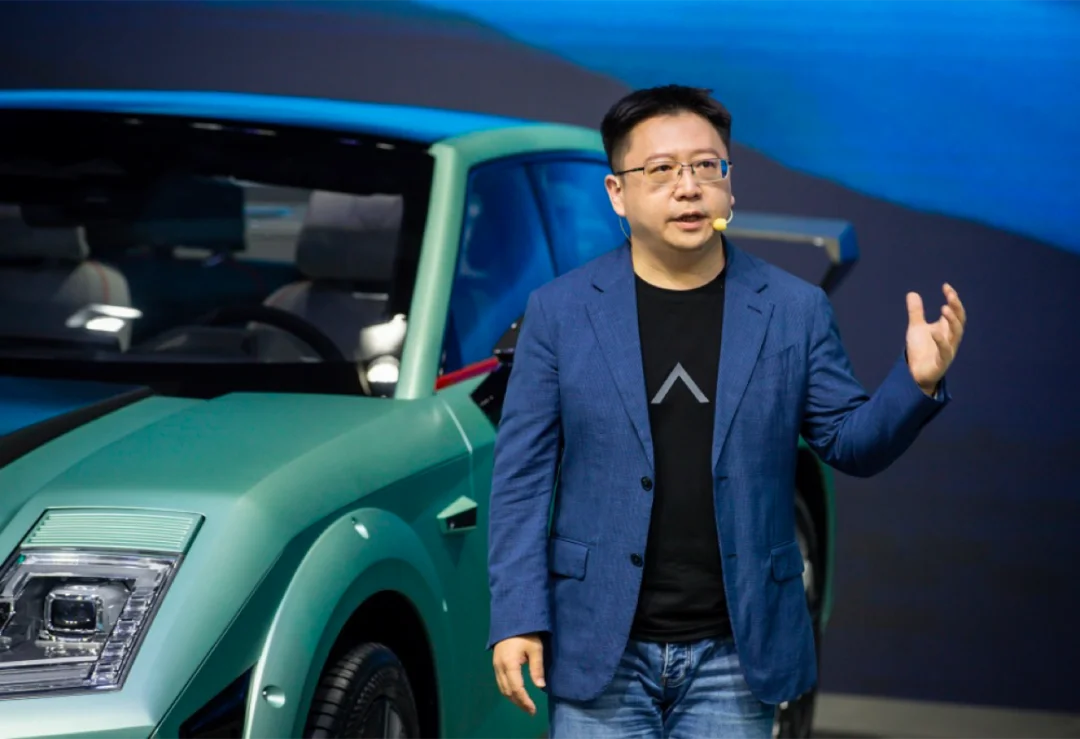
Most people, including myself, may not understand why Shalong is so "distinctive," daring to plunge into such a niche consumer segment. Wen Fei, CEO of Shalongqiche, explained: Gaining 10% market share in a mass market comprising 90% of total capacity holds far less value than achieving 90% share in a niche segment representing only 10% of that capacity.
In other words, in the fiercely competitive pure-electric SUV and sedan markets, securing just 10% market share for Shalong is less meaningful than capturing the vast majority of users in a niche market.
Will Shalong's first product, Jijialong, become a standout in the luxury pure-electric vehicle market? Two key factors determine this: First, can Jijialong's product strength "capture" 90% of the users within that 10% market share? Second, what is the total volume of that 10% market segment?
01How strong is this "dragon"?
Every hit product must deliver comprehensive value that matches or exceeds its price point, built on a precise understanding of user needs.
We apply this standard to evaluate the Jijialong.
A 'Lego-like' Mecha Aesthetic
Assessing a product's value requires examining multiple dimensions: core capabilities, service quality, and the long-term ownership experience.
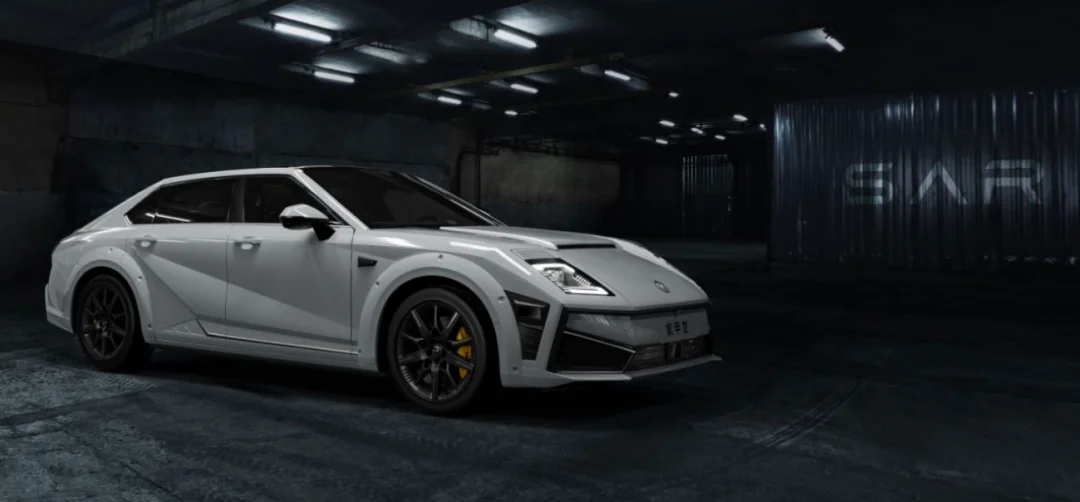
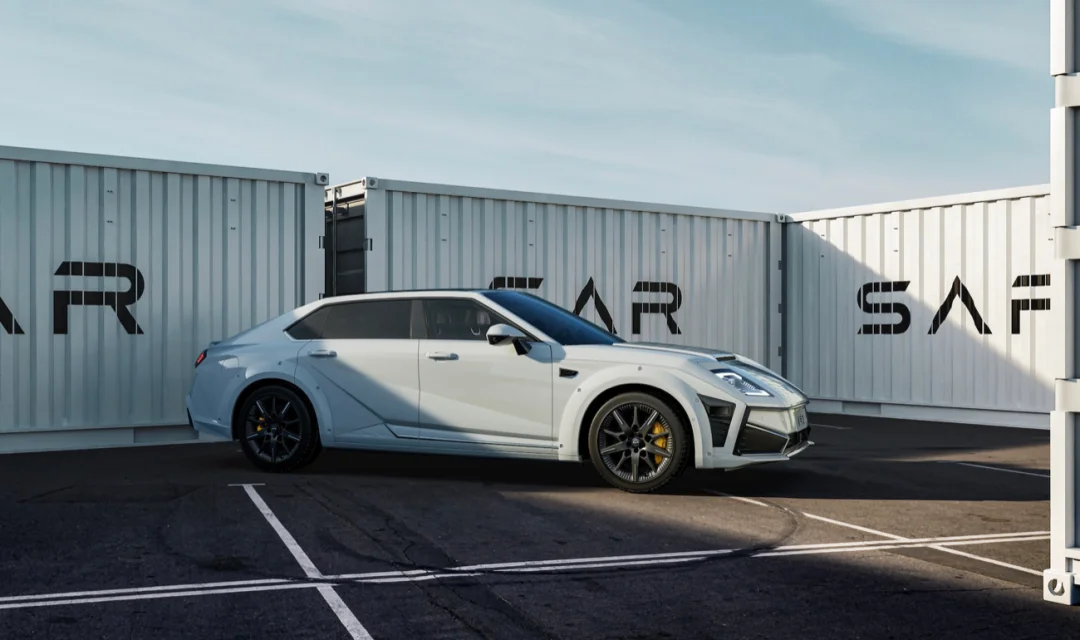
The Jijialong’s first impression is defined by its distinct 'Lego-like' aesthetic, with almost no rounded curves on the body.
Its exterior design is both the Jijialong’s strongest selling point and its most controversial feature. If you are drawn to raw mechanical aesthetics, the entire Shalong lineup warrants your attention, as every model in the brand is positioned within the mecha style.
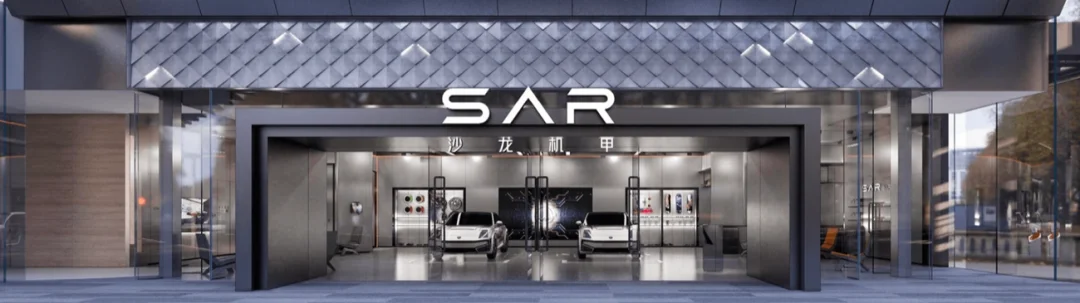
Meanwhile, Shalong will carry the mecha aesthetic through to every detail, from its vehicles to its retail stores.
A 'Sports Car' Longer Than the EQS
On the product side, the globally limited-edition Jijialong is priced at RMB 488,000, firmly placing it in the domestic high-end vehicle price bracket.
Correspondingly, the car does not compromise on basic performance. Starting with its positioning, although the Jijialong appears to be a refined, multi-faceted compact sports car, its length actually reaches 5,240 mm. To put that in perspective, it is 139 mm longer than NIO's flagship sedan, the ET7, and features a wheelbase of 3,040 mm.
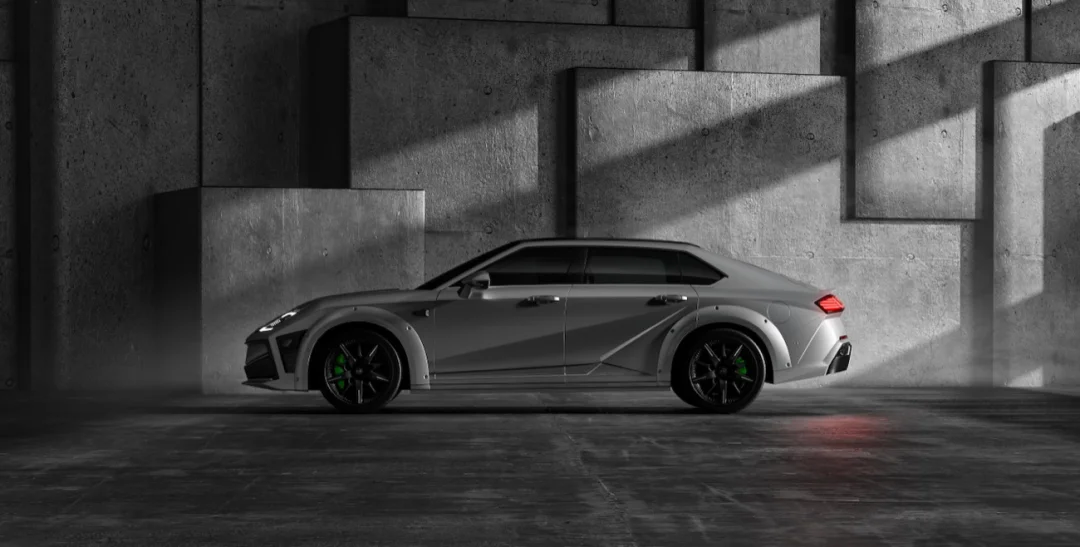
In terms of power, the Jijialong delivers a maximum output of 400 kW and a peak torque of 763 N·m, enabling a zero-to-100 km/h acceleration time within the 3-second club.
Range Exceeding 800 km
Regarding range, the initial batch of Jijialong models launching this year will offer two battery options: 93.9 kWh and 111.6 kWh. The dual-motor all-wheel-drive version equipped with the smaller battery achieves a CLTC-rated range of 610 km, while the dual-motor all-wheel-drive version with the larger battery reaches 730 km under the same test cycle.
Additionally, Shalong will subsequently launch a version with an extended range of 802 km.
02How is the intelligent performance?
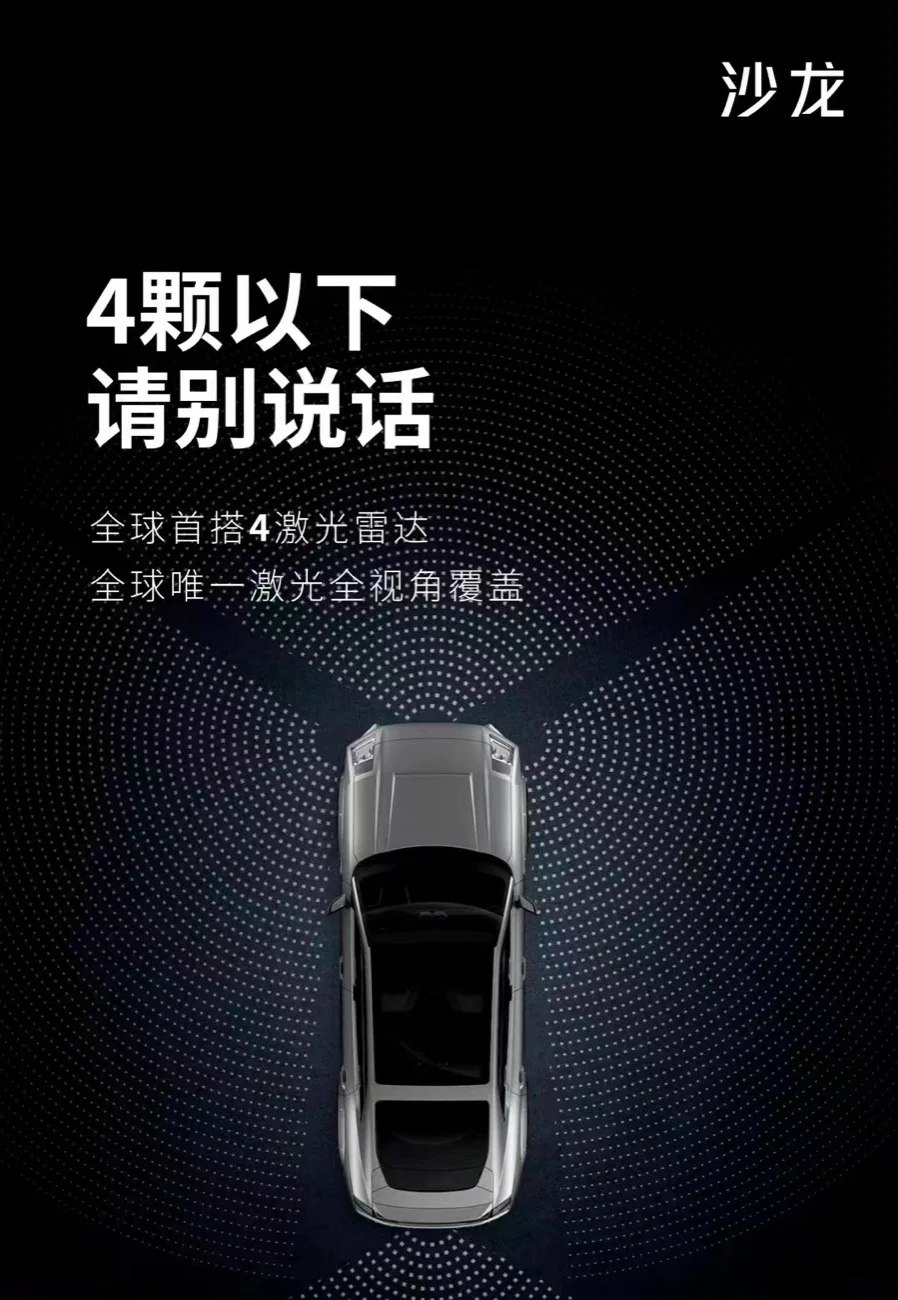
At last year’s Guangzhou Auto Show, Shalong issued the slogan: “If you have fewer than four LiDAR units, please don’t speak.”
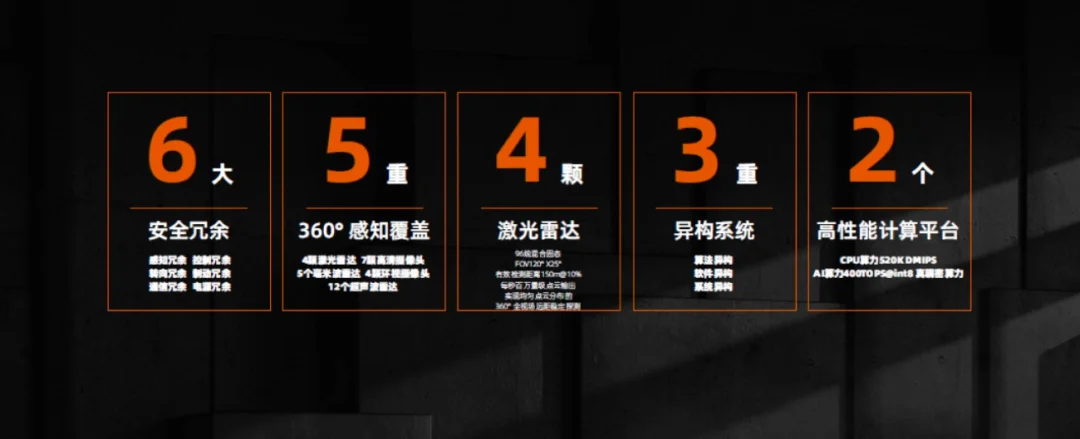
In addition to the four LiDAR units, Jijialong is equipped with seven 8-megapixel cameras, five millimeter-wave radars, four surround-view cameras, and twelve ultrasonic radars.
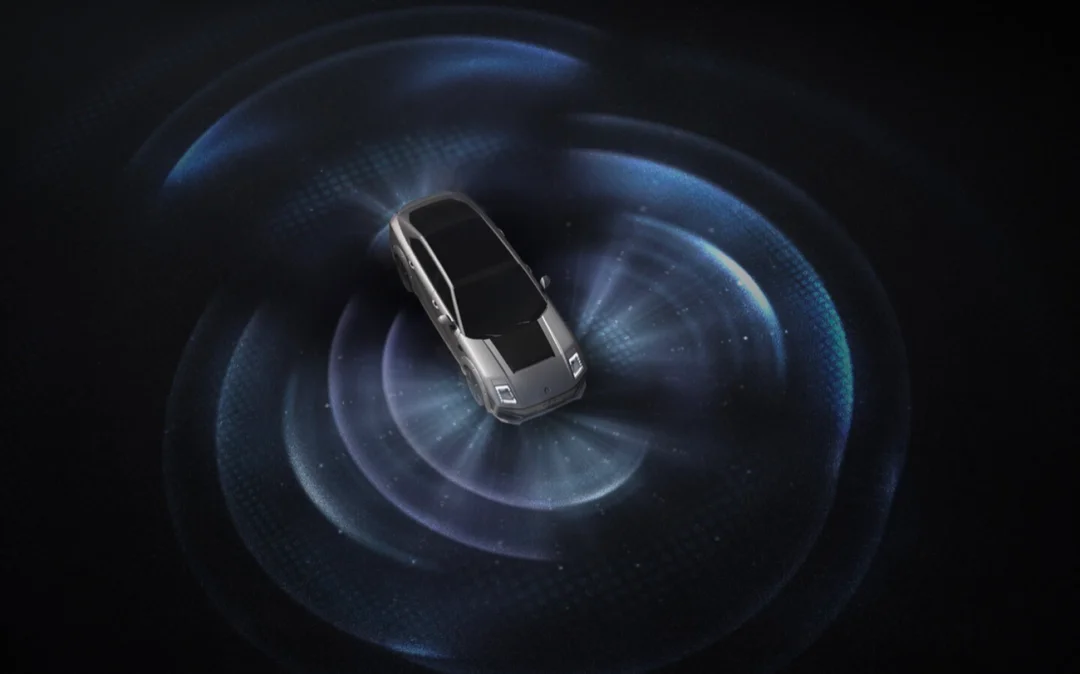
The LiDAR units are Huawei’s 96-line hybrid solid-state LiDARs, with a field of view (FOV) of 120° horizontally and 25° vertically. These four LiDAR units are distributed around the vehicle to achieve 360° point cloud coverage.
Regarding the distribution and selection of LiDAR units, Yang Jifeng, Senior Director of Intelligent Driving at Shalongqiche, provided additional explanations to the media: For instance, current LiDAR designs often feature ROI (Region of Interest) functionality, which increases the scanning frequency in critical driving areas to enhance point cloud density and improve imaging quality in those zones. However, this approach has a drawback: it sacrifices point cloud density in non-critical areas.
If Shalong had relied on just one LiDAR unit, it would still aim to densify point clouds in critical areas. However, the Shalong Jijialong is equipped with four LiDAR units, prioritizing a uniform distribution of point clouds to effectively build a complete 360° environmental perception. Additionally, Shalong wants this perception system to handle edge cases robustly, making consistent data density across various scenarios crucial.
A major benefit of having multiple LiDARs with full coverage is the ability to more easily resolve static object recognition scenarios that are often challenging for vision-plus-millimeter-wave radar systems.
Despite years of development in driver assistance, accidents caused by the failure to recognize static obstacles remain common. The reason is straightforward: cameras function like human eyes and are susceptible to lighting conditions, which can lead to "blind spots." More importantly, cameras only "see"—to "recognize" an obstacle ahead, the system requires extensive pre-training on such targets. This process resembles "parenting," where the system is taught step-by-step what objects are and how to react when encountering them.
While millimeter-wave radar provides distance information, it has significant limitations. It offers only planar data without a vertical field of view and is highly sensitive to metallic objects. To reduce false positives, most automakers and ADAS suppliers filter out metallic object information entirely and lower the confidence level assigned to millimeter-wave radar data.
LiDAR differs in that it can accurately depict an object's size and contour through point clouds, providing precise distance and shape information with high accuracy.
As mentioned earlier, the Jijialong not only possesses 360° point cloud data but also utilizes seven 8-megapixel cameras to construct a 360° image-based perception layer.
This setup introduces two challenges: first, the massive volume of data tests the system's real-time processing capabilities; second, it raises questions about how the system should handle inconsistencies between different sensor inputs.
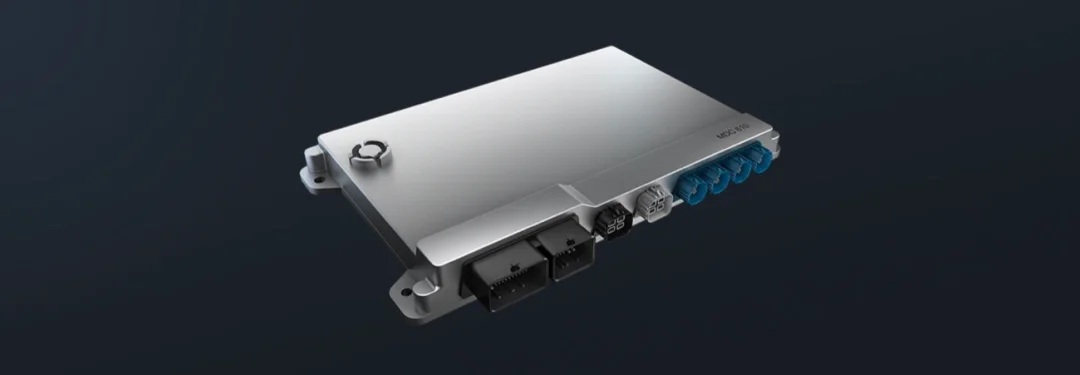
High information density demands sufficient computing power. Jijialong is equipped with two high-performance intelligent driving computing platforms, delivering a dense computing power of 400 TOPS. Notably, the dual-platform setup serves as redundant backup; if one platform fails, the system can take over and bring the vehicle into an MRC scenario.
On the software side, Shalong has partnered with Momenta. Huawei’s hardware and Momenta’s algorithmic software are both well-regarded in the industry. Huawei has already collaborated with multiple OEMs, but its progress toward mass production needs to accelerate. Meanwhile, Momenta is one of the earliest companies in China to enter the L2 Robotaxi field, and its software capabilities have already been demonstrated on other vehicle models.
Intelligent driving has always been about user experience, and we look forward to seeing how Jijialong’s ADAS performs in practice.
Interaction? Add more imagination
Beyond autonomous driving, Jijialong also needs to innovate with new interactive features to complement its "future mecha" identity.
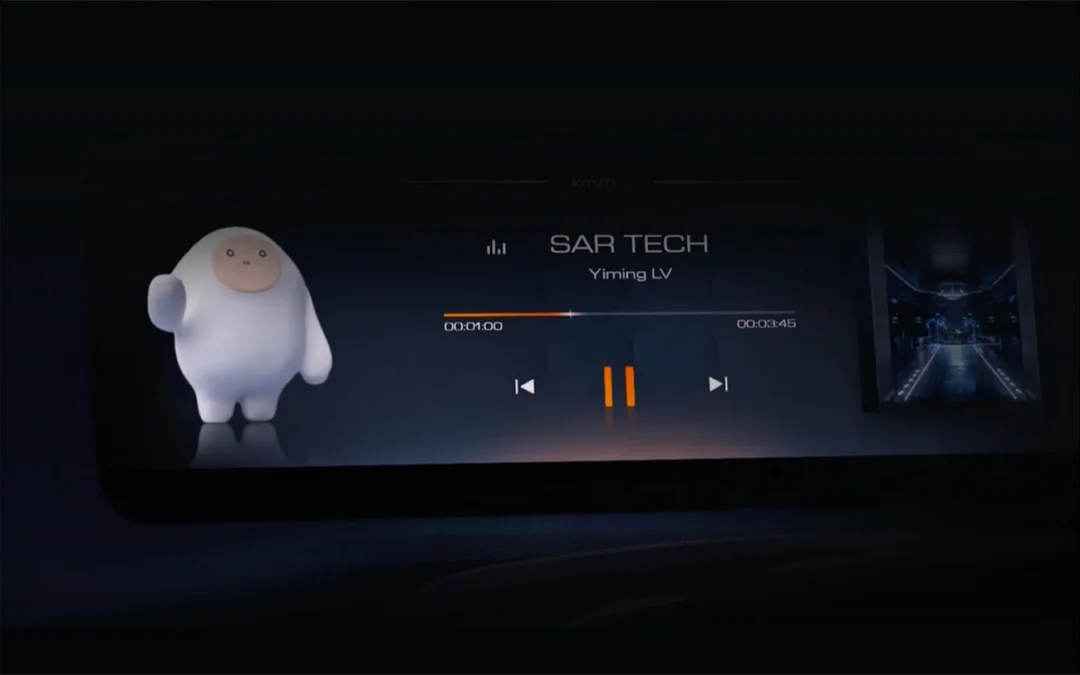
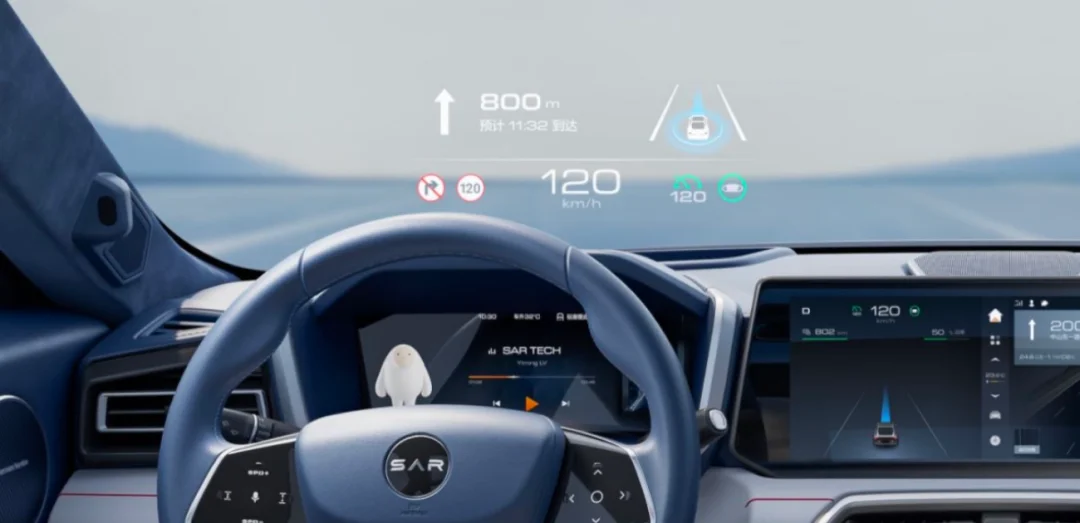
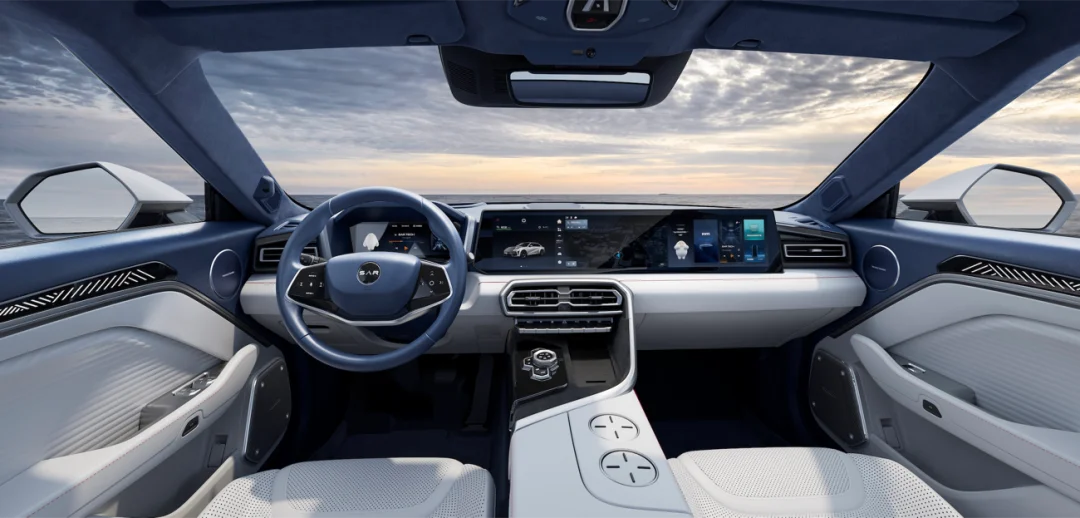
Regarding cabin interaction, the Jijialong left a particularly strong impression with its "smart interactive screen." Shalong's concept is that in the era of smart vehicles, instrument cluster screens should not stick to convention; instead, they should be intelligent displays that proactively adapt to changing scenarios.
For example, when the driver uses different functions, the AI assistant "Xiao Jia" responds through various animations and scenes that align with the driving context and the driver's status. A prerequisite for this feature is that the vehicle is equipped with a 25-inch W-HUD (Windshield Head-Up Display) to ensure the driver receives essential driving information.
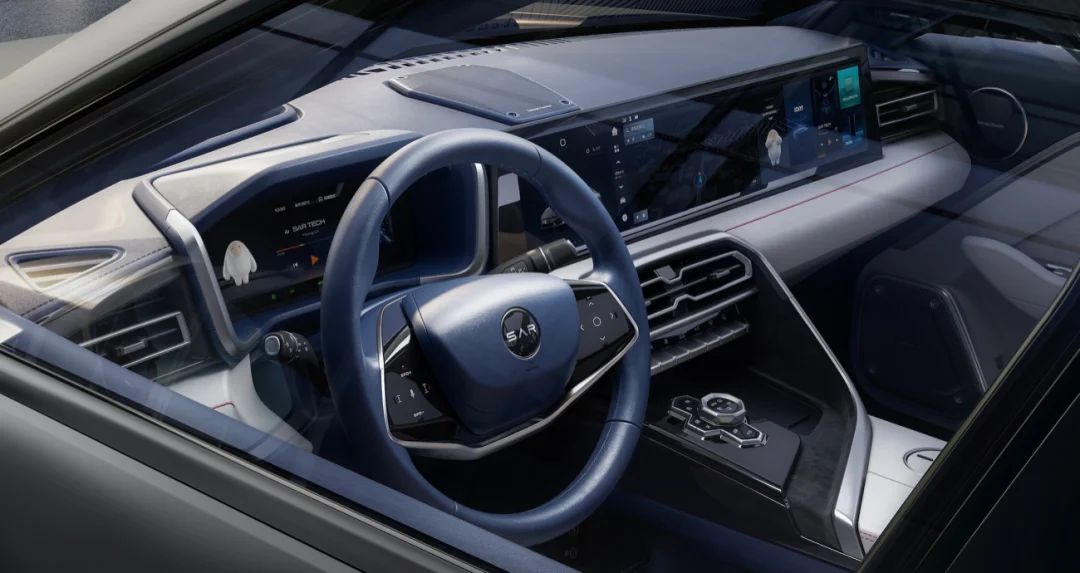
The second point concerns the steering wheel controls. The Jijialong replaces traditional buttons with a touch-sensitive panel on the steering wheel, which also changes according to the scenario. Users can connect an external game controller for an enhanced gaming experience. Furthermore, the Jijialong can link the steering wheel, pedals, and audio system to allow drivers to play racing games like "Asphalt" inside the car.
Based on currently achievable features, there is still room to expand the imagination regarding the Jijialong's cabin. Compared to its exterior design, the interior offers more potential for development.
Service
It is normal for users to remain skeptical about emerging brands, as they ultimately vote with their money. Therefore, automakers must provide sufficient purchase confidence and after-sales convenience.
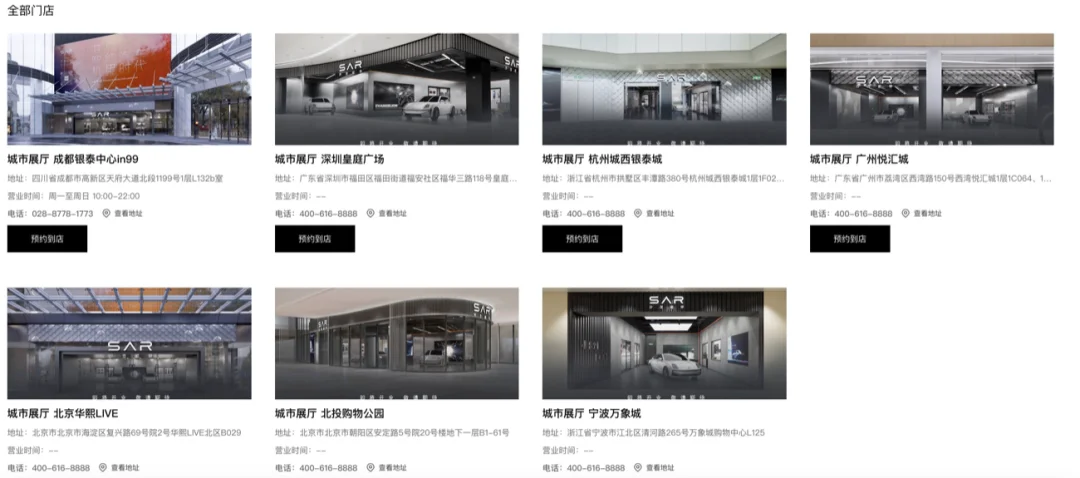
Shalongqiche plans to complete the construction of 42 stores across 14 cities within the year. In addition, Shalong has proposed a "Super Butler" model, under which Shalong executives provide direct service to users.
Shalongqiche CEO Wen Fei serves as the "Emotion Butler," CMO Zhou Wen as the "Service Butler," and CTO Yang Yanqing as the "Product Butler." This model resembles a one-to-one user community approach, and we hope Shalong can sustain it.
03How large is the niche "pie"?
Having discussed the product, let us explore how many people are willing to pay for "mecha culture."
Many, perhaps like me, do not understand Shalongqiche's brand positioning. Wen Fei, CEO of Shalongqiche, once stated in an interview that Shalongqiche will partner with tech geeks from the post-80s and post-90s generations, and expand into circles such as ACG, electronic music, fashion, and extreme sports. At the same time, for a startup, laying the first cornerstone and establishing brand differentiation are also very important.
Shalongqiche targets consumers in tier-one and tier-two cities who are upgrading or replacing their vehicles. As a second or third car for the family, these users may engage in "personalized consumption." Shalongqiche aims to tap into this unmet demand amidst diverse consumption trends.
The second point is brand differentiation, which boils down to "standing out."
Many product markets have "unmet needs." Before Shalong, no brand had considered creating a niche, alternative mecha-style product. Yet the "mecha style" card has been played in the film industry for decades.
We respect this diversity and look forward to seeing what kind of chemical reaction Jijialong will bring to the market.
Written by: Bobo Edited by: Liu San