


VOYAH Unveils L3 Architecture and Flagship 'Taishan' SUV
China's autonomous driving regulations are still evolving, leaving the criteria and restrictions for L3 classification somewhat ambiguous. Nevertheless, a new state-backed contender has joined the ranks in China's L3 assisted driving arena.
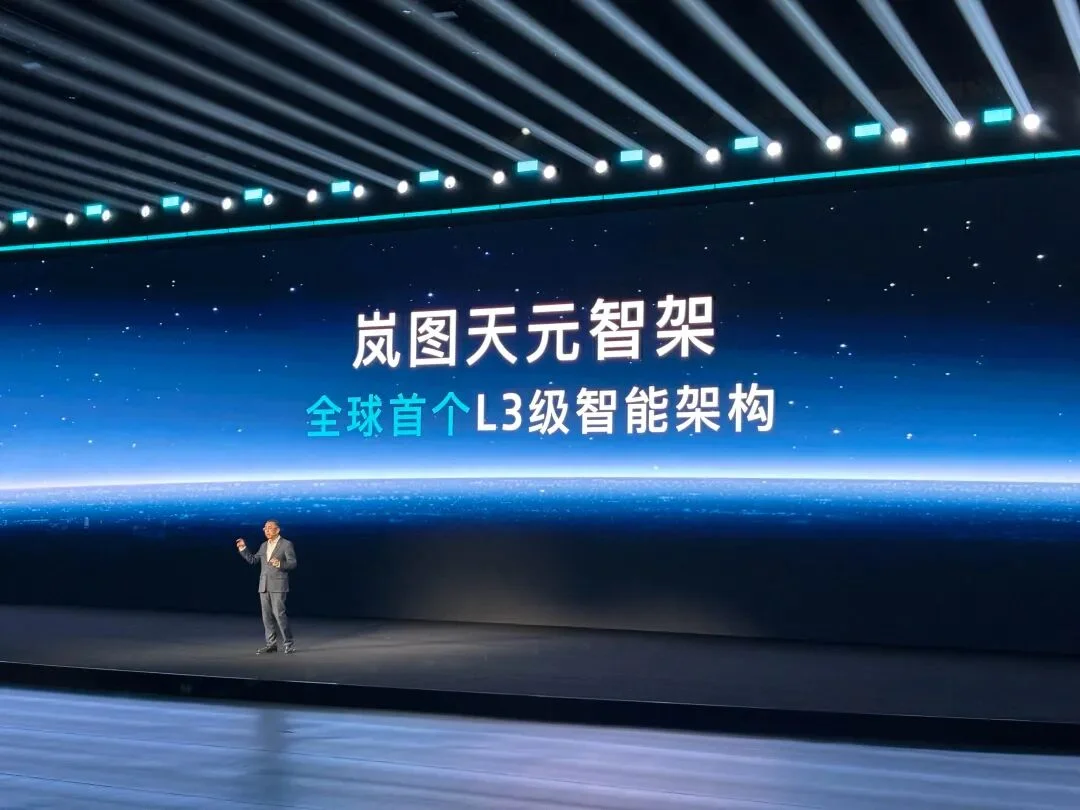
On April 16, 2025, VOYAH held a press conference to launch its L3 intelligent architecture technology and unveiled its L3 intelligent architecture—Tianyuan Zhijia.
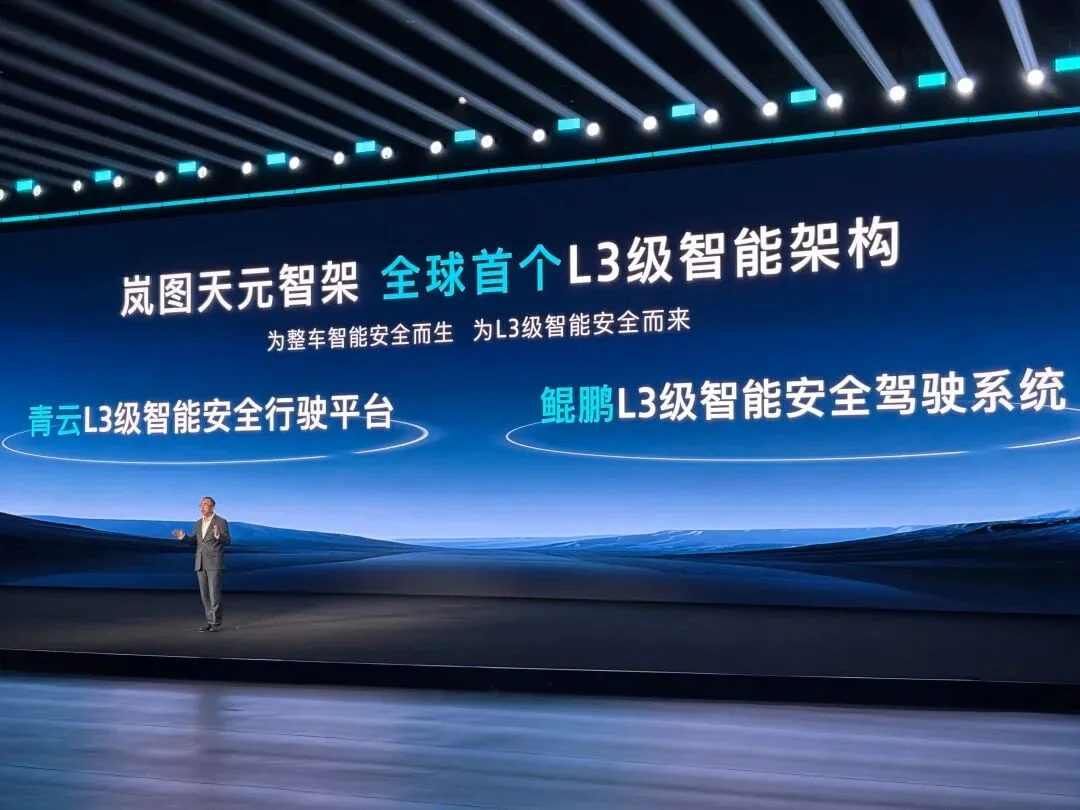
During the event, VOYAH detailed this L3 technical architecture from both hardware and software perspectives, focusing on two key components: the Qingyun L3 Intelligent Safe Driving Platform and the Kunpeng L3 Intelligent Safe Driving System under the Tianyuan Zhijia framework.
01What Do Motors and Steering Have to Do with L3?
Under the Tianyuan Intelligent Architecture, the first module is the Qingyun Platform, which VOYAH describes as an L3-level intelligent safety driving platform. It incorporates technologies such as axial flux motors, steer-by-wire, brake-by-wire, rear-wheel steering, and fully active suspension.
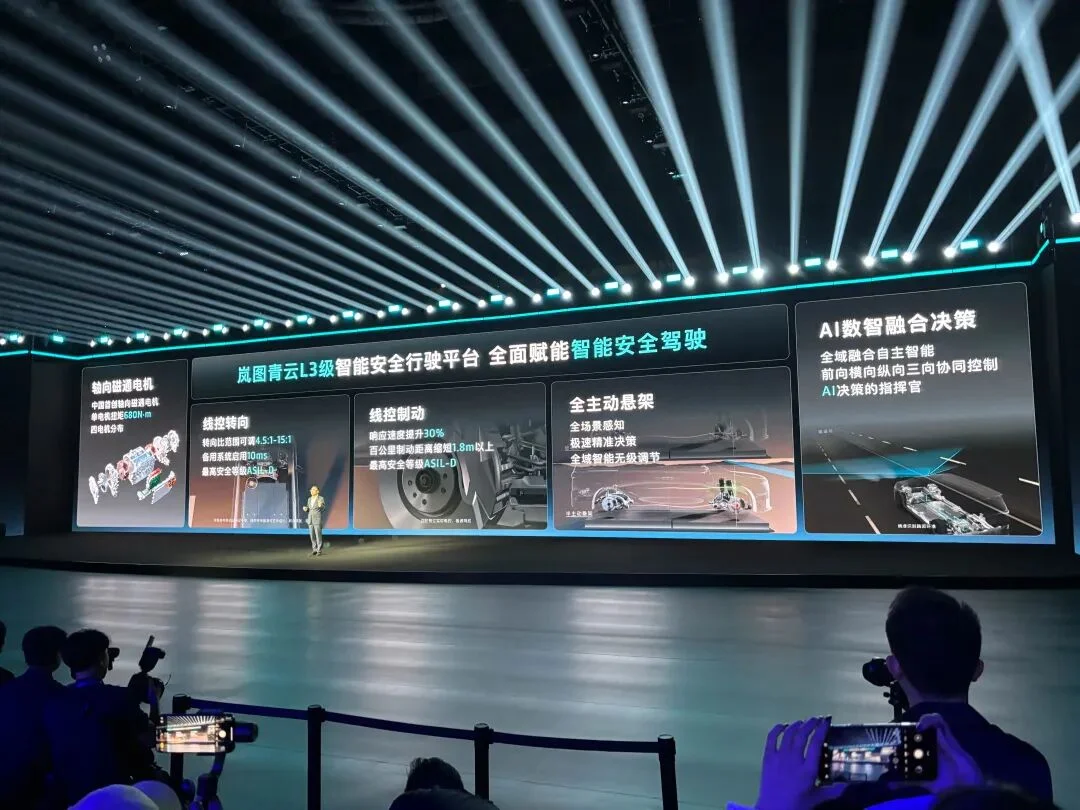
Axial flux motors remain relatively unexplored in the passenger vehicle sector. On the Qingyun Platform, VOYAH has integrated these motors into a production vehicle; a single motor delivers a peak torque of 680 N·m. By employing a distributed four-motor drive system on an MPV, VOYAH can easily tackle a 60% gradient. In demonstration videos from the launch event, the platform’s capabilities are comparable to those of top-tier off-road SUVs like the Mercedes-Benz G-Class and Yangwang U8.
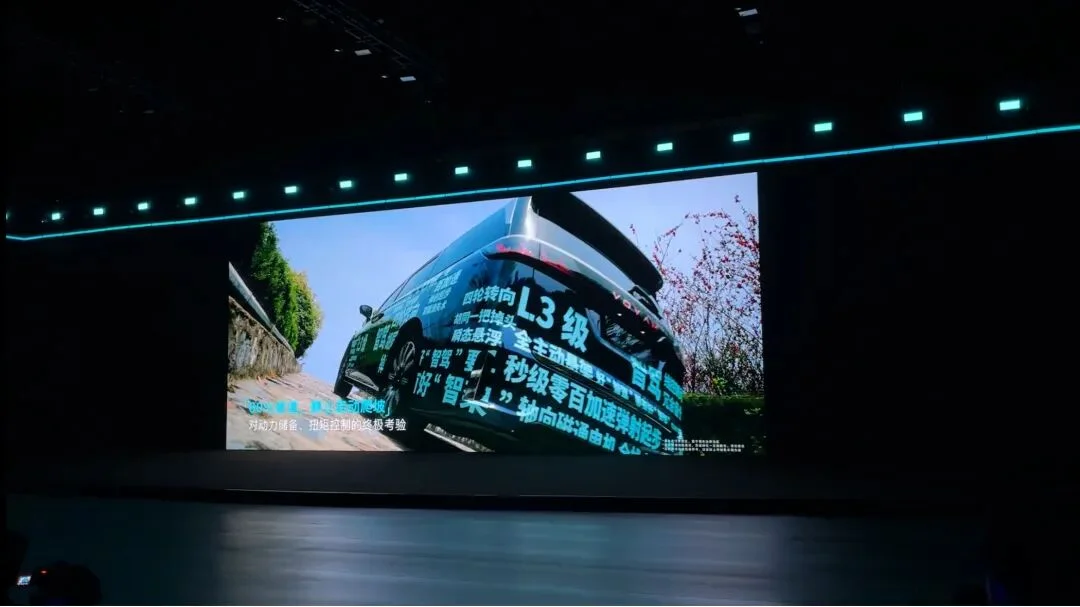
The crab walk maneuver previously demonstrated by the Yangwang U8 and the all-electric Mercedes-Benz G-Class is also achievable with the VOYAH Qingyun Platform thanks to its four-motor configuration.
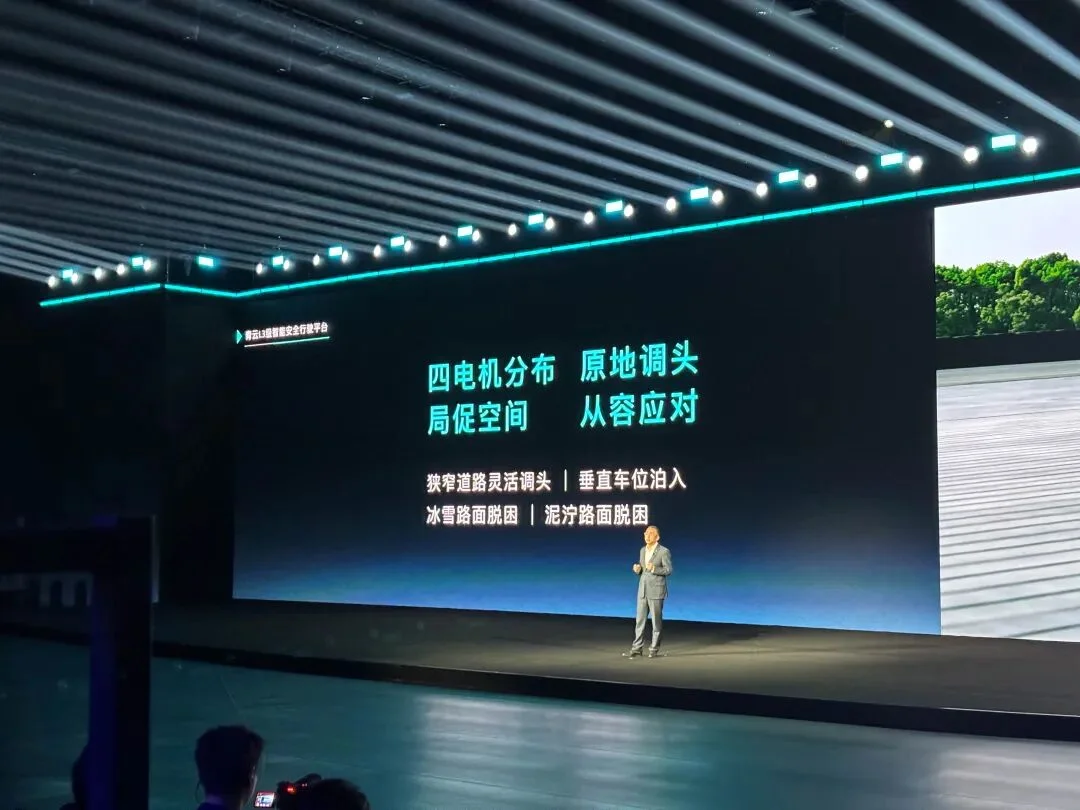
Additionally, the platform features rear-wheel steering technology. The steering angle can be adapted to ±5° or ±10° depending on the vehicle's dimensions, offering a broad range of applicability. This setup also enables the popular crab-walk mode.
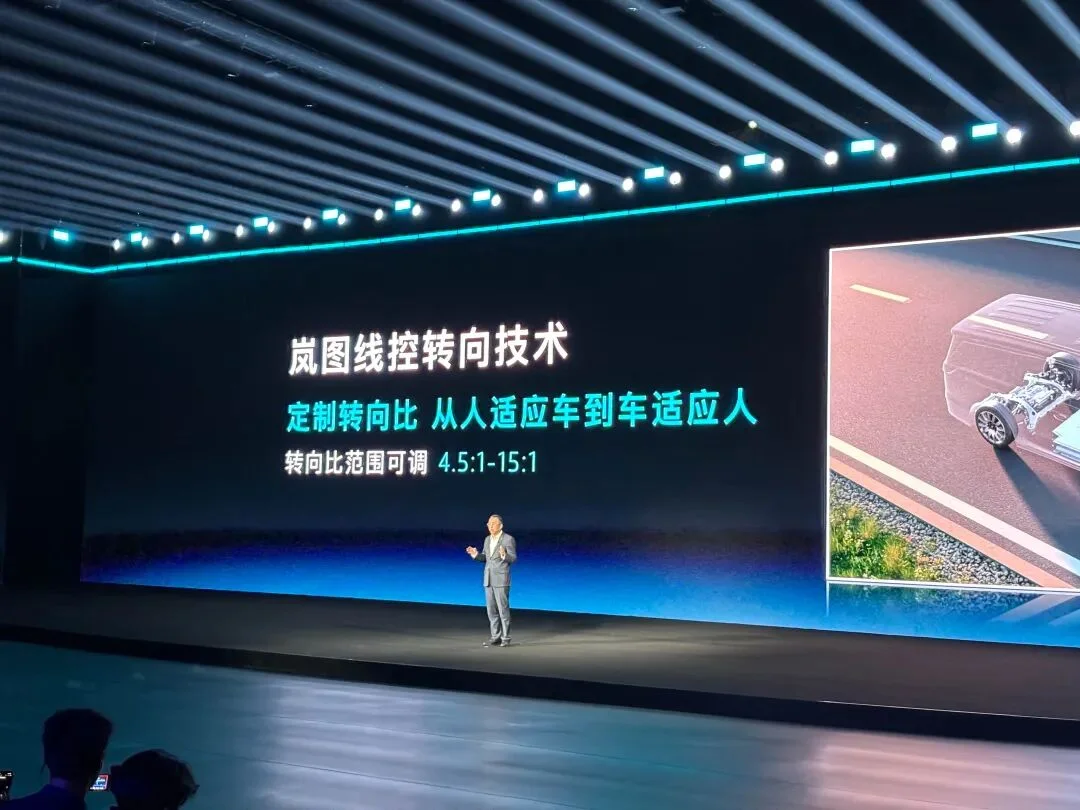
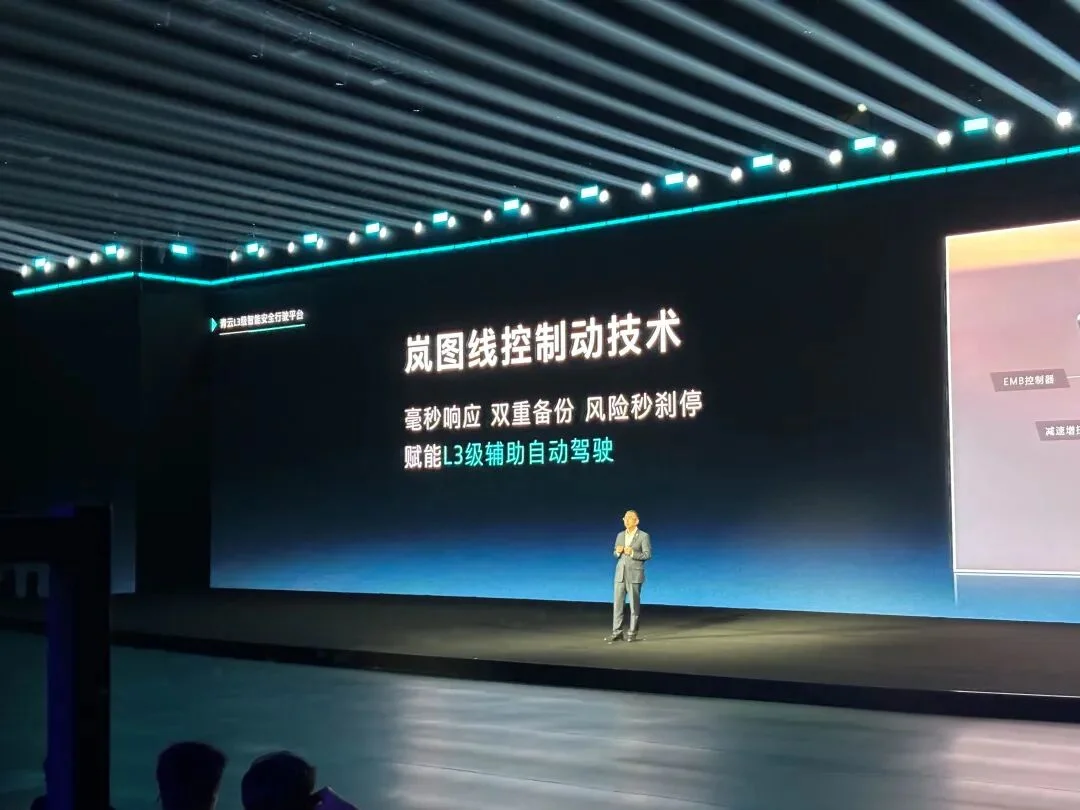
To ensure safety redundancy for L3 advanced driver assistance, VOYAH has equipped the vehicle with both steer-by-wire and brake-by-wire systems. The logic behind the steer-by-wire system aligns with most competitors: it requires fewer steering wheel turns while allowing for a wide range of front-wheel steering angles.
The advantage of brake-by-wire lies in its faster response time compared to hydraulic braking. It retains a dual-redundancy architecture that meets the highest safety integrity level, ASIL-D, and fully supports L3 autonomous driving. Additionally, it offers a minor benefit: maintenance can be nearly eliminated.
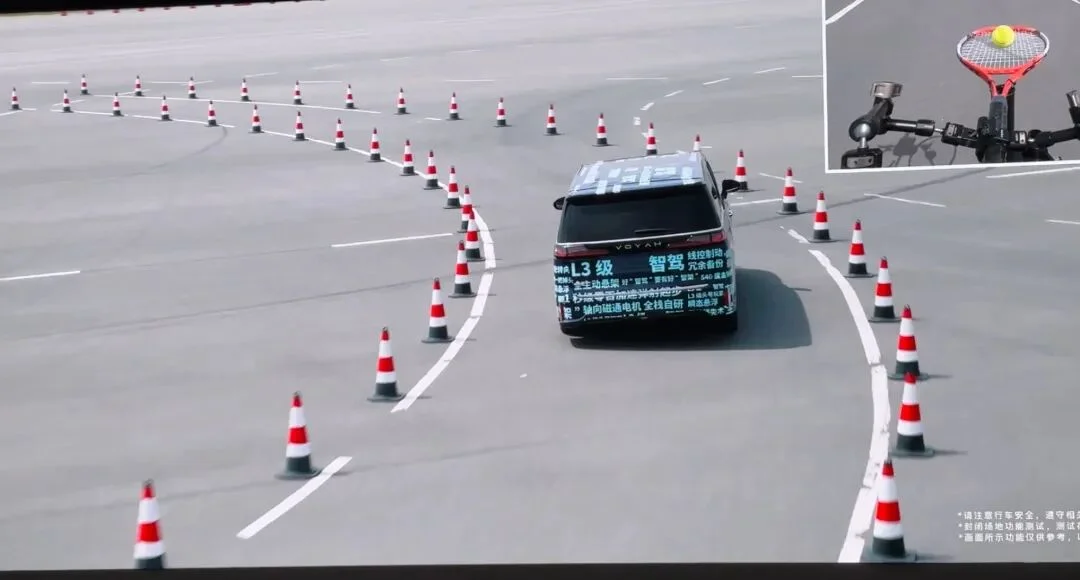
VOYAH has also adopted active suspension technology, which is currently trending. Theoretically, it can perform maneuvers similar to those of the Porsche Panamera or Yangwang U9, such as dancing, and execute actions like keeping a champagne tower stable while moving, akin to the NIO ET9. In VOYAH’s implementation, the focus is on cornering scenarios. When the vehicle turns left, the body roll theoretically shifts to the right; however, the active suspension counteracts this by leaning the body to the left. This effect not only resists body roll but can even generate negative values, which is quite counterintuitive. In daily driving, this system primarily enhances ride comfort.
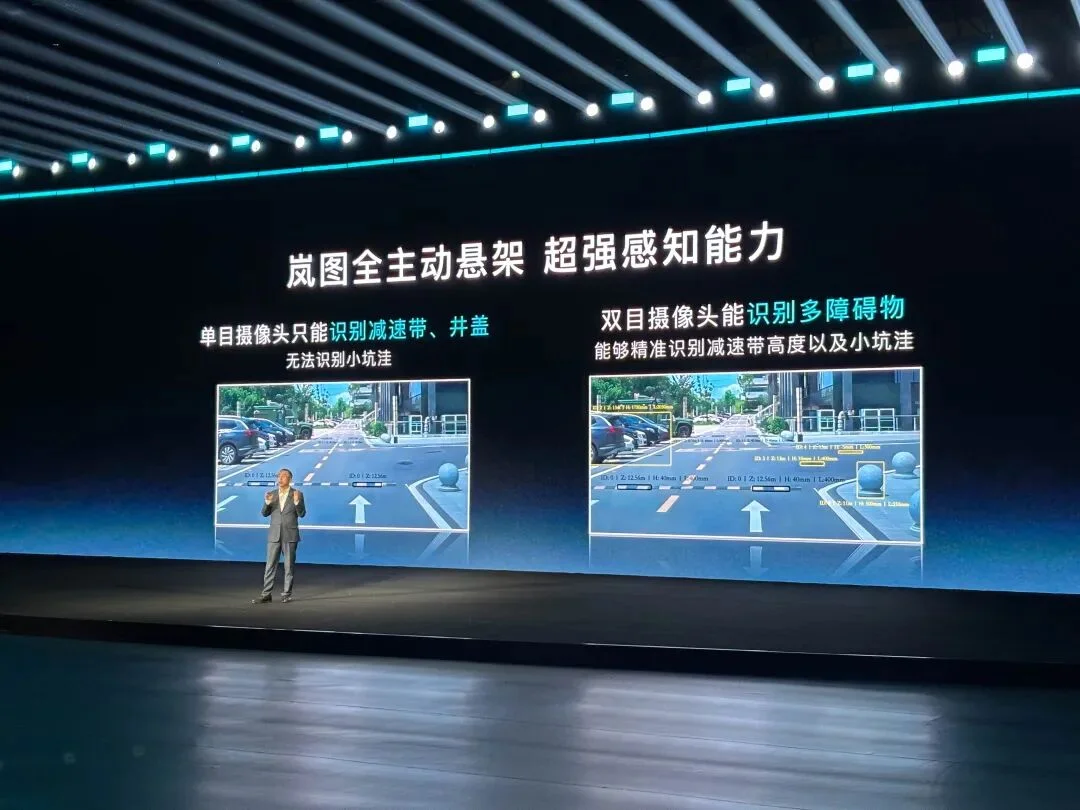
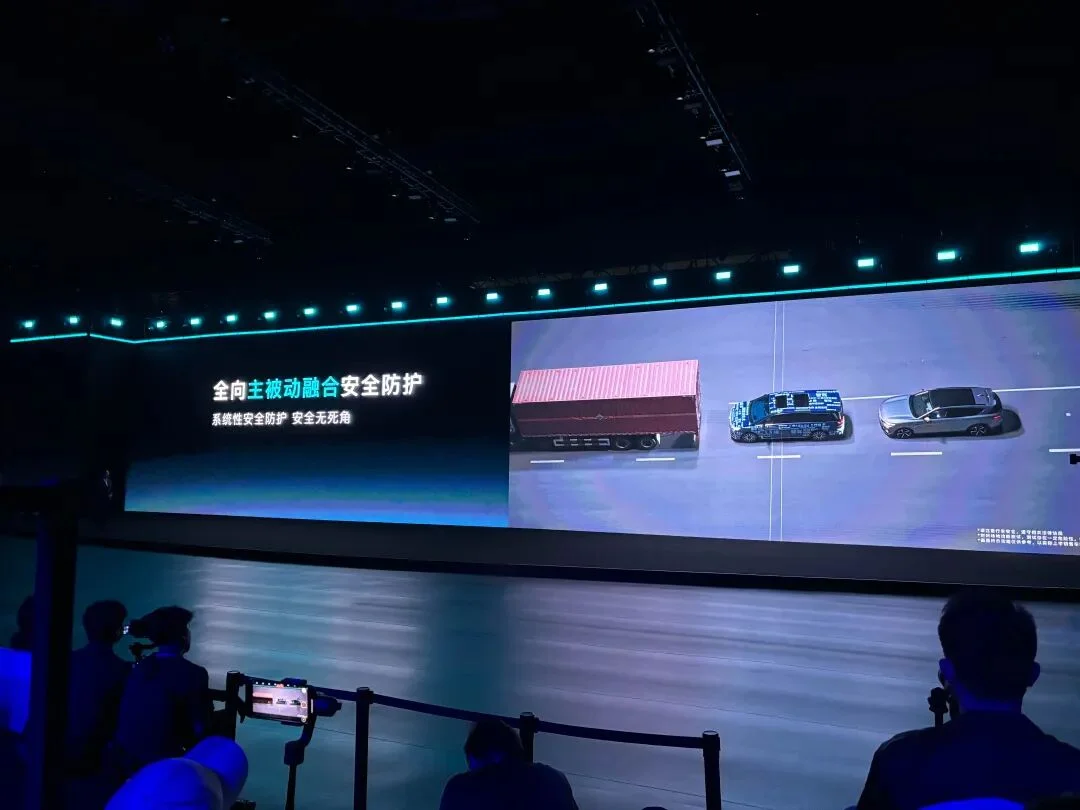
Regarding safety, VOYAH adopted a technique from Audi. Following the launch of the current-generation Audi A8 (D5), the vehicle can actively raise its suspension to position the strongest structural elements against potential impacts. VOYAH also employs an all-around perception system to monitor collision risks at the front, rear, bottom, and sides in real time during normal driving. It takes proactive defensive measures, rapidly adjusting the vehicle’s posture when facing different collision risks, thereby contributing to both active and passive safety design.
From a driving dynamics hardware perspective, VOYAH has packed the Qingyun platform with significant upgrades. These include axial flux motors distributed across four wheels, steer-by-wire, rear-wheel steering, brake-by-wire, and active suspension. While these features may appear to be mere displays of engineering prowess, in VOYAH's design scenarios, they primarily provide performance-based redundancy to ensure the safety of L3 autonomous driving.
02Advancements in Intelligent Driving Hardware Are Significant
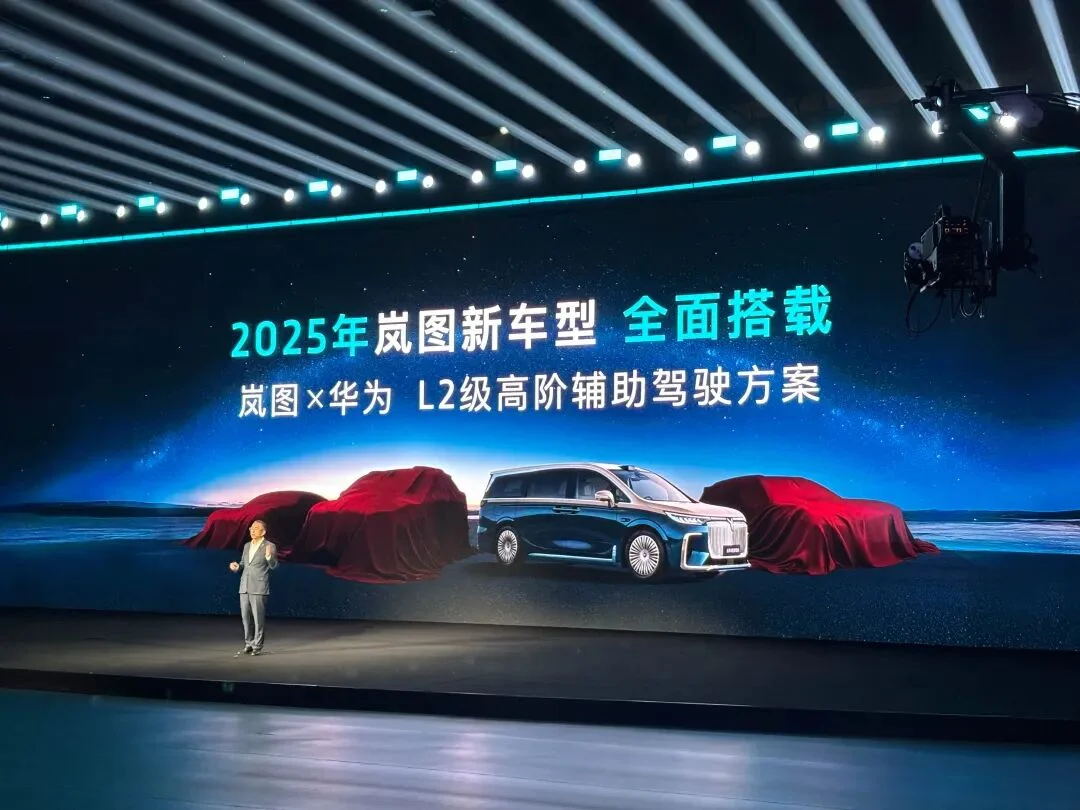
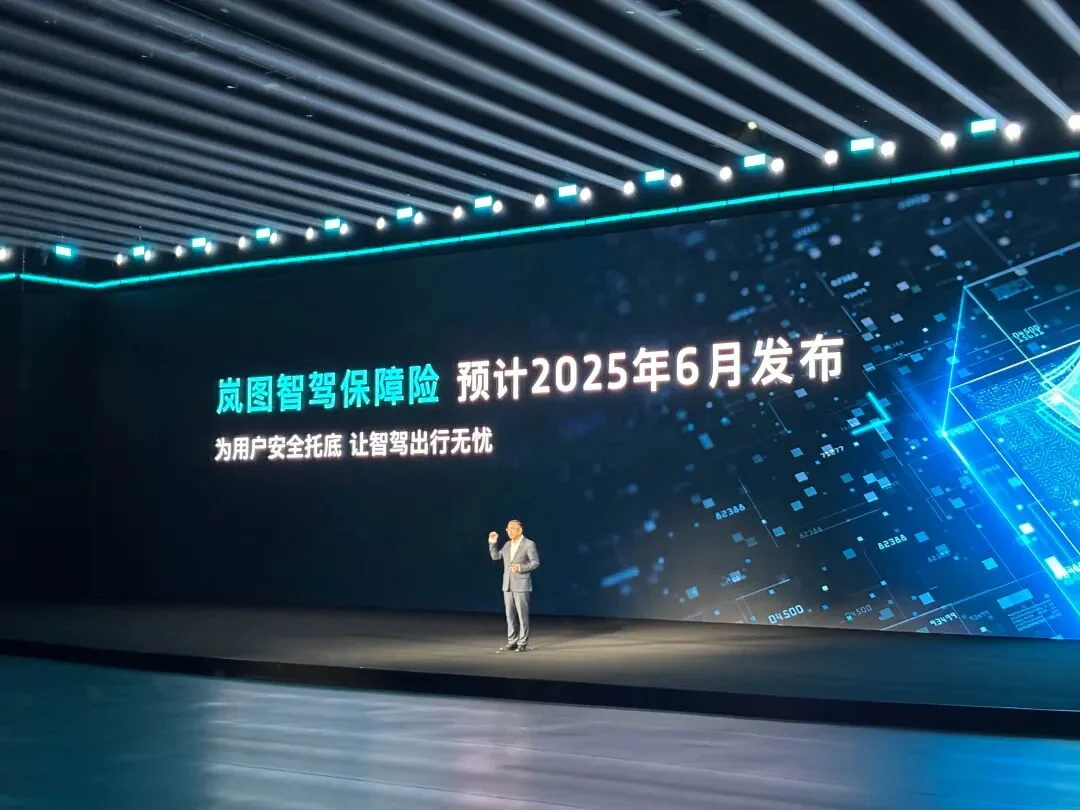
According to VOYAH's product roadmap, all models released this year will be equipped with Huawei's ADS Level 2 advanced driver assistance system. This applies to the existing Quanxinmengxiangjia, the upcoming Quanxin FREE set to debut at the Shanghai Auto Show, and future models such as Zhiyin. Additionally, VOYAH plans to launch the VOYAH Intelligent Driving Assurance Insurance in June 2025. Under the Tianyuan architecture, VOYAH is simultaneously developing its own 'Kunpeng Intelligent Driving L3-Level Smart Safety Driving System.'
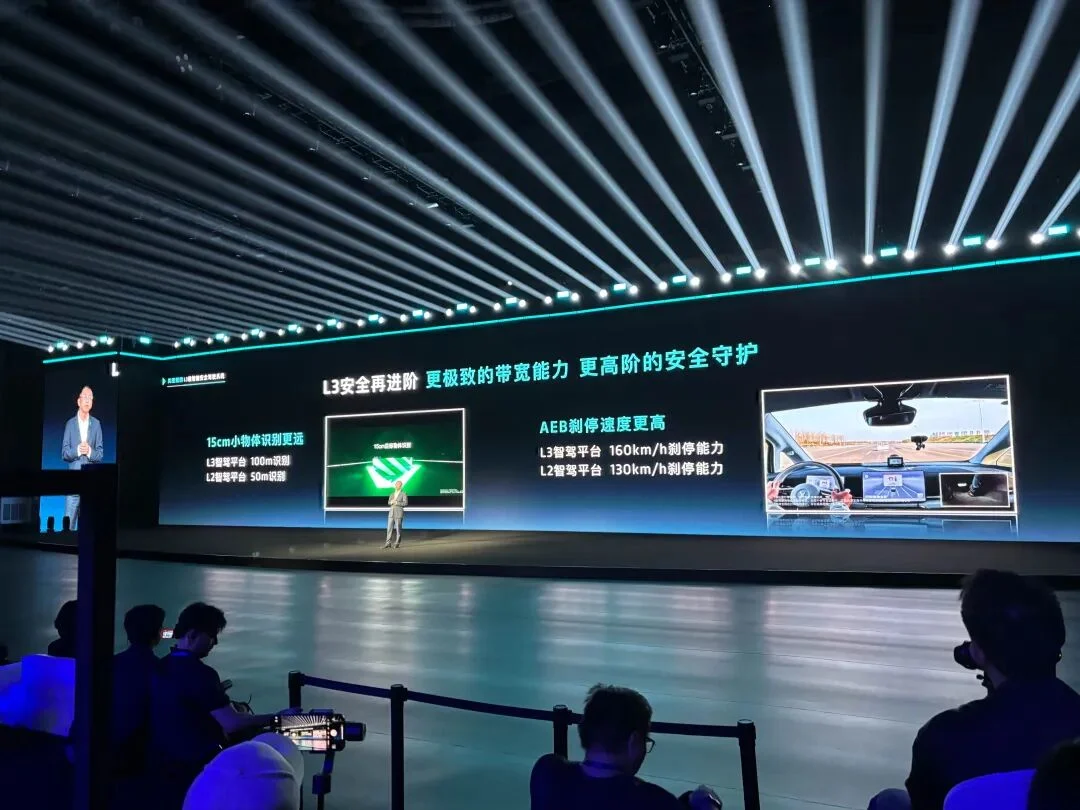
Officially, this system achieves safer recognition and higher intelligent driving safety bandwidth on the basis of Huawei ADS' current active safety. For a 15 cm small object, it possesses L3-level intelligent driving technical capability, capable of identifying at 100 m away; regarding AEB braking speed, it possesses L3 intelligent driving technical capability, capable of braking to a stop at 160 km/h.
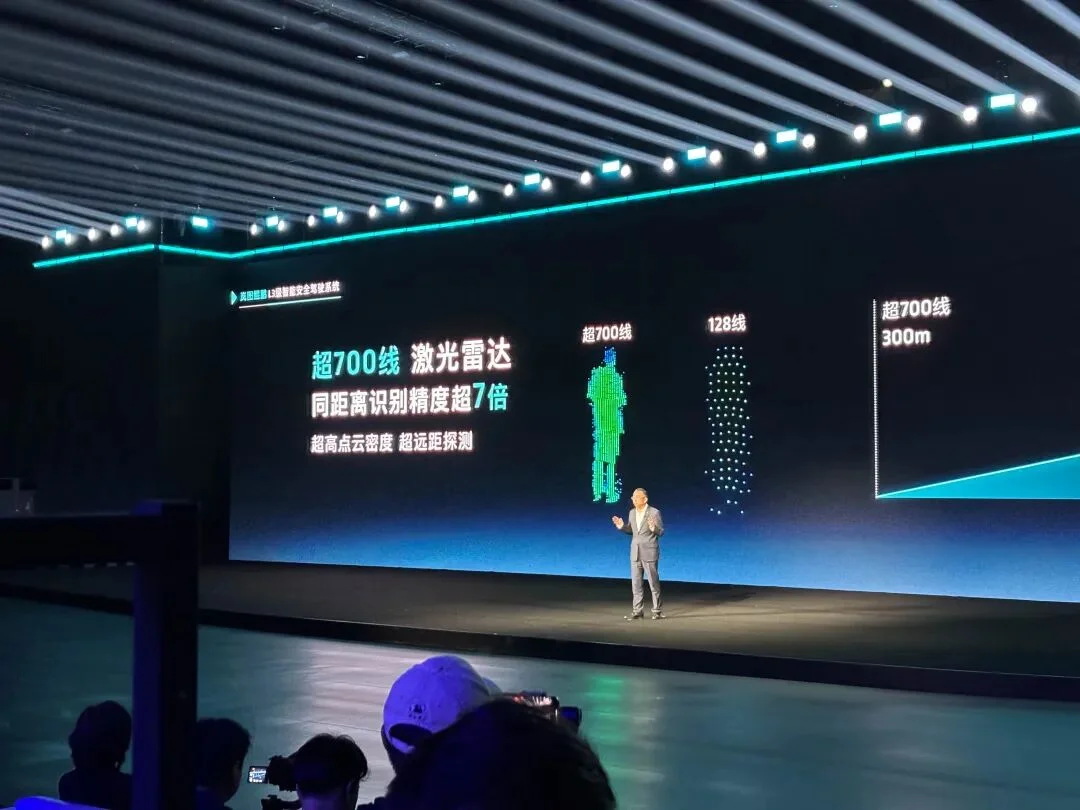
Regarding intelligent driving hardware, VOYAH has not disclosed extensive details at this stage. During the press conference, it was stated that the LiDAR has been upgraded, utilizing a main LiDAR with over 700 lines. This enhancement provides greater clarity and accuracy than the majority of 192-line LiDARs currently available on the market. The entire vehicle will feature a total of 48 sensors.
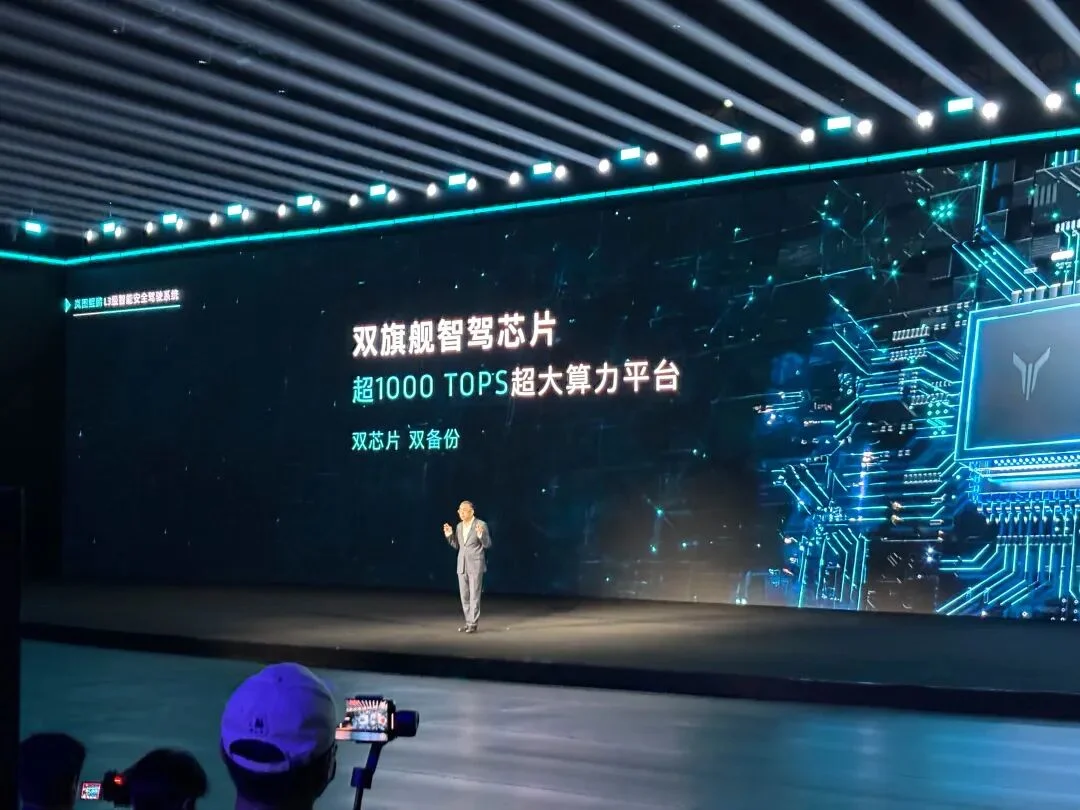
Specific details on the autonomous driving chips have not yet been disclosed, but it was revealed that the platform consists of two chips delivering over one thousand TOPS of computing power. From an overall hardware perspective, VOYAH's self-developed L3-level intelligent architecture is thus fully equipped.
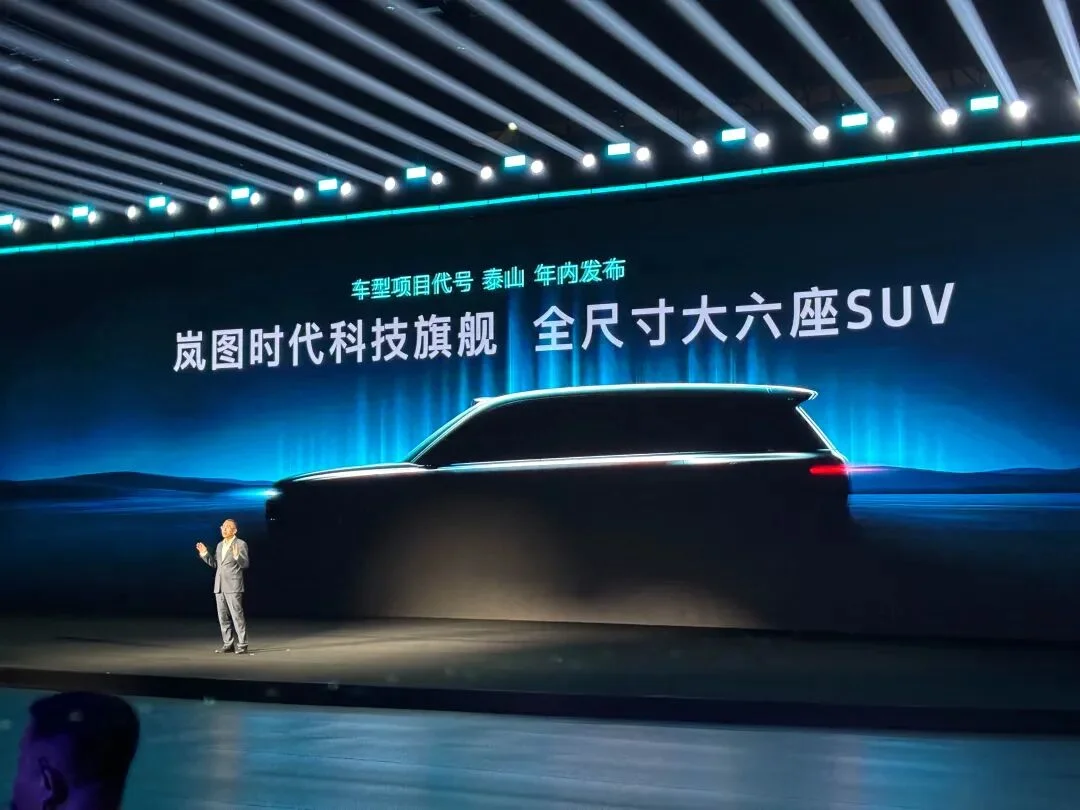
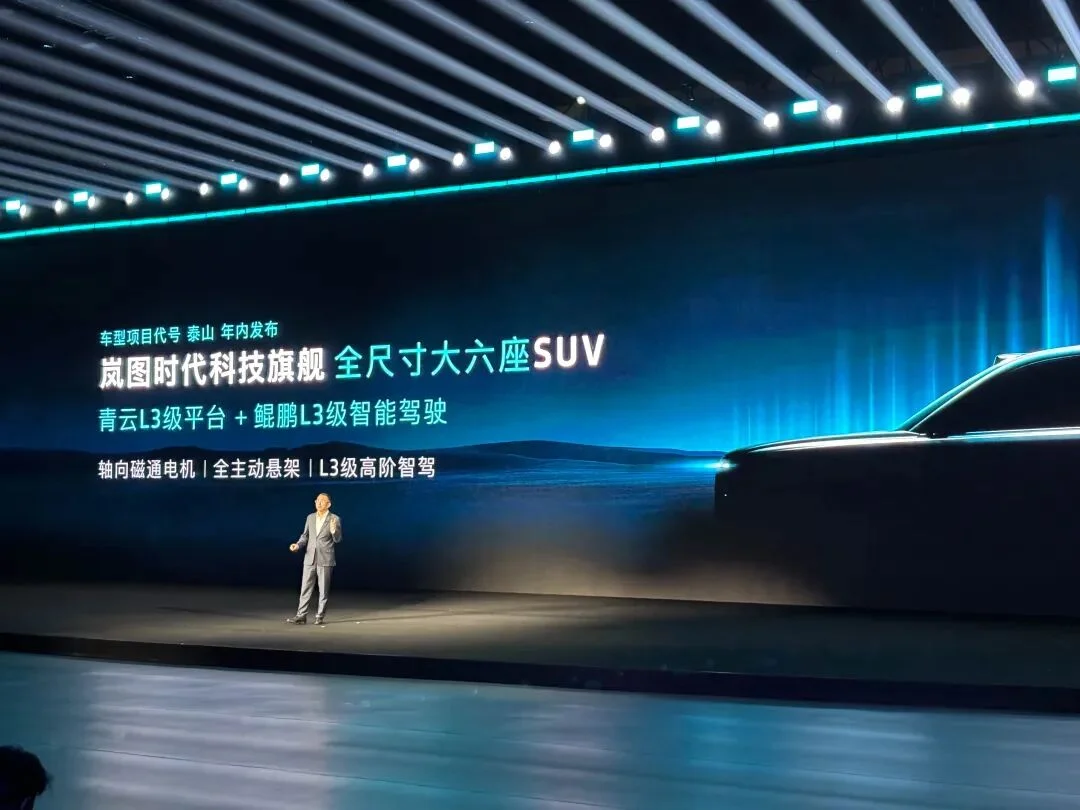
At the end of the entire press conference, VOYAH announced its first Tianyuan Smart Driving product with L3 autonomous driving capability: a full-size large six-seat SUV. The model project code is "Taishan," positioned as a flagship product, and it is expected to be officially released within 2025.
03VOYAH's Wang Junjun: VOYAH avoids showing off; more focus on safety considerations
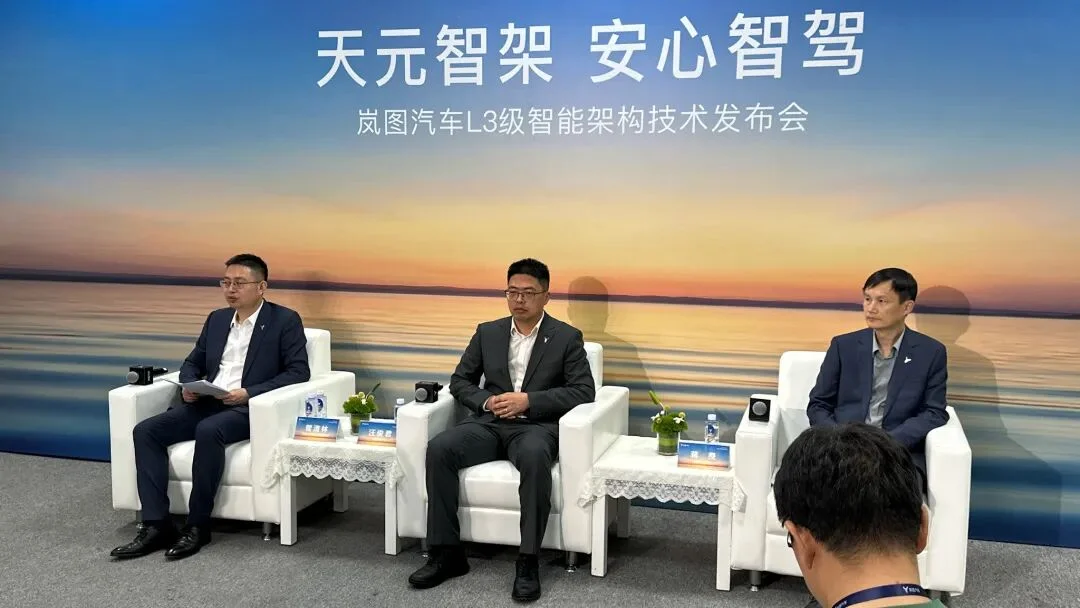
Following the press conference, we interviewed VOYAH CTO Wang Junjun, VOYAH COO Jiang Tao, and Zeng Qinglin, Deputy General Manager of VOYAH Automobile Sales Service Co., Ltd. We discussed technical details and product strategies regarding VOYAH's upcoming L3 platform, and have organized and summarized the content of this interview.
About the L3 Intelligent Platform
Q: How does VOYAH view the role of a vehicle’s underlying architecture in intelligent driving? What capabilities does VOYAH’s architecture offer in the context of L3 compared to other automakers’ architectures?
Wang Junjun: L3 essentially transfers safety control from the driver to the system, requiring nearly 100 times the performance improvement in system safety. The fundamental baseline is safety redundancy—enhancing safety by using data to manage potential scenarios.
Q: VOYAH has mastered active suspension. What other core technologies have you conquered, and what advantages do you hold over competitors?
Wang Junjun: Technically, there is little risk; these solutions are relatively mature. Cost is the challenge we need to address. VOYAH aims to provide our users with the most advanced technology, ensuring better responsiveness and delivering the optimal comfort experience. VOYAH avoids showing off for its own sake, focusing instead on safety considerations—for example, raising the body height to mitigate collision impact.
Q: How does VOYAH view the development of automotive intelligence, such as world models? What are VOYAH’s strengths and focus areas?
Wang Junjun: VOYAH is pursuing a dual strategy, collaborating with Huawei while also developing its own technology. Today, VOYAH will focus more on intelligent driving issues, and it will begin promoting its self-developed intelligent driving systems over the next two years. Regarding world models and large models, the company is primarily focused on training to improve autonomous driving performance. Currently, there are relatively large teams in Shanghai, Beijing, and Wuhan. Significant results will be demonstrated on the Mengxiangjia in the second half of the year.
Q: Against the backdrop of Xiaomi's accident, there is widespread concern about AEB. However, VOYAH today presented AEB capabilities and scenarios that seem to cover almost everything. How does VOYAH understand AEB?
Wang Junjun: To improve safety, AES (Automated Emergency Steering) is currently performing well, covering forward, rearward, and lateral scenarios we can imagine. On L2.9, the driver still needs to perform the final braking control. But within our capabilities, we aim for the best possible outcome. For the driver, pressing the brake pedal at the last moment remains necessary. When reaching L3 level, the system will take over as a fallback. This does not mean liability shifts directly; rather, it is about increasing the safety factor by a hundredfold. The core is enhancing safety to prevent accidents in specific situations.
Q: With Taishan approaching launch, where can users utilize L3? Is it limited to closed roads or available on all roads?
Wang Junjun: Currently, full-domain L3 is not achievable. When we say L3 now, it refers to implementing L3 on highways.
Q: Is VOYAH's L3 solution self-developed or from Huawei?
Wang Junjun: VOYAH is indeed collaborating with external partners, but self-development is led by VOYAH.
Q: Are there industry standards for L3? What is the current progress? Has VOYAH participated in standard-setting? If no standards exist, does VOYAH have its own? Will there be national certification standards for L3 in the future?
Wang Junjun: L3 has standards under the Road Traffic Safety Law, so it hasn't been released yet. Currently, there are L3 pilot programs, and everyone is applying; Dongfeng and VOYAH are both participating. Regarding the standards, there is no very accurate information yet, mainly because regulations will involve revisions.
Q: There are quite a few automakers that have proposed the L3 concept or produced L3 vehicles. For example, Zeekr recently indicated it would launch an L3 platform, and Mercedes-Benz and BMW have already implemented some L3 capabilities overseas. How does VOYAH differentiate its competition with these manufacturers in terms of L3?
Wang Junjun: Currently, the scope of L3 autonomous driving is relatively narrow overseas, offering limited practical value. VOYAH still aims to broaden the applicable scenarios and enhance comfort.
Q: VOYAH is currently pursuing a multi-pronged strategy, advancing the integration of intelligent driving features through both external partnerships and in-house R&D. How does VOYAH allocate its R&D resources between these two approaches?
Wang Junjun: Current vehicle development is based on a cooperative model, but VOYAH relies primarily on in-house R&D. The company has now established relatively large-scale self-research teams in Beijing, Shanghai, and Wuhan.
Q: When was VOYAH's L3 architecture built, and what difficulties were encountered during the process?
Wang Junjun: VOYAH's L3 system was roughly established two years ago, spanning 18 months. The main challenges involved overcoming issues with active suspension and the power output of axial-flux motors. The goal is to achieve maturity in technology, performance, and cost.
Q: The 700-line LiDAR announced for this L3 platform is relatively expensive. For subsequent models, will you still use the 700-line LiDAR, or replace it with a 192-line LiDAR or even lower-spec options?
Wang Junjun: The L3 platform will use high-line LiDAR (700-line LiDAR), with a total of 4 LiDAR units. The L3 platform has not considered using lower-level hardware.
Q: Is the development of L2 features progressing from highways to urban areas, and then to parking-to-parking? Regarding the adoption of L3, does VOYAH view it as a gradual rollout or an immediate full coverage of urban and highway driving?
Wang Junjun: I personally believe that the adoption of L3 will be gradual, starting with highways and then moving to urban areas. This is because urban environments are more complex and require significant additional work.
Q: VOYAH’s 2025 full-vehicle intelligent driving suite is based on Huawei. Compared to its self-developed L3 technology, is the current level comparable to or better than Huawei’s?
Wang Junjun: For VOYAH, our priority is to enhance customer experience. Huawei’s current capabilities are strong, so we are providing Huawei’s intelligent driving system to users first. Currently, both Huawei and Kunpeng are built on the Tianyuan architecture. With many companies using Huawei’s intelligent driving technology, we aim to stand out through our cooperation with Huawei by achieving advantages in both hardware and software.
Q: Why did VOYAH choose to release the L3 platform today? Was it due to timing or technological readiness?
Wang Junjun: In fact, we began corresponding development a year ago. This decision was not driven by external factors but rather followed VOYAH’s own pace.
Q: Does VOYAH have any secret weapons for its L3 system to build user trust?
Wang Junjun: The development of L3 requires time, and regulations for many companies are still under discussion. Based on this timeline, we will provide detailed information later.
On Product Strategy
Q: How is production safety ensured?
Jiang Tao: VOYAH's main focus is on ease of driving and safety, with safety encompassing active safety, passive safety, and various other aspects. As vehicle functions are under development, they impose requirements on each subsystem—for instance, structural stiffness—and further down the chain, on individual components. There are also requirements for suppliers, specifically whether parts can meet standards at the component level. This involves breaking down requirements layer by layer to verify compliance, implementing closed-loop control at each stage to ensure production safety.
Q: In extremely rare scenarios where both the vehicle's operational limits and the driver's capabilities are insufficient, how is safety ensured?
Wang Junjun: We always put safety first. VOYAH vehicles are easy to drive and comfortable. Regarding how VOYAH defines safety internally, the premise is active safety—specifically, preventing dangerous situations and unsafe events or behaviors. For example, with the active suspension function, VOYAH considers not only comfort but also how to utilize this feature for safety. In the event of a front or rear collision, the system can raise the vehicle body. Even if a collision is unavoidable, the body structure must ensure safety; for instance, the cage-like body design must remain intact. Even if the battery pack or wiring harnesses are damaged, the system must guarantee the safety of occupants' escape routes.
Q: How does VOYAH control costs and maintain competitiveness with its axial flux motor?
Wang Junjun: The cost of axial flux motors is indeed very high right now, but we'd like to share a story. VOYAH's first model, the FREE, was equipped with air suspension early on. Working together with Kong Hui, we overcame both technical and pricing hurdles to fit air suspension onto a new energy SUV priced at 300,000 RMB. Subsequently, the market gradually saw air suspension become more widely adopted.
With L3 coming next, axial flux motors will have advantages in the future—for example, reducing weight by 150 kg and shrinking volume by 40%. This leads to higher efficiency, making it a great solution. Additionally, the saved space can be used to layout active suspension. If this technology sees widespread adoption later on, costs will drop significantly, paving the way for a healthy industry ecosystem.
Q: From a market perspective, are there any methodologies or experiences from Dreamer that can be applied to other models?
Jiang Tao: Users are satisfied with the comfort and luxury of the all-new VOYAH Dreamer. As for VOYAH, it has established itself as a high-end new energy brand.
Q: With robots now entering the field, does VOYAH have any plans regarding robots?
Jiang Tao: We are also preparing for this regarding robots. The automotive industry is the fastest in the sector for robotics, and VOYAH is making this attempt as well. Quality control represents the vehicle's own control systems, the cabin represents interaction, and driving represents locomotion. In the future, when these three converge, it will be quite similar to humanoid robots. Regarding quality inspection, vehicles are becoming increasingly complex with more functions. Traditionally, quality management required vehicles to drive a certain number of kilometers; we aim to use robots for automated testing, such as issuing commands to turn the headlights on 50 or 60 times, enabling automatic detection while simulating customers' daily usage scenarios. Finally, data analysis from the market helps resolve faults and improve overall vehicle quality through automated post-sales inspections.
The planning for robots is in place, but the automotive industry is relatively complex and will require gradual advancement.
Q: Flux motors offer a volume advantage. Will this free up space for larger batteries, thereby extending the driving range?
Wang Junjun: Please wait a bit longer; Lu will provide a spoiler for everyone then.
04 Final Thoughts
Because national regulations and legal frameworks for L3 autonomous driving have not yet been fully finalized, VOYAH’s recent L3 intelligent architecture technology launch focused heavily on technical capabilities and safety redundancy.
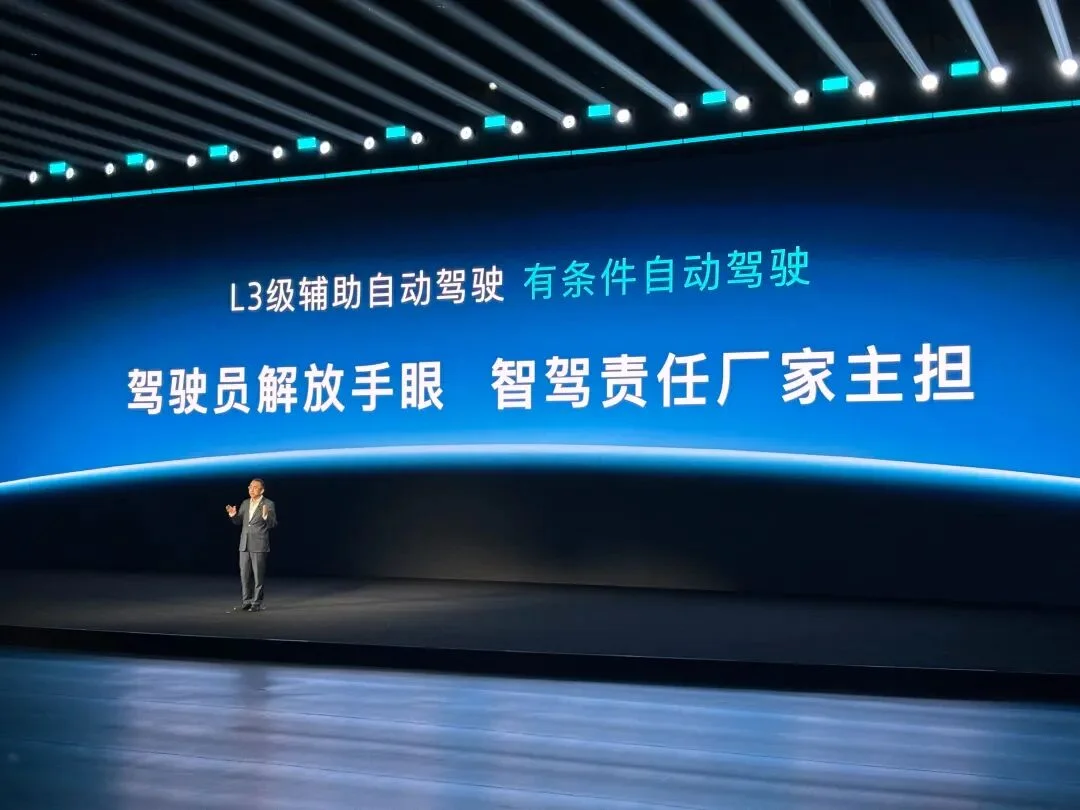
Leveraging its status as a state-backed enterprise to coordinate resources and lead development, VOYAH integrated axial flux motors, active suspension, steer-by-wire, brake-by-wire, rear-wheel steering, lidar with over 700 lines, and chips delivering more than 1,000 TOPS of computing power into its vehicles. Each of these technologies represents some of the most prominent configurations in the industry today. VOYAH has equipped all of them across its lineup and launched an L3-level driver assistance platform built upon this comprehensive integration.
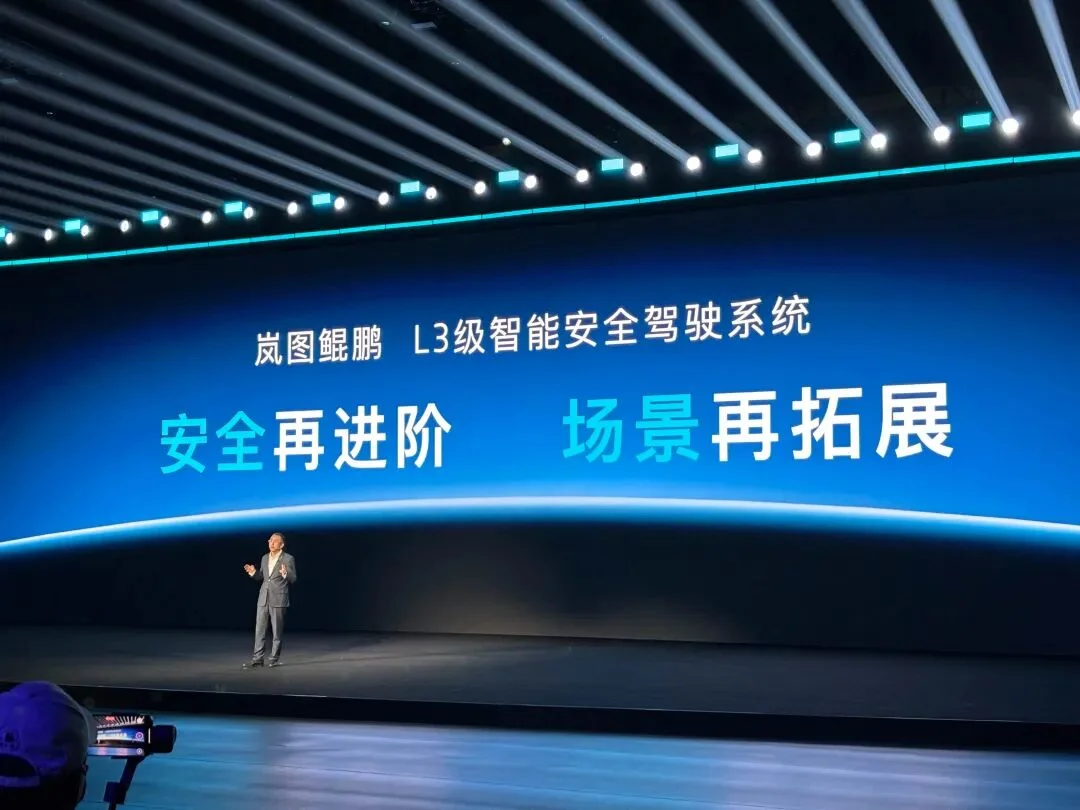
VOYAH will continue its momentum of comprehensively updating its current model lineup this year. The brand’s first vehicle featuring L3 autonomous driving capability, the full-size six-seat SUV named Taishan under the Tianyuan Intelligent Architecture, is also set to debut. As a state-backed automaker, VOYAH is no longer remaining passive; instead, it is simultaneously pursuing both self-developed and collaborative strategies to enhance its competitive advantage in the market.
Written by: Jiang Xiaohei Edited by: Jiang Xiaohei