


Porsche Macan EV Debuts in Singapore; BMW i5 Launches in China; VOYAH and Huawei Sign Strategic Deal
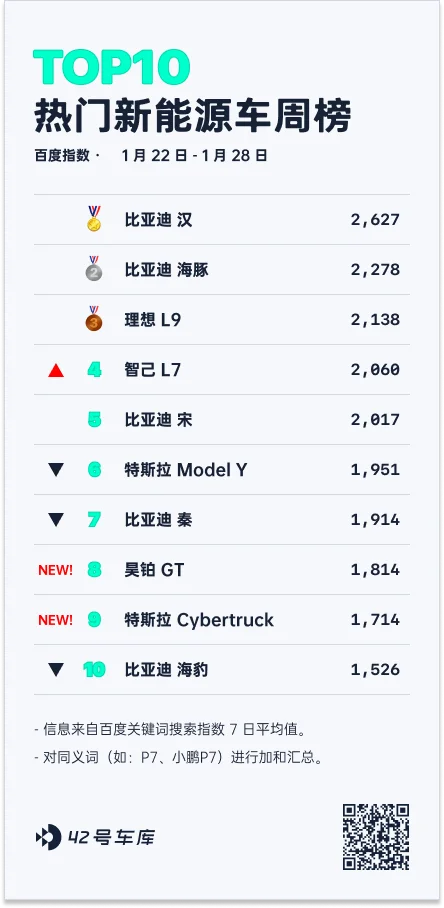
01Weekly Index
02Weekly Highlights
Porsche Macan EV Debuts Globally
On January 25, Porsche unveiled the all-new electric Macan in Xinjiapo. The new Macan is Porsche’s second fully electric model and its first SUV built on the PPE Pingtai platform, featuring dual-motor all-wheel drive with a combined output of 450 kW.
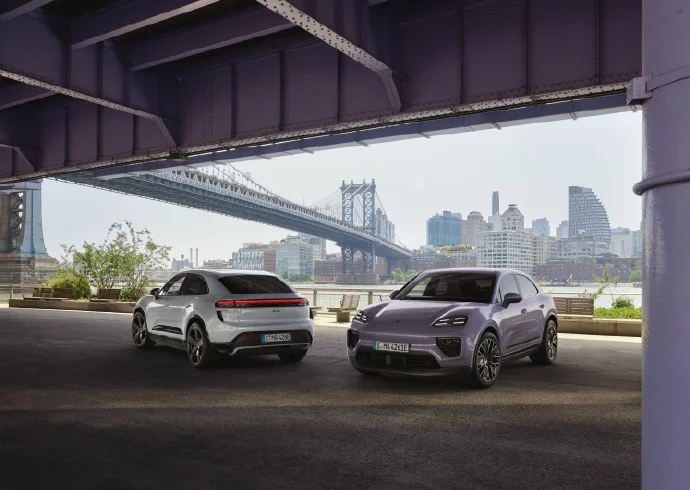
The new car is equipped with a 100 kWh lithium battery and an 800V architecture, with DC charging power reaching up to 270 kW. It can also achieve a charging power of 150 kW when using 400V chargers. The new car features comprehensive upgrades to both its exterior and interior. Additionally, the vehicle boasts a drag coefficient as low as 0.25, and all models offer a WLTP range exceeding 500 kilometers.
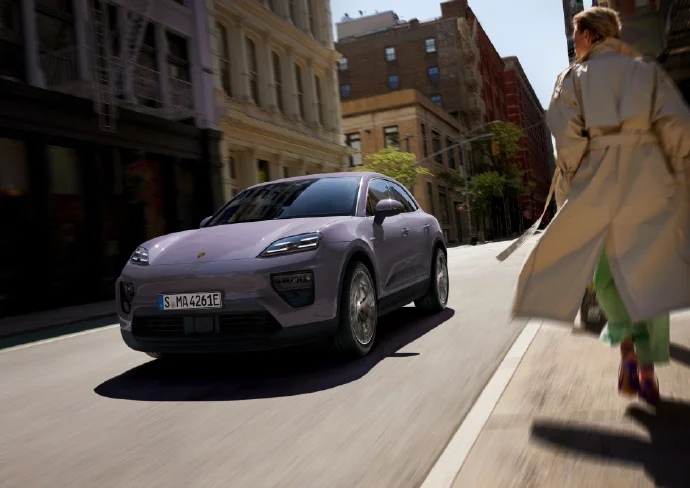
Macan this time released two models in total, namely Macan 4 and Macan Turbo. Both vehicles are equipped with a 100 kWh battery and a dual-motor all-wheel-drive system, with the Turbo achieving a torque of 1130 N·m.
Porsche announced that pre-orders for the all-new electric Macan in China have now begun. Customers who pay a reservation deposit and sign a purchase contract by May 31 will enjoy limited-time "Early Bird" privileges, which include priority delivery and multiple benefits such as access to Legend, Dream, and Shadow body colors. The retail price for the Porsche electric Macan will be officially announced at Beijingchezhan on April 25, 2024.
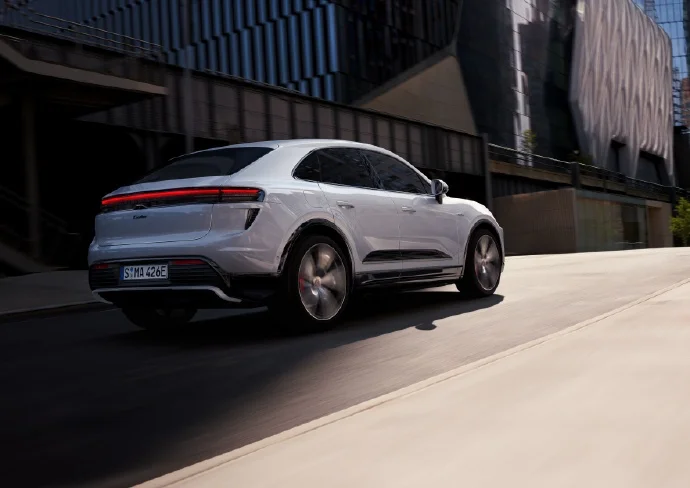
The new car's overall body lines are largely similar to those of the current gasoline-powered model. The front fascia's main highlight is its split headlight design: on the Macan 4, the daytime running lights and turn signals share a single light strip, while the Turbo model features a two-tier layout. Raised lines extending rearward from the daytime running light group along the hood enhance the vehicle's muscular feel, making it appear more sporty.
On the side, the new car adopts a more coupe-like SUV fastback style, with a rounded roofline and wide front and rear fenders featuring slightly protruding wheel arches. According to Porsche, the all-new Macan will focus on aerodynamic efficiency and energy consumption improvement. It is equipped with an electrically actuated, automatically extending rear spoiler that can autonomously calculate the vehicle's optimal streamlined shape. The underbody features a race-inspired fully flat design, while the rear axle suspension dampers are flexibly adjustable to ensure low drag during rebound.
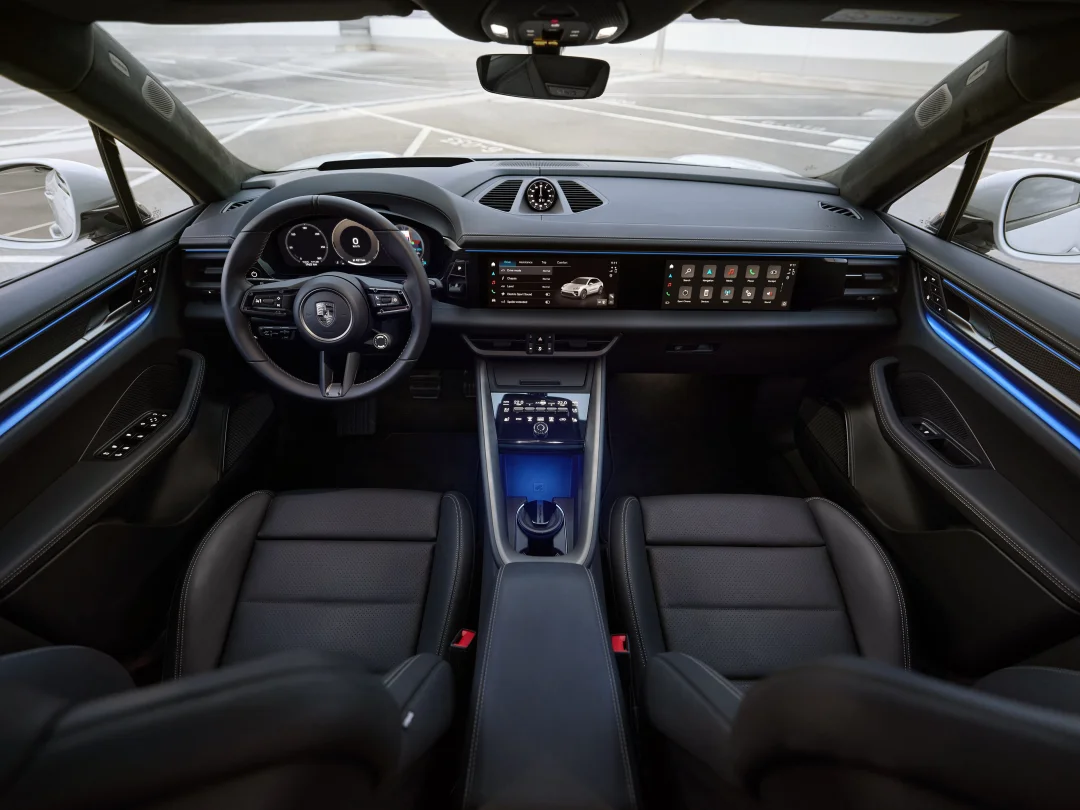
Inside, the new car adopts the latest family design language, with a cockpit layout centered on the driver. It features a segmented three-screen setup: a 12.6-inch fully digital floating curved display positioned directly in front of the driver's line of sight, and a third 10.9-inch entertainment screen for the front passenger. The vehicle is equipped with Porsche's classic three-spoke multifunction steering wheel. The center console includes a touch-sensitive control area, while mechanical buttons are placed below the air vents, blending technological sophistication with practicality.
Quick Review:
Since its release in 2014, the Macan, as Porsche’s entry-level SUV, has gradually become a key pillar for Porsche. Last year, its full-year sales ranked second only to Kayan. Against the backdrop of the global electrification trend, the all-new fully electric Macan has officially been unveiled. With the foundation laid by the Taycan, the experience offered by the Macan is highly anticipated. After a decade-long transformation, it remains to be seen what kind of sales performance the Macan will achieve in the future.
Jixiangqiche Releases Official Images of First Model, Jixiang AIR
On January 26, Jixiangqiche released official images of its first model and officially named it the Jixiang AIR. The new car is expected to be priced at around RMB 200,000. Its design style is bold and avant-garde, drawing inspiration from commercial airliners; the manufacturer refers to this as a OneBox shape, and it will be available in six body colors.
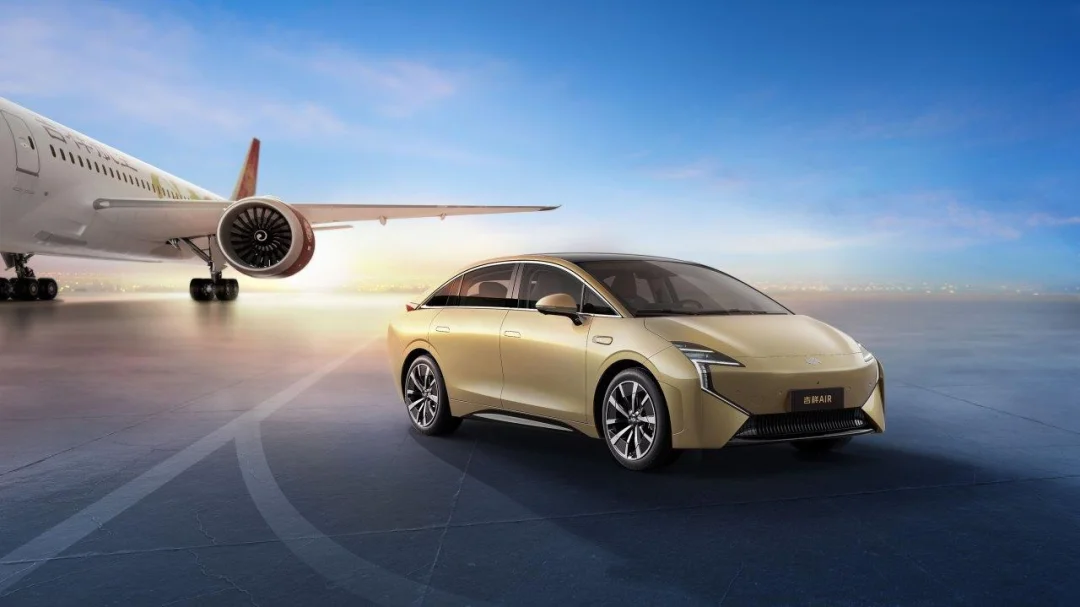
In terms of appearance, the new car has a strong visual impact. From the styling in the image, we can see that the new car uses simple lines to outline its overall silhouette, with the visual center shifted more towards the front of the vehicle, giving the design language a highly dynamic feel. The front face of the new car features sharp LED light clusters, with a trapezoidal air intake below. The styling of the fenders on both sides also has a concept car vibe, seamlessly connecting with the side of the car and extending to the headlight area, creating a very full and robust front-end appearance.
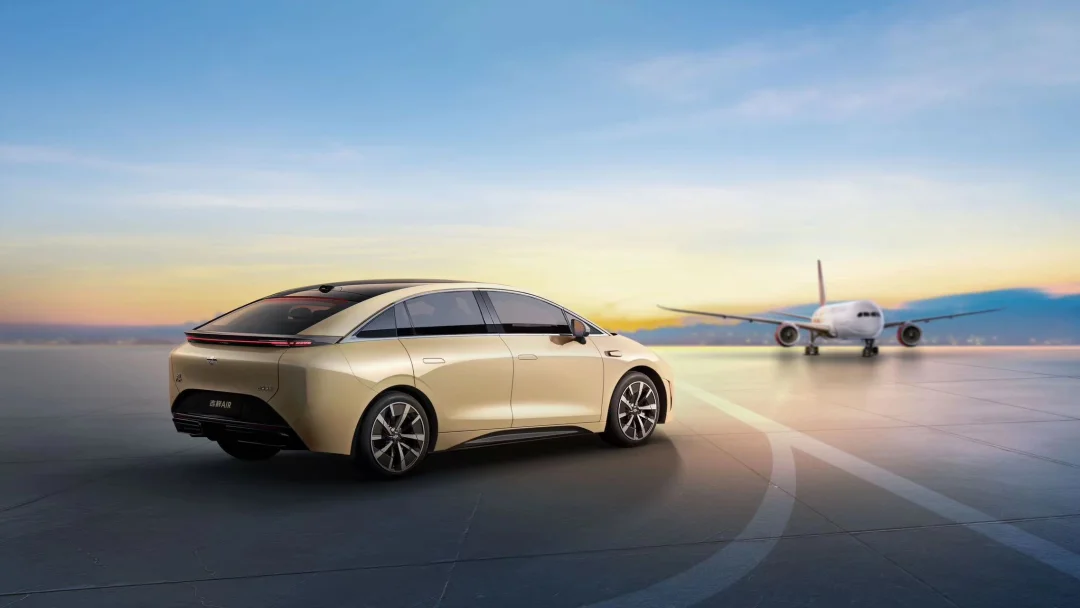
From the side, the vehicle features a fastback design with small window areas and large-diameter wheels, creating an overall sporty look.
Looking at the rear, the overall design is stepped. Although the tail lacks complex decorative embellishments, its styling remains highly rich. The new car adopts a popular full-width taillight design, with a small ducktail spoiler positioned above the lights. A large diffuser is equipped on the rear, giving the entire vehicle a notably low-slung appearance. Based on the overall styling design, it is expected that the new car will deliver favorable aerodynamic drag performance.
Quick Review: Styling
Jixiangqiche will launch a comprehensive mobility solution built around its first vehicle, integrating Jixianghangkong and Jixiangqiche to provide a one-stop experience for both air and ground travel across hardware, software, and services. Initiatives may include new automotive products and services such as airport transfers, valet parking, destination car rentals, and shared membership benefits. We look forward to seeing how this integrated land-to-air ecosystem transforms the user experience.
VOYAH and Huawei Reach Strategic Cooperation
On January 22, VOYAH and Huawei officially signed a strategic cooperation agreement. The two parties will leverage their respective strengths to jointly create an ultimate intelligent mobility experience centered on user needs. Through innovative exploration across multiple fields in cooperative models, they aim to accelerate the large-scale commercial implementation of intelligent technologies.
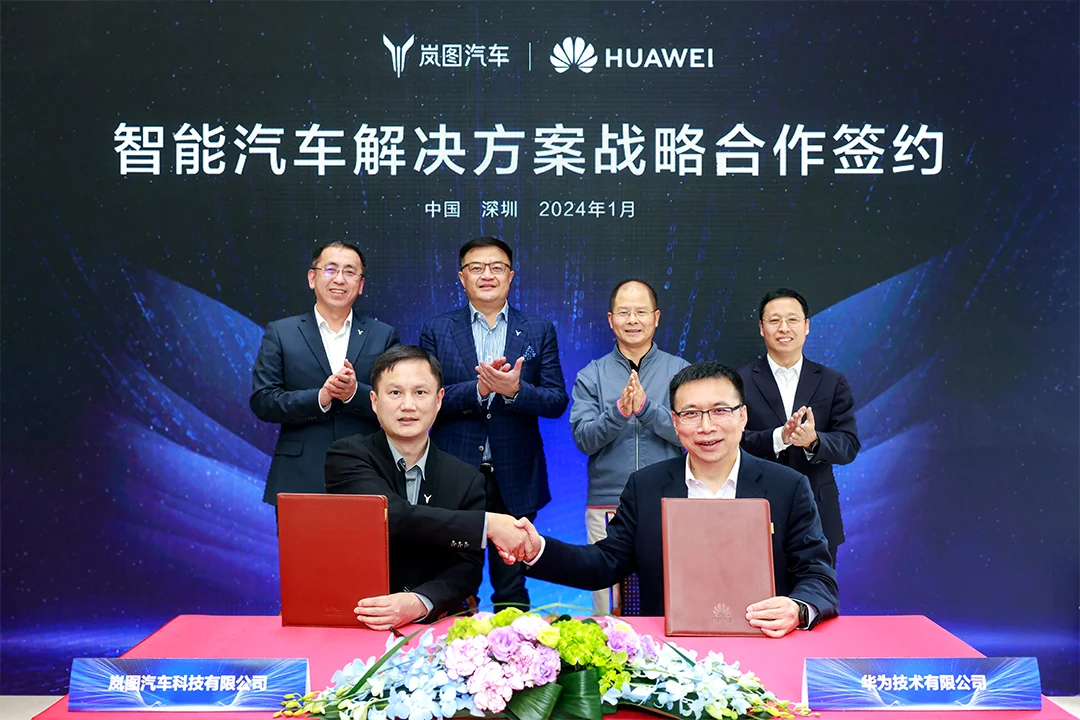
You Zheng, member of the Standing Committee of the Party Committee and Deputy General Manager of Dongfengqichejituanyouxiangongsi; Lu Fang, CEO of VOYAH Automobile; Xu Zhijun, Vice Chairman and Rotating Chairman of Huawei; and Jin Yuzhi, CEO of Huawei's Intelligent Automotive Solution BU, attended the symposium and jointly witnessed the signing. Jiang Tao, COO of VOYAH Automobile, and Chi Linchun, Vice President of Huawei's Intelligent Automotive Solution BU, signed the agreement on behalf of both parties. The signing of this strategic cooperation agreement marks that the cooperation between Dongfeng VOYAH and Huawei has entered a new stage.
At the signing ceremony, both parties engaged in in-depth discussions on the development trends of intelligent connected vehicles. They will leverage their respective strengths to jointly promote high-quality development in the automotive industry. Dongfeng VOYAH relies on the fifty-five-year accumulation of vehicle manufacturing experience from its parent company, Dongfengqichejituanyouxiangongsi, and possesses multiple globally pioneering new energy vehicle technologies. Huawei's profound accumulation in ICT technology and continuous breakthroughs in the field of intelligence will further assist Dongfeng VOYAH in upgrading and iterating within the intelligent new energy vehicle sector.
Quick Review:
Huawei's executive present at the signing ceremony for this cooperation was Huawei Rotating Chairman Xu Zhijun. It was Xu Zhijun who, back in April 2021 during the Shanghai Auto Show, spearheaded the HI model cooperation with Beiqi, Changan, and Guangqi. Therefore, VOYAH's recent cooperation with Huawei is highly likely to also follow the HI model. After Guangqi effectively withdrew from this cooperation model in March 2023, the HI model currently only remains with Changan AVATR. Thus, the cooperation with Dongfeng VOYAH is, in a sense, a familiar continuation of Huawei's HI model: still backed by Xu Zhijun, still involving a state-owned enterprise, and still focused on To B business. Notably, on the day the cooperation was officially announced, Dongfengqichejituanyouxiangongsi's A-share stock price hit the daily limit up.
BMW i5 Officially Launched
On January 25, the BMW i5 went on sale with five models priced between RMB 439,900 and RMB 639,900. The 5 Xi family, a pillar of the BMW brand, has been in production since 1972 and is now in its eighth generation; this marks the first time an all-electric BMW i5 has been introduced, signaling that BMW's best-selling lineup is entering the era of intelligent electrification.
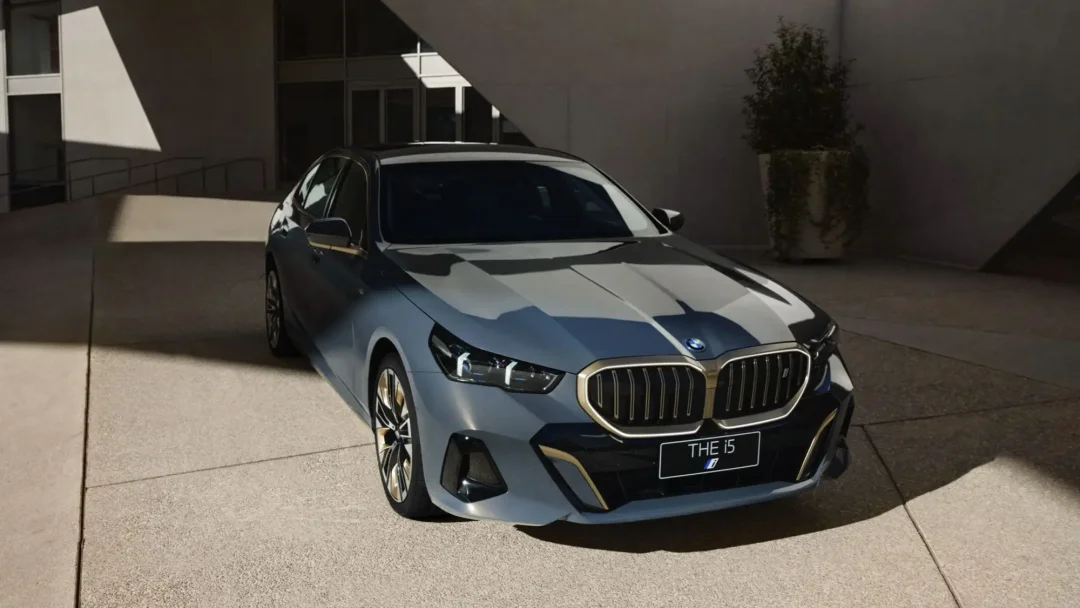
The BMW i5 shares the same Sport and Luxury exterior styling packages as the gasoline-powered 5 Xi, with no significant visual distinctions between the internal combustion and fully electric variants.
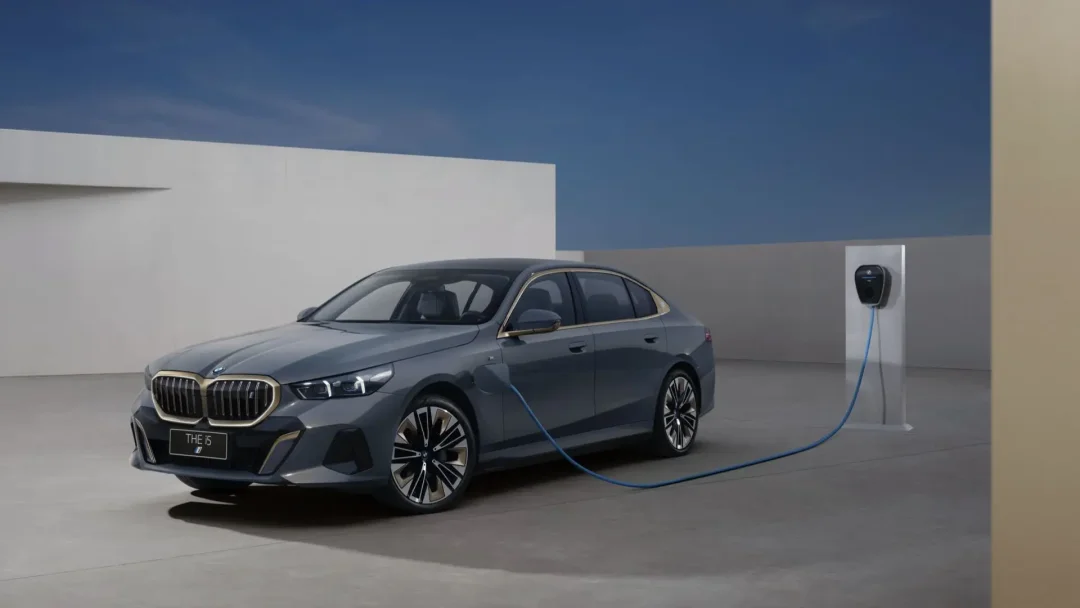
The overall dimensions are 5,175 mm in length, 1,900 mm in width, and 1,520 mm in height, with a wheelbase of 3,105 mm, consistent with the current model. However, the side profile has been completely redesigned: the previous generation's elongated rear end is replaced by a short, fluid fastback silhouette on the new model, giving the entire body a more athletic stance without appearing disproportionate despite the extended length.
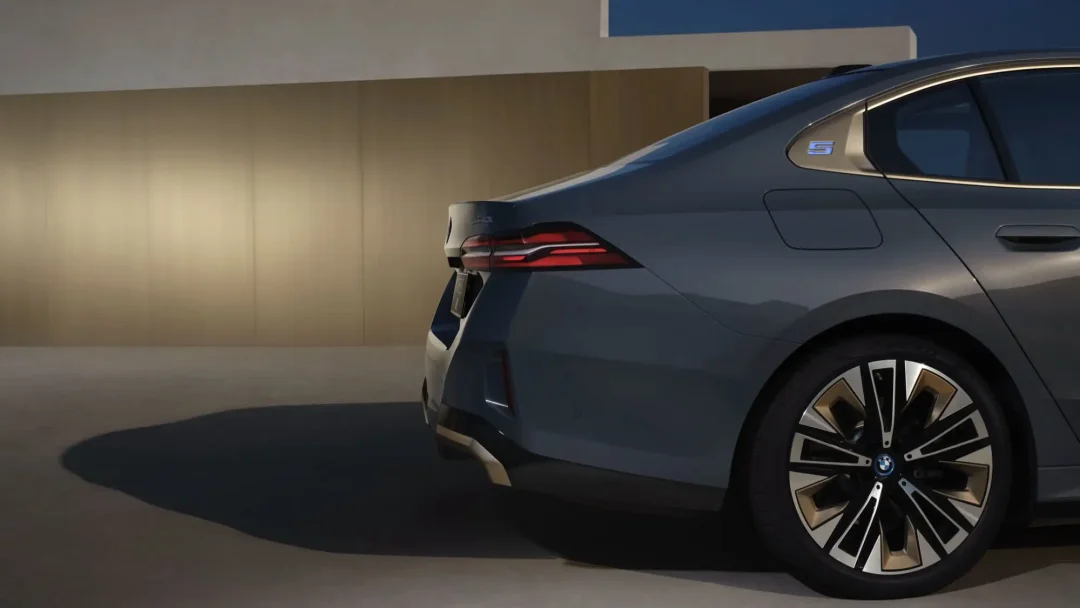
A distinctive detail is the illuminated digital badge located at the C-pillar, exclusive to the domestic Chinese market version. On the i5, this emblem flashes in sync with the charging status.
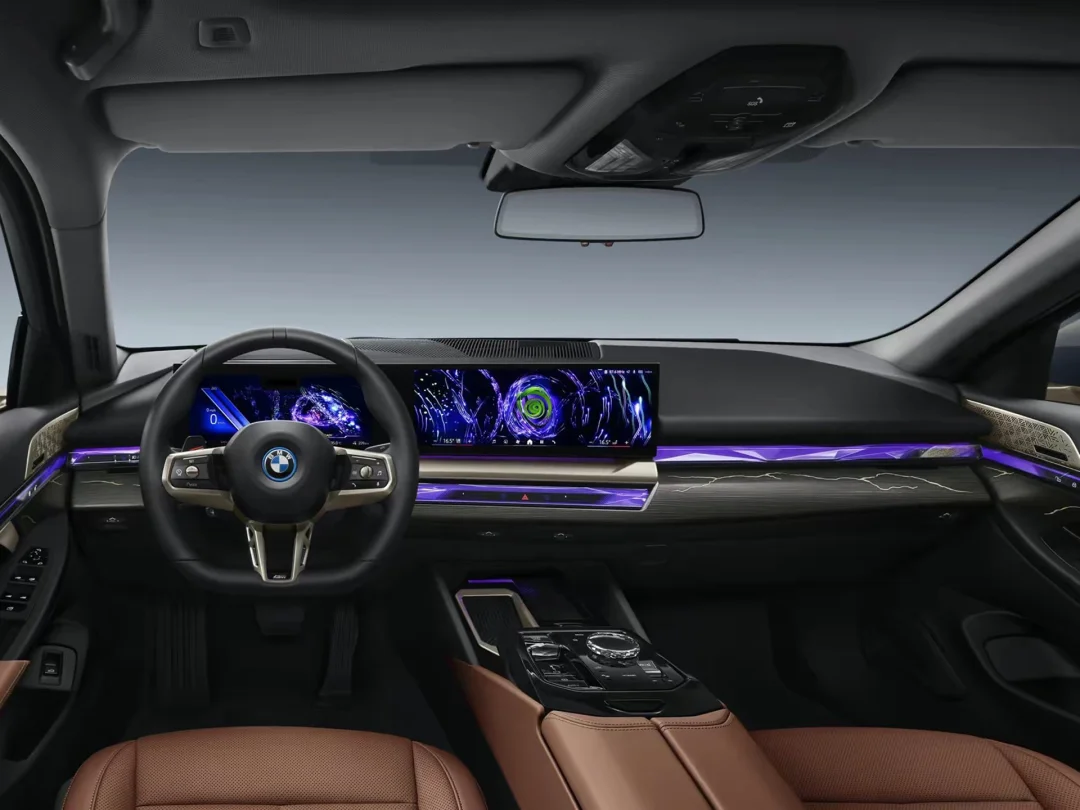
The interior design language of the BMW 7 Series has been adapted and evolved for the new 5 Xi. The interactive ambient lighting strip, similar to that found in the 7 Series, features multi-color and zoned display capabilities on the i5. Combined with the connected 12.3-inch instrument cluster and 14.9-inch central touchscreen, the cabin delivers a premium visual experience, offering occupants a sensation akin to sitting in a compact 7 Series.
Powertrain-wise, the i5 utilizes a BMW-developed excitation synchronous motor. BMW remains the only luxury automaker currently employing this technology. The motor’s unique brush module ensures long service life, high efficiency, and quiet operation. Compared to permanent magnet synchronous motors, it maintains superior acceleration performance at medium to high speeds.
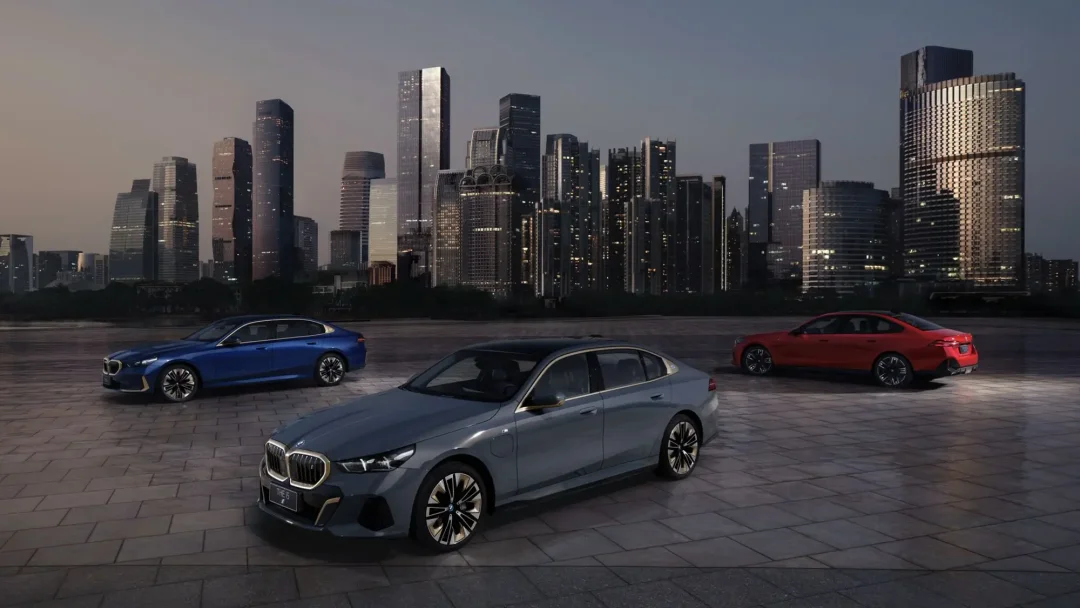
The domestically produced i5 is equipped with BMW’s fifth-generation eDrive technology. The BMW i5 eDrive35L delivers a maximum power output of 210 kW and a peak torque of 410 N·m, powered by a ternary lithium battery with a capacity of 79.05 kWh, offering a CLTC pure-electric range of 536 km. Meanwhile, the i5 M60 variant produces 442 kW of maximum power and 795 N·m of peak torque, performance levels comparable to those of the previous-generation BMW M5. The dual-motor all-wheel-drive version accelerates from 0 to 100 km/h in just 3.8 seconds. Faster and quieter define the new generation of i5 M-series models. Additionally, drivers can activate the Sport Boost function at any time via paddle shifters to instantly gain an extra 30 N·m of torque.
Quick Review:
On the new i5, BMW has adopted its first-ever price parity strategy between internal combustion engine and electric vehicles, securing a significant first-mover advantage in pricing. The arrival of the i5 marks BMW’s further entry into the intelligent electric era. At this launch event, we witnessed technological advancements in the i5, as well as BMW’s pursuit of driving pleasure regardless of whether the vehicle is fuel-powered or electric. We also observed BMW’s follow-up on supporting services such as supercharging stations, raising expectations for how traditional luxury brands like BMW will perform in the new energy market. With price parity now achieved, if you were to purchase a BMW 5 Xi, would you choose the fuel-powered 5 Xi or the fully electric i5?
Geely LEVC L380 Prototype Rolls Off Production Line
On January 26, the LEVC L380 prototype completed its production run. Positioned as a pure electric MPV, it is built on the SOA architecture. Its name is derived from the Airbus A380, which is the world's largest wide-body passenger aircraft, indicating that this model will offer exceptionally spacious interior room. Additionally, the vehicle will provide seating configurations ranging from at least three seats to a maximum of eight seats for customer choice.
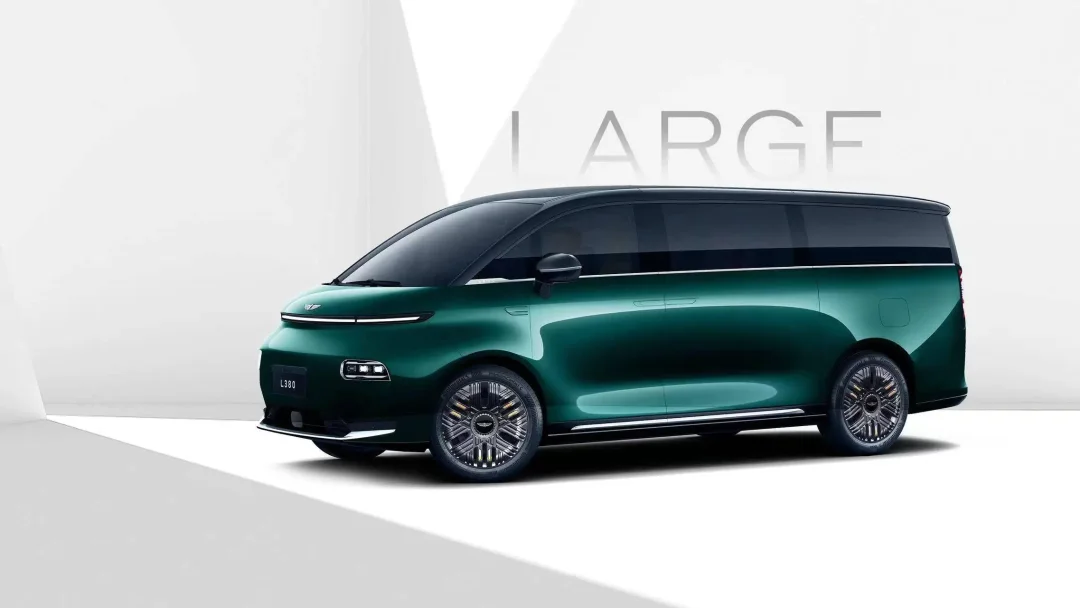
In terms of exterior design, the front end is notably broad, featuring a currently popular closed-off grille and split headlight assembly. The upper section consists of a three-segment LED light strip, while the lower section houses the high- and low-beam headlights, creating a distinctly futuristic aesthetic. Air ducts below the headlight clusters and silver decorative trim along the lower front bumper effectively enhance the visual layering of the front fascia.
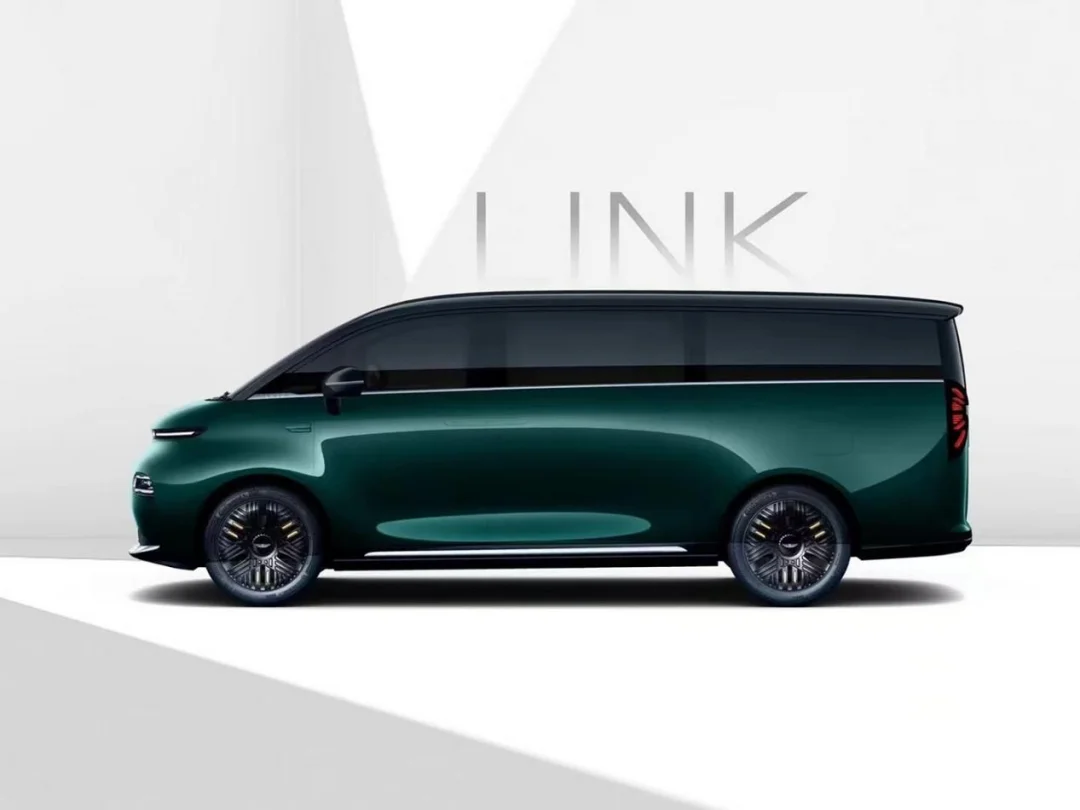
From the side, the vehicle boasts considerable length and wheelbase, promising ample interior space. It features a fully blacked-out roof and A-, B-, and C-pillars, balancing the visual proportions of the side profile and preventing the large body from appearing cumbersome. Additionally, it is equipped with large multi-spoke wheels and flush door handles.
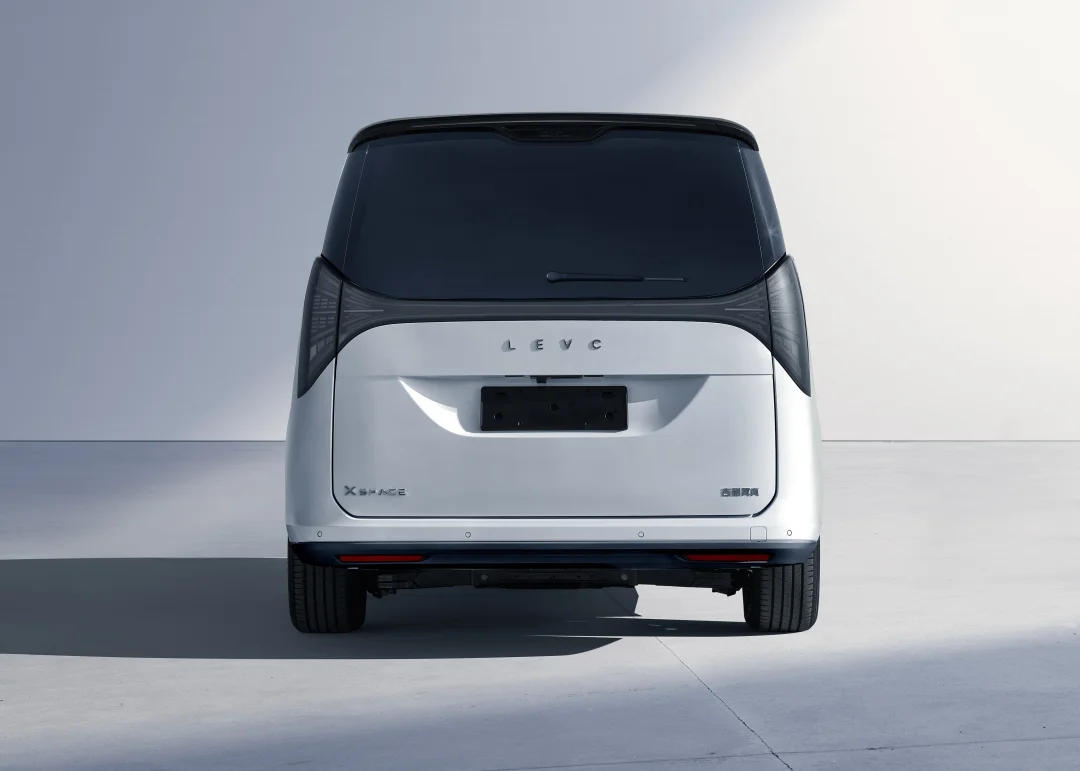
No rear images were released for this event; however, referencing earlier photos, the car adopts a full-width taillight design that is thick at both ends and thinner in the middle, creating a striking visual effect when illuminated at night. The interior has not yet been revealed, but Yang Xueliang indicated that three-seat and eight-seat configurations will be available. Implementing a three-seat layout in such a large vehicle suggests rear luxury comparable to first-class airline seats, likely featuring premium seats that recline flat with a single button. Furthermore, the vehicle is expected to offer extensive in-car connectivity features.
Quick Review:
LEVC stands for London Electric Vehicle Company, a UK mobility brand acquired by Geely. Alongside Zeekr and Volvo, it operates as a parallel brand within the Geely Group. LEVC leverages Geely’s global supply chain. As a global high-end new energy brand, its newly launched MPV is likely positioned as a premium model, similar to the Zeekr 009 and Woerwo EM90. Previously, LEVC’s models primarily targeted commercial mobility sectors. This new MPV is expected to differ significantly in product definition from other MPVs in the Geely portfolio, so we look forward to seeing what innovations LEVC brings to the high-end MPV segment.
Written by: David Edited by: David