


NIO Unveils County-Wide Charging and Swapping Network Plans at Wuhan Energy Day
Cooperation is always the better option
At the start of NIO's first "Power Day" today, William Li recalled his connection with Wuhan. On May 27, 2017, NIO Energy was established in Wuhanguanggu. Three years later, on August 20, 2020, Weinengdianchizichanyunyinggongsi was founded in Wuhan, and at that time, the well-known NIO Battery as a Service (BaaS) was also launched.
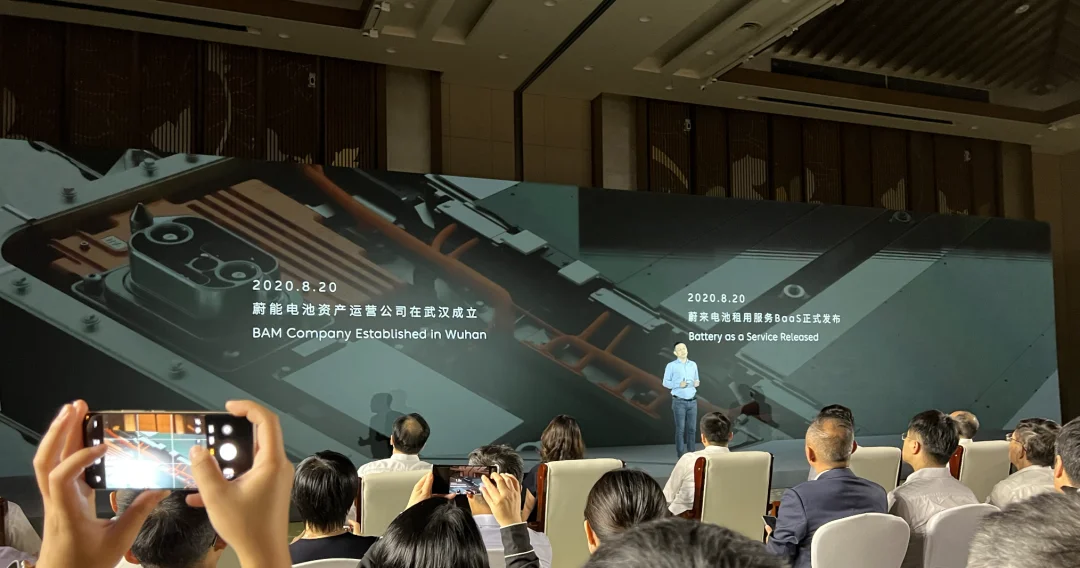
Today, NIO held its "Power Day" event in Wuhan, a city deeply connected to its energy business, and announced two major initiatives: the NIO County-to-County Plan and the Power Partner Program.
Regardless of how the plan ultimately unfolds, looking back three years from now, this day may well become a truly historic milestone in NIO's energy strategy.
01First, Establish a New Energy Headquarters
For many people, the biggest highlight of the NIO brand as a whole may be battery swapping. And NIO's investment in building battery swap stations and promoting the construction of swapping facilities is not something that can simply be described as "significant." The efforts made behind the scenes and various commercial innovations are almost impossible to replicate.
When BaaS was first launched in 2020, the battery-as-a-service model faced widespread skepticism due to its high cost and significant impact on residual values. At that time, it was already NIO's most significant innovation in how consumers purchase vehicles. Fortunately, the new version of the BaaS policy introduced by NIO in the first half of this year, which combined price reductions with a gradually maturing battery management system, has directly driven an increase in both BaaS user numbers and overall brand vehicle sales.
If you have purchased a NIO vehicle with Battery as a Service (BaaS) and tried to invoice your BaaS fees, you will find that the invoice is issued by Weineng. This is because the battery you are leasing actually belongs to Weineng. A brief introduction to Weineng identifies it as a battery asset operation company.
The recent pace of swap station construction over the past six months clearly indicates that swap stations are facing challenges related to openness and mass-production capacity. NIO Energy has chosen to build its new headquarters in the Wuhanguanggu Digital Economy Industrial Park and establish a manufacturing center there. Spanning more than 20,000 square meters, this facility targets a production capacity of over 1,000 swap stations. Combined with existing factories in Hefei and Kunshan, it is evident that NIO’s plans extend beyond merely meeting the construction needs of the NIO brand itself; they represent a capacity layout prepared for future open cooperation. William Li noted on-site that future incremental additions to swap stations would be manufactured at the Wuhanguanggu site. The manufacturing center is scheduled to begin operations in September, after which it will undergo a ramp-up period before stabilizing at a steady-state production level.
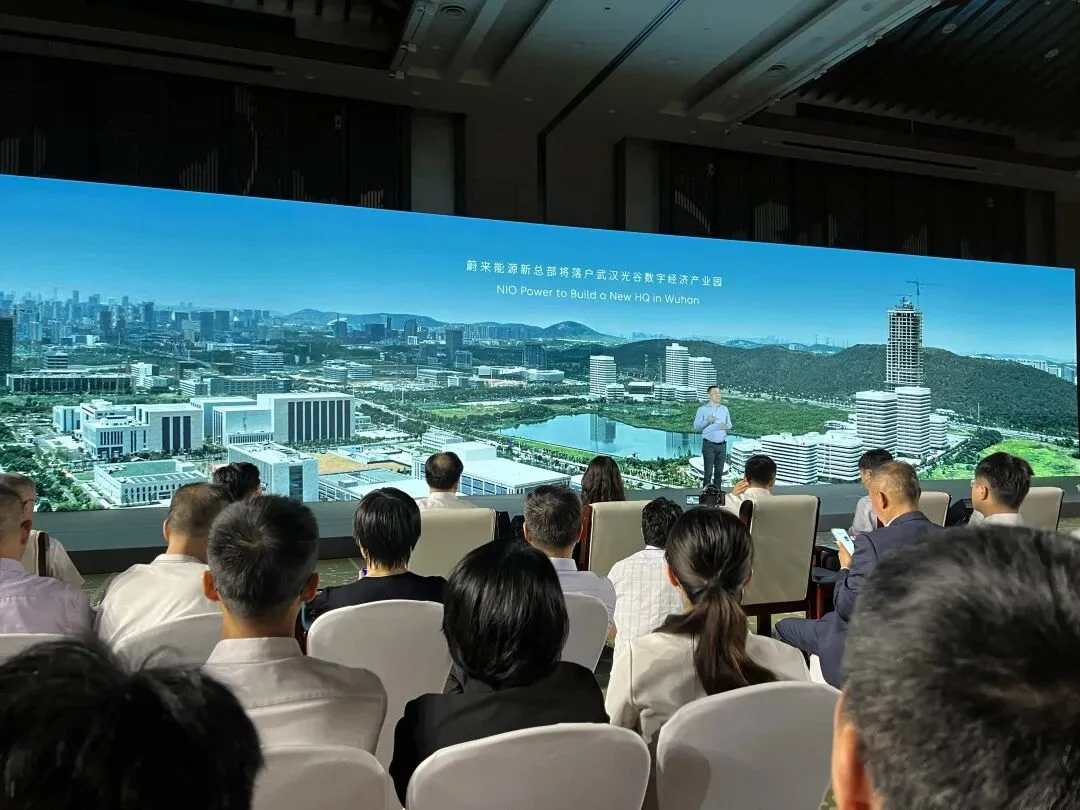
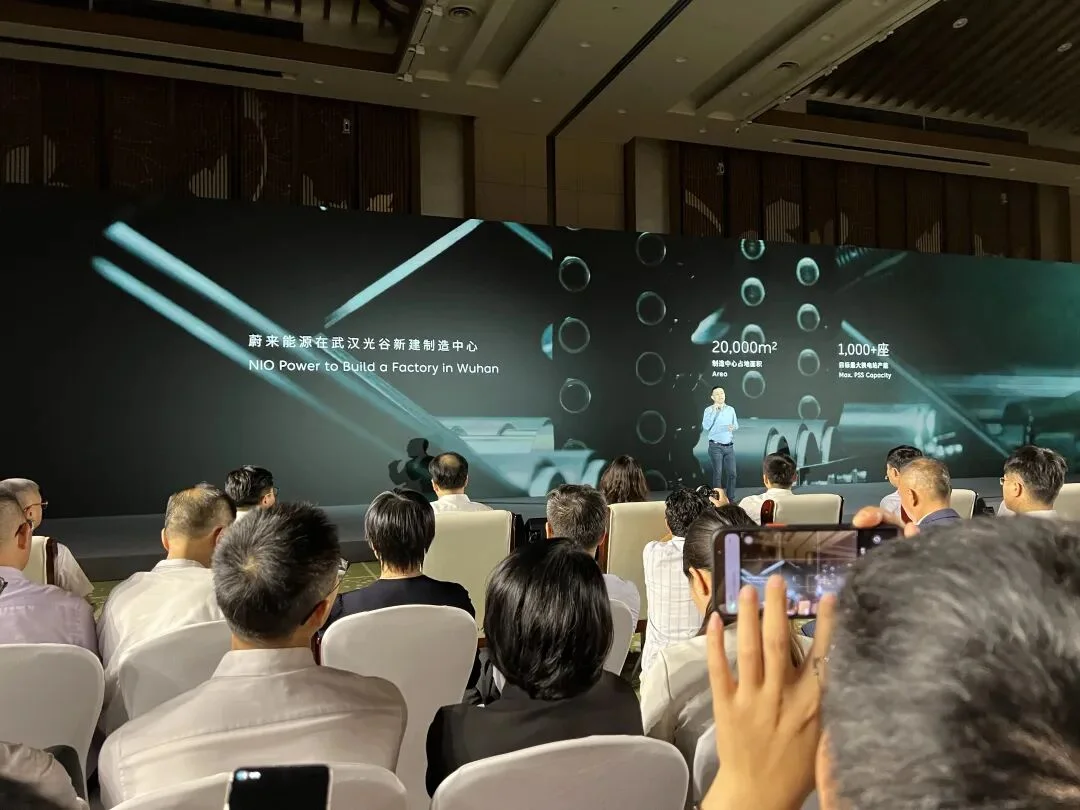
It can be said that NIO Energy was rooted in Wuhan from its inception, and Wuhan’s support for NIO goes beyond this. On May 31 this year, Wuhan provided NIO with a strategic investment of RMB 1.5 billion. This round of funding will be used for technology research and development, manufacturing, and operations and maintenance in areas such as charging, battery swapping, energy storage, battery services, and the energy internet. This sufficiently underscores Wuhan’s emphasis on NIO Energy.
02What Is the Use of Swap Stations If They Do Not Swap Batteries?
When discussing the user experience of battery swapping, many people who are not even NIO owners could likely share their thoughts after seven years since NIO launched the service. The most prominent feature of swapping is speed. The fourth-generation swap stations currently being deployed by NIO can complete a swap in as little as 2 minutes and 24 seconds, making them nearly comparable to refueling with gasoline.
In addition, fully automated operation, no need to exit the vehicle, stable experience, no concern about battery degradation, and flexible range upgrades are among the additional advantages that NIO offers with its swapping service.
Yet few people discuss what the value of a battery swap station is when it is not actively swapping batteries.
A major function of swap stations is energy storage. Currently, NIO’s third-generation and fourth-generation swap stations can store up to 21 and 23 battery packs respectively, accommodating multiple battery specifications simultaneously. This means that when no one is swapping batteries, the station itself serves as a natural energy storage facility. This is highly beneficial for conventional charging stations, which face significant grid pressure due to large fluctuations in power demand; peak usage can reach megawatt levels, making frequency regulation challenging for the grid.
Therefore, even without swap stations, many charging stations require dedicated energy storage facilities. Tesla Supercharger stations, for example, are often equipped with such systems.
Furthermore, theoretically, any facility connected to the grid that functions as an energy storage unit can participate in grid frequency regulation. This involves discharging to alleviate grid pressure during high-load periods and charging its internal batteries when grid capacity is abundant.
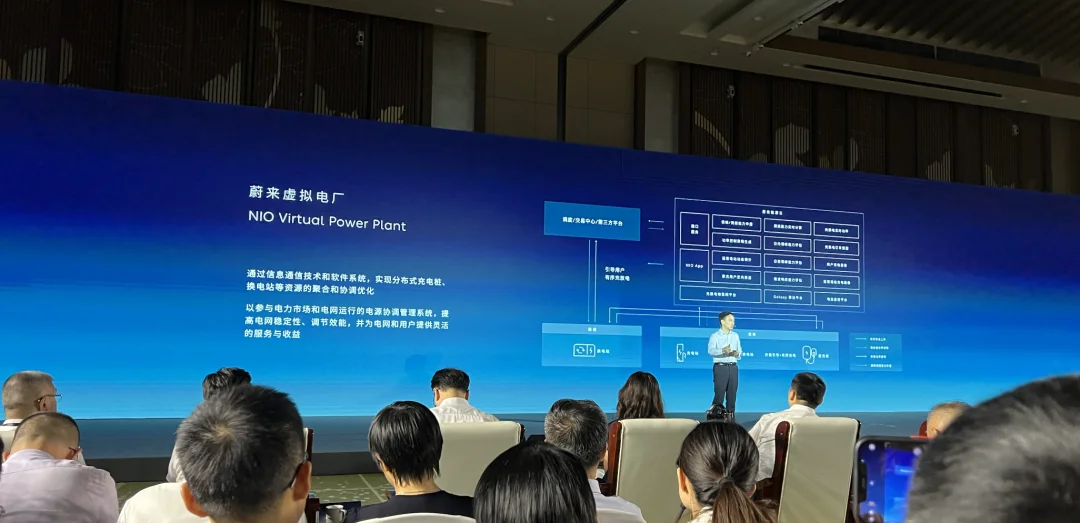
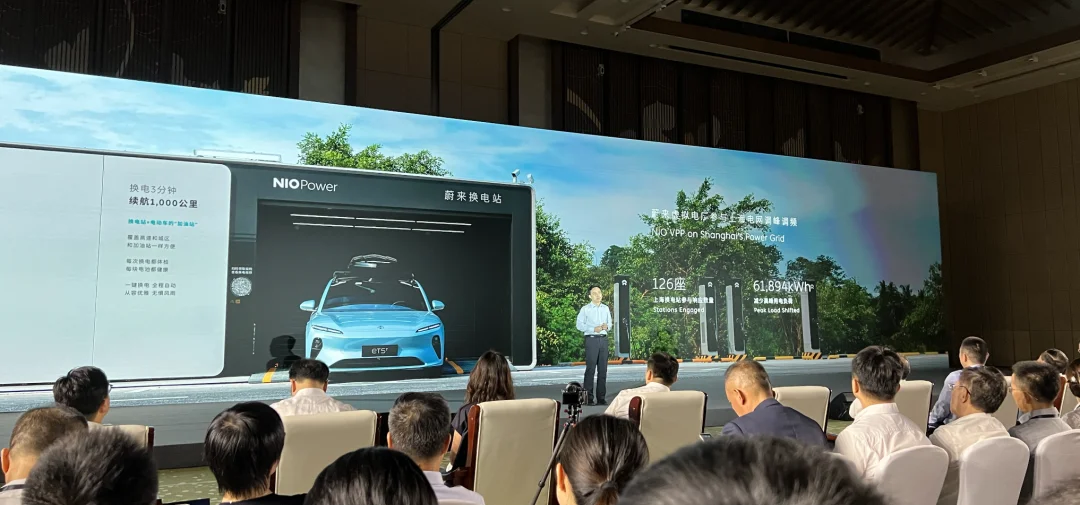
In addition, before constructing fourth-generation stations, NIO conducts site surveys. Stations with favorable sunlight conditions may have solar panels installed on their roofs, creating a single facility that integrates photovoltaics, energy storage, charging, swapping, and discharge capabilities. Dr. Shen Fei, NIO Vice President, noted that 126 swap stations in Shanghai have already participated in peak shaving and valley filling, reducing peak electricity load by 61,894 kWh. Each station effectively operates as a 'virtual power plant.'
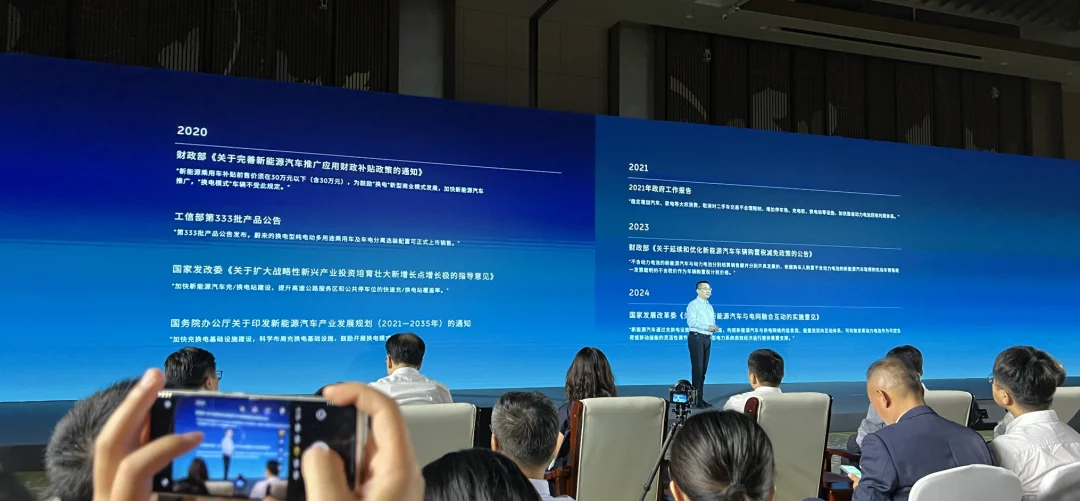
Finally, a slide inserted into Qin Lihong’s presentation highlighted national policy support for battery swapping in recent years. Combined with the strong backing from Hefei and Wuhan, it is easy to understand why NIO’s energy network has gained such favor. On one hand, NIO has shown remarkable determination, repeatedly emphasizing its commitment to continued investment regardless of profitability. On the other hand, it has demonstrated to government authorities the infrastructure benefits of battery swapping—a feat that was far from easy.
Additionally, NIO plans to further emphasize the mutual benefits of energy sharing at the user level, which is why it launched two new products during this event.
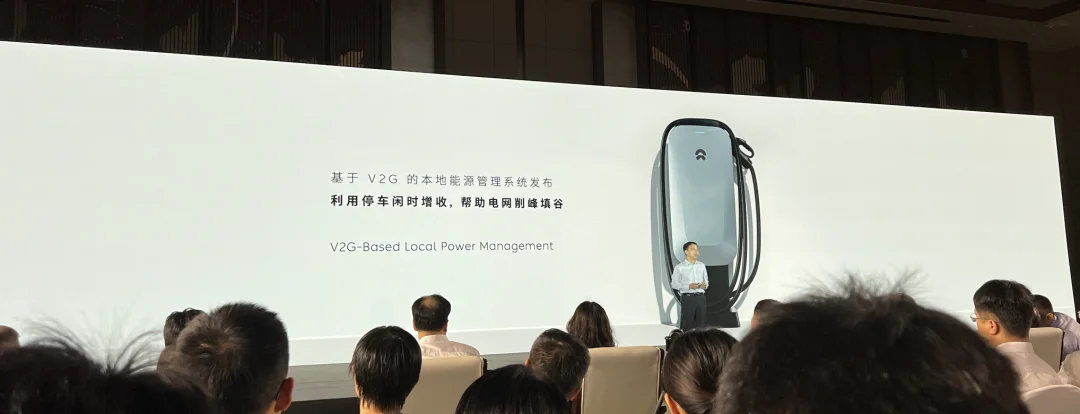
The first product is a 20 kW V2G home charging pile. It costs RMB 2,000 more than NIO’s standard 20 kW charging piles but comes with an integrated energy management system. A V2G charging pile essentially supports both charging and discharging back to the grid, aligning with the concepts of energy storage and peak shaving/valley filling mentioned earlier for battery swap stations. This requires the charging pile to be connected to idle vehicles. In theory, users can generate income during their parking downtime and help stabilize the grid. Over a longer usage period, the additional revenue might even offset the extra cost of the unit.
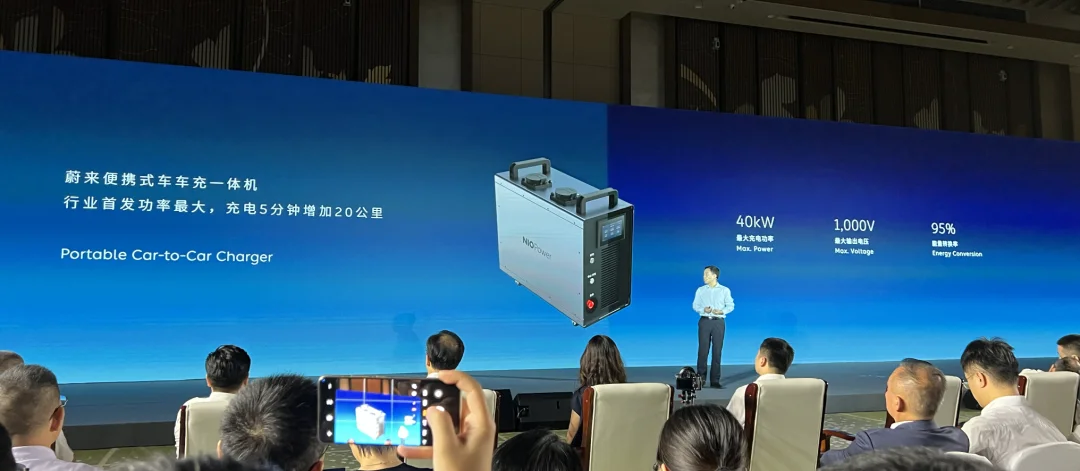
The second product is a portable vehicle-to-vehicle charger with a maximum power output of 40 kW and an energy conversion efficiency of up to 95%, supporting a maximum output voltage of 1,000 V. It is designed primarily for highway emergency rescue scenarios, enabling one vehicle to charge another in areas lacking charging infrastructure, or allowing others to rescue your vehicle. Combined with the growing network of battery swap stations, once the vehicle’s state of charge is restored, drivers can proceed to a swap station for faster refueling.
Overall, NIO appears unwilling to limit itself to achieving industry-level innovations that competitors cannot replicate; instead, it aims to decentralize these mutually beneficial mechanisms to individual users. This approach strongly reflects NIO’s top-down brand development strategy.
03County-wide Charging Access and the Charging Partner Program
Starting last year, NIO has been gradually signing charging and battery-swap partnerships with various brands. In less than a year, seven brands have announced their entry into the NIO Battery Swap Alliance: Yiqi, Changan, Guangqi, Geely, Chery, Jiangqi, and Lutesi.
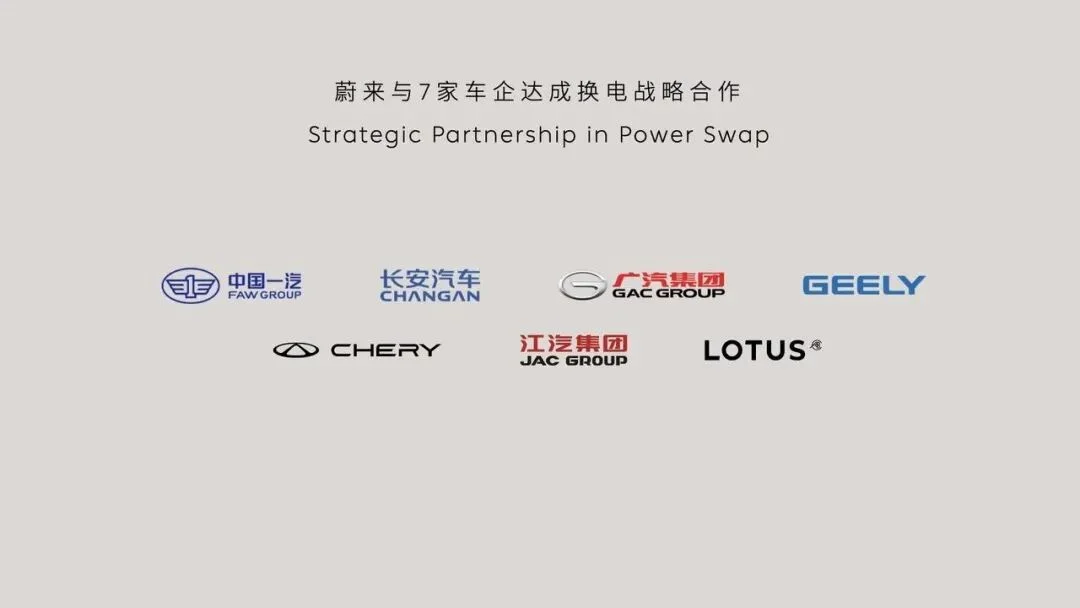
This is certainly a positive step for NIO to expand its battery-swap model. During this event, William Li also revealed that the development of cooperative models is proceeding smoothly, but because they are designing entirely new products, the development cycle will take some time.
However, this does not mean the swap alliance lacks tangible product launches. The ONVO L60, set to be released in September, will be the first model to adopt open battery-swap specifications. Specifically, NIO will distinguish between NIO swap stations and shared swap stations based on its fourth-generation infrastructure. Shared swap stations will be accessible to NT3 vehicles, ONVO models, and all brands within the swap alliance, while only NIO-brand stations are dedicated exclusively to NIO and ONVO users.
This raises the next question: with so many brands and models involved, how many swap stations are needed to meet all user demands?
NIO has currently built 2,480 stations, but the issue here is not merely about quantity.
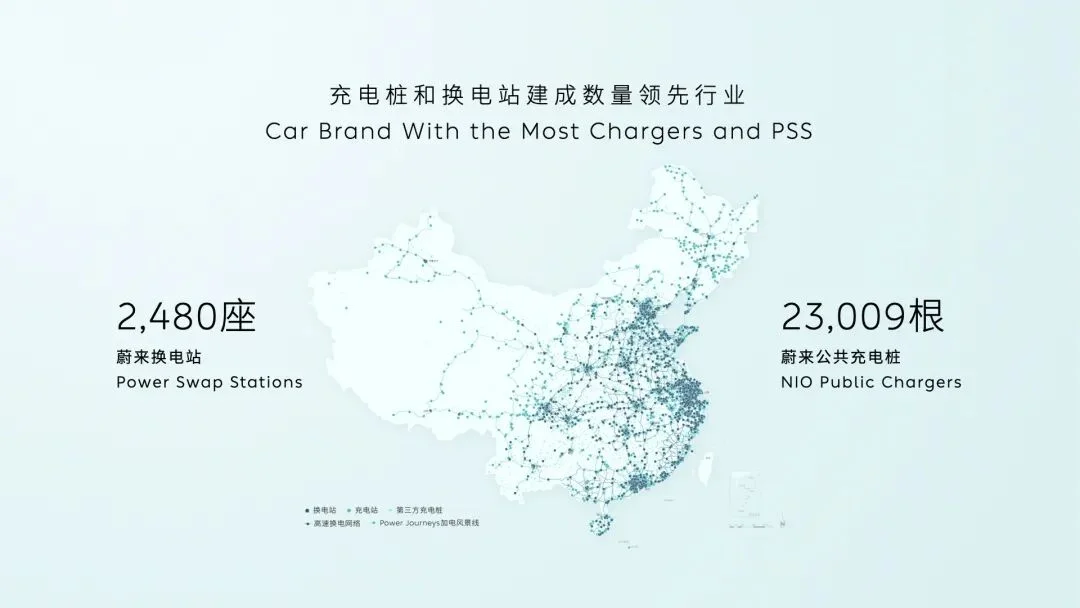
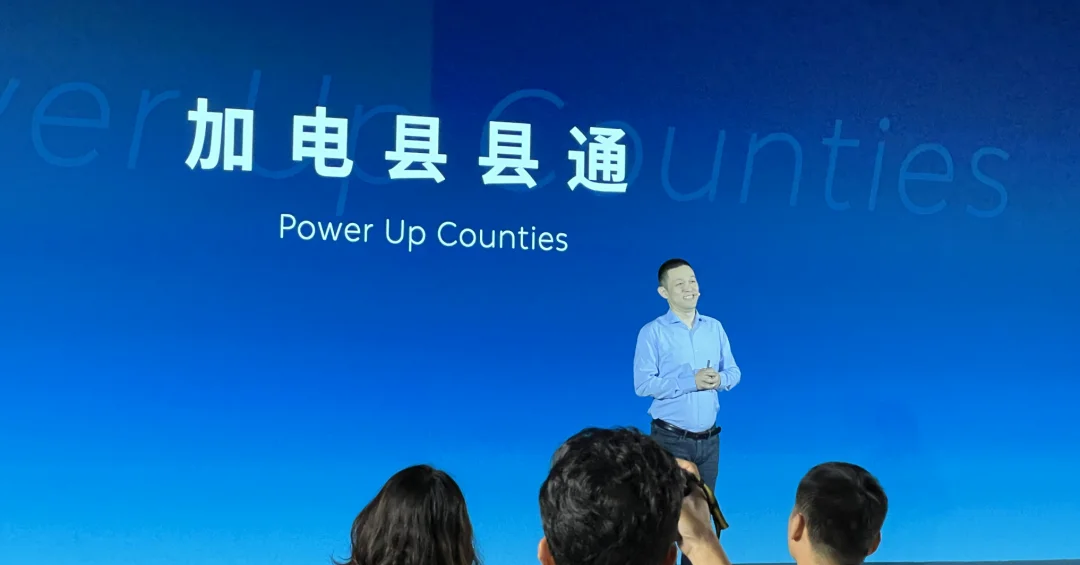
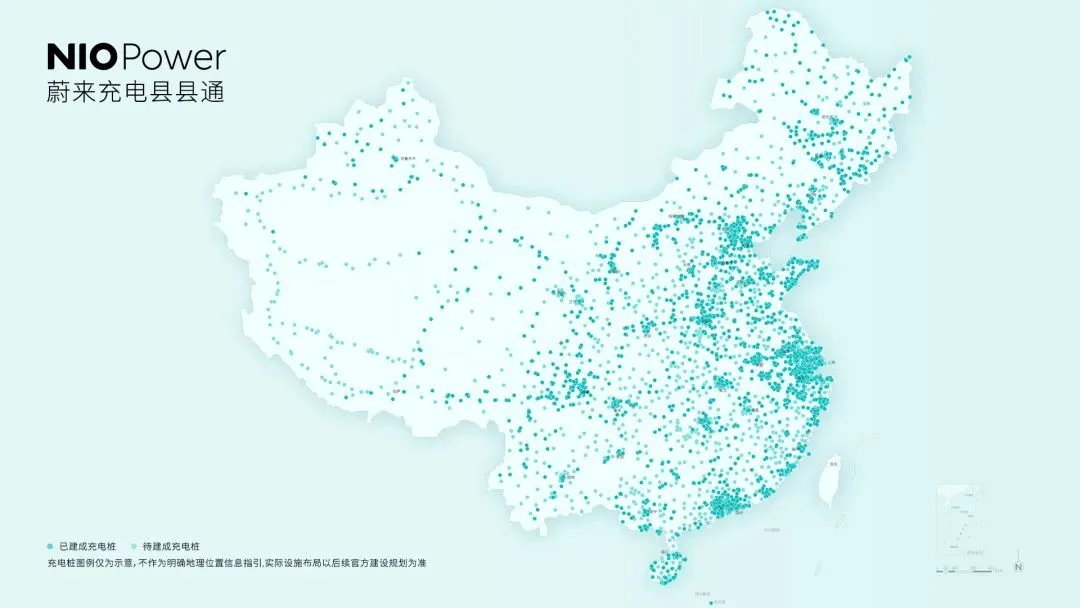
"Charging in Every County" is one of NIO's newly announced strategies, aimed at expanding charging resources through both grassroots penetration and broad regional coverage. These two objectives are not directly linked by volume but are mutually dependent. Given that NIO is simultaneously building charging piles and battery swap stations, the initiative has been split into two separate plans: "Charging Piles in Every County" and "Battery Swap Stations in Every County."
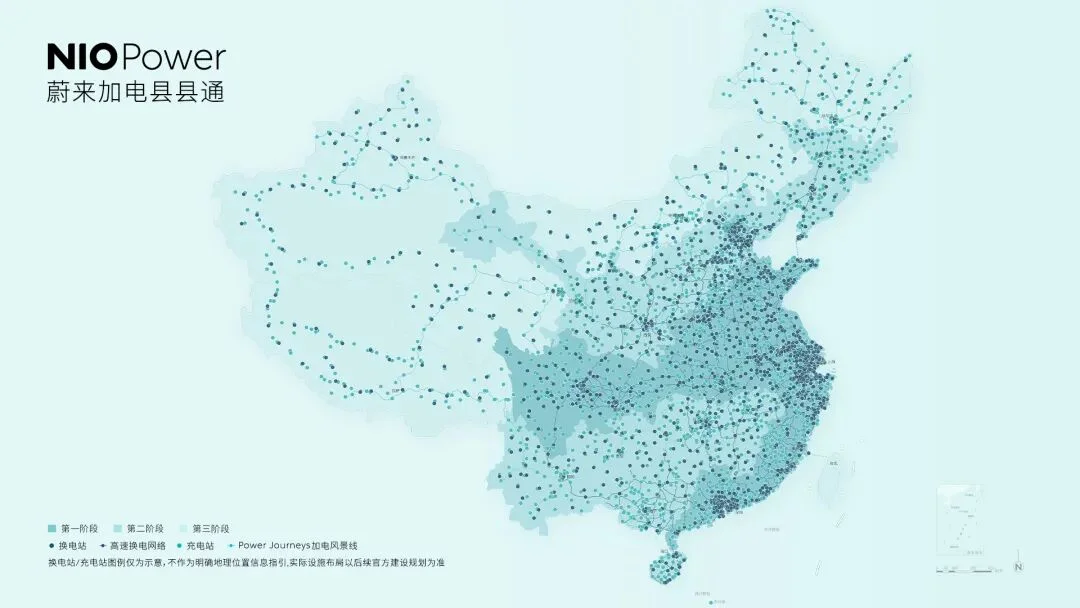
Regarding the "Charging Piles in Every County" plan, William Li stated that NIO aims to complete coverage across all provincial-level administrative regions in mainland China (excluding Hong Kong and Taiwan) by June 30, 2025. This ensures every county has a NIO charging pile accessible to all pure electric vehicle users. Based on current progress, achieving this level of charging infrastructure presents limited difficulty for NIO. However, the scale and reach of this goal will significantly enhance user experience nationwide, as it serves not only NIO owners but also all EV drivers as infrastructure transcending city limits. Notably, the deadline for this objective is set just ten months away.
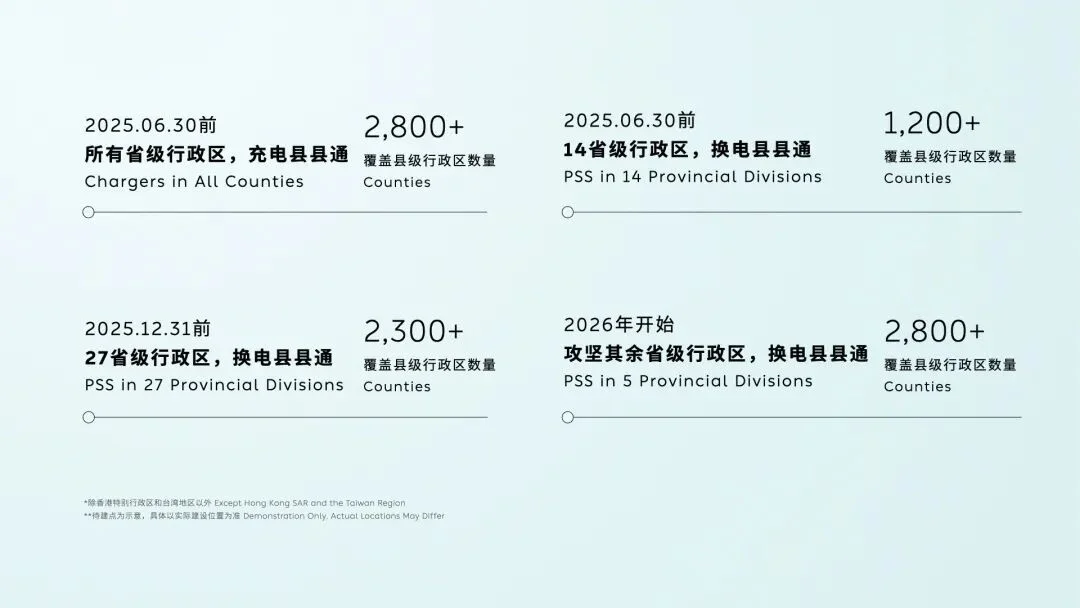
The more challenging "Battery Swap Stations in Every County" plan is divided into three phases by William Li. Phase One requires completing coverage in 14 provincial-level administrative regions by June 30, 2025. Phase Two targets 27 provincial-level administrative regions by December 31, 2025. Phase Three begins in 2026, focusing on overcoming obstacles to achieve full coverage in the remaining provincial-level regions.
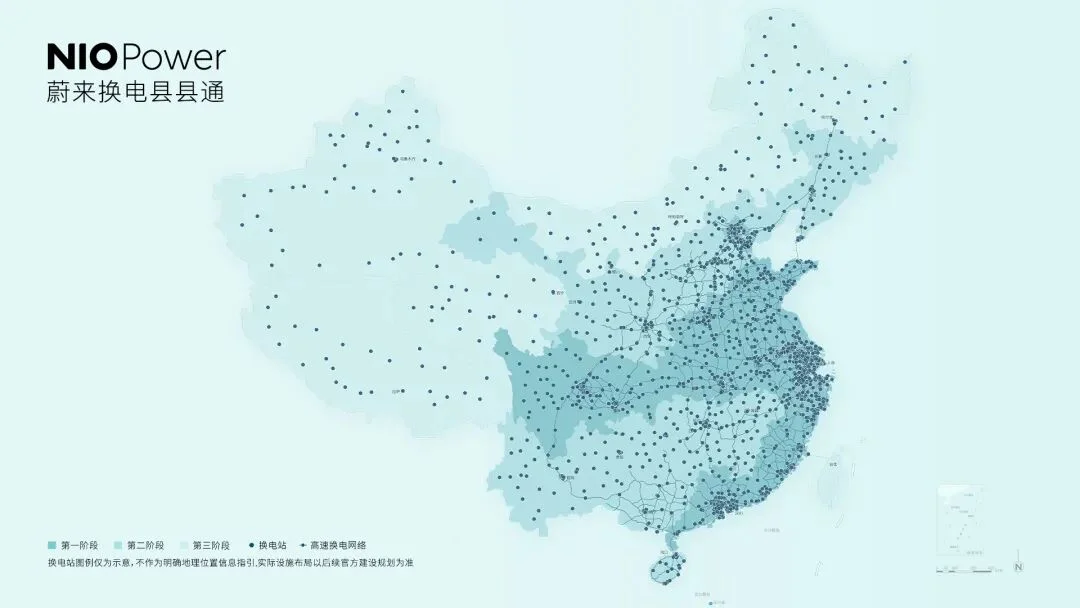
Building battery swap stations is undoubtedly more costly and labor-intensive than constructing charging piles; therefore, phasing the rollout under resource constraints is a reasonable approach. Crucially, however, NIO still commits to completing coverage in 27 provincial-level administrative regions within next year. A key detail from the accompanying chart reveals that Phase One covers over 1,200 county-level administrative regions, while Phase Two expands to over 2,300. Assuming each new county-level region receives only one station, NIO must add more than 1,100 stations in the second half of next year alone, excluding any additional stations in already covered areas. This target far exceeds NIO's historical achievement of installing over 1,000 swap stations in 2023. Furthermore, during post-event media interviews, William Li mentioned that, according to current plans, there will be at least 5,000 swap stations by the end of next year. This raises questions about how NIO intends to execute and succeed in this ambitious endeavor.
In the final segment, Qin Lihong provided NIO’s answer to this question: the Power Partner Program.
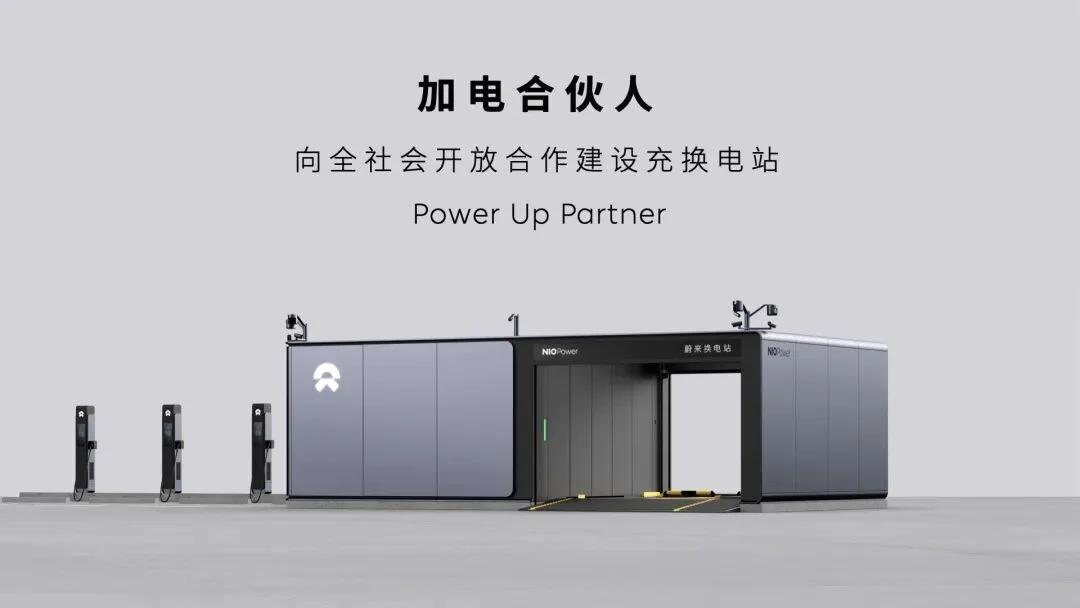
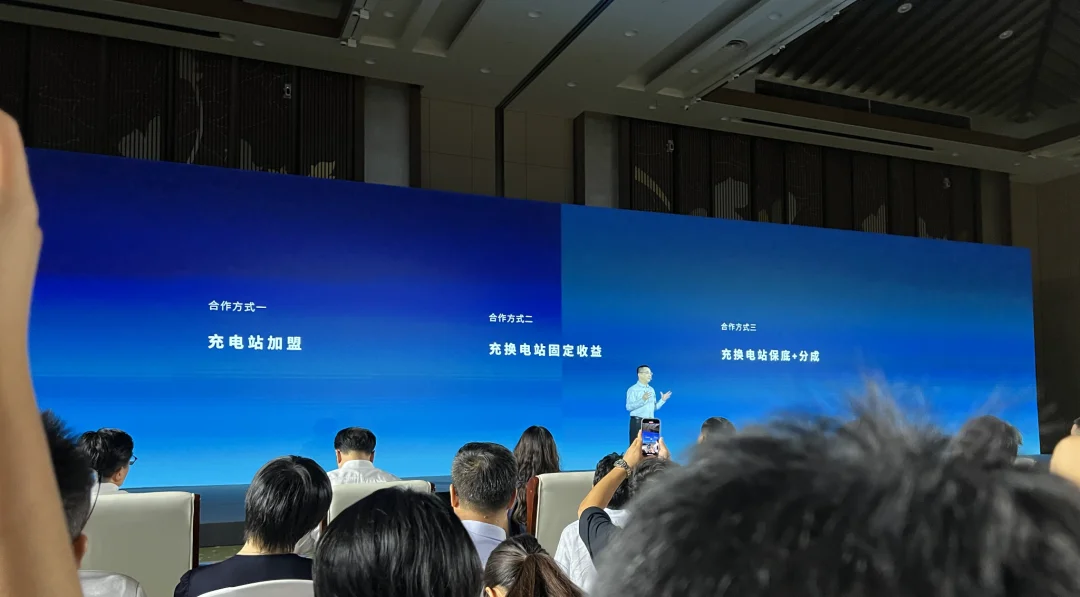
The Power Partner Program includes three cooperation models: charging station franchising, fixed-return charging and battery swap stations, and guaranteed minimum plus revenue-sharing for charging and battery swap stations.
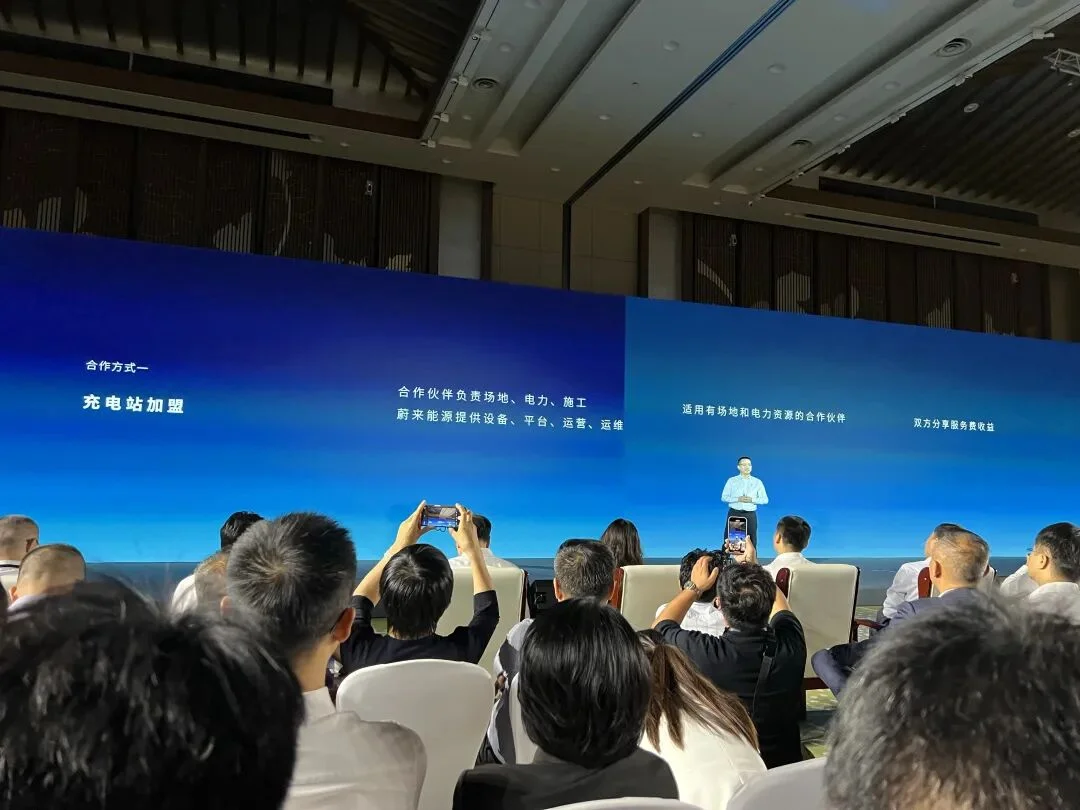
Specifically, the first model involves the deepest collaboration. Partners provide land, electricity, and construction services, while NIO Energy supplies equipment, platforms, and operation and maintenance. The result is that partners and NIO share service fee revenues. For partners with existing land resources, this effectively activates idle assets, particularly those already in the energy sector.
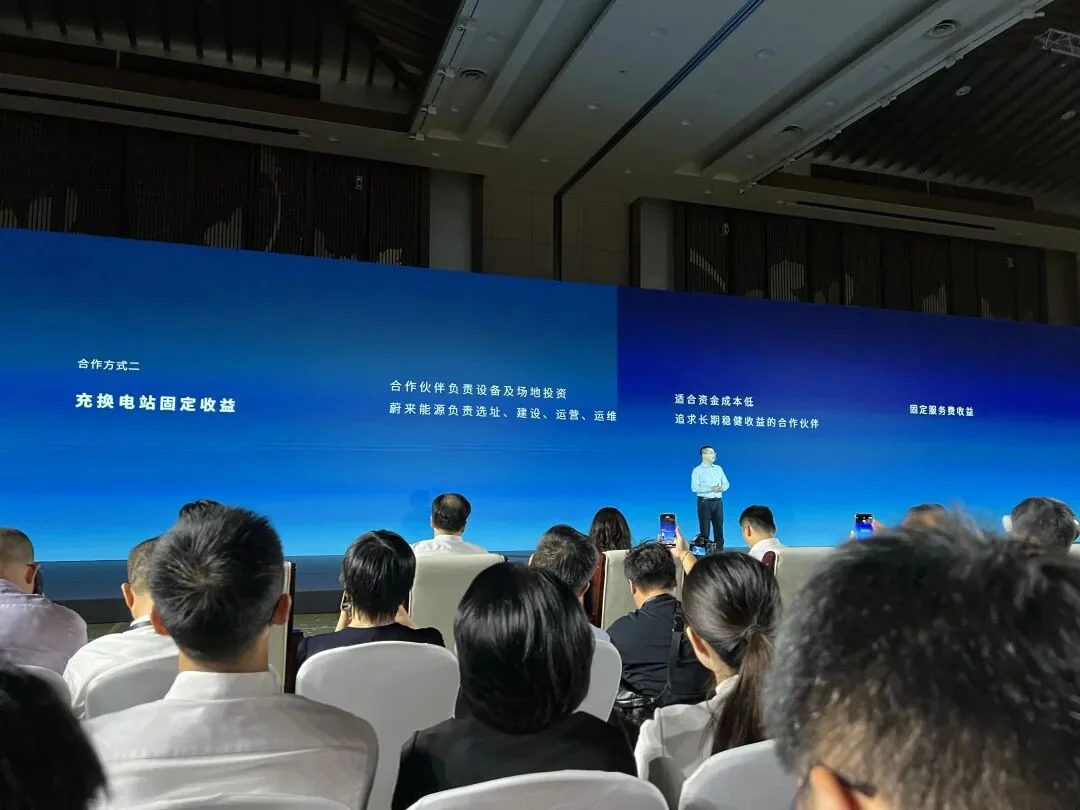
The second model can be understood as a financial product with solid returns. Partners are responsible for investing in equipment and land, while NIO Energy handles site selection, construction, and operations and maintenance. In this arrangement, partners receive fixed service fee revenues. Since partners primarily need to provide capital, their costs are lower.
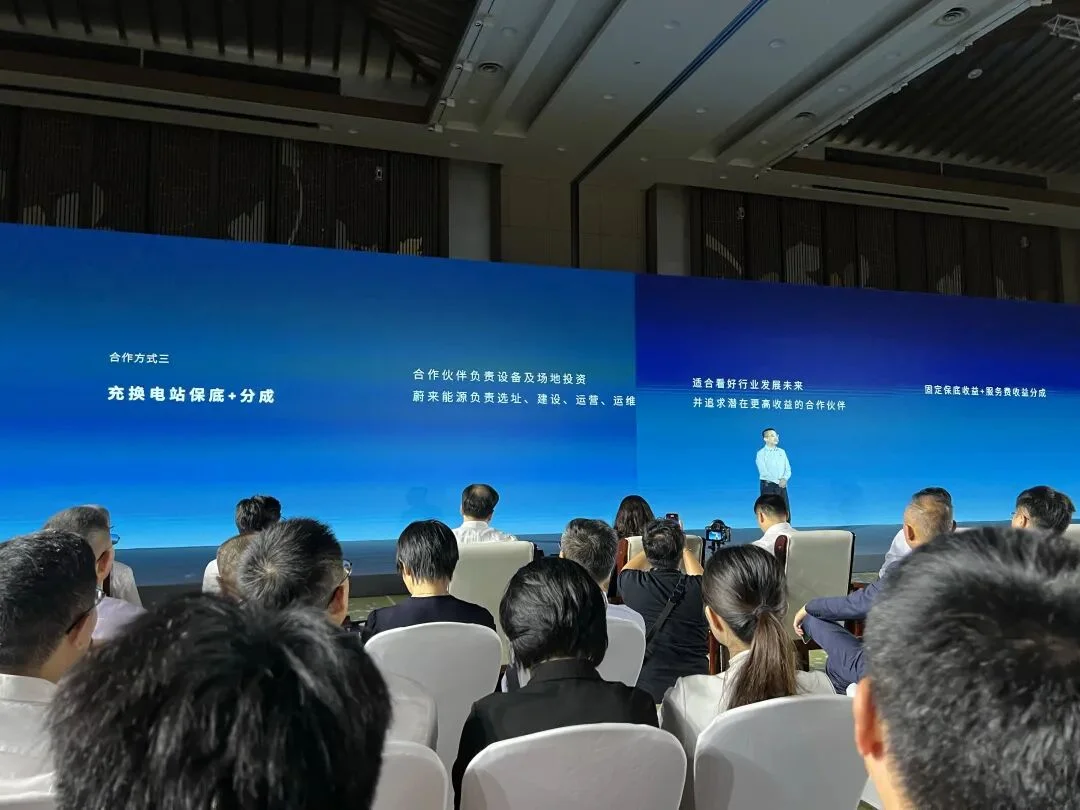
A third, more balanced approach still relies on partners to invest in equipment and site infrastructure, while NIO Energy handles site selection, construction, and operations. This model supports larger-scale, long-term partnerships. Partners receive a fixed guaranteed return plus a share of service fees.
Overall, NIO offers flexible cooperation models. Even if existing frameworks do not fit perfectly, NIO can customize arrangements for suitable partners. Currently, however, these models favor partners with strong resources and capabilities; small companies and individuals are not yet suited for direct collaboration. Shen Fei noted in post-event interviews that efficiency is the current priority, but once internal processes are standardized and modularized, smaller collaborations will be feasible.
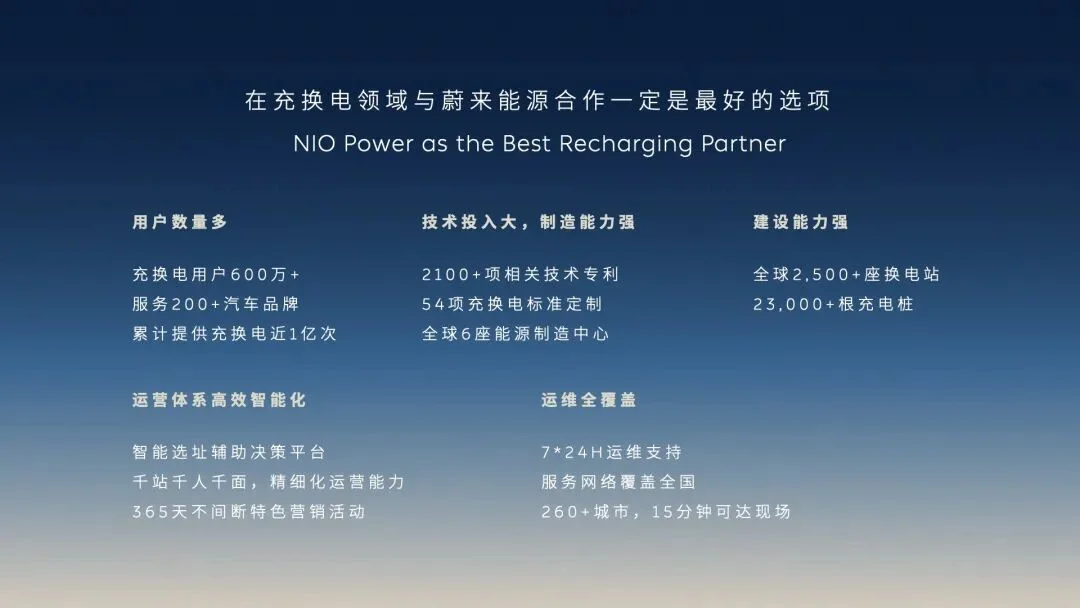
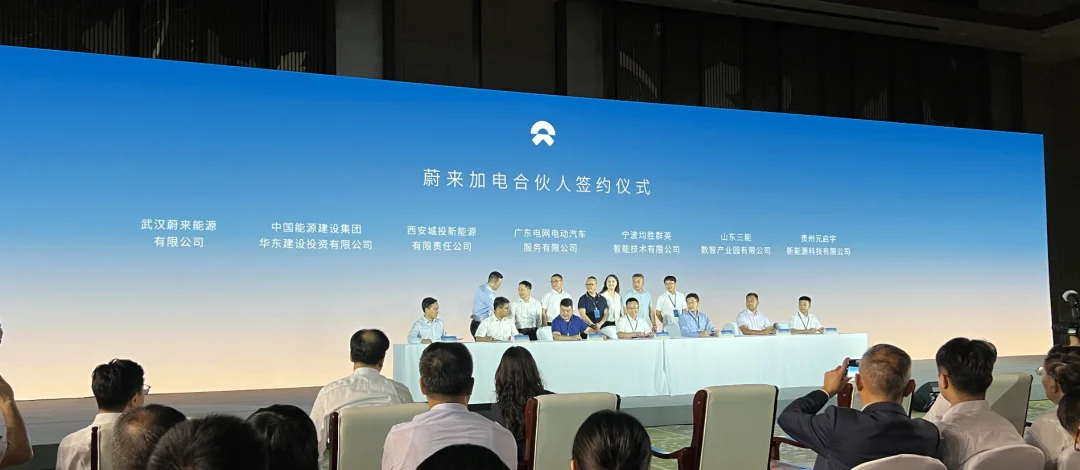
In fact, NIO’s cooperative battery swap station construction has already begun. Earlier, NIO signed an agreement with Zhongannengyuan to jointly build 1,000 battery swap stations, starting in Anhui and expanding nationwide. The first station from this partnership went into operation on June 13. At the event, NIO Energy also welcomed the signing of seven partner companies as its first batch of charging partners.
Looking further ahead, NIO has previously collaborated with various entities to interconnect charging networks. The rich resources of the Jiadian App and the fact that over 80% of electricity usage at NIO’s self-operated charging stations comes from other brands demonstrate the effectiveness of these initiatives. From both user and partner perspectives, this strategy creates mutual benefit.
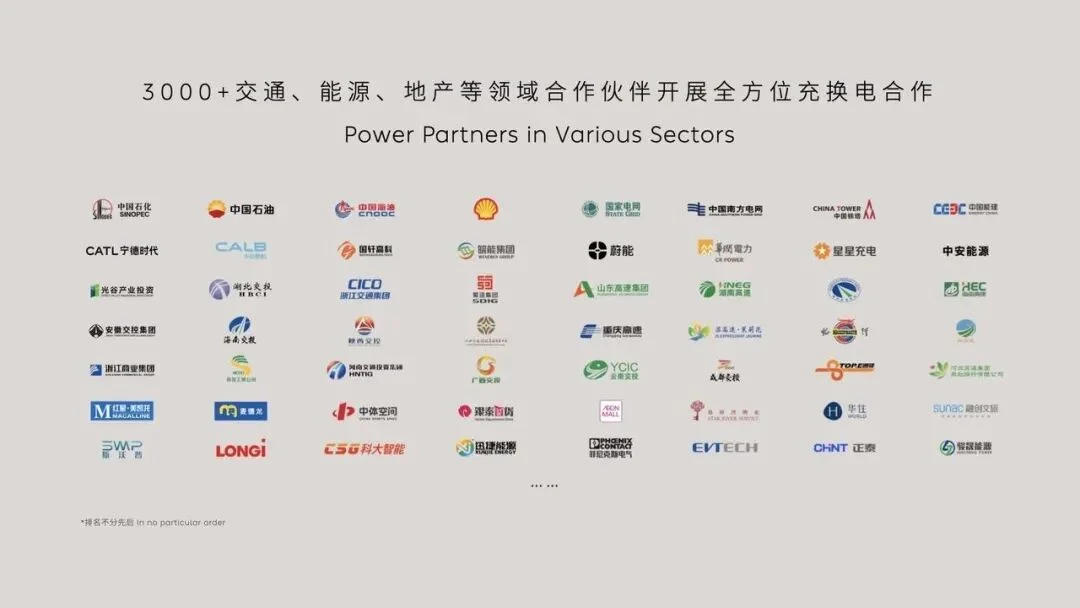
So everything had already begun; today’s NIO may have merely sounded the starting gun.
04The Final Word
Previously, NIO’s plan to build a network of 1,000 stations was undoubtedly an important beginning. However, relying on a single company to undertake nationwide infrastructure development is impractical from every perspective. NIO has not only achieved significant milestones in its battery swap and charging networks but, more importantly, it continues to drive cooperation with governments and enterprises to jointly build a truly mutually beneficial ecological network, where battery swap stations and cooperative models are central.
The road ahead is full of challenges, but the spirit of collaboration championed by NIO lays a solid foundation for its future success. This collaboration extends beyond inter-company relationships to include interactions with every user, making them part of this energy revolution. As Qin Lihong stated today, 'Collaboration is always the better option.' This is not only the driving force behind NIO’s progress but could also become the key to the entire new energy industry moving toward a brighter future. As for the final outcome, that will be up to everyone to evaluate in a few years.
Written by: Yisong Edited by: Yisong