


ONVO L60 Takes on Tesla Model Y: Has William Li Finally Flipped the Table?
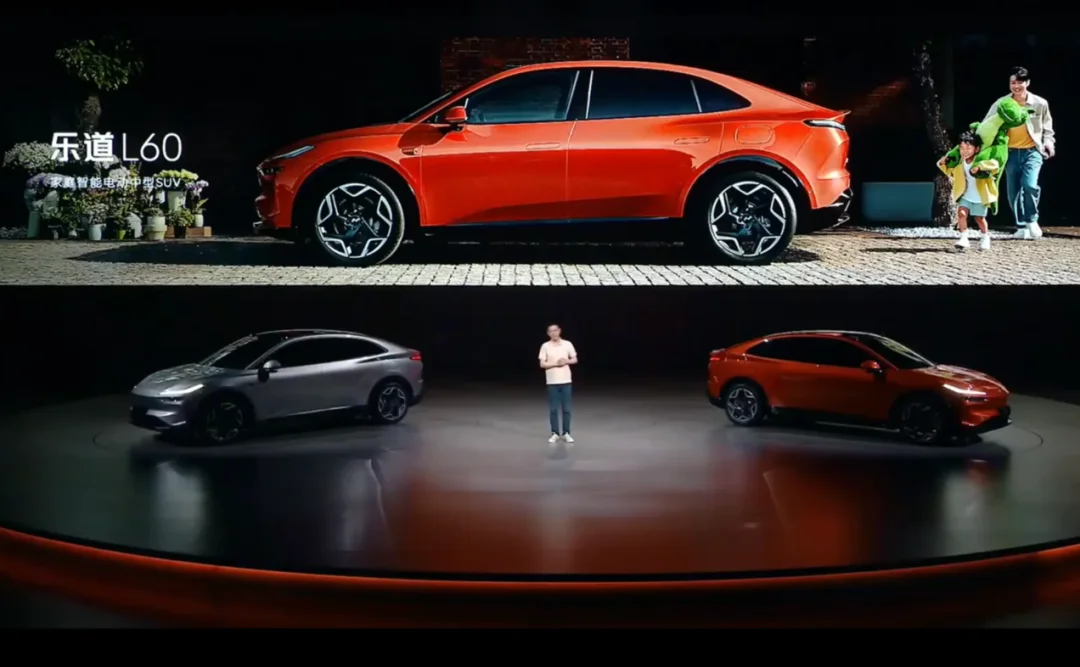
Targeting the 200,000 to 300,000 RMB market segment, William Li has finally made his move.
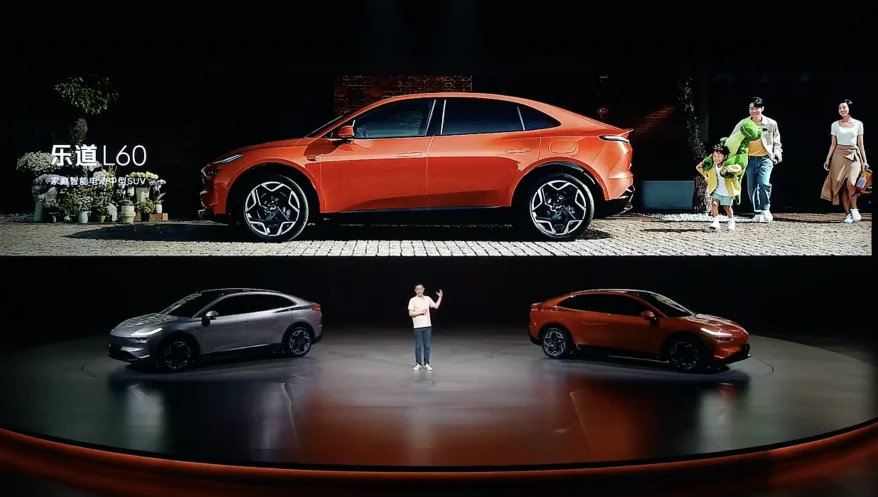
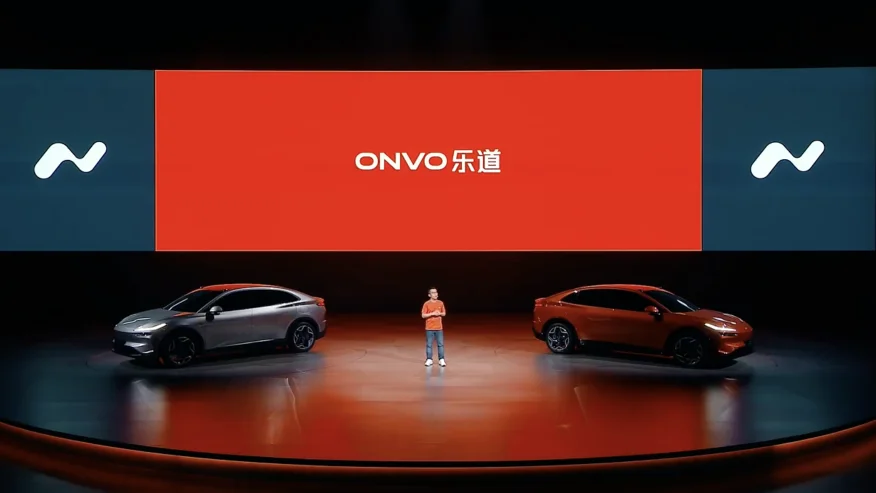
On May 15, coinciding with International Day of Families and National Low-Carbon Day, NIO’s second brand, ONVO, was officially launched. At the same event, the brand’s first model, the ONVO L60, was unveiled with a pre-sale price starting at 219,900 RMB.
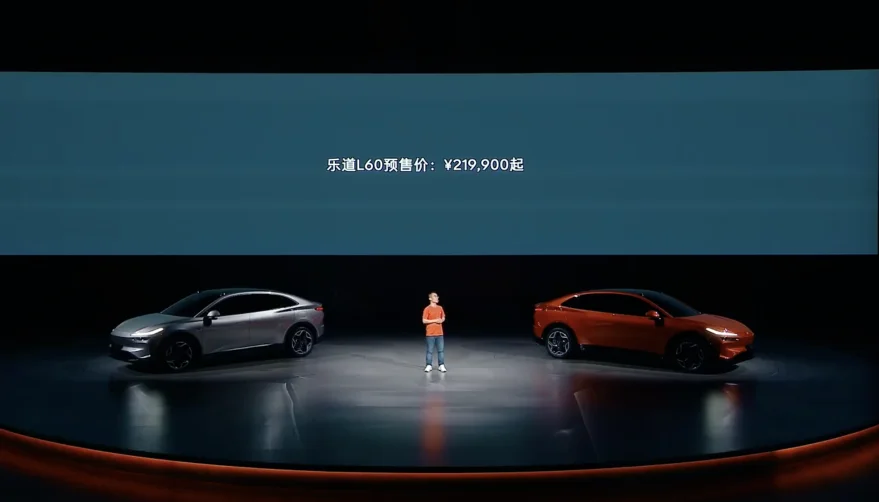
This model, which directly benchmarks the Tesla Model Y, is scheduled for official release and delivery in September—nearly four months away. Regarding pre-sale order performance for the ONVO L60, Ai Tiecheng, President of ONVO, stated in an interview that orders have far exceeded expectations.
For NIO, as an automaker, the ONVO L60 holds milestone significance.
On one hand, it embodies the company’s ambition to aggressively capture sales volume in the more mainstream price segment below 300,000 RMB. On the other hand, this vehicle serves as a litmus test to determine whether the product, technology, service, and operational system built by William Li and NIO possess genuine competitive strength in the market.
ONVO L60: Comprehensive Benchmark Against the Model Y
From the outset, the ONVO L60 was aimed squarely at the Tesla Model Y.
As early as March of this year, while the ONVO L60 was still in camouflage and under brand secrecy, it featured a rear window decal reading 'Better than the Model Y.'

During subsequent official pre-launch phases, William Li and Qin Lihong discussed the model’s direct competitive relationship with the Model Y on multiple occasions, citing product attributes such as energy consumption, price, and cost.
At the May 15 launch event, benchmarking against the Model Y became the central theme throughout the entire ONVO L60 product presentation.
One of the most direct points of comparison was energy consumption.
At the event, Ai Tiecheng, President of ONVO, announced that the ONVO L60 achieves an energy consumption of 12.1 kWh per 100 km, outperforming the Tesla Model Y’s 12.5 kWh per 100 km. Consequently, Ai Tiecheng stated that the ONVO L60 boasts the 'lowest energy consumption among mid-size SUVs in the industry.'
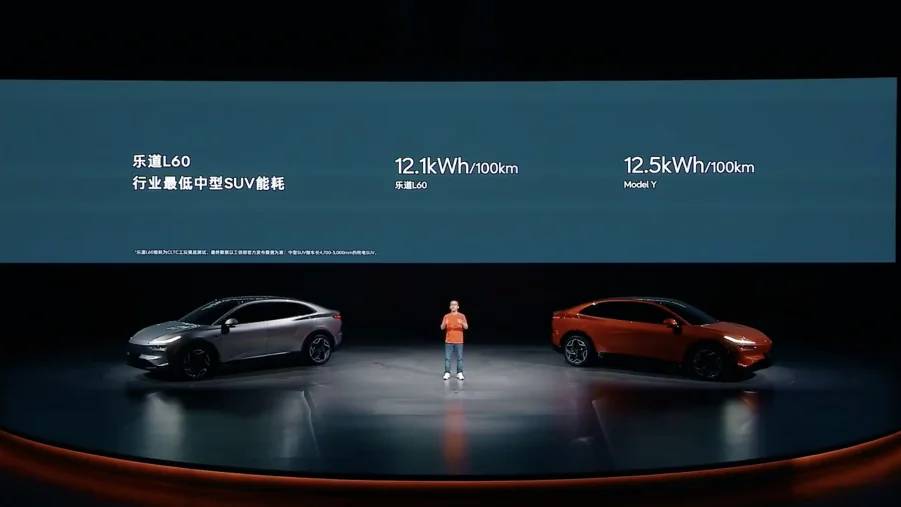
Given this energy consumption performance, the ONVO L60 offers three range options: a standard range of 555 km, a long range of 730 km, and an ultra-long range exceeding 1,000 km. Notably, the standard range of 555 km slightly surpasses the Model Y Rear-Wheel Drive’s 554 km.
To achieve these range targets, the ONVO L60 has focused on several product aspects.
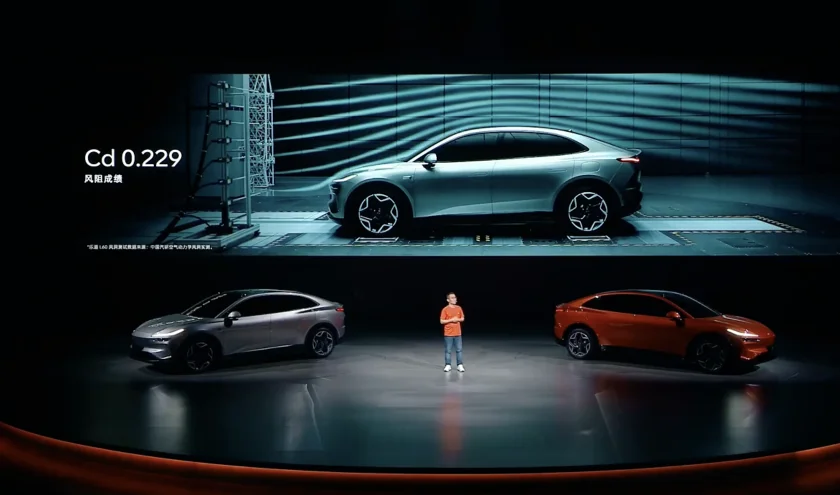
Among these, guided by the WAY UP "Rising Prosperity" design philosophy, the ONVO L60 body adopts a fastback shape similar to the Model Y. Features such as an integrated spoiler wing, hidden door handles, low-drag wheel designs, frameless exterior mirrors, and a rear diffuser also help the ONVO L60 achieve a drag coefficient of 0.229.
As a result, the ONVO L60 is claimed to be the "SUV with the lowest production drag coefficient in the world."
Beyond aerodynamics, the ONVO L60 employs a global 900V high-voltage architecture, encompassing the electric drive system, heat pump air conditioning, auxiliary heater, onboard charger (OBC), and DC voltage converter. Its fully self-developed 900V silicon carbide (SiC) main electric drive system achieves a comprehensive CLTC efficiency of 92.3%.
In addition to energy consumption and range, the ONVO L60 directly benchmarks the Model Y in areas such as interior space and turning diameter.
For example, leveraging its larger overall body dimensions (4,828 x 1,930 x 1,616 mm) and wheelbase (2,950 mm) compared to the Model Y, the ONVO L60 provides superior front headroom, rear headroom, and rear legroom.
In terms of turning performance, the ONVO L60 has a turning diameter of 10.8 meters, which is lower than the Model Y's 11.5 meters and the RAV4's 11.1 meters, and even lower than the MINI COUNTRYMAN's 11 meters.
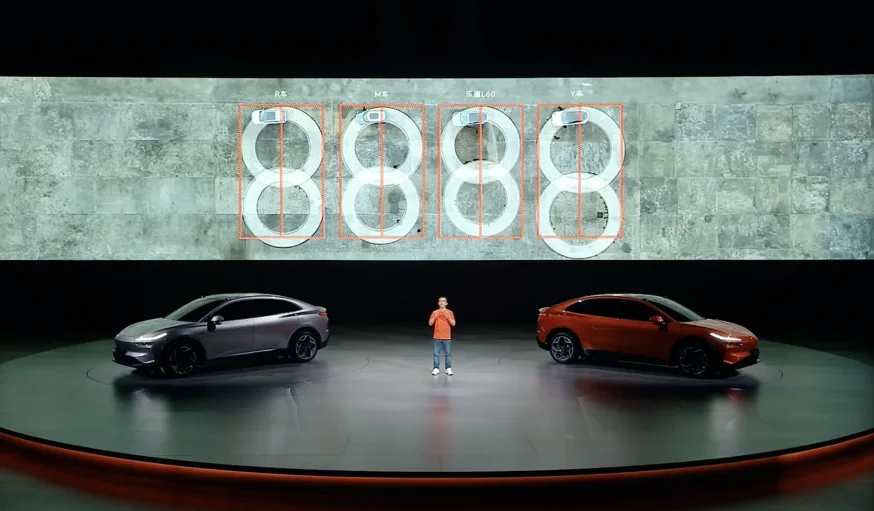
Additionally, beyond the aforementioned product specifications, the ONVO L60 features a 17.2-inch 3K Retina display that is larger and sharper than the one in the Model Y.
In terms of intelligent driving, it adopts a pure vision solution similar to the Model Y, with every model standardly equipped with one NVIDIA Orin-X chip and 30 high-performance perception hardware units, supporting features such as Highway NOP and Urban NOP.
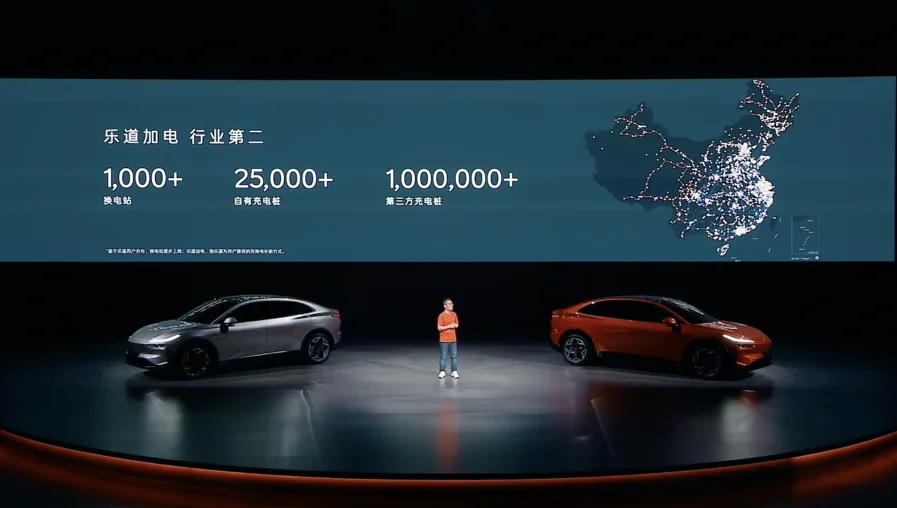
Of course, compared with the Model Y, the ONVO L60 has its own unique advantage in energy replenishment: it supports both battery swapping and charging (including AC port charging). Therefore, at the time of delivery, it can access more than 1,000 swap stations and over 20,000 charging piles, with its power-adding capability claimed to be "second in the industry."
First, of course, is the NIO brand.
Overall, from a product perspective, the ONVO L60 is a comprehensive benchmark against the Tesla Model Y. Its product strength in key areas such as energy consumption and space is indeed strong enough to compete head-to-head with the Model Y. Moreover, the market ambition demonstrated by this product is unprecedented for the NIO brand.
Aiming at the 200,000–300,000 RMB Segment with Aggressive Pricing
William Li has always placed high expectations on the sales volume that the ONVO brand can achieve. Consequently, the pricing and market strategy for the ONVO L60 have demonstrated an unusually aggressive stance.
At this launch event, Ai Tiecheng announced that the pre-sale price for the ONVO L60 starts at RMB 219,900.
It is clear that when compared with the Model Y, which has been the ONVO L60’s primary benchmark, this pre-sale price is exactly RMB 30,000 lower than the starting price of RMB 249,900 for the Model Y Rear-Wheel Drive variant.
Previously, William Li had stated in public that the price of ONVO’s first model would be lower than that of the Model Y. However, this RMB 30,000 price gap clearly reveals the ONVO L60’s ambition to outshine the Model Y in terms of cost-effectiveness.
This is easy to understand.
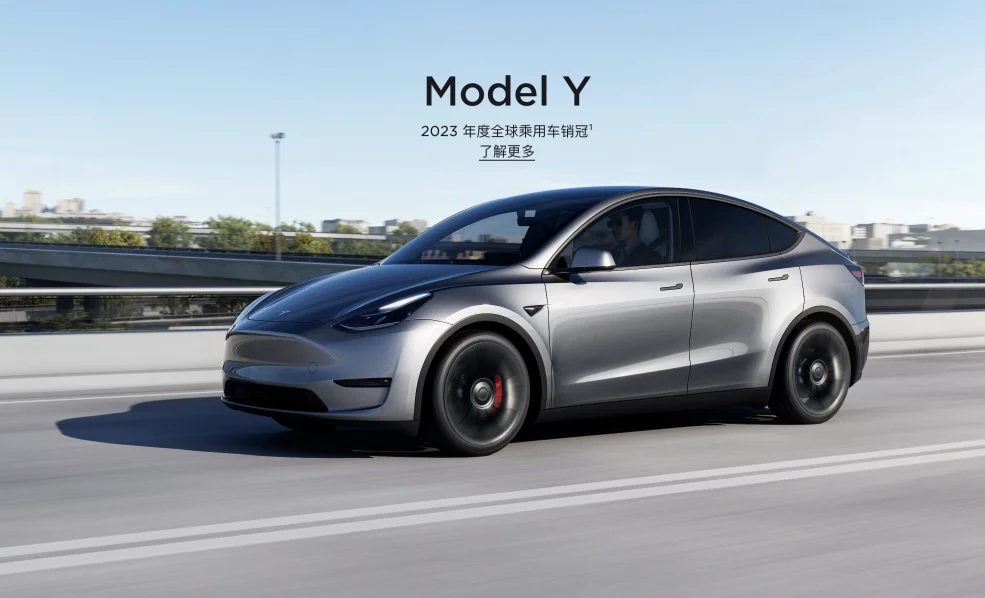
After all, as a benchmark product in the 200,000 to 300,000 RMB price segment, the Model Y sold more than 450,000 units nationwide in 2023 and over 1.2 million units globally, ranking first in both domestic and global sales volumes within their respective categories.
Beyond benchmarking the Model Y, the ONVO L60’s pricing strategy includes other subtle maneuvers.
For instance, at the launch event, Ai Tiecheng announced that users who pay a reservation deposit of RMB 2,000 for the ONVO L60 before its official September launch can deduct RMB 6,000 from the purchase price. This effectively amounts to a hidden discount of RMB 4,000, further lowering the pre-sale entry threshold for the ONVO L60 to RMB 215,900.
That figure, RMB 215,900, matches the starting price of the Xiaomi SU7.
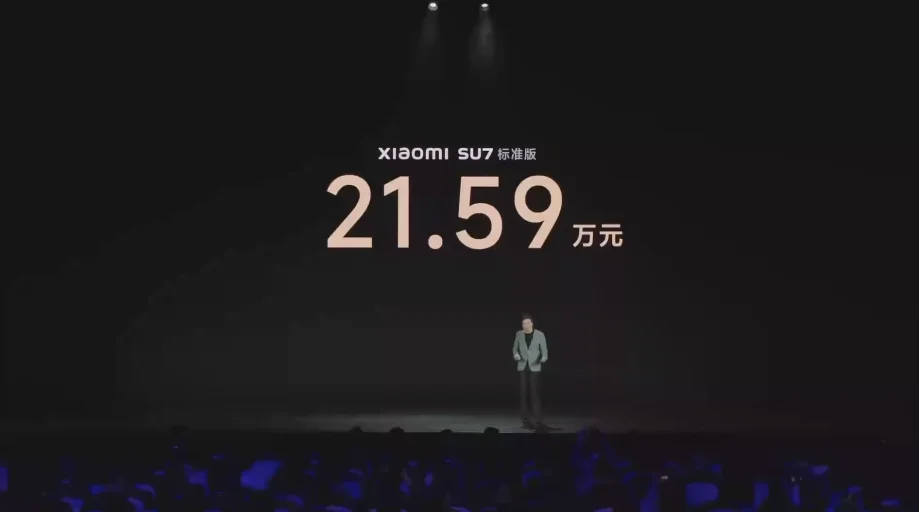
Interestingly, following the Xiaomi Auto launch event, William Li and Lei Jun appeared together in a short video stating that the release of the Xiaomi SU7 had complicated pricing decisions for ONVO’s first product. The ONVO L60’s pre-sale pricing strategy now appears to be a direct response to the SU7’s pricing.
The aggressive stance of the ONVO L60’s pre-sale price is hardly surprising.
From a market perspective, the RMB 200,000 to RMB 300,000 segment is undoubtedly the most fiercely contested arena in China’s new energy vehicle (NEV) market, posing extreme challenges for new entrants.
In this field, besides Tesla, there are also high-end new energy vehicle brands from traditional automotive giants such as Zeekr, DENZA, AVATR, and Zhiji, as well as new force brands like XPENG, Lixiang, Xiaomi, and AITO.
The models launched by each brand possess distinct advantages in electrification and intelligence.
Beyond the inherent fuel-tank advantage of range-extended vehicles from brands such as AITO and Lixiang, features like 800V architectures and advanced autonomous driving have continuously trickled down from the segment above RMB 300,000 to this price bracket, resulting in pronounced product homogenization.
As a late entrant, ONVO L60 must therefore withstand extremely rigorous product scrutiny and comparison, making pricing a critical factor.
Notably, during the interview segment, William Li also addressed the competitive relationship between the ONVO brand and Li Auto.
He stated that both ONVO and Lixiang target family users with overlapping price ranges; while competition is inevitable, it is normal and beneficial for consumers due to increased choice. He further emphasized that Xiang Li is an early investor in NIO, and as long as they focus on pure electric vehicles, they are allies who are warmly welcomed.
Additionally, William Li noted that users currently still choose range-extended, plug-in hybrid, and internal combustion engine vehicles because charging and battery-swap infrastructure remains insufficient. This requires industry-wide collaboration to make electric vehicles as convenient as gasoline cars. NIO will strive to build more battery-swap stations and charging piles to give users confidence in using pure electric vehicles.
Synergy and Differentiation Between NIO and ONVO
As the first model from NIO’s sub-brand, ONVO L60 naturally benefits from the support of NIO’s entire ecosystem.
During the interview, William Li stated that the R&D, marketing, and supply chain costs for the ONVO brand are already included in NIO’s investment budget, and there are no plans to spin it off as a separate public listing. He emphasized that despite the pre-sale price of ONVO L60 being set at RMB 219,900, the vehicle still maintains healthy gross margins, and the brand will not adopt a strategy of losing money on every sale.
Another key pillar of support for the ONVO brand comes from battery swapping.
According to Ai Tiecheng, ONVO L60 will have access to more than 1,000 battery swap stations upon delivery. These stations primarily rely on NIO’s existing network of over 1,000 third-generation swap stations. According to official statements from NIO, only a few hours of modification are required to adapt these third-generation stations for use by the ONVO brand.
Similarly, since NIO has already adopted the Battery-as-a-Service (BaaS) sales model, all models under the ONVO brand, including the L60, can utilize a similar battery-and-vehicle separation sales approach. This means the sales model for ONVO L60 is likely to be more flexible, significantly lowering the entry barrier for buyers.
This could serve as a strategic advantage for ONVO L60 when it officially launches.
Beyond battery swapping, the ONVO brand can also leverage NIO’s established service infrastructure. According to previous public statements from NIO, ONVO will utilize NIO’s service network to provide customer support.
Yet as NIO and ONVO build effective synergy, William Li and his management team are also weighing how to sustain NIO’s premium positioning while allowing ONVO to scale volume.
After all, another concern from the outside world regarding the ONVO L60 is that once the ONVO L60 model launches and achieves high sales volumes, it could to some extent impact the sales of the higher-priced NIO brand.
In an interview, William Li stressed that he believes the combined value of NIO and ONVO exceeds 1+1=2 because they can serve a broader range of user needs. He also noted that as brand stratification becomes clearer, such positioning differentiation is necessary.
Qin Lihong explicitly stated that ONVO and NIO will feature both synergy and clear separation.
For example, in battery swapping, NIO owners can access all swap stations, whereas ONVO vehicles are limited to more than 1,000 stations—a form of inter-brand distinction.
On the sales front, ONVO will operate independently from NIO with its own dedicated sales network.
Regarding ONVO’s distribution channels, Ai Tiecheng, President of ONVO, told reporters that stores will be located primarily in shopping malls and auto cities, leveraging select partners, and targeting lower-tier cities while maintaining a direct-operated model.
He added that at least 100 ONVO retail outlets will open by the time the ONVO L60 launches, with service centers expanding to several hundred locations shortly thereafter.
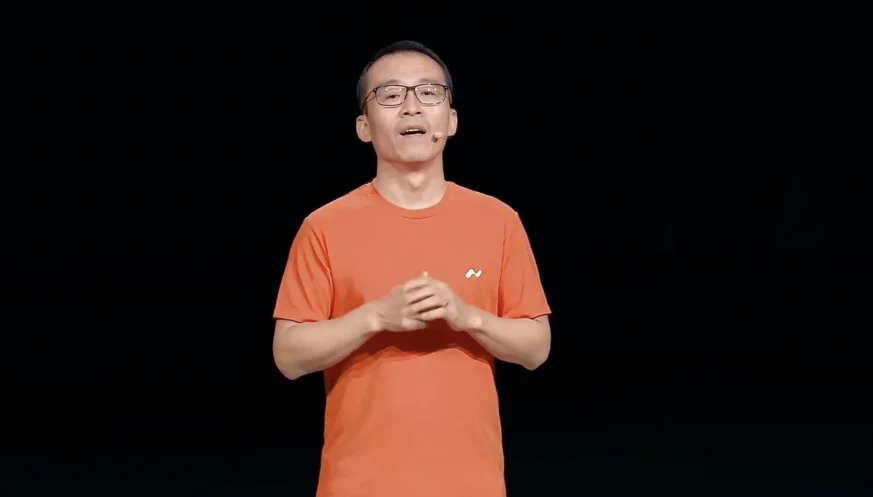
According to William Li, NIO's chairman, the ONVO brand plans to open 200 stores this year.
This aggressive channel expansion means two things for ONVO: a significant boost in sales capacity and substantial cost investment. To keep this network financially viable, ONVO models must shed all pretensions, maximize sales volume, and penetrate lower-tier cities.
Notably, during the interview, NIO stated that ONVO will launch six-seat and seven-seat models next year, further strengthening its product lineup to drive sales.
Beyond the NIO and ONVO brands, William Li outlined long-term plans for NIO to introduce a third brand within about a year. This new brand will target even lower price segments.
Meanwhile, William Li also stated in the interview that NIO will not develop extended-range electric vehicles (EREVs), and regardless of whether pure electric vehicle adoption is currently at a low point, NIO's commitment to pure electrification will not waver.
Conclusion
For NIO, the launch of the ONVO brand and the ONVO L60 marks a critical milestone.
For one, over the past decade, NIO has adhered to a premium pure-electric strategy. Through in-house technology development, its battery-swap model, and a service infrastructure, it secured nearly 500,000 units in the pure-electric market above RMB 300,000. This volume effectively validated its approach—and serves as a key foundation for the birth of the ONVO brand.
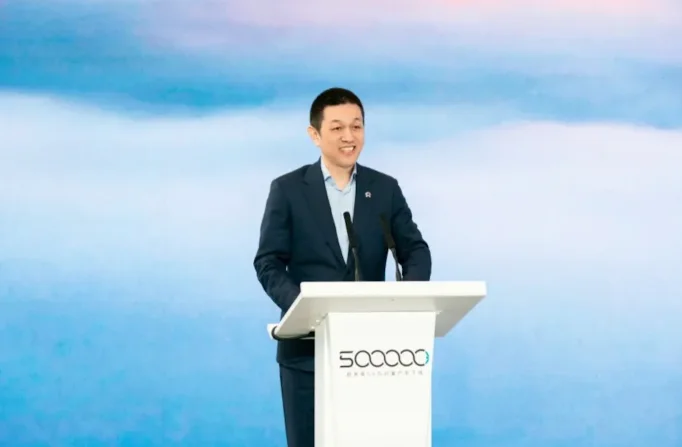
On the other hand, given the automotive industry’s heavy emphasis on economies of scale, NIO—which has operated at a loss for years—needs an effective way to shed its premium-brand posture. It must compete across price segments below RMB 300,000 against rival brands, using sales volume to achieve profitability and sustain the company’s overall operations.
This is precisely the mission that the ONVO brand, along with NIO’s third upcoming brand, must fulfill.
Of course, after more than RMB 43 billion invested in research and development and capability building over the past decade, NIO is also bound to enter a new phase: launching more models to enter a harsher, larger-scale, and more discerning market space, thereby realizing effective monetization of its technological and product capabilities.
From this perspective, the ONVO L60 marks only the starting point of this phase. Whether it will gain market acceptance remains to be seen after September.
Written by: 308 Edited by: 308