


A Robot Entrepreneur’s Realism: What Hurdles Remain for Tesla’s Promised Future?
Episode Introduction
Tesla’s robots can dance, and Boshidundongli’s robots can parkour, but you might not know the "secrets" behind these flashy demonstrations.
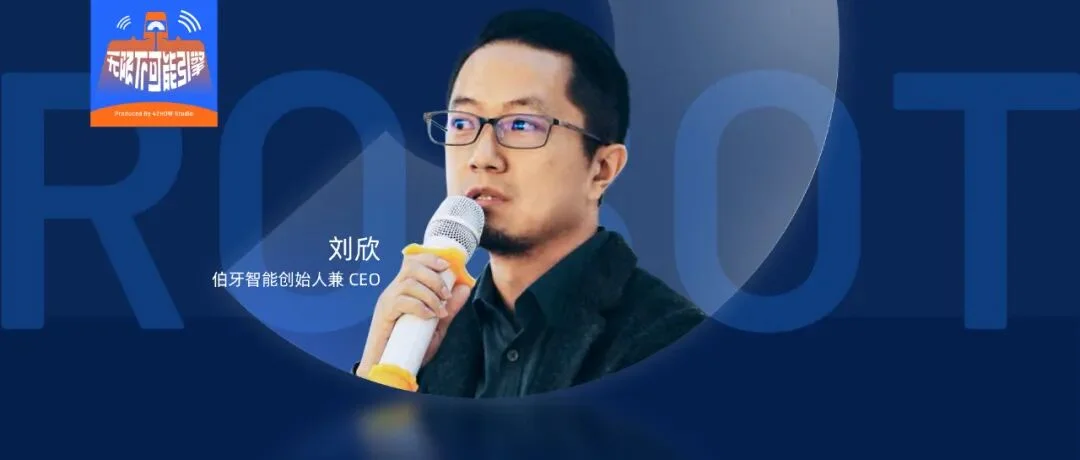
In this episode, we invite Liu Xin, an entrepreneur who has crossed over from the automotive industry to robotics. As the founder of Boyazhineng, he is tackling one of the most difficult technical challenges in robotics: dexterous hands.
What will future robots look like?
Is the humanoid robot that Tesla promises for $20,000–$30,000 just a pipe dream or about to become reality?
What are the biggest obstacles preventing robots from entering factories and homes?
How hard is it to build a robotic hand that can grasp, release, and move with flexibility and precision?
Artificial intelligence is advancing rapidly. Why does the development of robots seem relatively slow?
From autonomous driving to robotics, how will these technologies change our lives?
In this episode, we not only discuss the future but also analyze the most realistic technical landscape of the robotics industry today. If you are curious about whether robots will truly coexist harmoniously with humans as depicted in science fiction movies, this episode may offer some insights.
Timestamps
00:00:42 Why did an automotive professional cross over to work on robots?
00:02:38 How close is the 'kinship' between cars and robots?
00:02:50 Without map navigation, robots are unable to move
00:04:41 Does Tesla's robot really dance? It's actually remote-controlled
00:08:59 Is a humanoid robot truly the best choice?
00:10:40 With a house full of robots, you need a 'butler' to command them
00:11:54 When chatting with a robot, is voice really necessary?
00:18:09 Will there be 'robot OEMs' in the future?
00:26:00 A $20,000–$30,000 robot: Is Tesla just blowing smoke, or is it viable?
00:28:21 From lab to startup: The story of Boyazhineng
00:30:48 Black tech: Metal that remembers its shape used for robot hands
00:34:59 Current robots are comparable to the L2 stage of autonomous driving
00:38:33 Robot safety anxiety: What if it goes out of control?
00:42:58 How difficult is it to build a dexterous robot hand?
00:43:01 The secret to a good pair of hands: How important are sensors?
00:44:03 How long until robots enter factories? About three years
00:45:16 You cannot stack your way to true AGI using statistics alone
00:46:44 Who should buy dexterous hands first? How should startups navigate their path?
This episode's guests
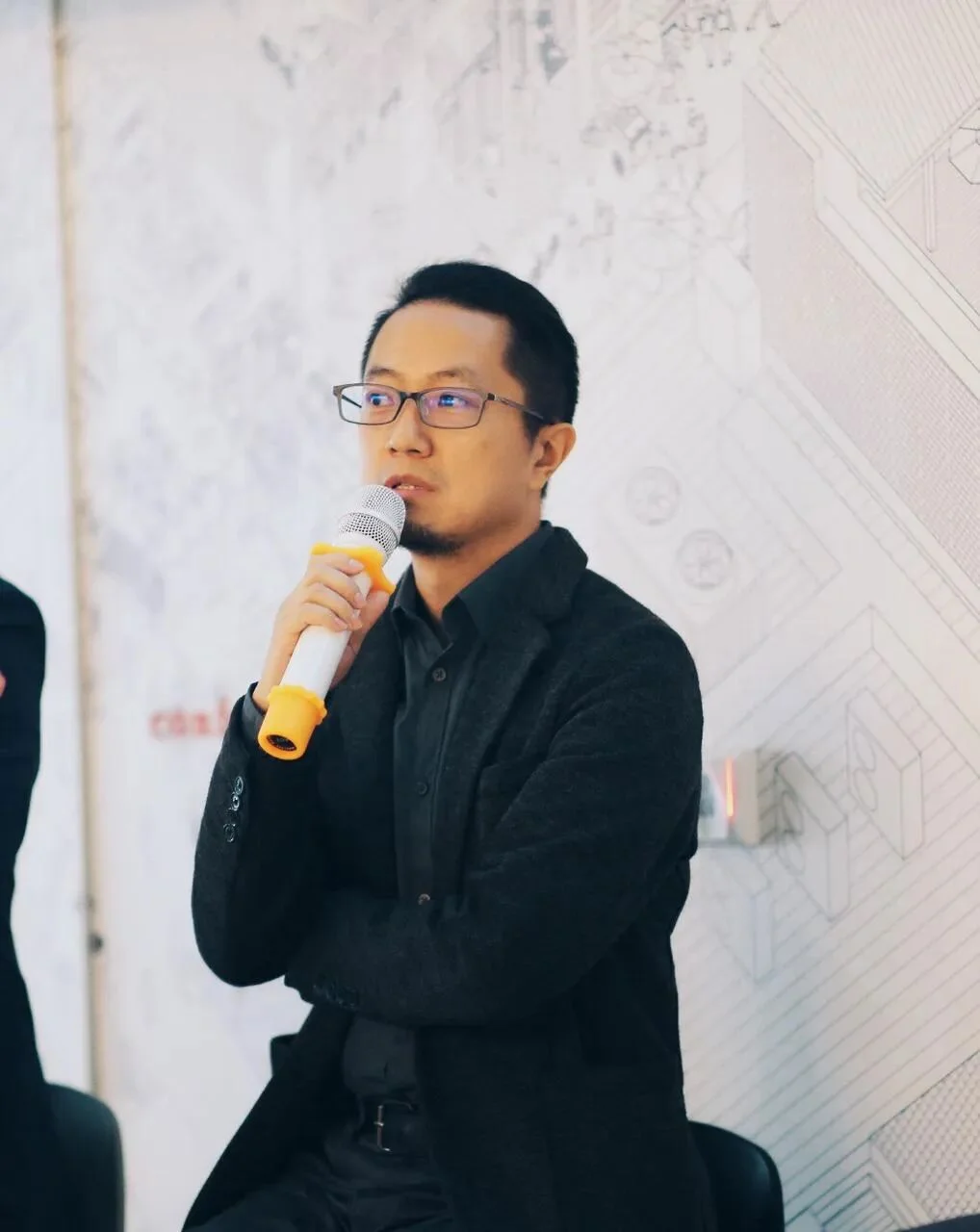
Liu Xin, founder and CEO of Boyazhineng, former technical director at Alibaba, product lead for Banmazhixing, and former digital product lead for NIO’s ONVO. He has led multiple zero-to-one innovative products and specializes in the definition and R&D management of complex hardware-software integrated products.
Host
Daji (Weibo @ 42HOW Auto - Daji), founder of 42HOW Auto.
About Us
The Infinite Impossibility Engine is an online talk show produced by 42HOW Auto, focusing on the transformation of the automotive technology industry. Each episode invites key figures from the industry to explore with us what constitutes the 'impossible engine' driving this round of automotive change.
Channels you can also follow:
WeChat Official Account: 42HOW Auto
Weibo:42HOW Auto
Listen to the audio: Search for "Infinite Impossible Engine" on Xiaoyuzhou, Ximalaya, and Apple Podcasts
Written by: Daji | Edited by: Daji