Record Revenue, Plummeting Profits: Can Tesla Go All-In on AI for the Next Decade?
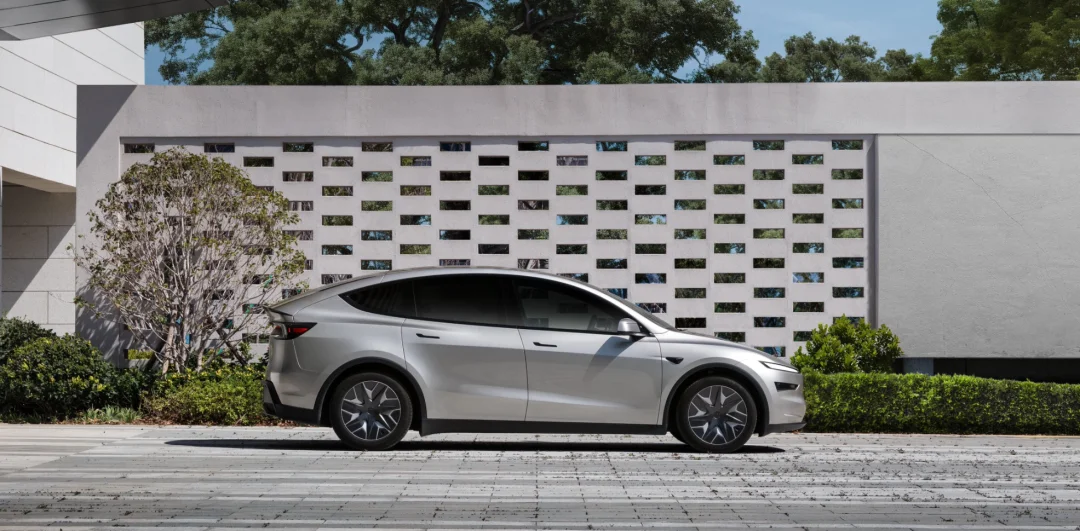
This may be Tesla’s most contradictory earnings report to date. In the early hours of today, Beijing time, Tesla released its Q2 2026 financial results. Total revenue reached USD 28.236 billion, a year-over-year increase of 26%, setting a new quarterly revenue record. Global vehicle deliveries totaled 480,100 units, up 25% year over year, marking the best second quarter and the fourth-best single-quarter delivery volume in the company’s history.
Yet this did not bring Tesla’s profits back to their previous highs. Operating profit for the second quarter was only USD 398 million, down 57% year over year. The operating margin fell from 4.1% to 1.4%. Free cash flow plummeted even further, recording negative USD 1.092 billion—the first time it has turned negative in more than two years.
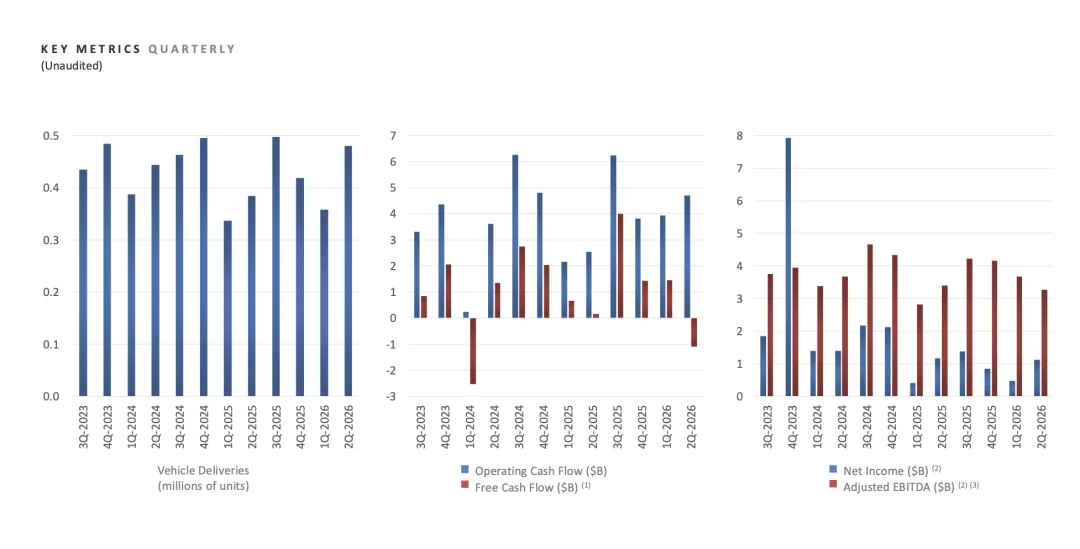
It is clear that Elon Musk is no longer satisfied with merely selling cars. He has directed substantial resources toward autonomous driving, robotics, and energy infrastructure, making "burning cash" a necessity. Musk stated directly that Tesla is undergoing "the fastest industrial-scale expansion in the United States since World War II." Capital expenditures for this year are expected to exceed USD 25 billion, with continued growth projected over the next two to three years.
Regarding the Cybercab and Optimus robot—both requiring massive investment—Musk issued preemptive warnings. As a completely new model, the Cybercab must accumulate driving data through test vehicles to optimize its chassis, safety systems, and autonomous driving capabilities; therefore, it has not yet scaled up rapidly. Meanwhile, Musk described Optimus as the most difficult product Tesla has ever attempted to mass-produce. Because nearly all components of the robot are newly designed, they must be manufactured entirely in-house or through internal supply chains. "The initial ramp-up phase will be quite long and gradual," he noted.
During the earnings call, Tesla’s stock initially dropped more than 5% in after-hours trading before settling at a decline of over 4%. Tesla’s transformation—a high-potential, high-investment, high-risk pivot—still requires time to prove itself.
01Record Revenue, But No Cause for Celebration
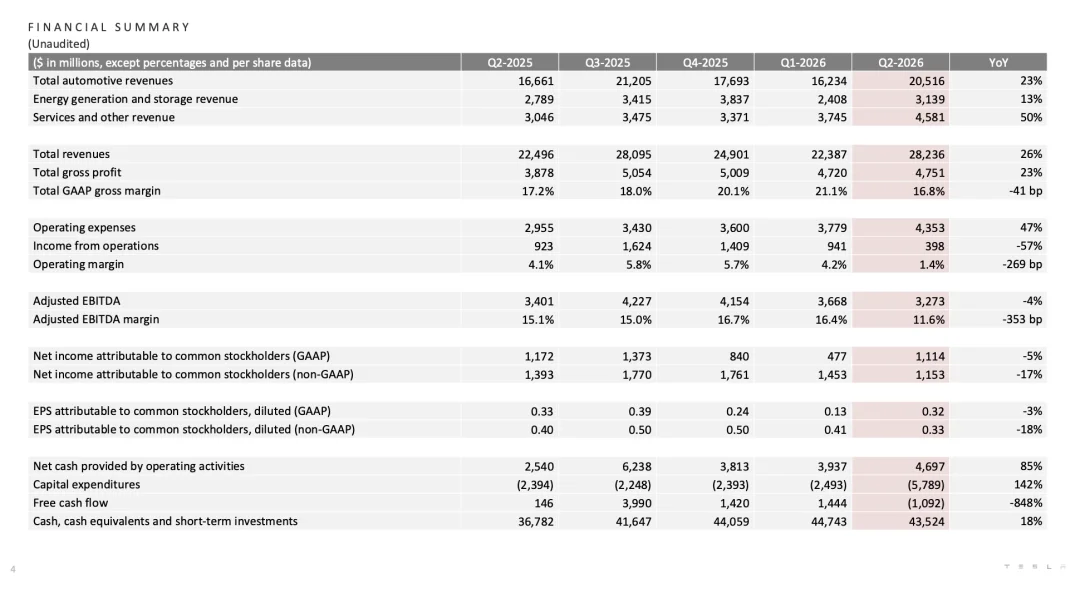
In terms of core financial metrics, Tesla delivered a high-scoring report. Total revenue for the second quarter reached $28.236 billion; on a trailing twelve-month basis, the company’s total revenue surpassed the $100 billion mark for the first time in its history. A breakdown of specific financial data reveals:
Automotive segment revenue totaled $20.516 billion, up 23% year over year against an expectation of $18.68 billion.
Energy generation and storage revenue was $3.139 billion, representing a 13% year-over-year increase, below the expected $3.77 billion.
Service and other revenue reached $4.581 billion, a significant 50% year-over-year jump, beating expectations of $3.27 billion.
Delivery volumes also set new records. Global vehicle deliveries reached 480,126 units, a 25% year-over-year increase. Deliveries of the Model 3/Y models totaled approximately 467,800 units. The Model Y remained the top-selling vehicle across all categories globally, based on data from before the six-seat Model Y L variant became available in the United States.
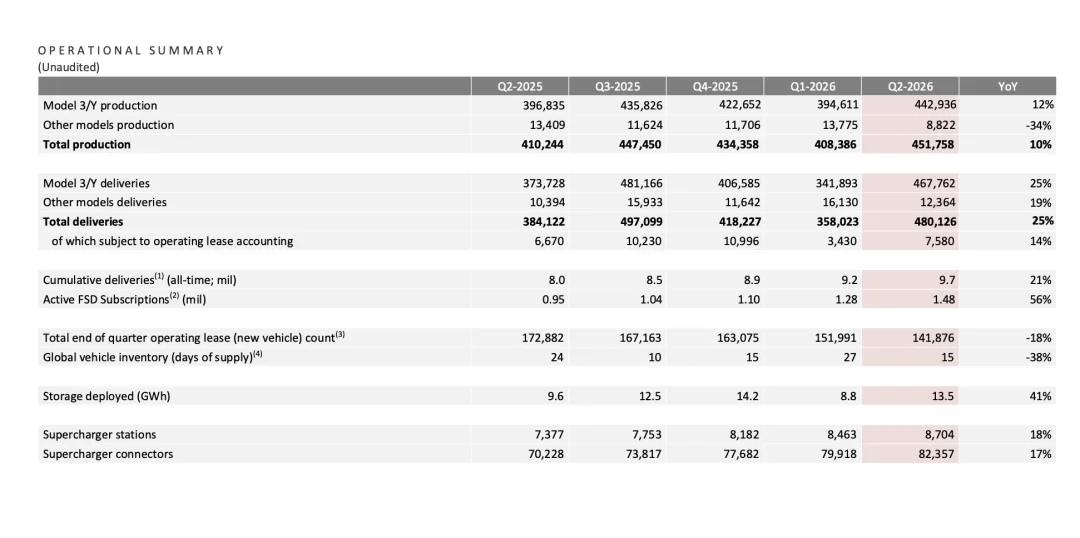
FSD subscription numbers continued to grow, with more than 55% of new vehicles delivered in North America including an FSD subscription. Following regulatory approval in the Netherlands, Tesla received additional approvals in Lithuania, Estonia, Denmark, and Belgium. By July, customers in these countries had driven more than 50 million kilometers using FSD, bringing the global number of paid FSD users close to 1.5 million.
Regrettably, no one in the audience asked about FSD’s entry into China, and Elon Musk did not mention it. This stands in sharp contrast to the Q1 earnings call, when Tesla proactively stated its effort to launch in the Chinese market as soon as possible.
Data shows that automotive business revenue accounts for more than 70% of total revenue, remaining Tesla’s core industry. However, GAAP net profit was $1.11 billion, a year-over-year decrease of 5%; adjusted EPS was $0.33, significantly missing the expected $0.51; operating profit plummeted to $398 million, and free cash flow turned negative. Tesla attributed this to:
Declining average selling prices and increased interest rate subsidy costs, combined with rising commodity prices, directly compressed profit margins.
Regulatory credit revenue fell to $146 million, a year-over-year drop of 67%, sharply reducing high-margin pure profit sources and squeezing overall profits.
The company continues to increase investment in long-term projects such as AI, autonomous driving, manufacturing capabilities, and energy businesses, some of which have yet to contribute to profits.
The final point is undoubtedly the primary reason for the profit decline. Tesla’s capital expenditure in the second quarter reached $5.789 billion, a year-over-year increase of 142%. Tesla itself stated that it is currently undergoing the largest investment cycle in its history. Factories for Optimus, Cybercab, and Semi, along with semiconductor-related facilities and solar manufacturing capabilities, are all “burning cash.” Consequently, future business growth will exhibit “non-linear” characteristics.
Accepting short-term margin declines in exchange for future technological leadership is not uncommon in capital markets. Tesla’s construction of the Shanghai Gigafactory and the production of 4680 batteries serve as examples. However, these were traditional industrial manufacturing engineering challenges. The Shanghai Gigafactory leveraged China’s mature supply chain and labor costs, spreading fixed costs through expanded capacity, making its success path highly predictable.
Robotaxi and Optimus are entirely different. Elon Musk stated that autonomous driving must achieve “nine-digit reliability” (99.99...%) to truly enable large-scale commercialization; this cannot be solved simply by throwing money at increasing capacity. Optimus faces the even greater challenge of completing deep breakthroughs in general artificial intelligence and embodied intelligence while confronting a complete lack of supply chain infrastructure. Such non-linear technological breakthroughs will not yield linear returns on investment.
02Robotaxi and Optimus: Development and Challenges
Unmanned Robotaxis and the Optimus robot remain the most imaginative components of Tesla’s long-term valuation and serve as a key differentiator from other automakers.
Tesla AI Software Vice President Elluswamy revealed that unsupervised Robotaxis are currently operating in six cities across two states (Austin, Dallas, Houston, Miami, Orlando, and Tampa), with a total driving distance exceeding 380,000 kilometers and no major safety incidents. "All accident reports involve our vehicles being struck while stationary by others," he said.
He emphasized that claims by 'experts' asserting that safe autonomous driving requires LiDAR, millimeter-wave radar, high-definition maps, and various complex equipment have proven incorrect—pure vision solutions can fully achieve safe, comfortable, and low-cost autonomous driving.
Regarding the fact that only dozens of operational vehicles are currently in use, Tesla stated that the core metric for measuring Robotaxi scale is cumulative unsupervised driving mileage. The strategy of deploying a 'small fleet across multiple cities' is designed to identify issues in real-world environments and address challenges in both software and operations.
The future scaling of Robotaxis largely depends on the Cybercab, an interior featuring only a single screen—a vehicle completely redesigned around unmanned driving scenarios. During Q2, Tesla began public road testing mass-produced Cybercabs and started offering employee ride experiences within its campus in July.
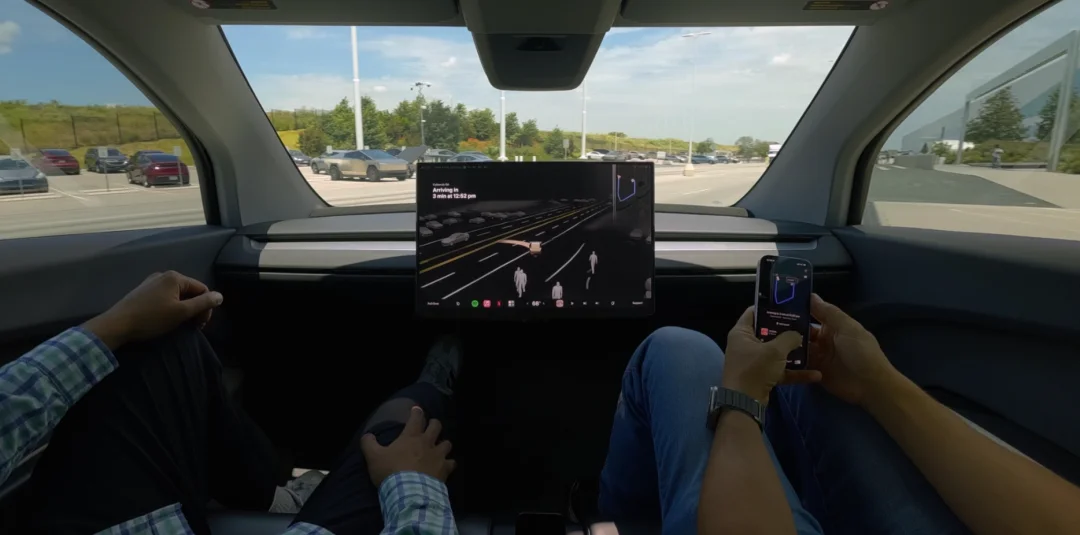
However, Elon Musk stated during the earnings call that the Cybercab still needs to accumulate dedicated chassis data. This is because Model 3/Y already possess millions of miles of road data, whereas the Cybercab, as a new model, requires further chassis calibration and autonomous driving verification through test vehicles. Currently, Tesla is using test vehicles equipped with steering wheels and pedals to gather data; once verification is complete, the number of Cybercabs will increase rapidly.
For Cybercab to achieve true large-scale deployment, regulatory, operational, and reliability issues must still be resolved, even though Tesla states it has "made significant breakthroughs" overall. Notably, Elon Musk dismissed claims of cooperation with third-party ride-hailing platforms such as Uber.
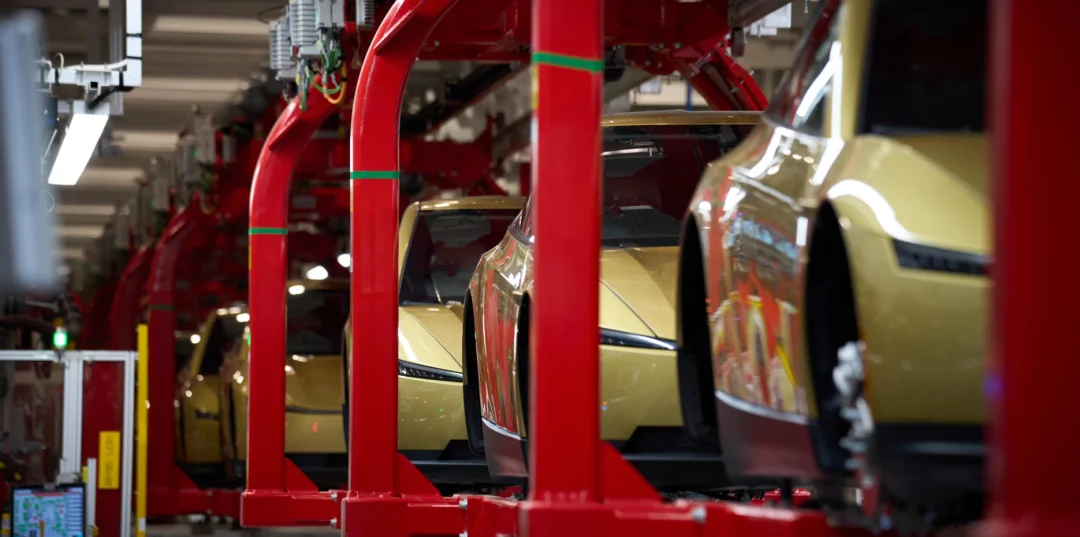
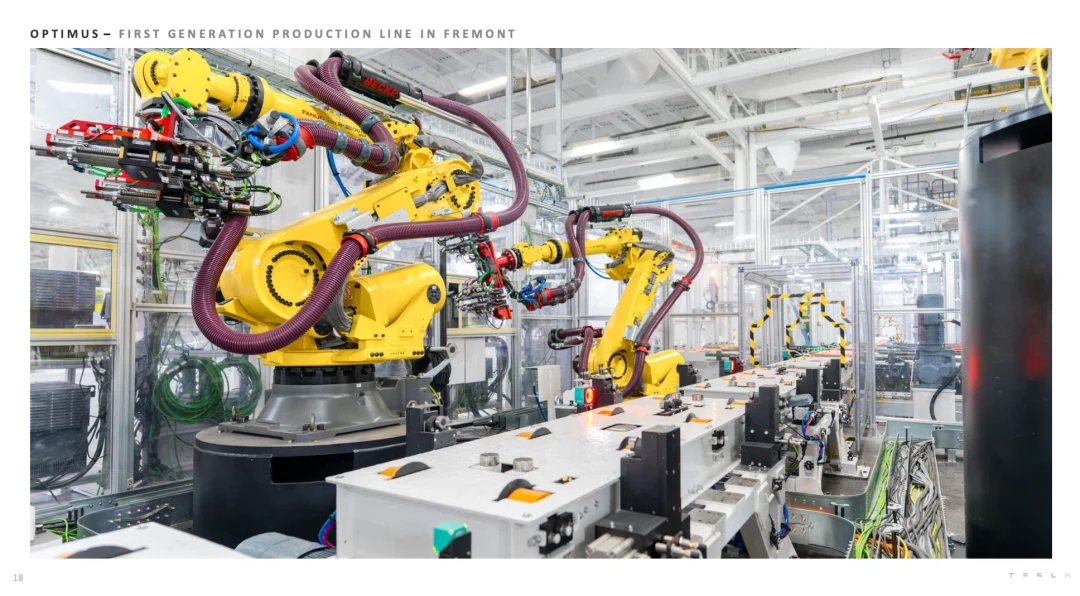
The path to mass production of Optimus presents an even stricter test for Tesla. Tesla has halted production lines for the Model S and Model X and is retrofitting its Fremont factory to produce Optimus exclusively. Elon Musk revealed that production will likely begin in late July or August, with a second Optimus facility in Austin, Texas, expected to come online next summer.
Described by Elon Musk as "the most difficult product to mass-produce in history," the core challenge lies in the complete absence of supply chain and manufacturing infrastructure: every key component of Optimus—including highly dexterous hands, specialized high-torque-density actuators, and custom circuit boards—is newly designed. The industry lacks existing suppliers offering standardized parts, forcing Tesla to either build an entirely new supply chain from scratch or pursue a high degree of vertical integration through in-house research and production. This approach entails substantial R&D sunk costs and a lengthy production line ramp-up period. Elon Musk anticipates that Optimus output will experience a prolonged, gradual initial ramp-up phase.
However, Elon Musk emphasized that Optimus and FSD actually follow the same AI development trajectory. Both rely on the same underlying logic: cameras capture visual information, AI models interpret the environment, neural networks make decisions, and control systems execute actions. Over the past few years, Tesla has accumulated vast amounts of data and experience through FSD, which can be transferred to robotics. Furthermore, the AI 5 chip, scheduled for mid-next-year mass production, will be deployed in Optimus first.
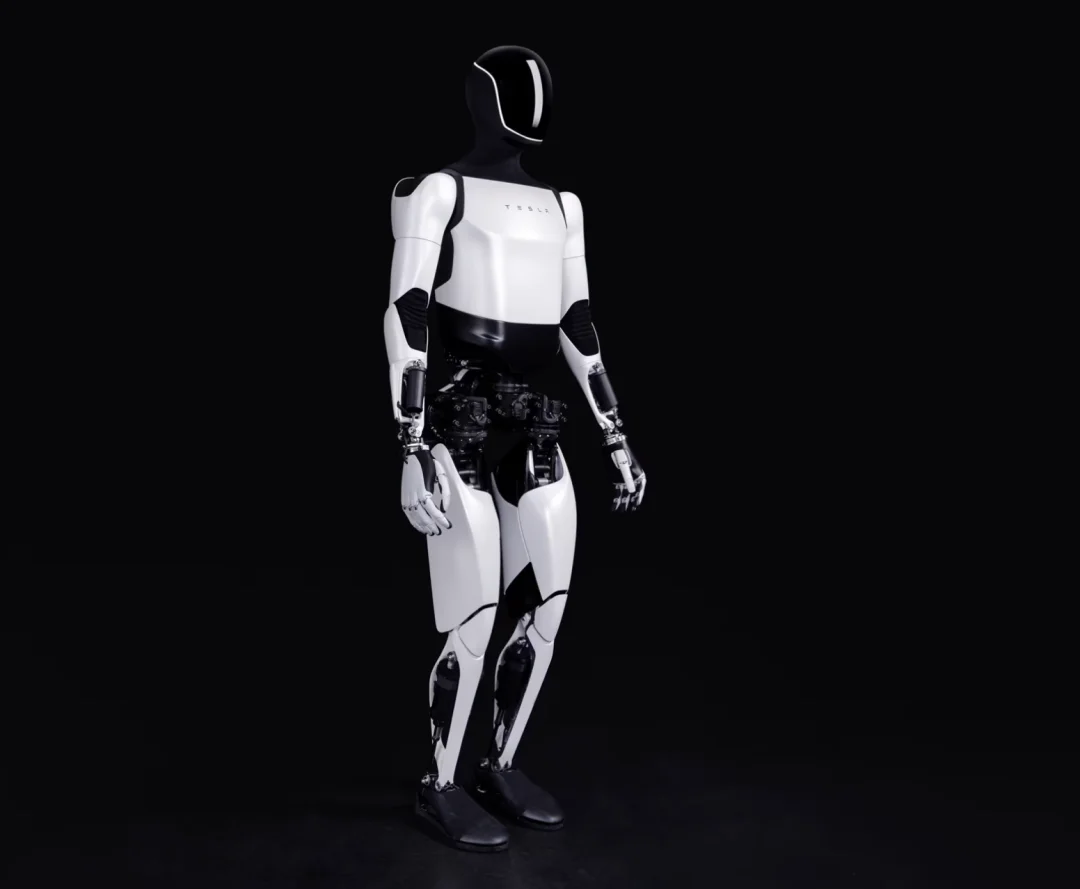
This helps explain Elon Musk's long-term optimism regarding Optimus: it could become one of the world's largest products by volume. The early version (V3) targets million-unit production levels, while subsequent versions (V4) aim for tens of millions, with more circuit board manufacturing processes moving in-house.
Elon Musk believes that if robots achieve mass production, their market potential may far exceed that of automobiles. Robots can directly enter industrial, service, and household scenarios. Application areas include:
Factory automation;
Logistics and transportation;
Operations in hazardous environments;
Home assistance;
Commercial services.
Just as FSD achieves generalized driving, Optimus will achieve generalized work: you simply issue a command, and it autonomously completes the entire task without requiring any intervention from you during the process.
Another point is that as AI computing demand grows rapidly, energy has become a new strategic resource. Tesla's Q2 energy storage business revenue reached USD 3.139 billion, up 13% year over year, with energy storage deployments reaching 13.5 GWh, up 41% year over year.
Among these, the Megapack large-scale energy storage system continues to grow. The Shanghai Megapack factory is ramping up production capacity, while the construction of the Texas energy storage facility in the United States is also advancing. Historically, Tesla's energy business was viewed primarily as a supplementary operation outside of its automotive core. However, with the surging demand for AI infrastructure, Elon Musk has identified energy supply capability as one of the critical bottlenecks for future AI development.
From a long-term perspective, Tesla is building a comprehensive ecosystem comprising electric vehicles, autonomous driving, robotics, and energy. The automotive business provides scale and data; Full Self-Driving (FSD) and Robotaxi explore software value; Optimus expands the application of AI in the physical world; and the energy business provides the underlying support for this intelligence. Tesla is betting on its vision of 'building an abundant extraordinary world' by committing to record-high capital expenditures.
Written by: Chen Huoshan Edited by: James