


Horizon Robotics Unveils Cabin and Driver Assistance Fusion Chip
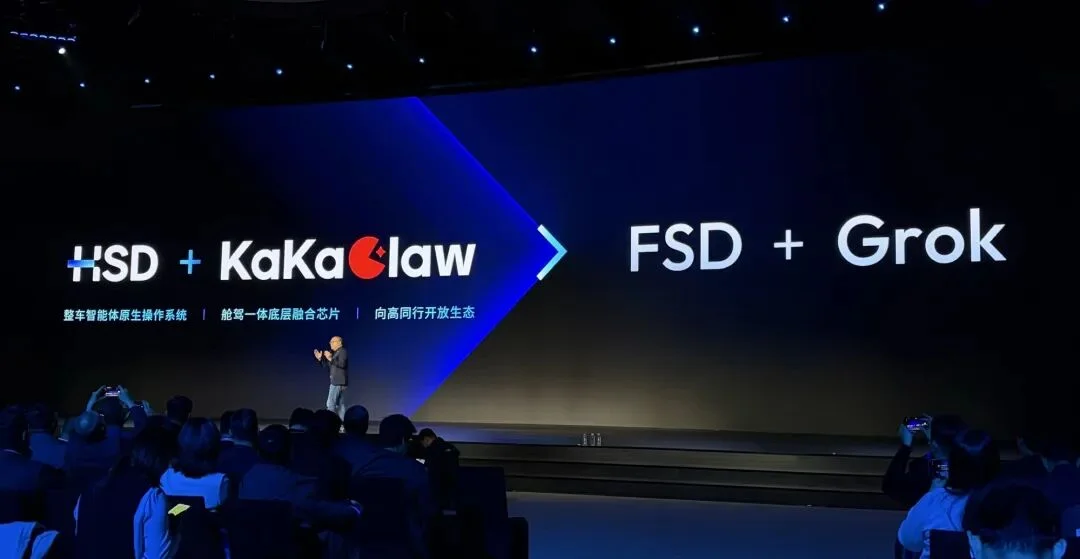
Elon Musk’s early bet on AI has become a pursuit that the Chinese automotive industry is chasing as of 2026.
Yesterday afternoon, Horizon Robotics unveiled its product line designed to rival "Grok + FSD." The lineup features three key products: the latest version of its driver assistance system, HSD V1.6; the Starry 6 Series cabin-driving fusion chip; and the KaKaClaw intelligent cockpit system. The Starry 6 integrates the intelligent cockpit and driver assistance domains into a single chip. This consolidation helps automakers cut costs significantly while enabling tighter integration between the cockpit and driver assistance functions.
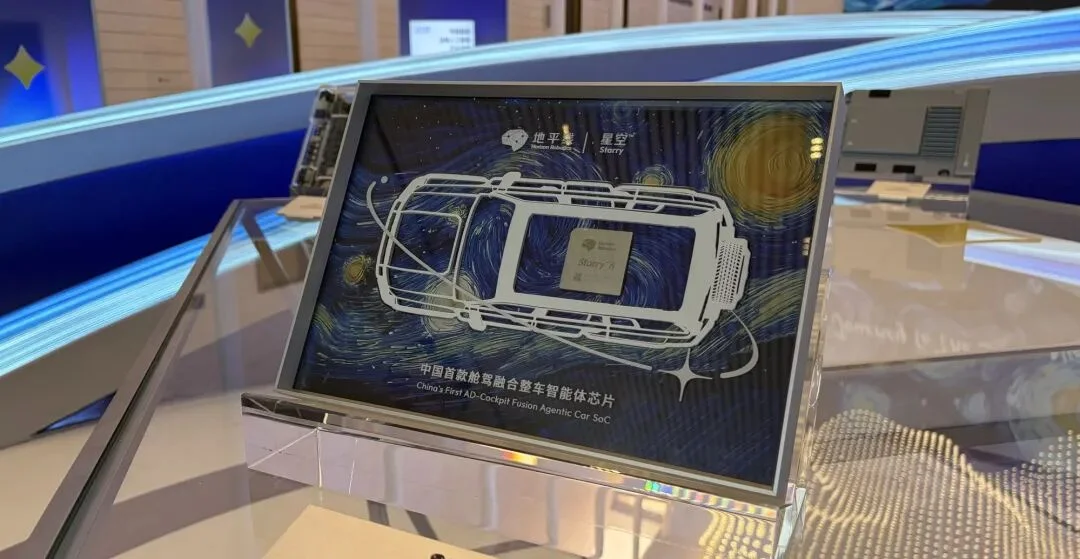
Horizon Robotics’ complete solution will be implemented first in models from the iCAR brand, with mass production potentially starting as early as Q3 this year.
In 2026, the transformation of driver assistance may not have fully arrived, but significant evolution has occurred in intelligent cockpits and automotive chips.
01"Thanks to" Memory Price Hikes
A slide presented by Yu Kai, founder and CEO of Horizon Robotics, was particularly interesting. It referenced a classic scene from the movie A World Without Thieves, where Ge You’s character asks, "What is most expensive in the 21st century? Talent!" However, Yu Kai’s question differs: What is most expensive in 2026?
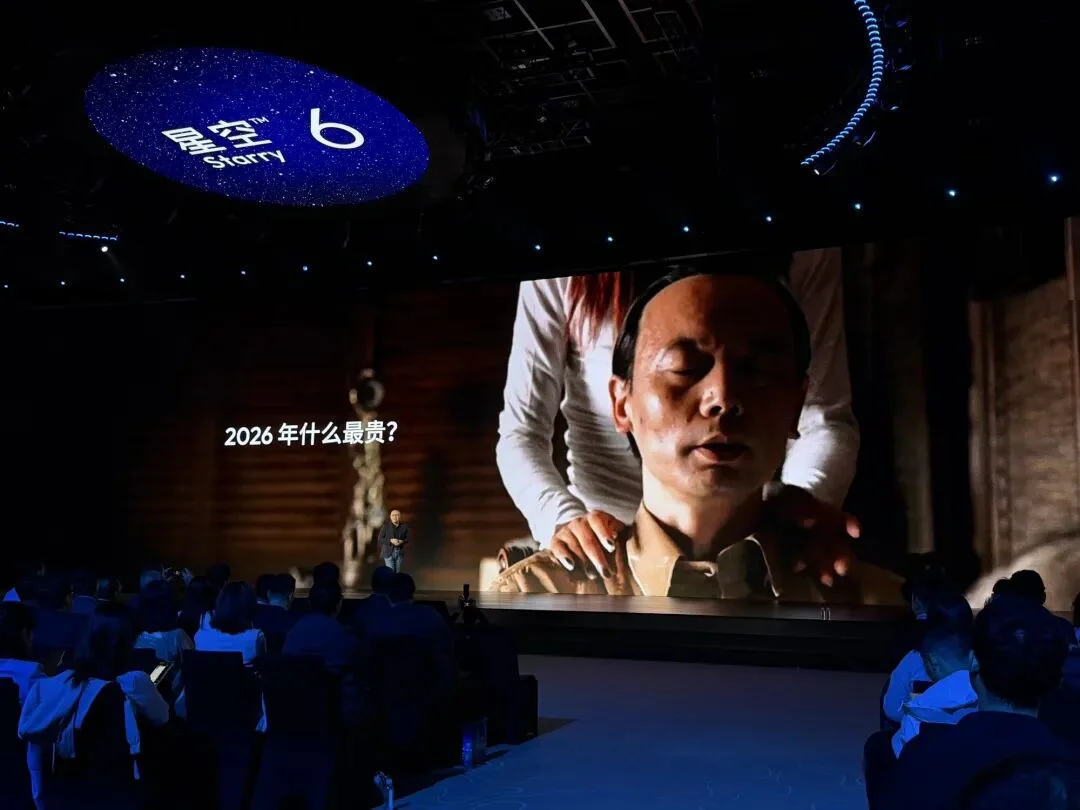
The answer is obvious: memory.
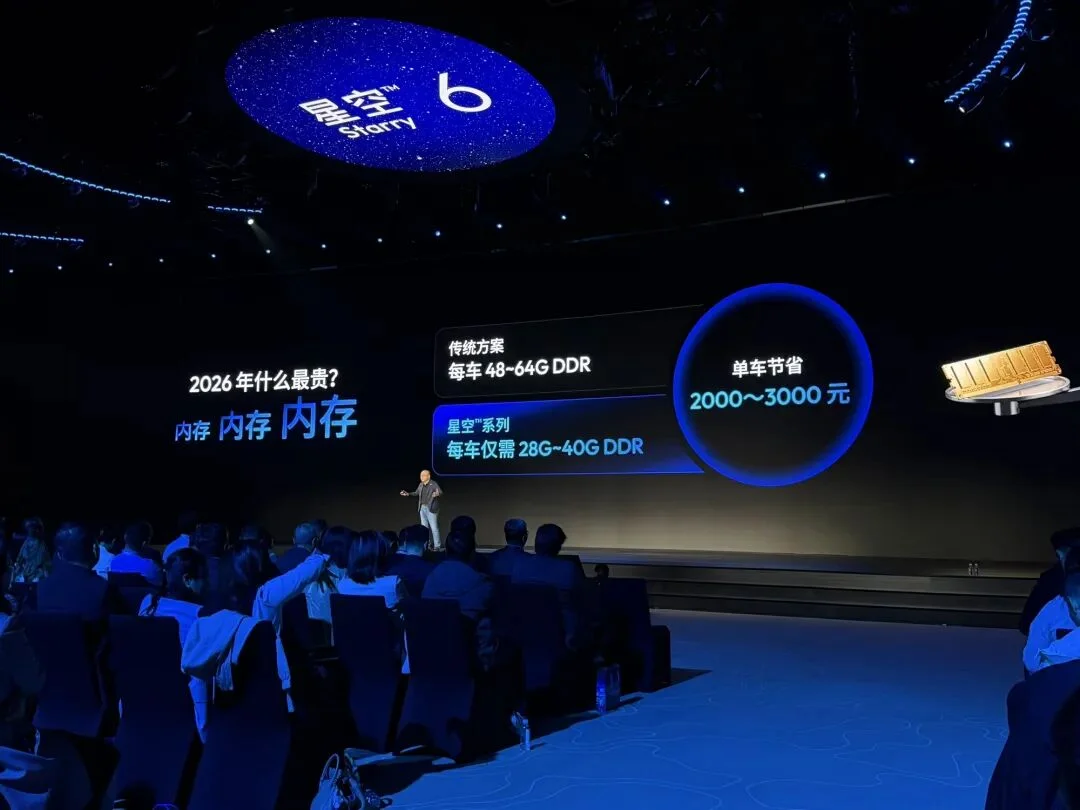
Starry 6 Series chips arrive at a timely moment. Amidst soaring prices for memory components, they enable automakers to reduce costs by using less memory. A domain controller system integrating the Horizon Robotics Starry 6 Series chip requires 28–40 GB of DDR memory per vehicle, whereas traditional solutions with multiple domain controllers require 48–60 GB. This comparison yields a cost saving of RMB 2,000–3,000 per vehicle.
In terms of performance, the domain controller integrated with the Starry 6 Series chip delivers capabilities equivalent to those of a '700 TOPS driver assistance chip plus an 8295 cabin chip,' while its cost aligns with that of a traditional '200 TOPS driver assistance chip plus an 8295 cabin chip.' The price difference between these two traditional domain controller solutions can reach RMB 5,000.
Horizon Robotics has launched two versions of the Starry 6 Series chip: Starry 6P and Starry 6H. They differ in computing power, with Starry 6P offering stronger performance. Its key specifications are as follows:
TSMC’s 5 nm automotive-grade process;
Four-core Nash BPU delivering 650 TOPS of AI computing power;
20 CPU cores with 500K DMIPS of compute;
GPU compute power of 3,000 GFLOPS;
Support for 6 to 12 screens;
LPDDR5x memory with a bandwidth of 273 GB/s.
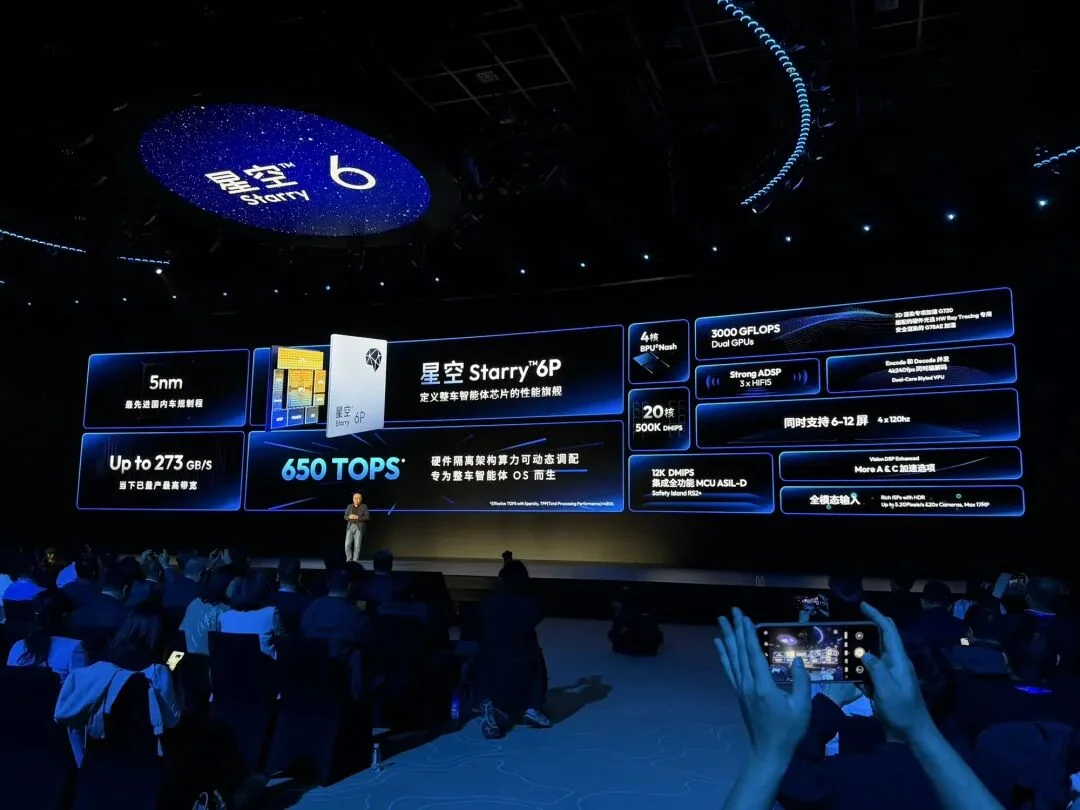
The Starry 6H chip offers slightly lower compute power, featuring 500 TOPS of AI performance, 14 CPU cores, GPU compute power of 2,500 GFLOPS, and reduced memory bandwidth of 240 GB/s.
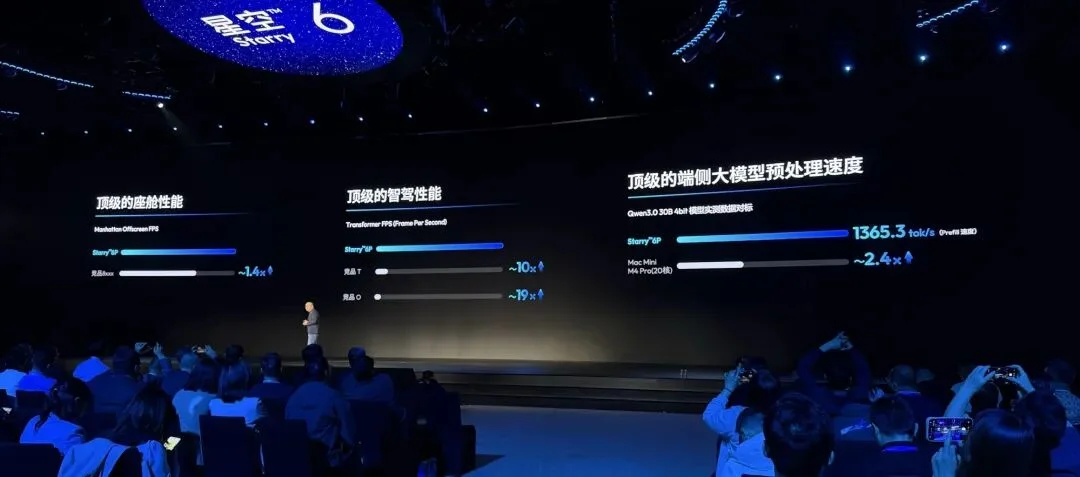
When comparing products from competitors, Yu Kai specifically highlighted the edge-side large model processing capabilities of the Starry 6. Deploying the same Qwen3.0 model with 30 billion parameters, the Starry 6P demonstrates a 2.4x performance advantage over Apple’s 20-core M4 Pro chip.
At the April 22 press conference, Yu Kai announced the first batch of automakers and Tier 1 suppliers partnering with Starry 6 Series, Horizon Robotics' cabin-driving fusion chip. The initial partner group includes 12 automotive brands, among them joint-venture brand Volkswagen. According to the plan, the Starry domain controller is scheduled to enter mass production and be installed in vehicles by the third quarter of this year.
02Raising Lobsters Inside a Car
You can raise lobsters on your computer or various smart devices, but you may never have imagined doing so inside a car. On the Horizon Robotics Starry 6, users can deploy Horizon Robotics’ driver assistance system HSD, alongside a new vehicle-wide intelligent agent operating system called KaKaClaw.
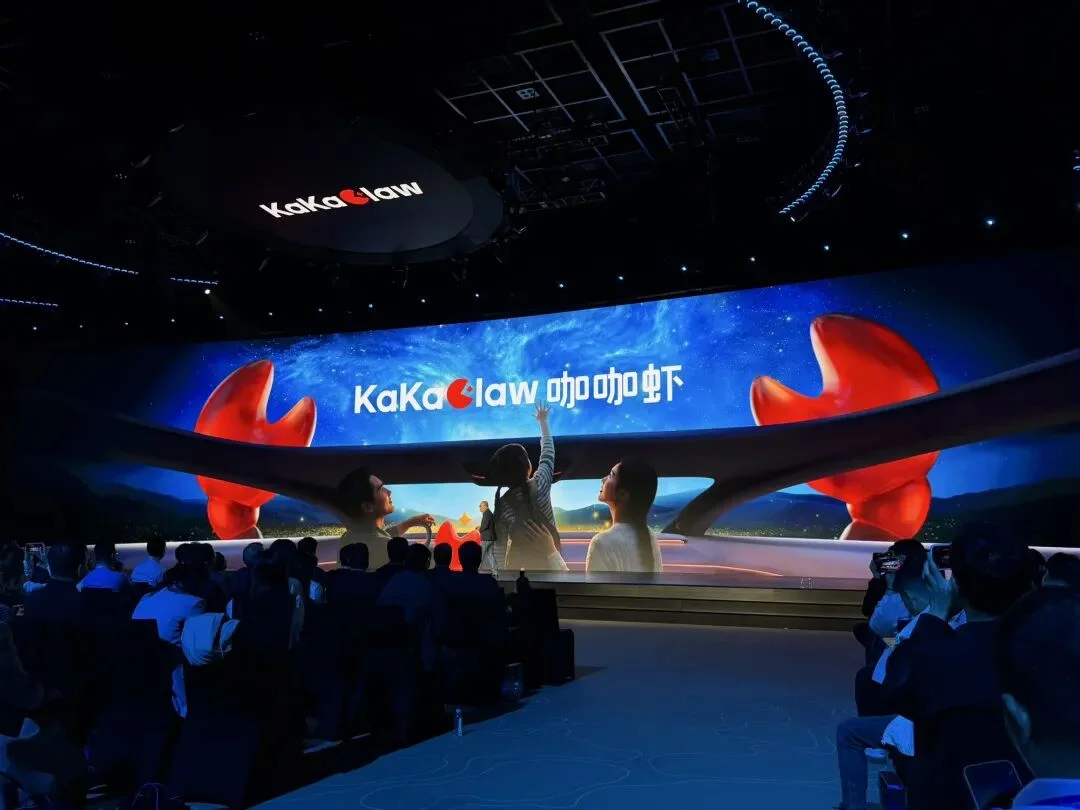
Yu Kai defines KaKaClaw as having three key traits: it knows how to do many things, has an excellent memory, and possesses personality.
First is its "personality." KaKaClaw supports multi-dimensional persona settings, currently offering switchable personas such as "Pragmatist," "Confidant," and "All-Rounder," while supporting dialects and synchronized tone across all scenarios.
Second is its "memory." KaKaClaw features a long-sequence memory system that continuously learns user habits to automatically generate exclusive scenario skills. The more the user interacts with it, the better KaKaClaw understands them.
Most impressively, it "knows how to do many things." KaKaClaw can not only perform tasks and entertain but also grow autonomously. It offers proactive care, allows for custom definitions, and upgrades its skill library on demand. Beyond built-in scenario skills, users can create their own; both official and user-generated skills can be published and shared, with the system automatically activating the most suitable skill combinations.
Horizon Robotics has released the latest version of its HSD system, V1.6, enhancing its advanced driver assistance capabilities.
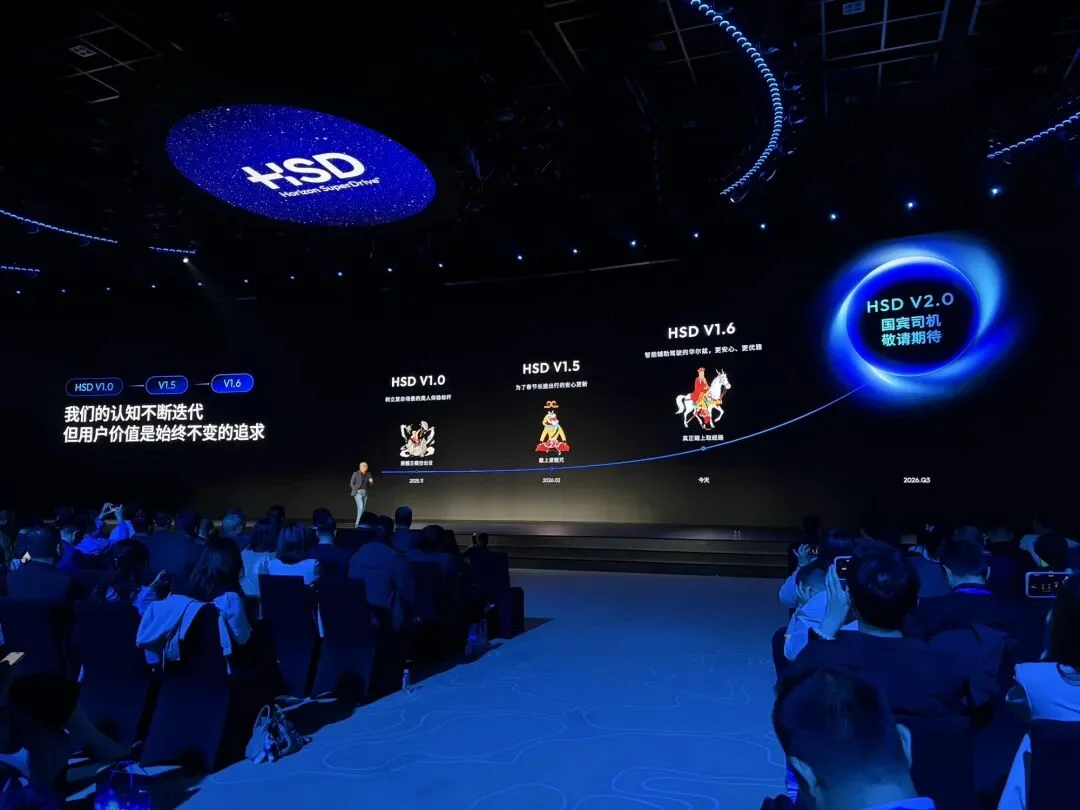
For highway driving, HSD V1.6 improves the comfort of adaptive cruise control and the vehicle's ability to navigate dynamic interactions at intersections, resulting in more precise and natural lane changes.
In parking scenarios, V1.6 adds remote parking, out-of-vehicle parking entry, and recognition of suspended obstacles. Additionally, for mobility safety, it introduces start-up alerts, emergency braking during reverse maneuvers, automatic emergency steering avoidance, and enhanced door-opening warnings.
According to the company's roadmap, the next version, HSD V2.0, will be launched in the third quarter of this year, with capabilities aiming to match those of professional chauffeurs.
In recent years, the main theme of automotive intelligence has been "stacking computing power." However, by 2026, beyond raw compute, user experience becomes far more critical.
Whether advanced driver assistance reaches L2, L3, or L4 levels may be a concept many users do not fully understand, but they can directly judge whether the car drives like a human. The same applies to smart cockpits: offering hundreds of apps from an app store is not the end goal; instead, the focus must be on serving users across all aspects.
Written by James Edited by Daji