


SAIC MAXUS Launches Plug-in Hybrid MPVs as China's Market Shifts to New Energy
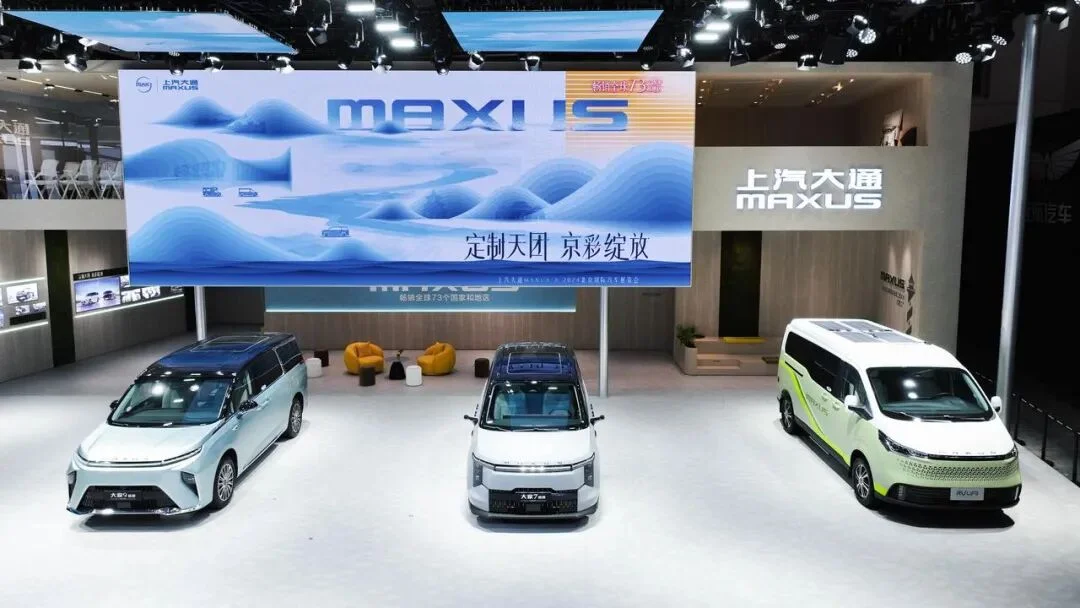
Recently, the Beijingchezhan returned after a four-year hiatus. Although this biennial auto show is a major industry event, the biggest highlight this year was not any new vehicle, but Lei Laoban, a celebrity figure known for his massive online traffic. However, if you are like me and do not care which CEO visited which booth, you may notice an interesting phenomenon: traditional fuel-powered MPVs were hard to find at this year's show.
The newly released MPV models are predominantly new energy vehicles, with plug-in hybrids being the most common. The most significant among them is Bieke GL8, the market pioneer that has sold well for 23 years. Under pressure from the rise of domestic autonomous new energy MPVs, it finally joined the plug-in hybrid camp, launching the GL8 Lu Zun PHEV version at this show, with plans to release pure electric models later, officially starting GL8’s new energy journey.
The main new cars promoted by various exhibitors at this show indicate that plug-in hybrids have become the mainstream in China’s MPV market. In fact, this trend was already very obvious last year; both the 2023 sales data and internet-level popularity prove that the MPV market is undergoing a major transformation toward new energy, just like other vehicle types.
01The Year of Plug-in Hybrid MPV Rise
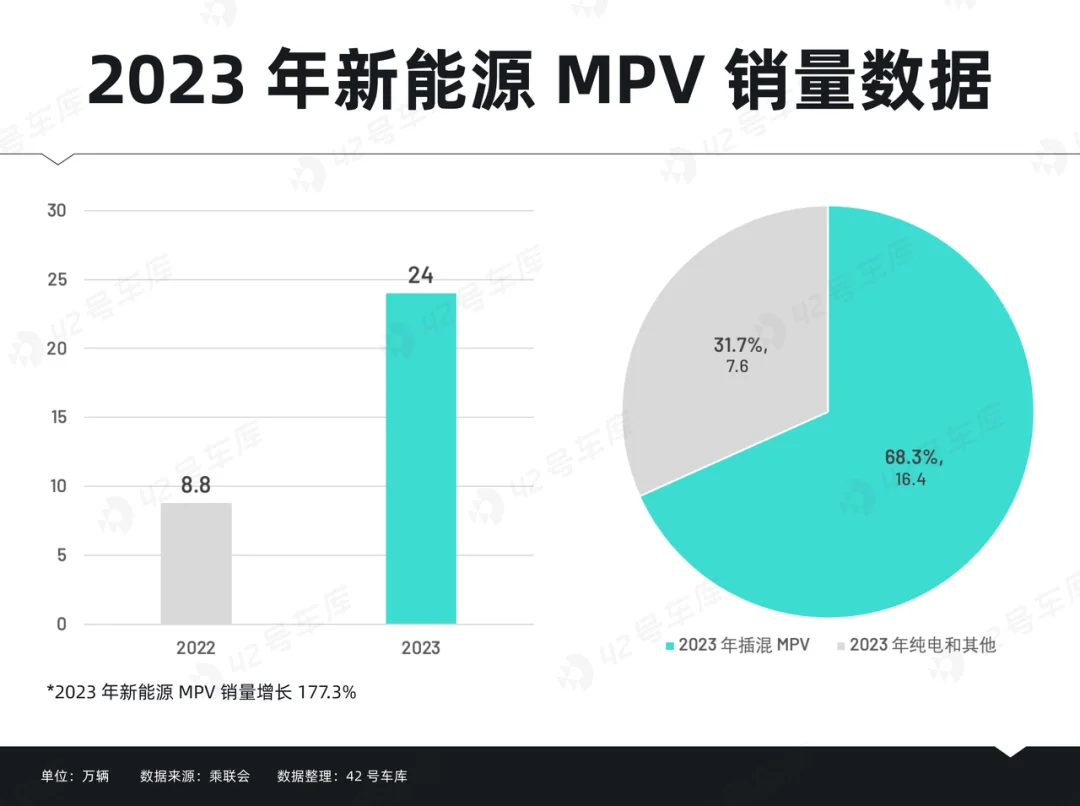
Looking at the 2023 sales data, you will see that this year marked the true rise of China’s new energy MPV market. Domestic new energy MPV sales exceeded 240,000 units in 2023, a year-on-year increase of 177.3% compared to 88,000 units the previous year. Among them, plug-in hybrid MPV sales reached 164,000 units, accounting for 68.3% of the share, with a year-on-year growth of over 430%. Plug-in hybrids became the true driving force behind the surge in new energy MPV sales.
This change is partly due to shifts in consumer purchasing needs in recent years. Changes in Chinese family structures and rising purchasing power have made large-space, high-capacity MPVs more appealing to family-oriented consumers.
Another factor is that pure electric and plug-in hybrid MPVs have significantly addressed the shortcomings of fuel-powered MPVs in terms of user experience, as well as their poor fuel economy and unsuitability for family use. This has alleviated many concerns families had when considering MPVs during the internal combustion engine era. Furthermore, new energy MPVs not only provide a superior ride and driving experience but also substantially reduce daily ownership costs for families, opening up more usage scenarios. In terms of intelligence, they often deliver better experiences, allowing MPVs to better serve as family mobility spaces.
02The Veterans of the New Energy MPV Sector
If you are familiar with the development history of plug-in hybrid MPVs in China, you will find that BYD was not the first to attempt a PHEV route in the large MPV segment, despite its current dominance. That distinction belongs to SAIC MAXUS. Moreover, SAIC MAXUS has taken bold and firm steps in its new energy journey, laying out strategies across multiple technology routes including plug-in hybrids, pure electrics, and hydrogen energy.
For instance, in the hydrogen fuel cell sector, SAIC MAXUS launched China’s first hydrogen-powered plug-in hybrid MPV, the Dajiaqing, as early as 2020. Coincidentally, this model debuted at the previous Beijingchezhan.
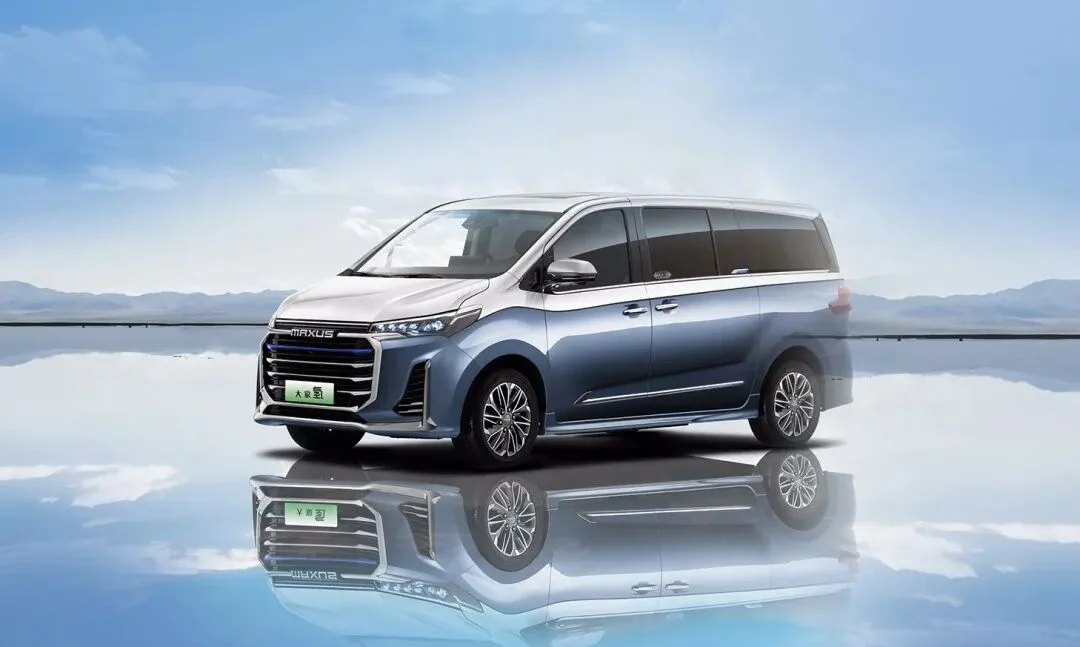
The Dajiaqing's powertrain uses an 83.5 kW fuel cell stack and a 70 MPa hydrogen storage system, equipped with three high-pressure tanks, allowing it to be filled with 6.4 kg of high-pressure hydrogen in just three minutes. The official NEDC range is 605 km, with a hydrogen consumption of 1.18 kg per 100 kilometers. It is also equipped with a 13 kWh ternary lithium battery pack, which already possessed the capability for external power discharge at that time.
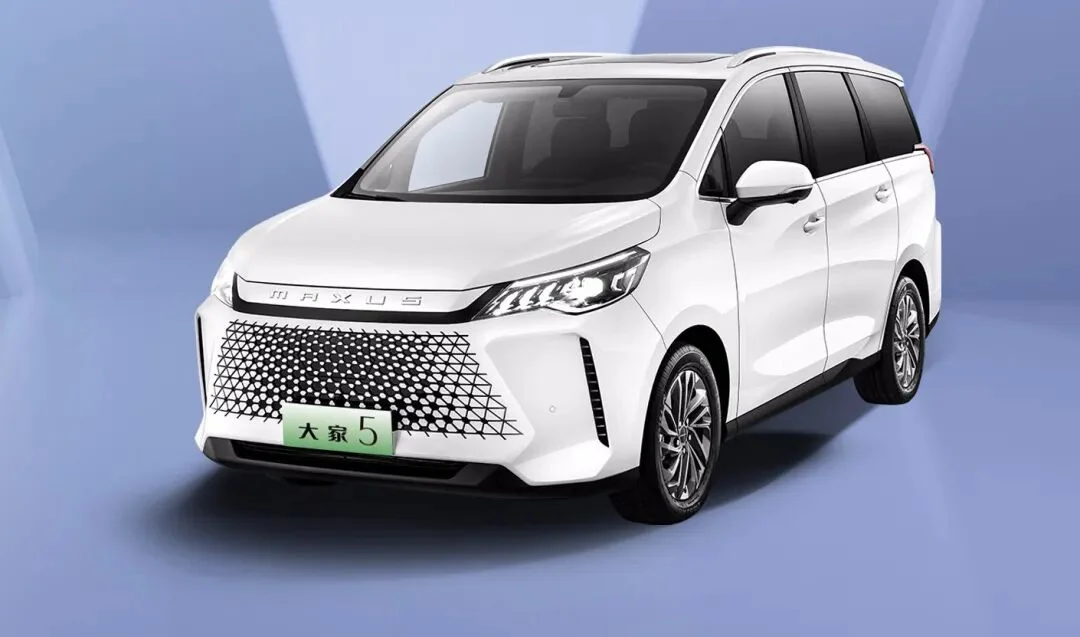
Beyond the somewhat distant prospect of hydrogen fuel vehicles, SAIC MAXUS was also among the earliest to pursue pure electric MPVs. Its first pure electric MPV, the Dajia 5, was launched as early as 2019. At that time, the Tesla Model 3 in China was still imported, and NIO’s second model, the ES6, had not yet begun deliveries. Pure electric MPVs were extremely rare. Shortly after the launch of the pure electric version, a plug-in hybrid variant of the Dajia 5 was introduced. This demonstrates that SAIC MAXUS had already established a comprehensive product layout in the new energy MPV sector from that early stage.
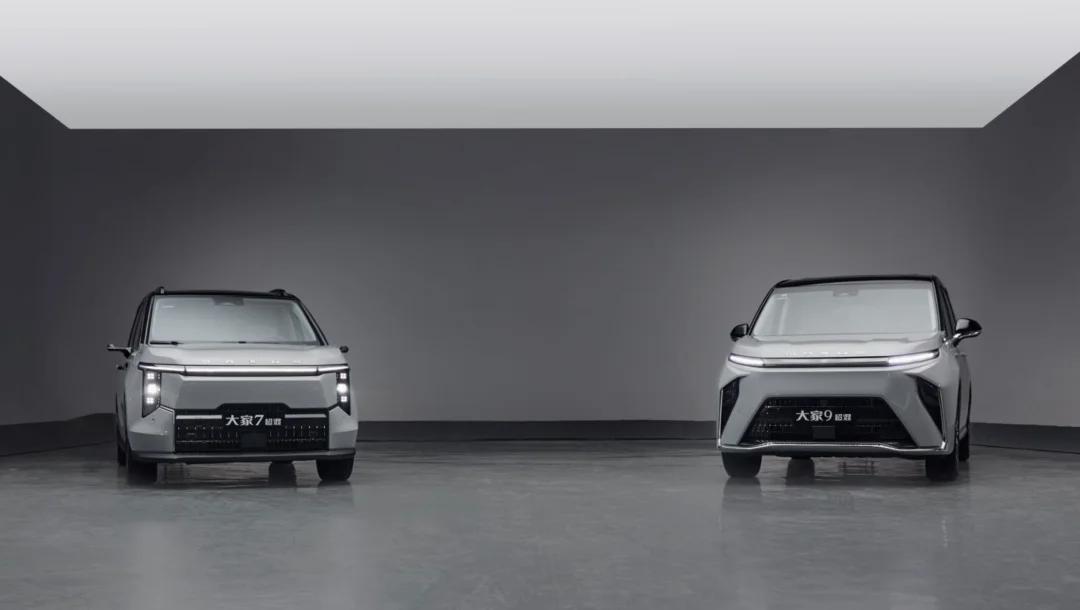
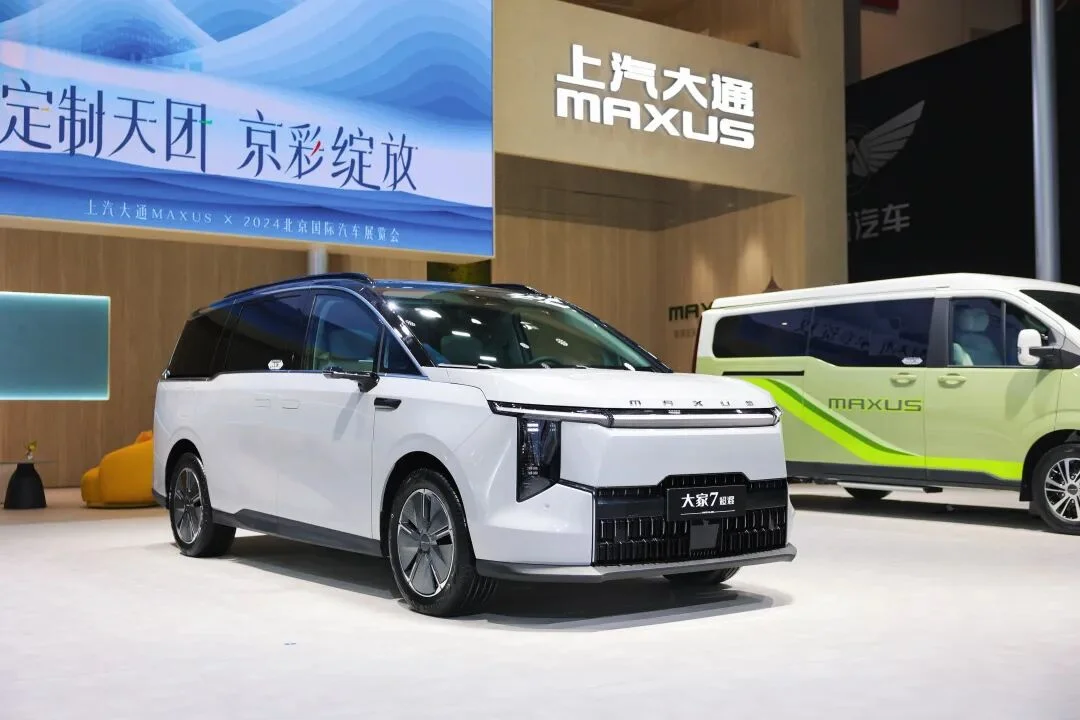
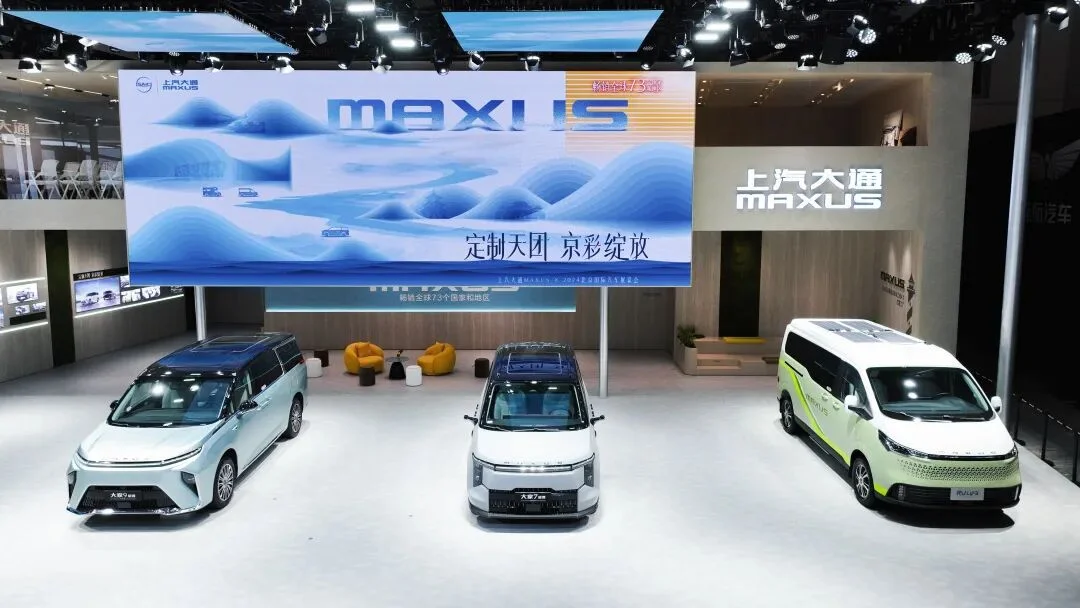
The launch of the Dajia 9 Chaohun and Dajia 7 Chaohun is therefore a logical move. Both models are innovatively developed based on SAIC MAXUS’s years of technical research and development experience in the new energy MPV sector. Their introduction not only completes the product lineup for the current flagship MPV models, the Dajia 9 and Dajia 7, but also allows the brand to capitalize on the recent surge in plug-in hybrid (PHEV) MPVs in China.
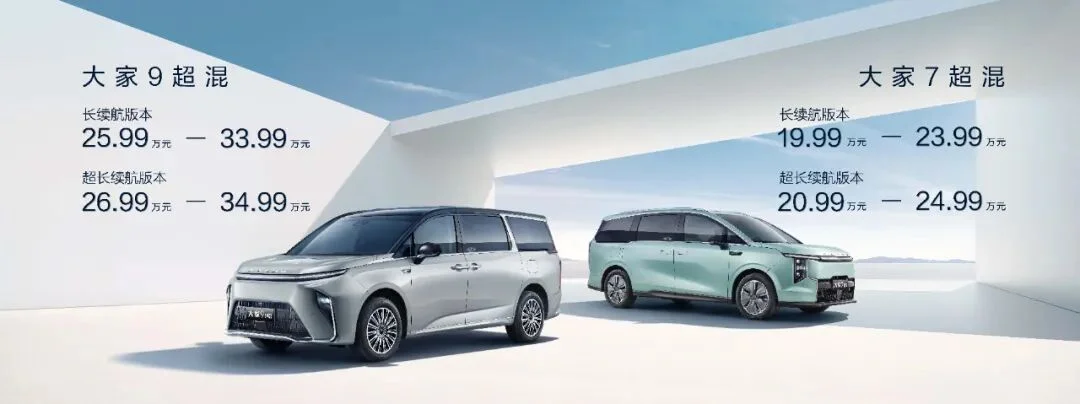
At the Beijing Auto Show, SAIC MAXUS also announced the reservation prices for two PHEV MPVs, the Dajia 9 Chaohun and the Dajia 7 Chaohun, which are respectively:
Dajia 9 Chaohun: RMB 259,900–339,900 for the long-range version; RMB 269,900–349,900 for the extra-long-range version.
Dajia 7 Chaohun: RMB 199,900–239,900 for the long-range version; RMB 209,900–249,900 for the extra-long-range version.
The manufacturer also revealed that the Dajia 9 Chaohun is expected to officially launch in early June. The price for the initial launch trim has been disclosed at RMB 299,900. Customers can place a limited-time order with a RMB 99 deposit to enjoy the benefit of an upgraded large battery. This means users can acquire a mid-to-large MPV with a pure electric range exceeding 200 km, rich comfort and technology features, and safety protection meeting both European and Australian five-star crash test standards for less than RMB 300,000.
Unlike previous launches, SAIC MAXUS has named both the Dajia 9 and Dajia 7 PHEV variants “Chaohun” (Super Hybrid) this time, aiming to signal through the name that their PHEV technology is distinct. It is intriguing to compare this system, officially termed the “ACIS Smart All-Scenario Super Hybrid,” against the commonly used series-parallel PHEV architectures currently in use. What sets SAIC MAXUS’s system apart, and exactly how is its “super hybrid” capability superior?
03Large, High-Capacity Batteries
If we look only at the paper specifications, I believe SAIC MAXUS’s first 'super' attribute in its super hybrid system is actually the battery. While current plug-in hybrid (PHEV) models all pursue large battery capacities, their performance priorities and cost controls differ. Some designs lean more toward pure electric operation, while others prioritize direct mechanical drive. However, consumers choosing a PHEV MPV generally want to maximize the experience of driving in pure electric mode without range anxiety. In this context, battery capacity and pure electric range become critical factors. This creates a contradiction: large-capacity batteries increase costs, making pricing a challenge.
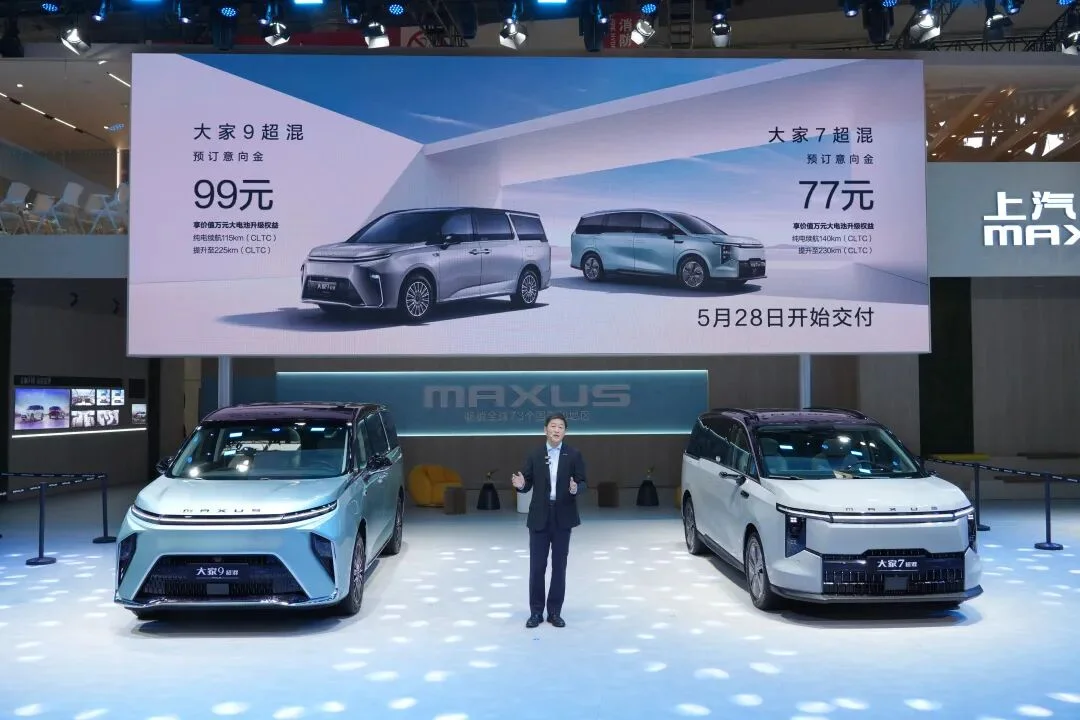
SAIC MAXUS’s solution is to offer two versions with different battery types and capacities: a 24.7 kWh lithium iron phosphate (LFP) battery and a 39.7 kWh ternary lithium battery. Although the LFP option is considered the 'smaller battery' version for SAIC MAXUS, its 24.7 kWh capacity is still substantial within its class. The long-range versions of the Dajia 9 Chaohun and Dajia 7 Chaohun equipped with this battery achieve CLTC pure electric ranges of 115 km and 140 km, respectively. For entry-level battery capacity, these figures represent excellent standards for their respective classes. Thus, the 24.7 kWh LFP battery provides a lower price threshold while maintaining a respectable pure electric range.
The 39.7 kWh ternary lithium battery targets consumers with higher budgets who prefer an extended pure electric driving experience. Whether it is the Dajia 9 Chaohun ultra-long-range version with a CLTC pure electric range of 225 km, or the Dajia 7 Chaohun with 230 km, these figures represent the longest pure electric ranges in this vehicle class. Therefore, SAIC MAXUS’s claim of offering 'long-range' and 'ultra-long-range' options is well-founded. Additionally, customers who reserved before May 28 could upgrade to the larger battery version for just RMB 99 for the Dajia 9 Chaohun and RMB 77 for the Dajia 7 Chaohun, which is quite cost-effective.
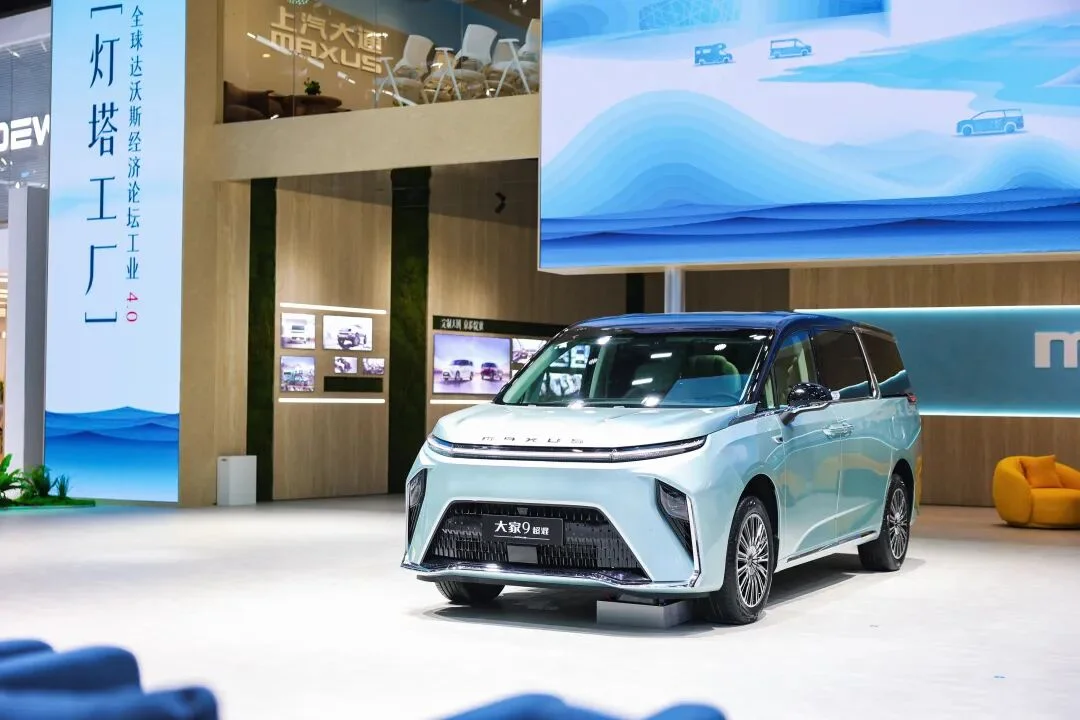
The advantages of a large battery are evident. A longer pure electric range allows for more frequent pure electric driving in daily use, reduces charging frequency, and enhances overall convenience. Furthermore, if you have a home charging station, your operating costs compared to traditional fuel-powered MPVs will drop significantly. You can redirect the money saved on fuel toward personal purchases, such as an NVIDIA GeForce RTX 4090 graphics card.
Additionally, SAIC MAXUS’s hybrid system supports an external discharge capability of up to 6.6 kW, meaning that when camping with family during holidays, it can power a large number of external devices such as induction cooktops, electric heaters, and projectors, significantly enhancing the enjoyment of vehicle use. With its large battery capacity and efficient power generation capabilities, there is no need to worry about electricity consumption.
04Trading Technology for Efficiency
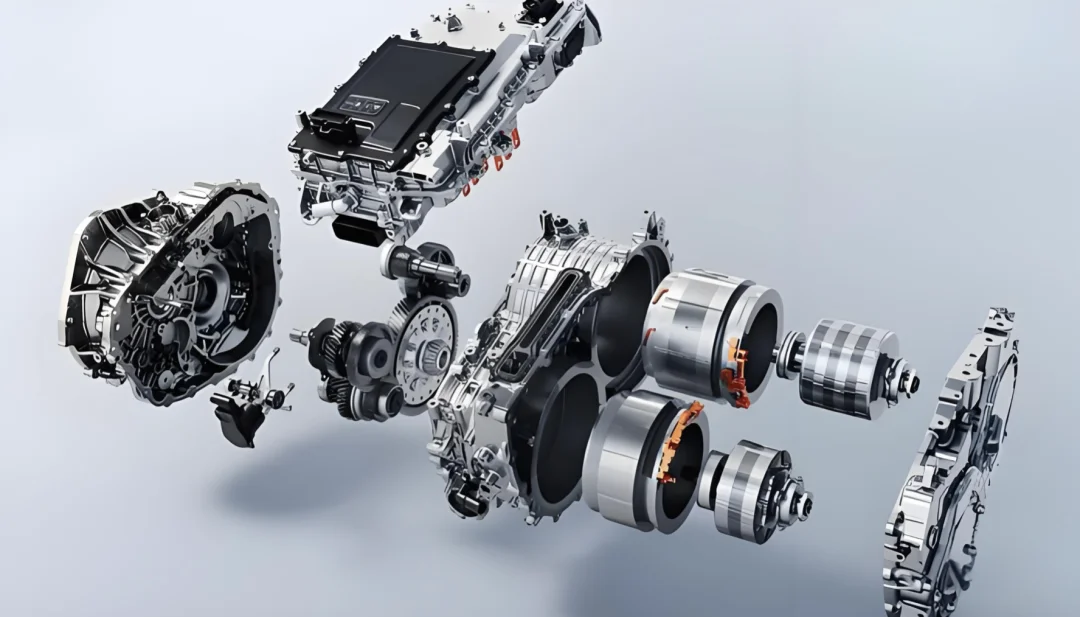
For plug-in hybrids, a large battery alone cannot solve all problems; the engine is equally important. As the foundation of the plug-in hybrid system, it plays a critical role in the entire powertrain: it must generate strong power in series mode and deliver robust performance in direct-drive mode. The ACIS Smart Super Hybrid System used in the Dajia 9 Chaohun and Dajia 7 Chaohun employs a series-parallel plug-in hybrid structure consisting of a 1.5T super-hybrid dedicated engine, a single-speed DHT, and P1 and P3 motors.
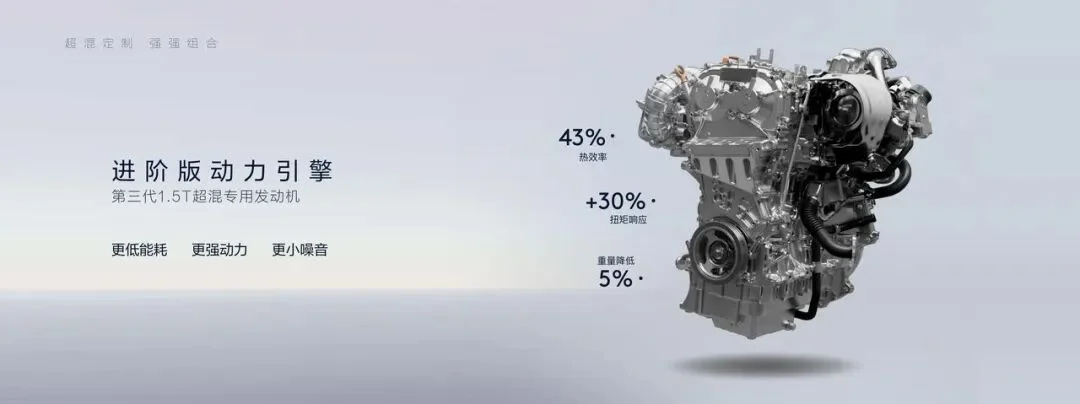
This 1.5 T engine was developed exclusively for hybrid applications. SAIC has deep expertise in the engine field, with much of its accumulated technology applied to this unit. For example, to pursue higher thermal efficiency, this 1.5 T engine adopts the Miller cycle, spherical piston faces, and an ultra-high compression ratio to achieve better combustion effects. With the support of multiple technologies, the engine's thermal efficiency reaches 43%, which is also a relatively high level in the industry at present. Higher thermal efficiency also means that this engine has more excellent fuel economy.
Next is performance. On the parameter front, this 1.5 T super-hybrid engine has a maximum power of 110 kW and a peak torque of 235 N·m. Like many plug-in hybrid models in the industry, the SAIC MAXUS engine enters direct-drive mode only above 80 km/h, because that is when direct drive efficiency is highest. The performance of this 1.5 T engine is also sufficient to meet the demands of highway driving conditions. Under other circumstances, this engine primarily plays the role of a range extender; for example, when the battery level drops below 12%, the engine starts to generate electricity.
This configuration offers another benefit: it provides a driving experience closer to that of a pure electric vehicle in urban settings, while maintaining high efficiency through engine direct drive at highway speeds. Additionally, the use of a single-speed reducer improves transmission efficiency compared to multi-gear systems, avoids shifting shocks, and ensures smoother operation.
Therefore, if the Dajia 9 Chaohun and Dajia 7 Chaohun are used primarily for city commuting with their large-capacity batteries, the system can operate in pure electric mode for most of the time. For current plug-in hybrid models, the ability to sustain longer periods of pure electric driving is undoubtedly a stronger attraction for consumers considering these vehicles.
Regarding performance in pure electric mode, the P3 motor in both models delivers a peak power of 176 kW and a peak torque of 390 N·m, with a drive efficiency reaching 97.5%. Thanks to the motor's output characteristics and high efficiency, it is sufficient for daily urban use. At highway speeds, the 1.5 T engine provides parallel assistance, so performance has never been a concern for plug-in hybrids.
But for plug-in hybrid models, another critical metric is the vehicle's ability to recharge its own battery, since a higher state of charge translates to a better user experience. To address this, SAIC MAXUS highlighted its ACIS Smart Super Hybrid System at launch, which optimizes the system's charging capability even when the battery is depleted. For example, during highway cruising with direct engine drive, the engine not only provides propulsion but also diverts excess power to the generator to charge the battery. This ensures that upon exiting the highway and entering urban areas, the vehicle can switch back to pure electric driving.
It also features a P1 motor with a power generation capacity of up to 14.5 kWh, capable of sustaining continuous power generation at eighty percent of its peak output. It can replenish ten percent of the battery in five minutes, enabling rapid charging even while parked to maintain vehicle performance under low-battery conditions and alleviate range anxiety.
05Quietness Is Important
Additionally, to improve power generation efficiency and optimize the noise levels of the powertrain, SAIC MAXUS's 1.5 T engine and P1 motor utilize a rare coaxial design in their class. This configuration reduces power loss between systems while also mitigating noise generated by mechanical components, thereby delivering superior NVH performance.
SAIC MAXUS stated that this structure improves its NVH performance by more than 10% compared to similar products currently on the market, reduces motor noise by 20 decibels, and increases transmission efficiency by 1%. Furthermore, to further enhance NVH performance in pure electric mode, SAIC MAXUS's transmission system employs a high-overlap gear design and an optimized dual-mass flywheel with improved stiffness to mitigate vibration issues in the drive system.
06Final Thoughts
From pure electric to hydrogen, and now with the ACIS Smart Super Hybrid technology unveiled at Beijingchezhan, SAIC MAXUS has once again completed its technical stack. This also allows both the 9 and 7 MPV models to ride the wave of China’s plug-in hybrid MPV trend.
The hybrid systems powering these two models offer comprehensive product capabilities. With two battery capacity options available, the larger battery delivers the longest pure-electric range in its class, catering to diverse consumer needs while lowering travel costs and providing a driving experience closer to that of a pure EV—advantages that traditional fuel-powered MPVs cannot match. Furthermore, significant technological innovations have been implemented to enhance cabin quietness. From a plug-in hybrid perspective alone, both vehicles demonstrate strong competitiveness.
However, their true market performance will only become clear upon the official announcement of pricing. We hope they continue to surprise us then.
Written by: Wentao Edited by: Wentao