


400 km Range + 4C Supercharging: Can CATL's Xiaoyao Battery Transform Extended-Range Hybrids?
Is the hassle of frequent charging for extended-range and plug-in hybrid owners finally coming to an end?
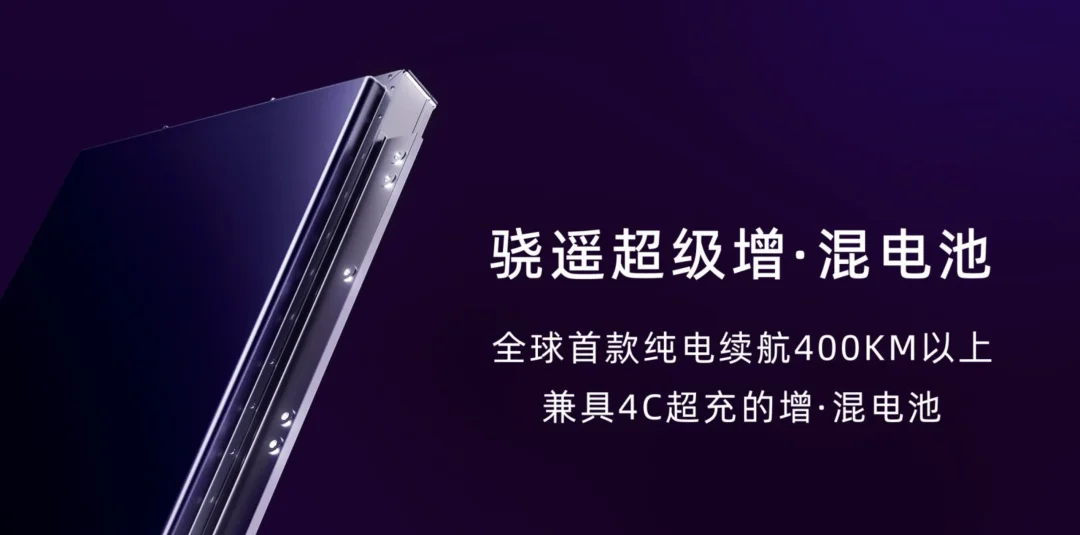
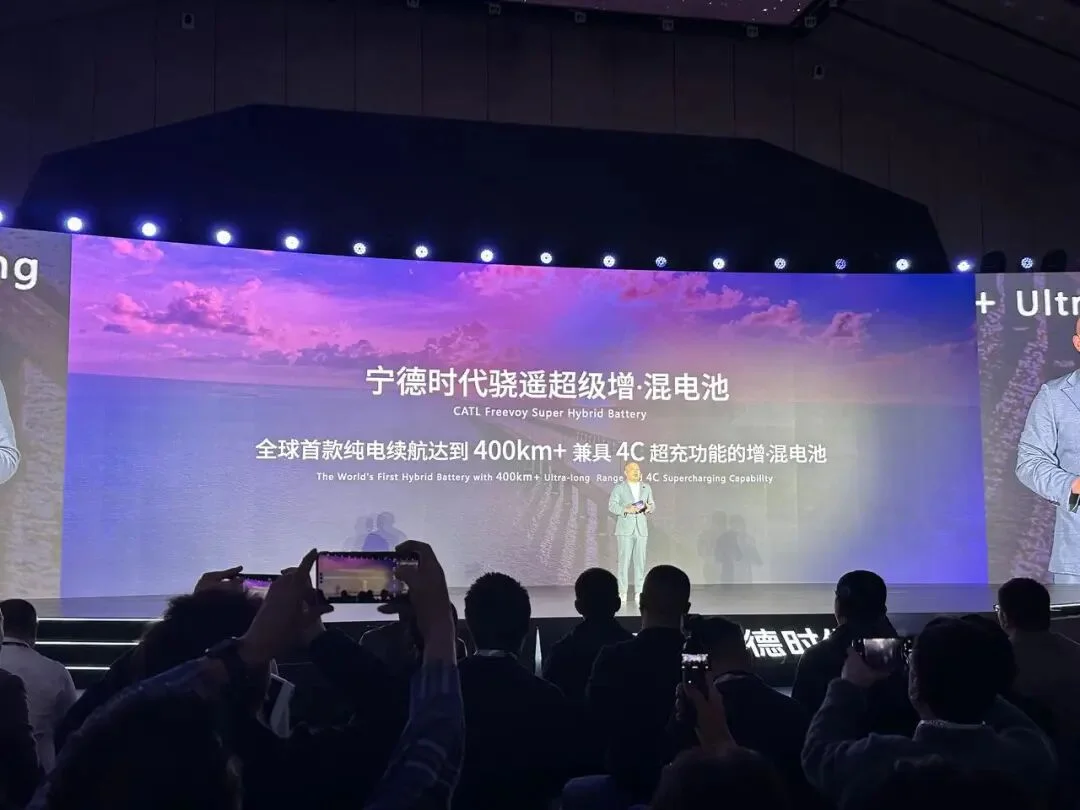
On October 24, CATL launched its Xiaoyao battery. Designed specifically for extended-range electric vehicles (EREVs) and plug-in hybrids (PHEVs)—collectively referred to as EREV-PHEVs in this article—the official data states that the Xiaoyao battery can support a pure-electric range of over 400 km for EREVs and supports 4C ultra-fast charging.
Currently, many EREV-PHEV buyers initially appreciate the flexibility of having both fuel and electricity. However, in daily use, they tend to rely almost exclusively on electric power whenever possible. This is not only because electric driving costs less, but also because the smoothness and quietness of pure-electric operation are truly "irreplaceable once experienced."
For instance, data from Li Auto shows that the proportion of pure-electric mileage driven by its owners exceeds 65%. Data from Leapmotor indicates that 84% of the mileage for its EREV users is covered by electric power.
However, EREV-PHEVs are not pure EVs. They have smaller batteries and must integrate with internal combustion engine systems, making energy management more complex. Consequently, if these vehicles are driven primarily in electric mode, they often suffer from short single-charge electric ranges, frequent charging needs, and noticeable drops in power output when the battery is depleted.
To address these common challenges facing EREV-PHEVs, CATL has introduced the Xiaoyao battery as a solution.
400 km Range + 4C Supercharging: Can CATL’s Xiaoyao Battery Redefine EREV?
Currently, plug-in hybrid vehicles with extended pure-electric ranges typically offer between one hundred and two hundred kilometers. What if that range is insufficient? How about four hundred kilometers?
According to official information, CATL’s Xiaoyao battery can provide EREVs with a pure-electric range of over 400 kilometers.
This means that for daily commuting, users will see a significant decrease in charging frequency. For shorter inter-city trips or travel, they can drive purely on electricity with greater confidence, without needing to worry excessively about charging. The presence of the fuel tank is further diminished.
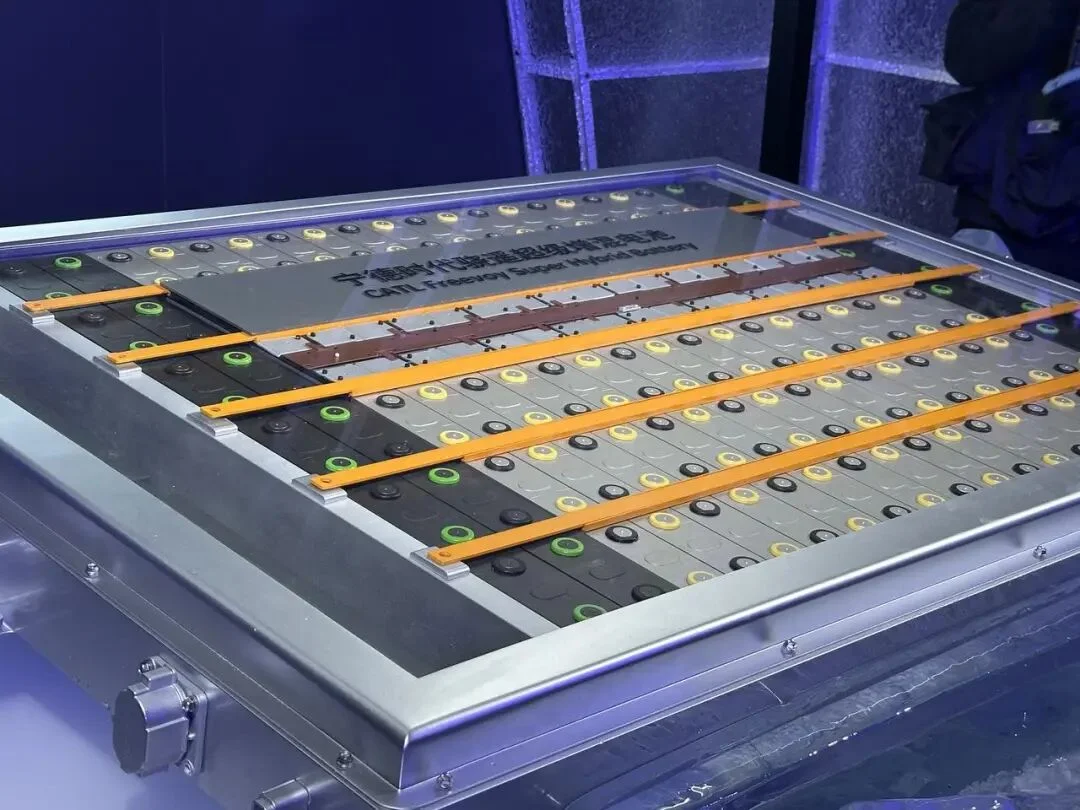
Behind the increased pure-electric range of the Xiaoyao battery lies CATL’s innovation in battery materials and structure.
CATL identifies two main reasons limiting the pure-electric range of EREVs: limited battery capacity and low lithium-ion transport efficiency within the battery.
Regarding battery capacity, because fuel systems occupy a certain amount of chassis space, it is inherently difficult for EREVs to accommodate large batteries of sixty or seventy degrees. Since expanding outward for space is challenging, CATL has chosen to look inward—increasing the usable battery capacity.
According to official information, CATL applied surface modification technology to the cathode materials of the Xiaoyao battery, effectively giving the materials a "nano-level protective coating." At the same time, it innovated the high-voltage electrolyte formula to reduce side reactions in the active layer, ultimately raising the battery's charging upper limit by 1.7%.
To address the issue of low lithium-ion transport efficiency, CATL introduced highly active excited-state particles into the cathode material of its Xiaoyao battery. This created a dedicated high-speed channel for lithium ions, accelerating their transport between the positive and negative electrodes, which ultimately resulted in a further increase in the energy density of the Xiaoyao battery.
In addition to an all-electric range of more than four hundred kilometers, the Xiaoyao battery also features a 4C charging rate. According to official data from CATL, charging the Xiaoyao battery for ten minutes can increase the CLTC range by 280 km.
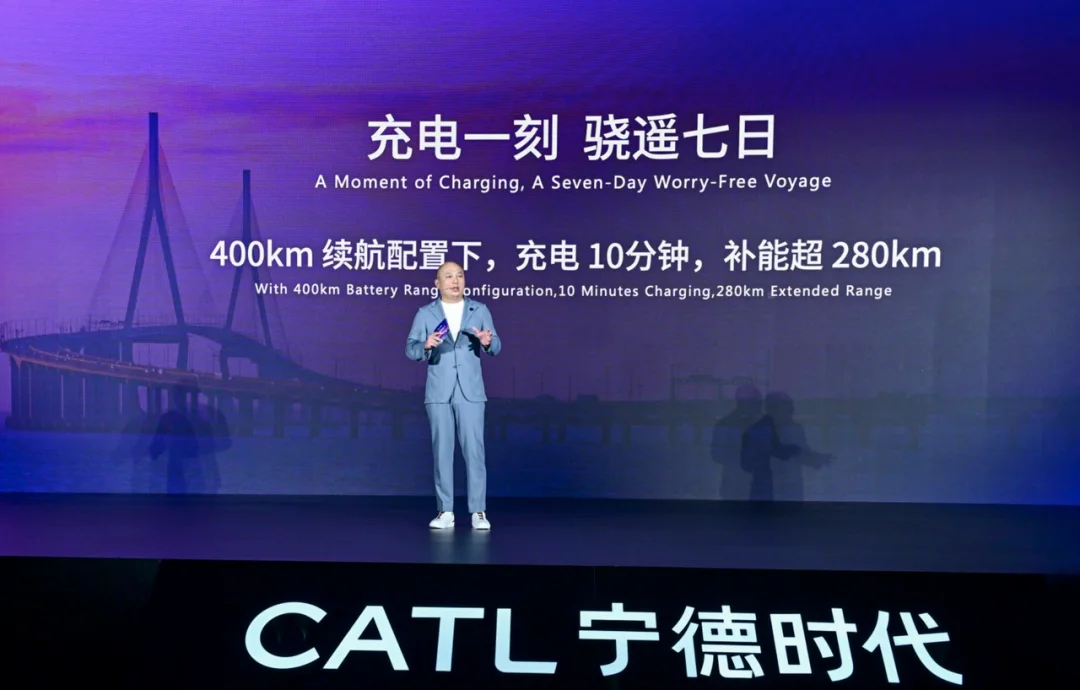
Currently, extended-range electric vehicles (EREVs) and plug-in hybrid electric vehicles (PHEVs) with long pure-electric ranges, such as the Li L6, L7, L8, L9, and Lynk & Co 08 Long Range Edition, are typically equipped with batteries of approximately thirty to forty kilowatt-hours. Their official CLTC pure-electric range is generally two hundred to three hundred kilometers, while charging from twenty percent to eighty percent battery level usually takes around half an hour—comparable to the charging time required for many pure electric vehicles with battery capacities of sixty to seventy kilowatt-hours. This indicates that frequent charging can be particularly inconvenient.
The reason Xiaoyao batteries can add 280 km of pure electric range in just 10 minutes lies primarily in CATL's significant efforts in cell materials.
According to official information, for the cathode material, Xiaoyao Battery adopts fast-ion conductor coating technology; on the anode side, Xiaoyao Battery uses a new type of nano-coating technology. The former is equivalent to allowing lithium ions to enter an ETC lane that allows more efficient passage, while the latter enables lithium ions to embed into the electrode materials more smoothly, ultimately improving energy transmission efficiency and accelerating battery charging speed.
In addition, the power output performance and low-temperature resistance of the Xiaoyao battery should not be overlooked.
Regarding power delivery, CATL stated that through innovations in cathode materials and more intelligent power algorithms, the Xiaoyao battery ensures stable performance output even at low states of charge.
Notably, the Xiaoyao battery further lowers the state-of-charge threshold for range-extender activation. Consequently, it supports a wider electric-only driving range. According to official information, the usable battery capacity in electric mode has increased by approximately 12%.
In terms of cold-weather resistance, CATL equipped the Xiaoyao battery with second-generation sodium-ion battery technology and second-generation ultra-cold electrolyte. Official data indicates that the former improves cold-weather range by an additional 5%, while the latter increases conductivity by more than 30%, enabling stable discharge at temperatures as low as -40 °C.
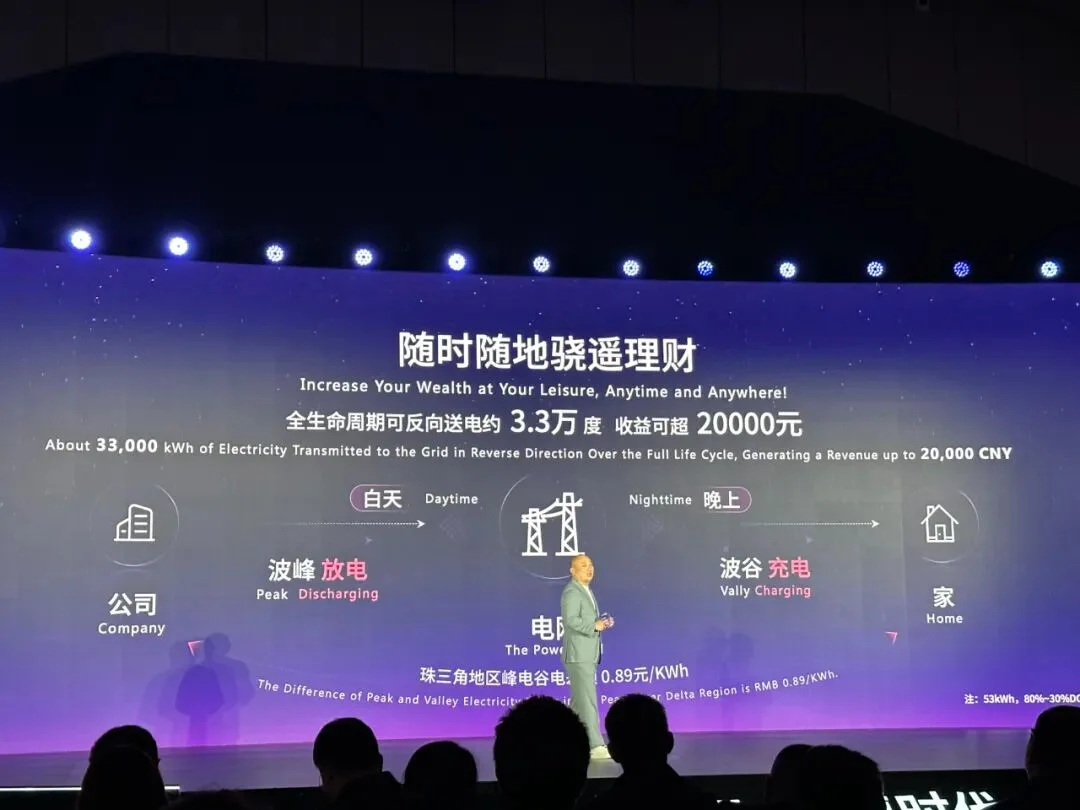
It is worth mentioning that the Xiaoyao battery also supports bidirectional energy interaction between the battery and the grid. Based on CATL’s official calculations, a single Xiaoyao battery can feed 33,000 kWh back to the grid over its full lifecycle, generating revenue exceeding RMB 20,000 for the user.
Regarding the comprehensive capabilities of the Xiaoyao battery, Luo Jian, Director of Marketing at CATL, stated at the launch event that it represents another significant evolution in the field of electric mobility.
CATL Is Aggressively Capturing the EREV Battery Market
Based on the characteristics of the Xiaoyao battery, it is a product designed to bring the overall ownership experience of extended-range electric vehicles (EREVs) closer to that of pure electric vehicles. Given the Xiaoyao battery’s 400 km electric-only range and 4C charging rate, owners can operate their EREVs essentially as pure electric vehicles in the vast majority of non-long-distance driving scenarios.
When long-distance driving is required, owners can rely on the fuel tank, the Xiaoyao battery, and an increasingly abundant network of charging facilities with improving conditions. This combination provides sufficient range anxiety relief while allowing extended-range electric vehicles (EREVs) to be driven more like pure EVs, delivering the low operating costs and smoother, quieter ride experience characteristic of electric mobility.
It is worth noting that although the Xiaoyao battery was officially launched on October 24, it has already begun to appear in models from several manufacturers.
According to information released by CATL, the Xiaoyao battery has been deployed in models from Li Auto, AVATR, DEEPAL, CHANGAN NEVO, and Nezha. In the near future, it will also be integrated into nearly 30 EREV models from Chery, Shangqi, Geely, Guangqi, VOYAH, and Beiqi.
Meanwhile, the EREV market itself is experiencing rapid growth.
Data indicates a booming sector. According to figures published by the China Passenger Car Association (CPCA), cumulative sales of EREVs reached 811,000 units from January to September this year, representing a year-on-year increase of 109.8%. Plug-in hybrid (PHEV) sales totaled 2.197 million units during the same period, up 69% year-on-year. The growth rate for EREVs significantly outpaced that of both pure EVs and internal combustion engine vehicles.
Furthermore, an increasing number of brands are joining the EREV segment. Some pure EV brands have recognized the market potential and are preparing to enter the space. For instance, AVATR has launched the AVATR 07, with plans to release an EREV version of the AVATR 12 next. Zhiji is expected to introduce EREV models next year, and Zeekr CEO Conghui An has previously stated that Zeekr may launch EREV vehicles in the future.
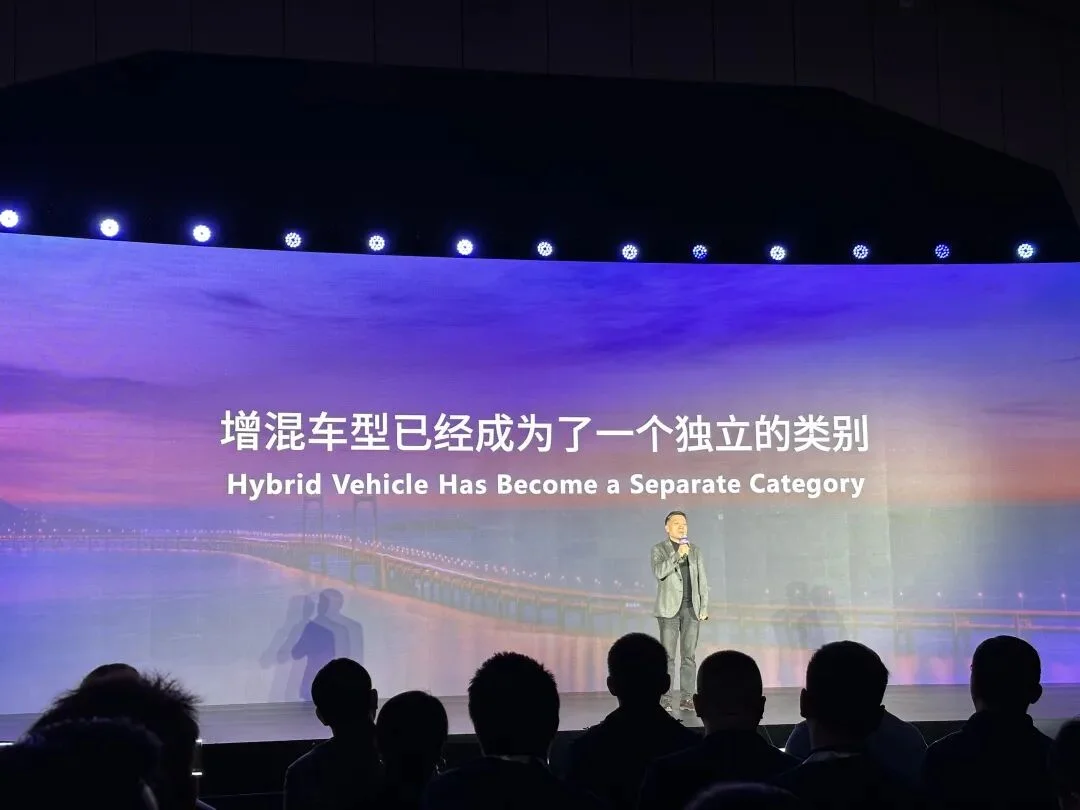
Reflecting on the rapid expansion of the EREV market, Luo Jian noted that these vehicles are no longer merely transitional products bridging the gap between oil and electricity; they have evolved into a distinct vehicle category.
For CATL, the launch of the Xiaoyao battery not only enhances the user experience for extended-range electric vehicles (EREVs) but also aligns with the rapid growth of this segment. By introducing more refined products to meet the needs of both automakers and consumers, CATL aims to secure a larger market share.
According to data from the China Automotive Battery Industry Innovation Alliance, CATL’s power battery installations reached 157.69 GWh from January to September this year, maintaining its position as the domestic market leader with a 45.85% share.
As the Xiaoyao battery gradually expands its market presence, CATL—already holding key products such as the Qilin Battery, Shenxing Superfast Charging Battery, and Xiaoyao Battery—is further solidifying its industry leadership through an increasingly broad product coverage.
Written by: Isaiah; Edited by: James