


PHEVs Rise: MPV Market Dynamics Shift
"Only a green-plate GL8 can surpass the GL8." This was the slogan Buick recently unveiled at Beijingchezhan.
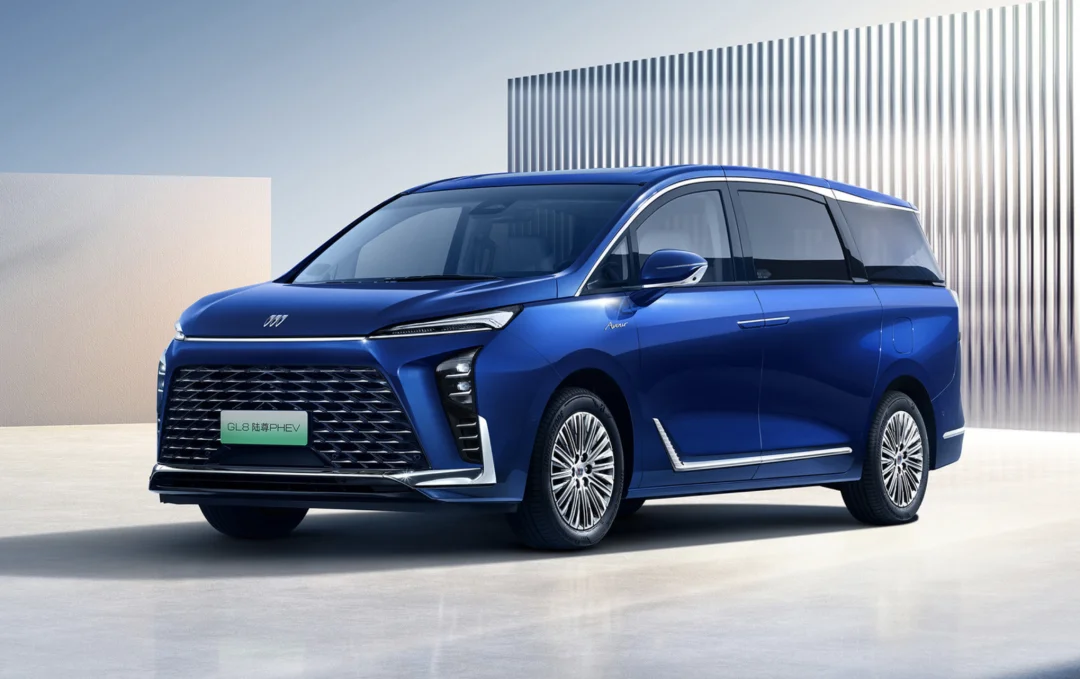
The newly launched model is the first plug-in hybrid electric vehicle (PHEV) GL8 and, to date, the most powerful GL8 ever. As the veteran that pioneered China’s MPV market and has enjoyed continuous sales success for 23 years, Buick finally joined the PHEV camp under pressure from rising domestic new-energy MPVs, introducing the GL8 Lu Zun PHEV.
VOYAH Dreamer, a representative in the PHEV MPV segment, has already secured a leading position in this category thanks to its industry-leading PHEV technology accumulation and strong sales performance. VOYAH also released the 2024 model late last year, equipped with the new Lanhaidongli powertrain. The entire system is more efficient, with the new 1.5 T engine showing improvements in both thermal efficiency and power output. The series-parallel PHEV structure, combined with dual P3+P4 motors, emphasizes both energy efficiency and performance. With a price range of RMB 339,900–419,900, it largely overlaps with the GL8 Lu Zun PHEV’s pricing of RMB 359,900–419,900.
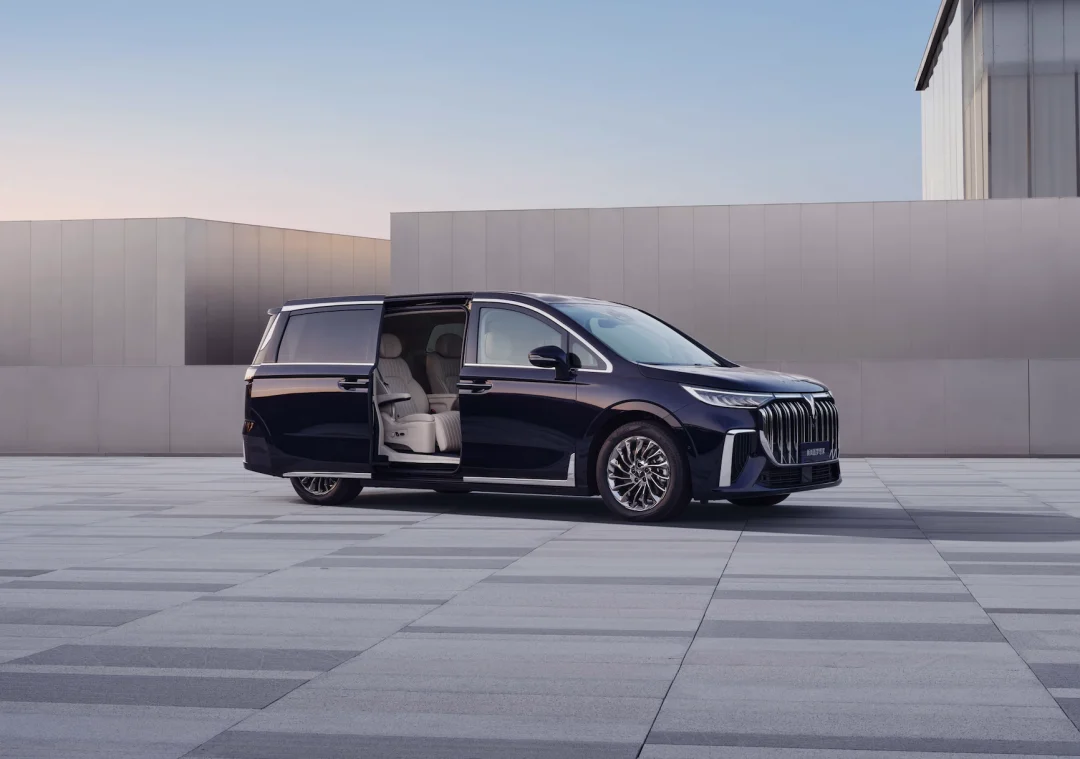
However, it is not just Dreamer; looking across the domestic large PHEV MPV market, Chinese brands have already offered a rich lineup in this category. DENZA D9, WEY Gaoshan, and Chuanqi E9 all compete within this price range. Therefore, the GL8 Lu Zun PHEV still faces fierce market competition. Can its product strength help it reclaim its past glory among these formidable Chinese rivals?
01Are Fuel-Powered MPVs Losing Their Appeal?
Before answering this question, let us examine how China’s MPV market has changed. This shift is primarily driven by the automotive industry’s transition toward new energy. In recent years, new-energy vehicles (NEVs) have developed vigorously in China, with NEV penetration rates increasing annually. Data from Chenglianhui in the first half of April broke through 50% for the first time, meaning that for every two cars sold on the market, one is now a new-energy vehicle.
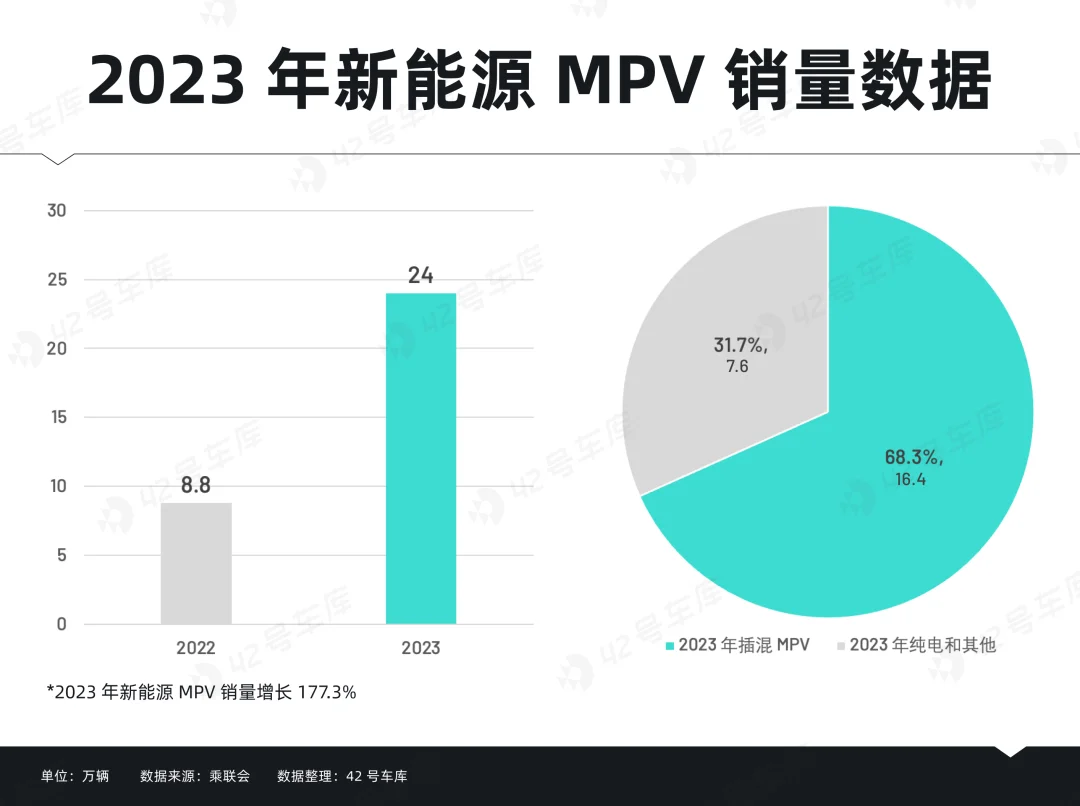
This trend was already evident in 2023 sales data, as that year marked the rise of the domestic new energy MPV market. Full-year domestic new energy MPV sales exceeded 240,000 units, a 177.3% year-on-year increase from the 88,000 units sold the previous year. Plug-in hybrid electric (PHEV) MPVs accounted for 164,000 units, representing 68.3% of the total and growing more than 430% year-on-year, establishing PHEVs as the dominant force in new energy MPV sales.
This improvement is largely driven by enhanced user experience. In China, MPVs primarily serve business reception needs or large-family travel. However, in daily use, both scenarios often involve long periods of waiting in the vehicle, such as clients attending meetings or parents waiting for children to finish classes.
Previously, many drivers would turn off fuel-powered engines during idle periods to save fuel and prevent carbon buildup. While acceptable in mild spring and autumn weather, this practice offered a poor experience in summer and winter. Additionally, when used for family purposes, MPVs are typically over 5 meters in length. The high fuel consumption associated with their large size makes daily commuting costly, reducing consumer willingness to choose an MPV for household use.
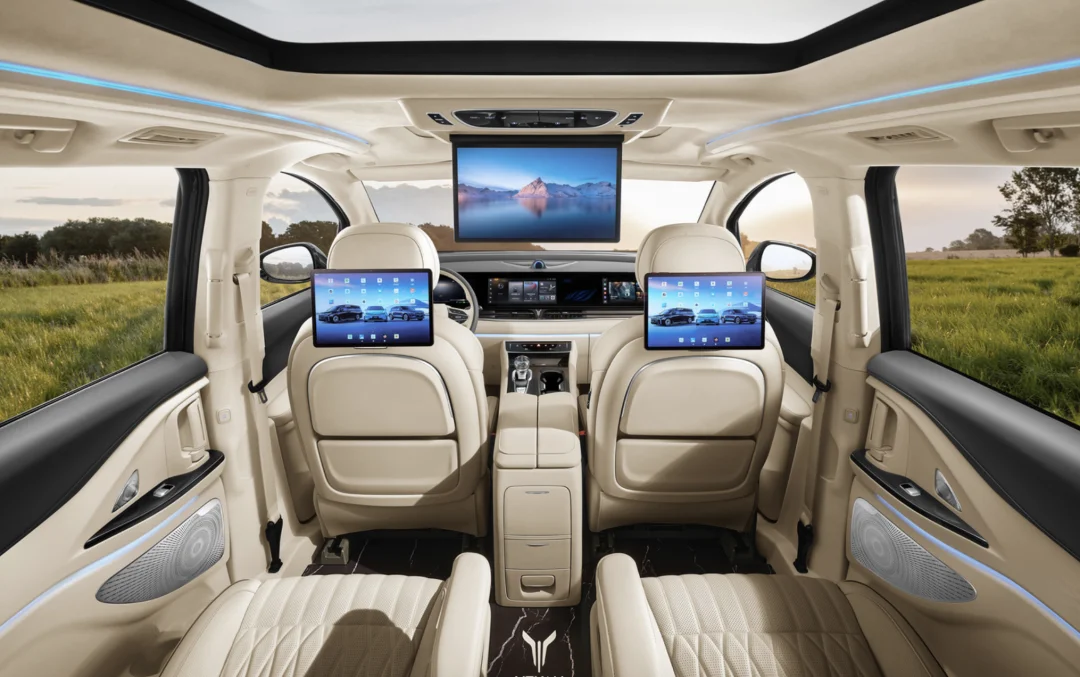
PHEV MPVs effectively address these pain points. Large-capacity battery packs allow occupants to use air conditioning and entertainment systems for extended periods while waiting, without psychological burden. Longer pure-electric ranges provide a superior driving and riding experience, significantly lower daily family usage costs, and expand potential use cases. These models also often hold a competitive edge in smart features.
02MPVs Can Also Deliver Powerful Performance
Therefore, for PHEV MPVs to deliver a good experience, the hybrid system must balance excellent fuel economy with outstanding performance and pure-electric range. With the assistance of electric motors, however, achieving strong performance is not difficult.
For example, the GL8 Lu Zun PHEV is equipped with Shangqitongyongqiche’s next-generation PHEV intelligent electric hybrid system. This system combines a 1.5-liter turbocharged engine and a two-speed dual-clutch transmission with a pair of P1 and P3 motors. The P3 motor delivers a maximum power output of 160 kW, which, when added to the 1.5T engine’s 132 kW, results in a combined peak system power of 292 kW and a maximum torque of 580 N·m. The GL8 Lu Zun PHEV accelerates from zero to 100 km/h in just 7.8 seconds, making it the most powerful GL8 to date. Now, executives can pick up their company seals even faster.
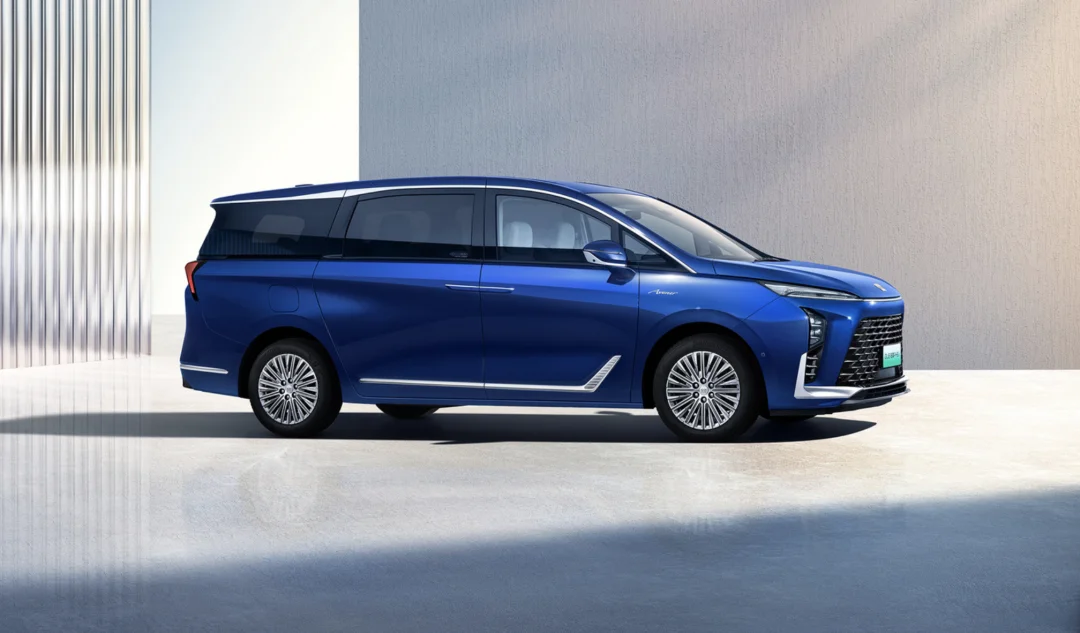
VOYAH Dreamer, on the other hand, features the new Lanhaidongli powertrain, developed on the ESSA native intelligent electric architecture. Although it also utilizes a 1.5-liter turbocharged engine in a series-parallel plug-in hybrid configuration, it differs slightly from the GL8 Lu Zun PHEV. VOYAH continues its high-performance pure-electric approach for this MPV, offering dual-motor all-wheel drive across the entire lineup. The combined power of the P3 and P4 motors alone reaches 310 kW, while the total system power peaks at an impressive 420 kW. This allows the vehicle, which exceeds 5.3 meters in length, to accelerate from zero to 100 km/h in just 5.9 seconds—a staggering performance figure for an MPV.
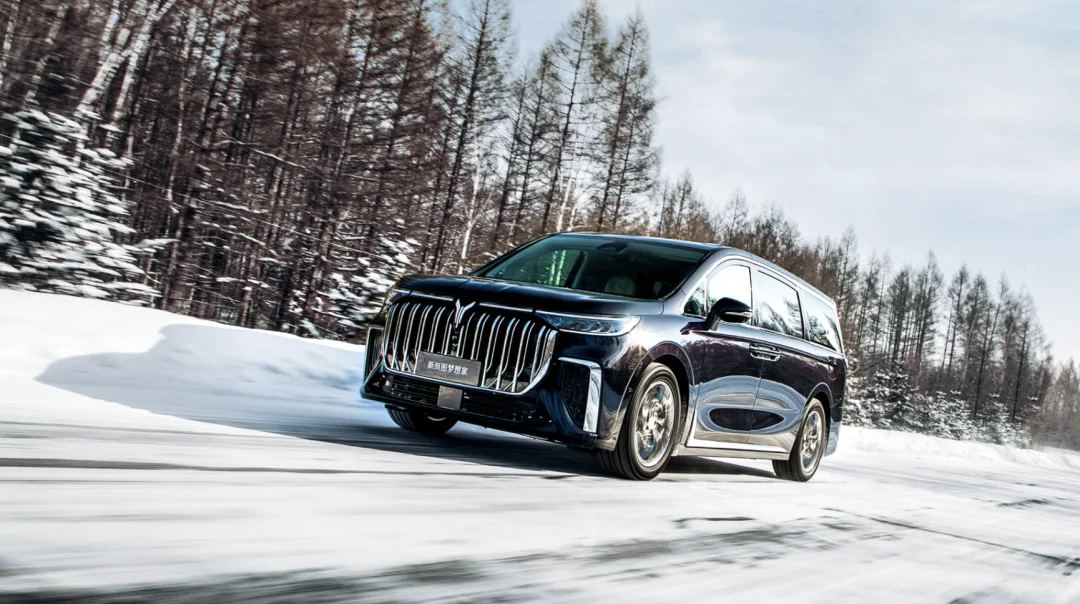
This capability means that beyond meeting family travel needs, the VOYAH Dreamer allows drivers to enjoy exclusive driving pleasure without worrying about passengers’ comfort when traveling alone. Its strong acceleration provides a unique experience for the driver. Additionally, the dual-motor all-wheel-drive layout enhances safety and versatility in various road conditions, including rainy or snowy weather, ensuring peace of mind during family outings.
Of course, when evaluating plug-in hybrids, the engine’s intrinsic quality is crucial because it serves as the foundation of the entire hybrid system. It must fulfill multiple roles: generating electricity in series mode, providing direct drive in parallel mode, or powering the vehicle independently. This requires comprehensive capabilities, balancing high efficiency and fuel economy with robust performance parameters.
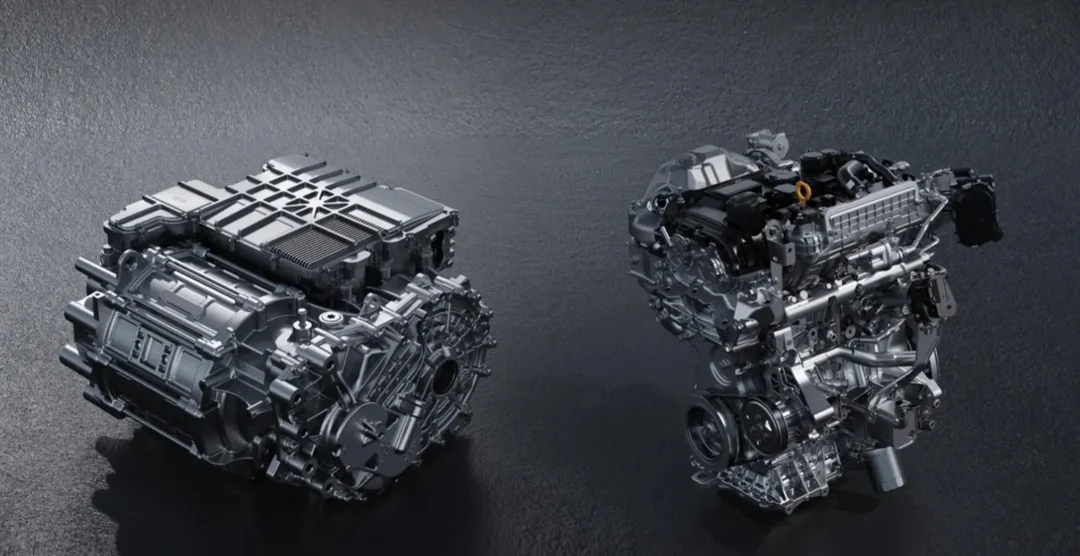
To assess an engine’s level in a PHEV model, thermal efficiency is the most intuitive metric. Simply put, thermal efficiency measures how much of the heat energy generated by fuel combustion is converted into useful kinetic energy. Therefore, engines with higher thermal efficiency offer better fuel economy, whether operating in range-extender or direct-drive modes.
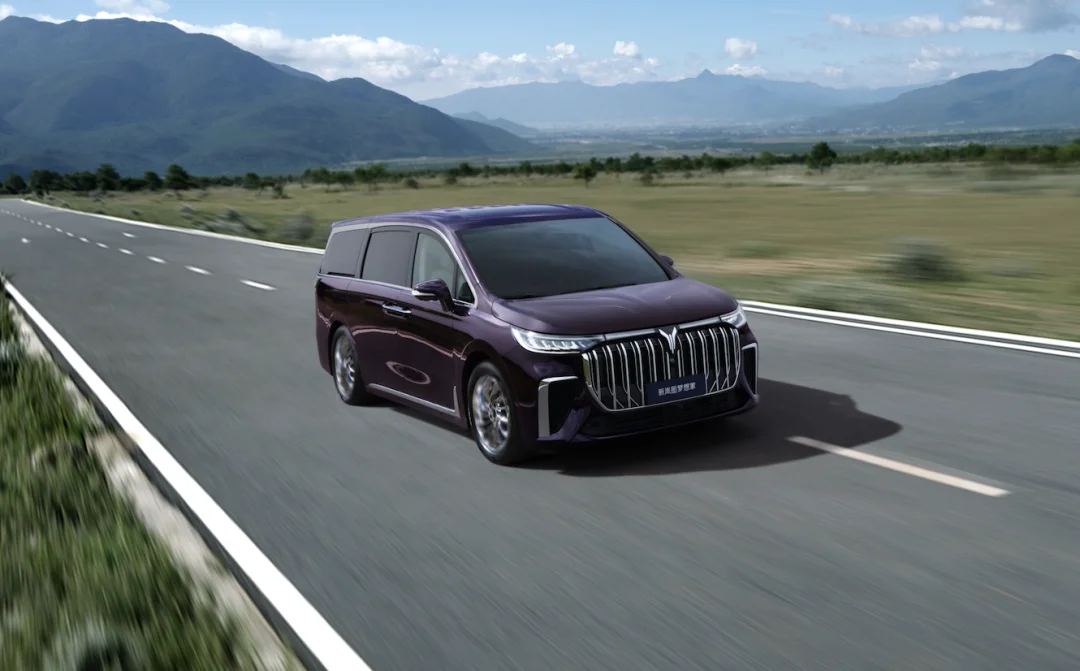
VOYAH Dreamer’s new 1.5 T engine achieves a thermal efficiency of 45.18%, making it the most fuel-efficient internal combustion engine currently available in the hybrid segment. This high thermal efficiency allows the nearly 2.6-ton vehicle to achieve a depleted-battery fuel consumption of just 5.36 L. In comparison, the GL8 PHEV has an official depleted-battery fuel consumption of 6.97 L, meaning Dreamer is slightly more efficient. We will share real-world test data for both vehicles when we have the opportunity.
The Buick GL8 PHEV’s 1.5-liter turbocharged engine does not disclose specific thermal efficiency figures, but it also employs a deep Miller cycle, indicating a design focused on economy. However, its power parameters are impressive: maximum power of 132 kW and peak torque of 250 N·m. Paired with a two-speed transmission, this setup helps maintain engine efficiency. Given the relatively small battery capacity, the GL8 PHEV aims to minimize any significant drop in performance when operating in depleted-battery mode.
03Larger Batteries Are Better
For those considering plug-in hybrid MPVs, the goal is often to eliminate range anxiety while enjoying a superior pure-electric driving experience. Therefore, battery capacity is crucial. After all, who wouldn’t prefer a larger battery?
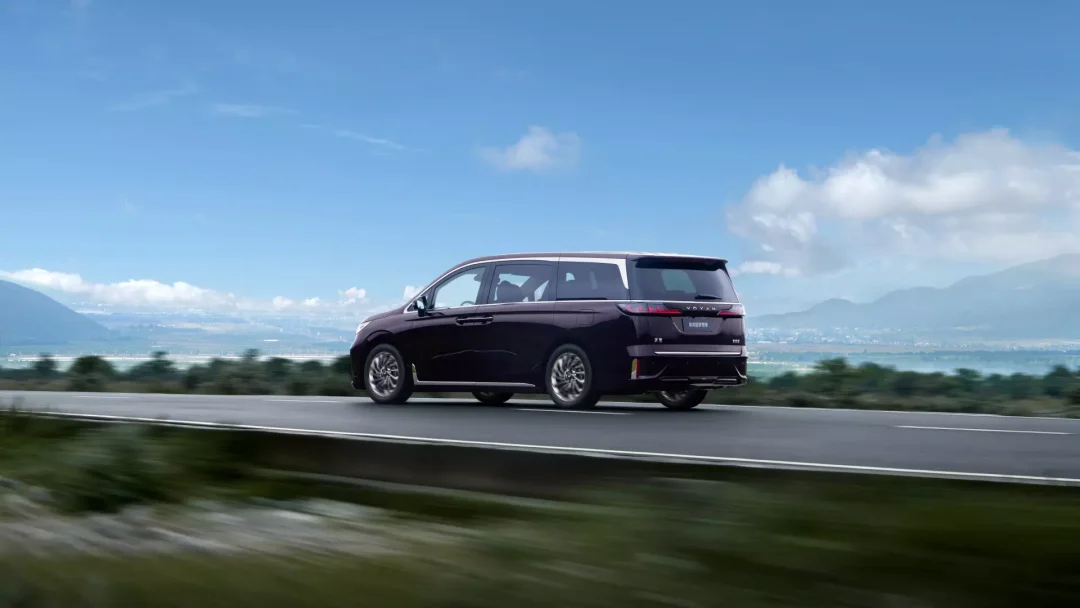
VOYAH Dreamer understands this point thoroughly. The entire lineup comes standard with the largest battery capacity in its class, a 43 kWh unit, delivering a CLTC pure-electric range of 236 km. This extended pure-electric range allows it to operate on electricity for most daily driving scenarios, while also reducing charging frequency and providing a better experience. If equipped with a home charging pile, the cost of ownership compared to traditional fuel-powered MPVs is virtually negligible. Furthermore, when going outdoors for camping, Dreamer’s large battery can support longer periods of external power discharge.
In contrast, the GL8 PHEV takes a more conservative approach to battery capacity, likely due to constraints imposed by its legacy fuel-platform architecture, which makes accommodating a larger battery difficult. The GL8 PHEV features a 24.4 kWh battery, providing a CLTC pure-electric range of 138 km. While smaller than Dreamer’s, this capacity is sufficient for daily urban commuting or powering devices while waiting. Notably, the GL8 PHEV now includes 3.3 kW external power discharge capability, allowing it to support more appliances during camping—such as induction cooktops, heaters, and even electric grills—greatly enhancing the camping experience. Dreamer also offers this feature.
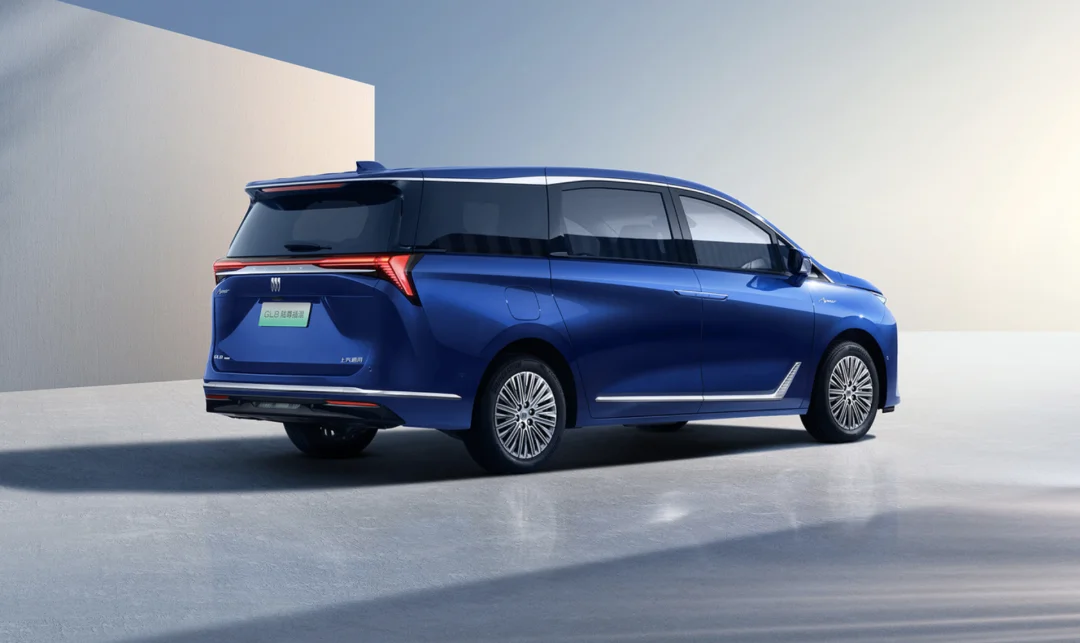
Additionally, the combination of electricity and fuel gives both the VOYAH Dreamer and the GL8 Lu Zun PHEV excellent range capabilities. With CLTC combined ranges of 1,231 km and 1,390 km respectively on a full tank and charge, they can effectively accommodate everything from a boss’s impromptu long-distance trips to spontaneous family getaways.
04Conclusion
The 2024 VOYAH Dreamer has undergone significant changes in its powertrain structure, particularly with a higher thermal efficiency engine that further improves the fuel economy of its entire hybrid system. Switching from an extended-range configuration to a series-parallel setup also allows for better power delivery under low-battery conditions. Coupled with the largest battery capacity in its class and a drive setting more biased toward electric propulsion, the VOYAH Dreamer remains a very comprehensive plug-in hybrid MPV product.
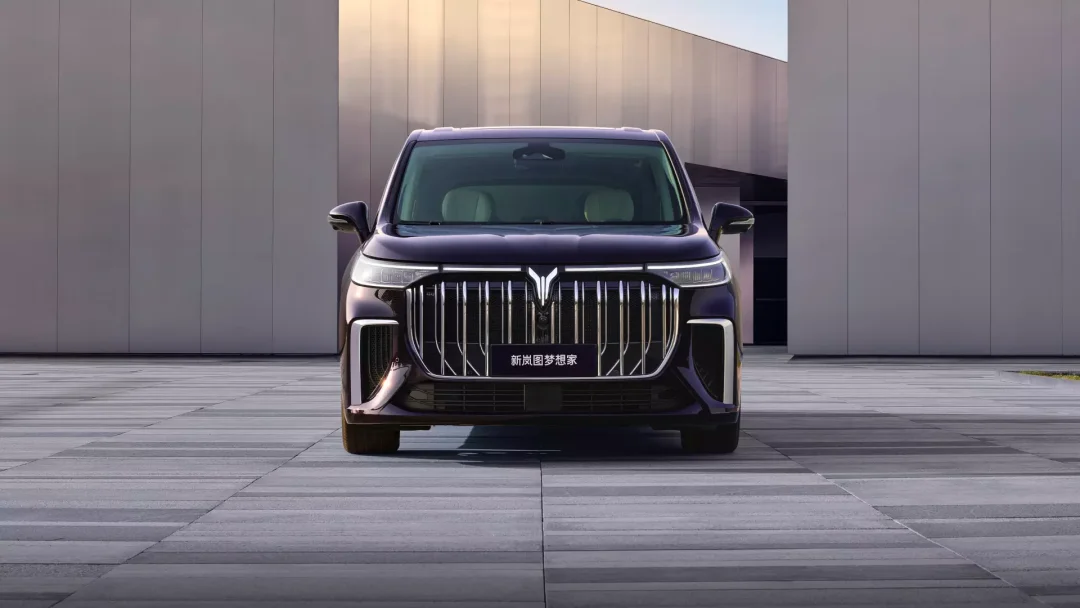
The introduction of the GL8 Lu Zun PHEV not only helps Buick catch up with the new energy era but also brings this star model back to the forefront, facing direct competition with a host of Chinese brand new energy MPVs. However, the GL8 Lu Zun PHEV is somewhat conservative regarding battery capacity. As a renowned MPV model that has deeply cultivated the Chinese market for over twenty years, the GL8 lineup has accumulated sales volume and user reputation that others cannot match, and this advantage naturally extends to the GL8 PHEV.
Of course, if you prioritize pure electric range, prefer the feel of electric driving in daily use, or live in northern regions with frequent snow and rain, the VOYAH Dreamer—with its larger battery capacity, stronger bias toward electric driving, and standard all-wheel drive across all trims—would be the more suitable choice.
Written by: Wentao Edited by: Wentao