


NIO Launches ONVO L60, Zhiji L6 Goes on Sale, Stellantis-Leapmotor JV Established
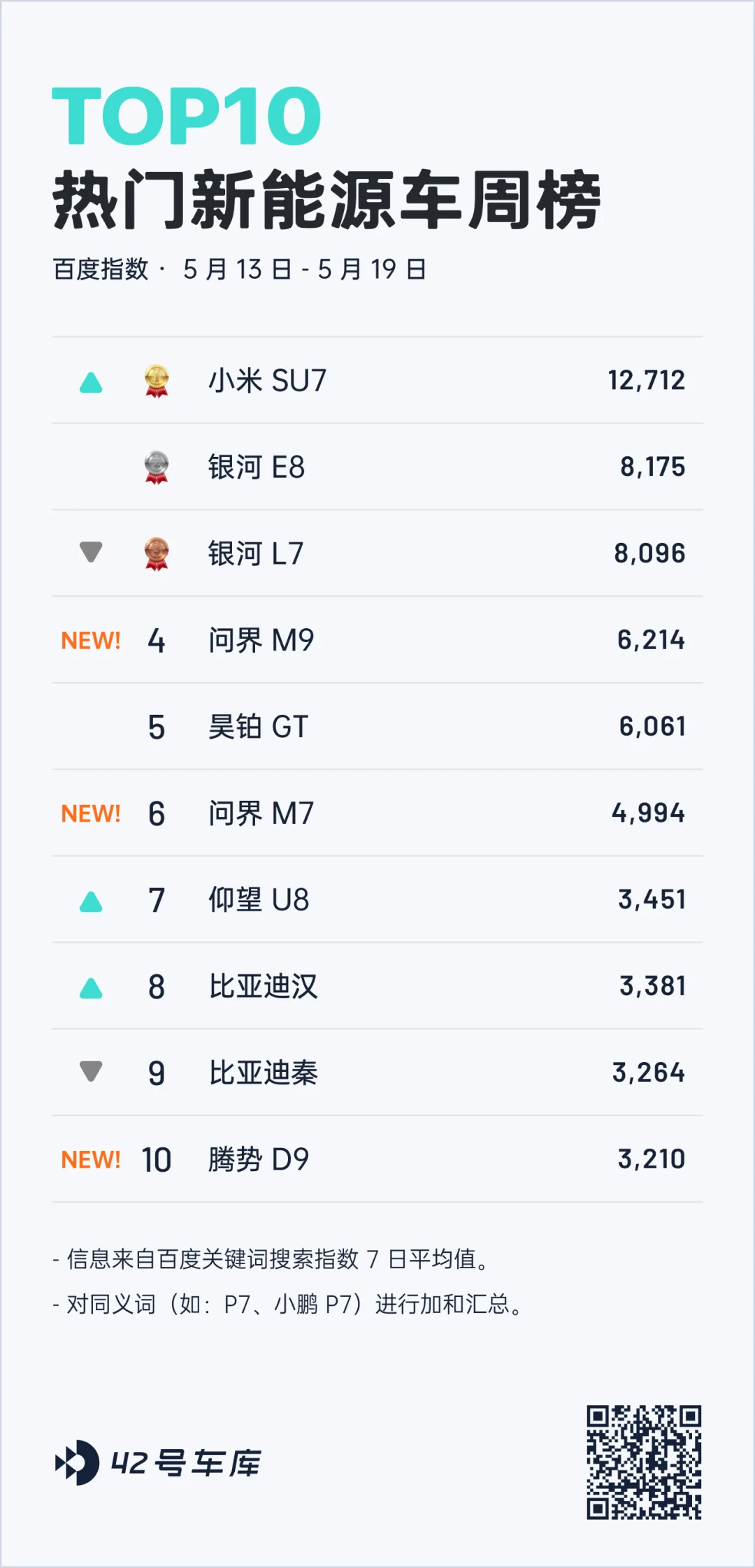
01Weekly Index
02Weekly News
NIO ONVO L60 Launched
On May 15, coinciding with International Day of Families and National Low-Carbon Day, NIO’s second brand, ONVO, was officially launched. At the same event, the brand’s first model, the ONVO L60, was unveiled with a pre-sale price starting at RMB 219,900.
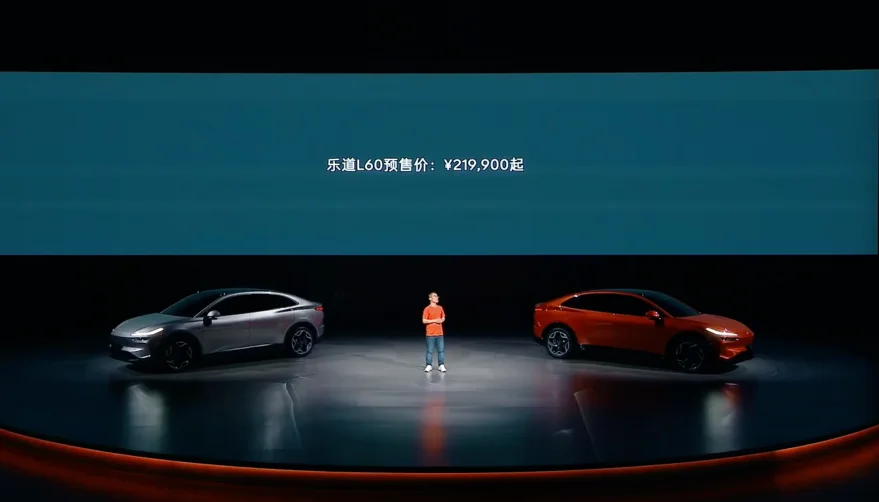
This model, which benchmarks against the Tesla Model Y, will be officially released and begin deliveries in September, nearly four months from now. Regarding the pre-sale order volume for the ONVO L60, ONVO President Ai Tiecheng stated in an interview that it has "far exceeded expectations."
From the outset, the ONVO L60 has targeted the Model Y as its primary competitor.
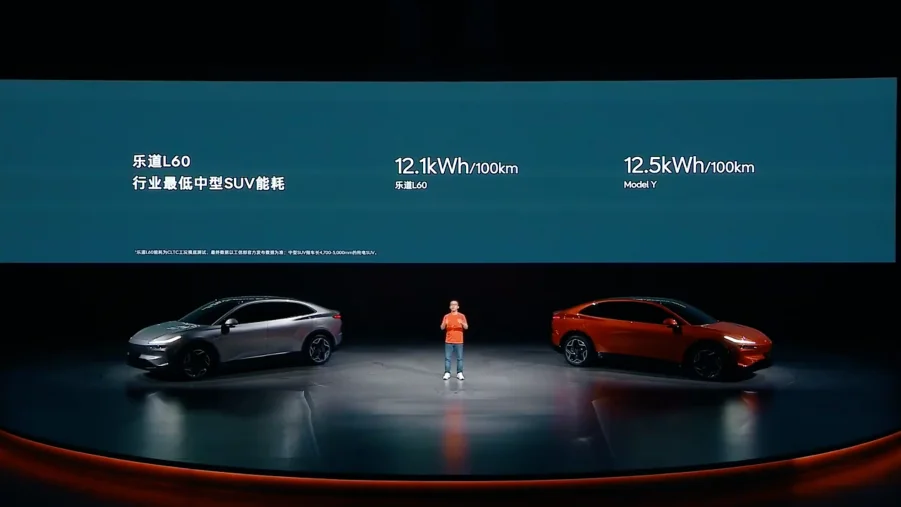
During the May 15 launch event, product comparisons with the Model Y became the central theme throughout the presentation of the ONVO L60. One of the most direct points of comparison was energy consumption. During the event, ONVO President Ai Tiecheng announced that the ONVO L60 achieves an energy consumption of 12.1 kWh per 100 kilometers, outperforming the Tesla Model Y’s 12.5 kWh per 100 kilometers. Consequently, Ai Tiecheng claimed that the ONVO L60 possesses the "lowest energy consumption among mid-size SUVs in the industry."
Based on this efficiency, the ONVO L60 offers three range options: 555 kilometers for the standard range, 730 kilometers for the long range, and over 1,000 kilometers for the extra-long range. Notably, the standard range of 555 kilometers just surpasses the 554-kilometer range of the Model Y Rear-Wheel Drive variant. To achieve these range standards, the ONVO L60 has focused on several product aspects.
Adhering to the WAY UP design philosophy, the ONVO L60 features a fastback silhouette similar to the Model Y. Features such as an integrated spoiler wing, flush door handles, low-drag wheel designs, frameless side mirrors, and a rear diffuser have helped the ONVO L60 achieve a drag coefficient of 0.229. As a result, the ONVO L60 is touted as having the "lowest drag coefficient of any mass-produced SUV globally."
In addition to its aerodynamic efficiency, the ONVO L60 employs a full-domain 900V high-voltage architecture, incorporating configurations such as an electric drive system, heat pump air conditioning, auxiliary heaters, an onboard charger (OBC), and a DC voltage converter. Its fully self-developed 900V silicon carbide (SiC) main electric drive system achieves a comprehensive CLTC cycle efficiency of 92.3%.
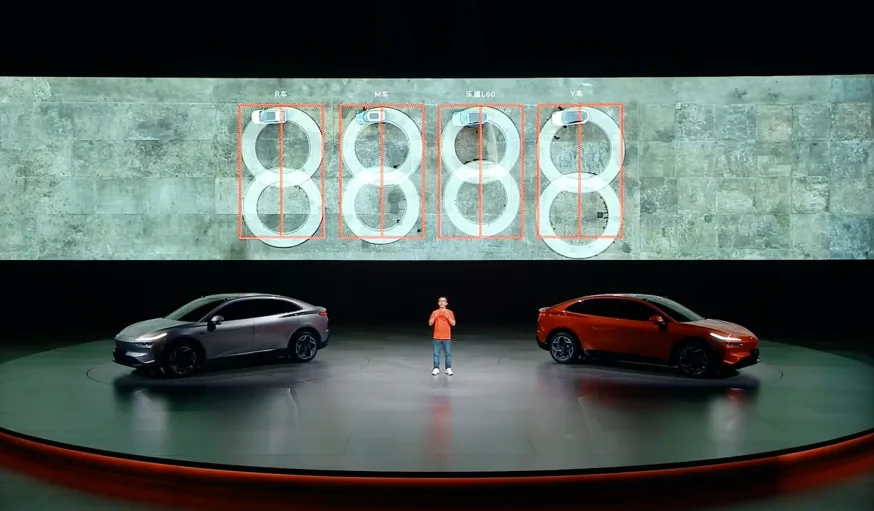
Beyond energy consumption and range, the ONVO L60 directly benchmarks against the Model Y in areas such as interior space and turning diameter. In terms of space, based on overall dimensions larger than the Model Y (4,828 x 1,930 x 1,616 mm) and a wheelbase of 2,950 mm, the ONVO L60 offers superior front-row headroom, rear-row headroom, and rear-row net knee room. Regarding handling dynamics, the ONVO L60 has a turning diameter of 10.8 meters, which is smaller than the Model Y’s 11.5 meters, the RAV4’s 11.1 meters, and even the MINI COUNTRYMAN’s 11 meters.
Additionally, beyond these product specifications, the ONVO L60 features a 17.2-inch 3K Retina display that is larger and clearer than the screen found in the Model Y.
In terms of autonomous driving, it adopts a pure vision solution similar to the Model Y, standardizing one NVIDIA Orin-X chip and 30 high-performance sensing hardware units across all trims, supporting functions such as Highway NOP and City NOP. Compared to the Model Y, the ONVO L60 also holds a unique advantage in refueling: it supports both battery swapping and charging (including AC port charging). Consequently, upon delivery, it can access more than 1,000 swap stations and over 20,000 charging piles. Its power replenishment capability is claimed to be "second in the industry," with NIO taking the top spot.
Overall, from a product perspective, the ONVO L60 is a comprehensive benchmark against the Tesla Model Y. Its product performance indicators in key areas such as energy consumption and space are indeed capable of competing head-to-head with the Model Y. This level of market ambition represents a new direction for the NIO brand.
Commentary: The launch of the ONVO L60 is undoubtedly a significant strategic move by NIO in the new energy vehicle market. The introduction of this model serves as a direct challenge to the Tesla Model Y and reflects NIO's ambition to secure higher sales volumes in more mainstream price segments.
Zhiji L6 Officially Launched
On May 13, the Zhiji L6 officially launched. The Zhiji L6 is available in five trims:
Max Standard Edition (650 km) at a launch price of RMB 199,900;
Max Long-Range Edition (710 km) at a launch price of RMB 239,900;
Max Extra-Long-Range Edition (850 km) at a launch price of RMB 259,900;
Max High-Performance Edition (780 km) at a launch price of RMB 285,900;
Max Light Year Edition (1,000+ km) at a launch price of RMB 325,900.
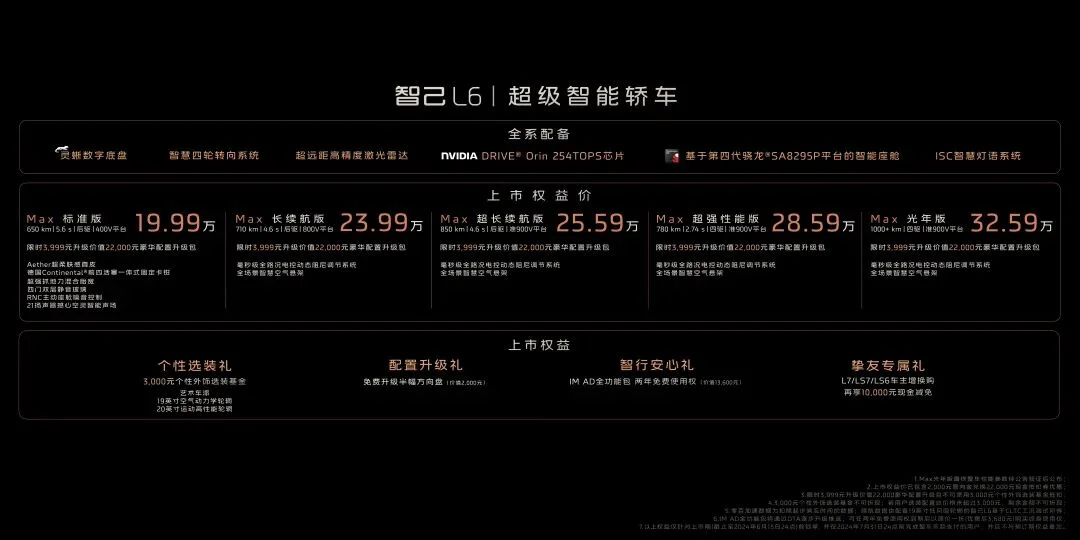
From a pricing perspective, the Zhiji L6 offers five versions to meet the needs of different consumers. The base model breaks into the sub-RMB 200,000 segment, signaling an aggressive market stance.
Let’s take a closer look at the product capabilities of the Zhiji L6.
In terms of handling, the entire Zhiji L6 lineup comes standard with four-wheel steering and the Lingji Digital Chassis to enhance driving dynamics, improve ride comfort, and increase overall vehicle safety. The four-wheel steering system further boosts handling performance, ensuring the vehicle maintains good stability and agility under various driving conditions.
Regarding autonomous driving, the Zhiji L6 is equipped with a LiDAR sensor as standard. This advanced sensor technology provides high-precision information about the surrounding environment, laying the hardware foundation for autonomous driving functions and further enhancing the vehicle's intelligence. Thanks to the standard NVIDIA DRIVE Orin X chip and Qualcomm Snapdragon 8295 chip, both high-performance processors provide powerful computing capabilities, enabling the vehicle to process complex data and algorithms.
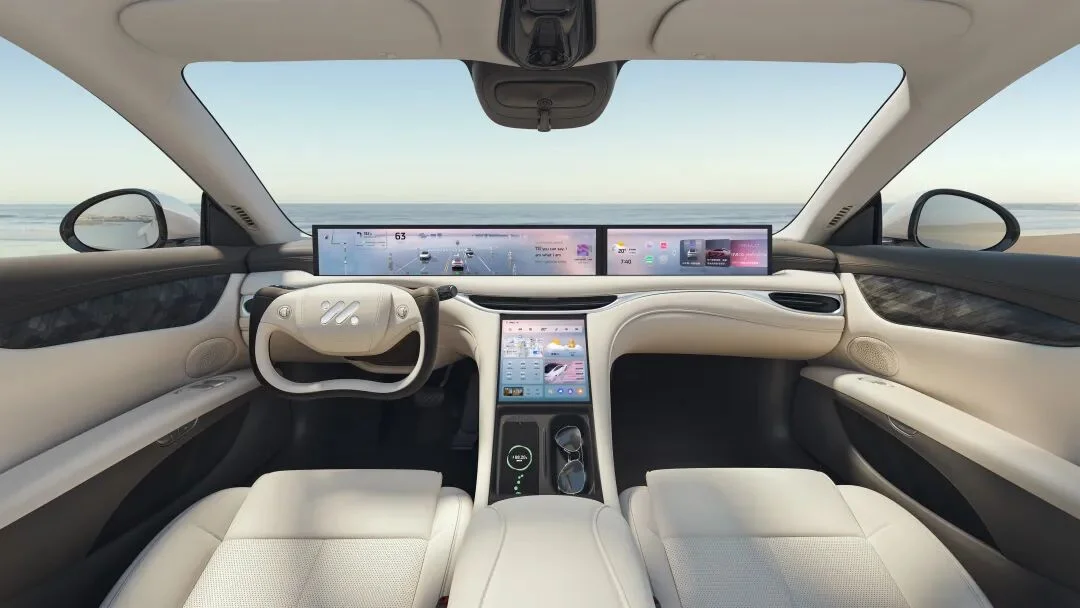
Additionally, the Zhiji L6 features the ISC Smart Light Language system as standard. This system enables non-verbal communication with pedestrians and other vehicles through light signals, increasing interaction and safety during driving. The digital driver display offers drivers rich information and an interactive interface, making the driving experience more intuitive and convenient.
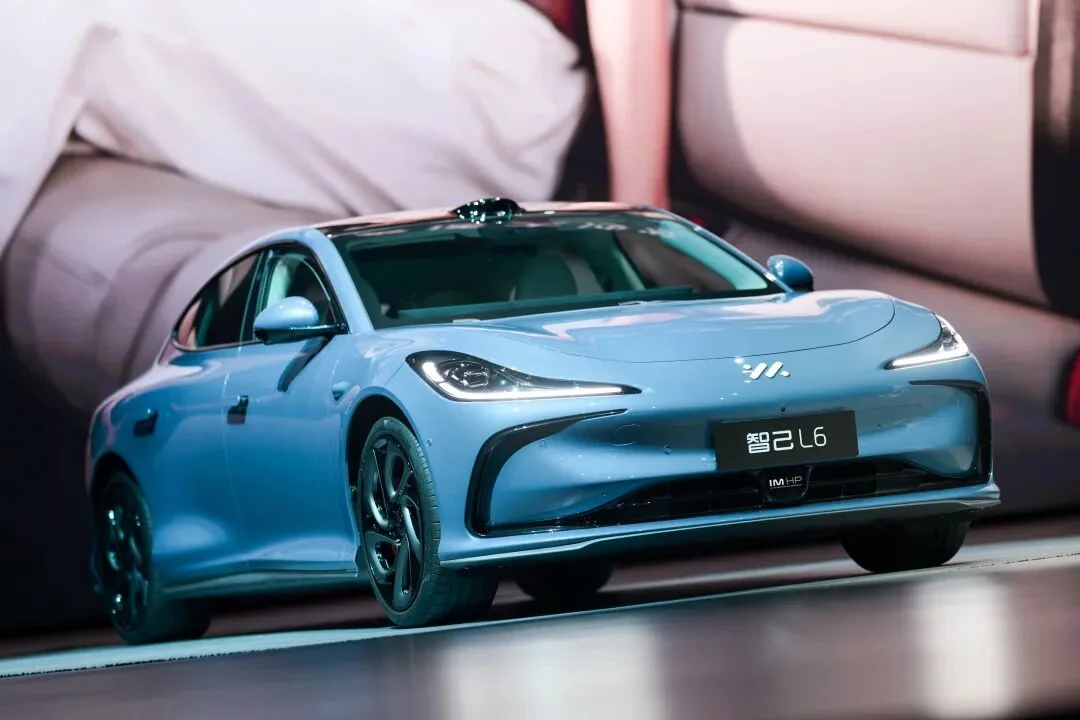
Quick Take: Overall, the launch of the Zhiji L6 showcases SAIC Group’s latest technological achievements in the new energy vehicle sector. Its extensive configuration options and technological equipment are expected to attract tech-oriented consumers in the market. As competition in the smart electric vehicle market intensifies, how the Zhiji L6 will stand out in such a fierce landscape remains to be seen through further market performance and consumer feedback.
Stellantis Leapmotor Joint Venture Officially Established
On May 14, Stellantis and Leapmotor announced the official establishment of Leapmotor International, a joint venture. In terms of equity structure, Stellantis holds 51% of Leapmotor International, while Leapmotor Technology holds the remaining 49%.
The establishment of Leapmotor International is not only an important step in integrating the technologies and resources of both companies, but also a key measure in Leapmotor’s automotive internationalization strategy.
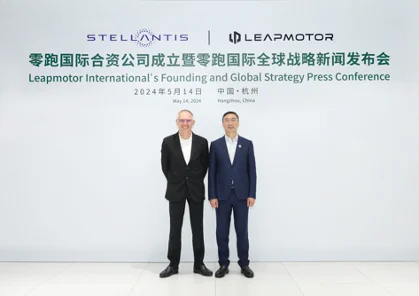
Leapmotor International is headquartered in Amsterdam, Netherlands. This geographical choice is related to the region's open business environment and policies favorable to new energy vehicles. Additionally, Xin Tianshu from Stellantis has been appointed as the CEO of Leapmotor International.
Leapmotor International plans to launch two electric vehicle models, the T03 and C10. These are expected to be sold through 200 sales outlets in nine European countries starting from the fourth quarter of 2024. Leapmotor International holds strong optimism regarding the market potential these two products can unlock.
The technical features and market positioning of the C10 and T03 demonstrate Leapmotor International’s professionalism in product development and its deep understanding of market demands. The C10’s technical architecture, safety test results, and design awards can enhance consumer trust in the brand. Meanwhile, the T03’s ranking in initial quality studies helps improve the brand’s image in the sub-segment of small pure electric vehicles.
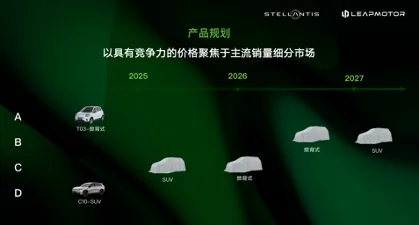
Comment: Overall, the establishment of Leapmotor International marks a significant step for both parties in the global new energy vehicle market. As plans are implemented step by step, the next few years will be a critical period for product promotion and brand building.
Yiqibentengxiaoma Production Starts
On May 17, the new branch factory of Zhongguoyiqi in Yancheng officially commenced production of Yiqibentengxiaoma, marking a substantive step in Zhongguoyiqi’s strategic layout in the new energy vehicle sector.
The launch of the Zhongguoyiqi Yancheng base is significant for boosting the company’s capacity to produce its own-brand new energy vehicles. As the first new energy model under the brand, Xiaoma is scheduled to go on sale at the end of this month.
Looking ahead, FAW Bestune aims to introduce seven new energy models covering pure electric, plug-in hybrid, and extended-range electric formats to meet diverse market demands. Among these, the new energy model codenamed E311 made its public debut at the event, showcasing the latest technological achievements of FAW Bestune in the new energy field.
The commissioning of the Yancheng branch will significantly enhance the Bestune brand’s production capabilities in the new energy segment. According to plans, the branch will complete the investment and transformation of 30 production lines by the end of this year, with an expected annual capacity of 100,000 units. The factory employs advanced manufacturing technologies, including automated body welding, a six-layer painting process, and data upload for final assembly, to ensure product quality. Additionally, the facility is equipped with sophisticated quality inspection equipment, such as LiDAR measurement, rain testing, and comprehensive road condition testing, to guarantee vehicle performance and safety.
FAW Bestune is undergoing a critical period of strategic transformation. Leveraging Zhongguoyiqi’s deep automotive manufacturing experience and the superior industrial infrastructure in Yancheng, the company plans to increase its market share in new energy vehicles within the highly competitive Yangtze River Delta region. The launch of this new plant undoubtedly injects fresh momentum into FAW Bestune’s new energy strategy while contributing to the development of China’s new energy vehicle industry.
Editorial: The production of Yiqibentengxiaoma will further enrich FAW Bestune’s product lineup to meet diverse market needs. The commissioning of the Yancheng branch will substantially boost the company’s production capacity in the new energy sector, with an expected annual output of 100,000 units, significantly enhancing FAW Bestune’s competitiveness in the new energy market.
Written by: Ameng Edited by: Ameng