Luxeed V9 Launches in China With Over 40,000 Pre-orders, Targeting MPV Market
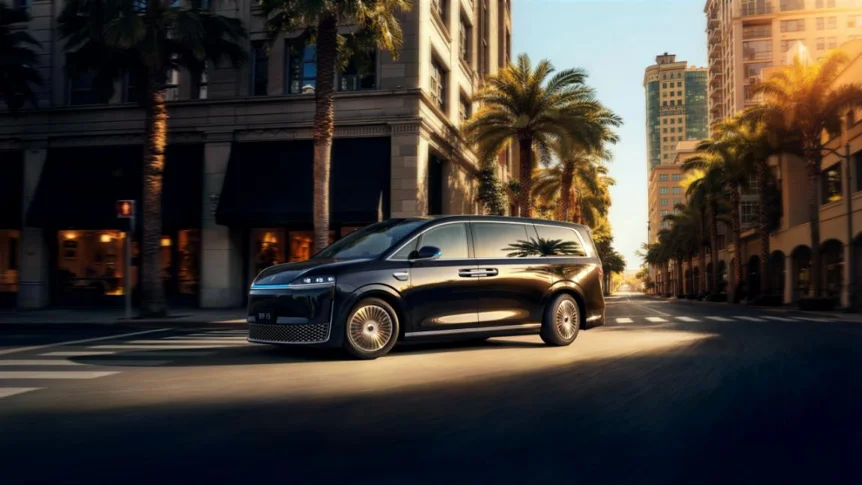
The new energy MPV market welcomes another strong contender.
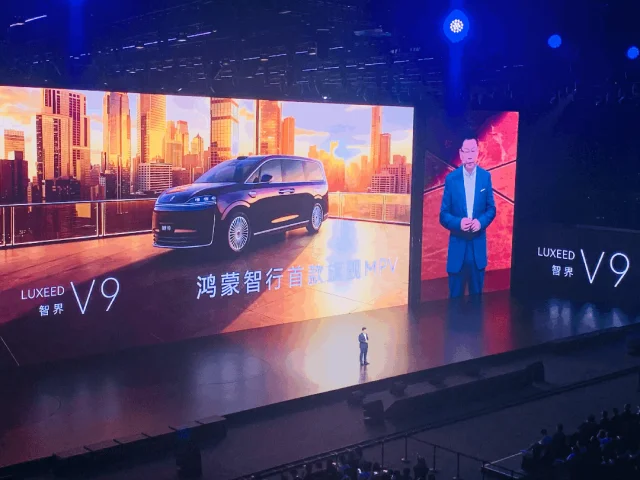
On May 15, Luxeed, a premium automotive brand jointly created by Harmony Intelligent Mobility Alliance and Chery Automobile, held its launch event at the Jing'an Sports Center in Shanghai. The all-scenario smart flagship MPV, Luxeed V9, officially went on sale. The vehicle is available in four trim levels: Max, Max+, Ultra, and Ultra+. The announced price range of RMB 389,800 to RMB 519,800 represents a reduction of approximately RMB 10,000 across the board compared to the previously announced pre-sale prices.
This marks the third product for the Luxeed brand since its establishment in 2023, and the first MPV within the entire Harmony Intelligent Mobility Alliance ecosystem. It was initially announced on a CCTV program, drawing significant attention from the public. At this launch event, Yu Chengdong, Executive Director of Huawei, Chairman of the Product Investment Review Committee, and Chairman of the Terminal BG, as well as Yin Tongyue, Chairman of Chery Automobile Co., Ltd., both attended in person to demonstrate their high regard for the new model.
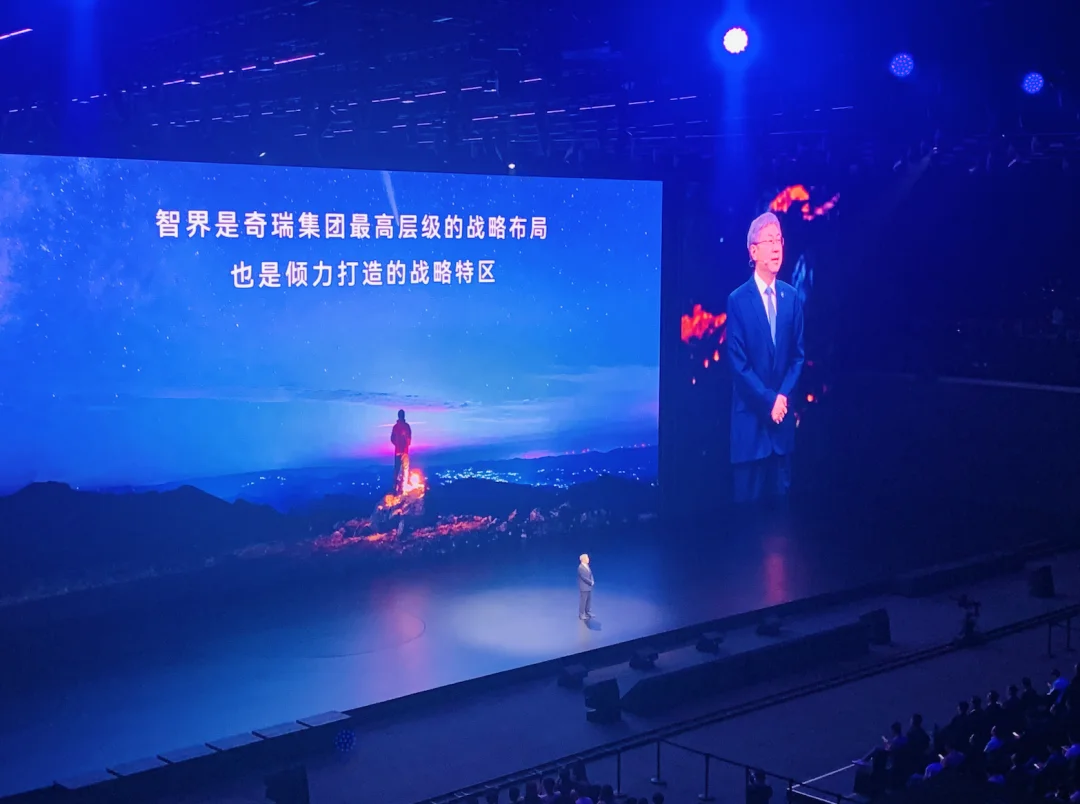
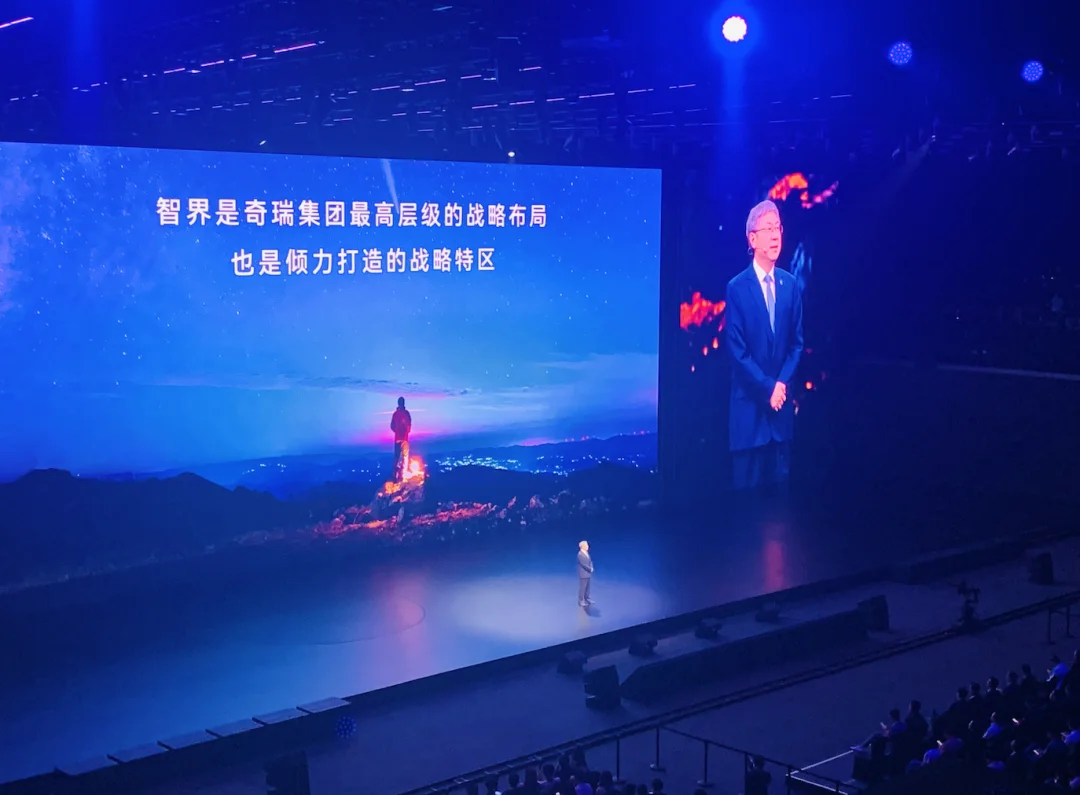
"Luxeed is the highest-level strategic layout for the Chery Group, serving as a strategic special zone where the entire group has poured its efforts," Yin Tongyue stated directly upon taking the stage, highlighting the importance of Luxeed to Chery. He also presented a set of figures: with the deepening implementation of the Luxeed Brand 2.0 strategy, Luxeed automobiles have so far accumulated over RMB 20 billion in research and development investment, more than 30,000 patents, and 57 Harmony Intelligent Mobility Alliance debut black technologies.
The newly launched Luxeed V9 is the culmination of Luxeed's latest technologies. Compared to the previous two models, the Luxeed R7 and Luxeed S7, the Luxeed V9 has undergone comprehensive upgrades in design, space, performance, driving control, and safety. During the launch event, Yu Chengdong remarked, "The Luxeed V9 has maximized technology, safety, comfort, and luxury, redefining the flagship MPV and earning the title of MVP among MPVs."
According to data disclosed by the official at the event, pre-sale orders for the Luxeed V9 had already exceeded 40,000 units prior to this launch conference.
01Pre-sale Orders Exceed 40,000: Why the Luxeed V9?
To highlight the new model's "generational leap," Yu Chengdong consistently benchmarked it against the traditional MPV king—the Toyota Alphard—throughout the launch event.
From a design perspective, the Luxeed V9 breaks away from the "boxy" concept represented by the Alphard, integrating HarmonyOS ecosystem's natural aesthetics and smart technology. The front features a starry grille paired with high-gloss chrome processing, and is equipped with Huawei's first side-door interactive welcome light carpet. Using millimeter-wave radar for active perception, the system triggers dynamic welcome effects when users approach, while the side doors link with the second-row seats to rotate 45° for greeting.
According to comparative data displayed at the event, the Luxeed V9 measures 5,359 × 2,009 × 1,859 mm in body dimensions, with a wheelbase of 3,250 mm. It adopts a "2 + 2 + 3" seven-seat layout. The second row features dual independent seats with 1,262 mm of legroom, while the third row offers 1,144 mm of legroom and 1,547 mm of width. The total cabin capacity reaches 6,033 L, making it larger than the Alphard and achieving "equal rights for every seat."
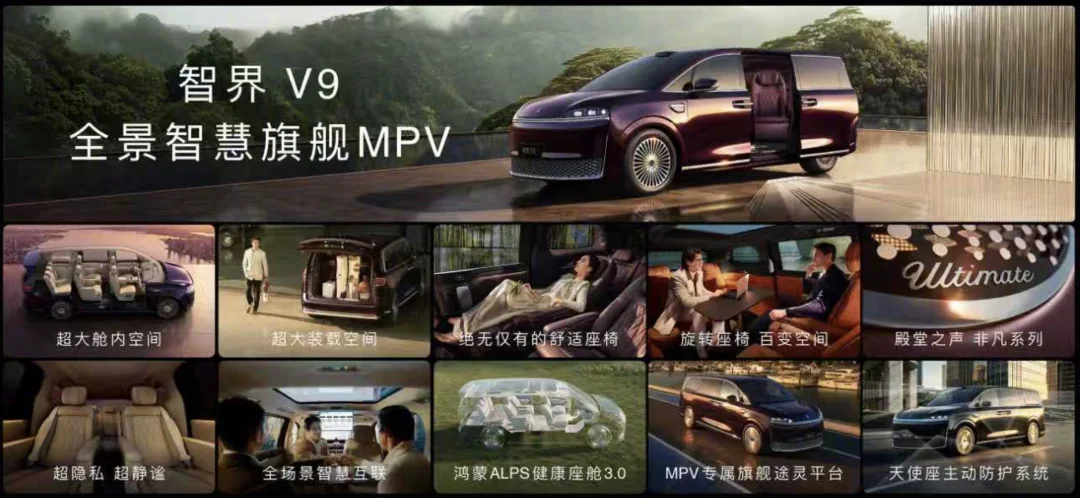
Meanwhile, compared to traditional MPVs, the Luxeed V9 incorporates more mainstream new energy cabin space functionalities. For instance, the second-row dual rotating seats can achieve a 45° welcome position; rotating 90° turns them into a "relaxed viewing platform," while rotating 180° creates a spacious face-to-face seating area, complemented by a 34-inch floating table for conversation. Both the second and third rows support folding down, allowing the creation of a large bed room for camping scenarios.
Additionally, the Luxeed V9 boasts a trunk volume of up to 892 L, capable of holding 11 20-inch suitcases and three 18-inch suitcases even with all seven seats occupied. With the third row folded down, cargo space expands further to 2,002 L, accommodating large items. The vehicle also features 52 storage spaces, with the largest lower compartment reaching 94 L, enough to fit a 20-inch suitcase.
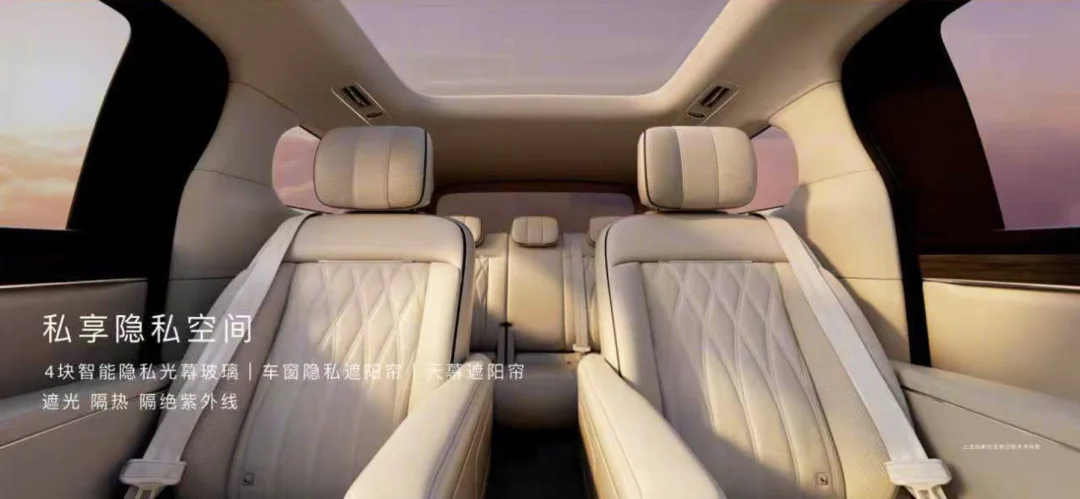
In short, the Luxeed V9 has pushed traditional MPV space utilization to the extreme. Furthermore, it introduces comfort configurations such as "refrigerators, TVs, and sofas" into the cabin. These include Nappa leather seats, semi-aniline leather armrests, SPA-level seat massage, graphene quick-heating footrests, dual zero-gravity seats in the second row, a constant-cooling refrigerator, four privacy glass windows, a 720° surround-sound system, and independent sound zones.
Notably, the Luxeed V9 features a new universal triple-screen setup and the largest 21.4-inch ceiling-mounted screen in its class, along with HUAWEI XPIXEL million-pixel smart projection headlights that support parking light language prompts and customizable light messages. At the event, Luxeed also demonstrated features such as full-scenario NFC tap-to-interact, privacy voice shields, and point-and-control functionality, enabling an all-scenario interactive experience that is "ready at a touch."
Yu Chengdong stated that, through full-scenario smart connectivity, the Luxeed V9 creates a "mobile HarmonyOS smart home," delivering an experience that surpasses traditional MPVs.
In terms of driving dynamics, the Luxeed V9 is equipped with a front double-wishbone and rear H-arm multi-link independent suspension, standard CDC continuous variable damping shock absorbers, and optional dual-chamber air suspension, balancing sportiness and comfort. The entire lineup comes standard with the MPV-exclusive Tuning platform and ±7° rear-wheel steering, achieving a minimum turning radius of 5.35 meters. To enhance passenger comfort, the Luxeed V9 features a specialized dizziness-relief linked rear-wheel steering system tuned specifically for MPVs.
Regarding powertrain options, the Luxeed V9 continues to focus on the extended-range electric vehicle (EREV) solution. It uses Chery's self-developed SQRH4J15 1.5T turbocharged engine, producing a maximum power of 115 kW and a peak torque of 220 N·m. All models come standard with a 53.4 kWh battery pack. The CLTC pure-electric range is 305 kilometers for the rear-wheel-drive version and 285 kilometers for the four-wheel-drive version.
For body safety, the Luxeed V9 adopts a Xuanwu body structure designed specifically for MPVs, offering the highest proportion of high-strength steel and aluminum alloy (91.6%) and the highest proportion of hot-formed steel (25.1%) among MPVs. It is equipped with two 2,400 MPa and six 2,200 MPa side door anti-collision beams, an 11-cell energy-absorbing aluminum alloy sill beam, and global-first electromagnetic thermal control die-casting technology, ensuring lightweight construction without compromising safety.
Additionally, the Luxeed V9 will be equipped with 13 airbags and is the only MPV in the industry to standardize seat cushion airbags and second-row independent side airbags. It also features rare configurations such as third-row side curtain airbags and third-row side airbags, ensuring every occupant has dedicated airbag protection and achieving safety equity. The newly introduced Angel Seat Global Protection System can proactively reset seats before a collision and tighten seatbelts during impact, minimizing risk.
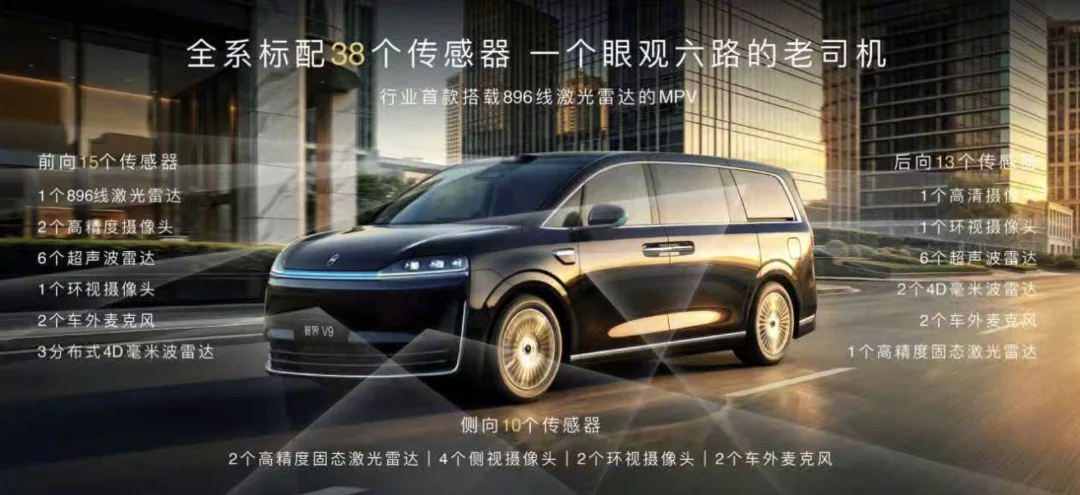
Autonomous driving is Huawei’s signature strength. On the hardware front, the Luxeed V9 comes standard with 38 sensors across all trims, including one 896-line LiDAR unit. Additionally, according to Yu Chengdong, the Luxeed V9 will be among the first models to upgrade to Huawei Qiankun Intelligent Driving® ADS 5. He stated that with the launch of the Luxeed V9, the boundaries of traditional luxury MPVs will be broken, and the entire market will undergo a reshuffling.
02A Niche Track Under $1 Million: Capturing the MPV Market Won’t Be Easy
However, the situation facing the Luxeed V9 may not be as optimistic as Yu Chengdong suggests.
Since the Denza D9 carved out a niche in the MPV market in 2022, giants such as Geely, Dongfeng Motor, and Great Wall Motor, along with new forces like XPENG, have entered the fray. Specifically, Voyah, under Dongfeng Motor, launched the Voyah Dreamer in May 2022; Zeekr, under Geely, released the Zeekr 009 in November 2022; and WEY, under Great Wall Motor, introduced the Gaoshan in October 2023. Furthermore, XPENG and Li Auto both deployed their X9 and MEGA models around 2023.
For automakers that entered the market during the first wave around 2022, the primary motivation for joining was the potential for electric substitution in the MPV segment.
Just as the mobile internet reshaped every sub-segment, the era of smart electrification has brought similar opportunities to the automotive market. An Conghui, CEO of Zeekr, stated at the Zeekr 009 launch event that the MPV sector has entered the age of electrification, and the old mindset of defining vehicle categories by type is outdated. Future products will be determined by user needs. "When a product exceeds user expectations, blue oceans lie ahead."
From the perspective of electrification penetration rates, MPVs indeed lagged behind the broader market compared to SUVs and coupes. Data shows that in 2021, domestic sales of pure electric MPVs and plug-in hybrid MPVs were 29,000 units and 6,279 units, respectively. Including powertrain types such as natural gas and hydrogen fuel, the new energy penetration rate for MPVs in 2021 was only about 3%. In contrast, the overall new energy vehicle penetration rate in China exceeded 15% during the same period.
After four years of continuous expansion, the electrification gap in the MPV market has now been closed. Over the past year, the new energy penetration rate of China’s MPV market has approached 60%. Including competitors such as GAC Trumpchi, which has transitioned from traditional ICE vehicles, and Wuling Starlight, which targets the entry-level segment, there are now as many as 20 new energy MPV models on the market, with competitive intensity rivaling that of niche segments like hardcore off-roaders.
Furthermore, similar to other niche segments, the MPV market is relatively small in overall volume. According to public data, China’s MPV market size was approximately 1.08 million units in 2025, placing it in a different league entirely from passenger car markets such as sedans and SUVs. Moreover, domestic automakers’ overall market share has reached 62%, with new energy domestic brands accounting for more than 80%—a figure significantly higher than in the sedan and SUV segments.
More importantly, the boundary between MPVs and large SUVs is becoming increasingly blurred. A typical purchasing scenario involves many consumers hesitating between mid-to-large SUVs like the Li Auto L9 and AITO M7, and MPVs such as the Denza D9 and Voyah Dreamer. The recent intensifying competition among large SUVs, represented by the 9 Series class, is beginning to pressure the MPV segment. In April, domestic retail MPV sales fell 21.6% year-over-year to 68,000 units.
In a sub-segment with monthly sales below 70,000 units, no fewer than 20 new energy products coexist alongside established ICE players like the Toyota Sienna and Buick GL8, making the overall survival quality challenging to imagine. In April, none of the top ten best-selling MPV models in China achieved monthly sales exceeding 10,000 units. Even Voyah Dreamer, the best-selling new energy MPV in China, recorded total sales of only 6,386 units.
New products continue to enter the market. Besides the recently launched Luxeed V9, facelifted versions of models such as the Denza D9 and Zeekr 009 are also expected to debut soon. As a second-wave entrant, the Luxeed V9 lacks the first-mover advantage enjoyed by competitors like the Denza D9 and Voyah Dreamer, and faces even more complex competitive dynamics, including pushback from joint-venture brands. Whether it can truly break through and reshape the market landscape will depend on its subsequent performance.
However, Luxeed is not without its chances. On one hand, looking at Huawei’s lineup across its “Five Worlds” ecosystem, Luxeed focuses on differentiation; entering the MPV space allows it to address real-world needs within the Huawei ecosystem that remain unmet by SUVs like those under the AITO brand. On the other hand, Geely, Great Wall Motor, Li Auto, and XPENG are all familiar rivals to Huawei, each with strong track records in segments such as SUVs.
Notably, Huawei has already achieved a promising start in the MPV sector with the Luxeed V9: according to the latest data, just two hours after its launch, the number of confirmed orders for the Luxeed V9 exceeded 7,000 units.
Written by Florence Edited by James