


Huawei Is Dealing the Cards
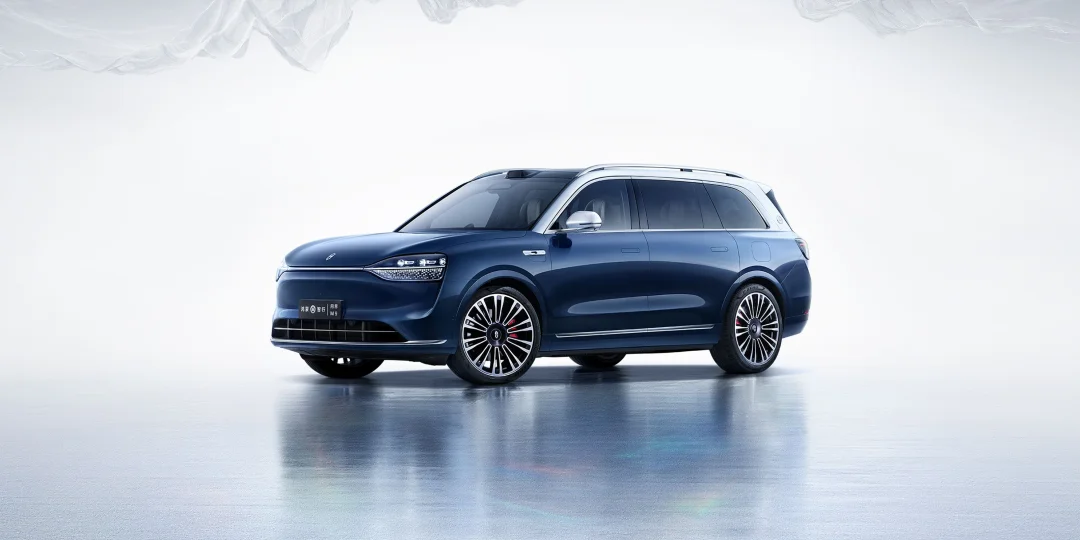
If you see someone sitting in an AITO M9, using a Huawei Mate XT Ultimate Design, you may not know who they are, but you can likely gauge their financial standing.
Among Chinese companies, many make smartphones, and many make cars. A few do both. But only Huawei has reached the top tier in both markets, exerting such a profound impact on people's lives as it does today.
The Huawei Mate XT Ultimate Design, priced from RMB 19,999, was released for pre-order on September 10. It was quickly scalped to prices ranging from over RMB 100,000 to hundreds of thousands of yuan. Netizens dubbed the Mate XT the "electronic Maotai." Since its launch late last year, the AITO M9 has seen more than 140,000 non-refundable reservation deposits by September 23, rewriting the history of domestic brands' performance in the automotive market above RMB 400,000.
As Richard Yu put it, Huawei is now filled with a "kingly aura" in the smartphone market.
However, in the automotive market, although Huawei delivered a high-quality knockout blow with the AITO M9, it faces many challenges and difficulties in this complex and ruthless market. In fact, in the automotive sector, Huawei has no choice but to become a top-tier player.
01The First Step: Where Should We Go?
In December 2022, during an interview with China Central Television, Richard Yu looked down, his eyes red, and said:
When I was in pain, I would walk alone outside for a long time... until dawn broke, then return to go to work.
For years, Richard Yu has projected an image of steely resolve and pioneering boldness. Yet in that interview with China Central Television, he revealed his vulnerable side for the first time.
At that time, Richard Yu served as CEO of Huawei Consumer BG and Che BU, shouldering both the smartphone and automotive businesses. However, both businesses faced development problems to varying degrees.
Huawei's smartphone business was hit by U.S. sanctions, but based on its accumulated product R&D strength and brand influence from years of cultivation, Huawei's path to breaking through in the smartphone market remained clear despite the difficulties, as evidenced by the launch of the Mate 50 hit model in 2022.
Compared to the smartphone business, the automotive business, which was still in its infancy at the time, faced even more difficult circumstances. By December 2022, neither the HI Moshi under Che BU nor the Zhixuanchemoshi personally promoted by Richard Yu under Consumer BG had escaped a deadlock.
In May 2022, the first vehicle under HI Moshi, the Arcfox Alpha S Huawei HI Edition, went on sale. By December 2022, the monthly sales of the entire Arcfox brand were only around one thousand units at their best. In August 2022, the second product under HI Moshi, the AVATR 11, was launched, but deliveries did not begin until December 2022. After delivery, the performance of the AVATR 11 was also below expectations; it was not until February 5, 2023, that sales exceeded 2,000 units.
In December 2021, based on Zhixuanchemoshi, Huawei and SERES launched the AITO brand. Subsequently, the AITO M5 and AITO M7 were launched in 2022. Among them, the AITO M7 quickly drove the AITO brand's sales to break 10,000 units after its launch.
With the rise of the AITO M7, the Li ONE, which was then at its peak and had a direct competitive relationship with the AITO M7, came under pressure from the AITO M7, disrupting Li Auto's overall product update and replacement rhythm. Forced to do so, Li Auto prematurely discontinued the Li ONE and compensated suppliers with RMB 1 billion.
Recognizing Huawei's formidable strength, Li Auto CEO Xiang Li called on the Li Auto team to fully learn from Huawei at the Yanqi Lake conference in late September 2022 and decided to upgrade Li Auto's organizational structure to a Huawei-style matrix organization as soon as possible. Later, when recalling this story on his Weibo, Xiang Li also said:
The launch and management of the AITO M7 dealt a devastating blow to the Li ONE... The agonizing problems we faced in product development, sales services, supply manufacturing, and organizational finance were solved by them over a decade ago, or even twenty years ago.
The strong performance of the AITO M7 has validated the feasibility of Huawei's Zhixuanchemoshi model, and Richard Yu, who leads this model, now holds stronger internal influence, enabling him to advance the Huawei automotive business with Zhixuanchemoshi as its core.
However, just as Huawei had made a name for itself with the AITO M7, it soon stumbled because of the AITO M7.
In November 2022, the AITO M7 suffered A-pillar deformation in the China Insurance Automotive Safety Research Center's (Zhongbaoyan) "driver-side frontal 25% offset crash" test. This triggered a wave of negative public opinion. Combined with other factors, such as the launch and delivery of the formidable competitor Li L8 during the same period, sales for the AITO M7 and the entire AITO brand plummeted. In December 2022, AITO's sales stood at 10,143 units; by January 2023, they had dropped to 4,475 units.
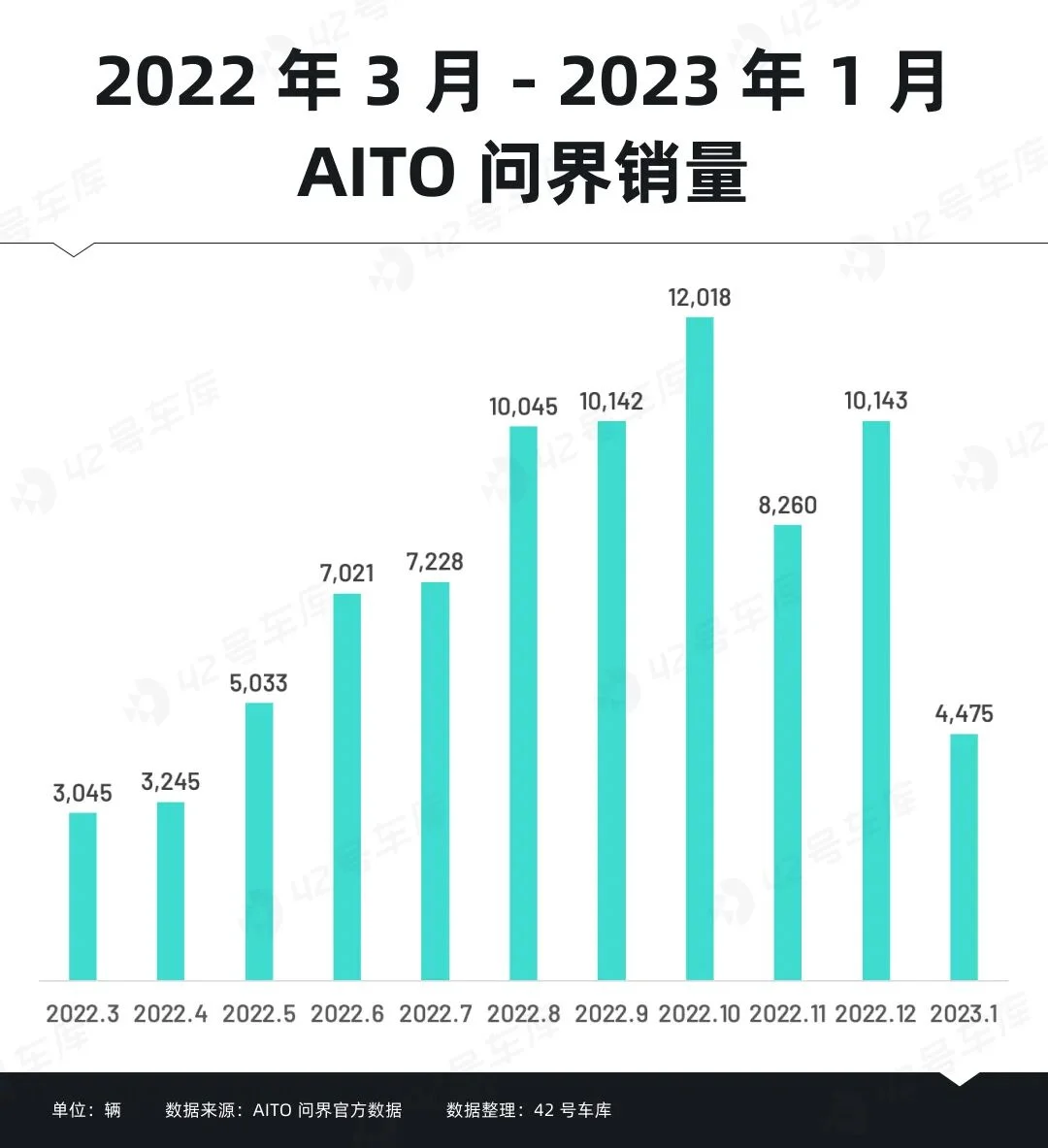
At this point, Huawei's HI Moshi has not yet been successfully validated. Although Zhixuanchemoshi has been validated, its market performance remains unstable. The combination of these two factors has led to severe losses in Huawei's automotive business.
Huawei's annual report shows that revenue from smart vehicle solutions in 2022 was RMB 2.077 billion, accounting for only 0.3% of Huawei's total income in 2022. As of 2022, the R&D team under Che BU has reached a scale of 7,000 people since its establishment, with cumulative investment reaching USD 3 billion (approximately RMB 14.5 billion).
What makes the situation even more difficult is that three months before Zhongbaoyan released the AITO M7 crash test results, Huawei founder Ren Zhengfei issued an internal statement declaring a market winter. To survive the impending cold, he instructed the company to cut all marginal businesses and focus solely on revenue and profit — a directive that put the automotive division squarely in the crosshairs.
If Huawei intends to continue its automotive ambitions, every subsequent move in the market must be executed with precision, leaving no room for error. Richard Yu also needs a major victory to reassert his credibility.
Previous explorations had already proven that the Zhixuanchemoshi model could work; the failure lay in product execution. Richard Yu chose to address this directly by using product development as the entry point to reverse the trend — rising from where it fell by launching a new AITO M7.
On February 25, 2023, Huawei and SERES signed an agreement to deepen their cooperation, agreeing to launch a new platform. The first flagship model on this platform would feature Huawei’s advanced autonomous driving system. This new product, built on the new platform and equipped with Huawei’s high-end smart driving capabilities, became the AITO New M7.
It is important to note that prior to this, the AITO M7 was equipped with Bosch’s intelligent driving system, while Huawei’s system was reserved for vehicles under the HI Moshi partnership. As smart driving technology gained increasing attention from both the industry and consumers, competing against automakers such as Tesla and Li required the AITO M7 to be empowered by Huawei’s intelligent driving system.
After securing the integration of Huawei’s advanced autonomous driving into the AITO New M7, Huawei deployed a series of strategic moves centered around the vehicle:
Investing RMB 500 million to comprehensively upgrade the AITO M7’s intelligent driving and safety capabilities;
Introducing a five-seat version with a starting price cut of RMB 40,000 and a repositioned product lineup;
The launch of Huawei ADS 2.0, personally endorsed by Richard Yu, alongside social media campaigns such as in-store livestreams to build user trust in Huawei’s autonomous driving capabilities;
Leveraging the release of the Mate 60 amid U.S. sanctions to garner significant public attention and emotional support.
Through meticulous planning and top-tier execution, the AITO New M7 secured more than 50,000 confirmed orders within a month of its launch, becoming a phenomenon-level bestseller. Following this success, Richard Yu expressed mixed emotions in his WeChat Moments, remarking, 'Bringing it back from the brink was not easy.'
The AITO New M7 has earned broader market recognition for the AITO brand and once again strongly validated the feasibility of the Huawei Zhixuanchemoshi model. However, for Huawei, this is merely the first solid step; there are still many challenges ahead.
02Who Am I?
At the end of March 2023, Richard Yu posted on an internal Huawei forum:
This era has changed, which will only make things even harder for us.
In March 2023, the "HUAWEI AITO" branding appeared in Huawei’s official promotional channels, including Huawei retail stores and the AITO website. Its emergence reignited external debates over whether Huawei would build cars itself and revived discussions about the so-called "soul theory." Internally, this also triggered turbulence within Huawei.
At the Huawei annual report press conference in late March 2023, then-rotating chairman Xu Zhijun stated that "some individuals, departments, or partners were damaging Huawei's reputation." Ren Zhengfei also personally signed and issued the "Resolution on Huawei Not Building Cars," which prohibited the use of the Huawei or HUAWEI brand on complete vehicle marketing materials and exteriors.
Richard Yu addressed the emergence of "HUAWEI AITO" at the China Electric Vehicle 100 Forum, held around the same time. He explained his intention to position "HUAWEI AITO" as an ecosystem brand. Since Huawei planned to collaborate with SERES, Chery, Beiqi, and Jianghuai, unifying the models produced through these partnerships under the "HUAWEI AITO" banner would prevent user confusion and reduce Huawei’s marketing costs.
With the "HUAWEI AITO" path no longer viable, what was the alternative?
Richard Yu chose "Hongmengzhixing."
On November 9, 2023, Huawei officially announced the upgrade of Zhixuanchemoshi to the Hongmengzhixing ecosystem alliance. Hongmengzhixing is Huawei’s tool for uniformly managing all smart selection vehicles across product, service, marketing, and channel aspects, serving as a replacement for the 'HUAWEI AITO' brand.
At this point, Huawei had achieved significant success in the automotive market:
The AITO M5 had delivered more than 120,000 units cumulatively;
The AITO New M7 has accumulated more than 86,000 confirmed orders within 50 days of its launch;
The AITO M9 has not yet been released, but its reservation volume has already exceeded thirty thousand units.
Based on these impressive results, Huawei has helped Hongmengzhixing establish a foothold from the start. It has also bolstered the confidence of Hongmengzhixing partners, showing them that choosing Huawei and joining Hongmengzhixing could very well lead to creating their own "AITO."
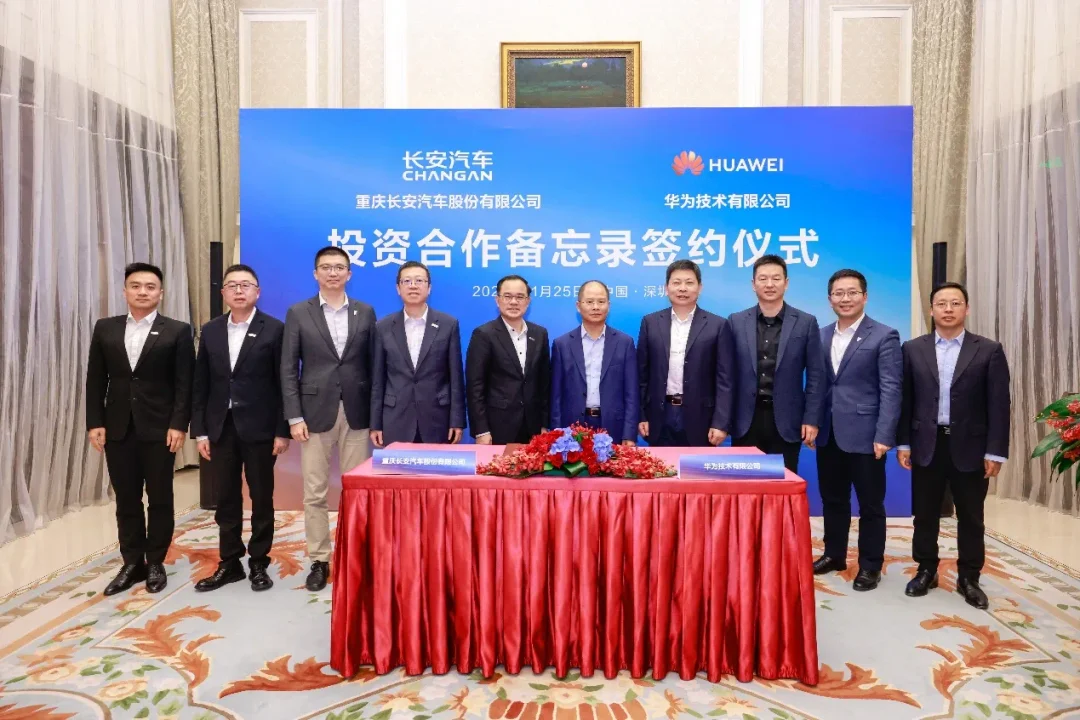
More significantly, half a month after the launch of Hongmengzhixing, Changan announced it had signed an Investment Cooperation Memorandum with Huawei. The agreement states that Huawei will establish a new company with an open equity structure, into which it will inject its Che BU technology, assets, and personnel. This new entity is Yinwang.
Regarding the positioning of Yinwang, Richard Yu stated that China needs to build an electrification and intelligence open platform involving the entire automotive industry—a platform driven by a "locomotive."
At last year's China EV 100 Summit, Richard Yu stated that Huawei originally intended to become a parts supplier similar to Bosch or Continental. However, because Huawei focuses on software development, it requires deep involvement with automakers, continuously performing OTA updates and iterations. The implication was that Huawei is not suited to be merely a supplier like Bosch or Continental.
If Huawei is not suited to be Bosch or Continental, what should it become? From the emergence of the HI Moshi and Zhixuanchemoshi models, to the birth of Hongmengzhixing, and now the establishment of Yinwang, the answer is becoming clear: Huawei will not manufacture cars itself. Instead, it aims to serve as a top-tier supplier standing at the forefront, acting as a locomotive to drive the development of China’s automotive industry.
But becoming the locomotive is no easy feat.
In Yinwang’s early days, Changan planned to invest in purchasing no more than 40% of Yinwang’s equity, while Richard Yu publicly invited SERES, Chery, Jianghuai, Beiqi, and FAW to join Yinwang as shareholders.
However, according to an announcement released by Changan Automobile in August this year, Changan’s planned investment was scaled back. Instead, AVATR stepped in to purchase a 10% stake in Yinwang for RMB 11.5 billion. In the same month, SERES also announced it had acquired a 10% stake in Yinwang for RMB 11.5 billion.
Meanwhile, the relationship between Huawei and its partners regarding the operation of Yinwang has undergone further changes.
After investing in Yinwang, AVATR upgraded its cooperation model with Huawei from HI to HI Plus. According to Zhu Huarong, Chairman of Changan, under the HI Plus model, Changan and AVATR will form closer collaborations in areas such as brand marketing and product definition, while Huawei’s core technologies will be prioritized for integration into AVATR’s vehicle lineup.
More than a month before investing in Yinwang, SERES purchased the AITO trademark, which previously belonged to Huawei, for RMB 2.5 billion, thereby clarifying the relationship between Huawei, SERES, and the AITO brand.
Overall, Huawei’s role in the automotive market, both internally and externally, has been clearly defined, and its relationships with partners are becoming increasingly transparent. However, how Yinwang will develop in the future, and how Huawei will solidify its identity as the locomotive, remains somewhat unclear at present.
03With Four ‘Jie’ Brands in Hand, Is Only AITO Capable?
When will the next "AITO" appear?
Among the current brands under Hongmengzhixing—AITO, Zhijie, Xiangjie, and Zunjie—only AITO has produced a genuine hit. While Zunjie has yet to launch a vehicle, both the AITO New M7 and the AITO M9 have achieved significant commercial success.
In fact, to accelerate the launch of other Hongmengzhixing brands, Huawei has laid extensive groundwork through AITO. The AITO New M7 is one part of this strategy, while the AITO M9 represents a more critical component.
The AITO M9 is a vehicle that Richard Yu personally oversaw throughout its entire development process. It is currently the highest-priced and best-selling monthly model within the Hongmengzhixing lineup.
The AITO M9 officially launched in December 2023. To ensure the AITO M9 made a stunning debut, Huawei spent three years refining it.
According to official information, unlike the AITO M5 and AITO M7, the AITO M9 is built on an entirely new platform benchmarked against vehicles like the Mercedes-Benz GLS. From chassis mechanical components to intelligent features, and from exterior design to interior trim, the AITO M9 is a completely new product crafted with Huawei’s full dedication.
In terms of configuration, the AITO M9 was equipped with Huawei’s latest and most impactful technologies at the time, including ADS 2.0, a flat floor, AR-HUD, million-pixel headlights, zero-gravity seats, Tulingdipan, and Hongmengchejixitong. These technologies were selected specifically for their ability to deliver highly visible value to users.
In terms of positioning, the AITO M9 is a full-size SUV measuring 5.23 meters in length, with a starting price set between RMB 469,800 and RMB 569,800. Compared to vehicles in the same price range, the AITO M9 offers a larger size class and higher specifications; compared to vehicles in its size class, it provides a lower price point.
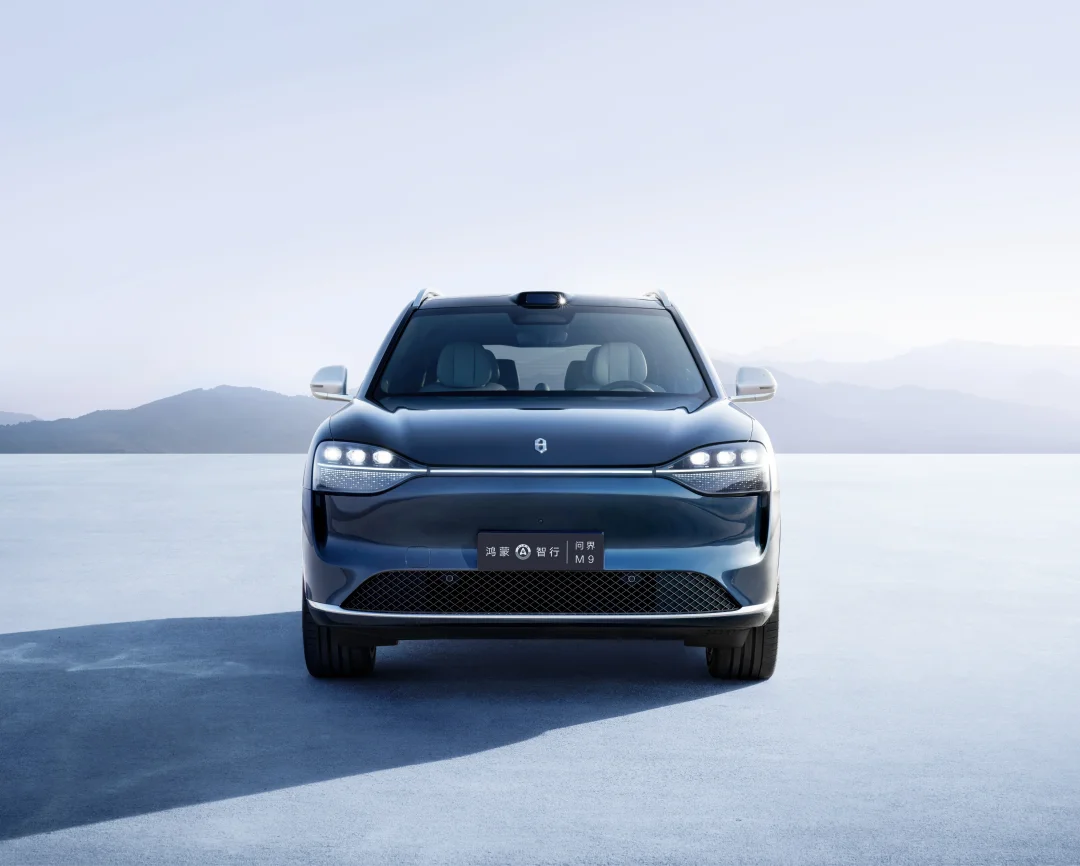
Driven by the rising market momentum of Huawei starting with the AITO New M7, and given the AITO M9’s already outstanding cost-performance ratio, the AITO M9 became a phenomenon upon launch, mirroring the success of the AITO New M7. Large orders exceeded 10,000 within two hours of release, and have since surpassed 140,000. Monthly sales peaked at over 18,000 units, single-handedly raising the monthly sales ceiling for both independent Chinese brands and traditional joint-venture brands in the RMB 400,000-plus segment, creating new history.
Richard Yu has stated that Huawei’s vehicles priced below RMB 300,000 are generally loss-making. With the strong sales of the RMB 500,000-class AITO M9, the profitability of Huawei’s automotive business has improved rapidly. According to the 'Major Asset Purchase Report (Draft)' of SERES Group Co., Ltd., Huawei Che BU reported revenue of RMB 10.435 billion and net profit attributable to shareholders of RMB 2.231 billion in the first half of this year, achieving a turnaround from losses to profits.
More importantly, through the AITO M9, Huawei has validated its product definition logic: leveraging top-tier intelligent technology to create an extremely high cost-performance user experience. It has also secured a degree of market voice and definition power based on the tangible results of the AITO M9. This positions Huawei to replicate more 'AITO M9'-style models following the same approach, thereby opening up broader markets and creating larger profit margins.
However, current results indicate that the AITO M9 is not easily replicable.
On August 6, the Xiangjie S9 was officially launched. Similar to the AITO M9, Huawei packed extensive cutting-edge technologies into the Xiangjie S9 across areas such as the infotainment system, entertainment features, seats, and headlights. The latest Huawei ADS 3.0 was also debuted on the Xiangjie S9.
Ultimately, large orders for the Xiangjie S9 broke 4,800 within 72 hours and exceeded 8,000 within 20 days. From this perspective, the performance of the Xiangjie, an executive pure-electric sedan priced above RMB 400,000, is relatively decent. However, it still shows a significant gap compared to the blockbuster performance of the AITO M9.
Notably, the rise of Zhijie appears to be showing signs of a turning point.
When the Zhijie S7, Zhijie’s first vehicle, launched last November, it generated significant buzz but ultimately delivered disappointing sales figures due to delivery delays and other factors. The most recent sales data released by Hongmengzhixing for the Zhijie S7 showed July volume at just 2,555 units.
However, Zhijie’s second model, the Zhijie R7, launched on September 24, has performed well so far. It secured more than 6,000 firm orders within 24 hours of launch, with cumulative firm orders exceeding 11,000 between September 24 and 28. During the first four days of the National Day holiday, the Zhijie R7 added another 5,200+ firm orders.
The Zhijie R7 offers a high cost-performance ratio packed with advanced technology and user-centric features.
In terms of configuration, the Zhijie R7 is equipped with Huawei ADS 3.0, Huawei’s first zero-gravity front passenger seat, double-glazed windows on both front and rear doors, the fully enabled Tulingdipan chassis, and thoughtful details such as a double-tap mechanism to open the front hood. Priced from RMB 259,800 to RMB 339,800, Richard Yu stated that the company loses over RMB 30,000 on each Zhijie R7 sold.
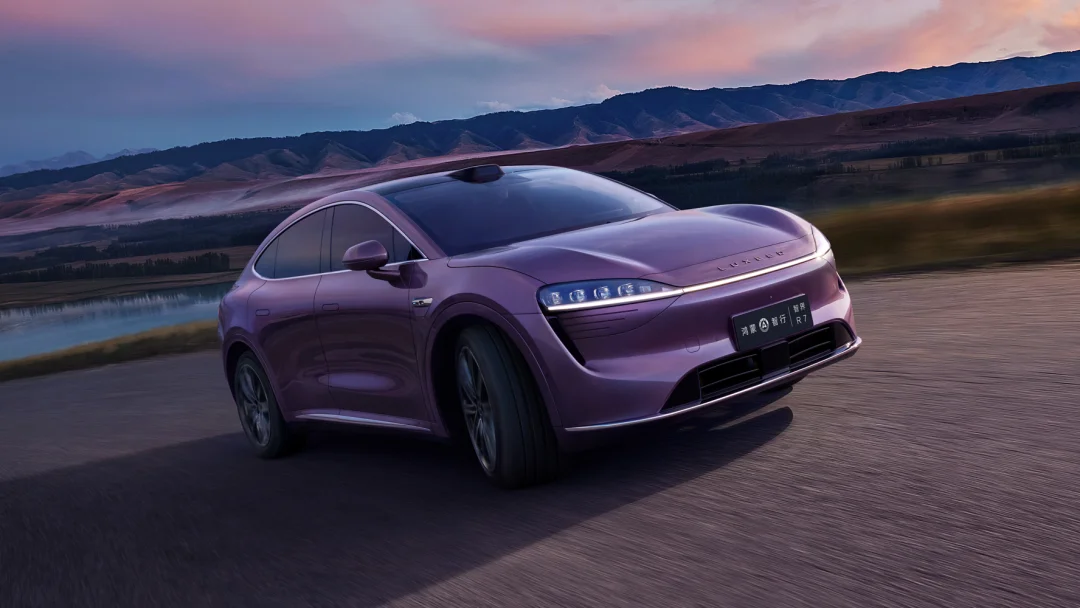
The strong order numbers for the Zhijie R7 are partly attributed to rapid adjustments in launch benefits shortly after its release. Whether steady-state deliveries can sustain this momentum remains to be seen.
Notably, during the successive launches of the Xiangjie S9 and Zhijie R7, Huawei made a shift worth watching: a stronger focus on appealing to female consumers.
After the Xiaomi SU7 launched, it attracted many female buyers. Xiaomi Chairman Lei Jun revealed that 28 days after launch, women accounted for 28% of locked-in orders, with the final proportion expected to reach 40–50%. Consequently, at the Second Future Automotive Pioneer Conference in June this year, Richard Yu stated that Huawei needs to learn from Lei Jun in attracting female users.
At the Xiangjie S9 launch event, actor Gao Ye presented the model’s benefits for female users. Product highlights on the Zhijie R7, including a vanity mirror, refined and diverse paint options, and flexible storage space, also demonstrate Huawei’s clear effort to attract female buyers.
Overall, establishing a firm foothold for all brands under Hongmengzhixing remains highly challenging. In a recent interview with Ma Dong, Richard Yu noted that building a new brand is extremely difficult; earning user recognition, fostering preference, and converting that into purchases requires years of sustained effort.
04Finding the Right Track, Overtaking on a Straight Line
I humbly stated that after comprehensive evaluations across various dimensions, Huawei ADS 3.0 is the most capable and safest intelligent driving system in the world, without exception.
At the Huawei product launch event on September 10, Huawei announced that starting September 11, the AITO M5, AITO M7, AITO M9, Zhijie S7, and Xiangjie S9 would all receive upgrades to Huawei ADS 3.0. Regarding the capabilities of Huawei ADS 3.0, Richard Yu confidently delivered the statement above.
Huawei ADS 3.0 is an advanced intelligent driving technology solution developed by Huawei based on the current latest end-to-end technical route, which is widely recognized in the market.
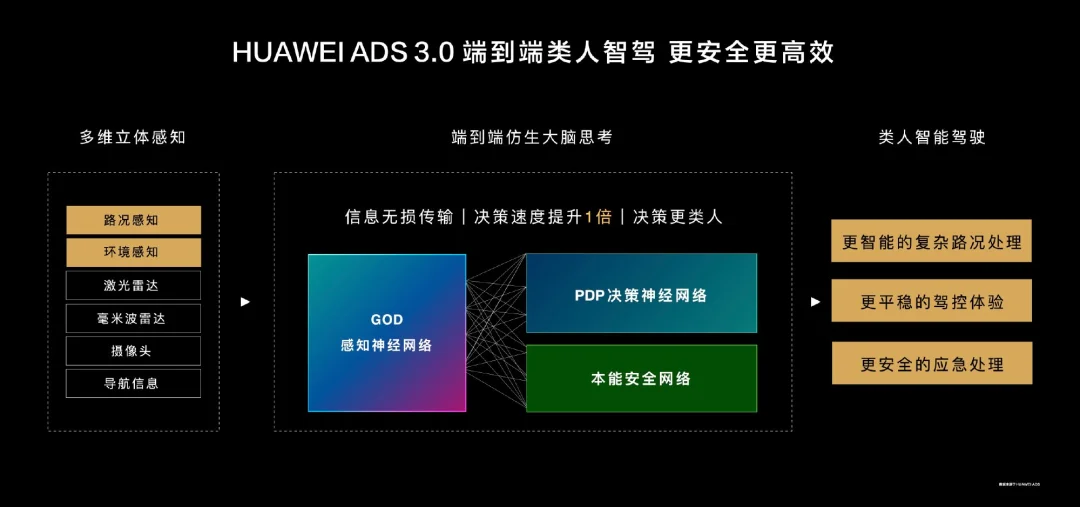
In terms of specific capabilities, according to official information, Huawei ADS 3.0 supports high-level intelligent driving features such as navigation-assisted driving from parking spot to parking spot and valet parking. It also offers active safety capabilities, including a wider operational range for AEB and more reliable protection against accidental pedal misapplication.
Currently, in addition to vehicles under Hongmengzhixing, models such as the Fangchengbao 8, AVATR 07, and DEEPAL S07 are also equipped with varying capabilities of Huawei ADS 3.0. Huawei’s intelligent driving is gradually covering a broader price segment of the market.
Furthermore, within the domestic market, compared to other major automakers like Li and XPENG that are also investing heavily in intelligent driving, Huawei’s impact on consumer perception and purchasing decisions is particularly profound. According to our recent survey of AITO New M7 Ultra users, nearly 80% stated that intelligent driving was the most attractive feature of the AITO New M7 Ultra.
Huawei’s achievement in intelligent driving today was the result of a difficult period of exploration.
Around 2021, the entire trajectory of intelligent driving was still shrouded in uncertainty. Even Tesla had not yet provided the most reasonable answer. During this phase, Huawei explored and developed ADS 1.0.
To ensure good performance while maintaining safety, Huawei ADS 1.0 adopted a solution emphasizing high-definition maps, high computing power, and strong perception. Specifically, it utilized HD maps, the MDC 810 computing platform, and three lidar units.
Huawei's ADS 1.0, built with this approach, could indeed deliver decent intelligent driving capabilities, but it suffered from a severe flaw: high cost. The hardware bill of materials (BOM) alone reached RMB 40,000.
This meant that the entry threshold for users purchasing vehicles equipped with Huawei ADS 1.0 was relatively high. For example, the Arcfox Alpha S Huawei HI Edition launched at a starting price of RMB 397,900. With such a high entry barrier, Huawei’s intelligent driving struggled to reach a wider user base and achieve scale.
At its AI Day event in late 2022, Tesla introduced a more cost-effective and higher-performing technical paradigm for intelligent driving research: BEV + Transformer. Influenced by Tesla, BEV + Transformer gradually became the mainstream route for intelligent driving technology development in China.
In April 2023, Huawei ADS 2.0 was officially released, built on a core architecture of BEV + Transformer.
Compared to Huawei ADS 1.0, ADS 2.0 represented a significant leap forward. It utilized only one LiDAR sensor, adopted the MDC 610 computing platform which offered lower costs and sufficient compute power, and eliminated reliance on high-definition maps. In short, it became more capable and cost-efficient.
After the launch of Huawei ADS 2.0, Huawei quickly promoted the capabilities of ADS 2.0 through extensive social media channels, including live-streamed driving demonstrations at numerous retail stores, gradually gaining user approval and trust.
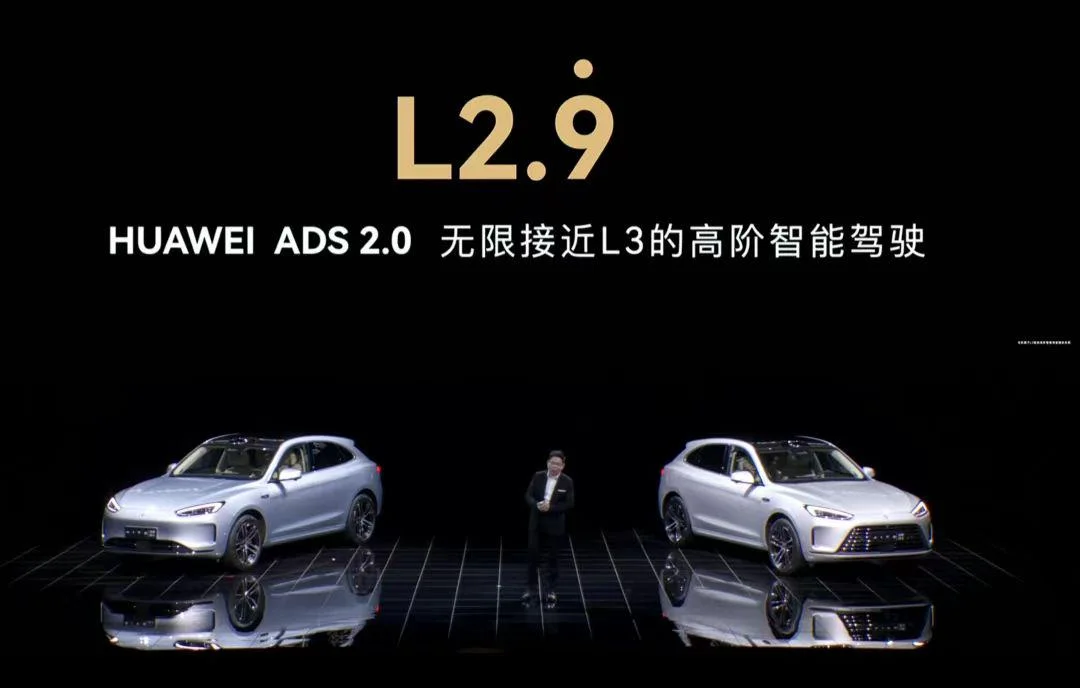
Leveraging both the technical strength of Huawei ADS 2.0 and aggressive marketing efforts, Huawei achieved solid commercial returns. After the AITO New M7 launched, the version equipped with the advanced Huawei ADS 2.0 autonomous driving system commanded a starting price RMB 40,000 higher than the non-ADS version, yet the ADS-equipped variant accounted for over 60% of orders.
In August 2023, Elon Musk conducted a roughly 45-minute live stream driving a Model S equipped with Tesla’s end-to-end autonomous driving solution, which is based on a large model trained on millions of video clips. The broadcast attracted more than 12 million viewers.
By January this year, Tesla began rolling out FSD V12, based on its end-to-end architecture, to general users in the United States. Regarding the capabilities of FSD V12, some users described it as "the future," while Huawei had previously dispatched personnel to the U.S. to test Tesla’s end-to-end autonomous driving technology.
End-to-end is an autonomous driving technology solution that makes vehicle behavior more human-like. Typically, it integrates perception, planning, and decision-making into a single large model, enabling imitation learning from real or simulated driving data. This approach eliminates the need for companies to manually write vast amounts of rule-based code, thereby saving significant labor costs while offering a higher ceiling for performance capabilities.
Driven by Tesla, end-to-end autonomous driving solutions quickly became a new focal point of market attention and the new battleground for domestic autonomous driving competition after entering 2024.
On April 24 this year, Huawei officially released Huawei ADS 3.0, based on an end-to-end solution.
Unlike Tesla's end-to-end autonomous driving solution, Huawei ADS 3.0 does not rely solely on a single large model. Instead, it first utilizes the GOD Ganzhishenjingwangluo to deeply understand driving scenarios, and then employs the PDP Jueceshenjingwangluo to unify control, decision-making, and planning. Additionally, Huawei ADS 3.0 features a rule-based safety network to provide a safety fallback when issues arise in autonomous driving.
Furthermore, domestic manufacturers such as Li Auto and XPENG are also advancing end-to-end autonomous driving solutions. For instance, Li Auto has introduced an end-to-end plus VLM solution, while XPENG has launched an end-to-end large model composed of the neural network XNet, the planning and control large model XPlanner, and the large language model XBrain.
Facing this new autonomous driving arena centered on end-to-end solutions, domestic manufacturers like Huawei, Li Auto, and XPENG are all intensifying their efforts, while Tesla is also pushing for FSD to enter China. This round of autonomous driving competition based on end-to-end solutions is becoming increasingly fierce.
05Final Thoughts
From the initial discomfort of entering the automotive market from the smartphone sector, to AITO New M7 and AITO M9 becoming hit models; from feeling one's way across the river in the early days of autonomous driving, to repeatedly adjusting routes in time and rapidly achieving leadership......
In these processes, Huawei excels at leveraging high flexibility, a pragmatic spirit of learning, and concentrating resources far exceeding those of its competitors to achieve decisive victories and turn the tables with a late start.
After a series of ups and downs, Huawei has launched top-tier products like the Mate XT Ultimate Design in the smartphone market. In the automotive sector, Huawei holds two bestsellers—the AITO New M7 and AITO M9—while deeply empowering partners such as SERES, Chery, Beiqi, and Changan. This support helps their products evolve rapidly in intelligent driving and smart cockpit capabilities, keeping pace with the fast-moving, highly competitive new energy vehicle era.
Thus, whether in smartphones or automobiles, Huawei now stands as a top-tier player controlling the rhythm and dealing the cards.
In fact, behind this success, Huawei has made mistakes and taken many detours. Yet, it has repeatedly steered itself back on track by leveraging the strategic, process, organizational, and talent strengths forged through years of commercial combat.
At the current stage, however, Huawei faces thorny challenges.
For instance, after AITO, how can Zhijie, Xiangjie, and Zunjie produce more hit models? The answer to this question directly relates to how Huawei can become the locomotive of China’s automotive industry. After all, to attract more original equipment manufacturers (OEMs) to invest real capital into Yinwang, Huawei must deliver more and better results.
Finding answers to these problems may require Huawei, the top-tier player, to continue climbing higher and exploring further to gain a clearer view of both the path ahead and the distant horizon.
Written by: Isaiah | Edited by: Daji, James