


Why Choose the Xiangjie S9 for a 400,000 RMB Luxury Electric Sedan?
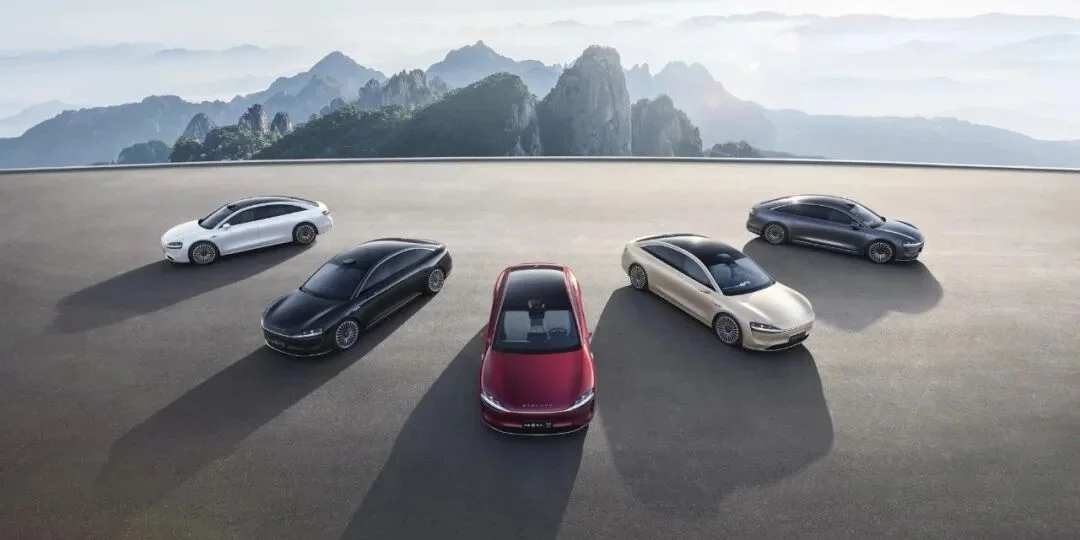
"Sell it for a higher price!" someone shouted in the audience after the Xiangjie S9's pricing was announced.
The pure-electric sedan market that the Xiangjie S9 is entering is highly competitive. According to information released by Chenglianhui, sales of C-segment pure-electric sedans exceeded 340,000 units from January to August this year, representing a 75.6% increase compared to the same period last year and leading the growth rate across the entire pure-electric market. During the same period (January to August this year), sales of sedans priced above RMB 300,000 (including both fuel and new energy vehicles) reached 585,000 units.
In simple terms, the "cake" of the luxury pure-electric sedan segment is currently small, but its growth potential remains significant.
Given the Xiangjie S9's positioning as a luxury flagship sedan and its pricing range of RMB 399,800 to RMB 449,800, its competitors are certainly not mid-range fuel cars with weak product capabilities. Instead, it directly targets million-yuan-class models such as the BMW 7 Series, Audi A8L, and Mercedes-Benz S-Class (hereinafter referred to as the "78S"), while also aiming to further expand the luxury pure-electric sedan market. Therefore, this vehicle must match the comfort and passenger space of established fuel-car veterans, while surpassing these models in user experience and intelligent features.
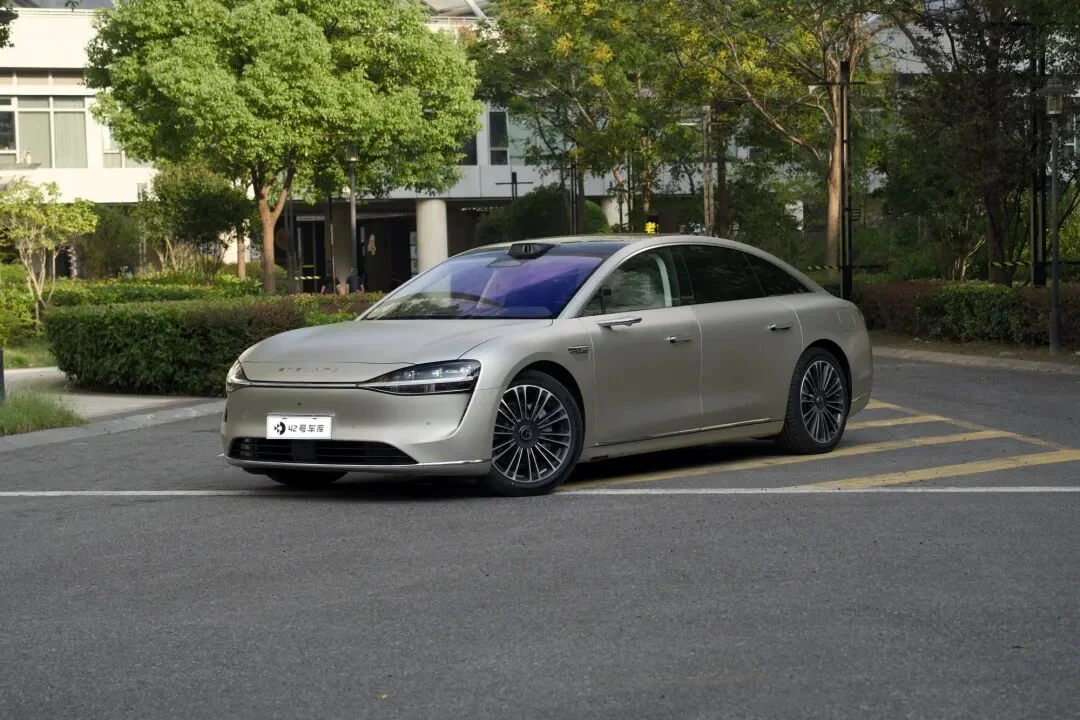
After experiencing the Xiangjie S9 for a week, we found that it possesses stronger advantages in its three-electric systems and intelligence. The HUAWEI ADS 3.0 advanced autonomous driving system and HarmonyOS smart cockpit, which made their debut on the Xiangjie S9, stand out as unique offerings.
So, is the Xiangjie S9 really "too cheaply priced," and can its product capability truly rival the "78S"?
01How to Achieve Over 600 km of Highway Range?
In September this year, we conducted real-world tests on the Xiangjie S9 Max’s range in both urban and highway conditions. Starting from a full charge, we drove 627 km on highways until both the displayed battery percentage and remaining range dropped to zero. The vehicle recorded an average energy consumption of 14.2 kWh/100 km. Among models equipped with 100 kWh batteries, the Xiangjie S9 demonstrated perhaps the strongest extreme-range capability.
We subsequently re-tested the Xiangjie S9 Max’s energy consumption in urban driving, recording a displayed figure of 14.5 kWh/100 km. For a vehicle of its size—measuring 5,160 mm in length with a 3,050 mm wheelbase—this energy efficiency is highly commendable.
Why does the Xiangjie S9 achieve such impressive range? Is it simply because it lacks a second motor? The reality is more complex than that.
For consumers purchasing a pure electric vehicle today, anxiety-free range remains a core requirement. There are two primary paths to extending range: increasing battery capacity or reducing energy consumption.
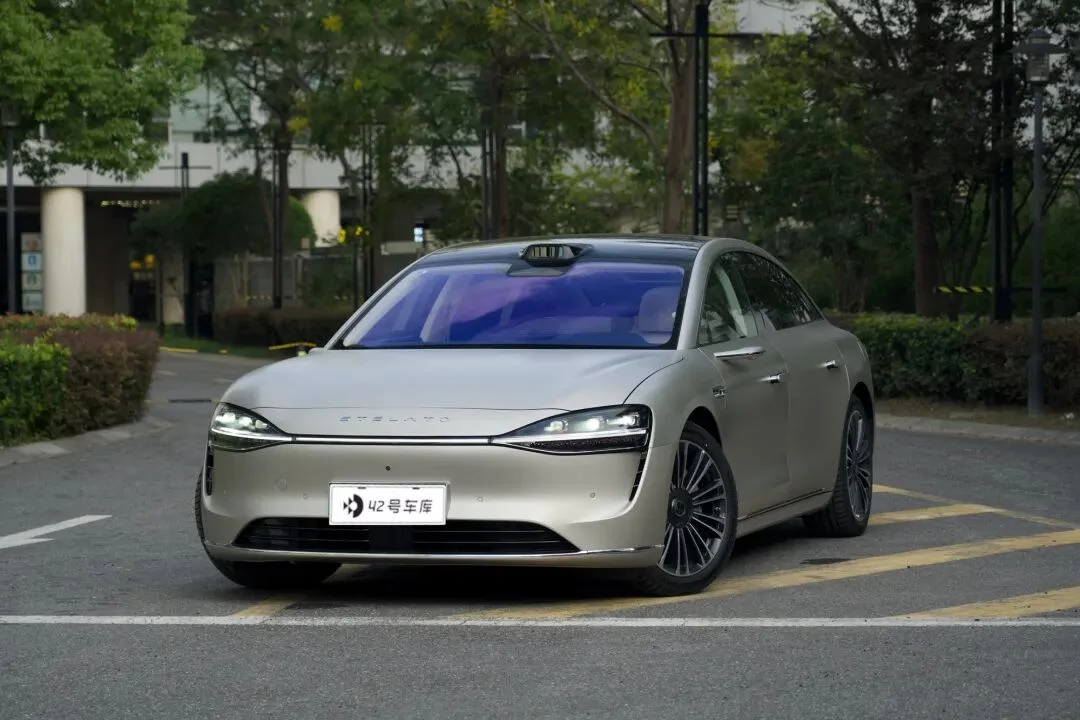
Increasing battery size faces significant hurdles in terms of weight and cost. Even ignoring impacts on handling and interior space, added battery weight increases overall vehicle mass, which in turn raises energy consumption. Consequently, once weight and battery capacity reach a certain balance, further increasing capacity can actually reduce range. Moreover, larger batteries inevitably drive up costs; at a fixed price point, automakers would have to cut other features to accommodate them.
The Xiangjie S9 comes standard across all trims with Huawei’s Ju Jing (Giant Whale) 800 V high-voltage battery platform, featuring a 100 kWh capacity. Given this limited battery size, achieving longer range required extensive engineering optimization.
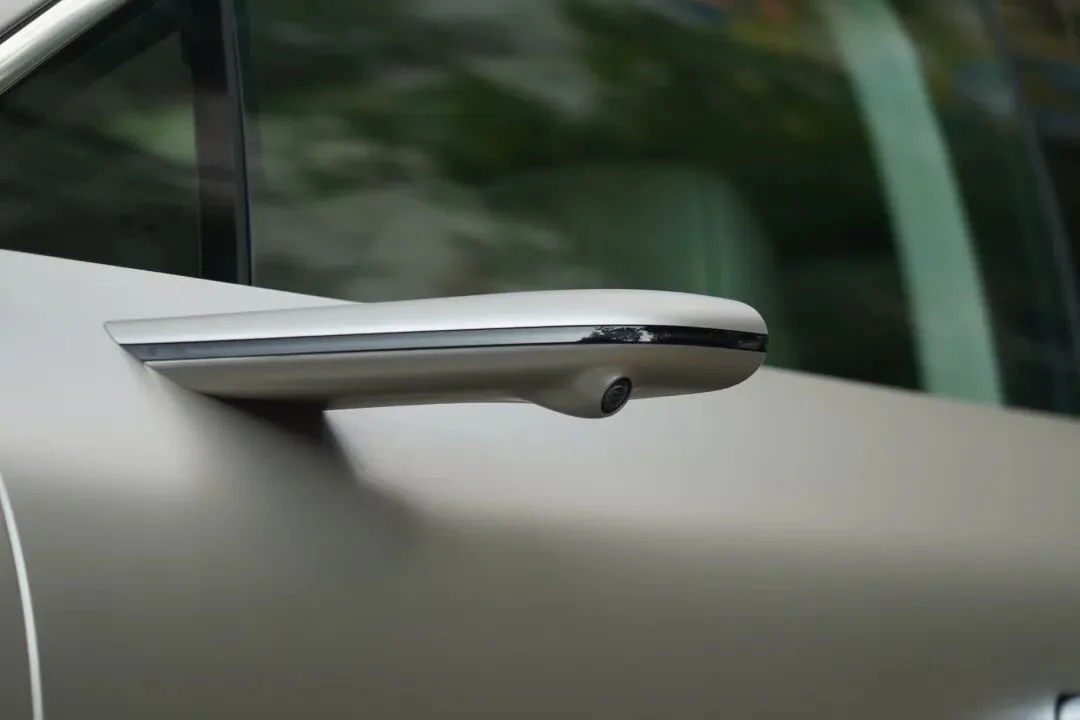
From an exterior perspective, features such as smart electronic side mirrors, hidden water channels, and 20-inch ten-spoke low-drag wheels all contribute to optimizing the vehicle's aerodynamics. This allows the Xiangjie S9 to maintain a luxurious flagship appearance while achieving a drag coefficient (Cd) of just 0.193.
Previously, most sedans exceeding five meters in length had to sacrifice aesthetic appeal or practical interior space to achieve lower drag coefficients. While they succeeded in reducing drag, this often came at the cost of a diminished ownership experience.
Thanks to engineering advancements, combined with an excellent 800 V high-voltage battery platform and a silicon carbide powertrain, the Xiangjie S9 delivers extended range and lower energy consumption during high-speed driving.
Leveraging Huawei’s Juju (Giant Whale) 800 V high-voltage battery platform, the Xiangjie S9 boasts strong charging capabilities. According to official data, when paired with an 800 V high-voltage fast-charging system, the vehicle can add 200 km of range in just five minutes of charging.
During my several days of using the Xiangjie S9, neither range anxiety nor charging concerns were present. However, for users, worry-free range and energy efficiency are merely entry-level expectations for a pure electric vehicle.
02Are Pure Electric Sedans Inherently Uncomfortable?
In recent years, the new energy vehicle market has been booming, with particularly rapid growth in the SUV segment. Yet, pure electric sedans have seemingly become a 'forbidden zone' that many manufacturers hesitate to enter. Indeed, launching a pure electric sedan priced above RMB 300,000 carries a high probability of failure.
Consumers are not rejecting new energy vehicles; rather, the product quality of most sedans priced above RMB 300,000 is simply too poor: seating positions are too high, compromising both sportiness and visibility; rear seats are like small benches with uncomfortable cushioning; headroom is lacking, and sunshades are often omitted. Even within the same brand, a single static inspection in the showroom—without even a test drive—is enough for consumers to realize they should buy an SUV instead.
For this reason, over the past few years, the NIO ET7 has likely been the best-selling pure electric sedan in the RMB 400,000 segment. Despite heavy investment from numerous manufacturers and models—including the Zhiji L7 among Chinese brands, and the Mercedes-Benz EQE and BMW i5 among overseas brands—the luxury pure electric sedan market has remained stagnant.
The entry of Xiangjie S9 aims to change this status quo where pure electric sedans are perceived as uncomfortable and underperforming in sales.
On one hand, it targets the premium segment with precise positioning. On the other, it eliminates nearly all the previous 'bad habits' of new energy sedans while integrating Huawei’s intelligent driving solutions.
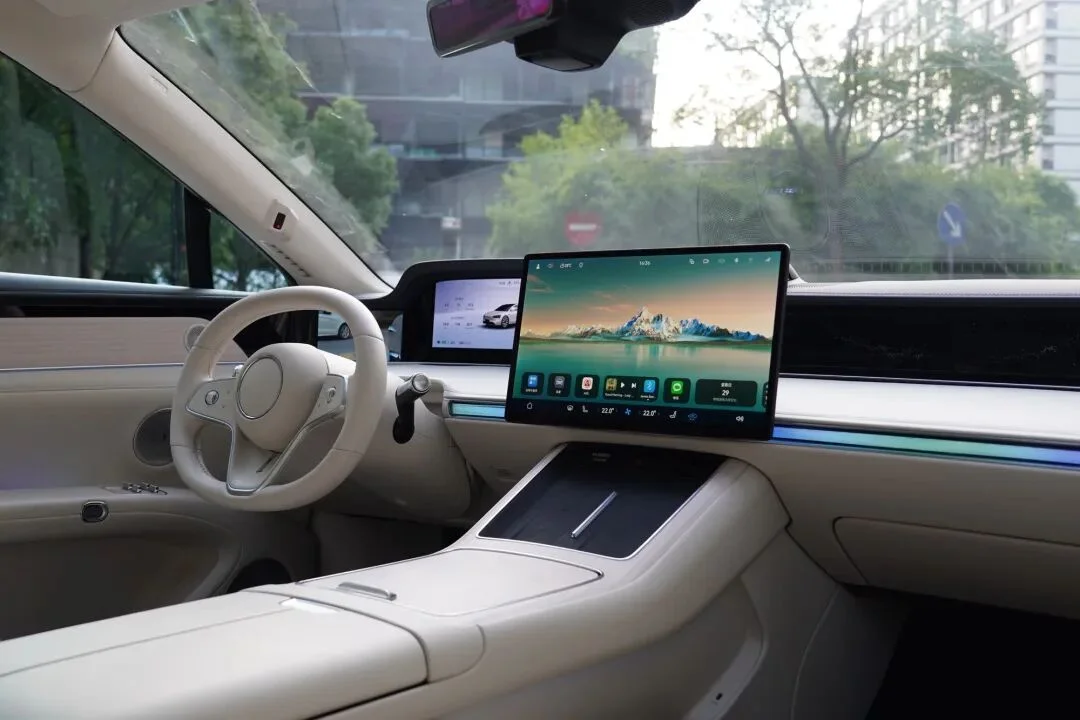
Guided by these two concepts, the Xiangjie S9 was born.
In the rear row, the Xiangjie S9 features the industry's first mass-produced zero-gravity rear seats, five electric sunshades for the entire vehicle, two manual sunshades, as well as a rear projection screen and laser projection. If considering only traditional brands, these luxurious configurations of the Xiangjie S9 target the "78S" group, while unique "black technology" like the rear projection screen exclusive to Hongmengzhixing cannot be added even with extra payment on the "78S".
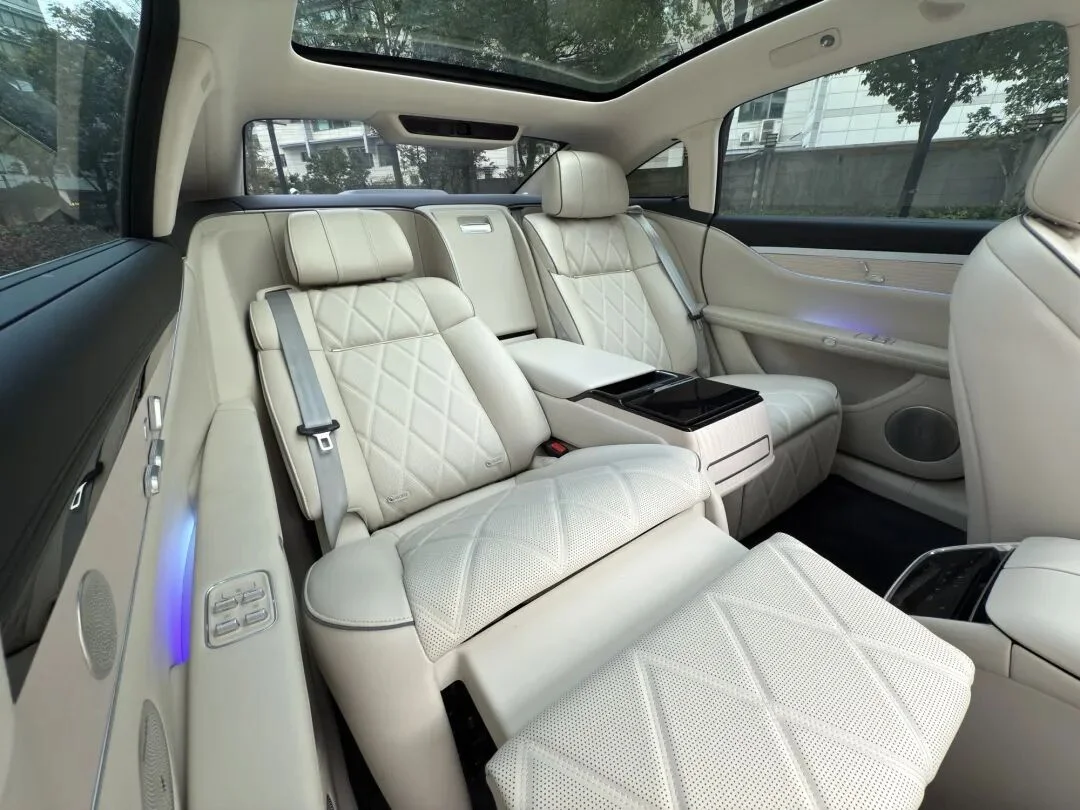
The zero-gravity seats, in particular, feature a clever design. A single press of the button on the door panel causes the front seat to fold forward while the rear backrest reclines, maximizing interior space and enabling a highly comfortable seating posture for a sedan.
No sedan had previously offered zero-gravity seats in the rear row.
From an engineering perspective, the Giant Whale battery, jointly developed by Huawei and CATL, achieves a thickness of 117 mm, a reduction of 16.4%. This preserves vertical cabin space, eliminating the need for the 'third-wheel' middle-seat experience.
With these improvements, the Xiangjie S9 has addressed nearly all the common flaws of previous new energy sedans. It retains every luxury feature: a hot-and-cold box in the rear center armrest, Shuyun skin-friendly seats with 10 layers of material, NAPPA leather, and natural solid wood trim—all tangible indicators of premium quality inside the car.
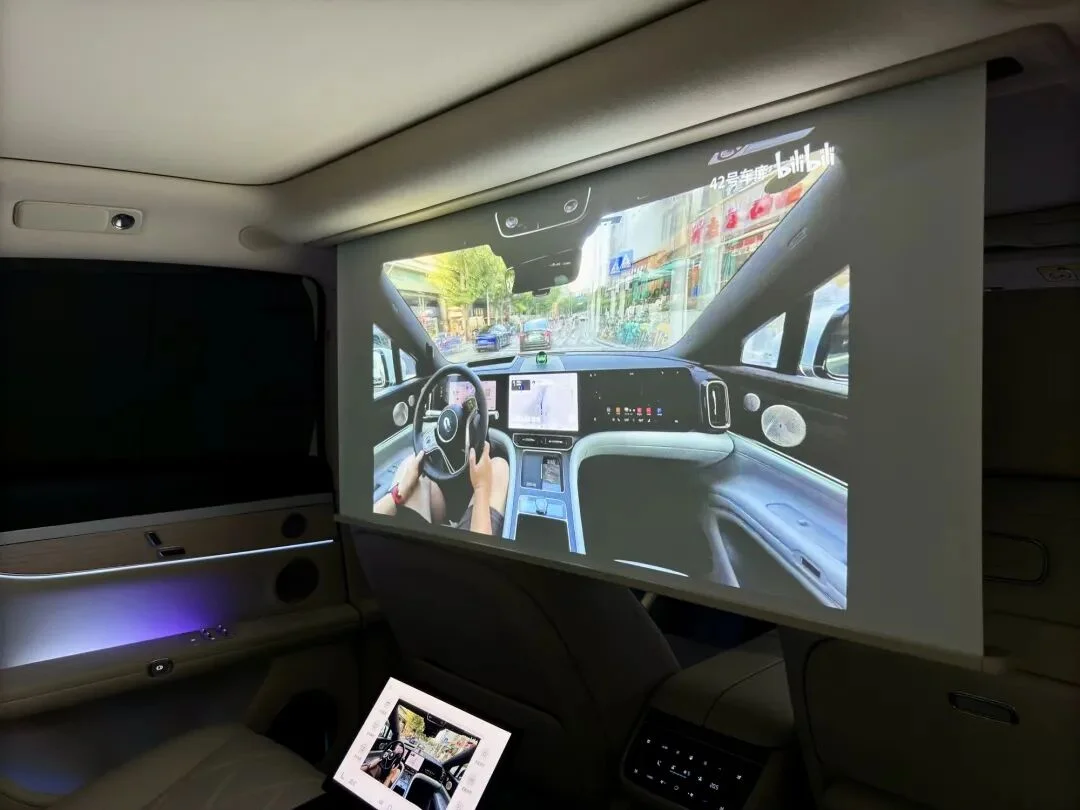
However, Huawei’s definition of luxury extends beyond hardware; it is defined by both software and hardware integration.
Pressing the one-touch privacy button on the rear door panel automatically closes the electric sunshades and lowers the projection screen, creating a private environment for the rear passengers. The system’s built-in Super Privacy Mode disables the cabin microphones and cameras upon activation, allows independent user accounts for front and rear rows, and ensures personal data does not remain in the vehicle. Additionally, a one-touch Privacy Sound Shield can be activated, where headrest speakers in the driver’s seat emit anti-phase sound waves to cancel out conversation from the rear, effectively isolating the two zones acoustically.
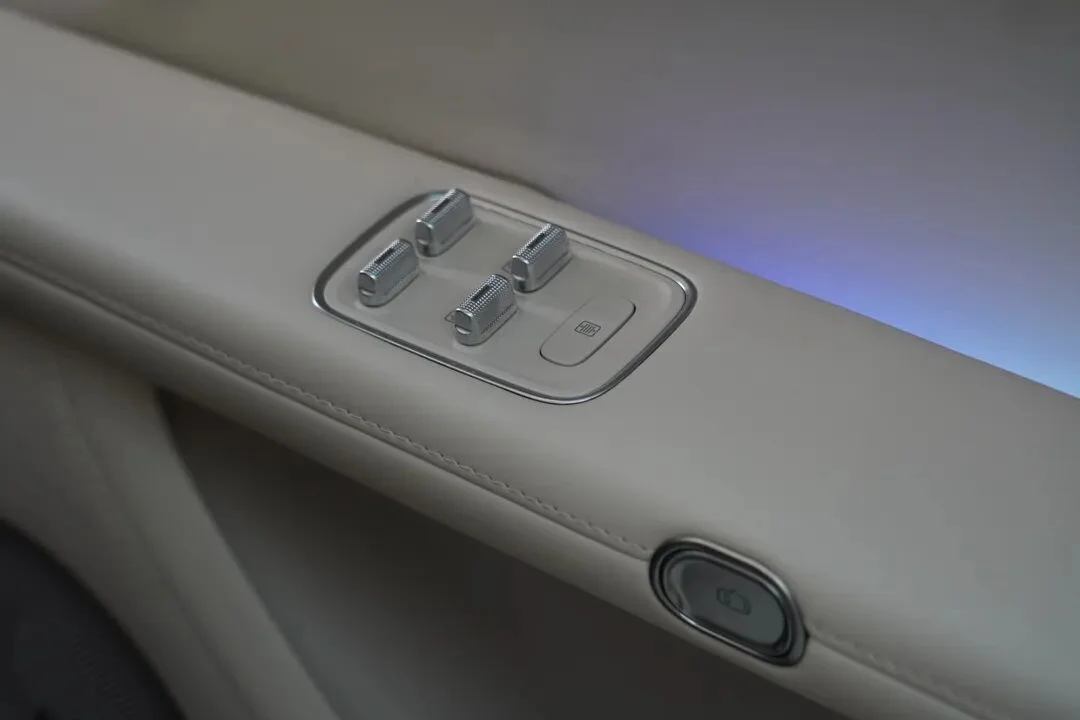
These features are quite novel for the entire luxury automotive industry. After all, if the goal is to ensure the driver can focus on driving, the simplest solution would be to install a partition between the front and rear seats, along with a hefty option fee. Who could have imagined that this problem could be solved through software?
Among Hongmengzhixing's current lineup, both the AITO M9 and Xiangjie S9 are equipped with the Privacy Sound Shield feature. For business travel scenarios, this function is quite practical.
RMB 400,000 was once the entry-level price for the "56E" trio, but that threshold is now dropping repeatedly. However, the product strength hasn't changed much between new and old models; a zero-to-100 km/h time of 7 seconds with the same configuration 10 years ago won't magically become 5 seconds today. Since the configuration remains unchanged while the entry price is lower, it simply means competitors have become stronger. The Xiangjie S9 has secured its place among them.
In fact, the Xiangjie S9 is not only competing with veteran internal combustion engine models; it also faces a significant challenge: battling peer pure electric vehicles. When hardware specifications fail to determine a clear winner, the decisive factor becomes its core competency—ADS 3.0.
03First Launch of ADS 3.0, Urban Intelligent Driving Upgraded Again
As the major annual version upgrade, the first model to feature ADS 3.0 is the Xiangjie S9. Building on its capability to operate nationwide, ADS 3.0 further expands the usable boundaries of intelligent driving, enabling parking-to-parking autonomous driving and commercializing valet parking functions. Additionally, it upgrades omnidirectional active safety capabilities, including an AEB system with a wider speed range.
From a hardware perspective, ADS 3.0 is the result of further squeezing performance from existing hardware, with multi-dimensional three-dimensional perception, an end-to-end bionic brain, and human-like intelligent driving as its foundation.
With the same 192-channel LiDAR, 11 cameras, and three millimeter-wave radars, how can more road information be perceived? The answer from ADS 3.0 is to enhance road condition and environmental perception capabilities based on the existing perception hardware.
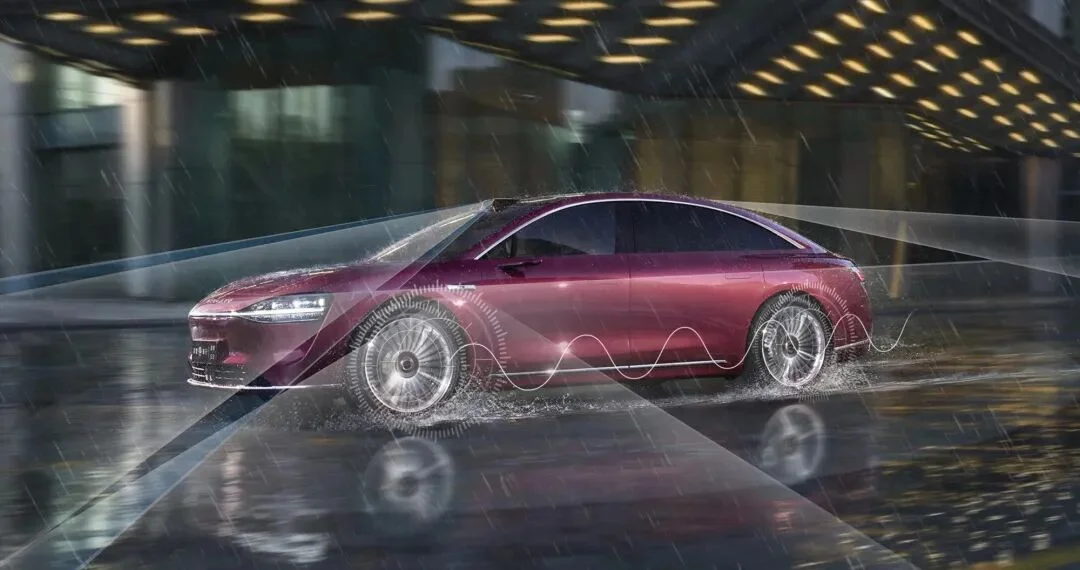
The core of ADS 3.0 is an end-to-end bionic brain, with a completely different architecture from previous versions. Two years ago, ADS 1.0 used BEV; last year, ADS 2.0 combined BEV and GOD; now, ADS 3.0 has upgraded to the GOD perception neural network. This represents a significant leap in perception capabilities. The GOD perception neural network can identify road structures and target obstacles while simultaneously understanding scenarios, advancing perception to a 3D level.
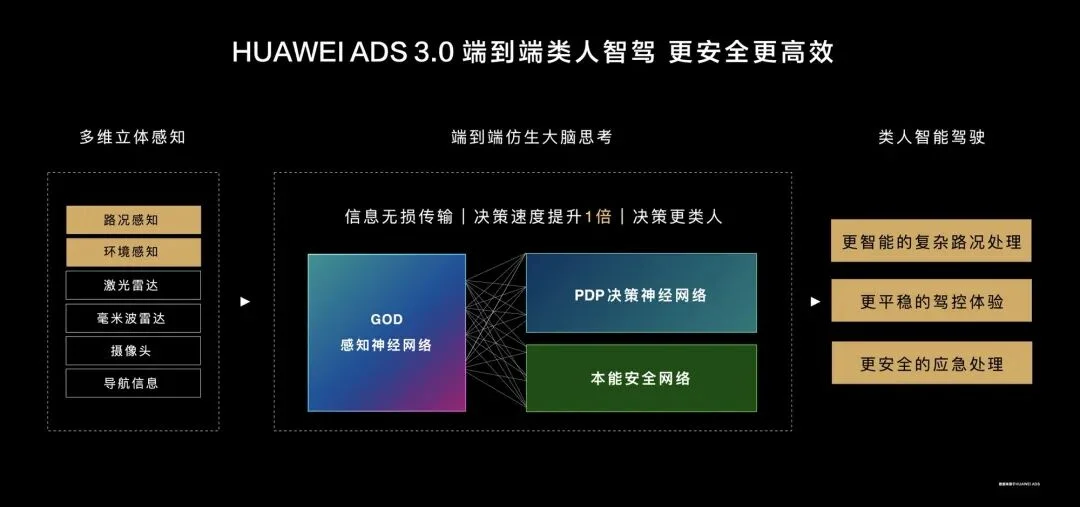
Additionally, the architecture diagram features an Instinctive Safety Network. Huawei engineers discovered during testing that while the upper limits of end-to-end systems are very high, AI hallucinations can cause the lower limits of the entire system to be extremely low. The role of the Instinctive Safety Network is to provide a safety net for the AI. When handling safety-critical scenarios, its decision-making cycle requires only 200 ms, which is three times faster than other end-to-end networks. Finally, combined with the PVD Decision Neural Network, these components form the end-to-end bionic brain of ADS 3.0.
At the driving level, ADS 3.0 enables the vehicle to handle complex road conditions while driving smoothly and safely.
For example, in ADS 2.0, drivers had to manually take over in scenarios such as navigating roundabouts, making U-turns on narrow roads, and entering or exiting parking lots. In ADS 3.0, these challenges have been resolved.
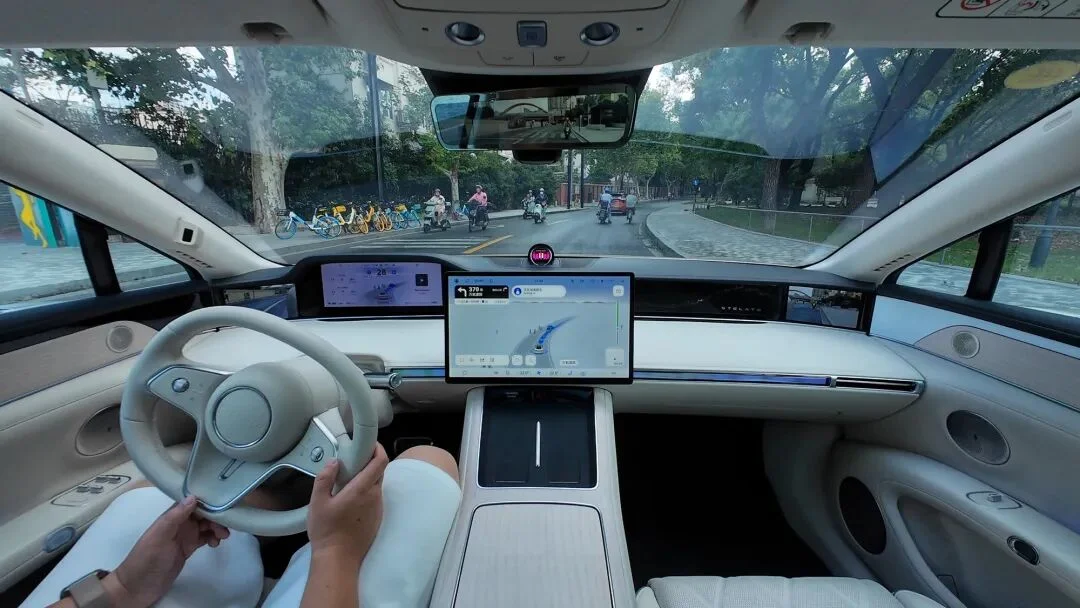
In real-world use, ADS 3.0 allows the vehicle to start from the roadside after navigation is set, without requiring the car to be positioned in the middle of the lane. However, clear lane markings are still required to activate the intelligent driving system. The 'parking spot to parking spot' feature we previously experienced will be rolled out to users via OTA updates.
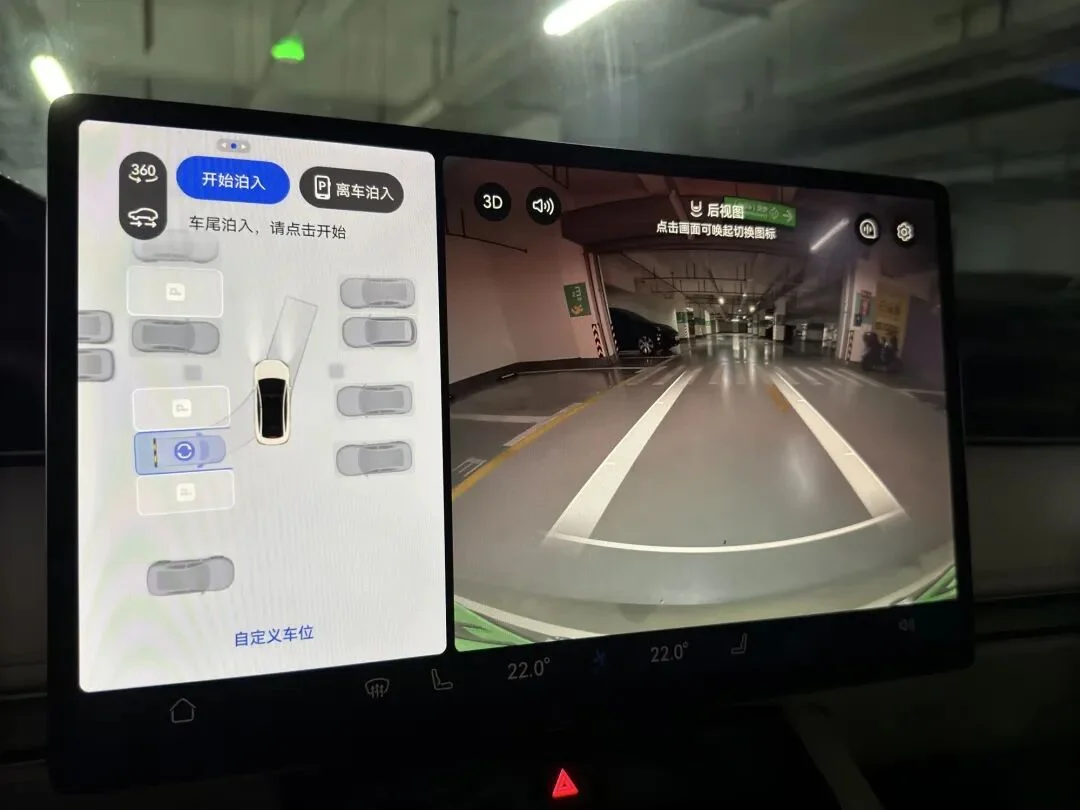
When it comes to parking features, ADS 3.0 introduces three major upgrades: the commercial launch of valet parking, enhanced remote parking-in capability, and a new remote vehicle-moving function.
Valet parking has already seen small-scale deployment on vehicles equipped with ADS 2.0. In familiar parking lots, drivers can exit the vehicle within the designated parking zone, allowing the car to autonomously find a spot. When the driver is ready to return, the vehicle will drive itself back to the pickup area for convenient boarding. Meanwhile, the remote parking-in feature no longer relies on Bluetooth keys; once the driver selects this mode, they can simply exit the vehicle, leaving the entire parking process to the car. Additionally, the remote vehicle-moving function proves highly practical, enabling users to maneuver their cars via a smartphone app from anywhere—even while relaxing at home—facilitating easier access for others.
During driving, active safety functions help prevent accidents in emergency situations, and ADS 3.0’s omnidirectional active safety capabilities have been significantly upgraded.
The AEB system now operates effectively across a speed range of 4–150 km/h. Beyond accurately detecting stationary and crossing pedestrians and vehicles, it has added recognition for diagonally crossing pedestrians and two-wheeled vehicles. If the collision risk disappears after AEB activation, ADS 3.0 will cease deceleration to avoid rear-end collisions.
ADS 3.0’s lateral active safety capabilities have also been enhanced, with an effective operating range of 40–130 km/h. While navigating curves, the system can accurately identify obstacles such as water-filled barriers, traffic cones, curbs, pedestrians, and vehicles positioned laterally.
Rearward active safety has similarly been improved. During reversing, at speeds between 1–60 km/h, the system detects pedestrians, two-wheeled vehicles, and cars behind the vehicle, with added detection for children’s toy cars.
To achieve comprehensive omnidirectional active safety, ADS 3.0 incorporates additional granular safety features, including anti-misacceleration alerts (the vehicle issues a “Please lift your foot” prompt), road-adaptive AEB (optimized for slippery surfaces), and eAES (Emergency Automated Evasive Steering), which transitions from full braking or evasion to simultaneous braking and steering.
In people's vehicle usage habits, there is roughly a chain of 'parking - city - expressway - highway - city - parking'. ADS 3.0 makes this chain fit together more tightly. During intelligent driving, ADS 3.0 is eliminating once-existing breakpoints while making the entire travel process safer. In fact, on the schedule for ADS 3.0, there is another important plan: pilot programs for highway L3-level intelligent driving will begin next year. When driving responsibility is no longer borne by humans, this will be another major upgrade in intelligent driving.
04The Hard Bone of Pure-Electric Luxury Flagship Sedans
In the internal combustion engine era, the RMB 400,000 price point was a forbidden zone that Chinese brands dared not enter. The widespread adoption of new energy vehicles has given Chinese brands an opportunity to move upmarket. Within the Hongmengzhixing brand, AITO M9 has already succeeded in reaching the premium segment. On September 30, the 100,000th AITO M9 was officially delivered, achieving this milestone in just eight months.
Xiangjie S9 is one of the "Dual 9 Flagships," bearing the heavy responsibility of elevating Hongmengzhixing’s premium positioning. Moreover, Xiangjie S9 and AITO M9 have completely different market positions; breaking into the pure-electric luxury sedan segment above RMB 400,000 is significantly more difficult than entering the SUV market.
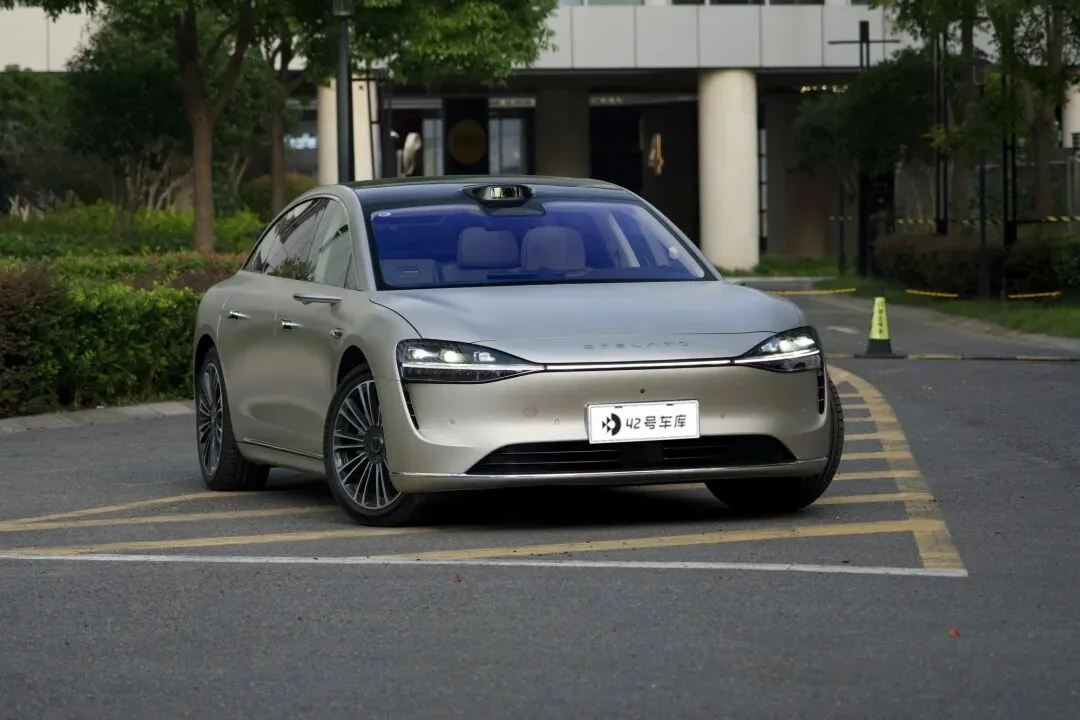
On one hand, luxury flagship sedans often benefit from strong brand halo effects. On the other hand, there is no blockbuster case in the RMB 400,000 pure-electric luxury sedan category; everyone struggles to sell well.
However, products like AITO M9 and other high-end Chinese models have achieved blockbusters in their respective segments by delivering clearly defined products that resonate with users.
Especially AITO M9, which won over users through Huawei’s intelligent solutions and superior user experience. The same model can continue to attract users on the Xiangjie S9.
For sedan buyers in the RMB 400,000 price bracket, most do not have dedicated drivers but place a high premium on rear-seat comfort. Configurations such as Huawei ADS 3.0, zero-gravity rear seats, and projection screens precisely address these needs. Among self-developed advanced driver-assistance systems (ADAS) providers, most are still playing catch-up to the 'drivable nationwide' capability that Huawei ADS 2.0 achieved six months ago. Meanwhile, Huawei's currently rolling-out 'parking-to-parking' autonomous driving feature may represent merely a newly created folder for many other automakers.
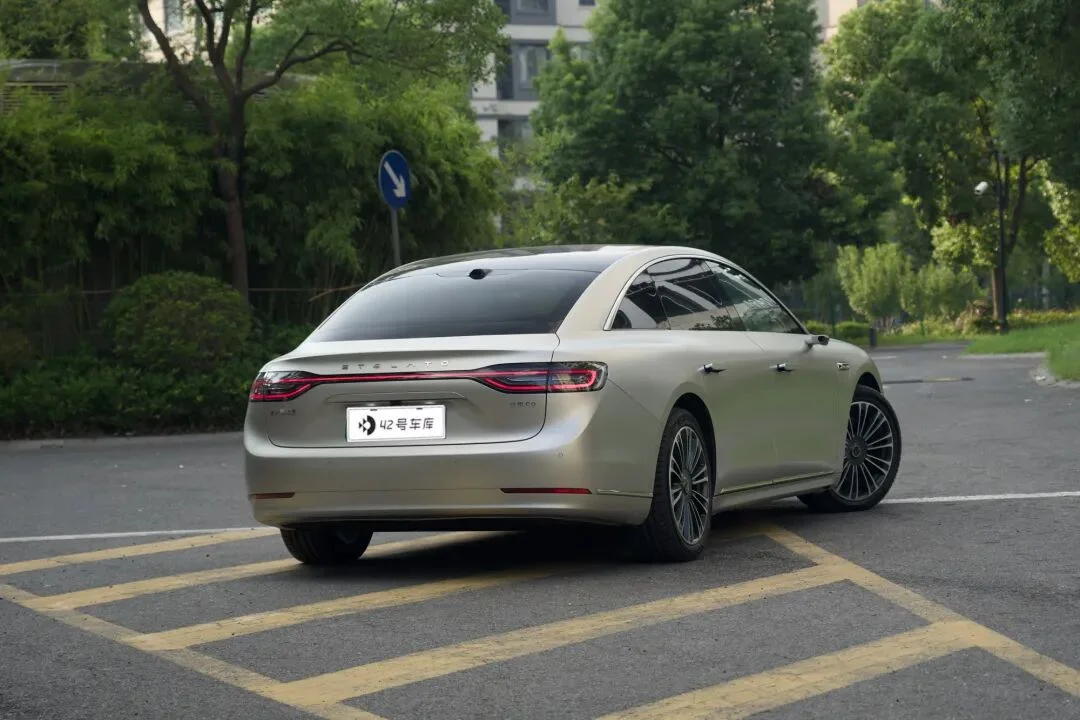
In the first half of 2024, new energy sedans experienced a surge. Domestic brands covered the RMB 100,000–350,000 segment, making the market highly competitive. With new entrants increasing congestion, entering this space now presents more challenges than opportunities.
Facing intense competition, the Xiangjie S9 faces greater hurdles but also larger opportunities by entering the RMB 400,000 luxury pure-electric sedan market. For domestic brands, this niche segment is still in its early stages. Converting existing users in this market, expanding the overall pie, and attracting potential customers will be essential conditions for the Xiangjie S9 to become a hit.
Written by: James Edited by: Daji