


NIO CEO Li Bin Tests 150 kWh Battery; Mercedes-Benz E-Class Launches in China; Zeekr Unveils Gold Brick Battery
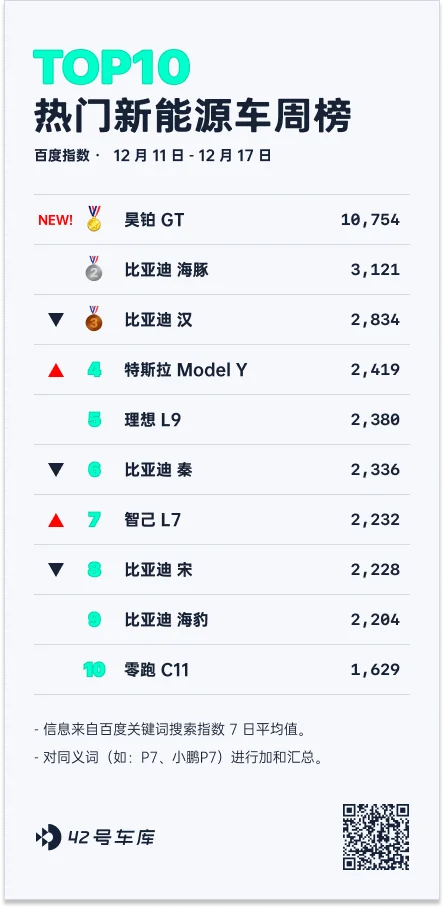
01Weekly Index
02Weekly Highlights
William Li Tests 150 kWh Battery Pack: Final Range Reaches 1,044 Kilometers
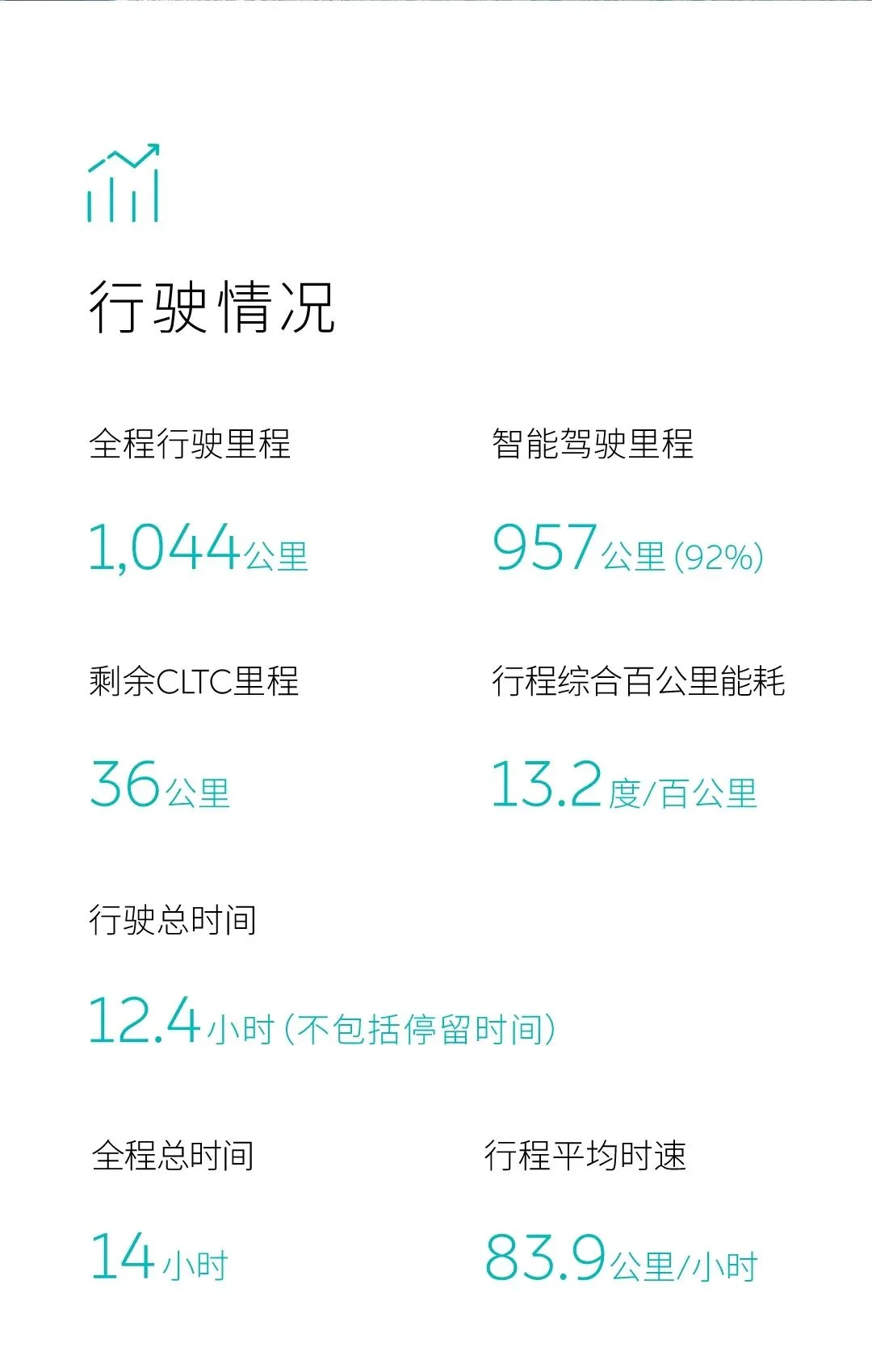
On December 17, NIO CEO William Li personally drove an NIO ET7 to test the range of the 150 kWh ultra-long-range battery pack. The test began in Shanghai and, after more than 14 hours of driving, ended at the Longjuedong Service Area in Xiamen. The vehicle covered a total distance of 1,044 kilometers with 3% battery remaining.
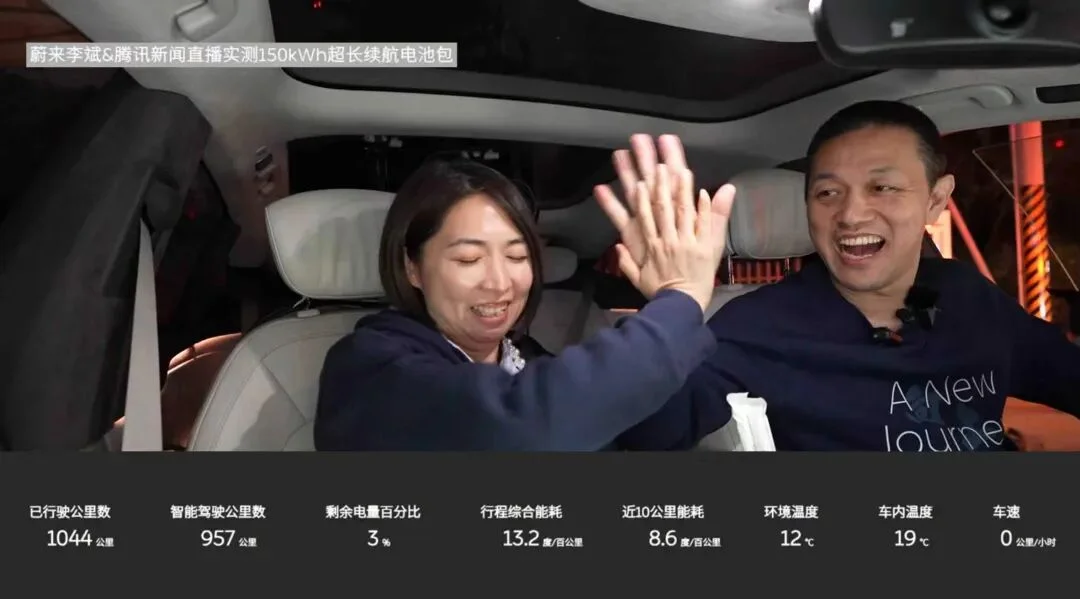
According to images released from the live stream, the battery level was at 7% when the vehicle reached 1,000 kilometers and dropped to 3% at the end of the 1,044-kilometer test. At that point, the CLTC-rated remaining range was 36 kilometers. The test recorded a comprehensive energy consumption of 13.2 kWh/100km and an average speed of 83.9 km/h. The ambient temperature ranged from -2°C to 12°C, while the average cabin temperature was 20°C.
The NIO 150 kWh battery pack was unveiled at NIO Day 2021. It utilizes a solid-liquid hybrid electrolyte, classifying it as a semi-solid-state battery. It is the world’s first thermal-runaway-free soft-pack CTP (Cell-to-Pack) battery, with an energy density of 360 Wh/kg. Despite its larger capacity, the pack maintains the same dimensions as NIO’s 100 kWh and 75 kWh packs, allowing for continued battery swapping compatibility. It is designed to fit all models on NIO’s first- and second-generation platforms and is expected to enter mass production next April.
During the test, William Li also announced that the executive flagship sedan, ET9, would be unveiled at the 2023 NIO Day event on December 23. According to Li, the ET9 represents cutting-edge global technology. He described the vehicle as a culmination of NIO’s technological innovation, positioning it as a benchmark for intelligent electric vehicles worldwide and a leader in shaping the future trends of the industry.
Editor's Comment:
After its announcement at NIO Day 2021, the 150 kWh battery pack has finally arrived after much anticipation. For NIO owners with range requirements, the 150 kWh battery pack will be quite attractive. However, NIO President Qin Lihong previously revealed that the cost of the NIO 150 kWh battery pack is very high, equivalent to the cost of an ET5 (the ET5 with a 75 kWh battery is priced at RMB 298,000). If you were an owner, would you choose to buy out or rent this battery?
Mercedes-Benz Approved for Conditional Autonomous Driving Test License in Beijing
On December 16, Beijing authorities issued the "Beijing Intelligent Connected Vehicle Policy Pilot Zone Conditional Autonomous Driving Function Road Test Management Rules (Trial)." Mercedes-Benz became one of the first companies to receive a license for conditional autonomous driving (L3) highway road tests in Beijing, officially launching real-world testing of its conditional autonomous driving system on designated highways in the city.
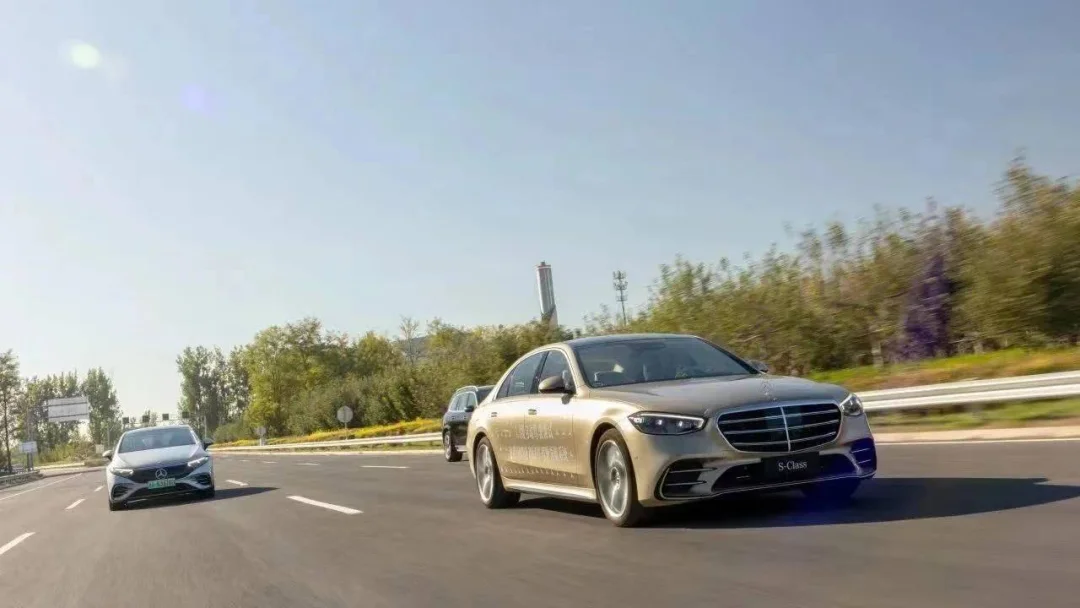
To better adapt the L3 autonomous driving system to China's infrastructure and traffic conditions, the Chinese R&D team has been deeply involved since the global development phase began. Since 2021, Mercedes-Benz has continuously improved system performance through closed-course testing and validation in China. Key focuses of local R&D include adapting the system to special lanes such as Chinese road markings, construction zones, bus lanes, and tidal lanes, while also optimizing logic, algorithms, and parameters for scenarios like cut-ins.
In 2023, Mercedes-Benz introduced an L2+ navigation-assisted driving function on the new long-wheelbase E-Class, led by its Chinese team. This feature covers highways and urban expressways nationwide, enabling point-to-point navigation assistance at high speeds. During highway driving, the vehicle can automatically change lanes, automatically move away from large vehicles, and automatically overtake slower vehicles. This is an L2+ intelligent driving system tailored specifically for Chinese customers; for example, the automatic lane-change function can be activated at speeds as low as 50 km/h.
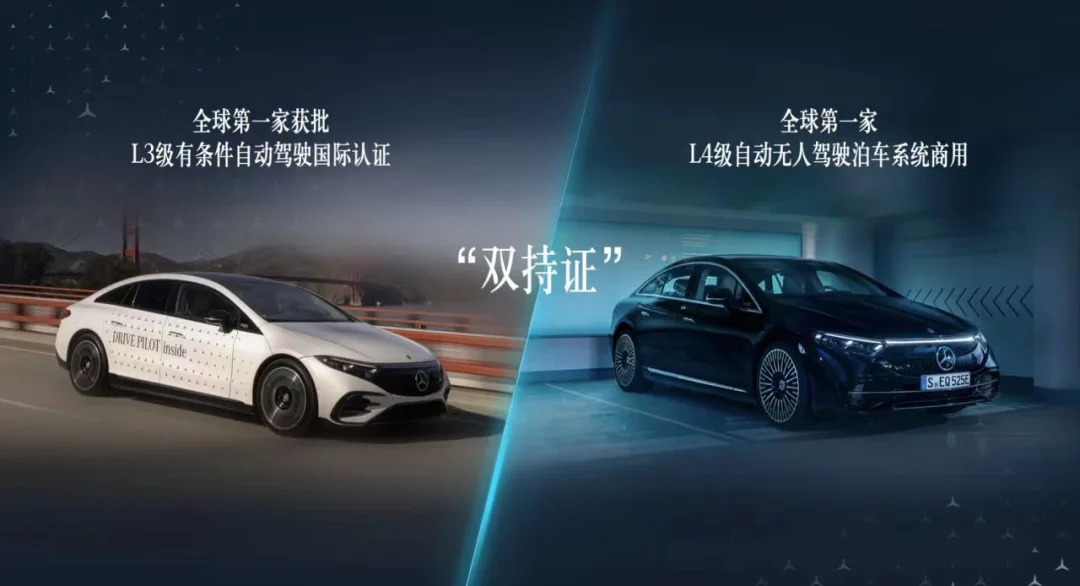
Currently, Mercedes-Benz is the only automaker globally to hold "dual certifications" for L3 conditional automated driving and L4 automated valet parking. At the end of 2021, Mercedes-Benz received the world's first international certification for a conditional automated driving (L3) system in Germany, and in May 2022, it was the first to launch models equipped with this system in the German market. In 2022, Mercedes-Benz's L4 automated valet parking system obtained the world's first commercial license in Germany. In the first half of 2023, Mercedes-Benz's L3 automated driving system successively obtained commercial licenses in Nevada and California in the United States. Currently, the official team is accelerating the optimization of the L3 system, aiming to enable speeds up to 130 km/h on highways by the end of this decade.
Editor's Comment:
After BMW obtained its L3 high-speed road testing permit in Shanghai, Mercedes-Benz has also secured an L3 autonomous driving road test permit in Beijing. Let’s briefly review the definition of L3 autonomy: Level 3 is conditional automated driving, where the vehicle can handle most scenarios autonomously. Drivers may take their hands off the steering wheel but must remain attentive to take over control when necessary. A critical requirement for L3 is liability: if an accident occurs while the system is active, the manufacturer is responsible. This legal and safety framework explains why both regulators and automakers have approached L3 with caution. Consequently, L3 marks the transition from "driver assistance" to true "autonomous driving." We look forward to experiencing genuine L3 autonomy on the roads in the future.
LEVC Promotes New Energy Technology Globally
LEVC, a significant force in China’s automotive industry, has made substantial progress in new energy technology in recent years. Since Geely Group acquired a stake in the British brand LEVC in 2006, the company has taken solid steps in its global strategy and product innovation.
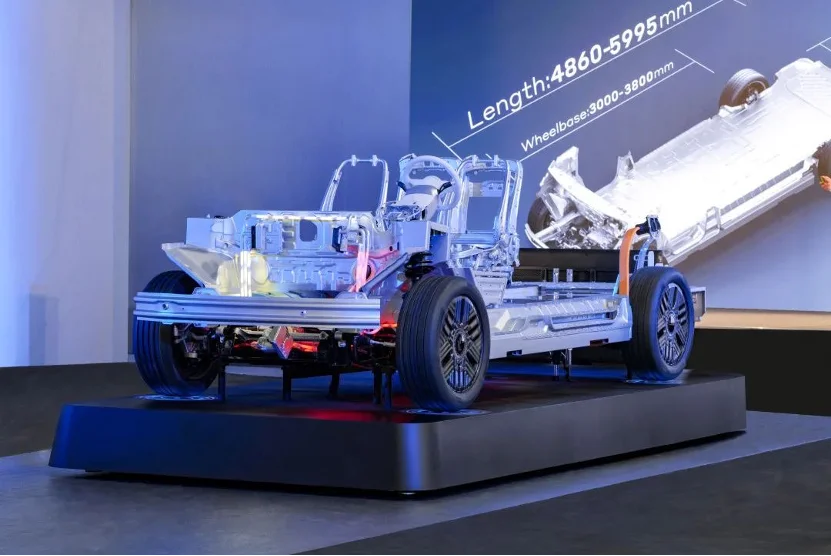
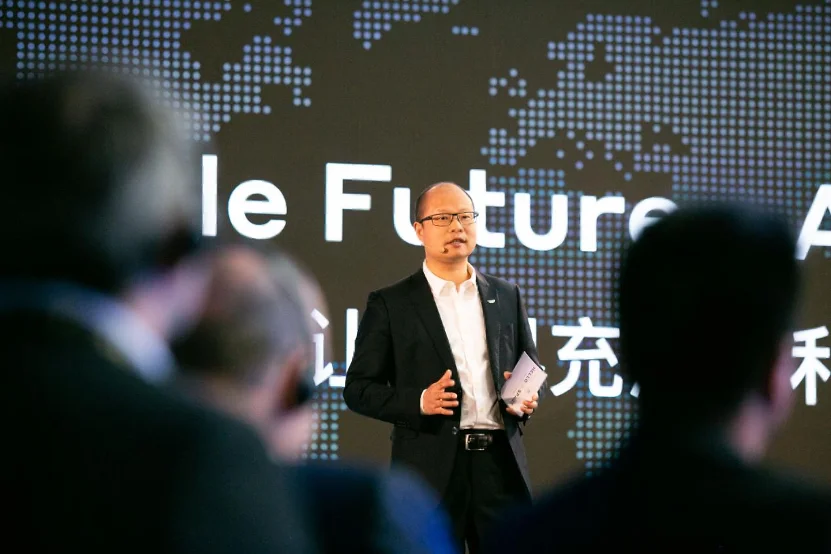
Geely’s initial investment in LEVC in 2006 was followed by a full acquisition in 2013, marking the brand’s transformation from a traditional London taxi manufacturer into an active player in the new energy vehicle market. Under the effective leadership of CEO Nan Shengliang, LEVC established a dedicated electric vehicle production facility in Coventry, UK, in 2017.
The TX series electric vehicles launched by LEVC have received positive market response. As of October 2023, LEVC’s global sales exceeded 10,000 units. These vehicles have collectively traveled more than 600 million miles, contributing significantly to carbon reduction. The company estimates that this achievement has reduced carbon dioxide emissions by over 200,000 tons, a milestone with important environmental significance in the new energy sector.
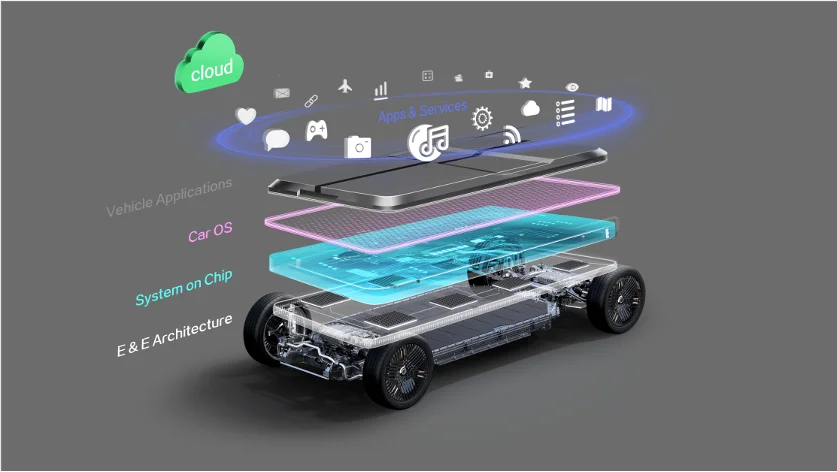
In terms of technological innovation, LEVC has developed a space-oriented technical architecture named "SOA" (Space Oriented Architecture). This architecture is designed to provide high flexibility in body design while incorporating a battery system from CATL that supports a range of over 700 km, offering users a superior driving experience. Another key objective of the SOA architecture is to improve the utilization of interior vehicle space and support future autonomous driving technologies, demonstrating LEVC's deep understanding and preparation for future technological trends.
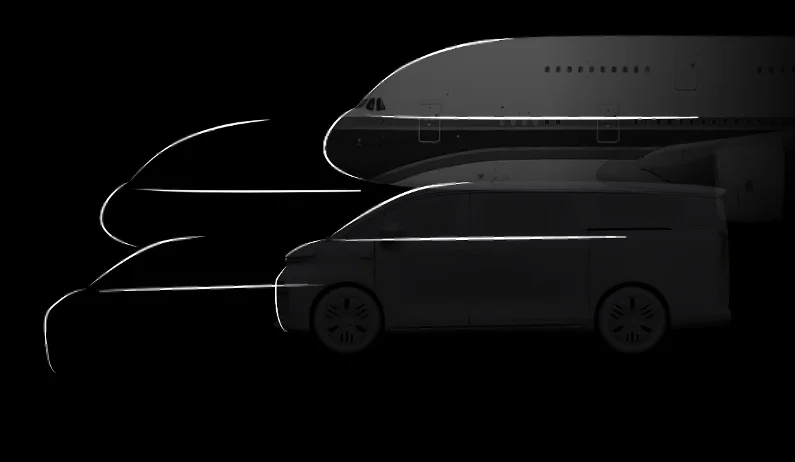
Looking ahead, LEVC plans to launch a high-end pure-electric MPV based on the SOA architecture, currently internally codenamed "L380". The introduction of this model will further consolidate LEVC's position in the new energy vehicle market and may bring new growth points for the company. LEVC's development trajectory and future plans demonstrate the competitiveness and potential of Chinese automotive enterprises in the global new energy vehicle sector.
Editor's Comment:
From a traditional London taxi manufacturer to an active pioneer in the new energy vehicle market, LEVC has achieved a remarkable transformation under Geely's investment and leadership. Its unique "SOA" technology architecture not only provides high design flexibility but is also equipped with CATL battery systems, enabling its vehicles to achieve a range of more than 700 kilometers, while demonstrating a deep understanding and preparation for future technological trends. All of this has solidified LEVC's position in the new energy vehicle sector. However, challenges and opportunities coexist; we will wait and see how LEVC's future development unfolds.
Domestic All-New Mercedes-Benz E-Class Launches
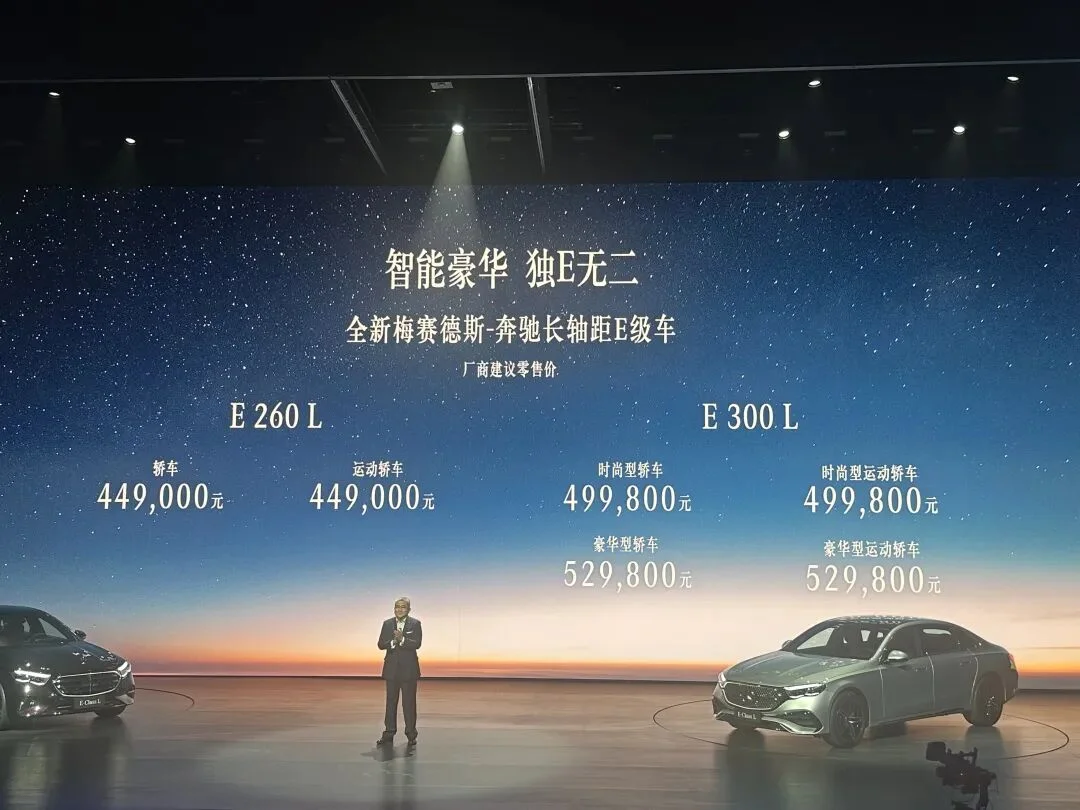
On December 14, the all-new domestic Mercedes-Benz E-Class officially launched. The new car offers six models with a price range of RMB 449,000 to RMB 529,800. As a facelifted model, it features upgrades to both exterior and interior design, is equipped with the Gaotong 8295 chip, and includes eleven China-specific rear-seat optimizations. In terms of powertrain, it continues to use a 2.0-liter engine with high- and low-power tuning options. Globally, cumulative sales of the E-Class have already exceeded 16 million units.
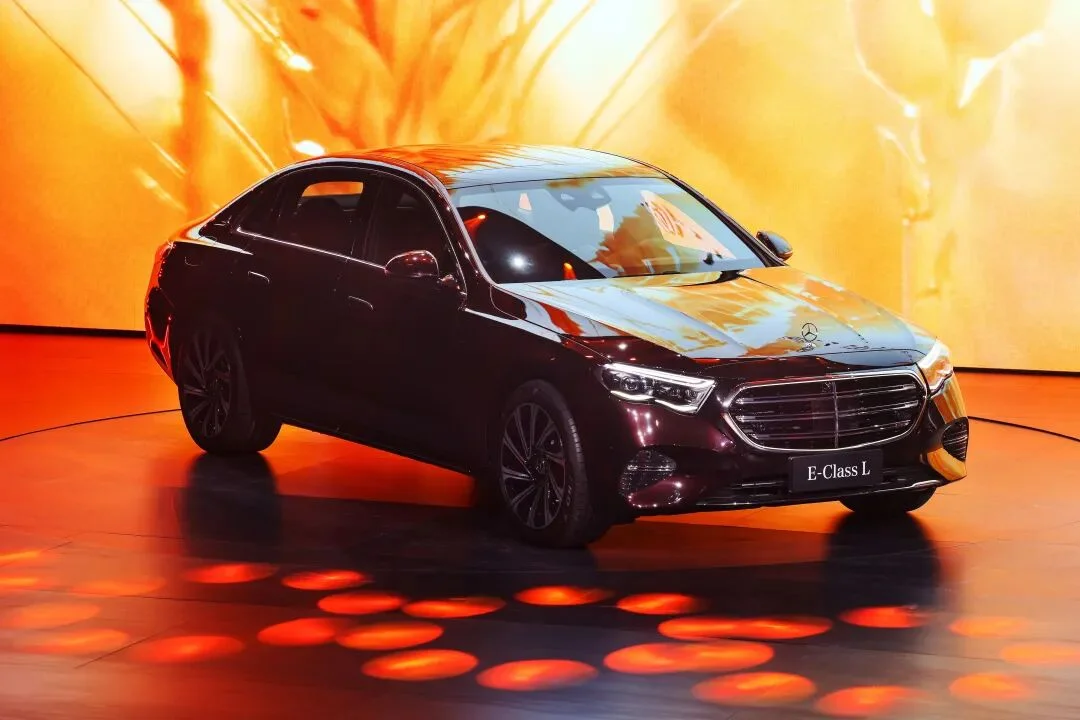
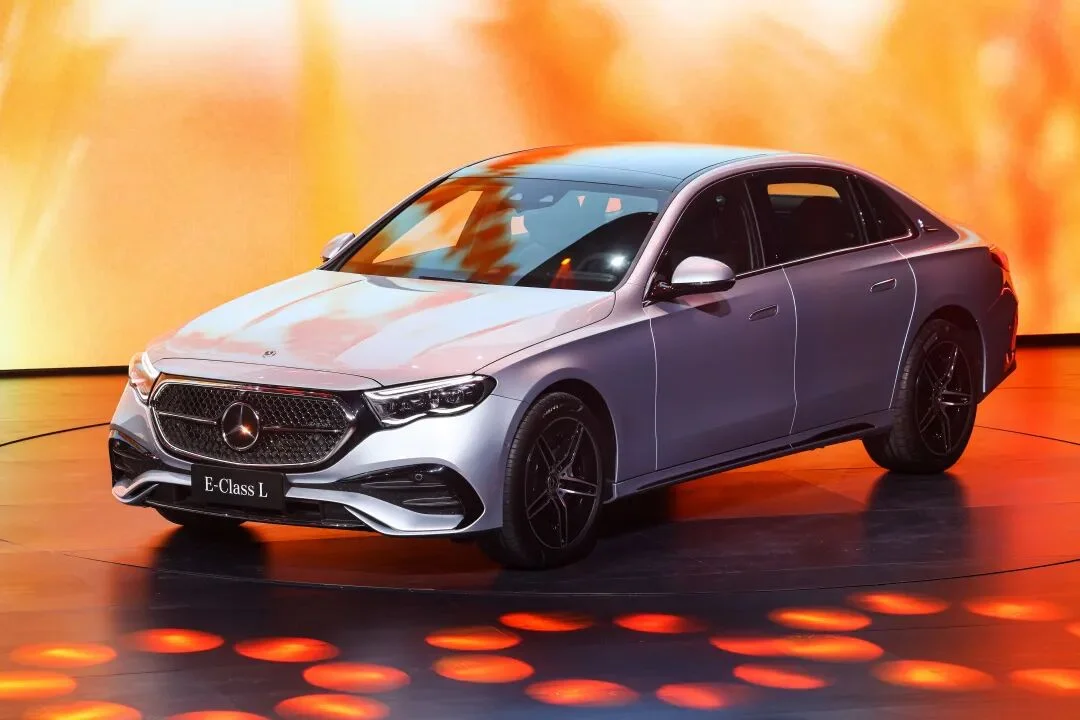
The all-new Mercedes-Benz long-wheelbase E-Class adopts the latest family design language, featuring the Nightfall Starlight grille and offering both large-badge and star-badge versions.
The interior retains the signature Mercedes-Benz luxury feel, equipped with the new MBUX Super Screen. The vehicle also features a newly styled steering wheel. Quick-access physical buttons have been relocated from the center console to below the main screen, giving the dashboard a more modern appearance.
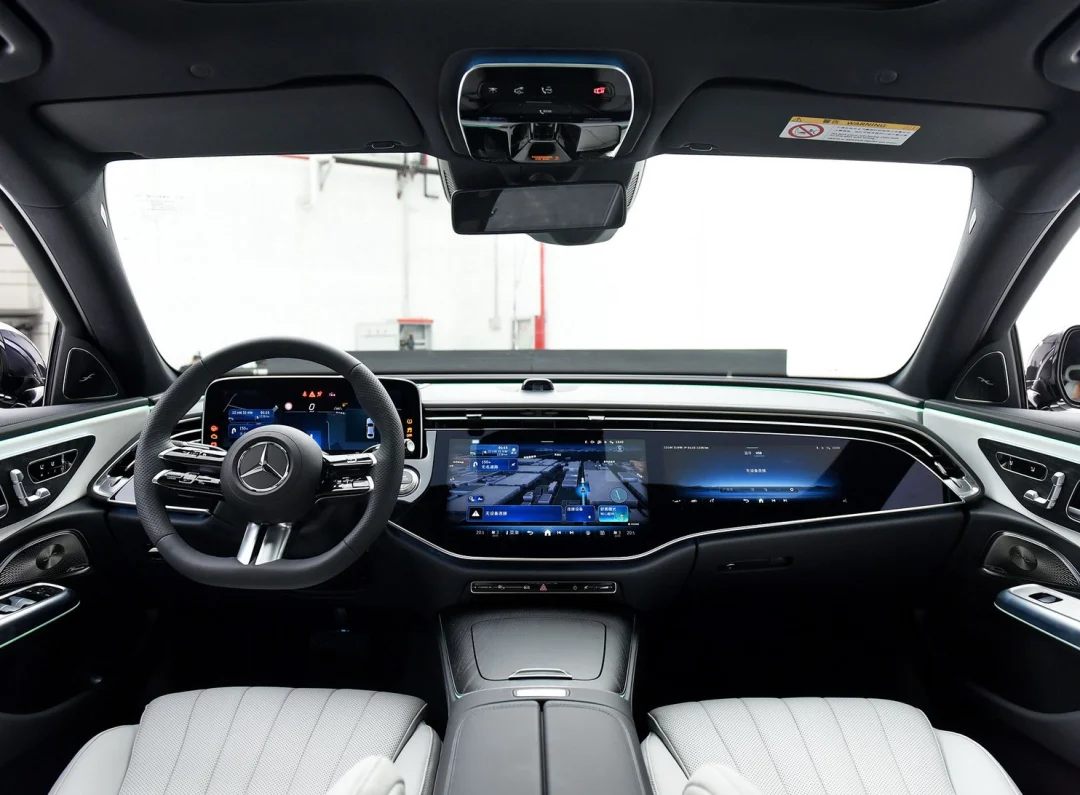
Notably, the all-new Mercedes-Benz long-wheelbase E-Class is powered by the Qualcomm Snapdragon 8295 smart cockpit chip, significantly enhancing its intelligent capabilities. Its 'Mind-Reading Voice Assistant' supports issuing multiple commands in a single request.
In terms of driver assistance, the new car offers L2+ navigation-assisted driving, launching first in the Chinese market. It can automatically change lanes, overtake, maintain distance from large vehicles, and enter or exit ramps on highways and urban expressways. The system has been further customized for local conditions, allowing lane changes in tighter spaces and at lower speeds of 50 km/h.
For powertrain, the all-new Mercedes-Benz long-wheelbase E-Class comes standard with the M254 2.0-liter inline-four engine, producing a maximum power of 190 kW and peak torque of 400 N·m, with a 0–100 km/h acceleration time of 6.6 seconds.
Editor's Comment:
Since the 1947 launch of the hardtop sedan 170, developed on the basis of the W136, the Mercedes-Benz E-Class has spanned a 76-year history. As a benchmark product in the executive sedan segment, the E-Class has shown signs of decline in recent years amid fierce competition from peer models and the wave of new energy vehicles. This update retains Mercedes-Benz’s luxury elements while advancing intelligent features such as the Gaotong 8295 chip and L2+ level driver assistance. Such upgrades may help attract consumers from different segments. What do you think of the future market performance of the all-new Mercedes-Benz E-Class?
Zeekr officially releases the Golden Brick Battery
Since new energy vehicles entered public view, issues such as safety and charging efficiency have consistently caused anxiety for owners in their daily use.
It is evident that although battery thermal runaway incidents are now rare and charging replenishment efficiency has improved significantly with technological advancements, these problems still exist, and user demands remain far from fully satisfied.
Zeekr’s release of the Golden Brick Battery on December 14 offers a more promising turning point in addressing battery-related concerns.
The Golden Brick Battery is essentially a lithium iron phosphate (LFP) battery, but it targets the performance benchmarks of ternary lithium batteries. Compared to LFP batteries, ternary lithium batteries offer higher energy density and faster charging speeds, making them better suited for long-range or high-performance models. However, ternary lithium batteries lag behind LFP batteries in terms of safety and cost.
So why not develop an affordable, safe LFP battery that maintains high energy density and fast charging capabilities? At the outset of the Golden Brick Battery presentation, Zeekr CEO Conghui An posed this question: Why can’t lithium iron phosphate achieve ultra-fast charging?
With the release and production launch of the Jinzhuan (Brick) battery, the question raised by Conghui An has been answered.
Here is a summary of the core features of the Jinzhuan battery:
Volume utilization rate: 83.7%
Maximum charging rate: 4.5 C
Fast-charging speed at -10°C improved by 25%
Charges for 15 minutes to add 500 km of range
3-second pulse discharge rate: 16 C
Production efficiency increased by 40%, with cost per kWh reduced by 14.8%
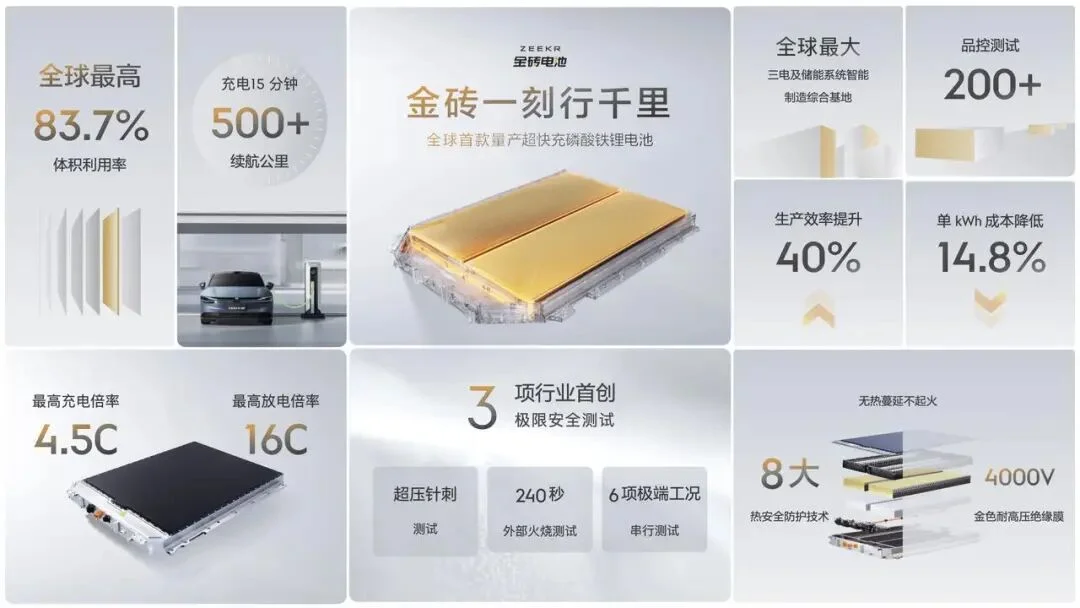
The data above demonstrates that the Brick Battery has broken through the limitations of previous lithium iron phosphate (LFP) batteries, achieving simultaneous improvements in performance and reductions in cost.
To achieve this level of performance, Zeekr invested significant effort.
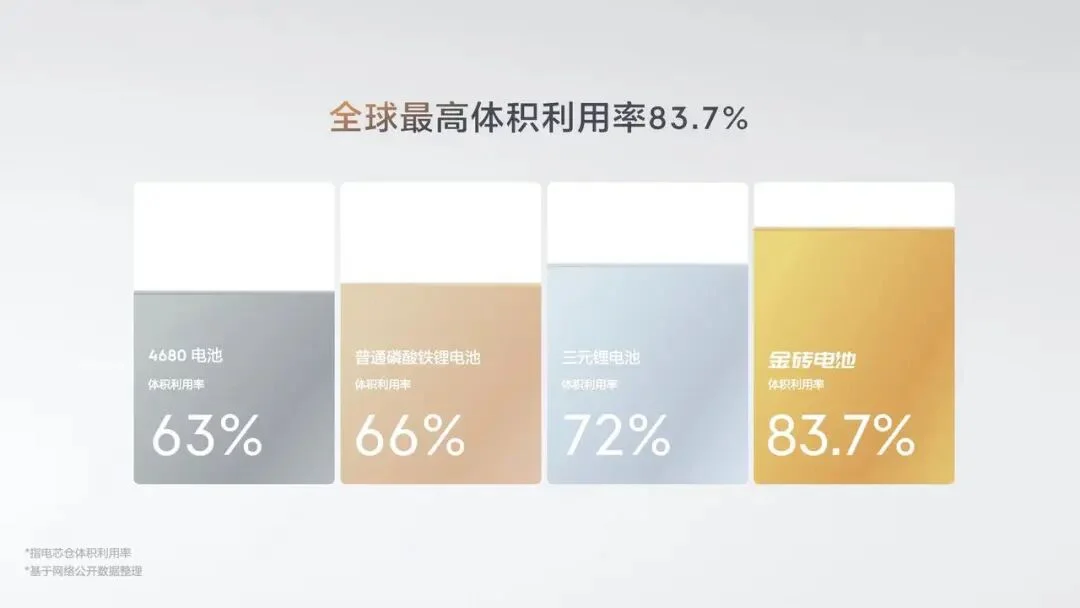
First, to match the energy density of ternary lithium batteries, the Brick Battery was designed with a larger capacity. However, 'larger' here does not refer to increased physical volume, but rather to higher volumetric utilization within the same battery space—essentially packing more cells into the same footprint.
To maximize cell space, Zeekr’s engineering team substantially redesigned the battery structure. Compared to traditional designs, the total length of sampling circuits in the Brick Battery was reduced by 157 meters, and the number of core components decreased by 35%.
The result is a volumetric utilization rate of 83.7%, making it the world’s first power battery to exceed 80% volumetric utilization. Thanks to this improvement, the mass energy density of the Brick Battery also increased by more than 10%.
Secondly, the Brick Battery features enhanced charge and discharge capabilities.
The Brick Battery achieves a maximum charging rate of 4.5 C and a 3-second pulse discharge rate of 16 C thanks to Zeekr’s global 800 V architecture and its compatibility with Zeekr Supercharging stations, as well as structural innovations in the cells and the adoption of full-process lithium-ion acceleration technology, which improves the efficiency of lithium-ion release, transport, and reception throughout the entire process.
Safety is another key factor. 'Safety' has always been Zeekr's hallmark; the brand has delivered over 180,000 vehicles to date with no recorded incidents of spontaneous combustion. The introduction of the Brick Battery provides strong support for this reputation.
To ensure the safety of the Brick Battery, Zeekr has implemented eight safety measures and designed a special gold-colored insulating film on the cell surface capable of withstanding 4,000 V DC high voltage. This feature is precisely what gives the Brick Battery its name.
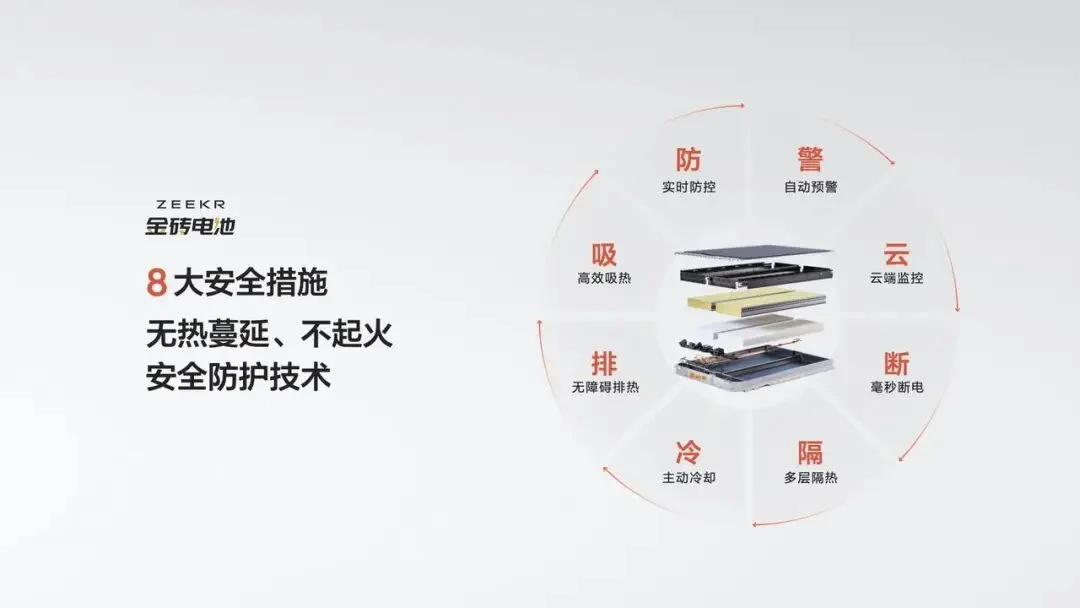
Zeekr subjected the Brick Battery to rigorous torture tests to verify its safety, including overvoltage nail penetration, external fire exposure for 240 seconds, and a series of six extreme condition tests.
Notably, in the six extreme-condition serial tests, the Brick Battery remained fully functional and suitable for vehicle installation after undergoing immersion, fire, freezing, dragging, crushing, and high-altitude drop tests.
Zeekr has announced that the Brick Battery will debut in the Zeekr 007. Once the Zeekr 007 officially launches on December 27, readers can look forward to our review to see if the battery performs as well as it sounds.
In addition to the Brick Battery, Zeekr is building a leading supercharging network, a project that has been underway since the brand's inception.
As of now, Zeekr’s supercharging pile network has reached the largest scale in the industry. According to official data, by November 30, Zeekr had built nearly 2,300 Super Charging Piles (SCP) across 100 cities nationwide.
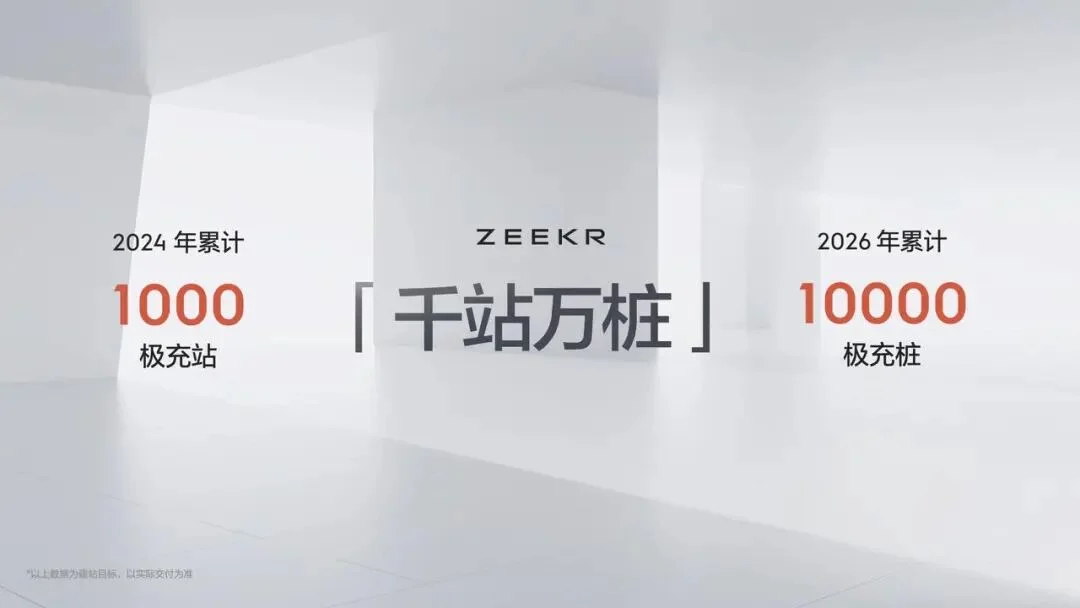
Notably, Zeekr’s supercharging stations do not mix SCPs with standard charging piles; instead, they exclusively use SCPs and employ intelligent power-sharing technology to maximize the utilization of the power pool, ensuring optimal charging power for every station.
It is reported that by the end of next year, Zeekr will have cumulatively built more than 1,000 such Super Charging Stations. By the end of 2026, the number of SCPs is expected to exceed 10,000.
Furthermore, Zeekr has integrated the entire energy replenishment process into its vehicle ecosystem. Users can perform smart pile searching, lower ground locks, and plug-and-charge directly through the infotainment system. This feature will be rolled out to users via Zeekr’s latest OTA update.
Editor's Comment:
Zeekr’s Gold Brick Battery represents a significant breakthrough in new energy vehicle battery technology. Its core features—including a volume utilization rate of up to 83.7%, a 25% increase in fast-charging speed at -10°C, and the ability to add 500 km of range in just 15 minutes of charging—fully demonstrate the battery’s efficiency and practicality. This is not only an upgrade for lithium iron phosphate (LFP) battery technology but also a challenge to the broader new energy vehicle industry.
However, regardless of technological breakthroughs, the ultimate test lies in user experience. Whether Zeekr’s Gold Brick Battery truly meets consumer needs will depend on actual market feedback. Based on existing data, the Gold Brick Battery shows significant improvements in safety and charging efficiency, which promises to provide users with a better driving experience.
By David Edited by David