


Geely Unveils First White Paper on Chinese Automotive Design Discourse at International Forum
In this wave of automotive industry transformation marked by electrification and intelligence, the entire Chinese auto sector faces a critical question: In the new energy era, where should Chinese automotive design go?
This issue became the central focus at the 2023 International Automotive Design Forum hosted recently by Geely.
As the first international automotive design forum organized by a Chinese car brand and the highest-specification professional automotive design event in China, the gathering was attended by numerous heavyweights. Participants included academic and industry experts such as Tan Jianrong, Academician of the Chinese Academy of Engineering, and Liu Ning, President of the China Industrial Design Association, as well as industry figures including automotive design master Marcello Gandini, Gan Jiayue, CEO of Geely Automobile Group, and Chen Zheng, Vice President of Geely Automobile Group.
Notably, during the event, Geely Design, in collaboration with the China Academy of Art, released the White Paper on the Discourse System of Chinese Automotive Design (Version 1). The paper aims to provide forward-looking insights into the theoretical construction and system building of Chinese automotive design amid major industry shifts.
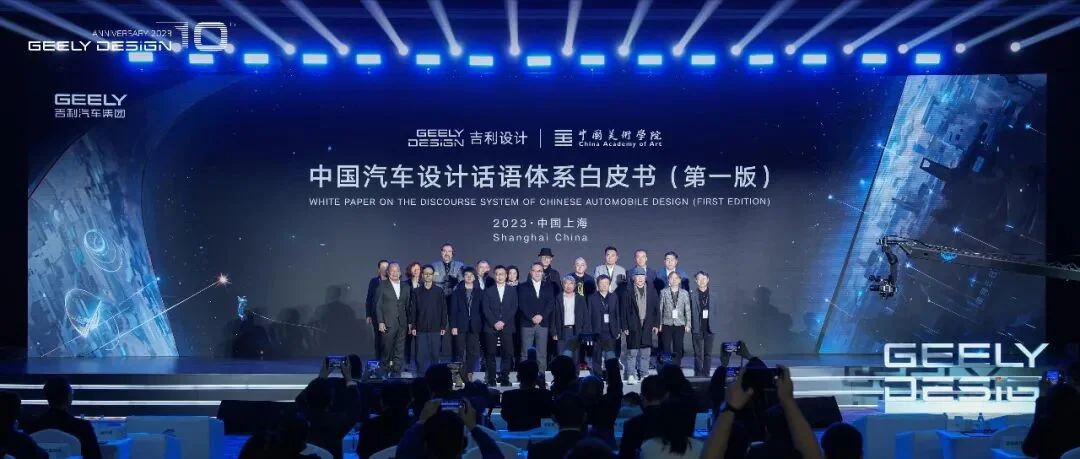
With the release of this significant document, the new paradigm for Chinese automotive design, originally proposed by Geely on February 23 of this year, begins to offer fresh guidance for Chinese design in the intelligent electric era.
The New Energy Era Has Provided a Good Opportunity for Chinese Automotive Design
Since the birth of the first automobile in human history in 1886, the global automotive industry has endured over 137 years of evolution. Throughout this period, car design, as a crucial component of product development and industry progress, has undergone significant transformations.
Due to their early advantages in the internal combustion engine era, countries such as Germany, the United States, and Japan led trends in the automotive industry for a time, establishing distinct design discourses in the process. Consequently, after integrating with the global market, China's automotive industry was constrained by these established design frameworks for a considerable period, failing to develop its own unique design style.
However, the advent of the new energy vehicle (NEV) era has presented Chinese automotive design with an unprecedented opportunity for rise. This industrial revolution, driven by technological innovation, has completely broken away from traditional automotive design paradigms, creating a "curve overtaking" opportunity for Chinese automotive design.
More importantly, as the NEV era progresses, the market share of Chinese independent brands continues to grow. Data released by the China Passenger Car Association (CPCA) shows that the sales share of domestic passenger vehicles by independent brands exceeded 60% in October this year, a historic milestone. Clearly, the sales surge of Chinese independent brands places new demands on the rise of Chinese automotive design.
At this forum, Gan Jiayue, CEO of Geely Automobile Group, explicitly stated during the International Automotive Design Forum: "Design is Geely's core competitiveness." This statement reflects Geely's confidence in its design capabilities and its emphasis on automotive design.
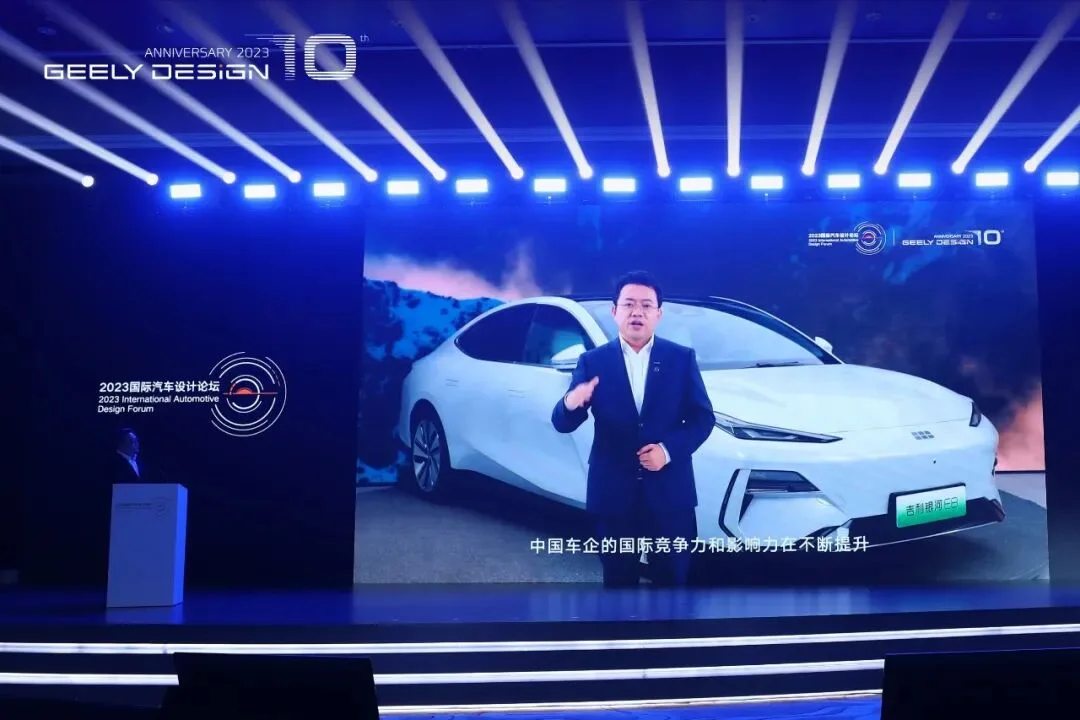
Geely Automobile Group CEO Gan Jiayue
As Chen Zheng, Vice President of Geely Automobile Group, noted: "China's NEV market has become fertile ground for the birth of good designs and a high-value incubator for future design innovation. Good design drives enterprises and brands toward new developments; those who grasp the direction of design evolution will seize the key elements for winning future competition."
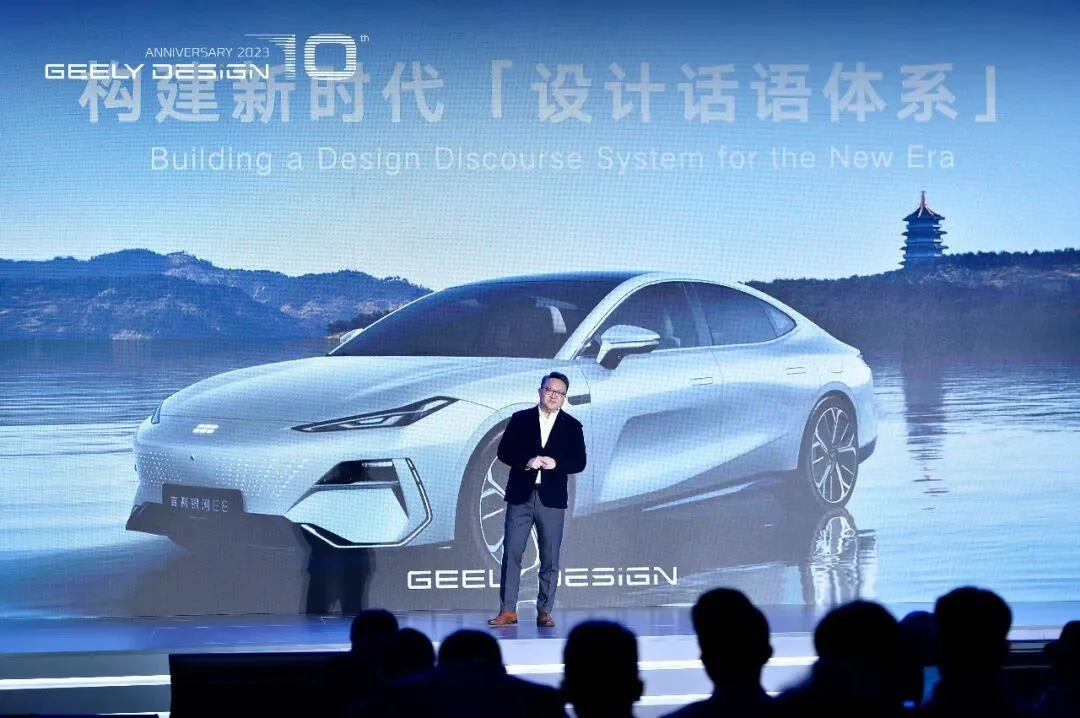
Chen Zheng, Vice President of Geely Automobile Group
Notably, with the advent of the new energy era, China has become a major exporter of automobiles, and Chinese independent brands are going global. At the same time, consumer confidence in the domestic automotive industry is rising, creating an urgent need for a design discourse system that belongs to China.
In this context, building a Chinese automotive design discourse system has indeed become an intrinsic requirement and necessary step for the entire industry. From this perspective, the release of the White Paper on Chinese Automotive Design Discourse System (Version 1) by Geely Design in collaboration with the China Academy of Art is timely. It marks the establishment of this discourse system and holds profound significance for empowering brand upgrading, driving industrial innovation and development, and enhancing the global influence of Chinese automotive brands.
Why Geely?
So the question arises: why Geely?
A core reason is Geely’s emphasis on design itself.
It should be noted that the background for holding the 2023 International Design Forum was the tenth anniversary of Geely Design’s journey through trials and tribulations. Over the past decade-plus, Geely Automobile Group has consistently treated design as a key pillar in the process of developing automotive products.
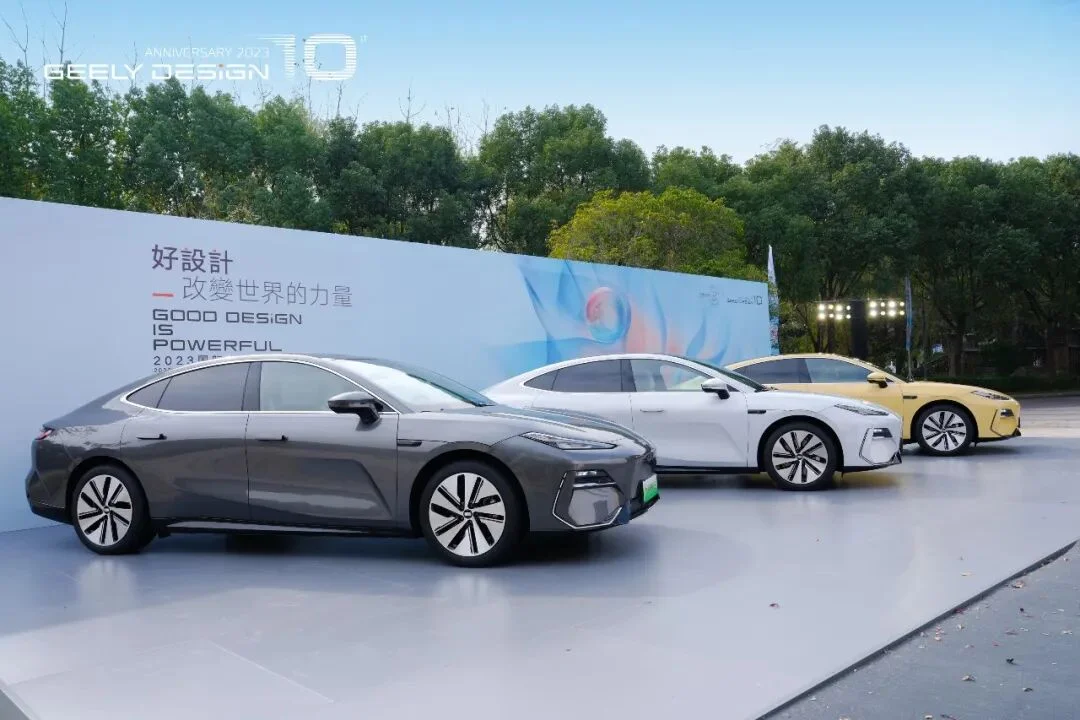
Geely’s emphasis on design and the rise of Chinese automotive design is particularly evident in its transition to new energy vehicles, especially following the launch of the Geely Galaxy series this year.
In February, Geely unveiled the all-new mid-to-high-end new energy sub-brand: the Geely Galaxy series. Chen Zheng, Vice President of Geely Automobile Group, shared his views on the design of China’s smart electric vehicles in relation to the Galaxy series.
Chen Zheng believes that in the era of smart electrification, Chinese EV design must integrate aesthetics, functionality, and intelligence. The design of Geely's 'Yinhezhiguang' incorporates not only technology but also cultural elements reminiscent of West Lake’s beauty and the classical motif of high mountains and flowing water, blending technology with humanistic values. Guided by this philosophy, Geely Design proposed the concept of 'distinctly Chinese, non-traditional, and joyful,' aiming to set a benchmark for China’s smart electric vehicles and drive innovation in EV design paradigms.
Crucially, the Galaxy lineup has gained market recognition.
For instance, the Geely Galaxy L7, the only smart plug-in hybrid SUV in its class with a fully closed grille, inherits the family’s design aesthetics. Its distinctive styling has been well-received by consumers, with monthly sales surpassing 10,000 units shortly after launch and cumulative sales nearing 60,000. Similarly, the Geely Galaxy L6 draws inspiration from Chinese culture and Eastern wisdom, earning strong consumer approval.
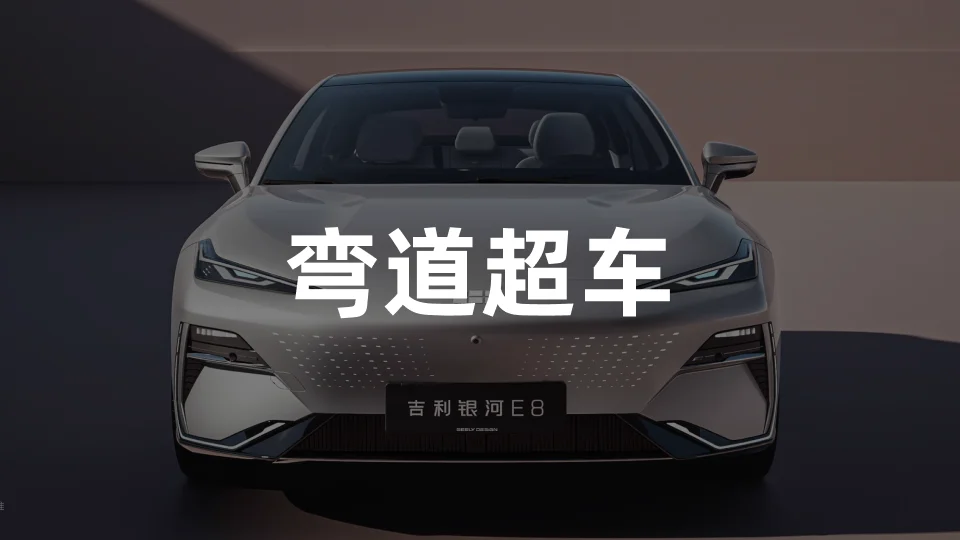
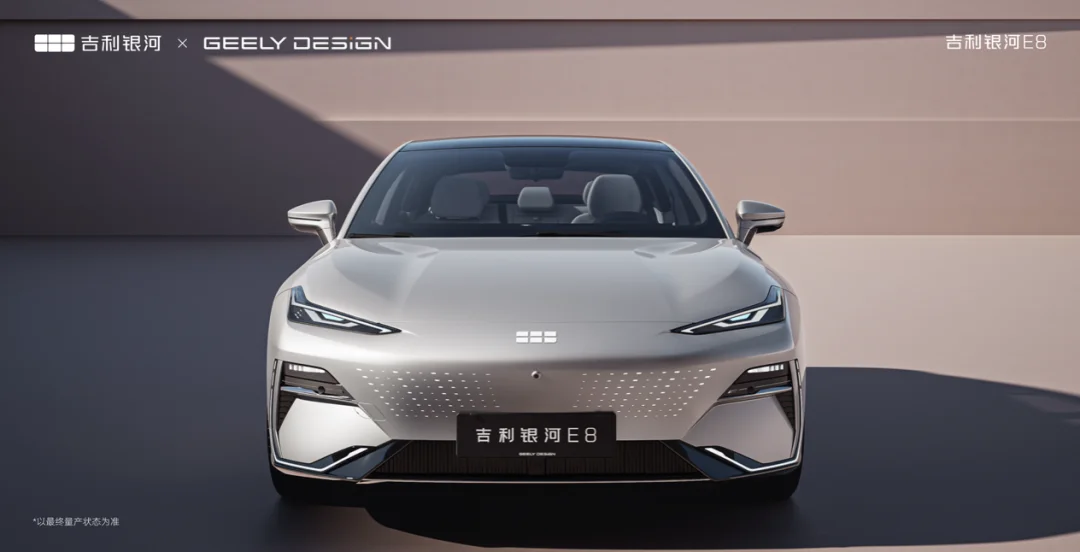
At the Guangzhou Auto Show in the fourth quarter, the Geely Galaxy E8 made its debut. Featuring the world’s first mass-produced integrated light-emitting front fascia, a global production record-low drag coefficient of 0.199, and being the only B-segment pure electric sedan exceeding 5 meters in length, it has been hailed by consumers as the 'most beautiful pure electric flagship sedan.' The Galaxy E8 has recently opened for pre-orders, starting at RMB 188,000, demonstrating Geely’s commitment to 'building smart premium cars for everyone.'
Under Chen Zheng’s leadership, Geely’s design team has rooted its work in cultural heritage and brand core values, leveraging user-centric insights to create Chinese design that reflects both form and substance. It is clear that design has become a key driver behind the rising sales of the Geely Galaxy series.
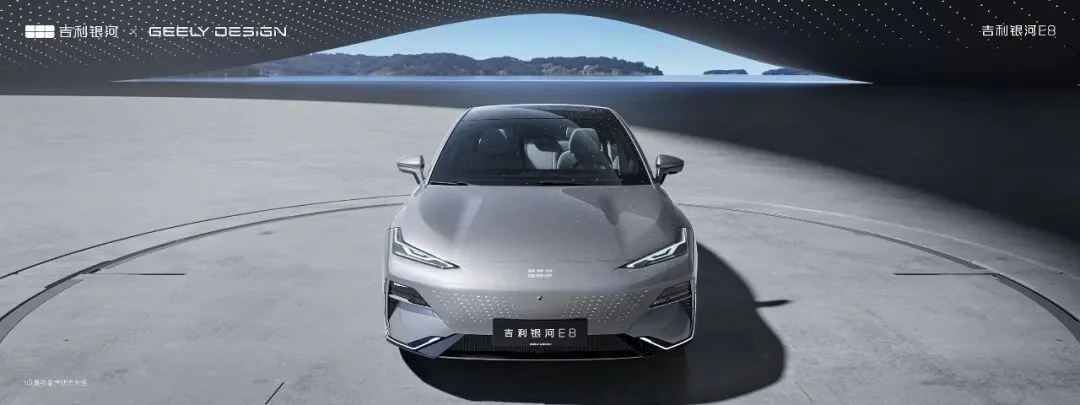
Under the guidance of the 'New Paradigm for Chinese Design,' Geely has driven brand renewal and industrial upgrading through design, launching several products recognized by the market. This demonstrates Geely's strength in automotive design.
Notably, beyond these achievements, Geely Design is continuously refining and building a 'discourse system for Chinese automotive design' through cultural tracing, user insights, talent development, and industry-academia collaboration.
For instance, this year, Geely Design conducted specific research into Chinese culture and explored how it influences the aesthetic preferences of its core users. Through extensive fieldwork, the team analyzed internal cultural dynamics, demographics, and aesthetics to uncover commonalities and differences among users across generations, regions, genders, and social backgrounds, thereby identifying the aesthetic DNA hidden within Chinese heritage.
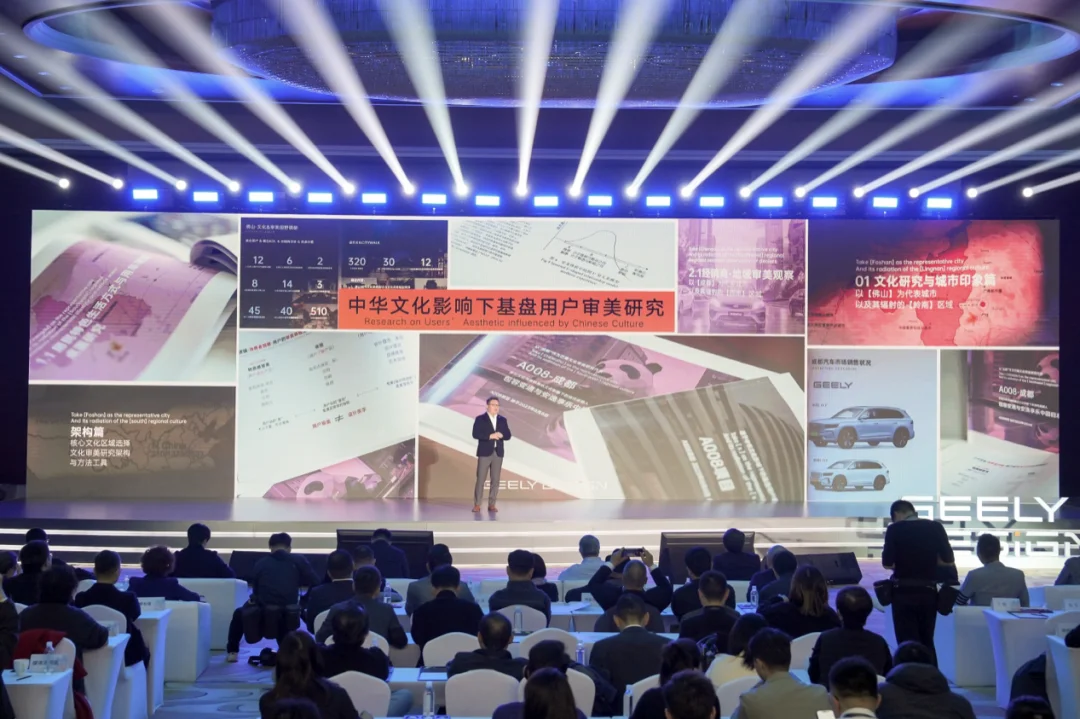
In this regard, Geely Design appears to be the most deeply engaged team in the Chinese automotive design industry regarding research into Chinese culture, the domestic market, and user insights.
Additionally, Geely is advancing industry-academia collaboration in design. For example, Geely Design has established a deep partnership with the Geely Institute, and collaborated closely with Jingdezhentaocidaxue, a leading institution in ceramic arts education, adopting an innovative educational model that integrates teaching and competition to cultivate new generations of designers.
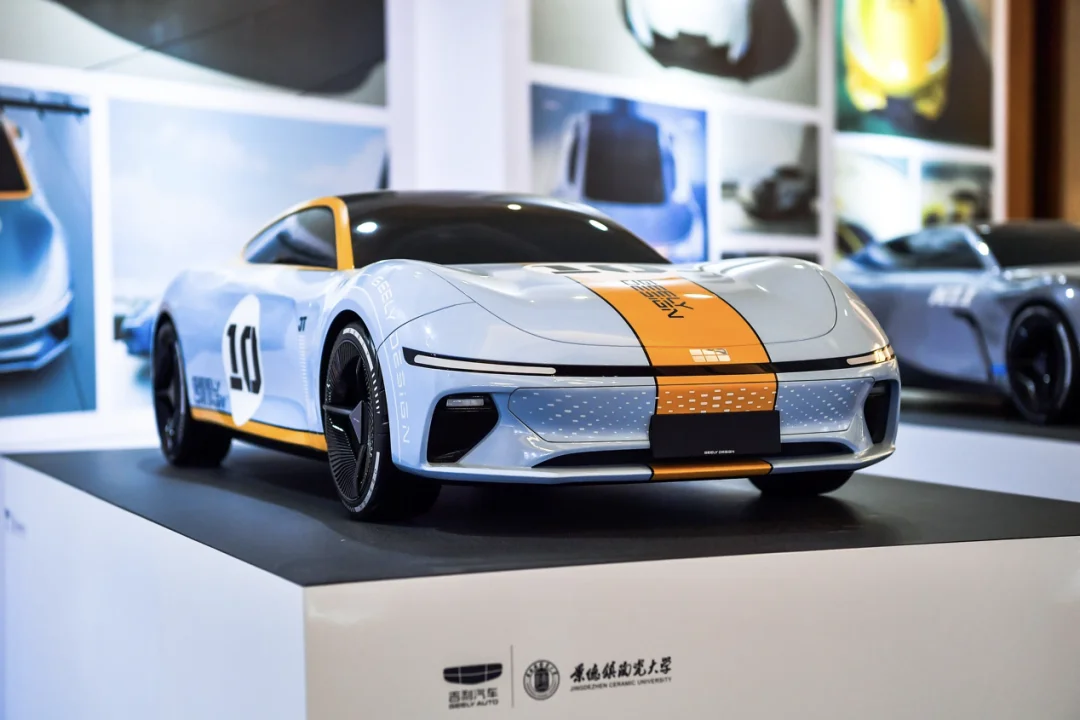
Overall, Geely’s emphasis on design extends beyond product implementation to include a strong focus on cultivating its own talent. In many ways, the company’s approach to automotive design has established a complete, closed-loop system for automotive design—a model with significant demonstrative value for the development of China’s automotive design ecosystem.
The Chinese Automotive Industry Embraces a New Design Paradigm
For a long time, design was a sore point for China’s automotive industry.
During the internal combustion engine era, automakers from Germany, the United States, Italy, Japan and other countries not only captured market share in China but also set design trends. Leveraging their mature design frameworks, they dictated aesthetic standards for the Chinese automotive industry and market, and significantly influenced consumer preferences.
As Academician Tan Jianrong stated at the 2023 International Design Forum: "Design was once the biggest weakness of China’s automotive industry."
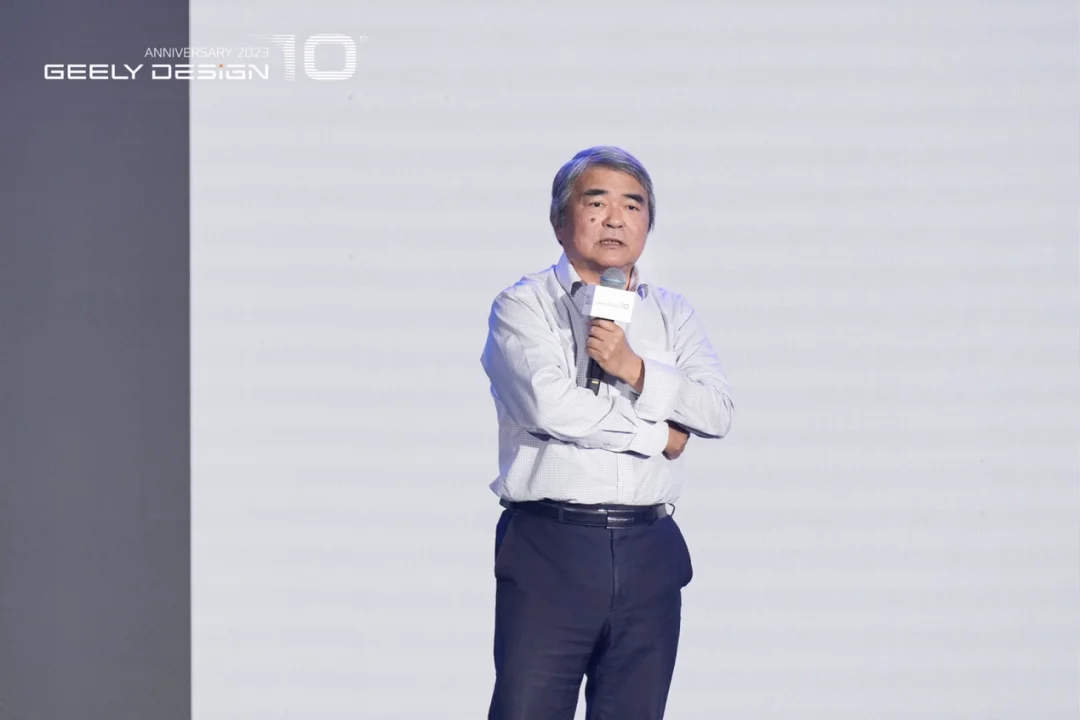
Chinese Academy of Engineering Academician Tan Jianrong
Fortunately, in the new energy era, China’s automotive sector has gained advantages in brand building and consumer perception through electrification and intelligence. Meanwhile, Chinese automotive design is accelerating on this new track, achieving encouraging results and producing several standout designs that have caught the public's eye.
Notably, the Geely Galaxy E8’s design embodies a uniquely Chinese 'high-level aesthetic,' inheriting Geely’s proprietary brand super-symbol, the 'Ripple.' Rooted in brand value and using light as its medium with culture at its core, it has created a new generation of 'Light Ripples'—the world’s first mass-produced integrated luminous front face. This represents another upgrade driven by design-led industrial technology, reflecting an aesthetic confidence born from China’s technological self-assurance.
In fact, against the backdrop of the broader new energy transition in China’s automotive industry, manufacturers are exploring entirely new paradigms. In an era where new energy vehicles are becoming increasingly homogenized, such exploration is both precious and essential to the industry. As Academician Tan Jianrong stated:
Only through design can we master core industry technologies, expand into new markets, and shape new brands. For Chinese products to evolve into distinct Chinese brands, they must rely on innovative design to extend our industrial chains, achieve corporate transformation and upgrading, and reflect added product value.
Regardless, one thing is clear: a discourse system for Chinese automotive design is gradually taking shape, and the starting gun for the rise of Chinese automotive design has been fired. It is evident that, alongside the substantial development of China’s new energy vehicle industry, Chinese automotive design will undoubtedly secure its place in the global landscape of automotive design.
Written by: 308 Edited by: 308