


NIO Launches ET9 Flagship and Firefly Sub-brand; Zhijie R7 EREV Enters Market
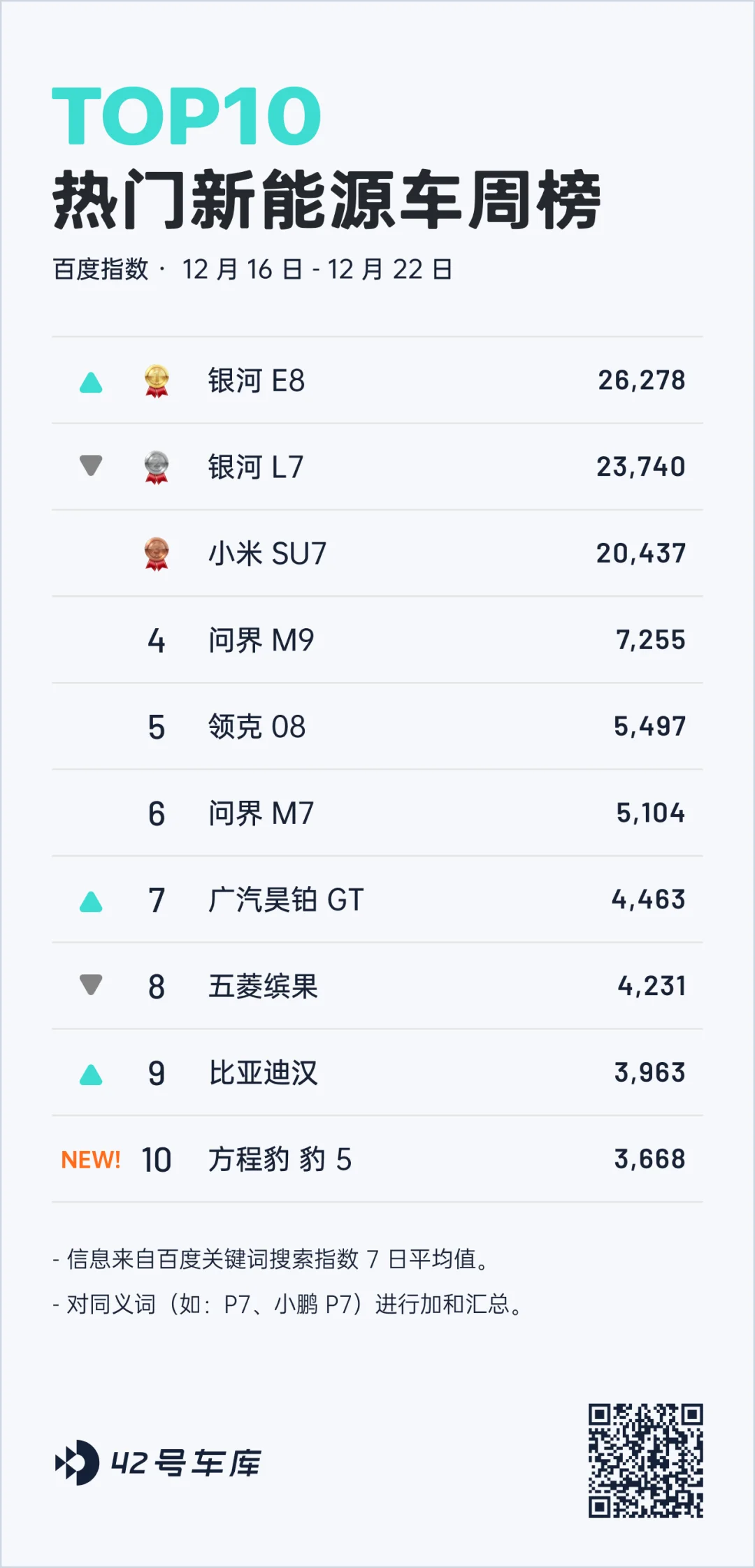
01Weekly Index
02Weekly Highlights
ET9 Officially Launched, Battery Rental Price at RMB 660,000
On the evening of December 21, at NIO Day 2024, NIO Chairman William Li officially announced the pricing for the ET9 and declared it "the best car of this era."
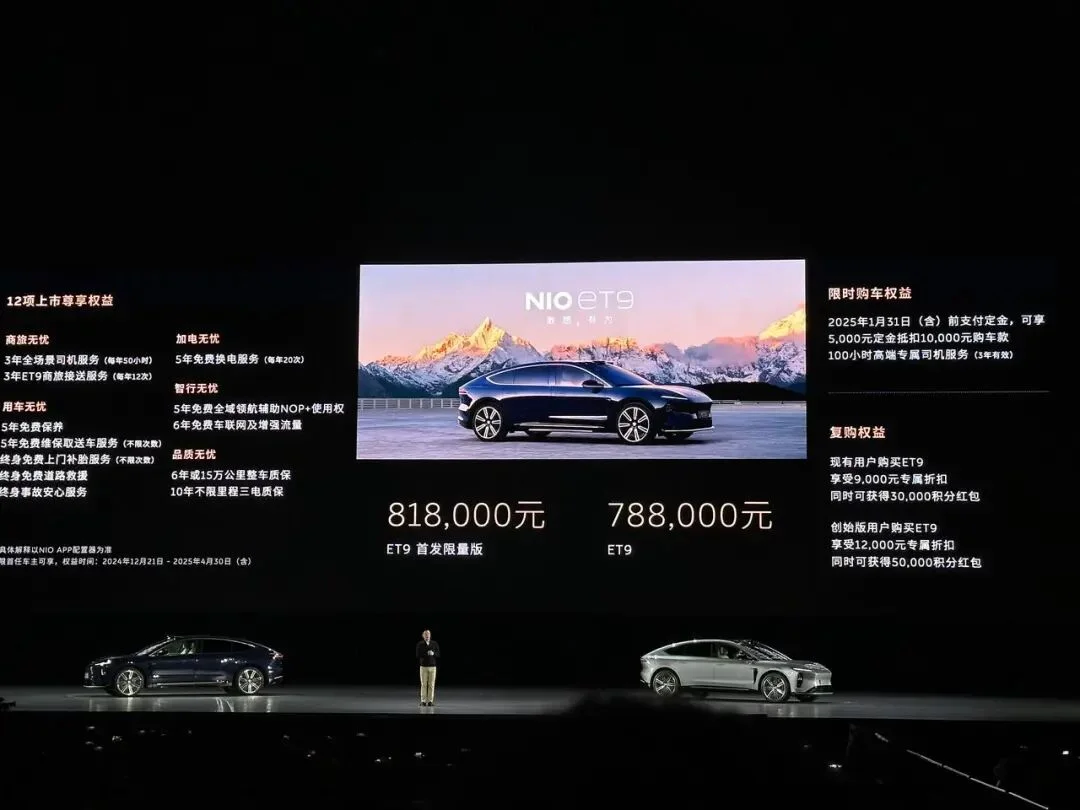
The prices for the various versions of the ET9 are as follows:
Standard version: starting from RMB 788,000; battery-as-a-service option starting from RMB 660,000.
First Edition Limited: starting from RMB 818,000; battery-as-a-service option starting from RMB 690,000.
Additionally, the ET9 comes with benefits and services including three years of all-scenario driver service and five years of free battery swapping (20 times per year).
In terms of exterior design, the ET9 adopts a "flying body" concept, offering smooth lines while maintaining a sense of power. The manufacturer describes the ET9 as "resembling an electric business jet cruising close to the ground."
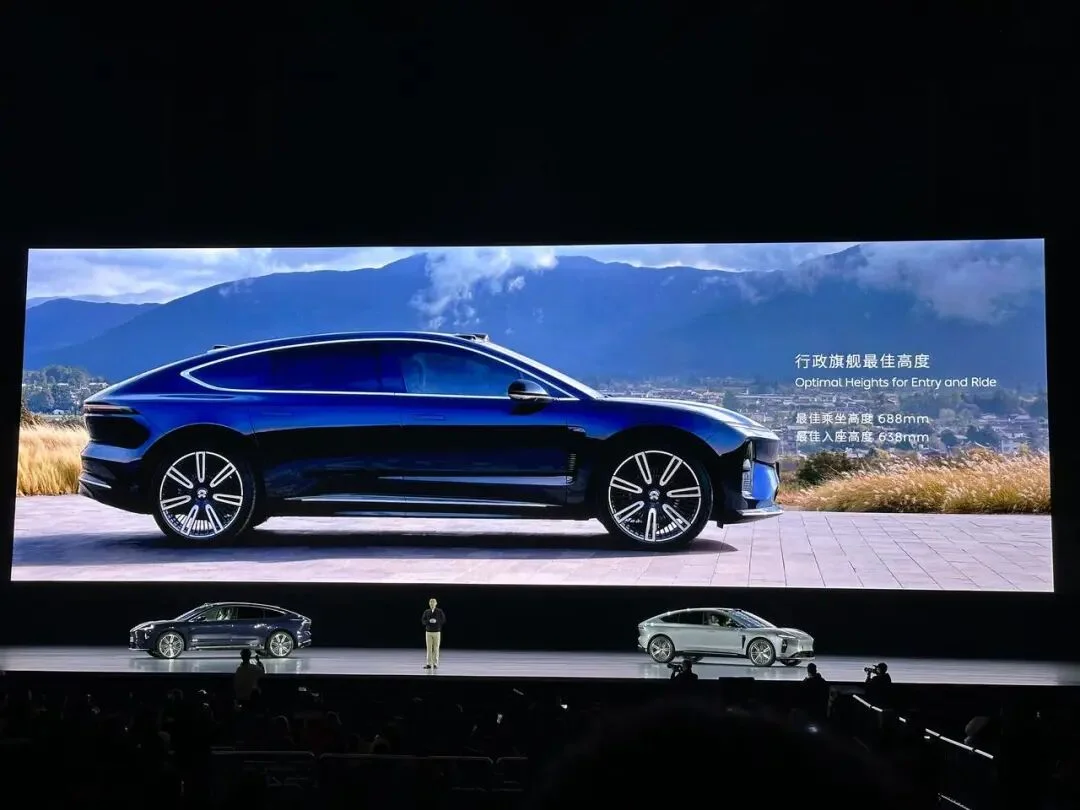
Beyond its body shape, the ET9 retains NIO’s current family design language, maintaining a minimalist aesthetic while adding chrome accents to enhance refinement. It does not overemphasize external luxury despite its positioning as an executive flagship. However, with dimensions of 5,325 mm in length, 2,017 mm in width, and 1,621 mm in height, the ET9 visually conveys the substantial presence expected of this class.
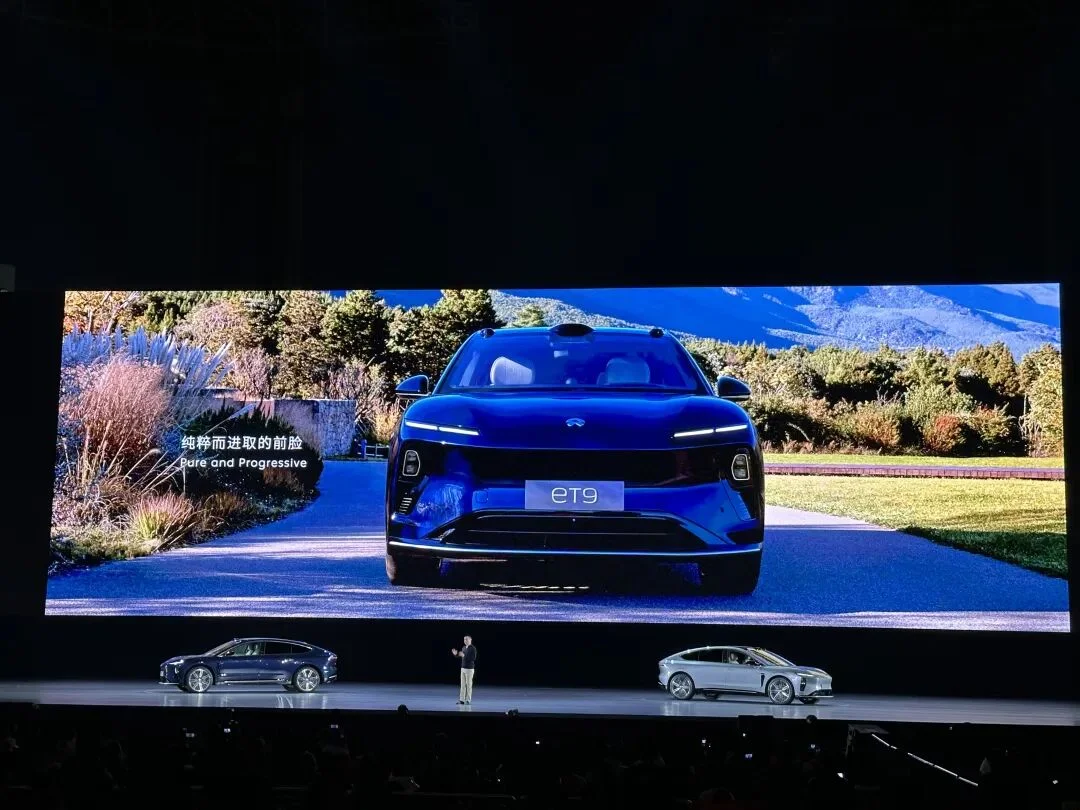
The short front end design ensures more spacious interior room. Additionally, NIO has equipped the ET9 with a 105-liter frunk, marking it as the brand's first model to feature a front trunk.
For lighting, the ET9 utilizes Mini LED technology with a maximum illumination distance of 500 meters. It collaborates with the intelligent driving system to avoid dazzling other road users, including vehicles, e-bikes, and pedestrians, achieving zoned lighting. The front headlights also support projection, steering-responsive adjustment, side marker functions, and pedestrian interaction.
The ET9 comes standard with 22-inch wheels, with an optional upgrade to 23 inches. For a more prestigious appearance, buyers can opt for the Midnight Mirror Porcelain Blue paint finish at a cost of RMB 30,000.
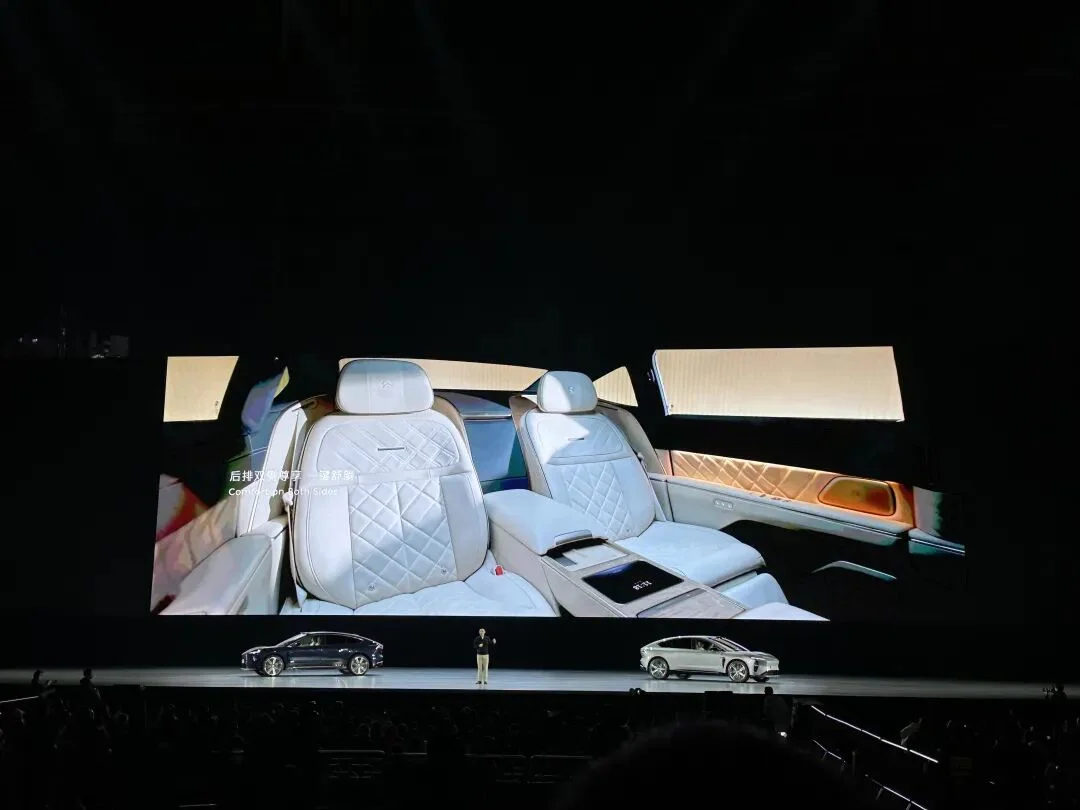
Inside, the NIO ET9 features a four-seat layout. The 'Sky Island' on the panoramic roof and the 'Executive Bridge' spanning the front and rear rows serve to separate the four seats.
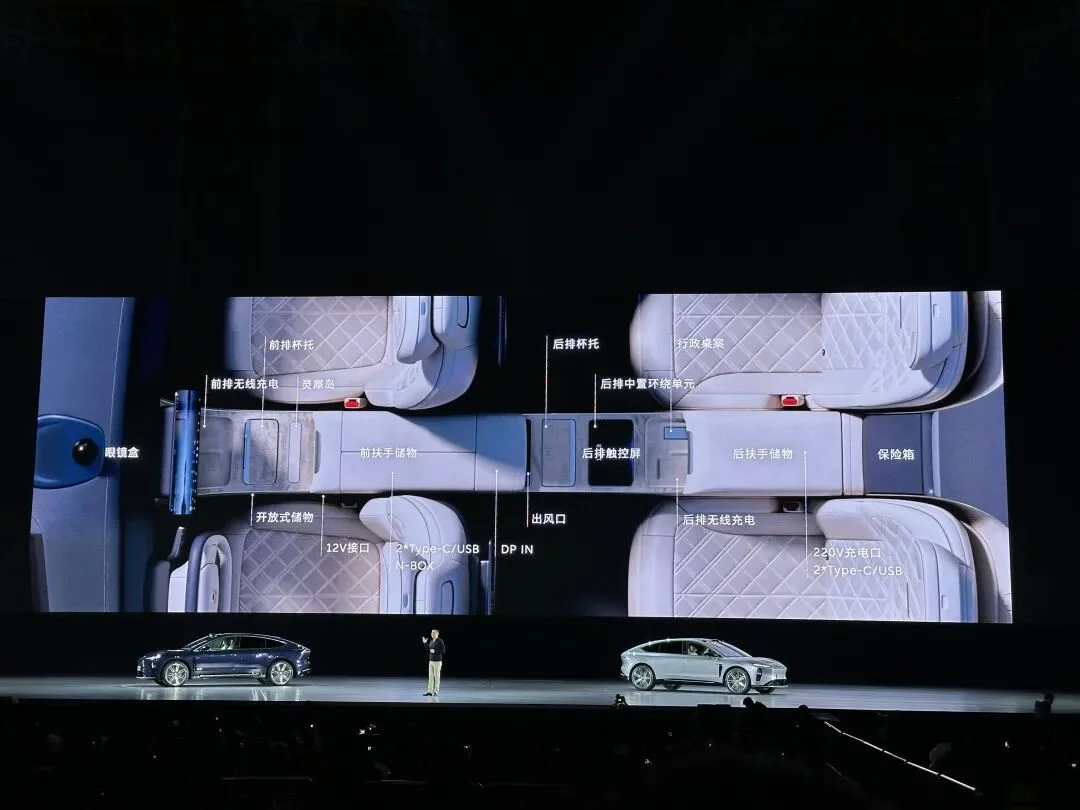
All four seats are standard-equipped with ventilation, heating, massage, and leg rest functions. The front passenger seat includes a 350-mm slide rail, allowing forward movement of up to 292 mm to maximize space for the right-rear executive seat. The ET9 also features a 'One-Touch Privacy' function that activates all electric sunshades in the vehicle with a single button press.
Officially named Jiuxiao Tianqin, the ET9’s audio system is an industry-first 8.2.4.8 configuration, with the final '8' denoting eight headrest speakers. The system delivers a rated output power of 2,800 W. These eight headrest speakers employ Active Noise Reduction Control (ARNC) technology to enhance cabin quietness.
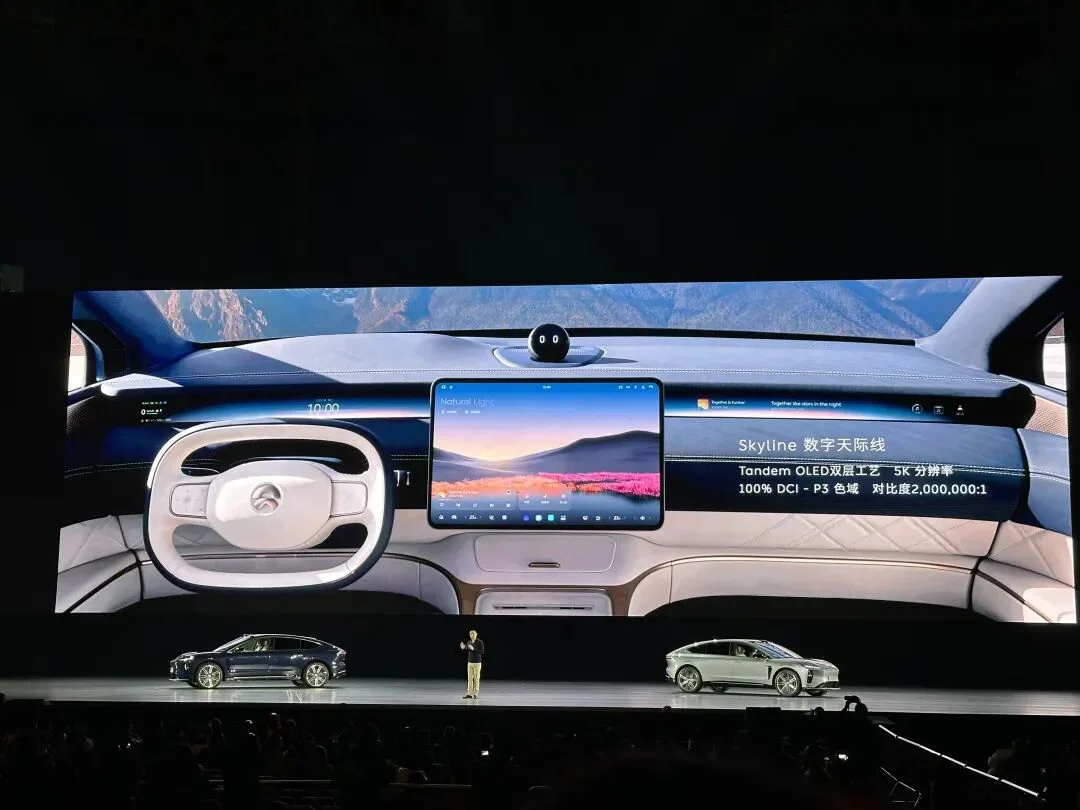
For smart interaction, the ET9 features a 15.6-inch AMOLED central display, two 14.5-inch OLED rear entertainment screens, an 8-inch rear control screen, and a strip-shaped screen spanning the dashboard. It also integrates the latest NOMI 3.0 voice assistant, equipped with external microphones that allow users to open the front or rear trunk and doors via voice commands from outside the vehicle.
To facilitate interaction, the ET9 includes a TUI Bar Lingxi Island interface. Users can control the central display using single-finger, double-finger, triple-finger, and swipe gestures for functions such as switching driving modes or playing music.
The ET9 is also equipped with a full-focus AR-HUD. It provides a near-field equivalent to a 31-inch W-HUD at a 5-meter distance and a far-field equivalent to a 130-inch AR-HUD at a 15-meter distance.
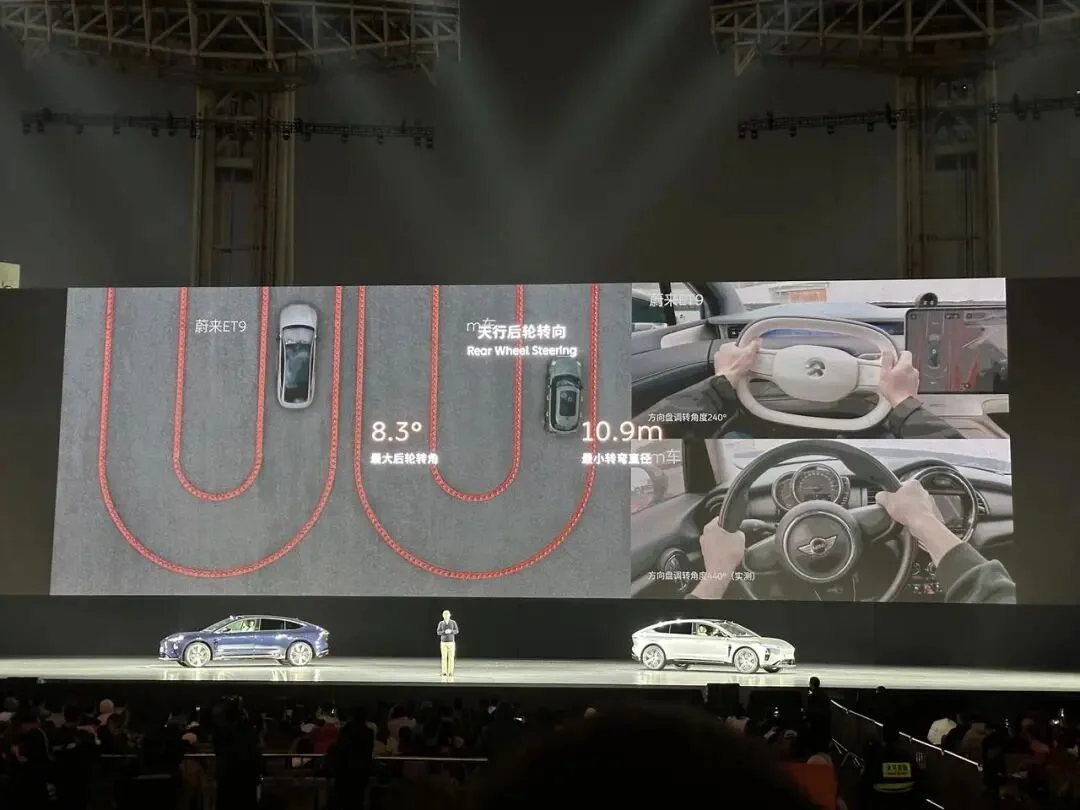
On the chassis front, the NIO ET9 is China’s first production vehicle to feature steer-by-wire technology. This system eliminates the mechanical connection between the steering wheel and the wheels, relying entirely on electrical signals. It allows users to customize the steering angle and resistance torque.
The ET9’s steer-by-wire system offers a variable steering ratio that intelligently adjusts between 14:1 and 6:1 based on speed. The steering column can extend forward by 35 mm and retract backward by 118 mm. In intelligent driving scenarios such as cruise control or automatic parking, the system can indicate the vehicle’s direction through subtle steering inputs. Combined with a maximum rear-wheel steering angle of 8.3°, the ET9 achieves a minimum turning diameter of 10.9 m.
The fully active hydraulic suspension highly integrates the shock absorbers with the active suspension electromechanical units, offering a wide range and fast response for adjusting stiffness, ride height, and damping. Beyond ensuring sufficient comfort, it interfaces with the perception system to rapidly elevate the rear of the vehicle in the event of a truck rear-end collision, aiming to direct impact forces toward the crash beam.
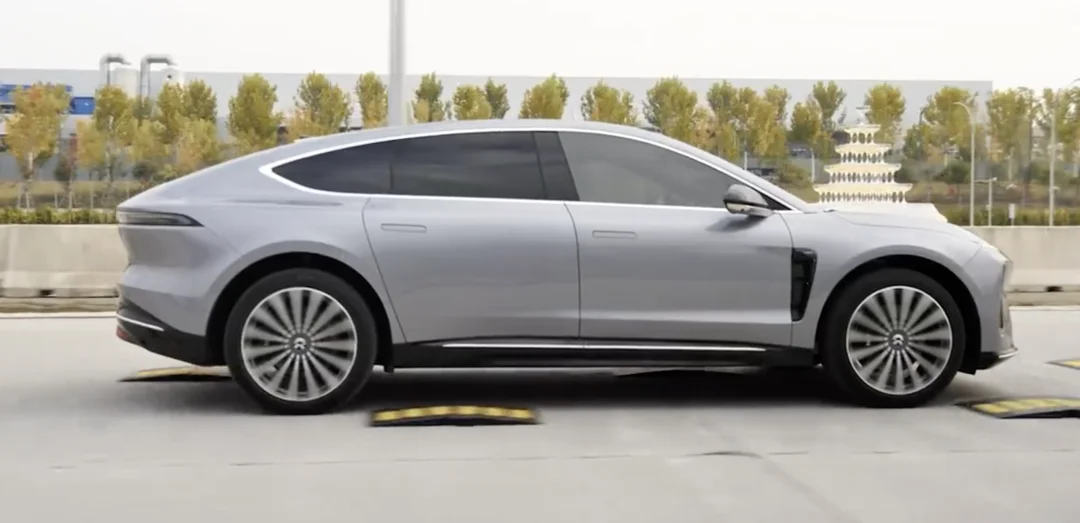
Additionally, the ET9’s fully active hydraulic suspension can synchronize with movie or game visuals, quickly simulating appropriate feedback to deliver a more immersive viewing or gaming experience.
Regarding intelligent driving, the ET9 is equipped with the NIO Aquila 2.0 Perception System, two Shenji NX9031 chips, and an autonomous driving solution based on world models.
The Aquila 2.0 system comprises 31 perception hardware components, including ultra-long-range LiDAR, dual-side wide-angle LiDAR, and 4D imaging radar. The ultra-long-range LiDAR features NIO’s self-developed Yangjian chip, achieving a maximum detection distance of 500 meters, while the entire Aquila 2.0 system boasts a maximum perception range exceeding 400,000 square meters.
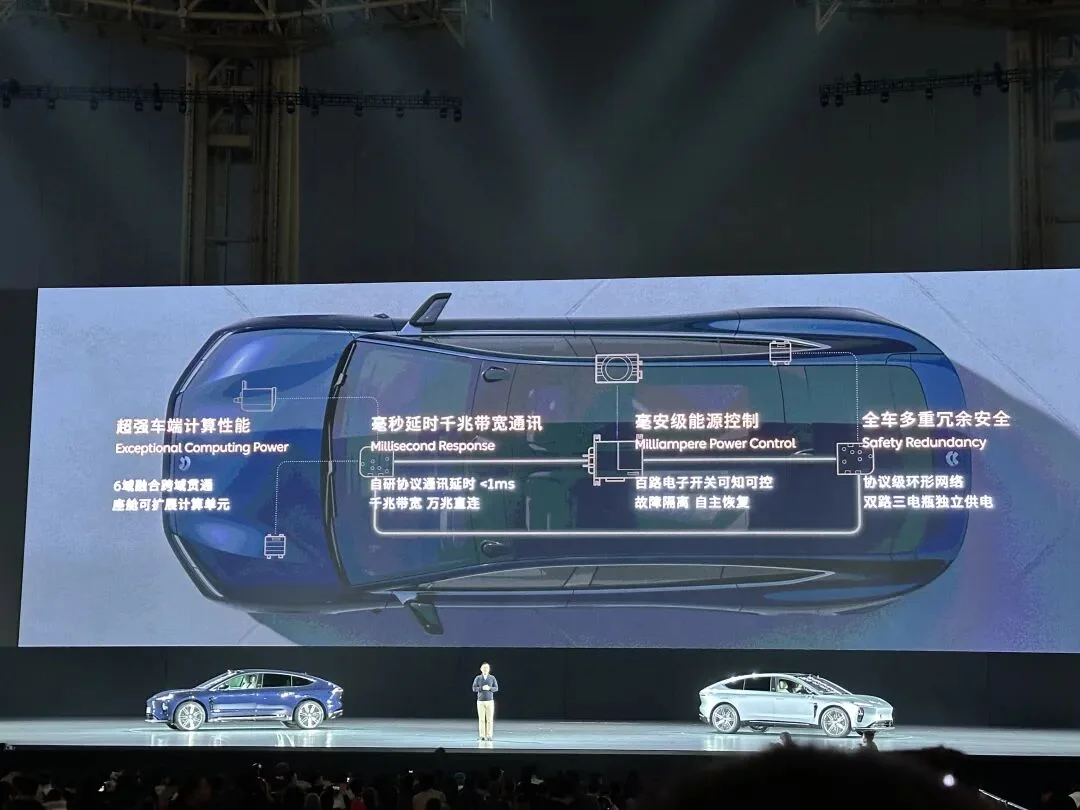
In terms of powertrain technology, the ET9 utilizes a 900 V high-voltage platform capable of reaching a peak voltage of 925 V. It also supports a high charging peak power of 600 kW.
Additionally, the ET9 is equipped with 1,200 V silicon carbide (SiC) power modules and front and rear dual motors rated at 180 kW and 340 kW, respectively. It accelerates from zero to 100 km/h in 4.3 seconds. The ET9 comes standard with a 100 kWh battery pack, offering a CLTC range of 650 km.
Commentary:
As a manifestation of NIO’s ten years of technological accumulation, the ET9 indeed demonstrates a high level of innovation in design and advanced technology configurations. With a price tag of RMB 788,000, it directly challenges traditional luxury sedans such as the Mercedes-Benz S-Class and BMW 7 Series in both positioning and pricing. However, despite its forward-looking technologies—such as steer-by-wire and fast charging—it remains to be seen whether it will gain consumer acceptance in the premium market, as buyers at this price point value more than just technology.
Notably, all 999 units of the ET9’s limited first-edition batch have already been sold. Currently, only the standard version is available for selection on the app.
NIO’s Third Brand Yinghuochong Debuts with Pre-sale Price of RMB 148,800
Also unveiled during this year’s NIO Day was NIO’s third brand, Yinghuochong Firefly, which made its debut with its first model, sharing the same name. The Firefly Yinghuochong has officially opened pre-sales in the Chinese market, with a pre-sale price of RMB 148,800.
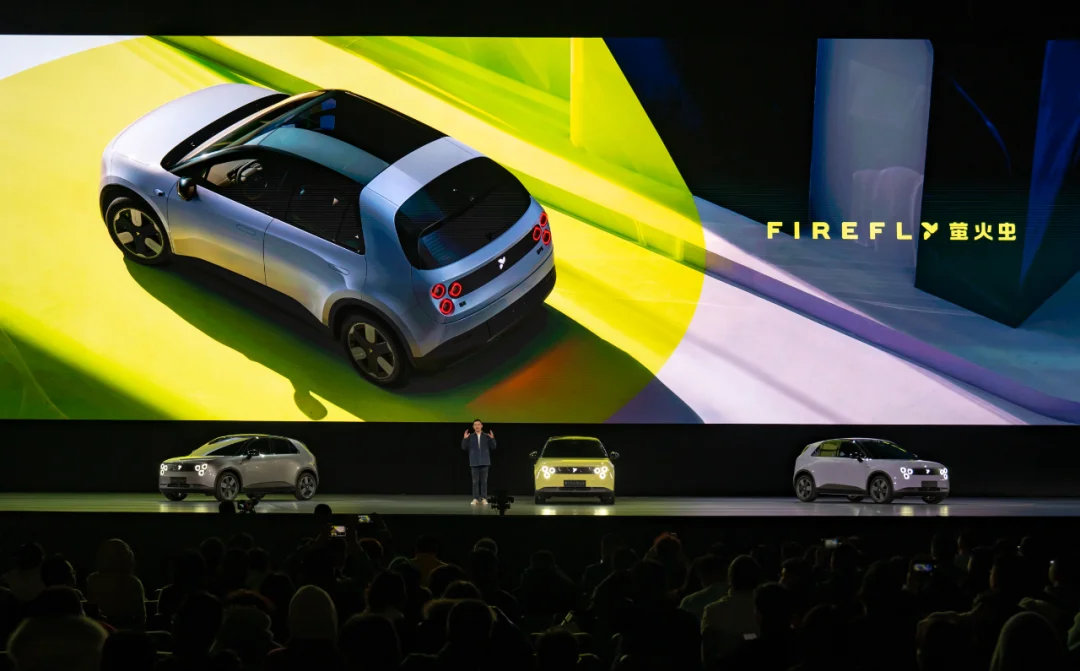
Users who place a reservation can enjoy the “Firefly Flash” benefit, where a RMB 199 deposit is deducted as RMB 2,000 toward the purchase price. NIO and ONVO brand owners purchasing the Firefly Yinghuochong are eligible for exclusive “Firefly” benefits, receiving 30,000 points upon vehicle delivery. ES8 Founders Edition owners receive 50,000 points upon delivery.
In addition to the limited-time pre-order benefits, reservation deposit holders can unlock exclusive privileges of the App's "Project Glow" initiative and win a variety of surprise gifts. The Firefly Yinghuochong has also launched a creative video campaign for its "Project Glow" brand spirit, inviting users to shine freely. The Firefly Yinghuochong will officially launch in April 2025.
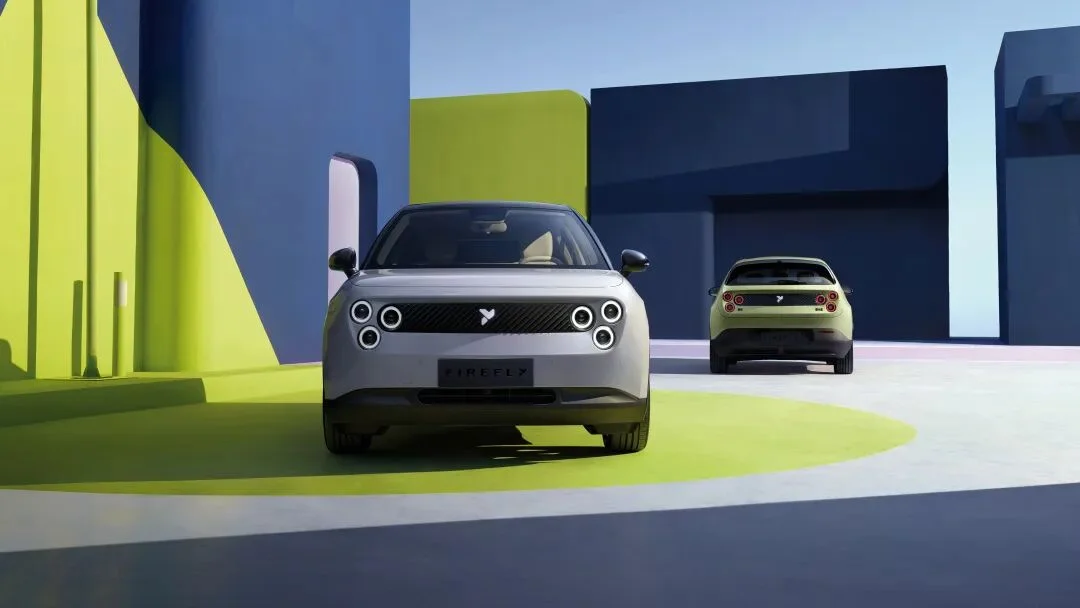
As NIO's third brand model, Yinghuochong continues the company's strategy of distinguishing design languages across its brands. As an urban compact car, its design language is more individualistic and urban-focused compared to NIO and ONVO.
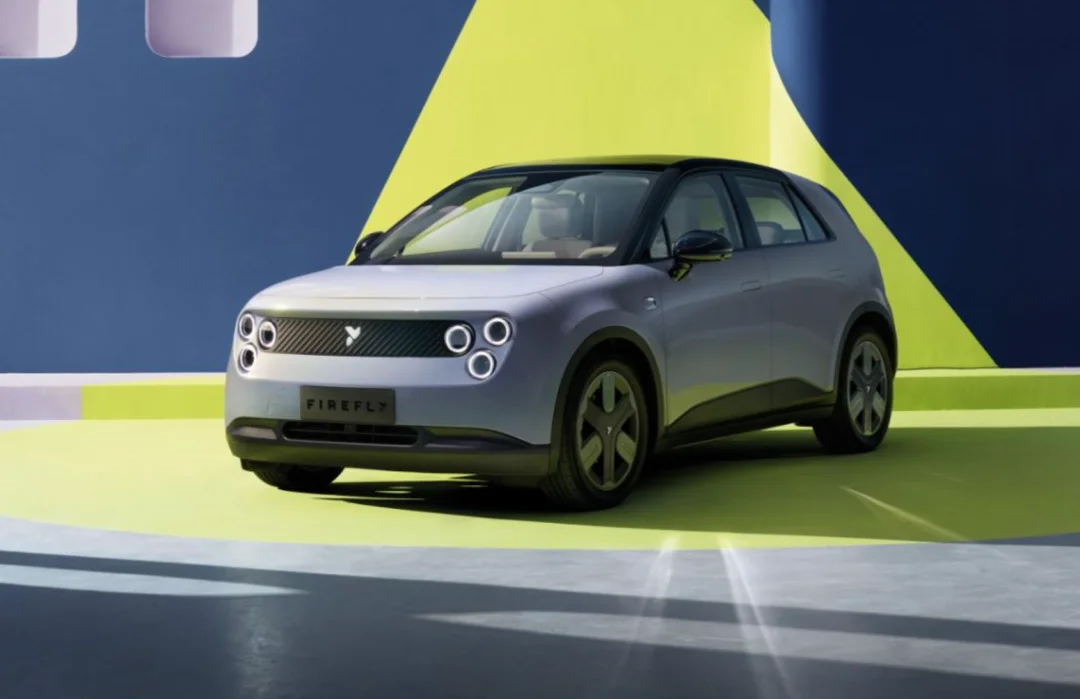
NIO summarized the vehicle's design with three keywords: agility, reliability, and ingenuity. "Agility" refers to the Yinghuochong's dynamic appearance and handling; for instance, its turning radius is just 4.2 meters.
The most distinctive feature of the Yinghuochong's exterior is its triple-circle headlight design, which NIO calls the "Trio Headlights." This design draws inspiration from the number "three," which symbolizes "the generation of all things" in Chinese culture, representing the auspicious meaning of "good things come in threes" globally. However, this unique design has sparked discussion among netizens since its reveal. Compared to the conventional large circular headlights common in this segment, it may take some time for the Yinghuochong's design to be fully accepted.
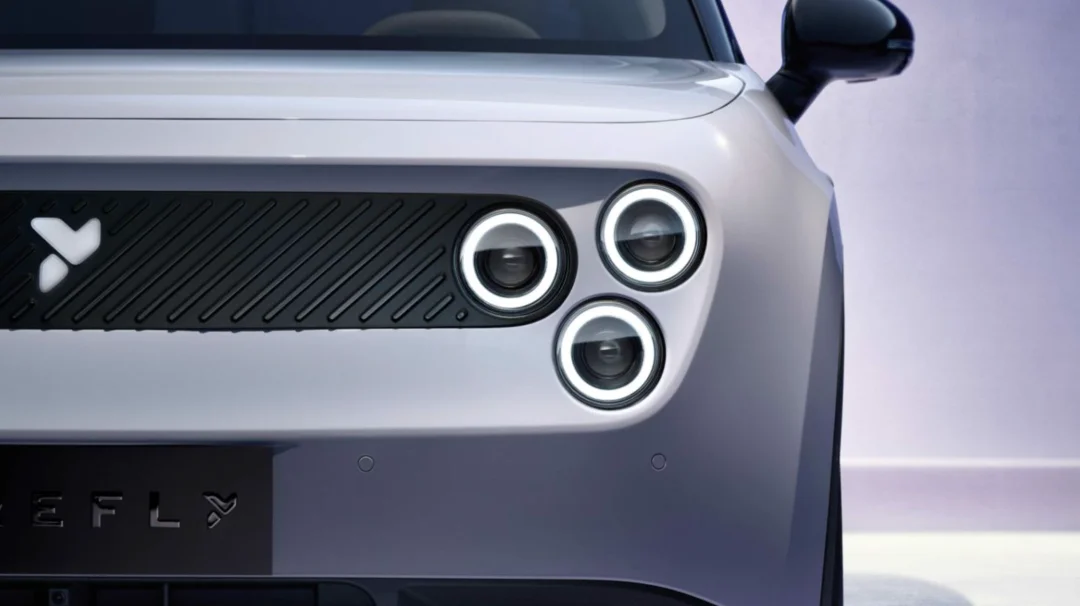
In subsequent interviews, NIO stated that it had received user feedback and would arrange early access to the actual vehicle for media and users to experience firsthand, expressing confidence that people would appreciate the design once they see the real car.
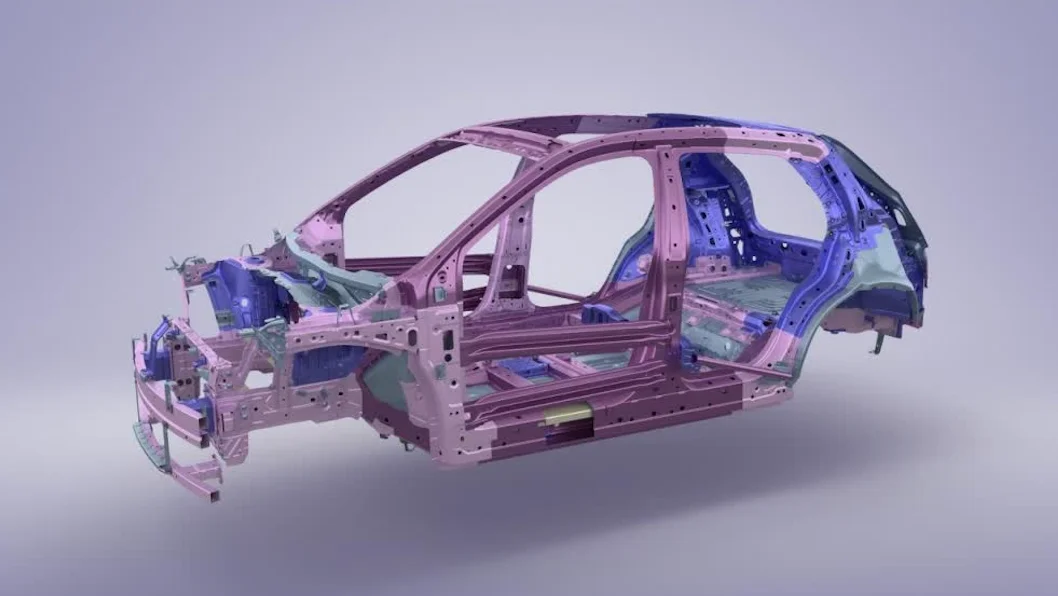
Regarding "trust," this refers to Yinghuochong possessing the strongest active and passive safety features in its class. For instance, its safety standards meet the latest Chinese and European regulations, with nine airbags installed. In terms of body structure, high-strength steel and aluminum alloy account for 83.4% of the materials, a ratio comparable to luxury vehicles. The body-in-white torsional stiffness reaches 35,700 Nm/d, leading the class. The front of Yinghuochong's body features dual ultra-wide crash beams, while the front doors use 1,500 MPa ultra-high-strength hot-formed steel, enabling effective resistance to collision energy in severe impact scenarios.
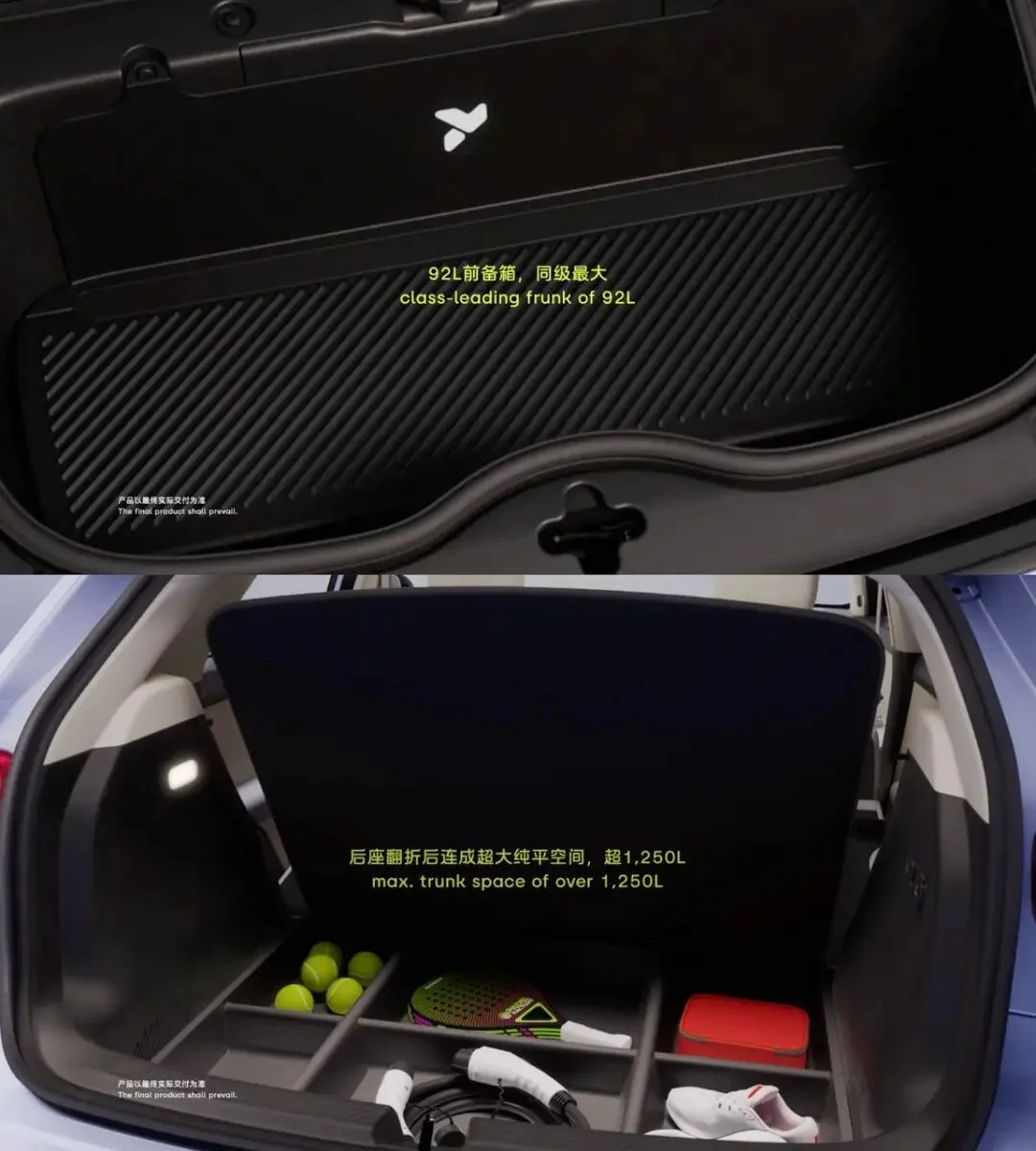
"Ingenuity" refers to clever space design elements in Yinghuochong, such as a 92-liter frunk.
Regarding Yinghuochong's product competitiveness, William Li summarized it as "more MINI than smart, and more smart than MINI."
Yinghuochong will also support battery swapping, but its swap stations will not be compatible with NIO or ONVO. Instead, it will establish its own system using container-style swap stations. According to William Li, deploying Yinghuochong's swap stations will be more convenient and less costly than those for NIO and ONVO.
In terms of sales channels, Yinghuochong has confirmed it will reuse NIO's sales network and is considering whether to also adopt ONVO's channel. Regarding sales volume, William Li stated that selling several thousand units per month is feasible, with no expectation to reach 10,000 units.
Commentary:
The Firefly Yinghuochong brand was born out of NIO’s global strategy, aiming to enter the European market—where consumers have a stronger preference for compact cars—by offering a premium small vehicle. However, its debut remains in China, indicating that NIO’s original vision has evolved with time and market conditions.
For the domestic premium compact car segment, even MINI, with its deep brand heritage, faces reality after launching its electric model: it must rely on significant price cuts to drive sales volume. Although Yinghuochong is born from NIO and leverages NIO’s sales network, whether its controversial exterior design and pre-sale price of RMB 148,800 will win consumer approval may only be determined after full hands-on experience.
Zhijie R7 Extended-Range Version Launched, Starting at RMB 249,800
On December 19, the Zhijie R7 extended-range version went on sale, available in Pro and MAX trims, priced at RMB 249,800 and RMB 289,800 respectively. Both prices are lower than those of the pure-electric version, with the MAX trim reduced by RMB 30,000.
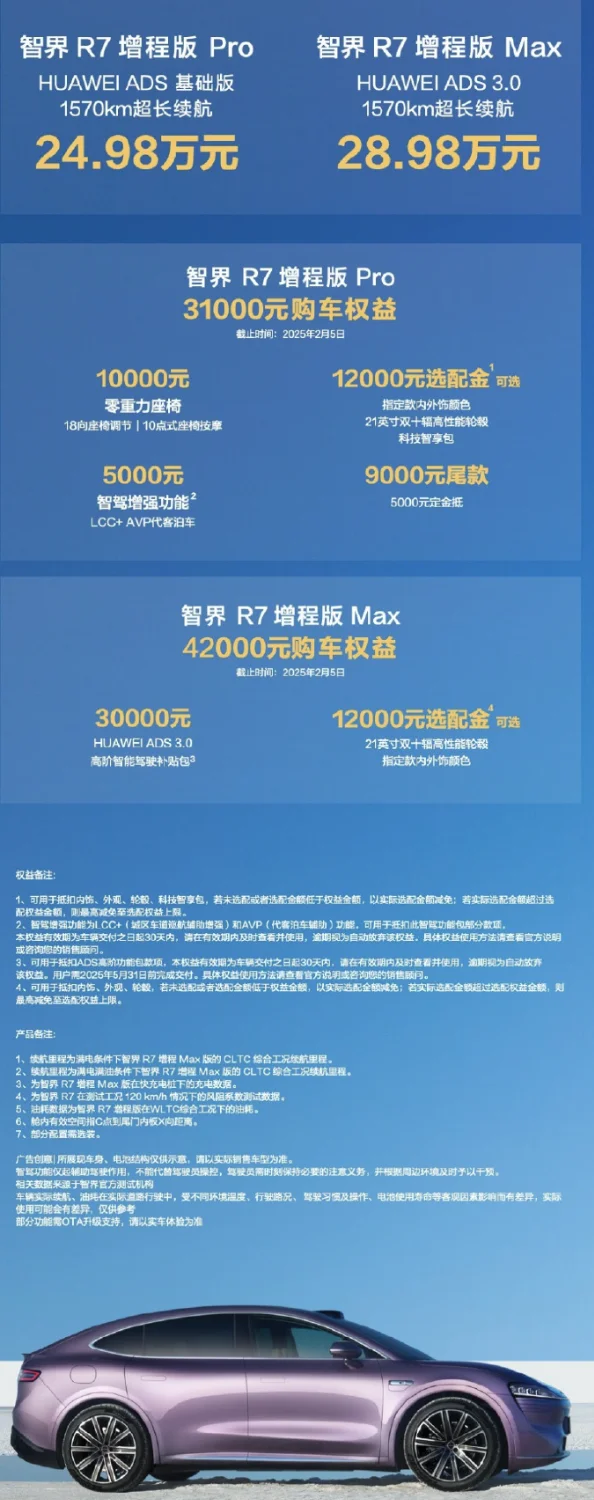
This extended-range version introduces two new colors, 'Warm Nebula' and 'Green Wave,' and replaces the front bumper's lower section with an active air intake. Dimensions remain identical to the pure-electric model.
In terms of powertrain, the new vehicle is equipped with Huawei’s Juwhale dedicated extended-range battery, with a capacity of 37 kWh and a CLTC pure-electric range of 251 km. It features a 1.5T range extender producing a maximum power output of 115 kW, achieving a CLTC combined range of 1,570 km.
Deliveries begin on January 5 next year. Customers who purchase before February 5 can enjoy benefits worth up to RMB 42,000. The Pro trim includes zero-gravity seats, a selection credit, enhanced intelligent driving features, and a RMB 9,000 final payment deduction, totaling RMB 31,000 in value. The Max trim offers a high-end intelligent driving subsidy package plus a selection credit, valued at RMB 42,000.
Quick Review
The pure-electric version of the Zhijie R7 has already achieved solid sales performance. The introduction of this extended-range version maintains the R7's styling, equipment, and Huawei intelligent technology levels while further lowering the price threshold for the R7, thereby broadening its consumer base. As the first extended-range product for the Zhijie brand, the R7 is well-positioned to help the brand achieve stronger sales results.
CATL Launches Battery Swapping Partnerships
On December 18, 2024, at the Chocolate Battery Swap Ecosystem Conference, CATL launched two standardized battery swap batteries, No. 20 and No. 25, for the first time, and jointly launched the Chocolate Battery Swap Ecosystem with nearly a hundred partners.
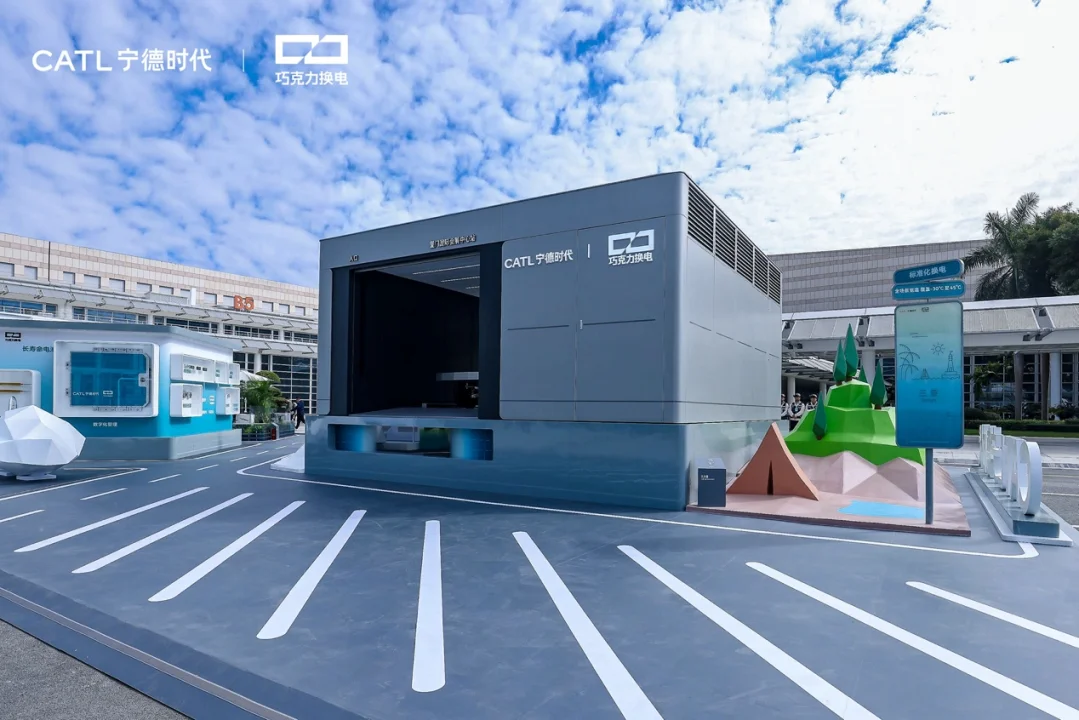
"We will continue to advance the standardization of battery swapping, with the core focus on standardizing battery dimensions." In his opening address at the conference, CATL Chairman and CEO Zeng Yuqun announced that, drawing a parallel to 92# and 95# gasoline at fuel stations, CATL has introduced two standardized "Chocolate" swap batteries, named the 20# and 25# swap blocks.
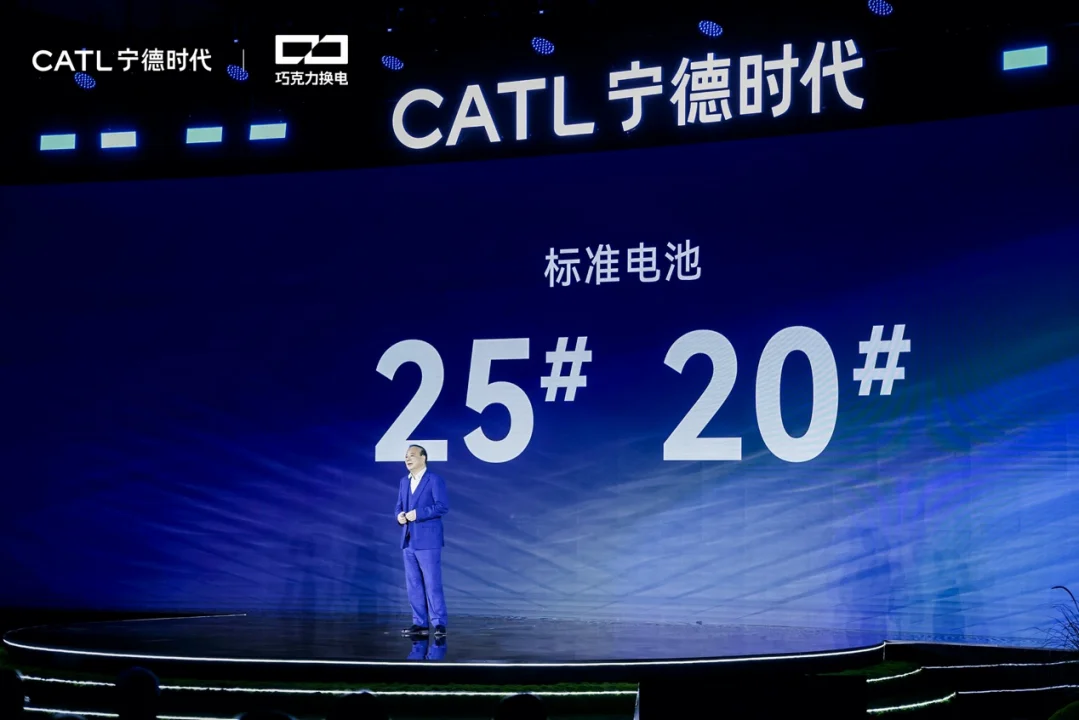
The two standard model battery packs described above can provide multi-capacity product services depending on the chemical system. Each standard model swap battery block is equipped with two capacity versions, one using lithium iron phosphate and the other using ternary chemistry, allowing users to configure capacity according to their needs.
CATL Era Service CEO Yang Jun introduced that the 20# LFP battery swap block is equipped with a 42 kWh battery, providing a range of 400 kilometers; the ternary lithium version has a 52 kWh battery and a range of 500 kilometers. The 25# LFP battery swap block features a 56 kWh battery with a 500-kilometer range, while its ternary lithium counterpart offers 70 kWh for a 600-kilometer range. These two standard battery swap blocks are designed to accommodate A0-class and A/B-class vehicles respectively.
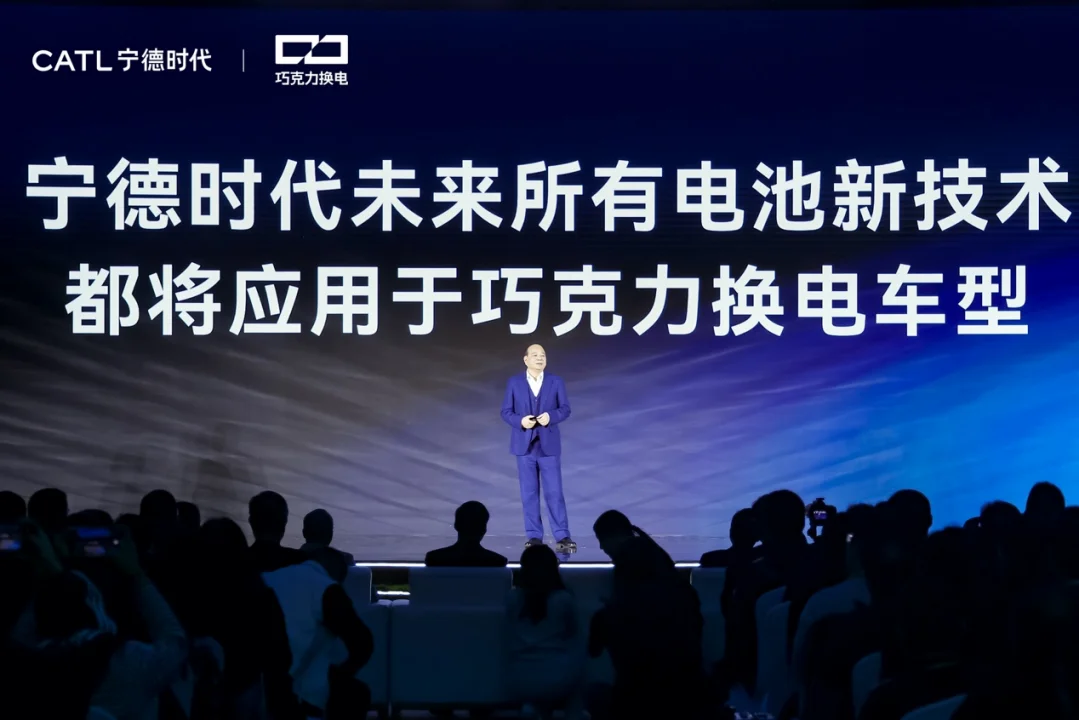
At the ecosystem conference, Zeng Yuqun announced that all future new battery technologies from CATL will be applied to ChocoSwap-powered models.
Regarding the construction of the battery swap network, CATL has established a clear timeline: it plans to build 1,000 ChocoSwap stations independently in 2025 and expand into Hong Kong and Macau. In its mid-term plan, CATL aims to co-build 10,000 stations with various partners. As the swap ecosystem grows through joint efforts across society, the total number of swap stations is expected to reach 30,000.

Standard swap stations built by CATL can accommodate vehicles with wheelbases ranging from 2.55 meters to 3.1 meters. Each station is configured with 14 to 30 battery slots, ensuring a swap success rate of 99.99% and a swap duration of 100 seconds.
Through its cloud-based dispatch "brain," CATL can connect these energy storage units with the power grid and park photovoltaic systems. This enables smart off-peak charging to reduce costs and improve efficiency, as well as second-level response to grid peak shaving and frequency regulation. During charging, swap batteries prioritize the use of green energy, contributing to grid safety and expanded green power consumption.
Calculations indicate that 30,000 swap stations, each holding 14 to 30 batteries, can handle a total of 33.6 million kWh. Additionally, the 20 million vehicles served by these 30,000 stations can manage 1.12 billion kWh. These distributed energy storage resources can respond to grid calls at any time.
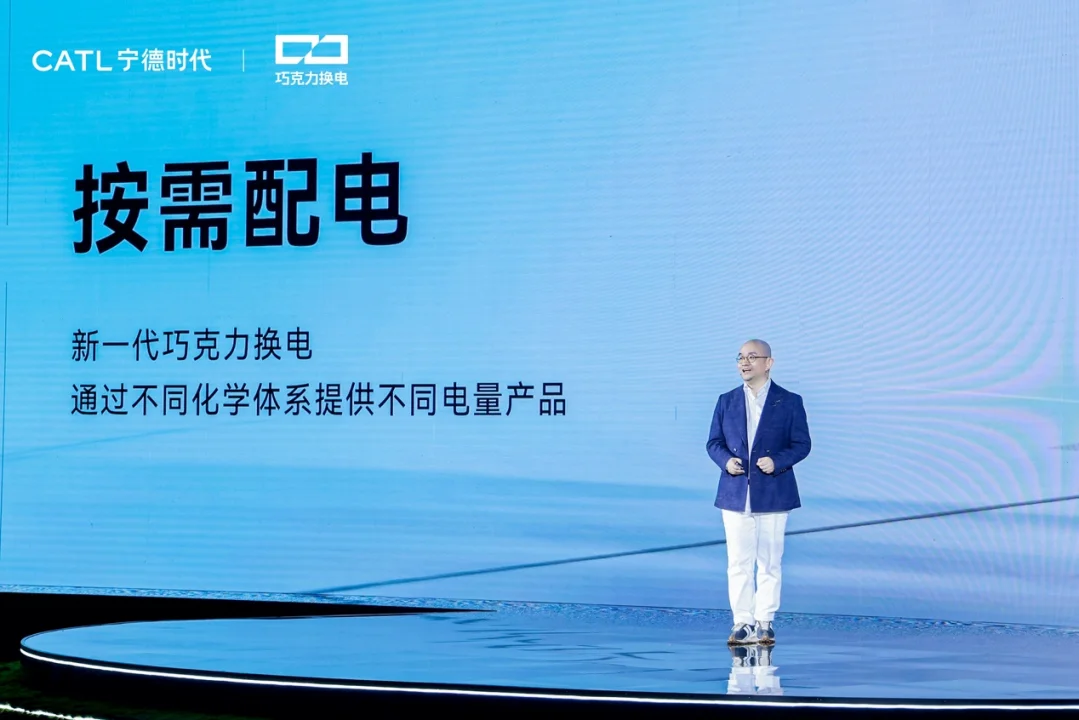
CATL leverages its global battery database, which tracks the history and real-time data of every swap pack and even individual cells. By integrating large-model monitoring to manage battery degradation, the system ensures optimal battery performance, maximizing value in every cycle.
The Chocolate Swap model offers nine key advantages: it supports charging, swapping, and upgrading; leasing, buyout, or buyback options; and provides visibility, management, and optimization. Users can choose to charge, swap, or upgrade their batteries, as well as lease, buy out, or buy back their packs. The swap packs and station assets are fully visible, manageable, and optimizable.
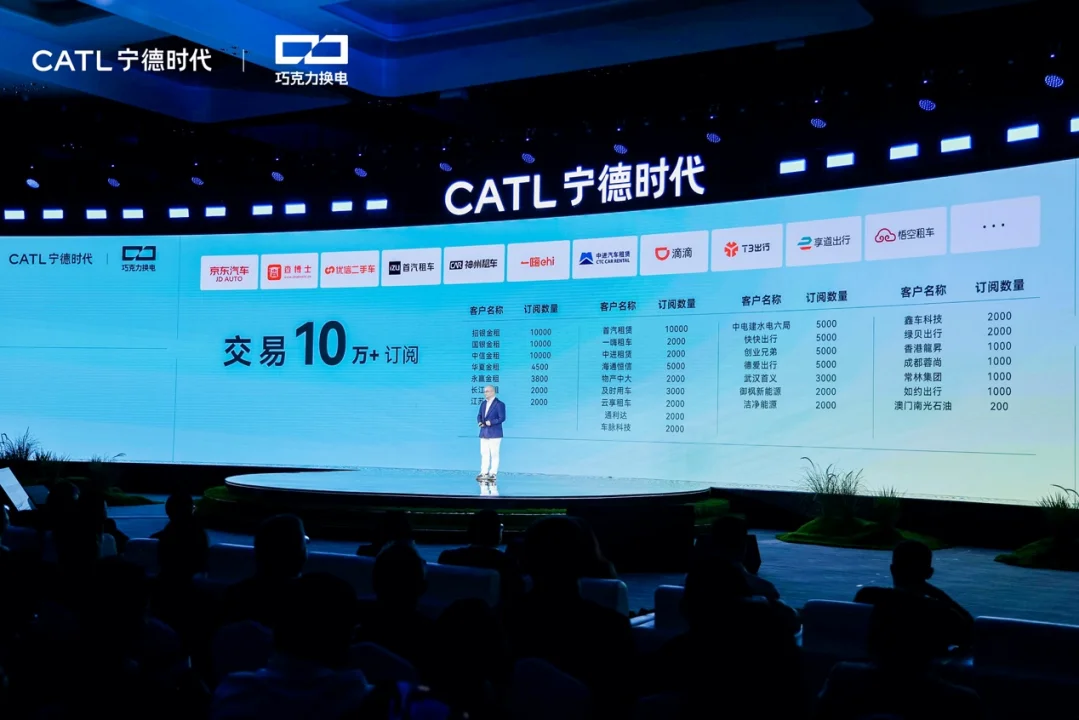
Automakers have joined the initiative: CATL has announced partnerships with Changan, Guangqi, Beiqi, Wuling, and Yiqi. The conference unveiled plans to jointly launch 10 swap-compatible models, with deliveries rolling out from late this year. As of the event, the swap ecosystem partner network has grown to nearly 100 companies, with CATL signing subscription agreements for 107,500 battery packs across 30 partners.
CATL announced the initial market pricing for its LFP (lithium iron phosphate) swap packs: the 25 kWh 'Swap Freedom' package is priced at RMB 599 per month for unlimited mileage, or RMB 499 for a family plan; the 20 kWh 'Swap Freedom' package costs RMB 469 per month, or RMB 369 for a family plan.
Commentary:
By introducing standardized swap technology through its extensive partner network, CATL’s Chocolate Swap program offers users greater flexibility in battery usage. This model allows drivers to select battery capacity based on their travel needs, reducing upfront purchase costs and extending battery life, while also relieving commercial operators of the high costs associated with battery degradation. Furthermore, declining rental fees and the rapid expansion of swap stations suggest that battery-swapping technology is poised to become a mainstream part of daily life. In the future, this model could reshape the market by providing diverse electric mobility options and improving infrastructure conditions.
Dongguan Smart Vehicle Summit Held Successfully
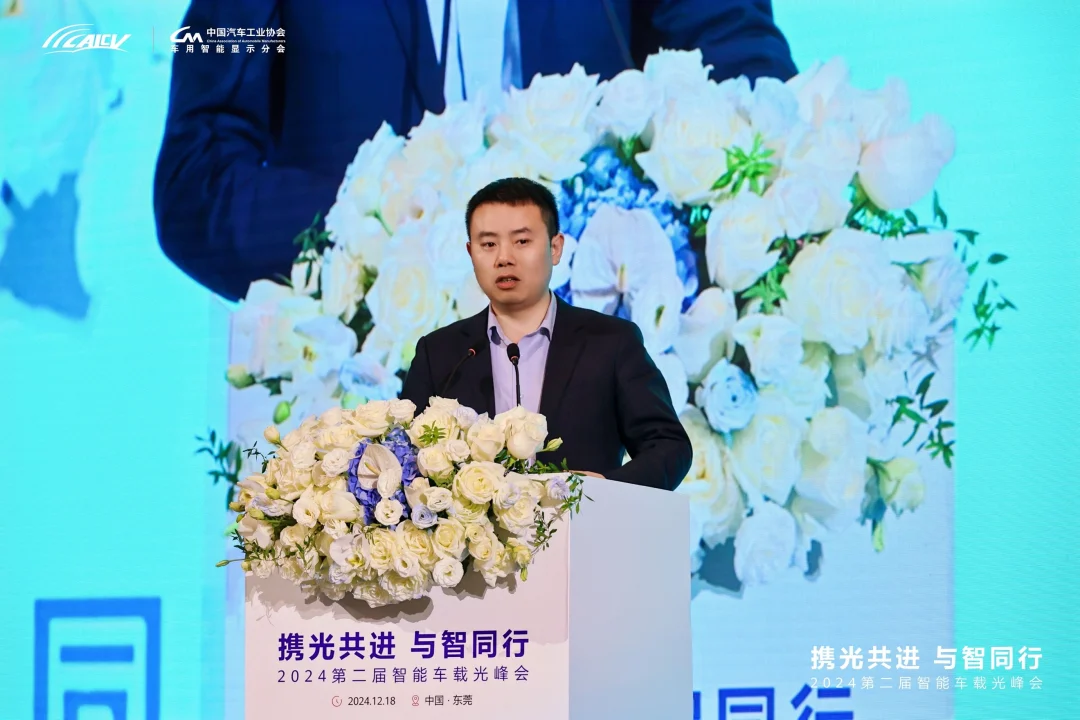
The Second Intelligent In-Vehicle Optical Technology Summit took place in Dongguan on December 18, 2024. The event focused on the future applications and market trends of intelligent in-vehicle optical technology. It was hosted by the China Intelligent Connected Vehicles Industry Innovation Alliance and the Automotive Electronics Branch of the China Association of Automobile Manufacturers, with Huawei Technologies Co., Ltd. serving as the organizer.
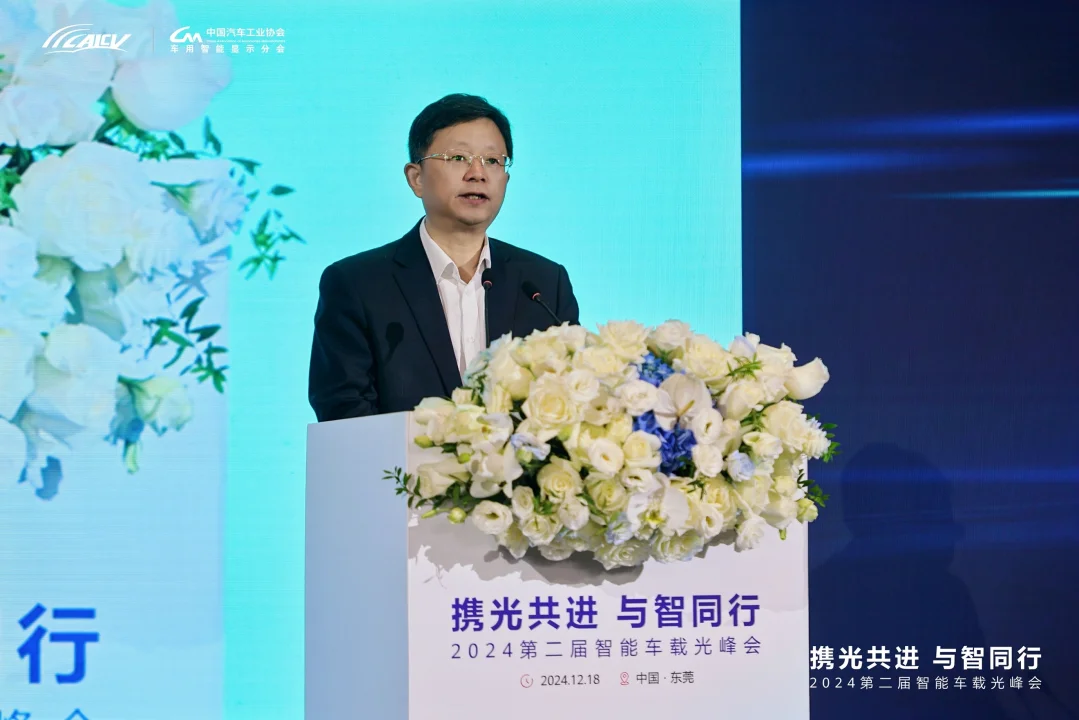
At the summit, Gong Weijie, Secretary-General of the China Intelligent Connected Vehicles Industry Innovation Alliance, and Yang Zhongping, Deputy Secretary-General of the China Association of Automobile Manufacturers, delivered opening remarks. They highlighted that as the automotive industry rapidly integrates electrification and intelligence, in-vehicle optical technology plays a crucial role. Additionally, Huawei announced agreements with its first batch of 11 certified partners to support the development of the intelligent in-vehicle optical solutions industry.
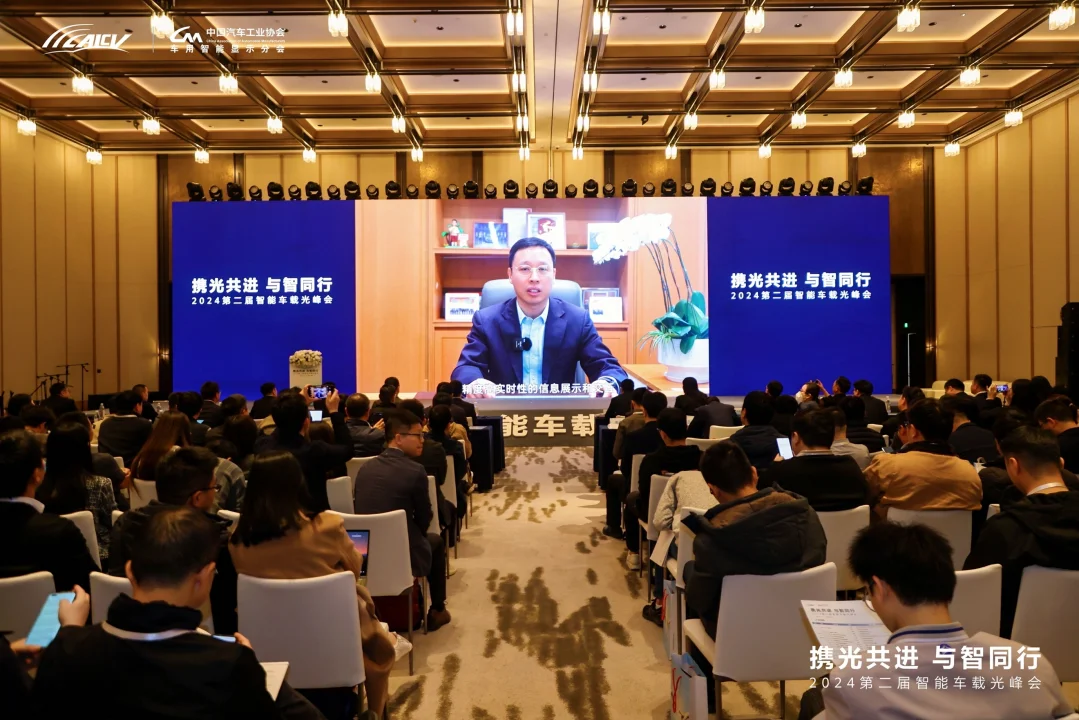
Jin Yuzhi, CEO of Huawei’s Intelligent Automotive Solution BU, delivered an online speech emphasizing that the large-scale commercialization of autonomous driving imposes new requirements on in-vehicle optical technology. Subsequently, Chen Shuangbao, President of Huawei’s Intelligent In-Vehicle Optical Division, gave a presentation on the importance of display systems in human-machine interaction. Huawei is advancing the development of this field through products such as AR-HUDs and smart headlight modules.
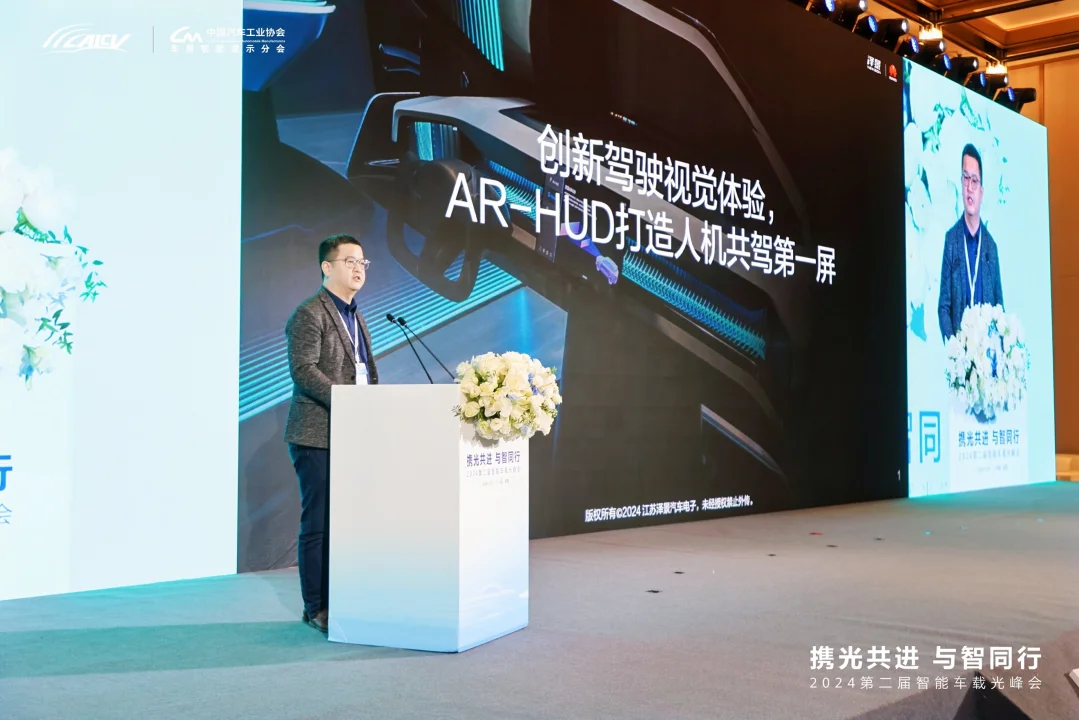
Several partner companies, including Zhejiangshuijingguangdiankeji and Jiangsuzejingqichedianzi, participated in the signing ceremony at the summit. Huawei pledged to provide support to its partners in areas such as marketing, sales, supply chain, and technology.
The summit also featured technical presentations from SERES’s intelligent ecosystem platform and Zejing Automotive Electronics, focusing on technologies that enhance driving experience and human-machine interaction. Zhongguoqiyan showcased its achievements in smart headlight testing, emphasizing the importance of performance evaluation.
The summit highlighted the accomplishments of the automotive optical industry, providing a platform for exchange and cooperation among industry stakeholders, thereby accelerating technology transfer and market application.
Commentary:
The Second Intelligent In-Vehicle Optical Summit underscored that the future of automobiles lies in interactive driving. Huawei’s AR-HUD and smart headlight modules demonstrated the potential of in-vehicle optical technology to elevate the driving experience, signaling that intelligent driving is entering a phase of large-scale commercialization. High-precision information display has become a key advantage of in-vehicle technology, driving competition for next-generation smart cars. During the summit, accelerated collaboration among enterprises helped build a tighter industry ecosystem to address technological and market challenges. This event was not only a showcase of technological innovation but also a significant moment for the industry to advance together.
Written by: Wentao Edited by: Wentao