


Musk: Tesla's Long-Term Value Is Not Built on EVs
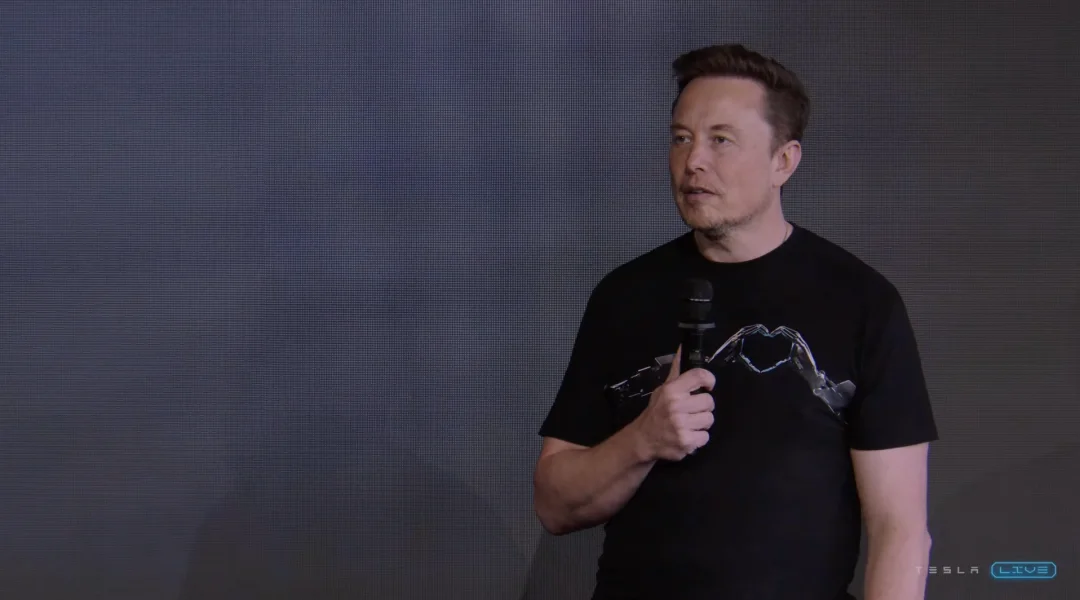
Elon Musk, a staunch believer in AI, is unlocking a larger value proposition for Tesla.
At 3:00 p.m. Central Time on May 16, 2023 (4:00 a.m. Beijing Time on May 17), the 2023 Tesla Shareholder Meeting was held at the company’s Gigafactory Texas in the United States. For comparison, last year’s meeting took place in August 2022, after Tesla had already released its Q2 earnings report.
During this year’s shareholder meeting, Elon Musk discussed key topics including Tesla’s latest developments, progress on the Cybertruck, the Optimus humanoid robot, Full Self-Driving (FSD), Gigafactories, and new products. He also publicly refuted rumors circulating about his potential departure as CEO of Tesla.
More importantly, through this shareholder meeting, Elon Musk sought to present a broader 'value landscape' he envisions for Tesla.
'The World's Largest Electric Vehicle Manufacturer'
Elon Musk began by discussing Master Plan Part 3.
In early March, Tesla unveiled its Master Plan Part 3 at an investor conference for the first time. The plan, which aims to accelerate the world’s transition to sustainable energy, targets 240 TWh of energy storage capacity, 30 TW of renewable power generation, USD 10 trillion in investment, and the use of 0.2% of global land area for renewable energy infrastructure.
Subsequent stock performance suggests that capital markets were reluctant to back Tesla’s Master Plan Part 3.
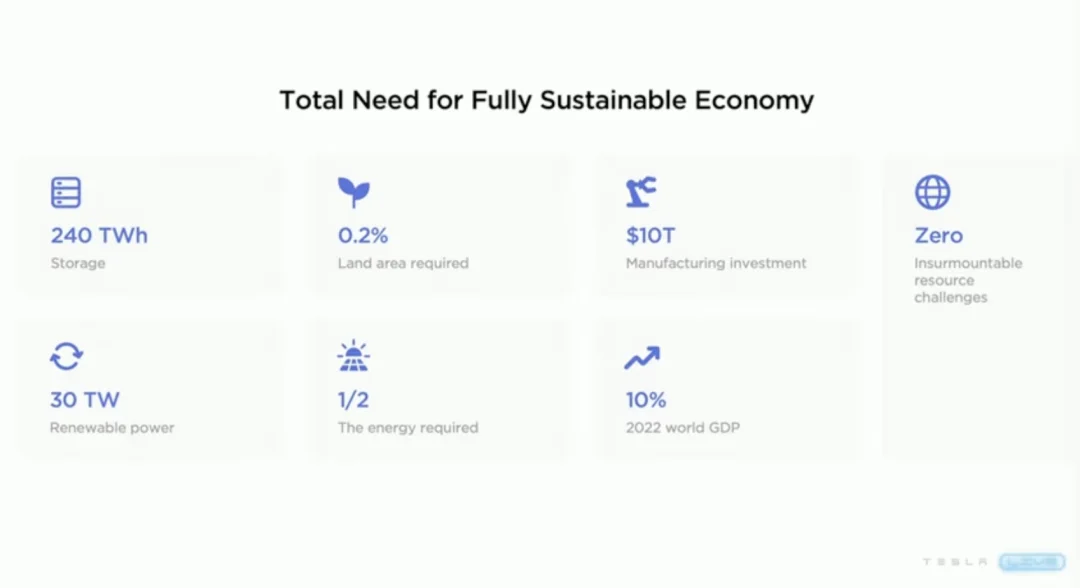
However, at the shareholders' meeting, Elon Musk emphasized that he is very confident in the realization of Master Plan Part 3—and also stated that most of the feedback Tesla has received regarding Master Plan Part 3 has been positive.
Musk further stated that the automotive industry is approaching a tipping point where electric vehicles will become cheaper than internal combustion engine vehicles.
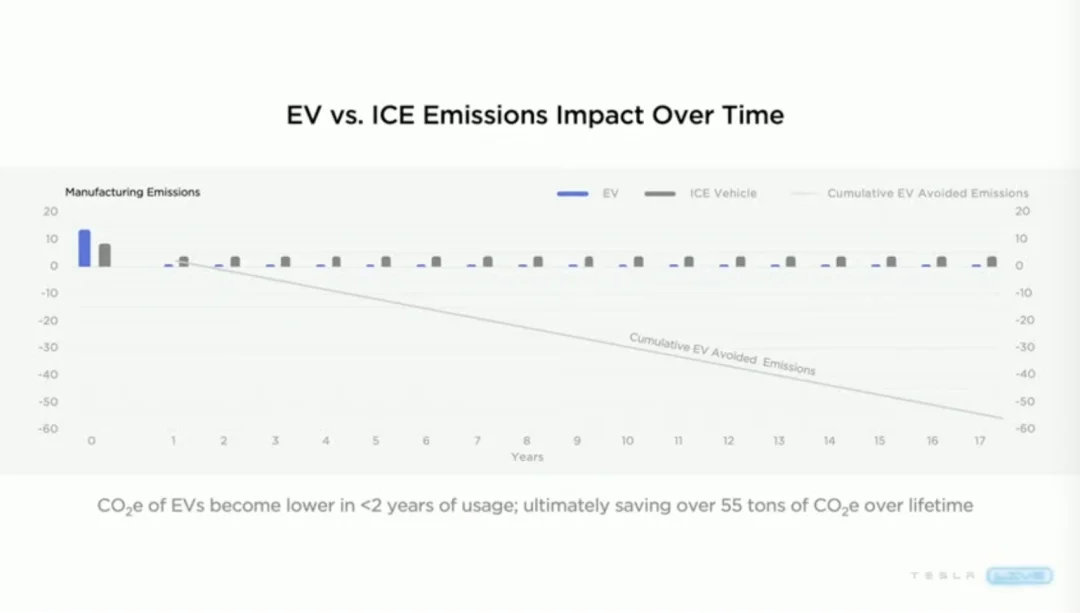
Following this, Musk proceeded with a series of highlights showcasing Tesla’s achievements in corporate operations and product development.
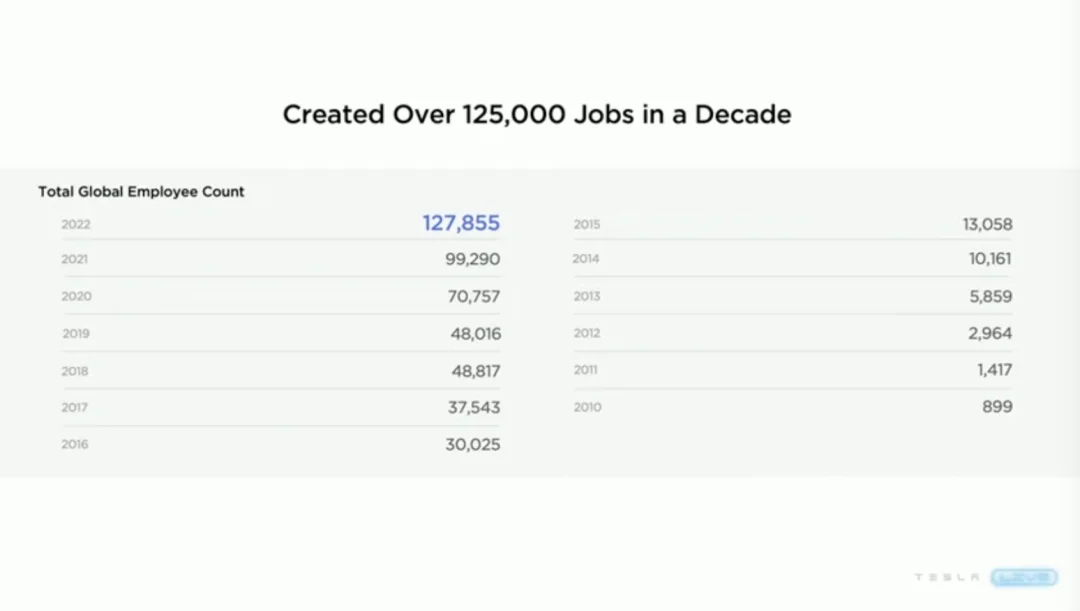
For instance, he emphasized that Tesla facilities rank among the safest in the industry and are among the most popular workplaces. Over the past decade, Tesla has created more than 125,000 jobs; by 2022, the company’s total workforce had reached 127,855 employees.
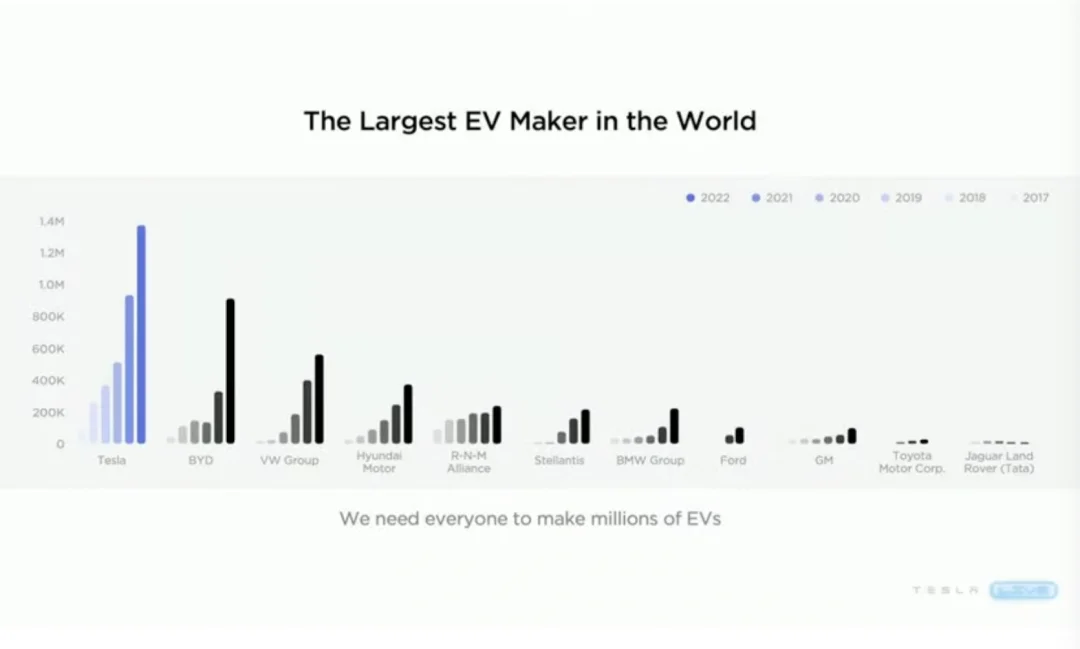
At the level of company scale, Elon Musk stated that Tesla is currently the world’s largest electric vehicle manufacturer, with BYD, Volkswagen, and Hyundai Motor Company ranking behind it in sequence.
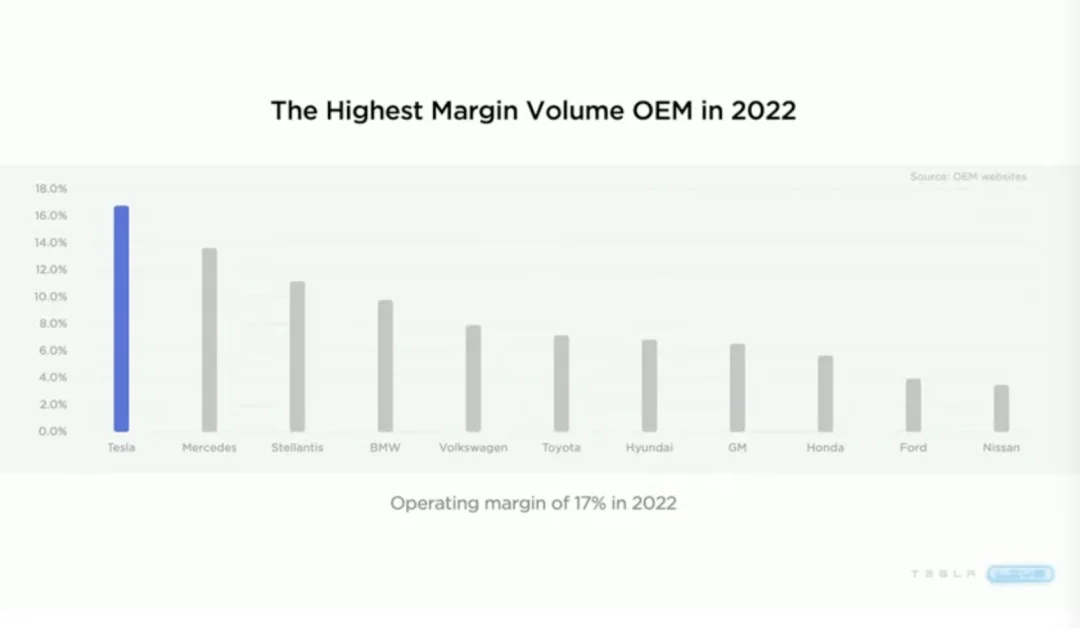
Musk also noted that in 2022, among global automakers, Tesla held the highest operating profit margin at 16.8%, surpassing automotive giants such as Mercedes, Stellantis, and BMW.
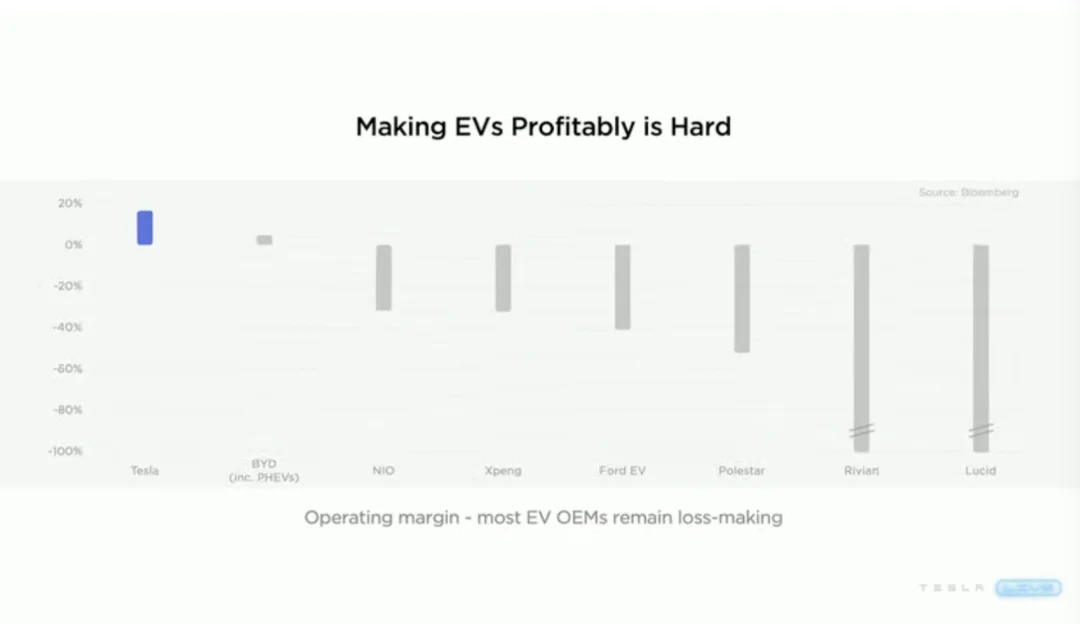
Notably, Musk emphasized during the session that generating profits through EV manufacturing is extremely difficult. A slide he presented showed that, aside from Tesla and BYD, EV brands including NIO, XPENG, and Jixing are all operating at a loss.
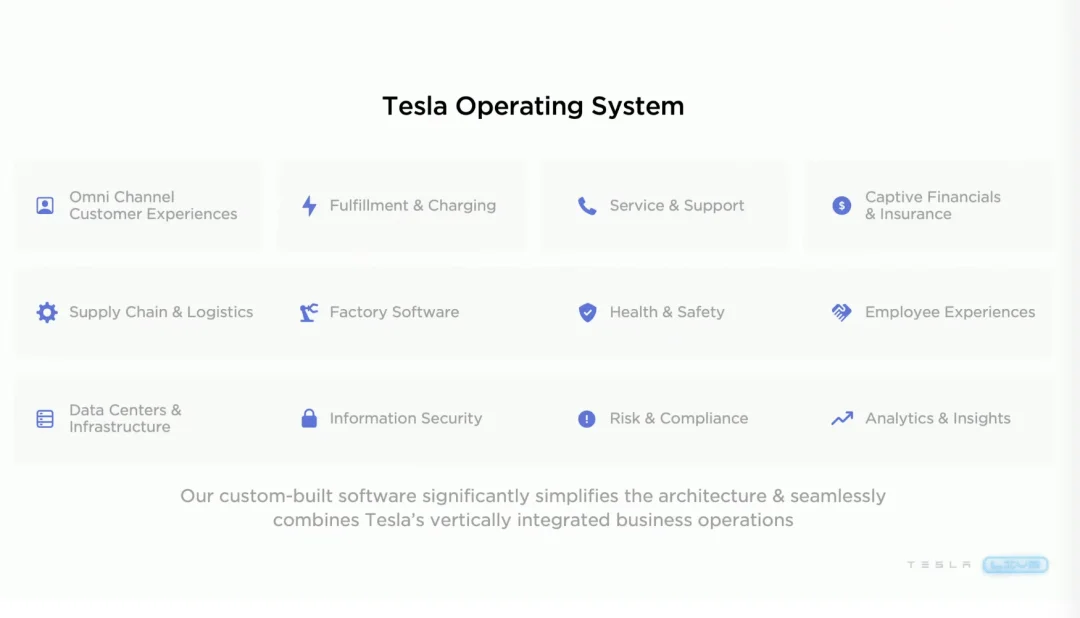
During the event, Musk showcased the Tesla Operating System, which comprises 12 sectors: supply chain & logistics, health & safety, information security, service & support, analytics & insights, and others.
Elon Musk emphasized that Tesla’s in-house software plays a critical role in operations, simplifying the architecture and integrating seamlessly with Tesla’s vertically integrated business model.
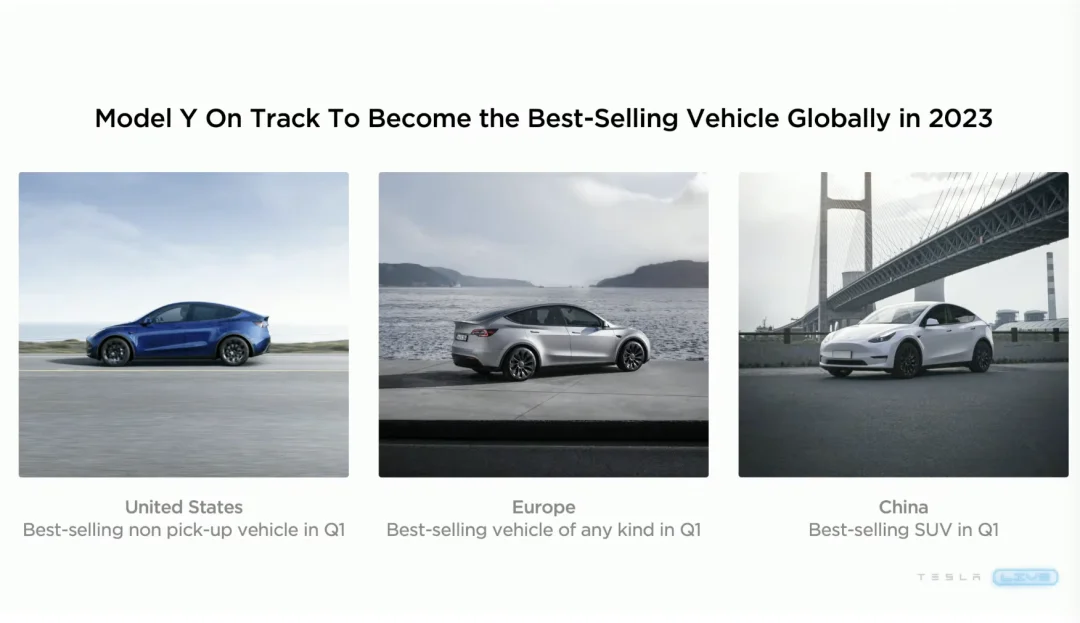
Focusing on specific products, Elon Musk highlighted the Model Y.
Based on its first-quarter performance—becoming the best-selling non-pickup vehicle in the United States, the top-selling car overall in Europe, and the best-selling SUV in China—Elon Musk stated that the Model Y has the potential to become the world’s best-selling vehicle in 2023.
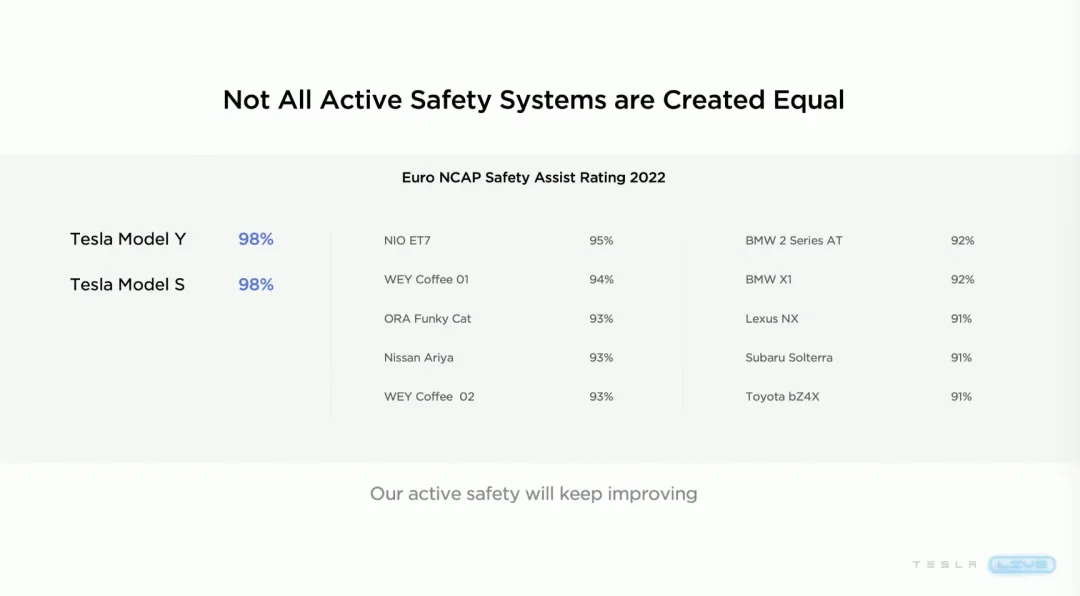
During the presentation, Elon Musk also specifically underscored Tesla’s emphasis on safety.
According to charts displayed at the event, in terms of active safety, both the Tesla Model Y and Model S achieved high scores of 98% in the European NCAP Safety Assist Rating 2022 test. Following them were NIO’s ET7 (95%) and WEY Coffee 01 (94%).
Elon Musk emphasized that Tesla’s cabin overheat protection feature is an underrated capability; thanks to this function, there have been no cases of children or pets dying inside Tesla vehicles throughout the company’s history.
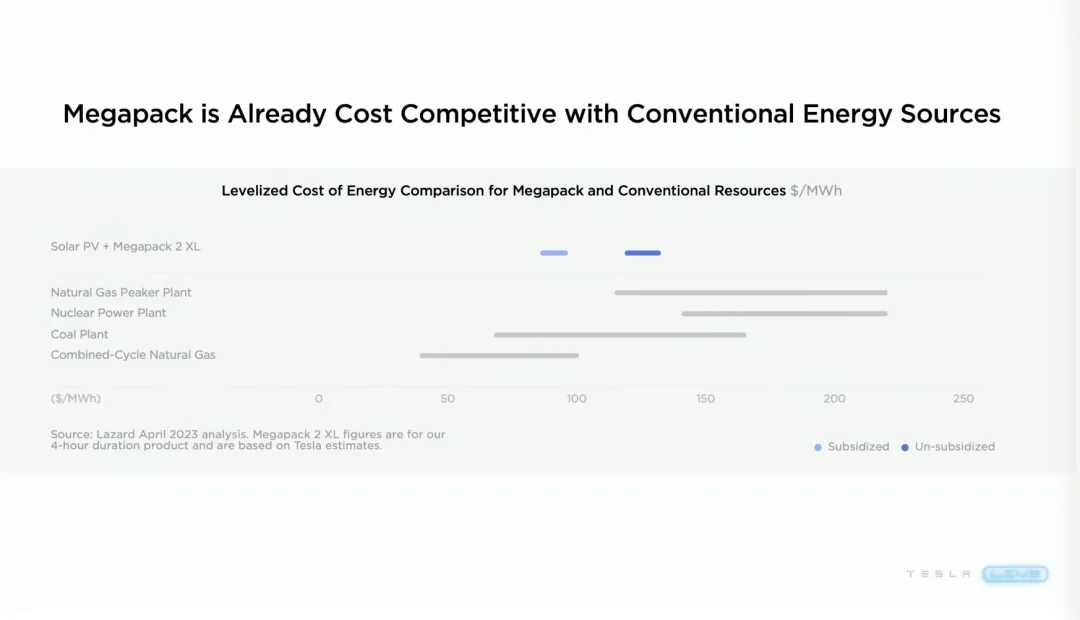
Regarding the Megapack business, Elon Musk stated that Tesla sees significant demand for Megapacks. He emphasized that Tesla’s energy storage business is highly competitive and growing faster than its electric vehicle business.
On next-generation powertrains, Elon Musk stressed that they will not use rare-earth materials and will be lower in cost. He also noted that Tesla is building a new lithium refinery, explaining that while lithium resources are abundant globally, refining lithium to battery-grade purity is difficult. The key challenge lies in refining, not mining.
Two New Products, Annual Sales May Exceed 5 Million
At this shareholder meeting, Elon Musk discussed a significant amount of information regarding the Cybertruck.
Although the Cybertruck was unveiled in 2019 and attracted widespread attention, its mass production and delivery dates have been repeatedly delayed, earning it the nickname "King of Delays."
Elon Musk emphasized at the meeting that producing the Cybertruck is extremely challenging. It will continue to feature an exoskeleton design, and deliveries are set to begin this year. He added that the final product will exceed expectations.
Elon Musk also stated that the Cybertruck is a vehicle he would be willing to drive in his daily life.
Regarding Cybertruck production, Elon Musk said that once production ramp-up is successful, annual output could reach between 250,000 and 500,000 units.
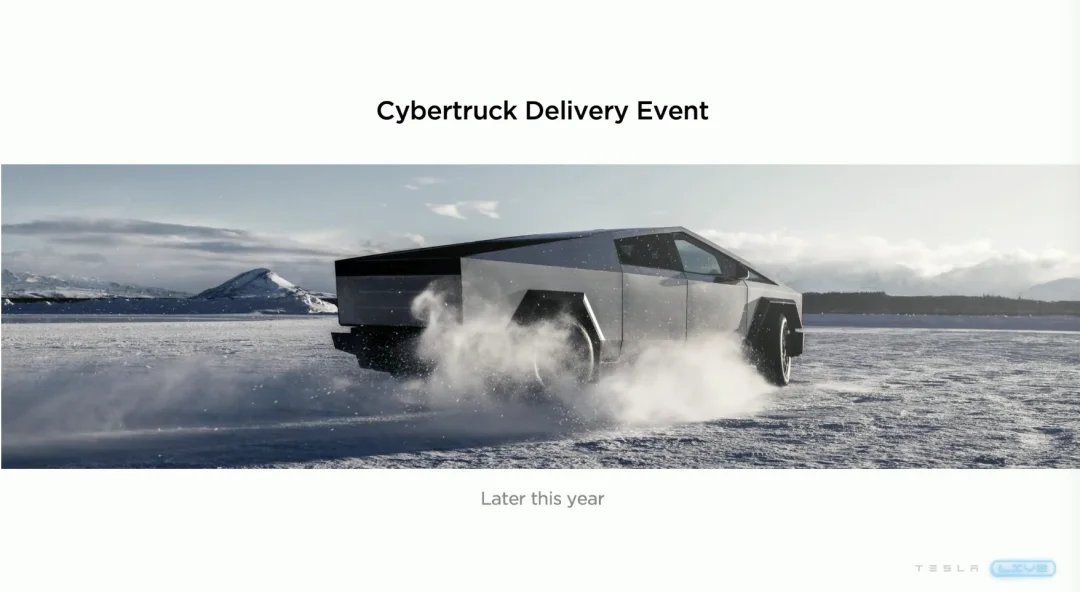
Of course, beyond the Cybertruck, Tesla needs the support of other products to achieve higher sales volumes, such as updated versions of existing models or new product lines.
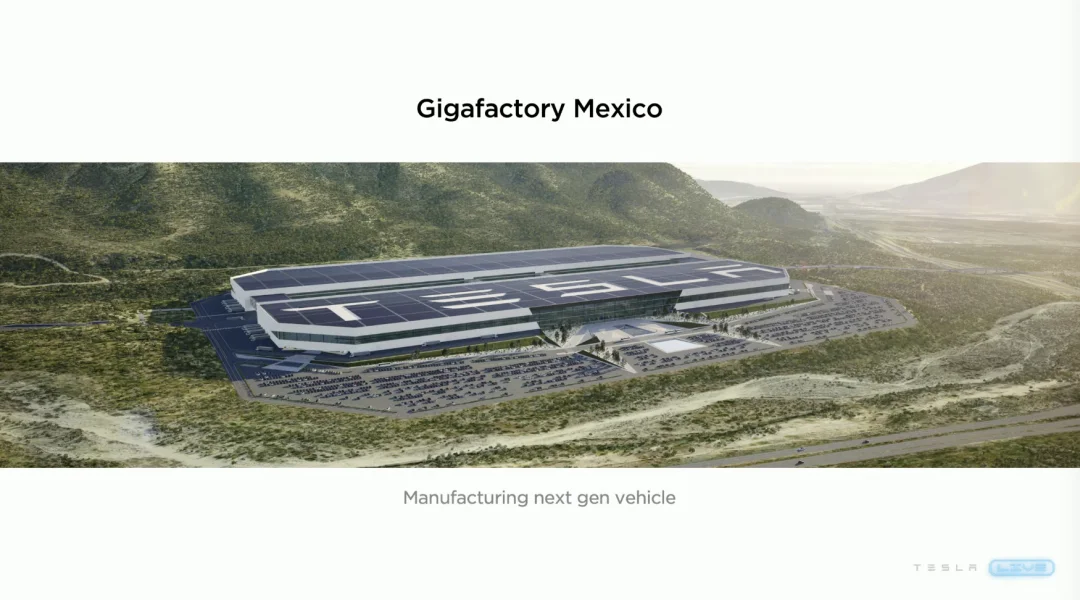
At this year's shareholder meeting, Elon Musk did not specifically mention the rumored new Model 3, but emphasized that Tesla’s Gigafactory Mexico is manufacturing a new generation of more affordable electric vehicles, with mass production potentially starting next year.
Additionally, Elon Musk revealed at the event that Tesla is currently developing two new products that will gain a dominant position in the market; he stressed that these two products alone could generate combined annual sales exceeding 5 million units.
Notably, Elon Musk reiterated at the meeting that Tesla remains committed to its goal of achieving an annual production volume of 20 million vehicles.
Beyond hitting production targets, vehicle sales remain a key concern for Elon Musk. At the event, he again addressed how the broader economic environment could impact Tesla, stating:
Tesla is not immune to global economic conditions. The next twelve months will be highly challenging, and many other companies will see their fortunes decline. This is not good news, but it is not permanent darkness either.
Musk’s assessment aligns closely with his comments during the first-quarter earnings call.
Previously, he noted that during periods of economic uncertainty, consumers typically delay large purchases such as new cars. This is a natural human reaction; when people read media reports about layoffs, they may fear job loss themselves and hesitate more than usual to buy a new vehicle. This hesitation is inherent to the automotive industry, meaning that under economic uncertainty, many potential car-buying demands are suppressed.
However, Musk emphasized at the event that once this period passes, Tesla will be in an extremely advantageous position.
Notably, while discussing the impact of the macroeconomic environment, Musk also mentioned that Tesla plans to test advertising campaigns to gauge their effectiveness—a move that stands out given Tesla’s historical refusal to run traditional ads.
Additionally, a significant point raised at the shareholder meeting concerned Tesla’s pricing volatility from early 2023 through May. After implementing significant price cuts earlier in the year, Tesla saw slight price increases in May. A shareholder asked Musk to clarify the specific pricing strategy behind these fluctuations.
In response, Elon Musk stated:
Tesla's price adjustments are primarily driven by demand; the company adjusts prices to meet market demand.
Tesla's Long-Term Value Lies in Optimus
During the recent shareholder meeting, Elon Musk did not devote significant time or detail to discussing AI. However, for both Musk and Tesla, artificial intelligence remains a pervasive topic.
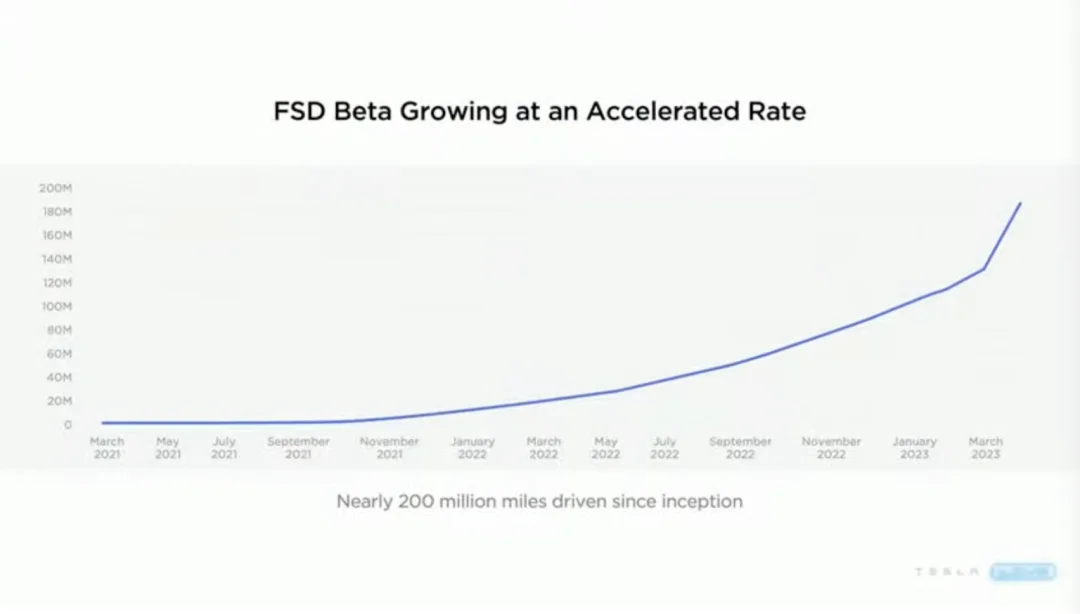
For instance, when discussing FSD Beta during the shareholder meeting, Musk noted that the number of users utilizing FSD Beta is growing. Since its release, the cumulative driving mileage with FSD Beta has approached 200 million miles, and he emphasized that FSD Beta will deliver substantial value enhancement to Tesla vehicles.
Regarding the value FSD can bring to Tesla vehicles, Elon Musk previously remarked:
The value of autonomous vehicles is immense. In a sense, the current price of FSD represents the option value of an autonomous vehicle. Users testing the FSD beta version have observed significant improvements in autonomous driving capabilities—the trend is clear and moving toward full autonomy.
He emphasized that FSD is not just safer than human driving, but significantly so.
In addition to FSD, as the closing highlight of the shareholder meeting, Elon Musk focused on showcasing another AI-related product: the humanoid robot Optimus.
Video from the event showed that Optimus has improved substantially compared to previous versions. It can now handle relatively complex tasks, such as cracking an eggshell without breaking the egg, and can synchronize with human movements using specific equipment.
Regarding Optimus's future development, Elon Musk repeatedly stated that it will be equipped with the same FSD system used in Tesla vehicles.
Musk provided more concrete details on Optimus's application scenarios and commercial value. He indicated that, driven by demand for humanoid robots, Optimus production volumes could eventually far exceed Tesla's car sales.
Musk even claimed that Tesla's long-term value, or a significant portion of it, will stem from Optimus.
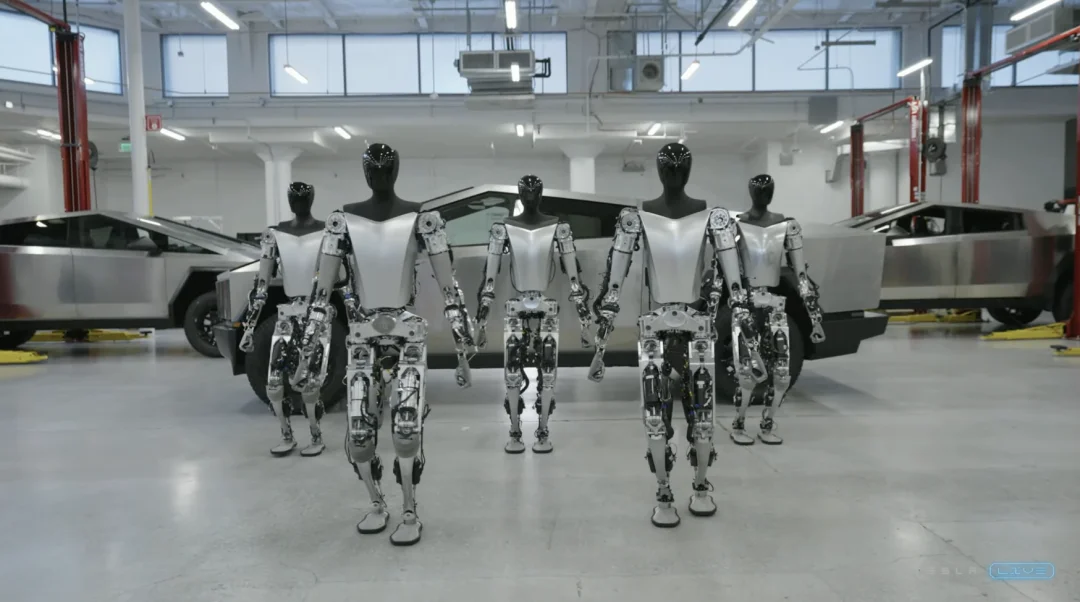
While this may sound like Musk is "painting a bigger picture," reports from multiple institutions suggest the humanoid robot market will be vast over the next 10 to 15 years, potentially reaching a trillion-dollar scale. Therefore, Musk's assessment of Optimus's market potential warrants serious attention.
During the Q&A session, a shareholder asked whether Optimus would be taken to Mars. Elon Musk responded that Optimus can currently only perform basic tasks and lacks the intelligence required to solve problems on Mars, though he noted it might achieve this capability someday.
Notably, during the same Q&A segment, a shareholder raised rumors about Elon Musk potentially stepping down as CEO. Musk dismissed these rumors without hesitation; however, the reasoning he provided next remained tied to artificial intelligence.
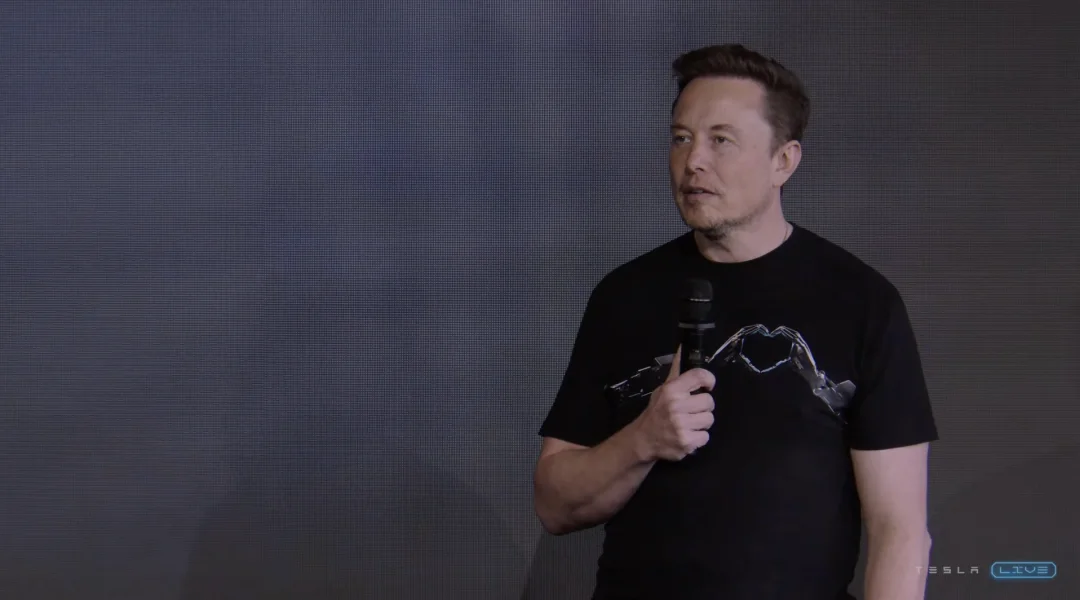
Elon Musk stated:
I believe Tesla will play a very important role in the fields of AI and general AI, so I feel responsible for ensuring things go well... So far, in terms of real-world AI, Tesla is the most advanced among all technology companies.
Written by: 308 Edited by: Reinhardt