


VOYAH Zhuiguang Launched at Shanghai Auto Show, Priced From RMB 322,900
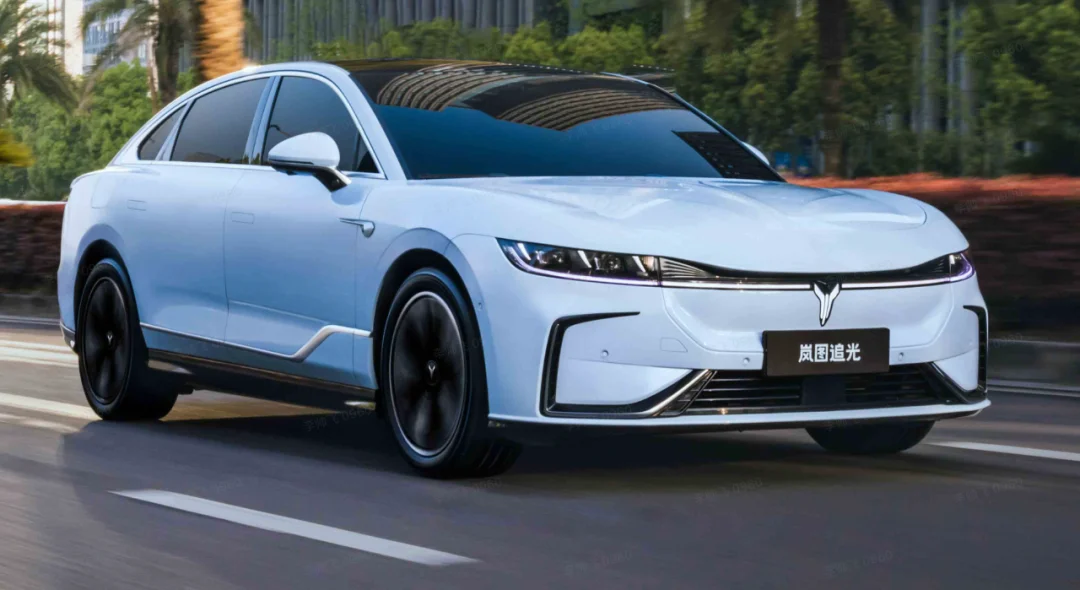
VOYAH is working to establish an image of "Chinese elegance."
The change begins at the brand level. During Shanghaichezhan, VOYAH announced a comprehensive brand upgrade on a carefully constructed traditional Chinese-style exhibition stand, integrating "Chinese elegance" into its color palette, logo, and other visual elements.
However, the most compelling evidence lies in its products.
Also unveiled during Shanghaichezhan was the VOYAH Zhuiguang, the brand's first sedan, which has officially launched with prices ranging from RMB 322,900 to RMB 432,900. It is positioned as a "Chinese luxury electric sedan."
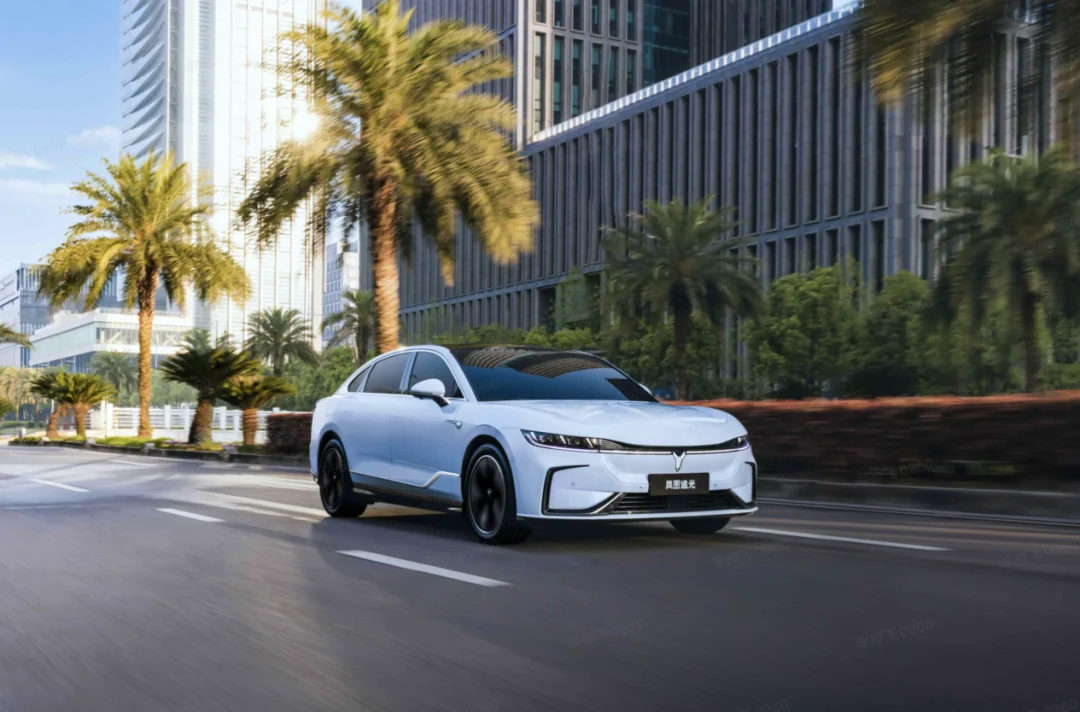
As VOYAH's third model since its inception, the Zhuiguang holds significance beyond simply expanding the brand's lineup by entering the more mainstream sedan market. Crucially, it serves as a key vehicle for VOYAH's brand transformation toward "Chinese luxury."
So the question arises: Can the VOYAH Zhuiguang, starting at RMB 322,900, truly uphold the promise of "Chinese luxury"?
Using a "Chinese-Style" Brand to Seek Upward Breakthrough
For Chinese independent brands like VOYAH competing in the new energy vehicle market, the technological ceiling is no longer constrained by foreign automakers.
In terms of the battery, electric motor and electronic control systems (three-electric) and intelligence, Chinese automakers have developed strong R&D and definition capabilities. A welcome fact is that on the new energy technology front, Chinese automakers have collectively taken the lead, while foreign automakers have shifted into a follower role.
Yet it must be admitted that Chinese automakers are still navigating brand building, which has become both the key and the challenge for upward breakthrough.
For years, influenced by automakers such as BMW, Mercedes-Benz and Audi (BBA), the prevailing first impression of luxury has been 'sci-fi and minimalist.' This reflects Western aesthetic trends following the Industrial Revolution, which spread globally and gradually shaped worldwide tastes.
New forces such as Zeekr and NIO have indeed achieved a 'surpassing the master' effect in this direction, making it a low-risk route with reference value. Therefore, VOYAH, as a domestic Chinese brand positioned in the luxury segment, has chosen to integrate China's rich cultural heritage into its brand building and product design—a path few have dared to tread.
So we see that at the Shanghaichezhan site, VOYAH directly brought ink wash paintings into the International Convention and Exhibition Center.
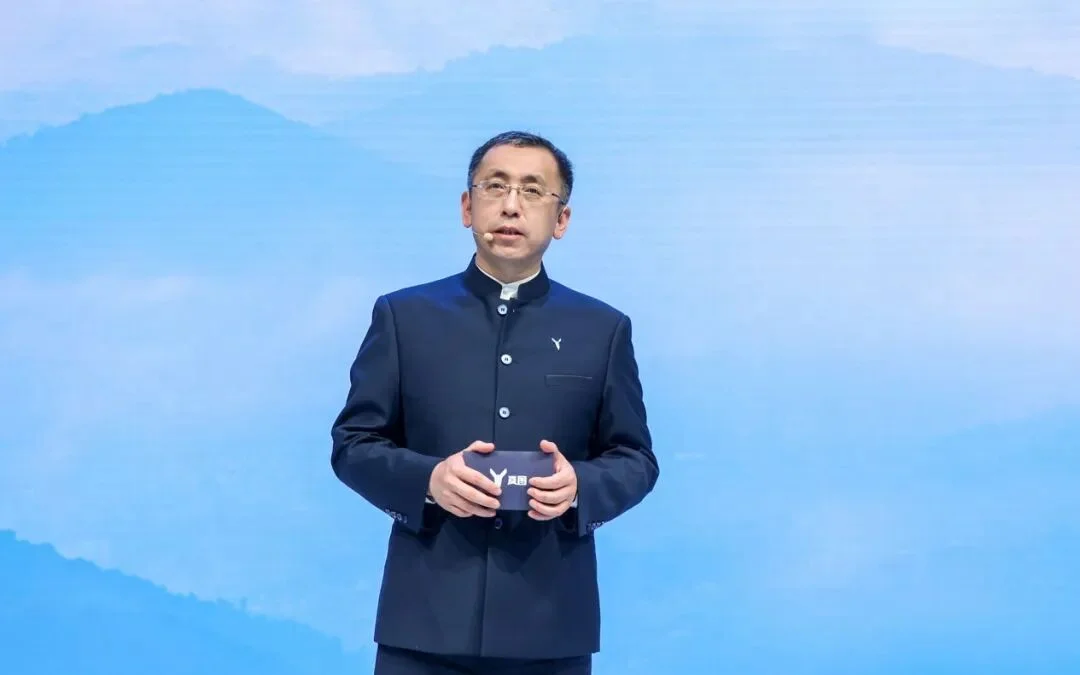
In addition, standing in sharp contrast to the suit-wearing auto executives was VOYAH CEO Lu Fang, who attended the launch event dressed in traditional Chinese attire that was both rustic and elegant. This choice perfectly underscored the core of VOYAH's brand renewal: Chinese elegance.
At a corner of the exhibition stand, VOYAH set up a tea room steeped in classical cultural significance.
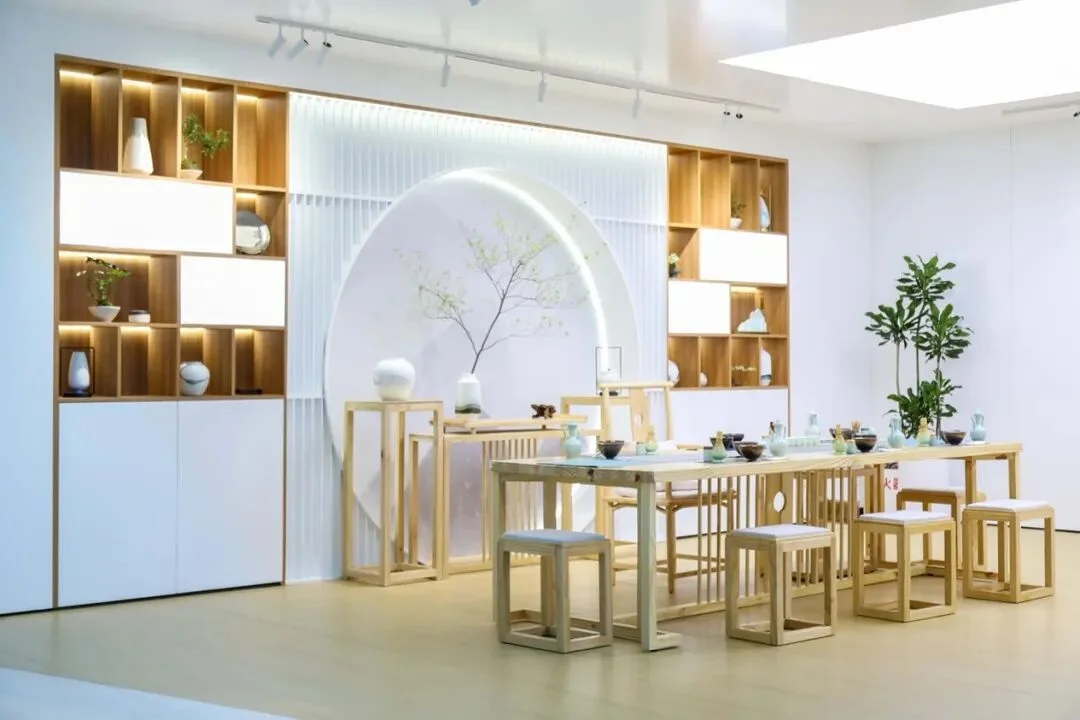
However, many people do not know that VOYAH stores in Nuowei also adopt the same layout and design concept. The VOYAH space located on the bustling street of Aosilu city center at Klingenberggt. 7, Oslo (Klingenberggt. 7, Oslo) allows foreign friends to sit down and enjoy tea as well.
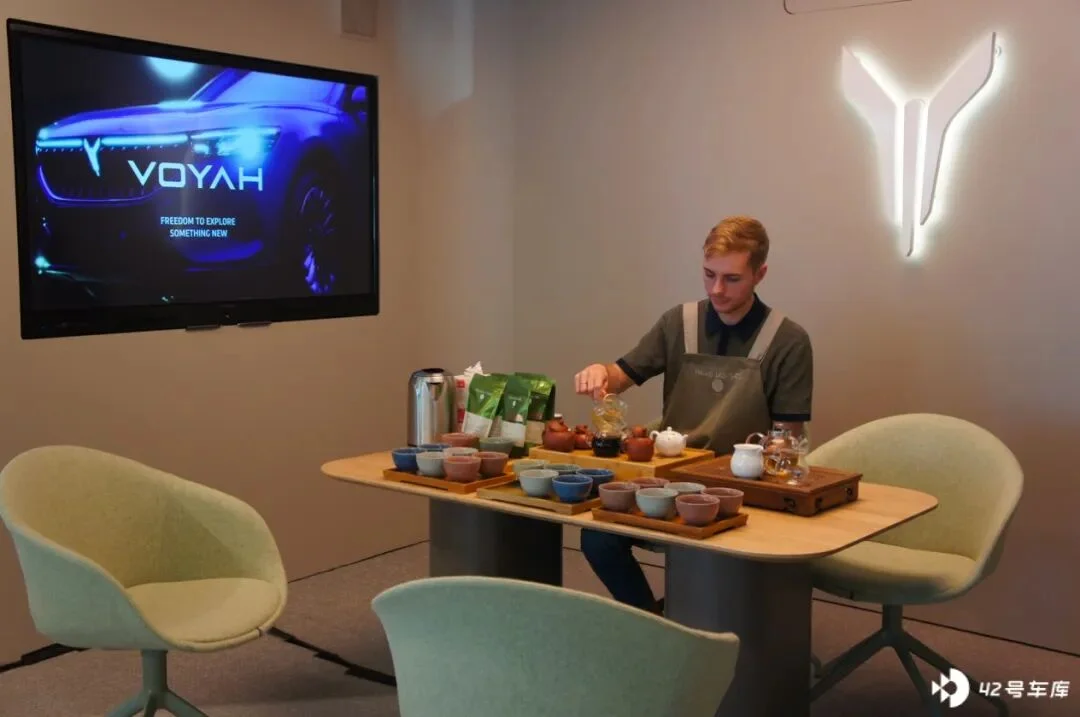
From another perspective, VOYAH hopes that this store opened in a prime location in Nuowei is not merely assigned the purpose of displaying vehicles; its greater value lies in disseminating Chinese culture, enabling more overseas users to understand it.
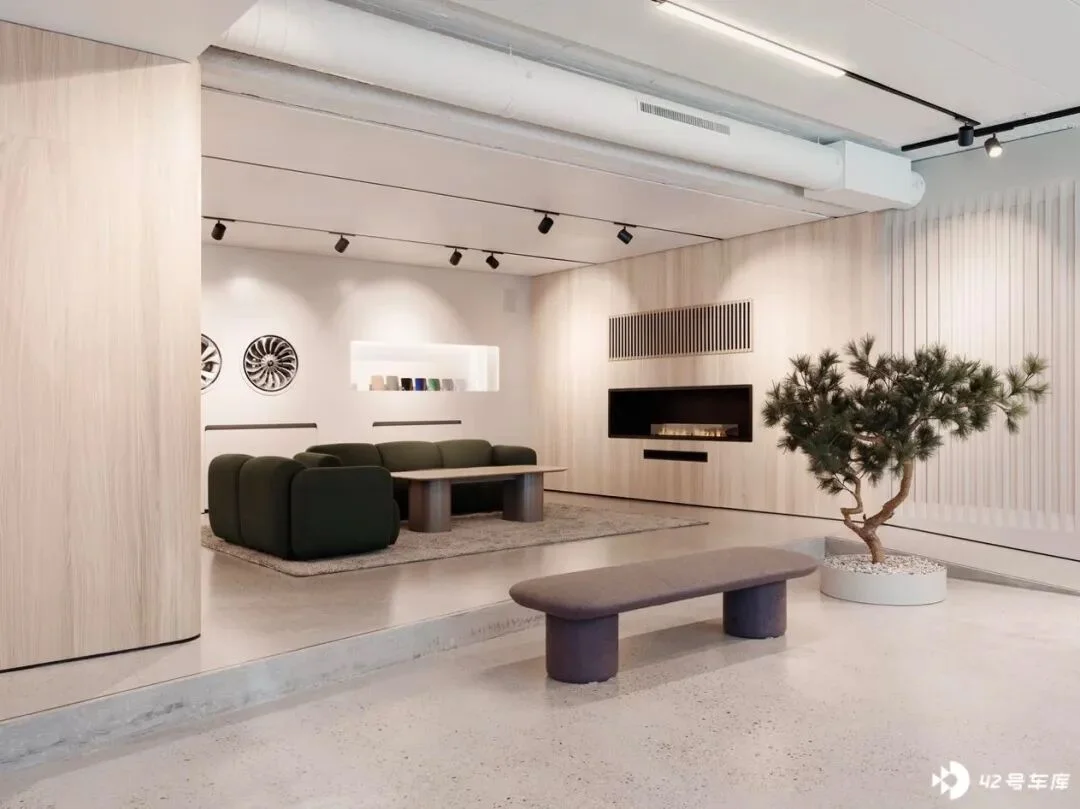
In terms of brand colors, VOYAH drew inspiration from Song Dynasty porcelain, poetry, painting, architecture, and lifestyle, announcing "cyan" as the theme color for the brand. Building on this, VOYAH derived other colors rich in Eastern artistic conception, such as dark cyan and jade green, constructing an entirely new color system centered on cyan, which also symbolizes the completion of the brand's renewal.
Of course, beyond carving out a unique path in the fiercely competitive domestic market, VOYAH’s overseas expansion is also proceeding steadily. These VOYAH spaces scattered across international markets serve not only as vehicle showrooms but also as windows for cultural exchange between East and West.
It must be acknowledged that this differentiated definition strategy shines brightly in shaping the brand’s tone.
Challenging the Brand Premium of Traditional Luxury Houses
For VOYAH Auto, while the "Chinese-style" brand label is undoubtedly a beautiful halo, what carries more weight beneath it is the product itself.
Fortunately, with the VOYAH Zhuiguang model, we have observed the manifestation of "Chinese-style" aesthetics in various product details, including exterior design and interior experience.
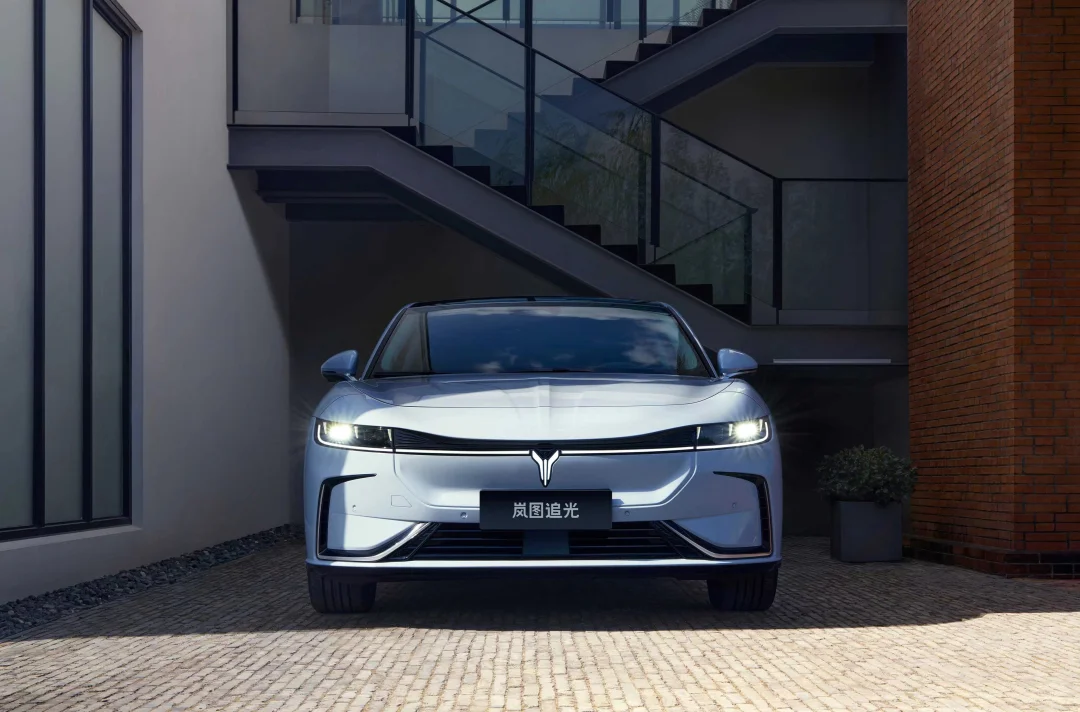
For instance, in the exterior design, when the Zhuiguang’s logo illuminates, it connects with the full-width headlights on both sides, resembling the soaring posture of a giant Peng bird. This is based on the "Kunpengzhanchi" design concept, which originates from Laozi’s "Xiaoyaoyou." The ridges on the hood are also stamped into the shape of the VOYAH logo, creating a mutual echo.
As for the rear end, VOYAH states that the design inspiration comes from the shimmering light reflected by the flowing tail feathers when the Kunpeng chases the sun. The power-operated retractable spoiler is not merely decorative; it can generate a maximum downforce of 40 kg, enhancing stability at high speeds.
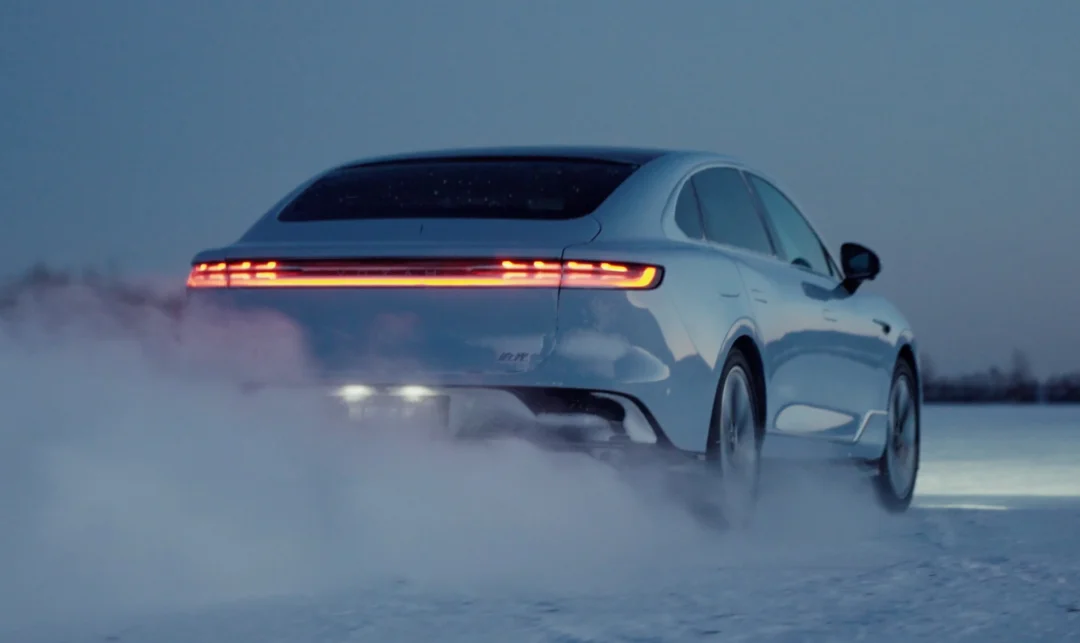
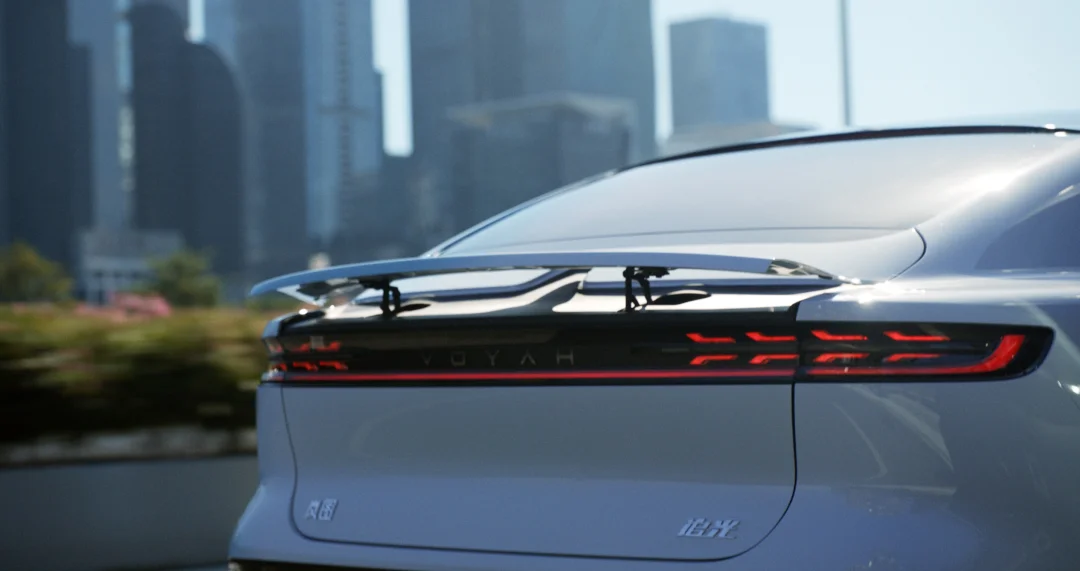
Eastern aesthetics emphasize "concealing one's edge," avoiding obsession or extremism in any single aspect. This is the fundamental logic behind Zhuiguang's design, extending from exterior to interior. For VOYAH, these design inspirations drawn from traditional Chinese aesthetics, along with avant-garde features such as an electric rear wing, interpret the concept of "each appreciating its own beauty, and beauty shared in harmony."
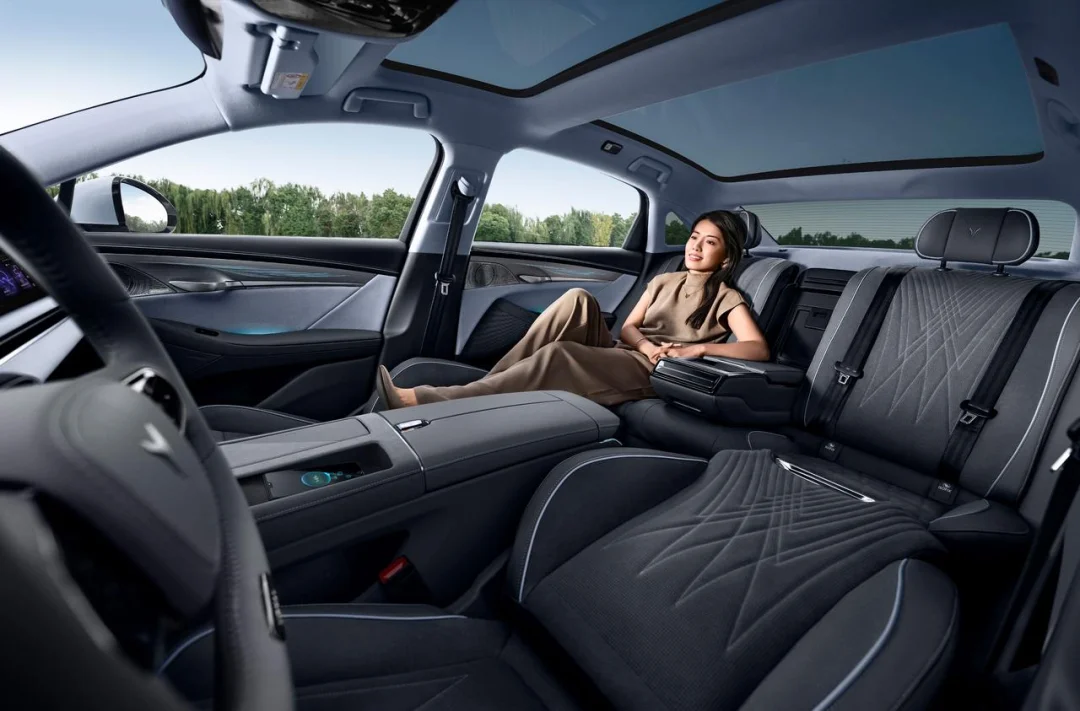
In cabin design, the Zhuiguang comes standard with four-seat massage, heating, ventilation, rear leg rests, a rear armrest screen, and a 14-speaker Dynaudio sound system for all trims except the entry-level model. The flagship version, equipped with an 82 kWh semi-solid-state battery pack, is priced at RMB 352,900, offering better value than the entry-level prices of traditional luxury brands that carry significant premiums, such as the Audi A6L, Mercedes-Benz E-Class, and BMW 5 Series.
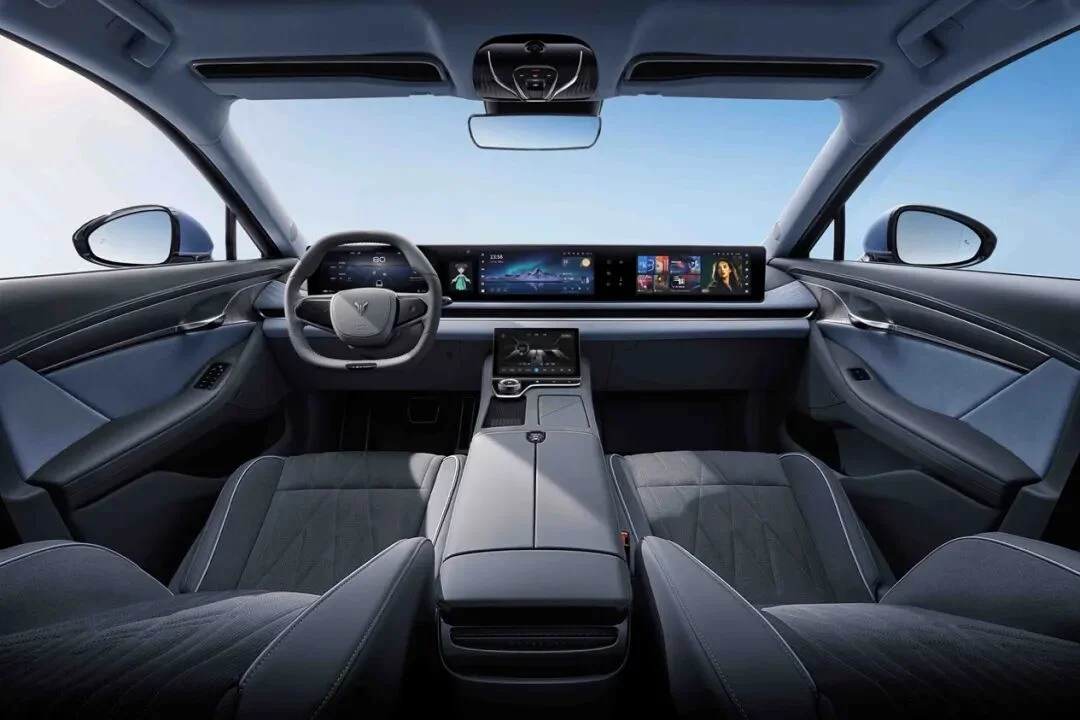
The Zhuiguang, priced at RMB 352,900, already offers rear-seat comfort comparable to the top-tier specifications of these joint-venture luxury brands. The rear backrest angle provides 7-degree adjustable pitch, ranging from 27° to 35°, and the right-rear boss seat is equipped with an electric leg rest. A 7-inch touchscreen remote control located in the center armrest allows passengers to manage functions such as audio, heating, ventilation, and ambient lighting.
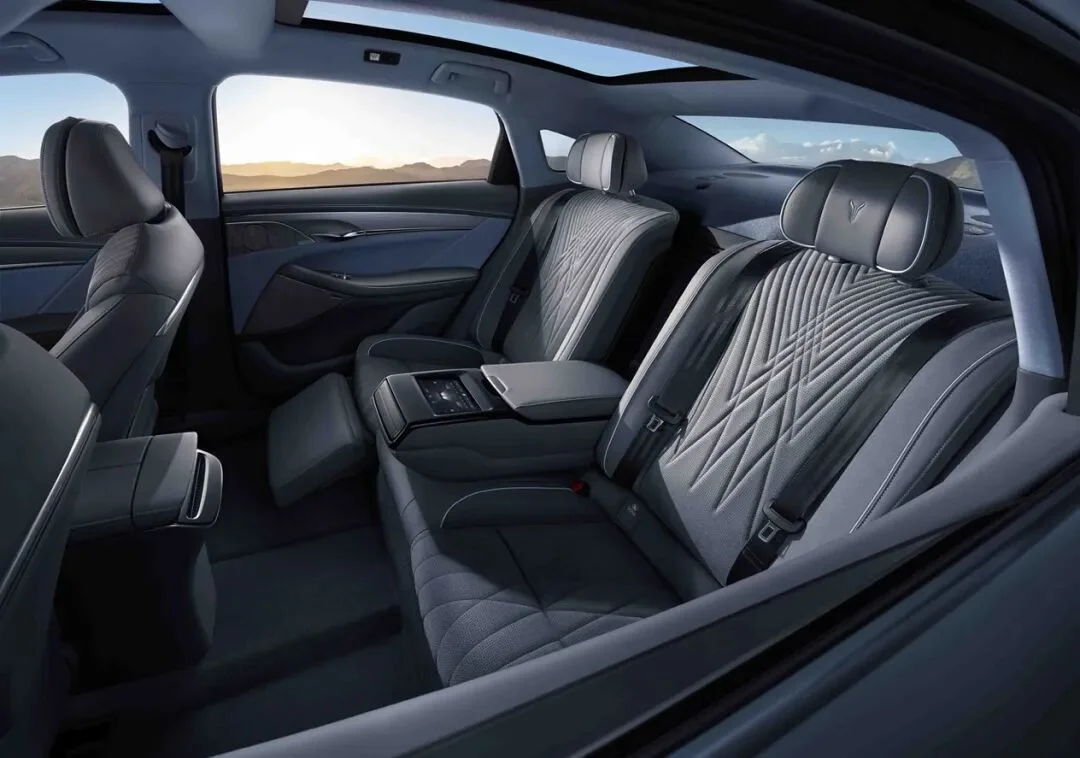
Keep in mind that in traditional luxury brands, features such as rear ventilation/massage and rear leg rests are exclusive to D-segment vehicles like the S-Class and A8L, which have prices approaching RMB 1 million.
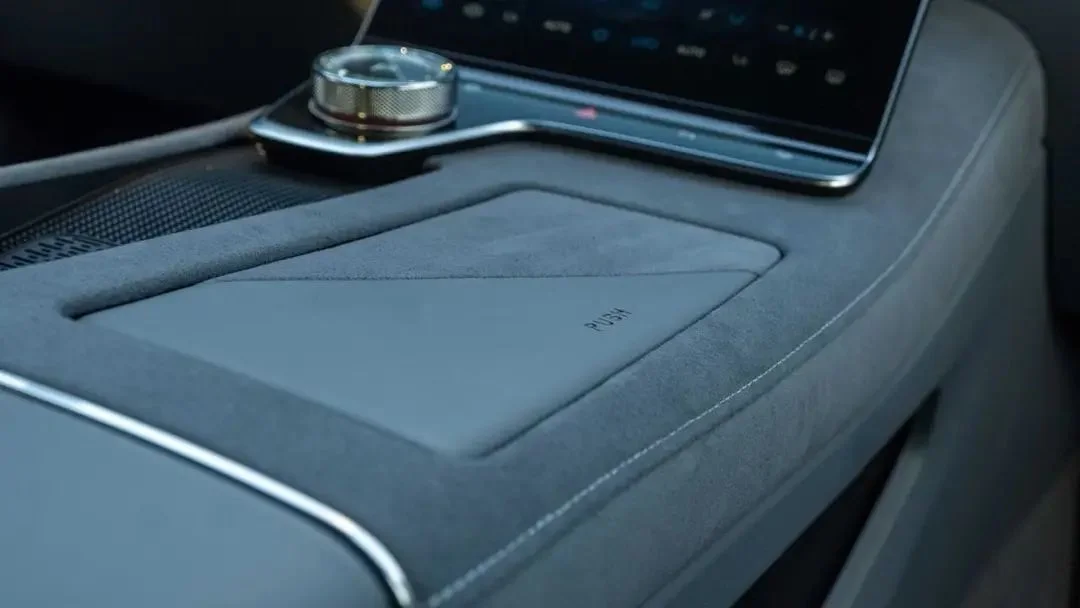
During our previous hands-on experience, the VOYAH Zhuiguang’s interior materials left a strong impression. The dashboard features Nappa leather, while frequently touched areas such as the armrests, door panels, and seats are trimmed with DINAMICA microfiber suede—the same material found in the AMG GT, Porsche Taycan, and Audi e-tron GT. This material offers a texture that blends the feel of standard suede and velvet, providing a comfortable and soft touch.

In terms of intelligent features, the Zhuiguang significantly outperforms traditional joint-venture automakers.
The floating central touchscreen is powered by an 8155 chip and supports three dynamic gesture controls—left wave, up-and-down wave, and forward push—via a Time-of-Flight (ToF) camera. Additionally, the four-zone voice system supports natural language control, including context inheritance, synchronization, and recognition of multiple or mutually exclusive semantics.
Compared to global models like the A6L, the Zhuiguang clearly better understands the needs and preferences of domestic consumers. For instance, in its 'VIP Cinema Mode,' the front seats can be folded down with one touch to form a continuous, comfortable sofa with the rear seats. Furthermore, the infotainment system includes video apps such as Tencent Video and Bilibili, along with a built-in KTV song library. Paired with Dynaudio speakers and wireless microphones, this offers substantial expansion for cabin entertainment.
Based on its centralized SOA (Service-Oriented Architecture) electronic and electrical architecture, the Zhuiguang has made significant progress in decoupling software and hardware, enabling a wider range of interactive possibilities.
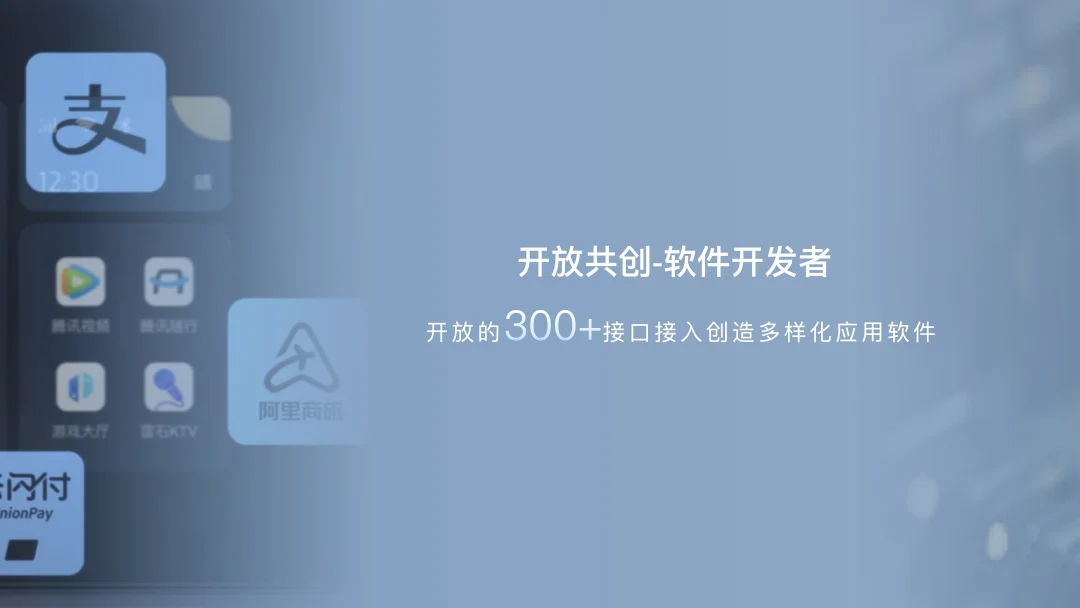
For example, we can achieve linkage among functions such as seats, air conditioning, fragrance systems, and ambient lighting based on customized scenarios. In the future, VOYAH will also launch a developer platform to build an application ecosystem, allowing software developers and users to independently develop smart applications that meet their needs and improve the driving experience, with options for sharing and downloading.
In terms of driver assistance, the VOYAH Zhuiguang is equipped with 31 sensors across the vehicle, including 12 cameras, five millimeter-wave radars, 12 ultrasonic radars, and two high-precision positioning units. Beyond basic features like Adaptive Cruise Control (ACC) and Lane Keeping Assist (LKA), it includes Navigate on Autopilot (NOA) with capabilities such as parallel obstacle avoidance, road-edge avoidance, and optimal lane selection.
Additionally, the Zhuiguang’s 'Remote Parking' function allows for self-selected parking space entry over a straight-line cruise of up to 30 meters. Under the 'Memory Parking' feature, the vehicle can learn a route once to autonomously trace back into a parking spot or recall itself out.
Regarding powertrain and chassis hardware, the Zhuiguang does not skimp like many traditional luxury brands. The entire lineup features dual-motor all-wheel drive, front double-wishbone and rear five-link suspension, aluminum alloy components accounting for more than 90% of the chassis parts, and air suspension with CDC shock absorbers featuring 'Magic Carpet' functionality as standard equipment on all trims except the base model.
These product characteristics reflect the commitment of a new brand striving to break upward in the market.
Unlike traditional luxury brands that segment consumers through engine displacements ranging from 1.5T, 1.8T, 2.0T to 3.0T, charge exorbitant premiums of RMB 20,000 to 30,000 for optional air suspension/CDC, and use different materials for domestic versus international markets, the Zhuiguang’s persistence in handling, power, and materials is a tradition inherited since the VOYAH FREE era.
During previous real-world testing, the Zhuiguang’s chassis performance was among the best in its class. On urban roads, the chassis delivers a strong sense of premium quality. The suspension absorbs 80% of bumps while retaining 20% of road feedback, allowing drivers to clearly perceive vehicle dynamics without feeling annoyed. Navigating through the city, the chassis provides excellent isolation from the ground, making the body feel as if it is floating on a thick blanket above the surface.
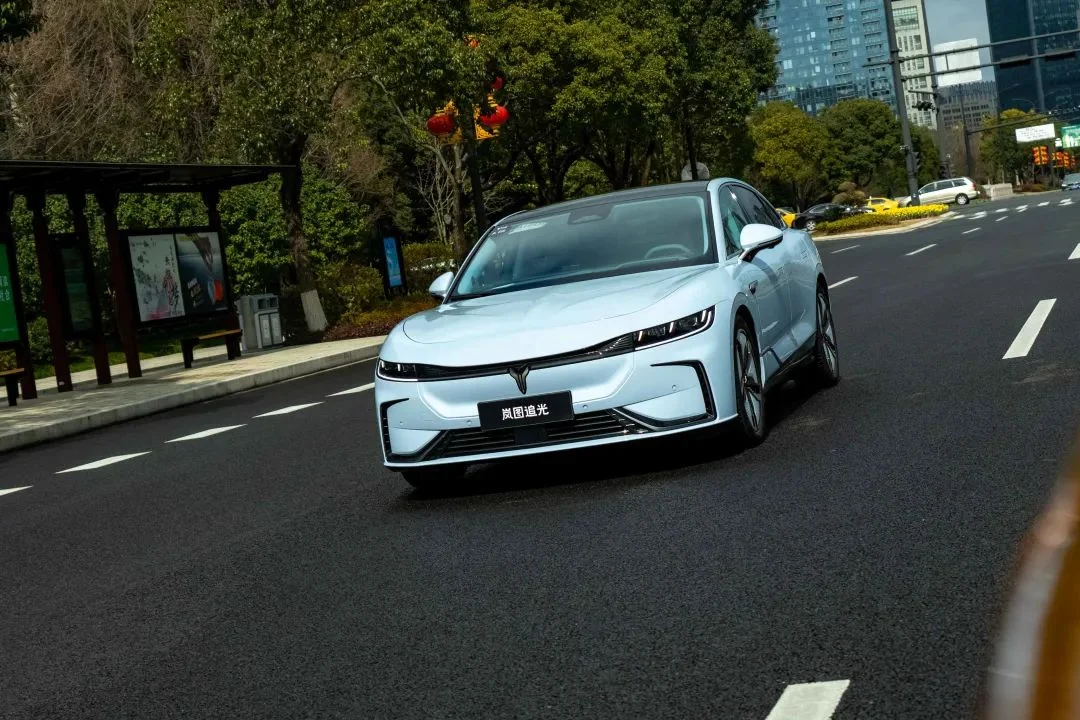
In Sport mode, the damping feels worlds apart from Comfort mode; when traversing fine cracks and small potholes on the road surface, the chassis transmits every detail to the cabin. This split personality confirms that VOYAH’s commitment to driving pleasure has been well preserved in the Zhuiguang.
For consumers, a maximum power of 375 kW, peak torque of 730 N·m, and an acceleration time of 3.8 seconds from zero to one hundred kilometers per hour were once data points exclusive to million-yuan BBA models. The Zhuiguang brings these figures down to the three hundred thousand yuan price range.
Although traditional luxury brands still possess the ability to command brand premiums, under such aggressive pressure from new-energy brands, consumers are likely to scrutinize their needs more carefully:
Is it truly worth spending an extra 100,000 or even 200,000 yuan to pay for brand value?
A Difficult Path with Few Players
For China’s automotive industry, breaking upward—whether at the brand level or the product level—is not easy.
After all, the automotive industry has a history spanning over a century. Foreign automakers possess profound capabilities in both product definition and brand accumulation. Over the decades since entering the Chinese market, their top performers have indeed established premium and luxury images in the internal combustion engine segment within consumers’ minds.
The automotive industry is undergoing a transformation unseen in a century. The trends toward new energy and intelligent technologies are unstoppable, and Chinese automakers, as the vanguard of this wave, must step forward to redefine technical standards, aesthetic sensibilities, and brand value in this new era.
Against this backdrop, it is encouraging to see VOYAH clarifying its brand and product strategy. On one hand, it leverages Chinese cultural elements to cultivate a sense of luxury from top to bottom; more importantly, it provides robust support for the concept of "Chinese luxury" through enhancements in products, technology, and intelligence.
Looking at the current Chinese automotive market, this is a path rarely attempted by other players. As a brand originating from Dongfengqiche and positioned as a "national team's high-end smart electric vehicle brand," VOYAH has finally taken this difficult step, demonstrating significant brand responsibility.
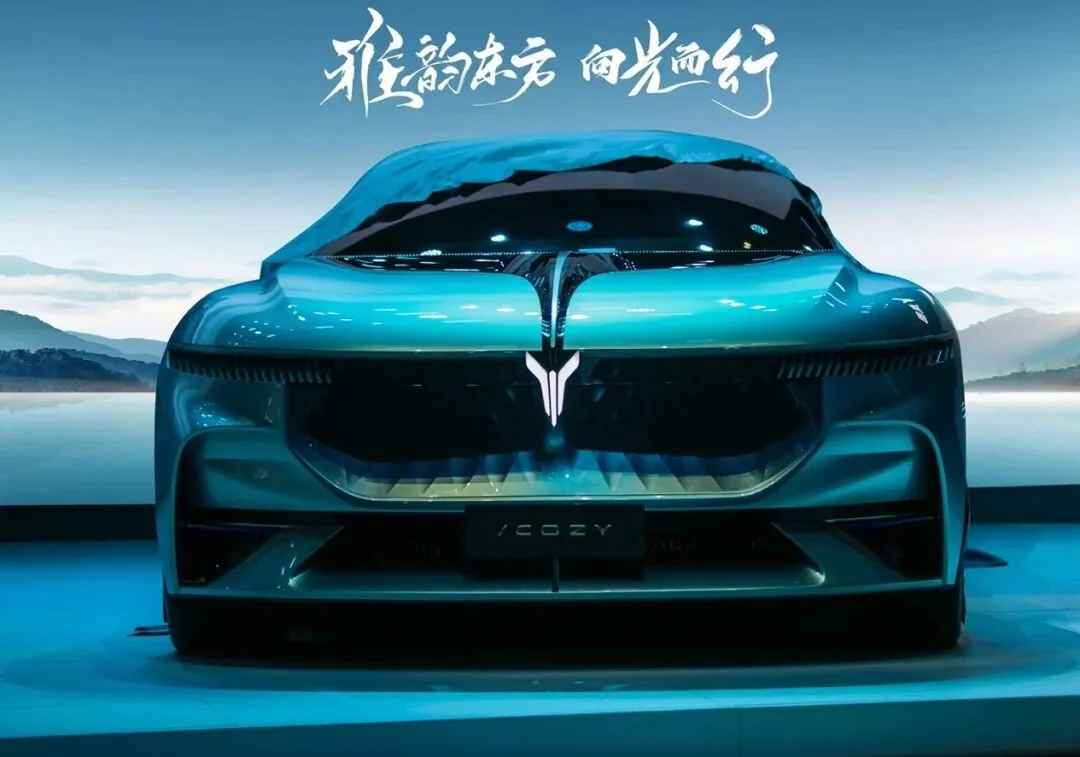
For VOYAH, the launch of the Zhuiguang sedan, positioned as embodying "Chinese luxury," serves two purposes: challenging traditional luxury brands and creating its own differentiated brand and product advantages to break through in the competitive landscape where Chinese brands collectively aim for the luxury segment.
In a sense, this also reflects the broader challenge posed by Chinese brands to joint-venture brands against the backdrop of a new era.
Written by: Mingming Edited by: 308