


First Drive: Geely Galaxy L7 Combines Performance and Efficiency With Three-Speed DHT
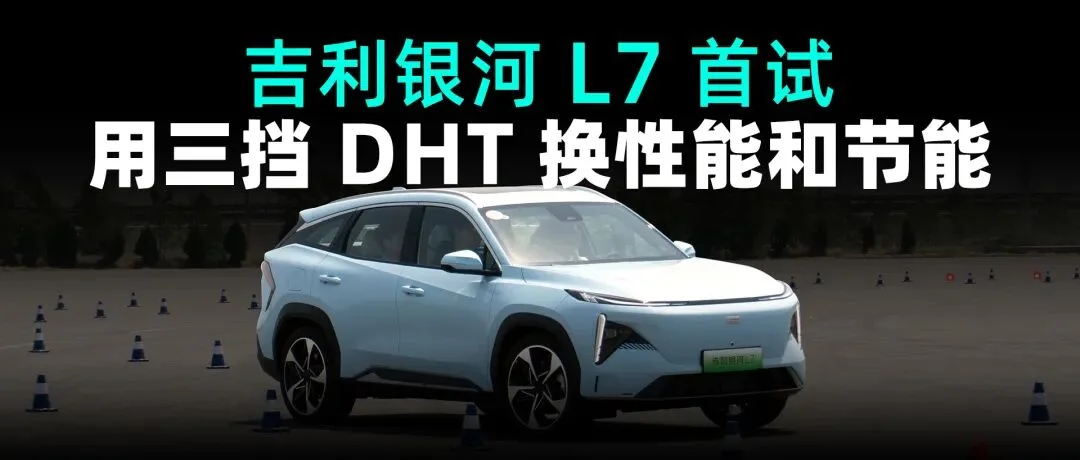
At the 20th Shanghaichezhan, two major trends were showcased: one is that automakers are beginning to fully transition to electrification and digitalization, and the other is that the popularity of hybrid products remains high.
From a user perspective, new energy vehicles offer clear advantages over internal combustion engine cars in urban driving, sending a clear signal to capture market share from traditional fuel vehicles. However, pure electric vehicles still face noticeable limitations in range and charging convenience, allowing hybrids—free from range anxiety—to simultaneously bridge the gap between electric and fuel markets.
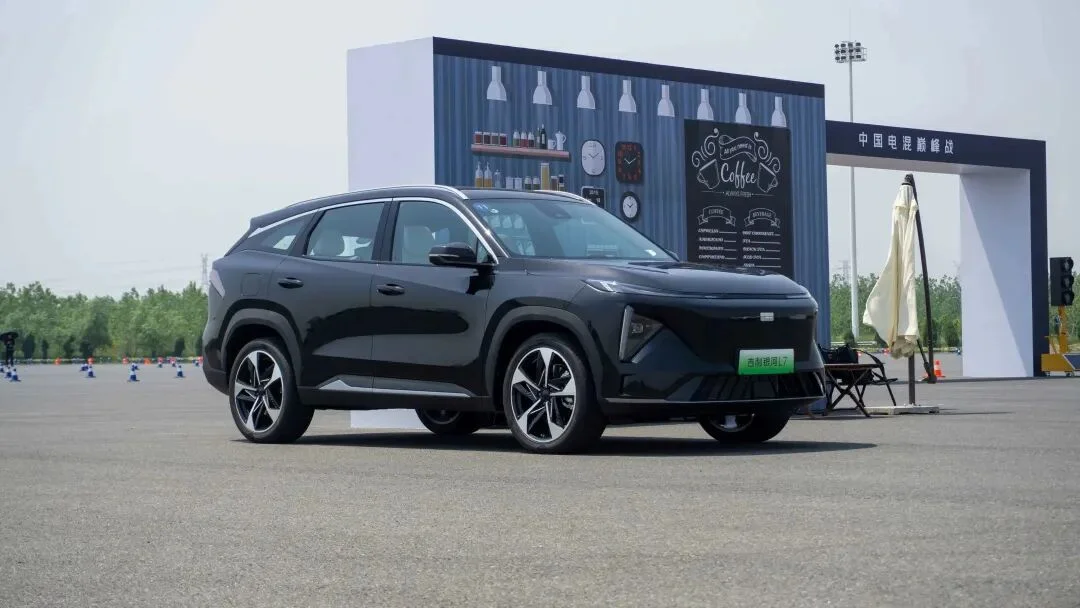
According to 2022 new car sales data, the RMB 100,000–200,000 segment remains dominated by fuel vehicles. This year, however, key models in this price bracket are intensifying competition, with the new BYD Song PLUS and Changan DEEPAL S7 already on the road. In Geely’s strategy, the Geely Galaxy L7, as the debut model of the Galaxy family and an A-segment plug-in hybrid, carries significant expectations.
The Geely Galaxy L7 is expected to begin deliveries as early as the first half of this year. Prior to the official launch, we had an exclusive test drive of the Geely Galaxy L7 at the Jiangsuyanchengzhongqiyanqicheshiyanchang. This article will analyze the vehicle from three perspectives: driving experience, space, and exterior design. Is the Geely Galaxy L7 a good choice for a hybrid car with a budget of 200,000?
01Performance or Efficiency?
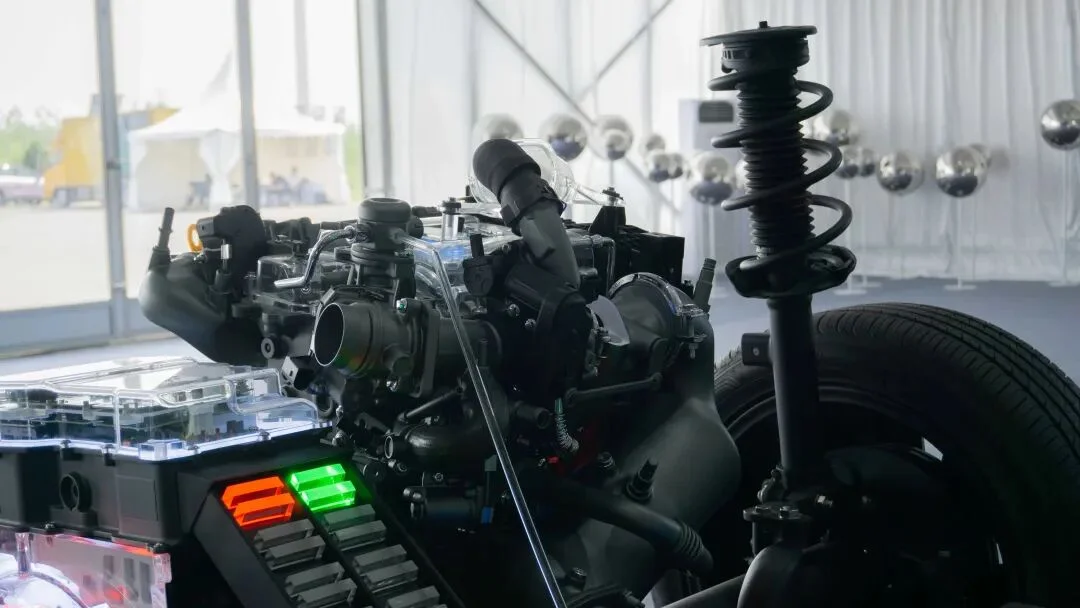
As a plug-in hybrid model, the Geely Galaxy L7's powertrain has drawn significant attention during its first test drive experience. The Geely Galaxy L7 is equipped with the e-CMA Zhinengdianhunjiagou and utilizes the new-generation Leishendianqu DHT Pro hybrid system; however, from a structural perspective, it remains consistent with Geely's current models.
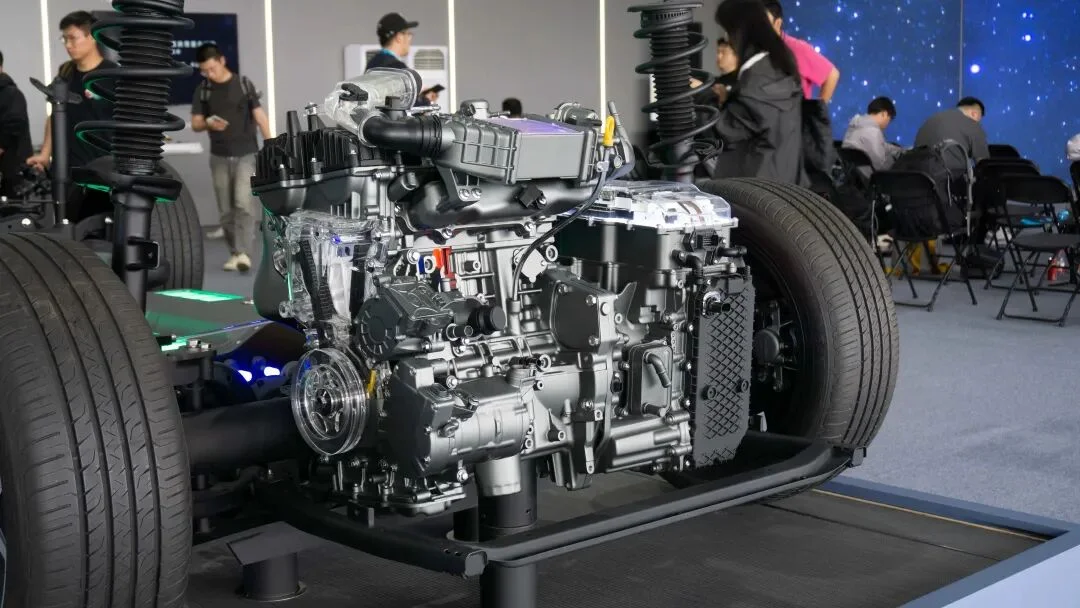
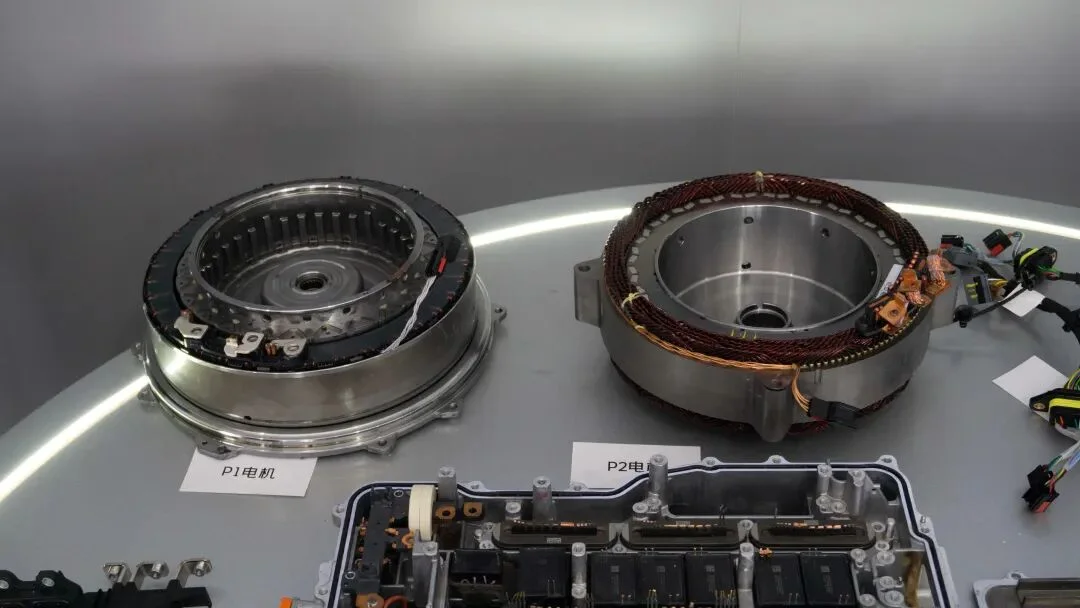
The new Leishendianhun 1.5T B-plus Yinqing engine delivers a maximum power of 120 kW and a peak torque of 255 N·m. It is paired with a P1 motor rated at 60 kW and a P2 motor rated at 107 kW. In this system, both the P1 and P2 motors can actively drive the vehicle. The combined maximum power of the entire system reaches 287 kW, with a total peak torque of 535 N·m—figures that are quite impressive on paper.
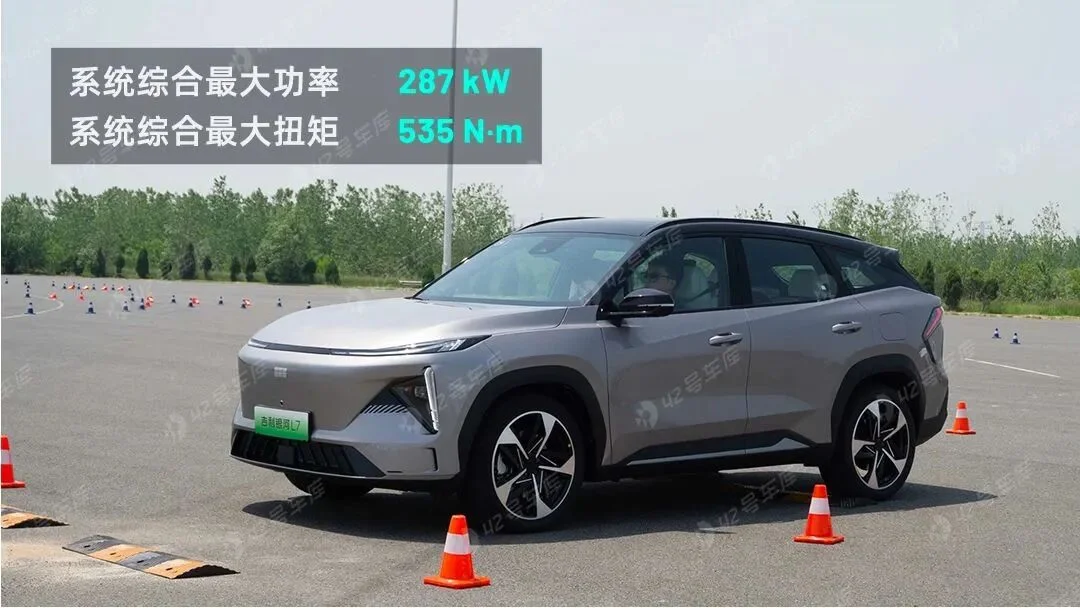
Geely Galaxy L7 routes its power through the 3-speed DHT Pro transmission. First gear enables a launch via slip clutch C0; once vehicle speed exceeds 20 km/h, the system shifts into parallel mode to deliver maximum power output.
In our on-site testing (SOC above 85%), the Geely Galaxy L7 recorded a hundred-kilometer acceleration time of six point seven seconds.
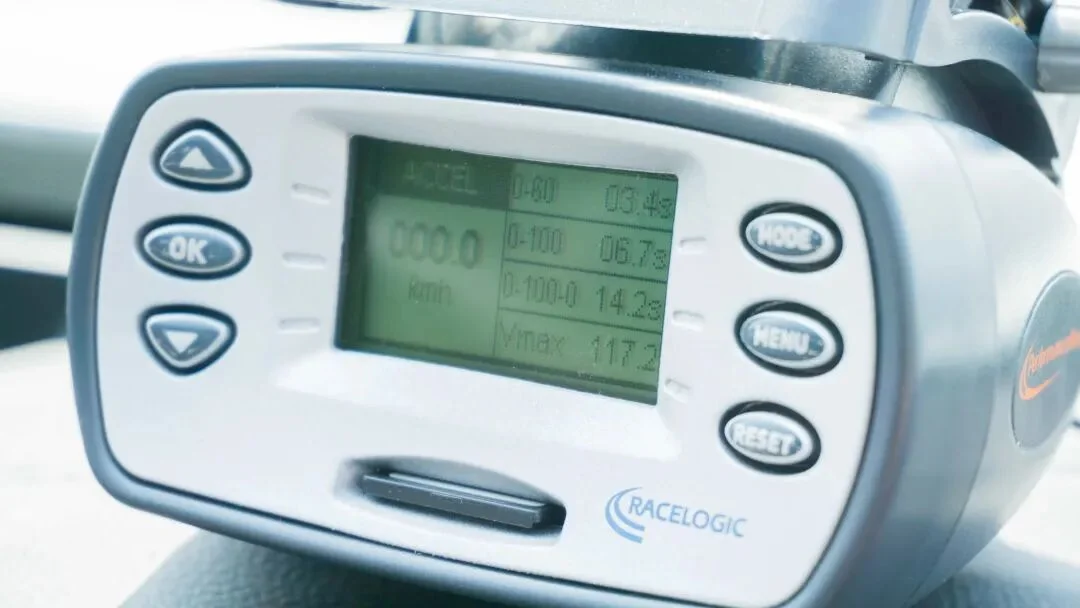
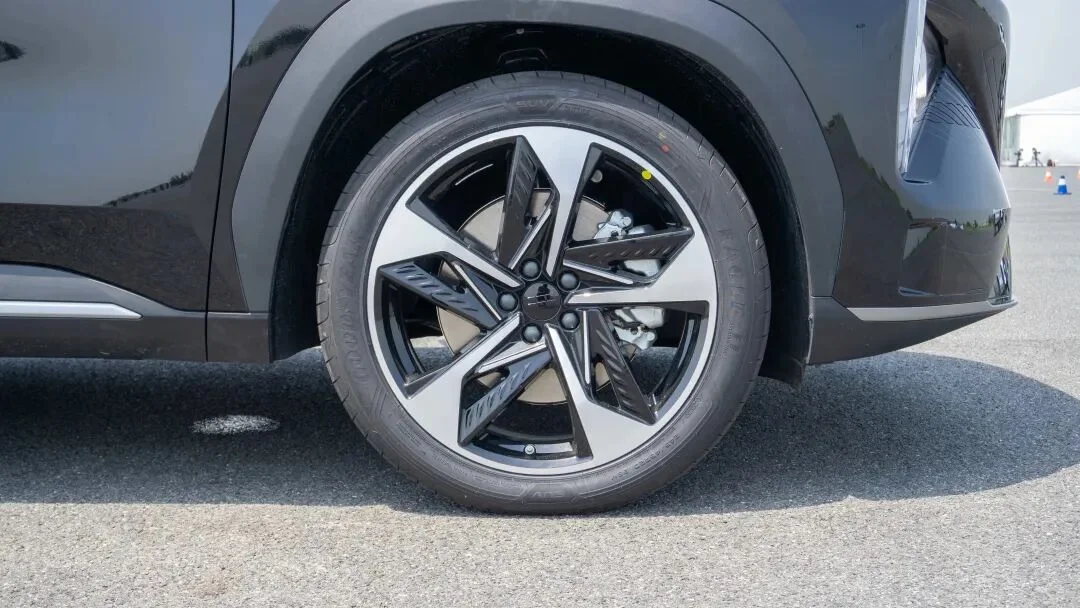
Even with 245 mm wide Guteyi EAGLE F1 tires, the car experiences wheelspin at the moment of launch. With further tire upgrades, acceleration times could improve significantly.
During full-throttle acceleration, at around 80 km/h, the vehicle exhibits a shift shock similar to that of an automatic transmission. The sensation is crisp and forceful, with rapid engagement, offering a touch of mechanical fun. At this point, the 3-speed DHT Pro shifts into second gear, allowing the engine to operate in a more efficient range through generator regulation.
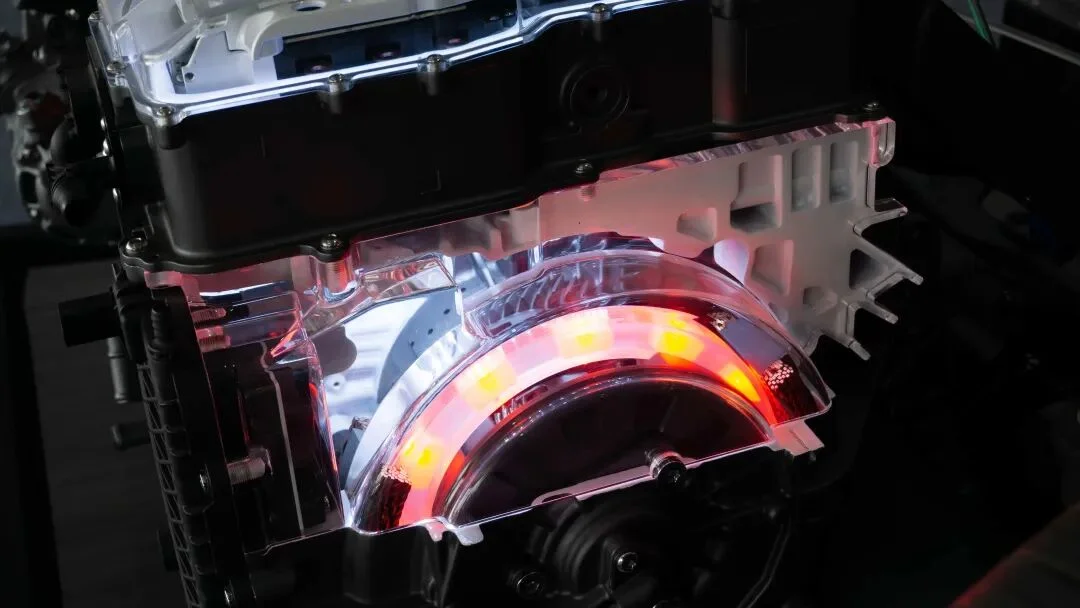
Under gentle driving conditions, the shift feel is smooth. During high-speed cruising, the system actively engages third gear to allow the engine to drive the wheels directly, maintaining low fuel consumption.
It must be noted that the 6.7-second acceleration time is only achievable when the battery SOC exceeds 85%. In the latter half of the test drive, the Geely Galaxy L7 remained in a depleted battery state, resulting in noticeably weaker full-throttle acceleration; the perceived performance dropped by approximately 1–2 seconds.
Next, let's look at braking distance. The Geely Galaxy L7 is fitted with four Guteyi EAGLE F1 tires, which strike a good balance between grip and low rolling resistance. In a 100–0 km/h stop, the Geely Galaxy L7 achieves a standstill in just 36.8 meters, a result that is quite excellent for a compact SUV.
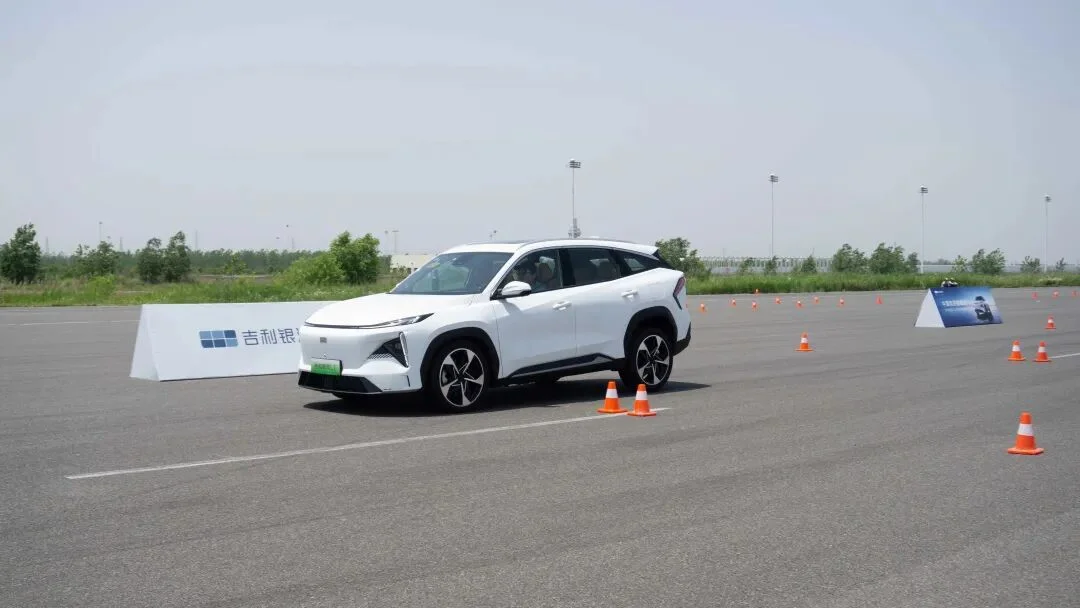
During the stop, the Geely Galaxy L7 distributes braking force relatively evenly, with sufficient intensity to give the driver confidence. From an external perspective, the L7's braking posture is reasonably well-controlled. Due to the long front suspension travel, there is some nose-dive, but fortunately, this sensation is not obvious inside the cabin.
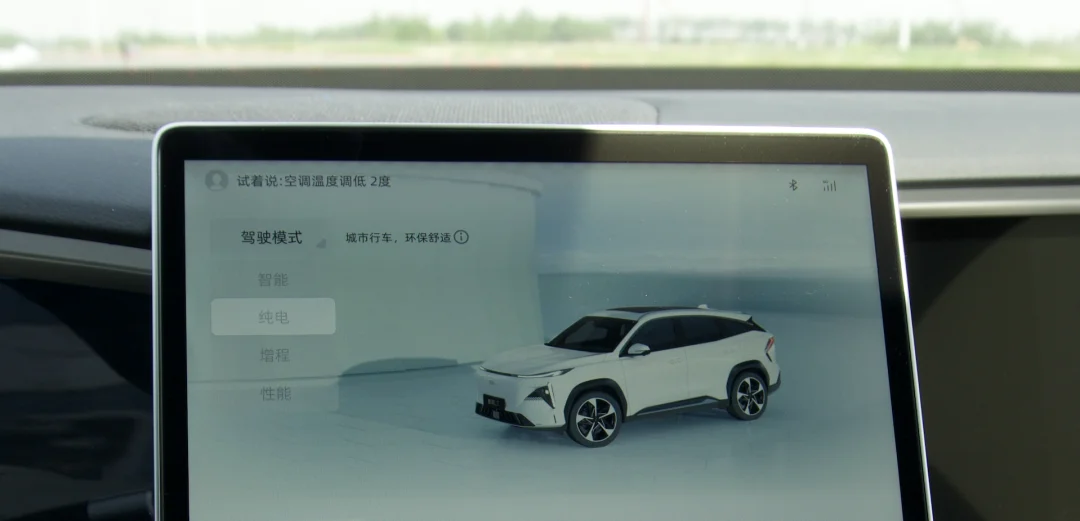
In daily driving, performance is a key concern for everyone, but energy efficiency is also a critical factor in purchasing decisions. The Geely Galaxy L7 offers four driving modes: Pure Electric, Extended Range, Intelligent, and Performance. The Intelligent mode is the most hassle-free option; the vehicle automatically determines driver intent and switches among 20 operating conditions, including series, parallel, and hybrid configurations.
According to official data from Geely, the B-Plus engine achieves a thermal efficiency of 44.26%. The Galaxy L7 has a WLTC fuel consumption of just 5.23 L/100 km and a CLTC combined range of up to 1,370 km.
It is regrettable that this test drive was limited to a closed course, meaning energy consumption under sustained aggressive driving lacks reference value. Once open-road testing becomes available, we will further evaluate the Geely Galaxy L7's actual energy efficiency.
Does Performance Mode Mean Adrenaline?
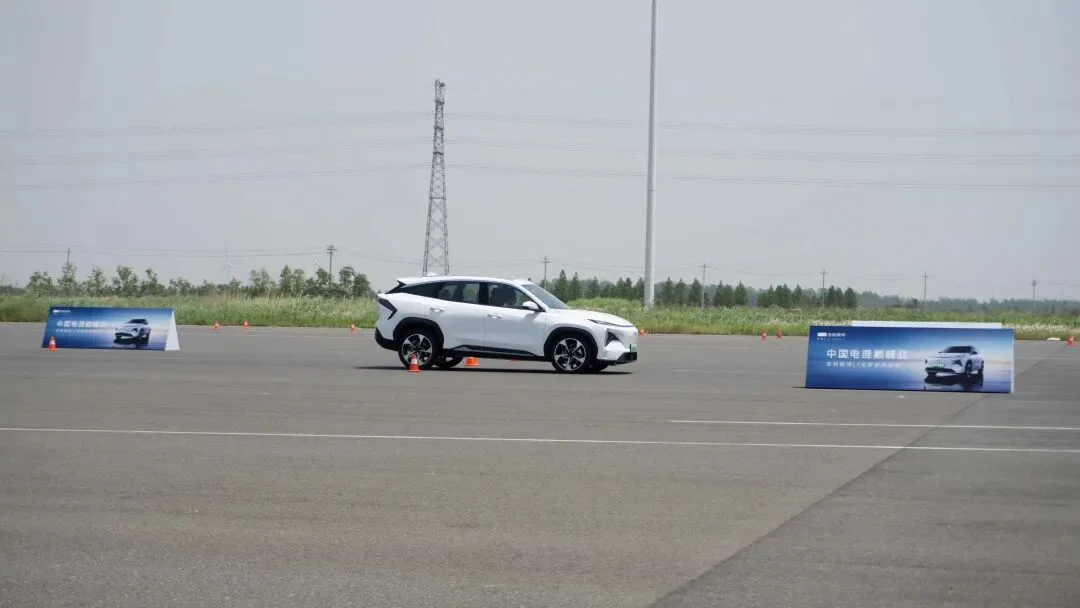
During this closed-course test drive, we also used the Geely Galaxy L7 to tackle a slalom course designed to test vehicle agility. In continuous low-speed sharp turns, the Galaxy L7 exhibited good body roll control and compact weight transfer. The response was nearly linear relative to steering input, reflecting a tuning style leaning toward European SUVs.
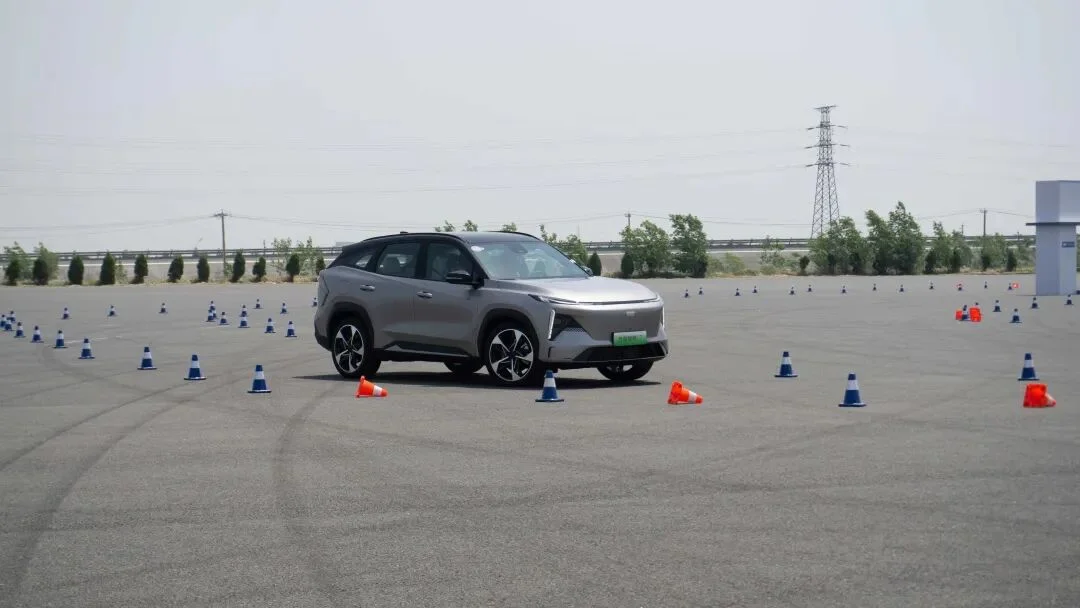
In performance mode, the steering torque of the Geely Galaxy L7 is relatively heavy, requiring two hands to steer. The steering feel is quite good, with some play retained in the steering response to ensure comfort for daily driving. In the U-shaped corners of a gymkhana, I found that the steering wheel of the Geely Galaxy L7 was reluctant to return to center during corner exit, a setting similar to many performance hot hatches, which adds a sporty feel.
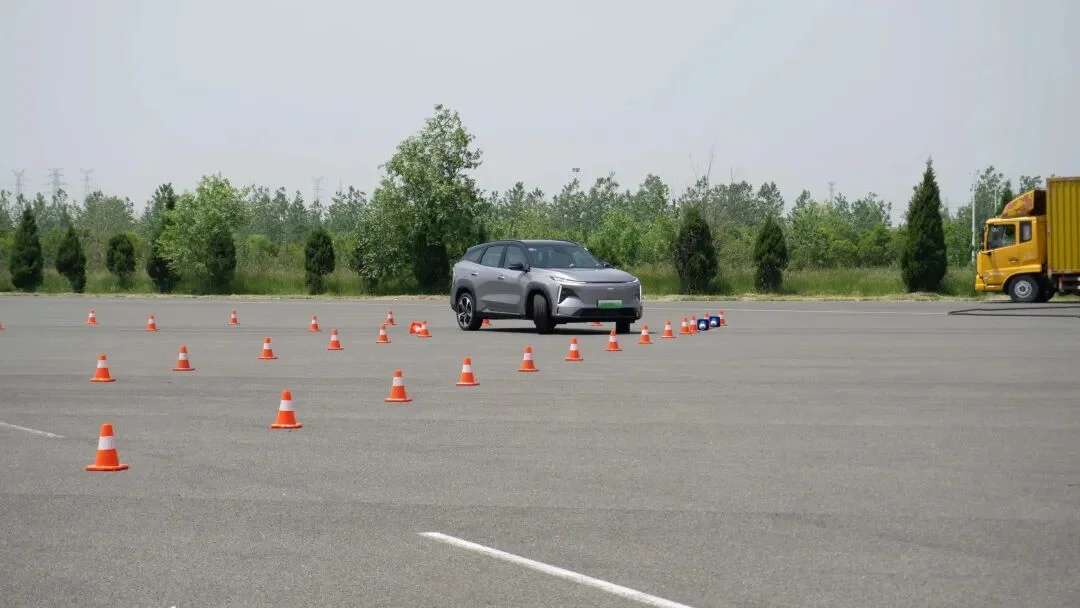
However, in Performance mode, the accelerator pedal calibration on the Geely Galaxy L7 is overly sensitive. Power delivery is immediate, making the car feel jerky and eager to launch. This can make speed control difficult in tight skidpad corners. The benefit is that when acceleration is needed, Performance mode provides 100 percent power output instantly. I also tested the acceleration response in Smart mode, where both pedal follow-through and linearity were satisfactory.
Harsh Road Conditions
During the simulated urban road test section, we experienced common obstacles including speed bumps, high-low joint sections, sunken pavement, and gravel roads.
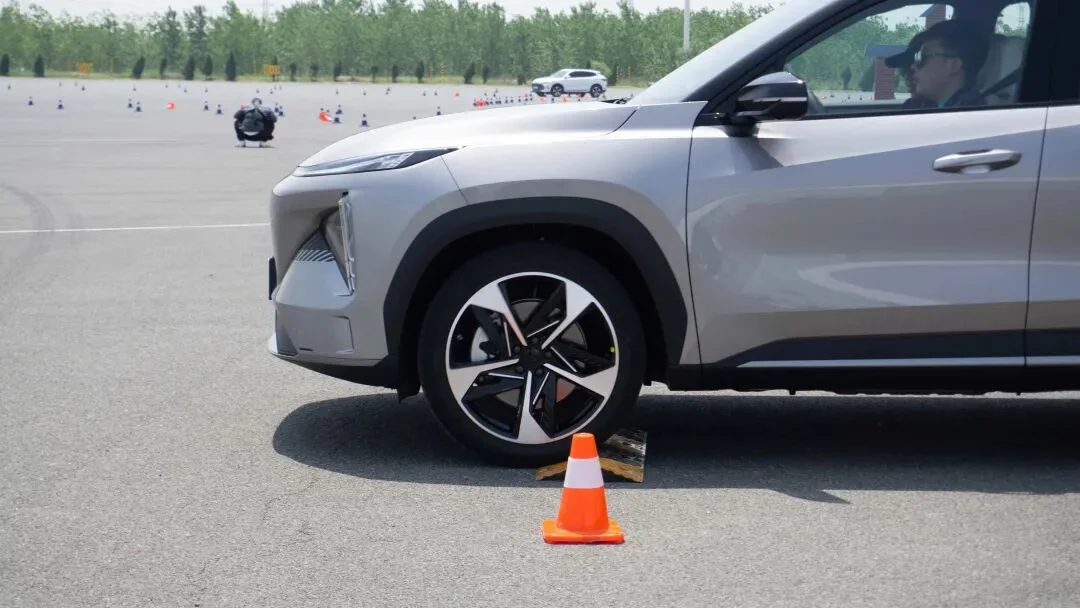
At a speed of 20 km/h, the Geely Galaxy L7's shock absorption effect is also quite European in style. When going over speed bumps, it does not completely absorb them but retains a certain amount of bounce. The rear axle of the Geely Galaxy L7 has a more pronounced rebound than the front axle, so when navigating slalom courses, the driver can feel that the tail's follow-through and agility are quite good.

When traversing uneven road surfaces with height differences of about 2 cm, the Geely Galaxy L7 continues to deliver clear road feel. At 60 km/h, when going over steps of varying heights, the Geely Galaxy L7 handles them decisively—each impact is distinct and immediate, without transmitting noticeable shock into the cabin.

At 80 km/h, when driving through sunken road sections, the Geely Galaxy L7 proves capable of absorbing and controlling impacts effectively. Upon entering a sunken section, its long suspension travel supports the vehicle body well; upon exiting, it keeps the body under control. Furthermore, when returning to level ground, there is no excessive rear-end sway.

Finally, on gravel roads—a test that challenges a vehicle’s overall engineering—the Geely Galaxy L7 filters out most direct impacts. However, high-frequency vibrations combined with road feel still transmit some feedback into the cabin. The handling remains resilient, keeping the interior composed, striking a good balance between comfort and road feel.
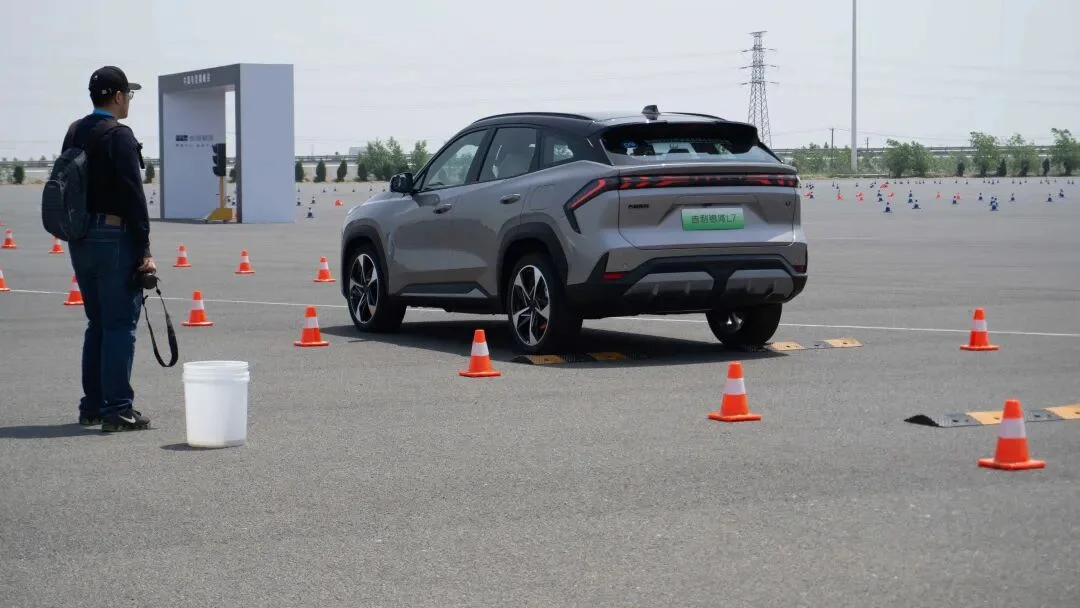
Overall, in terms of driving dynamics, the Geely Galaxy L7 breaks away from the conventional performance standards expected of family compact SUVs in the RMB 200,000 price range. Its performance, handling, and vibration damping capabilities all exceed current benchmarks, aiming for a higher tier. This will be a key differentiator for the Geely Galaxy L7 against competitors once it officially launches.
02Cabin Advantages Stand Out
Geely Galaxy L7, in addition to its advantages in power and driving control, also has certain strengths in this cabin. The interior of the Geely Galaxy L7 adopts a new "Yinhezizaizuocang" design concept, emphasizing the enveloping feel of the cabin.
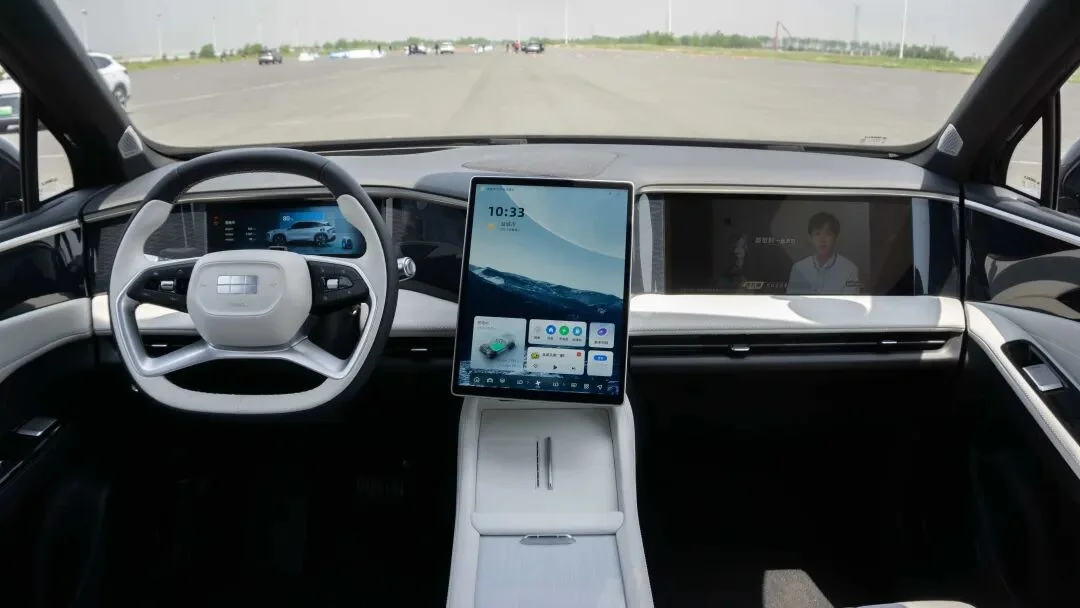
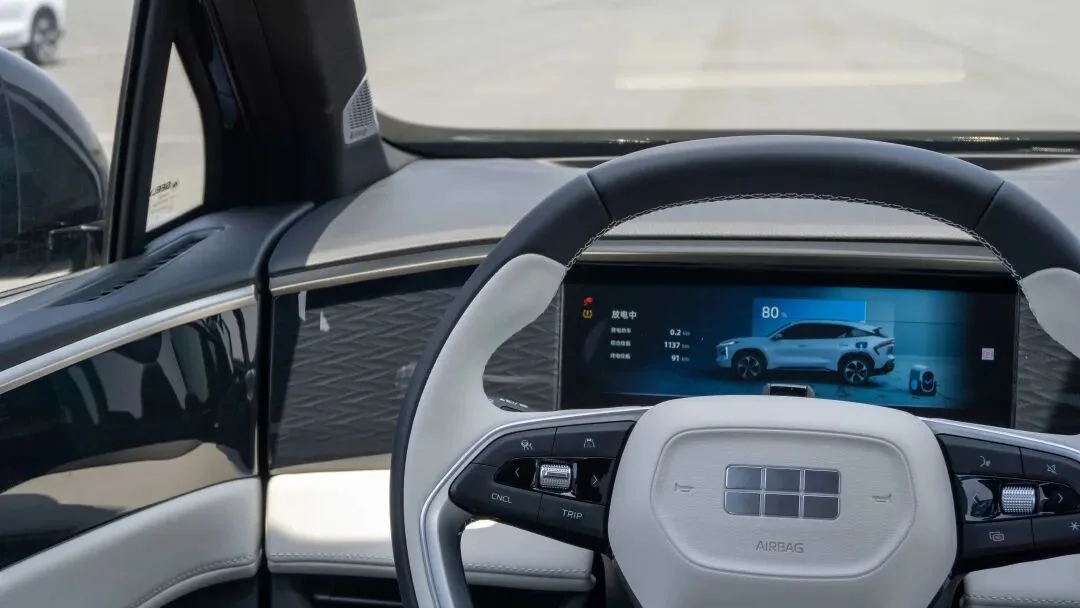
The test vehicle we experienced featured an optional two-tone black-and-white interior, resulting in a clean and minimalist visual effect. The entire infotainment system consists of four screens: a 10.25-inch instrument cluster, a 13.2-inch central touchscreen, a 16.2-inch passenger screen, and a 25.6-inch AR HUD.
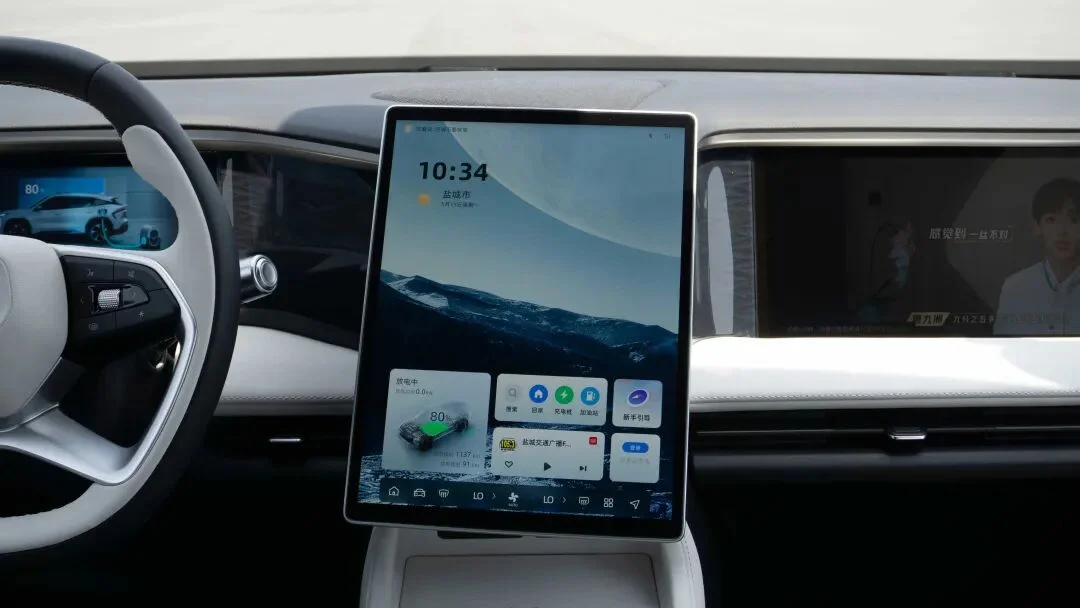
The infotainment chip uses the mainstream Xiaolong 8155, paired with 128 GB of storage memory and the new Yinhe N OS. The 13.2-inch central screen is slightly angled toward the driver, creating a strong sense of enclosure from the driver's seat.
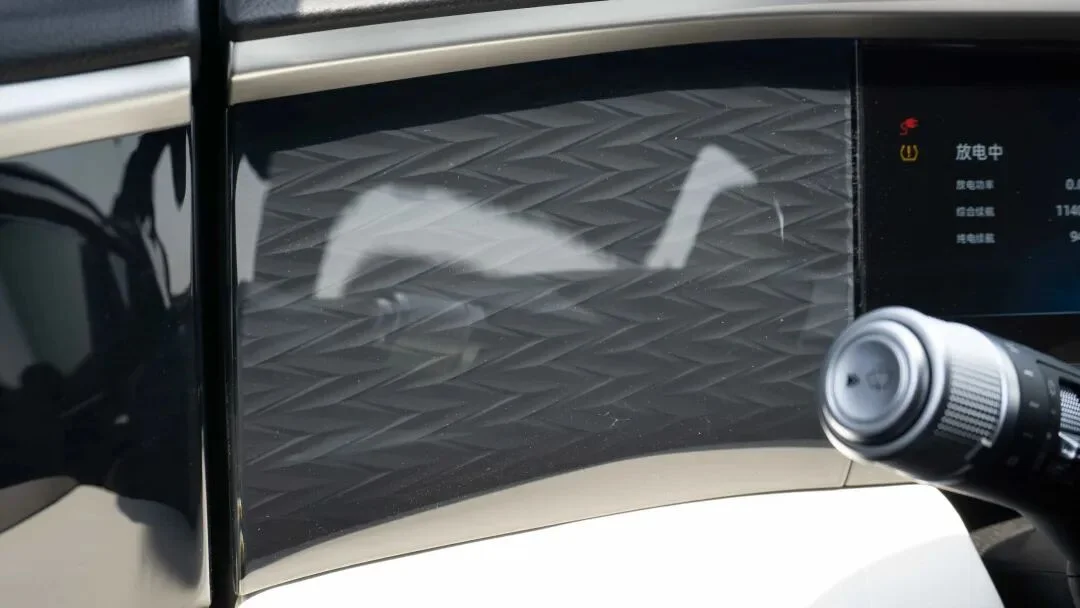
I particularly appreciate the trim panels on the Geely Galaxy L7. They feature arrow-shaped patterns inside, covered by a layer of transparent, smooth plastic. This design adds novelty without appearing overly extravagant.
A wireless charging pad is located below the center console, thoughtfully equipped with an air vent to prevent overheating, ensuring that battery drain from heat doesn't exceed charging gains.
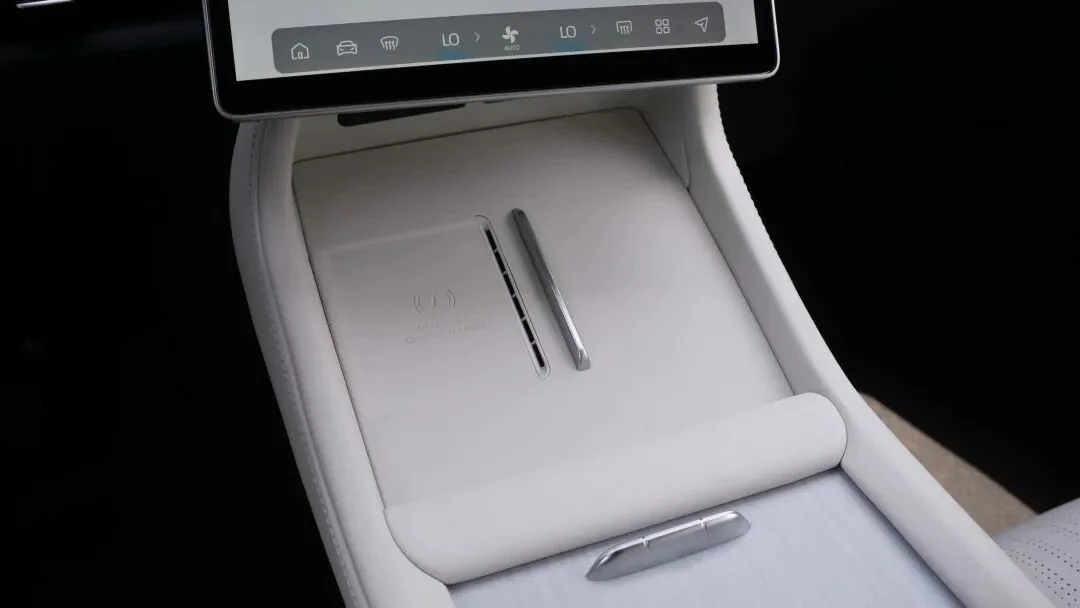
Further back, beneath a cover, lie traditional cup holders and storage compartments. Notably, this cup holder unit can slide away to reveal additional storage space underneath.
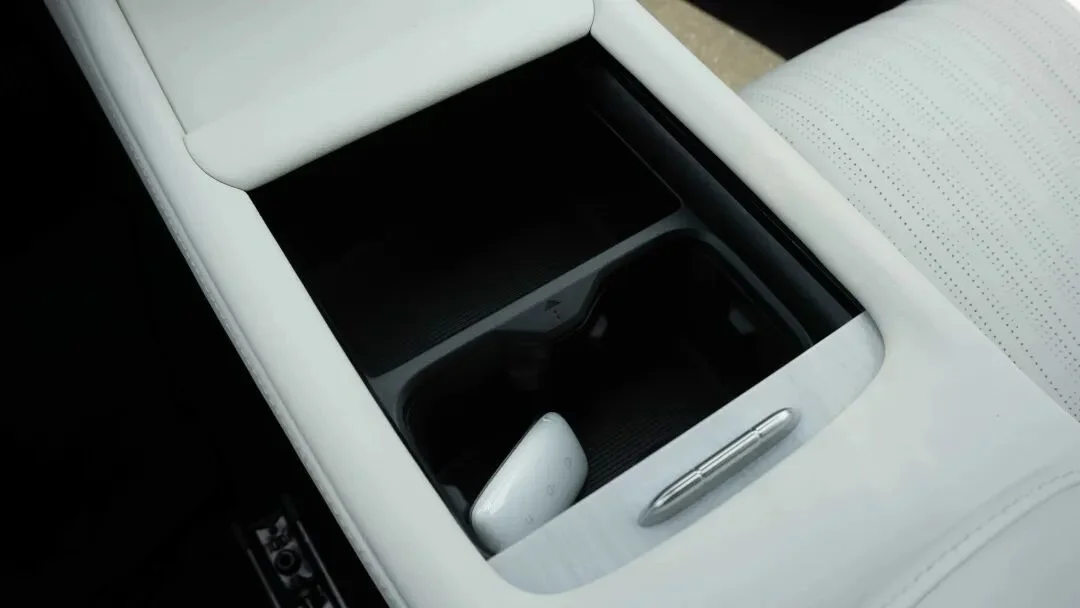
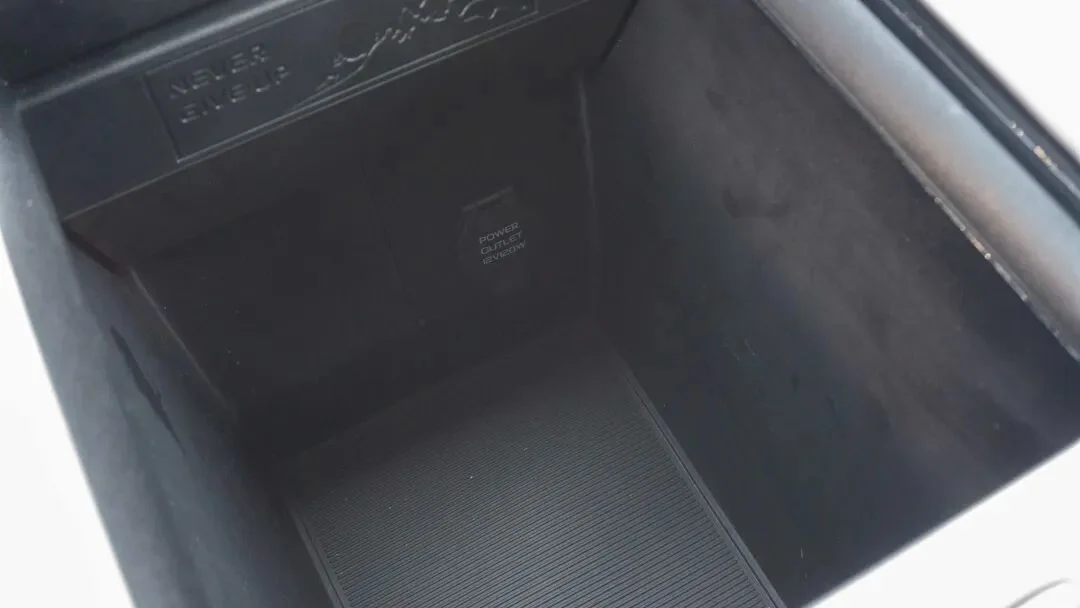
As a hybrid model accommodating a three-speed DHT transmission, the armrest box cannot feature the popular open-underneath design seen in many contemporary vehicles.
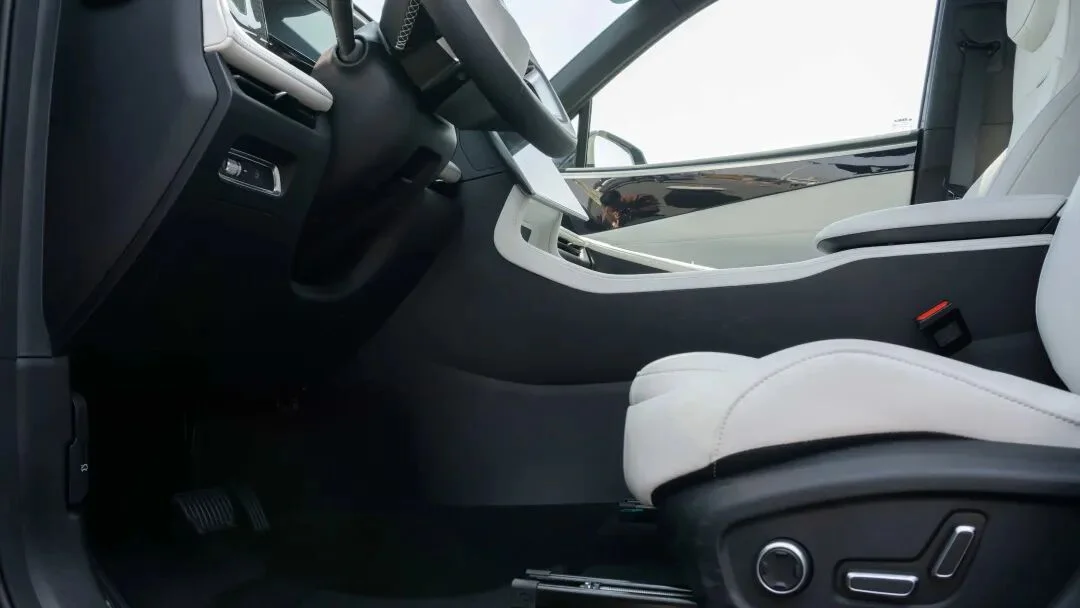
A 16.2-inch passenger display is mounted in the front passenger seat, offering a screen area that stands out among its peers. It also features an anti-peep design to prevent driver distraction from the passenger-side information. Due to the presence of this screen, the Geely Galaxy L7 utilizes a roof-mounted airbag, similar to NIO's design.
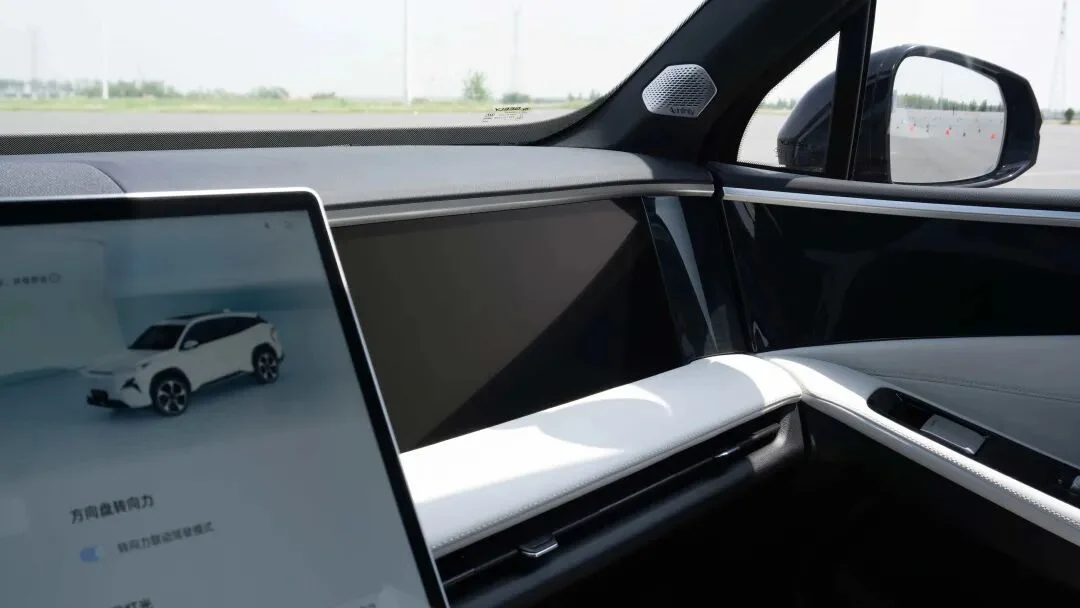

Additionally, the front passenger seat includes an extended leg rest. When the seatback is reclined to a natural 125° angle and the leg rest is deployed alongside the entertainment screen, the resulting comfort level is rare for vehicles in this class.
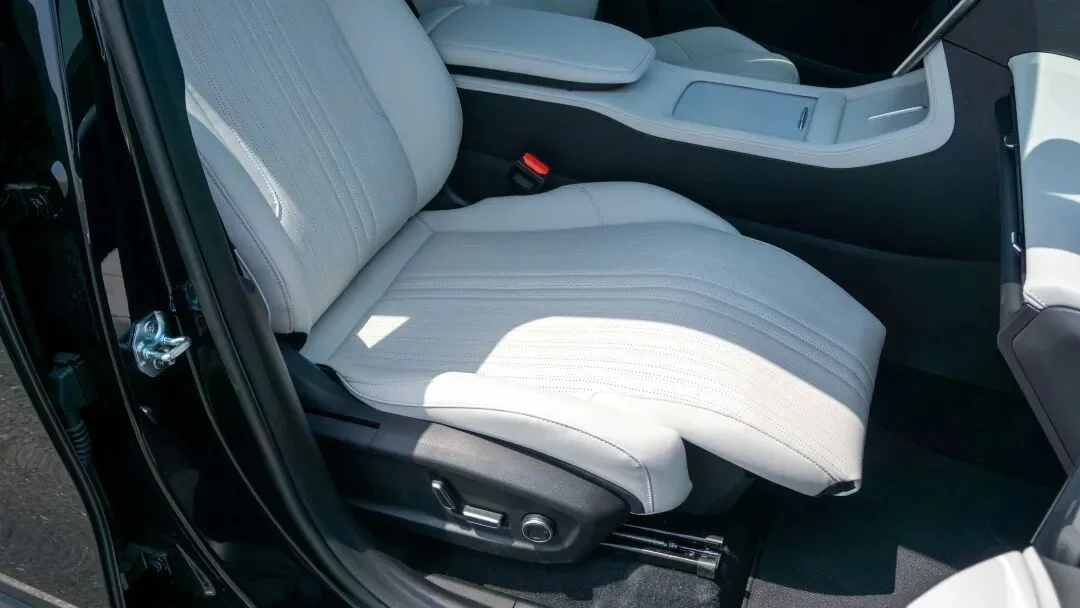
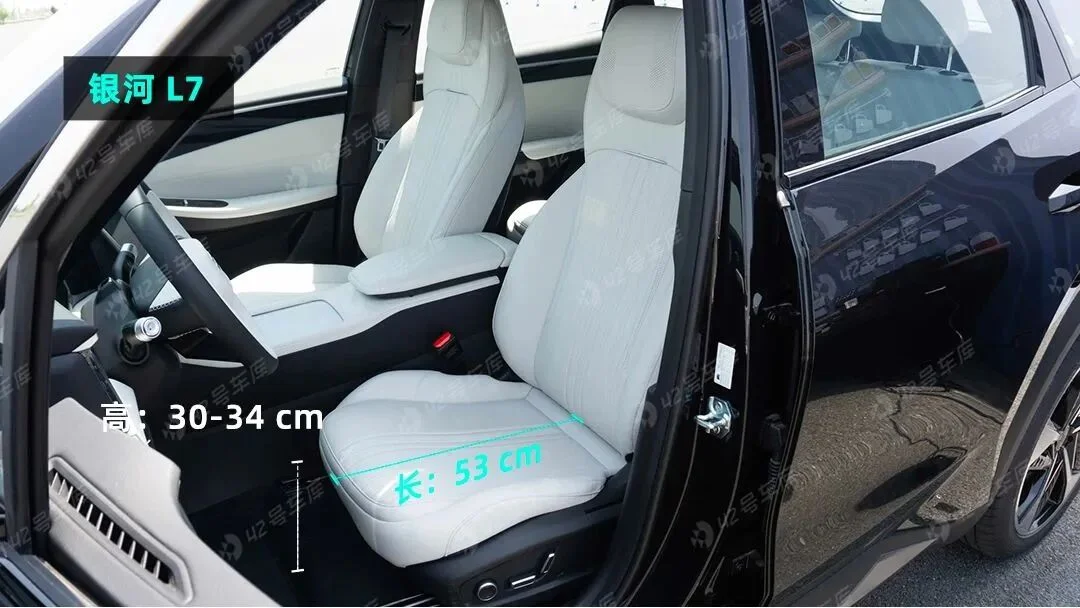
Regarding seating dimensions, the front seats of the Geely Galaxy L7 feature a cushion length of 53 cm and a height adjustment range of 30–34 cm, accommodating the vast majority of drivers. The 53 cm cushion length provides comfortable thigh support.
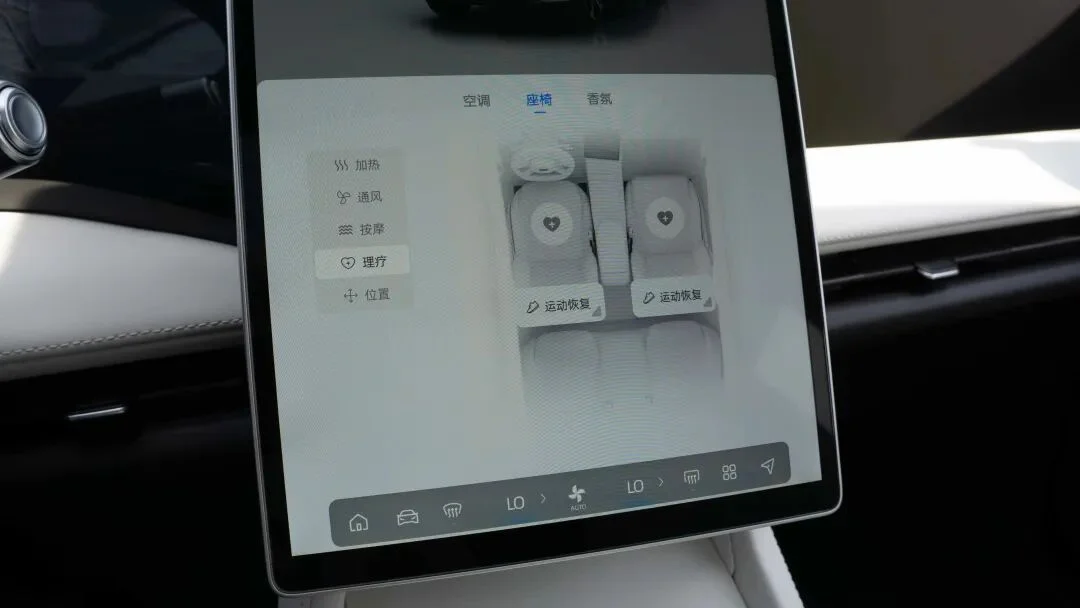
Beyond standard ventilation, heating, and massage functions, the front seats offer a therapeutic mode. Initial testing revealed little difference between this setting and regular massage; with eyes closed, it was difficult to distinguish between the two. There may be noticeable differences during long-distance driving or prolonged use, which I will evaluate further during the upcoming road test.
In terms of space, the Geely Galaxy L7, positioned as a compact SUV, features a wheelbase of 2,785 mm, which is generous for its class. At 175 cm tall and weighing 78 kg, I found ample legroom in the rear—more than a fist’s width—when seated behind my own adjusted driving position.
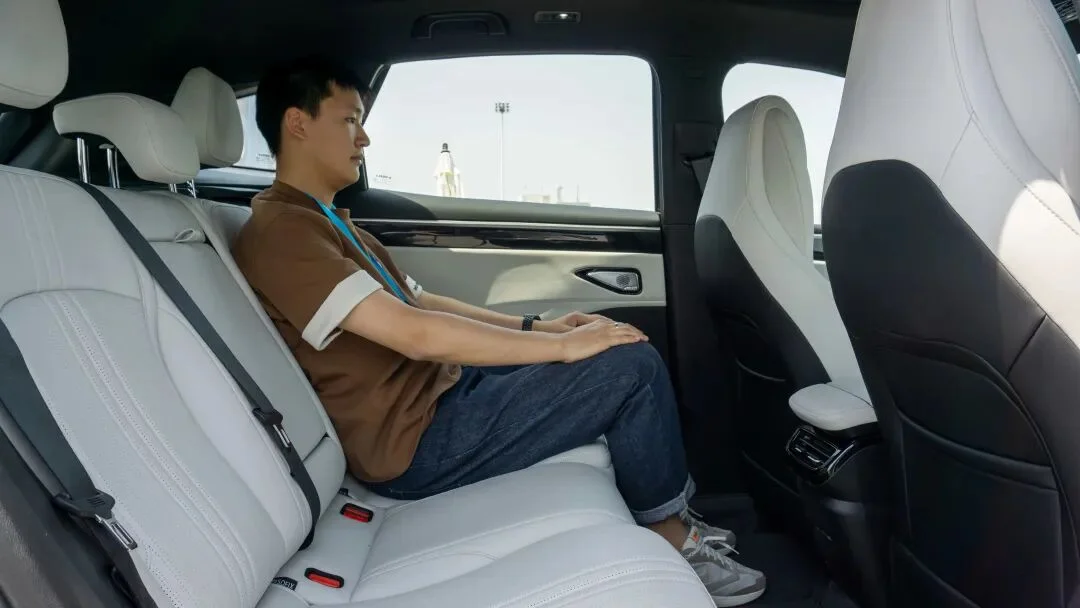

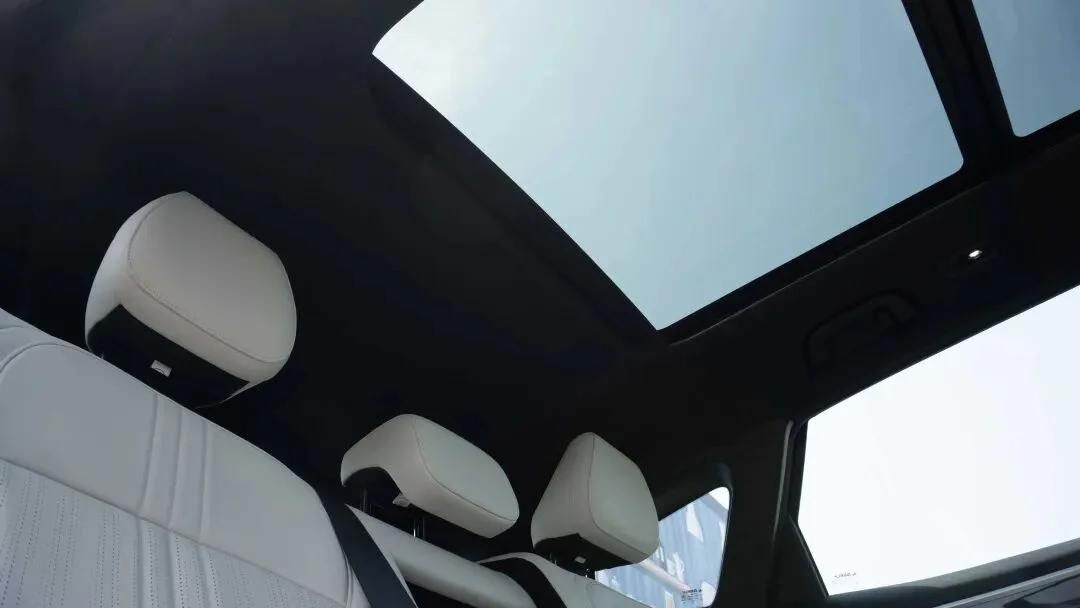
With natural seating, the panoramic sunroof extends directly over the rear passengers’ heads, allowing for headroom of about two fists. Overall, the rear cabin space is quite spacious.

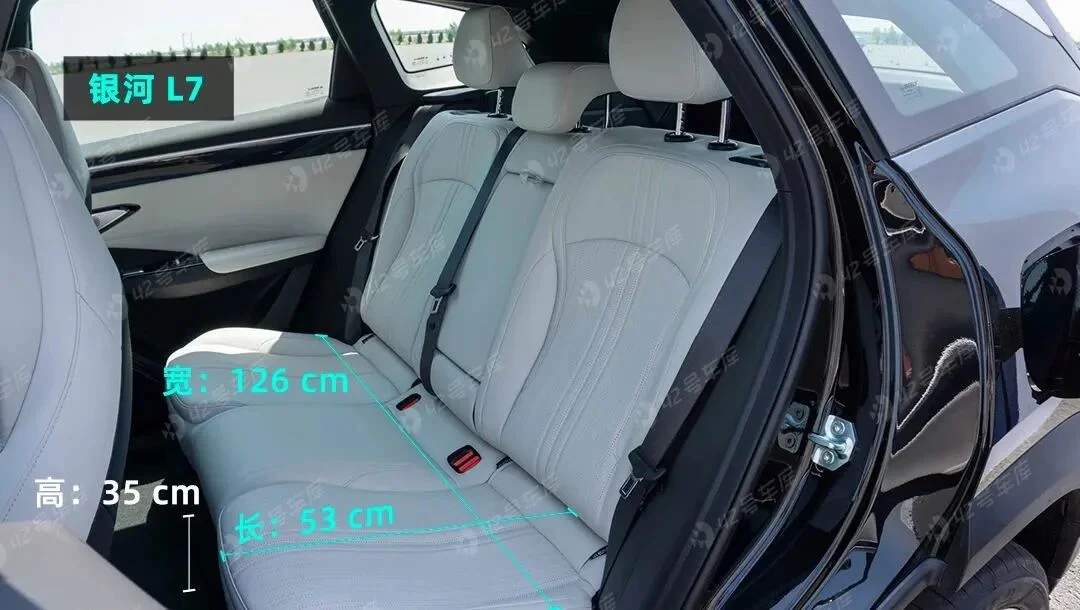
In terms of riding comfort, the rear seat cushion of the Geely Galaxy L7 is 35 cm high, 53 cm long, and 126 cm wide, with data that are quite outstanding. In actual experience, the filling material of the Geely Galaxy L7's seat cushion is relatively soft, providing a good comfort experience, and the rear middle floor is also completely flat, so even with three people fully loaded, it won't be too uncomfortable.
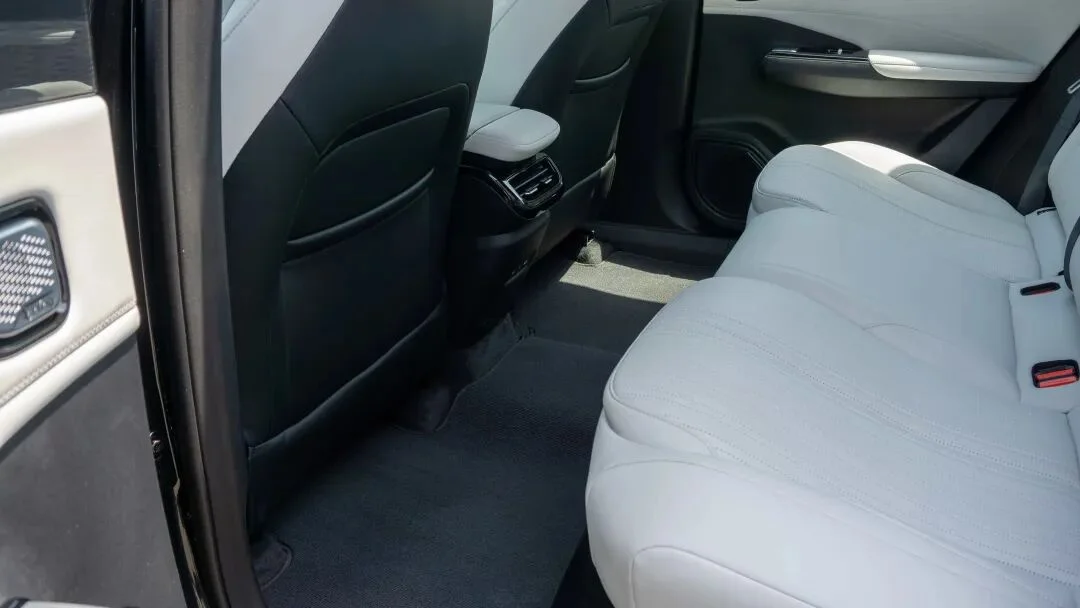
Considering the comfort of the Geely Galaxy L7, it meets the standards expected of a family-oriented A-class SUV in terms of experience, design, and practicality. The rich cabin configuration and A+ class space have already elevated the competitiveness of the Geely Galaxy L7 to align with higher-tier products.
03Exterior Review
The Geely Galaxy L7 measures 4,700 × 1,905 × 1,685 mm in length, width, and height, with a wheelbase of 2,785 mm, fitting the standard compact SUV category. Its overall dimensions are similar to those of the BYD Song PLUS (4,705 × 1,890 × 1,680 mm, wheelbase 2,765 mm).
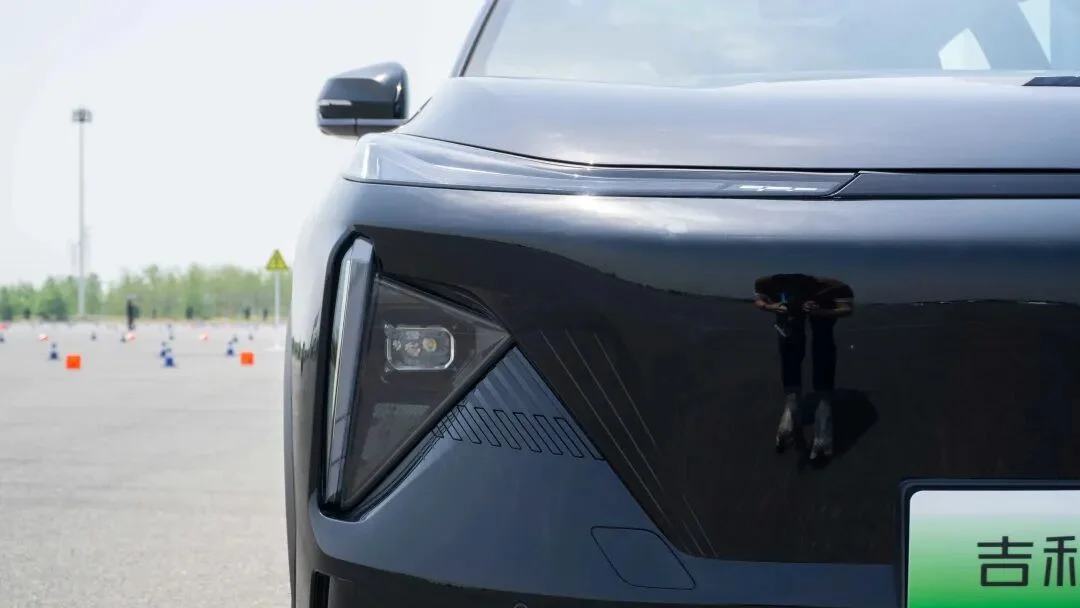
The target demographic for compact SUVs in this segment is becoming increasingly younger, and the Galaxy L7’s design language reflects this youthful orientation. The front end features split headlight clusters and a closed-off grille, making it instantly recognizable as a new energy vehicle. Although the overall styling echoes the Boyue L, distinct details give the Galaxy L7 a more unique personality.
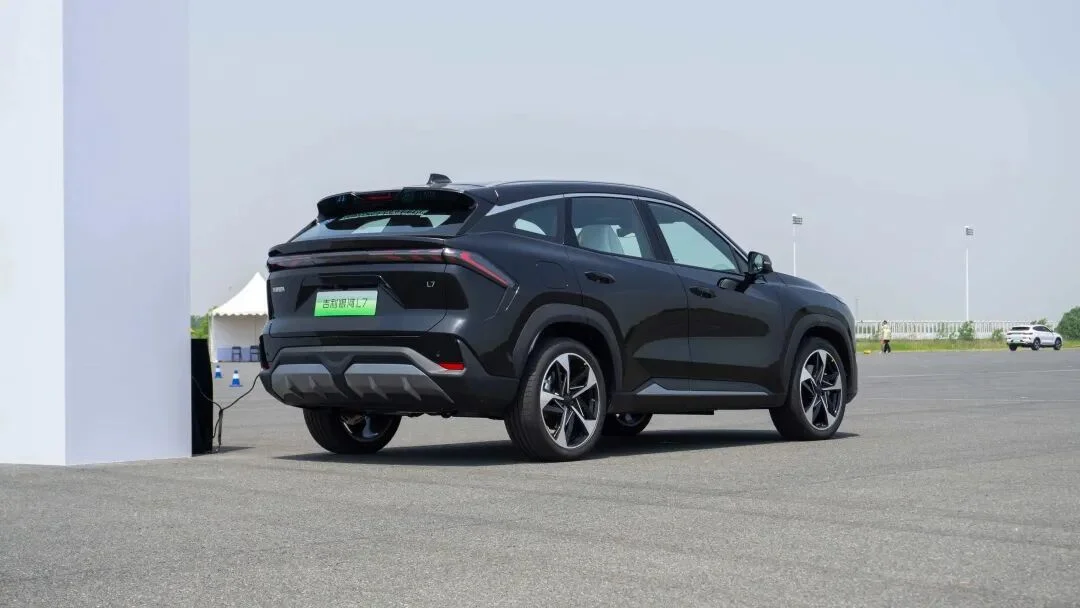
The taillights feature segmented, block-style fishbone LED designs, which are quite similar to the Y-shaped taillights of Lanbojini. The Geely Galaxy L7 extends its taillight clusters to below the fenders on the vehicle's sides, creating a sporty aesthetic.
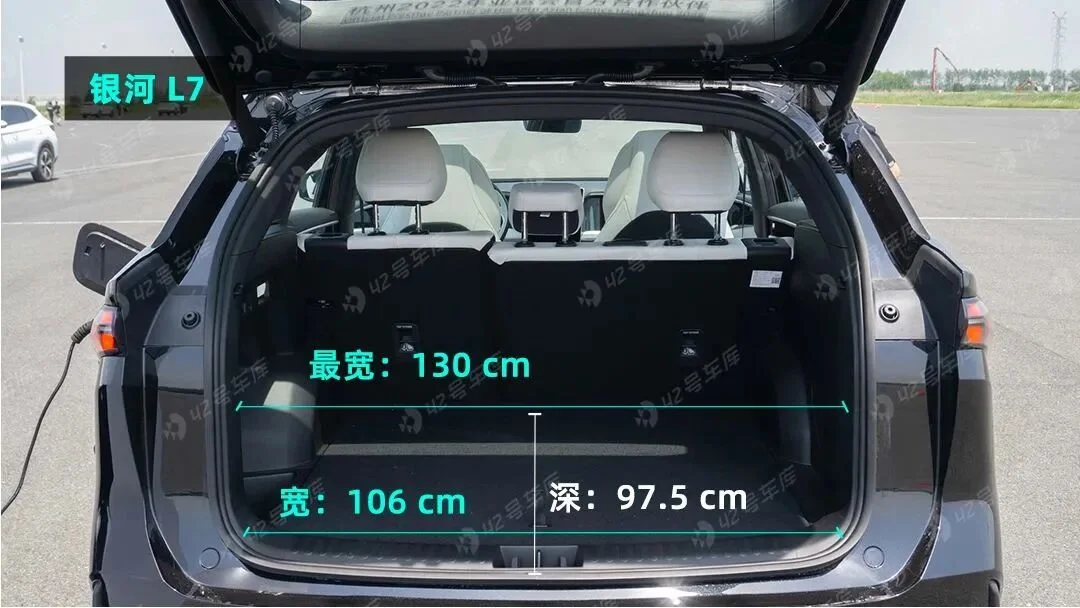
As an aside, regarding the trunk space of the Geely Galaxy L7: the measured trunk depth is 97.5 cm, width is 106 cm, and the maximum width reaches 130 cm, nearly matching the space of many mid-size SUVs, so there is no need to worry about its practicality for daily family use.
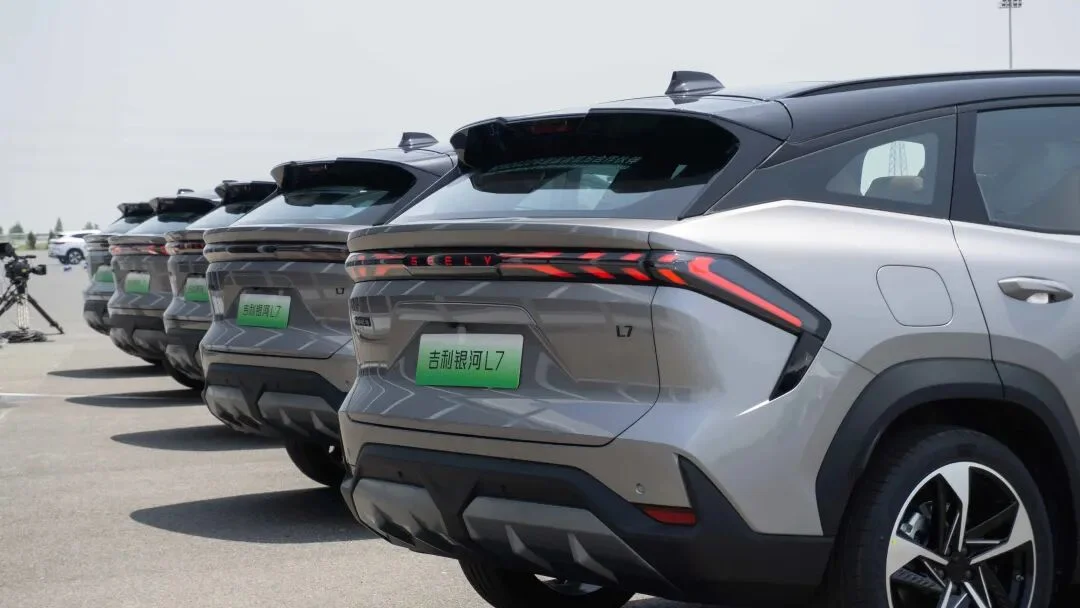
Overall, the Geely Galaxy L7 features a relatively clean exterior design with sporty styling cues. This approach helps it establish a distinct identity within its class while also appealing to younger consumers.
04Final Thoughts
For A-class SUVs in the RMB 150,000 price range, the primary demand is for a high cost-performance family SUV. Once the price enters the RMB 200,000 range, requirements for quality arise alongside cost-effectiveness. Therefore, for the Galaxy L7 positioned under RMB 200,000, ensuring family comfort is the top priority, while other configurations, powertrain performance, and handling capabilities must also be present to enhance competitiveness. It is not difficult to see how fiercely competitive this market has become.
The sales benchmark for compact SUVs is BYD’s Song family. Priced around RMB 150,000, the Song series sold 475,000 units in 2022, accounting for 25.5% of BYD’s total sales—a staggering figure. Beyond the BYD Song, the market between RMB 100,000 and RMB 200,000 remains heavily dominated by internal combustion engine vehicles. As the debut model of Geely’s Galaxy series, the Geely Galaxy L7 enters this fiercely competitive segment head-on. On one hand, its features and driving experience are certainly up to par; on the other, it signals Geely’s confidence in the Galaxy L7’s pricing strategy, which may well deliver a pleasant surprise.
Written by: Jiang Xiaohei Edited by: Jiang Xiaohei