


How Li i8 Achieves Class-Leading Range Through Systemic Efficiency
19.5 and 68.3% are the figures we previously recorded for the Li i8's highway energy consumption and range achievement rate, respectively, while maintaining an average speed of 92.1 km/h.
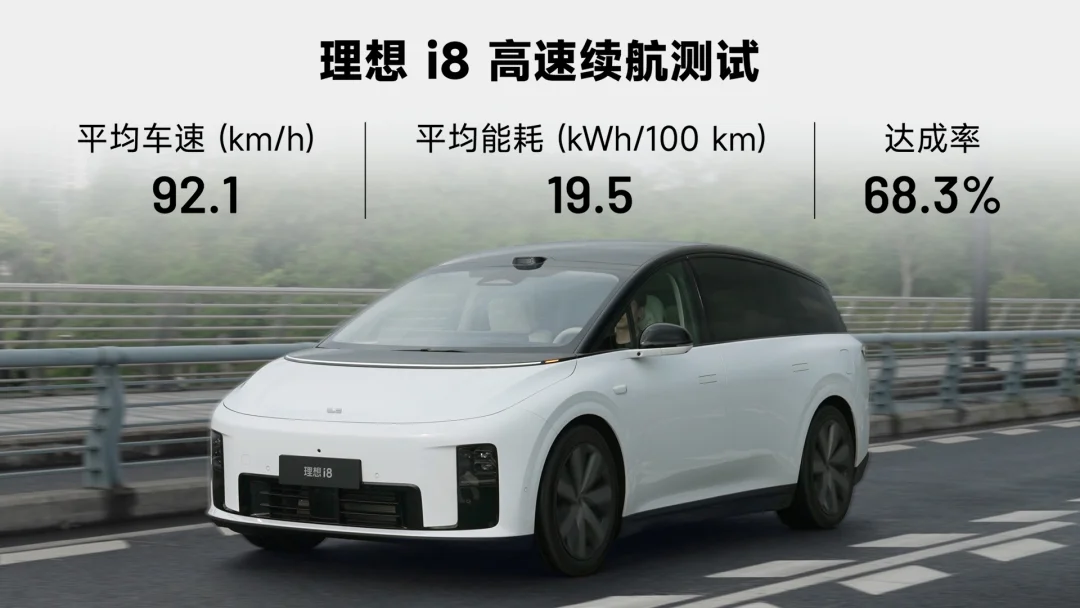
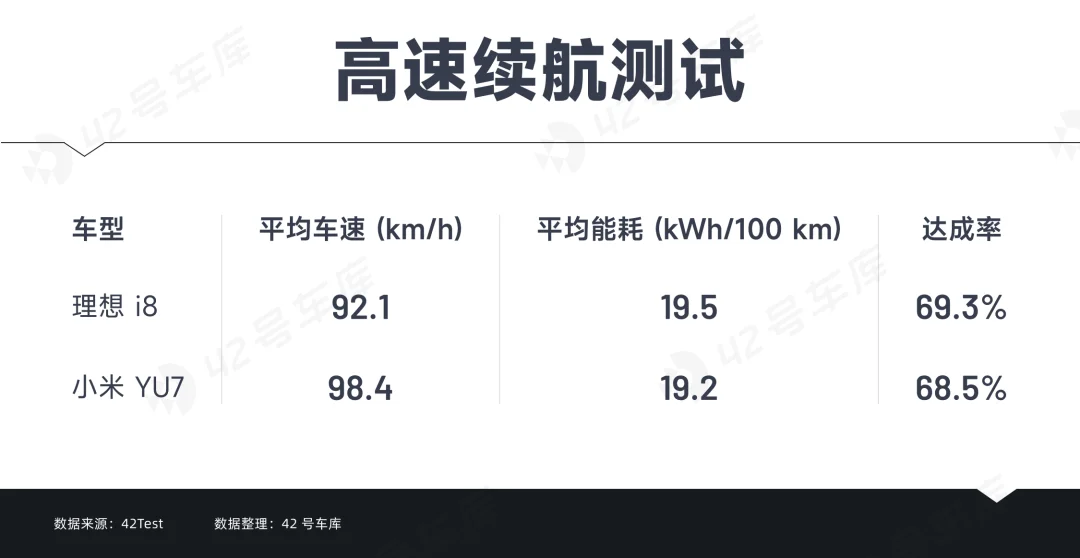
At first glance, this result might seem unremarkable. But if we use the Xiaomi YU7's performance as a reference point, you'll find that the Li i8's showing is actually quite impressive. Keep in mind that the Li i8 is a large vehicle with dimensions approaching 5.1 meters, space comparable to a "Series 9," and a curb weight of over 2.6 tons. Yet, it achieved the same range performance as a model one size smaller in both dimensions and positioning, using a battery with a smaller capacity. The effort behind this is self-evident.
While no one would turn down longer range for a pure electric vehicle, Li Auto already has more than 3,100 supercharging stations, making energy replenishment relatively convenient. At this point, is it really necessary to pursue ultra-long range, even if it means facing challenges in exterior design due to energy consumption and range considerations?
01Long Range Solves More Than Just Anxiety
To understand why the Li i8 pursues ultra-long range, one only needs to look back at Li Auto's development path; the answer becomes clear. From extended-range to pure electric, this automaker has always had a clear objective: to address the pain point of EV range anxiety through different technological approaches at different stages.
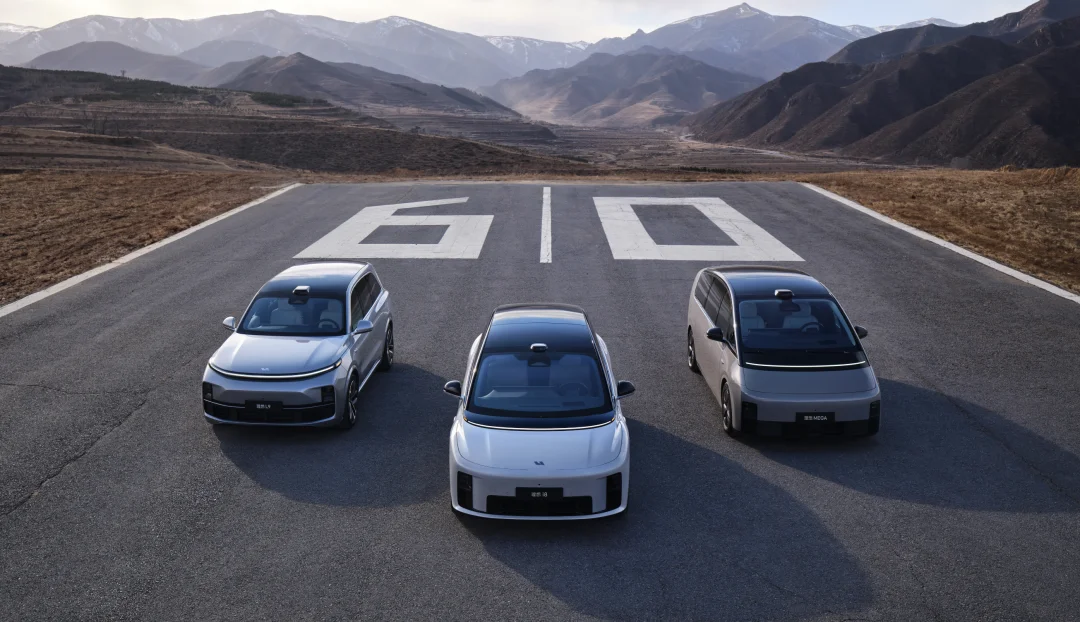
The earliest Li ONE, followed by the L Xilie, belonged to the extended-range era. This technology route was adopted primarily because early charging infrastructure in China was insufficient, making charging difficult and the experience poor. Additionally, for most consumers who had not yet experienced pure electric vehicles (EVs), there were significant concerns about EVs at the time, particularly regarding range. The combination of a large battery, fuel tank, and range extender allowed users to enjoy the smooth and comfortable power response of pure electric drive without worrying about range anxiety, making it more readily accepted by the market.
However, as the industry entered the pure electric era, Li Auto’s strategy shifted. They aimed to achieve longer range through ultra-low energy consumption, supplemented by Li Auto’s comprehensive supercharging network, to systematically address this issue. For EVs, achieving ultra-long range solves not only range anxiety but also allows for a more relaxed and free daily driving experience once sufficient range is secured.
First, longer range means covering greater distances on a single charge, reducing the frequency of mid-trip charging and enhancing travel quality, especially during holidays when highway charging resources are scarce. Imagine driving an EV with shorter range: for the same distance, you would need to stop at service areas more often to charge, leading to frequent queues. Having your entire family wait with you in line is a very poor experience, one that EV users likely know well.
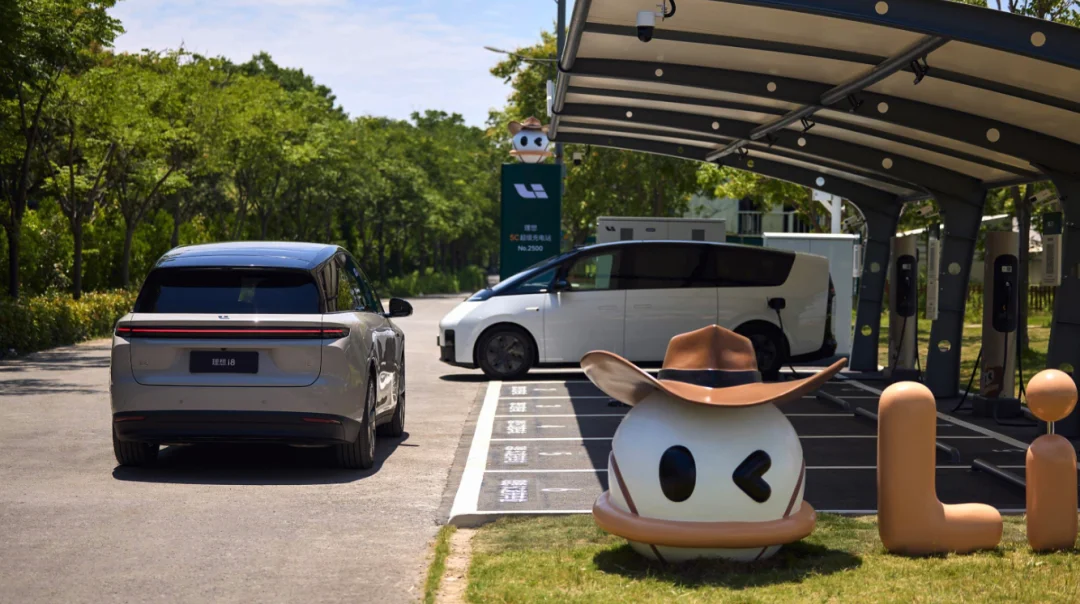
If the range is sufficiently long, you can avoid charging altogether or charge less frequently. Whether you enter a charging station or which service area you choose becomes a matter of personal control. The difference in experience between being passive and being active is stark.
Another scenario involves spontaneous trips. With 50% battery remaining, the sense of security provided by a vehicle with 500 km of range versus one with 700 km is vastly different. This is precisely why the Li i8 pursues low energy consumption and long range.
02Efforts Made for Range
To achieve extended range, Li made extensive efforts on the i8. For electric vehicles, achieving low energy consumption is not a matter of simply adopting an aerodynamic shape or using energy-saving tires; it is a highly complex systemic engineering challenge.
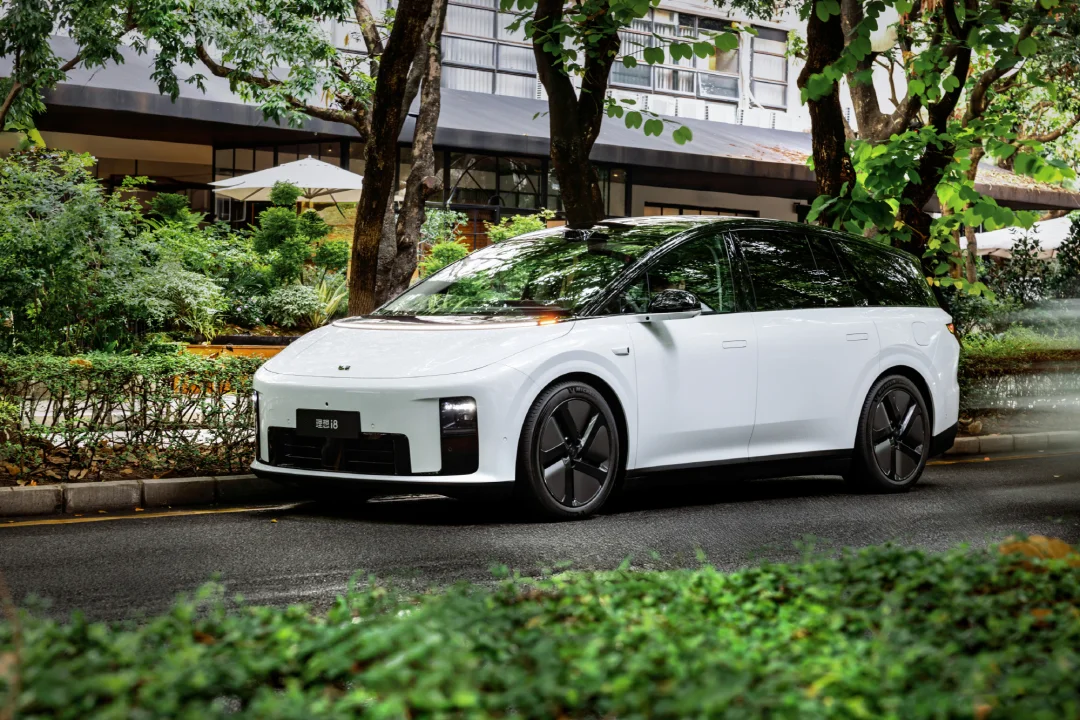
Some might ask: What’s so complicated about that? To get longer range, just install a larger battery, right? While this is the most straightforward approach, it is not the optimal solution. Blindly increasing battery capacity creates several problems, the most direct being increased weight. This triggers a chain reaction: heavier batteries require reinforced chassis components, such as suspension and brakes, which further add to the vehicle’s mass. The higher curb weight then demands more energy for acceleration and to overcome tire rolling resistance, leading to higher overall energy consumption. Increased consumption reduces range, creating a vicious cycle akin to "adding water when there's too much flour, and adding flour when there's too much water." Therefore, merely stacking batteries does not fully translate into significantly longer range, yielding diminishing marginal returns.
Beyond weight, another issue with larger batteries is cost. Higher capacity inevitably drives up costs, which would negatively impact pricing and reduce competitiveness. In China’s fiercely competitive market, this is unacceptable. Thus, capable automakers do not blindly increase battery size; instead, they use technological innovation to break the EV "weight–consumption–cost" death spiral, ensuring that every additional kilowatt-hour of battery capacity maximizes effective range.
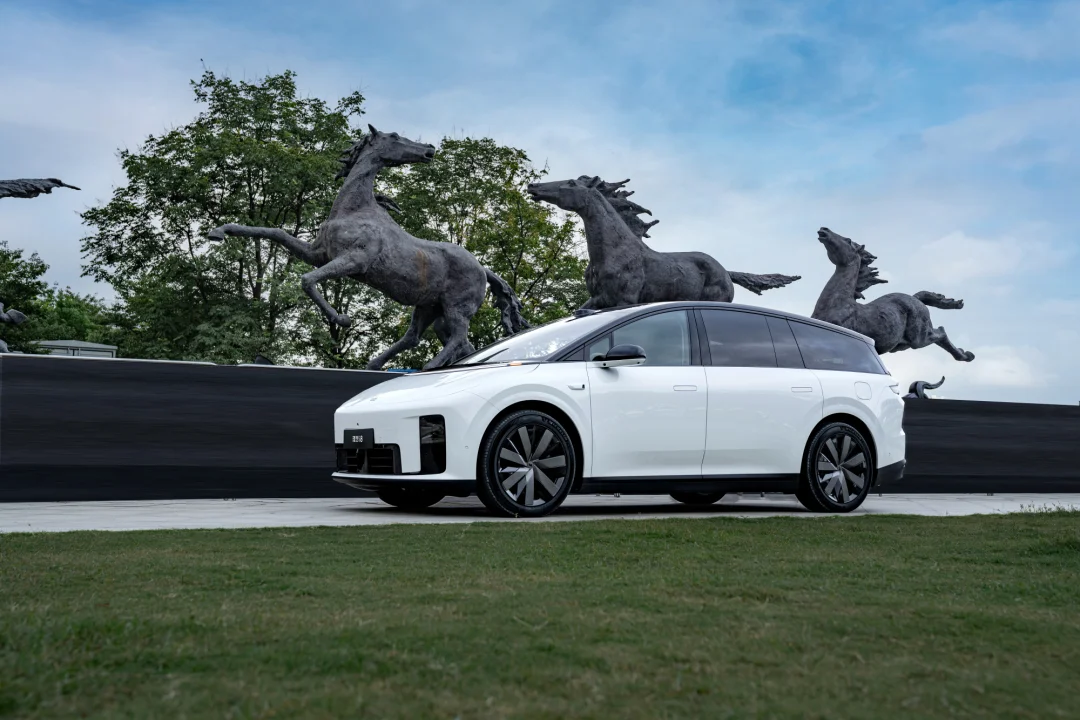
The Li i8 serves as a prime example. To achieve low energy consumption, it addresses the problem across all dimensions, including exterior styling, the three-electric systems (battery, motor, and electronic control), chassis, thermal management, and whole-vehicle lightweighting.
For pure electric models, the first thing people think of to reduce energy consumption is exterior design. At speeds exceeding 110 km/h, approximately 80% of power is used to overcome air resistance. Reducing the drag coefficient by 0.01 typically increases range by about 5–8 kilometers, which is significant. Considering current battery costs, the return on investment for reducing aerodynamic drag remains highly favorable.
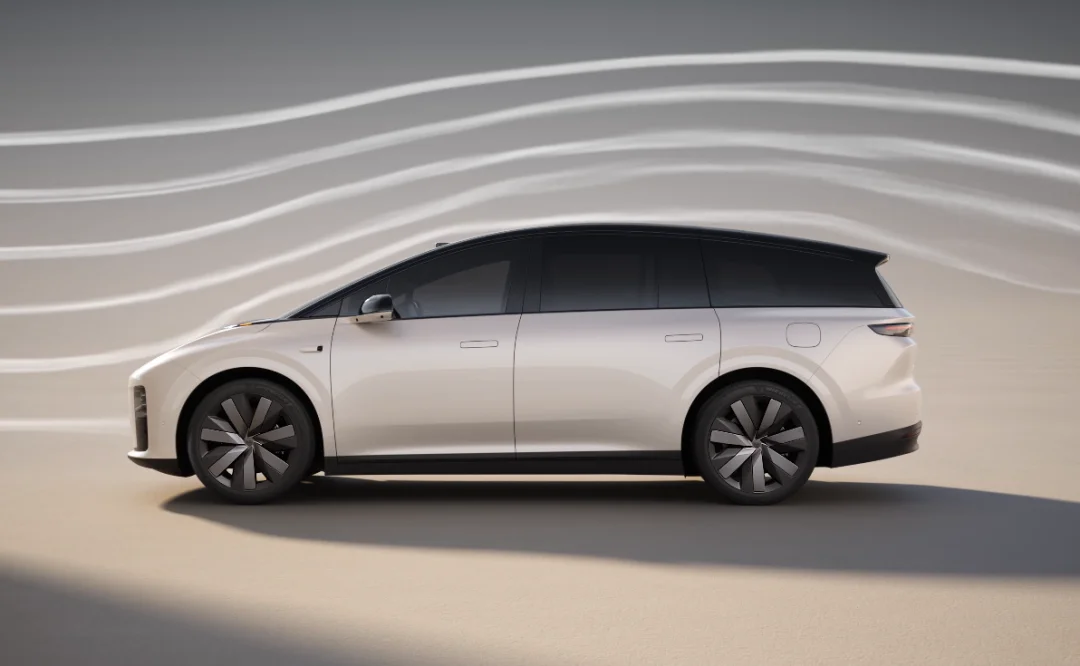
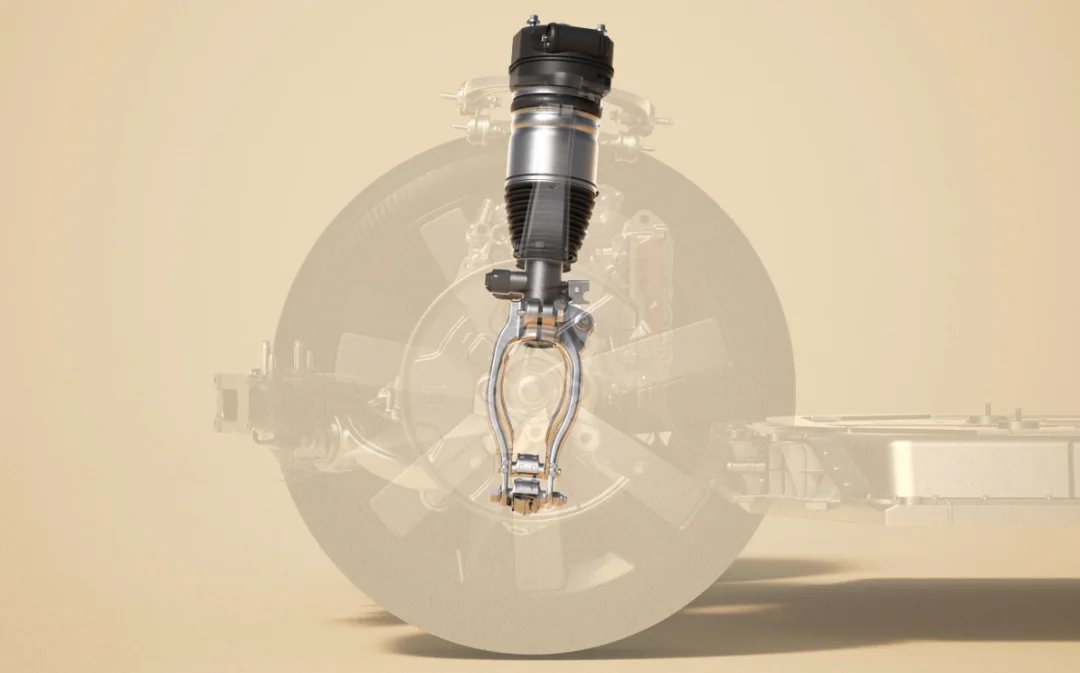
Even among pure-electric SUVs, it is rare to see a model like the Li i8 pursue such a streamlined exterior design solely to minimize aerodynamic drag. The company’s resolve was absolute, resulting in an exceptionally low drag coefficient of just 0.218 for the Li i8. However, this low drag is not achieved through styling alone; the chassis also plays a critical role. Equipped with dual-chamber air suspension, the Li i8 automatically lowers its ride height by 25 mm at speeds above 100 km/h to further reduce aerodynamic resistance during high-speed travel.
Beyond aerodynamics, achieving true low energy consumption requires significant improvements in drivetrain and vehicle thermal management efficiency. In terms of core electric vehicle technology—the battery, electric motor, and electronic control systems—the Li i8 adopts a full-domain 800 V high-voltage architecture and a fully self-developed, highly efficient electric drive system.
The advantages of 800 V systems are well known. Automakers consistently highlight low energy consumption as a key benefit when promoting their 800 V platforms. Basic physics tells us that for a given power output, doubling the voltage halves the current. Furthermore, Joule’s Law (Q=I²Rt) demonstrates that reducing the current decreases heat loss caused by electrical resistance in wiring harnesses and onboard electrical components.
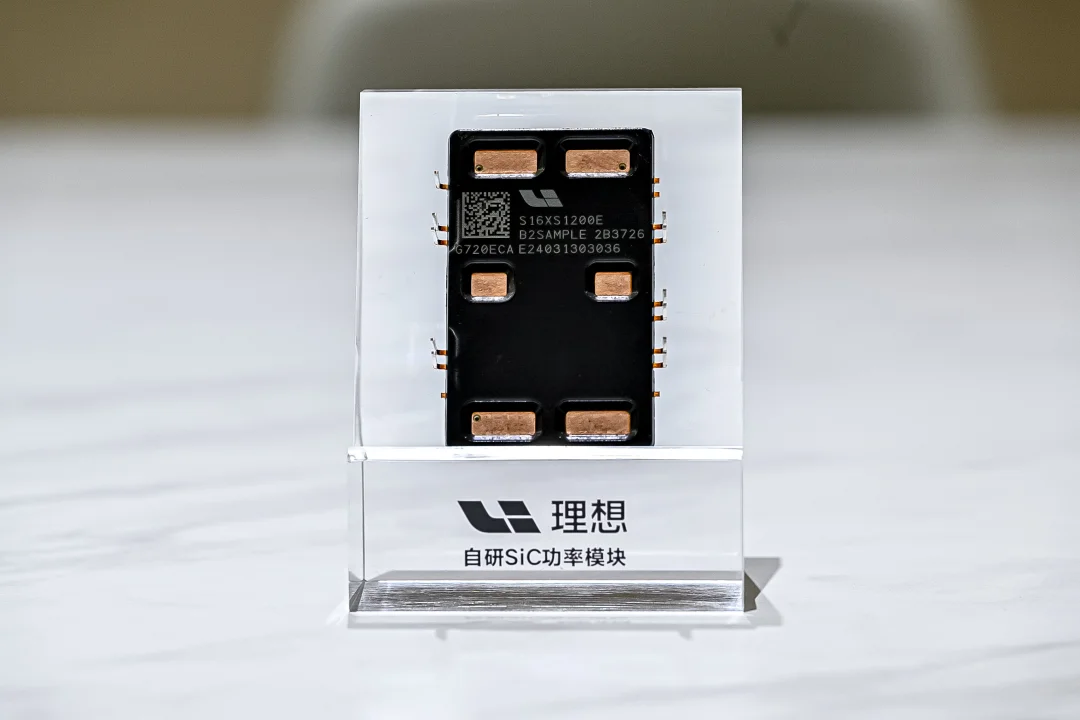
To fully realize these benefits, 800 V systems require Silicon Carbide (SiC) as a crucial partner. Compared to the more common Insulated-Gate Bipolar Transistors (IGBT), SiC offers faster switching speeds—5 to 10 times quicker—which allows operation at higher frequencies, typically above 50 kHz, whereas IGBTs are usually limited to below 20 kHz. This results in significantly lower switching losses. The Li i8 features self-developed SiC power chips that utilize a rare hexagonal cell structure, uncommon in the industry, to achieve lower internal resistance and reduce self-generated heat loss.
On the drivetrain side, Li Auto uses a costlier, self-developed electric drive lubricant. This formulation reduces oil viscosity while maintaining superior lubrication and flow properties in cold temperatures, thereby optimizing range performance in winter conditions. Combined with self-developed control software, the Li i8 achieves the highest electric drive efficiency in its class.
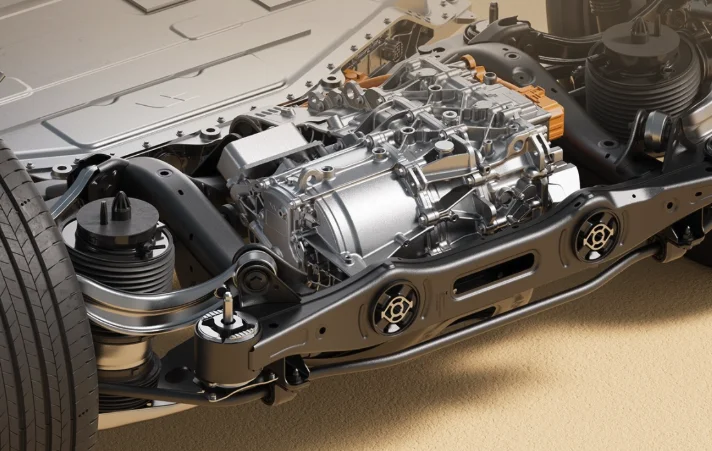
As for thermal management, many are familiar with Tesla's renowned eight-way valve, which flexibly distributes heat across different zones to improve energy efficiency and achieve remarkably low consumption. The Li i8 employs a similar approach, utilizing a multi-source heat pump and a highly integrated thermal management system to deliver excellent thermal performance. For instance, to meet the demands of cell heating during 5C ultra-fast charging and cabin air conditioning cooling, the Li i8 efficiently coordinates its water-cooling and air-conditioning systems. If the water-cooling system alone cannot satisfy battery temperature reduction needs, the system can engage the air conditioner's refrigerant to enhance cooling capacity.
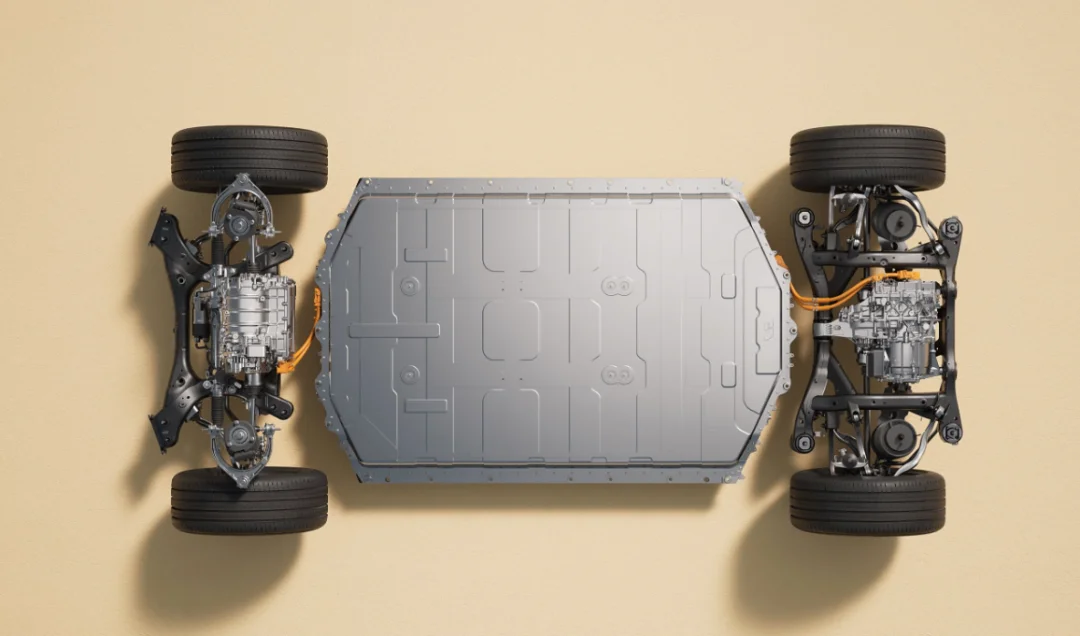
Especially in winter, an environment unfavorable for electric vehicles, Li i8's thermal management system still ensures excellent energy consumption and range performance. According to data provided by Li Auto, compared to models without a heat pump, Li i8 reduces thermal management energy consumption by 43%, and its CLTC range at -7°C increases by 60 km. Coupled with designs such as active front grilles, rear e-drive insulation, highly integrated modules, and dual-stream air conditioning boxes, it effectively reduces energy waste in low temperatures. Through direct heat pumps combined with full-vehicle insulation, Li i8 achieves a significant reduction in thermal management energy consumption, increasing winter range by approximately 76 kilometers.
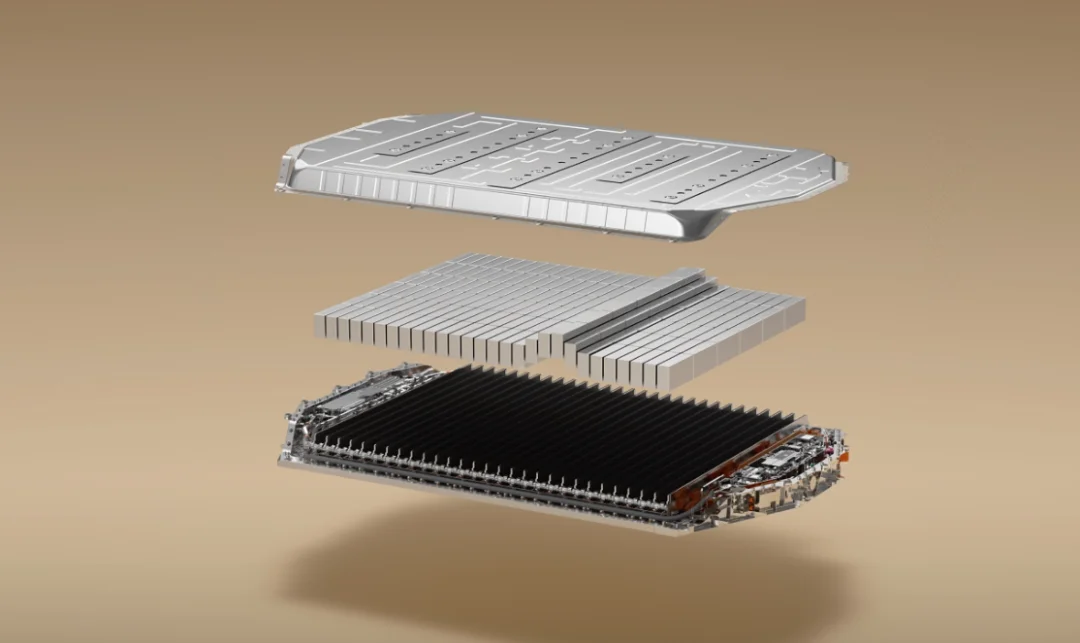
Of course, the ultimate factor determining how far it can run is still battery capacity. But what we are discussing here is not how many kilowatt-hours the Li i8 battery holds, nor how fast its 5C charging is, but rather its "energy-saving" capability. By adopting technologies such as ultra-conductive high-activity cathodes and low-viscosity, high-conductivity electrolytes, the impedance of the i8 cell was reduced by 30 to 40 percent, with power capability correspondingly increased by more than 30 to 40 percent. If viewed through the lens of whole-vehicle range test conditions, this means a reduction of 1 percent in internal resistance energy loss during discharge, resulting in an overall range increase of 2 percent.
As can be seen, Li i8 has a very clear goal: to achieve the longest range in its class. To reach this target, every detail is meticulously refined without overlooking anything that could reduce energy consumption, thereby helping Li i8 users bid farewell to range anxiety.
03The "Car + Charging Pile" Combination Delivers the Perfect Experience
For the Li i8, alleviating range anxiety relies not only on its exceptionally long driving range but also on its outstanding 5C charging capability and Li Auto's network of more than 3,100 supercharging stations, which continues to expand. It is this combination that truly enables the Li i8 to resolve range anxiety.
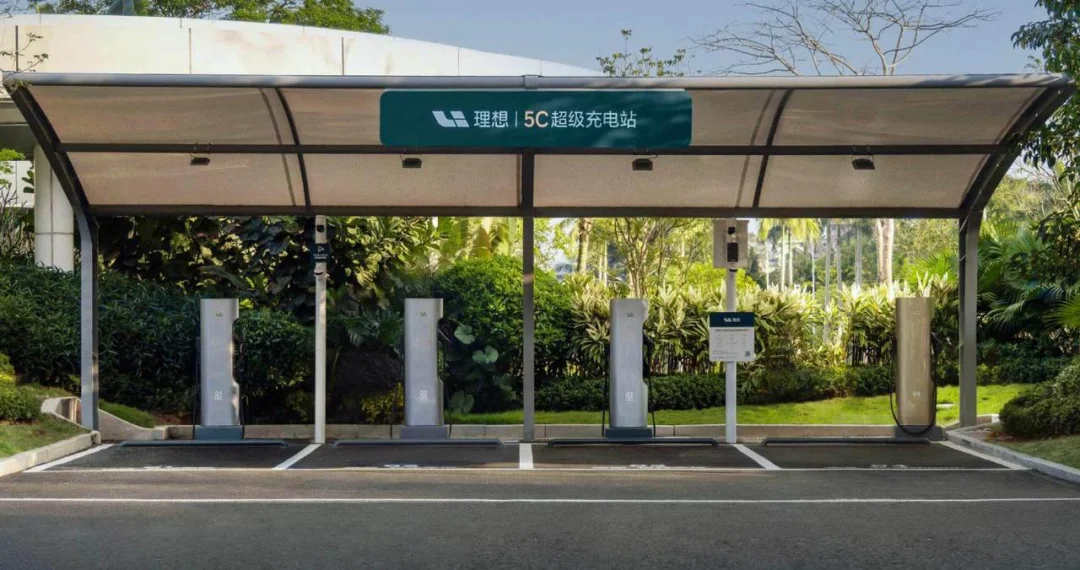
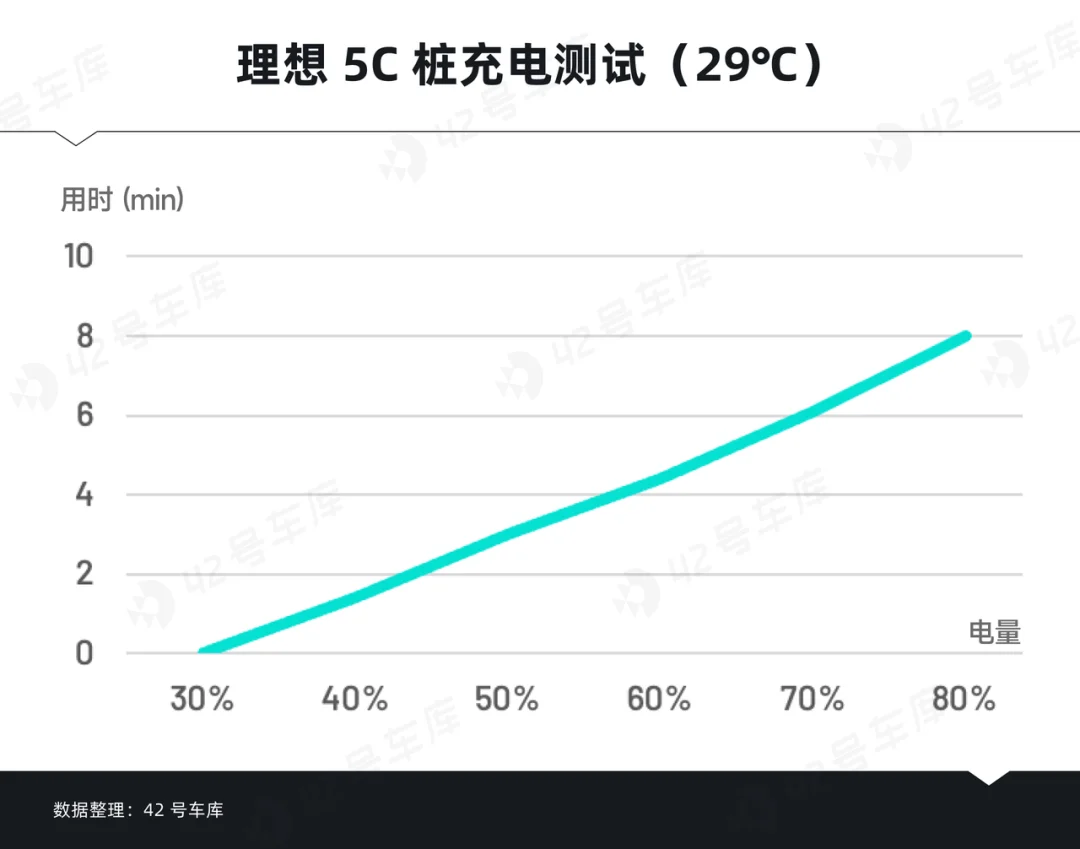
Owners who have used Li Auto’s 5C charging network will likely agree that the brand currently offers the best charging experience among all new energy vehicle manufacturers. This impression becomes even more pronounced when compared with other brands. From route planning to unlocking the connector and finally plugging in, the process is nearly seamless. Of course, the most impressive aspect is the charging speed. We previously tested the Li i8 on Li Auto’s 5C network, achieving a 30% to 80% charge in just eight minutes—a remarkably fast pace.
But speed is only one of the advantages offered by Li Auto’s more than 3,100 supercharging stations. Another significant benefit is the certainty it provides users regarding energy replenishment. When you drive out, whether for a long trip or not, as long as there are Li Auto supercharging stations along your route or at your destination, you no longer need to worry about whether you can find a place to charge.
04Conclusion
After experiencing the Li i8 comprehensively, you can appreciate that this product was built following the 'first principles.' To achieve ultra-low energy consumption, it utilizes the longest pure-electric range in its class to alleviate range anxiety. Through systematic engineering innovation centered on 'user needs,' it pursues extreme experiences in styling, the battery-motor-electronic control systems, and charging. Furthermore, through an ecosystem layout combining 'vehicles and charging piles,' it provides one of the most secure and convenient pure-electric solutions available in the market today.
As industry competition shifts from spec wars to experience-driven differentiation, the Li i8 has demonstrated an alternative approach to solving problems in the large six-seat pure-electric segment.
Written by: Wentao | Edited by: Wentao