


21st Guangzhou International Auto Show Opens; Xiaomi SU7 Listed in MIIT Registry; NIO Launches Pilot Highway Battery Swap Feature; XPENG Releases Q3 Financials | Weekly Highlights
01 Weekly Index
02Weekly Highlights
Domestic Brands Showcase New Energy Sedans at Guangzhou Auto Show
On November 17, the 21st Guangzhouguojiqichezhanlanhui opened. At this year's Guangzhou Auto Show, a large number of domestic brand new energy vehicles were on display; sedans included the AVATR 12, Zeekr 007, Geely Galaxy E8, Zhijie S7, and others. In the upcoming 2024, the sedan market may become even more competitive.
AVATR 12: More than fifteen thousand confirmed orders within six days of launch
AVATR 12 offers three trim levels, with prices ranging from RMB 300,800 to RMB 400,800. Customers can enjoy limited-time benefits worth up to RMB 30,000. Within six days of its launch, AVATR 12 has secured more than fifteen thousand confirmed orders.
In terms of intelligent systems, the AVATR 12 is equipped with the Hongmengzuocangxitong developed based on HarmonyOS 4 and Huawei's intelligent driving system, HUAWEI ADS 2.0. Among them, the ADS 2.0 integrates three LiDARs and nineteen active safety functions, eliminating reliance on high-definition maps to enable driving on roads nationwide. It also supports features such as AEB (Automatic Emergency Braking) and GAEB (Emergency Braking for Irregular Obstacles), demonstrating the vehicle's competitiveness in the field of intelligent safety.
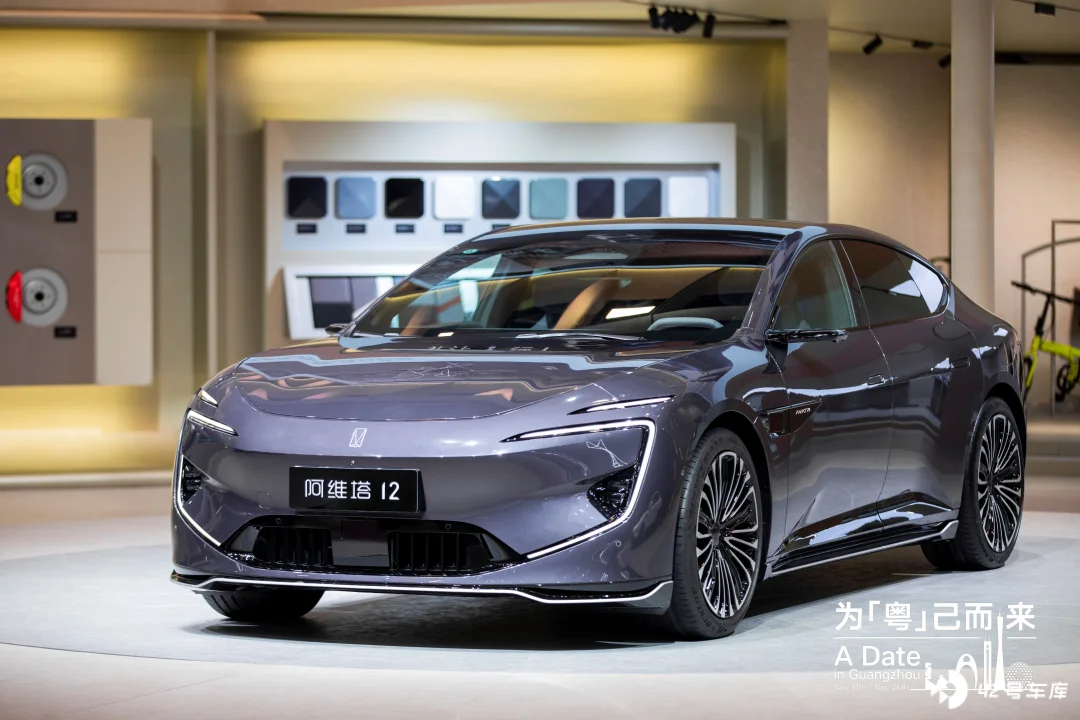
In terms of exterior design, the new car adheres to the "Future Elegance" overall design philosophy, innovatively adopting an all-view extreme coupe styling, a fully quiet-luxury liftback rear without a rear quarter window, and all-weather zero-latency ultra-clear electronic side mirrors.
In terms of power and range, the new car adopts Huawei DriveOne high-voltage electric drive system. The dual motors deliver a maximum power output of 425 kW, providing superior performance while achieving a CLTC combined driving range of 700 km.
Zeekr 007: Pre-sale price starts at RMB 224,900; deliveries begin in January next year
At the Guangzhou Auto Show, Zeekr announced that the pre-sale price for the Zeekr 007 starts at RMB 229,900. Consumers can enjoy a RMB 6,000 purchase discount by paying a RMB 1,000 reservation deposit. This means the pre-sale price after the discount starts at RMB 224,900. The official stated that the model will be officially launched and delivered to consumers in January 2024.
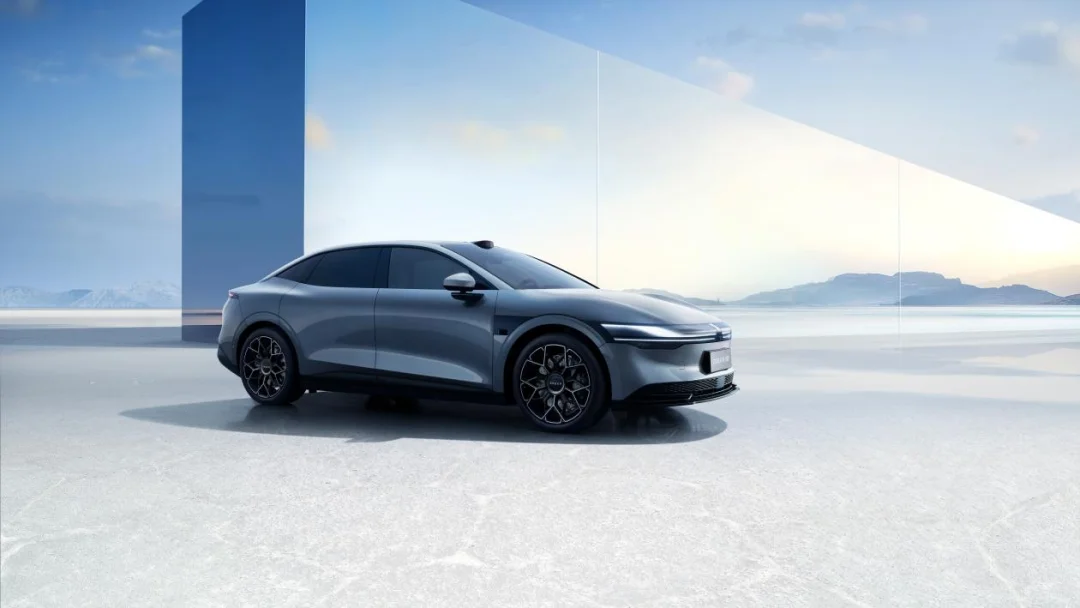
Regarding dimensions, the Zeekr 007 measures 4,865 mm in length, 1,900 mm in width, and 1,450 mm in height, with a wheelbase of 2,928 mm.
Regarding the powertrain, all Zeekr 007 models are standard-equipped with a high-performance 800 V electrical architecture, and the rear motor's maximum power can reach 310 kilowatts. In terms of performance, the rear-wheel-drive model has a zero-to-100 km/h acceleration time of 5.4 seconds, while the four-wheel-drive model can complete the zero-to-100 km/h acceleration in 2.84 seconds, demonstrating strong power performance. The entry-level model of Zeekr 007 achieves a CLTC range of 688 km, and the long-range version reaches up to 870 km.
For intelligent technology, the vehicle is equipped with an advanced smart cockpit computing platform, AI large language model capabilities, a 35.5-inch AR-HUD, a 15.05-inch 2.5K OLED central control screen, and a 21-speaker 7.1.4 Dolby Atmos sound system.
In the realm of autonomous driving, the Zeekr 007 features the NVIDIA DRIVE Orin SoC as standard, providing 508 TOPS of computing power. It is also fitted with one LiDAR unit, 12 HD cameras, and five millimeter-wave radars. Based on this hardware suite, the NZP (Navigation Zhi Pilot) highway assist function will be activated via software update after vehicle delivery.
Geely Galaxy E8
On November 17, the Geely Galaxy E8 made its public debut at the Guangzhou Auto Show. As the first pure-electric sedan in the Geely Galaxy series, the E8 is built on the SEA architecture, marking it as the inaugural pure-electric sedan based on this platform. Leveraging the high scalability and flexibility of the SEA architecture, the Galaxy E8 incorporates design elements such as an integrated light-emitting front fascia, achieving an ultra-low drag coefficient of 0.199.
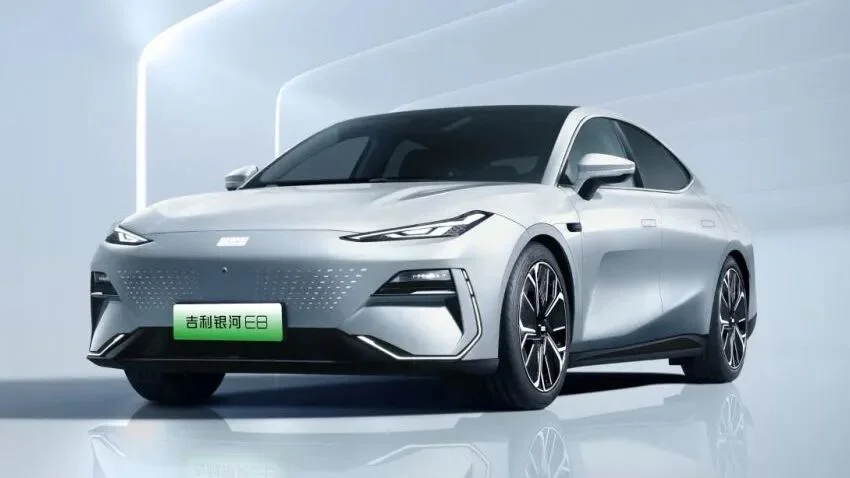
The vehicle's interior also features highlights, including a high-definition 45-inch 8K screen and the Qualcomm Snapdragon 8295 chip, further enhancing the cabin experience of the Geely Galaxy E8.
In terms of power and range, the new car adopts 800 V high-voltage fast-charging technology combined with silicon carbide electric drive to achieve rapid charging capabilities. In just five minutes of charging, it can provide approximately 180 km of range, with a maximum range of 665 km.
Zhijie S7
One week before the Guangzhou Auto Show, Zhijie S7 was officially launched and pre-sales began. The model comes in four variants with a pre-sale price starting at RMB 258,000. Customers who place orders within the limited period can enjoy RMB 40,000 worth of optional equipment benefits. As the first pure-electric sedan product under Huawei’s Smart Selection business and the first collaboration model between Huawei and Chery, Zhijie S7 is led by Huawei in its development. Its hardware includes a full-domain 800 V high-voltage platform, Huawei ADS 2.0 autonomous driving system, and HarmonyOS 4 smart cockpit.
At the Guangzhou Auto Show, Zhijie S7 and multiple AITO models were exhibited together at the Hongmeng Intelligent Mobility booth.
Furthermore, Richard Yu revealed to the media that after AITO and Zhijie, there are two more brands to be released in the future: one collaborating with Beiqi and another with Jianghuai.
Two New Xiaomi Models Debut, Named SU7
On November 15, two Xiaomi vehicle models, the SU7 and SU7 Max, were listed in the MIIT announcement as pure-electric sedans. In terms of exterior design, the SU7 does not feature a roof-mounted LiDAR, whereas the SU7 Max is equipped with a single roof-mounted LiDAR.
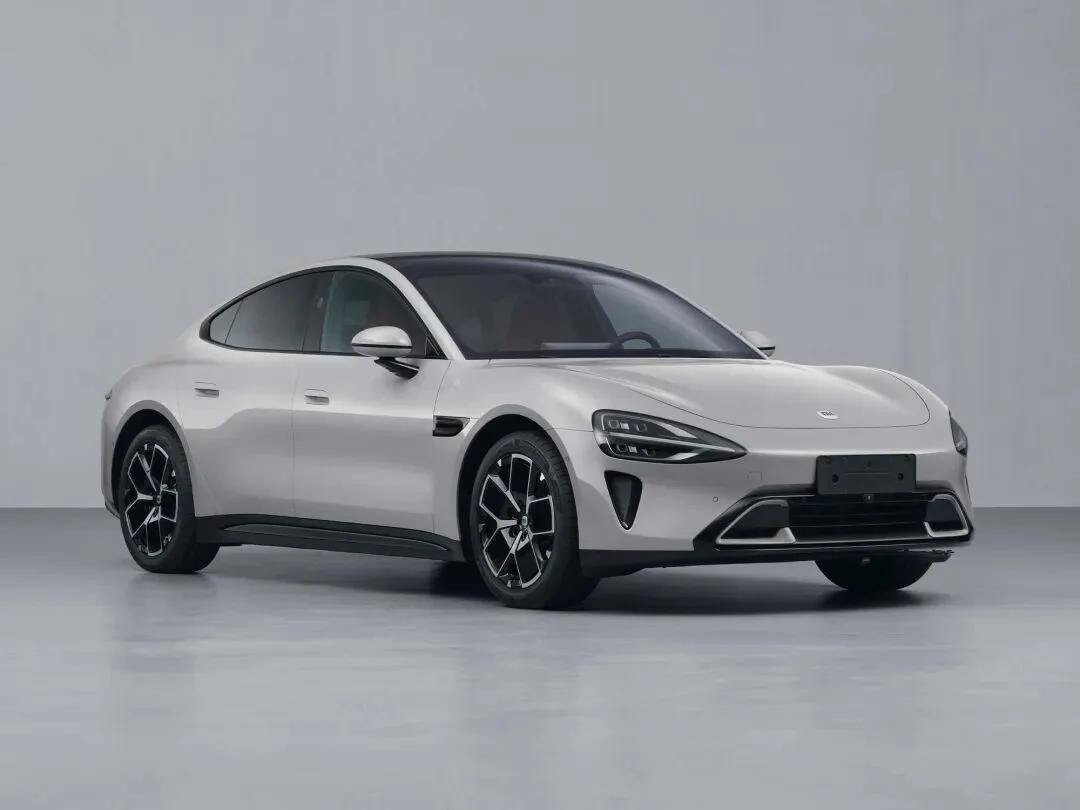
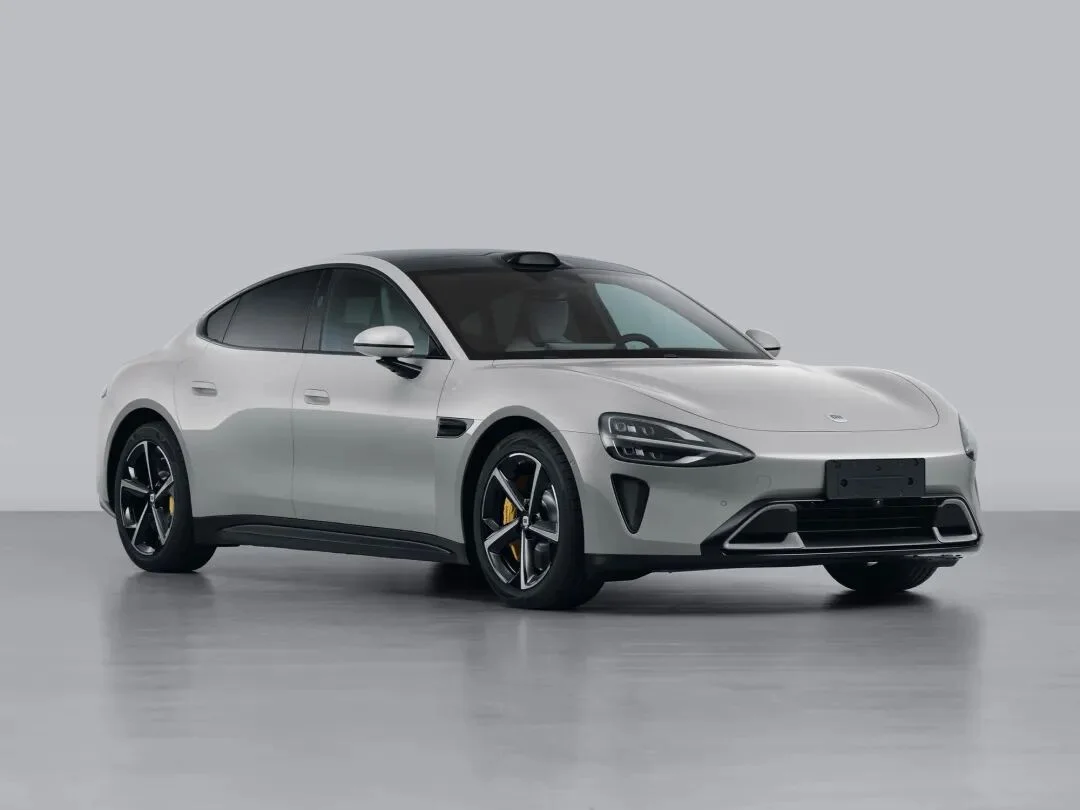
Several details are worth noting:
The rear features the "Beijing Xiaomi" badge, with the model designated as SU7. The enterprise name is Beijingqichejituanyueyecheyouxiangongsi.
Overall dimensions are 4,997 x 1,963 x 1,455 mm.
Maximum speed is 210 km/h.
It uses a 220 kW motor from United Automotive Electronic Co., Ltd.
Optional equipment includes different panoramic glass roofs, various styles of windshields, LiDAR sensors, different wheel rim designs, and painted brake calipers.
Li MEGA Makes Its Debut at the Guangzhou Auto Show
The MPV market is equally competitive. Li MEGA made its debut at the Guangzhou Auto Show, a launch that holds significant importance for both the industry and Li Auto.
First, this is the MPV with the lowest drag coefficient in the world, at just 0.215. At the same time, this is Li Auto's first pure electric vehicle and also its first MPV.
Dimensions are 5,350 mm in length, 1,965 mm in width, and 1,850 mm in height, with a wheelbase of 3,300 mm. Tire specifications are 245/60 R18. For powertrain, the electric motor is supplied by Huawei Technologies Co., Ltd. / United Automotive Electronic Systems Co., Ltd., with power outputs of 155 kW and 245 kW. The top speed is 180 km/h. The seating configuration is 2/2/3; the second-row seats can slide forward and backward, and the third-row seats feature backrests that fold flat into the seat cushions and can flip forward as a whole unit by 85°.
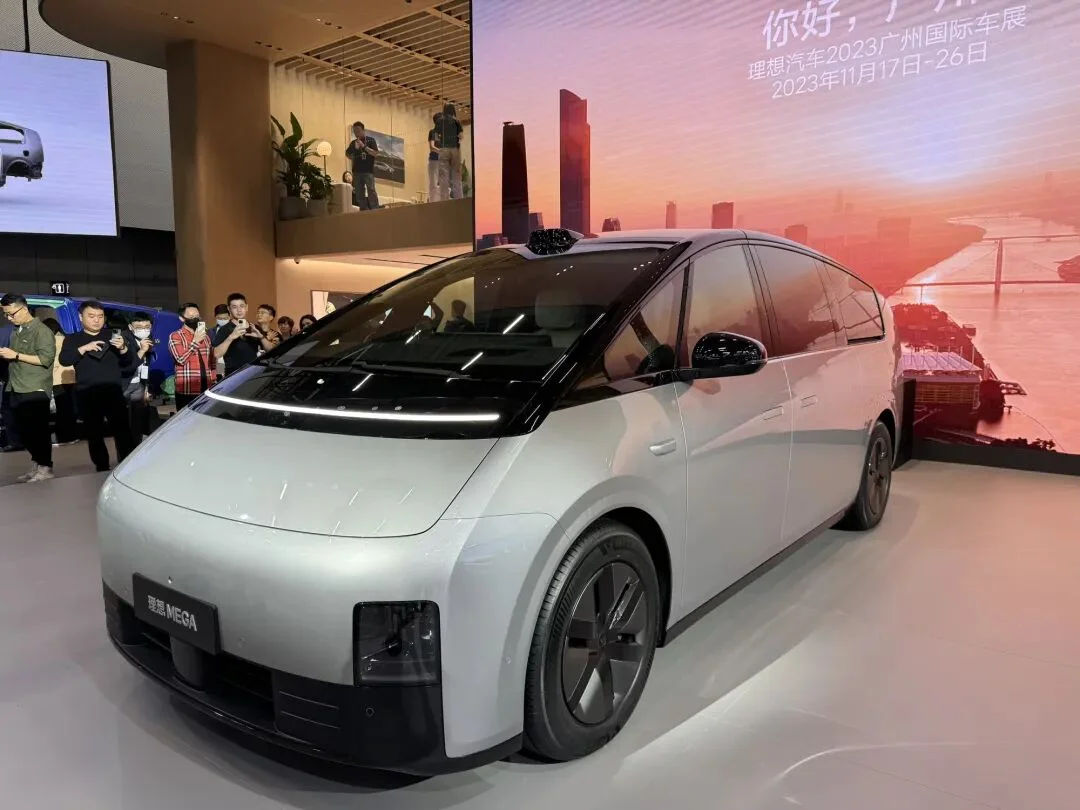
During the Guangzhou Auto Show, Li Auto released additional information regarding crash safety.
88 kph rear-end collision with 70% offset impact; third row 0 intrusion;
The first MPV in China to achieve a G rating in the 25% offset crash test for both driver and front passenger sides;
B-pillar crash survival space measures 270 mm, exceeding national standards by 90 mm.
The cabin features nine airbags, including dual-chamber front far-side airbags.
Additionally, the Li MEGA comes standard with dual-chamber air suspension and CDC damping shock absorbers. Li Auto also announced that the MEGA will be the quietest MPV in the world.
NIO Pushes Out Pilot Battery Swap Feature to Users
On November 15, NIO pushed the Banyan·Rong 2.2.0 CN system update. This update targets NT2 models running version Banyan 2.0.8 CN or higher that have completed filing procedures. A key highlight is the Pilot Service Area Battery Swap (PSP) Beta (hereinafter referred to as PSP).
Specifically, when driving on a highway with NOP+ enabled, the vehicle can autonomously exit the main highway via an ramp, enter the target service area, proceed to a battery swap station, complete the swap, and then exit the station to rejoin the main highway, seamlessly resuming NOP+ pilot driving.
The system supports complex scenarios during the process, such queuing for battery swaps, navigating around obstacles, and yielding to pedestrians. PSP seamlessly integrates with NOP+ and deeply merges with the NIO battery swap experience, achieving full-process automation and continuous pilot driving throughout the highway battery swap scenario.
Official sources state that support for the PSP function at highway service area swap stations will be rolled out gradually. Currently, there are 29 swap stations nationwide among the first batch to support PSP.
Users should note that this feature is disabled by default and can be manually toggled on or off via vehicle settings. To activate it for the first time, users must scan a QR code with the NIO App to watch an instructional video; once the tutorial is completed, the feature becomes available.
Additionally, NIO stated that considering the complex conditions at highway service areas during nighttime, the feature is currently available only between 7:00 and 19:00 daily.
XPENG Releases Third-Quarter Financial Report
Key data from XPENG’s Q3 financial report:
Q3 revenue reached RMB 8.53 billion, representing a year-over-year increase of 25% and a quarter-over-quarter growth of 68.5%.
Total deliveries in Q3 amounted to 40,008 units, up 72.4% sequentially.
The gross margin for Q3 was -2.7%, compared to -3.9% in Q2 2023.
The automotive gross margin for Q3 stood at -6.1%, compared to -8.6% in Q2 2023.
Q3 net loss was RMB 3.89 billion.
R&D investment in Q3 was RMB 1.31 billion, with cumulative R&D investment exceeding RMB 18.1 billion.
Expected delivery volume for Q4 is between 59,500 and 63,500 units.
Total revenue for Q4 is expected to be between RMB 12.7 billion and RMB 13.6 billion.
As of the end of the third quarter, cash reserves stood at RMB 36.48 billion.
Regarding this earnings report, He Xiaopeng stated that starting from the third quarter of this year, XPENG has entered a preliminary positive cycle. However, these changes will only become evident in 2024 and beyond. By the fourth quarter of next year, the company is expected to enter a high-growth major positive cycle.
Quick Review:
For XPENG, the next key leverage point lies in autonomous driving.
Ultimately, from the perspective of overall industry trends, intelligent driving is increasingly becoming a key factor in consumers' purchasing decisions. The next five years will see widespread adoption of driver assistance systems. From this standpoint, all automakers are bound to invest heavily in this area, and XPENG's investments and accumulated expertise in smart cockpits and intelligent driving will become its competitive advantages.
Furthermore, XPENG has several other factors that could drive future growth, such as its respective partnerships with Volkswagen and Didi, though the extent of their impact will depend on how these collaborations materialize.
Overall, XPENG is still in the early stages of recovering from a downturn. Revenue, delivery volumes, gross margin, and automotive gross margin are gradually improving, but there remains significant room for further progress.
This process requires more time and steady execution by XPENG to reach a positive cycle by the fourth quarter of 2024. We will wait and see.
Written by: James Edited by: James