


Battery Swapping 2.0: CATL's 'Three-Minute War'
On April 23, the first day of Media Day at the 21st Shanghaichezhan, which marked the most significant day of the auto show with numerous new car debuts and a relentless schedule of press conferences.
While attendees focused on the morning's new vehicle reveals, CATL held its own major press event in Hall 6.2, spotlighting Qiaokelihuandian.
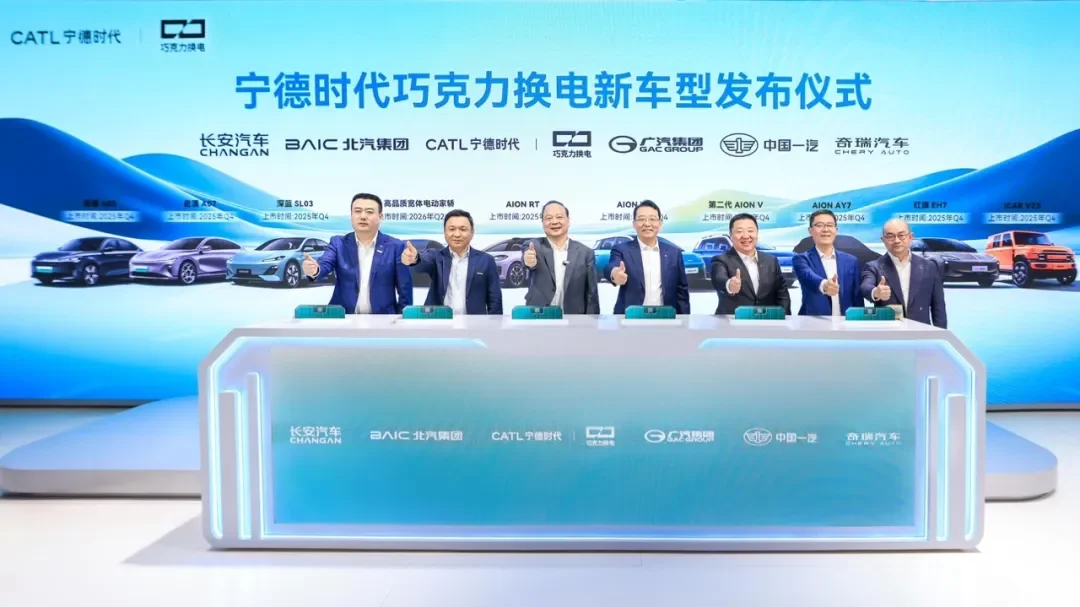
Three years after its inception, CATL's Qiaokelihuandian initiative has reached a stage of tangible results. CATL partnered with five automakers—Yiqi, Changan, Beiqi, Chery, and Guangqi—to launch 10 new C-end vehicles featuring Qiaokelihuandian technology, with nine models scheduled for market release within the year.
Yiqihongqi unveiled its first chocolate B+ class battery-swap sedan, the EH7; Changan introduced the Qiyuan A05, Qiyuan A07, and DEEPAL SL03; Chery showcased the highly popular iCAR V23 boxy SUV; and Guangqi announced that the Aian UT, Aian RT, Aian V Bawanglong, and an upcoming A-class SUV will all offer Qiaokelihuandian variants.
These ten new models cover a broad spectrum of use cases, from daily commuting and family travel to business scenarios. This diversification of usage scenarios is expected to help more consumers experience Qiaokelihuandian, thereby driving stronger economies of scale.
It is remarkable that only CATL could orchestrate such widespread industry adoption of battery swapping simultaneously.
01Why Automakers Choose Qiaokelihuandian
CATL is not the first to attempt building a battery-swap alliance. NIO, which laid out its strategy earlier and has consistently adhered to the battery-swap route, previously opened its swap technology and established partnerships with numerous automakers. However, these efforts have yet to yield tangible results, whereas CATL, which entered the sector later, has since taken the lead.
The reason CATL was able to rapidly implement Qiaokelihuandian lies in its distinct identity. As an automaker, NIO’s swap platform naturally prioritizes its own vehicle platforms. For other automakers to adopt NIO’s swap system, they typically need to make significant modifications to their chassis designs. This affects the overall vehicle layout and extends the R&D cycle.
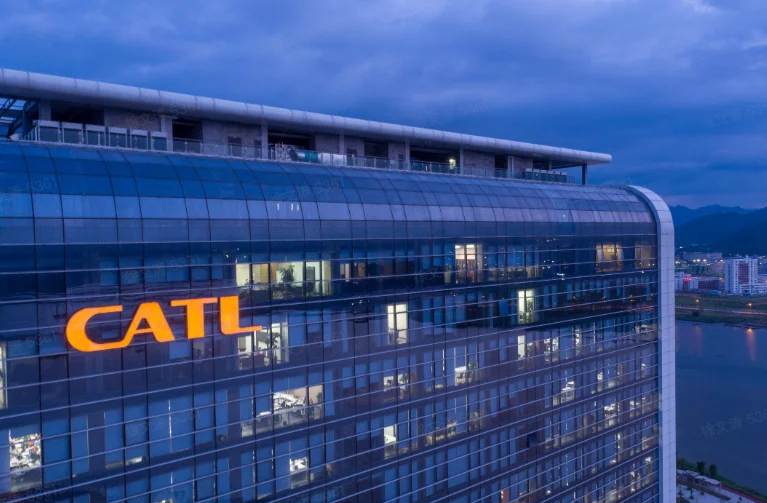
In contrast, as China’s largest power battery manufacturer, CATL maintains deep collaborations with various automakers and possesses extensive experience in upstream and downstream communication. These capabilities enable CATL to better understand the platform requirements of different automakers when laying out Qiaokelihuandian, thereby achieving standardization of swap interfaces and platforms. Consequently, automakers can significantly reduce R&D costs and development cycles when creating Qiaokelihuandian-compatible models. This likely explains why Qiaokelihuandian could announce so many new vehicles simultaneously with five different automakers.
Beyond this identity advantage, another key reason for the strong acceptance of CATL’s Qiaokelihuandian among automakers is that CATL leads the construction of swap stations. A major reason many previous automaker-led swap initiatives ultimately failed was the high initial investment cost for station construction. Furthermore, the recent improvement in charging infrastructure and the increase in battery charging rates have made automakers more inclined toward the lower-cost supercharging route. Only entities like NIO, backed by William Li’s strategic determination, could sustain such heavy investments, though the massive costs have prevented NIO from achieving profitability to date.
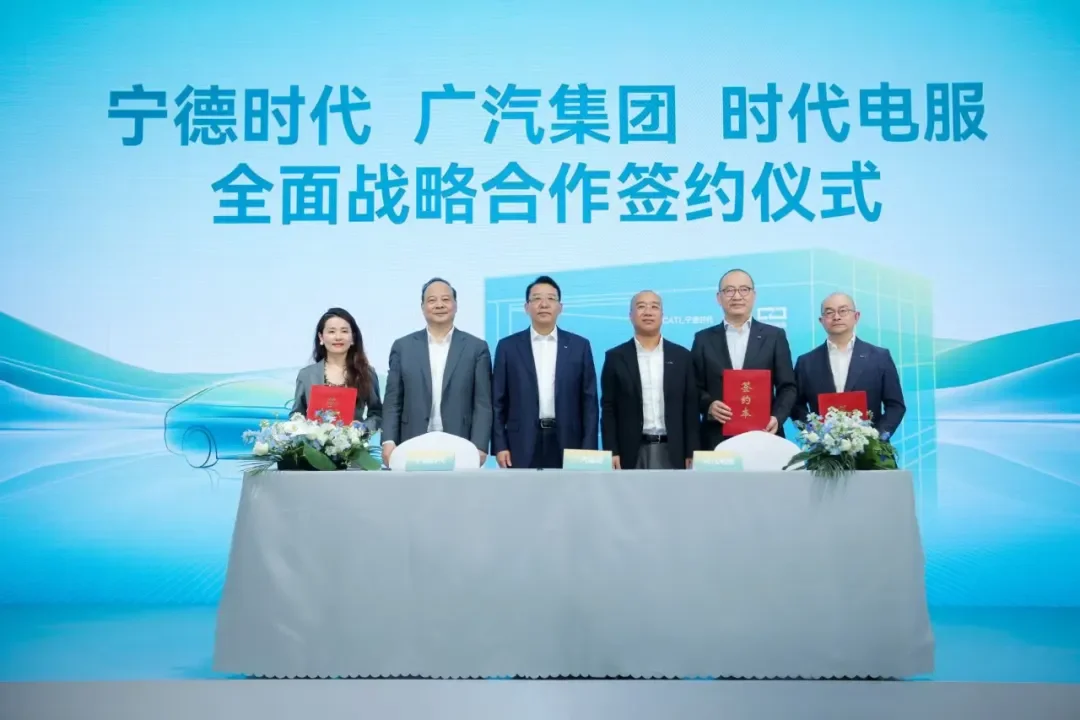
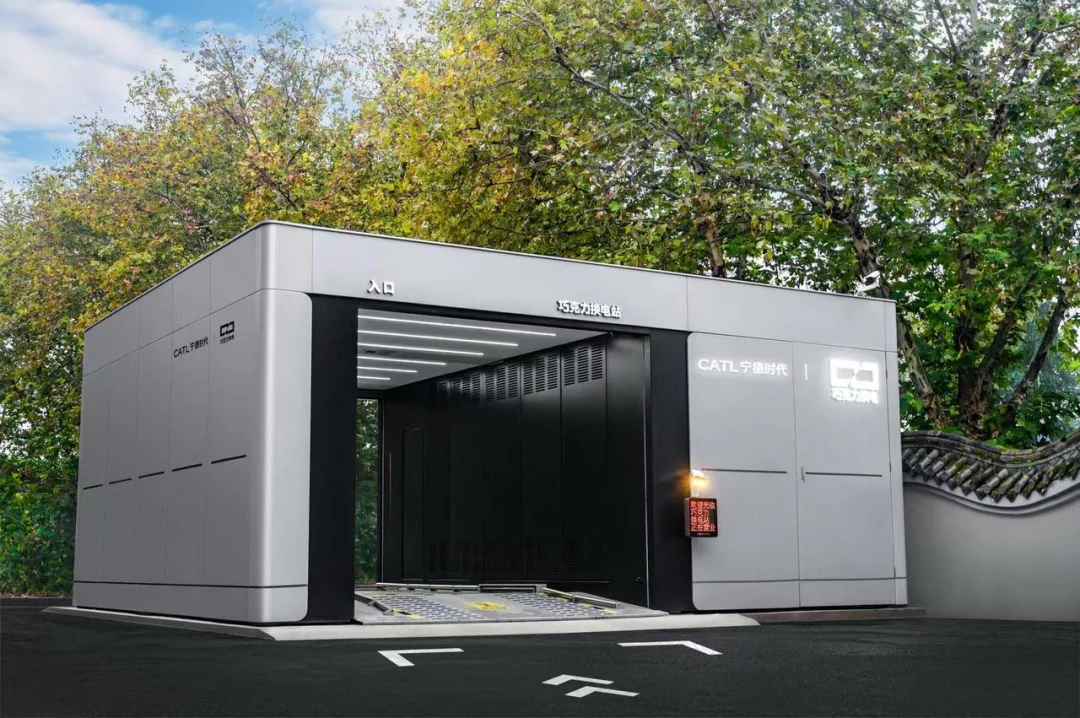
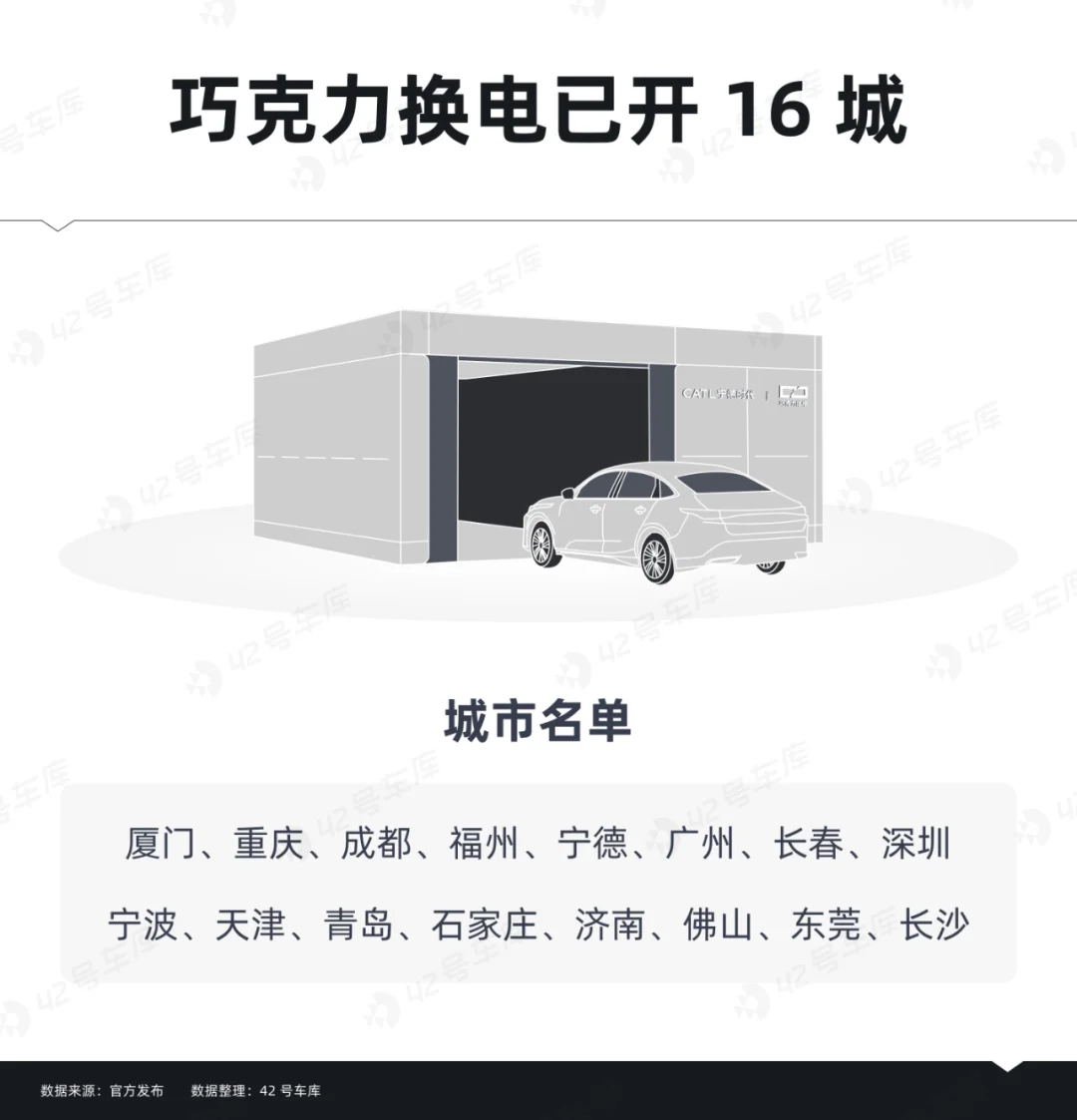
Qiaokelihuandian’s advantage is that once CATL covers the construction costs of swap stations, the primary burden for automakers joining the swap network is removed. Additionally, as the world’s No. 1 battery company, CATL achieved a global power battery installation volume of 320 GWh in 2024, holding a market share of 35.1% and firmly ranking first globally. The company reported full-year revenue of RMB 380 billion and net profits exceeding RMB 40 billion. Its robust financial strength is sufficient to support large-scale swap station construction. At the launch event, CATL announced plans to complete 1,000 stations across 30 cities within 2025.
Another advantage is cost efficiency. Since CATL manufactures its own batteries, it can reduce raw material costs through large-scale procurement and extend the full lifecycle value of batteries by utilizing cascading recycling technology. This ultimately creates a closed-loop ecosystem of "production–leasing–recycling–regeneration," a model unique to CATL.
02Qiaokelihuandian: The Focus on "Swapping"
At this point, many readers may wonder why CATL has decided to enter the battery-swap market itself.
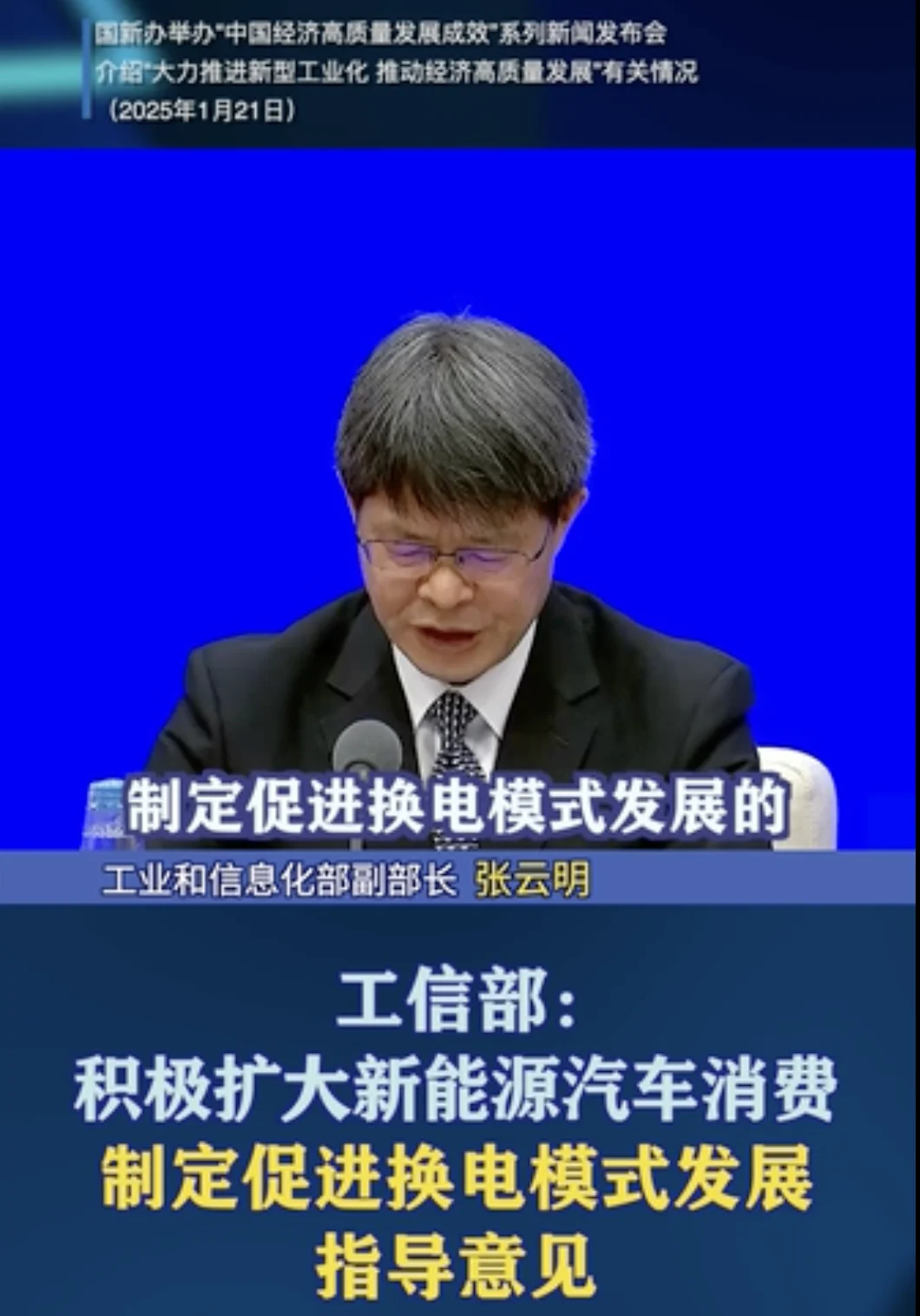
First, from a policy perspective, the Chinese government has consistently maintained a supportive stance toward battery swapping. For instance, subsidies for swap-enabled vehicles are higher than those for non-swap models, and tax exemptions on vehicle purchase tax for such vehicles are planned for the future. Earlier this year, at a press conference held by Guoxinban under the theme "Achievements in High-Quality Economic Development of China," Gongxinbu clarified that it would draft the "Guiding Opinions on Promoting the Development of Battery-Swap Models" and include it as a key task within the new energy vehicle industry.
Furthermore, Caizhengbu and other departments have launched pilot programs to address shortcomings in county-level charging and swapping infrastructure. In 2025, the program plans to support 75 pilot counties, with each eligible county receiving up to RMB 45 million in central fiscal funds, primarily earmarked for the construction of public charging and swapping stations and upgrades to distribution networks. These policies undoubtedly benefit the development and expansion of battery-swap models in China.
Of course, the battery-swap model does have its own unique advantages compared to charging, such as refueling speed. Even with megawatt-class ultra-fast charging technology now emerging in the industry, Qiaokelihuandian’s ability to reach a full charge in just three minutes remains superior to what ultra-fast charging can offer.
Moreover, such ultra-fast charging relies heavily on the capabilities of charging stations. High-power charging places greater demands on grid capacity, and achieving stable high-power output often requires integrating energy storage systems, which increases station construction costs. Additionally, two stages of energy conversion result in higher energy losses, costs that are typically passed on to consumers.
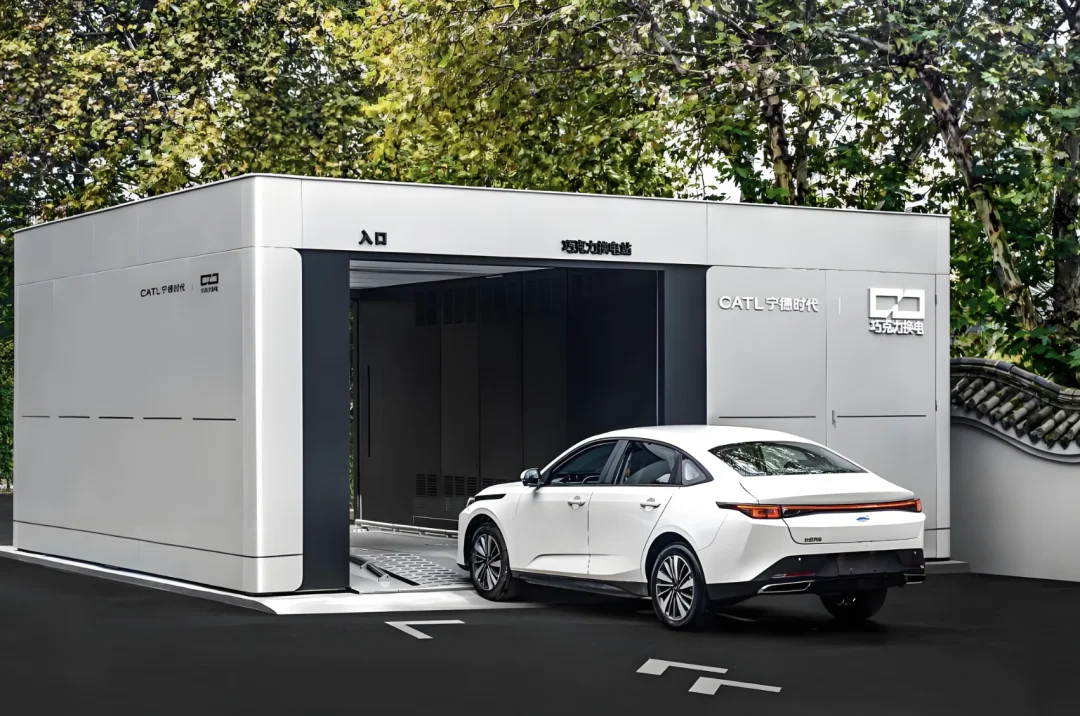
In contrast, Qiaokelihuandian achieves rapid replenishment while avoiding these issues and extending battery lifespan. Furthermore, battery swapping offers greater certainty than charging: drivers can see available battery inventory and current charge levels directly on the vehicle’s infotainment system, significantly reducing range anxiety. During a swap, occupants remain inside the vehicle, providing a more comfortable experience in rain or winter conditions. Charging, by comparison, often involves dealing with faulty or low-power stations, diversion scenarios, and requires more detailed planning for long-distance travel.
Battery swapping also enables a separation of vehicle and battery sales. Consumers can lease the battery rather than purchase it outright, lowering the initial vehicle cost. Since batteries account for approximately 40% of the bill of materials (BOM) cost in electric vehicles, leasing reduces the price threshold, allowing consumers to access higher-tier models at a lower entry price.
Under this leasing model, consumers are not responsible for battery degradation or damage costs, which CATL covers. Battery swapping also supports flexible upgrades; for example, CATL’s recently released sodium-ion battery can be installed via swapping, allowing users to benefit from the latest technology.
A key advantage of CATL’s Qiaokelihuandian over existing swapping solutions is its use of standardized battery packs, which better accommodate different vehicle models. The leasing model also offers greater flexibility: users can choose smaller batteries for daily city commuting to reduce costs, or larger batteries for long trips to ensure extended range.
03Conclusion
As noted at the beginning of this article, the widespread adoption of co-branded models featuring CATL’s Qiaokelihuandian will undoubtedly accelerate the development of battery swapping in China. As a battery giant with a global market share of 35.1%, annual revenue of RMB 380 billion, and deep partnerships with 90% of mainstream automakers, its industry influence far exceeds that of any single car manufacturer.
In addition to automakers, CATL has also partnered with Zhongshihua and Jiaotongbugongluyuan to accelerate the construction of battery swap stations and establish commercial heavy-duty truck swap standards. Under the agreement with Zhongshihua, the two parties plan to jointly build 500 swap stations by 2025, with a long-term goal of reaching 10,000. Meanwhile, the collaboration with Jiaotongbugongluyuan aims to advance industry standards and policies related to battery swapping, driving sector development from the top down.
These moves indicate that CATL intends to further accelerate the implementation of its swap strategy through cooperation with automakers and industry partners. By offering more comprehensive products and extensive infrastructure, CATL seeks to make battery swapping more accessible. Ultimately, for the model to succeed, users must be able to easily access swaps to truly experience its benefits.
Written by: Wen Tao Edited by: Wen Tao