Huawei's 2026 Start: 896-Line LiDAR Goes to Production, SAIC SHANGJIE Z7 Launches This Month
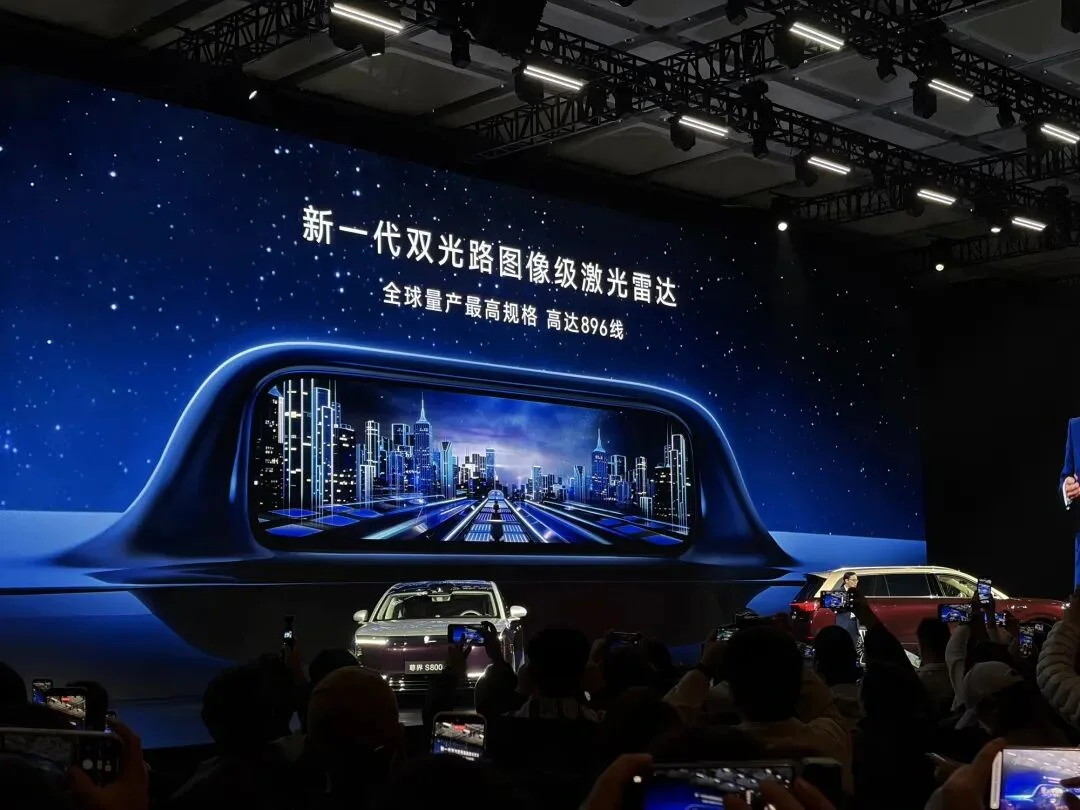
"This lidar has been in development since I served as CEO of the Car BU. It took four or five years, but it is finally on the market," Yu Chengdong said with excitement after the official launch of the 896-line lidar.
The first two models to feature this 896-line dual-optical-path image-level lidar are the Maextro S800 and the Aito M9. Compared to models equipped with a 192-line lidar, their prices increased by RMB 20,000 and RMB 10,000, respectively. The starting price for the Maextro S800 with the 896-line lidar is RMB 728,000, while the Aito M9 starts at RMB 479,800.
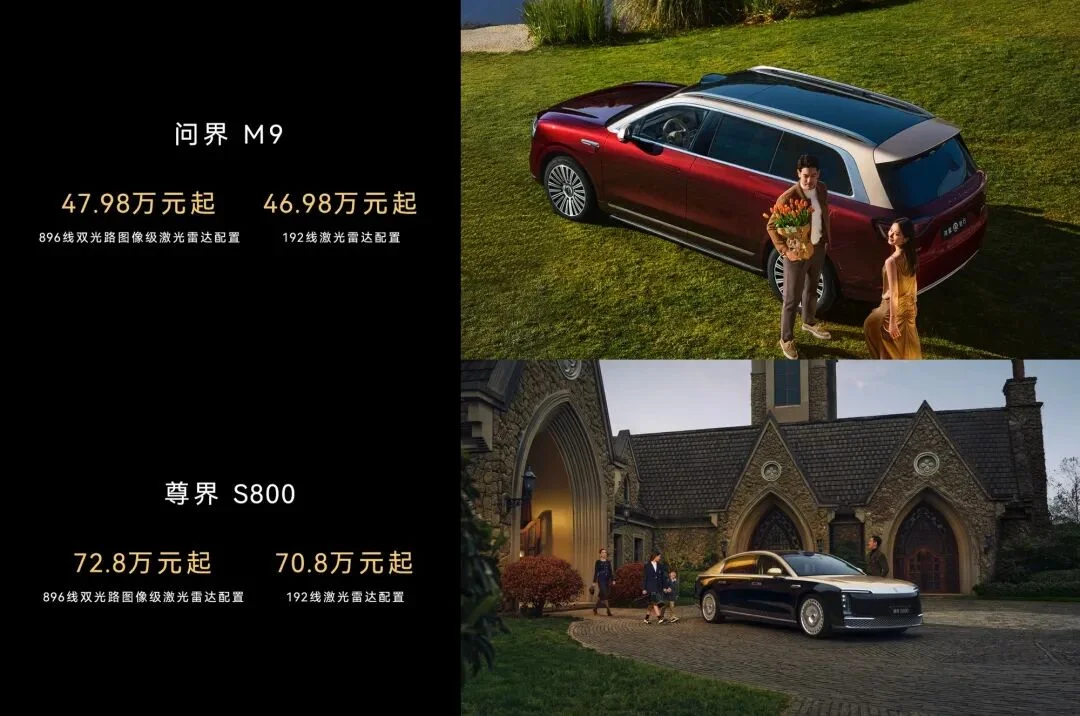
For buyers of the Maextro S800 and Aito M9, an option cost of one or two ten-thousand yuan may not seem steep. However, the upgrade is exceptionally low-key; there are almost no visible differences in appearance, unlike paint or interior options that can be distinguished at a glance. So, is the dual-optical-path image-level lidar truly worth choosing?
Huawei clarified this issue during today's afternoon press conference.
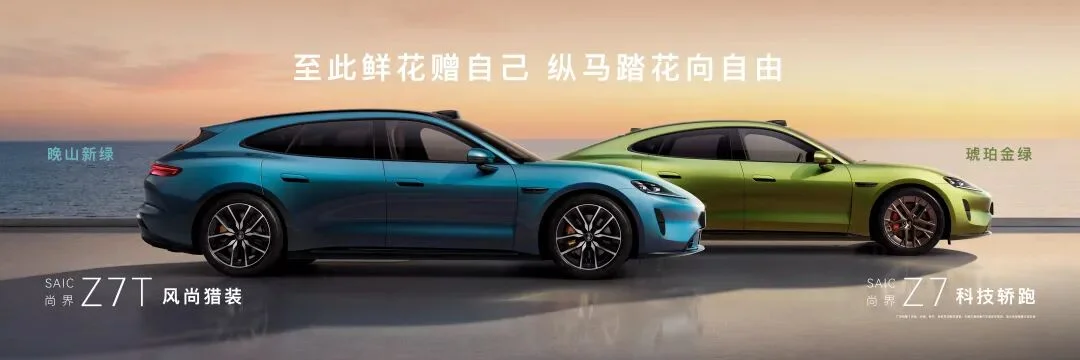
At the same event, Harmony Intelligent Mobility Alliance's new SAIC SHANGJIE Z7 and its shooting brake variant, the Z7T, were unveiled. According to the plan, these two models will be officially released by the end of this month.
01The Bottleneck of LiDAR Lies in the Receiver
Most currently available vehicles equipped with LiDAR feature only a single primary sensor. In choosing between longer range and wider field of view, manufacturers have opted for a wider field of view. However, due to lower line counts—particularly bottlenecks in receiver capabilities—LiDAR still struggles to detect small objects.
At today’s press conference, Jin Yuzhi, CEO of Huawei’s Intelligent Automotive Solution BU, demonstrated the difference between 192-line and 896-line LiDARs under identical conditions.
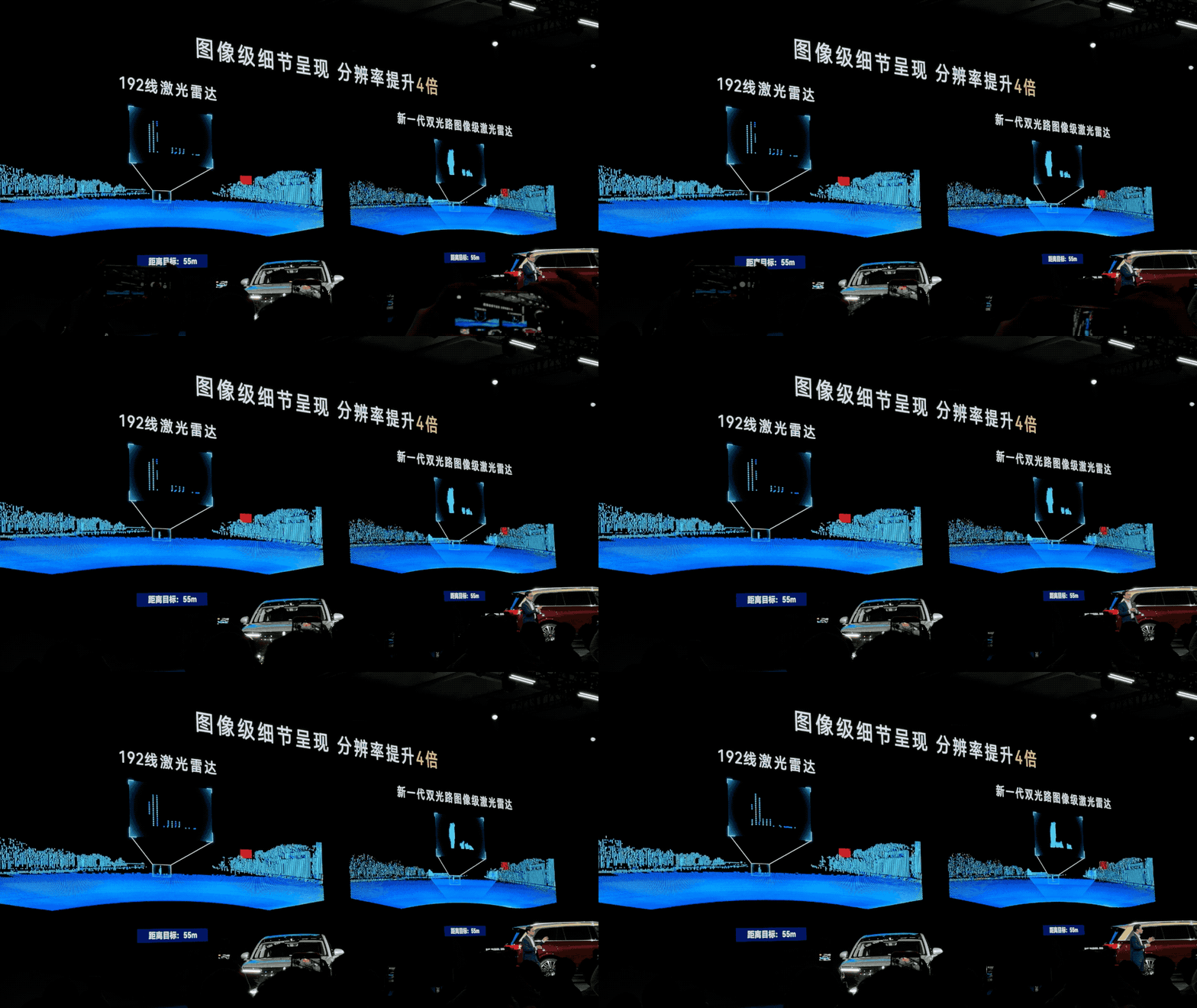
At a distance of 55 meters, the mass-produced 192-line LiDAR can detect distant obstacles, but they appear only as scattered points, making it impossible to identify what the obstacle actually is. In contrast, the new dual-optical-path, image-level LiDAR clearly reveals a person walking three dogs, even capturing details such as the wagging of their tails.
According to official data, in dark, lightless scenarios, at a vehicle speed of 120 km/h, the system can identify small target obstacles (such as cardboard boxes or tires lying on their sides) with a height of 14 cm at distances up to 120 m, automatically executing comfortable avoidance or emergency braking. For obstacles 30 cm high, detection extends to 162 m, allowing for comfortable avoidance or braking.
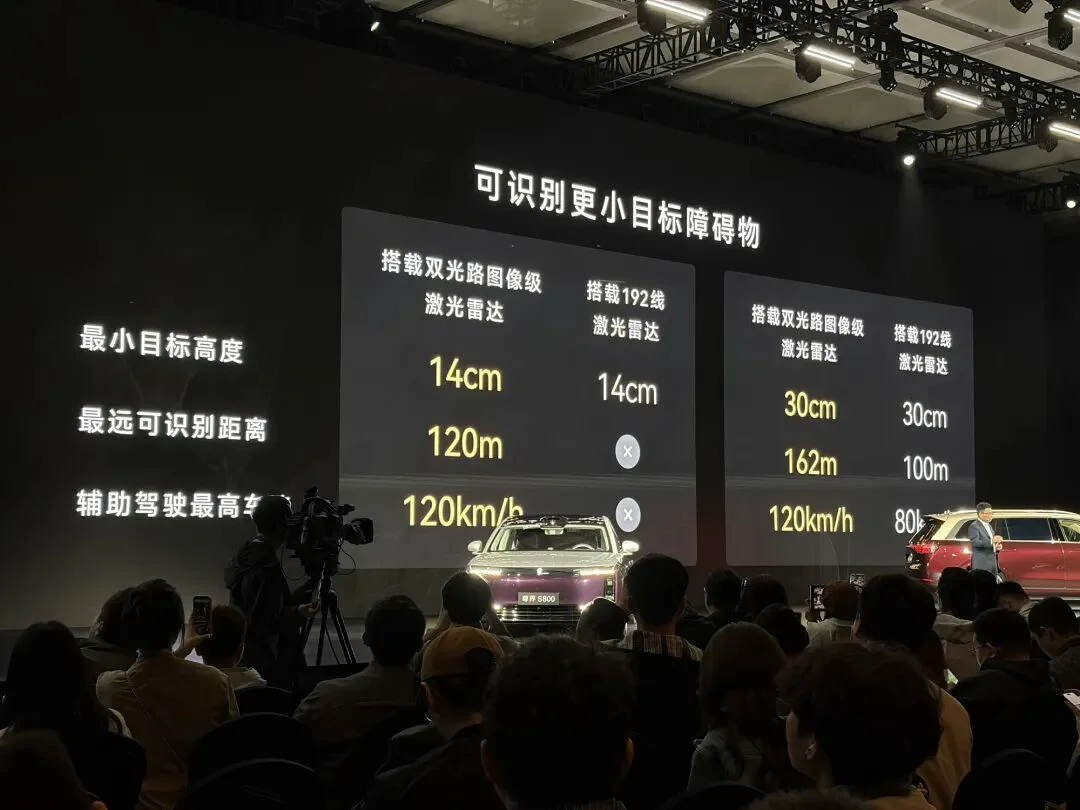
Compared to the mass-produced 192-line LiDAR, which cannot identify 14 cm high small targets; if detecting 30 cm high obstacles, its recognition distance is limited to 100 m, capable of braking or avoiding only at speeds up to 80 km/h. This comparison highlights a significant capability gap between the new and old LiDAR systems.
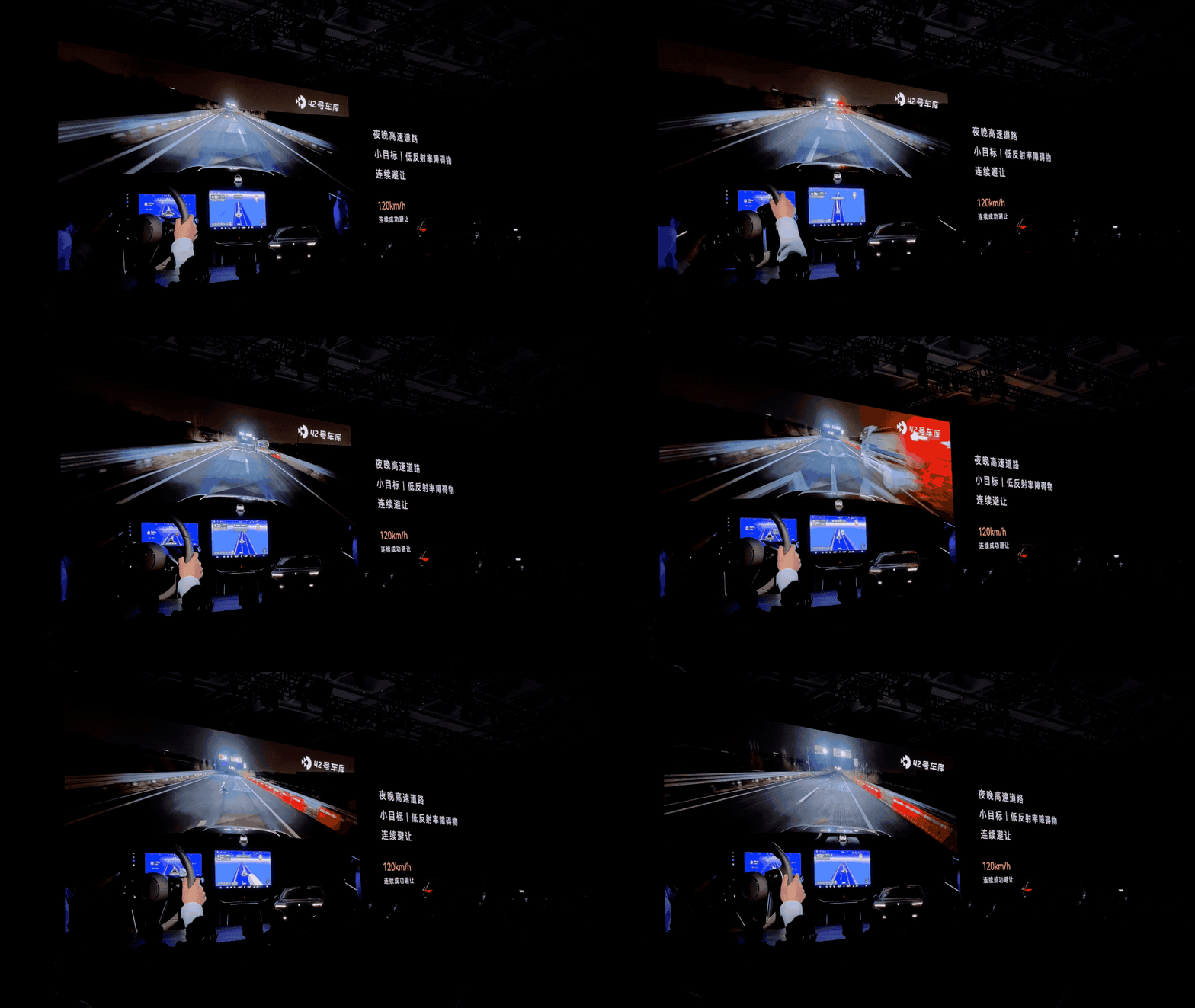
In our testing, the Aito M9 equipped with an 896-line LiDAR successfully executed continuous avoidance maneuvers for small targets and low-reflectivity obstacles at speeds up to 120 km/h.
Did the new 896-line LiDAR only increase its line count? The improvements go beyond that.
Visually, the Huawei 896-line dual-optical-path imaging-grade LiDAR is wider and shorter than the 192-line version. Internally, the 896-line LiDAR features one laser transmission unit and two reception units.
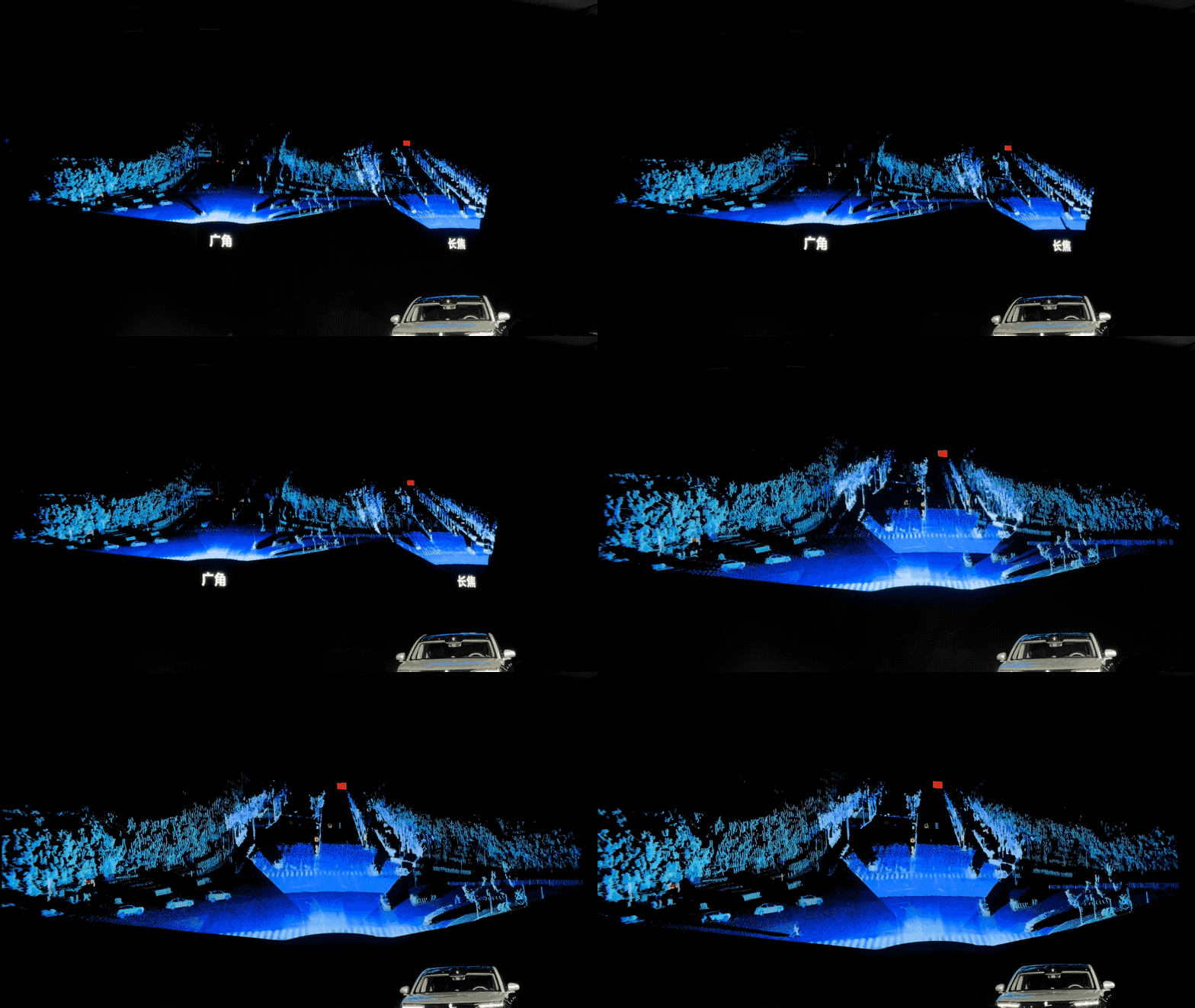
One reception unit is identical to that of the current 192-line LiDAR, offering a 120-degree horizontal field of view for broader coverage. The other unit provides a 30-degree field of view specifically designed to detect distant objects. Paired with forward-facing cameras sharing the same 120-degree and 30-degree fields of view, this configuration enables more effective fusion between LiDAR and visual perception.
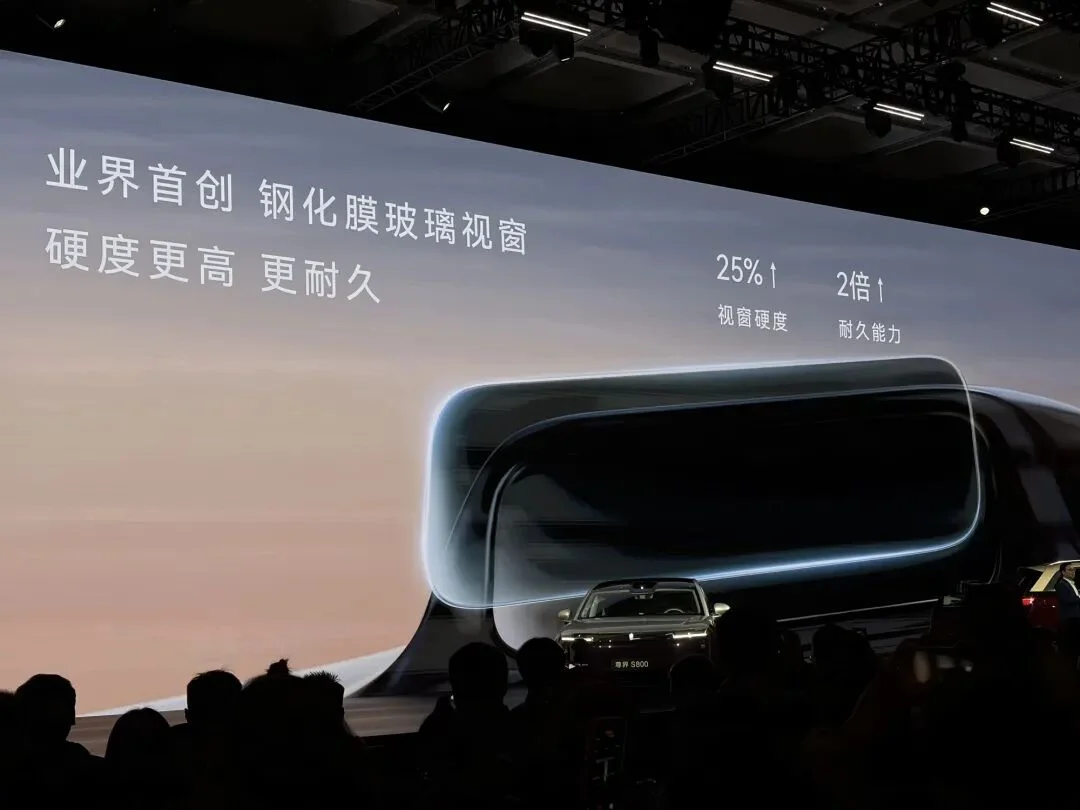
Additionally, the internal design of the Huawei 896-line LiDAR has been enhanced for greater reliability. The sensor window uses tempered glass, protecting against scratches even when driving in gravelly environments.
As one of the most understated optional extras available, the 896-line LiDAR carries a premium of RMB 20,000 for the Maextro S800 and RMB 10,000 for the Aito M9. For daily driving, most users may not perceive a significant functional difference. However, in extreme scenarios, the active safety capabilities demonstrated by the 896-line LiDAR are clearly superior.
02SAIC SHANGJIE Z7 models to be released at month-end
The finale of this afternoon's press conference featured the upcoming official release of the SAIC SHANGJIE Z7 and its shooting brake variant, the Z7T. Yu Chengdong stated that both models will be officially launched by the end of this month.
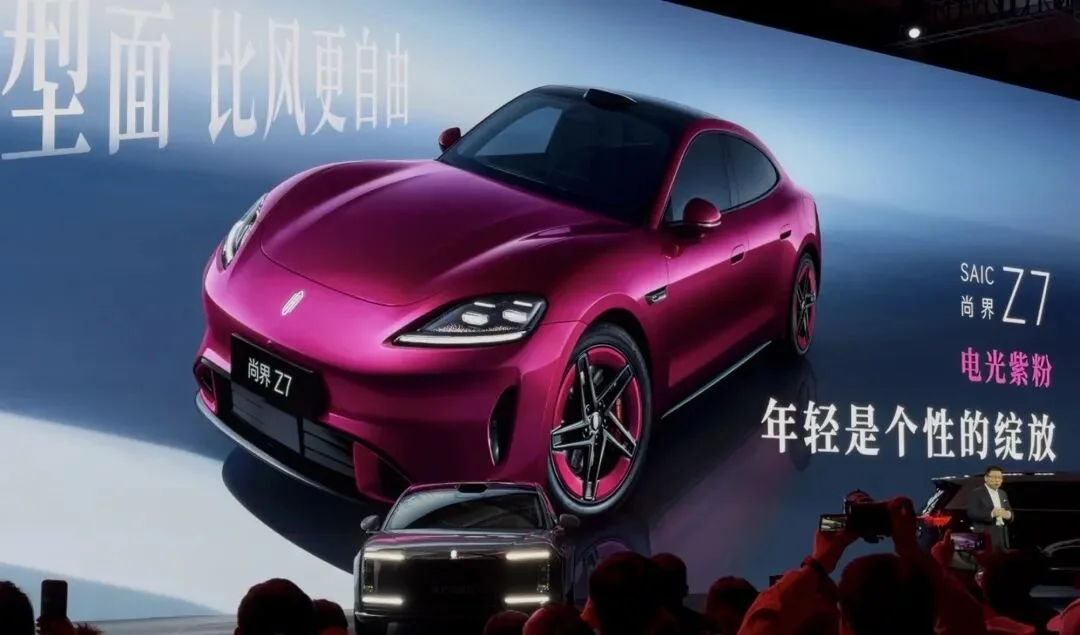
In addition to the blue exterior color previously revealed, the SAIC SHANGJIE Z7 also debuted in Electric Purple Pink and Amber Gold Green. These three colors break away from traditional black, white, and gray palettes; their bolder body colors are expected to appeal to many young users.
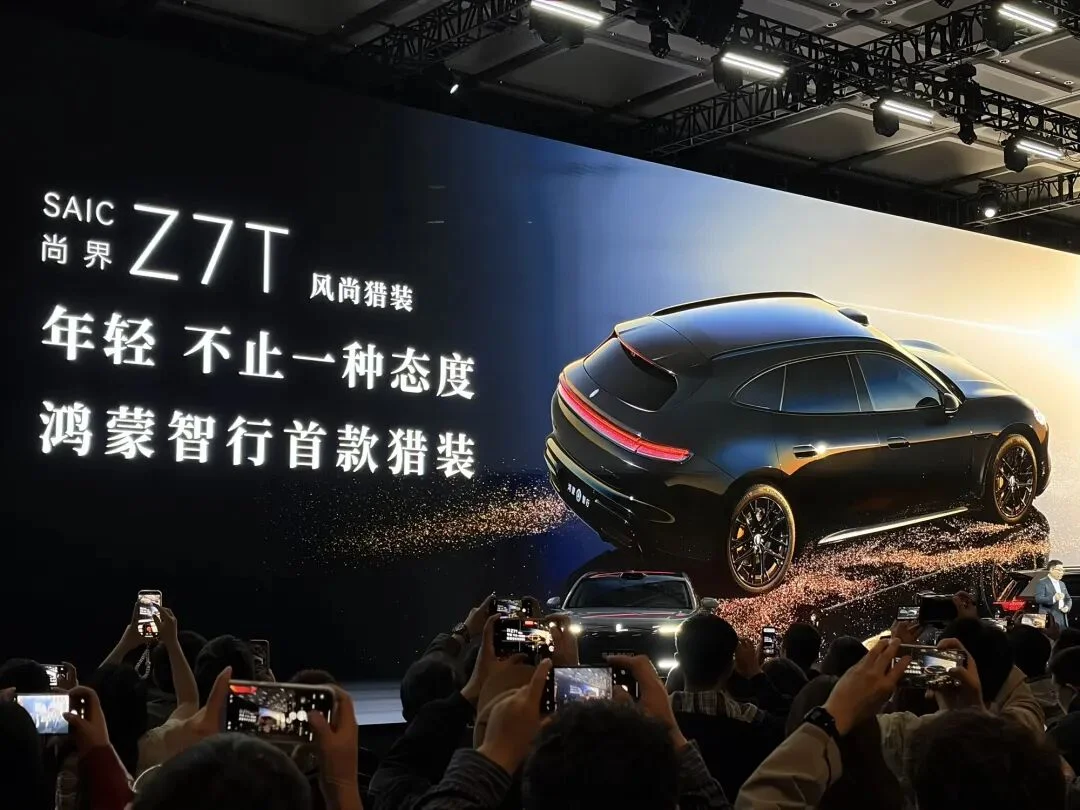
Meanwhile, the Stelato Z7T was also unveiled simultaneously this afternoon. As Harmony Intelligent Mobility Alliance’s first shooting brake model, the Z7T features a sporty design, with rear lines that convey a sense of muscularity.
Inside the cabin, the central control screen is movable. Similar to the XPENG P7, the SAIC SHANGJIE Z7’s screen can automatically rotate toward passengers speaking inside the vehicle in response to voice commands, creating a more intimate user experience.
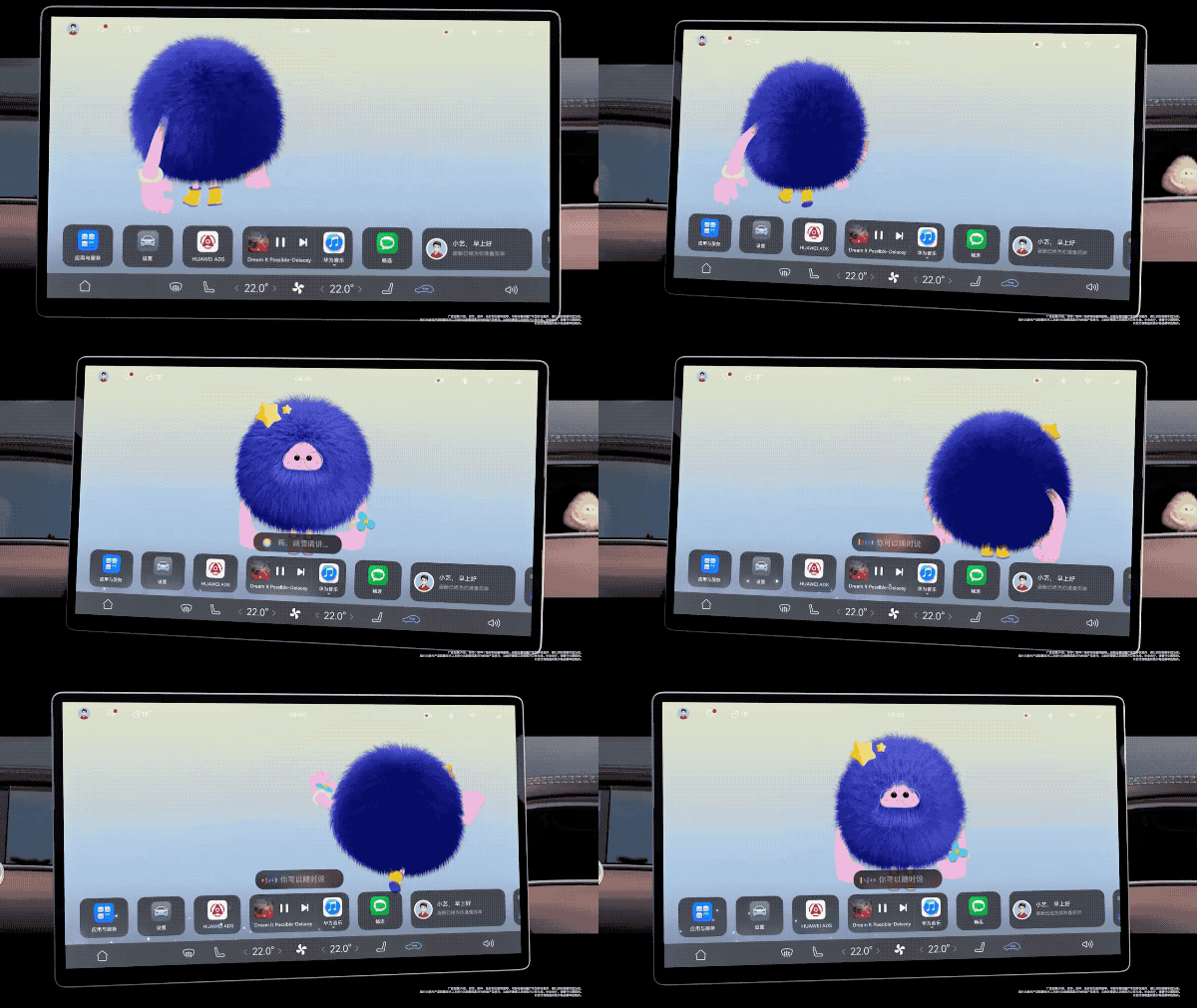
Meanwhile, the SAIC SHANGJIE Z7 now features a small passenger-side display. This screen allows users to customize virtual ornaments or raise an electronic pet, ensuring the front passenger stays entertained during travel.
From a design perspective, both the SAIC SHANGJIE Z7 and Z7T blend classic car elements with distinctive original styling. Will this exterior and interior design, combined with Huawei’s driver assistance and smart cockpit technologies, attract more young buyers to these two models?
At the start of 2026, Huawei has once again sent ripples through the intelligent automotive industry. On one hand, the new dual-optical-path imaging LiDAR significantly enhances proactive vehicle safety—a feature that may be discreetly optional but delivers high-impact protection. On the other hand, Harmony Intelligent Mobility Alliance is actively courting younger demographics by tailoring designs, exterior colors, and interiors to appeal to this growing segment.
Amidst fierce competition in the 2026 auto market, Huawei has strategically positioned key assets across both its flagship tier and the RMB 200,000 price bracket.
Written by: James Edited by: Daji