


Li Auto Reports Q3 Revenue Growth With Zero Cash; Huawei Launches Zhijie S7 Pre-sale; AVATR 12 Goes Global; Volvo Unveils EM90
01Weekly Indices
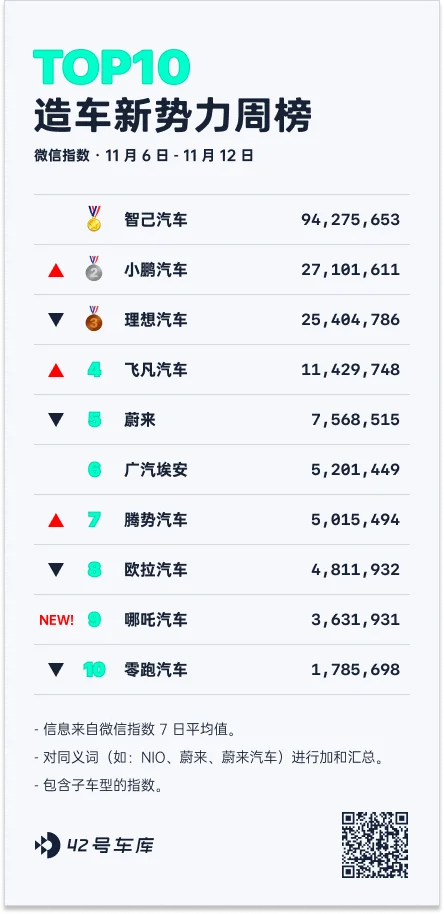
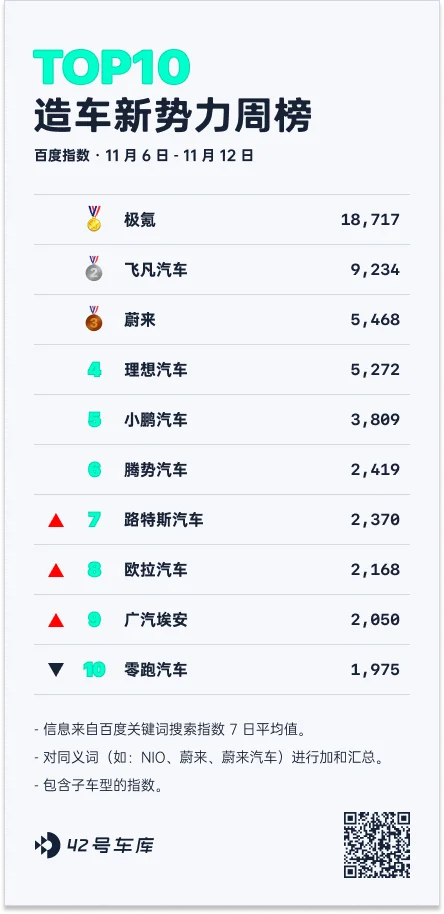
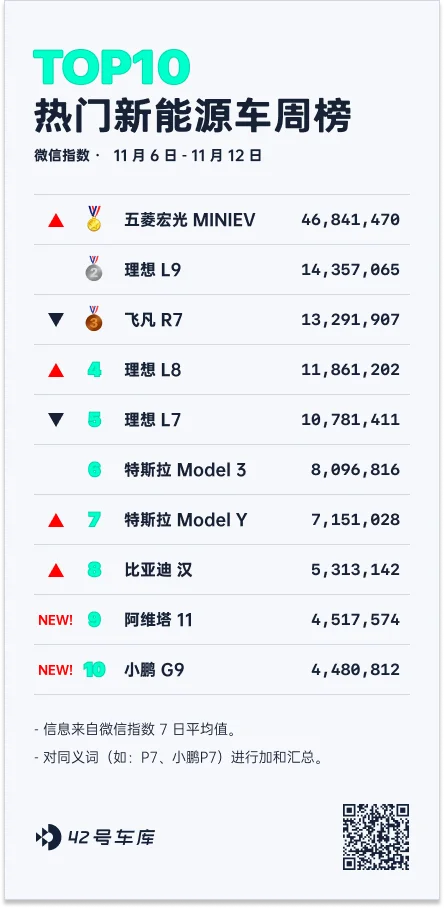
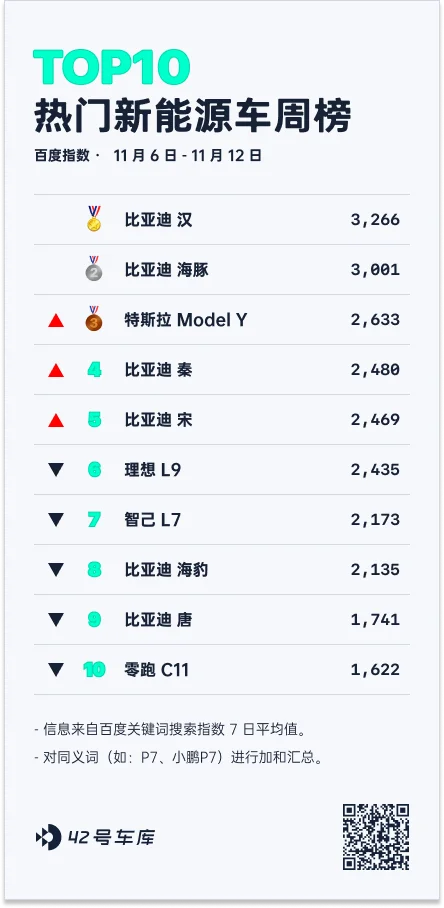
02Weekly News
Li Auto Reports Q3 2023 Financial Results
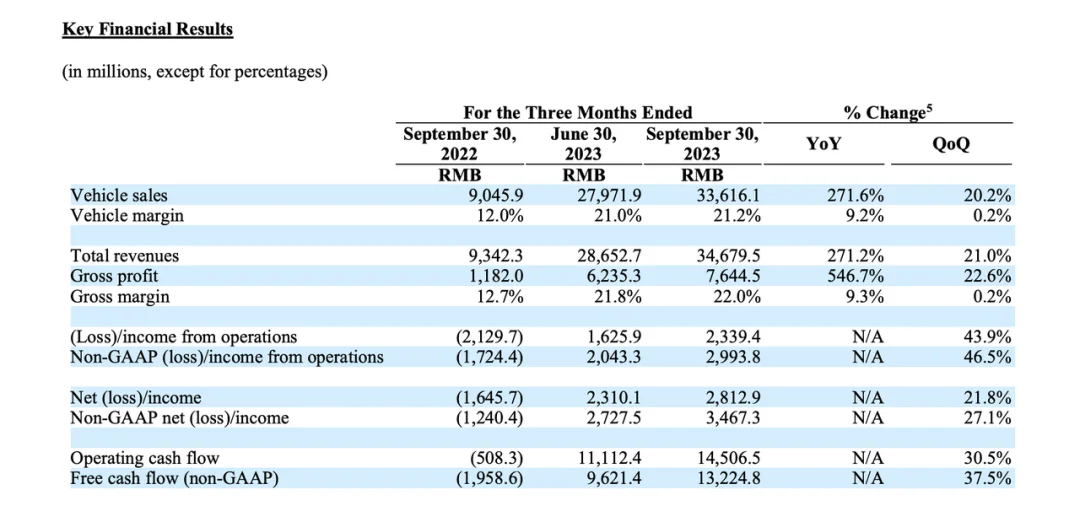
Li Auto Releases 2023Q3 Financial Report I. 2023Q3 Financial Data
Total revenue reached RMB 34.68 billion, a year-on-year increase of 271% and a quarter-on-quarter increase of 21%;
Automotive business revenue reached RMB 33.62 billion, a year-over-year increase of 271% and a quarter-over-quarter increase of 20%;
Total gross profit was RMB 7.64 billion, up 547 percent year-over-year and 22 percent quarter-over-quarter;
The overall gross margin was 22%, compared to 13% in the same period last year and 22% in the previous quarter;
The gross margin per vehicle was 21%, up from the previous quarter's 21%;
Cost of sales was RMB 27.03 billion, up 231% year-on-year and 21% quarter-on-quarter;
Net profit of RMB 2.81 billion, with the previous quarter's net profit at RMB 2.31 billion;
Li Auto's cash reserves (cash and cash equivalents, restricted cash, time deposits, and short-term investments) stood at RMB 0 billion, compared to RMB 73.77 billion in the previous quarter;
R&D expenses for Li Auto's third quarter reached RMB 2.82 billion, a 16% increase from the prior quarter, accounting for 8% of total quarterly revenue;
Sales and administrative expenses amounted to RMB 2.54 billion, representing a 68% year-over-year increase and a 10% quarter-over-quarter increase.
II. 2023 Q4 Business Outlook
Vehicle deliveries are projected to range between 125,000 and 128,000 units, an increase of approximately 170% to 176% compared to Q4 2022;
Total revenue is expected to fall between RMB 38.46 billion and RMB 39.38 billion, an increase of approximately 118% to 123% compared to Q4 2022.
Commentary:
Li Auto’s Q3 2023 financial report demonstrates strong growth momentum, with total revenue increasing by 271% year-over-year and 21% quarter-over-quarter, indicating that market acceptance of Li Auto is improving seasonally. Notably, the company’s gross margin also improved, reflecting Li Auto’s effective performance in cost control and product pricing. However, the company’s cash reserves have dropped to zero, which may suggest significant investment in expanding production and R&D to cope with intensifying market competition.
Li Auto also maintains an optimistic outlook for Q4 2023, forecasting significant growth in vehicle deliveries and total revenue. This expectation, however, implies increased pressure on the company to enhance production efficiency and R&D capabilities while maintaining high quality. How Li Auto balances cost and benefit during this process remains a key issue to watch.
Huawei Zhijie S7 Pre-sales Launch
On November 9, Huawei officially unveiled its new strategy for intelligent mobility solutions and announced the launch of a new ecosystem for its smart selection car business.
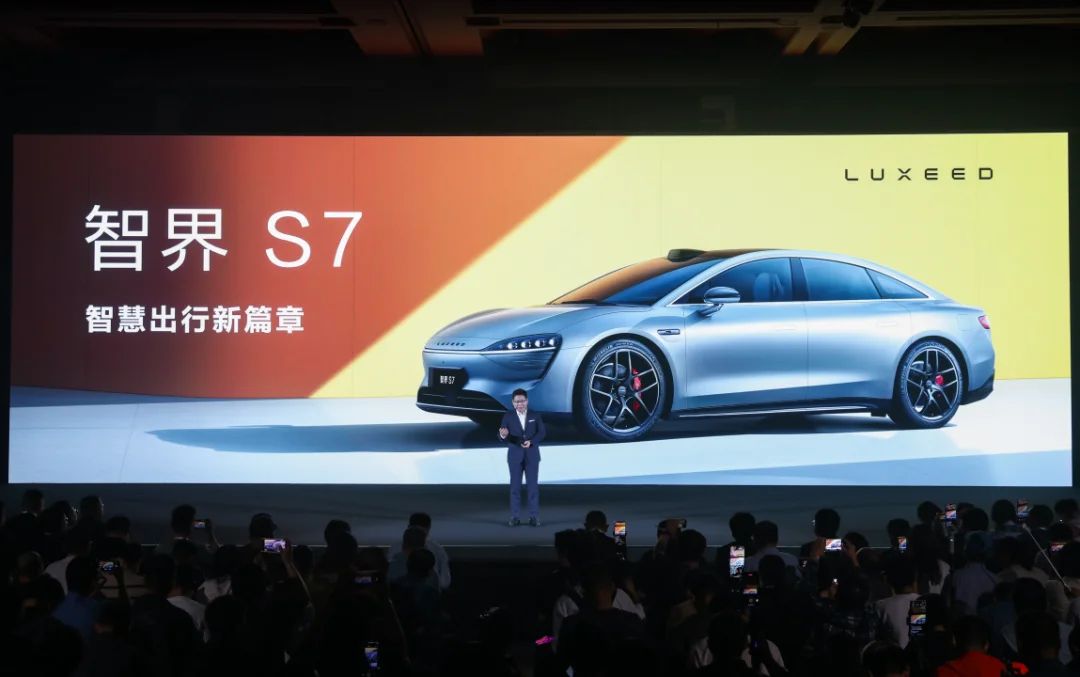
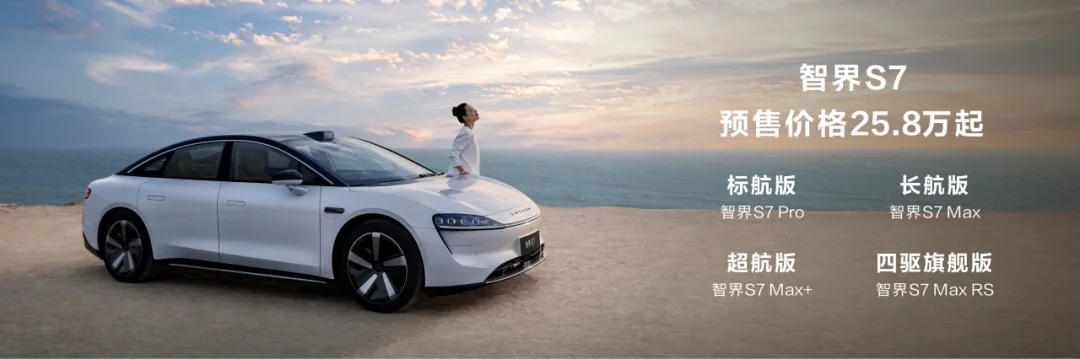
Currently, Huawei’s smart selection car business features two series: AITO and Zhijie. The first sedan, the Zhijie S7, opened for pre-sale at the event with a starting price of RMB 258,000. The Zhijie S7 is scheduled for official release on November 28.
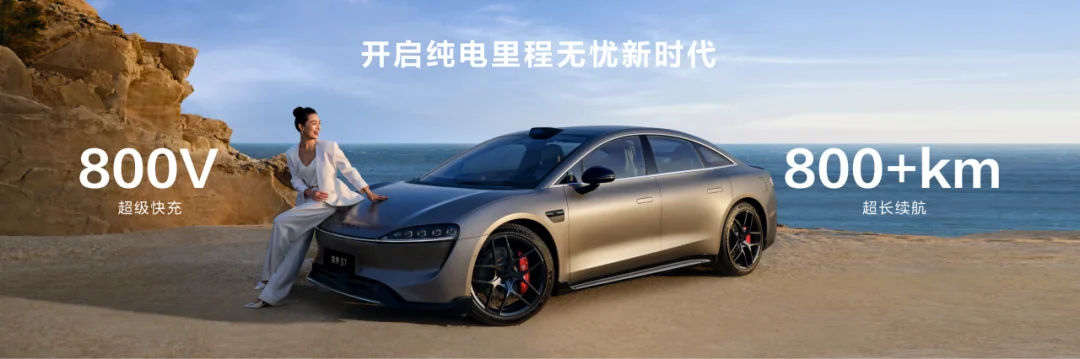
Huawei leverages its decades of technological accumulation in information and communications technology, along with quality control, sales service, and brand marketing expertise honed in its consumer business, to build premium, intelligent electric vehicles through joint efforts with partners in China’s automotive industry.
Richard Yu, Executive Director of Huawei, CEO of the Terminal BG, and Chairman of the Intelligent Automotive Solution BU, stated: 'Huawei aims to deeply root core technologies such as intelligent driving, intelligent cockpit, and intelligent handling, continuously leading the strongest technological innovations in smart cars, and promoting the intelligent development of the automotive industry; we also aim to push user experience to the limit, providing users with ultimate smart mobility experiences through good technology and products.'
Huawei Smart Mobility brings deep technological expertise, particularly in digital platforms, full-scenario connectivity, autonomous driving, intelligent vehicle control, and comprehensive safety. The Huawei iDVP (Intelligent Digital Vehicle Platform) serves as the "central nervous system" for software-defined vehicles. Huawei’s self-developed operating systems for intelligent cockpits, autonomous driving, and intelligent vehicle control give smart cars an intelligent brain, enabling them to become smarter over time.
The intelligent cockpit is a core technology for human-vehicle interaction, powered by Huawei HarmonyOS. It delivers smooth user experiences, intelligent assistants, multi-device connectivity, and privacy protection. In addition to strong driving performance, sedans offer low energy consumption and quietness.
HUAWEI ADS 2.0, the high-end autonomous driving system, features powerful perception, obstacle recognition and processing, advanced autonomous driving capabilities, and smart parking functions. It will be the first to deliver an autonomous driving experience that does not rely on high-definition maps, works nationwide, and improves with use by year-end, along with features like "smart summon parking," helping accelerate the adoption of autonomous driving.
Huawei Smart Mobility also introduced a new intelligent chassis system. The HUAWEI DriveONE golden electric drive combination provides stronger power, lower energy consumption, and a quieter ride. The HUAWEI DATS 2.0 Dynamic Adaptive Torque System ensures more stable handling and comfortable riding. The new intelligent range-extender technology understands drivers, vehicles, and roads, delivering stronger power and lower fuel consumption.
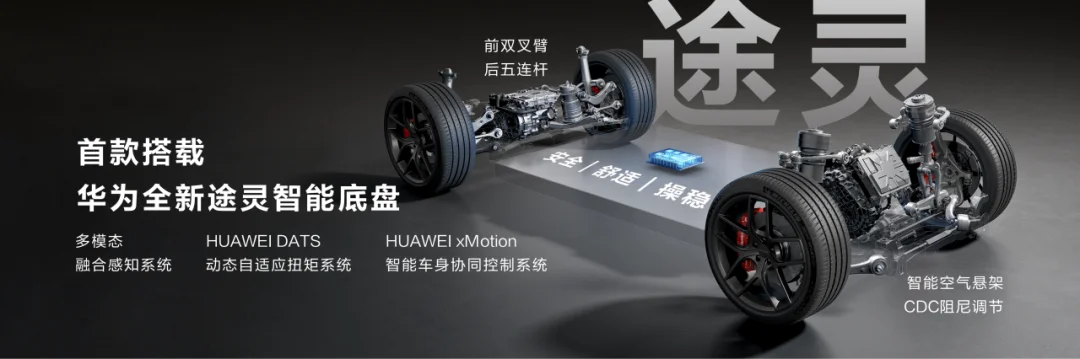
During the event, Huawei also showcased technologies including Huawei IoV (Internet of Vehicles), intelligent BMS management systems, all-liquid cooling supercharging, HUAWEI xPIXEL smart headlights, HUAWEI xScene light-field screens, and HUAWEI AR-HUDs. These technologies will be gradually implemented in AITO and Luxeed series models.
In addition to leading technology and experience, Huawei Smart Mobility integrates Huawei’s product definition and design capabilities to establish higher quality systems and standards, advanced process management, stricter supply chain systems, and smarter manufacturing capabilities, ensuring excellent product quality and performance.
Through stricter and higher-standard supply chain management empowerment, Huawei enhances the intelligent manufacturing capabilities of its partners, further ensuring excellent product quality and performance. This creates a pleasant ownership experience throughout the vehicle's lifecycle. Huawei stores nationwide will continue to provide users with convenient experience networks, high-quality user experiences, and attentive service.
Beyond its own smart mobility solutions, Huawei Smart Car Solution unveiled its first high-energy, large-space intelligent sedan, the Zhijie S7. The sedan is available in four variants with a pre-sale price starting at RMB 258,000. Co-developed by Huawei and Chery, it features a new design, offering comfortable spaciousness and performance comparable to supercars.
Notably, Huawei announced that AITO New M7 secured 86,000 reservation deposits within less than two months of launch, with more than 70% of buyers opting for the intelligent driving version. The flagship full-size SUV, AITO M9, saw strong demand even before its official debut, with orders exceeding 25,000 units. Meanwhile, cumulative deliveries of the AITO M5 have reached 120,000 units.
Commentary:
The launch of Huawei’s new strategy for its smart car solution highlights the company’s ambitions in the intelligent automotive sector. Leveraging its deep expertise in information and communications technology (ICT) and consumer electronics, Huawei is building high-end, intelligent electric vehicles. The initiation of the new ecosystem for Huawei’s Smart Car Solution business further demonstrates its commitment to collaborating with automotive partners to drive intelligence across the industry.
Huawei’s core technologies for smart mobility include digital platforms, full-scenario connectivity, intelligent driving, intelligent vehicle control, and comprehensive safety. These technologies provide robust technical support for intelligent cars while delivering an exceptional smart mobility experience for users. The goal of Huawei’s new Smart Car Solution ecosystem is to help Chinese automakers achieve profitability, aiming to become one of the most profitable car companies.
However, Huawei’s new strategy faces challenges. First, the automotive industry may face competition from tech giants like Huawei, which are actively entering the car market. Second, issues regarding standardization and safety arising from increased intelligence cannot be overlooked.
Overall, the release of Huawei’s new smart car solution strategy will undoubtedly have a profound impact on the automotive industry, promoting development in intelligence, electrification, and digitalization, while providing users with better intelligent driving experiences.
AVATR 12 Officially Launched, Starting at RMB 308,000
On November 10, 2023, AVATR held its brand event, A Day, in Shenzhen, where the sedan AVATR 12 was launched globally.
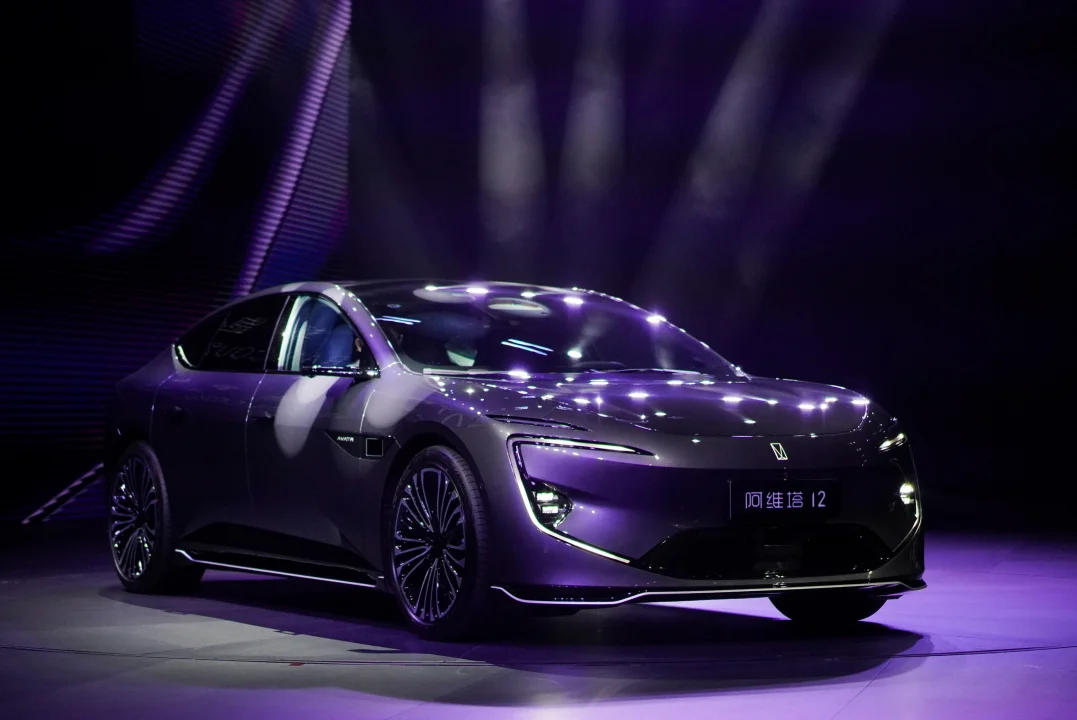
The AVATR 12 is available in three trims, with prices ranging from RMB 300,800 to RMB 400,800. The 700km Rear-Wheel Drive Luxury Edition is priced at RMB 300,800, the 650km All-Wheel Drive Performance Edition at RMB 340,800, and the 650km All-Wheel Drive GT Edition at RMB 400,800.
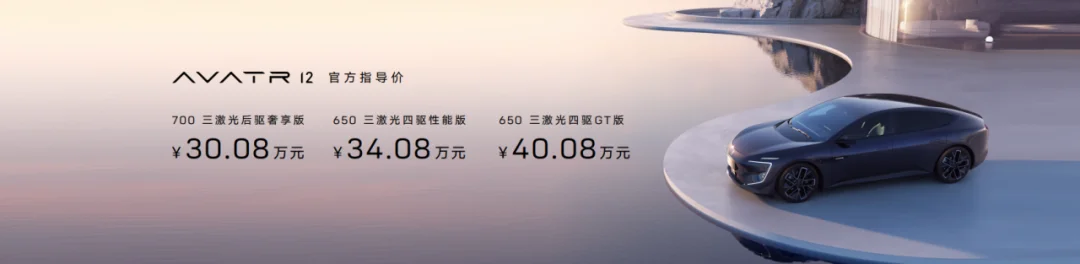
Additionally, buyers receive a RMB 10,000 deposit discount, a RMB 10,000 selection fund, and complimentary front zero-gravity seats valued at RMB 10,000.
In terms of intelligence, all AVATR 12 models are equipped with Huawei’s advanced intelligent driving system, HUAWEI ADS 2.0. The driver assistance hardware features the same triple-lidar configuration as the AVATR 11.
For the smart cockpit, the AVATR 12 runs on HarmonyOS 4-based Harmony Cockpit, offering a smoother interaction experience. Every model comes standard with a 15.6-inch Huawei smart center screen and a 35.4-inch 4K integrated remote display. Leveraging HarmonyOS’s unique multi-device collaboration capabilities, it delivers a seamless connectivity experience. Furthermore, the Harmony 4.0 cockpit integrates Xiaoyi, powered by an AI large language model, to enhance the intelligent voice assistant’s capabilities.
In its design, the AVATR 12 adheres to the overall design philosophy of 'Future Elegance,' upholding a forward-looking, extreme, and pure design philosophy. From the perspective of a pure electric sedan, the AVATR 12's overall design is distinctive yet exudes a sense of luxury.
At the launch event, CATL Chairman Zeng Yuqun, Huawei Executive Director and CEO of the Consumer Business Group and Chairman of the Intelligent Automotive Solutions BU Richard Yu, and Changan Automobile Chairman Zhu Huarong once again shared the stage, witnessing another milestone for AVATR under its innovative CHN model.
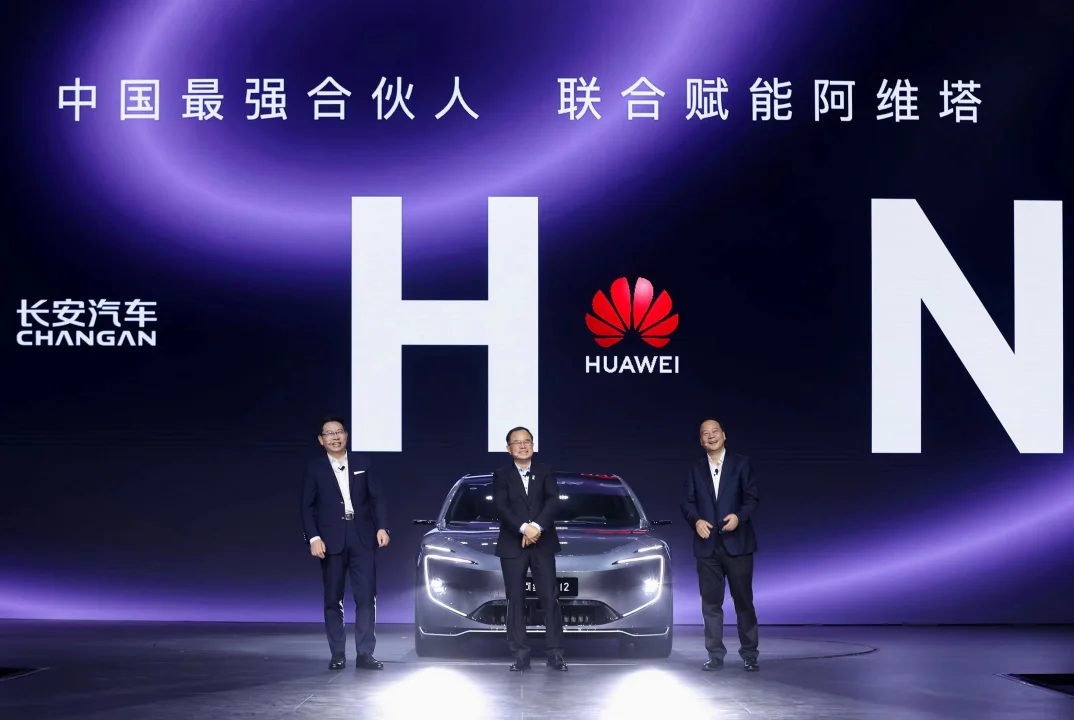
Quick Take: As the second vehicle on the CHN platform—named after Changan, Huawei, and CATL—the AVATR 12 benefits from Huawei’s comprehensive intelligent capabilities, leaving little cause for concern regarding either its autonomous driving or smart cabin features.
Furthermore, with a starting price of RMB 308,000 paired with class-leading configurations and a unique design style, it possesses considerable competitiveness in the current RMB 300,000 segment of the pure electric sedan market.
Such disruptive pricing will inevitably place greater pressure on other pure electric sedans in the market, further intensifying the price war.
Volvo Pure Electric Luxury MPV EM90 Makes Global Debut
On November 12, Woerwoqiche's first pure electric luxury MPV, the EM90, made its global debut and opened reservations for customers in mainland China.
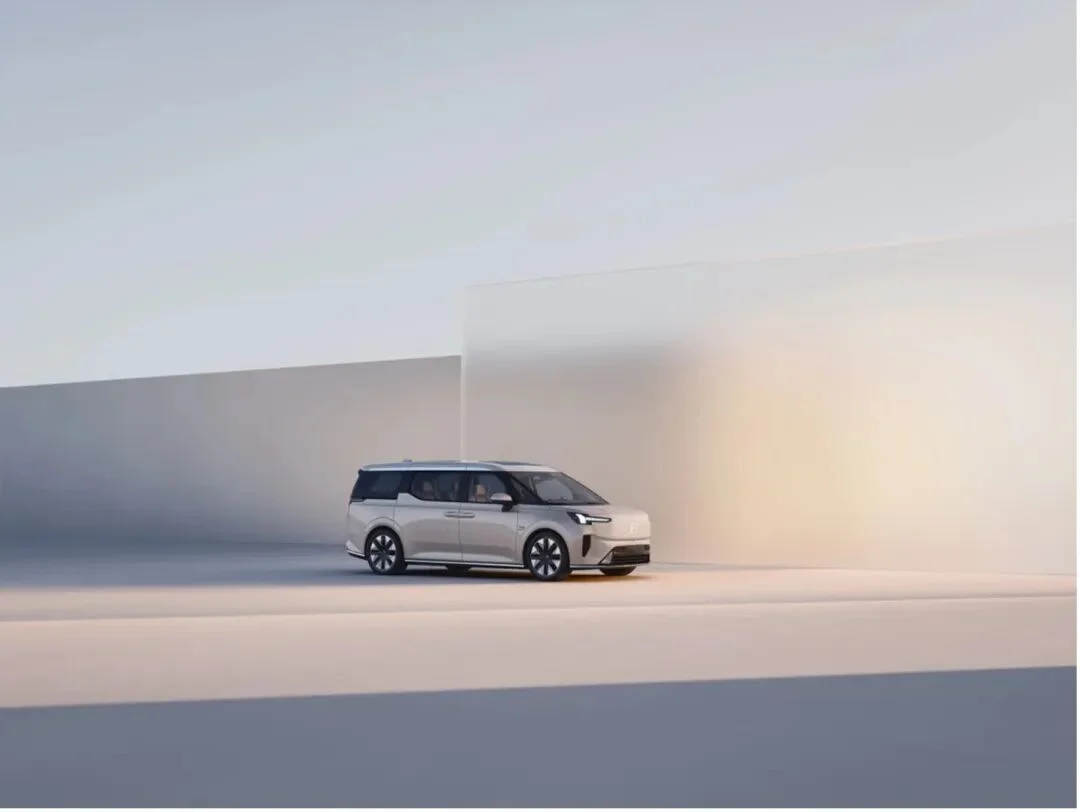
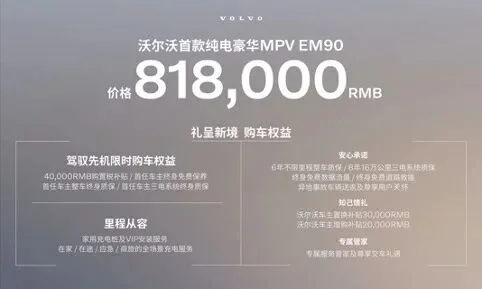
The Woerwo EM90 has an official direct sales price of RMB 818,000, along with a series of purchase benefits that include home charging piles and all-scenario charging services, premium vehicle usage and maintenance services, and an online exclusive butler service.
From a specific product perspective, the Woerwo EM90 aims to provide a mobile living and travel space, hoping to use design to connect emotions, inspire creativity, and relax the mind and body.
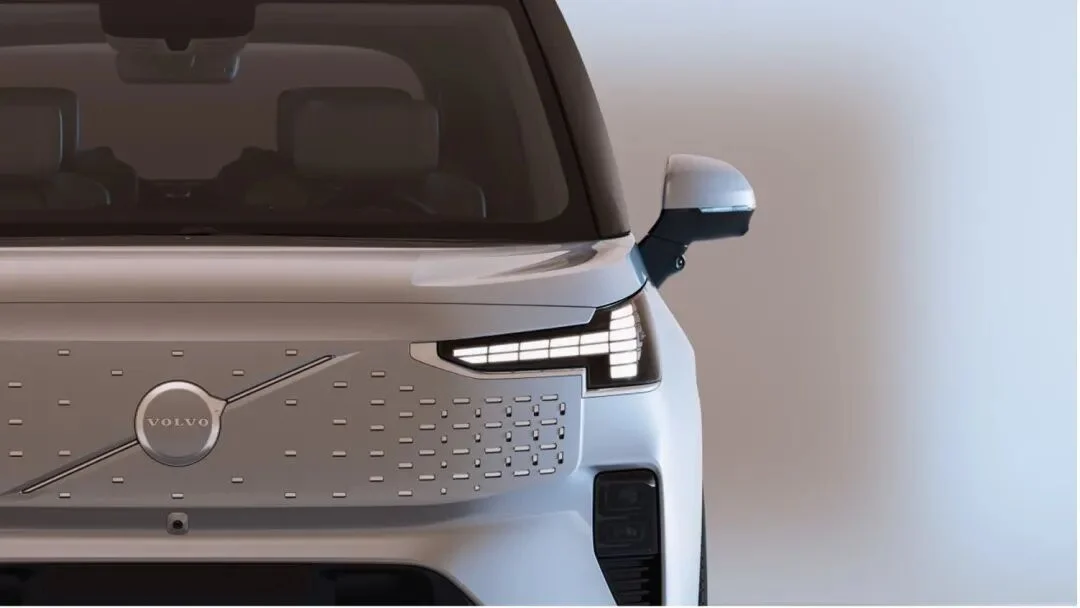
In terms of exterior design, the Woerwo EM90 establishes a new style standard in the MPV segment, with its signature front-end design and unique rear lighting making it stand out.
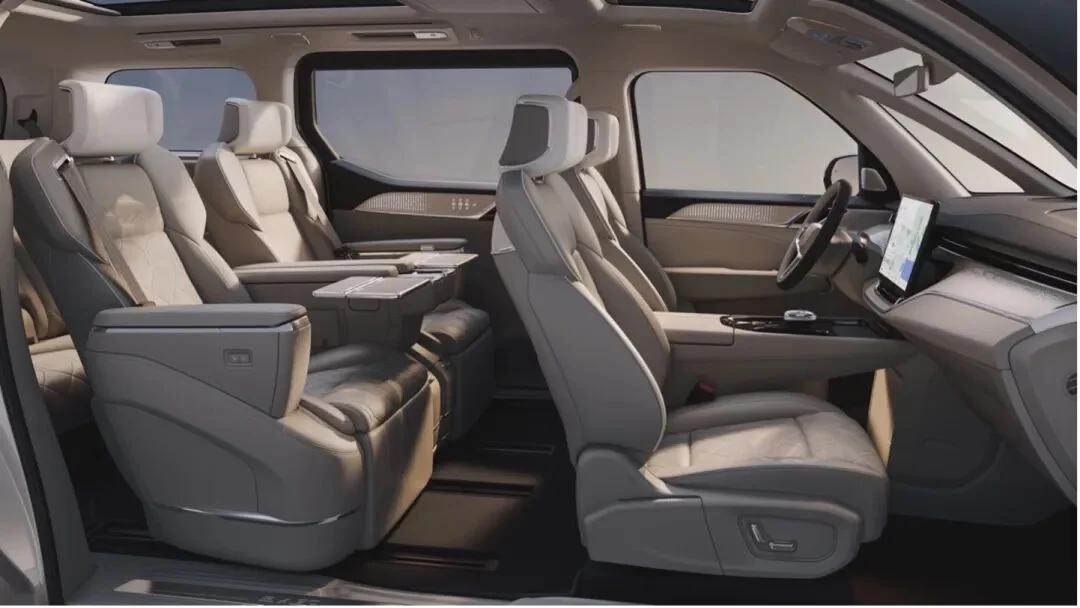
In interior design, the Woerwo EM90 adopts Scandinavian aesthetic styling to emphasize its high-quality travel experience.
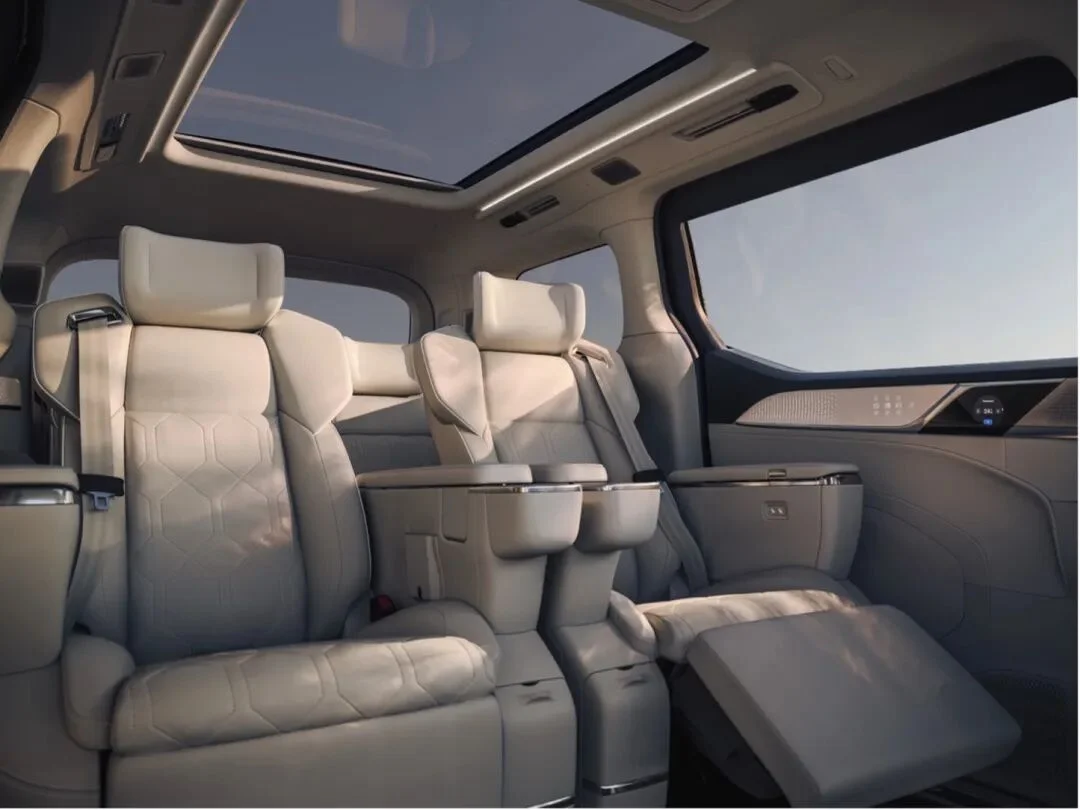
For driver assistance, the EM90 is equipped with a suite of software and sensors, including high-definition cameras, panoramic cameras, millimeter-wave radar, and ultrasonic sensors, further enhancing user confidence and control.
Regarding charging, the Woerwo EM90 features bidirectional charging capabilities, allowing it to serve as a mobile power station to charge other electric vehicles and appliances, thereby expanding its practical utility.
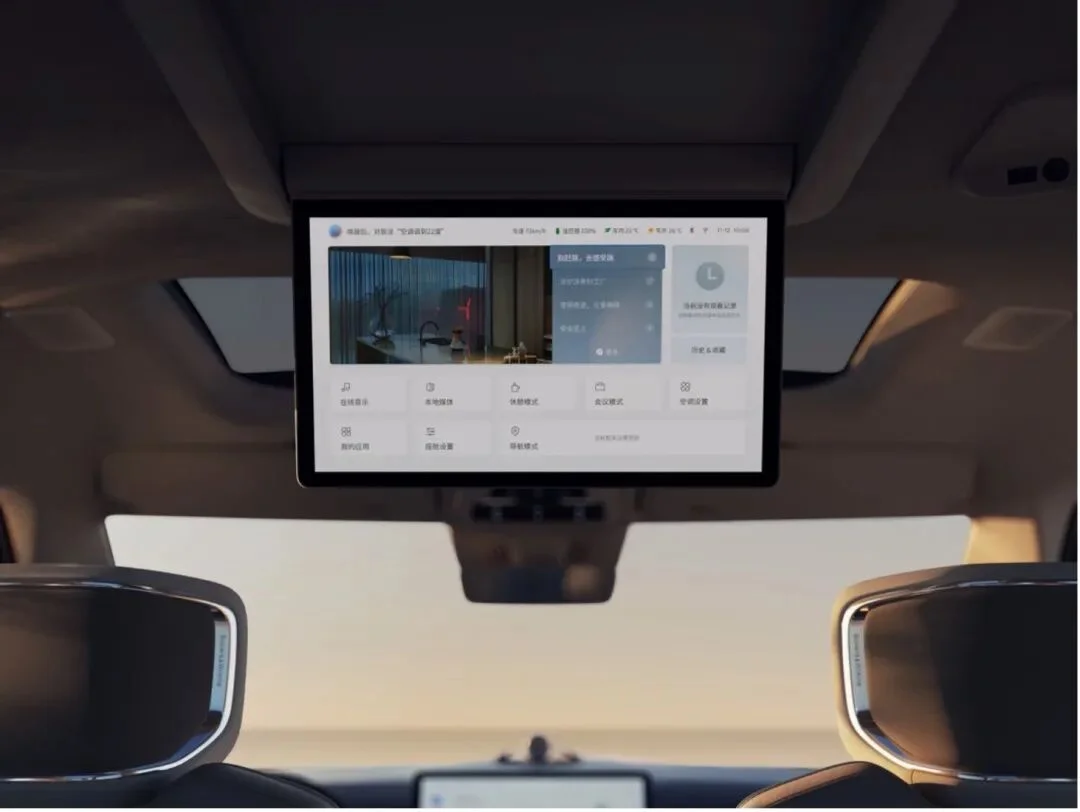
Overall, the launch of the Woerwo EM90 reflects Woerwoqiche’s innovative capacity and precise insight into market demands. This is not only a strong entry by Woerwoqiche into the MPV segment but also a significant step in its electrification journey, with high market expectations for the model.
At the Woerwo EM90 launch event, Volvo also announced its corporate goal to achieve full electrification by 2030.
Commentary:
The debut of the Woerwo EM90 undoubtedly injects new vitality into the luxury pure-electric MPV sector. With an official direct price of RMB 818,000 and a series of purchase benefits, the EM90 precisely addresses the travel needs of high-end consumers. Meanwhile, its innovative design philosophy and advanced autonomous driving configurations demonstrate thoughtful consideration for future mobility trends.
However, market feedback is not solely based on the product itself. For EM90 to establish a foothold in the Chinese market, Volvo must effectively coordinate sales, service, and charging infrastructure. In particular, against the backdrop of increasingly fierce competition in China's pure electric vehicle market, EM90's performance will directly impact Volvo's position in the new energy sector.
As for EM90's impact on China's new energy vehicle market, we anticipate it will enhance market vitality and stimulate greater innovation among manufacturers. However, the specific effects remain to be seen, depending on EM90's actual sales figures and market response.
Written by: Yisong Edited by: Yisong