Leapmotor Reports Strongest Quarterly Results: Sales Surpass 170,000 Units and Consecutive Quarterly Profitability

Leapmotor released its financial results for the third quarter of 2025 yesterday, with both sales volume and profit reaching new highs.
Financial data shows that Leapmotor’s revenue in Q3 was RMB 19.45 billion, a year-over-year increase of 97.3%. The gross margin stood at 14.5%, up from 8.1% in the same period of 2024 and 13.6% in Q2 2025. Sales volume reached 173,852 units, representing a year-over-year increase of 101.77% and a quarter-over-quarter increase of 29.63%. Net profit was RMB 150 million, bringing cumulative net profit for the first three quarters to RMB 180 million, marking consecutive quarters of profitability.
During the earnings call, management clearly signaled several key points:
The gross margin for the D19 model alone, as well as for Leapmotor overall, will fluctuate within the 15%-20% range;
The sales target for next year is set at 1 million units, with no room for compromise;
Four new models are scheduled for release between the end of this year and next year, while existing models will undergo comprehensive upgrades;
Leapmotor's first A-series model, the A10, will be unveiled at the Guangzhou Auto Show on November 21 and launched in global markets in the second quarter of 2026.
With the launch of its D-series and A-series models, Leapmotor will complete a comprehensive layout across its four major product lines: A, B, C, and D. During the earnings call, management expressed full confidence in the market performance of the D19, stating it would surely leave everyone with their mouths agape.
01Highly Substantive Financial Data
In the third quarter of 2025, Leapmotor’s financial performance finally provided the market with reassurance. The quarterly profit of RMB 150 million may not be large in scale, but it proves that the first-ever profitability achieved in the first half of the year was not a fleeting phenomenon, but rather solid, sustained progress.
Leapmotor’s revenue reached RMB 19.45 billion in Q3, nearly doubling year-on-year, primarily driven by a significant surge in vehicle sales. Deliveries totaled 173,852 units in the third quarter, up 101.77% year-on-year and approximately three-tenths quarter-on-quarter. September deliveries exceeded 66,000 units, and October surpassed 70,000 units, maintaining the top sales position among new energy vehicle brands for eight consecutive months.
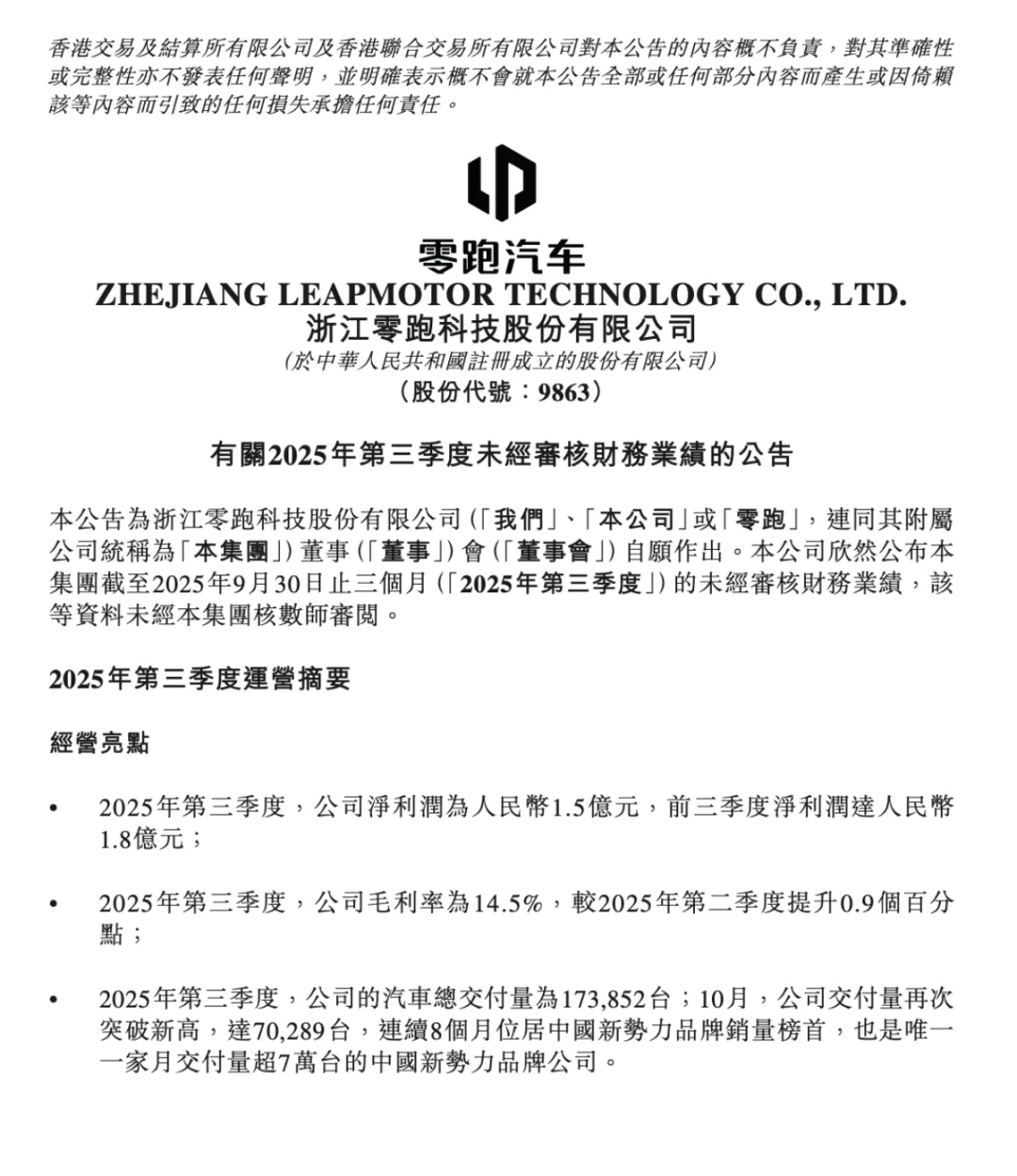
Gross margins continued to improve. The comprehensive gross margin for Q3 stood at 14.5%, higher than the 8.1% recorded in the same period last year and an increase of 0.9 percentage points from the second quarter. This indicates that Leapmotor’s profitability per vehicle is gradually recovering, a result of expanded scale, cost control, and optimized product structure.
Notably, carbon credit income also contributed positively to profits. Leapmotor generated an additional RMB 250 million in revenue from carbon credits in Q3, with projections indicating this figure will rise to nearly RMB 500 million in the fourth quarter. Although this revenue stream is subject to policy cycles, it continues to play a stabilizing role in the current financial structure.
Meanwhile, Leapmotor’s cash flow situation has improved. Net operating cash flow reached RMB 4.88 billion, with free cash flow at RMB 3.84 billion in Q3. Total cash reserves amounted to RMB 33.92 billion, providing ample resources for future new model launches and global expansion.
For a new energy vehicle maker that had long operated at a loss, this round of profitability carries significant weight, as both sales volume and gross margins are genuinely improving. This serves as evidence that Leapmotor is turning phased profitability into a normalized outcome.
02Focusing on the Domestic Core Market: Winning Hard Battles with Product Strength and System Efficiency
On November 15, Leapmotor announced that it had reached its 500,000-unit sales target ahead of schedule. Hitting an annual goal of 600,000 units seems almost certain, but the real test lies in the coming year.
Management has set a sales target of 1 million vehicles for 2026, aiming to achieve RMB 5 billion in net profit under that volume. Leapmotor Vice President Li Tengfei stated unequivocally: 'Since we have stated it, there is no room for adjustment; we will firmly and unwaveringly achieve next year’s sales target of 1 million units.'
While this figure appears aggressive, it was not decided arbitrarily. Leapmotor has prepared its channels and products and demonstrated strong confidence.

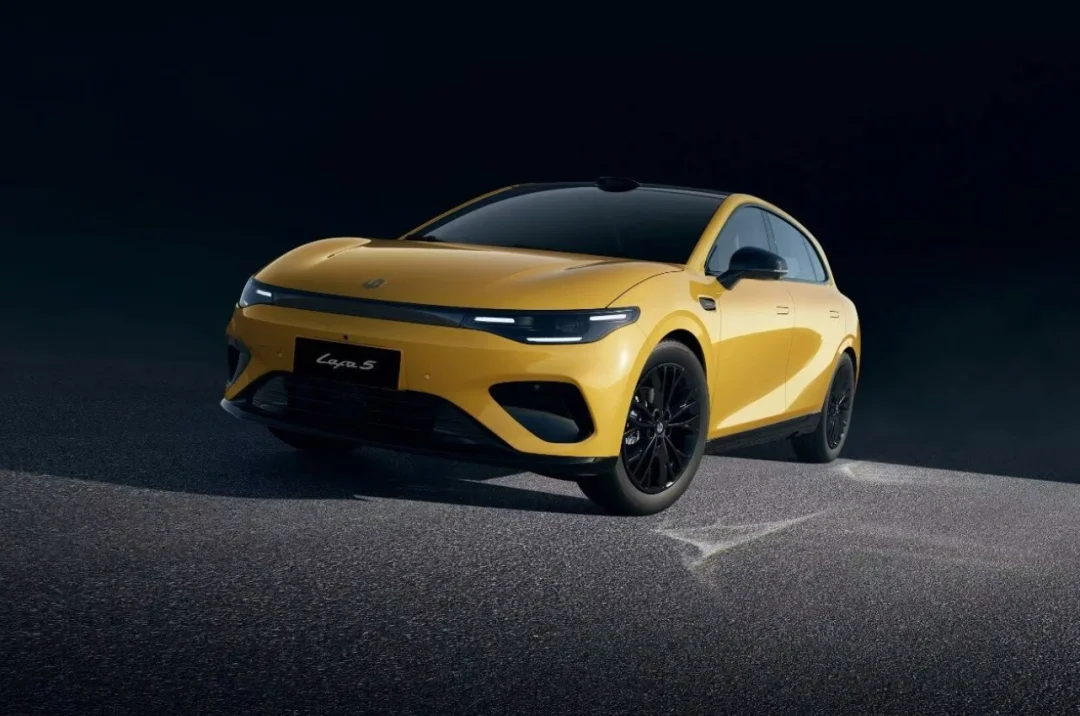
First, there is a dense rollout of new models. The Lafa 5, the quickest-to-market new vehicle, began pre-sales this quarter. Positioned as a compact pure electric vehicle in the RMB 100,000 price bracket, it is a key step for Leapmotor in securing its sales base.
Next up is the A10, which will be unveiled at this week’s Guangzhou Auto Show. Built on Leapmotor’s new A platform, it is a 'smart premium long-range SUV' aimed at the global market and is expected to launch in the first half of 2026.
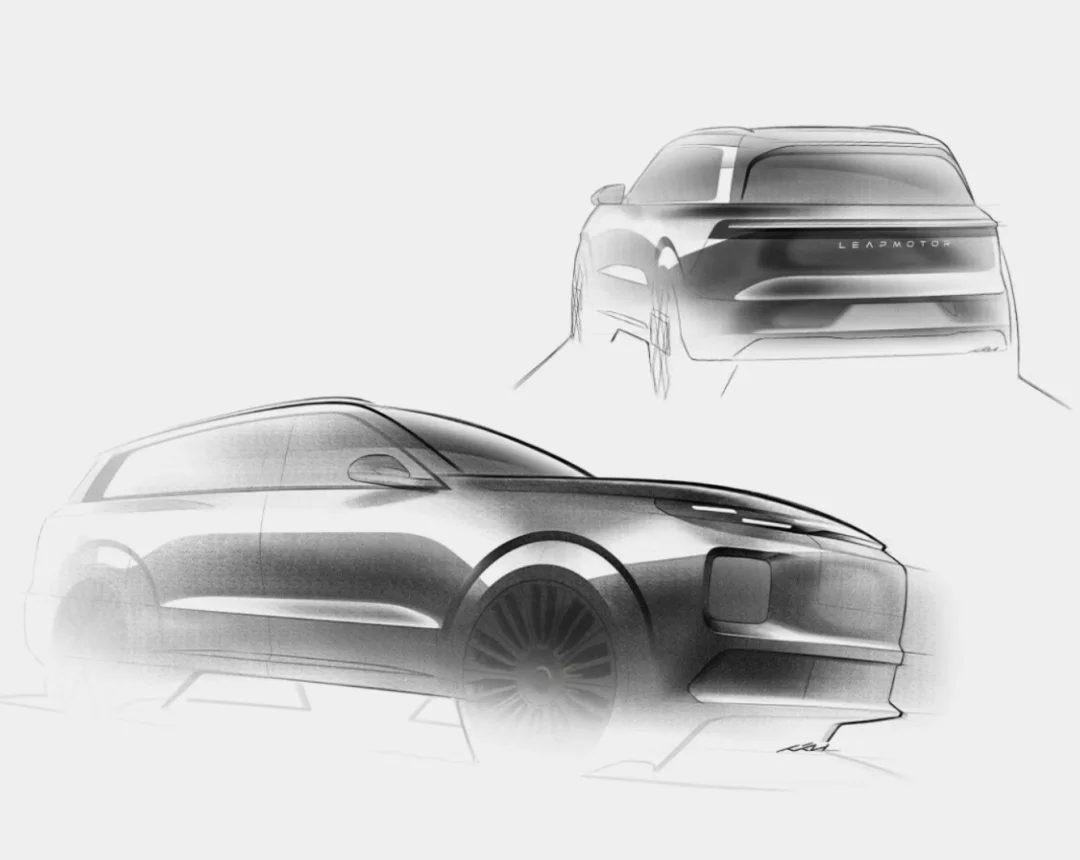
The first model on the D platform, the D19, was unveiled in October and is scheduled for launch by year-end, with a gross margin target of 15%–20%. The second vehicle on the D platform will be an MPV, expected to be officially released in 2026.
In addition, the upcoming second product on Platform A, the A05, will help Leapmotor complete its product line puzzle across the A, B, C, and D platforms with this round of launches, covering the core market ranging from the hundred-thousand-yuan tier to the two- to three-hundred-thousand-yuan tier.
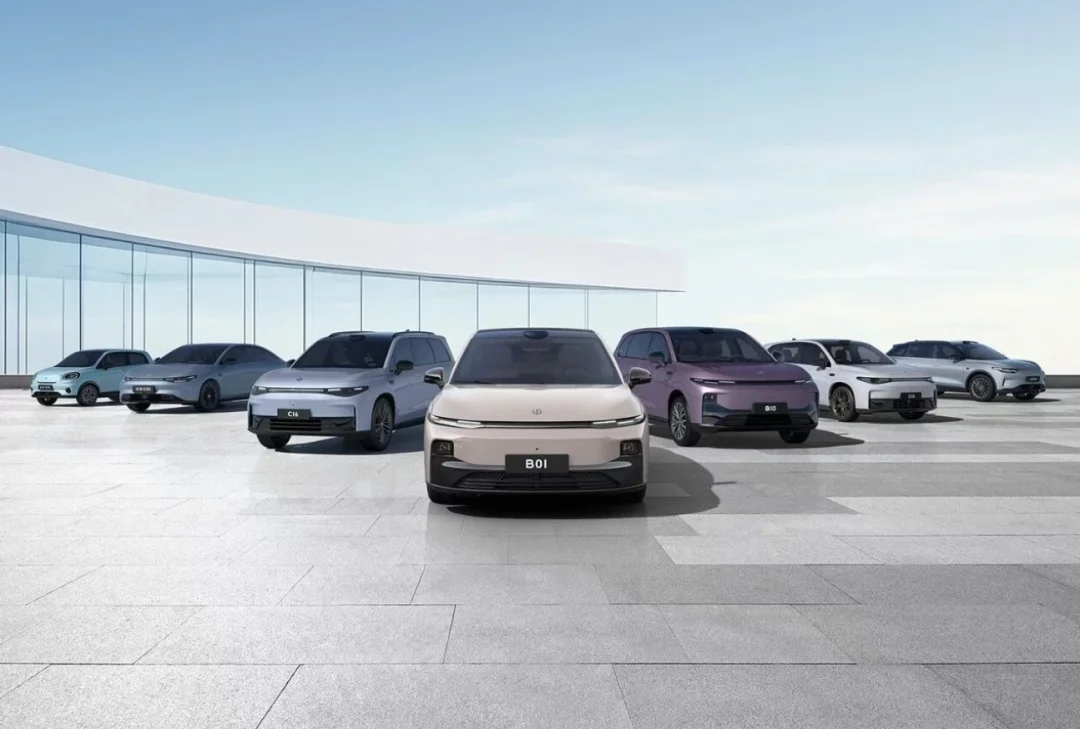
Next are updates to existing models. Key vehicles such as the C10, C11, C16, B10, and B01 will receive upgrades next year, enhancing their intelligent features, equipment levels, and overall perceived quality to solidify their position in the mid-volume mid-range market.
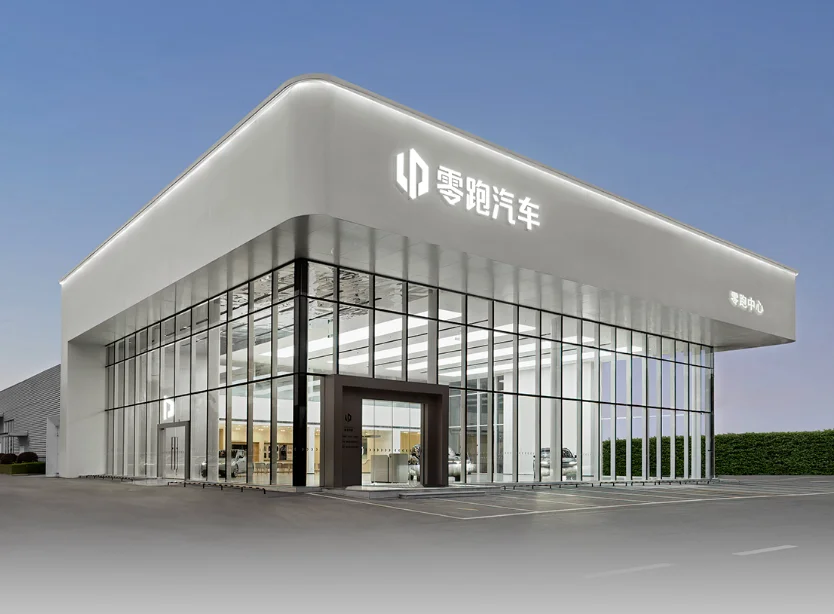
Channel expansion is also accelerating toward deeper penetration and improved efficiency. By the end of October, Leapmotor had over 1,000 sales outlets, with a goal to reach 1,500 by 2026, further extending into fourth- and fifth-tier cities. "Leapmotor Centers" will account for more than 50% of these locations, increasing the density of direct-operated channels. Additionally, 80% of dealers achieved profitability within the year, laying the foundation for a high-efficiency, high-trust sales network.
Facing the marginal decline in purchase tax exemptions and old-for-new trade-in subsidies, Leapmotor does not intend to rely heavily on policy incentives. Instead, it emphasizes standing firm in the sub-RMB 200,000 market through product strength while launching attacks on the RMB 300,000 segment. Management stated that it will closely monitor policy trends while defending its core market share through cost-effective and efficient strategies.
The following is the response from Leapmotor Vice President Li Tengfei regarding domestic market plans during the earnings call, which we have edited without altering the original meaning:
Q: Leapmotor has already exceeded its 2025 sales target of 500,000 units ahead of schedule. What new products will be launched next year, and how will existing models be enhanced to maintain market share?
A: A new model has already been unveiled: the D19, the first vehicle on the D platform, which debuted in October. Another D-platform product, an MPV, will also be launched and sold in 2026. The first product of the A platform—the A10—will make its debut at the Guangzhou Auto Show and go on sale in the first half of next year. Another A-platform model, the A05, will also be released in 2026. In total, four brand-new products will be introduced to the market next year.
2026 is a major product year for Leapmotor. Existing models in the C series (C16, C10, C11), the B series (B10, B01), and the Lafa 5, which is set to launch at the end of this month, will all receive product upgrades next year. These enhancements will further strengthen their competitiveness and support the company’s overall sales targets for the coming year.

Q: What are the expectations for the gross margin of D-platform vehicles? What innovative marketing and channel strategies will highlight the premium positioning of the D platform?
A: The company aims to maintain a gross margin of approximately 15% across its vehicle lineup. By entering the market with high cost-performance products, we do not pursue excessively high margins. Pricing for D-platform models will generally hover around the 15% level, adhering to a high value-for-money strategy rather than targeting exceptionally high profits. We estimate the gross margin for the entire D platform will range between 15% and 20%.
Brand promotion, channel strategies, and terminal retail processes will feature initiatives and approaches that go beyond those currently offered for existing models, ensuring that D-platform users enjoy a superior experience.
Q: With reductions in purchase tax subsidies and trade-in incentives next year, consumers priced under RMB 200,000 may be more sensitive to subsidy changes. How does the company plan to respond?
A: While the industry will undergo certain shifts next year, overall conditions are not expected to fluctuate significantly. We can look to the conclusion of national subsidies in 2022–2023 as a reference: despite the subsidy phase-out, total passenger car sales in 2023 did not show a marked decline compared to 2022, while the penetration rate of new energy vehicles continued to grow.
We believe that as China's new energy vehicle (NEV) market develops rapidly, NEVs will eventually move beyond national-level subsidies and compete on a level playing field with all other products. Policy guidance is phased; from a longer-term perspective, demand remains constant. The key question is simply which companies can best convert that demand into sales.
Therefore, while we closely monitor policy changes and track competitors' responses in real time, our primary focus is on strengthening ourselves: enhancing product capabilities and configurations, optimizing costs, and accelerating the rollout of new technologies. We have no major concerns about the industry outlook. Our publicly stated target of 1 million units for next year refers to our combined domestic and international sales volume. We are fully committed to this goal. Since we have announced it, there is no room for adjustment; we will steadfastly achieve the 1-million-unit sales target next year.
Q: Recently, upstream battery raw materials have seen price increases. What impact do you expect this to have on gross margins by 2026?
A: Upon hearing this news, I have been communicating with our supply chain leadership. According to feedback from our supply chain team, although raw material prices have fluctuated slightly, these fluctuations are not expected to significantly affect cell prices.
As Leapmotor's production volume increases and we implement scientific planning for our cells, we maintain a very limited variety of cell types, resulting in excellent platformization. Although our sales volume this year is approximately 600,000 units, our range of cell types is far smaller than that of our peers. A narrower variety of cells is a significant advantage for manufacturers, leading to high overall capacity utilization and eliminating frequent line changeovers. This greatly improves production efficiency and reduces manufacturing costs across the board.
By 2026, as our production and sales volumes continue to grow, we will maintain and further develop our advantages in both manufacturing costs and bargaining power for cells compared to this year. Additionally, our joint venture cell company with CALB is expected to officially begin operations in September next year, further supporting improvements in our overall cell costs.
Q: Leapmotor's administrative expenses increased significantly in the third quarter. What caused this? What is your outlook for fourth-quarter gross margins?
A: The increase in administrative expenses is at a normal growth rate. As the company's headcount and operational scale expand, the ratio of administrative expenses has grown within a reasonable range. Compared horizontally with industry peers and more broadly with large-scale manufacturers, this performance remains highly competitive.
We expect fourth-quarter profitability to remain flat compared with the third quarter. Although the end of local subsidies has triggered some market hesitation and a decline in overall purchase intent, the company will implement corresponding strategies to mitigate this impact. Our goal is to maintain a profit level similar to that of the third quarter.
Q: What information can you share about the 'new species' product? How is the development pace progressing?
A: The company has completed its strategic planning for the 'new species,' clarifying the product direction, brand positioning, and channel strategy. Teams are being assembled and organizational structures are being established. Product development is proceeding in an orderly manner. We cannot disclose specific details about the new product at this time, but I can confirm it is a 'new species'—a product unlike anything currently available on the market.
This comparison includes all products both domestically and internationally, encompassing those currently visible as well as those previously launched. From Leapmotor's perspective, we believe it represents an innovative category that opens up new possibilities, and we are very excited for its upcoming release. The new species is expected to launch in 2027 or 2028.
Q: Many automakers have introduced tax-incentive backstop policies. Will Leapmotor introduce similar measures? Given cost reductions through the supply chain and technology, can profitability remain strong next year?
A: Competitors' backstop policies only cover this year; none have announced policies for next year yet. We have not introduced such a policy because we anticipate a healthy balance between December production volumes and final deliveries. However, we will implement a tax-incentive backstop policy for users who cannot take delivery by the end of December.
Regarding 2026 policies, we are not particularly concerned. As you know, the Chinese government, especially within the automotive sector, has recently launched initiatives against excessive competition ('involution'), issuing serious criticisms of unfair practices and convening two meetings with group chairmen. We strongly support these efforts to curb involution. Therefore, we do not worry about potential distortions in market behavior after promotional incentives are withdrawn next year, as we remain confident in Leapmotor's advantages in product capability and cost efficiency.
Q: Regarding channel planning for next year, how many stores and outlets do you expect to expand?
A: Regarding channels, there are two aspects: the number of channels and their quality. By the end of this year, the sales channel network will exceed 1,000 locations, and by the end of next year, it will surpass 1,500. The current channel structure consists of three types: Leapmotor Centers, Experience Centers, and retail store outlets. Of the 1,500 sales stores planned for next year, more than 50% will be Leapmotor Centers. The overall channel strategy will extend to fourth- and fifth-tier cities. As of October, 80% of dealerships had achieved cumulative profitability from January through October, a trend that needs to be maintained and strengthened next year to enable dealers to operate with less burden.
With four new products launching next year, sales and efficiency per store will undoubtedly improve. Next year, the company aims to achieve a net profit of RMB 5 billion against a sales target of 1 million units.
Q: What kind of feedback has the D series received so far? What will be the final price for the D19? How do you balance gross margin and sales volume?
A: After October, the D series received very positive market feedback. The number of pre-order bookings for the D series far exceeded our expectations. We can even tell you that the volume of pre-orders for the D series is the highest among all models we have launched with pre-order campaigns to date within the same time frame. This performance has given the entire company strong confidence in the D series, and users and the market have shown considerable recognition of the D19 product.
We will set the overall gross margin in the 15%-20% range. I believe that when the final product is presented to everyone, and when Mr. Cao Li personally announces the final pricing, it will surely leave everyone's mouths agape. The D19 will definitely be a product that makes people scream.
03Accelerating Overseas Expansion, Competing for the Next Incremental Growth Space
Starting in the third quarter, Leapmotor’s overseas expansion accelerated significantly. Overseas orders exceeded 12,000 units in October and are projected to surpass 15,000 units in November, emerging as a highly dynamic variable within the company.
In terms of layout, two localized production projects in Malaysia and Europe are entering the implementation phase, with production expected to begin as early as the first half of next year. Additionally, the first export Hongqi model developed in cooperation with FAW will commence mass production in 2026. Leapmotor’s global strategy is no longer limited to vehicle sales but now involves comprehensive participation in product development, production lines, and collaborations with domestic and international manufacturers and dealerships.
Below is an edited version of answers provided by Leapmotor Vice President Li Tengfei regarding overseas market planning during the earnings call, preserving the original meaning:
Q: Can the high-growth trend of exports continue into 2026? What are the company’s sales and profitability guidance for overseas markets next year?
A: Overseas sales saw a notable increase in the third quarter compared to the second quarter. Overseas orders experienced explosive growth in October, reaching 12,000 units, with November orders expected to exceed 15,000 units. Based on the strong momentum in Q4 this year and the gradual rollout of Lafa5 and A-platform products to overseas markets, along with new models launching in South American and Middle Eastern countries, we anticipate that overseas sales will maintain the high-growth trajectory seen in Q4. The sales target for overseas markets next year is estimated at 100,000–150,000 units.
Q: Regarding the overseas market next year, what is the progress of localized production capacity, and what are the prospects for profitability?
A: In 2026, two overseas localization projects are expected to come online: one in Malaysia and one in Europe. The Malaysian project is scheduled to be operational in the first half of next year, while the European project is expected to launch in the second half.
Regarding overseas profitability, we have a three-year commitment to Leapmotor International. Over this period, we will adopt a relatively low-margin model, ceding more margin to Leapmotor International to facilitate its market expansion. Overseas gross margins in 2026 are not expected to be high, remaining roughly flat with this year's levels.
Q: What is the progress of the cooperation with FAW? What are the respective demands of both parties, and which segments does each handle? Is the product primarily targeted at the domestic or overseas market?
A: In March, our group and FAW Group announced a memorandum of understanding covering four areas of cooperation. In April, the first joint project was launched: Hongqi’s first overseas vehicle model. This model is expected to enter mass production in the second half of next year and be sold in overseas markets.
The other aspects of our cooperation are proceeding steadily. Both parties leverage their respective strengths to complement each other and advance together to compete in the fiercely contested new energy vehicle (NEV) market. We believe there is sufficient space in the overseas market. As a new automotive force, Leapmotor has its own advantages but also much to learn from traditional automakers. We believe that the strong partnership between Leapmotor and China’s FAW offers further opportunities for collaboration in technology R&D, manufacturing, quality control, supply chain management, and other areas. Deep exchanges and discussions have already taken place on these fronts, and we expect to see the latest results of our cooperation soon.
Q: How much carbon credit revenue do you anticipate generating in Europe this year?
A: We generated approximately RMB 250 million in carbon credit revenue in the third quarter. We expect this figure to be higher in the fourth quarter. Since overall carbon credit revenue is directly linked to sales volume, particularly in the EU and Asia-Pacific regions, and given that Q4 sales will be significantly larger than Q3, we anticipate carbon credit revenue in the fourth quarter to reach approximately RMB 500 million.
Q: New energy vehicle sales in Europe have been strong this year, with year-on-year growth of 30% across the first three quarters. However, Stellantis Group’s own models have seen modest sales growth. Has Stellantis made any changes to its brand positioning or strategy internally?
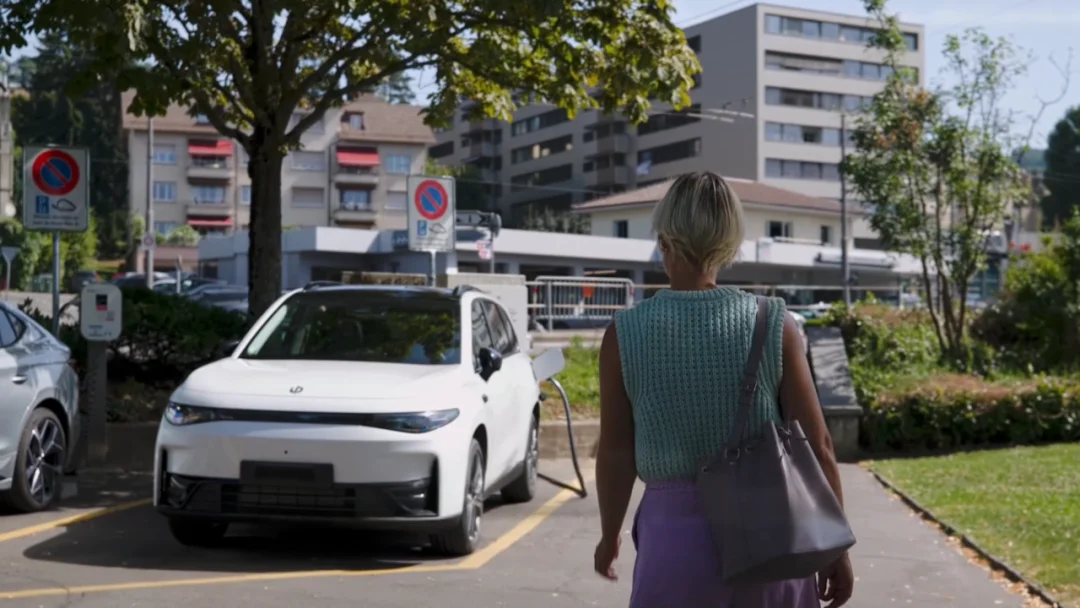
A: From an NEV perspective, the performance of Stellantis’ 14 brands as a whole has not been particularly outstanding this year. The standout performer within Stellantis’ NEV portfolio is the Leapmotor brand. Although Leapmotor is not part of the Stellantis Group, it holds a controlling stake in their overseas joint venture. Leapmotor’s performance has exceeded the expectations of many Stellantis executives.
So now, within Stellantis, both the chairman and CEO are placing greater emphasis on the Leapmotor brand. They hope that Leapmotor's rapid development will, in turn, accelerate Stellantis's overall transition to new energy vehicles, which is why they have given Leapmotor such high priority.
Q: Besides the RMB 250 million from carbon credit sales, what other business revenue did Leapmotor generate in Q3 outside of its automotive operations? Over several quarters, Leapmotor's R&D expenses have grown relatively quickly. In which areas will there be significant investment? What is the competitive strategy for next year?
A: Apart from carbon credits, there is no other additional revenue. The increase in R&D expenses is driven by three factors. First, significant investment in driver assistance systems; we invite everyone to experience our latest achievements in the first half of next year, and I am confident that you will not be disappointed and will be surprised by the improvement in Leapmotor's driver assistance capabilities. Second, investment in new products, which increases R&D costs as the number of models grows. Third, investment and reserves for future technologies.
Regarding competitive strategy, we will consistently maintain a high cost-performance ratio approach, leveraging our advantages in technology, product costs, and efficiency to create products with the best value for money. No matter the price of our vehicles, we aim to be the most cost-effective options in the automotive market.
Written by: Da Yong Edited by: James