Is Anyone Else in the Autonomous Driving Industry Pursuing Cost Efficiency Besides Tesla?
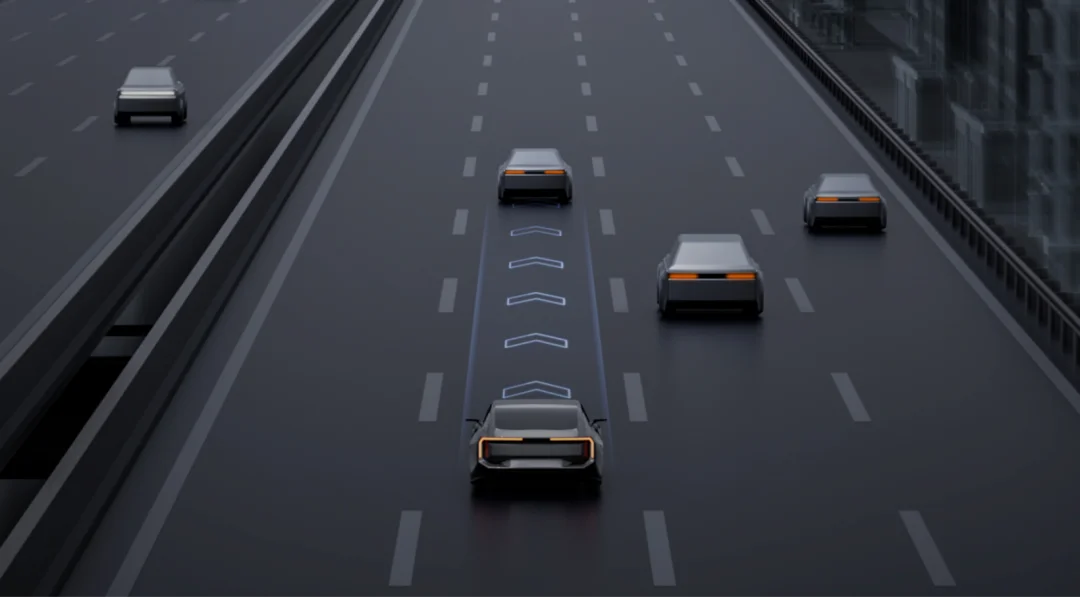
Over the past decade, the development of autonomous driving has presented a fascinating dynamic. Before the industry truly gained momentum, the vanguard was comprised of numerous domestic and international companies that immediately claimed readiness for L4 deployment. Their approach to achieving L4 converged on a single strategy: conducting long-term technology R&D while relying on the most expensive, high-end, and abundant sensors to ensure safety redundancy when their technology was not yet mature.
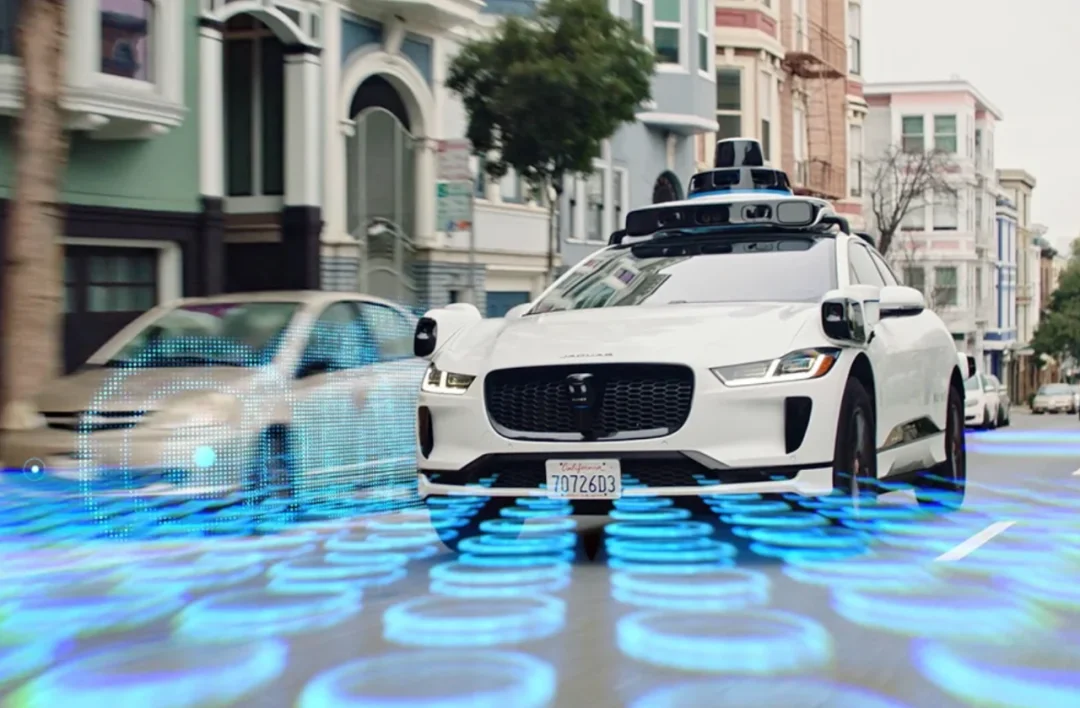
Although some companies did achieve this, it came with immense cost pressure. For instance, Waymo’s hardware retrofit costs per vehicle far exceeded the price of the car itself. This is akin to attempting to scale ride-hailing services using Mercedes-Benz S-Class vehicles, which defies commercial logic. Consequently, nearly all companies piloting autonomous ride-hailing services have restricted operations to regional test zones.
One exception is Tesla. From an early stage, Tesla adopted a distinctly different strategic path. While most are familiar with Elon Musk’s advocacy for a pure vision-based approach, the core reason Tesla now leads the pack lies in its commitment to extreme cost reduction through self-developed chips and a highly restrained sensor suite. Recently, Tesla officially launched its Robotaxi. Although not yet rolled out at scale, the successful deployment of FSD and its rigorous cost control have convinced observers that widespread adoption is merely a matter of time.
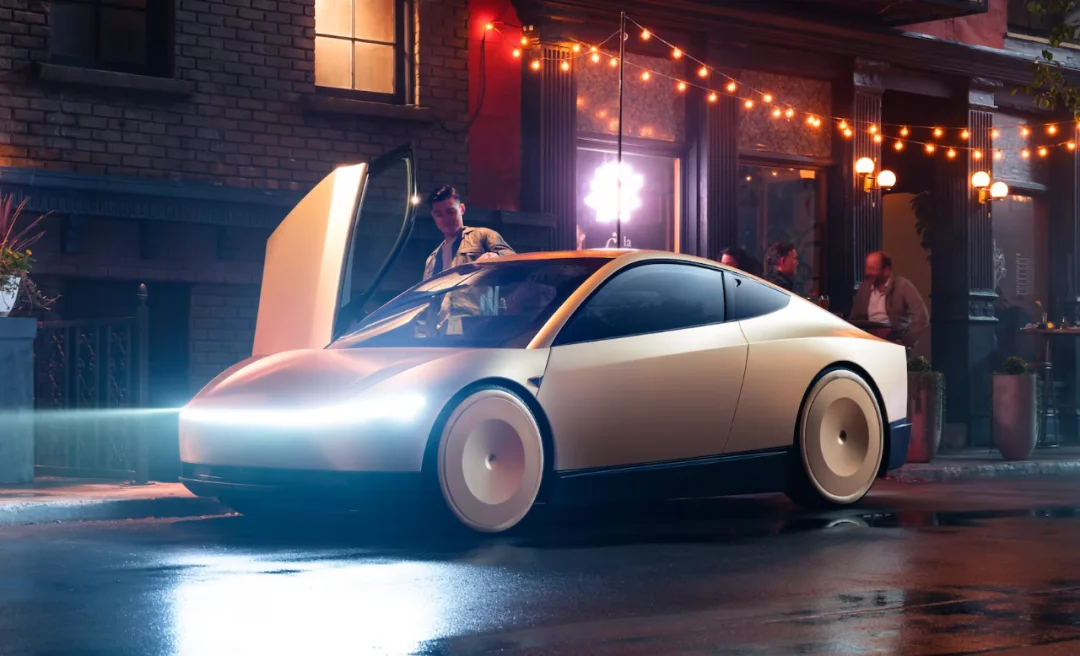
Furthermore, Tesla has included FSD-capable hardware as standard equipment since 2018. For a brand known for its meticulous cost management, equipping vehicles with hardware that many owners will never use seems counterintuitive. However, Tesla’s rationale is straightforward: everything serves the goal of popularizing autonomous driving, and cost reduction remains one of the most critical challenges for achieving scale.
So, what new progress has been made regarding 'cost reduction' in today's autonomous driving industry?
01The Magic of Computing Power
The cockpit-and-driving integration solution is a highly distinctive approach. In simple terms, it represents one branch of the cross-domain fusion frequently discussed in recent years, referring to the consolidation of intelligent driving and intelligent cockpit systems into a single unit. From the perspective of the entire vehicle, this reduces installation complexity. Previously, cars required two separate hardware modules—essentially two computers with distinct responsibilities; now, a single computer can handle all tasks. This reduction in complexity inevitably leads to cost optimization.
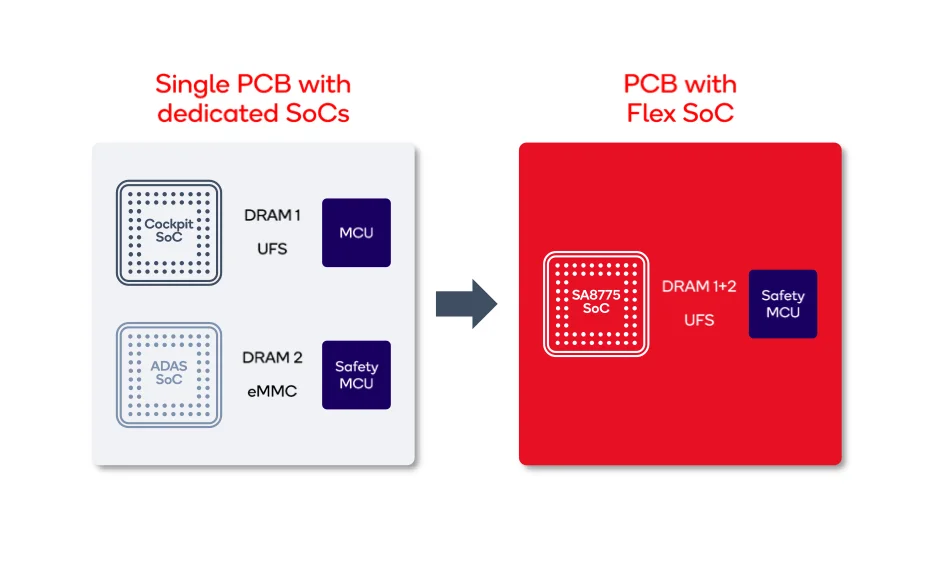
The first deployed cockpit-driving integration solution comes from Zhuoyu, which recently launched its Qualcomm Snapdragon 8775-based platform on the Arcfox Alpha T5. Remarkably, this 8775 platform not only supports Zhuoyu’s latest high-intelligence end-to-end model but also runs a separate infotainment system simultaneously, achieving impressive compute utilization. While most brands struggle with insufficient computing power, the 8775 is inherently a mid-range compute platform yet is required to handle both tasks concurrently.
So, how excellent is the cost control of this solution? Although the specific figures are unknown, Zhuoyu Technology Vice President Qi Guibao revealed at an exchange meeting that the BOM cost of the entire solution is under RMB 10,000. Compared with other intelligent driving solutions, this may not appear particularly outstanding; however, if viewed as including a cabin computing platform provided for free on top of this intelligent driving platform, the impact of cost control in integrated cockpit-driving becomes much more intuitive.
The difference in price between the intelligent driving version and the non-intelligent driving version of the Arcfox Alpha T5 is only about ten thousand yuan, despite slight differences in other configurations. Therefore, it is reasonable that the cost difference is lower than this amount.
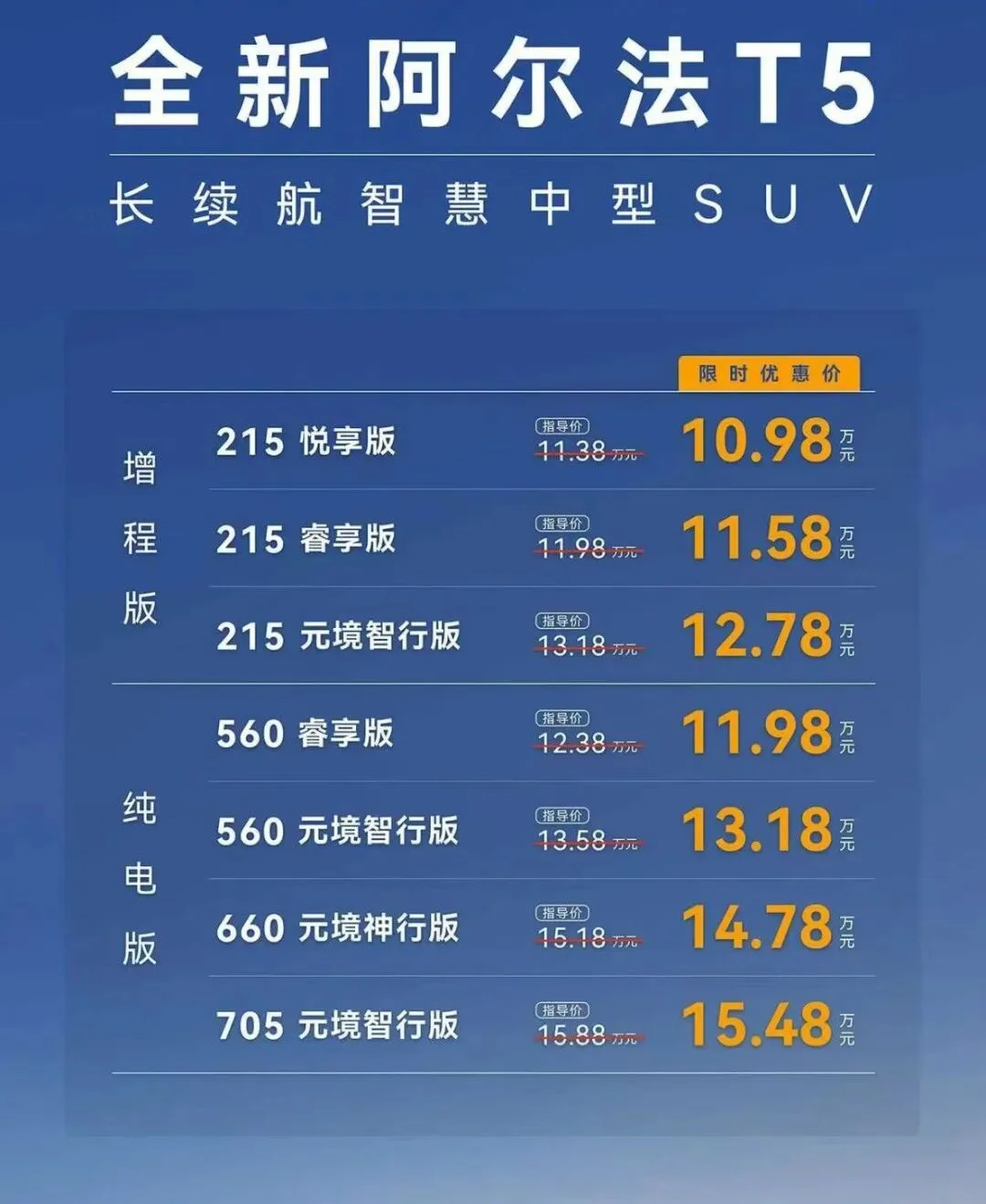
Therefore, cost reduction directly lowers the entry barrier. Automakers can add more features without significantly increasing prices, while users can purchase more affordable intelligent driving models. The result of this closed-loop logic is very direct: economies of scale.
Of course, beyond the computing platform, the perception hardware continues to build on Zhuoyu’s own past R&D achievements.
The entire perception hardware adopts a 7V3R12U layout. Notably, among these seven perception cameras, four are surround-view cameras. Compared with most 7V autonomous driving solutions, this approach reuses the surround-view cameras for lateral perception, which lowers the system’s overall bandwidth requirements and naturally reduces comprehensive costs. Additionally, forward perception utilizes Zhuoyu’s previously launched inertial-guided binocular module. This module acquires depth information through parallax to generate dense visual point clouds and employs a binocular-enhanced OCC algorithm, optimizing the detection of general obstacles. Its perception performance has already been validated across multiple models built on the mass-produced Chengxing Platform.
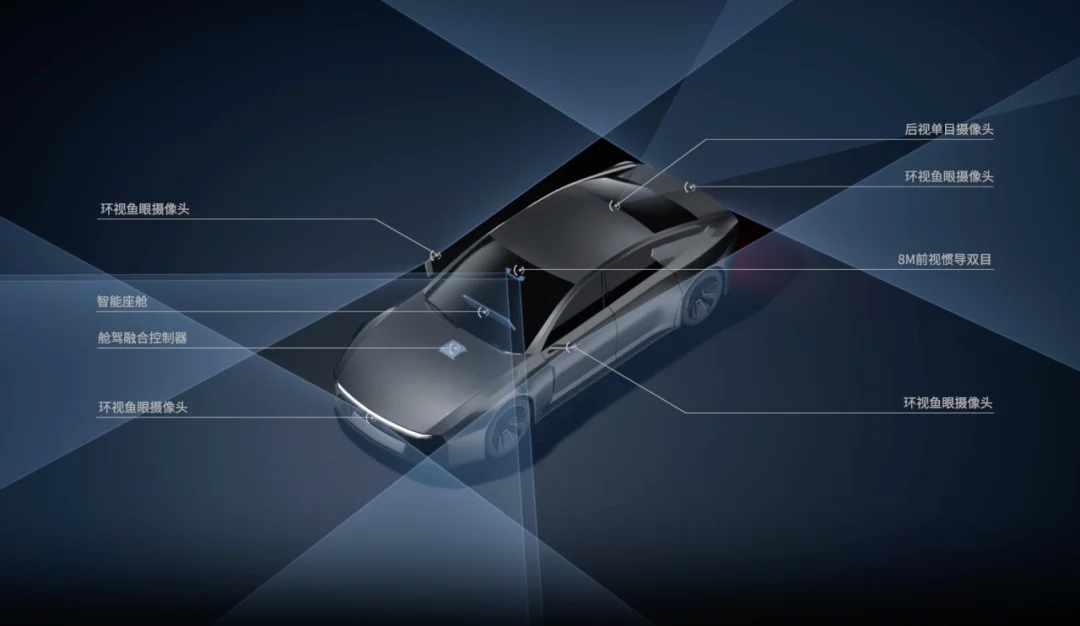
Based on this hardware, the platform supports mapless end-to-end urban and highway NOA (Navigate on Autopilot), automatic parking assistance, and cross-floor memory parking, while also maintaining robust active safety features. Furthermore, based on this mid-compute 8775 cockpit-driving integrated platform, Zhuoyu had officially hinted that an end-to-end world model version could be added via OTA updates at a later stage.
Overall, in addition to cost advantages, the aforementioned characteristics bring other benefits. For instance, eliminating one domain controller significantly reduces overall power consumption. This is particularly evident in long-term parking scenarios, where the Sentry Mode no longer requires activating two domain controllers simultaneously. In many existing vehicles, users have been deterred from using such features due to range anxiety and electricity costs caused by high energy consumption; here, the user value is directly tangible.
Another example involves smart cockpit functions that inherently require integration with the intelligent driving domain, such as accessing exterior cameras or parking assistance features. Previously, communication between the two domains relied on Gigabit Ethernet. Now that both domains reside on a single SoC, system latency is drastically reduced.
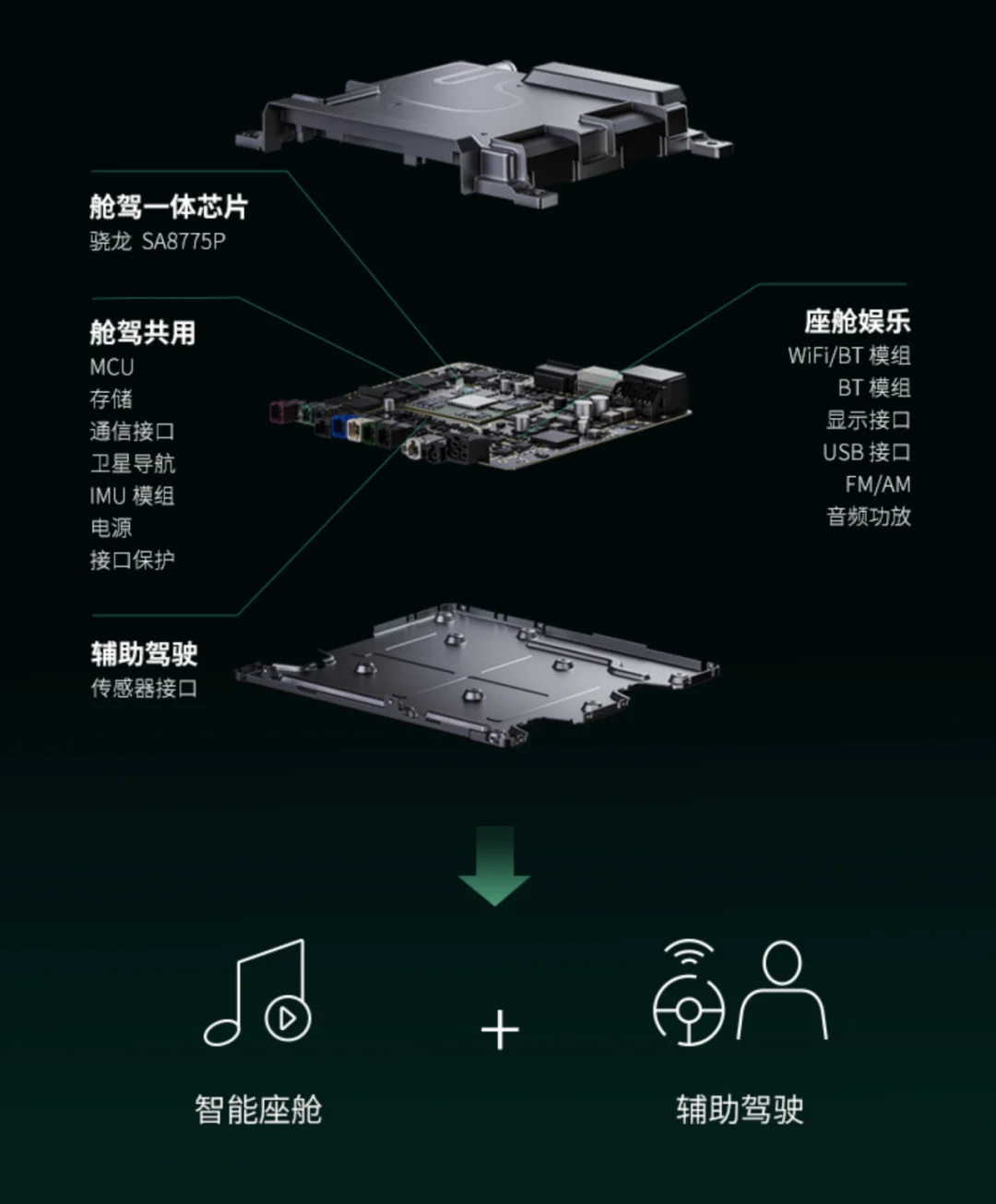
Thus, the benefits brought by system integration and simplification are multidimensional. It is akin to someone who initially aimed only to lose weight: by combining diet and exercise, they not only save on food expenses but also improve their physical appearance and gain more energy for daily tasks.
02Split the Risks, Combine the Performance
But this brings up a concern that everyone shares: if two systems run on the same chip, won’t a crash in the infotainment or driver assistance system cause both the cabin and autonomous driving modules to fail simultaneously?
This worry is reasonable for most people. Indeed, some smart vehicles still experience glitches while driving, and objectively speaking, it is hard to guarantee 100% reliability. However, from a technical perspective, solutions always exist.
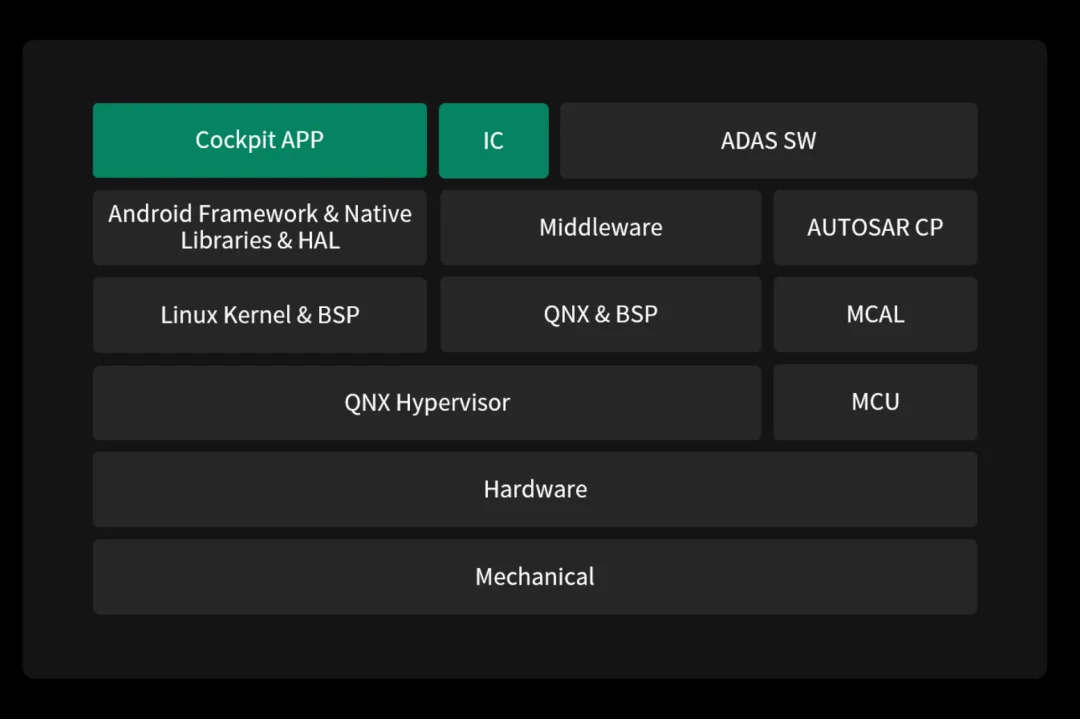
Take many existing models as an example. Even a single infotainment system does not rely on a single architecture. While many cars appear to run highly customized Android systems, safety requirements dictate that the design is not centered solely on Android. A more secure QNX system operates at a lower level to ensure that even if the upper-layer Android system crashes, it does not affect the underlying systems or driving safety during operation.
Therefore, theoretically, Zhuoyu’s integrated cockpit-driving solution can achieve similar results, ensuring that a failure in either the autonomous driving or cabin module does not impact the other.
I found a schematic of the system architecture design for this solution in Zhuoyu’s materials. As shown in the diagram, the Android system for the smart cockpit runs at the highest layer and is completely independent of the autonomous driving system. Beneath them lie QNX and AUTOSAR, which offer higher security and stability, while the upper-layer systems operate more like virtual machines. Additionally, the Snapdragon 8775 platform itself is a chip developed to ASIL-D standards. From this perspective, the solution indeed meets automotive-grade safety standards in both software and hardware.
So, since a single chip previously handled only one task, will taking on two tasks negatively affect its original core responsibilities?
My first thought is whether there will be adaptation issues and computing power constraints on the cockpit side. Qualcomm has already integrated towards the direction of dual-domain fusion during the R&D phase of the Snapdragon 8775, and currently, the Snapdragon automotive series processors are almost the only solution in the automotive cockpit platform. Therefore, compared to NVIDIA's previously proposed centralized domain control based on Thor, the popularity of the Snapdragon platform will not bring a particularly large amount of initial adaptation engineering work to this solution. In addition, although Zhuoyu does not plan to cross industries to develop intelligent cockpit systems, it chooses a semi-open cooperative ecosystem approach, jointly debugging the intelligent cockpit part with partners during the R&D phase. For example, the interaction interface and application layer for the vehicle screen and instrument cluster can be defined by other partners. And in the early R&D phase, the allocation ratio of platform computing power at the bottom layer can be adjusted. For example, when the cockpit has multi-screen requirements, more computing power can be allocated to the cockpit part to balance the cockpit and intelligent driving functions according to the overall vehicle definition.
On the other hand, looking at the industry's demand for computing power today, the entire sector is embracing NVIDIA's Thor chip in 2025. There are several reasons behind this, one of which is quite simple: current intelligent driving technology routes reflect a strong demand for computing power. Specifically, the VLA and world model technical routes have not yet been fully validated, creating bottlenecks in both model architecture and training. Consequently, stronger computing power is naturally required to support the incremental performance gains of models in the interim stage. Compared with Thor, the Snapdragon 8775 platform indeed falls short on paper.
But just as DeepSeek can match top-tier industry models at a fraction of the training cost, algorithm and performance optimization are inherently difficult yet critical tasks in the industry, and there are many ways to optimize model performance.
The same was true of the Chengxing Platform, a mid-compute solution based on 7V perception launched by Zhuoyu two years ago. At the time, it could run urban memory NOA relying solely on 32 TOPS of compute power. This year, it is pushing out end-to-end urban NOA on this same 32 TOPS platform, which is very difficult for most brands. Previously, Zhuoyu shared in their official WeChat account that they roughly approached performance optimization from multiple aspects, including algorithm and model optimization, computing acceleration, and system optimization.
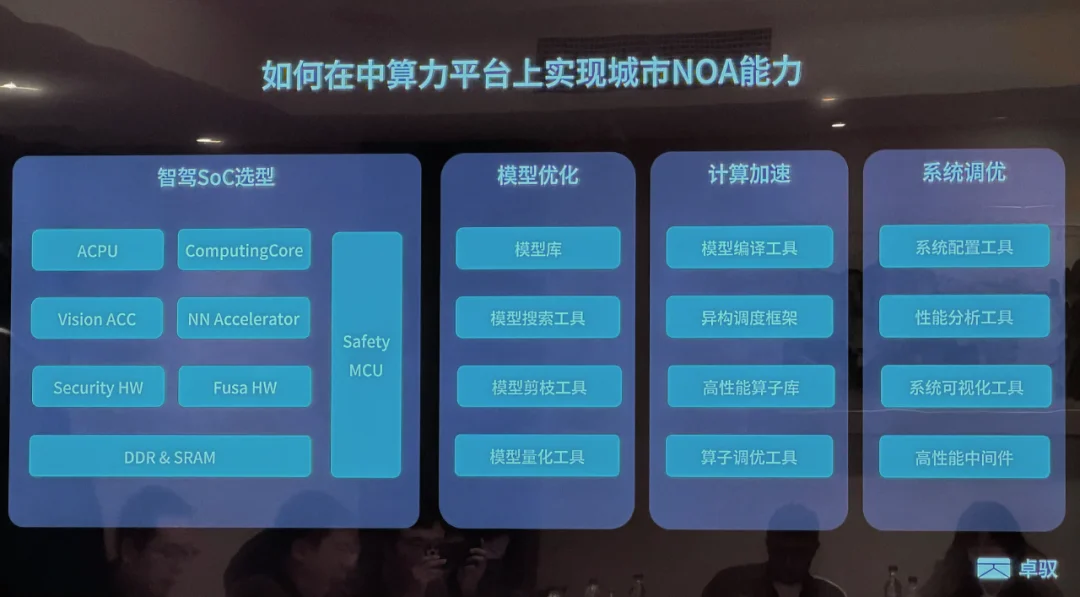
So, looking at it this way, the conclusion is that computing power is merely a paper figure. What users truly pay for and receive is the experience delivered through holistic optimization via software-hardware coordination.
Moreover, based on the images already revealed, developing an integrated cockpit and driving solution based on the Snapdragon 8775 platform was indeed preceded by Zhuoyu's preliminary research.
This chart presents the approximate conclusions Zhuoyu reached after conducting performance tests across multiple platforms, and it also includes Zhuoyu's route planning for the integrated cockpit and driving direction in the later stages. In addition to the previously mentioned plan to base high-compute autonomous driving solution platforms on Thor, Zhuoyu will also develop integrated cockpit and driving versions based on the Snapdragon 8797, given that the integration of large language models in future VLA (Vision-Language-Action) models will increase computing power demands.
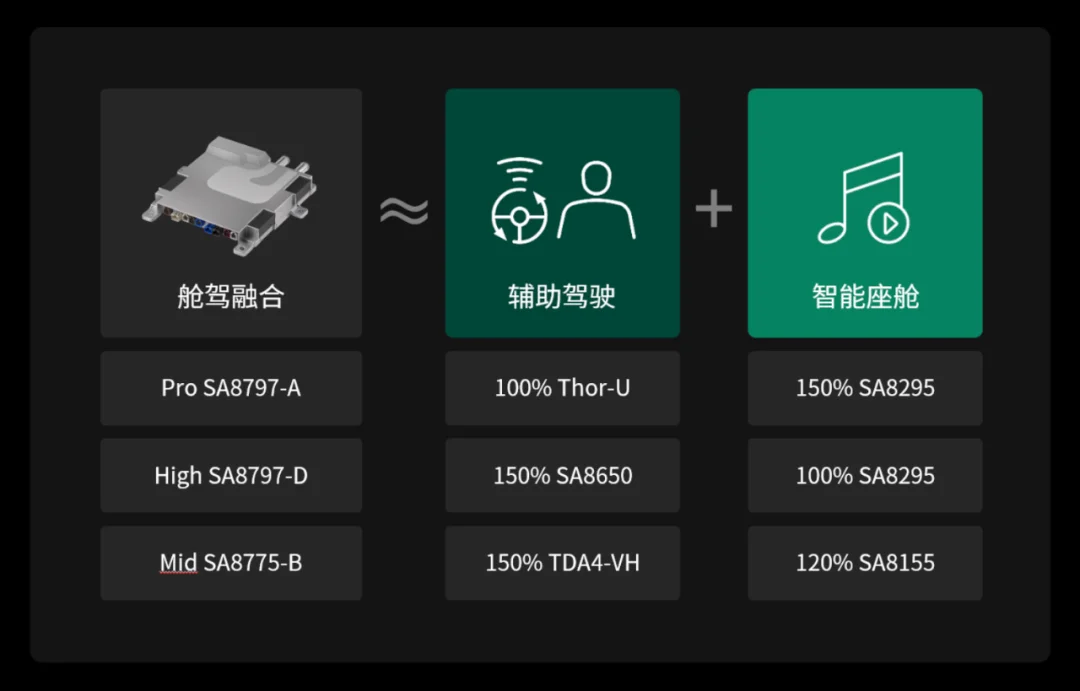
In the diagram, the cockpit-driving integrated solution based on the 8775 platform is roughly equivalent to 120% of the performance of the 8155 in the cockpit domain and 120% of the J6M performance in the intelligent driving domain. Solutions based on the 8797-A can even achieve 150% of the 8295's performance plus 100% of the Thor-U performance. This means that on the 8797-A platform, Zhuoyu can deliver performance exceeding that of current industry flagship models, while still realizing all the aforementioned advantages of cockpit-driving integration.
This image has dispelled many of my previous concerns about computing power. It also shows that the cockpit-driving integration solution does not offer only a cost advantage; it is not limited to low-end models, but remains competitive in flagship vehicles as well. After all, no one stipulates that a single chip must lose out to two.
03Last
Before understanding the cockpit-driving integration direction, my skepticism mainly stemmed from the uncertainty of its outcomes. No practical solution has yet emerged in this industry, and many so-called advantages remain at the theoretical level. However, Zhuoyu has now successfully implemented this approach with its debut, directly applying it to a model priced under RMB 150,000. Beyond those various advantages, this further proves the cost benefits of this route.
But from an objective standpoint, cost reduction is actually an inevitable byproduct of technological development. So how did companies like Zhuoyu manage to achieve this earlier?
Only after looking back at Zhuoyu's technological development over the past few years did the answer gradually become clear.
Even in DJI's early automotive solutions, excellent obstacle perception was achieved through binocular vision, significantly reducing costs. Later, binocular vision was upgraded to inertial-guidance binocular systems, integrating the IMU and binocular camera into a single module to further enhance visual perception performance. In lateral perception, DJI has consistently adhered to using wide-angle surround-view cameras. While other intelligent driving solutions were copying Tesla's sensor layout, DJI Automotive—from its early days to today's Zhuoyu—has maintained its own technical roadmap for more than three years. This requires not only strong forward-looking technological insight but also high demands on hardware and software definition capabilities.
So in the autonomous driving industry, there seems to be no standard answer from hardware to software; there is only continuous innovation and the pursuit of the most suitable and elegant way to integrate hardware, software, and model costs. It requires ongoing consideration on how to achieve extreme system integration within limited resources, ensuring that every unit of computing power and every component is fully utilized. This is not only a victory in technical optimization but also a manifestation of engineering aesthetics.
Written by: Yisong Edited by: Yisong