


BYD Launches Fangcheng Bao '583'; iFlytek Large Model Enters Chery Exeed; XPENG Q3 Earnings Expected to Turn Around | Weekly Highlights
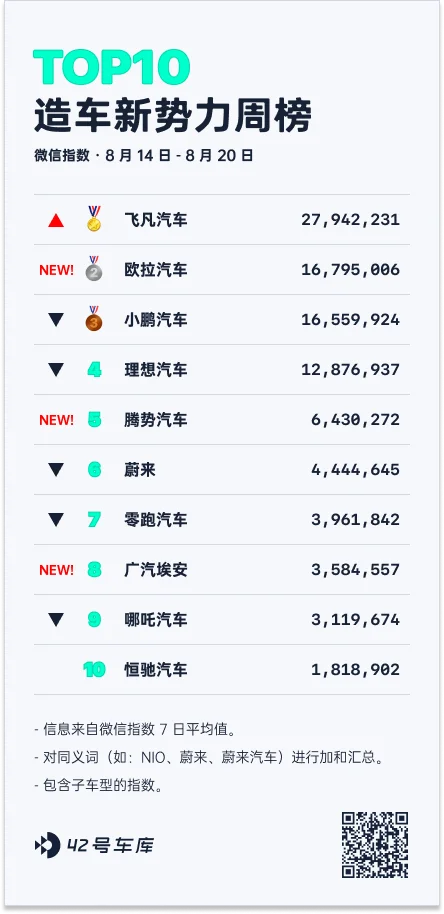
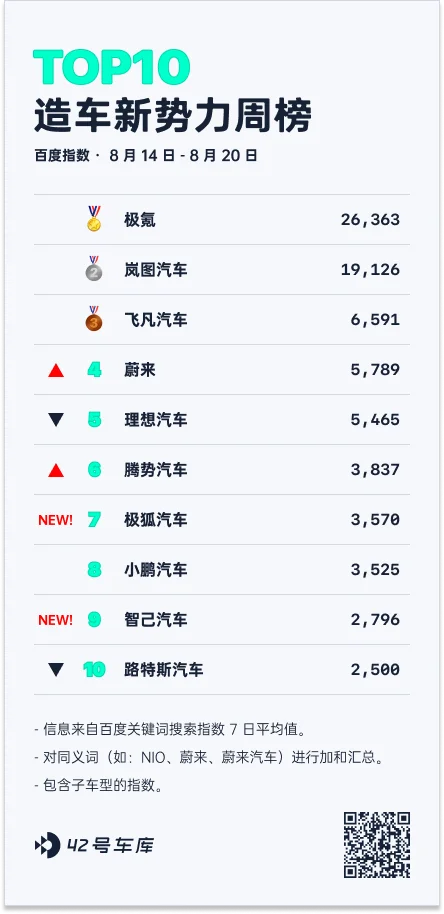
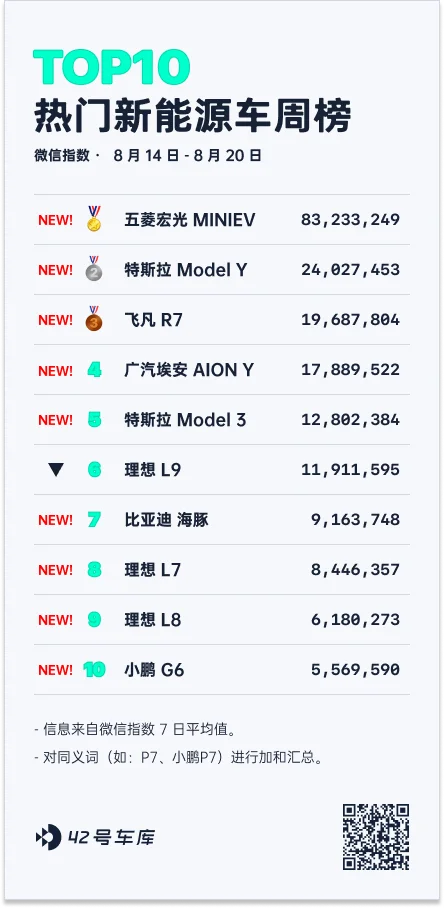
01Weekly Index
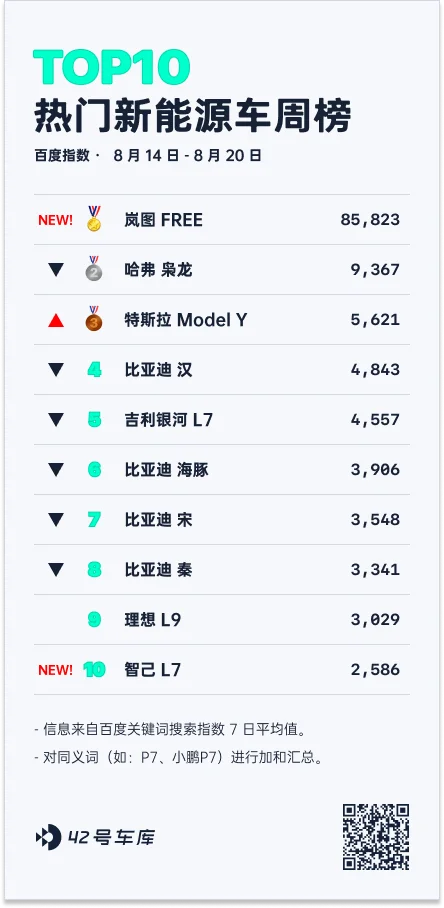
02Weekly News
BYD Unveils Fangcheng Bao '583'
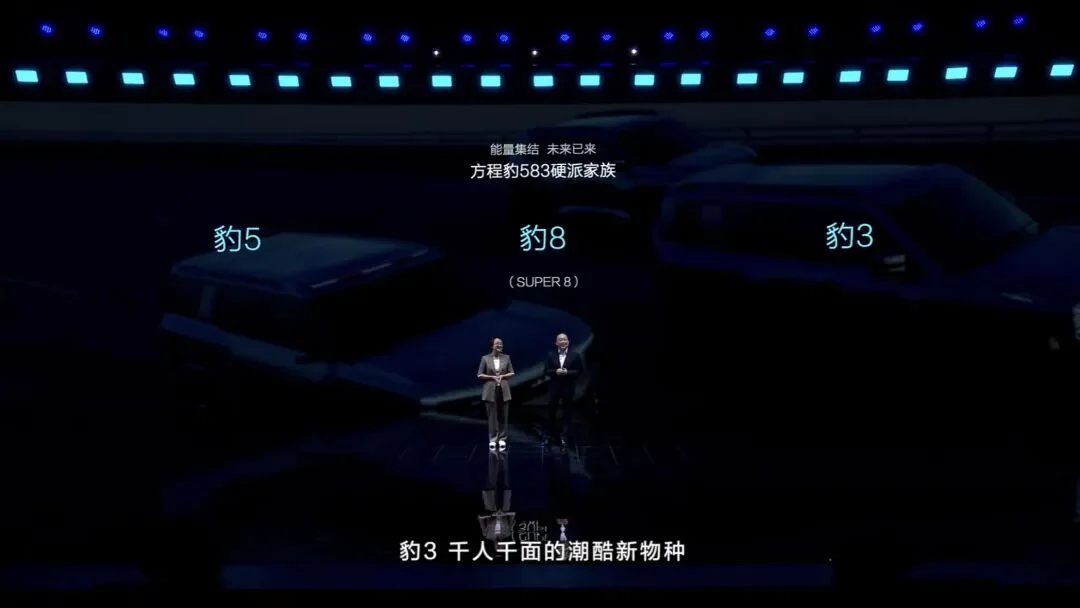
On August 17, following the debut of Fangcheng Bao’s first model, the Bao 5, BYD’s Fangcheng Bao brand unveiled two additional new vehicles: the SUPER 8 and the Bao 3.
The Bao 5, as Fangcheng Bao’s inaugural model, features the following specifications:
Interior: The center console employs a symmetrical design with a floating LCD screen. The instrument cluster is fully digital, while the control area utilizes physical buttons.
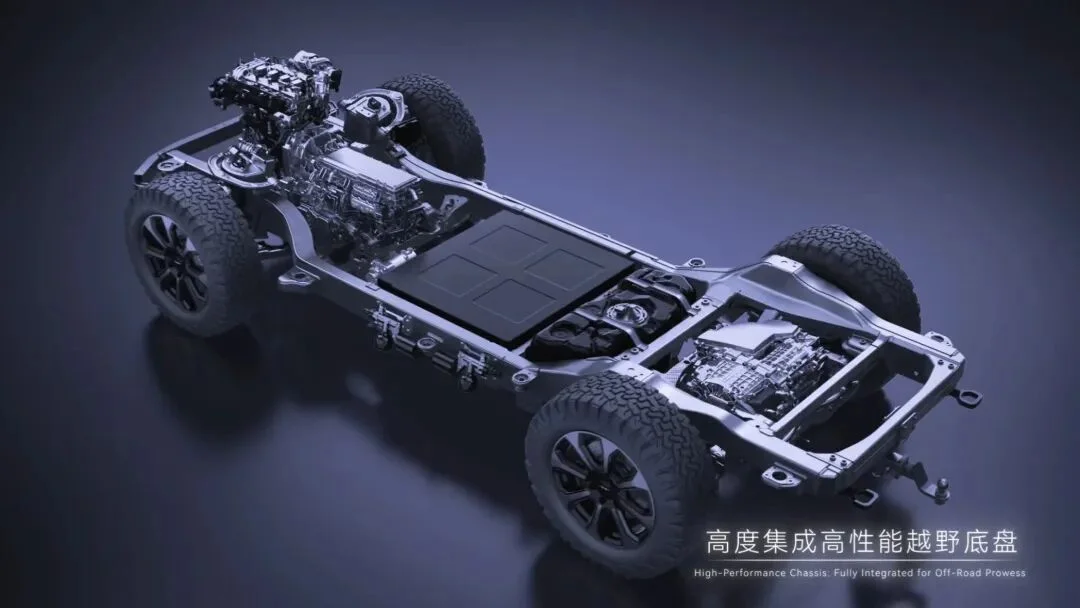
Powertrain: It is equipped with BYD’s latest DM-o hybrid platform and the Yunnian-p intelligent body control system. This includes a dual-motor setup combined with three locking differentials and a longitudinal engine. Leveraging the DMO platform, the system delivers a combined power output exceeding 500 kW and a peak torque of 760 N·m, achieving a 0–100 km/h acceleration time of 4.8 seconds.
Chassis: The vehicle incorporates CTC (Cell-to-Chassis) battery integration technology alongside the Yunnian-p intelligent hydraulic body control system.
Range: Under CLTC testing conditions, the pure electric range is 125 km. The battery can charge from 30% to 80% in 16 minutes. With a full tank and full charge, the comprehensive range exceeds 1,200 km, and the “super mechanical off-road range” accounts for more than 50% of that total.
Supports 6 kW AC vehicle-to-vehicle power sharing and 6 kW external discharge.
In addition, BYD released the Fangcheng Bao "583" hardcore family matrix, including the full-size new-energy off-road concept car SUPER 8 (SUPER 8) and the third model, Bao 3, which is currently in the R&D stage.
Quick review:
The DMO super hybrid off-road platform launched by BYD indicates that the entire chassis is tuned for demanding unpaved surfaces. Features such as a dedicated low-speed off-road gear, an integrated electronic differential lock, the unique Leopard Turn maneuver, nearly 700 horsepower, and a combined range exceeding 1,000 kilometers are all designed to deliver extreme off-road performance.
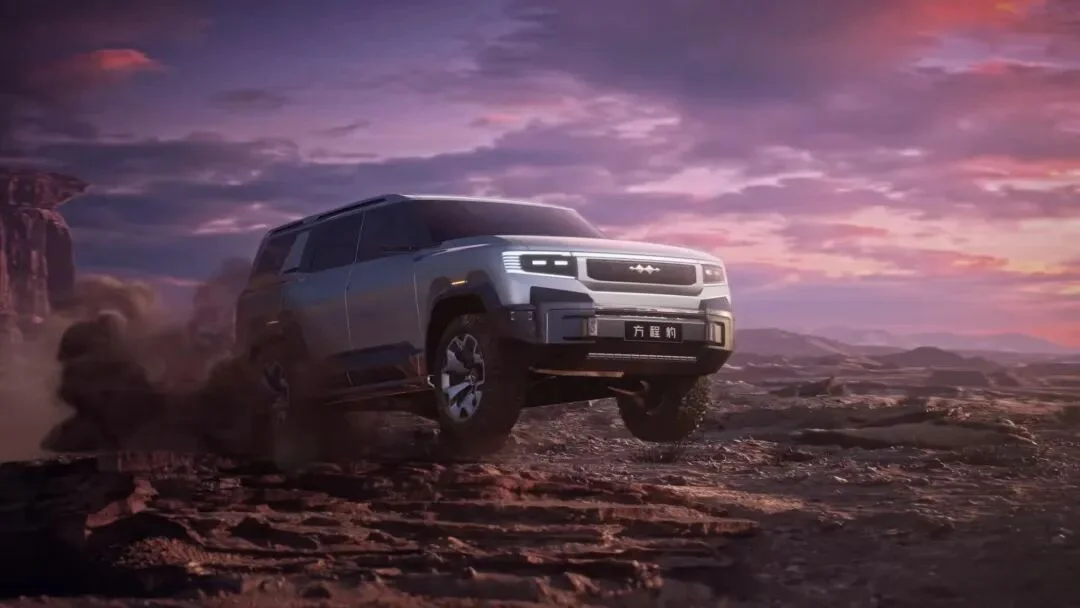
However, durability in actual off-road conditions, vehicle response to real-world challenges like cross-axle obstacles and cannonhole pits, and four-wheel-drive power distribution will be critical factors in later evaluations. BYD’s strategy of launching the Fangcheng Bao "583" family matrix at once precisely targets the gap in the hybrid off-road market, filling this niche segment. Currently, BYD’s main competitor for Fangcheng Bao is Changcheng’s TANK brand. We can look forward to seeing how Fangcheng Bao’s pricing strategy aims to capture this market share.
Xunfei Large Model Equips Chery Exeed
Xunfei Spark Cognitive Large Model is about to be equipped with Xingtuxingjiyuan ES. Dr. Gao Xinhua, Executive Deputy General Manager of Chery Automobile Co., Ltd., President of the Research and Development Academy, and CTO, first introduced the Xingtuxingjiyuan ES, which directly benchmarks the Tesla Model S.
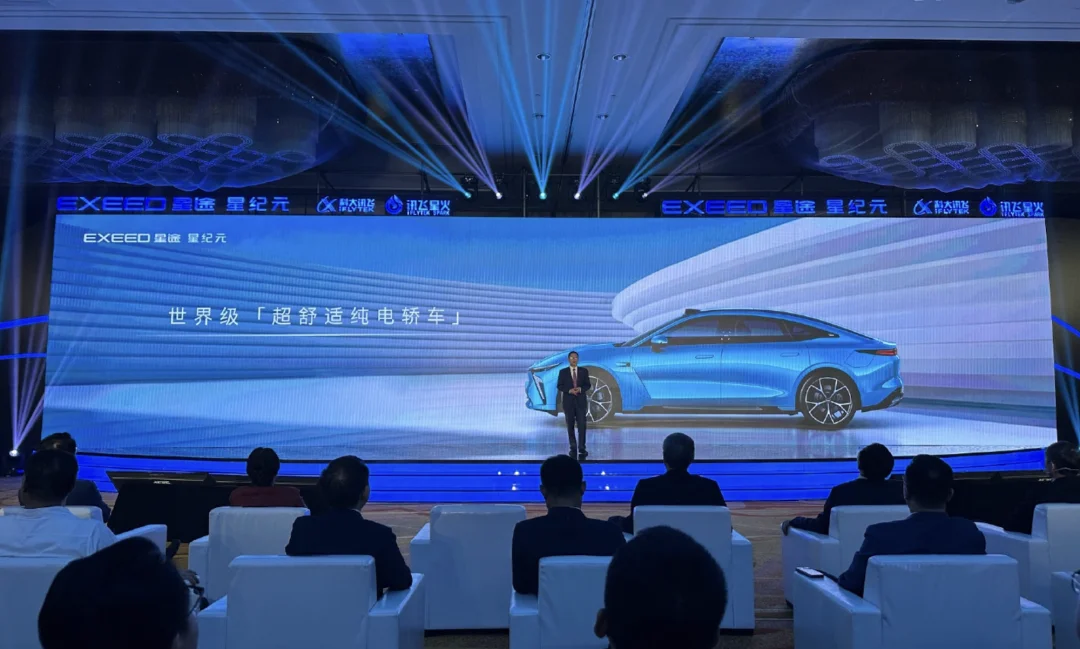
Large interior: The body dimensions are nearly identical to the Tesla Model S, with length/width/height measurements of 4,945 mm / 1,978 mm / 1,467 mm. However, the Xingtuxingjiyuan ES offers a more optimized cabin layout compared to the Model S.
High specification: All trims come standard with air suspension and CDC dampers, featuring a double-wishbone front suspension and a five-link rear suspension. Dual-motor variants achieve 0–100 km/h acceleration in 3.7 seconds. The vehicle boasts a drag coefficient (Cd) of 0.205 and a turning diameter of 11.4 meters.
Low energy consumption: Dr. Gao Xinhua stated that the Xingtuxingjiyuan ES is the first mass-produced Chinese sedan equipped with an 800 V high-voltage platform. It can add 150 km of range in just five minutes of charging, with a minimum energy consumption of 11.7 kWh per 100 km for rear-wheel-drive models.
Intelligent driving: The driver assistance system enables highway and city point-to-point assisted driving, along with memory parking functionality. The driver assistance chip offers 512 TOPS of computing power; is this computing power combination achieved by four Dipingxianzhengcheng 5 chips? It seems other chip combinations cannot reach 512 TOPS. The intelligent cockpit features a 15.6-inch screen, an 8155 chip, and most importantly, integrates the Xunfei Spark cognitive large model. The Xunfei Spark large model has been incorporated into the Xingtuxingjiyuan ES, where it is known as the "LION AI" large model platform.
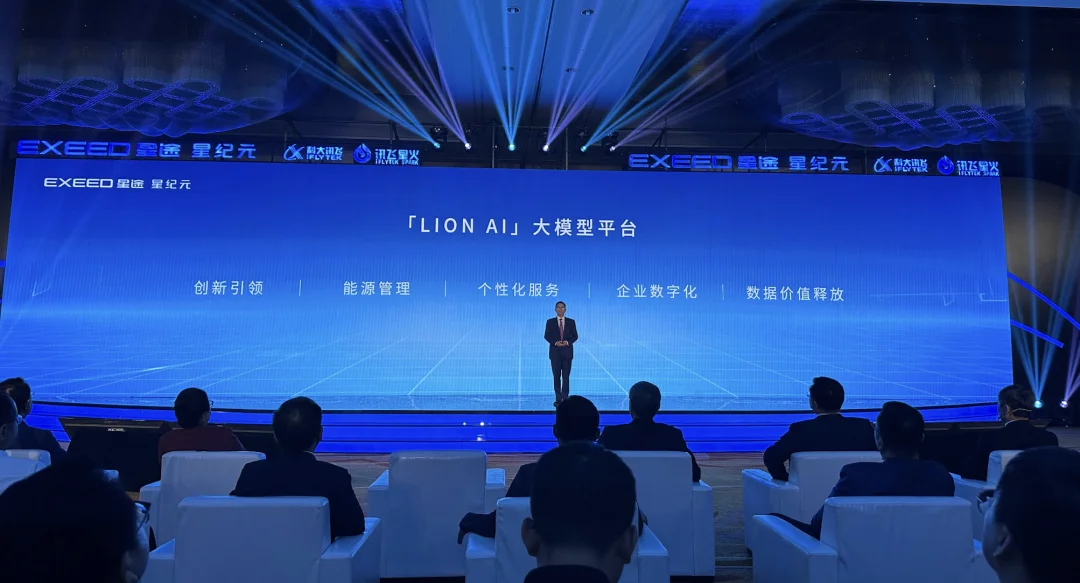
Application layer: Through the cognitive large model, the system covers intelligent cockpit and driving systems, vehicle health management applications, and energy management systems. The core application layer analyzes data and products, incorporating deep learning models, quality flight processing models, and image processing models.
Quick review:
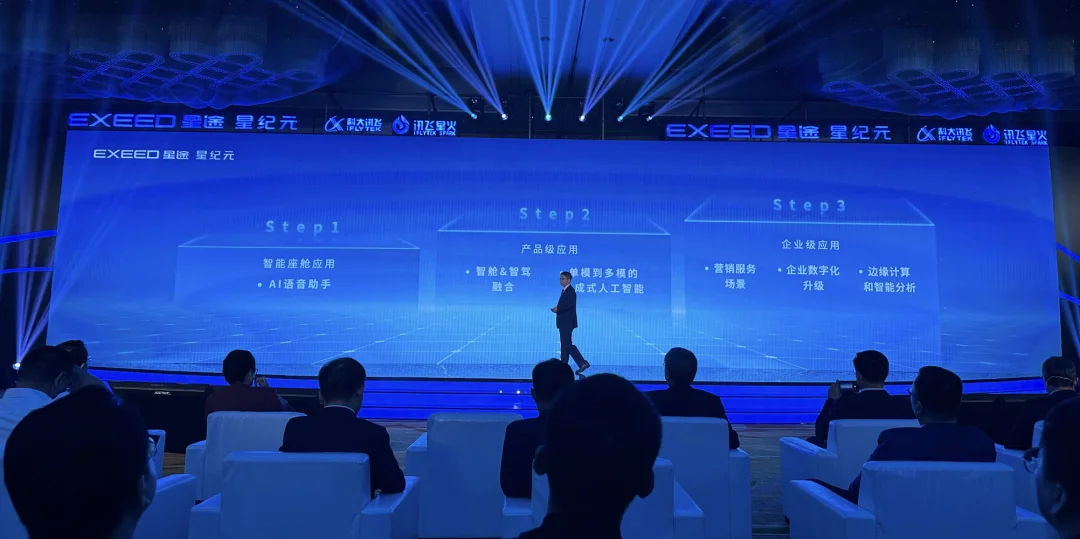
Xunfei's Spark Cognitive Large Model and Chery's Exeed have outlined a three-phase plan. The first phase involves a basic AI voice assistant. The second phase introduces product-level applications into intelligent driving and smart cabin systems, evolving from single-modal to multi-modal generative artificial intelligence. The third phase targets enterprise-level applications, including marketing service scenarios, corporate digital transformation, edge computing, and intelligent analytics.
We experienced the 'LION AI' voice large model platform in the Xingtuxingjiyuan ES on site. Currently, the Xingtuxingjiyuan ES is still in the engineering vehicle stage; we believe there will be optimizations when it launches in the fourth quarter of this year. While the system's voice response speed and vocal realism may not be the best, its level of intelligence and ability to connect context are indeed unlike anything we have seen in other cars.
XPENG's Q3 Financial Report Expected to Turn Around
XPENG Motors released its financial report for the second quarter of 2023. Here is a summary of the key figures:
Total revenue was RMB 5.06 billion, a year-over-year decrease of 31.9% and a quarter-over-quarter increase of 25.5%.
Automotive sales revenue amounted to RMB 4.42 billion, down 36.2% year-over-year but up 25.9% quarter-over-quarter.
The net loss was RMB 2.8 billion, compared to a loss of RMB 2.7 billion in the same period last year.
Q2 deliveries reached 23,205 units, a 27.3% increase from the 18,230 units delivered in Q1.
Gross margin was negative 3.9%, compared to 10.9% in the same period last year and 1.7% in Q1 of this year.
Vehicle gross margin was negative 8.6%, compared to 9.1% in the same period last year and negative 2.5% in Q1 of this year.
Cash reserves stood at RMB 33.74 billion.
R&D expenses were RMB 1.37 billion.
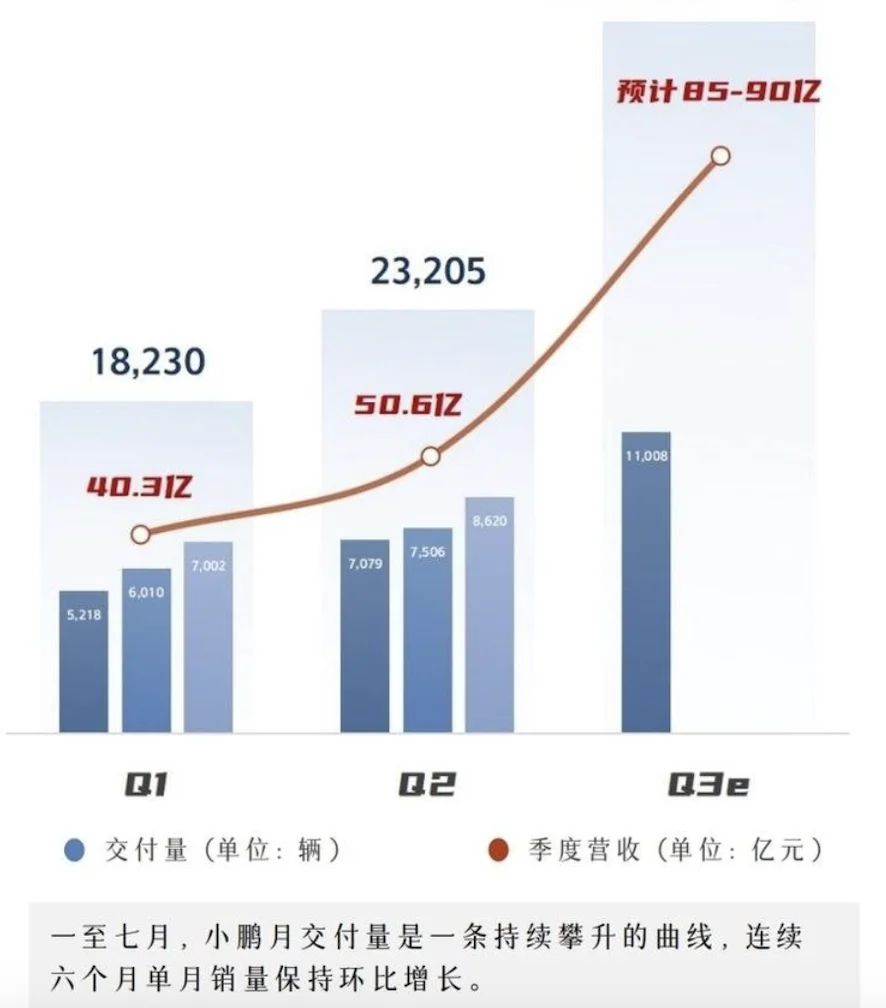
In this earnings report, XPENG also provided its expectations for the third quarter:
Automotive deliveries are projected to be between 39,000 and 41,000 units;
Total revenue was RMB 8.5 billion to RMB 9 billion, representing a year-on-year increase of approximately 24.6% to 31.9%.
Quick review:
Overall, XPENG’s financial results for the second quarter remain underwhelming, particularly regarding gross margin and vehicle-level gross margin; however, these outcomes were largely within expectations.
This is because XPENG’s internal restructuring requires time to take effect. The second quarter still falls within this adjustment period, meaning significant improvement has not yet been reflected in financial metrics. Additionally, the popular G6 model was launched toward the end of Q2, so it did not contribute to quarterly sales figures.
Regarding this earnings report, XPENG Chairman and CEO He Xiaopeng focused primarily on the upcoming performance of the G6. He stated that the G6 quickly became a best-seller and is providing momentum for sales growth. While this assessment is not exaggerated, the G6’s sales volume is currently constrained by production capacity, presenting another challenge for XPENG to overcome.
He Xiaopeng also emphasized XPENG’s technological advantages in electrification and intelligence, while highlighting the company’s cooperation with Volkswagen Group. These factors represent inherent strengths that hold potential for future growth.
What truly caught our attention regarding the G6 is He Xiaopeng’s statement at the launch event: he indicated that XPENG’s internal adjustments to its strategy, organization, and management team are already showing preliminary results. However, translating these improvements into tangible sales and financial performance will likely require until the third-quarter earnings report.
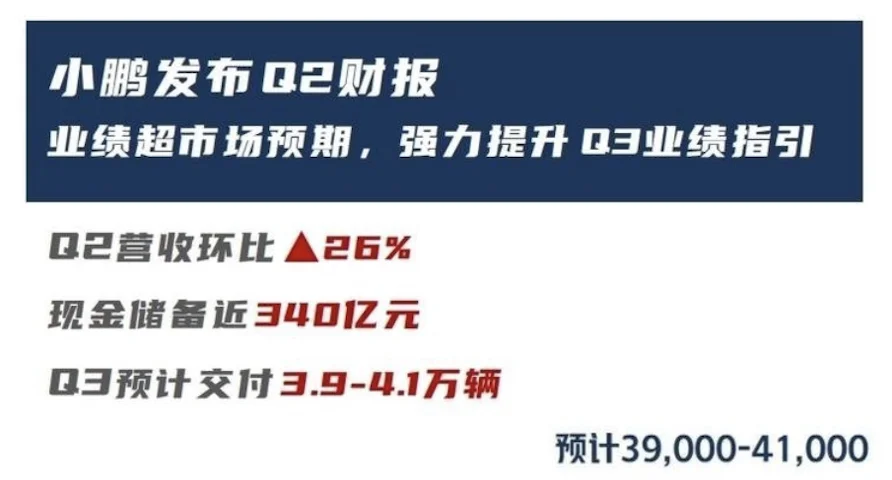
XPENG delivered 11,008 vehicles in July. To meet its target of 28,000 to 30,000 combined deliveries in August and September, G6 production and delivery capacity must keep pace.
Overall, XPENG appears to be recovering from its lowest point, and the current trajectory feels correct. However, it may take one to two quarters to see tangible results—the third quarter will be a key observation window, and we will monitor closely.
New VOYAH FREE Enters the RMB 250,000 Segment
On August 19, the new VOYAH FREE officially launched at a price of RMB 266,900. Compared to the previous model's starting price, this is a direct drop of RMB 66,700, bringing it into the twenty-five-level market segment. Let’s take stock of what other highlights this five-seat SUV has after the price reduction:

It is the first to feature the Baidu Apollo Highway Driving Pro intelligent driving system, enabling navigation-assisted driving and automatic parking.
The front-end design has changed significantly, incorporating more dynamic, sporty elements for stronger visual impact compared to the old model.
Dimensions are 4,905/1,950/1,645 mm (length/width/height) with a wheelbase of 2,960 mm;
Standard equipment includes a four-wheel-drive system and air suspension, supporting a ride-height adjustment range of 100 mm up and down.
Equipped with the Qualcomm Snapdragon 8155 flagship chip, delivering eight times the computing power at 8 TOPS.
The interior features an integrated triple-screen setup that rises and lowers over a length of 1,066 mm by 30 mm, automatically adjusting based on the vehicle’s mode, paired with Dynaudio Hi-Fi high-fidelity audio and an integrated rear-seat touchscreen.
Powertrain options include a 1.5-liter turbocharged deep Miller-cycle range extender, achieving a CLTC combined driving range of 1,201 km.
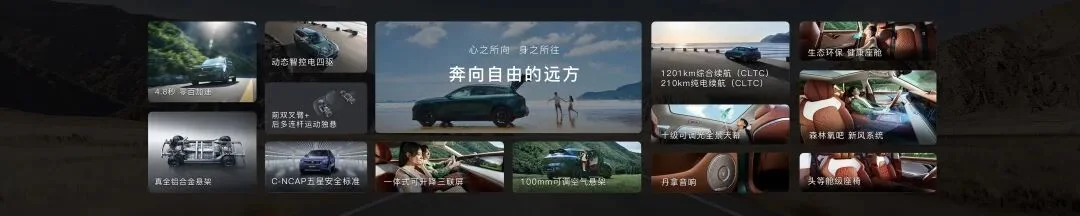
Next, let’s look at the limited-time exclusive benefits valued at RMB 43,999:
A trade-in subsidy worth RMB 5,000;
A zero-interest financing plan worth RMB 10,000;
RMB 13,999 for seven worry-free guarantees;
Apollo software limited-time offer: RMB 25,000 reduced to RMB 10,000.
Quick review:
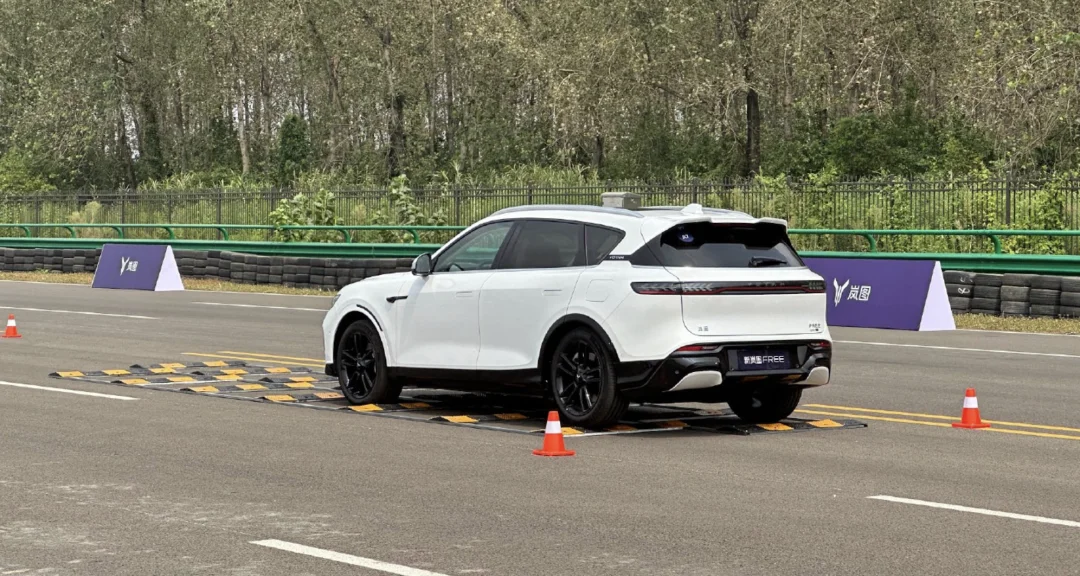
The editorial team previously tested the new VOYAH FREE at a driving event. The dynamic performance was impressive; when crossing speed bumps, the air suspension provided excellent isolation and damping, with no noticeable shaking inside or outside the cabin. The high-performance mode left a strong impression, offering solid lateral support from the air suspension. The ESP calibration is conservative: during slalom and gimkana maneuvers, it immediately locks up to maintain grip as soon as it detects a risk of losing control on one side, providing strong confidence. We recommend trying it during the open test drive session.
We also briefly experienced the new VOYAH FREE equipped with the Baidu Apollo Highway Driving Pro intelligent driving system. The test drive covered about 20 km, with only two lane changes on ramps. Traffic volume was low throughout, representing a scenario with minimal difficulty. Based on this experience, we evaluate the performance of Baidu Apollo on the new VOYAH FREE.
In terms of hardware, the new VOYAH FREE uses two TDA4 chips for its intelligent driving system, paired with nine visual perception cameras and four parking cameras, forming an integrated solution for both highway and parking assistance.
On elevated roads and highways, the NOA (Navigate on Autopilot) feature in the new VOYAH FREE can be activated with one click. Once enabled, it defaults to the maximum speed limit of the current road. The following distance offers four adjustable levels, making it easy to get started.
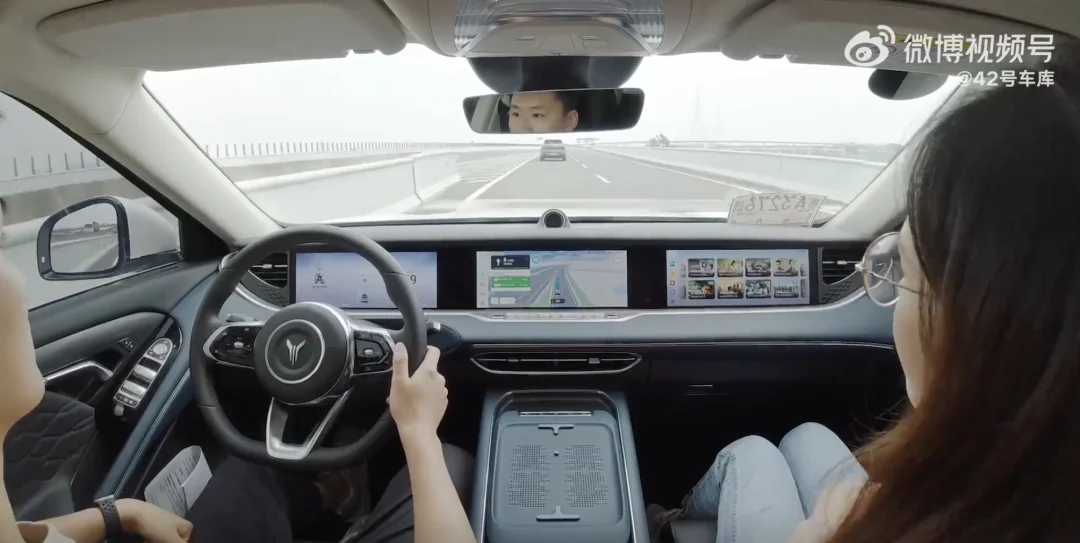
On long, straight stretches of road, this NOA system has a clear advantage: its overtaking logic is well-calibrated. It anticipates opportunities to pass without slowing down, initiating lane changes efficiently and with a smooth feel. The system can also execute an instructed lane change at speeds as low as 20 kph.
In three-lane scenarios, the system tends to use the rightmost lane for overtaking (see video at 2:45), a behavior that closely mimics human drivers.
For ramp entry logic, under current three-lane conditions, the first lane change typically begins 2 km before the ramp exit, with a second change initiated around 1.6 km out. In more aggressive maneuvers, the vehicle can reach the rightmost lane even from 1 km away. Deceleration usually starts 600 meters from the ramp entrance, generally dropping speed to 80 kph, though on one occasion it reduced to 60 kph, likely due to map-specific settings.
While navigating the ramp, the new VOYAH FREE’s NOA maintains a steady 60 kph, showing good stability and speed control. If the speed feels too slow in certain situations, drivers can manually adjust it.
After exiting the ramp and passing the gore area, the vehicle accelerates to the road’s maximum speed limit. However, it does not immediately move to the leftmost lane; instead, it continues at 120 kph until slower traffic ahead prompts an efficient lane change to the left, thereby reducing unnecessary lane changes. Overall, what do you think of the RMB 10,000 price point?
New Models Including Zhijie S7, Geely E8, and Aian HYPER SSR Listed in MIIT Bulletin
The 374th batch of the Announcement of Road Motor Vehicle Manufacturers and Products published by the Ministry of Industry and Information Technology (MIIT) includes several new models. Among them are the Zhijie S7, Geely E8, Aian HYPER SSR, and BMW i5. These launches are significant for various brands in the second half of the year, marking important new energy product introductions.
Quick review:
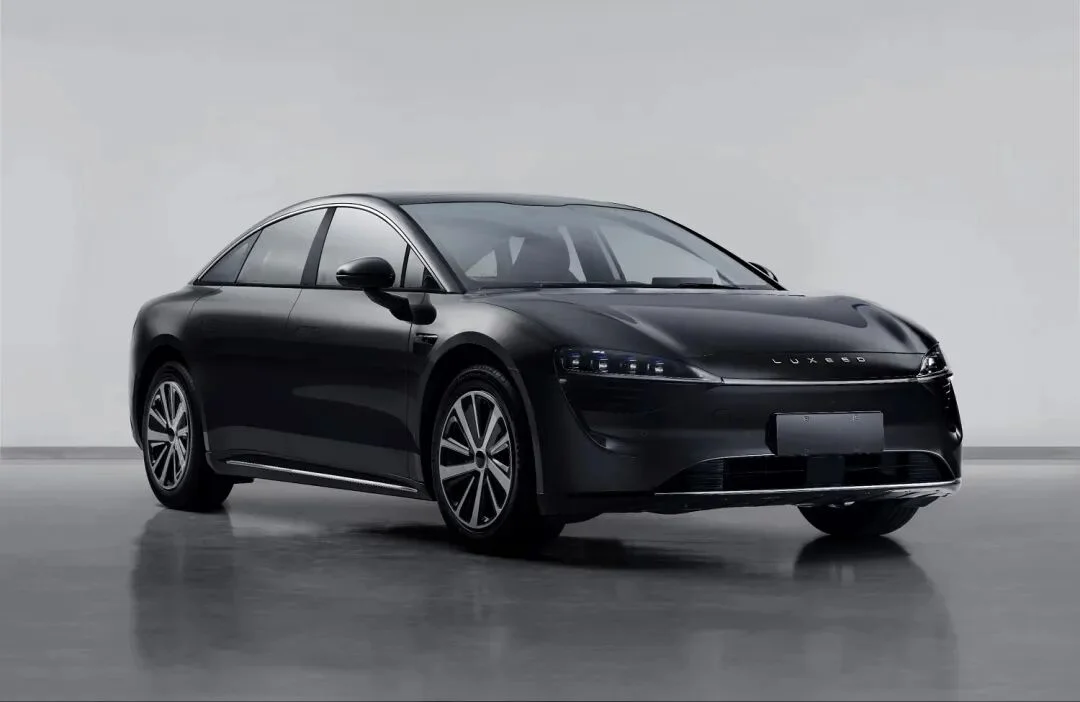
Huawei and Chery’s LUXEED Zhijie S7 has made its debut in the MIIT filings. In terms of dimensions, it measures 4,971 mm in length, 1,963 mm in width, and 1,474 mm in height, with a wheelbase of 2,950 mm, classifying it as a mid-to-large sedan. It is equipped with a combination of ternary lithium-ion and lithium iron manganese phosphate batteries. The powertrain delivers a maximum output of 215 kW. Optional features include, but are not limited to, two-tone paint, chrome trim strips, privacy glass, wheels, LiDAR, rearview cameras, fender decorations, mirror styles, lower front headlight trim, and more.
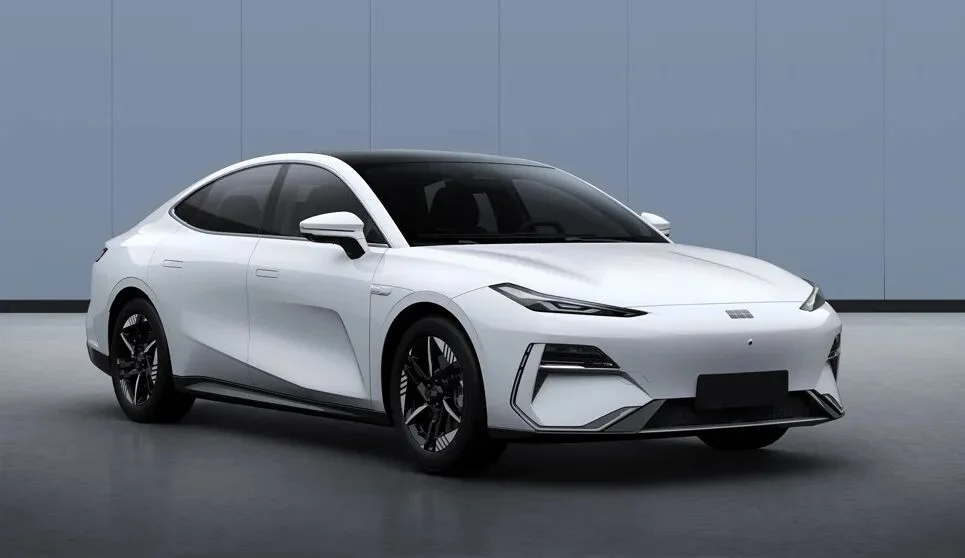
Geely has also announced another mid-to-large pure electric sedan: the E8. Its dimensions are 5,010 mm long, 1,920 mm wide, and 1,465 mm high, with a wheelbase of 2,925 mm. It uses lithium iron phosphate batteries and offers a maximum power output of 200 kW. Available options include roof-mounted LiDAR, fender cameras, front bumpers, spoilers, radar systems, rear cameras, front bumper trim, and front grille elements. The inclusion of LiDAR signals significant investment in intelligent driving capabilities.
The most striking model revealed by the MIIT this time is the Aian HYPER SSR sports car.
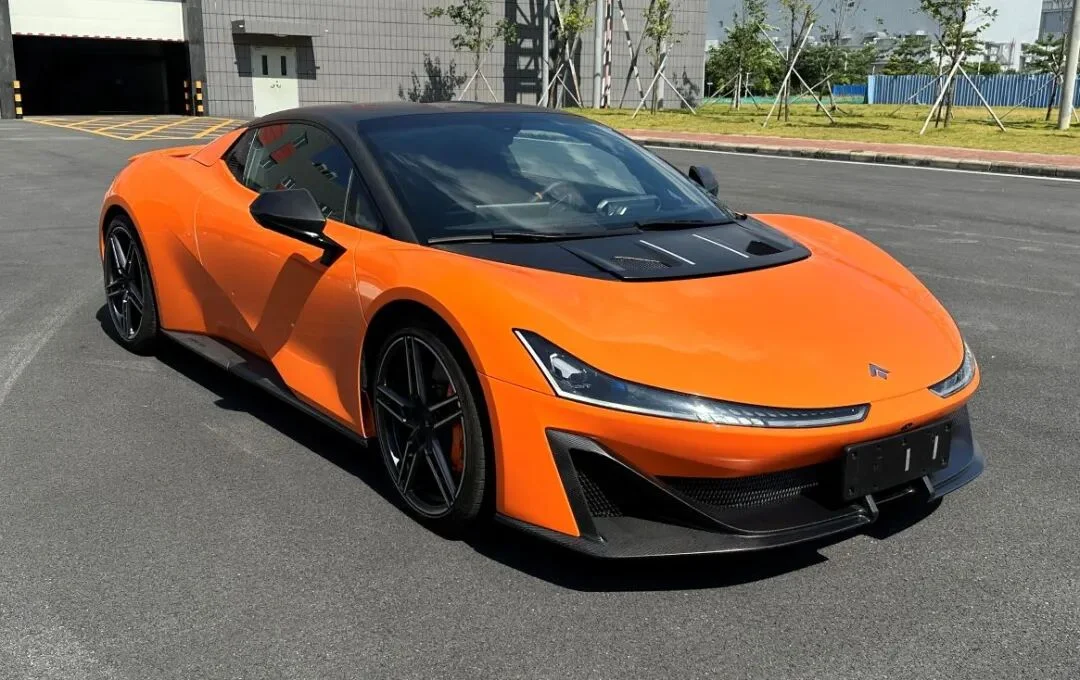
It measures 4,556 mm in length, 1,988 mm in width, and 1,230 mm in height, with a wheelbase of 2,650 mm. The front axle houses one permanent magnet synchronous motor with a rated power of 70 kW and a peak power of 320 kW. The rear axle is equipped with two permanent magnet synchronous motors: the left rear drive motor has a rated power of 60 kW and a peak power of 260 kW, while the right rear drive motor has a rated power of 70 kW and a peak power of 320 kW. This configuration yields over 1,000 horsepower, making it a true supercar. How do you think such a power beast will be priced?
Written by: Jiang Xiaohei Edited by: Jiang Xiaohei