


Lynk & Co Debuts First Pure-EV Model; MIIT Batch 384 New Vehicle Summary; DEEPAL G318 Launches from RMB 176,000 | E-Week Highlights
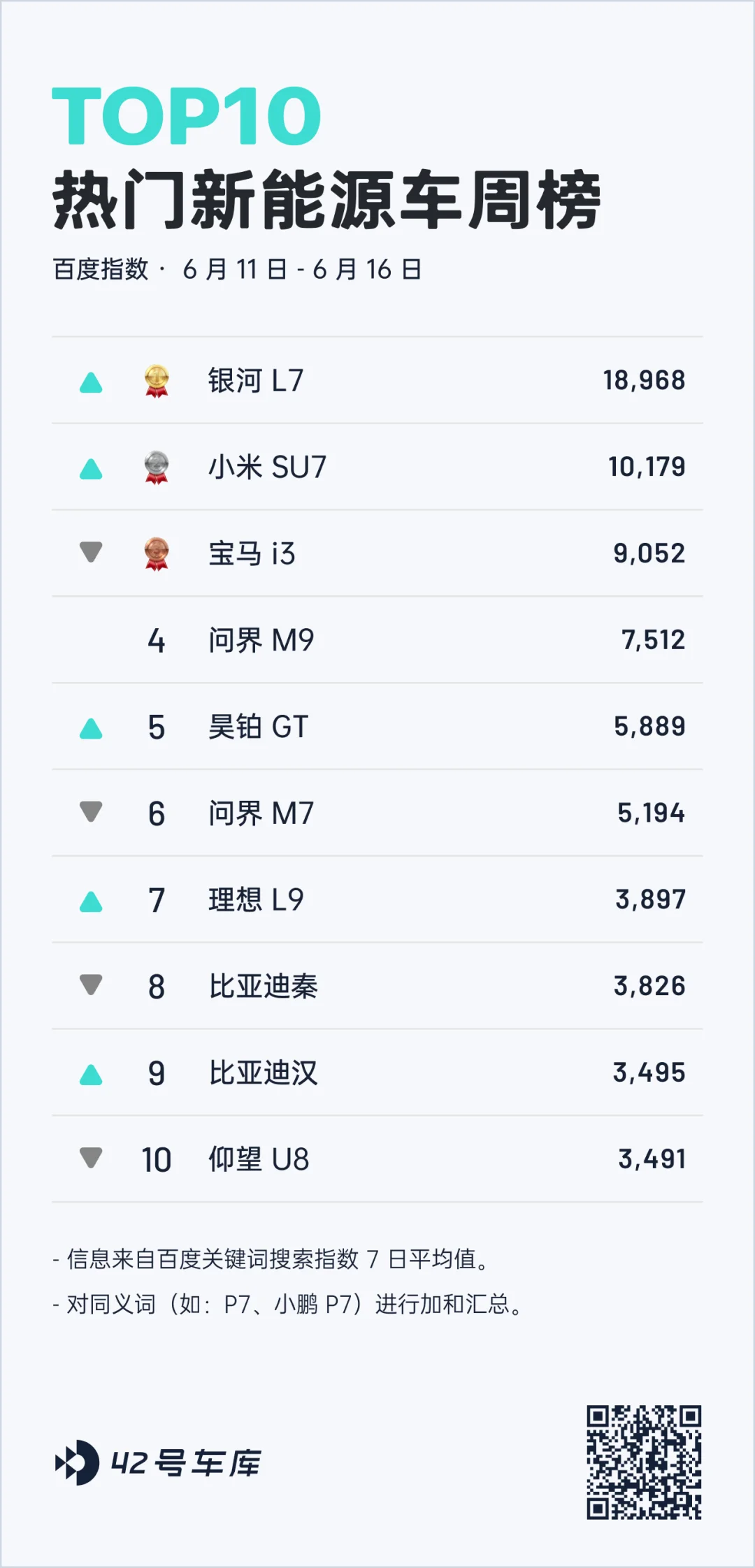
01Weekly Index
02Weekly News
Lynk & Co Launches First Pure-Electric Product
On June 12, Lynk & Co launched its first pure electric vehicle, the Z10. This model is the production version of the concept car The Next Day, previously referred to in the industry as Lynk & Co ZERO; two years after that designation, it has been finalized as the Lynk & Co Z10.
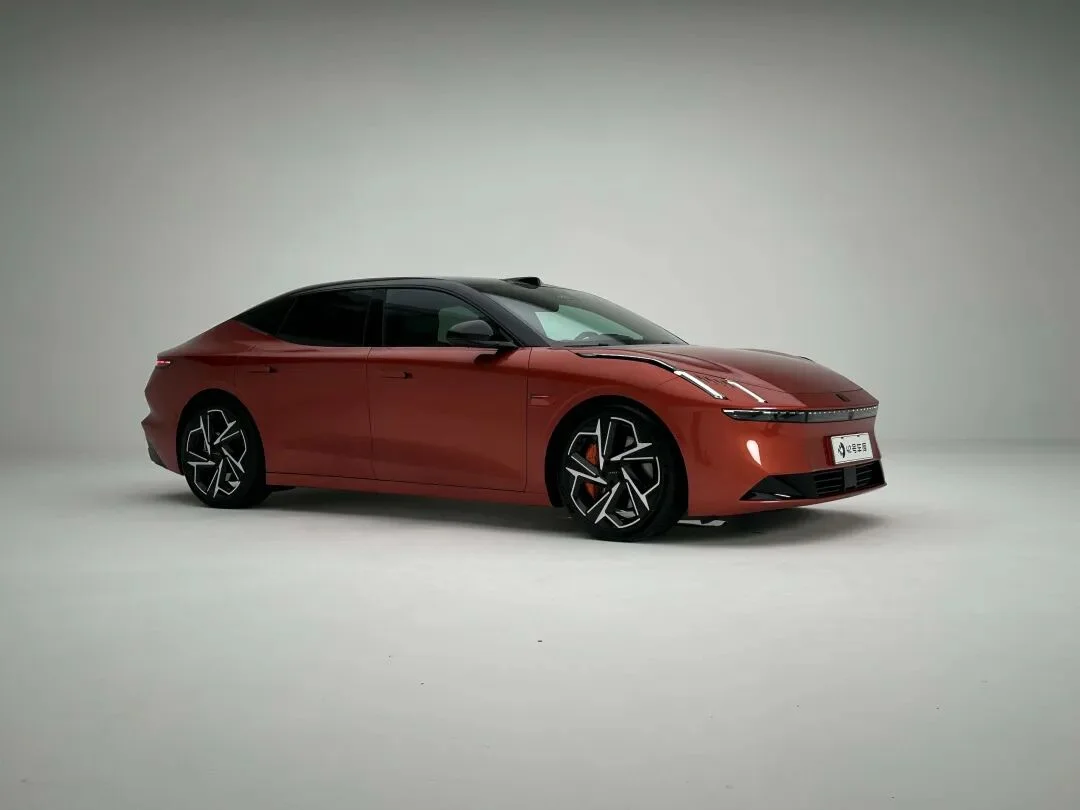
This car is positioned as a mid-to-large pure electric sedan, with overall dimensions of 5,028 x 1,966 x 1,468 mm. The version equipped with air suspension is 5 mm lower, bringing the height to 1,463 mm, while the wheelbase reaches 3,005 mm; the visual effect is low-slung and elongated.
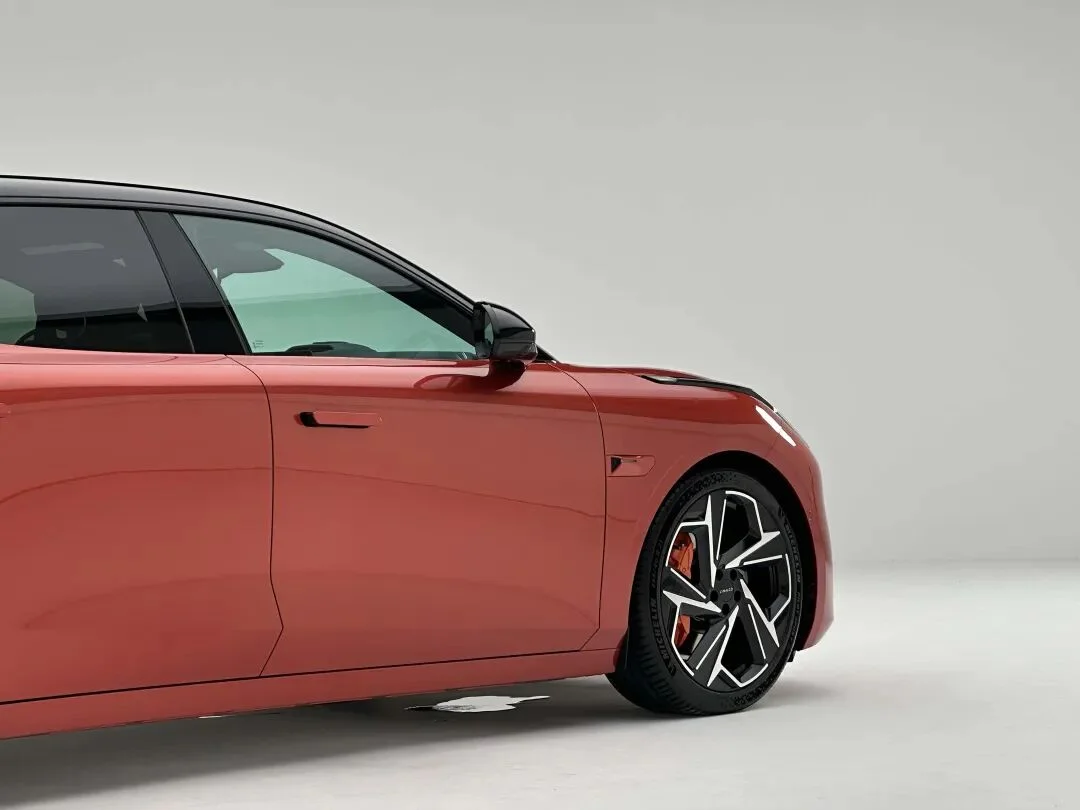
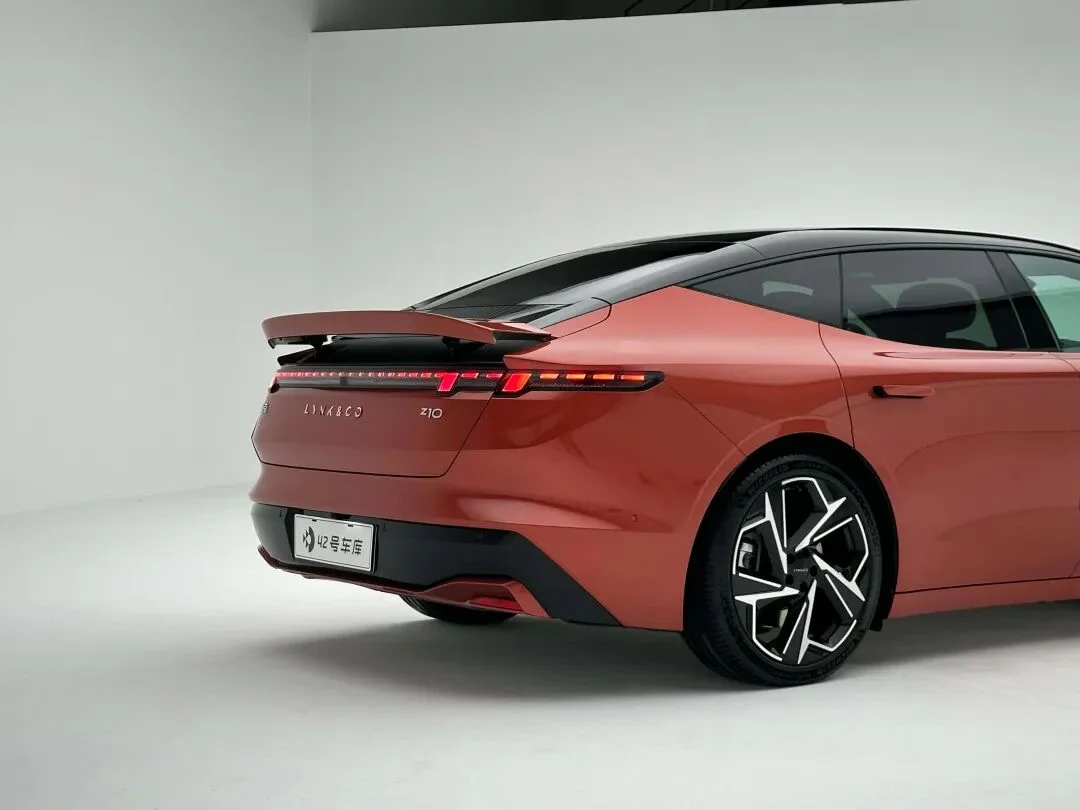
Compared to the The Next Day concept, the Lynk & Co Z10 softens some of the more aggressive mecha-style design elements, resulting in a shape with broader consumer acceptance. It also achieves a low drag coefficient of just 0.198. When the large rear wing is deployed, the vehicle’s stance appears particularly dynamic.
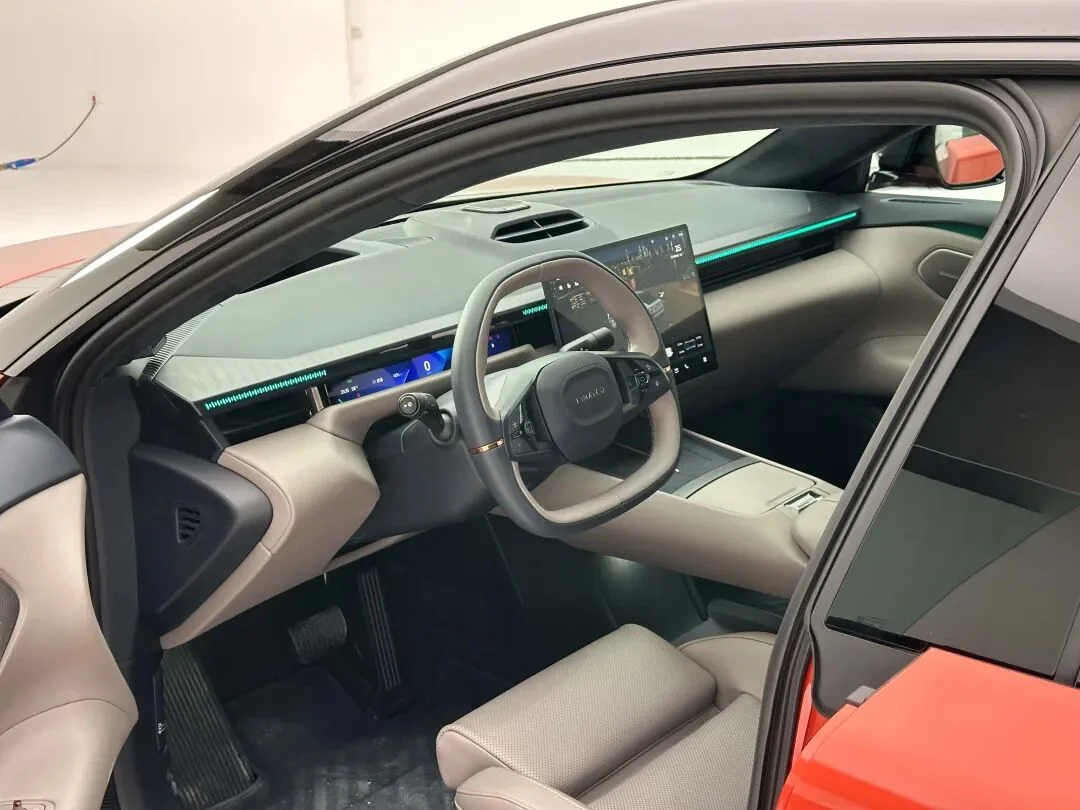
The interior design of the Lynk & Co Z10 adopts a minimalist style, even more so than the models 07 and 08. Two color schemes are available: dark and light. The dark scheme, shown in our test drive photos, actually presents a grayish-coffee tone rather than a deep black. The light scheme replaces this grayish-coffee hue with white.
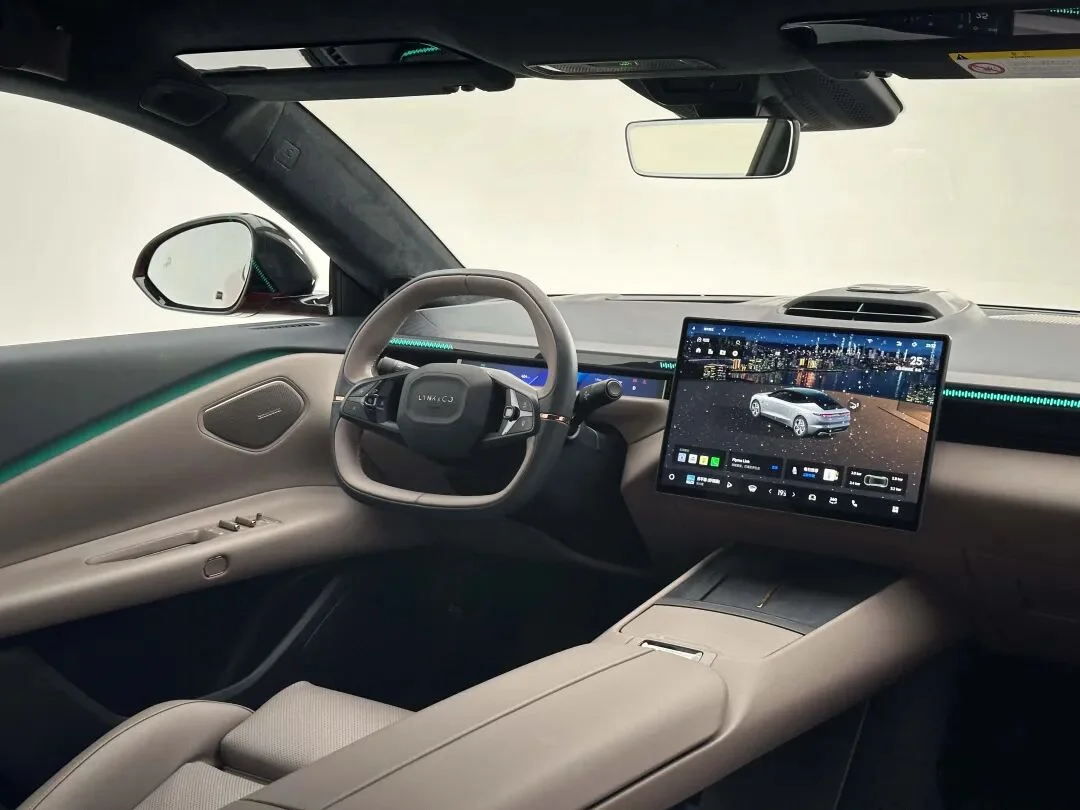
The center console features a 15.4-inch screen running Flyme Auto, a system familiar to many users. The instrument cluster has been replaced with a slim, strip-style display, similar to the design found in Lutesi vehicles, which significantly enhances the sense of refinement.
The rear cabin is relatively minimalist and lacks dedicated screens; however, owners can optionally mount two tablets on the back of the front seats if needed. This particular unit is a top-tier model, so the rear seats offer the same amenities as the front, including heating, ventilation, and massage functions. Rear controls are integrated into a large, expansive armrest equipped with several touch-sensitive buttons.
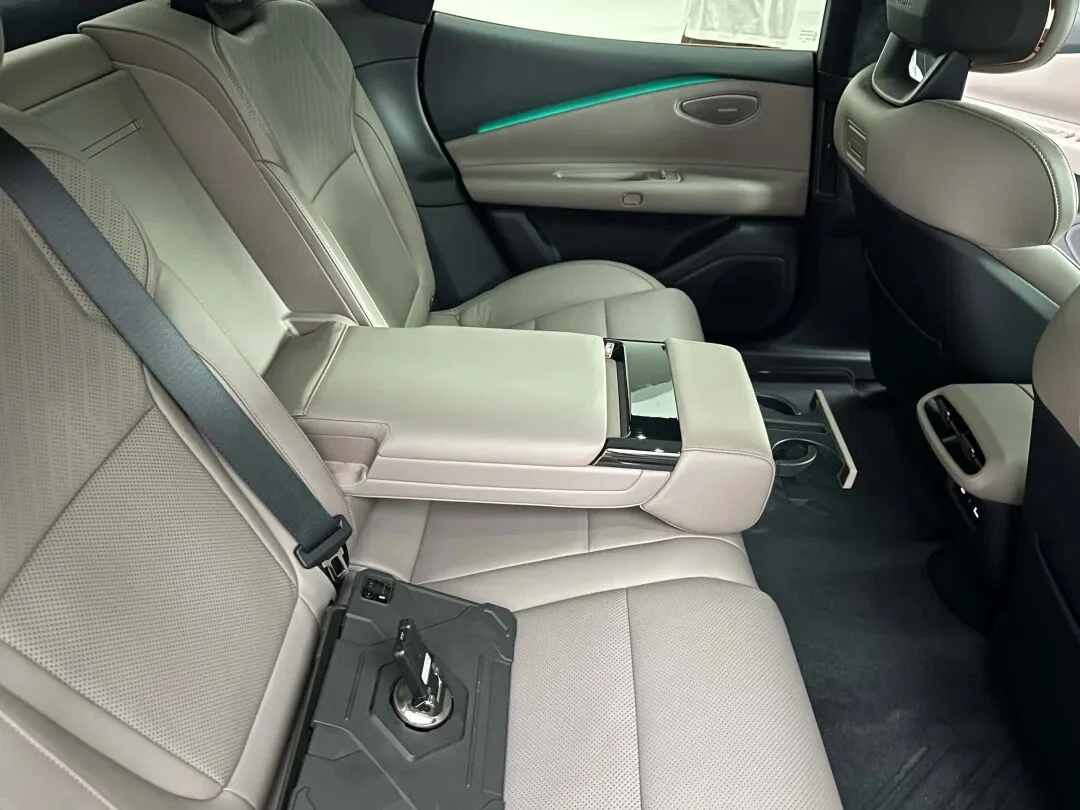
Regarding space, a driver who is 175 cm tall and weighs 70 kg will find ample room. In the rear, legroom is nearly three fists wide, and headroom is one fist and one finger deep, consistent with the spatial expectations for a mid-to-large sedan. The fastback styling does not unduly compromise headroom. Overall seating posture offers good support and envelopment, with soft cushioning that contributes to comfortable travel.
Quick Take:
The Lynk & Co Z10’s design meets my expectations for the production version of The Next Day concept car. It captures the stance expected from the concept without sacrificing practicality. After experiencing the vehicle firsthand, I found its usability to be well-executed.
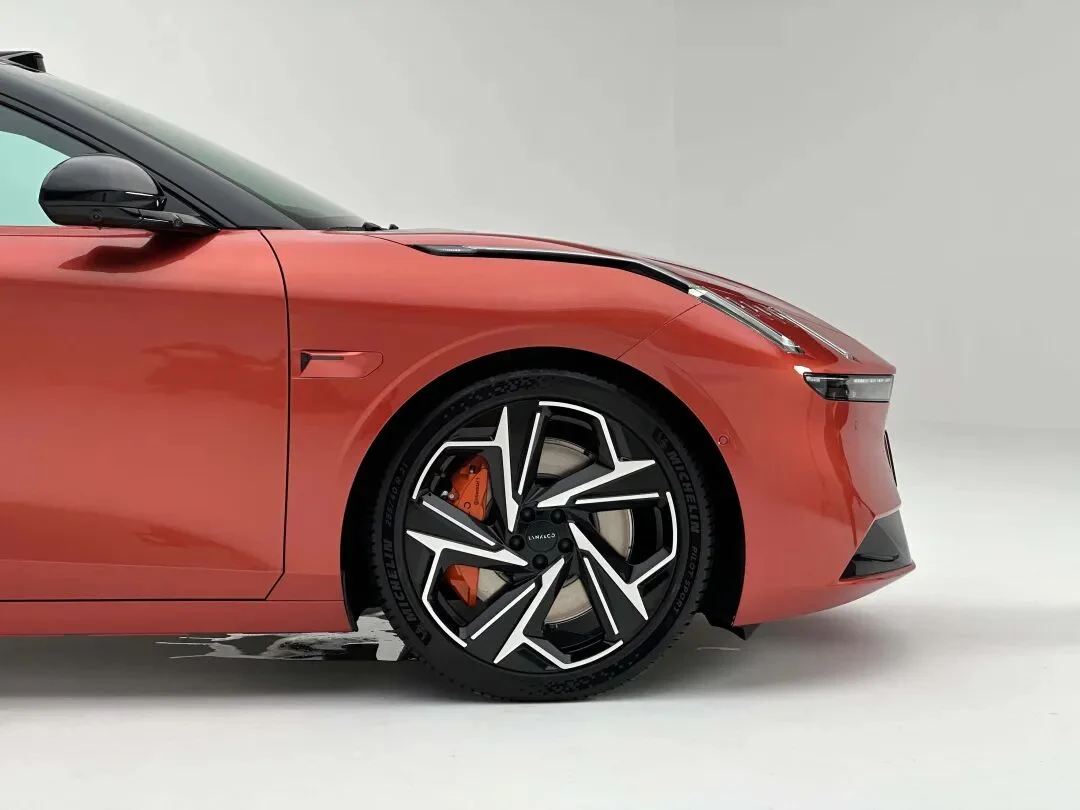
There is still one unsolved mystery: what the Lynk & Co Z10 is like when driven. Currently, there are rumors that Geely has called upon the Lutesi team to help tune the Lynk & Co Z10’s chassis. My personal wish is for the Lynk & Co Z10 to focus more on performance and chassis dynamics, so as to live up to its cool fastback stance and create our own Panamera or AMG GT.
MIIT New Vehicle Summary for Batch 384
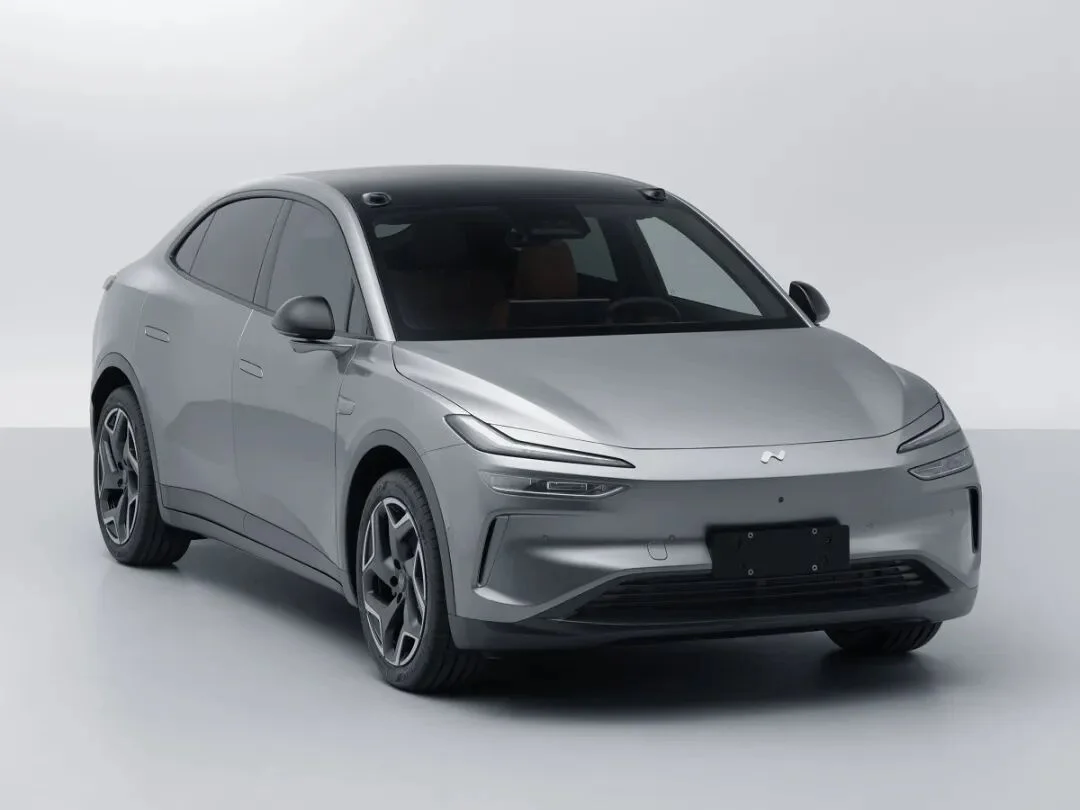
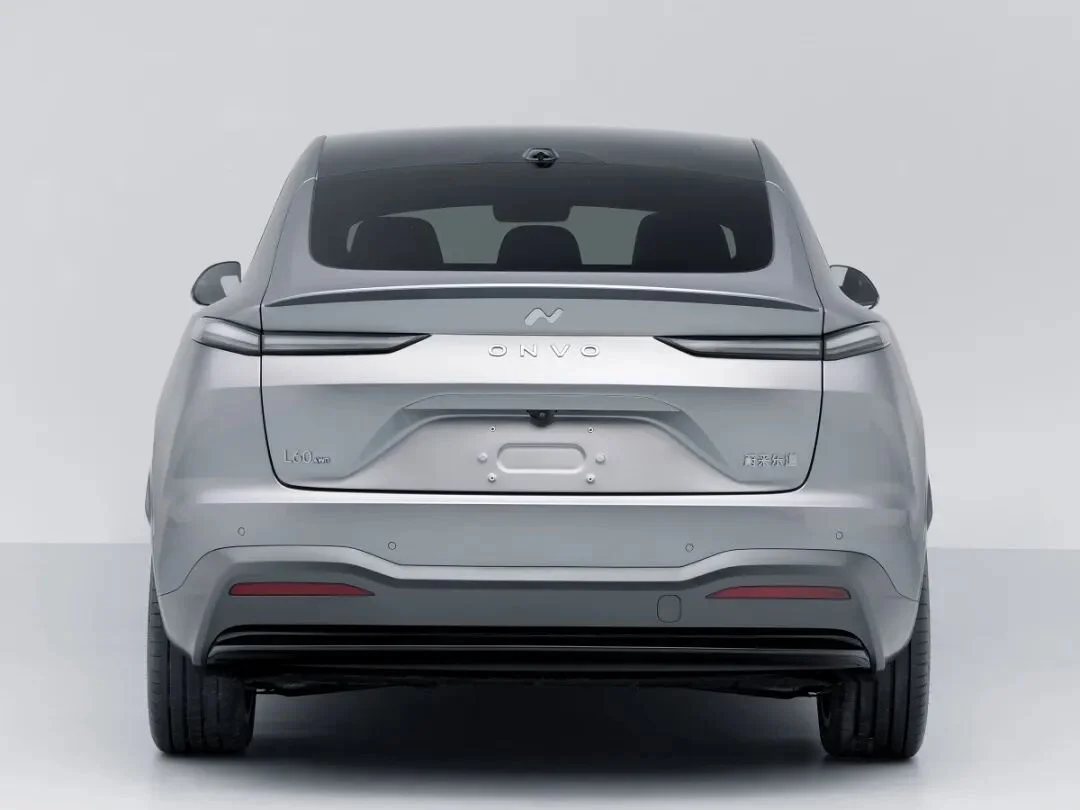
The ONVO L60 has been filed with the Ministry of Industry and Information Technology (MIIT). Its dimensions are 4,828 x 1,930 x 1,616 mm, with a wheelbase of 2,950 mm. For reference, the Tesla Model Y measures 4,750 x 1,921 x 1,624 mm. Powertrain options include a Fudi lithium iron phosphate battery paired with either a single motor producing 240 kW or dual motors generating 100 kW + 240 kW. Optional features include different wheel designs, body-colored mirror covers, matte black trim strips/side skirts/wheel arches/window frames, and high-gloss black trim strips/side skirts/wheel arches/window frames. The rear badge has been changed to "NIOONVO," allowing the ONVO brand to leverage NIO’s brand equity.
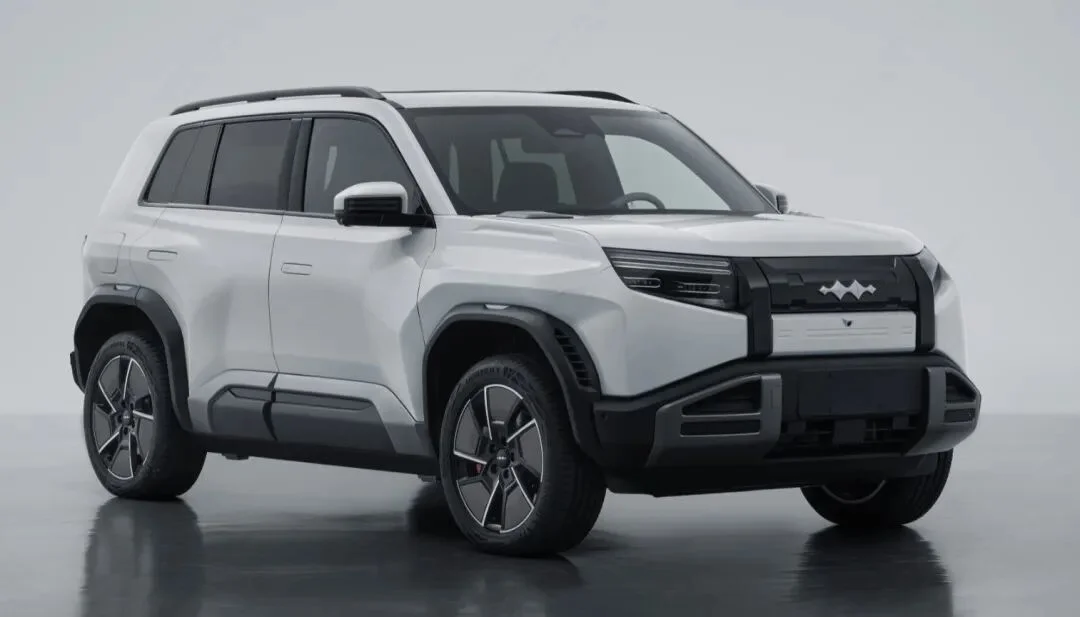
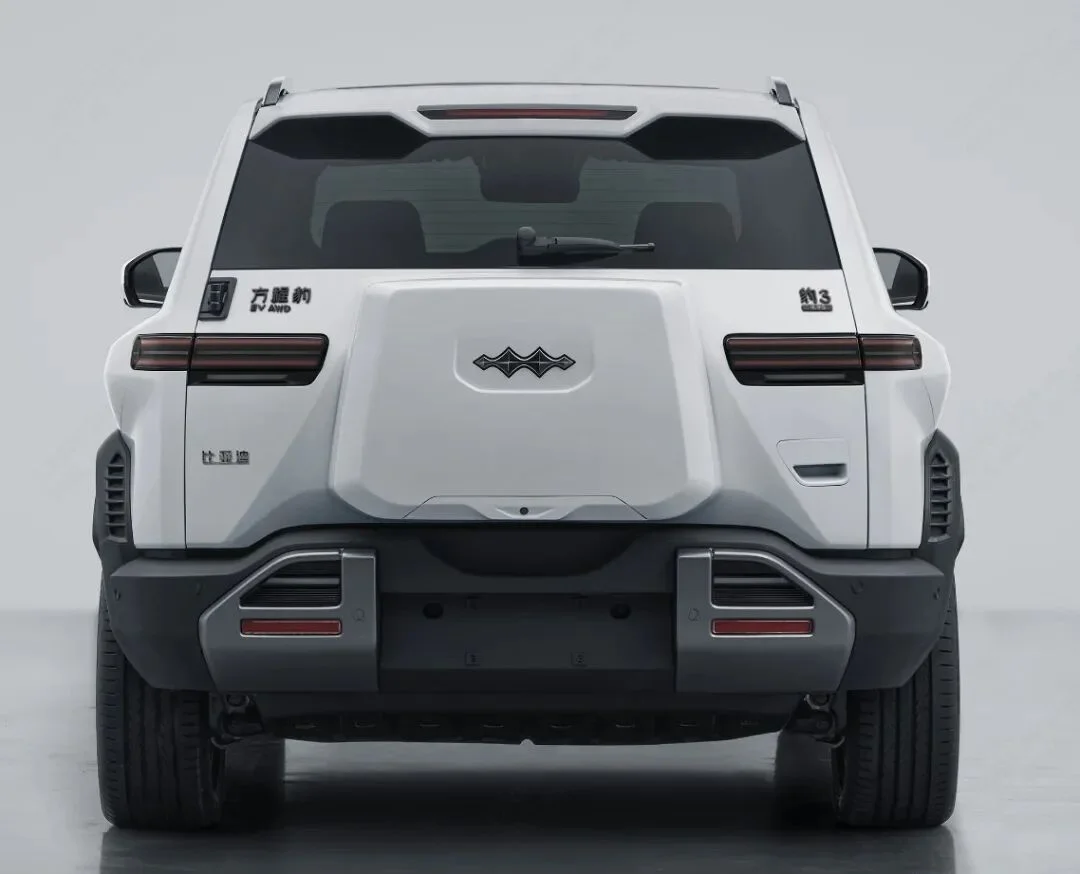
The Fangcheng Bao Bao 3 also appears in the latest MIIT declaration catalog. Dimensions are 4,605 x 1,900 x 1,720 mm, with a wheelbase of 2,745 mm. This declaration covers the dual-motor version, with peak power outputs of 110 kW and 200 kW for the front and rear motors, respectively, powered by a BYD lithium iron phosphate battery pack. The vehicle features a rugged design style and is positioned as a hardcore mid-size SUV. It is Fangcheng Bao’s third model and will be launched this year, so stay tuned.
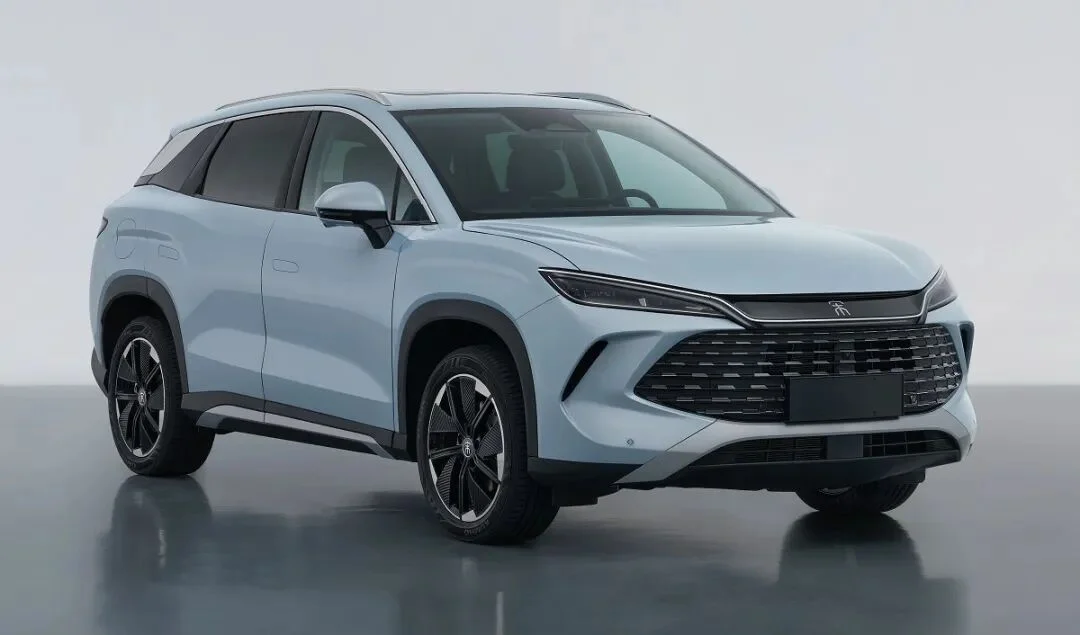
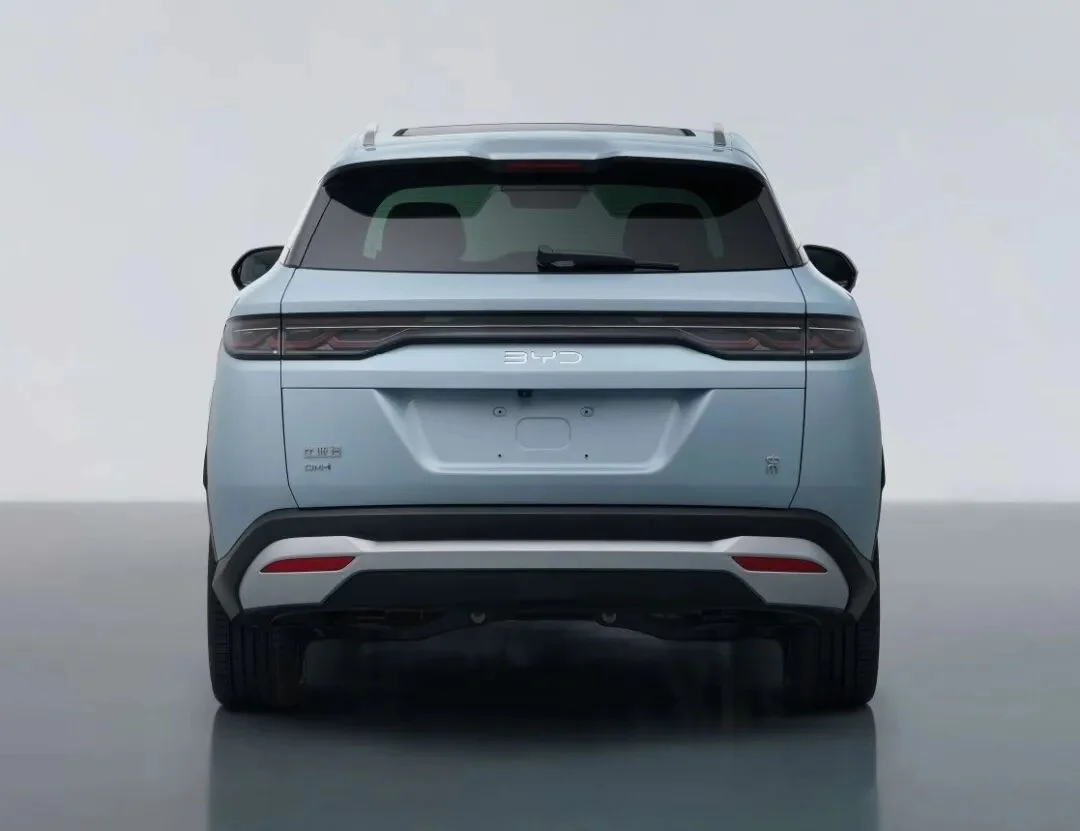
The BYD Song L DM-i has been listed with the Ministry of Industry and Information Technology (MIIT). This model will be the first SUV to feature BYD's fifth-generation DM hybrid system. Body dimensions: 4,780 x 1,898 x 1,670 mm, with a wheelbase of 2,782 mm. In terms of powertrain, it is equipped with the DM 5.0 system, featuring a 1.5-liter engine producing 74 kW of power. What do you think the starting price for this vehicle will be?
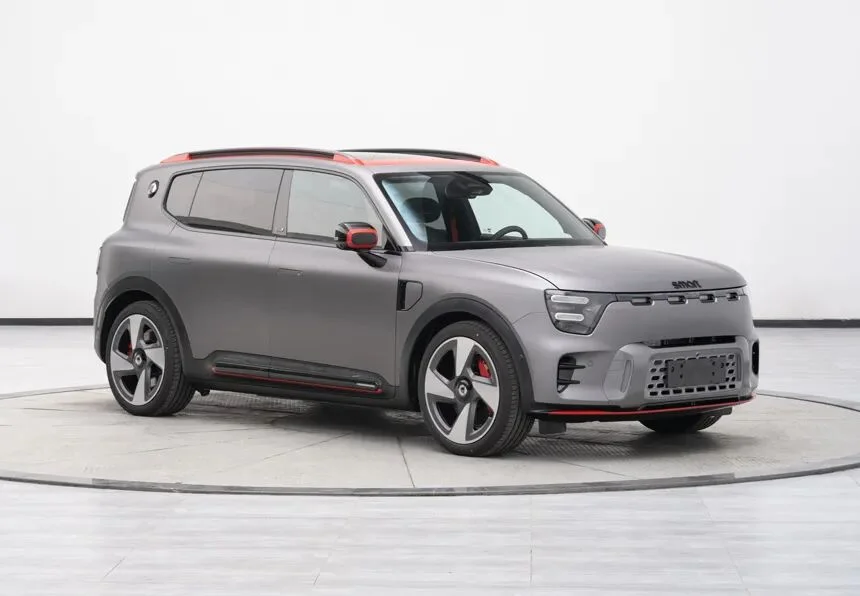
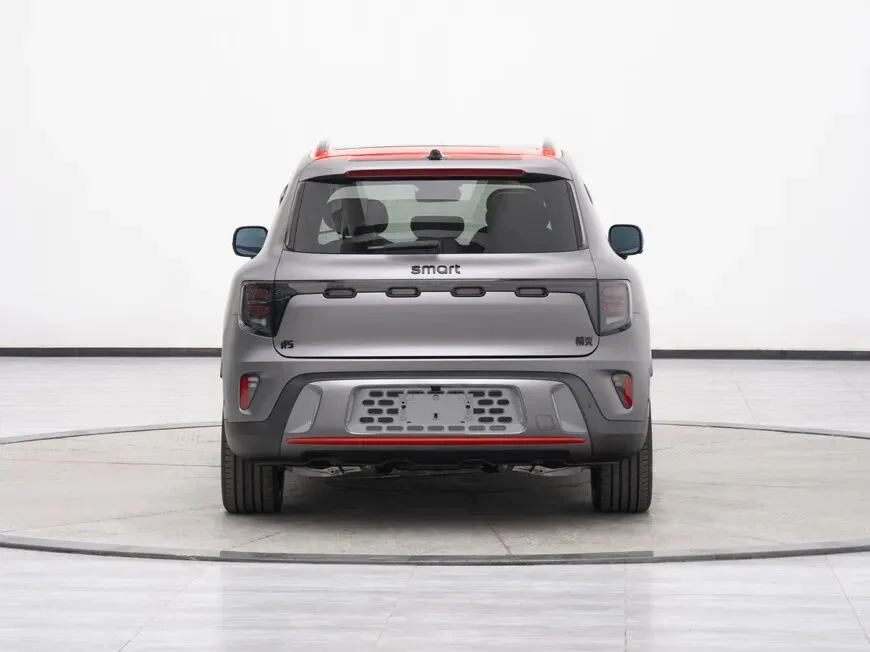
The largest smart in history has arrived. Today, the smart Jingling 5 was listed on the MIIT website. Its styling is highly similar to the concept car unveiled at the Beijing Auto Show; this boxy design feels like it could directly be called a "Haoqing Defender." Additionally, community members have exposed real-car photos of the red paint and Babosi version. Referring to the pricing of the Jingling 1 and Jingling 3, the price of the Jingling 5 may start from RMB 250,000. Everyone can guess the price as well. Furthermore, the body dimensions are: 4,705 x 1,920 x 1,705 mm, with a wheelbase of 2,900 mm; regarding powertrain: the single-motor version with a lithium iron phosphate battery has a power output of 250 kW; the single-motor version with a ternary lithium battery has a power output of 267 kW; the high-end trim features a ternary lithium battery plus front and rear dual motors, with power outputs of 165 + 267 kW or 165 + 310 kW.
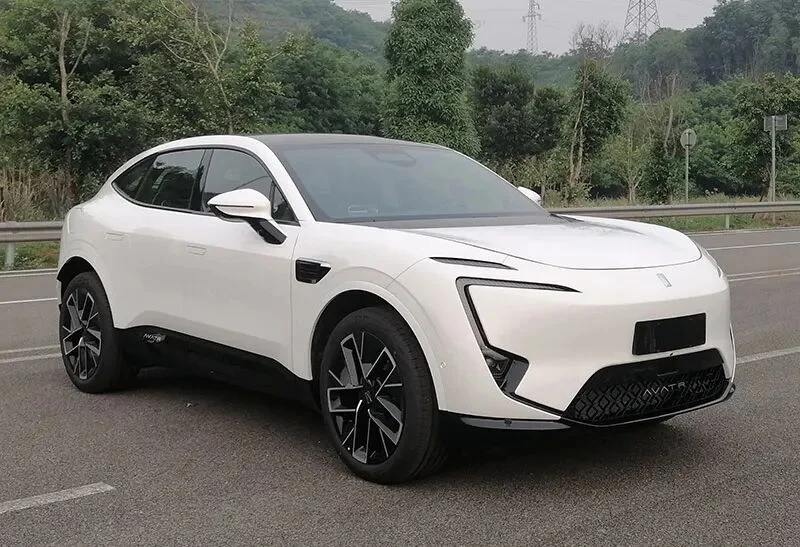
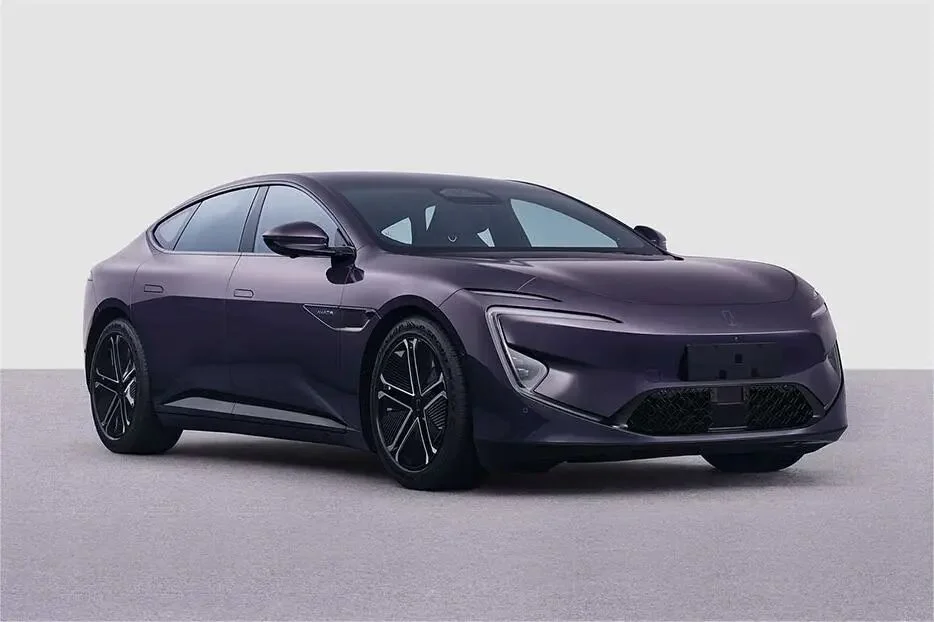
The range-extended versions of the AVATR 11 and 12 have both been listed with China's Ministry of Industry and Information Technology (MIIT). These two models share the same powertrain: a 1.5-liter engine with a maximum net power output of 110 kW, paired with a drive motor rated at a maximum power of 231 kW. Both vehicles offer a wide selection of wheel designs; the AVATR 11 provides seven options, while the AVATR 12 offers four. Do you think positively of AVATR's range-extended models?
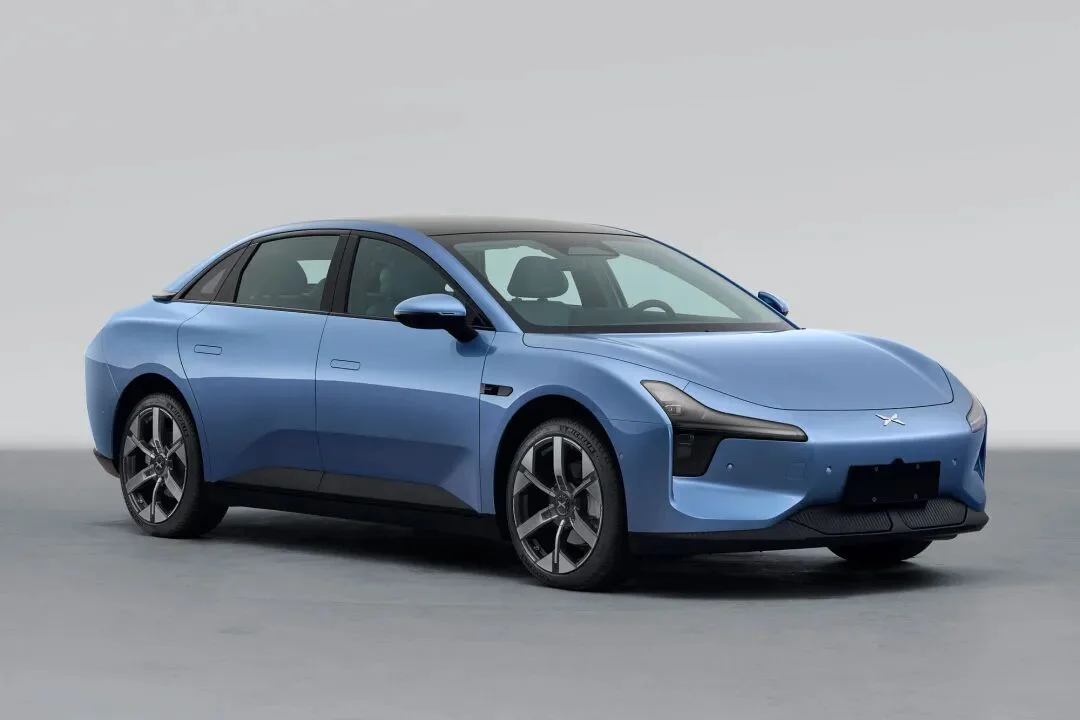
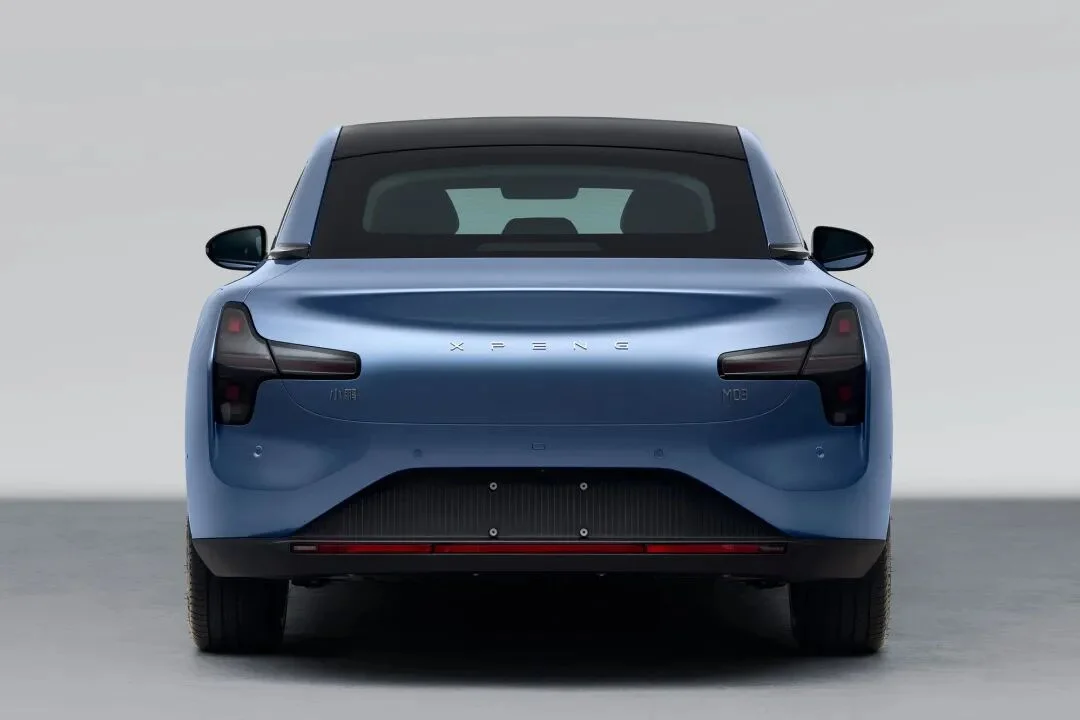
The Ministry of Industry and Information Technology (MIIT) has released application images for the XPENG M03, confirming it will carry the XPENG badge. The MONA sub-brand appears to have diminished visibility in this launch. Key specifications for the M03 include: overall dimensions of 4,780 x 1,896 x 1,445 mm, a wheelbase of 2,815 mm, a top speed of 155 km/h, a Fudi lithium iron phosphate (LFP) battery, and a motor output of 160 kW.
Quick Review:
Among the new models submitted in the 384th MIIT batch, some are expected to launch within the quarter, while others may arrive later this year. These vehicles represent some of the most closely watched new energy models currently on the market and serve as key products for various brands in the second half of the year. We will continue to provide static and dynamic reviews of these models, so stay tuned.
DEEPAL G318 Launches Starting at RMB 176,000
On June 13, DEEPAL officially launched the G318, with a price range of RMB 170,000–230,000. Five trim levels are available.

Two-wheel-drive standard version: RMB 175,900 (delivery scheduled for mid-August, but reservations are now open);
Two-wheel-drive comfort version: RMB 185,900;
Two-wheel-drive air suspension version: RMB 199,900;
Four-wheel-drive comfort version: RMB 199,900;
Four-wheel-drive air suspension version: RMB 229,900.
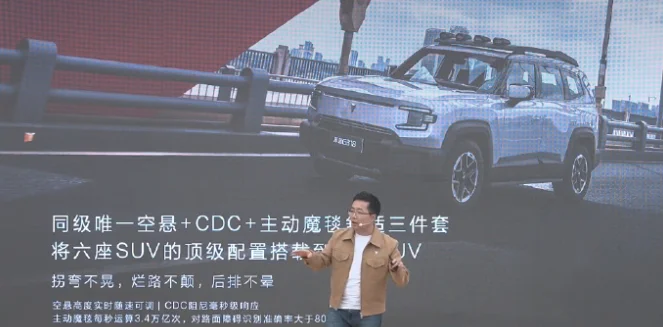
Purchasing the DEEPAL G318 four-wheel-drive air suspension version currently includes complimentary features such as soft-close tailgate, a panoramic sunroof with opening capability, roof rails, roof-mounted spotlights, multi-mode massage seats, and 20-inch wheels. At this price point, the DEEPAL G318, a large off-road vehicle measuring approximately 5 meters in length, offers both air suspension and four-wheel drive around the RMB 200,000 mark, making it a unique offering in this segment.
Editor's Take:
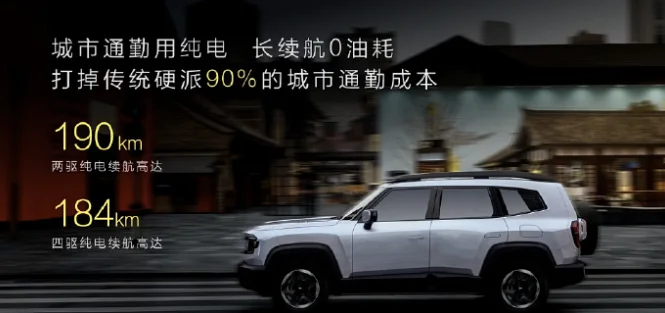
In terms of specifications, the DEEPAL G318 two-wheel-drive model offers a pure electric range of 190 km, while the four-wheel-drive version provides 184 km. This range is generally sufficient for daily commuting. The fuel consumption in battery-depleted mode is 6.1 L/100 km for the two-wheel-drive variant and 6.7 L/100 km for the four-wheel-drive variant. Regarding its dynamic structure, the vehicle features a steering system equipped with R-EPS (Rack-Mounted Electric Power Steering), along with air suspension, CDC (Continuously Damping Control), front double wishbone and rear five-link independent suspension.
When wading through water, the DEEPAL G318 can actively identify the water depth. The central control unit automatically switches to wading mode and displays the water level line, supporting a maximum wading depth of 600 mm. Additionally, the G318 can perform an in-place turn by rotating the front axle forward and the rear axle backward, making it a fun and intriguing toy within its price segment.
Tesla Holds 2024 Shareholders' Meeting
At 4:30 a.m. Beijing Time on June 14, Tesla officially convened its 2024 shareholders' meeting. Overall, this meeting presented distinct characteristics compared to previous years.
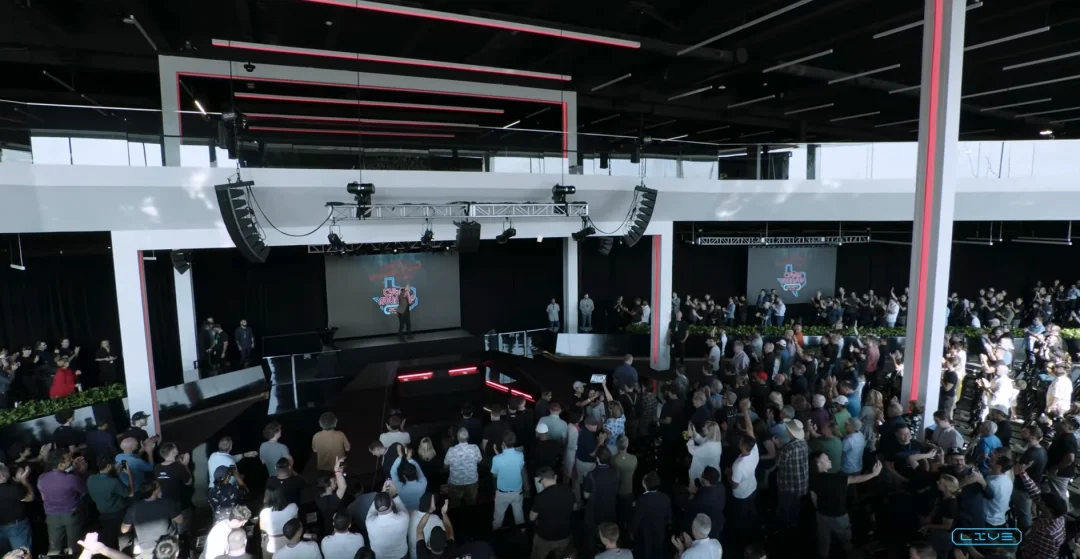
One key difference lies in the context of the meeting. It took place as Tesla’s product lineup enters a period of relative aging, coinciding with recent global layoffs. From its products to its organizational structure, Tesla no longer appears as energetic as it did in prior years.
On the other hand, there is the information being conveyed. Key takeaways from this shareholder meeting include how Elon Musk envisions Tesla’s AI-centric development roadmap, as well as the highly publicized issue surrounding his $56 billion compensation package.
Regarding production volume, Elon Musk stated that after reaching 6 million units, Tesla’s total cumulative production will exceed 7 million by the end of this year.
In terms of autonomous driving hardware, Tesla announced that it has completed the design of Hardware 5, internally referred to as AI 5. This hardware is expected to be deployed within approximately 18 months and will offer capabilities ten times stronger than those of Hardware 4. Later this year, Tesla plans to separate the training pipelines for Hardware 3 and Hardware 4, continuing to improve Hardware 3’s functionality while rolling out the full feature set for Hardware 4.
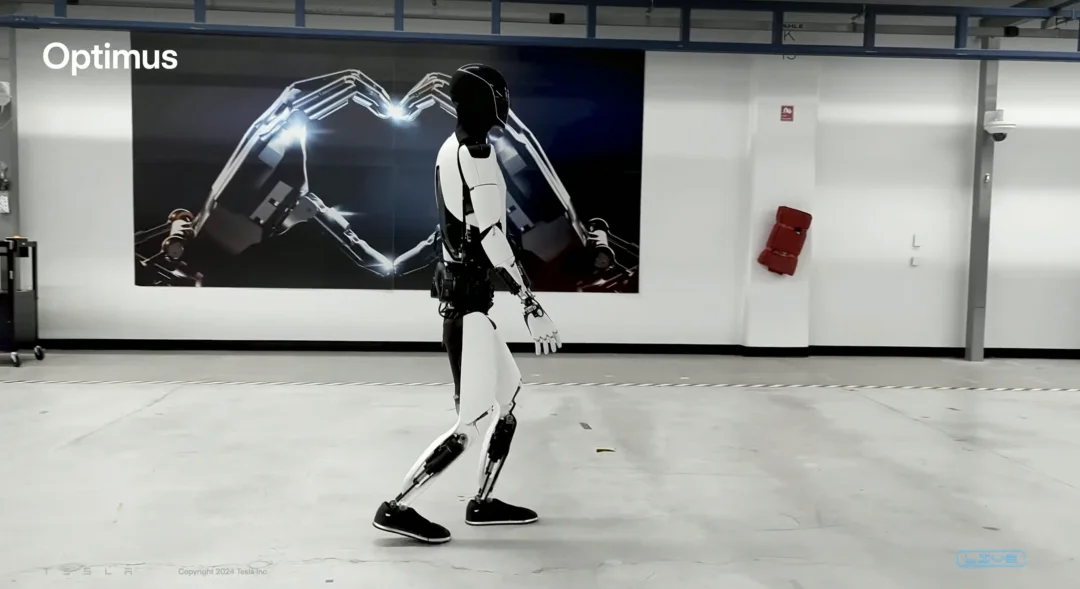
Additionally, Tesla’s humanoid robot, Optimus, will undergo hardware modifications, with completion expected by the end of this year or early next year, followed by limited production for use in Tesla factories. Elon Musk projected that more than 1,000 Optimus robots—and potentially thousands—will be working at Tesla next year, capable of direct voice interaction and task execution. He noted that Optimus can learn tasks by watching videos of human operations. In the future, the ratio of humanoid robots to humans could exceed 1:1, with a potential market of 10 billion to 20 billion units. The next-generation humanoid robot will feature 22 degrees of freedom and may even play the piano. Priced between USD 10,000 and USD 20,000, Optimus could achieve a market valuation of USD 25 trillion, compared to the USD 500 million–USD 700 million valuation of autonomous driving technology.
Notably, toward the end of the shareholder meeting, Tesla released a video likely related to Robotaxi. According to the video content, users can request a ride via a mobile app before boarding, select the number of passengers, and pre-set the cabin temperature. After boarding, users can control music playback through the app. It remains to be seen what the actual experience will be like and when the service will launch, particularly in China.
Commentary:
For Tesla, Elon Musk is the most critical factor in maintaining its capacity for innovation and growth. Conversely, he is also the single largest source of uncertainty for those same capabilities.
Regardless, the most pressing priority for both Tesla and Elon Musk right now is to deliver on the Robotaxi planned for an August launch. Doing so will serve as proof that the company retains a steady stream of innovation and growth potential, allowing it to continue promoting its narrative around autonomous driving and AI with high visibility.
Written by: Jiang Xiaohei Edited by: Jiang Xiaohei