2026 Auto Industry Midterm: Leapmotor Nears 100,000, NIO Returns to the Spotlight
On the morning of July 1, automakers rushed to release their June sales figures. At the same time, the performance report for the first half of 2026 was also made public.
Brands such as Leapmotor, NIO, XPENG, and Zeekr successively set new monthly or annual delivery records, with the overall market showing steady growth. However, beneath the excitement lies reality: the achievement rate of most brands' annual sales targets has not exceeded 50%, with the majority concentrated in the 20% to 40% range.
Compared to the "late spring cold" at the beginning of the year, consumers have been acting as "wait-and-see partisans," and the mid-year recovery in the auto market was no accident. The core factors are the near-simultaneous realization of certainty across three dimensions: policy implementation, new vehicle launches, and prices hitting rock bottom. Delayed demand has been released in a concentrated manner, directly boosting the overall sales volume for the first half of the year. A broad-based price increase is a fact, but the industry's deeper pressures are equally real.
01Broad Growth Amidst Continued Divergence
The most impressive performer is Leapmotor. After the Chinese New Year, Leapmotor has climbed to a new level almost every month. Its June deliveries reached 93,376 units, a year-on-year increase of 95%. For the first half of the year, Leapmotor delivered a cumulative total of 356,487 units, achieving 33.9% of its annual sales target, meaning it still faces significant pressure in the second half. Of course, an analysis of Leapmotor's sales data shows that maintaining its position as the top-selling new energy brand among startups remains well within reach.
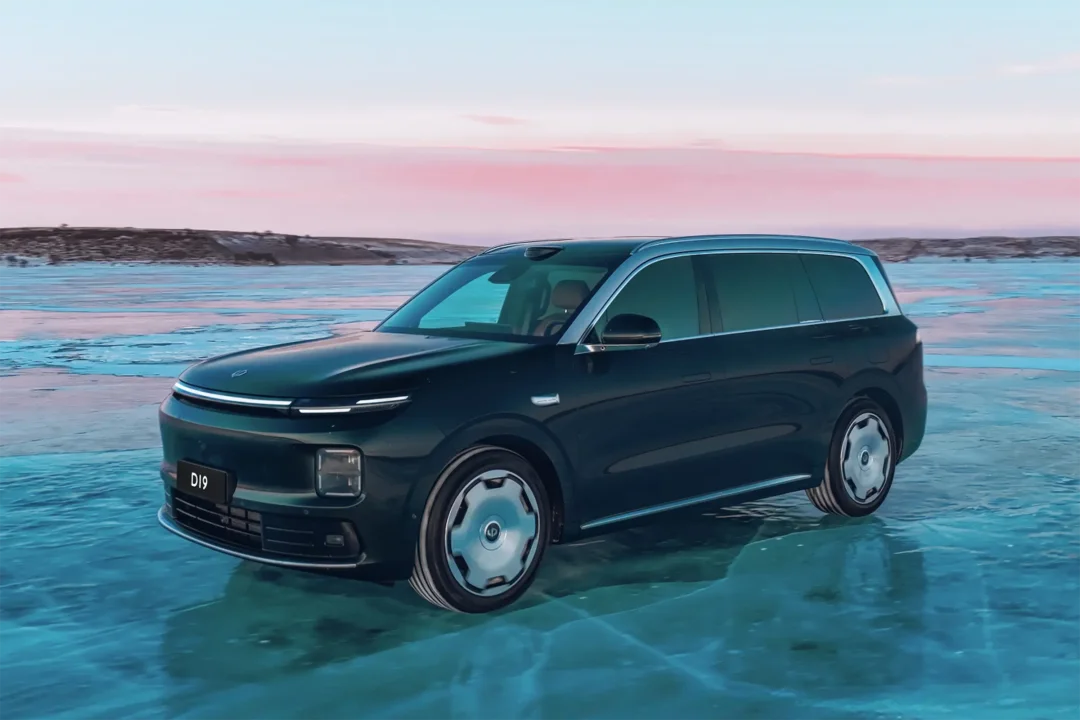
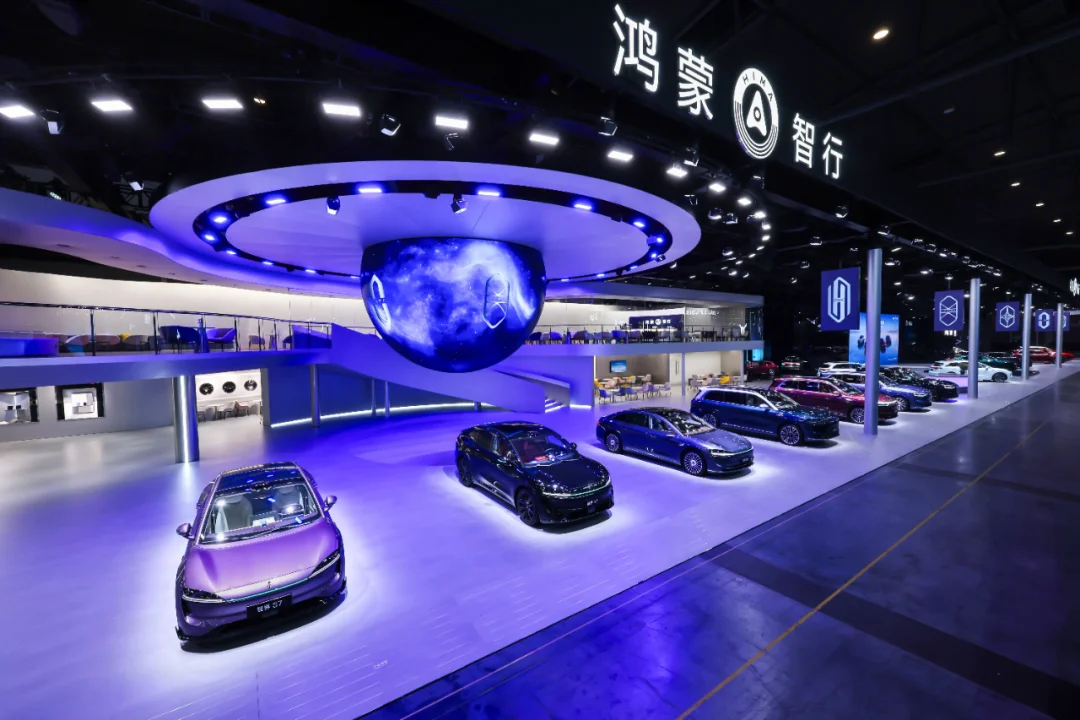
The Harmony Intelligent Mobility Alliance "full suite" is also making waves. In June, it delivered 50,624 units, up 18.6% year on year. In the first half of 2026, cumulative deliveries for Harmony Intelligent Mobility Alliance broke through 240,000 units, with an annual sales target achievement rate of 24.2%. Currently, its cumulative full-series deliveries have surpassed 1.43 million units. Breaking this down, the AITO brand remains the absolute mainstay. In June, AITO delivered 30,199 units; the AITO M6, launched just 54 days ago, saw deliveries exceed 30,000 units. Two weeks after the all-new AITO M9 began large-scale deliveries, its sales broke through 8,000 units. Meanwhile, the Shangjie Z7 also successfully crossed the 10,000-unit mark in single-month deliveries. Covering the entire price spectrum from RMB 150,000 to RMB 1 million is a major advantage of Harmony Intelligent Mobility Alliance.
NIO delivered 40,597 new vehicles in June, marking a year-to-date high and a 62.9% year-over-year increase; cumulative deliveries for the first half reached 191,123 units, up 67.4% year over year, achieving 41.9% of its annual sales target. Breakdown by brand: NIO’s main brand delivered 21,908 units, with the ES9 surpassing 10,000 deliveries within 30 days of launch and the third-generation ES8 accumulating over 120,000 deliveries, solidifying its foundation in the premium large-vehicle market. ONVO delivered 11,743 units and Firefly delivered 6,946 units, as the two sub-brands clarify their positioning and begin contributing steadily to sales.
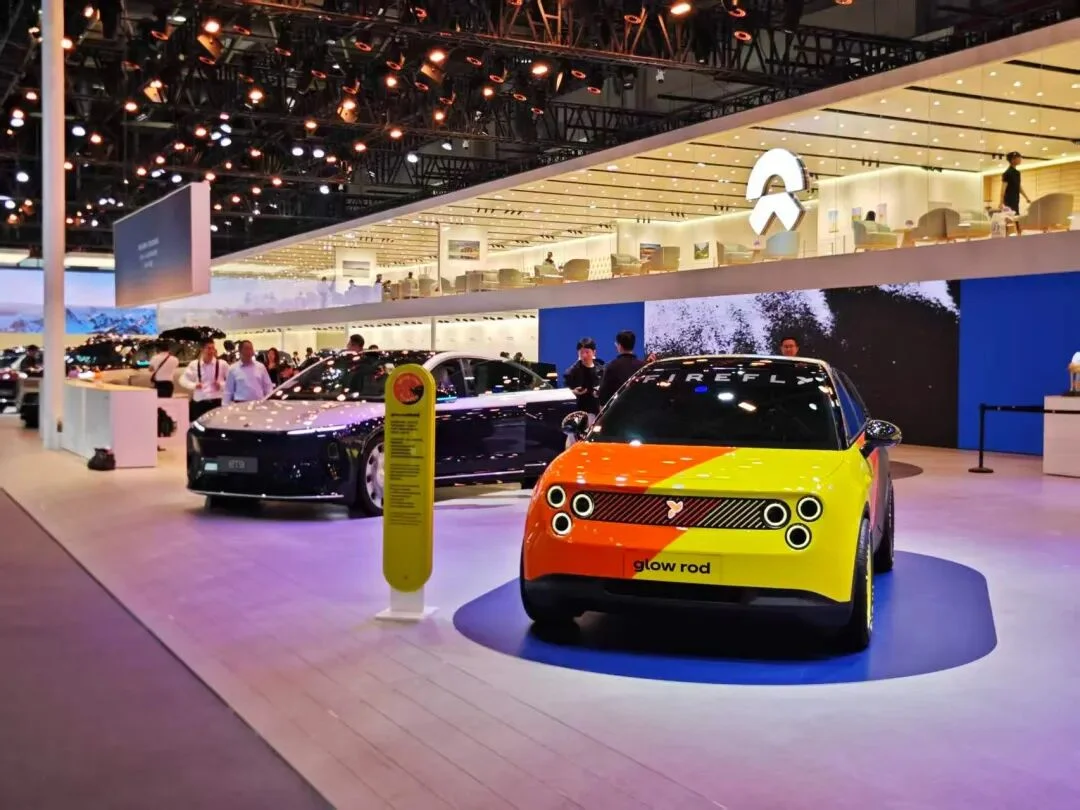
XPENG also crossed the monthly delivery threshold of 40,000 units. In June, deliveries reached 40,126 units, a year-on-year increase of 15.9%. The cumulative deliveries for the first half of the year totaled 165,977 units, achieving 30.2% of the annual sales target. The flagship SUV GX saw its delivery pace ramp up rapidly, with single-month deliveries reaching 6,739 units; the MPV model X9 surpassed 60,000 cumulative global deliveries, setting a new record for the fastest delivery among emerging MPVs, while its recognition in the high-end family market continued to grow.
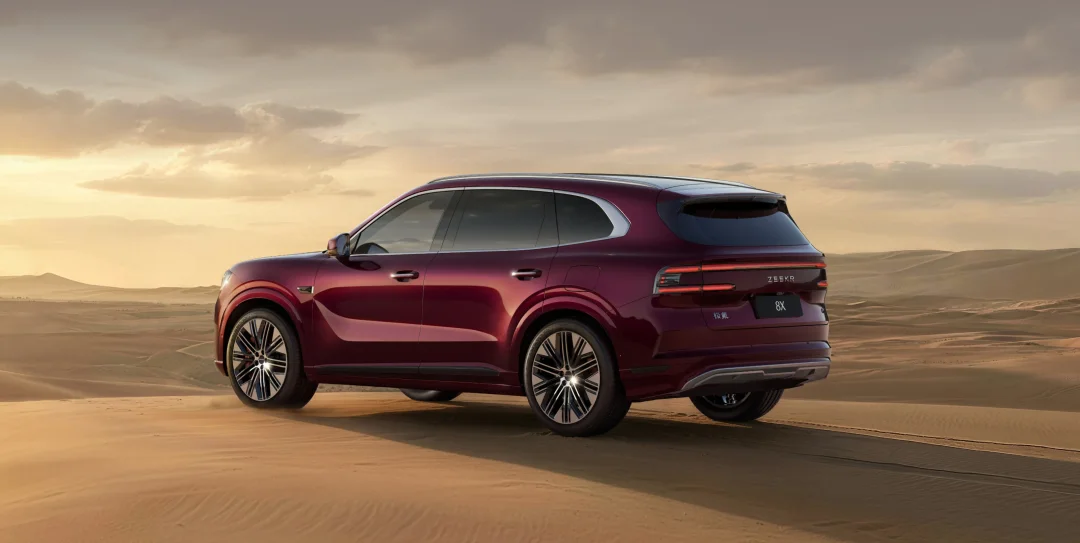
Zeekr achieved the fastest year-on-year growth rate. Deliveries in June reached 35,169 units, representing a year-on-year increase of 111%; cumulative deliveries for the first half of the year totaled 178,370 units, with a year-on-year growth rate of 97%, and the annual sales target completion rate stood at 59.46%. The new Zeekr 8X model, combined with the technical branding of the 800 V high-voltage platform, has strengthened Zeekr's presence in the mid-to-high-end market.
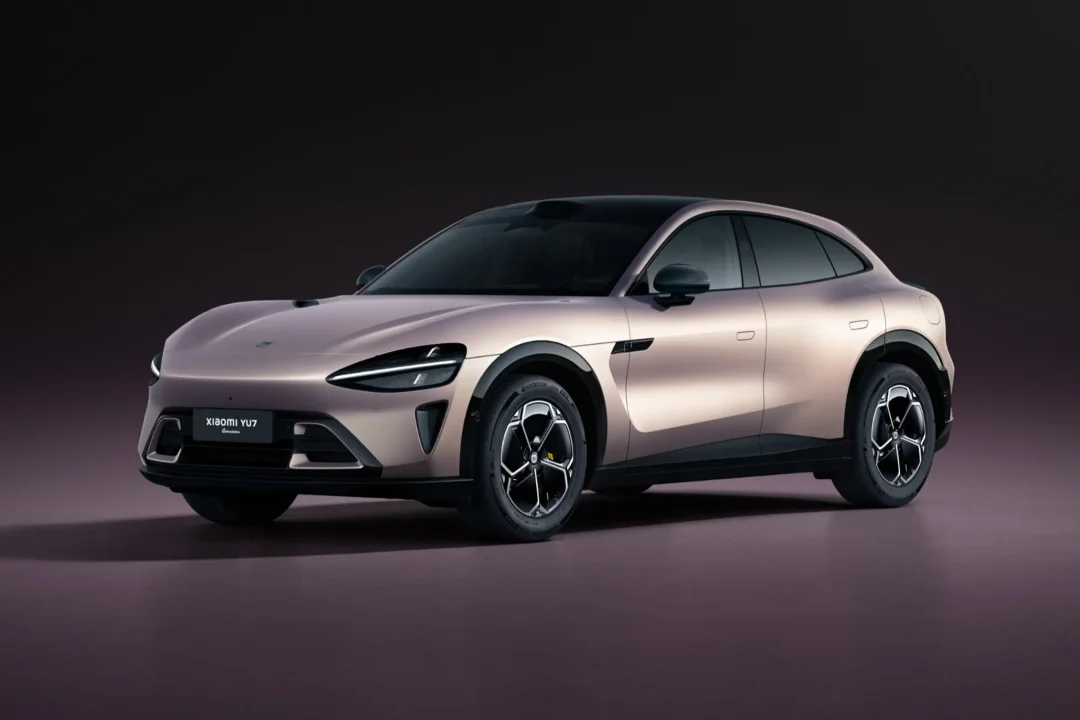
Xiaomi Auto has not disclosed specific sales figures, but it has confirmed that deliveries have remained stable at more than thirty thousand units per month for three consecutive months. Relying on just two models, it has secured a core share in the highly competitive automotive market. Based on first-half deliveries exceeding 170,000 units, it has achieved more than 30.9% of its annual sales target.
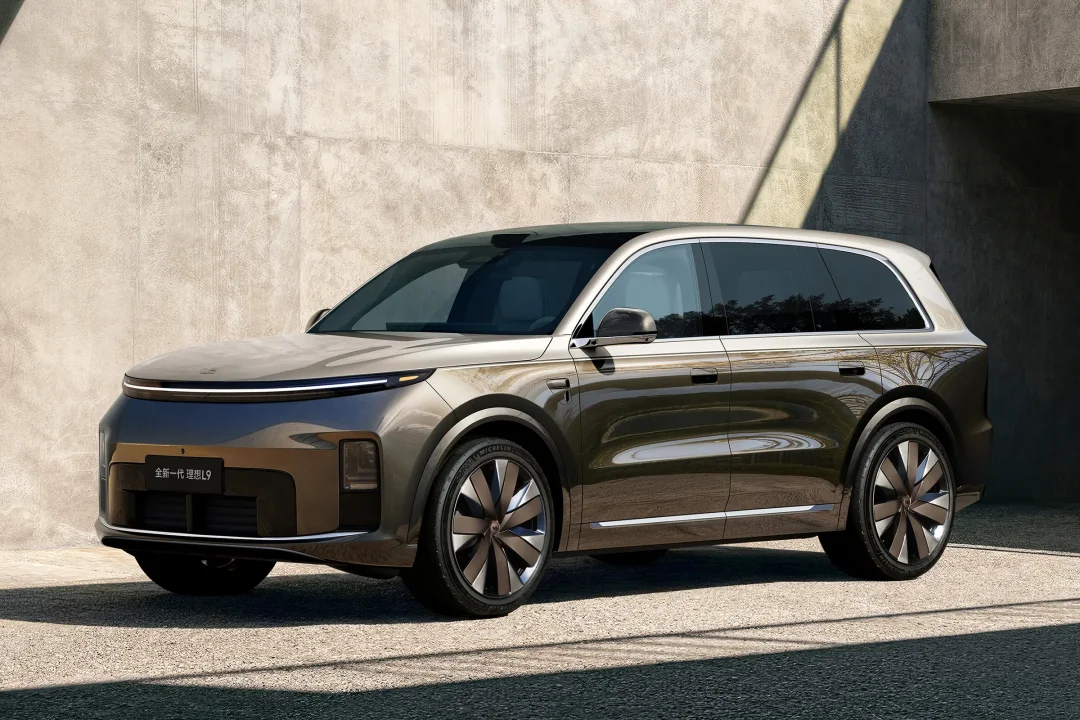
In comparison, Li Auto delivered 30,895 vehicles in June, a year-over-year decline of 14.84%. Year-to-date cumulative deliveries reached 193,472 units, representing 39.68% completion of its annual sales target. The upcoming launch of the new-generation L6 and the already released new-generation L8 are expected to provide a boost.
Returning to the main narrative: from the collective half-yearly drop at the beginning of the year to the bottoming out and rebound by mid-year, what exactly happened in the market over these six months?
02Cost Pressure Driving Innovation and Demand Release
At the start of the year, consumers collectively held back spending, essentially waiting for certainty across three dimensions: the implementation of trade-in policies, the launch of major new models, and confirmation that prices had hit their floor. By the second quarter, all three variables were realized almost simultaneously. The 'wait-and-see' group lost their reason to continue observing, and pent-up demand was naturally released in a concentrated wave.
Policy Rollout: Front-loading Demand
In January this year, most provinces and municipalities had not yet issued their 2026 trade-in subsidy policies, with many consumers still waiting for local implementation details. By March, nearly all provincial-level administrative regions had introduced supporting regulations for vehicle trade-ins, fully rolling out the dual benefits of national subsidies plus local subsidies.
It is important to clarify that trade-in policies do not create new car-buying demand out of thin air; rather, they concentrate future demand into the policy window period. Data from the Ministry of Commerce shows that as of early May, national vehicle trade-in programs had driven consumption of 2.132 million new cars, generating sales revenue exceeding RMB 340 billion. By the end of May, cumulative subsidy applications had surpassed 4.12 million, with 1.23 million new applications added in May alone.
For families with a large number of older internal combustion engine vehicles, the combination of trade-in/scrappage subsidies and local consumer vouchers directly lowered the threshold for car replacement decisions. Since replacing a vehicle is inevitable sooner or later, purchasing during the subsidy window became the optimal choice, emerging as the core supporting force behind the auto market's recovery in the first half of the year.
New Models Fill the Gap: Technology Continues to Filter Down
Another major reason for consumer hesitation at the beginning of the year was the scarcity of new models released early on. Entering the second quarter, the industry hit its peak period for new model launches, with the Beijing International Automotive Exhibition releasing many models that users had been waiting for. In terms of categories, new models in the first half of the year precisely targeted the core needs of family users: large six-seat SUVs, family MPVs, and large five-seat flagships all saw significant growth.
Today, it is possible to buy a large 6-7 seat SUV for 200,000–300,000 RMB, with these models offering full configurations and ample space. AITO M6 and Zeekr 8X have further perfected the product matrix for large five-seat SUVs, offering higher cost-performance ratios and more advanced smart cockpit and autonomous driving technologies, elevating the overall vehicle experience. Not to mention the refreshed Xiaomi SU7 and the continuously delivering Xiaomi YU7, among others.
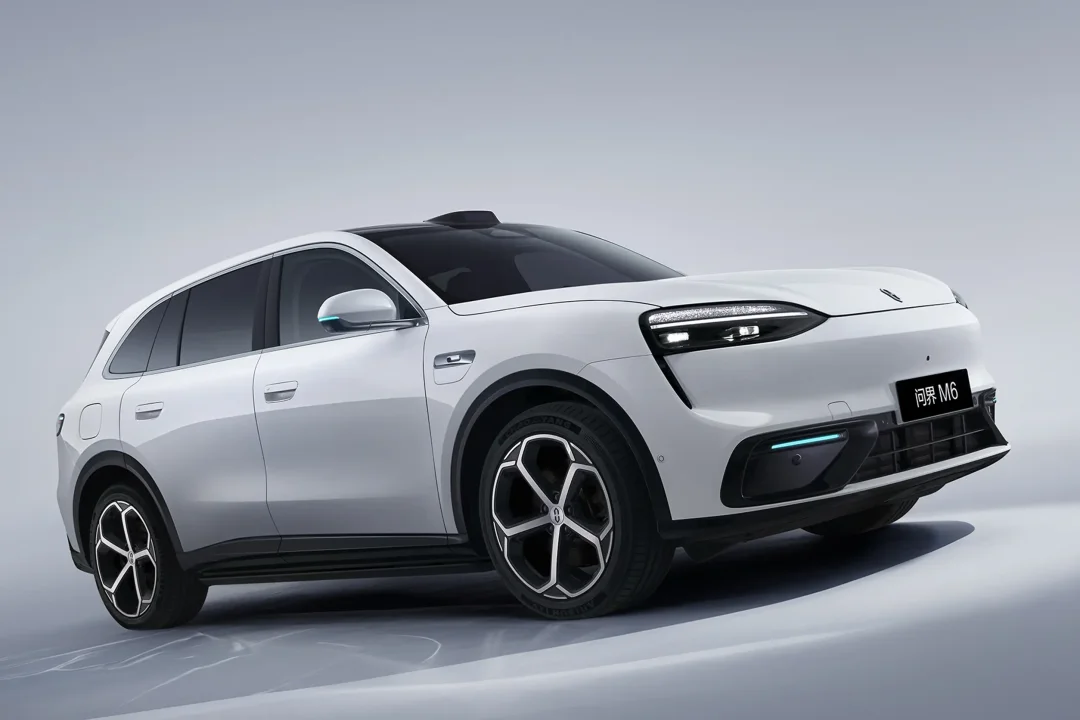
Meanwhile, the widespread adoption of advanced technologies has significantly boosted the appeal of new models. The 800 V high-voltage platform is rapidly trickling down to vehicles in the RMB 200,000 price segment, and ultra-fast charging experiences—such as adding 500 kilometers of range in 10 minutes—are gradually becoming more common. Features that were once exclusive to flagship luxury models, such as driver assistance systems and air suspension, are now being introduced into mid-range vehicles. After waiting for half a year for these new products and technologies to finally arrive, consumers' wait-and-see demand has naturally converted into actual orders.
Will Car Prices Drop Again?
Over the past three years, 'buy early to enjoy, buy late for discounts' has been the general consensus among consumers, with multiple price wars repeatedly validating this conclusion. However, the continuous rise in upstream costs throughout the first half of the year completely shattered this expectation. When consumers realized that 'waiting longer will not result in significant price cuts, and prices might even rise,' the underlying logic of wait-and-see behavior ceased to exist.
The pressure on the cost side is undeniable. Spot prices for battery-grade lithium carbonate rose from RMB 75,000 per ton at the end of 2025 to RMB 200,000 per ton by mid-2026, a year-to-date increase of more than 160%, directly driving up power battery costs. Meanwhile, supply of automotive-grade memory chips has tightened due to capacity absorption by the AI industry, with some models seeing price increases exceeding 180%, further compressing automakers' profit margins.
Industry consensus is shifting in tandem. Lei Jun publicly stated that the new SU7 will be difficult to sell for one or two ten-thousand yuan less than its pre-sale price, as it had in previous years. Lu Fang, chairman of Voyah, also stated bluntly that "car price increases are highly probable." In the terminal market, most brands have gradually tightened purchase benefits, and significant price cuts have basically disappeared. For users with rigid demand, since the price floor is now clear, continuing to wait would only mean missing the policy window period, making entry an inevitable choice.
03Final Thoughts
The recovery in the first half of the year does not mean the auto market has entered a stage of complacency. Beneath the surface of sales growth, deep-seated contradictions within the industry have not disappeared; they are even intensifying.
The most direct pressure comes from the cost side. Data from the China Passenger Car Association shows that the average profit margin of China's passenger car industry was only 3.4% from January to May 2026, significantly lower than the downstream industrial average of 6.1%. Sales growth has not translated into a synchronous rise in profits. The dual squeeze of rising upstream costs and stubborn terminal prices has trapped most automakers in a dilemma of "selling more means greater pressure."
As more heavy-hitting facelifted models launch in concentrated numbers in the third quarter, involution in the existing market will shift from price wars to product strength and technological capability. Li Auto needs to win back market share with its new L-series lineup, while the new product matrix of HIMA’s five brands and Huawei’s two Jing-brand partnerships continues to expand... Competition in the second half of the year will only be fiercer than in the first.
The halftime whistle has blown. The era of boosting volume through price cuts and hype concepts is long past. The upcoming elimination round will ultimately come down to hard strengths in product definition, supply chain management, and technological iteration. Whoever can find the optimal solution between cost and experience will truly be the last one standing.
Written by: Gun Gun Edited by: James