Lynk & Co 07 GT Launches in China as Brand's First Wagon, Starting at RMB 145,800
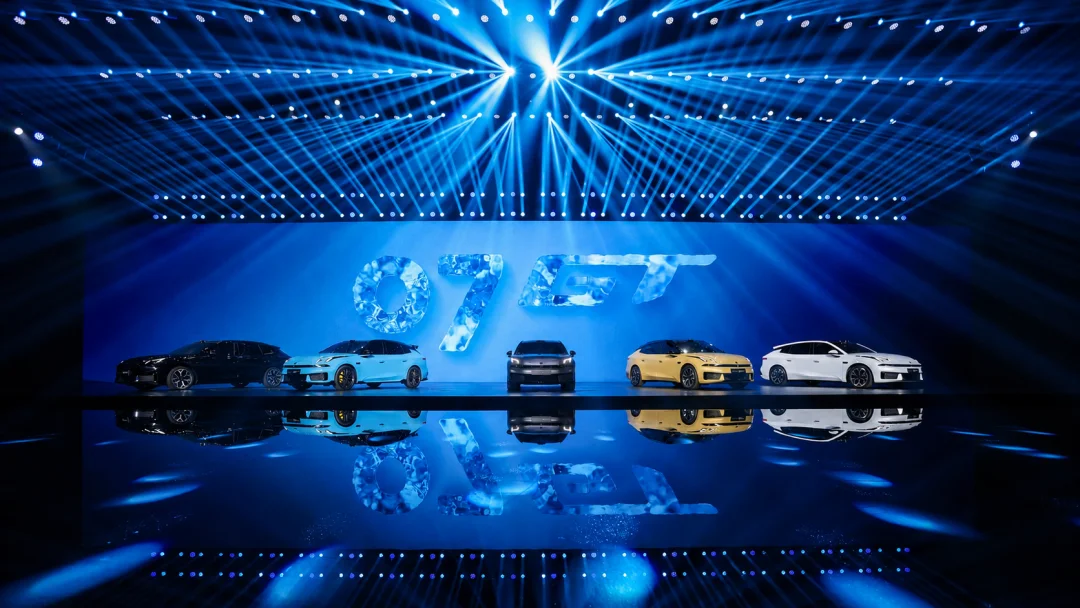
On July 23, the Lynk & Co 07 GT officially launched with a limited-time price range of RMB 145,800 to RMB 196,800. After a decade of building its brand identity around hot hatches, performance cars, and WTCR championships, Lynk & Co has finally introduced its first-ever station wagon.
The new model is available in four trims. Here are their limited-time promotional prices:
200 Long-Range Max: RMB 145,800
200 Long-Range Ultra: RMB 155,800
AWD Performance Ultra: RMB 165,800
Time-Limited Edition (sold out by late June, with 1,007 units sold in just three minutes): RMB 196,800
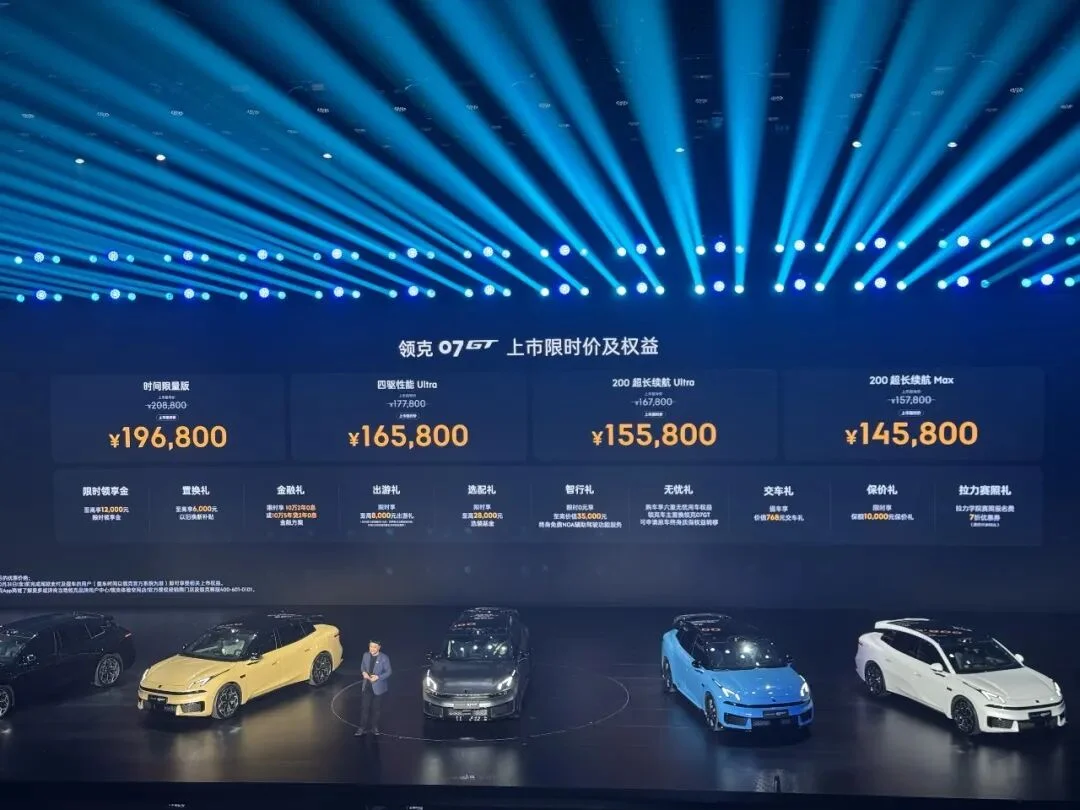
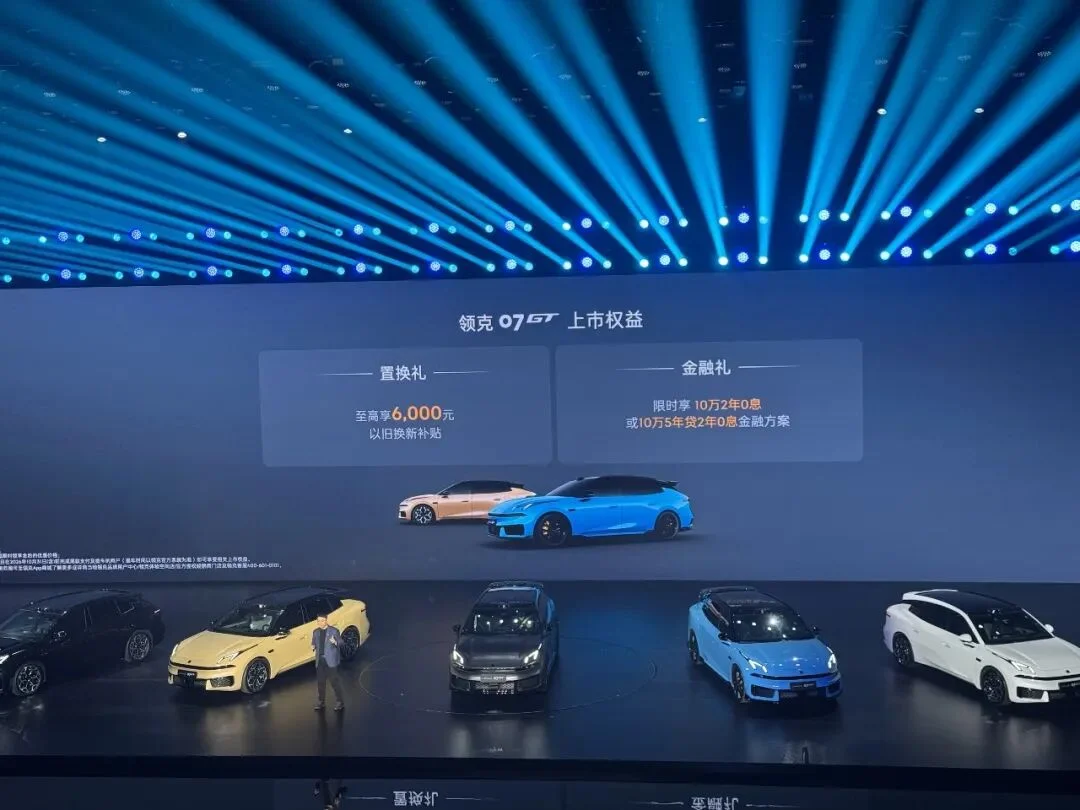
The launch also brings a limited-time benefit of up to RMB 12,000, along with trade-in incentives, rally-themed gifts, and ten other purchase perks. In the RMB 150,000–200,000 price bracket, where Chinese family car purchases are most concentrated, the Lynk & Co 07 GT has carved out a less-traveled path. It places a genuine estate car—featuring factory-approved towing capacity, roof rails, and optional MRC magnetorheological suspension—into a range that young buyers can reach by stretching their budgets.
01Which Trim Should You Choose?
Among the four trims of the Lynk & Co 07 GT, aside from the sold-out Time-Limited Edition, the gradient among the three mass-production versions is clear. We break them down by functional categories.
Range and Performance
All four versions share the same 28.3 kWh Aegis Golden Brick Battery, but differ in range and performance orientation. The 200 Long-Range Max and Ultra trims use a front-wheel-drive single-motor layout paired with a 1.5-liter turbocharged engine, delivering a combined maximum power of 408 horsepower. They offer a CLTC pure-electric range of 200 km and a combined range of 1,422 km. This is the most efficient version for long-distance travel; for daily commuting, charging once a week and driving it like a pure electric vehicle is quite feasible.
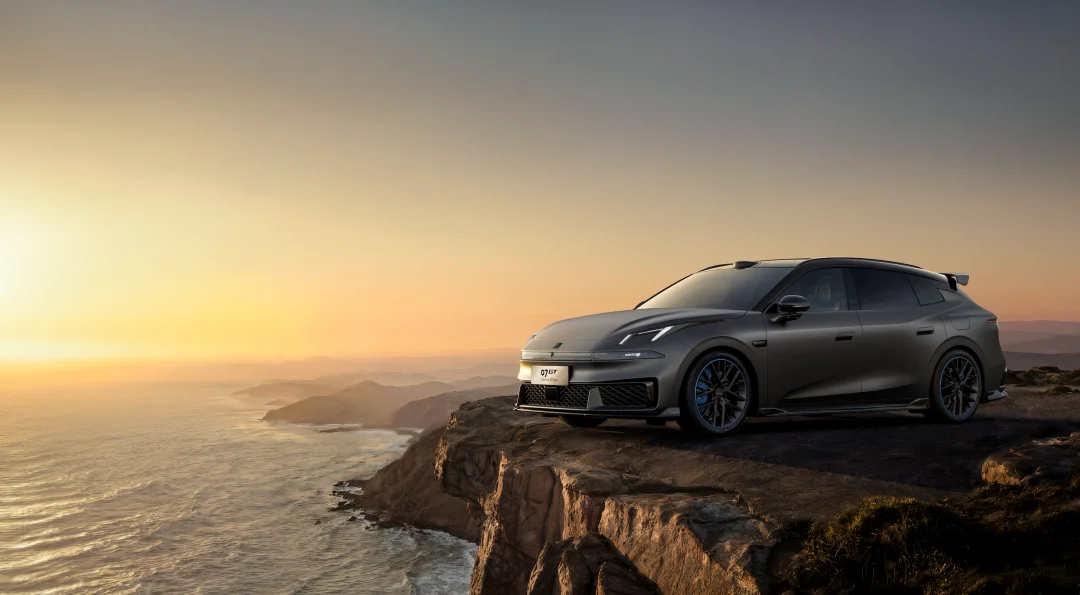
The All-Wheel-Drive Performance Ultra and the Time-Limited Edition add a rear axle motor, bringing combined power to 530 horsepower. However, this comes at the cost of increased energy consumption, reducing the pure-electric range to 170 km and the combined range to 1,315 km.
Space and Cargo Capacity
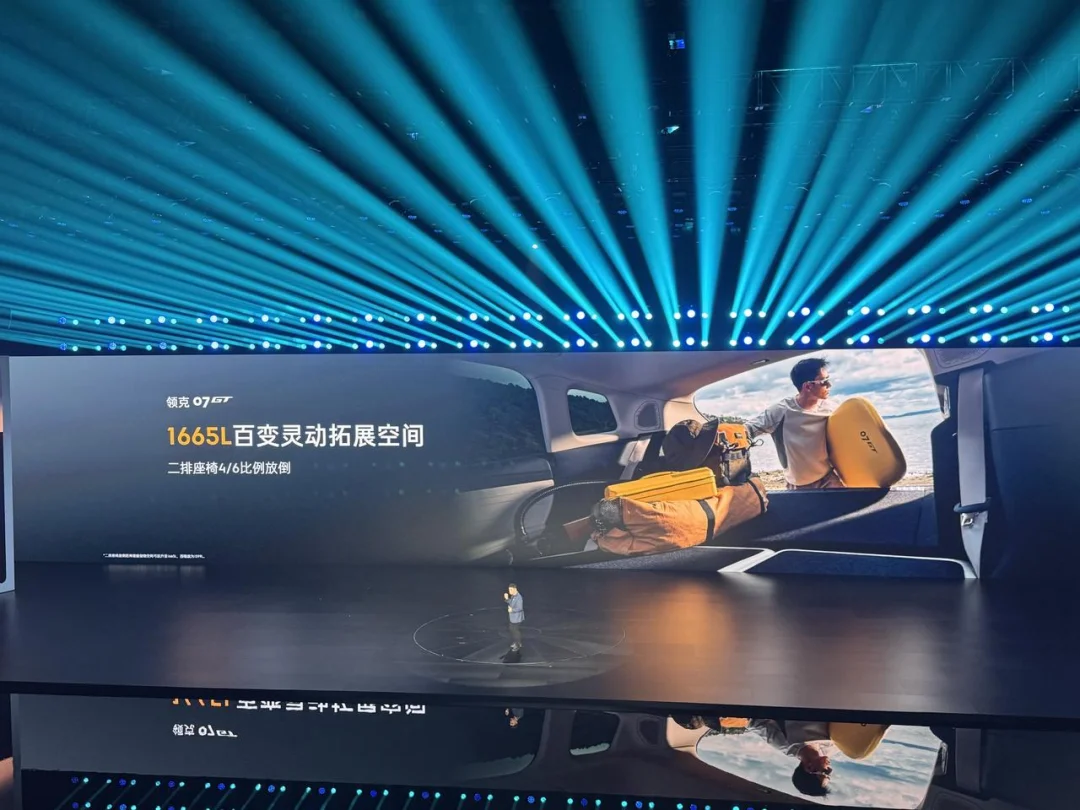
Many people are unaware that the 200 km extended-range Max and Ultra trims offer greater cargo space. The standard trunk volume is 614 liters, expanding to 1,665 liters with the second-row seats folded down. Due to the presence of a rear axle motor, the all-wheel-drive Performance Ultra and Time-Limited Edition models see reduced figures: 548 liters and 1,599 liters, respectively. If you frequently need to pack camping gear or strollers, the front-wheel-drive version is the more practical choice.
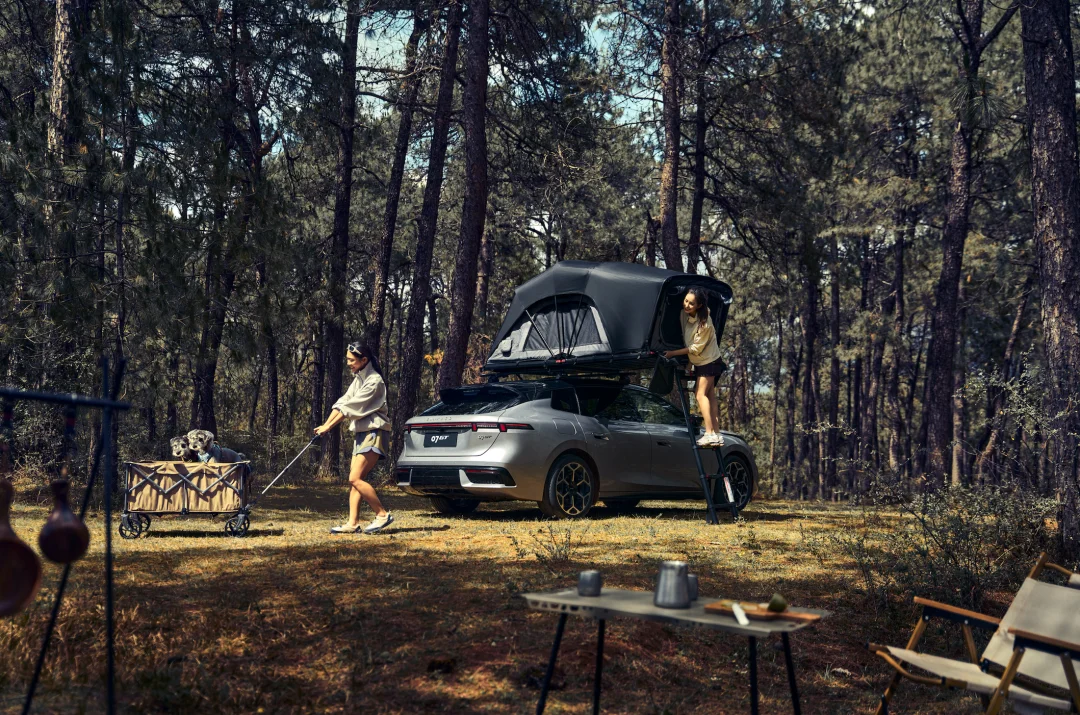
A wagon must have versatility. The Lynk & Co 07 GT features factory roof rails with a static load capacity of 150 kg and a dynamic load capacity of 100 kg, exceeding typical competitors by 25 kg. In practice, this extra 25 kg margin means you can bring an additional tent or kayak.
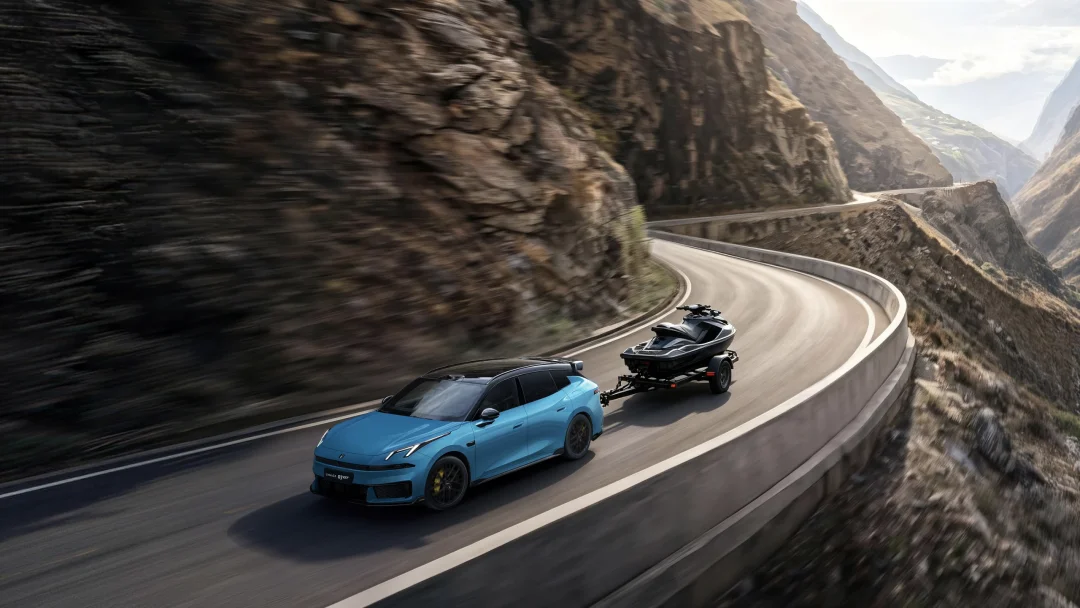
Additionally, the AWD Performance Ultra trim offers an optional factory electric hidden tow hook for RMB 7,000, while the Time-Limited Edition includes it as standard. With a maximum towing capacity of 1.6 tons, you can legally tow RVs, jet skis, or bike racks without modification registration (though a C6 driver’s license endorsement is required).
Smart Cockpit and Comfort Features
The Lynk & Co 07 GT offers substantial value across the board, with standard equipment including a Qualcomm Snapdragon 8295 infotainment chip and front seat heating and ventilation. Even the entry-level 200 Long-Range Max trim includes these essential comfort features.
For an additional RMB 10,000, the 200 Long-Range Ultra trim adds Nappa leather seats, eight-point massage for the front seats, and a 95-inch AR-HUD. This upgrade presents a choice: whether to treat yourself to extra luxury.
The All-Wheel Drive Performance Ultra trim incorporates Alcantara material into the leather seats, while its other specifications remain largely consistent with the 200 Long-Range Ultra. The Time-Limited Edition offers unique interior color options.
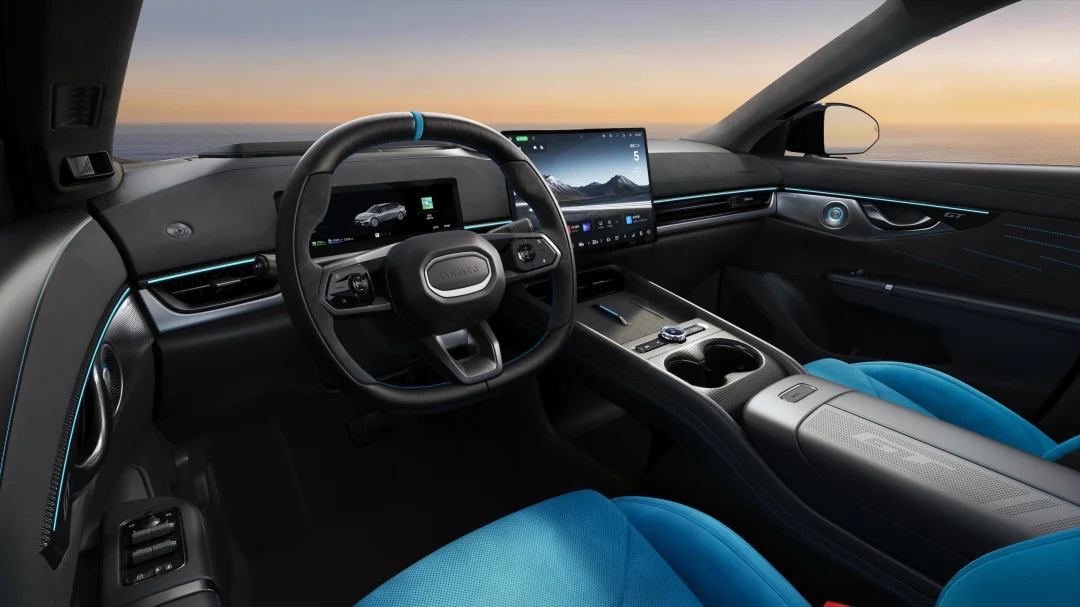
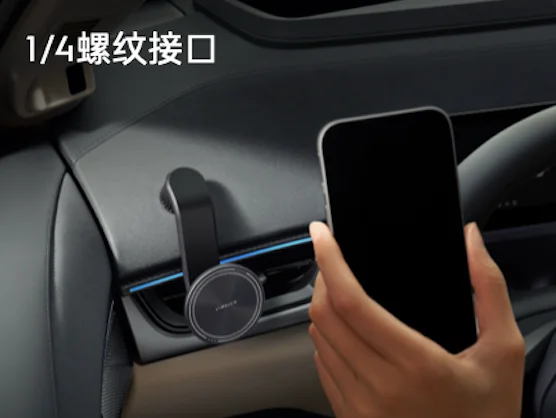
The Lynk & Co 07 GT’s expandability extends beyond the exterior; every version features a powered 1/4-inch threaded mount on the driver’s side of the cabin, allowing action cameras to be mounted for simultaneous recording and charging. Four magnetic ecological interfaces support customizable accessories, and a magnetic bear with a built-in NFC chip can trigger car themes when placed near the recognition area. While these features may not seem hardcore, they demonstrate that the product managers behind the Lynk & Co 07 GT are genuinely considering what belongs in a car during travel and how to encourage open-ended play.
Driver Assistance
All three currently available trims of the Lynk & Co 07 GT come standard with the Qianli Haohan H5 solution, equipped with 28 perception hardware components, including a LiDAR sensor, and powered by an NVIDIA Orin-Y chip delivering 200 TOPS of computing power.
The Time-Limited Edition upgrades to the Qianli Haohan H7, with chips switched to NVIDIA Thor offering 700 TOPS of computing power, unlocking D2D (driveway-to-driveway) parking capabilities. But if you are buying a Lynk & Co 07 GT, you probably prefer to drive it yourself!
02What is the magnetorheological suspension derived from supercars?
Driving pleasure is particularly critical for wagons, and the chassis suspension is of paramount importance. The 200-mile extended-range Max and Ultra versions come standard with FSD (Frequency Selective Damping) variable-damping suspensions. The All-Wheel-Drive Performance Ultra version and the Time-Limited Edition upgrade directly to MRC (Magnetorheological Damping Control) magnetorheological suspensions. In the RMB 150,000–200,000 price range, only the Lynk & Co 07 GT offers MRC magnetorheological suspension.
Magnetorheological technology first appeared on the Ferrari 599 GTB; Cadillac V-Series and Corvette have also used it. This pedigree sounds high-end, right? However, its principle is not complicated: the shock absorbers are filled with magnetorheological fluid, which can change viscosity in milliseconds under the influence of a magnetic field, thereby adjusting damping in real time.
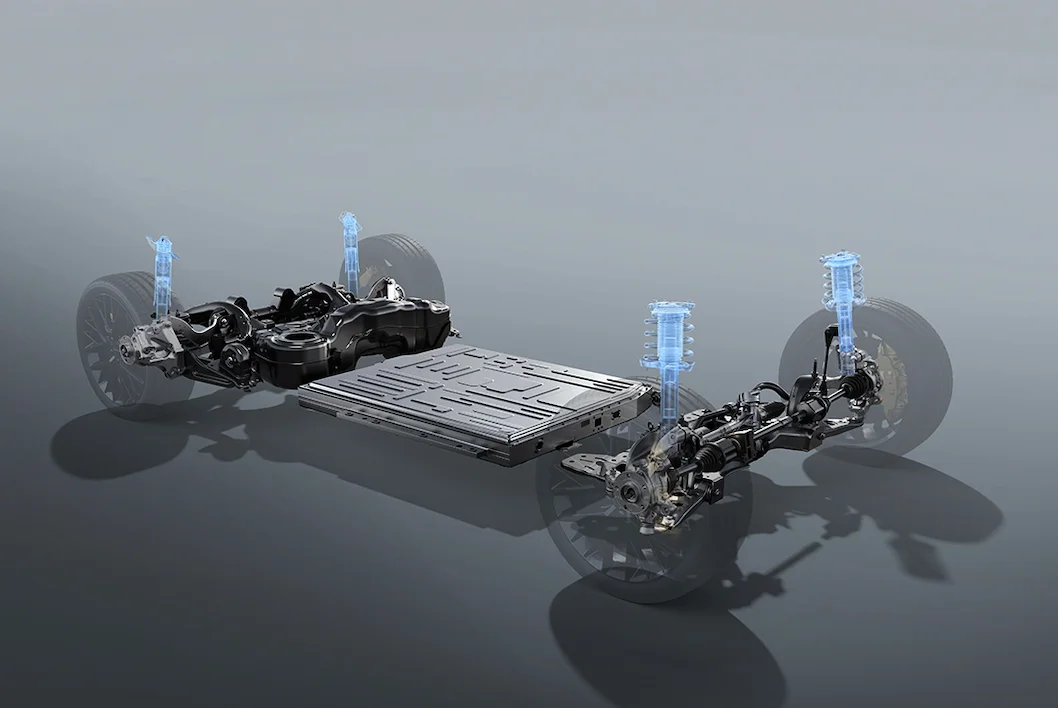
Why not use CDC? The key lies in response speed—MRC achieves a 1-millisecond-level response, whereas mainstream CDC (Continuous Damping Control) suspensions generally operate at the 10–20 millisecond level. Because CDC adjusts oil flow apertures via solenoid valves, it essentially relies on mechanical switching speeds; MRC, by contrast, changes the physical properties of the fluid itself through magnetic fields, eliminating mechanical action delays.
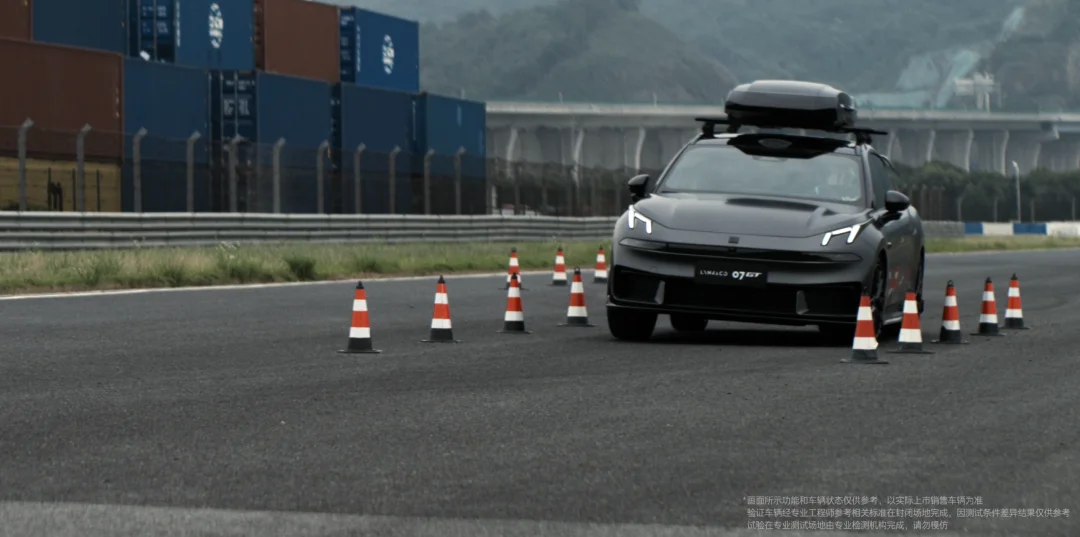
Another key metric is the adjustable damping range. The maximum damping force of the Lynk & Co 07 GT’s MRC reaches 10,000 N, providing approximately 4,000 N more redundancy than mainstream CDC solutions. This "bandwidth" determines the suspension's performance in extreme conditions—the ride can be softer than CDC on rough roads to reduce impact, yet firmer than CDC when fully loaded or towing to support the vehicle body. Lynk & Co provided concrete answers through certification tests by CATARC: with a roof-mounted cargo box, the Lynk & Co 07 GT achieved an elk test score of 82.1 km/h; with a rear tow load, the score was 81.9 km/h. This demonstrates the practical significance of damping bandwidth.
03Ten Years in the Making for a Wagon: Too Late or Just Right?
To answer this, we must return to the origins of the wagon. The English terms for this body style are "Estate" and "Shooting Brake." The former derives from the carriages used by aristocrats traveling to their country estates, while the latter—frequently misidentified as a "shooting brake" in casual conversation—refers to the two-door carriages used by British nobility in the 19th century to transport hunting rifles and hounds. Strictly speaking, vehicles like the Ferrari FF / GTC 4 Lusso and the Aston Martin Vanquish Zagato Shooting Brake, which combine high price with striking aesthetics, qualify as "modern shooting brakes."
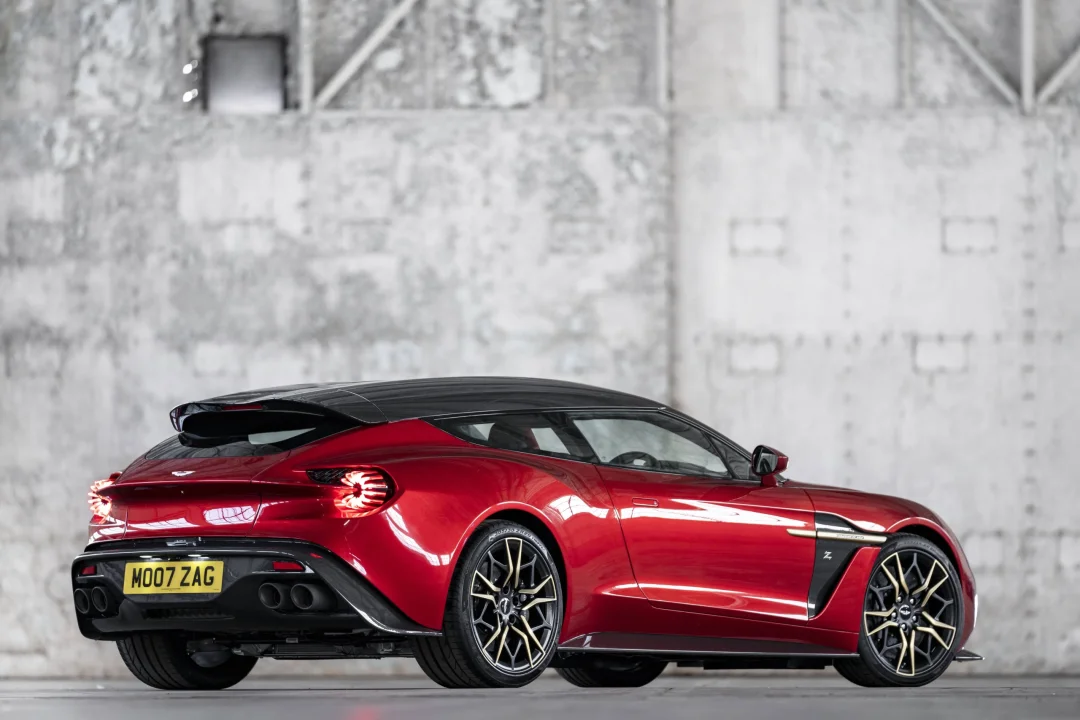
Regardless of the terminology, wagons have carried two core genes since their inception: they serve a lifestyle centered on "going out," and they are inherently designed to be beautiful. After all, it would be unacceptable for an aristocrat’s carriage to be ugly.
However, over the past twenty years, the Chinese market’s understanding of wagons has been skewed. Many brands have simply stretched sedan platforms—raising and lengthening the C-pillar and adding a hatchback tailgate while leaving everything else unchanged. The result is a vehicle that lacks the practicality of an SUV, costs more than its sedan counterpart by two or three ten-thousand yuan, and offers only marginal handling advantages. Such half-finished products fail to sell, which is hardly surprising.
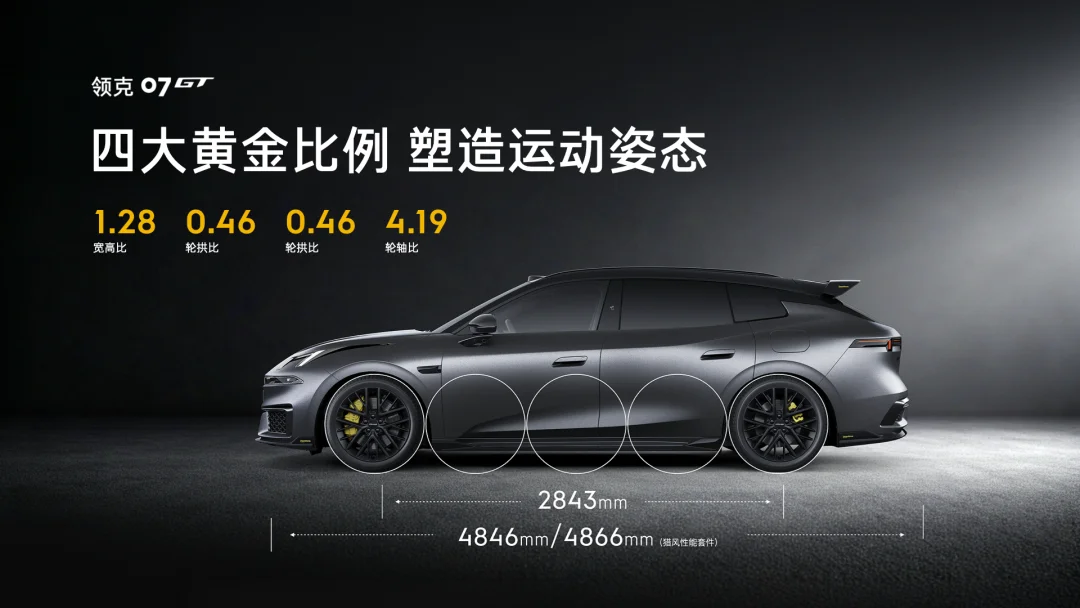
Lynk & Co 07 GT takes a different approach. From the outset, it defines the product based on the actual usage scenarios of a wagon. Wagons are inherently contradictory: they must be fun to drive, capable of carrying substantial cargo, and sufficiently distinctive and attractive.
Lynk & Co has possessed the "temperament" required to build wagons since its founding. This is a brand known for its relentless determination. The 03+ proved it could create addictive driving machines; the 02 Hatchback demonstrated its understanding of small hot-hatch joy; and TCR’s seven-year, nine-championship record confirmed that its racing DNA is not merely marketing rhetoric. Before the Zeekr 001 and NIO ET5T, domestic-brand wagons were virtually nonexistent. Logically, Lynk & Co should have been the first to enter this space. Yet it waited ten years. What was the logic behind this delay?
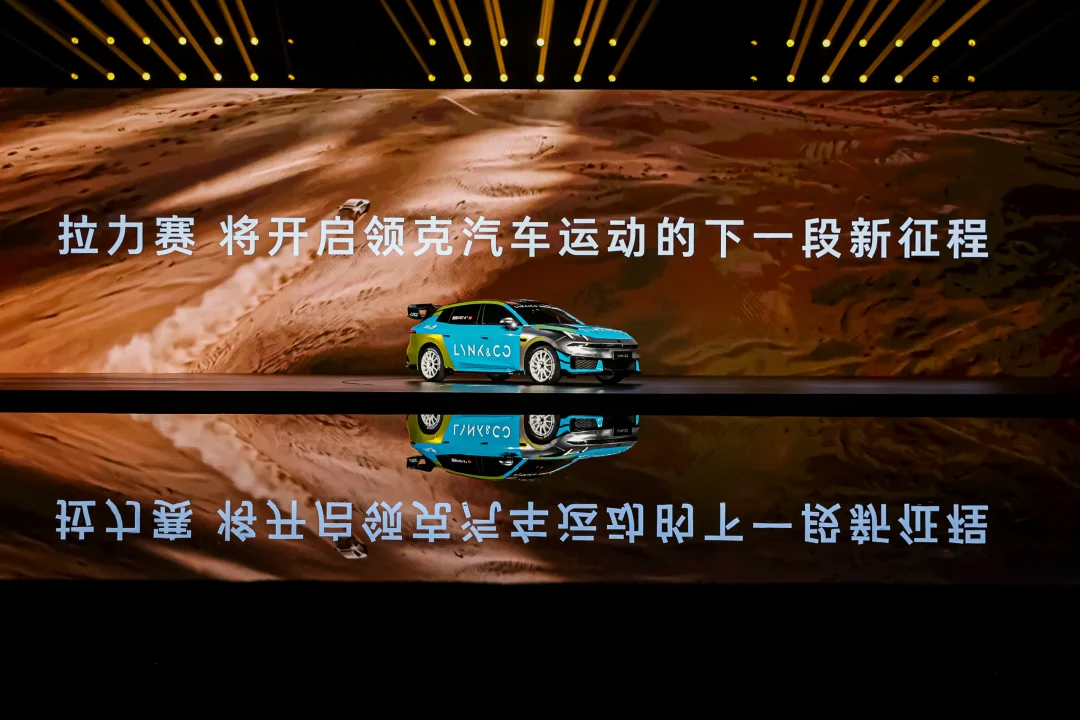
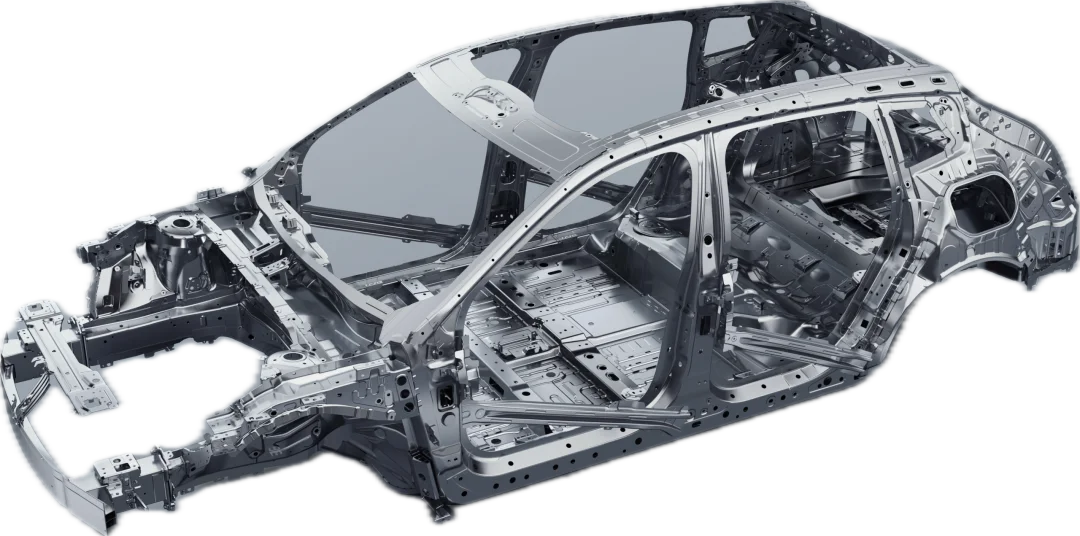
The first consideration is the economic one. In the era of internal combustion engines, developing a wagon cost significantly more than developing a sedan. Extending the rear cargo area is not as simple as swapping out a sheet metal panel; the body-in-white behind the C-pillar requires redesign, the rear suspension needs recalibration, and side-impact and rear crashworthiness standards must all be revalidated. With niche parts and exclusive molds, per-unit costs cannot be driven down. Industry norms dictate that wagon variants typically carry a premium of RMB 20,000 to RMB 30,000 over their sedan counterparts on the same platform. The market below RMB 200,000 is extremely price-sensitive, making such a premium unviable at the time. It was only after the CMA Evo hybrid architecture matured that battery layout and body structure adaptations diluted the additional costs, giving wagons their first commercial feasibility in the RMB 150,000–200,000 range.
The second consideration is the brand equation. A wagon is essentially an "anti-mainstream" product—it rejects the dignified composure of sedans and the utilitarianism of SUVs, selling instead on niche appeal, aloofness, and individuality. Ten years ago, when Lynk & Co was just starting out, no one would have bought a wagon simply because it bore the "Lynk & Co" badge. Today, after the brand repeatedly validated its understanding of driving dynamics and design through hot hatches, high-performance SUVs, and WTCR championships, a wagon becomes a logical next step. Users finally feel: if Lynk & Co makes a wagon, it should look like this. Brand credibility is not a technical reserve, but it is the primary prerequisite for whether a wagon can actually sell.
The third consideration is the user profile. When the Lynk & Co 01 launched in 2017, the young people initially attracted to the brand were roughly 25 years old. A decade later, they are 35—married with children, needing spacious interiors, rejecting the ubiquitous "family hauler" SUVs, yet unwilling to compromise on driving enjoyment. A wagon is nearly the standard answer for this demographic: easier to drive than an SUV, more stylish than an MPV, and more practical than a sedan.
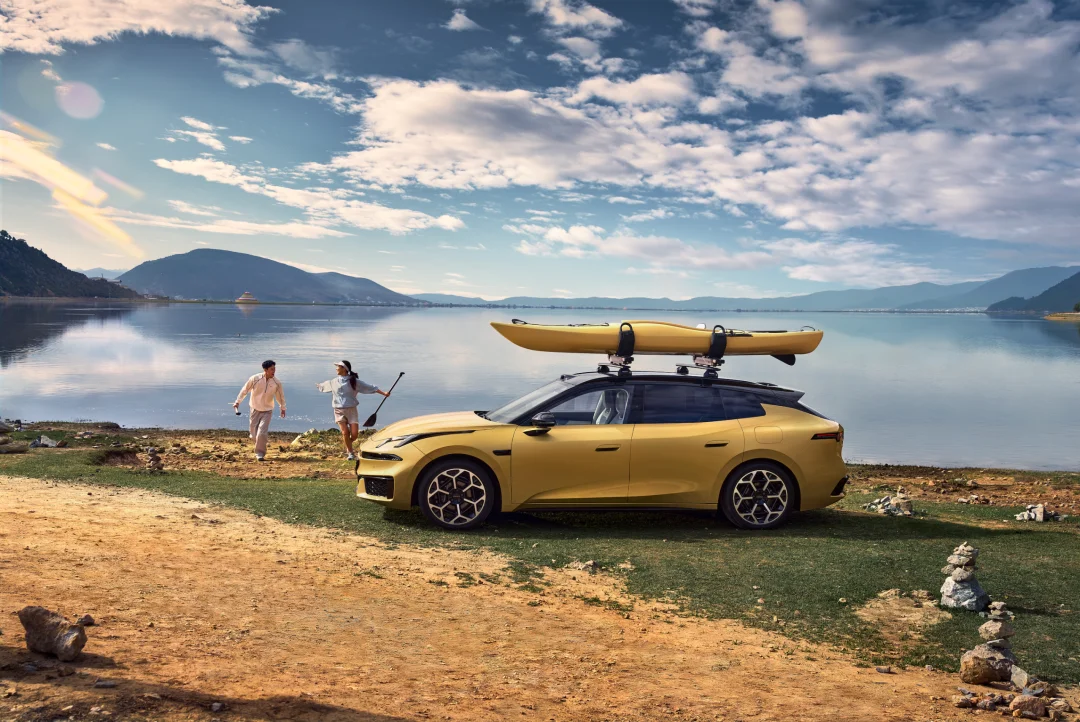
An external factor cannot be ignored either. The explosion of outdoor lifestyles such as camping, self-driving tours, cycling, and paddleboarding over the past three years has made the scenario value of wagons tangible in the Chinese market for the first time. Ten years ago, if you told a friend, "I'm buying a wagon for camping," they would ask why you didn't just buy an SUV. Today, if you say, "This car can tow a motorboat, mount a rooftop tent, and use vehicle-to-load output to brew coffee," they will simply think you have a passion for life.
Thus, while Lynk & Co appears to have been "late" by ten years, it was actually waiting for hybrid technology to lower costs, for the brand to establish aesthetic consensus, for those young buyers to grow into family users who need a wagon, and for outdoor lifestyles to make the product's value self-evident. With these four elements aligned, the market prospects for the Lynk & Co 07 GT are promising. It may have been slow, but the path taken is correct.
Written by: Gun Gun Edited by: James