


Tesla Refreshed Model Y Listed; MIIT Batch 391 New Vehicle Summary; Fengchaonengyuan Launches Off-Road Battery | E Week Highlights
01Weekly Index
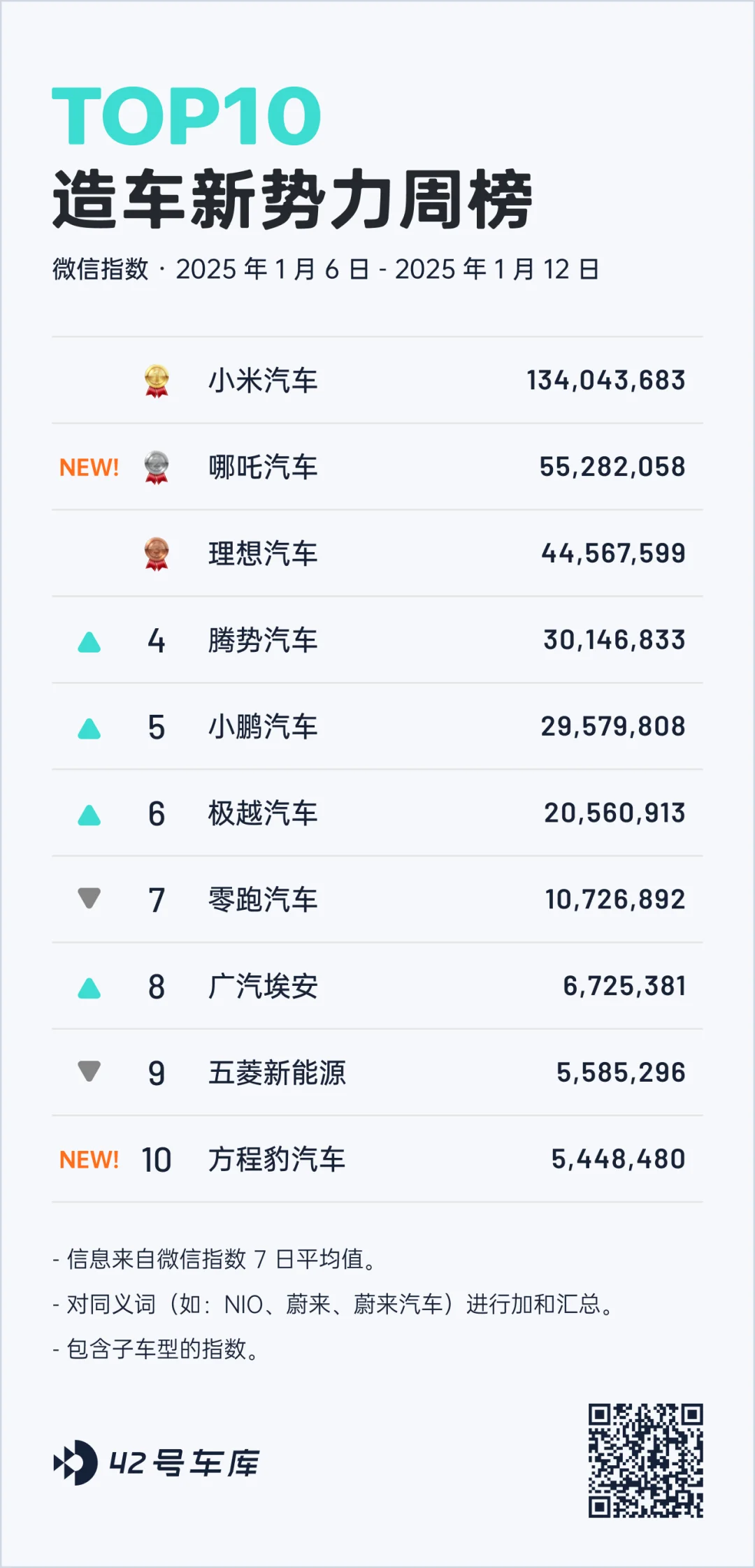
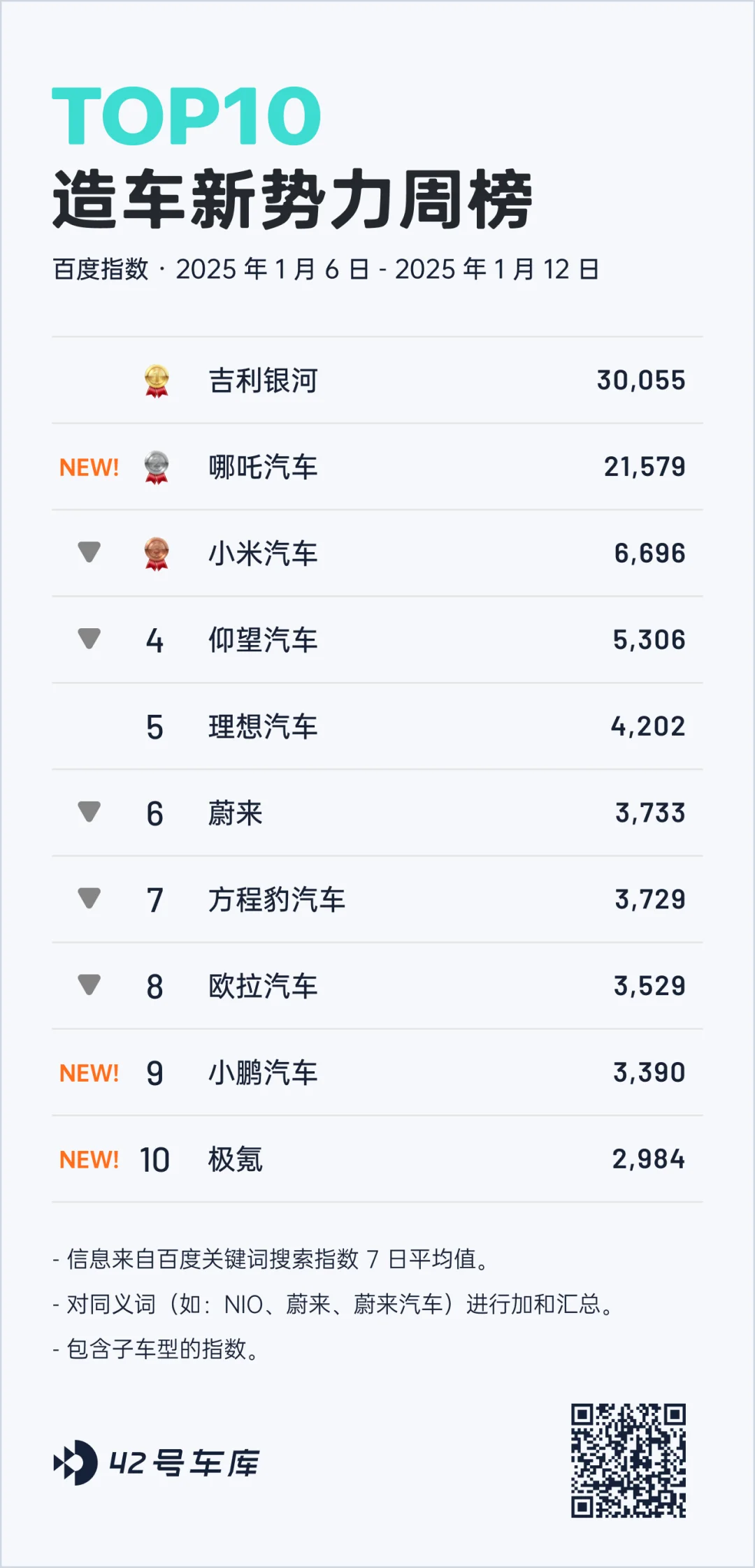
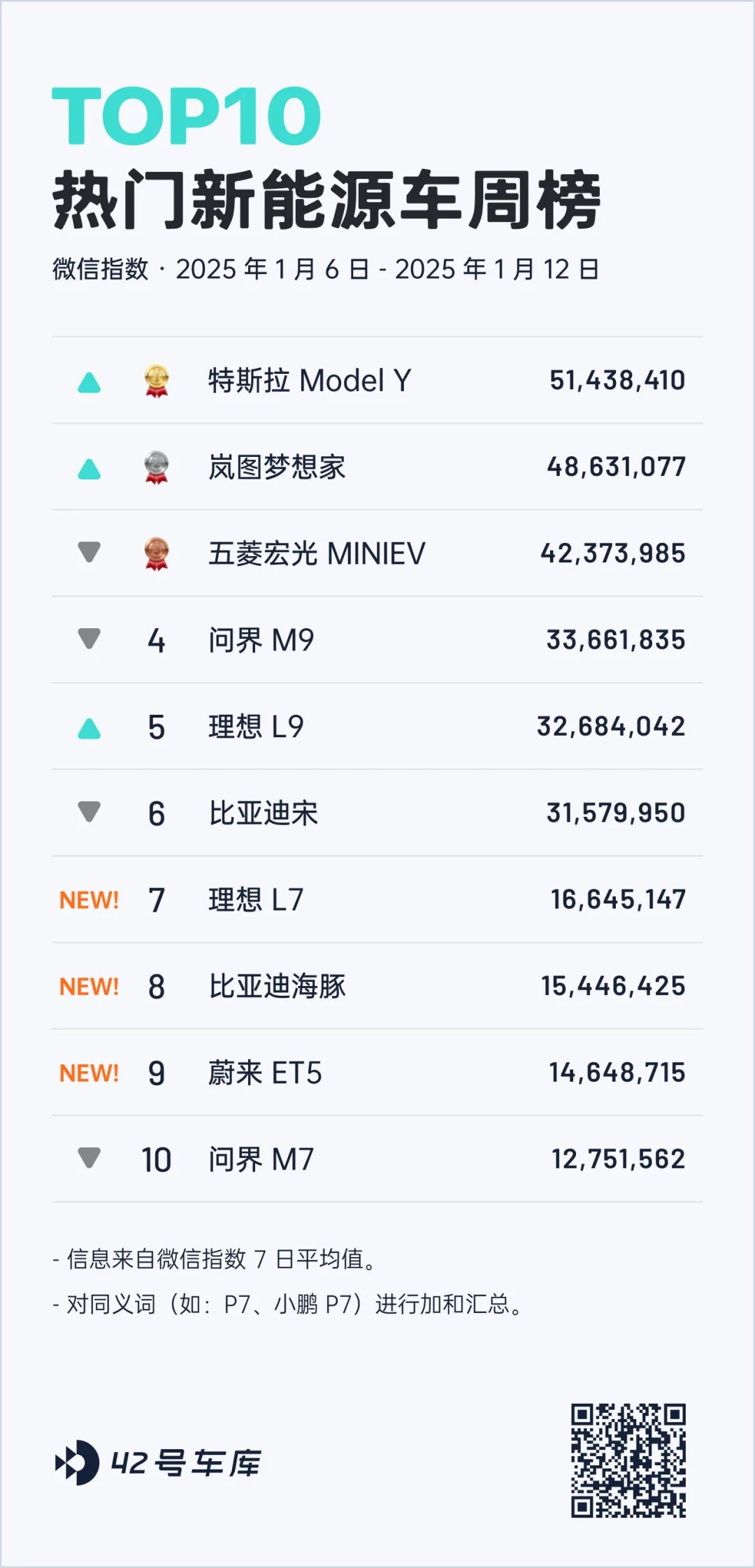
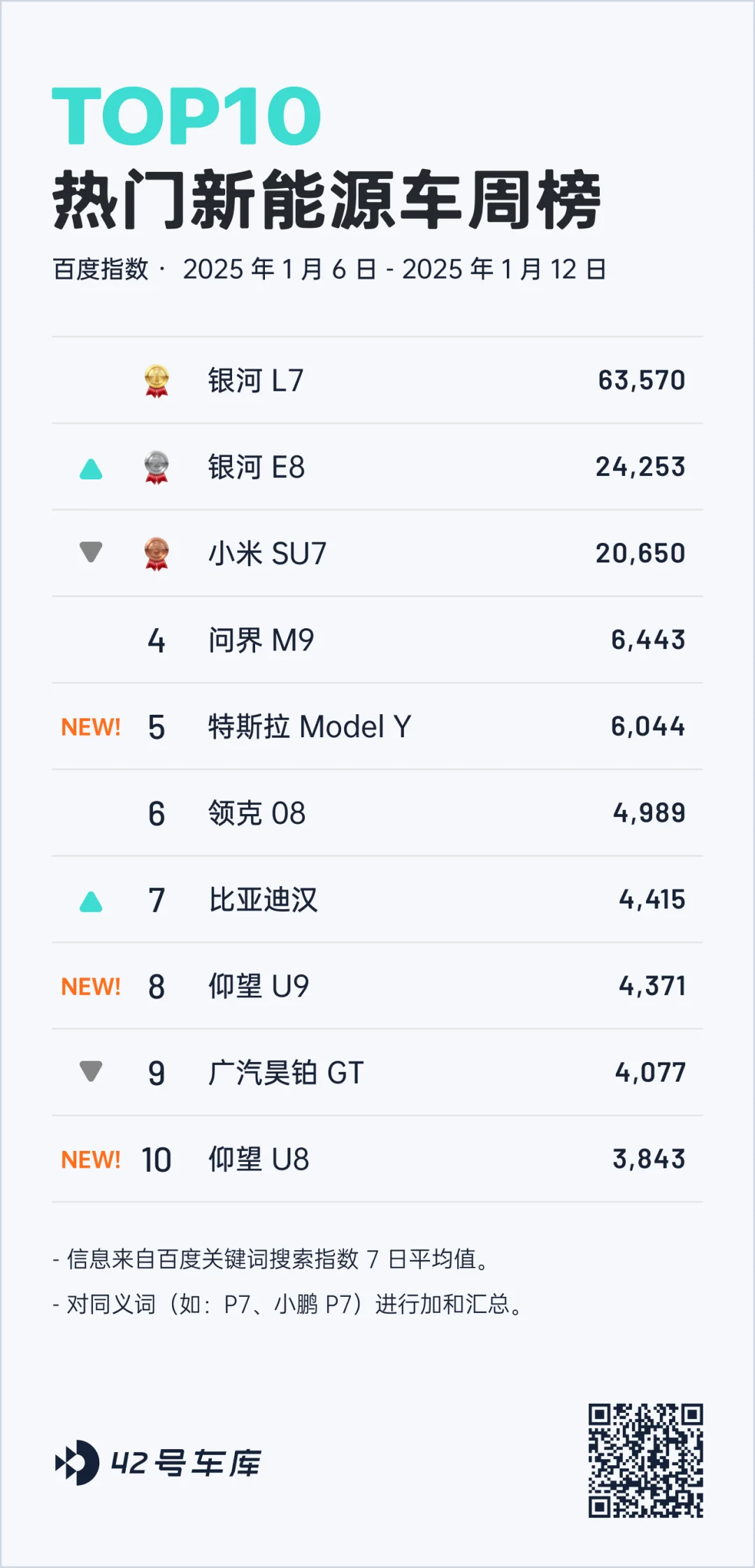
02Weekly News
Tesla Refreshed Model Y Goes On Sale
On January 10, Tesla listed the refreshed Model Y on its official website, with prices starting at RMB 263,500. Deliveries are expected to begin in March. In terms of exterior design, the refreshed Model Y features split headlight assemblies and a design philosophy derived from the Cybertruck, achieving a drag coefficient of 0.22. Its dimensions are 4,797 x 1,920 x 1,624 mm (length x width x height), with a wheelbase of 2,890 mm. The side profile remains virtually unchanged from the previous model, while the rear undergoes more significant modifications, adopting a full-width taillight bar.
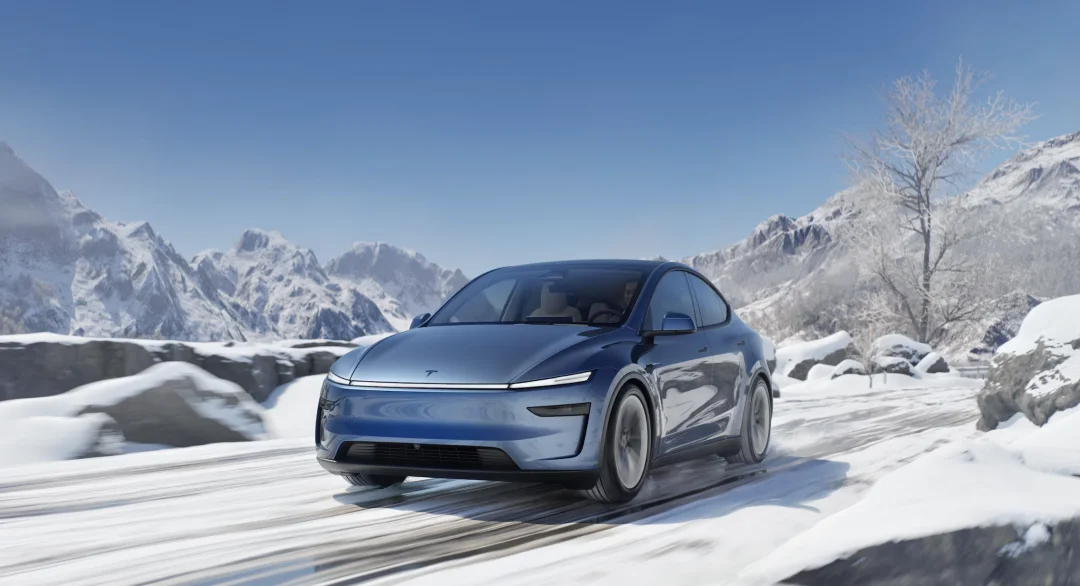
Regarding powertrain specifications, data from Gongxinbu indicates that the single-motor version is equipped with a rear-mounted 220 kW motor, while the dual-motor variant combines a front 137 kW motor with a rear 194 kW motor.
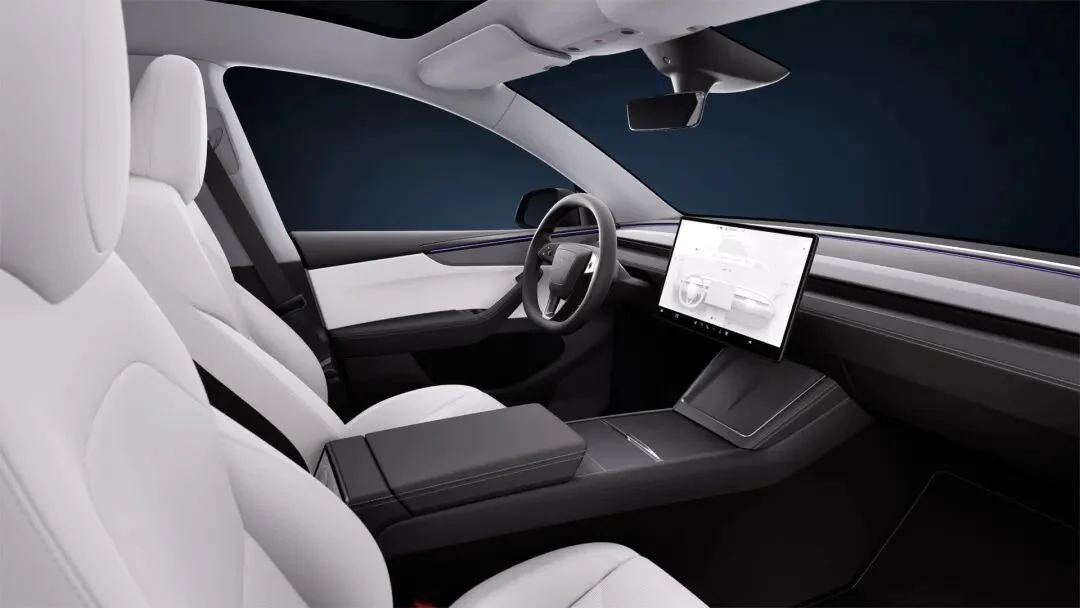
The interior design of the refreshed Model Y aligns closely with that of the refreshed Model 3, marking a substantial departure from the older model. The steering wheel now displays the "Tesla" lettering instead of the traditional logo. The gear selector stalk has been removed, though the turn signal stalk remains. On the multifunction steering wheel, buttons on the left control lights and wipers, while those on the right manage voice commands and camera functions; the left scroll wheel adjusts music and volume, and the right scroll wheel controls autonomous driving features.
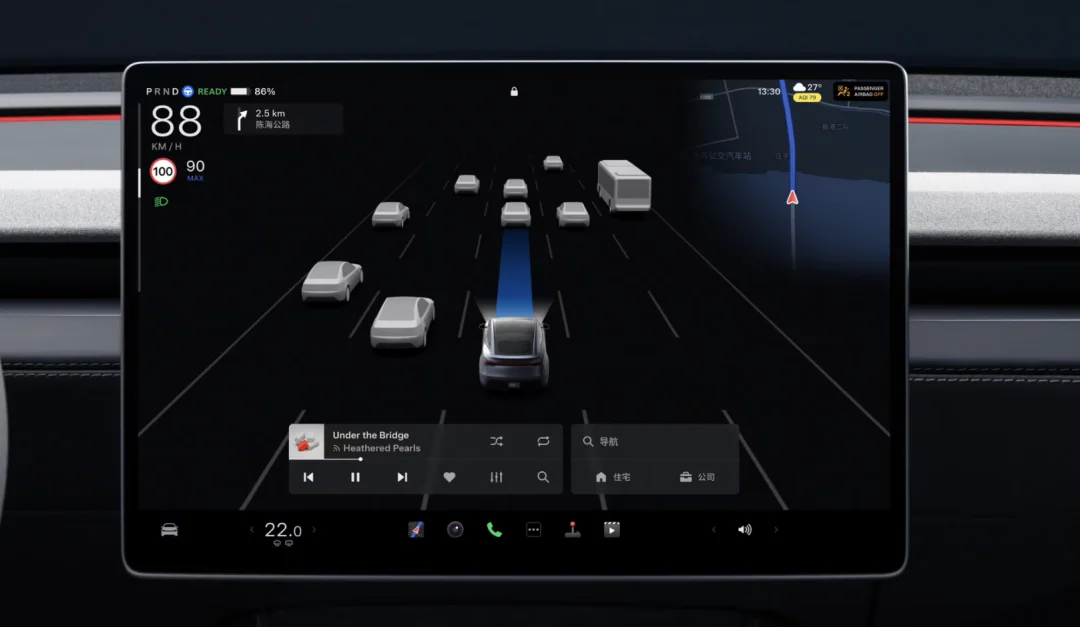
For autonomous driving capabilities, the refreshed Model Y is equipped with Tesla’s latest AI 4 hardware and eight cameras. These are positioned as follows: two inside the front windshield, two on the front fenders (left and right), two on the B-pillars (left and right), one in the rear taillight assembly, and one in the front grille. This configuration includes one additional camera in the front grille compared to the Model 3, which also utilizes AI 4 hardware.
Quick Review:
On January 1, 2021, the Tesla Model Y launched in China. Four years later, the refreshed Model Y made its debut to the public in January 2025. Over the past four years, the Tesla Model Y has surpassed HAVAL H6, the long-time leader of the Chinese SUV market, to become the best-selling SUV in China. Subsequently, it also became the top-selling vehicle in the Chinese market across all price segments and energy types.
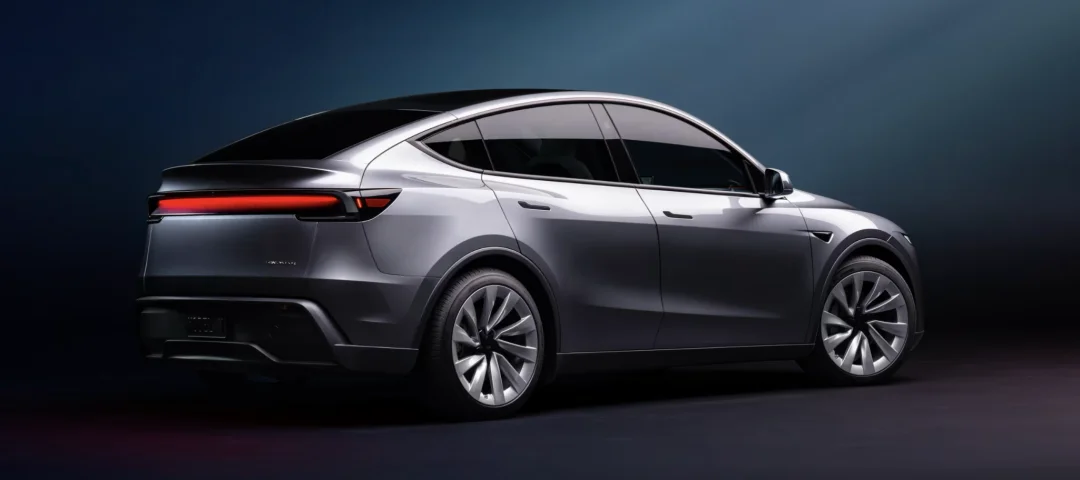
In 2024, Tesla delivered 480,000 Model Y units in China, underscoring the model's significant impact on the domestic automotive landscape. However, as the market faces intense competition from pure electric SUVs priced between RMB 200,000 and RMB 400,000 in 2025, can the Tesla Model Y maintain its number one position?
Summary of New Vehicles in Batch 391 Gongxinbu
On January 10, Gongxinbu updated the 391st batch of the "Announcement of Road Motor Vehicle Manufacturers and Products." In this announcement, the Xiaomi YU7 appeared with a new version. It uses Fudi lithium iron phosphate batteries, has a single motor with 235 kW of power, and can be optioned without LiDAR.
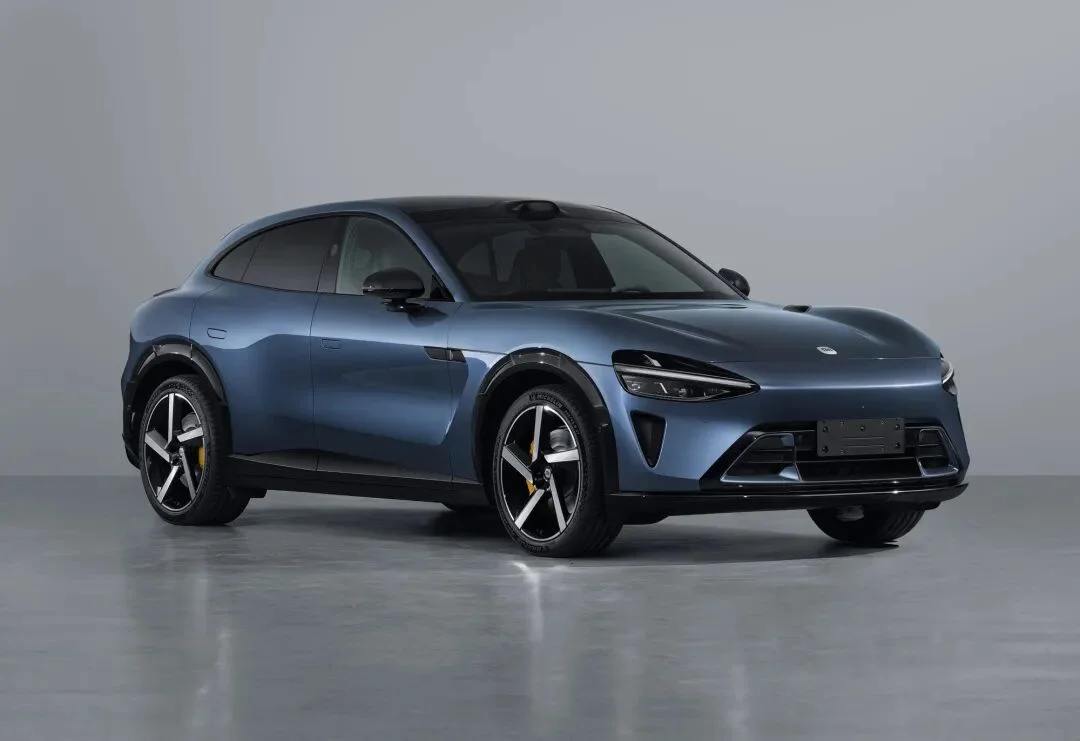
The BYD Tang L has also been listed in the Gongxinbu announcement. The new BYD Tang L features a completely redesigned exterior, with split headlights at the front and a sharp crease line along the side. As with previous BYD SUVs, the Tang L will offer a version equipped with a drone bay.
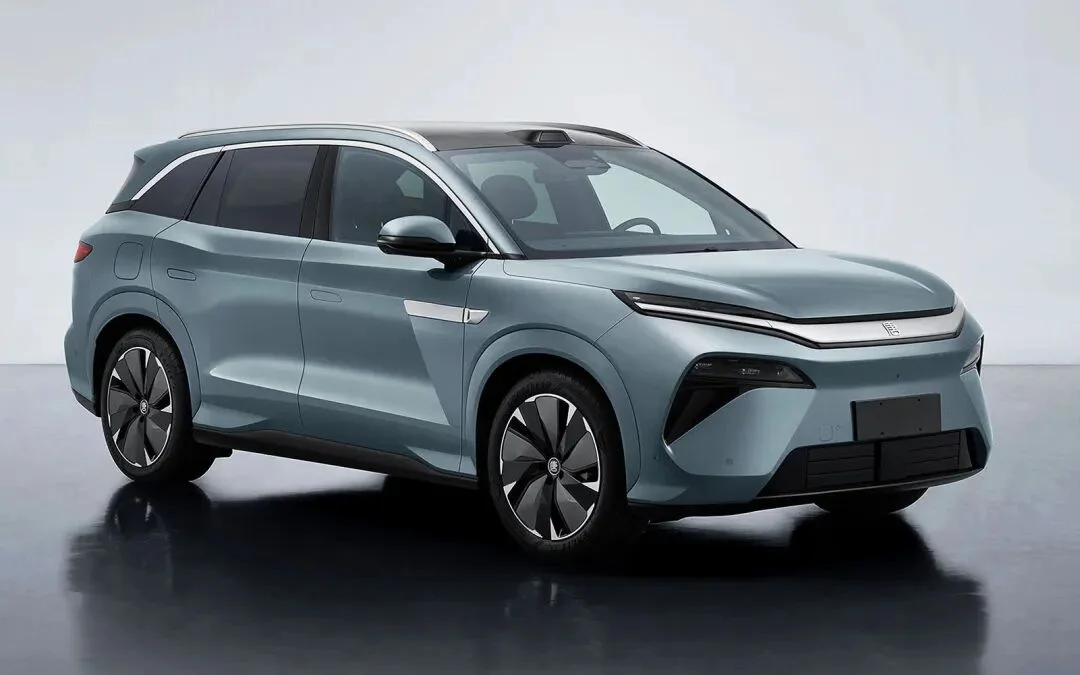
BYD’s Han sedan has also received a new model variant, featuring a sportier design. The most notable aspect is the impressive performance of the updated BYD Han: the peak power outputs of the front and rear electric motors in the pure-electric version are 230 kW and 580 kW, respectively. Additionally, the new BYD Han supports a roof-mounted LiDAR sensor, suggesting significant enhancements to its intelligent driving capabilities.
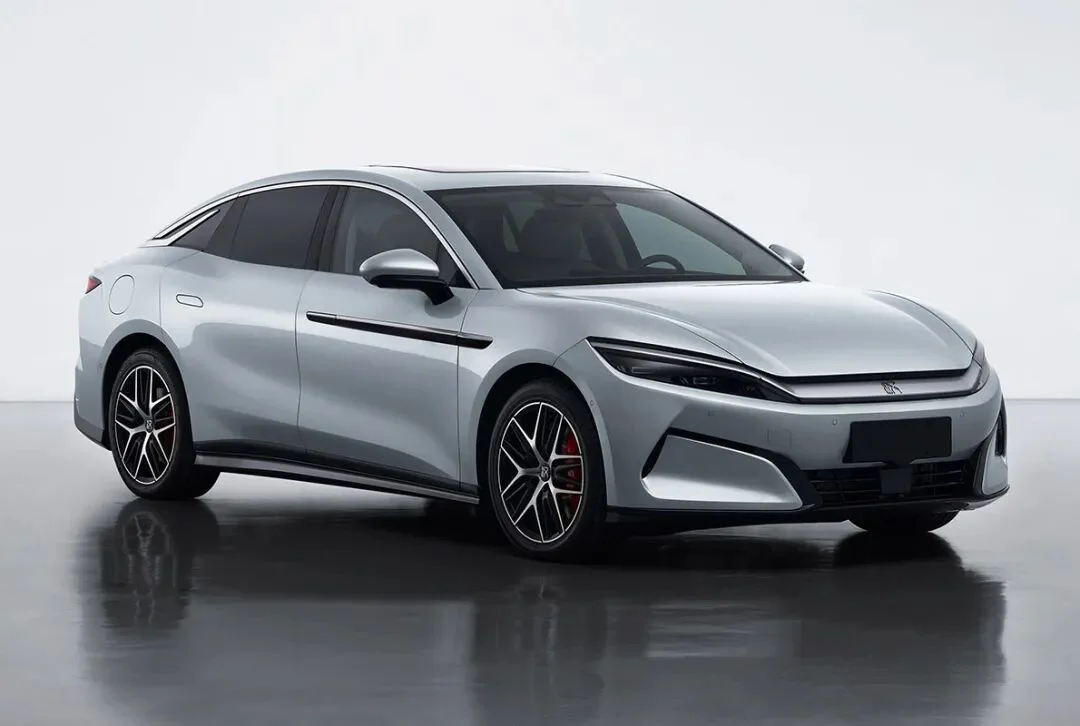
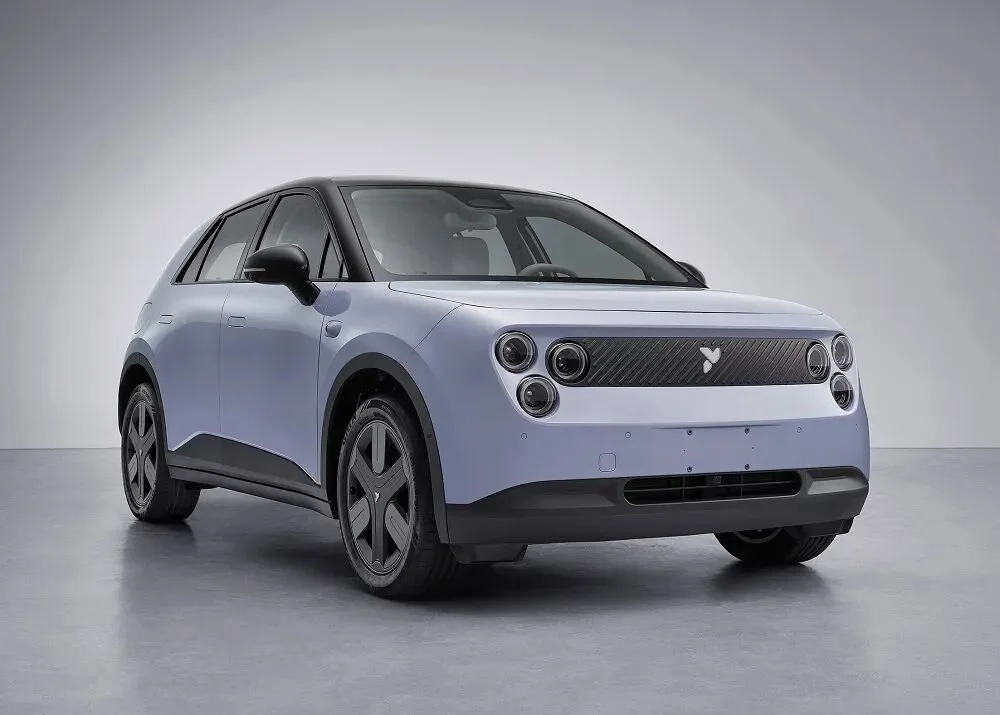
The NIO Firefly, recently released, has also been listed in the Gongxinbu announcement. Its length is 4,003 mm, width is 1,781 mm, height is 1,557 mm, and wheelbase is 2,615 mm; the top speed is 150 km/h. Although this compact car does not have high horsepower, its weight is only 1,492 kg, giving it a power-to-weight ratio roughly comparable to that of the Volkswagen ID.3. It is equipped with a lithium iron phosphate battery from Xinwangda. There are single-color body options as well as two-tone body options, and front and rear decorative panels can be selected.
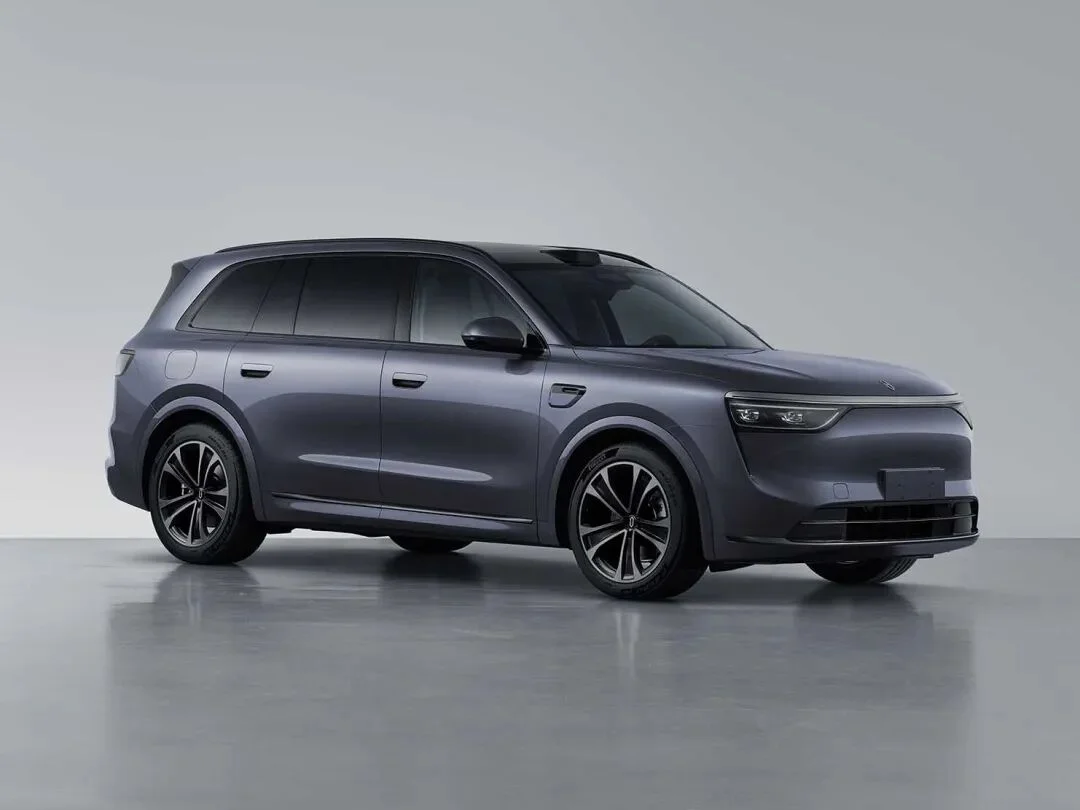
The highly anticipated AITO M8 has arrived, offering an extended-range electric vehicle (EREV) version. Dimensions include a length of 5,190 mm, width of 1,999 mm, and height of 1,795 mm, with a wheelbase of 3,105 mm. The top speed is 200 km/h. The model is available in both five-seat and six-seat configurations. The front motor delivers a peak power of 165 kW, while the rear motor provides 227 kW.
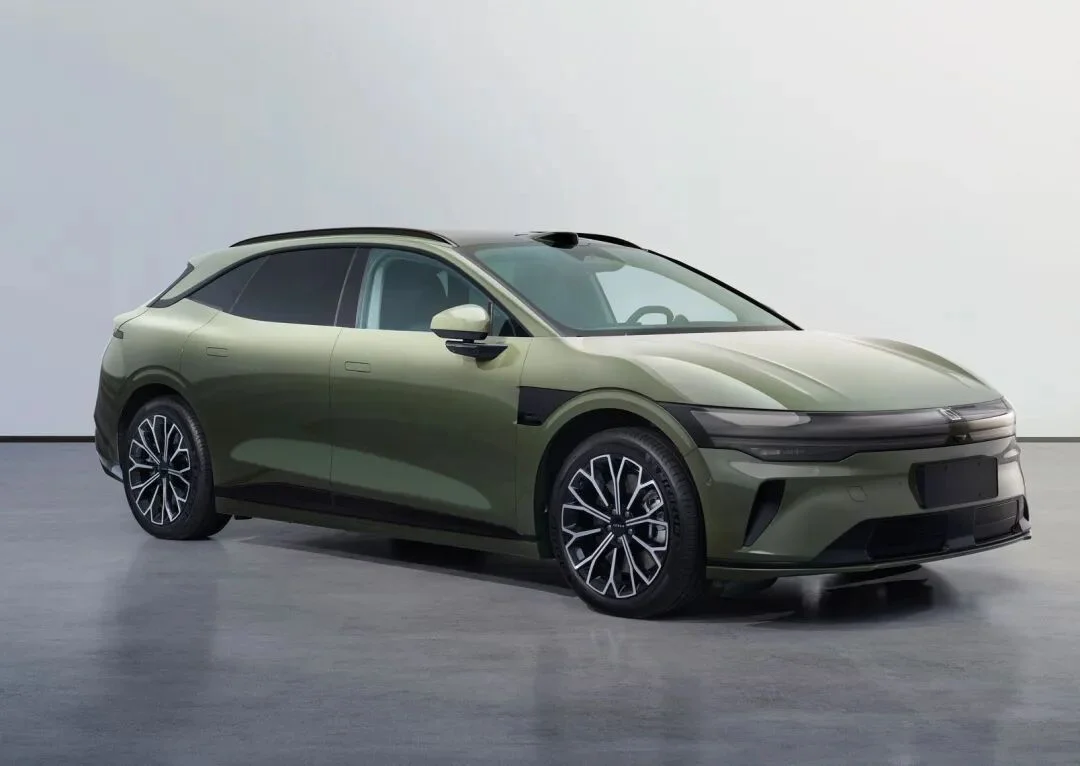
The Zeekr 007 GT has finally appeared in the Gongxinbu announcement. The Zeekr 007 GT shown in the Gongxinbu listing is green and looks significantly more sporty and aggressive than the Zeekr 007 sedan. It supports optional rear spoiler, wing, roof rack, and towing hook. It would be good if it could be priced the same as the 007 sedan.
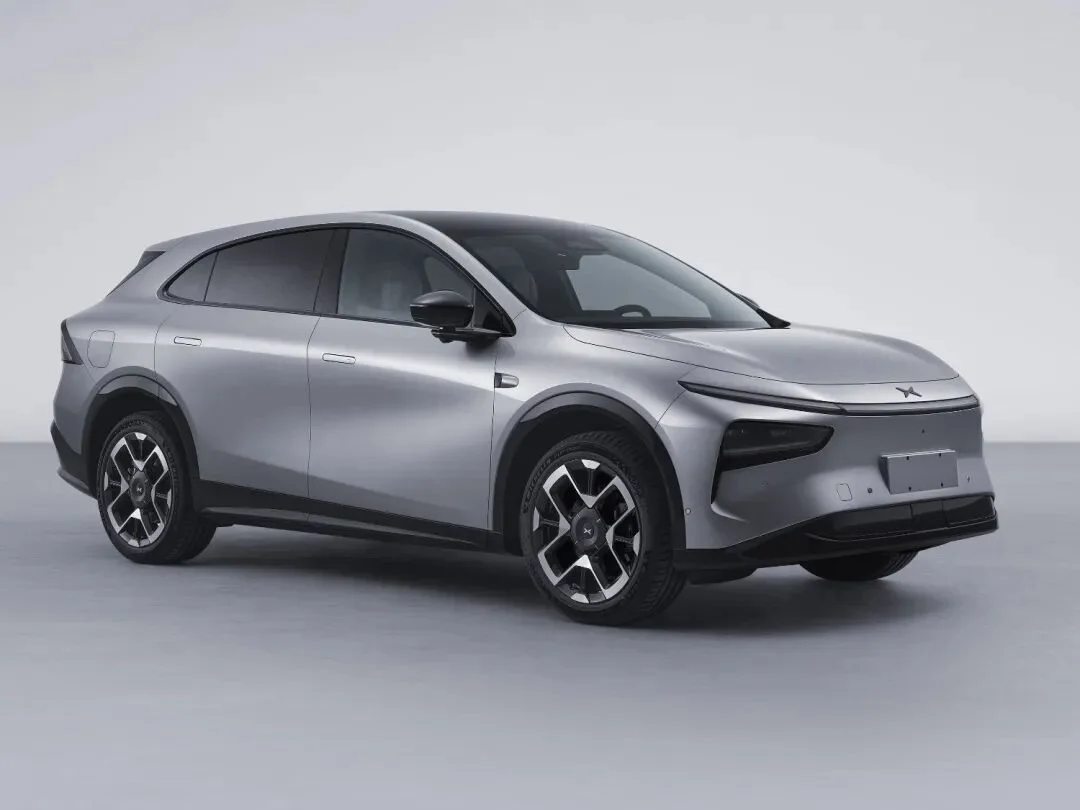
The XPENG G7 has been listed in the Gongxinbu approvals. Specifically, it measures 4,892 mm in length, 1,925 mm in width, and 1,655 mm in height, with a wheelbase of 2,890 mm. It is equipped with lithium iron phosphate batteries from Zhongchuangxinhang. The drive motor has a rated power of 110 kW and a peak power of 218 kW. The front and rear styling of the XPENG G7 is largely consistent with that of the P7+, though the taillights appear slightly larger on the G7.
Quick Review:
The new vehicles listed in the 391st batch of Gongxinbu approvals are primarily models scheduled for release in 2025, with some expected to launch within the quarter. These models represent some of the most closely watched new energy vehicles currently, serving as key products for various brands in the first half of this year. We will provide static and dynamic reviews of these models in the future, so stay tuned.
Fengchaonengyuan Launches Off-Road Battery Category at Battery Day
On January 8, Fengchaonengyuan introduced a new product category at its fifth Battery Day: the off-road battery. The rationale behind creating this category is that sales and market penetration of new energy off-road SUVs have seen sustained high growth from 2021 to September 2024. Off-road vehicles operate in harsher environments, requiring batteries with high power output, weather resistance, reliability, and safety. Fengchaonengyuan categorizes off-road vehicle batteries into four levels: urban SUV, semi-off-road, strong off-road, and extreme off-road, each adapting to different usage scenarios. For instance, semi-off-road scenarios demand higher fast-charging capabilities, while strong and extreme off-road applications require greater power output. The world’s largest capacity 800 V off-road plug-in hybrid dedicated battery pack was first deployed on the TANK 500 Hi4-Z, featuring a system capacity of 59 kWh and a system energy density of 175 Wh/kg.
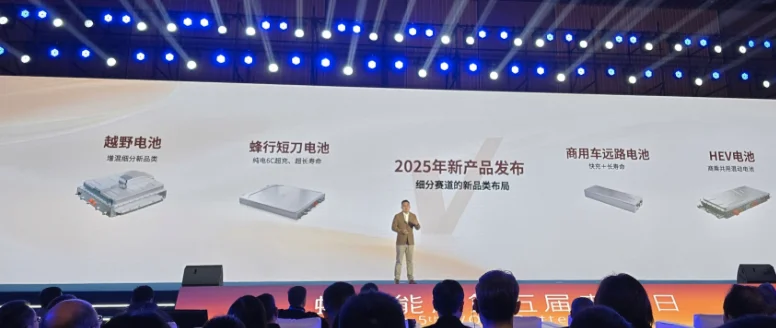
Additionally, during the Fengchaonengyuan Battery Day, Chairman and CEO Yang Hongxin shared his predictions for the Chinese New Energy Vehicle (NEV) market: explosive growth in NEV off-road sales; EV range now meets major travel needs, with ultra-fast charging set to become widely adopted; the electrification of commercial and passenger fuel vehicles via HEVs will become a new trend; and improving fast-charging performance and lifespan remains an urgent priority for commercial vehicles.
Quick Review:
A significant number of models are currently equipped with batteries from Fengchaonengyuan, including VOYAH Zhuiguang, MINI ACEMAN, MINI COOPER, Beiqi BJ30, HAVAL Menglong, TANK 500 HI4-Z, and TANK 700 HI4-T. From January to November last year, Fengchaonengyuan's domestic power battery installation volume reached 14.21 GWh, ranking sixth nationwide. In an era where battery development is fiercely competitive, Fengchaonengyuan has targeted the new energy SUV segment to address specific needs for wading and hardcore off-roading, thereby carving out a new niche in the battery market.
BMW Unveils the Super Sense Intelligent Cockpit
On January 8, BMW officially unveiled the Super Sense Intelligent Cockpit at CES. The Super Sense Intelligent Cockpit features four interaction interfaces: Horizon Panoramic Display, BMW’s pioneering central console with a converging design, 3D Head-Up Display, and the Super Sense Intelligent Control Steering Wheel, enabling four-screen linkage and AirDrop functionality. Among these, the Horizon Panoramic Display projects driving information onto the black coating below the windshield, functioning as an instrument cluster.
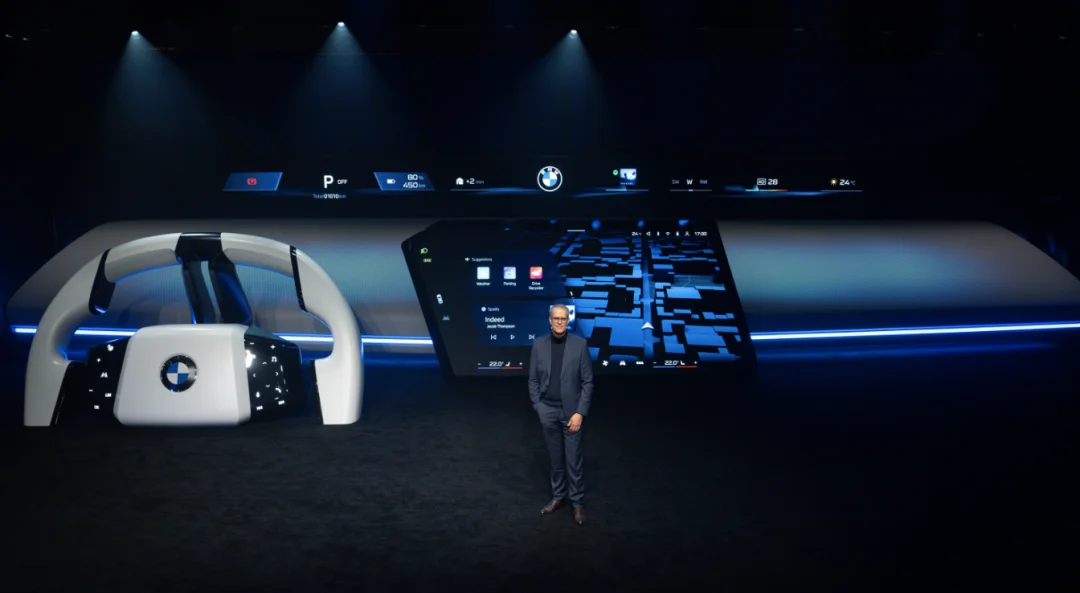
Additionally, BMW’s Super Sense Intelligent Cockpit integrates a large AI language model and has optimized the BMW Intelligent Personal Assistant by adapting to Chinese users' language habits and cultural background. According to official information, the Super Sense Intelligent Cockpit will first be applied to new-generation models, with subsequent deployments across other models.
Quick Review:
BMW first unveiled its Horizon Panoramic Display on the DEE concept car at CES 2023. Two years later, at CES 2025, this technology was officially launched alongside the new-generation Super Sense Intelligent Cockpit and is scheduled to enter mass production in BMW's new-generation models in 2025.
Mercedes-Benz Announces Multi-City Road Testing for Parking-to-Parking Feature
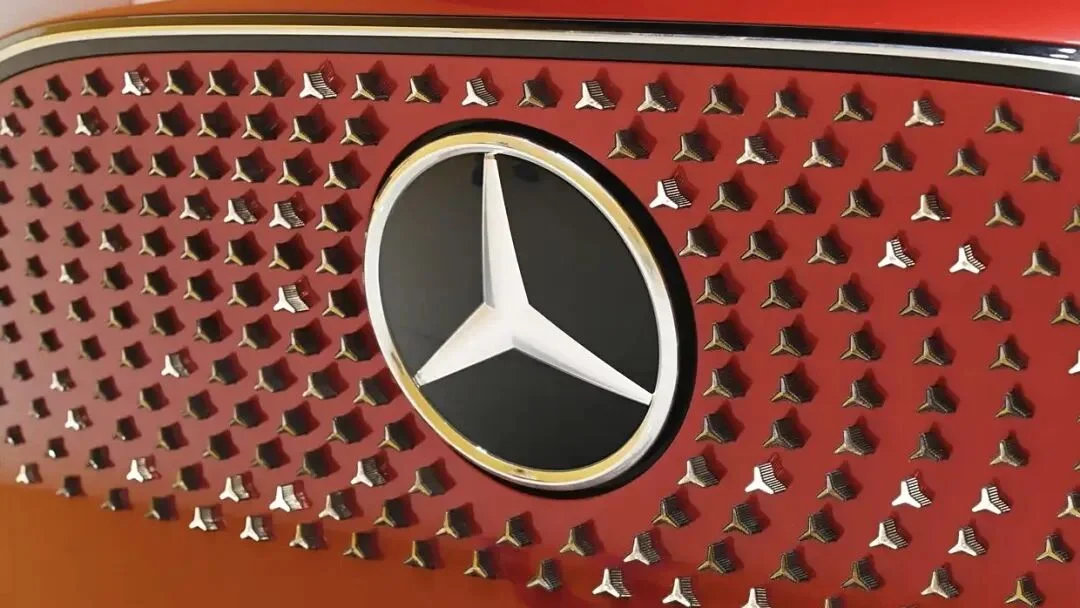
On January 7, Mercedes-Benz announced that its high-level autonomous driving from parking spot to parking spot has begun road testing in multiple cities and will be mass-produced on the all-new electric CLA this year.
Mercedes-Benz stated that the parking-spot-to-parking-spot feature will have five characteristics: it is powered by an end-to-end large model, adopts a pure vision solution without relying on LiDAR or high-definition maps; uses rule-based algorithms for safety fallback; training data comes from Chinese road environments and experienced Chinese drivers, allowing adaptation to local travel scenarios; drivers can intervene at any time, while the system's vehicle control intensity dynamically adjusts based on the driver's takeover force; and the driving style does not pursue aggressiveness but rather aims to give users peace of mind.
We previously had a brief experience with Mercedes-Benz's end-to-end urban autonomous driving in Shanghai. It was the result after the Mercedes-Benz large model had been trained for just one month, and the overall performance was decent.
Quick Review:
Following the launch of the highway navigation feature in the facelifted E Ji, Mercedes-Benz is now planning end-to-end urban intelligent driving for subsequent models. However, it is reported that the production of the long-wheelbase CLA has been delayed due to software issues with its electronic and electrical architecture. The original plan was to start production in April this year, but it has now been moved to August.
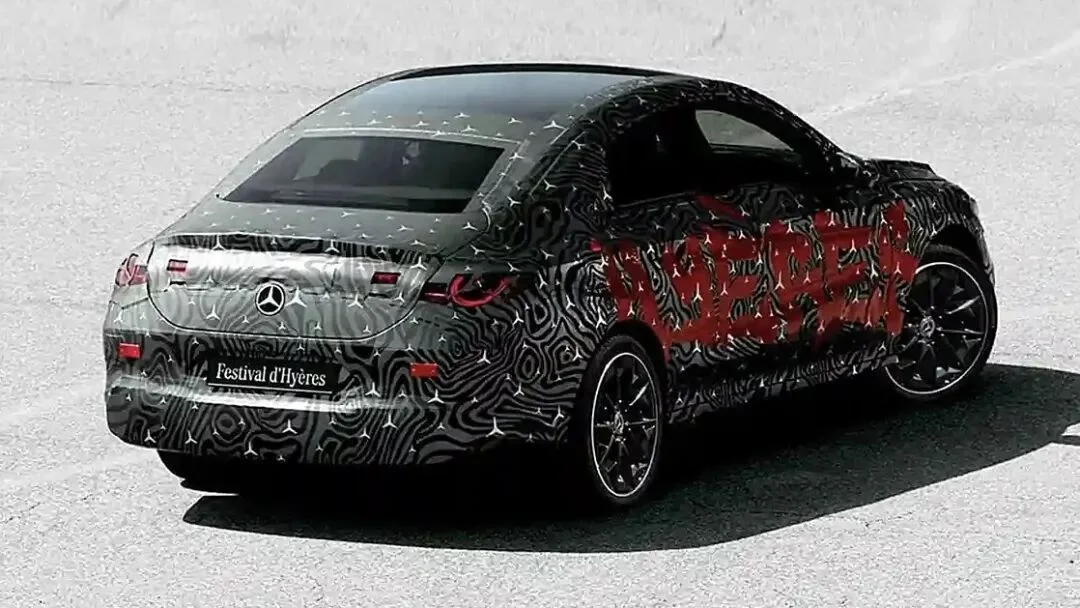
The Mercedes-Benz CLA, built on the MMA platform, will feature an 800-volt high-voltage architecture, Mercedes-Benz’s self-developed MB.OS operating system, and advanced intelligent driving capabilities based on end-to-end large models, positioning it as a technological pioneer for the brand. Despite significant investment in intelligent features, there is still room for improvement. Among the BBA trio (BMW, Mercedes-Benz, Audi), Mercedes-Benz has made substantial strides in intelligent driving, but its overall market presence remains relatively weak compared to domestic brands. For Mercedes-Benz, accelerating progress in intelligent driving is increasingly critical to enhancing product competitiveness and maintaining its luxury brand value.
Written by: Jiang Xiaohei Edited by: Jiang Xiaohei