


2025's Top Two Pure EVs: How to Make the Ultimate Choice?
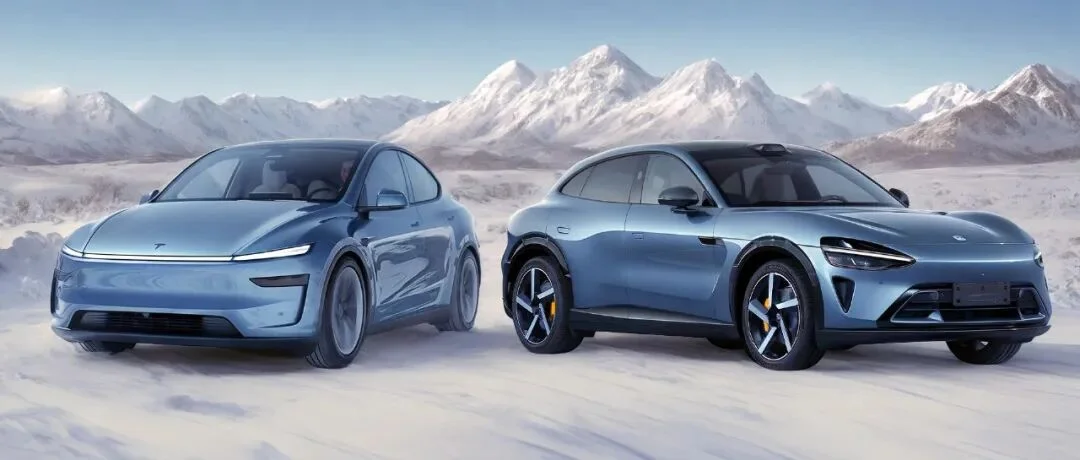
Early this morning Beijing time, Tesla listed the refreshed Model Y on its official website, with prices starting from RMB 263,500. Deliveries are expected to begin in March, making it potentially the most important pure electric vehicle of 2025.
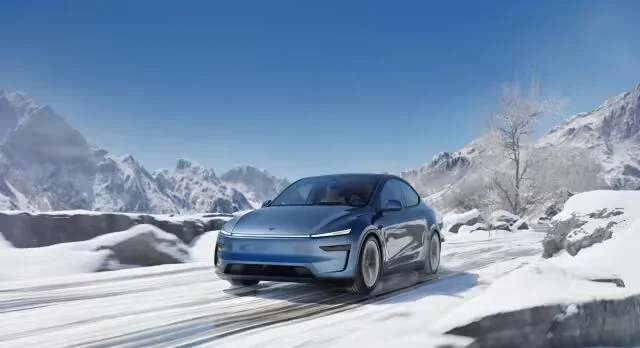
Half an hour after the launch, Lei Jun posted a screenshot of the refreshed Model Y's "Despite the comparison" ad copy, replying with just two words: "OK." Following the convention that fewer words mean bigger news, the competition between the refreshed Model Y and the YU7 will be intense. The Model Y has long held the top spot in China's auto sales rankings, regardless of energy type or price. The Xiaomi SU7 has been on sale for over half a year, yet customers who place orders now still face a five-month wait. The YU7 is likely to sell out as well.
So here's the question: How do you make a tough choice between the refreshed Model Y and the Xiaomi YU7?
01What's New in the Refreshed Model Y?
Calls to refresh the Model Y have grown louder since last year, so much so that Elon Musk had to take to Weibo to debunk rumors claiming a refreshed Model Y would not be launched in 2024. The moment the New Year bell rang in 2025, the refreshed Model Y was unveiled.
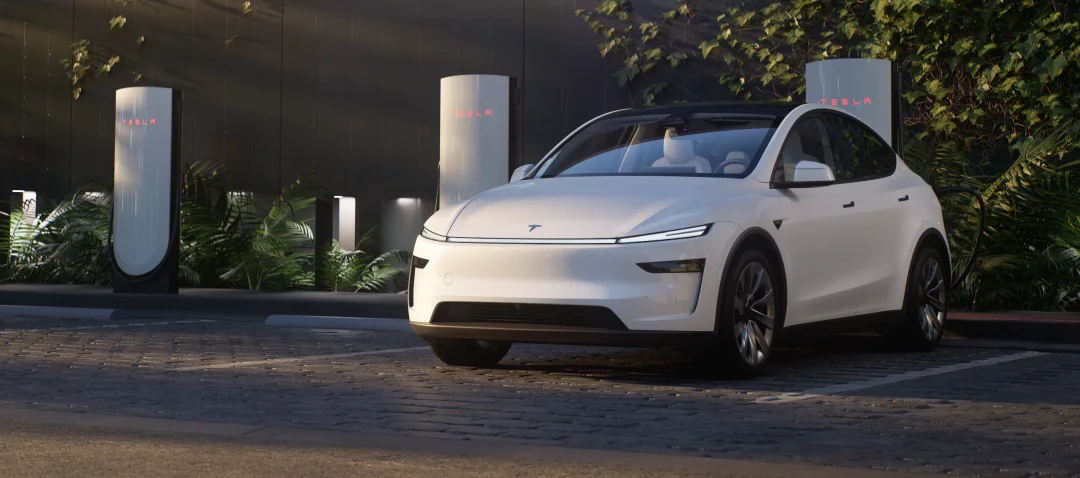
Before the refresh of the Model Y was announced, Tesla had already introduced various incentives for the current model: five years of interest-free financing and a price reduction of RMB 10,000 on the final payment. If you reserve the refreshed Model Y now, these benefits are no longer available—neither the five-year interest-free financing (valid until January 31, with uncertainty regarding its extension) nor the RMB 10,000 discount on the final payment (which applied only to the current Model Y).
Therefore, whether for existing owners who have just taken delivery of their vehicles or new customers who have placed orders and are preparing to take delivery, the "impact" brought by the facelift is not significant. With the final payment discount, the price difference between the old and new Model Y Rear-Wheel Drive versions reaches 23,600 yuan, while the price difference for the Long Range All-Wheel Drive version is also 22,600 yuan.
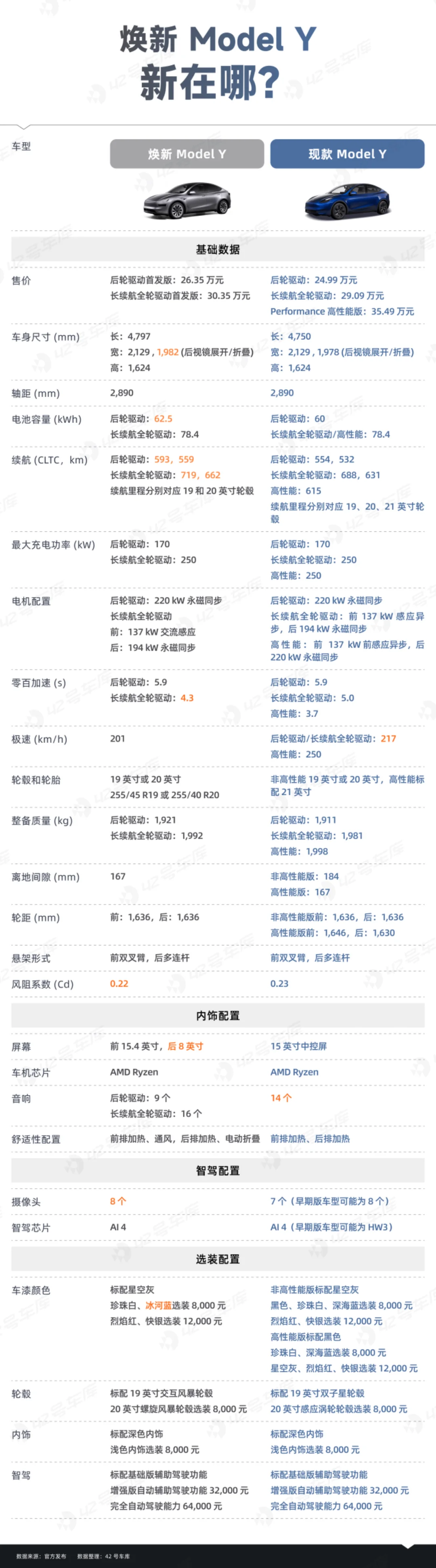
From the table, the changes in the basic architecture between the old and new Model Y are actually not significant; the changes mainly lie in the exterior design and a substantial upgrade in interior comfort features. Additionally, the high-performance version has not been launched simultaneously, so interested friends can look forward to the subsequent high-performance model.
In terms of exterior design, the refreshed Model Y abandons the previous 'bold eyebrows and large eyes' look in favor of split headlight assemblies. The upper section features a continuous daytime running light bar that is narrow in the center and wider at the ends, while the lower section houses the low-beam and high-beam headlights. However, the continuous daytime running light is not fully integrated; there are two breaks on the left and right sides. While this design choice benefits cost and regulatory compliance, it remains a minor aesthetic compromise.
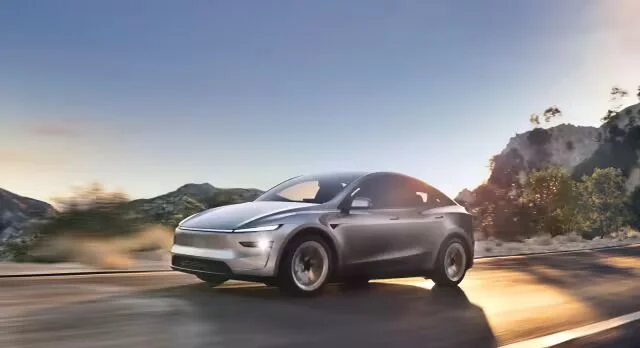
This design philosophy actually draws inspiration from the Cybertruck, giving the refreshed Model Y’s front end a less rounded, more angular appearance. According to Tesla’s official website, the improved aerodynamic design enhances the vehicle’s range by reducing drag. Data shows that the refreshed Model Y achieves a drag coefficient of 0.22, compared to 0.23 for the current model.
Consequently, with curb weight, motor power, and battery capacity remaining largely unchanged, the CLTC range for all variants of the refreshed Model Y has increased by several dozen kilometers.
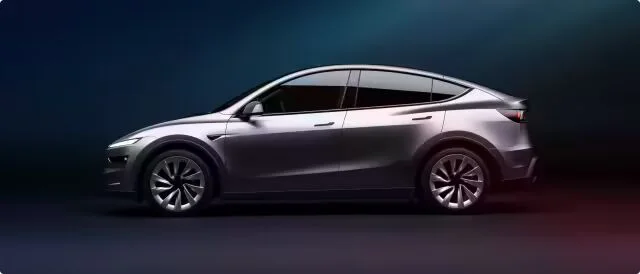
The refreshed Model Y’s side profile remains nearly identical to the outgoing version, but the rear undergoes more significant changes. It features a full-width taillight bar that directs light downward via diffuse reflection. The "TESLA" lettering illuminates in red when the lights are on or the brakes are applied, a distinctive design choice. The left and right taillight clusters remain largely unchanged from the current model.
Another notable change is the license plate location: it has moved to the rear bumper, whereas the current Model Y mounts it on the tailgate. Aftermarket accessories for swapping old models to new ones will likely appear soon, but changing the license plate mounting position will be difficult.
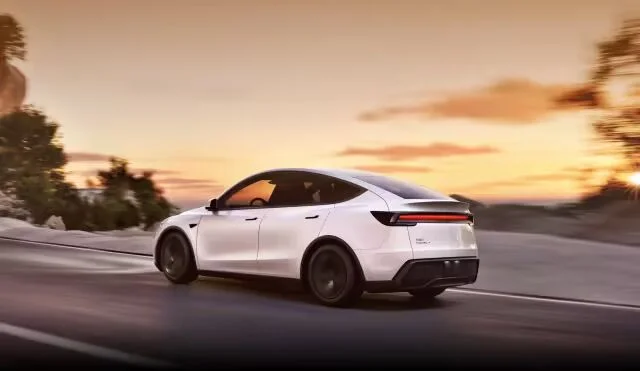
The refreshed Model Y has another feature: it no longer looks like the Model 3. The Model 3 and Y were once twins, differing only in height and build, essentially products of the same mold; but comparing the refreshed Model Y with the Model 3, they are still family members, each with their own personality. This is likely to help those users who were torn between buying a 3 or a Y make their decision faster.
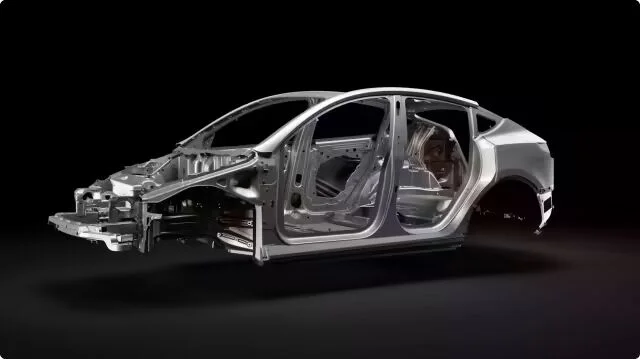
Structurally, the refreshed Model Y is very similar to the current version, with minimal changes. The suspension setup remains front double wishbone and rear multi-link. However, updates to the wheels and tires provide smoother handling and stronger grip.
The powertrain and three-electric systems (battery, motor, and electronic control) warrant attention, particularly for the Dual Motor All-Wheel Drive variant. In terms of power output, battery capacity, and curb weight, the refreshed AWD Model Y is virtually identical to the outgoing AWD version. However, it accelerates from 0 to 100 km/h 0.7 seconds faster. This improvement is likely due to tire updates and revised electronic control strategies, representing a significant upgrade.
Moving to the interior, the differences between the refreshed Model Y and the Model 3 become even more subtle; they remain virtually twins.
One of the most significant changes in the front cabin of the refreshed Model Y lies in the steering wheel’s design and functionality:
The steering wheel no longer features the Tesla "T" logo; it has been replaced with a full "Tesla" lettering badge.
The gear selector stalk has been removed, but the turn signal stalk remains.
On the left side of the multifunction steering wheel, up-and-down buttons control the lights and wipers; on the right, buttons manage voice commands and camera functions.
The left scroll wheel controls music and volume, while the right scroll wheel manages driver-assistance features.
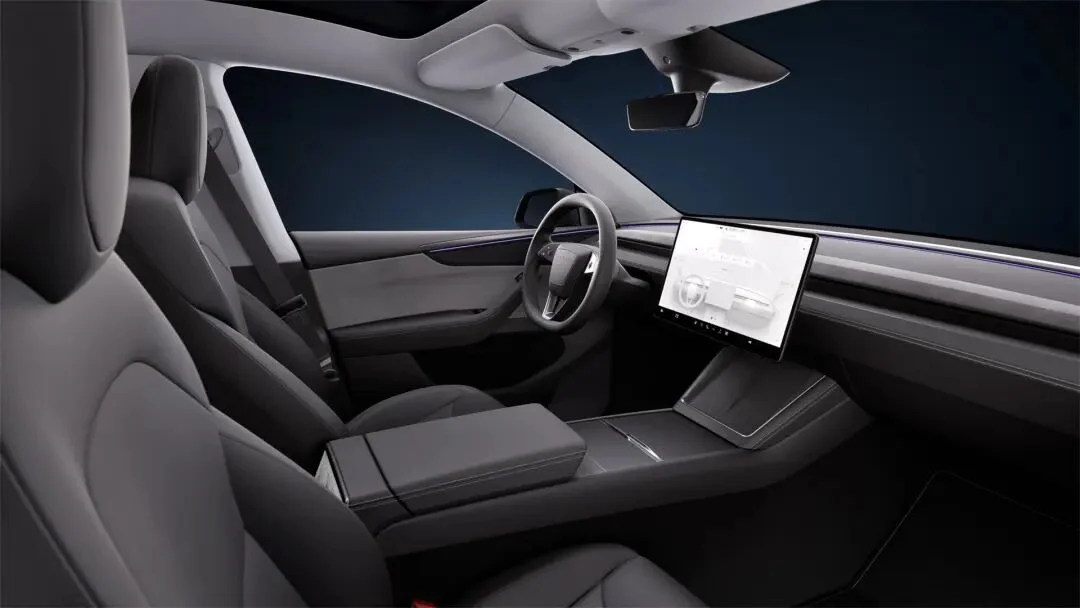
Notably, we could not find any images on Tesla’s Chinese website showing that the refreshed Model Y retains the turn signal stalk. However, on the Japanese website, we confirmed that right-hand-drive models indeed keep the turn signal stalk.
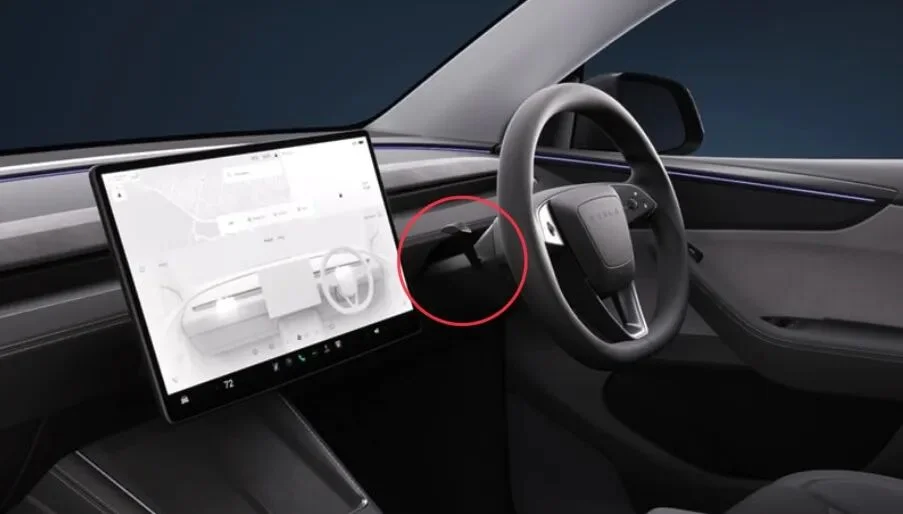
Over the past year and more, Tesla’s decision to remove the gear selector stalks and turn-signal stalks from the Model 3 sparked considerable debate; adapting to a new way of signaling remains difficult for many drivers. With the refreshed Model Y retaining the turn-signal stalk after listening to feedback, will the Model 3 follow suit and bring the stalk back?
Beyond that, the front cabin differences between the refreshed Model Y and the Model 3 are now virtually nonexistent. Features such as ventilated front seats, heated front and rear seats, ambient lighting, improved sound-insulating door glass, and an 8-inch rear display have all been added to the refreshed Model Y.

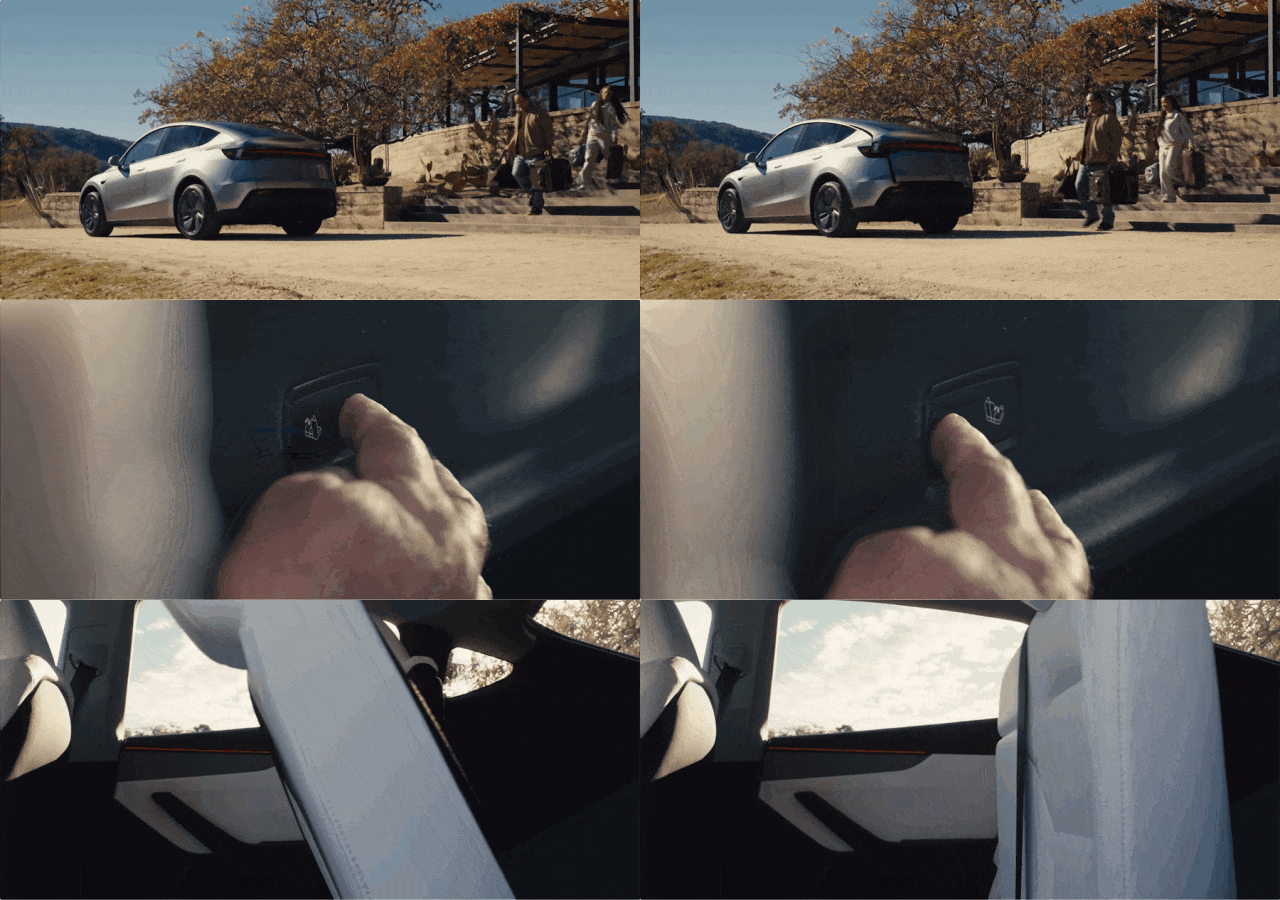
In the rear, folding down the current Model Y’s rear seats requires manual resetting, whereas the refreshed Model Y introduces power-folding rear seats, making outdoor camping trips more convenient.
Additionally, leveraging UWB technology, the trunk opens automatically when the user approaches with a phone key. Currently, this feature is supported only by iPhone 11 and later models, though support for other brands and operating systems may be expanded in the future.
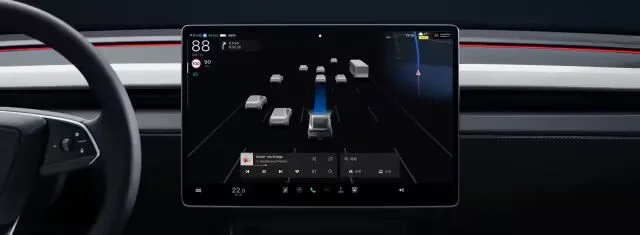
Regarding autonomous driving capabilities, the refreshed Model Y is equipped with Tesla’s latest AI 4 hardware, but its sensor configuration still differs from that of the Model 3.
The refreshed Model Y is equipped with eight cameras, located respectively inside the front windshield (two), on the left and right front fenders (two), on the left and right B-pillars (two), in the rear taillight (one), and in the front grille (one). There are a total of eight external cameras, one more than the Model 3, which also uses AI 4 hardware. We can see from the official website that this forward-facing camera provides a wider field of view for autonomous driving assistance and Smart Summon.
Indeed, relying solely on the windshield-mounted camera can create blind spots when starting from a parked position, even during manual driving. For example, if a parking gate arm has already raised, a driver pulling out might trigger proximity warnings because the vehicle cannot accurately judge the distance. Tesla owners are likely familiar with this issue: after removing ultrasonic sensors, the car no longer knows what lies directly beneath the front bumper.
With the addition of this new camera on the refreshed Model Y, these situations may improve, potentially enhancing the usability of driver assistance and summon features.
The first two refreshed Tesla Model Y models released are 'Launch Edition' variants. These vehicles will feature tailgate badges, Launch Edition welcome pedals, welcome light projections, text markings on the phone charging base, and all-black Alcantara-style trim accents. Any units purchased before February 28 will qualify as 'Launch Edition' models; this offer is limited in time but not in quantity. Tesla will also provide a complimentary two-year/40,000-kilometer extended warranty service.
02A Comparison That Never Loses?
Half an hour after the refreshed Model Y was listed on Tesla’s official website, Lei Jun shared a screenshot on Weibo featuring the ad copy: 'Refreshed Model Y, bring on the comparisons.' He replied simply, 'Okay.'
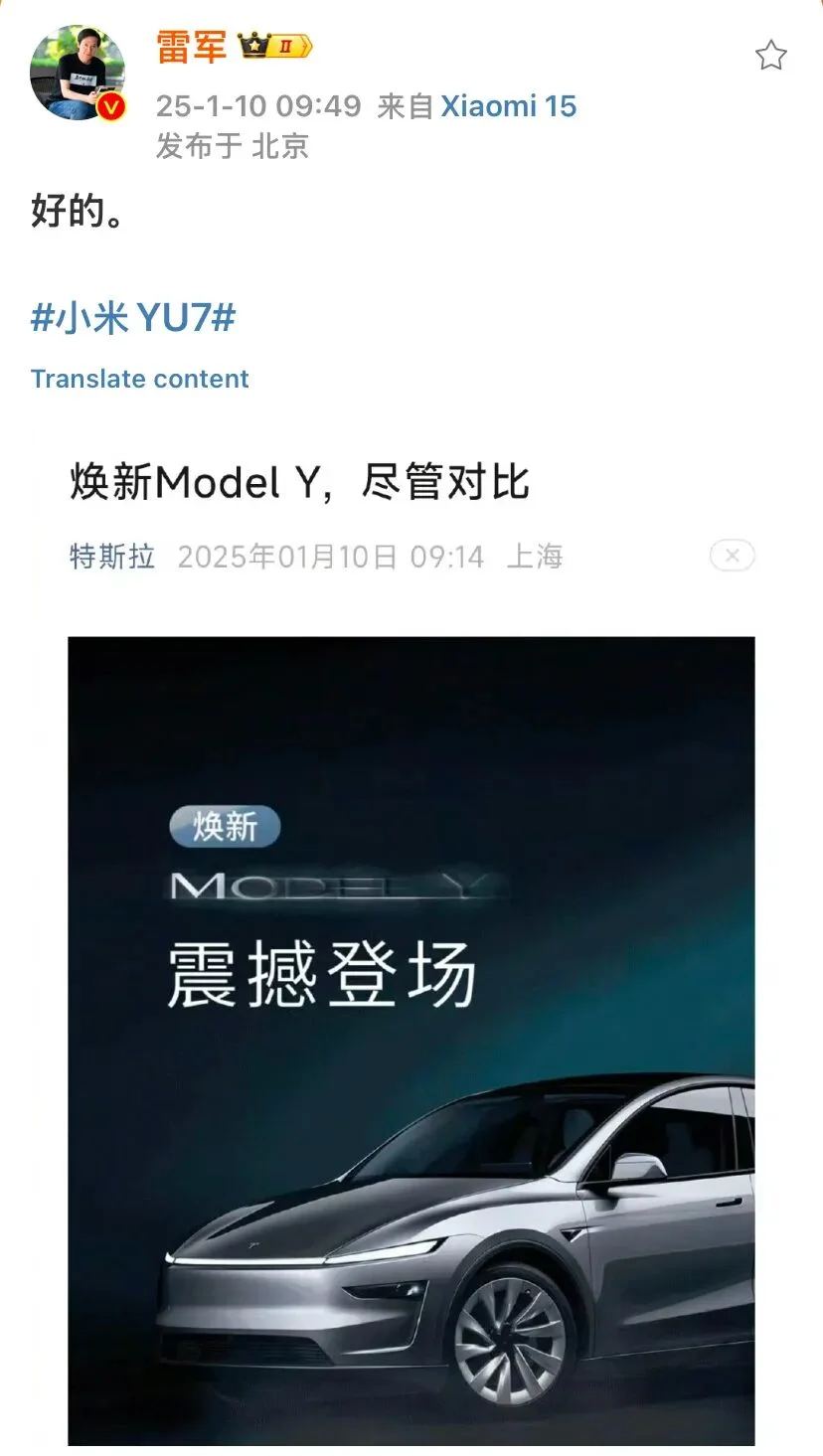
Lei Jun is known for never losing a comparison, so when he simply replied "Okay," it seemed to signal that the Xiaomi YU7 would win against the refreshed Model Y.
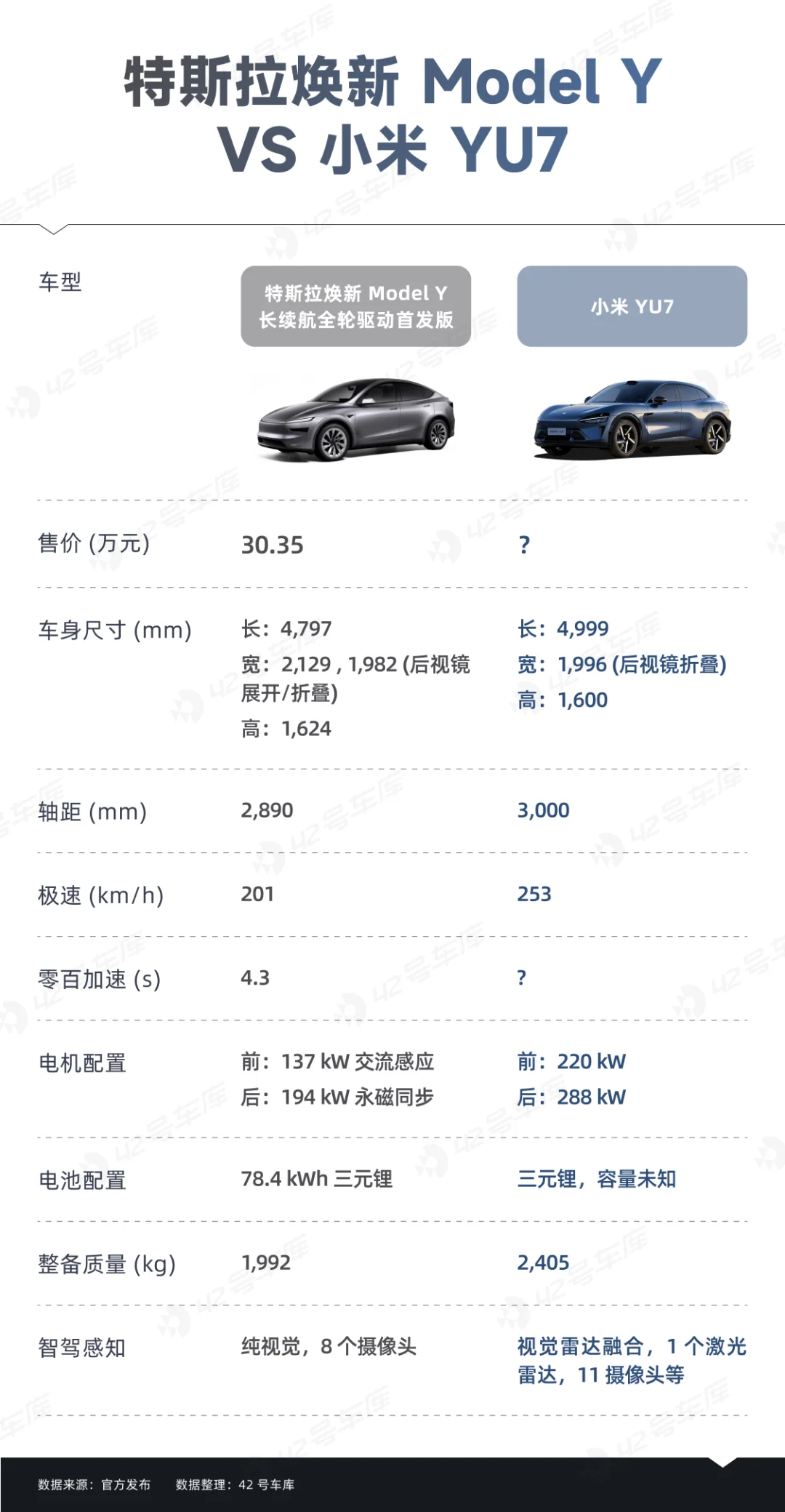
Since Xiaomi has not fully released the YU7's specifications, we have compiled partial data based on MIIT filings and exterior design. To ensure fairness, we compared the long-range all-wheel-drive versions equipped with dual motors. Readers are likely most interested in the YU7's pricing, which would make this comparison even more compelling; presumably, Lei Jun already has the answer in mind.
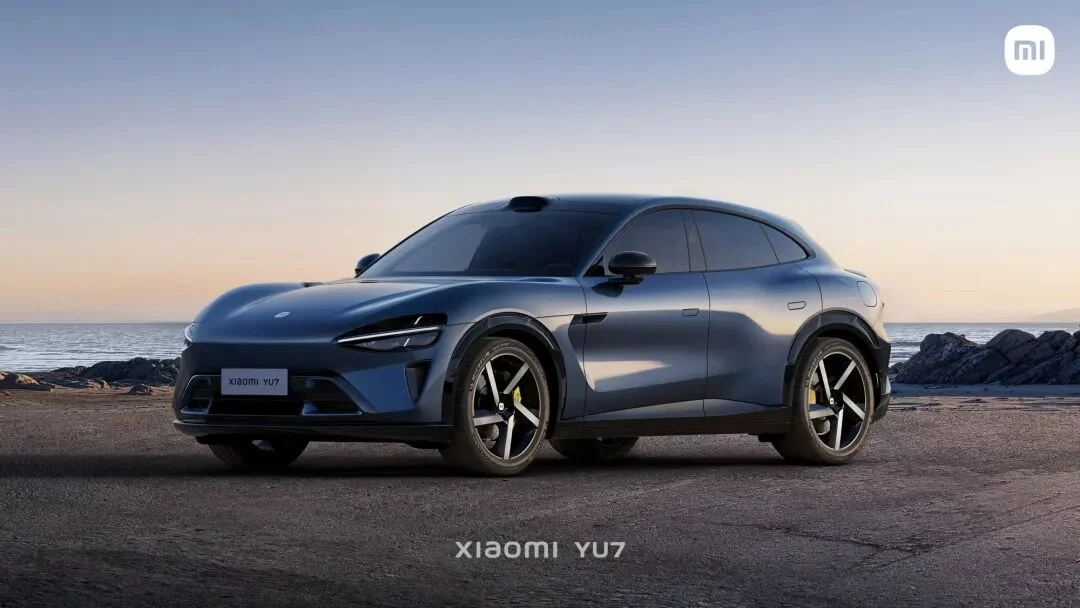
In terms of dimensions, the Xiaomi YU7 is significantly larger than the refreshed Tesla Model Y, with a body length 202 mm longer and a wheelbase extended by 110 mm. Combined with the YU7's lower roofline, this sleek, low-slung profile gives the vehicle a sportier appearance. However, larger overall dimensions and wheelbase do not necessarily translate to greater interior space. The YU7's longer L113 measurement and lower stance are actually factors that could constrain cabin room. We will cover the space comparison in our upcoming experience and testing reports.
Regarding powertrain performance, the Xiaomi YU7 holds a clear advantage: its front motor delivers more power than the rear motor in the refreshed Model Y. The refreshed Model Y produces a combined output of 331 kW, while the Xiaomi YU7's motors generate a total of 508 kW. Nevertheless, the YU7 weighs 413 kg more than the refreshed Model Y, meaning Tesla still leads in lightweight engineering.
Regarding delivery timelines, the Tesla refreshed Model Y is expected to begin deliveries in March, while the Xiaomi YU7 will officially launch in June or July this year. From a timing perspective, when the YU7 launches in June or July this year, it coincides with the period when the refreshed Model Y’s production ramp-up is complete and deliveries enter a stable phase; consequently, the pressure faced by the YU7 is expected to be significant.
03Final Thoughts
On January 1, 2021, the Tesla Model Y launched in China. Four years later, the refreshed Model Y arrived in January. Over those four years, the Tesla Model Y surpassed HAVAL H6, the decade-long leader of China’s SUV market, to become the best-selling SUV in the country. It then went on to become the best-selling vehicle in China overall, regardless of price or powertrain type. In 2024 alone, Tesla delivered 480,000 Model Y units in China, underscoring the model’s profound impact on the Chinese automotive market.
In the 200,000–400,000 RMB segment where the Model Y competes, rivals have never been scarce. Many have sought to lure potential Model Y buyers with a relentless wave of new contenders. Yet despite years of intense competition that has made these rivals increasingly formidable, none have managed to displace the Model Y. Nor can they reasonably claim it is not a good car. This suggests that when Tesla originally defined the Model Y, its team demonstrated a remarkably precise understanding of global consumer needs.
But times change. With Elon Musk in the United States and Lei Jun emerging in China, the 2025 pure-electric vehicle market battle has only just begun. Whether the refreshed Model Y can replicate the former Model Y’s past glory in China may become clear within a few months.
Written by: James Edited by: Daji