


What Are the Key Elements of a City-Focused Pure Electric SUV?
When your car-buying budget rises to three hundred thousand, which do you value more: the brand, quality, features, or cost-effectiveness?
Many would argue that spending RMB 300,000 to get all four of the above features is hardly excessive. In response, domestic brands have seized opportunities in the smart new energy vehicle market by launching models with comprehensive product capabilities. Consequently, a configuration war has intensified among domestic brand vehicles in the RMB 300,000 price segment.
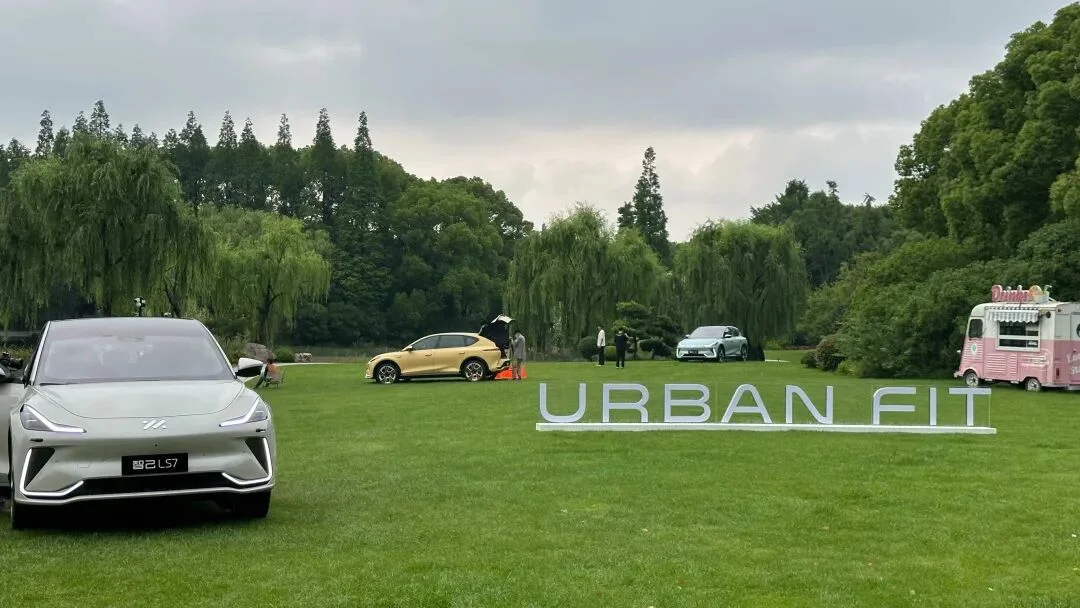
Looking at new energy models from domestic brands, after competing on range and charging, the focus has shifted to cabins and intelligent driving to meet increasingly stringent demands. This configuration war, intertwined with price competition, has spread from new forces to traditional automakers. To avoid sitting idle, Zhiji from Shangqi has launched a more accessible Urban Fit series based on the LS7, targeting urban driving scenarios.
01Smaller Battery, Revised Suspension
On June 12, Zhiji launched the LS7 Urban Fit series. Priced at RMB 289,800, it offers a price advantage of RMB 40,000 compared to the current Elite rear-wheel-drive version with a 90 kWh battery, while also pulling the entry-level price for the LS7 into the low 300,000 yuan range.
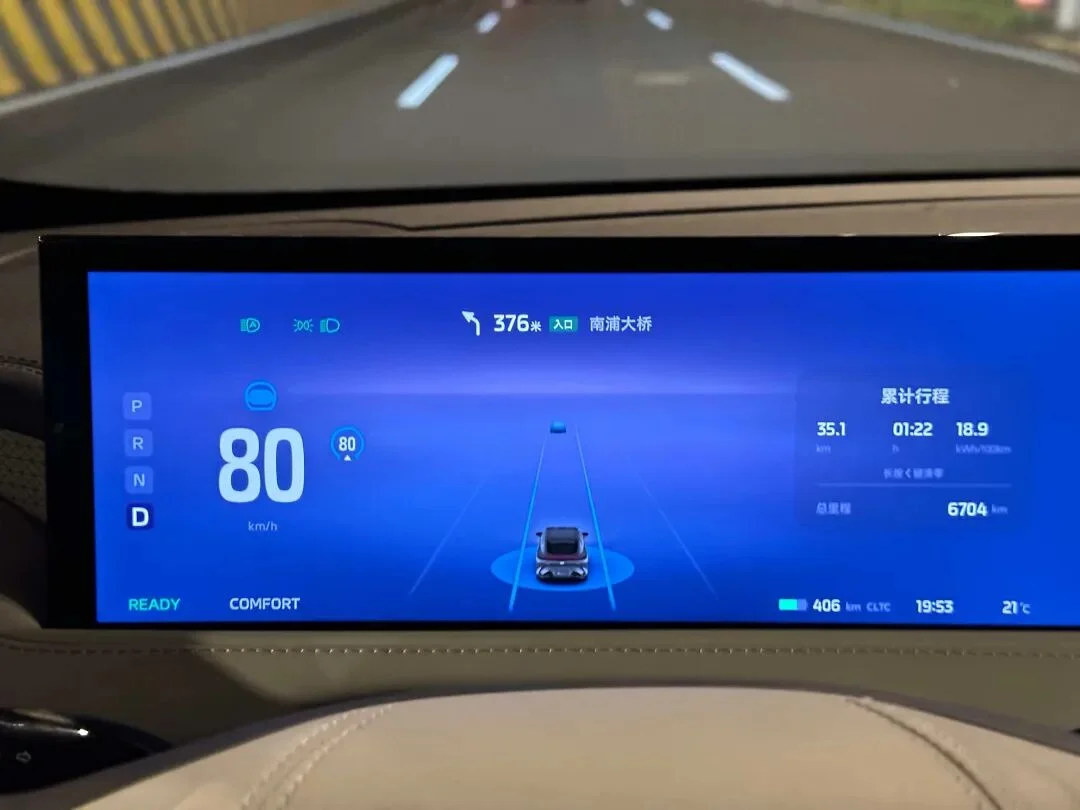
The most obvious change in equipment is the reduction of battery capacity from 90/100 kWh to a 77 kWh ternary lithium-ion pack. The CLTC range has been adjusted to 510 km, which is approximately 80 km less than the larger-battery versions. Based on our real-world test of the Zhiji LS7 equipped with the same motor and a 90 kWh battery—driving 35 km in aggressive style on mostly urban roads with the air conditioning set to 24°C on auto fan—the displayed energy consumption was 18.9 kWh/100 km, and the displayed range dropped by 45 km. Therefore, the actual driving range of the 77 kWh LS7 is estimated to be around 400 km, sufficient for daily urban commuting.
In terms of powertrain, it retains the high-power 250 kW motor. Referring to the acceleration feel of the current LS7, this motor delivers a very direct and rapid acceleration response. Notably, when the accelerator pedal is suddenly pressed hard during mid-to-rear speed ranges, the Zhiji LS7 exhibits a burst of power similar to a dual-clutch transmission downshifting. After pressing the pedal 100%, there is a half-second delay before power surges instantly, creating a significant sense of mechanical fun.
Regarding driving-related hardware, another change in the LS7 Urban Fit series is that air suspension, previously standard, is now an optional extra costing an additional RMB 20,000, while coil spring suspension becomes standard.
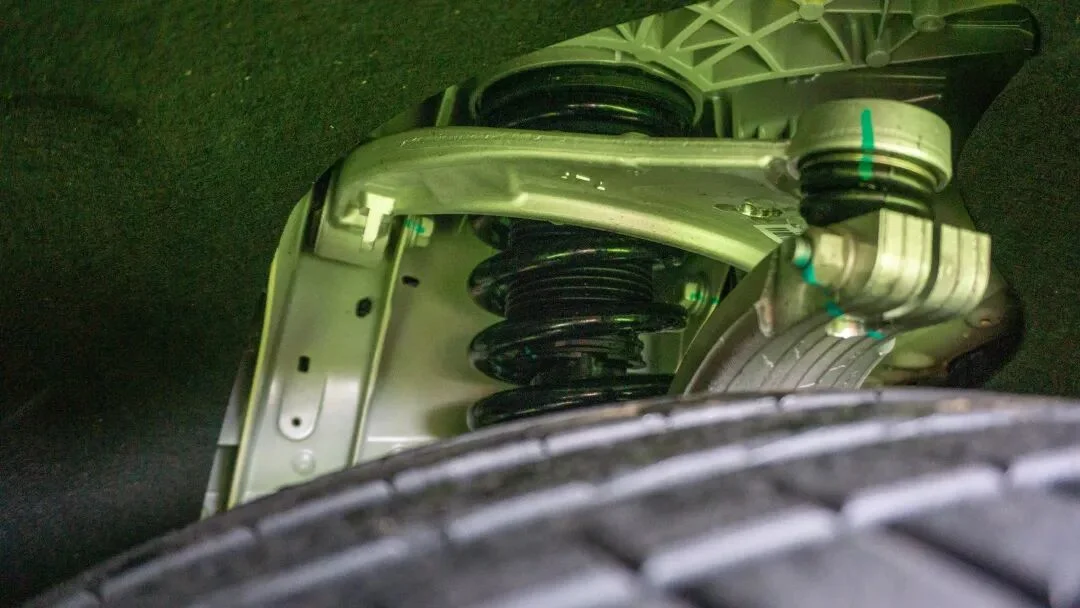
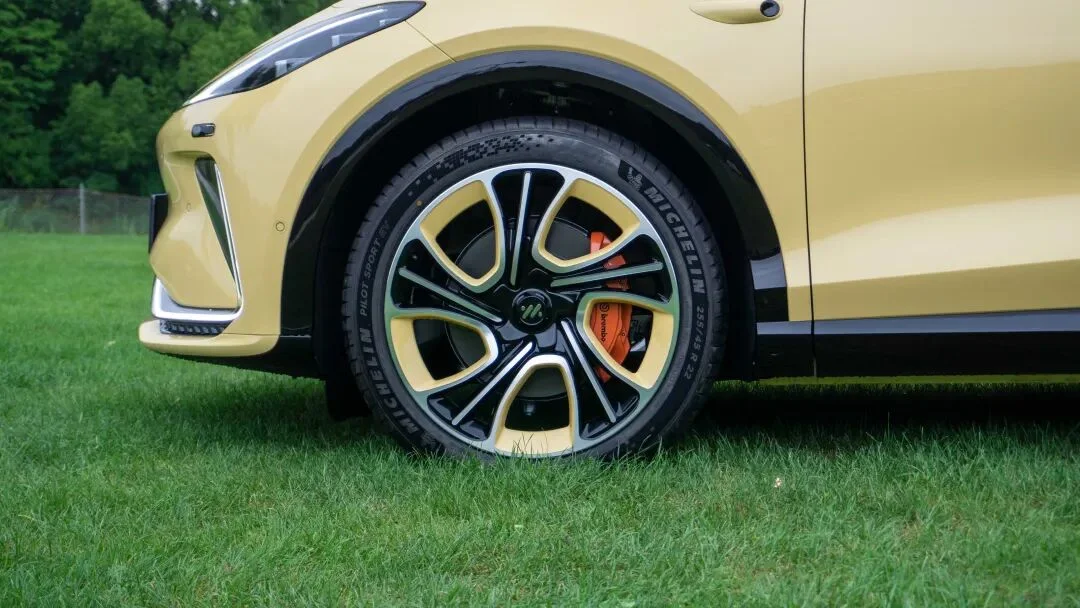
I personally prefer coil springs, as they allow for a better feel of the vehicle's attitude changes during aggressive driving. The coil spring version will also be tuned by the WAE team, so I am quite looking forward to the dynamic experience of the LS7 coil spring version in the future.
02Cabin Focus: OTA
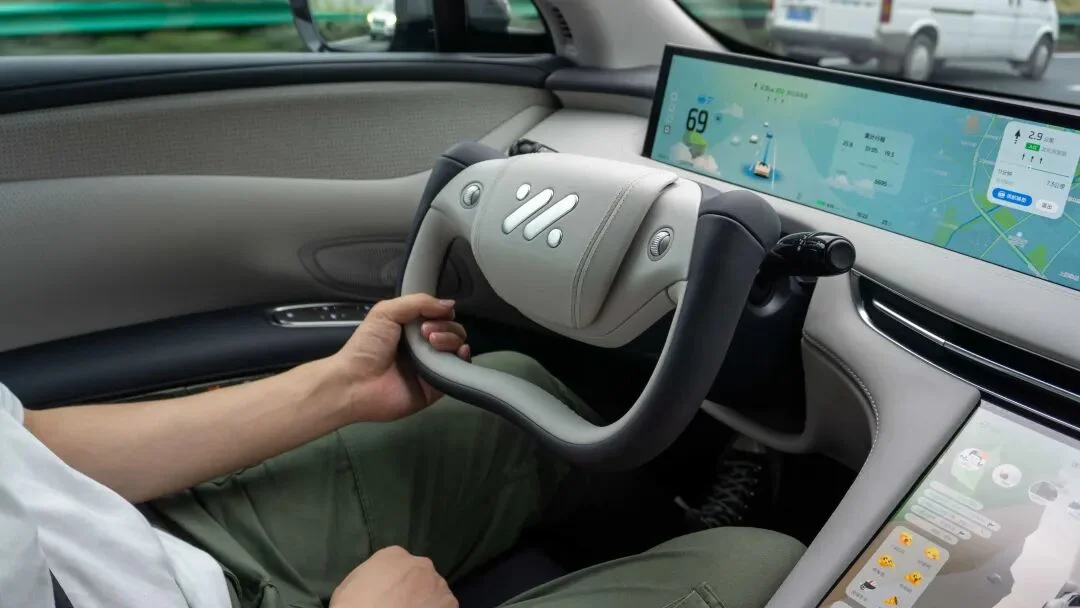
Sitting inside the LS7 Urban Fit series, the most immediate and striking impression is the expansive forward visibility. This clarity stems from two key design choices: a yoke-style steering wheel paired with a front-passenger through display, which eliminates any obstruction when viewing the instrument cluster from the driver's seat.
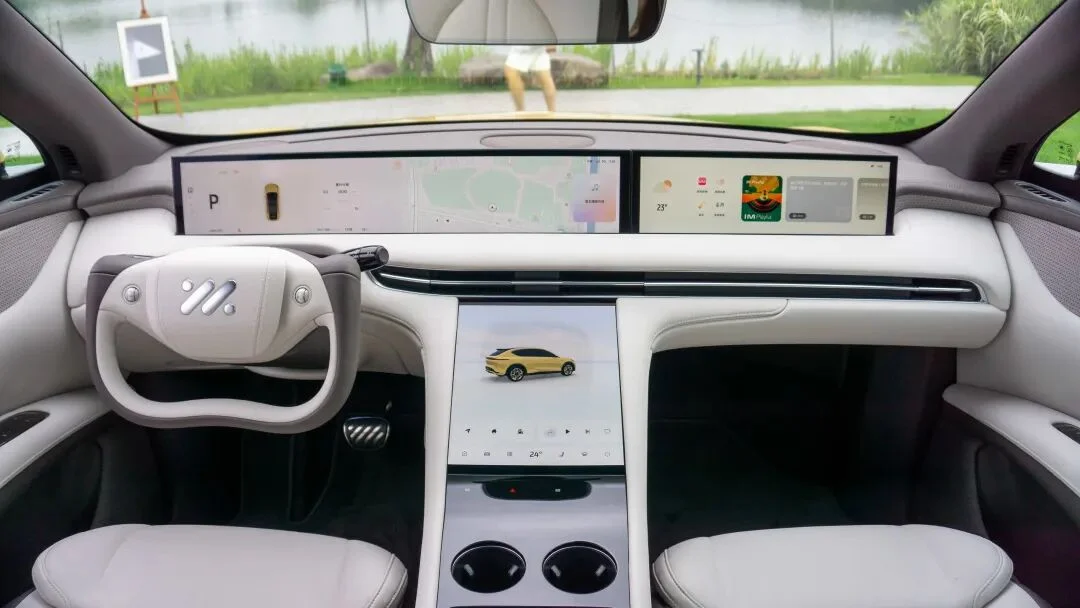
The second factor is the exceptionally large windshield. Compared to conventional windshields, the LS7's angle is so steep that occupants in the front row can look straight up to see the sky.
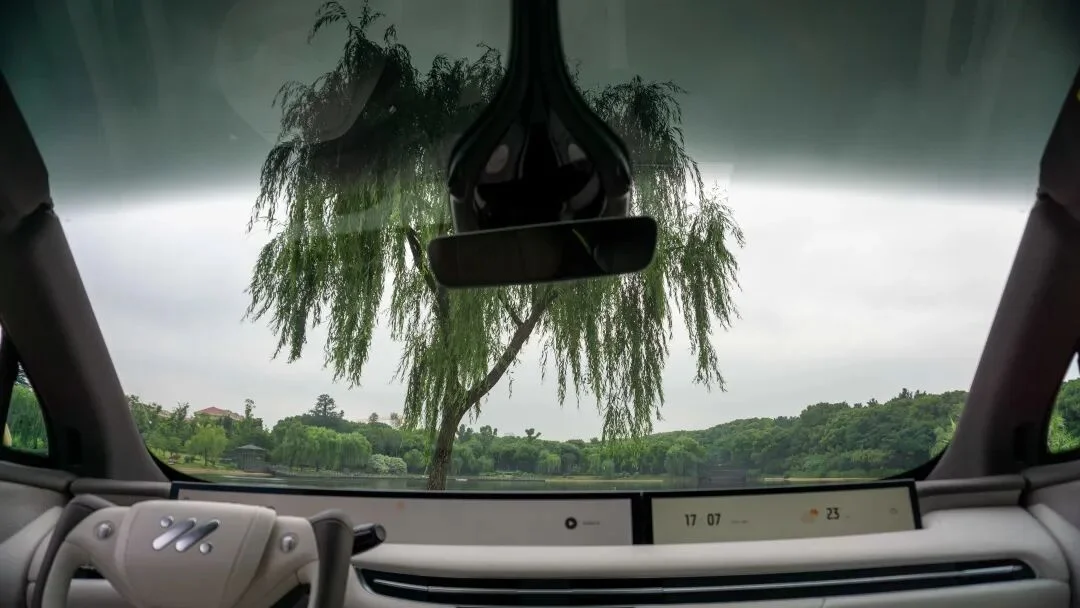
The combined effect of these features is significant: during normal driving, aside from minor blind spots created by the left and right A-pillars, the forward view is remarkably unobstructed and vast.
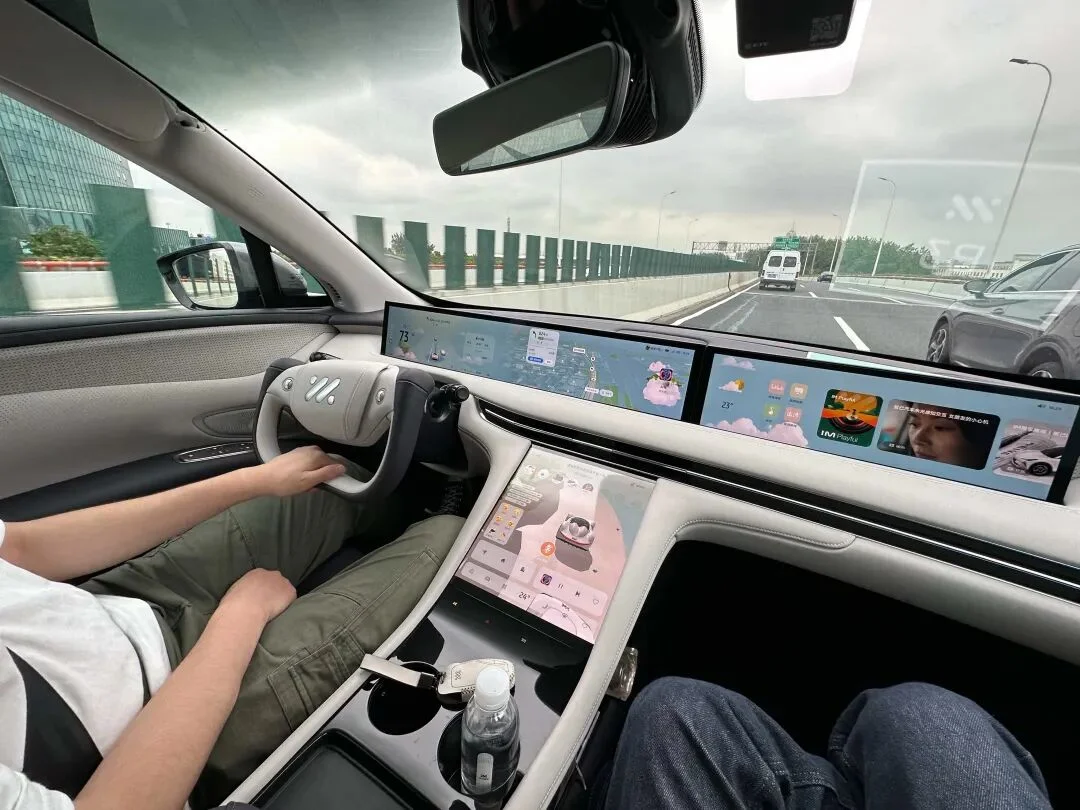
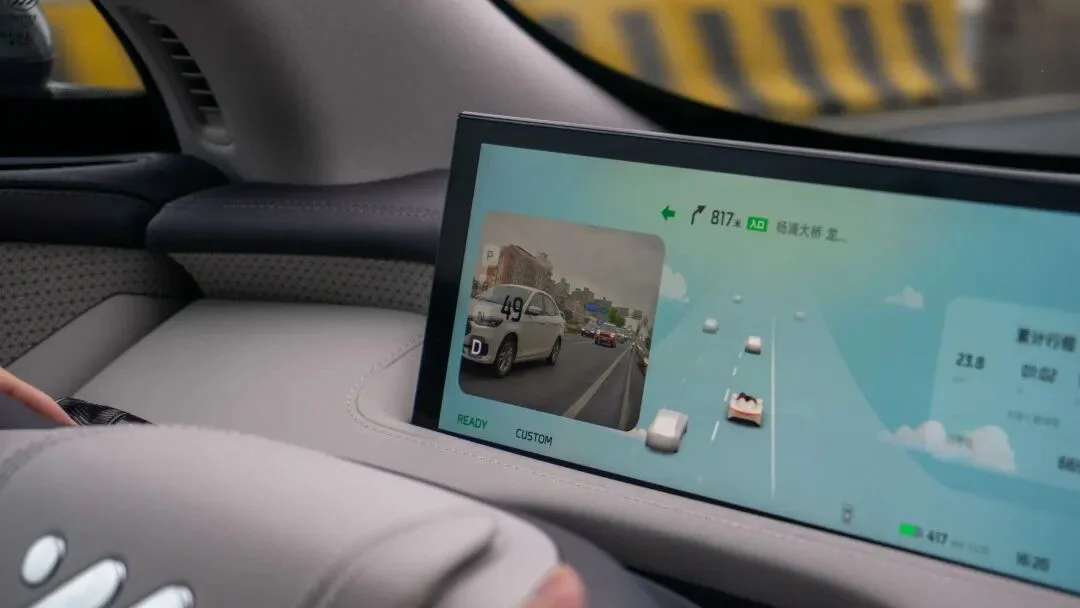
During this test drive, we also experienced the latest internal beta version of the Zhiji LS7 infotainment system. Its standout feature activates when the driver engages the turn signal: blind-spot monitoring images appear on both sides of the screen, mimicking the view from side mirrors.
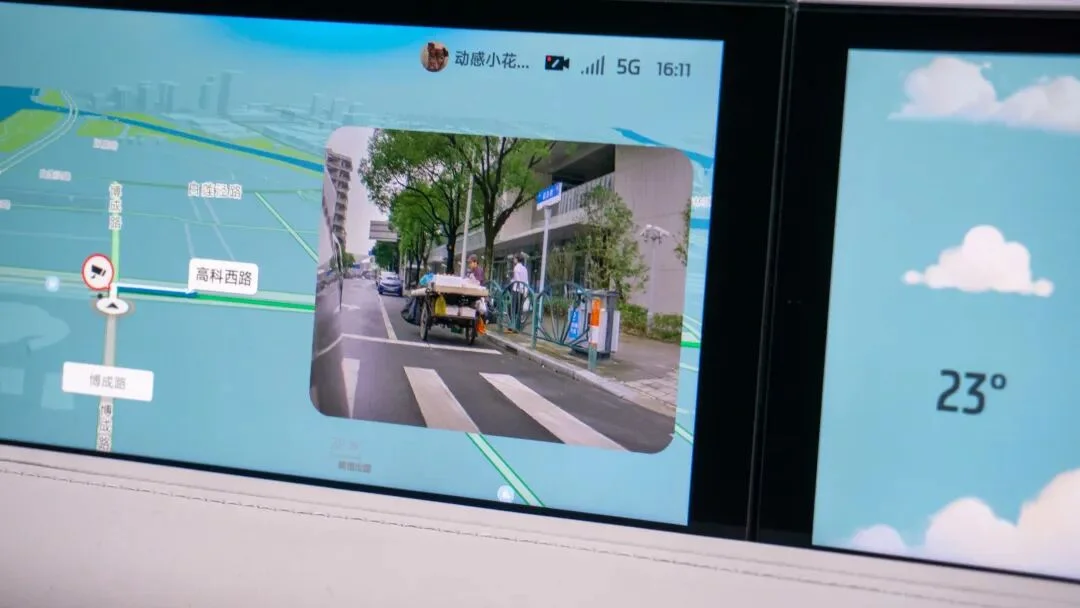
First, when the driver activates the turn signal at speeds below 20 km/h, the corresponding screen displays a blind-spot view from the A-pillar. This feature is designed to assist with visibility in residential areas and narrow alleys. The system utilizes the high-mounted 5-megapixel ADAS camera for this display.
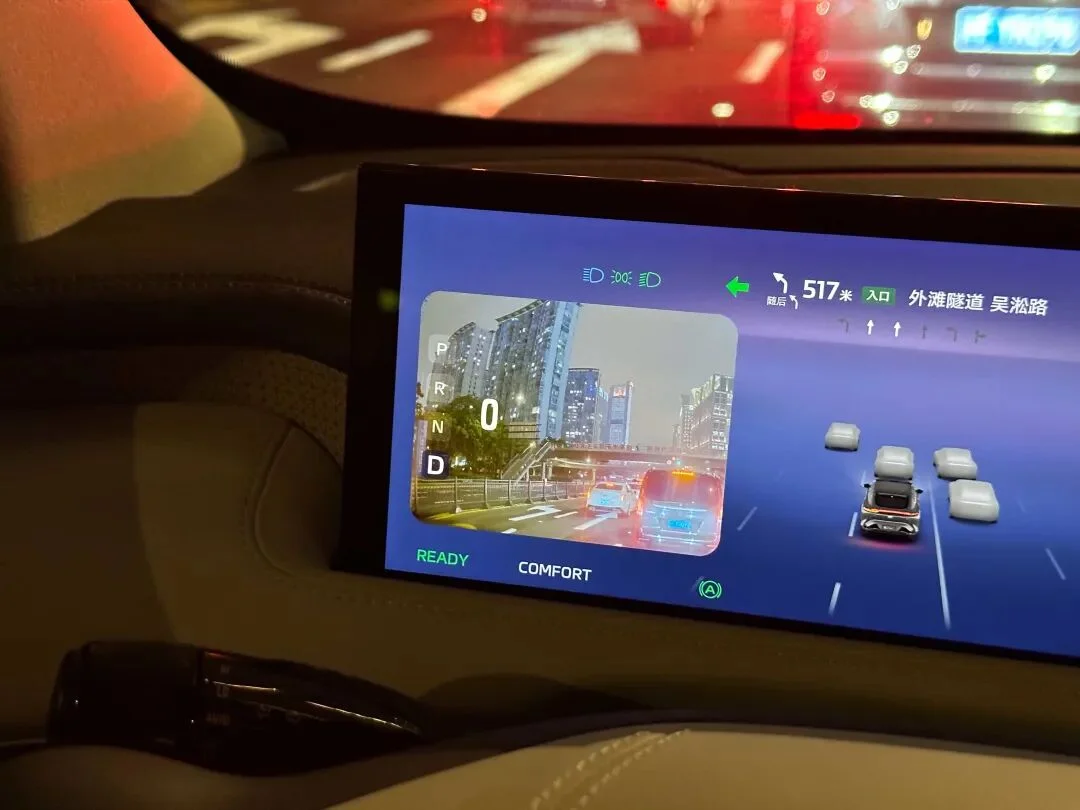
Second, when vehicle speed exceeds 20 km/h, activating the turn signal displays a rear-side view captured by the side-rear ADAS cameras. This functionality is similar to Tesla’s blind-spot monitoring, offering advantages in image clarity and color accuracy. The camera angle provides a perspective nearly identical to that of traditional side mirrors, evoking the feel of a digital rearview mirror.
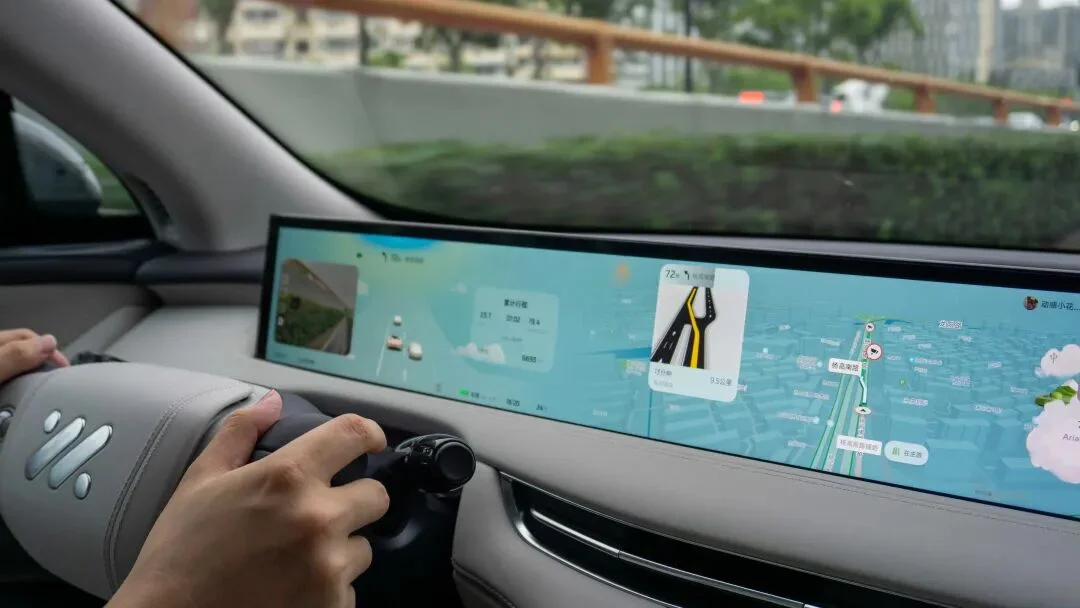
Zhiji has also leveraged this screen to create a new interaction method officially termed 'peripheral vision interaction.' When navigating via GPS, if the vehicle approaches an intersection requiring a right turn, a blue light effect appears on the top of the screen, moving from left to right to alert the driver. This design closely resembles the IQ.Light system found in Volkswagen ID. series vehicles.
Additionally, when the turn signal is activated and a hazardous vehicle is detected in the target lane, the peripheral interaction flashes red on the screen on that side. This effectively transfers the lane-change assist function from the rearview mirror to the display, creating a dual warning system.
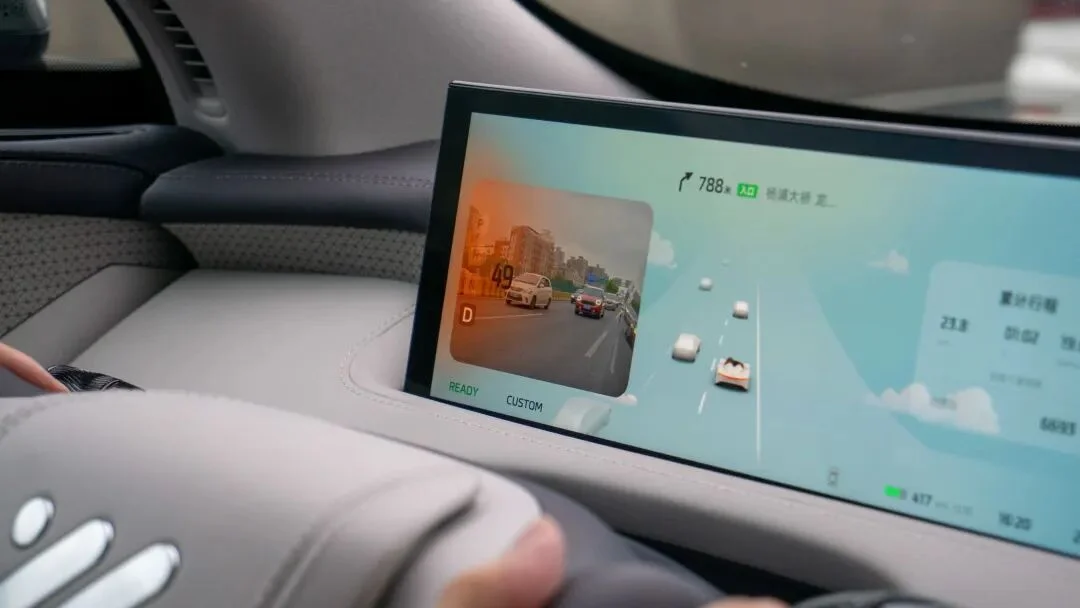
In this light, Zhiji has taken the right approach with the LS7's cabin. The combination of a semi-rim steering wheel, a front-row panoramic display, and an extra-large windshield enhances the already excellent visibility by adding more practical interaction methods, thereby maximizing its existing advantages.
03The Foldable Five-Seat Is Here
In this Zhiji LS7 Urban Fit series, corresponding improvements were also made to the rear seats.
Previously, the Zhiji LS7 featured a zero-gravity mode space. To achieve a sufficiently large zero-gravity mode space, the entire right side of the cabin interior was specifically redesigned.
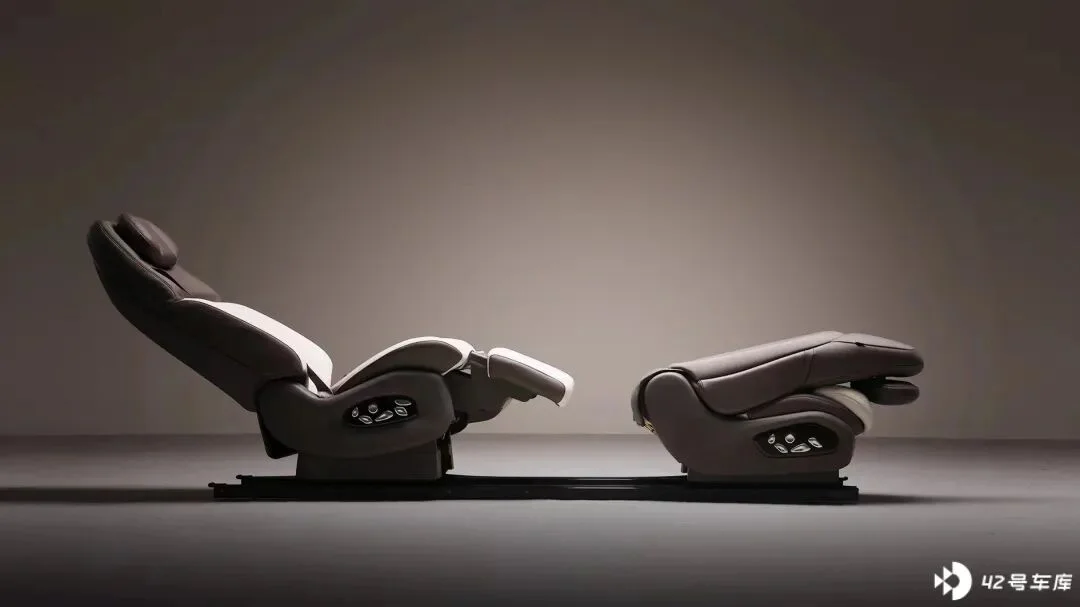
From front-to-rear electric sliding rails to a passenger seat that folds flat into the dashboard, and independent rear seats comparable to those in luxury MPVs. Each of these features represents an innovation for a premium five-seater on its own, but the LS7’s highly flexible space utilization demonstrates a genuine engineering breakthrough.
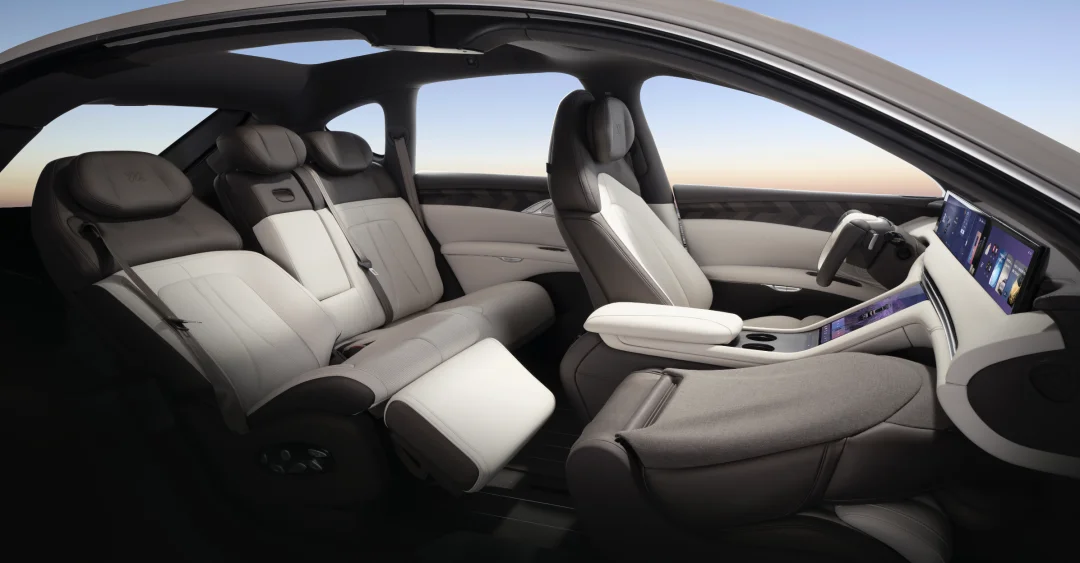
However, equipping the vehicle with zero-gravity seats inevitably compromises trunk expandability; in other words, cargo space cannot be expanded by folding down the second-row seats.
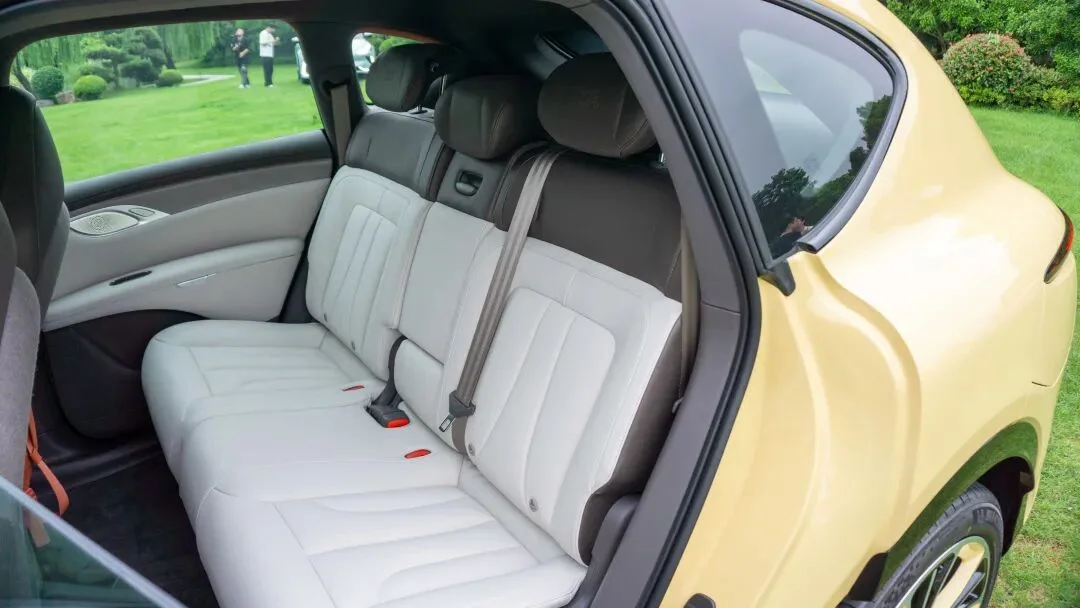
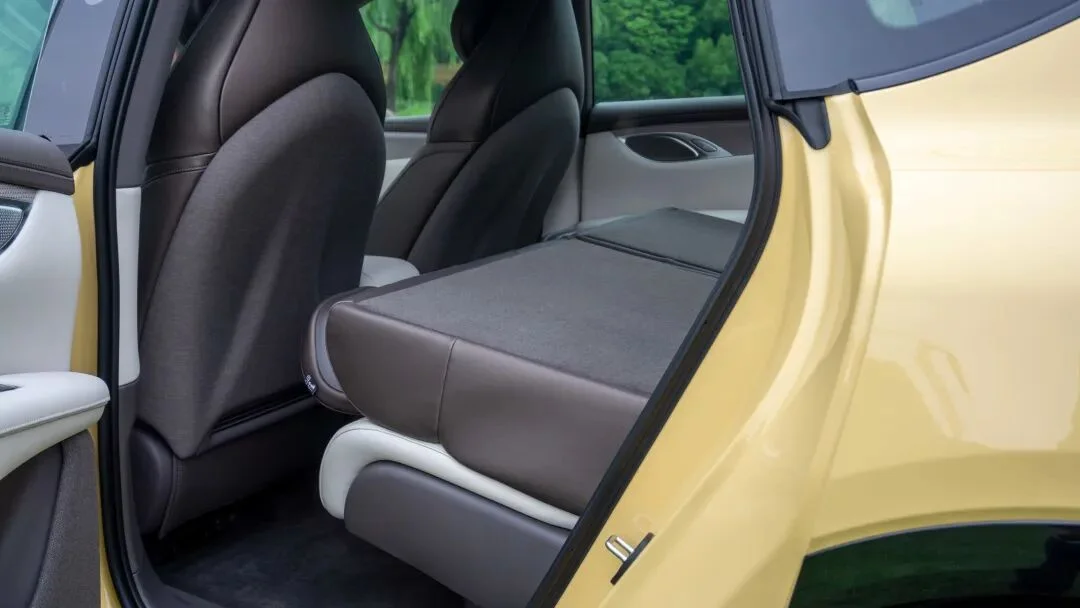
In the Zhiji LS7 Urban Fit series, the second row becomes a standard three-seat configuration. Surprisingly, the LS7's rear seats support 4/6 split power folding and raising—a feature that is very rare among models in this segment.
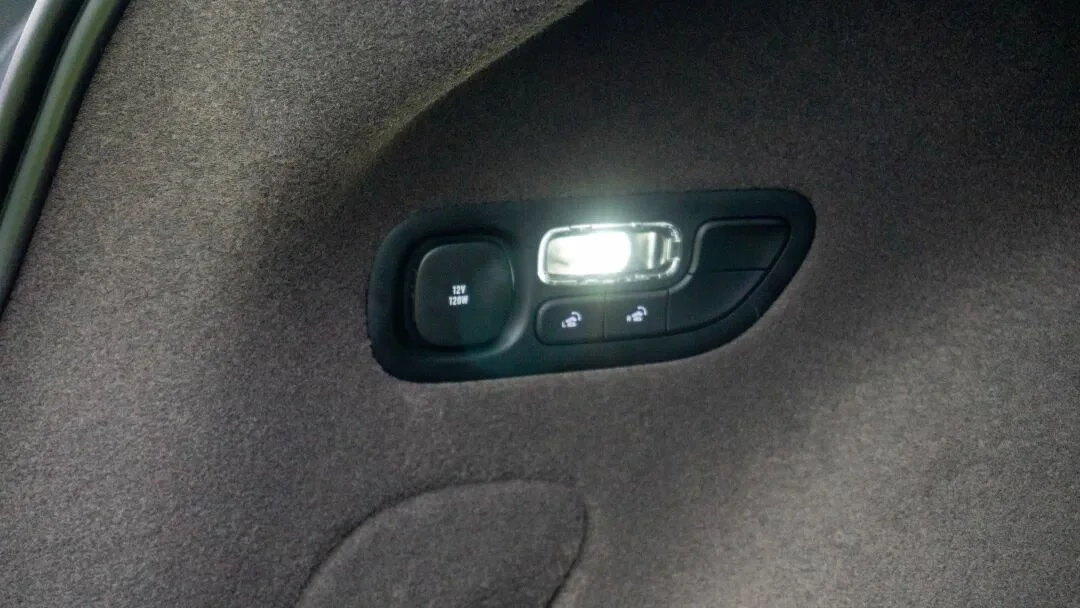
Currently, the LS7's second-row seat adjustment can only be completed via buttons in the trunk; it cannot be operated using interior buttons, voice commands, or the infotainment system, which is somewhat inconvenient. We have promptly reported this to Zhiji's official team and hope it will be improved after the vehicle's official launch.
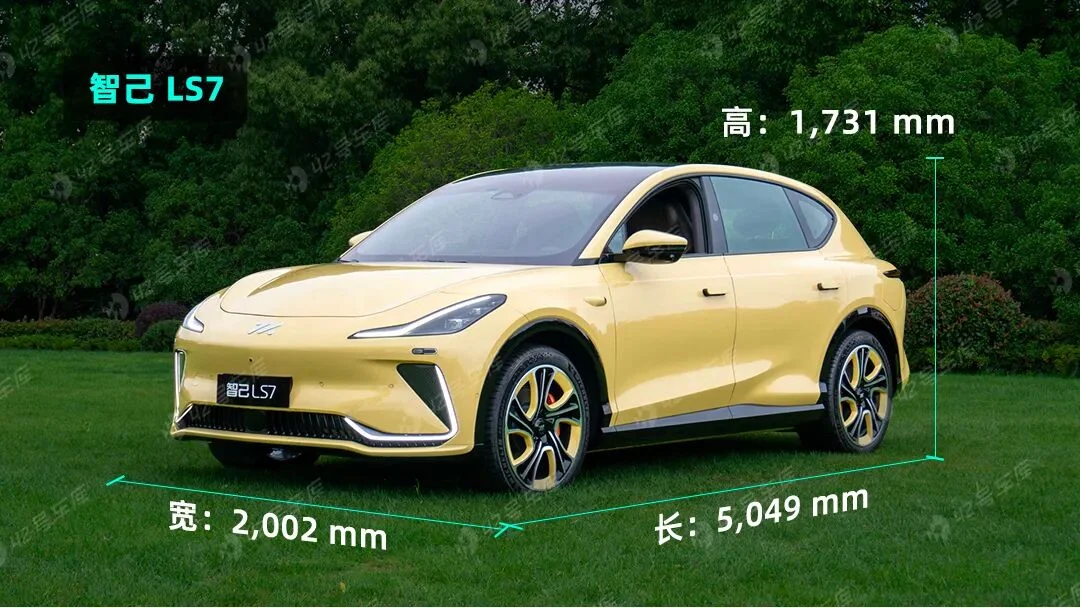
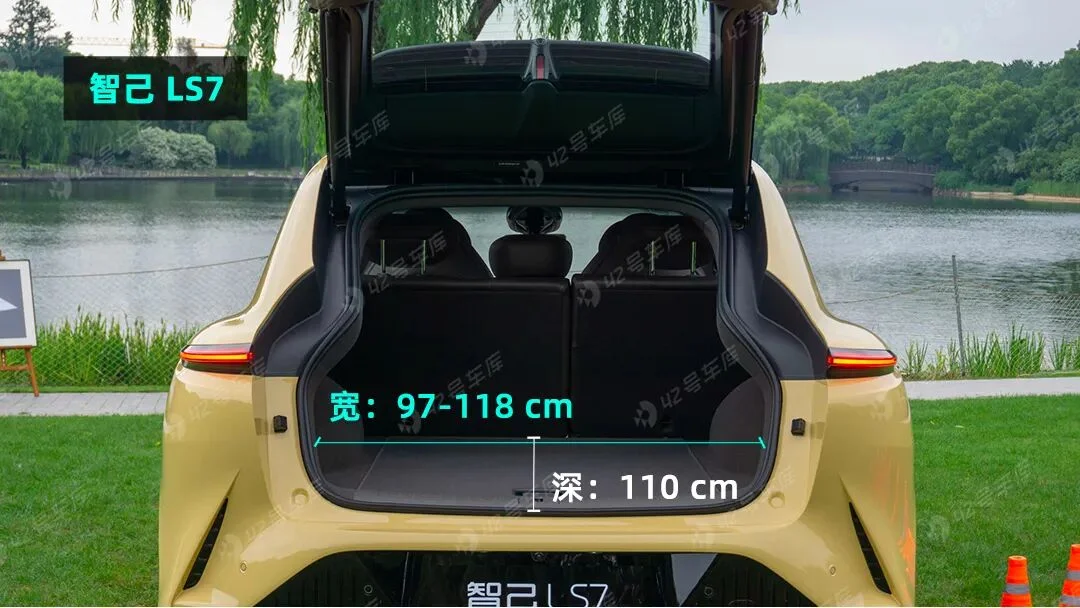
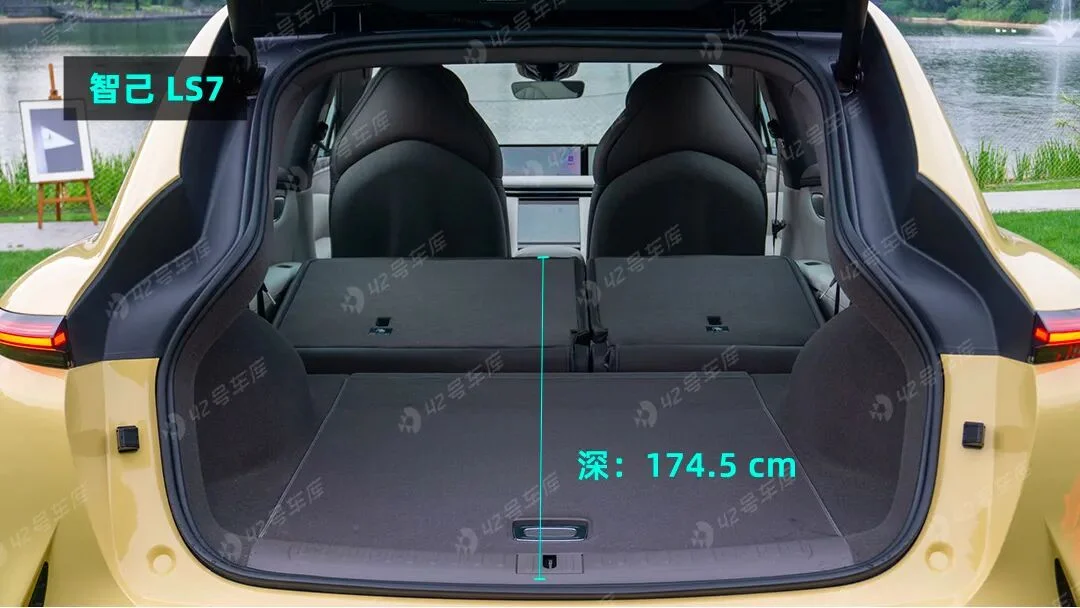
With the second-row seats fully folded flat, the cargo volume expands from 733 liters to 1,731 liters. The measured trunk depth stretches continuously from 110 cm to 174.5 cm, with a width of 97–118 cm, making it more than comfortable for two people to lie down.
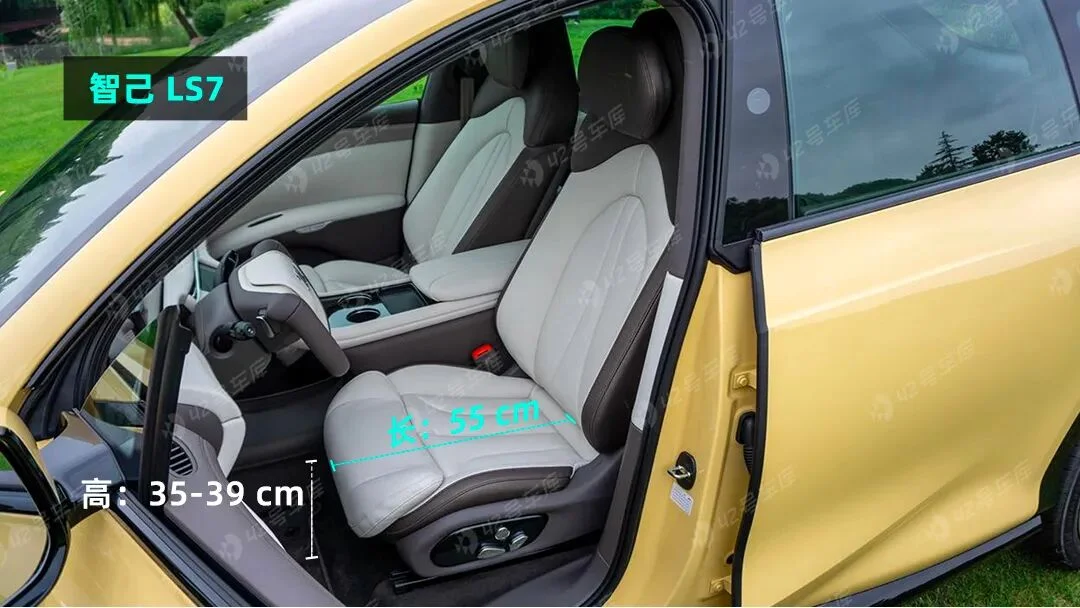
The Zhiji LS7 Urban Fit series features slight adjustments to its seat configuration: the power leg rests and headrest functions for both the driver and front passenger have been removed. Fortunately, the overall seat design remains largely unchanged, including the extensive thigh support. Our measurements show the front seat cushions are 55 cm long—a standout figure in this class—with an adjustment range of 35–39 cm in height.
The cushioning on this seat is precisely balanced, firm where needed and soft elsewhere. The central area, which directly contacts the occupant, uses thick, soft padding, resulting in excellent contouring against the human back.
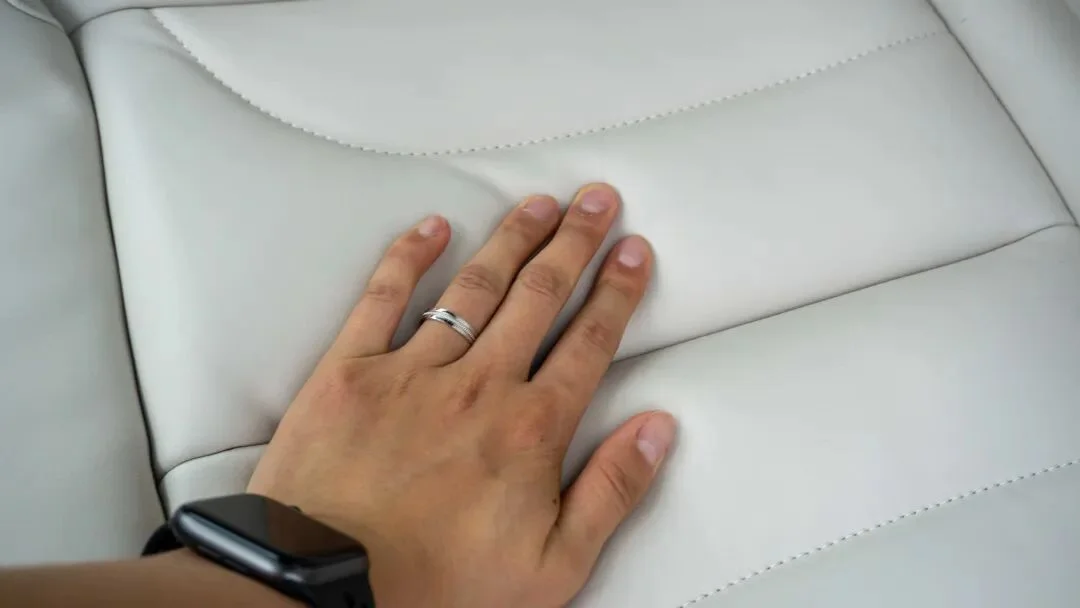
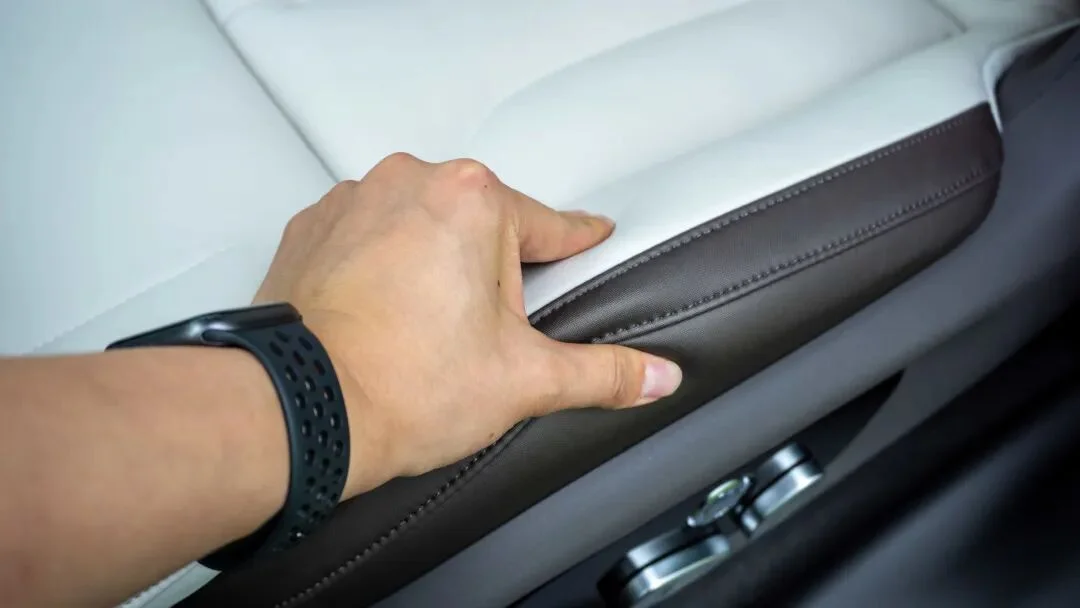
In contrast, the side bolsters on the seat cushion and backrest utilize firmer materials. These provide effective lateral support to secure occupants during significant cornering forces.
Moving to the rear seat, the Zhiji Urban Fit series and the rear with optional zero-gravity seats show little difference in comfort under normal seating conditions. The rear seat cushion length reaches 53 cm, while the cushion height is 38 cm. The recline angle setting is just right, providing good fit and support.
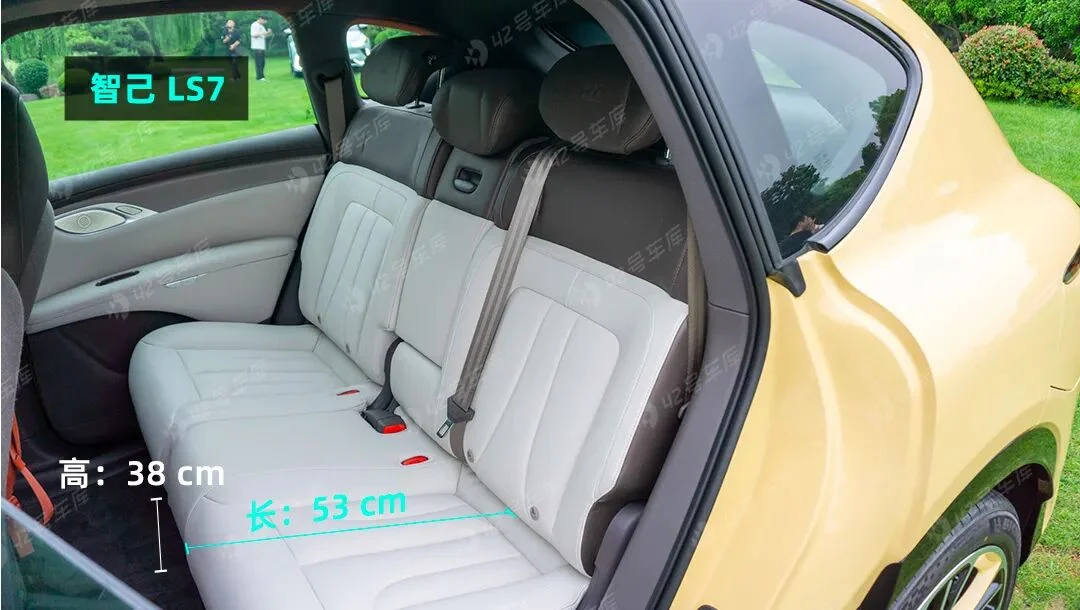
The rear seat bottom of the Zhiji LS7 Urban Fit series differs from other models. This vehicle features a hollowed-out design, effectively suspending the cushion above the floor. This allows additional items, such as packages or shoes, to be stored underneath, resulting in higher space utilization.
04NOA Has Surprises
On the test drive route, we also tried out the NOA system on a Zhiji LS7. The model we experienced this time did not have the optional dual Sutengjuchuang 126-line LiDARs installed. It was equipped with the most basic configuration: seven 5-million-pixel surround-view cameras and five millimeter-wave radars.
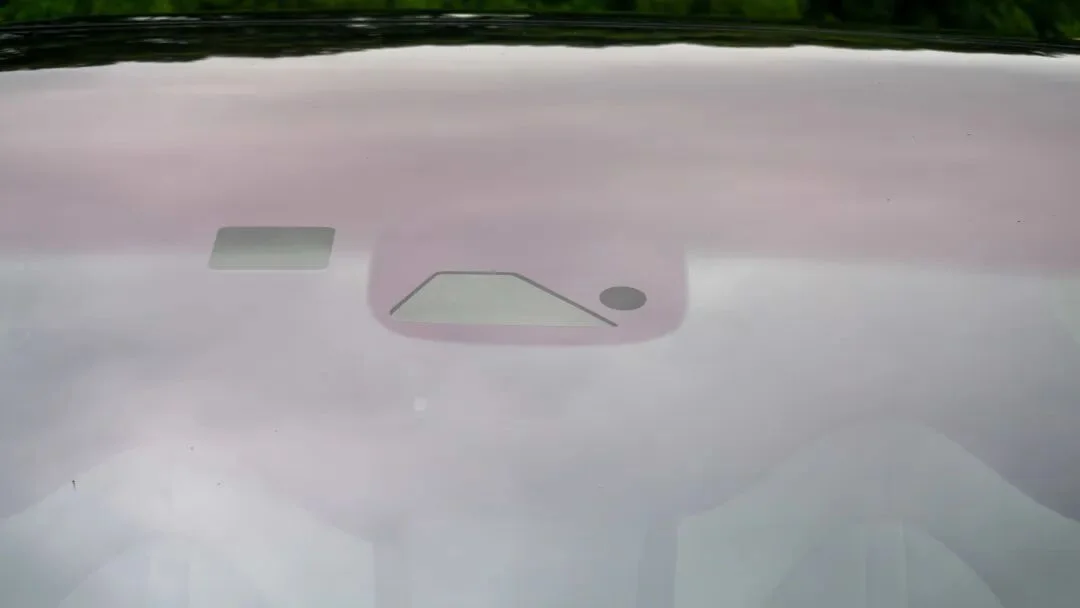
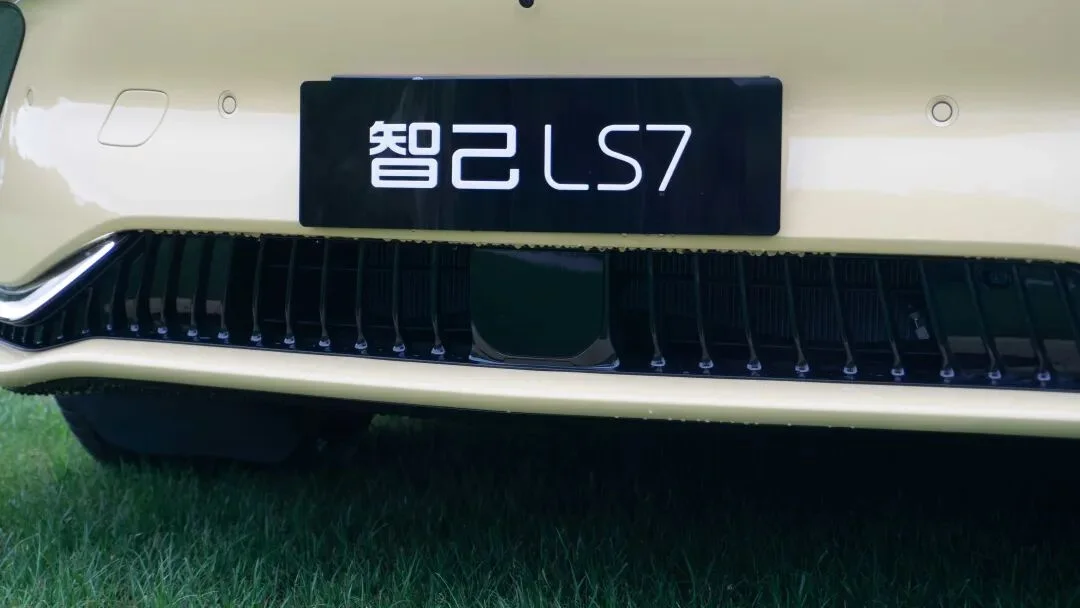
On elevated highways with high-definition maps available, a simple downward flick of the stalk activates Zhiji’s NOA. Navigating the stop-and-go traffic on Shanghai’s Yan’an Elevated Road, the LS7’s NOA performance was quite good; its acceleration and deceleration were smooth, providing a high level of comfort for passengers.
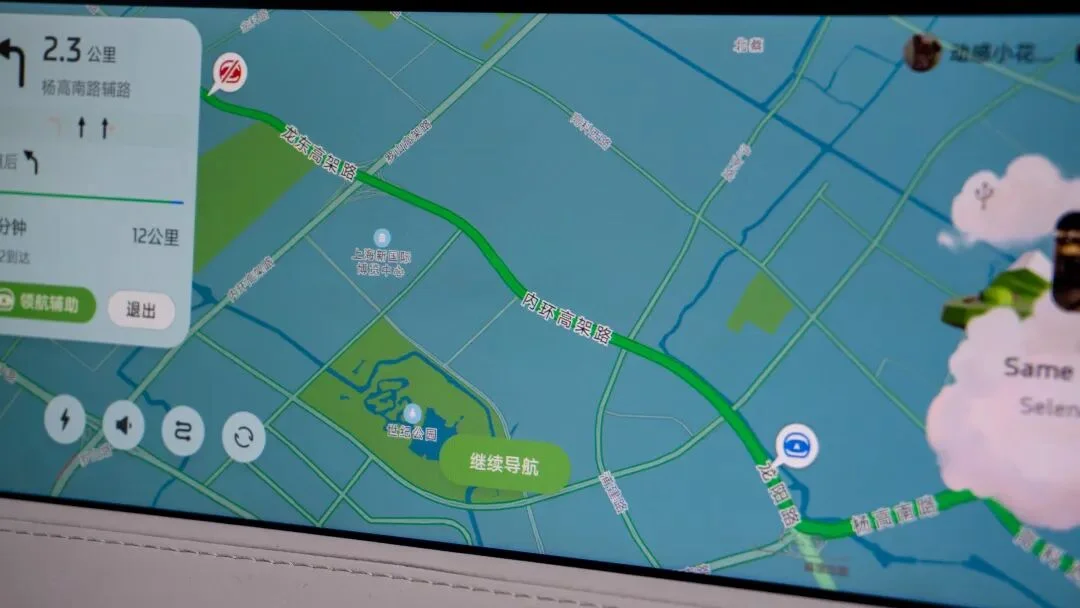
The system’s performance when exiting ramps was particularly impressive, initiating a lane change to the rightmost lane approximately 800 meters before the exit. At that moment, traffic in the target lane was moving slowly both ahead and behind. The LS7 first signaled and then sharply steered into the gap, creating the impression that it was trying to "squeeze" through to create space for merging. This maneuver nearly caused me to take over control of the vehicle.
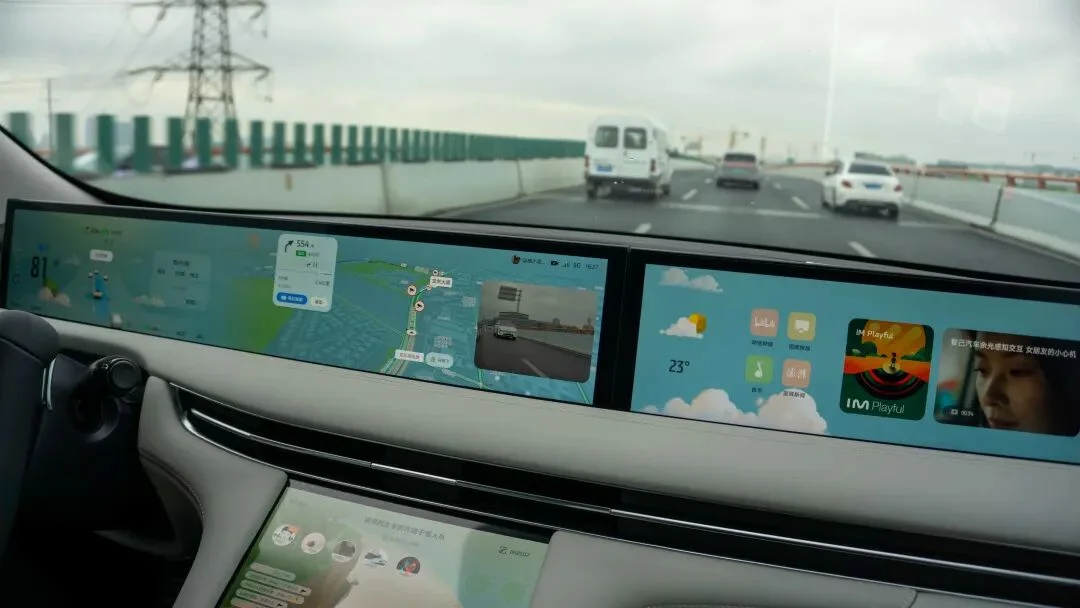
However, as I allowed the vehicle to create space, the car behind in the target lane indeed slowed down, allowing me to merge smoothly. This aggressive game-theory-style negotiation approach is relatively rare. The IM AD system, co-developed with Momenta, shows commendable performance in certain NOA scenarios.
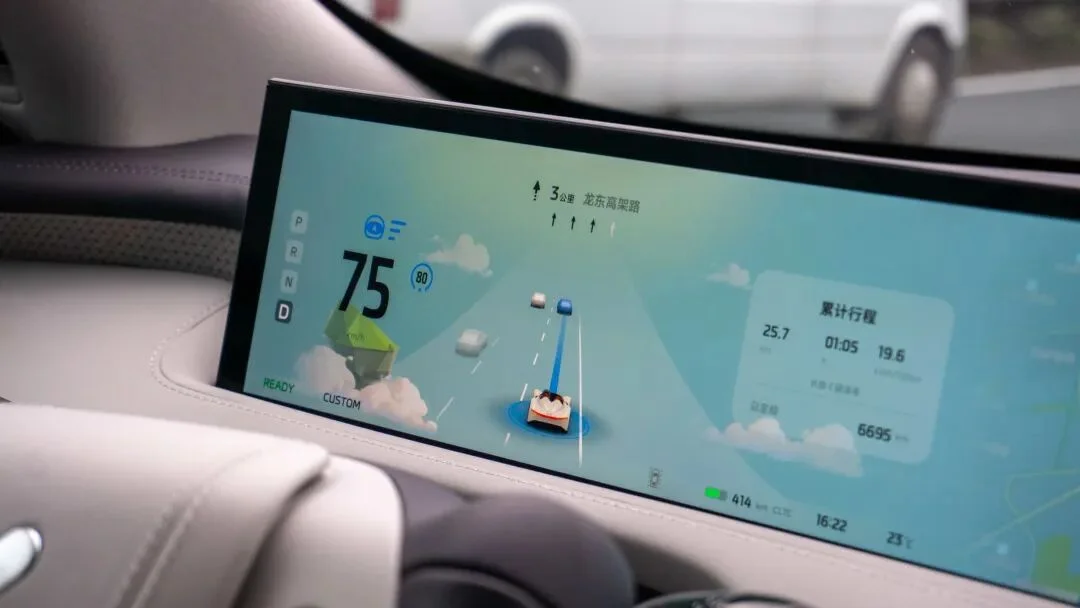
Conversely, when NOA is not active and traffic is congested, the LS7’s basic PILOT function feels weak. Following behavior becomes hesitant, often leaving large gaps that allow other vehicles to cut in. Additionally, due to difficulty in discerning distant lane markings in heavy traffic, the LS7 occasionally drifts across lane lines, only to be pulled back sharply once the lines are re-identified. I hope Zhiji can further optimize and enhance the basic PILOT capabilities of the LS7.
05Conclusion
Is the starting price of RMB 289,800 expensive for a city-focused pure-electric SUV?
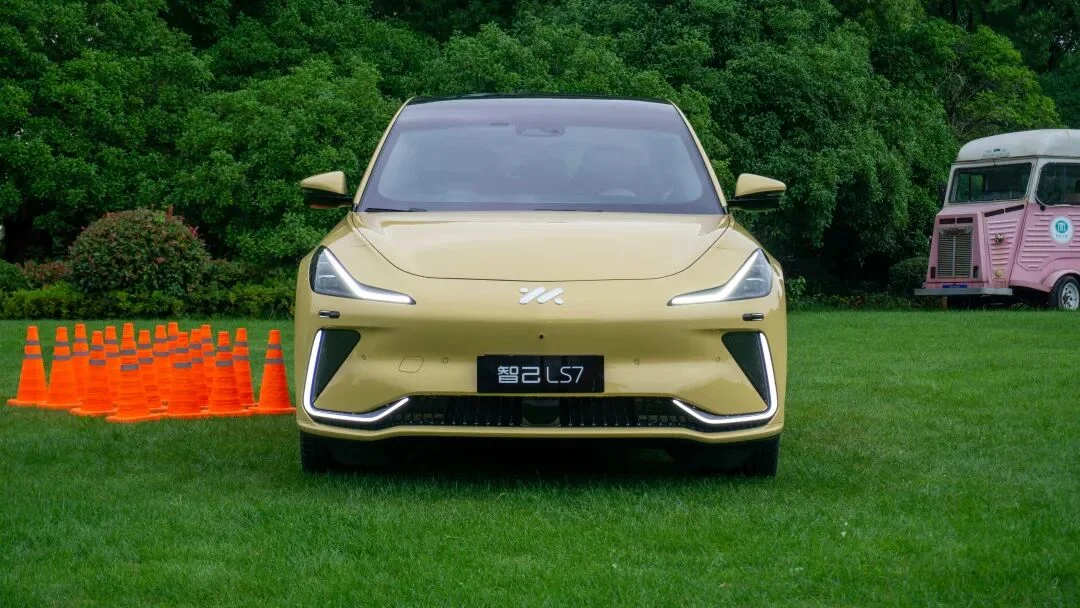
Expensive, because in the Chinese automotive consumer market, 300,000 is a dividing line threshold; above 300,000 generally meets the standard for luxury vehicles. However, looking back at the Zhiji LS7 Urban Fit, within the 300,000 price range, this is a mid-to-large pure electric SUV with brand character, offering quality in driving, riding, and design, while its high-end configurations are equally impressive.
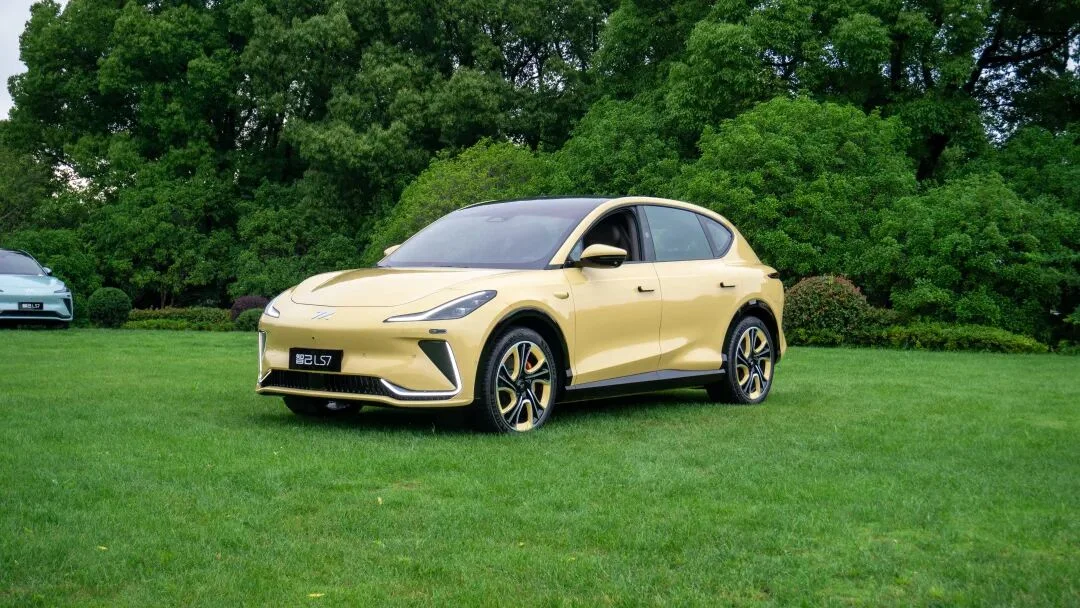
At the same time, adjustments have been made to its configuration and features to suit urban driving scenarios. Consequently, the Zhiji LS7 Urban Fit has a lower price without compromising on quality. During the rollout of the Urban Fit series, new OTA updates will be progressively delivered to existing owners. The official term 'Full-View New Driving Cockpit' reflects Zhiji's thinking regarding intelligence and cabin experience.
Written by: Jiang Xiaohei Edited by: Jiang Xiaohei