


Rongwei D7 Mid-Size Pure EV Debuts: Can It Become the Benchmark for B-Class Pure Electric Sedans?
Born on the Xingyunchundianpingtai platform, this B-segment pure electric sedan features rear-wheel drive, a CLTC range of 610 km, and 0-100 km/h acceleration in 6.3 seconds. Recently, Rongwei’s mid-to-high-end pure electric sedan, the D7, released its official images.
Here are some photos. What do you think of the styling?
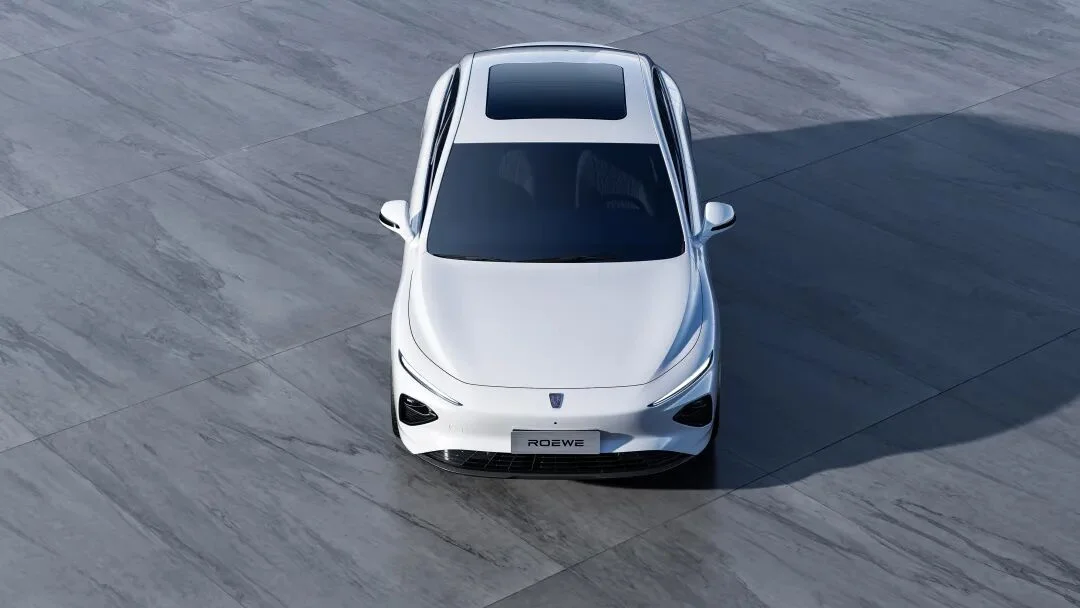
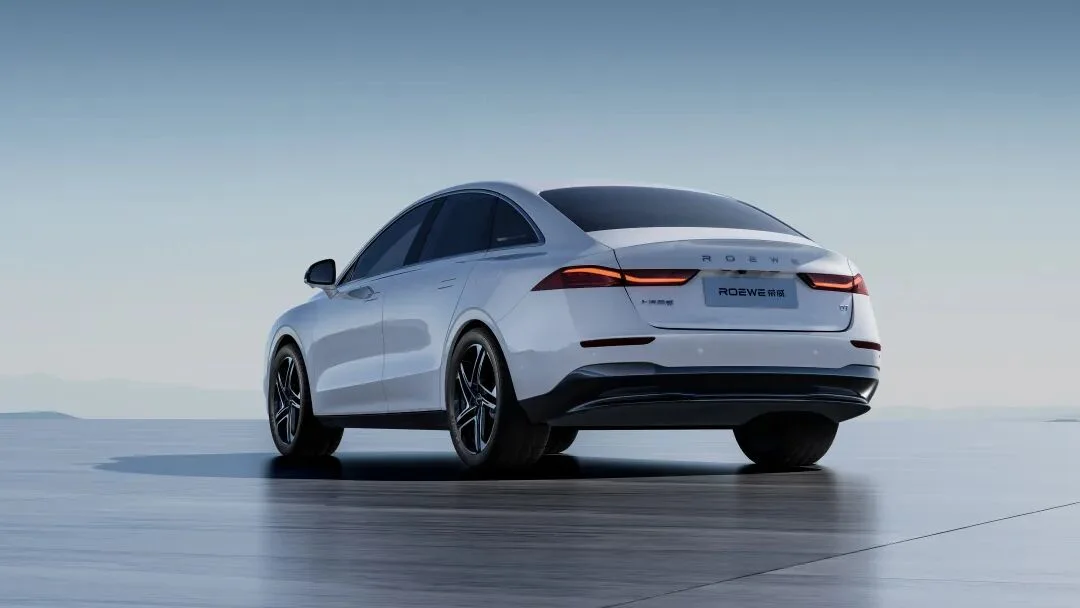
01Exterior and Space Are 'Pleasant'
From an exterior perspective, the D7 adopts Rongwei’s new electrified design language, featuring a grand and avant-garde style. At the front, the D7 eliminates the large grille typical of internal combustion engine vehicles, resulting in a clean, unified face. The split headlights incorporate numerous trendy elements: slender daytime running lights sit above smoked LED headlamps, creating a refined design.
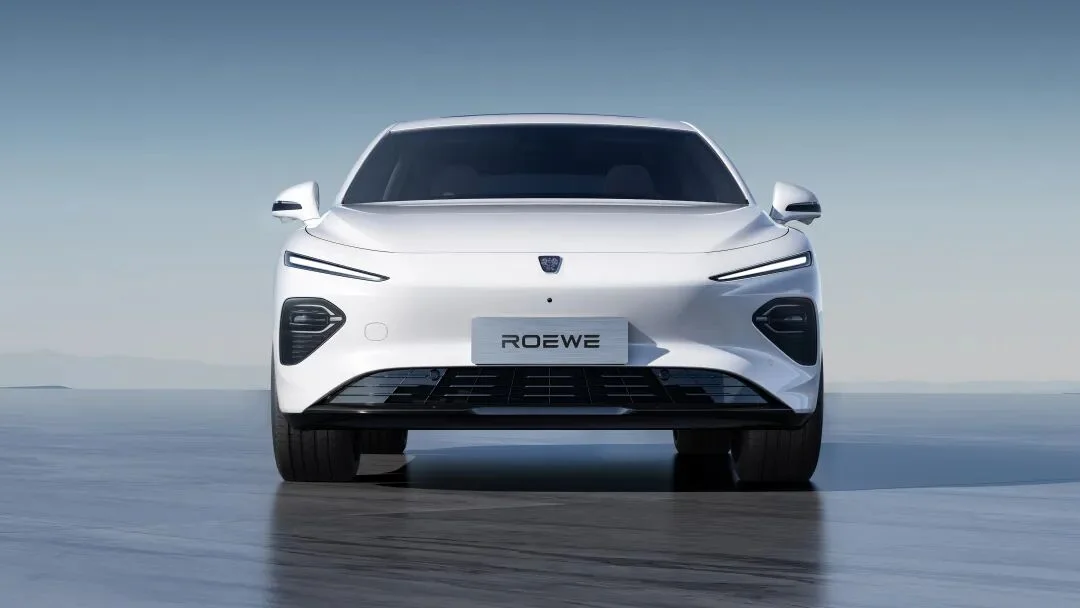
Moving to the side profile, the area above the D7’s character line features an arched design. This styling not only optimizes aerodynamic drag but also provides more spacious interior seating. Paired with 18-inch wheels, the overall appearance is sufficiently imposing.
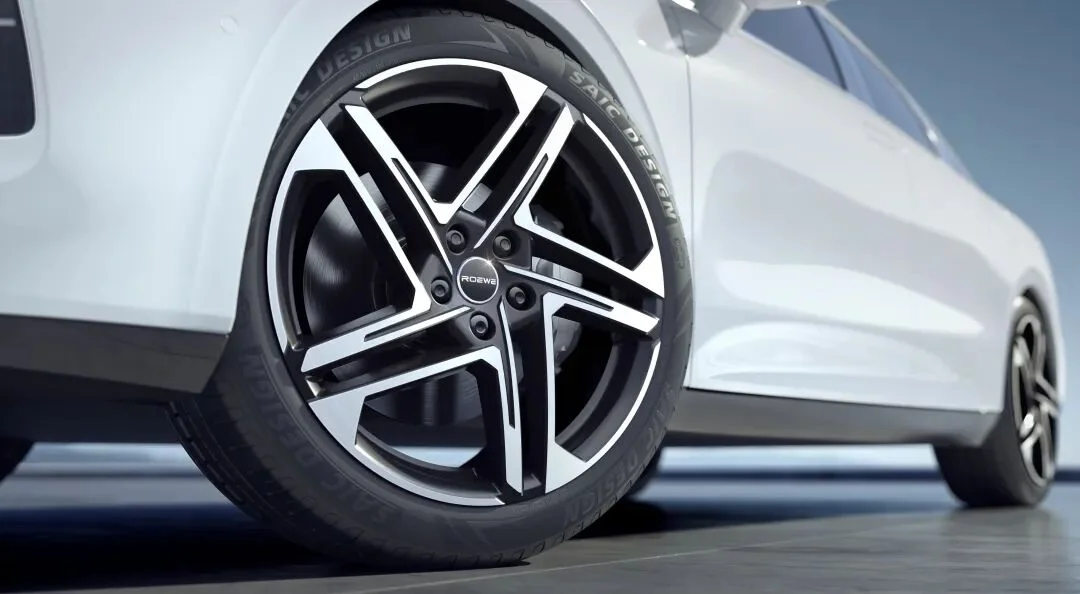
The D7's rear design features a curved shape that is higher in the center and lower on both sides, creating an elegant and rounded appearance while enhancing its fashionability and stability.
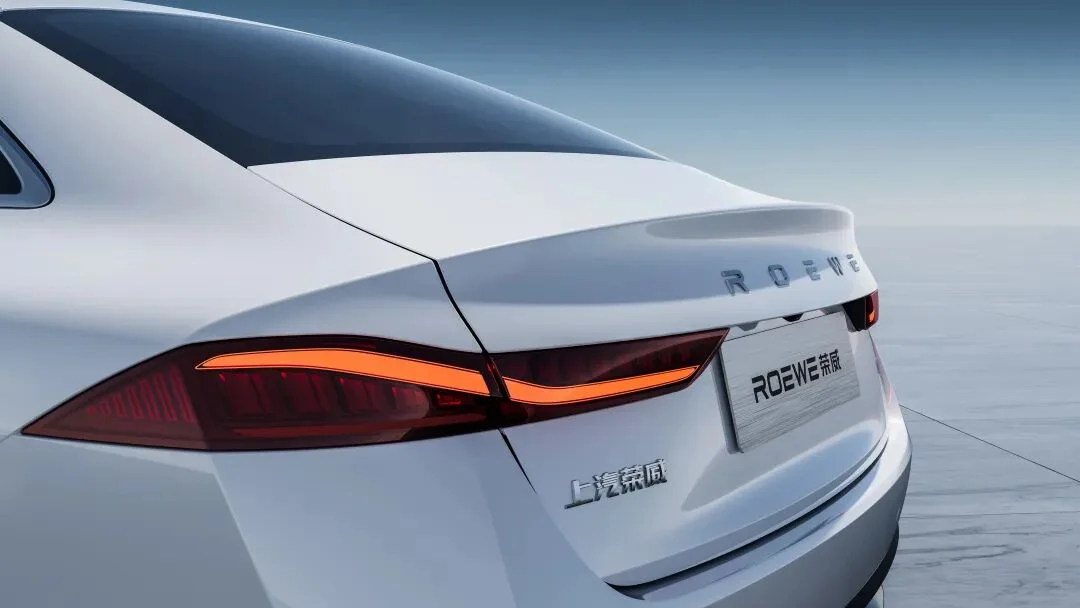
In terms of dimensions, the D7 measures 4,890 mm in length, 1,872 mm in width, and 1,510 mm in height, with a wheelbase of 2,810 mm. These B-segment car dimensions provide ample passenger space. An adult who is 1.8 m tall can enjoy 116 mm of knee room in the second row. Additionally, the total trunk capacity for the front and rear compartments reaches 447 L, promising practical utility.
02Integration of Battery, Motor, and Electronic Control Systems
The Star Cloud Platform mentioned earlier serves as the architectural foundation for the D7.
'Highly modular, scalable, and upgradable' are the core characteristics of the Star Cloud Platform. It supports battery packs ranging from 44 to 150 kWh and charging power levels between 150 and 600 kW. The platform accommodates vehicles from compact to mid-size segments and covers various body styles including sedans, sports cars, SUVs, and MPVs.
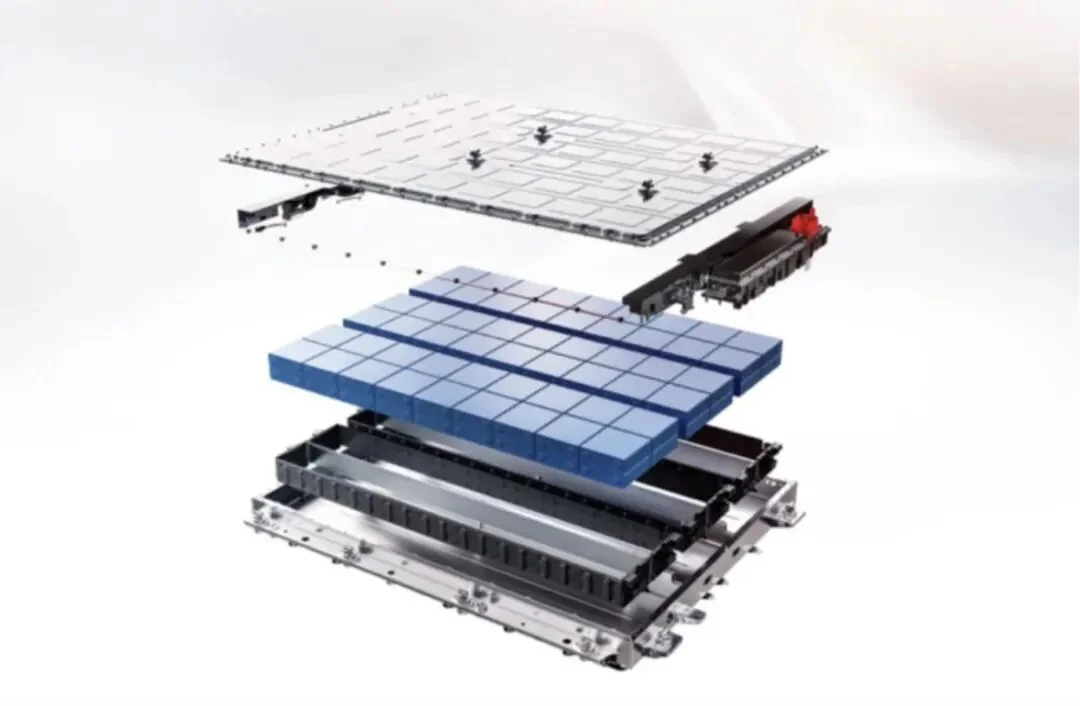
The D7 is equipped with Mofangdianchi, which incorporates 'black technology' such as CTB (Cell-to-Body) and LBS (Lying Battery System) cell configurations. It supports multiple electrochemical systems, including lithium iron phosphate, ternary lithium, and solid-state batteries. The D7 offers two battery options: one using lithium iron phosphate and the other using ternary lithium, delivering CLTC combined range figures of 510 km and 610 km, respectively.
When it comes to battery safety, which concerns users most, Mofangdianchi has developed a five-layer protection mechanism. By integrating hardware and software, it builds a robust safety defense for the entire vehicle.
03B-Class Pure EV Segment Has Huge Incremental Potential
Currently, the market for B-class pure electric sedans lacks models with sufficient competitiveness, despite its enormous demand.
At present, only the BYD Seal and Changan DEEPAL SL03 dominate monthly sales in the B-class pure EV segment, far outpacing their direct competitors.
Why are these two models selling so well?
Our long-term testing reveals that both the Seal and the SL03 offer outstanding advantages over peers in terms of three-electric technology, practical space, comfort, and intelligent features, complemented by excellent driving dynamics. This combination has driven their sales figures steadily upward.
Therefore, to achieve strong sales in the B-class pure EV sector, manufacturers must demonstrate significant innovation in three-electric technology and ensure practical space that meets the needs of families traveling with multiple passengers.
In the B-segment internal combustion engine sedan market, joint-venture brands hold absolute sway. Conversely, in the B-segment pure electric sedan market, joint-ventures have rarely made significant moves. Lagging in new energy transition and lacking advantages in battery, motor, and electronic control technologies, they have left domestic brands to dominate the B-segment pure electric segment.
04Can D7 Become a Phenomenal Product?
As another B-segment pure electric sedan, the Rongwei D7 will face direct competition from the BYD Seal and Changan DEEPAL SL03 upon launch.
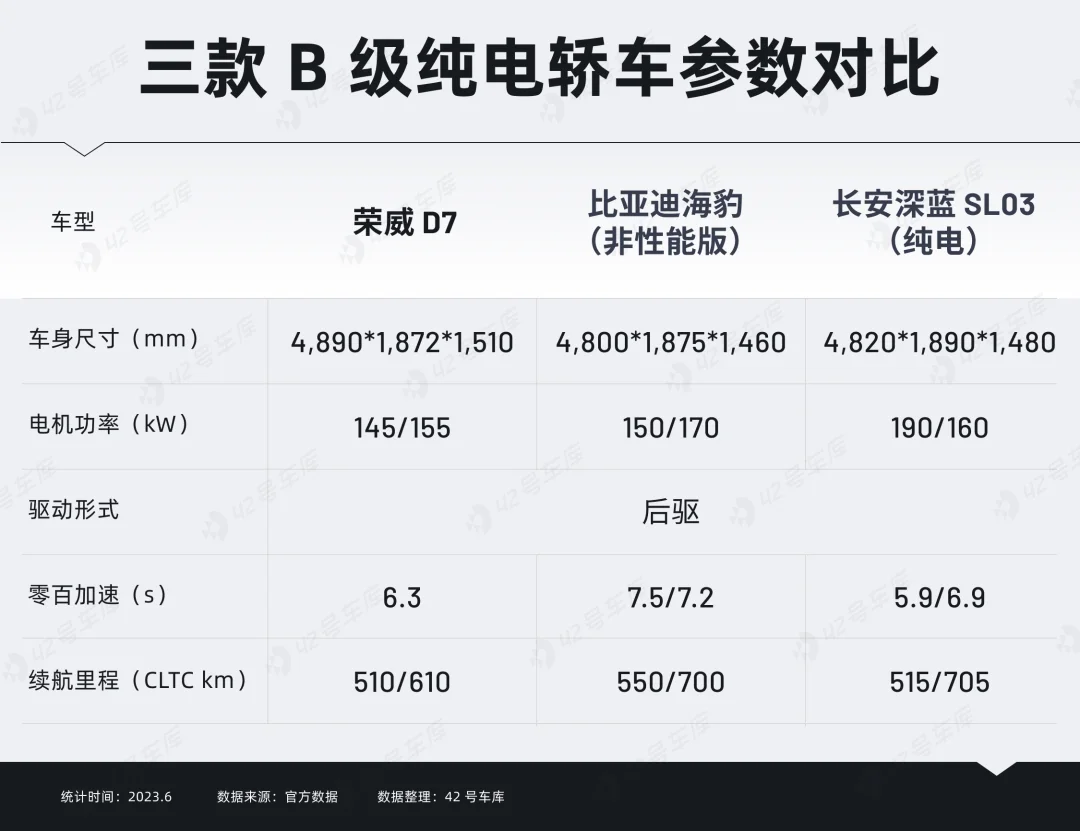
A data comparison reveals that in terms of body dimensions, the D7 holds an advantage in length and height over its rivals.
Regarding motor power, although the D7’s peak figures are not the highest on paper, its 0–100 km/h acceleration time of 6.3 seconds is impressive. It outperforms both the rear-wheel-drive versions of the BYD Seal and the long-range variants of the Changan DEEPAL SL03.
Overall, the D7’s combined advantages in space and performance are quite pronounced. Whether it can compete with the two hit models, the BYD Seal and Changan DEEPAL SL03, remains to be seen by the market.
However, leveraging its rear-wheel-drive architecture, core strengths in battery-motor-electronic-control technology, and practical space for multi-passenger scenarios, Rongwei aims for the D7 to help establish a 'three-way split' product landscape in the B-segment pure electric sedan market alongside the Seal and SL03. Just as the luxury trio BBA is household names in the premium sector, can the rise of Rongwei, BYD, and Changan in the rear-wheel-drive mid-to-high-end pure electric sedan market forge a new 'trio' of domestic pure electric brands?
05Rongwei Accelerates New Energy Transition
Today, both traditional brands and new forces face tests in technological R&D, quality craftsmanship, smart cockpit and driving systems, and battery-electric-motor-electronic-control (three-electric) technologies. Competition in the new energy track has begun, but there is still a considerable period before the final results are revealed.
As the first model of Rongwei's brand-new new energy product sequence, the 'D Family', the debut of the D7 officially marks the beginning of Rongwei's new energy journey. It represents an important step for Rongwei to implement SAIC Motor's 'Three-Year Action Plan for New Energy Vehicle Development' and lays a good foundation for Rongwei's re-entry into the new energy market.
Written by: James Edited by: Daji