


Zhiji LS6 Starts at RMB 214,900: Is Its Smart Cabin Up to the Task?
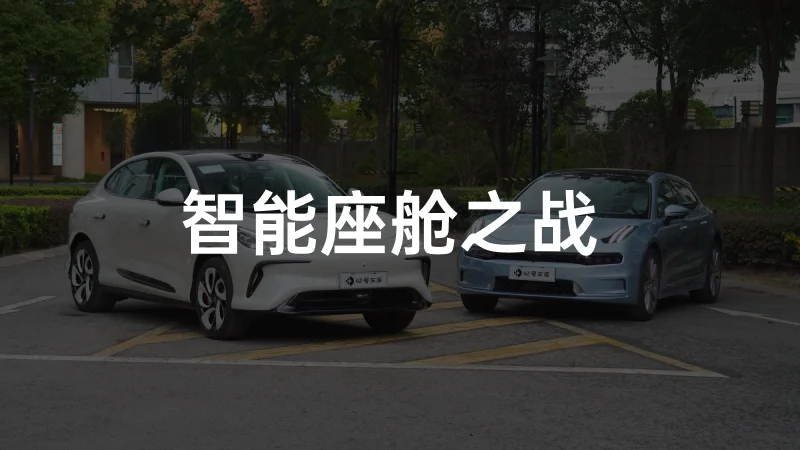
Large screens, smooth operation, engaging features, and intelligence have become the defining characteristics of a modern vehicle's cabin.
This year marks a critical period for Chinese domestic brands to compete in the 200,000 RMB price segment, where premium smart cabin experiences are essential. Last week, Zhiji LS6 launched with a starting price of RMB 229,900, and a limited-time promotional price of RMB 214,900.
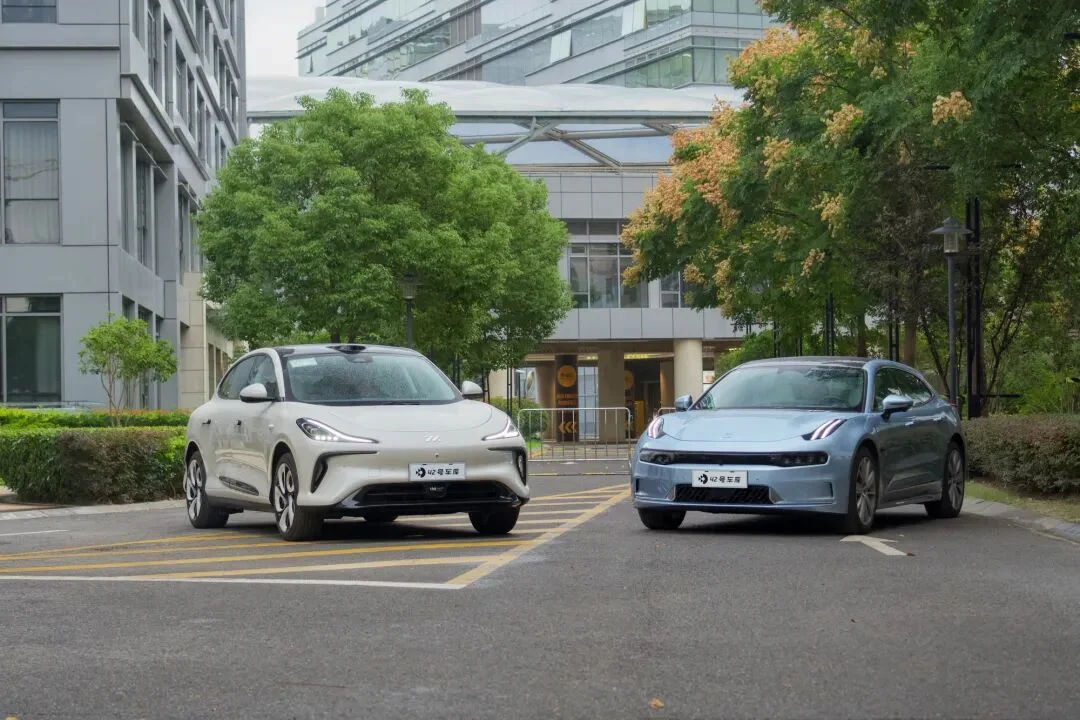
However, this segment faces fierce competition from strong rivals like Tesla Model Y and similarly priced Zeekr 001 models. This raises the question: how does Zhiji LS6’s smart cabin perform, and will it be a key selling point?
To verify this issue, we immediately conducted a head-to-head comparison with the Zeekr 001 after its launch to see which vehicle's cabin is stronger.
01Hardware First Enables Intelligence
The foundation of a smart cabin lies in its hardware; without robust hardware, user experience inevitably suffers.
Once inside, the visual experience corresponds to screen display quality; the tactile experience aligns with screen responsiveness and smoothness, which ultimately depends on the vehicle’s infotainment chip; and the auditory experience is defined by the sound system. Therefore, the most fundamental comparison begins with these three aspects.
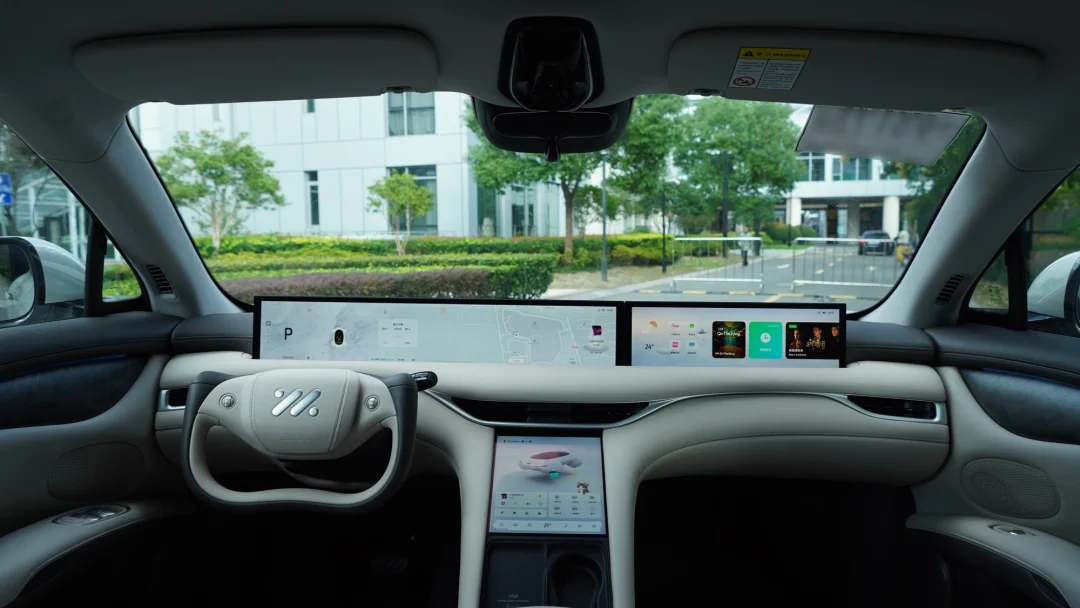
How critical is screen display quality? If the display is poor, you may not even want to open the door or take another look at the car. But if it features a stunning screen, your eyes will be drawn to it immediately, prompting you to get in and sit for a while.
The first impression upon entering the Zhiji LS6 is an exceptionally wide field of view. With the upper half of the steering wheel removed, a screen that can rise and fall, and an interior rearview mirror that folds away, nearly all hardware in the front row yields to the driver’s sightline. The thoughtful hardware layout in the LS6 is genuinely impressive.
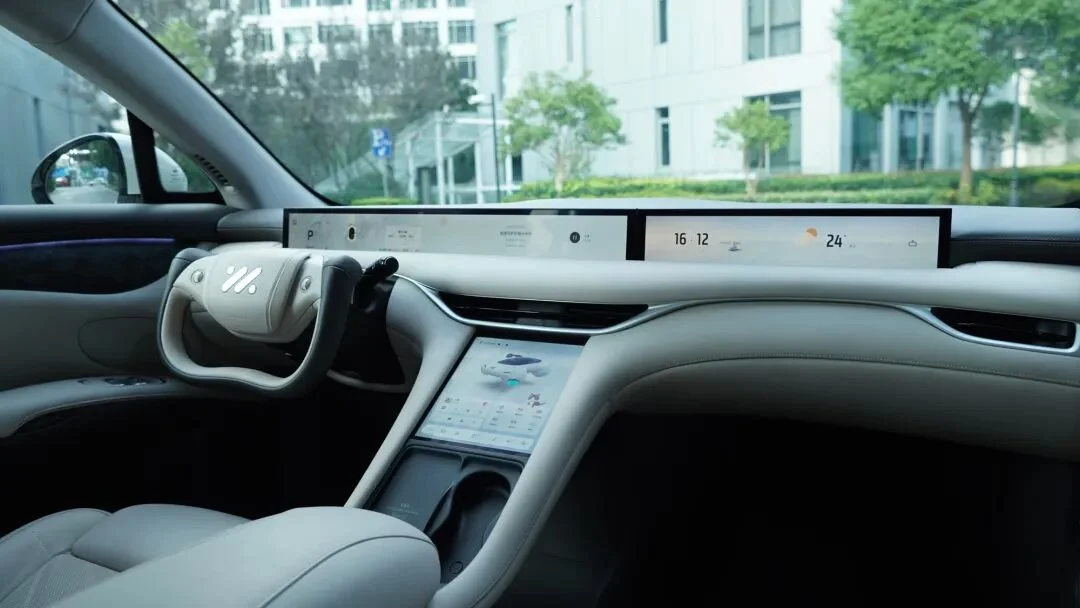
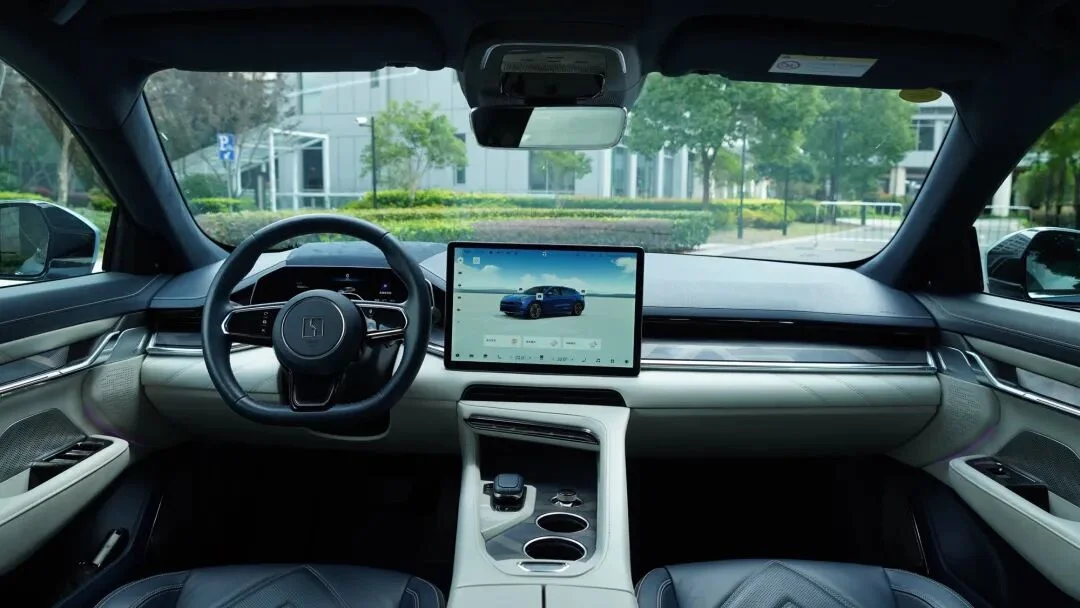
We present a table comparing the screen specifications in the cabins of the Zhiji LS6 and the Zeekr 001. In terms of sheer visual impact, the Zhiji LS6’s retractable screen holds a clear advantage.
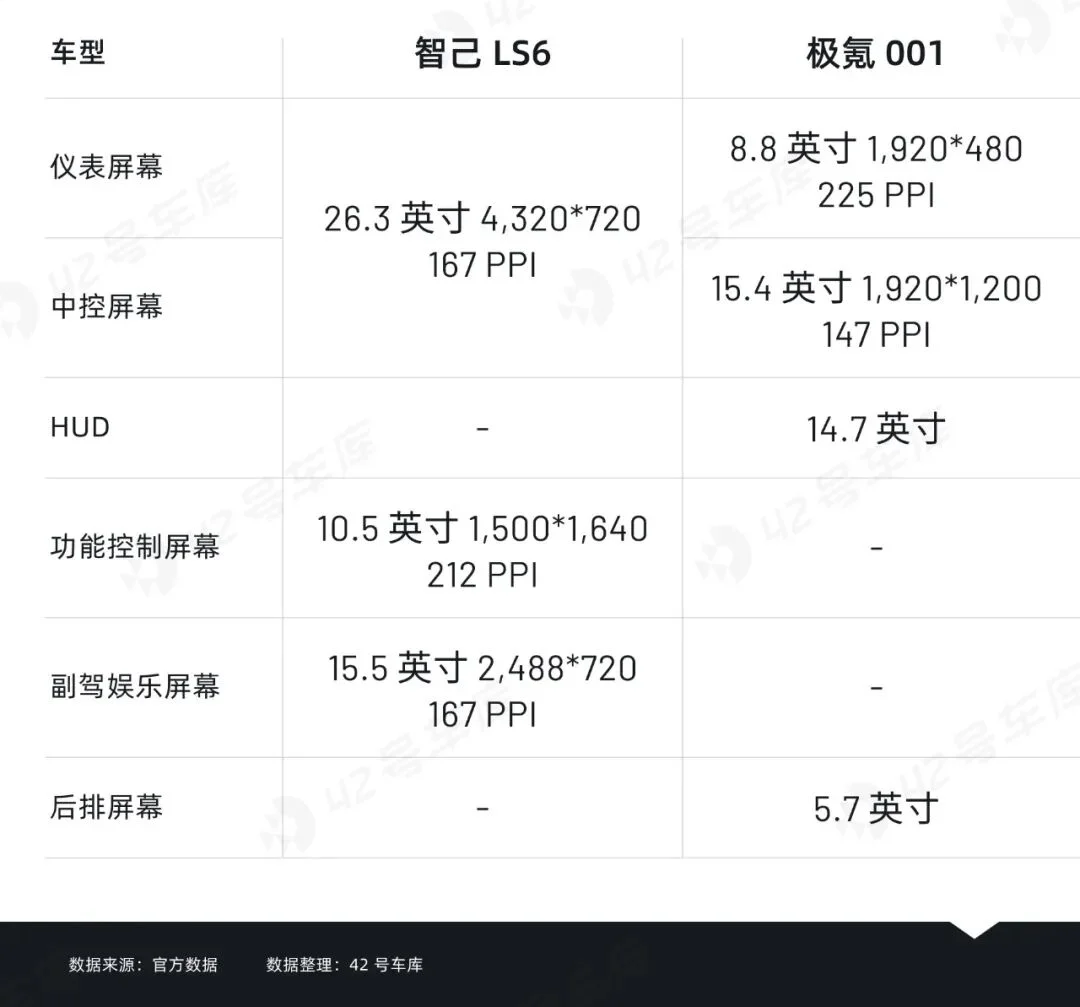
If we look more closely at screen quality, the Zhiji LS6 is slightly finer, thanks to its higher pixel density. The pixel density of both upper screens is 167 PPI, and that of the lower function control screen is 212 PPI.
The Zeekr 001’s advantage lies in its instrument cluster, which is sharper with a pixel density of 225 PPI, though it is relatively small. Its central infotainment screen is larger but has a lower pixel density than the LS6’s, at 147 PPI.
The data is a close contest, but the actual visual difference between the two is minimal; both deliver excellent, fine-grained clarity.
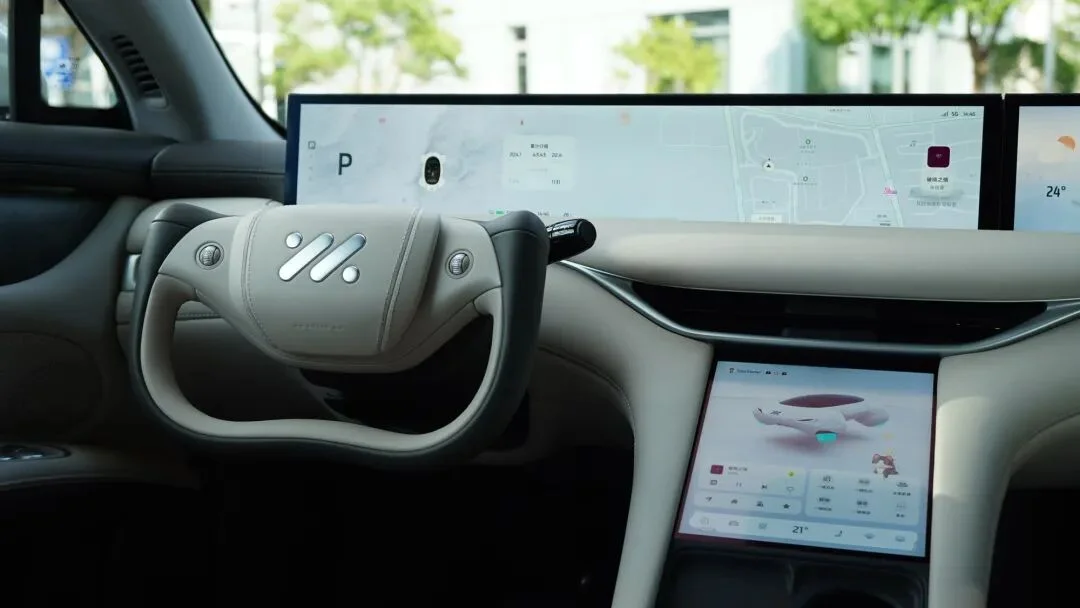
Another aspect to compare is the screen layout. The Zhiji LS6 integrates the instrument cluster and central display into a single unit, creating a more cohesive visual experience. Paired with a semi-rim steering wheel, it does not obstruct the screen at all. During driving, all information is displayed on one screen, eliminating the need to shift gaze between multiple screens.
The display is one screen, and the interaction is another. A function control screen sits within easy reach of the driver’s right hand, integrating all commonly used in-car functions, which the driver interacts with more frequently.
This screen layout serves two purposes: on one hand, it makes touch interaction easier by keeping the screen within reach; on the other hand, it keeps the display focused, without unrelated information obstructing the view.
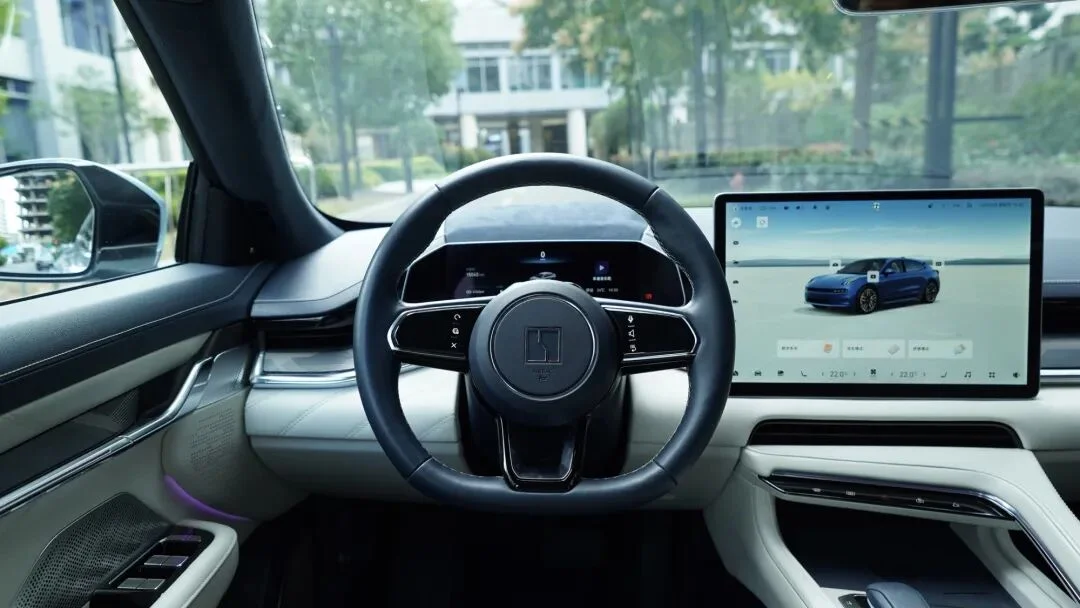
The Zeekr 001, meanwhile, opted for a more common screen layout: an independent instrument cluster, HUD, and central screen tilted toward the driver—a configuration familiar to most drivers. Zhiji’s screen layout is better suited for smart vehicles, presenting all driving-related information on the instrument display while distinguishing between screens responsible for interaction and those for display, allowing the screens to better serve driving.
Regarding the chip, both the Zhiji LS6 and Zeekr 001 use the Gaotongxiaolong 8155, giving their infotainment systems a similar theoretical performance baseline.
In the audio comparison, the Zhiji LS6 features a 7.1.4 surround sound system with twenty speakers. By utilizing seven surround channels, one subwoofer channel, and four height channels, it can better recreate the immersive feeling of a live venue. Additionally, Zhiji has created a dedicated spatial audio zone for this system, which enhances the sense of space when paired with the speakers.
The Zeekr 001 compared here was equipped with an optional YAMAHA audio system, which reduced the sense of space in the listening experience. It offered only a stereo effect, making the positioning of sounds from above, below, front, and rear not particularly distinct.
Due to differences in vehicle class and price, certain hardware configurations on the Zeekr 001 still surpass those of the LS6. For example, the Zeekr 001 maintains an advantage in features such as the rear-seat screen and comfort amenities.
With excellent screens and multi-screen interaction, the Zhiji LS6's smart cockpit hardware configuration is sufficiently strong. Equipping it with high-quality hardware actually lays a solid foundation for the software experience, giving the system and software greater room to perform.
02Good Hardware Enables a Superior System
Under identical hardware computing power, system optimization directly impacts the user experience. A superior infotainment system better supports driving or allows users to achieve a higher degree of personalization. How do these two vehicles compare in this regard?
Different UI Design Approaches
The Zhiji LS6’s system UI is refined and detailed, with careful attention to both functional buttons and app icons. The design maintains high consistency across multiple screens and interfaces.
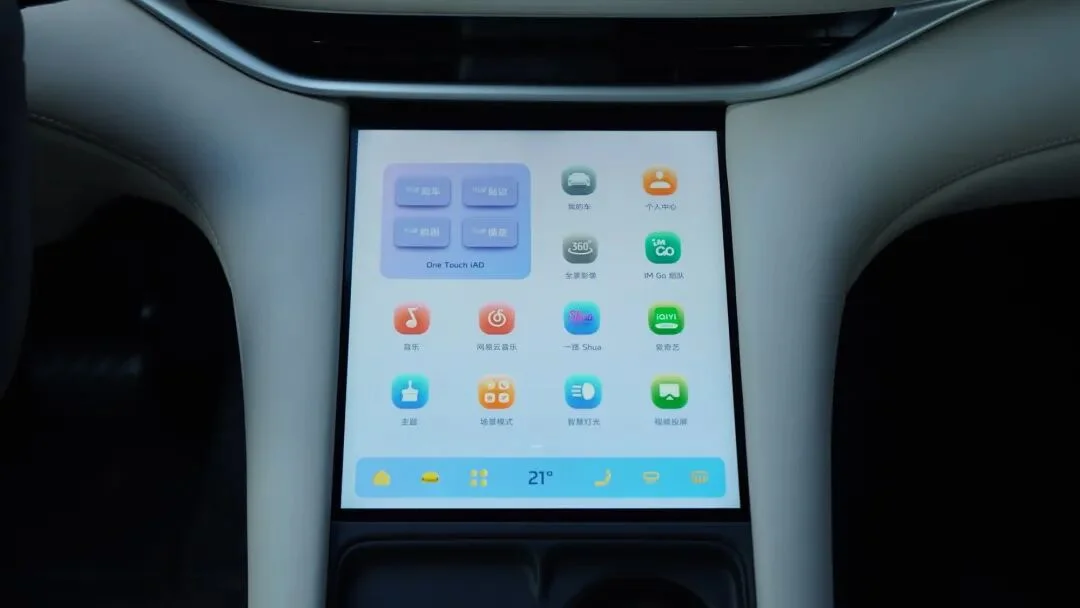
The map interface has been specifically optimized for the system. Its color scheme matches the overall system aesthetic, and its edges feature a smooth gradient transition into the instrument cluster display, creating a visually pleasing effect.
All app icons follow a unified design style that adapts seamlessly when themes are changed.
Mainstream audio platforms—QQ Yinyue, Wangyiyunyinyue, and Ximalaya—have been deeply customized for the in-vehicle system and optimized for multi-screen displays.
The main page of the function control screen integrates numerous buttons, allowing drivers to easily access them within reach.
Several preset themes are available inside the vehicle; switching themes adjusts the system’s color configuration and the 3D car model representation accordingly.
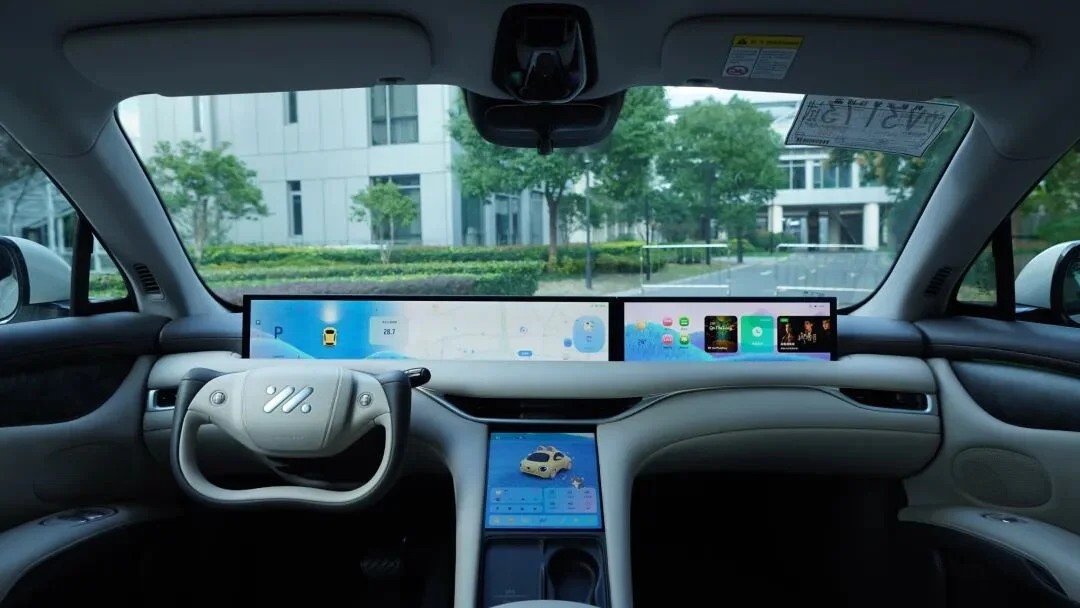
One detail is that the text is large enough; in some cases, the text for frequently used functions is even larger than the icons. This differs from the common combination of large rounded-rectangle icons with small text found on smartphones and computers.
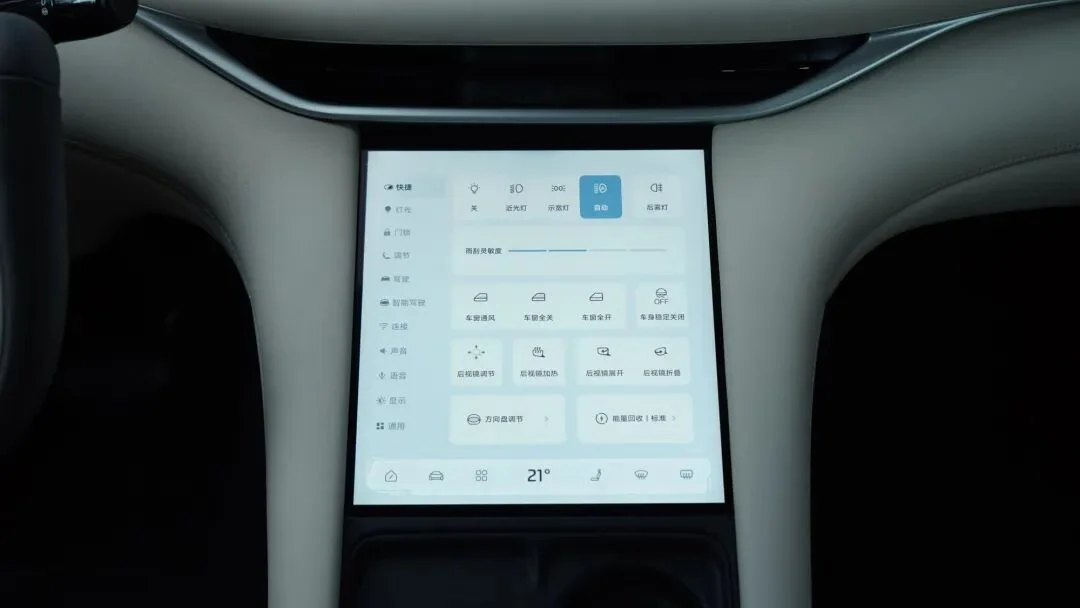
On the vehicle’s infotainment screen, icons and text of the same size offer higher recognizability, preventing accidental touches caused by unclear or unrecognizable icons.
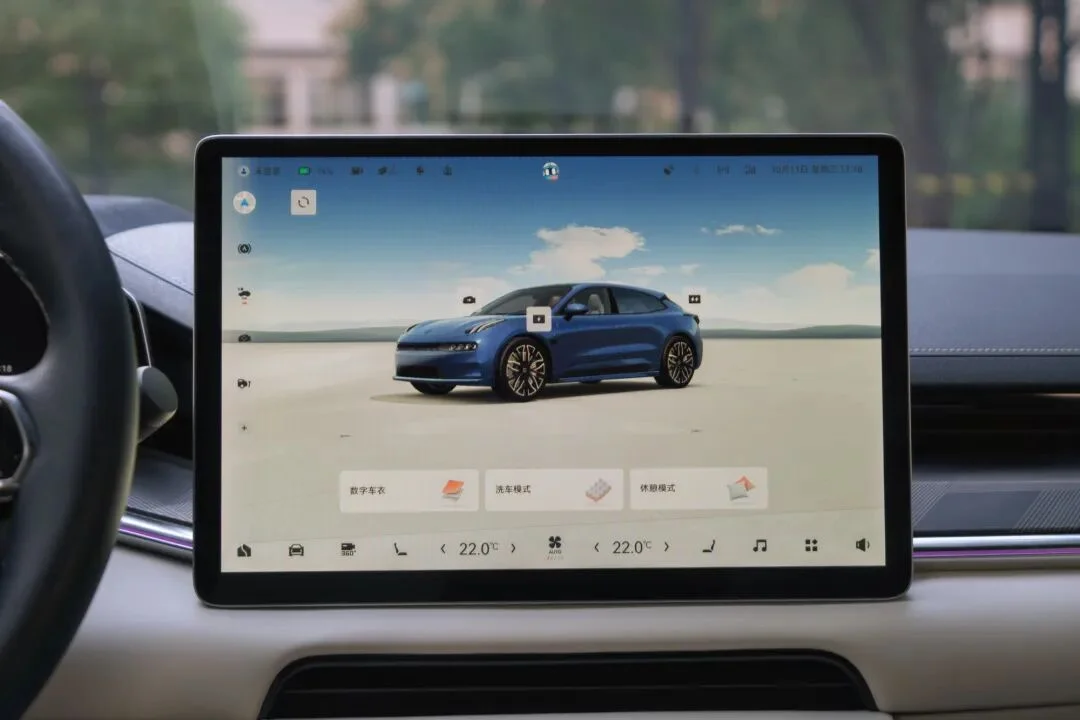
After updating to ZEEKR OS 5.0, the Zeekr 001 had its icons extensively redrawn, and the system UI layout became flatter and more aesthetically pleasing.
In terms of design, the Zeekr 001 offers drivers more customization options. However, this customization goes beyond a one-click theme switch, achieving a higher degree of personalization.
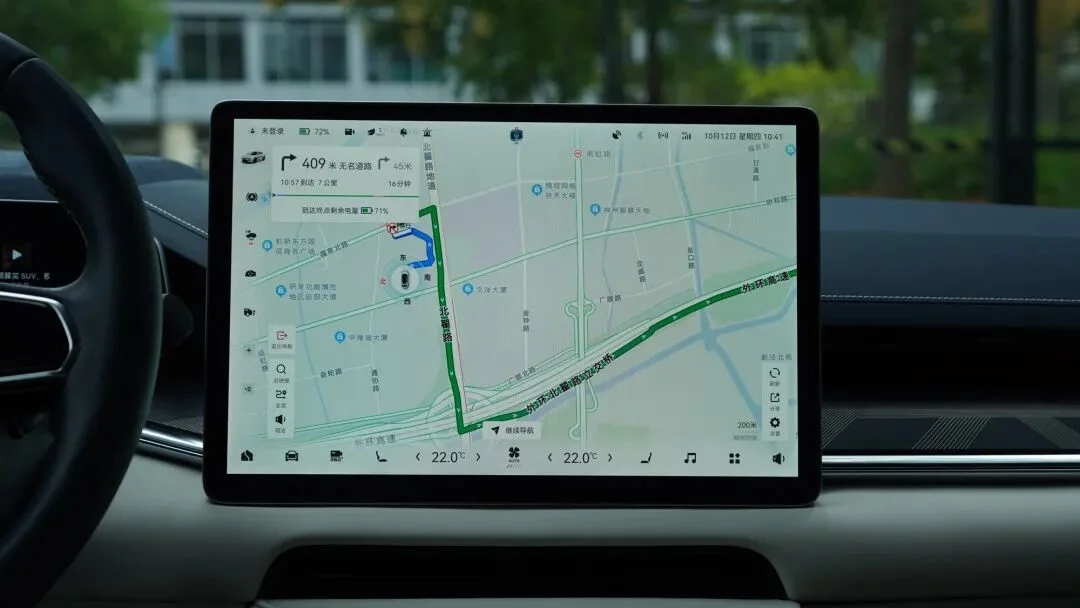
For example, the Zeekr 001 features two home screens for vehicle controls and maps; users can freely switch between different car wraps in the 3D vehicle model; frequently used buttons on the left side of the screen allow for customizable function combinations; and map desktop widgets offer quick operations with adjustable sizes.
This design philosophy differs significantly from that of the Zhiji LS6 cabin. The Zhiji approach resembles a 'lazy mode,' where changing the theme with one click updates the interface. In contrast, the Zeekr 001 feels more like a 'developer mode.' While it offers higher customization, the initial setup and habit-forming process are more complex.
Responsiveness and Smoothness
Responsiveness and smoothness are another core metric for infotainment systems. Measured by data, lower screen latency results in better responsiveness.
In this regard, the Zhiji LS6 outperforms the Zeekr 001. Our tests showed that the Zhiji IMOS 2.6.0 system has an average touch latency of 0.16 seconds, which is lower than the 0.22 seconds recorded for the Zeekr 001. During daily use, such as operating the map, swiping the touchscreen, or switching apps, the Zhiji system demonstrated superior performance.
System Features Enhance Usability
Another indicator of whether a car's infotainment system is easy to use is its system functionality. The Zhiji LS6 comes equipped with a feature set called One Touch iAD, which includes one-touch parking, one-touch edge alignment, one-touch escape, and one-touch track following.
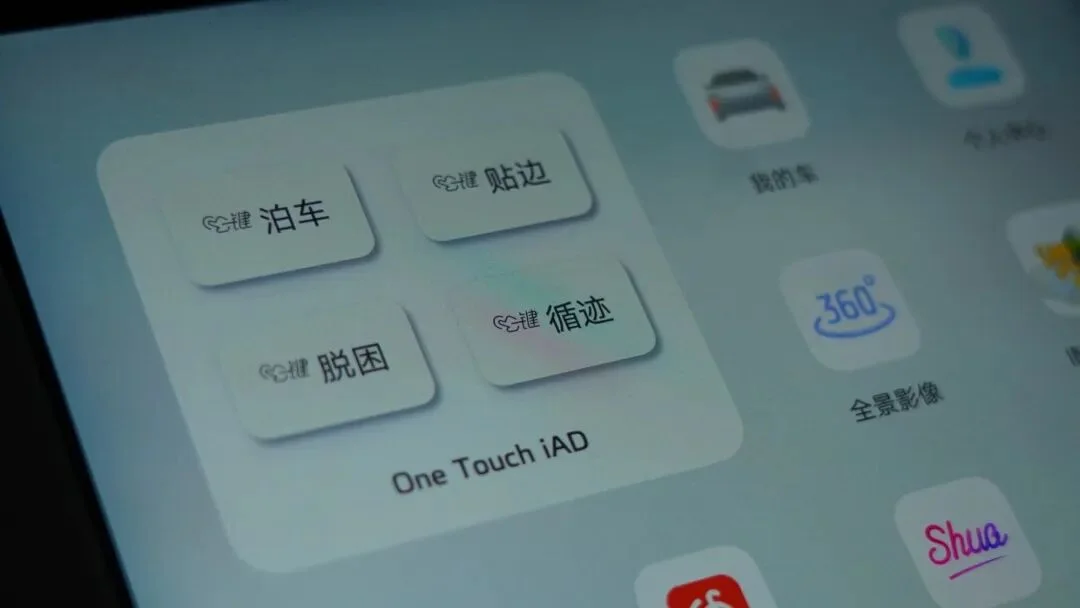
When facing parallel parking scenarios, the most difficult aspect is getting close to the curb. In such cases, 'One-Touch Park' can move the vehicle left or right in 15 cm increments for easy positioning.
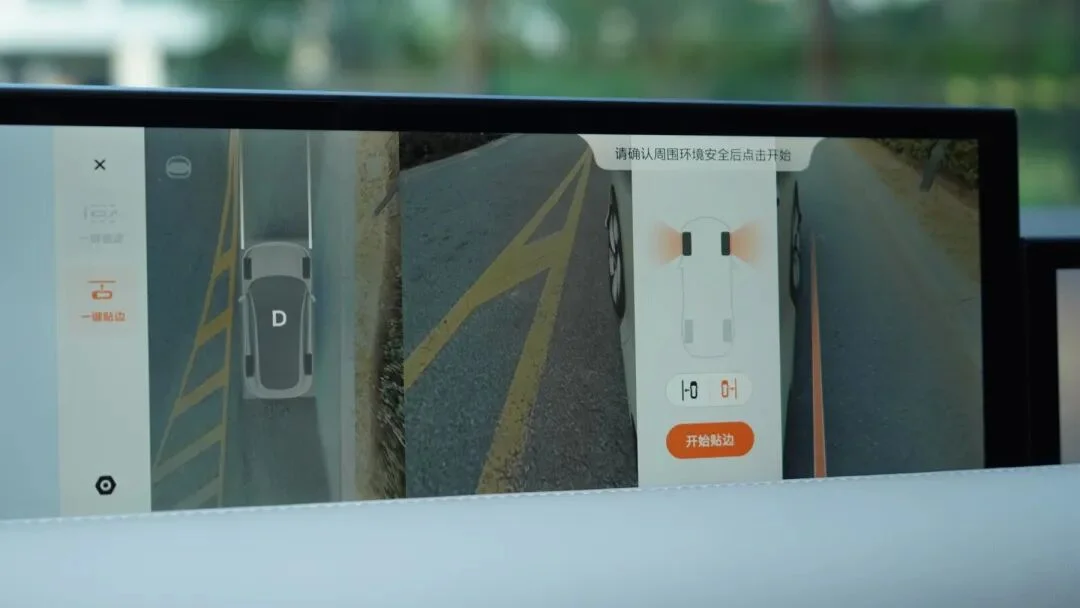
Another challenge is exiting tight spaces on narrow roads. 'One-Touch Escape' allows the vehicle to automatically adjust its exit angle to help it maneuver out.
Finally, there is the track-reversing feature, which is typically found only on high-end SUVs. When a narrow road makes it difficult to turn around and reversing feels risky, 'One-Touch Track Reverse' can automatically guide the car back along its original path.
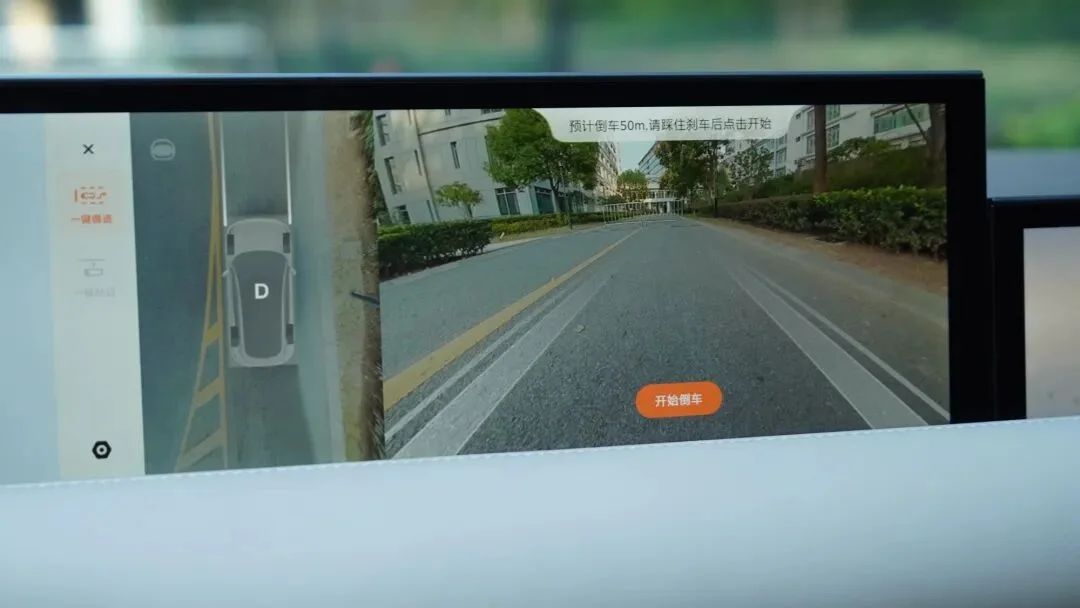
During my days using the car, my anxiety about the first and last 50 meters of every trip was significantly reduced.
Currently, the Zeekr 001 is equipped only with remote straight-in/straight-out functionality, meaning its parking-related intelligent features are relatively limited.
While driving in urban areas, drivers inevitably shift their gaze between the road, rearview mirrors, and the infotainment screen. This visual distraction can create safety hazards. Intelligent blind-spot imaging helps mitigate these blind spots.
When the speed drops below 20 km/h and the left turn signal is activated, the Zhiji LS6 displays an A-pillar blind-spot view on its screen.
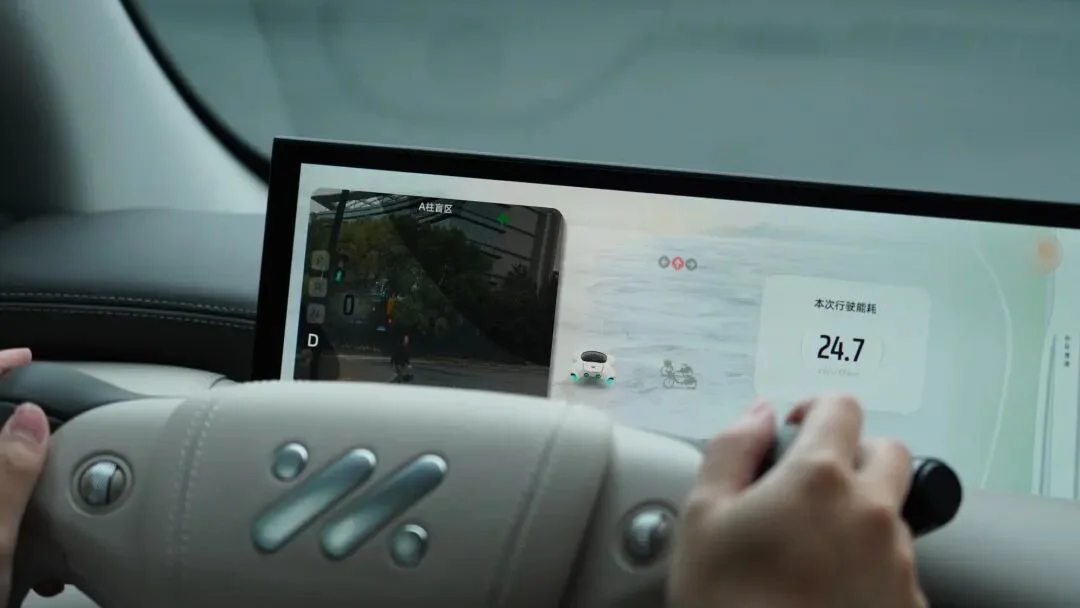
When the speed exceeds 20 km/h, the screen displays a side-rear view. Toggling the right-hand steering wheel roller also quickly activates the rearview camera, effectively turning the cabin into a digital rearview mirror.
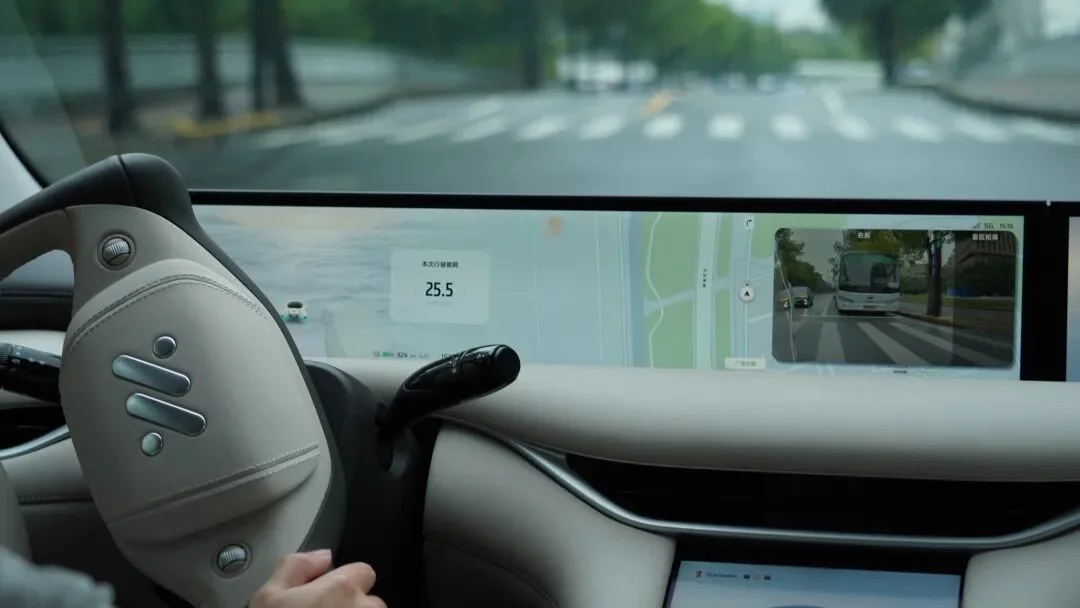
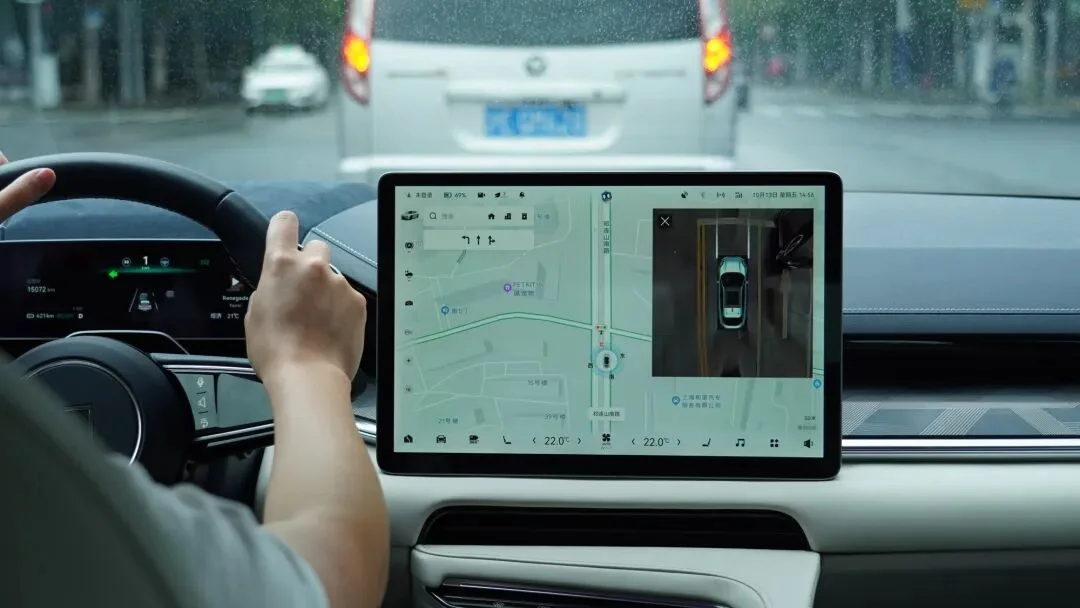
The Zeekr 001 also features a similar function, providing only a bird's-eye view via surround-view cameras. However, due to limitations in screen placement, the bird's-eye view remains on the driver's right side during left turns, which may reduce drivers' willingness to use it.
There are also differences in clarity. The Zhiji LS6 directly utilizes images from its ADAS cameras; for instance, the A-pillar blind-spot view draws from the 8-megapixel front-facing camera, resulting in significantly higher resolution. This indicates a deeper integration between the Zhiji LS6’s cockpit and autonomous driving systems.
After comparing system UIs and features, the Zhiji LS6 demonstrates stronger customization, interface aesthetics, and basic functionality compared to the Zeekr 001.
It is precisely in the current era of human-machine co-driving that practical system features help reduce driving anxiety, allowing drivers to focus more on the road ahead.
At the same time, the functional advantages of the Zhiji LS6 are made possible by its excellent hardware. This is also why the Zhiji LS6 has been able to offer several unique features in the 200,000 RMB price segment.
03App Ecosystem for Enjoyment
With an excellent system in place, the next 'level' is the application ecosystem. Hardware still leads here: with premium audio and a rare passenger screen for vehicles in the RMB 200,000 price range, can the Zhiji LS6 ensure that both the driver and front passenger have a great experience?
On the Zhiji LS6, QQ Yinyue, Wangyiyunyinyue, and Ximalaya all offer customized interfaces. Combined with the IMUSIC platform and other third-party news apps, the audio content is sufficiently rich. In particular, the two core music platforms have undergone deep customization, which deserves praise.
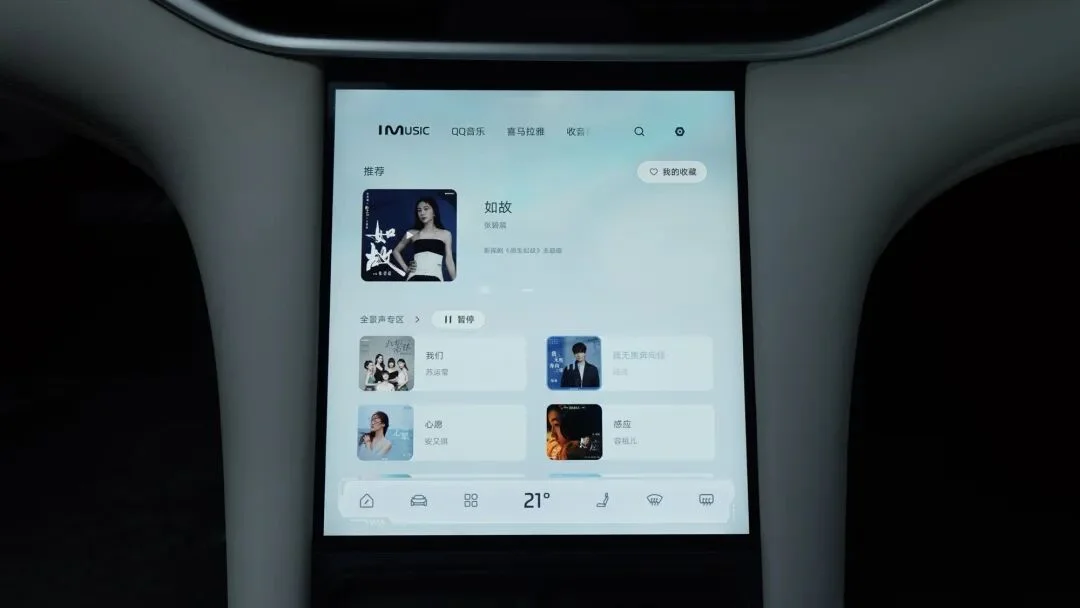
For video, it also includes Bilibili and Aiqiyi, both adapted for the car screen, providing a good experience.
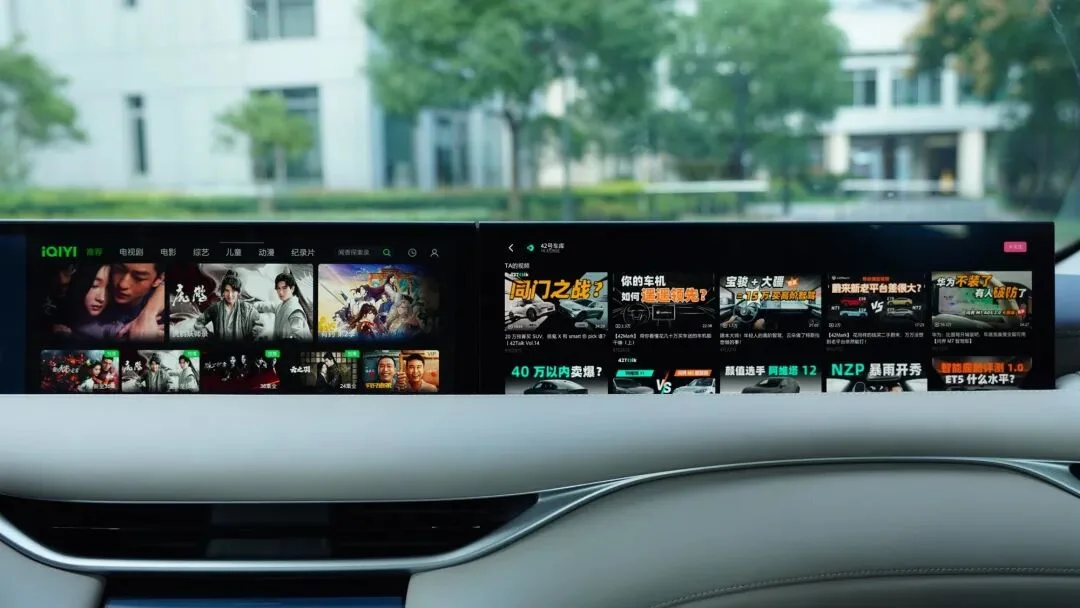
The Zeekr 001 offers a richer application ecosystem than the LS6, including additional apps such as Migushipin, Leishi KTV, and 2048 mini-games.
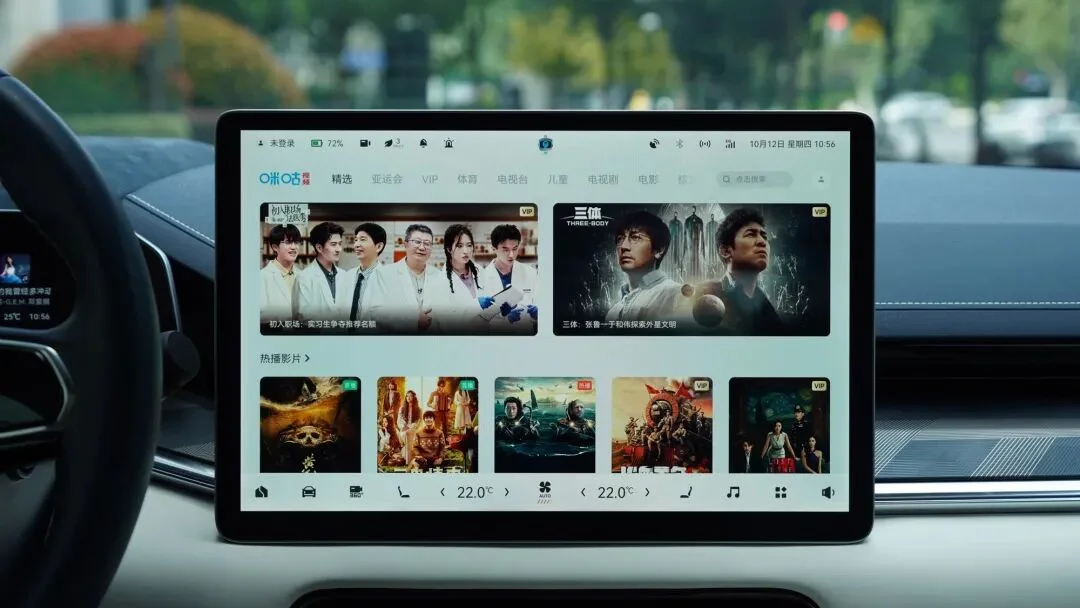
While it is relatively easy to catch up on the application ecosystem through an OTA update, a robust ecosystem requires a massive user base. For instance, Tesla’s high sales volume ensures that its infotainment system includes almost all mainstream audio and video platforms. Therefore, expanding Zhiji LS6’s app ecosystem depends on both the manufacturer’s progress and overall sales figures.
Over the past six months, Zhiji has incrementally updated its in-car OS with practical features like One Touch iAD, Yilu Shua, and IM Go group driving. These updates are making the infotainment experience increasingly refined. Meanwhile, the Zhiji LS6, launched less than a week ago, has already secured 38,000 small reservation orders.
Another aspect of the ecosystem involves enhancing the fun factor of the in-car system. Both the Zhiji LS6 and the Zeekr 001 offer various entertaining features, such as smart exterior lighting.
The Zhiji LS6's taillights can display different patterns, allowing the vehicle to greet drivers behind it or show messages like thanks or likes. The level of customization is quite high, a feature the Zeekr 001 currently lacks.
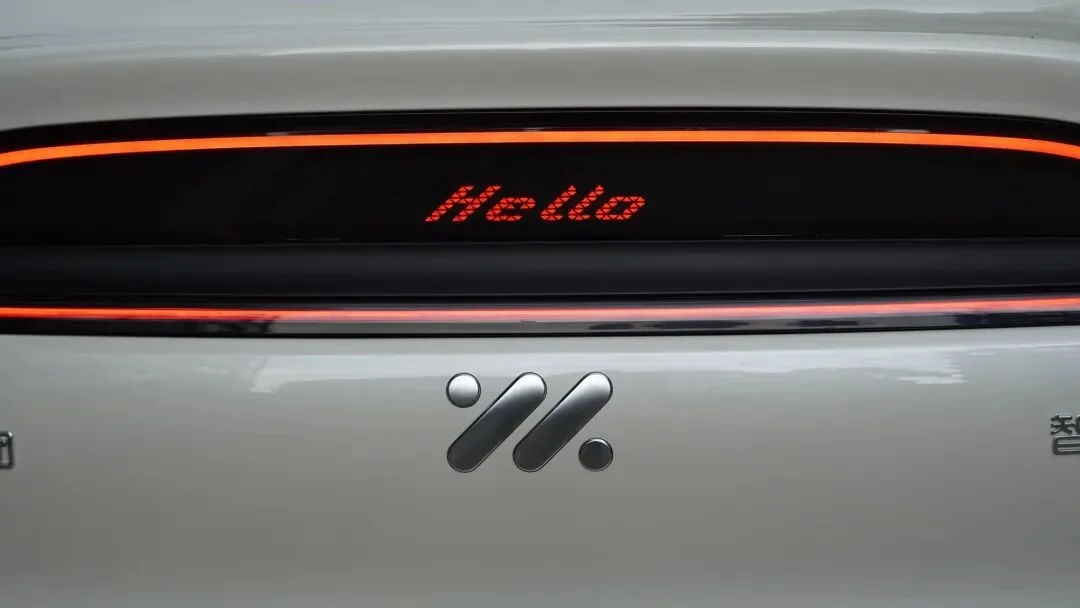
When parked, there are even more engaging light shows. However, the Zeekr 001’s light show is more spectacular. Once activated, the Zeekr 001 can make all front and rear lights flash simultaneously, creating a more impressive visual display while parked.
04Conclusion
From the perspective of comprehensive product strength and pricing, the newly launched LS6, with a starting price of RMB 229,900, an 800 V silicon carbide platform, a multi-dimensional smart cockpit, and advanced driver assistance systems, possesses the characteristics of an excellent pure electric vehicle.
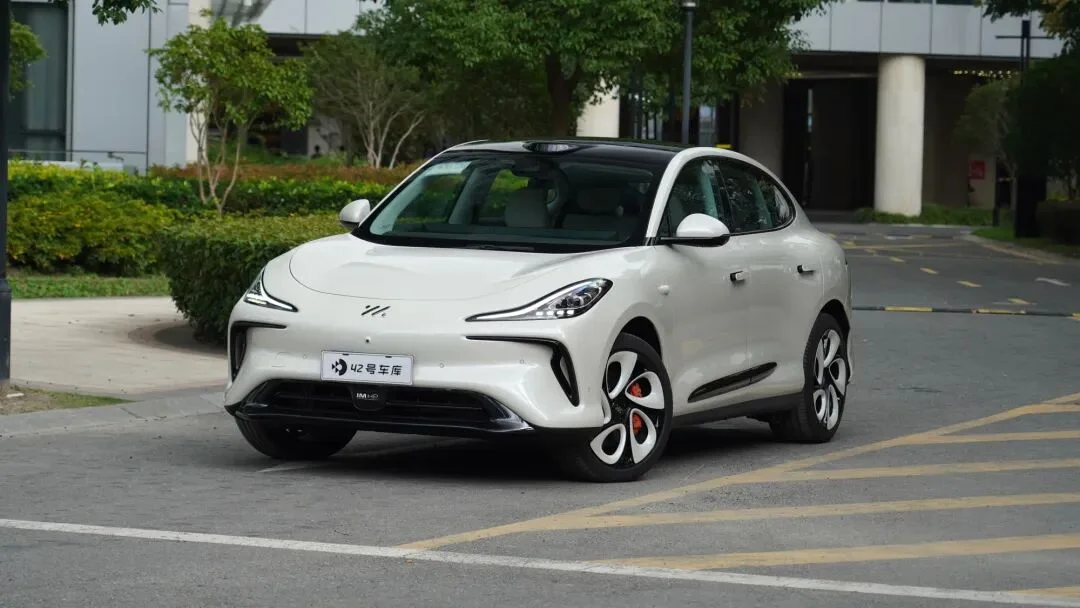
However, in the RMB 200,000 to 300,000 price segment, there are plenty of formidable competitors. The already available Tesla Model Y and XPENG G6 are no pushovers. In such a fiercely competitive market, hitting user pain points and pursuing differentiated competition is the key to success.
The Zhiji LS6 follows this approach, lacking none in its core competitive areas: battery, electric motor, and electronic control systems; driver assistance; and the smart cockpit. While everyone is competing on 800 V technology, the high-spec versions of the Zhiji LS6 directly adopt 'near-900 V' architecture; while everyone is competing on driver assistance, the LS6 comes standard with LiDAR across all trims; and while the smart cockpit is important, the LS6 adds a passenger-side screen. Furthermore, even the front and rear window glass on the LS6 features double-layer laminated construction.
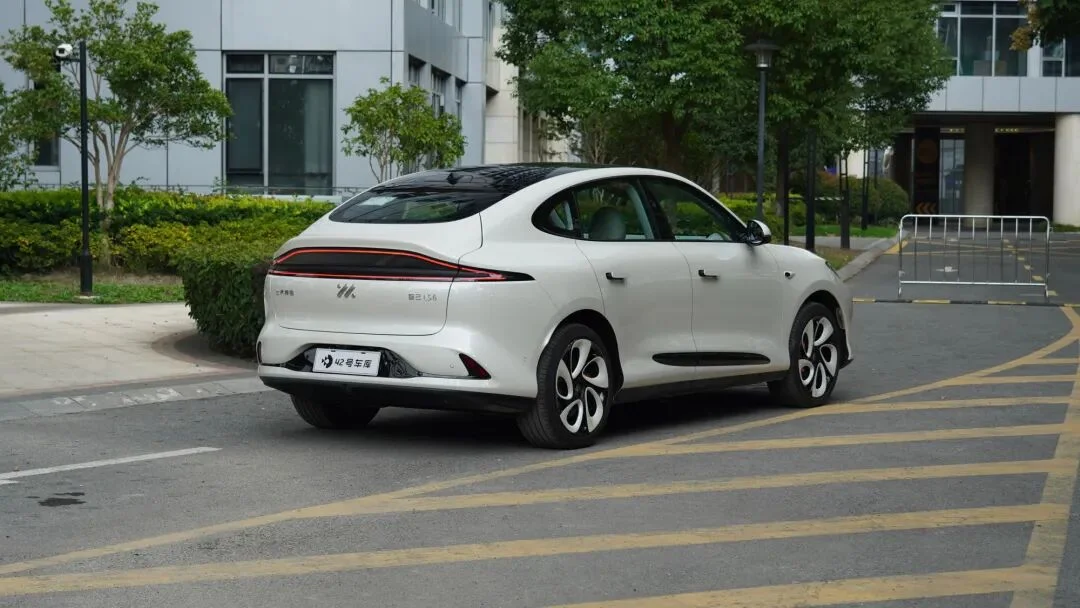
The price war of 2023 continues. For consumers, the sweet spot for new technologies such as navigation-assisted driving, 800 V platforms, and excellent smart cockpit experiences has arrived. With the Zhiji LS6 entering the market at RMB 229,900, competition in the RMB 200,000–300,000 pure electric SUV segment has intensified, facilitating the wider adoption of superior technologies.
Written by James Edited by Jiang Xiaohei