


Half the Price of a Model 3: Leapmotor Offers LiDAR for Under RMB 120,000
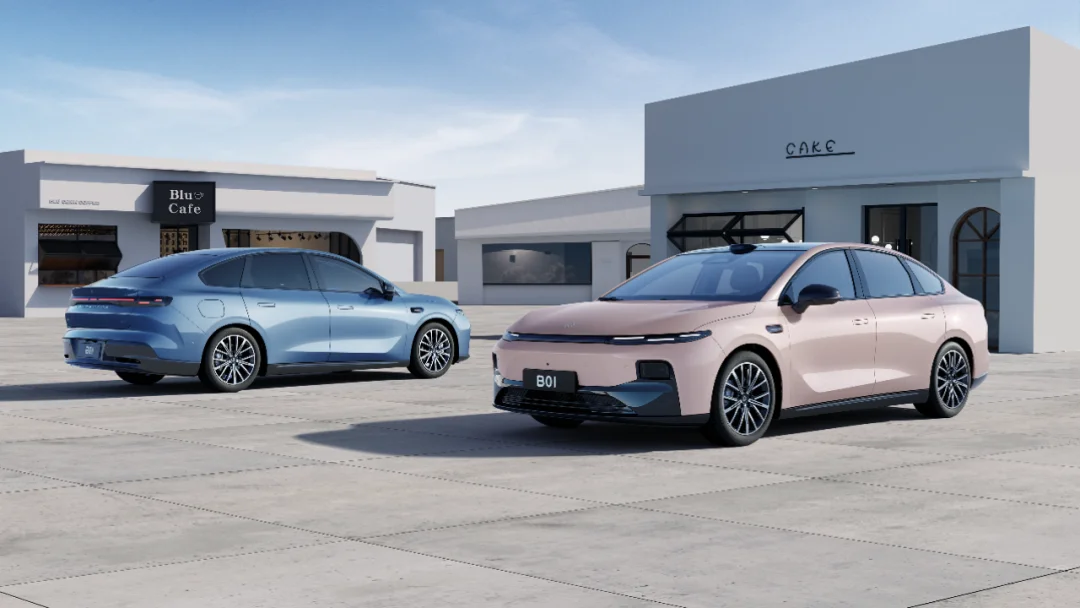
"The pricing announcement for the Leapmotor B01 could reshape the market landscape," said Cao Li, vice president of Leapmotor, during the B01 launch event held last night, prior to the final price reveal.
When the starting price of RMB 89,800 was announced, attendees realized this was no empty boast, and the room erupted in cheers.
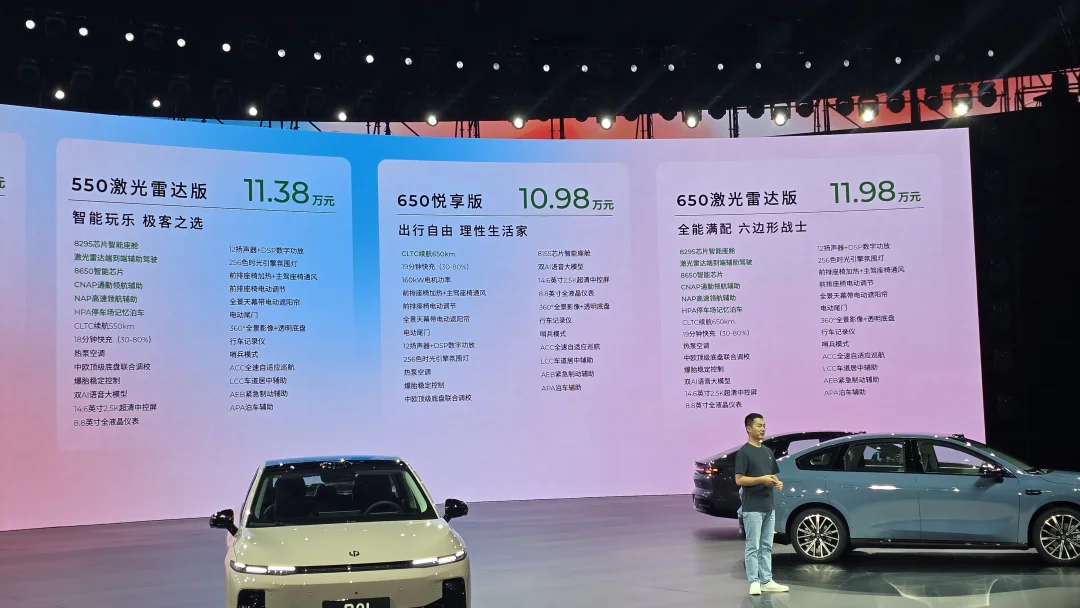
Six variants were unveiled for the Leapmotor B01: the 430 Comfort Edition, 550 Comfort Edition, 550 Premium Edition, 550 LiDAR Edition, 650 Premium Edition, and 650 LiDAR Edition, with prices ranging from RMB 89,800 to RMB 119,800.
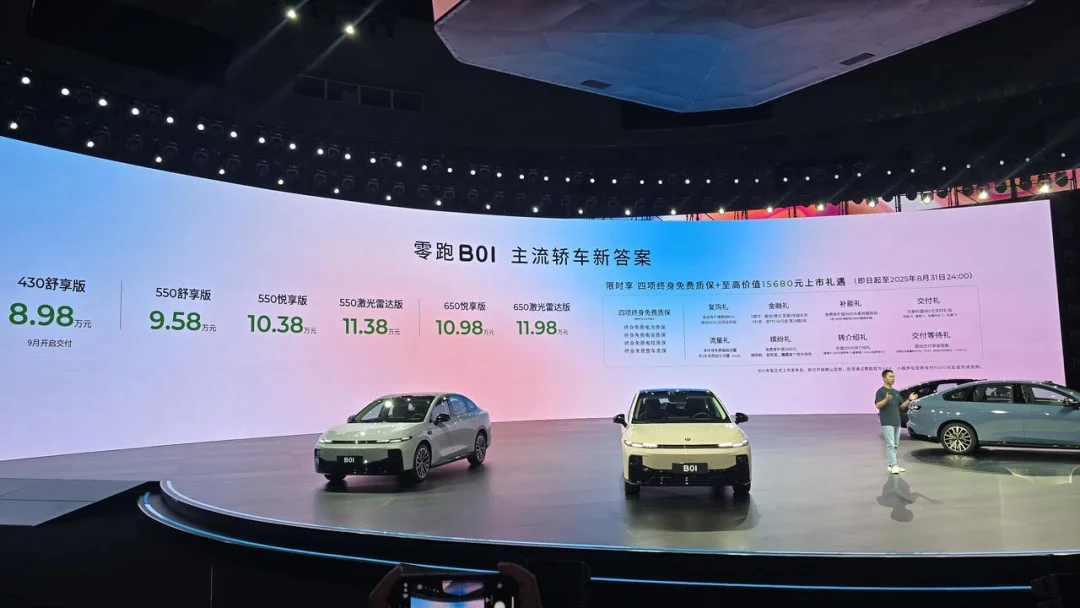
With the exception of the 430 Comfort Edition, which will begin deliveries in September, all other versions are available for immediate delivery upon launch, sparing customers from long waits.
What kind of electric vehicle can be purchased for around RMB 100,000? The B01 significantly expands the possibilities. For approximately RMB 100,000, Leapmotor bundles smart features, enjoyable driving dynamics, long range, and a rare LiDAR sensor for this price segment into one package.
After the press conference, 42HOW Auto participated in a media group interview with Leapmotor founder, chairman, and CEO Zhu Jiangming and Vice President Cao Li. They provided detailed responses to questions such as why the B01 is priced so low without incurring losses, what kind of driver assistance experience laser radar can deliver, and how Leapmotor plans to handle increasingly fierce market competition.
They also revealed Leapmotor’s next major product roadmap and shared their views on prioritizing extended-range, pure electric, and premium positioning strategies.
During the interview, Zhu Jiangming addressed the B01 being dubbed the "half-price Model 3," stating: "We can benchmark it against various metrics, and I believe it indeed has that potential."
01Design Shifts from Family-Oriented to Self-Pleasing
The Leapmotor B01 is the first pure-electric sedan in Leapmotor’s B series. From its design language and smart features to its product strategy, this model aligns more closely with the preferences of younger car buyers.
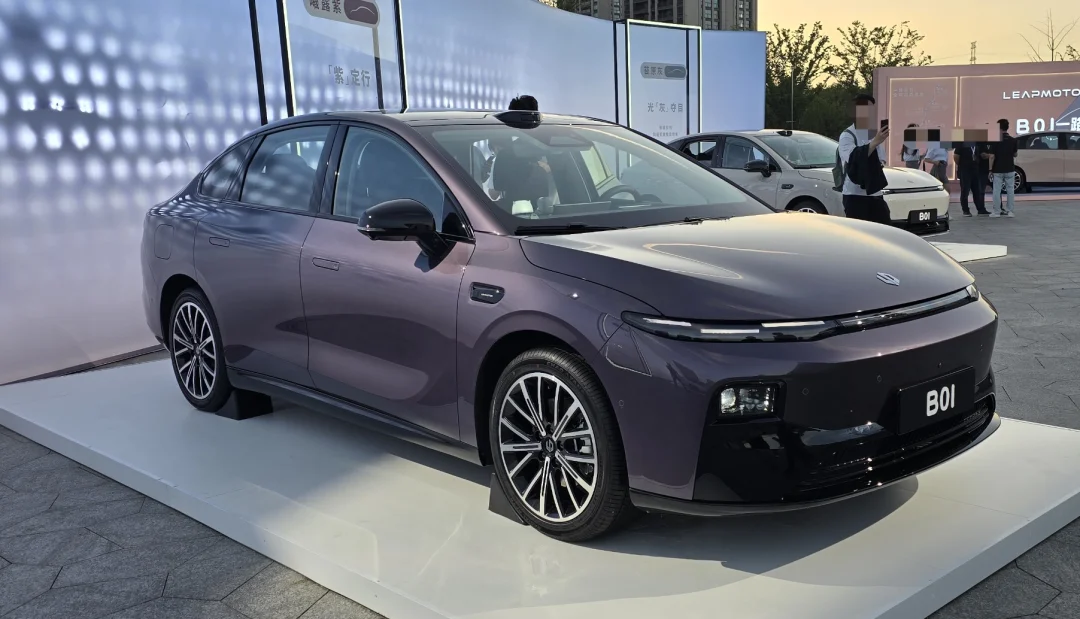
The vehicle's body dimensions are 4,770 × 1,880 × 1,490 mm, with a wheelbase of 2,735 mm. At this size, Leapmotor has lowered the center of gravity sufficiently, and combined with a 17.2° fastback angle and hidden door handles, it achieves a drag coefficient of 0.197.
To help the audience grasp the significance of this drag coefficient, Leapmotor Vice President Cao Li noted during the launch event: "This means the B01’s drag coefficient is lower than that of the Tesla Model S".
Without examining the specifications, merely observing the vehicle's stance and the tapering of the side lines reveals that Leapmotor, a brand traditionally associated with practical family cars, has finally shifted its design approach from purely utilitarian to aesthetically pleasing.
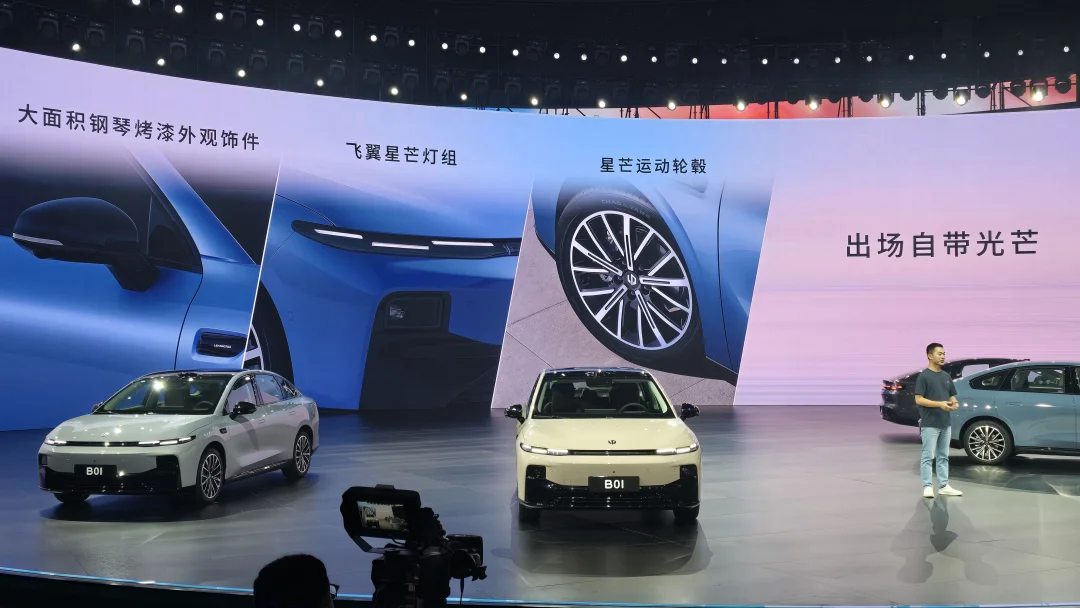
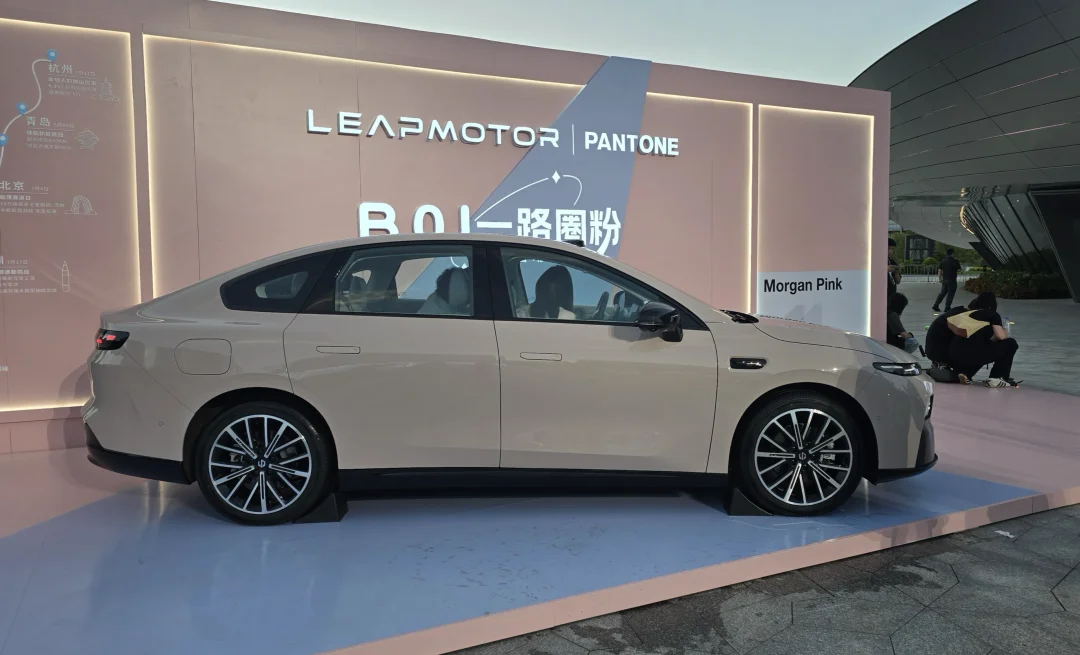
The wing-shaped starburst headlight cluster is a highlight of the front fascia. With a slender outline and three-point daytime running lights hidden within the light strip, it offers high recognizability when illuminated at night. For exterior colors, eight options are available, ranging from Morgan Pink and Starry Night Blue to Xi Lu Purple, catering to younger, more individualistic tastes. Morgan Pink is a custom color co-developed by Leapmotor and Pantone, featuring a "mineral texture" with a warmer visual tone.
Opening the door reveals that the interior design approach for the B01 differs significantly from the vibe of the Leapmotor C Xilie series; it is cleaner yet still prioritizes practicality. The 14.6-inch central touchscreen serves as the interaction hub, with driving information integrated into the upper section of the main screen. The overall operational logic resembles that of vehicles like the Xiaomi SU7 or XPENG MONA M03.
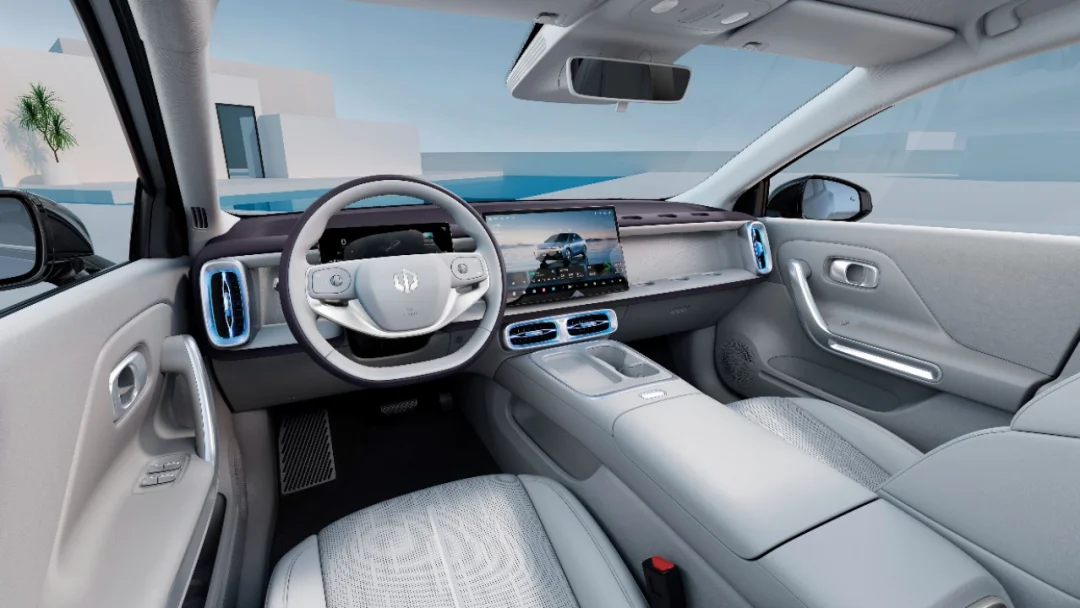
In terms of materials, significant effort was put into the tactile experience. The cabin's soft-touch coverage reaches 88%, emphasizing a "cloud velvet leather" feel. The seat surfaces use bamboo charcoal fiber material, which has passed the OEKO-TEX maternal and infant-grade environmental certification. During our on-site inspection of the actual vehicle, we found no noticeable odors in the cabin and little sense of cheap plastic.
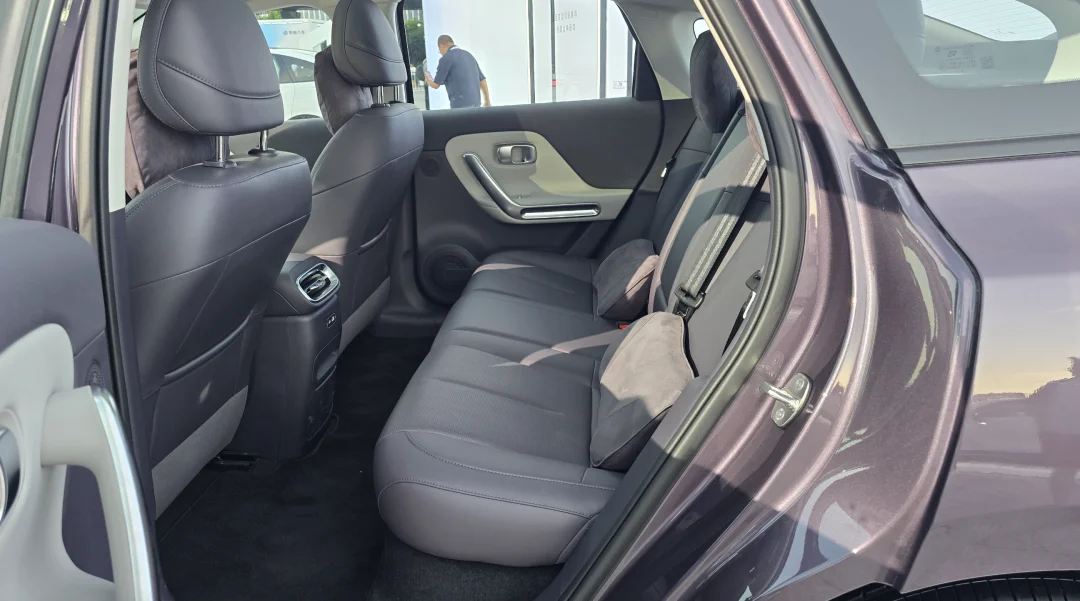
Regarding seating, the 550 Enjoyment Edition, 550 LiDAR Edition, 650 Enjoyment Edition, and 650 LiDAR Edition all come equipped with power-adjustable front seats, heated front seats, and ventilated driver's seats. Rear seats do not support power angle adjustment and feature relatively short cushions. However, thanks to the Cell-to-Chassis (CTC 2.0 Plus) technology and the layout of the rear flip motor, the B01 achieves an 86% interior space utilization rate, providing more generous rear legroom than expected.
The B01’s trunk offers 460 liters of volume, including a 70-liter underfloor compartment, capable of holding four 24-inch suitcases. The vehicle features 26 storage locations throughout, with attention to practical detail.
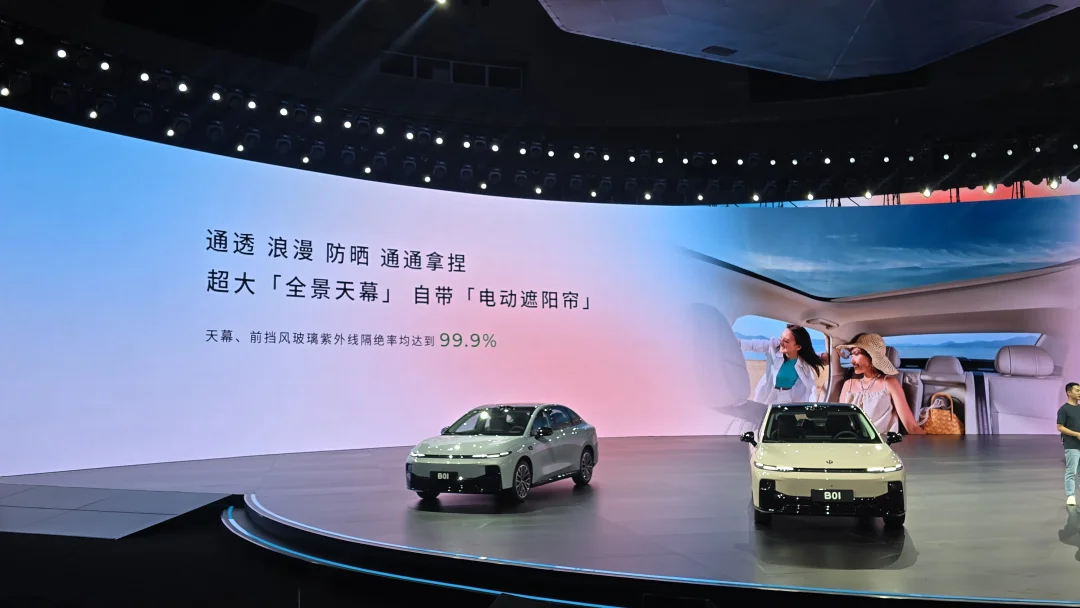
Leapmotor has also invested significantly in sun protection for the B01. It is equipped with a panoramic glass roof and an electric sunshade; combined with the windshield, this setup blocks 99.9% of ultraviolet rays, according to official specifications.
For buyers seeking a first car that meets all needs from the start, the 550 Comfort Edition and above provide a well-rounded package. The 650 LiDAR version offers stronger intelligent driving capabilities and extended range, making its configuration highly competitive within its price segment.
02Performance Holds Up, Safety Is No Compromise
The Leapmotor B01’s exterior and interior design meet young users’ basic expectations for styling and aesthetics, while its performance configuration and behavior aim to maximize drivability within a limited budget without compromising on safety.
The entire B01 lineup uses a rear-wheel-drive layout, which is uncommon among entry-level-priced electric sedans. All models are powered by a seven-in-one high-performance oil-cooled electric drive system, delivering a maximum power output of 160 kW and a peak torque of 240 N·m. The 0–100 km/h acceleration time is as fast as 6.4 seconds, offering responsive takeoff.
The vehicle's chassis features a front MacPherson strut and rear multi-link independent suspension. According to official specifications, this setup balances vibration filtering during low-speed urban commuting with stability during high-speed lane changes, though the actual feel must be experienced through a test drive.
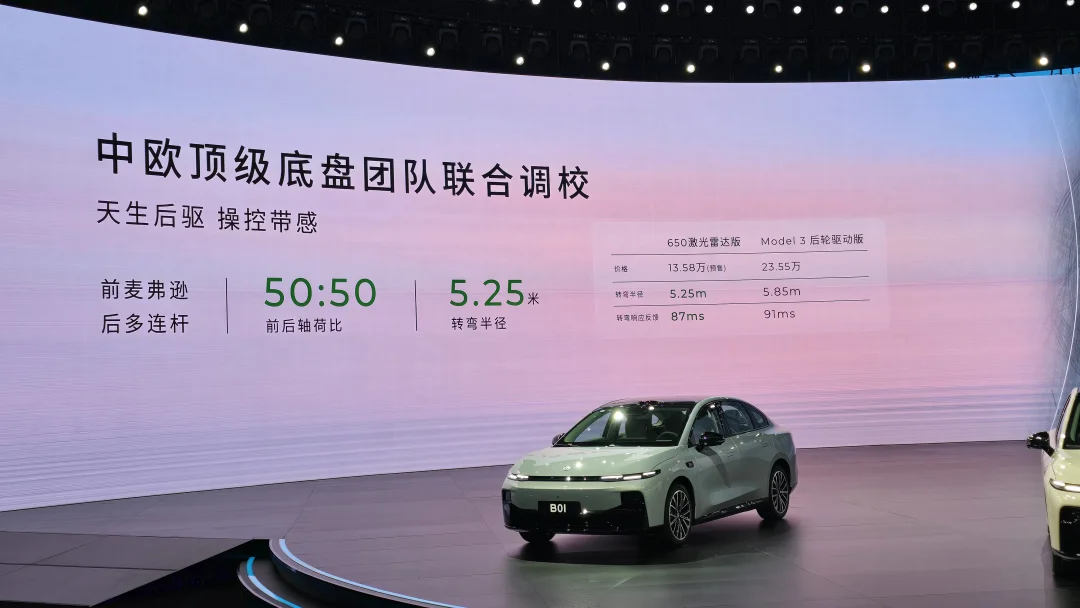
With a 50:50 weight distribution and a turning radius of 5.25 meters, the vehicle offers good agility. This turning performance provides a noticeable advantage in tight urban streets and U-turn scenarios.
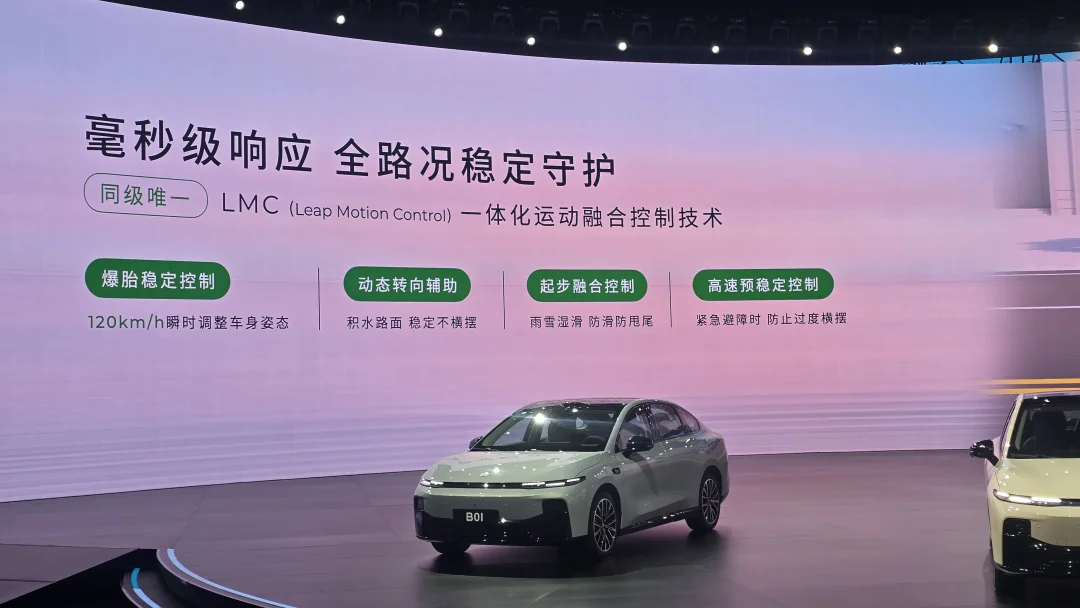
The entire B01 lineup is equipped with Leapmotor’s self-developed LMC integrated motion control technology, designed to maintain body stability in extreme situations such as blowouts, slippery roads, and high-speed obstacle avoidance. The blowout stability control system adjusts the vehicle's posture within 500 milliseconds at speeds up to 120 km/h, reacting significantly faster than a human driver. While difficult to test in real-world conditions, this feature demonstrates Leapmotor’s capability in electronic control system integration.
For the battery, the B01 offers three capacity options: 43.9 kWh, 56.2 kWh, and 67.1 kWh, corresponding to CLTC ranges of 430 km, 550 km, and 650 km, respectively. In terms of fast-charging performance, charging from 30% to 80% takes approximately 18 minutes, with a minimum energy consumption of 11.4 kWh per 100 km. Based on current electricity prices, the cost per kilometer is just a few cents.
A key factor supporting the B01’s range is its 27-in-1 super-integrated thermal management system. By consolidating and optimizing multiple thermal management modules, the system reduces the number of thermal control components by approximately 60% and lowers curb weight by more than 15%. According to Leapmotor, this system contributes to an approximate 10% increase in range.
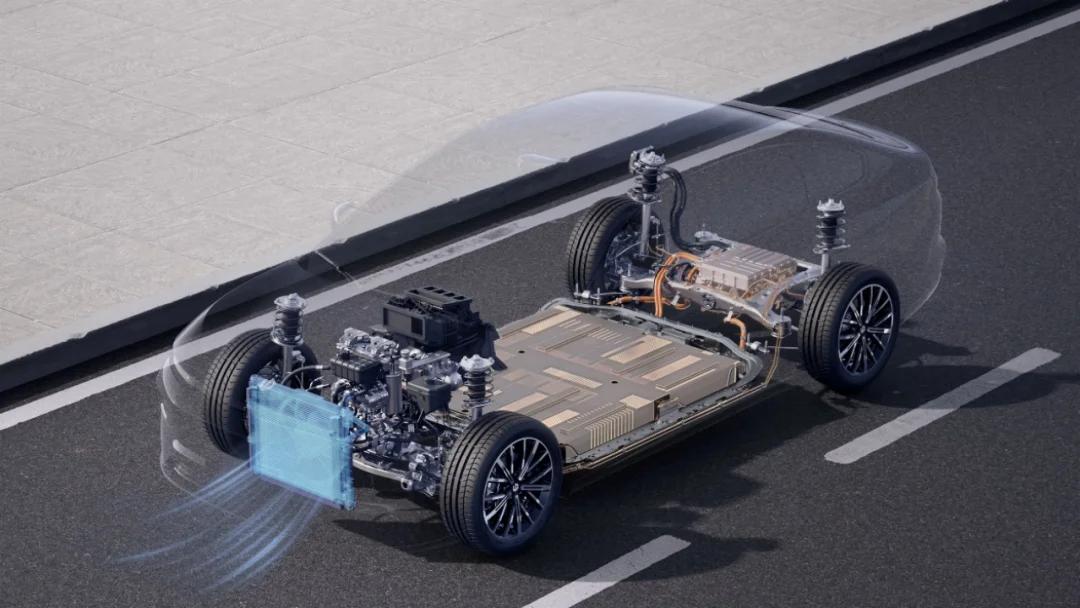
On the battery safety front, the B01 retains Leapmotor’s self-developed CTC 2.0 Plus cell-to-chassis integration structure, combined with a packless and module-less design. Deep integration is achieved through a nine-in-one battery control module, enabling 48 hours of no thermal propagation. In simple terms, even if an individual cell fails, the entire battery pack will not catch fire or explode; thermal propagation is strictly contained within safe limits.
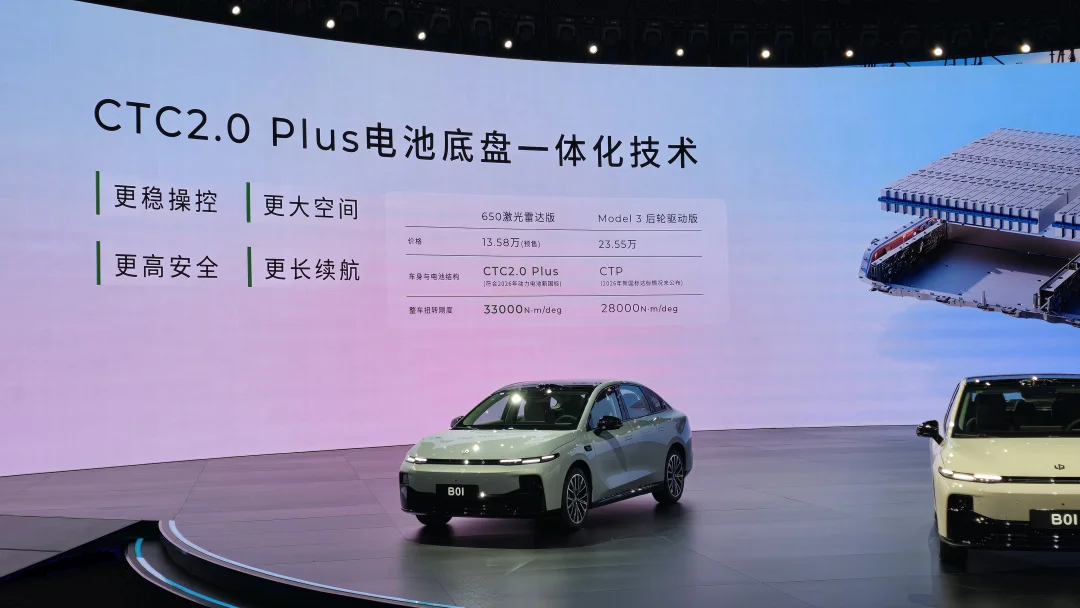
For passive safety, the B01 body adopts a '9 horizontal, 7 vertical' cage-style structure, with high-strength steel accounting for 76.6% of the material. The passenger compartment area utilizes 2 GPa hot-formed steel. From both material strength and structural design perspectives, the B01’s body safety aligns with current mainstream new energy sedan standards. Additionally, the B01 comes standard across all trims with 360° panoramic imaging and a transparent chassis view. Sentry mode is also standard equipment, which is rare in vehicles priced around RMB 100,000.
03LiDAR on a Vehicle Under RMB 100,000
In terms of intelligence, the Leapmotor B01 does not merely scratch the surface like traditional sub-RMB 100,000 models. Instead, it pushes smart features to levels disproportionate to its price tag, delivering considerable surprises.
The core highlights of this intelligent driving system lie in two areas: perception hardware and algorithmic capability. For the former, the B01 is equipped with 27 high-precision sensors throughout the vehicle. For the latter, it employs an end-to-end large model system with a computing platform reaching 200 TOPS, a level considered very high for its class.
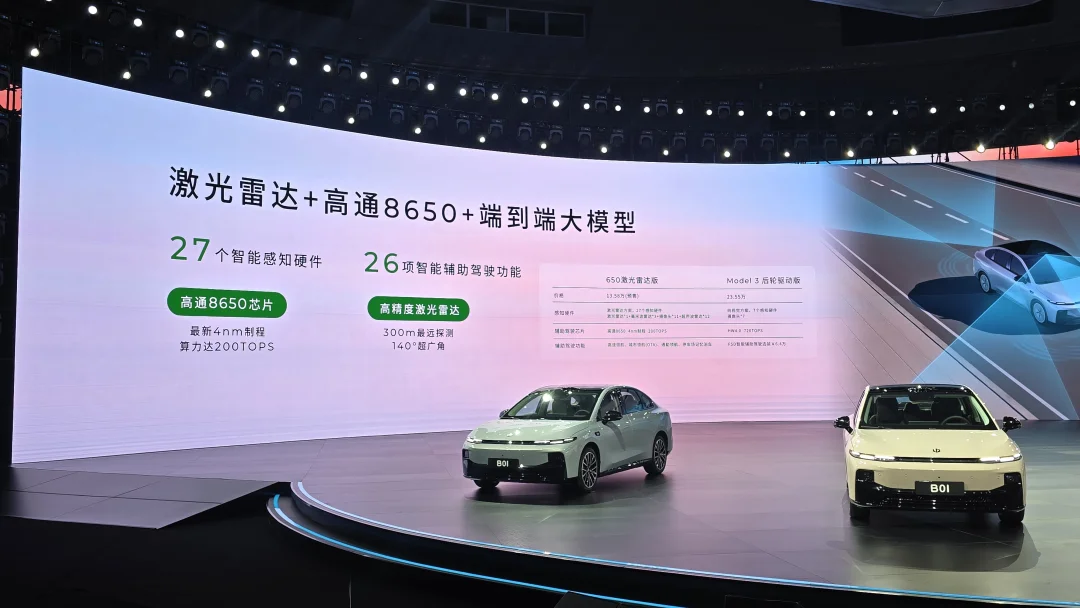
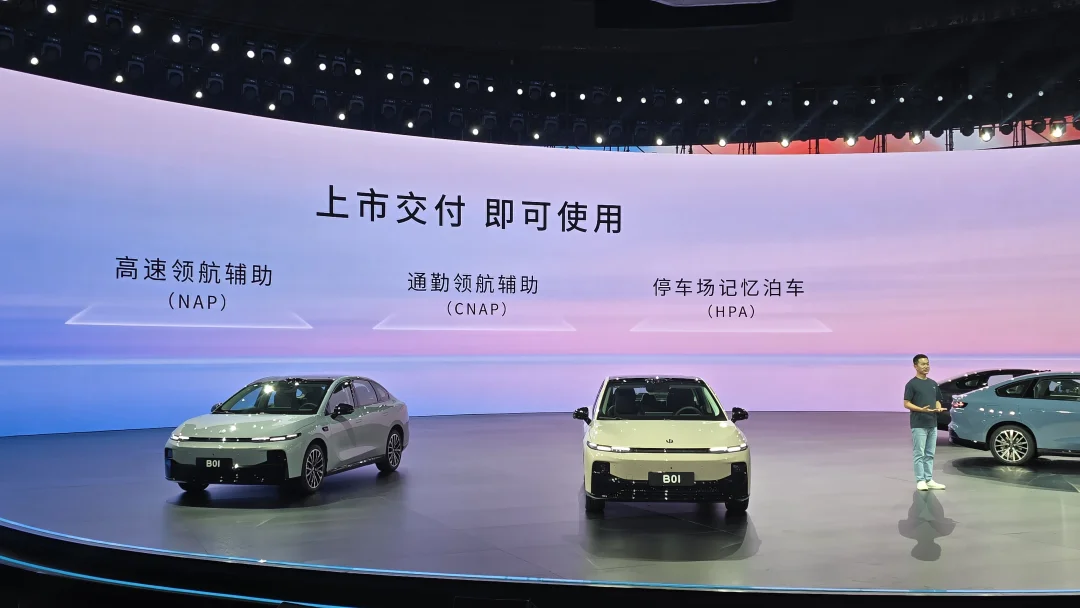
Specifically, the B01 supports 26 functions including Navigation Assisted Pilot (NAP) on highways, Commute Navigation Assisted Pilot (CNAP), memory parking, automatic parking, blind-spot monitoring, forward collision warning, and automatic emergency braking. These features cover high-frequency scenarios such as urban commuting, long-distance highway travel, and parking lots.
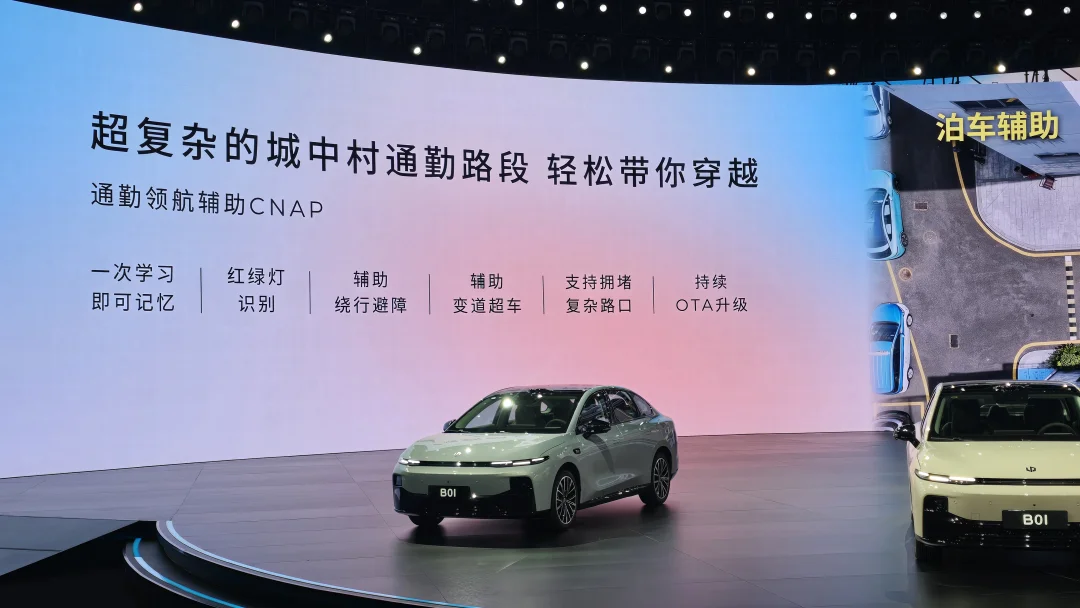
Especially in the top-tier 650 LiDAR version, the combination of LiDAR and end-to-end algorithms enables earlier detection of sudden scenarios such as cut-ins, distant cross-traffic, and irregular obstacles. The system responds faster, delivering a more natural overall performance compared to traditional rule-based guidance.
At the launch event, Cao Li announced that B01’s driver assistance features would be ready for use upon delivery, eliminating the need to wait for a lengthy fulfillment cycle.
For the smart cockpit, B01 is equipped with the Qualcomm Snapdragon 8295 chip, supporting 2.5K ultra-high-definition displays and Leapmotor OS 4.0 Plus interaction. The center console interface features multimodal recognition, a dynamic 3D desktop, seamless one-take animations, and Lingdong Space visual logic, targeting a youthful aesthetic with responsive speeds and smooth animations.
The B01 cockpit also integrates 'AI Super Xiao Ling.' From the 430 Comfort Edition to the 650 LiDAR Edition, all trims are equipped with dual AI voice large models based on DeepSeek and Qwen, supporting combined multi-task commands.

04B01 Aims to Be the Main Character
Overall, the Leapmotor B01 does not feature particularly radical design or configuration choices. However, within the 100,000 RMB price bracket, it maximizes platform capabilities, intelligent features, and range performance.
To focus on the product presentation, the entire launch event for the Leapmotor B01 was conducted by Vice President Cao Li. Leapmotor founder, Chairman, and CEO Zhu Jiangming rarely appeared on stage during the event. However, following the launch, Zhu Jiangming and Leapmotor Senior Vice President Cao Li accepted interviews with 42HOW Auto and other media outlets, providing more direct responses regarding pricing strategies, intelligent layout plans, and next-phase product tactics. The following is the main content of the interview, edited to preserve the original meaning:

Q: What are Leapmotor’s sales expectations for the B01?
Zhu Jiangming: Our sales expectation is naturally that the higher, the better. However, a characteristic of Leapmotor products is that they gain momentum gradually. For example, the C10 launched in March last year; its first-month sales were 4,000 units, but by year-end, they had steadily increased to between 5,000 and 7,000 units per month. As users drove the cars and found Leapmotor’s products to be genuine, well-built, and exceeding expectations in various aspects, word-of-mouth generated increasing purchases. The C11 started at two or three thousand units and eventually reached over ten thousand units after its mid-cycle refresh. The C16 followed a similar trajectory.
Every Leapmotor vehicle follows the same rhythm: it warms up slowly but becomes a better-selling product over time. Our B10 is also following this path; after the initial peak subsided, it has been climbing and growing month by month. We believe that with such strong product capabilities, the B01 will undoubtedly become a highly competitive flagship model for Leapmotor in the market. The B01 is often referred to as half-price Model 3. They are priced at around 230,000 yuan, while ours is around 120,000 yuan. You can understand it this way, and we can benchmark against them across all metrics.
Q: (Zhu Jiangming) How did it feel to watch the launch from the audience? What is the unique selling point of the Leapmotor B01?
Zhu Jiangming: I felt proud of our product while sitting in the audience today. For this launch, we wanted to highlight the B01’s product strength, so we dedicated all time to explaining the product clearly, which is why Cao Li handled the presentation alone. Our unique selling points lie in four areas: range, driving dynamics, intelligence, and space. Leapmotor has always aimed to create Volkswagen-like vehicles that address all essential needs. Range is definitely a pain point for everyone. Sedan buyers desire excellent handling. Having driven the car myself for over a month, I found its handling to be superb—significantly easier to drive than my previous internal combustion engine vehicles. Intelligence must also stay at the forefront. This time, we have brought models equipped with LiDAR down to under 120,000 RMB, making it an easily accessible entry-level price. Leapmotor’s offering this time shows great sincerity, with meticulous attention to every detail.
Q: How do you build cars that deliver emotional value to young people? What technologies are required for higher-end models?
Cao Li: Our next car, which will offer significant emotional value, is about to be announced. Everyone can follow Muniheichezhan for updates; some advanced 'black tech' features will be equipped on higher-trim models. We expect a major pre-launch announcement for our new high-end model in October, which will better showcase our emotional value proposition and technical capabilities.
Zhu Jiangming: The term 'emotional value' is trending now, but all emotional value must first be built on the foundation of meeting basic daily needs. As a car, it must return to being a good-to-drive, easy-to-use, and comfortable vehicle. Only on that basis should we pursue additional emotional value. A car is still a car.
Q: What are the technical highlights of the B01's chassis? For a vehicle in this price segment, does its performance exceed expectations?
Cao Li: This generation of chassis is built on the LEAP 3.5 architecture. It has inherent rigidity and more uniform load distribution, meaning many performance metrics already surpass the standards expected for this class. For example, body stability control during high-speed tire blowouts was previously a feature found only in luxury cars priced at eight hundred thousand to nine hundred thousand RMB; we have integrated it into a vehicle priced around one hundred thousand RMB. We emphasize a 'self-pleasing' experience, not by stacking configurations, but by deepening performance through full-domain self-research. Beyond the steering and braking system hardware itself, all control logic is developed in-house, and interfaces are fully integrated. Our philosophy is straightforward: we don't hide our strengths; we amplify the advantages of our self-developed technology.
Q: What are Leapmotor's goals for the next phase, particularly regarding globalization and premiumization?
Zhu Jiangming: Our immediate priority is ensuring Leapmotor achieves its sales target of 500,000 units this year, with hopes of exceeding that figure. That is a modest goal; our larger ambition is to become a world-class electric vehicle manufacturer, targeting 4 million units. Today marks the launch of our second new model of the year, the B01. At the Munich auto show, we will unveil our third new model of the year.
In 2026, Leapmotor plans to launch five to six new models, marking a major year for the brand. This lineup will include the A-series as well as Leapmotor's flagship top-tier model. There may be some unexpected 'black tech' features that go beyond user expectations, offering unique innovations that represent the future direction of the industry. Because Leapmotor pursues full-domain self-research, extreme innovation is essential; without innovation, there is no future. Therefore, Leapmotor's new technological directions and the upcoming D-series are highly anticipated.
Q: The national standard for L2-level driver assistance is currently under public consultation, but the industry remains divided. Some companies advocate for higher standards, while others argue that overly stringent requirements would increase costs, ultimately passed on to consumers. The distinction between "60-point" and "90-point" intelligent driving capabilities has sparked significant debate. Which viewpoint do you support? How do you view the challenges the industry faces in intelligent driving?
Zhu Jiangming: We believe intelligent driving is currently in a phase of catch-up competition. While it is getting infinitely closer to L3, human-driven modes remain dominant. It is still an assistive system where the driver serves as the primary responsible party and must be ready to take over at any time. Personal safety considerations must be thorough, including regulatory guidance and media testing. Dongchedi’s recent tests clearly demonstrated that many scenarios we haven’t encountered before cannot yet be handled reliably. It is merely an assistive system; true autonomous driving remains difficult to achieve.
Cao Li: Our strategy for intelligent driving focuses on two aspects. First, we must certainly keep pace with the top-tier competitors and increasingly challenge the high-end segment. However, the most critical priority is ensuring that the basic functions users rely on most frequently—those that best address daily commuting habits—are both easy to use and safe. The current market isn’t about competing for the highest-level features; it’s about providing systems that are more practical and safer. Leapmotor will also accelerate its efforts to close the gap in the high-end segment.
Q: Many automakers reserve LiDAR for their high-trim models only. Your B01 includes LiDAR starting at under RMB 120,000. How significantly does this enhance the user’s intelligent driving experience?
Cao Li: Pure vision systems have inherent limitations. Adding LiDAR as a supplementary sensor provides safety guarantees in scenarios such as heavy fog or tunnels where lighting conditions are compromised. Moreover, it makes the system more reliable and easier to use across a wider range of situations, which is crucial.
Q: Have you worried that Leapmotor’s vehicles are so robust and value-oriented that they might flood the ride-hailing market, potentially damaging the brand’s image?
Zhu Jiangming: Leapmotor will definitely not target the ride-hailing market. We aim to serve mainstream family customers because our products are better suited for family use.
Q: Many netizens previously referred to Leapmotor as “half-price Li Auto.” Will Leapmotor’s product strategy shift toward premium positioning in the future? Do you plan to develop more expensive vehicles and compete in the RMB 300,000–500,000 segment?
Zhu Jiangming: Our D series represents the highest tier, featuring numerous cutting-edge technologies and innovations. It may constitute a new vehicle category, distinct from traditional pure electric or extended-range models, and will incorporate some of the latest technologies. I can preview that it will utilize components from top-tier suppliers in the industry. All configurations and core component suppliers for Leapmotor’s D series are globally leading, so we are highly anticipating the entire D series.
Q: We have noticed that the sales momentum of the C Xilie’s extended-range version is lagging behind its pure electric counterpart. How do you view the future prospects of extended-range versus electric vehicles?
Zhu Jiangming: My view is that extended-range vehicles will become increasingly rare, with pure electric becoming the mainstream. Extended-range will serve as a backup, akin to a power bank. In terms of market share, segments like DMI still command a significant common market. However, the extended-range market below RMB 150,000 will be difficult to compete in due to challenging cost structures; thus, it is better suited for relatively high-end products priced above RMB 150,000.
Looking at the broader trend, the proportion of pure electric vehicles will definitely increase. This is because battery cell costs have dropped sufficiently, reaching levels around three mao per watt-hour. As charging infrastructure becomes more comprehensive and 800-volt high-voltage systems become more prevalent, enabling faster charging, these trends dictate that the share of pure electric vehicles will continue to grow.
Q: What was the pricing process for the Leapmotor B01? If competitors cut their prices by how much would you feel pressure?
Cao Li: We have fully considered our competitors’ situations. Our pricing principle does not rely solely on what others have set or whether there is competition; rather, cost drives price. With our advantages from full-domain self-research and integration, we are undoubtedly the most competitive in our class. Furthermore, the state currently discourages price-cutting involution. As long as everyone maintains reasonable pricing, I believe Leapmotor will possess super strong competitiveness without operating at a loss.
Zhu Jiangming: Leapmotor aims not only to avoid losses but also to steadily increase our gross margin, which is our goal. Our philosophy is to leverage our capabilities to offer higher configurations and superior quality at the same price point, ensuring good value without being expensive. We still price based on cost, retaining a certain margin. Once we set a price, we will not constantly offer discounts. Prices must follow market norms, and we hope to prevent chaotic pricing, which is one of our objectives.
Q: Mr. Zhu previously mentioned that Leapmotor aims for a major breakthrough within three years. How does Leapmotor plan to achieve this goal?
Zhu Jiangming: First, I believe the goal of one million units is mandatory. Any automaker that fails to reach this volume cannot survive. One million units is the baseline for survival; otherwise, operating becomes extremely difficult.
Q: With the market so fiercely competitive and Leapmotor’s pricing so low, does a 60-day payment term create pressure?
Zhu Jiangming: Even before the national policies were introduced, Leapmotor operated on a 60-day payment cycle. Among all suppliers, we are recognized as one of the best-reputed original equipment manufacturers (OEMs). We use automated electronic payments; funds are disbursed automatically upon maturity without manual intervention. As a customer, paying suppliers is an obligation and a commitment we must honor. Leapmotor’s asset structure is very sound. We operate with a light-asset model, maintaining a highly healthy financial position, while our dealerships carry nearly the lowest inventory levels.
Written by: Da Yong Edited by: James