


NIO Q3 Revenue and Deliveries Hit Record Highs; Li Auto Launches OTA 5.0; Geely Unveils New Pure-Electric MPV 'L380' | E Weekly Highlights
01 Weekly Index
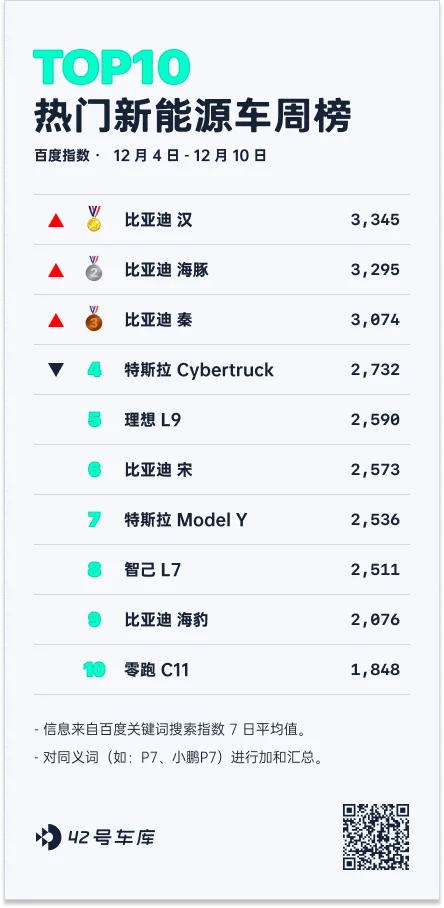
02Weekly Highlights
NIO Q3 Revenue and Deliveries Hit Record Highs
NIO’s Q3 financial results were a welcome relief for the company. Key figures include:
Car sales revenue of RMB 17.41 billion, up 45.9% year-over-year and 142.3% quarter-over-quarter.
Vehicle gross margin stood at 11%, compared to 16.4% in the same period last year and 6.2% in Q2 this year.
Total revenue reached RMB 19.07 billion, representing a 46.6% year-over-year increase and a 117.4% quarter-over-quarter rise.
Gross profit was RMB 1.52 billion, down 12.2% year-over-year but surging 1,650.9% quarter-over-quarter.
Overall gross margin was 8%, versus 13.3% in the corresponding period last year and 1% in Q2.
Net loss amounted to RMB 4.56 billion, an increase of 10.8% year-over-year but a decrease of 24.8% quarter-over-quarter.
As of September 30, 2023, NIO held cash reserves of RMB 45.2 billion, up from RMB 31.5 billion at the end of the second quarter.
Total deliveries reached 55,432 units, a year-over-year increase of 75.4% and a quarter-over-quarter increase of 136.7%.
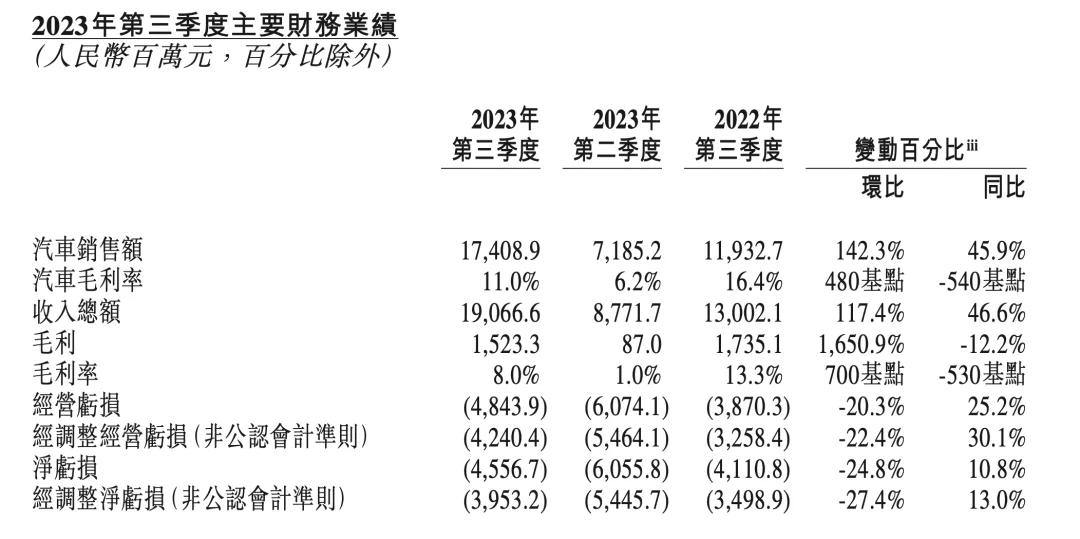
This indicates that NIO’s Q3 financial report is no longer filled with pessimism; instead, rising revenue and other metrics have made it quite encouraging.
Revenue, gross profit, and cash flow all increased, while net losses narrowed, primarily driven by a significant surge in automotive sales revenue.
According to the financial report, NIO’s automotive sales revenue in Q3 reached RMB 17.41 billion, up 45.9% year-over-year and 142.3% quarter-over-quarter. The automotive gross margin was 11%, compared to 16.4% in the same period last year and 6.2% in Q2 this year.
Although automotive sales revenue and gross margin saw substantial growth, the return on investment for achieving this growth was not particularly high. The financial report shows that NIO’s cost of sales in Q3 was RMB 17.54 billion, up 55.7% year-over-year and 102% quarter-over-quarter.
NIO attributes the sharp rise in cost of sales mainly to increased vehicle deliveries, expanded energy solution services, and growth in charging pile sales. However, this points to underlying issues with organizational efficiency. William Li stated:
We recently completed a comprehensive planning of our two-year operational plan to define key objectives, priorities, and action plans. We have identified opportunities for organizational optimization, cost reduction, and efficiency improvement. We will continue to focus on advancing core technologies, developing key products, and enhancing our sales and service capabilities. We remain confident in NIO’s long-term competitiveness in the smart electric vehicle market.
NIO remains highly conservative about its Q4 outlook, despite expressing strong confidence in its long-term competitiveness and reporting significant improvements in Q3 performance.
In terms of revenue, NIO forecasts Q4 earnings to fall between RMB 16.079 billion and RMB 16.701 billion, a decrease of approximately RMB 3 billion compared to Q3.
For vehicle deliveries, NIO projects Q4 sales to range from 47,000 to 49,000 units. This implies that if NIO sells 14,967 vehicles in December alone, it will meet its Q4 delivery target.
Editor's Take:
The release of the Q3 financial report coincides with a series of positive developments for NIO. Through rising figures in the report, the expansion of its battery swap business, and factory acquisitions, NIO appears to be using this opportunity to inject confidence into the market and illustrate its growth potential.
However, for NIO, demonstrating its true capabilities through tangible market performance is essential. Failing to do so risks appearing overly promotional, which could erode trust among both the market and users.
Meanwhile, against the backdrop of an intense price war, other automakers are continuously launching new models, engaging in fierce competition over product strength. Under these circumstances, whether NIO can withstand the relentless pressure remains a significant question.
Regardless, improving organizational efficiency to maximize vehicle sales may be NIO's only immediate priority, echoing William Li's words in his layoff notice:
To qualify for the finals, execution efficiency must be further improved and key business areas ensured sufficient resource allocation.
Li Auto Releases OTA 5.0
On December 10, Li Auto officially released OTA 5.0.
In terms of intelligent driving, Li Auto has comprehensively upgraded its AD Max and AD Pro systems using technologies such as BEV (Bird's Eye View) models, MPC (Model Predictive Control) prediction, and spatio-temporal joint planning.
According to official information, based on the new intelligent driving 3.0 algorithm architecture, Li Auto's NOA (Navigate on Autopilot) now covers highways, urban ring roads, and city streets, and can handle scenarios such as avoiding construction zones and changing lanes in congested traffic.
Li Auto has currently opened full-scenario intelligent driving NOA to 110 cities nationwide.
Additionally, Li Auto's LCC (Lane Centering Control) supports autonomous lane-line reasoning for lane keeping and automatic recognition of traffic lights at intersections; valet parking enables cross-floor navigation; and AD Max 3.0's AEB (Automatic Emergency Braking) operational speed range reaches 4-135 km/h.
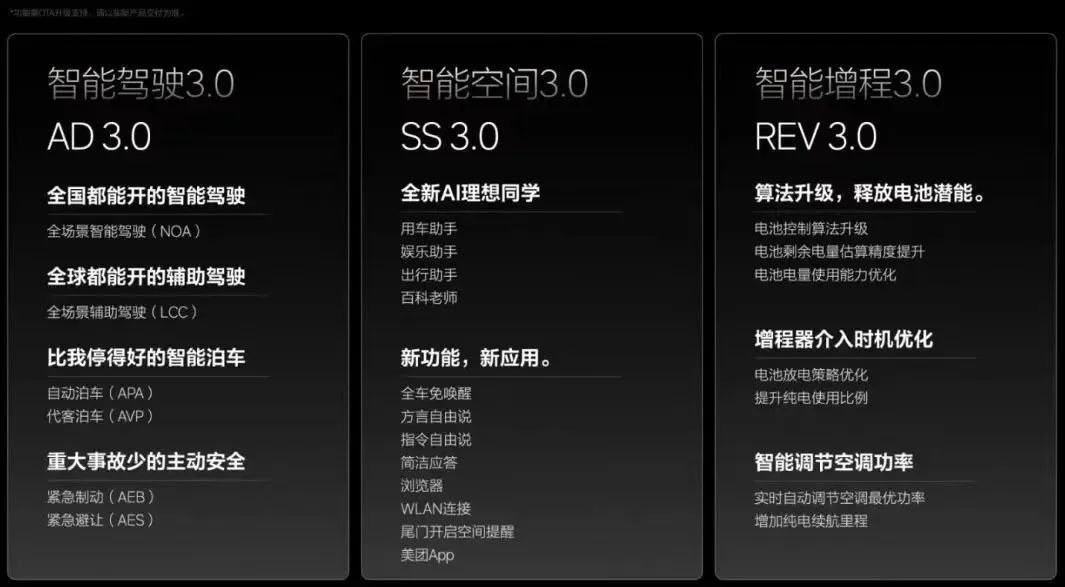
In terms of intelligent cabin features, the most significant upgrade in OTA 5.0 is the integration of Mind GPT. It can handle more complex and continuous vehicle commands, intelligently recommend travel destinations, and act as an encyclopedic tutor to answer a wide variety of questions.
The final key feature is intelligent range extension. OTA 5.0 optimizes winter pure-electric driving range by upgrading battery control algorithms, refining the timing for range-extender intervention, and intelligently adjusting air-conditioning power. According to official data, Li Auto’s winter pure-electric driving range has increased cumulatively by 15–20%.
According to Li Auto’s current schedule, OTA 5.0 is expected to begin rollout on December 19. The intelligent cabin features will be pushed to Max, Pro, and Air models, while AD Max 3.0 will be available for Max models. Additionally, OTA 3.4 for the Li ONE will launch on December 26, with AD Pro rolling out to Air and Pro models next June.
Editor's Take:
For Li Auto, OTA 5.0 represents a massive leap forward in both autonomous driving and intelligent cabin capabilities, earning its title as the strongest OTA update in the company’s history.
While enhancing users’ intelligent experience, Li Auto also used a dedicated press conference for the OTA to demonstrate its strength in intelligent R&D and its determination to secure and maintain a leading position in this field.
However, whether Li Auto can firmly establish itself and sustain influence in intelligence, particularly in autonomous driving, remains to be seen based on how well OTA 5.0 performs after rollout and whether it satisfies user expectations.
Geely’s New Pure-Electric MPV 'L380' Is Coming Soon
Recently, LEVC, a brand under Geely Group, released design images of its new MPV model, designated as the "L380".
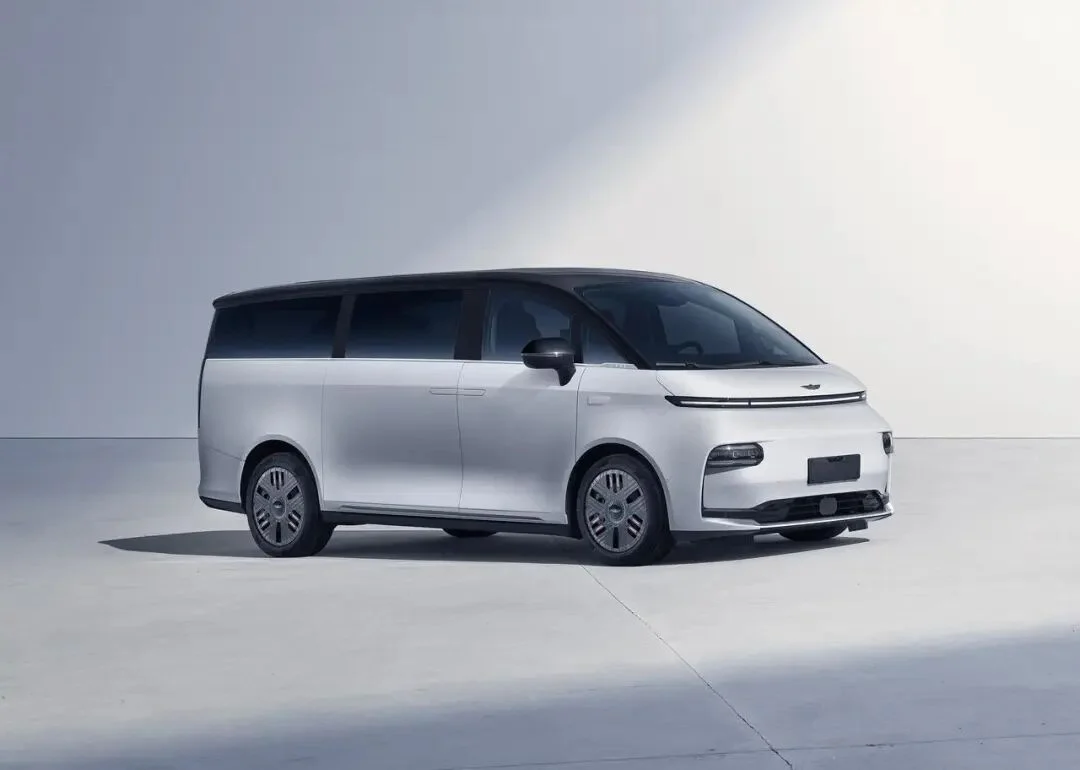
The L380 adopts LEVC's latest Space-Oriented Architecture (SOA), which was officially launched in the UK in May. The core features of the SOA architecture are its high flexibility and scalability, offering large bandwidth and a cabin space utilization rate of 75%. The wheelbase can be flexibly adjusted within a range of 3,000 mm to 3,800 mm to accommodate different vehicle types and market demands.
The exterior design of the new L380 model presents a modern and refined style, featuring a closed front grille, a full-width LED light strip, and split headlamps. These design elements combine to give the vehicle a futuristic appearance. Inside, the L380 may offer a three-row, six-seat layout, providing passengers with spacious and comfortable seating.
LEVC is an important brand in Geely's globalization strategy, focusing on the research and development of space innovation technologies while sharing Geely Group's global supply chain resources. This not only helps LEVC maintain a leading position in product development but also provides strong support for the global layout of its products.
Editor's Take:
In the face of increasingly fierce competition in the new energy vehicle market, LEVC needs more than just a uniquely designed and high-performance model; it requires a complete market strategy and brand positioning. LEVC's status in the globalization strategy and its relationship with Geely Group will largely influence its future development.
Overall, the launch of the L380 represents a significant attempt by LEVC in the new energy vehicle market. However, whether it can find its place in this highly competitive market through its unique design philosophy and technological advantages remains uncertain.
2024 Ford Mustang Mach-E Goes on Sale
On December 10, the 2024 Ford Mustang Mach-E went on sale with a manufacturer’s suggested retail price ranging from RMB 239,800 to RMB 359,800.
While retaining the performance DNA of the Mustang lineage, the 2024 Ford Mustang Mach-E features a comprehensive upgrade to its battery system, significantly enhancing both driving range and power output. The new model comes standard with BlueCruise 1.2, adding multiple safety assistance functions to improve driving security.
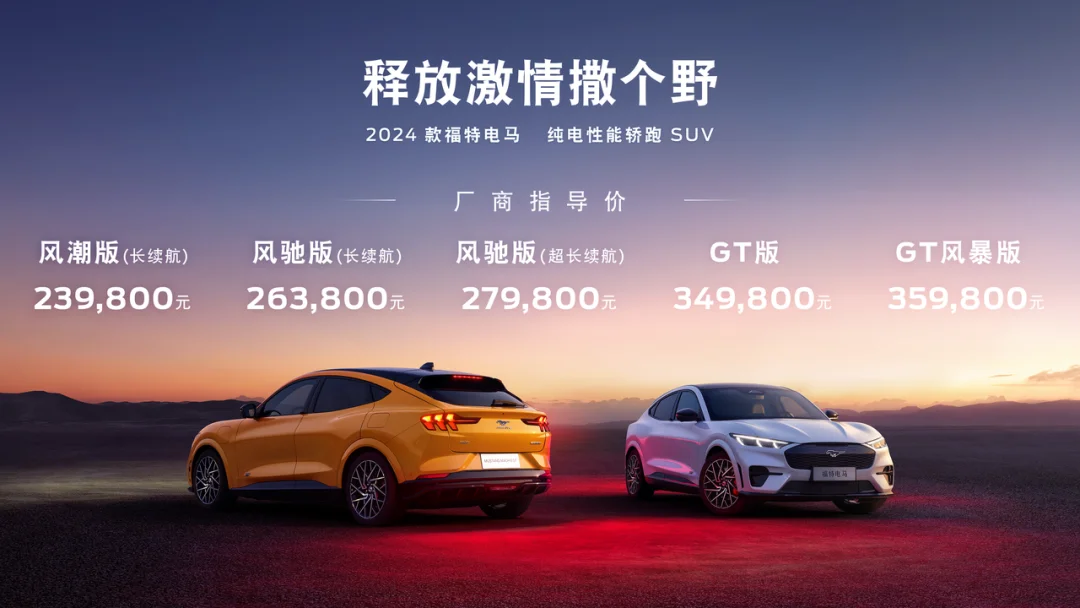
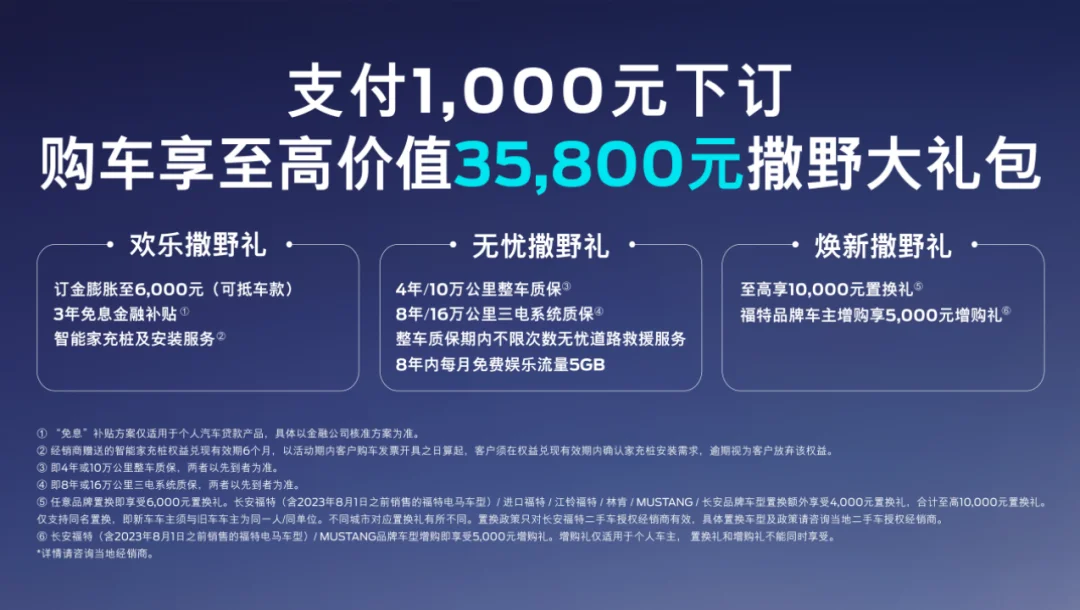
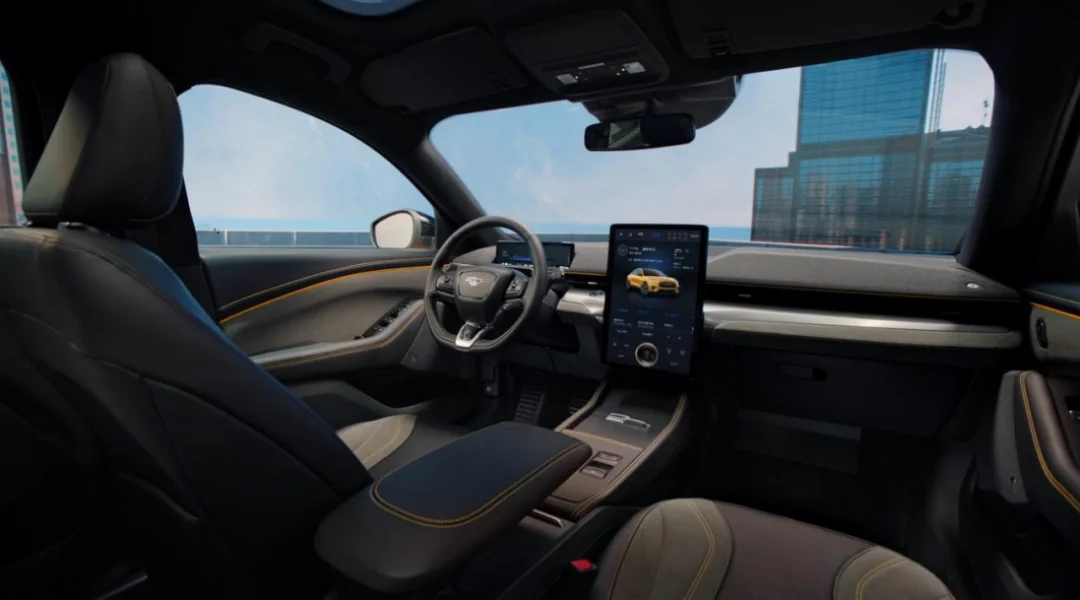
In terms of design, the 2024 Ford Mustang Mach-E retains classic Mustang design elements, such as the recognizable 'shark nose' front end and three-pillar LED taillights, while adopting the popular coupe-SUV body style.
The GT Storm Edition, a special variant, pays homage to the classic Mustang Twister with unique colors and design details. The interior also offers new color options to cater to diverse consumer preferences for personalization.
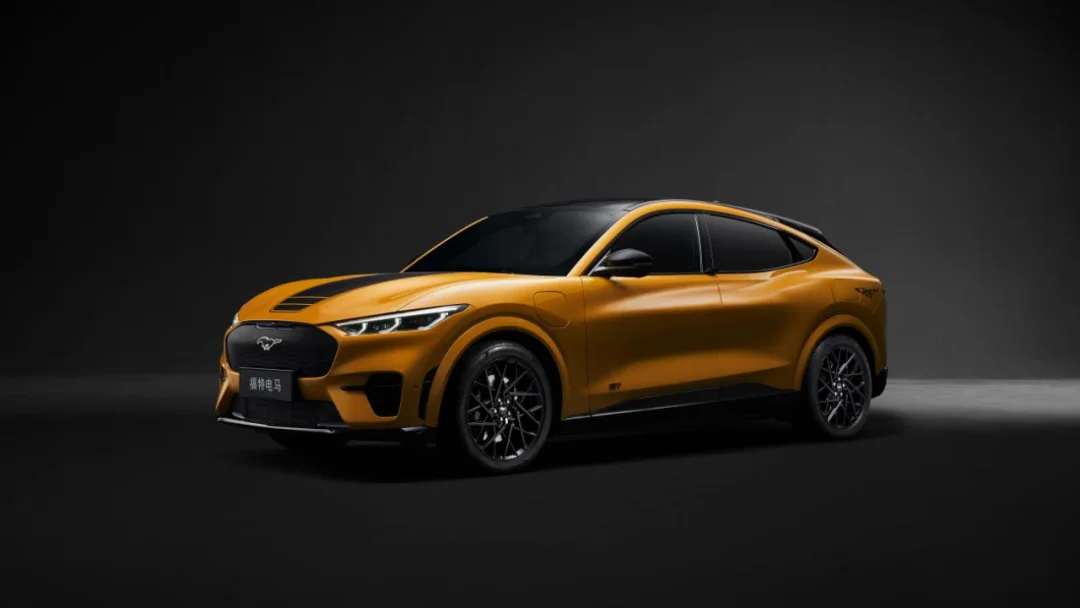
To optimize handling performance, the 2024 Ford Mustang Mach-E underwent precise tuning on a track simulator. It features an aluminum suspension and ultra-high-strength steel to enhance body rigidity. The vehicle offers three driving modes for different scenarios. GT models are equipped with P Zero high-performance tires and red Brembo front brake calipers to boost sporty performance.
In terms of powertrain, the new Mach-E uses Ford’s self-developed '1T40' integrated electric drive system. The GT model delivers a maximum output of 359 kW and peak torque of 860 N·m, achieving a 0–100 km/h acceleration time of just 3.57 seconds.
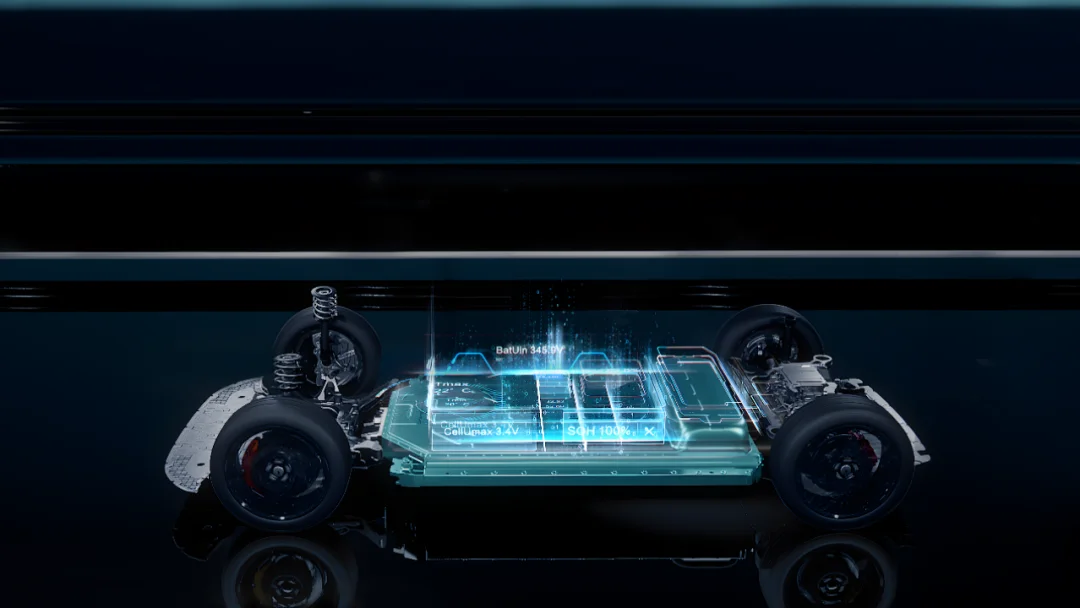
In terms of battery technology, the 2024 Mustang Mach-E’s next-generation CTP lithium iron phosphate battery pack was co-developed with CATL. It offers a range exceeding 600 kilometers, with a maximum of 700 kilometers, and controls comprehensive energy consumption at 12.4 kWh per 100 kilometers. Additionally, the 2024 Mustang Mach-E is equipped with a next-generation BMS battery management system to ensure battery stability and safety.
Regarding smart technology, the 2024 Mach-E is equipped with a cockpit platform powered by the Qualcomm Snapdragon 8155 chip and the SYNC® + 2.0 intelligent connectivity system. It supports wireless CarPlay and offers scenario-based card services such as camping and commuting modes to enhance user experience.
On safety, the 2024 Ford Mustang Mach-E incorporates thermal runaway prevention measures in its battery pack design. The battery enclosure passed rigorous crush tests and salt spray corrosion tests, meeting industry standards. The body structure utilizes 1,700 MPa ultra-high-strength steel, earning high ratings in international crash tests including IIHS, E-NCAP, and C-IASI.
Editor's Take:
The launch of the 2024 Ford Mustang Mach-E marks a significant step for Ford in the new energy vehicle sector.
From performance to design, the 2024 Ford Mustang Mach-E reflects Ford’s deep understanding and thinking regarding electric vehicle technology. However, for the 2024 Ford Mustang Mach-E to establish itself in the fiercely competitive new energy vehicle market, it is an urgent priority to reshape the image of the Mustang Mach-E in China through pricing, branding, and services, thereby boosting sales.
Written by: Isaiah Edited by: Isaiah