


Li Auto's Q3 Revenue Rebounds as Q4 Profitability Looms, but Model Refreshes to Slow Down
Li Auto Chairman and CEO Li Xiang announced a shift in the product update cadence from an annual cycle to approximately every two years. The automaker released its Q3 2026 financial results on November 25, showing a significant recovery with gross margin expanding 5.7 percentage points sequentially and operating losses narrowing to RMB 700 million from RMB 2.301 billion in the previous quarter.
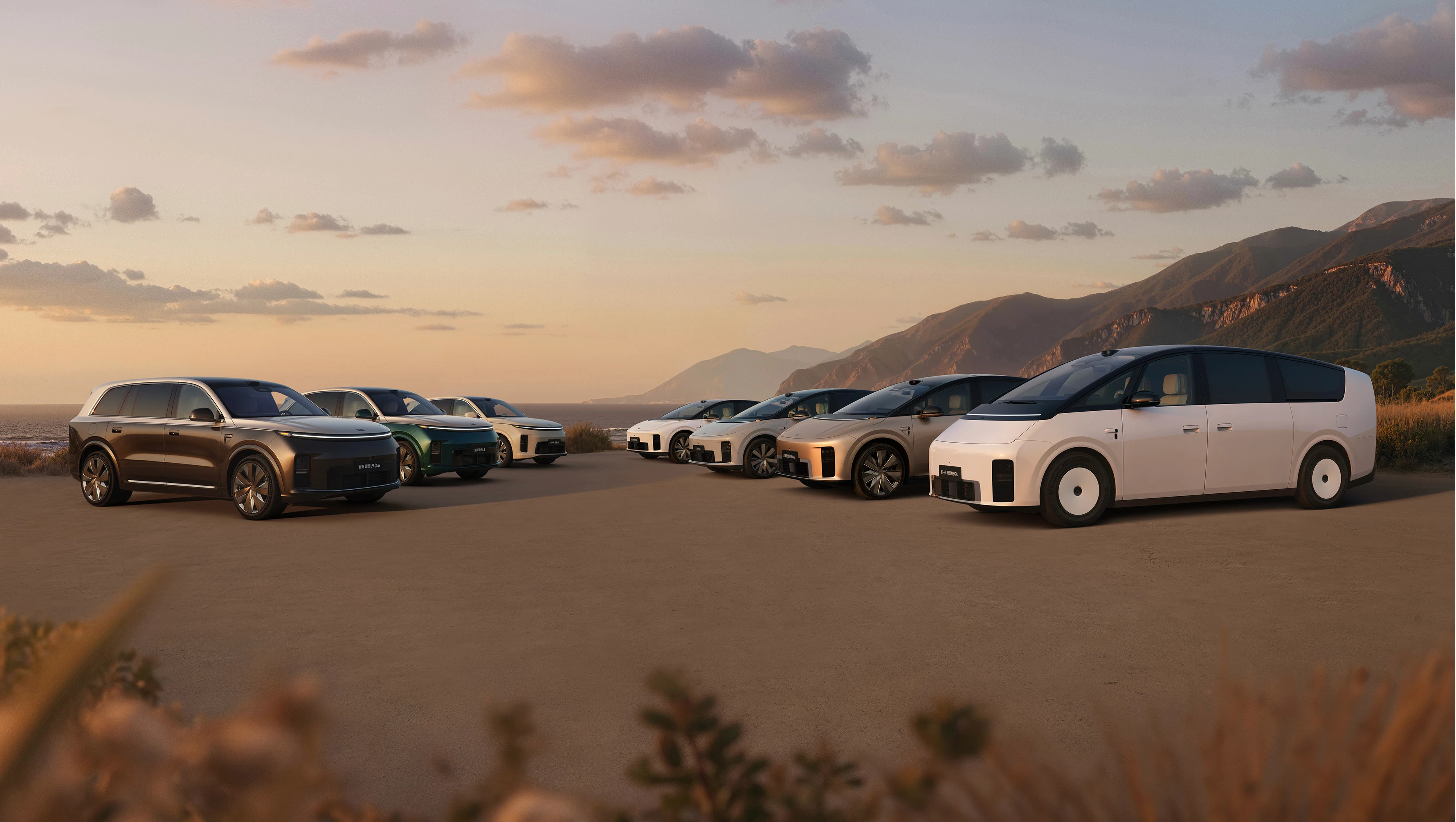
Li Xiang has officially announced a slowdown in the product update cadence, gradually shifting from an annual cycle to approximately a two-year cycle.
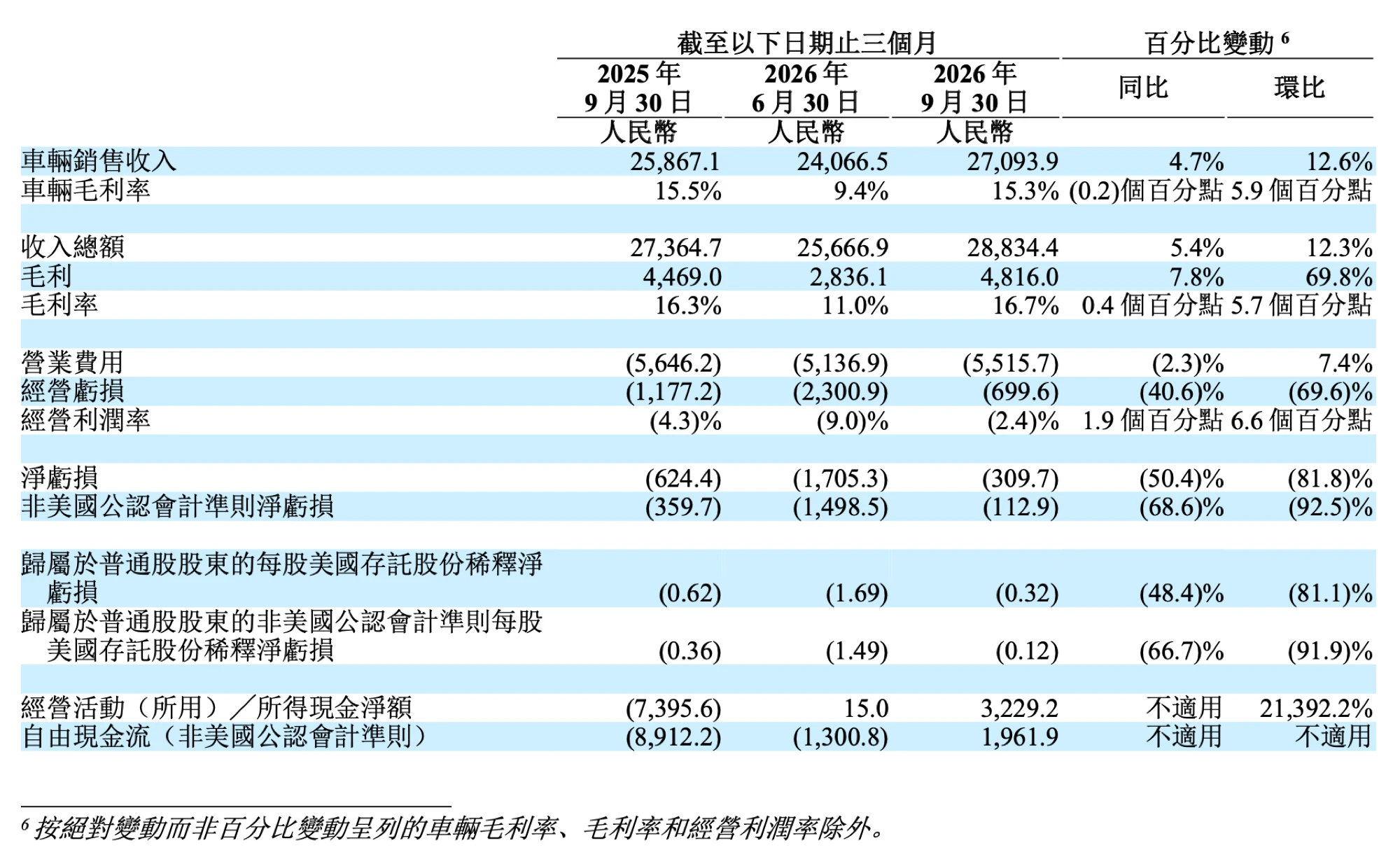
On November 25, Li Auto released its third-quarter 2026 financial report. The company's financial performance showed significant improvement in the third quarter, with the overall gross margin rising 5.7 percentage points quarter-over-quarter. The operating loss narrowed from 2.301 billion RMB in the previous quarter to 700 million RMB, marking a clear turnaround. Here are the key figures from the report:
- Deliveries: 99,964 units, up 7.2% year-over-year and 1.7% quarter-over-quarter.
- Revenue: 28.834 billion RMB, up 5.4% year-over-year and 12.3% quarter-over-quarter. Vehicle sales revenue reached 27.094 billion RMB, up 12.6% quarter-over-quarter.
- Gross profit: 4.816 billion RMB, up 7.8% year-over-year and 69.8% quarter-over-quarter. The overall gross margin was 16.7%, and the vehicle gross margin was 15.3%.
- Operating loss of 700 million RMB and net loss of 310 million RMB, narrowing by 69.6% and 81.8% quarter-over-quarter, respectively. Operating cash flow was 3.229 billion RMB, and free cash flow was 1.962 billion RMB.
- Q4 deliveries are expected to reach 110,000 to 115,000 units, up 0.7% to 5.3% year-over-year. Revenue is expected to be between 31.7 billion and 33.1 billion RMB, up 10.1% to 15.1% year-over-year.
During the earnings call following the release of the financial report, Li Auto's Chief Financial Officer Li Tie projected that the company will return to profitability in the fourth quarter of this year.
Alongside its improving financials, Li Auto made another major announcement. Chairman and CEO Li Xiang stated that the model update cycle will "gradually shift from once a year to about once every two years," creating a win-win for users, the industry, suppliers, and Li Auto. In 2027, Li Auto plans to introduce one or two new standalone models, while existing models will not undergo extensive redesigns.
Li Auto has undergone significant changes in 2026. Today, battery electric vehicles account for over 50% of Li Auto's sales, while extended-range electric vehicles have taken a supporting role. Facing the competition in the 2027 automotive market, Li Auto has revealed several key strategies.
Vehicle gross margin rebounds to 15.3%
In the third quarter of 2026, Li Auto delivered 99,964 new vehicles, an increase of 1,634 units compared to the second quarter. During the same period, vehicle sales revenue grew from 24.066 billion RMB to 27.094 billion RMB, an increase of approximately 3 billion RMB.
In its earnings report, Li Auto differentiated the drivers of its year-over-year and quarter-over-quarter growth. Compared to the second quarter of this year, a shift in the model mix drove a recovery in the average selling price, serving as the primary driver for the increase in vehicle sales revenue. Year-over-year, revenue growth was primarily driven by an increase in deliveries, though this was partially offset by a decline in the average selling price.
In the third quarter of this year, Li Auto rolled out deliveries for three new models, including the new-generation L6, which recorded over 10,000 deliveries in September. The lineup also included the more premium i9 and the new-generation MEGA.
These three new models directly transformed gross profit performance. The vehicle gross margin rose from 9.4% in the second quarter to 15.3%, nearly matching the level from the same period last year. In terms of gross profit, vehicle gross profit in the third quarter reached approximately RMB 4.142 billion, an increase of nearly RMB 1.9 billion from the second quarter, accounting for the vast majority of the company's quarter-over-quarter gross profit growth.
On a year-over-year basis, services and parts made a larger contribution. In the third quarter, revenue from other sales and services reached RMB 1.741 billion, representing a 16.2% year-over-year increase. Gross profit from this business segment increased by approximately RMB 225 million compared to the same period last year.
Gross profit increased by nearly RMB 2 billion quarter-over-quarter, while operating expenses rose by less than RMB 400 million, narrowing the operating loss from RMB 2.301 billion to approximately RMB 700 million. Within third-quarter operating expenses, R&D spending increased to RMB 3.117 billion, accounting for roughly 10.8% of revenue, a proportion largely consistent with the second quarter. Selling, general, and administrative expenses totaled RMB 2.361 billion, down 14.7% year-over-year; the earnings report attributed this decline primarily to reduced expenditures on employee compensation and rent for the sales and service network. Excluding share-based compensation expenses, the adjusted net loss for the third quarter was RMB 113 million.
Cash inflows are also accelerating. In the same period last year, Li Auto recorded a net cash outflow from operating activities of approximately RMB 7.4 billion. In the second quarter of this year, there was only a net cash inflow from operating activities of about RMB 15.03 million, which surged to RMB 3.229 billion in the third quarter. Compared to the same period last year, Li Auto's cash expenditures for inventory procurement decreased. Compared to the second quarter, a shift in the model mix raised the average selling price, leading to a corresponding increase in customer payments.
After deducting capital expenditures of RMB 1.267 billion, free cash flow for the third quarter was RMB 1.962 billion, compared to a negative RMB 1.301 billion in the second quarter. As of the end of September, Li Auto disclosed cash reserves of RMB 88.2 billion, of which RMB 42.86 billion was in cash and cash equivalents, with the remainder comprising deposits and select investments. Additionally, the USD 1 billion share repurchase program announced in March of this year is underway, with approximately USD 694 million deployed cumulatively as of the release of this earnings report.
Li Tie expects that battery cost savings from lower lithium material prices, coupled with efficiency gains from in-house technologies, will continue to drive gross margin improvement. He also anticipates that Li Auto's operating cash flow in the fourth quarter will exceed that of the third quarter.
In terms of deliveries, Li Auto expects to deliver 110,000 to 115,000 new vehicles in the fourth quarter of this year. In October, Li Auto delivered 29,025 vehicles. Based on this figure, it still needs to deliver approximately 81,000 to 86,000 vehicles in November and December, meaning monthly deliveries will each exceed 40,000 units.
Notably, in the first three quarters of this year, Li Auto delivered a cumulative 293,400 vehicles, a year-on-year decrease of approximately 1.2%. If the fourth-quarter delivery guidance is met, Li Auto's full-year deliveries will fall between 403,000 and 408,000 vehicles, roughly on par with last year's 406,000 vehicles.
Why is the pace of model updates slowing down?
Following the release of its financial report, Li Auto held an earnings call. Executives including Li Xiang and Li Tie reviewed the third-quarter operational performance and answered analysts' questions about the fourth-quarter profitability outlook, orders and capacity for new all-electric vehicles, self-developed batteries, and driver assistance upgrades. In addition, the meeting also discussed the 2027 model lineup plans, overseas sales expectations, and plans to deploy robots in factories.
Li Xiang said on the call that going forward, Li Auto plans to extend the model update cycle, gradually adjusting it from once a year to about once every two years, which will benefit users, the industry, suppliers, and Li Auto itself.
Li Xiang explained that, on the one hand, this aligns with the Ministry of Industry and Information Technology's requirements for two winters and one summer of validation, which is beneficial for vehicle quality, validation, and the overall health of the industry, and Li Auto will firmly implement this.
Second, this pace is more user-friendly, meaning better resale value and more stable product services. At the same time, users will have a better driving experience, software iterations will improve, and ultimately, user satisfaction will increase.
Third, Li Auto completed the in-house development of its battery, motor, and electronic control systems and the onboard integration of its chips this year. Going forward, it will be able to more effectively control its technology and technology platforms, rather than being dictated by the pace of battery and chip manufacturers.
Fourth, for suppliers, a more stable update cadence and longer cycles can also improve capacity planning and quality.
According to the plan, in 2027, Li Auto will add one to two standalone models to its existing lineup without undertaking major facelifts.
While vehicle updates have slowed, software updates are accelerating. Li Xiang disclosed that the self-developed Mach M100 chip has been installed in over 210,000 vehicles cumulatively. In September, Li Auto rolled out Mach VLA 2.0 to AD Max models equipped with Orin-X and Thor-U chips, covering nearly a million users. In November, OTA 9.2 introduced Mach VLA 2.5, improving perception and processing for scenarios such as passing on narrow roads and three-point turns. The OTA 9.3 update, planned for the end of the year, will retrain the vision encoder using approximately 30% more data, with a target model inference speed of 15 frames per second.
In terms of sales performance, Ma Donghui revealed that battery electric models currently account for more than half of Li Auto's total sales.
The recently launched 2026 Li Auto i6 saw significantly higher orders in its first 72 hours compared to the same period for the previous generation. Its production ramp-up has also been smoother than that of the 2025 model, with monthly production expected to reach 20,000 units in November.
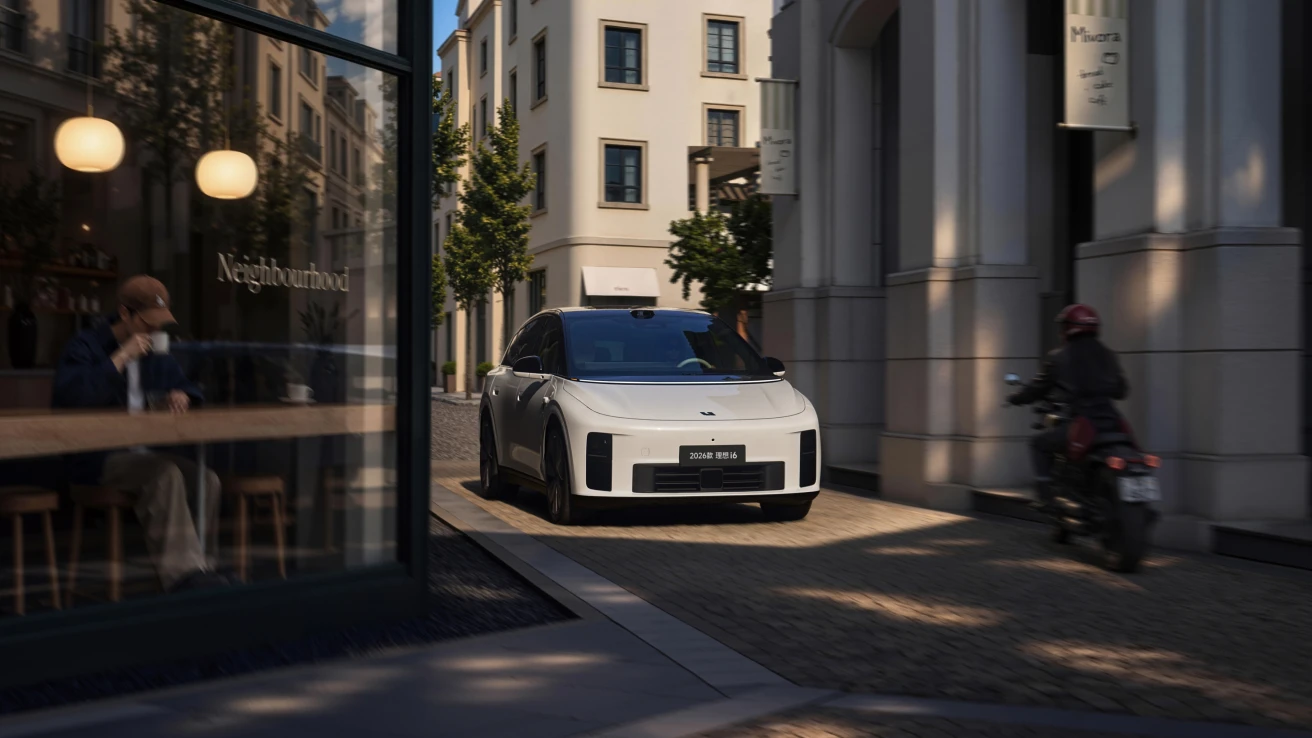
The production ramp-up of the Li Auto i6 coincides with the company's transition to its self-developed Lianshan battery. The new i6 and the entire MEGA lineup are equipped with the Lianshan battery, and launch orders are significantly higher than those for the previous generation models during the same period.
Ma Donghui also shared the latest sales data for other Li Auto models. In October this year, the new-generation MEGA saw deliveries exceed 3,000 units, and November deliveries are also expected to surpass 3,000 units. Meanwhile, cumulative deliveries of the i9 since its launch have approached 10,000 units.
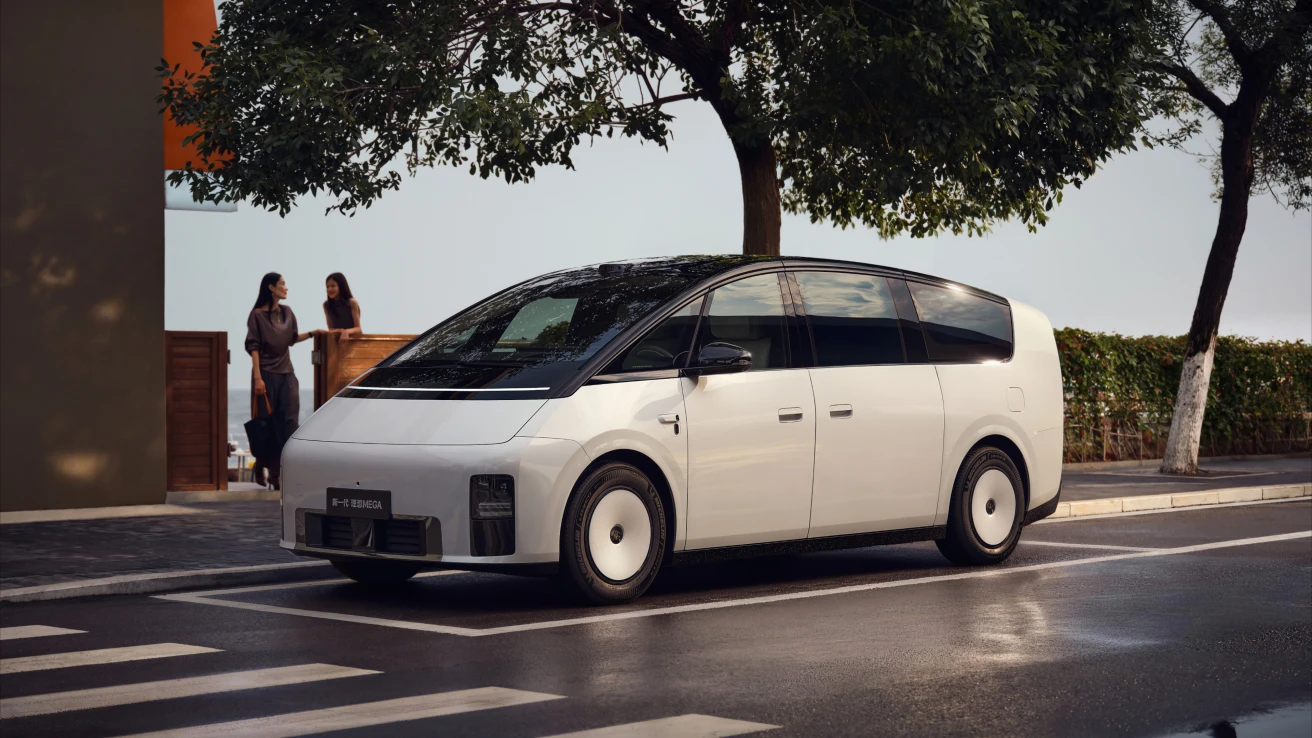
Looking at overseas markets, Ma Donghui expects 2027 sales to be approximately double those of 2026. In September this year, Li Auto launched the all-new L9 in Dubai and brought the i6 to the Paris Motor Show in October. According to the plan, the right-hand-drive MEGA will make its debut at the Thailand International Motor Expo on December 1, and will go on sale with store operations commencing in Hong Kong on December 9. In the first quarter of next year, the European version of the i6 will begin deliveries in the Netherlands and Norway.
In 2026, embodied intelligence is also a cutting-edge area of focus for technology companies. Ma Donghui stated that Li Auto will first deploy wheeled robots in its own vehicle and component factories, using actual production cycles to verify their operational capabilities and reliability in repetitive, high-intensity workstations, with plans to deploy hundreds of units by 2027. Bipedal humanoid robots remain a medium- to long-term preliminary research project; at this stage, Li Auto's R&D investment prioritizes support for complete vehicles, driver assistance, chips, batteries, and electric drive systems.
Amid intense competition in the automotive industry, coupled with a large-scale recall of the MEGA model and the L series no longer serving as the brand's primary sales driver, Li Auto's financial performance over the previous four quarters was less than satisfactory. Today, with pure electric vehicle sales accounting for more than 50% and new vehicle sales no longer constrained by suppliers, Li Auto's financial metrics are gradually improving, putting the company back on track.