


Juwanfenghuangdianchi Unveils New Approach Beyond 800V
On June 6, Juwanjiyan officially released its newly independently developed Juwanfenghuangdianchi battery, featuring XFC technology.
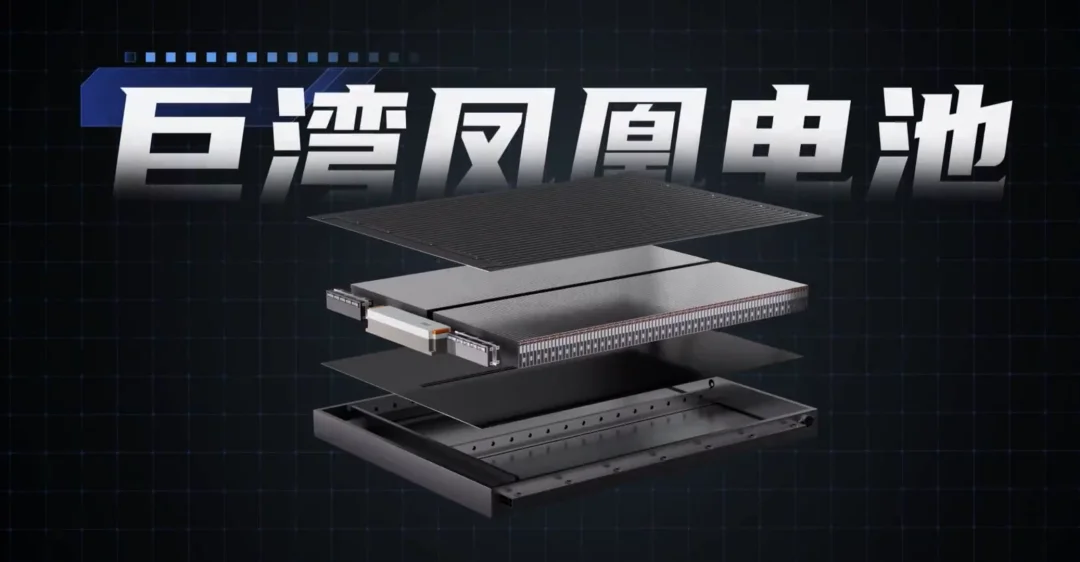
In a press conference lasting just seven minutes, the most striking moment was Juwanjiyan’s slogan: "to make charging offer a refueling-like experience."
This slogan is not new. Both new energy vehicle makers and other power battery companies have previously claimed they would make charging as convenient as refueling. Yet to this day, even NIO, known for its fast-charging capabilities, has not fully achieved this goal.
01How Can 400V Systems Enjoy Ultra-Fast Charging?
Although the electric vehicle industry has developed rapidly, increasing EV ownership and consumer acceptance, "charging" remains the primary factor influencing purchase decisions. Consumers still have strong demands for rapid replenishment, hoping for "5-minute fast charging that is as quick and convenient as refueling."
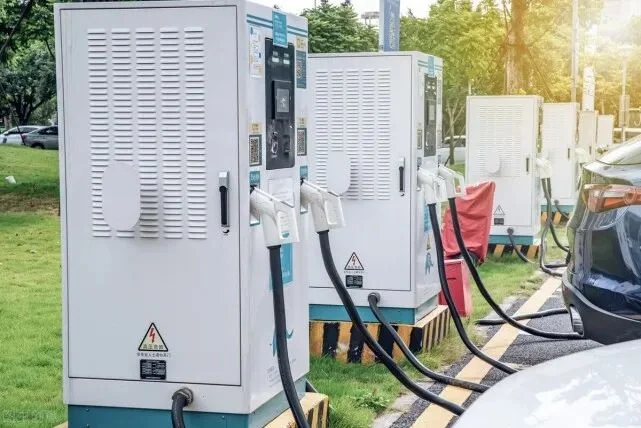
Currently, slow charging and inconvenience—especially during long-distance travel where the reliability of charging infrastructure along the route is hard to guarantee—remain significant issues. When charging power is low, substantial time is required for replenishment. This reduces travel efficiency and may cause drivers to hesitate before their next long trip, wondering whether to drive an EV or a fuel vehicle. From this perspective, developing ultra-fast charging is essential.
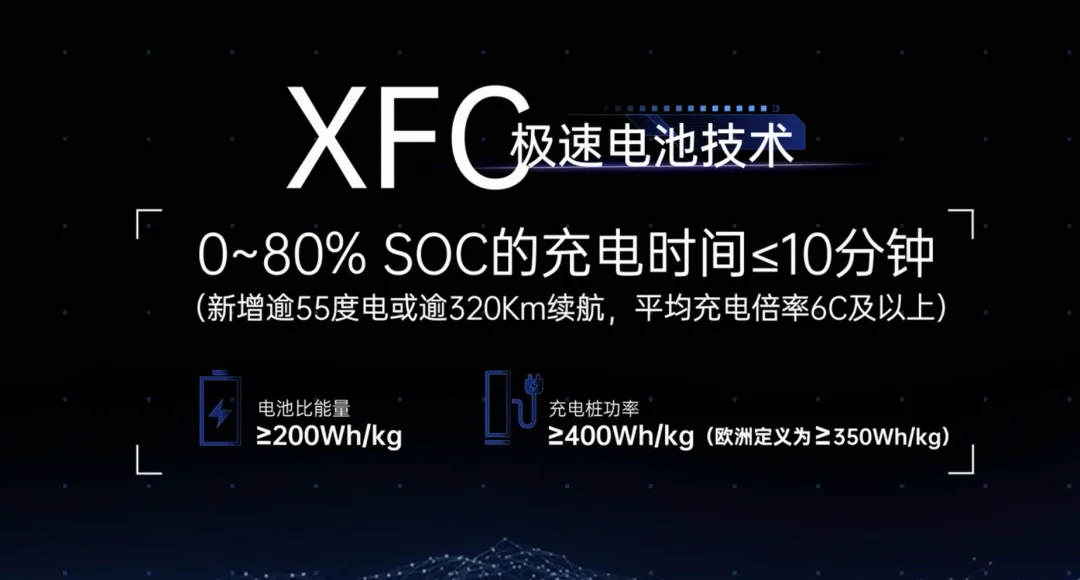
When discussing ultra-fast charging, we must first look at XFC (Extreme Fast Charging) technology. Proposed in the United States, XFC refers to a fast-charging standard capable of replenishing 80% of a battery’s capacity within 10 minutes. Globally, extreme fast charging is considered key to improving energy-refueling efficiency. The 800V high-voltage fast charging currently dominating headlines is seen as the most promising technical path to achieve this goal.
We can see that mainstream pure-electric automakers are now developing 800V products. Well-known brands such as XPENG, Lixiang, and NIO are among them. As the number of models with 800V high-voltage platforms increases, the availability of chargers supporting high-voltage fast charging will inevitably rise. Both automakers and third-party charging service providers are aggressively deploying high-voltage charging infrastructure. Projections indicate that the number of 1000V high-voltage DC charging piles could reach approximately 980,000 between 2023 and 2026.
The benefits of 800V are obvious: high-power high-voltage fast charging is undoubtedly the future trend.
However, the widespread adoption of super-800V charging stations introduces new challenges. One issue is that the vast existing fleet of 400V platform electric vehicles cannot benefit from high-voltage fast charging due to hardware limitations. Imagine visiting an 800V ultra-fast charging station: you watch 800V vehicles charge for just 10 minutes and leave, while your 400V vehicle requires half an hour or more. That experience would be frustrating.
Another factor is the R&D difficulty of 800V systems. Automakers must upgrade or redesign all high-voltage components across the entire vehicle—including the e-drive system, battery, charging system, and thermal management—and perform comprehensive vehicle-level matching. Developing a new platform inevitably raises costs, which are reflected in higher consumer prices. Currently, the lowest-priced pure-electric vehicle on an 800V platform is the XPENG G6, with a pre-sale price of RMB 228,000. Most other models start above RMB 300,000, placing them outside the primary price range for Chinese car buyers.
So, is there a way for these 400V electric vehicles to enjoy the refueling experience offered by 800V high-voltage fast charging without changing their voltage platform?
The newly released Juwanfenghuangdianchi may offer a solution to this problem.
This company may sound unfamiliar, but it is a battery enterprise incubated by Guangqi, focusing on ultra-fast charging technology and next-generation energy storage R&D. Jointly funded by Guangqi and external capital, its previous products have already been installed in the Guangqi AION V Plus. The Phoenix Battery released this time is their latest product.
02Three Major Technological Innovations Address Core Pain Points of EV Fast Charging
High-Low Voltage Switching Technology
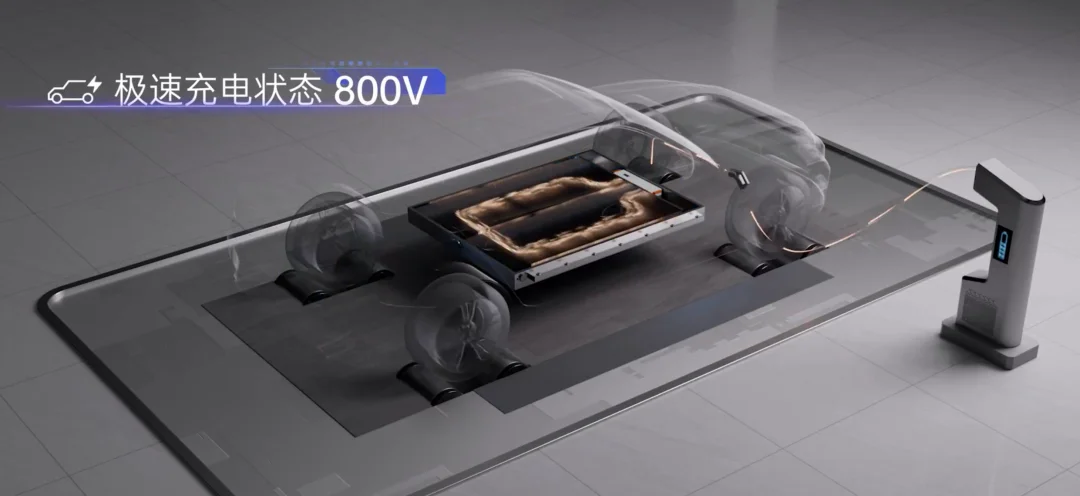
The approach behind the newly released Phoenix Battery is ingenious. Juwanjiyan claims that by optimizing the electrical architecture, precisely controlling its self-developed switch matrix, and dynamically identifying external supercharging networks, the Phoenix Battery can support ultra-fast charging across a full voltage platform ranging from 300 to 1000 volts, without altering the vehicle’s medium-low voltage platform.
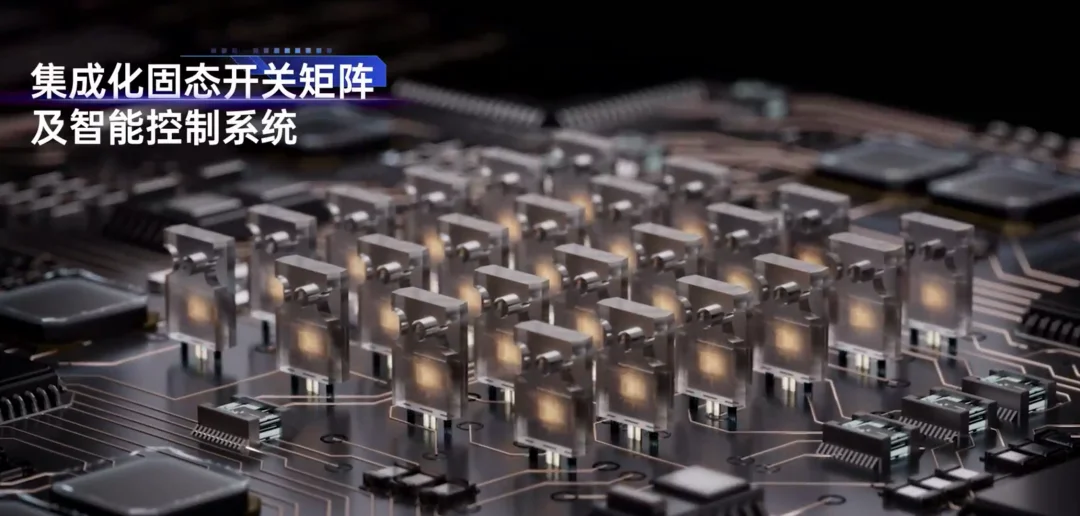
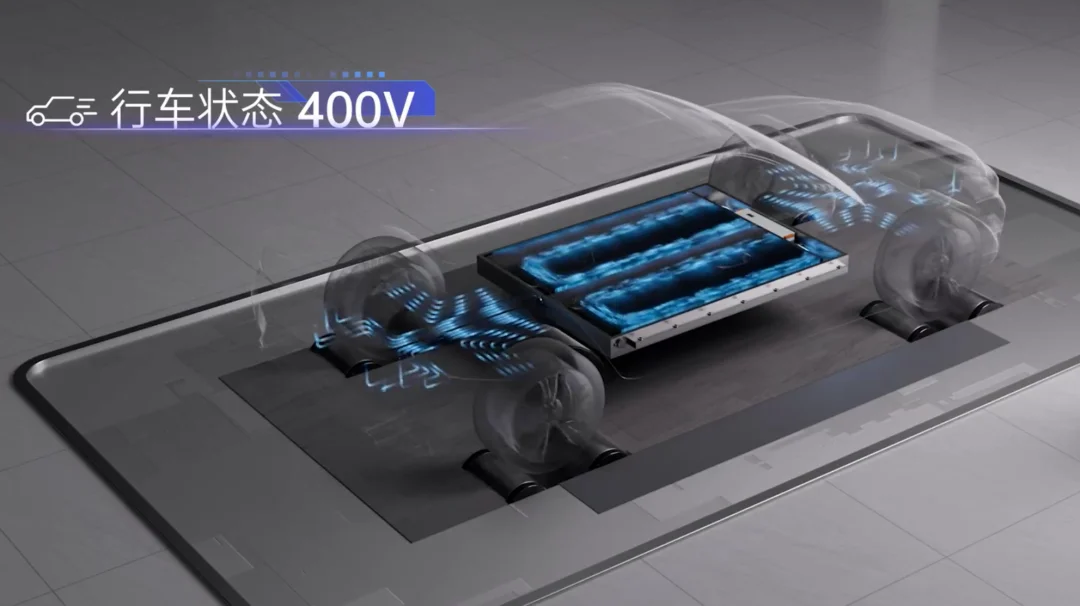
In simpler terms, while the battery charges at 800V, it steps down the output to 400V for the vehicle platform. This means existing 400V platform electric vehicles can enjoy super-fast charging technology without modifying their original medium-low voltage architecture.
Some might argue that 800V charging piles are scarce in the current market, so even if a car supports 800V high-voltage charging, it may not be very meaningful. However, people often overlook one point: if a car supports 800V high-voltage charging, it will charge faster than 400V platform cars even when using non-800V charging piles today, because it allows the charging pile to operate at full power continuously.
For instance, an 800V vehicle can reach a peak charging power of 480kW. When connected to a charger with a maximum output of 100kW, it can maintain that 100kW rate throughout the entire 0–80% state-of-charge range. Thus, the significance of 800V extends beyond future ultra-fast charging infrastructure; even today, it delivers faster charging speeds.
Once you experience 800V charging, returning to slower methods becomes difficult. Stopping briefly to buy a bottle of water can add 200km of range, significantly reducing anxiety about energy replenishment. Although it has not yet reached refueling-like speeds, 800V technology remains highly promising.
For lower-positioned models where price and cost structures cannot support 800V systems, the Phoenix Battery offers a viable alternative. Even if costs are higher, they can be offset by high-volume sales at lower margins. This approach may eventually achieve technological democratization for 800V, allowing everyone to enjoy ultra-fast charging experiences.
More Efficient Thermal Management Technology
While 800V enables faster charging, it imposes stricter demands on battery thermal management. This includes managing self-heating under high-voltage, high-current conditions, as well as regulating battery temperature in response to external environments.
Electric vehicle owners are likely familiar with the noticeable drop in range during winter months, accompanied by higher energy consumption compared to summer. Part of this is due to increased energy use for cabin heating, while another part stems from the impact of cold weather on battery performance.
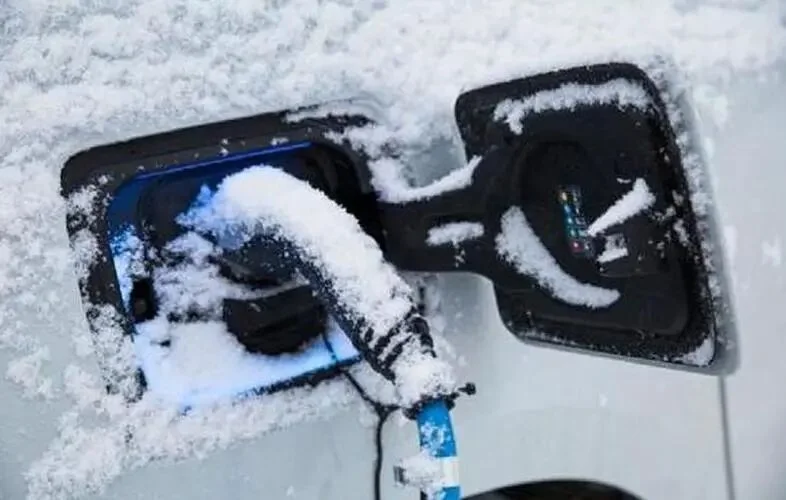
Batteries are highly sensitive to temperature; performance degrades if it is too low or too high. For example, ternary lithium-ion batteries operate optimally at around 25°C. At lower temperatures, capacity drops significantly: below -20°C, available power may fall to less than 60%. This explains why electric vehicles are rare in cold northern regions—battery capacity decays rapidly, and charging speeds slow down.
Most automakers currently control battery temperature using liquid cooling systems.
Common industry liquid cooling solutions include bottom-mounted and vertical configurations. These methods provide only single-sided or double-sided cooling, achieving point-specific temperature reduction while restricting cell layout and lowering the overall energy density of the battery pack. The Juwanfenghuangdianchi (Phoenix Battery) uses proprietary ultra-high thermal conductivity low-dimensional materials to conduct heat across three sides of each cell. This approach improves both heat dissipation and heating efficiency while enabling higher energy density.
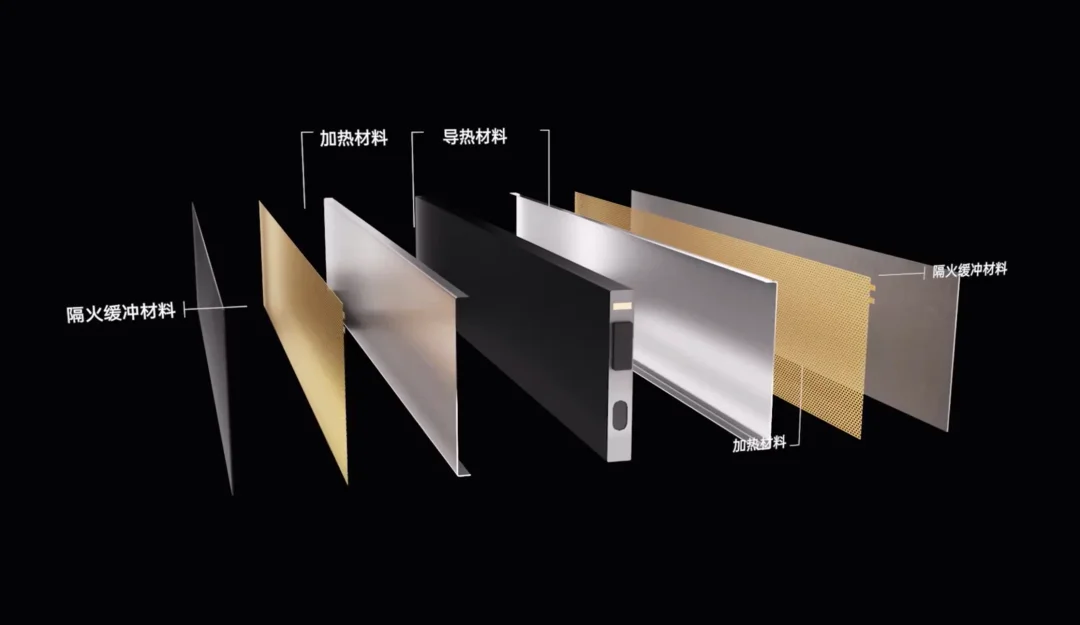
Juwanfenghuangdianchi builds a three-dimensional thermal management system based on its proprietary ultra-high thermal conductivity low-dimensional materials. Through technological innovation, it increases the heat exchange area by 18 times. Its heating technology operates from -20°C to 25°C, enabling a five-minute rapid warm-up.
This temperature control effectively mitigates the impact of ambient conditions on battery performance. Even in cold northern regions, preheating technology ensures consistent performance and charging speed. Vehicles equipped with the Phoenix Battery can use charging preheating: similar to Tesla’s navigation-to-supercharger feature, the system preheats the battery before arrival to maintain charging power unaffected by low temperatures.
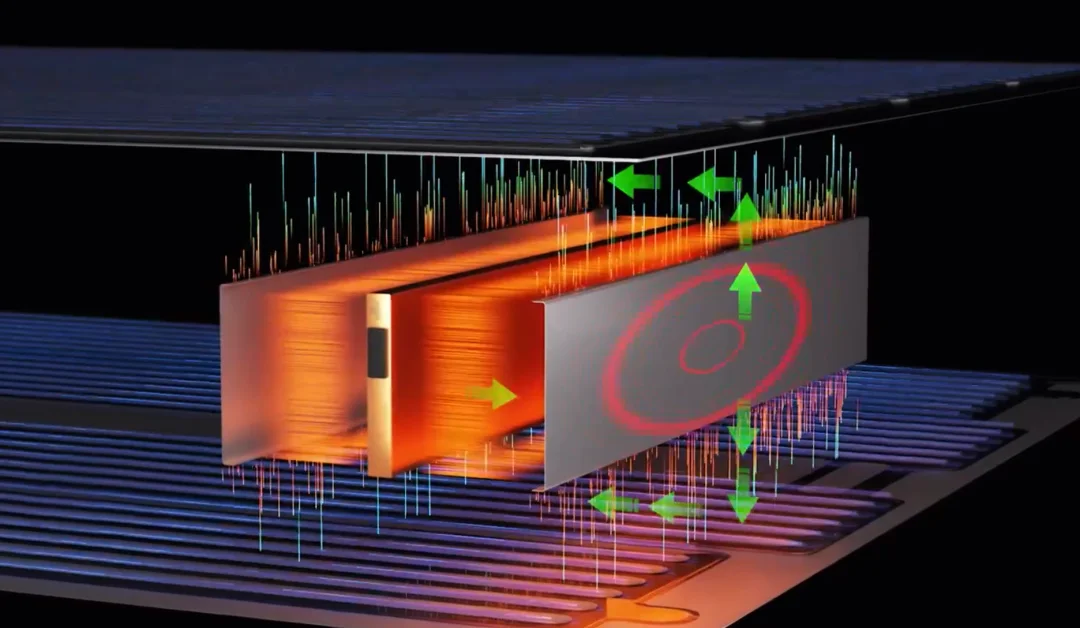
With this technology, super-fast charging is achievable in various environments, significantly improving the user experience for EV owners in winter and northern regions. It also preserves battery capacity, delivering better range performance.
Higher Safety Assurance
Beyond charging speed, safety remains a primary reason why electric vehicles have not yet been fully accepted by the general public. Although some battery manufacturers claim to eliminate thermal runaway risks entirely, spontaneous combustion incidents still occur in reality. Therefore, ensuring battery safety and changing the entrenched perception that EVs are dangerous is a significant challenge.
The Phoenix Battery employs a magazine-style structural design to protect individual cells through structural innovation. This approach significantly enhances overall battery safety performance, including resistance to impact and penetration.
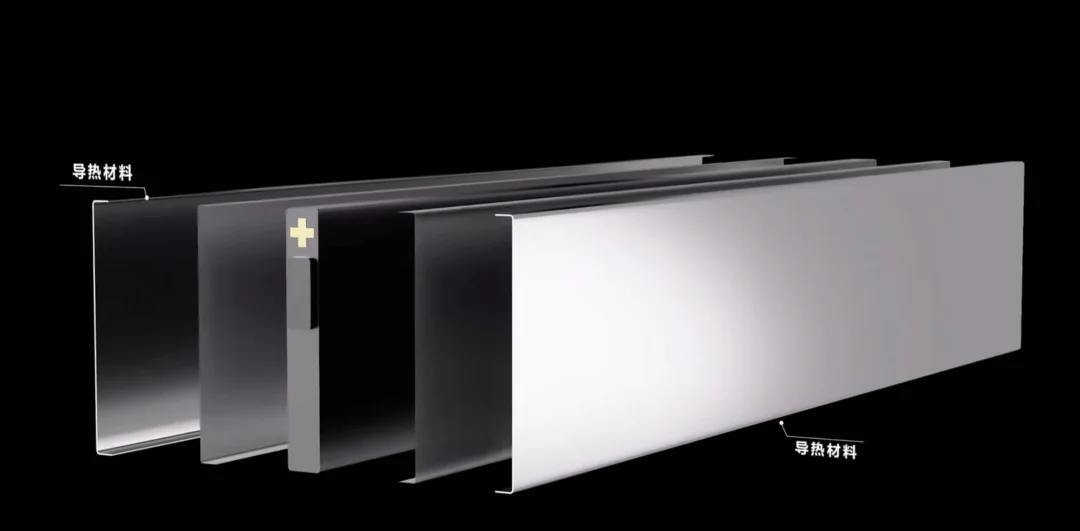
In conventional cell layouts, apart from structural adhesive, there is no physical isolation between cells. If one cell experiences thermal runaway, the heat can easily spread to adjacent cells, further exacerbating the risk of fire. This explains why many EV fires result in violent, rapid combustion.
Phoenix Battery claims that its magazine design contains thermal runaway within individual "compartments," preventing it from spreading. Combined with rapid cooling technology to effectively dissipate heat, this prevents widespread thermal runaway.
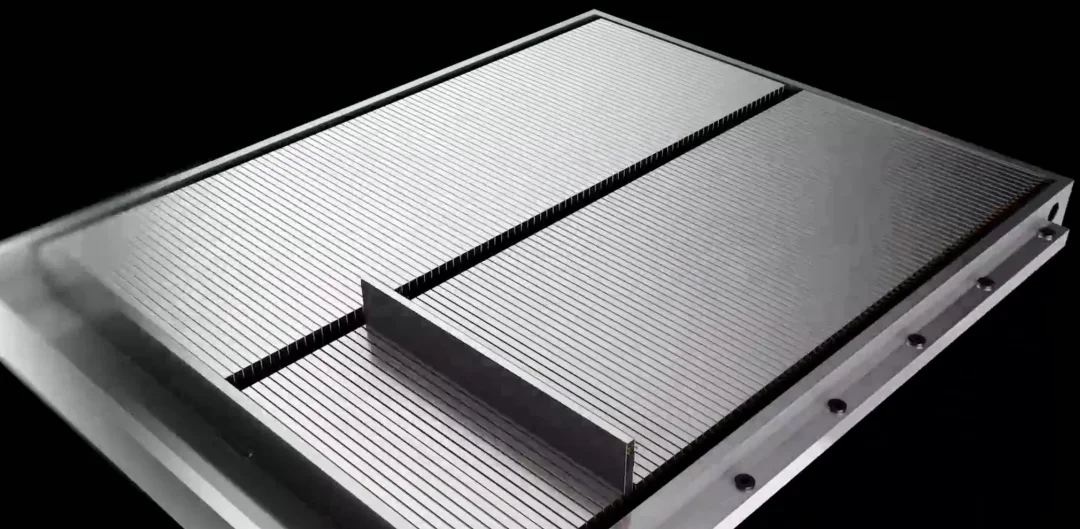
At the launch event, Phoenix Battery stated that its battery system achieved 48 hours without ignition during thermal runaway tests, far exceeding national and industry standards. Through structural optimization and the use of a C2P (Cell-to-Pack) solution to improve pack integration, the system integration rate reaches 75%.
03Final Thoughts
Although the Juwanjiyan Phoenix Battery launch event lasted only seven minutes, it offered many new problem-solving approaches for China's electric vehicles. The XFC ultra-fast charging cells, the full-voltage platform solution, and safety protections all demonstrate significant innovation. These technical capabilities give the Phoenix Battery a very broad application prospect. In particular, the full-voltage platform solution allows 400V platforms to enjoy an ultra-fast charging experience equivalent to that of 800V systems at minimal cost, effectively achieving a degree of technological democratization for 800V technology.
It is reported that Juwanfenghuangdianchi will achieve mass production at the energy storage device and system production base of Juwanjiyan (Nansha) next year, with prospects of being installed in vehicles by the end of next year. At that time, we will be able to see the performance of Phoenix Battery in practical applications.
Written by: Wen Tao Edited by: Daji